
Introduction
Choosing between USB-C vs Lightning vs Thunderbolt can be confusing because these three cable technologies often share similar connector appearances but serve very different purposes.
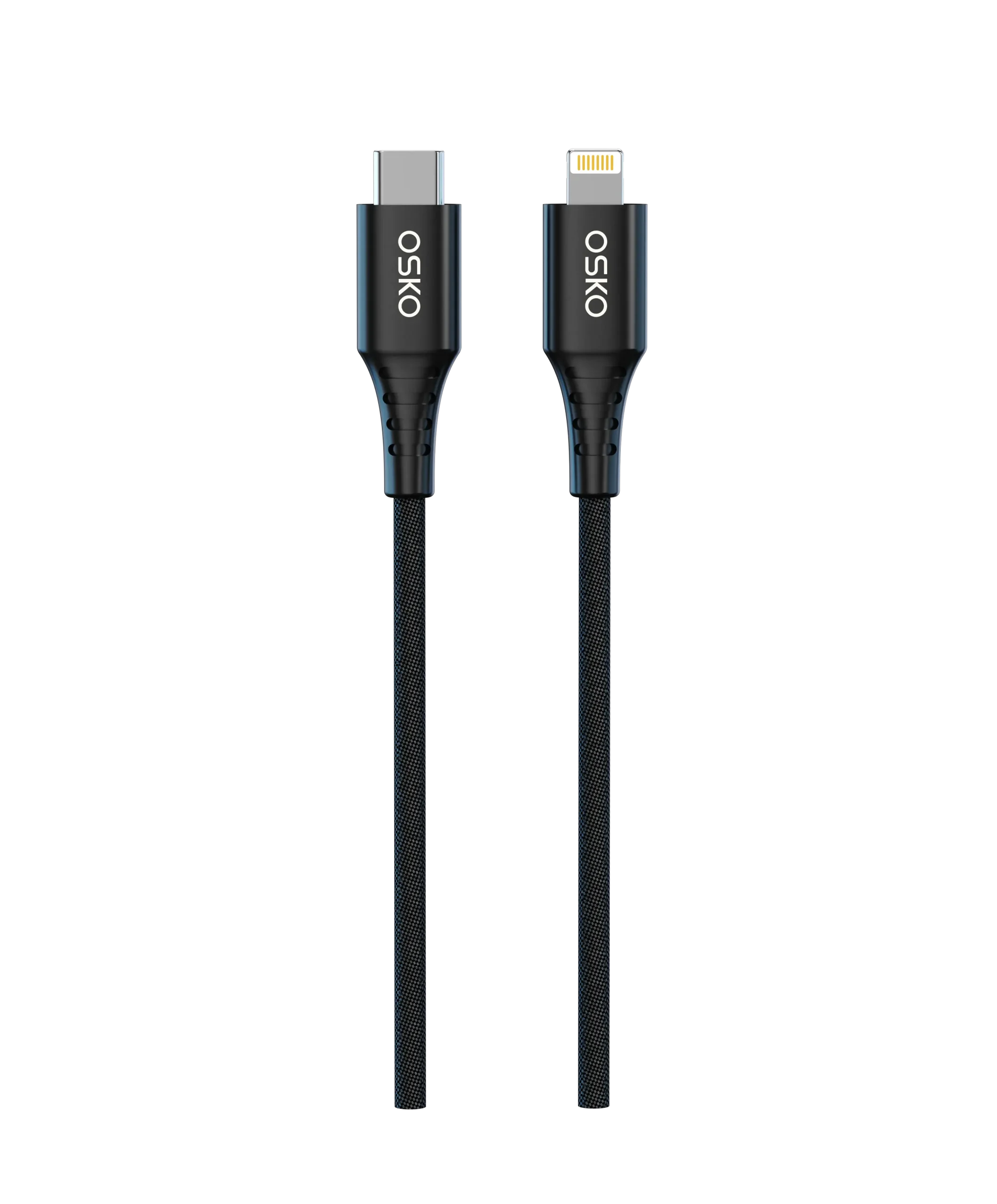
Many users assume that every USB-C cable supports the same charging speed or data performance. However, USB-C is only a connector standard, while Thunderbolt is a high-performance data transmission technology built on the USB-C connector. Lightning, on the other hand, is Apple’s proprietary connector system designed specifically for older iPhone and iPad devices.
For consumers, businesses, and procurement buyers, understanding these differences helps avoid compatibility problems, charging limitations, and unnecessary costs.
For OEM and wholesale buyers in North American and European markets, selecting the correct cable technology also affects product positioning, inventory planning, and long-term market competitiveness.

Material Science & Electrical Performance
Connector Design Differences
Although USB-C and Thunderbolt share the same physical connector shape, their internal technology is different.
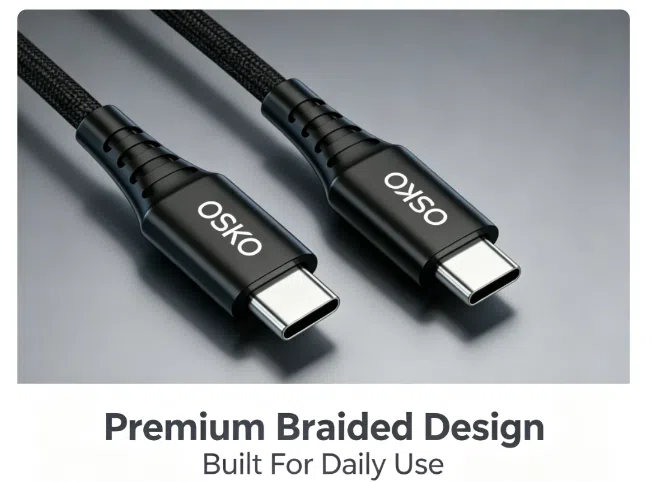
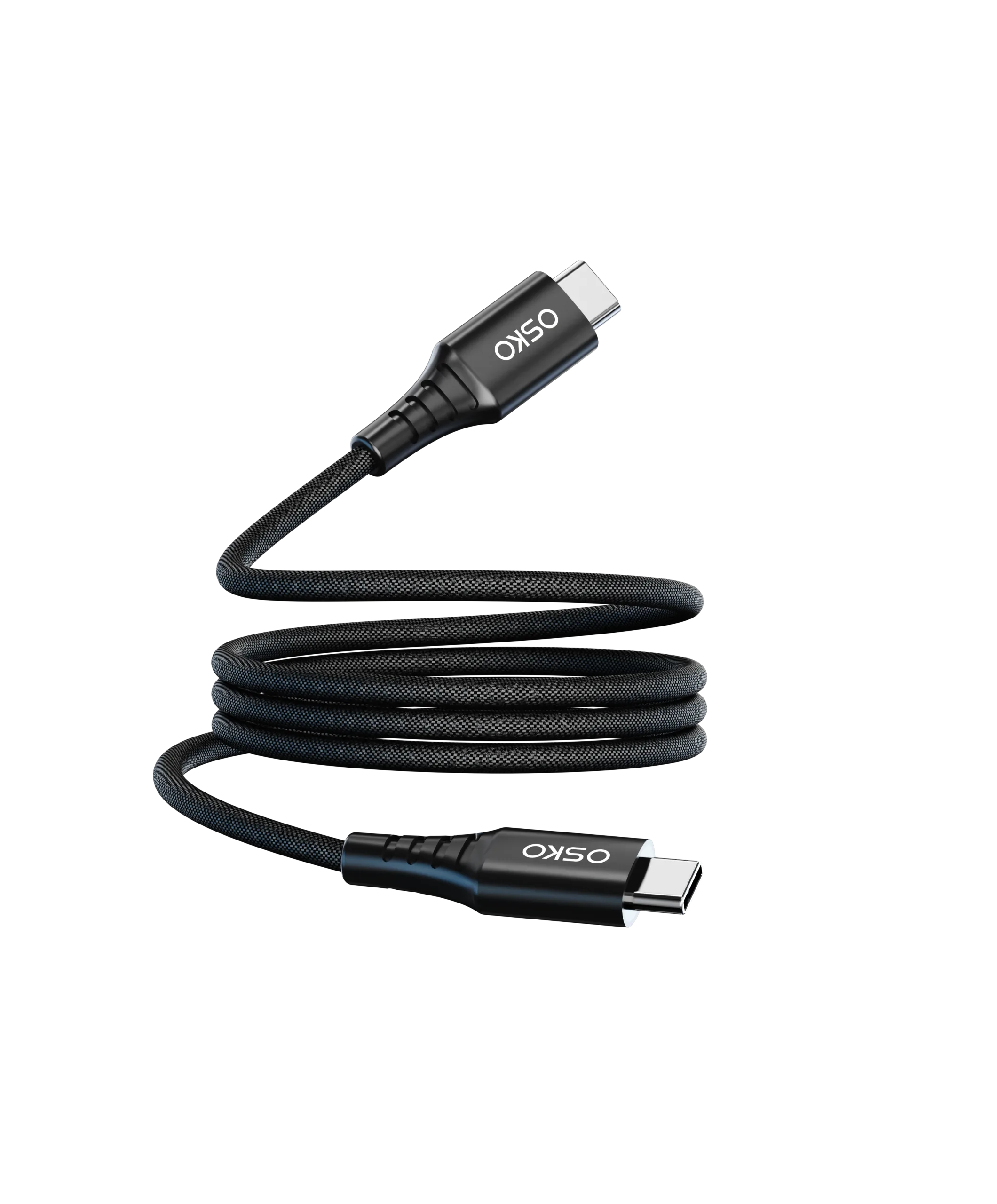
USB-C
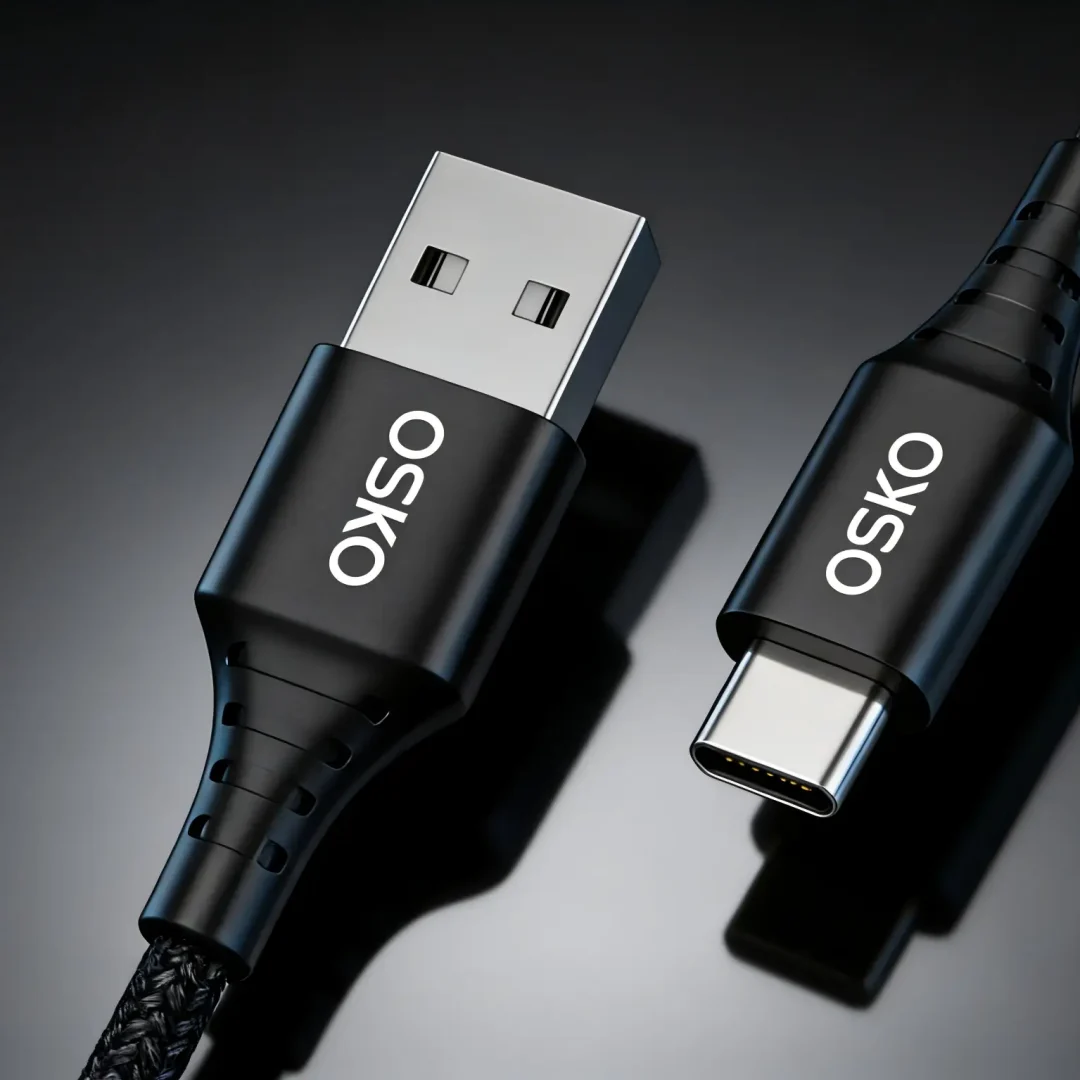
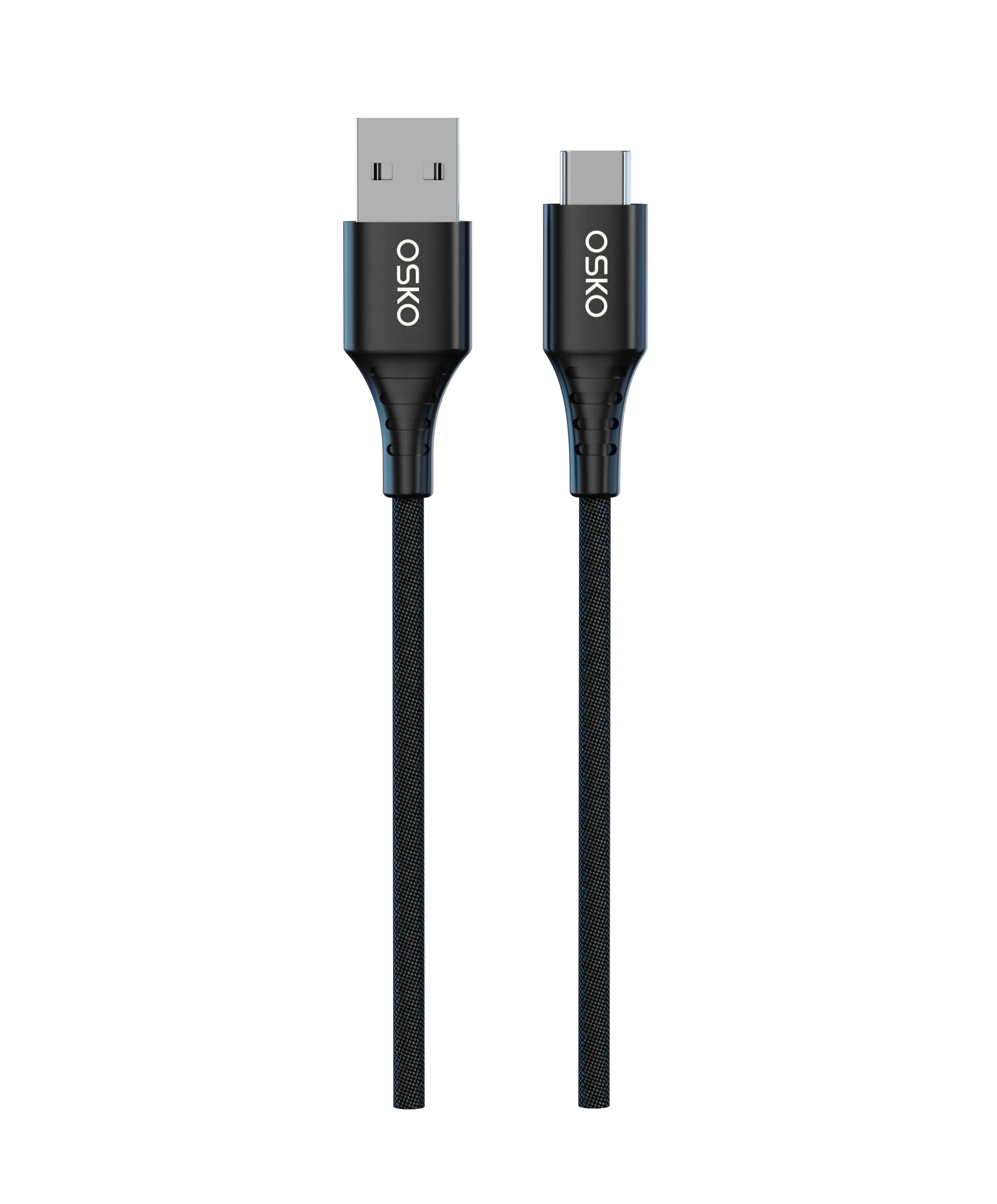
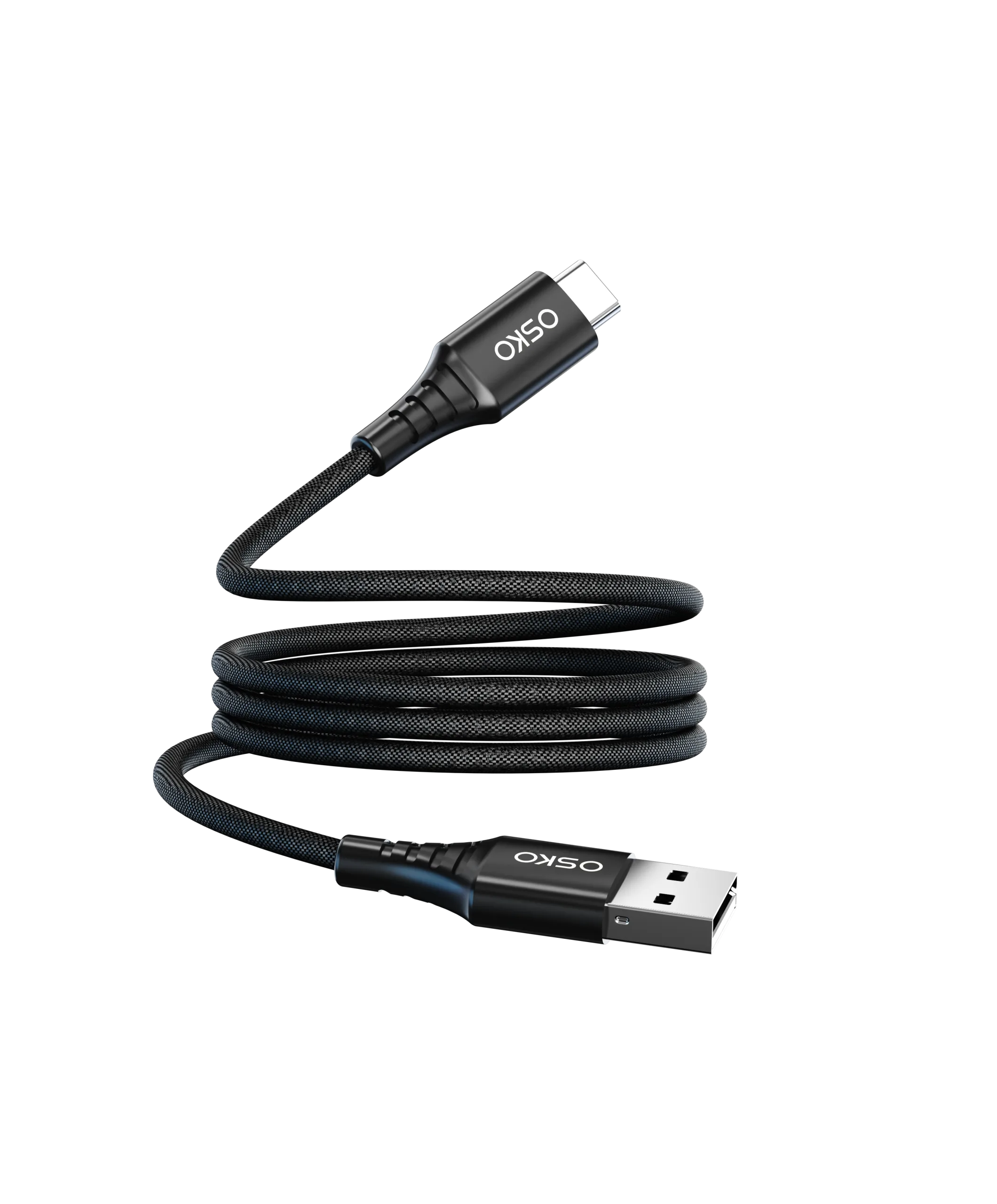
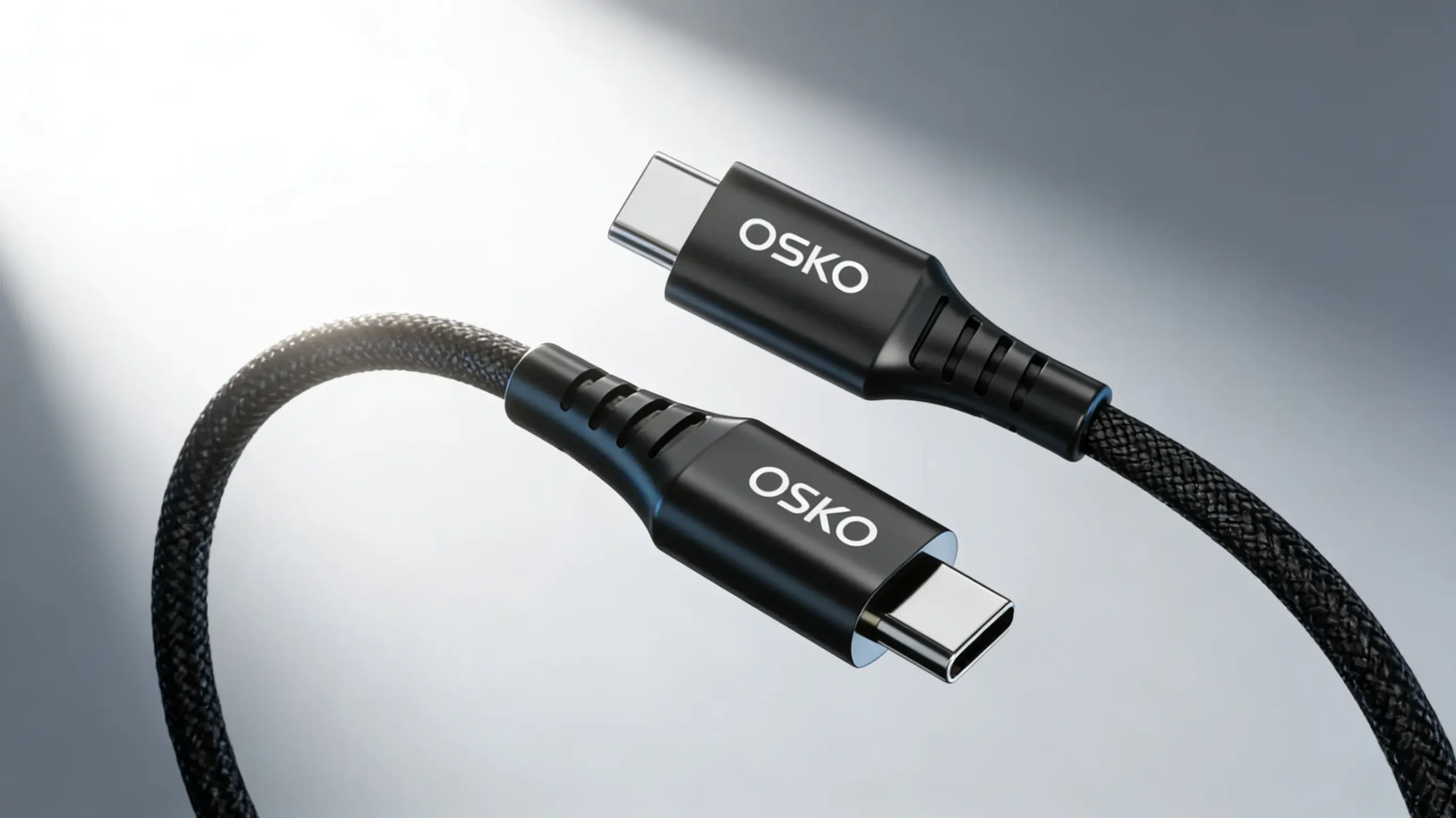
USB-C refers mainly to the connector design.
It supports:
USB 2.0 data transmission
USB 3.x high-speed data
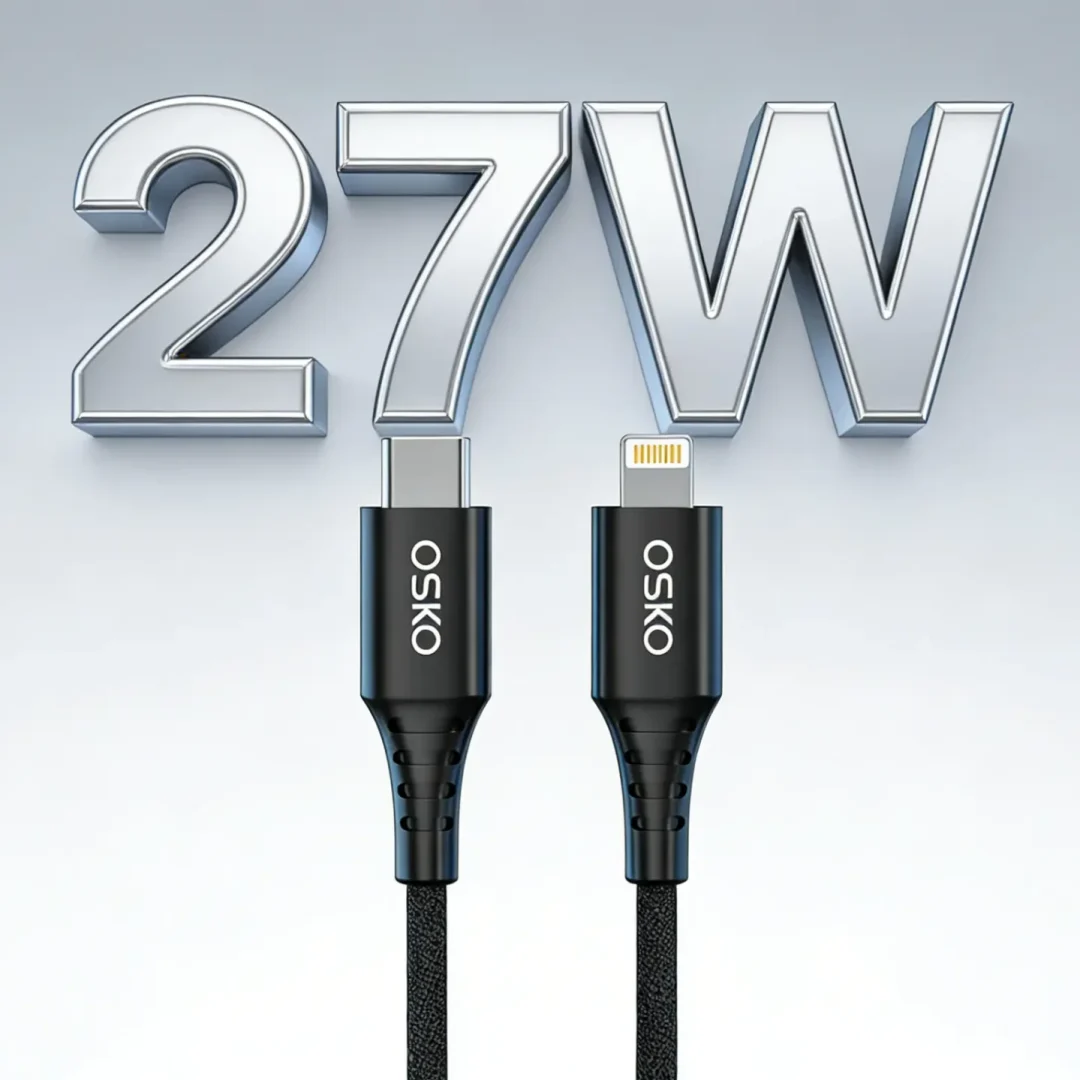
USB Power Delivery (PD)
Video output through compatible protocols
USB-C cables can have very different performance levels depending on internal structure.
A basic USB-C cable may only support charging, while an advanced cable can support:
240W power delivery
High-speed data transmission
External displays
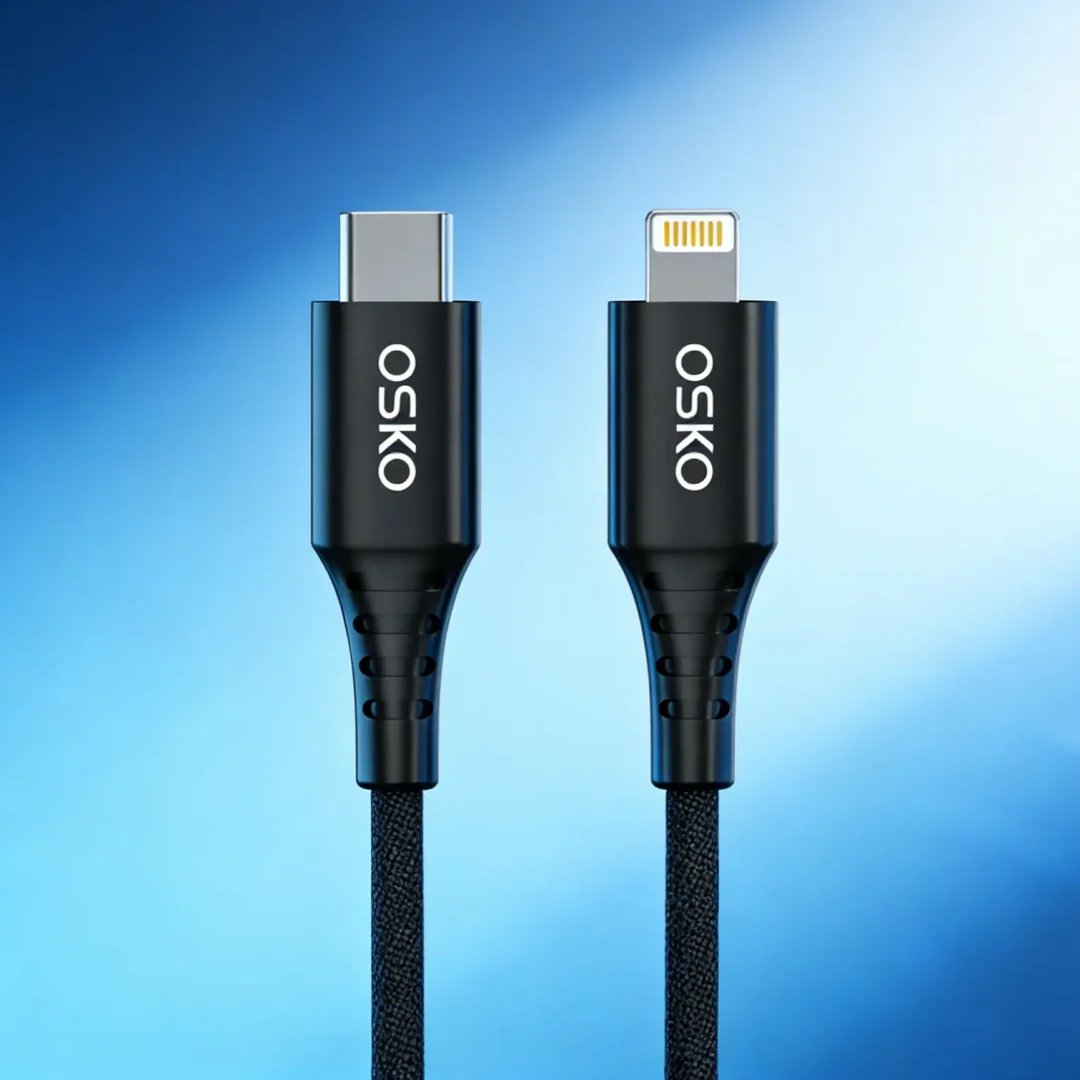
Lightning
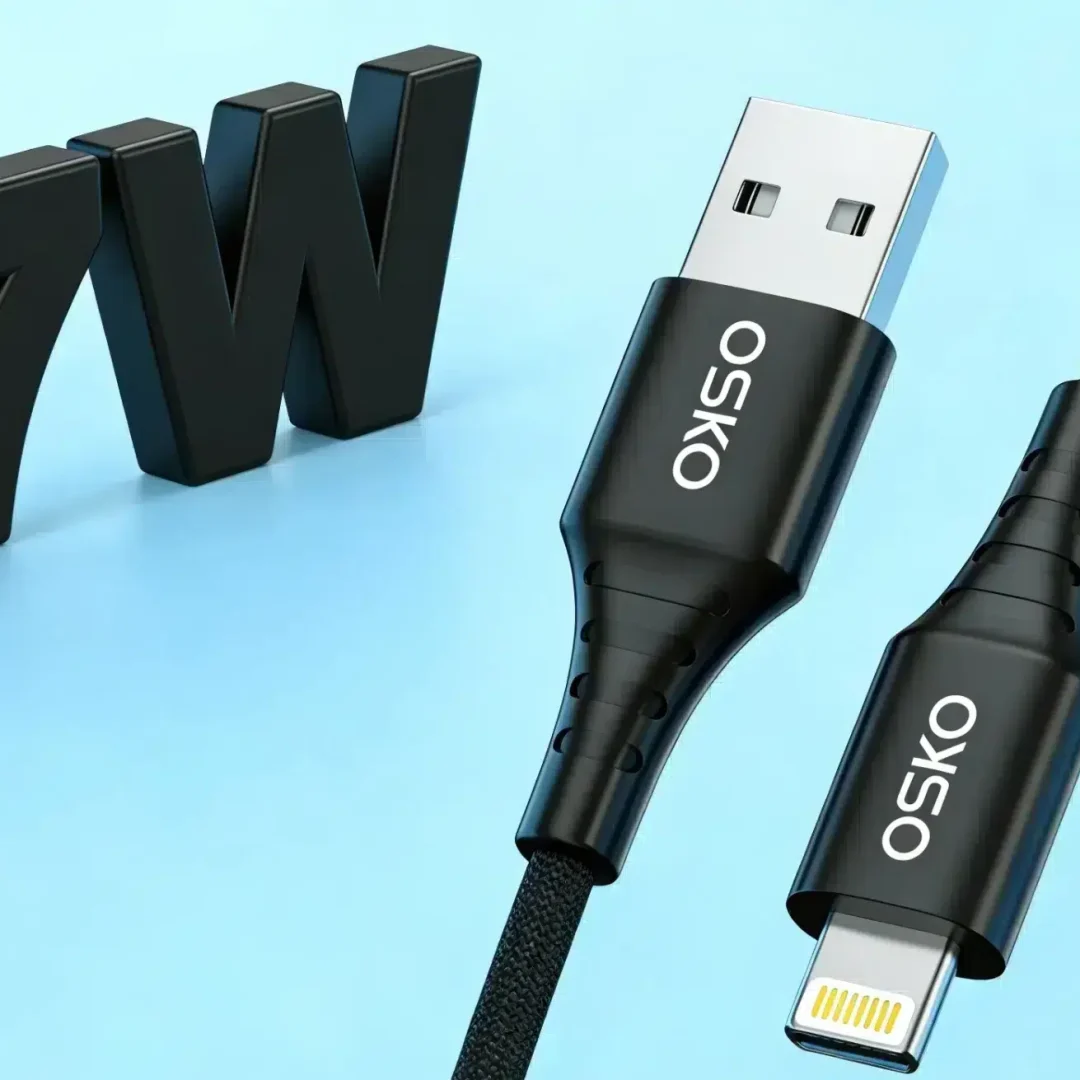
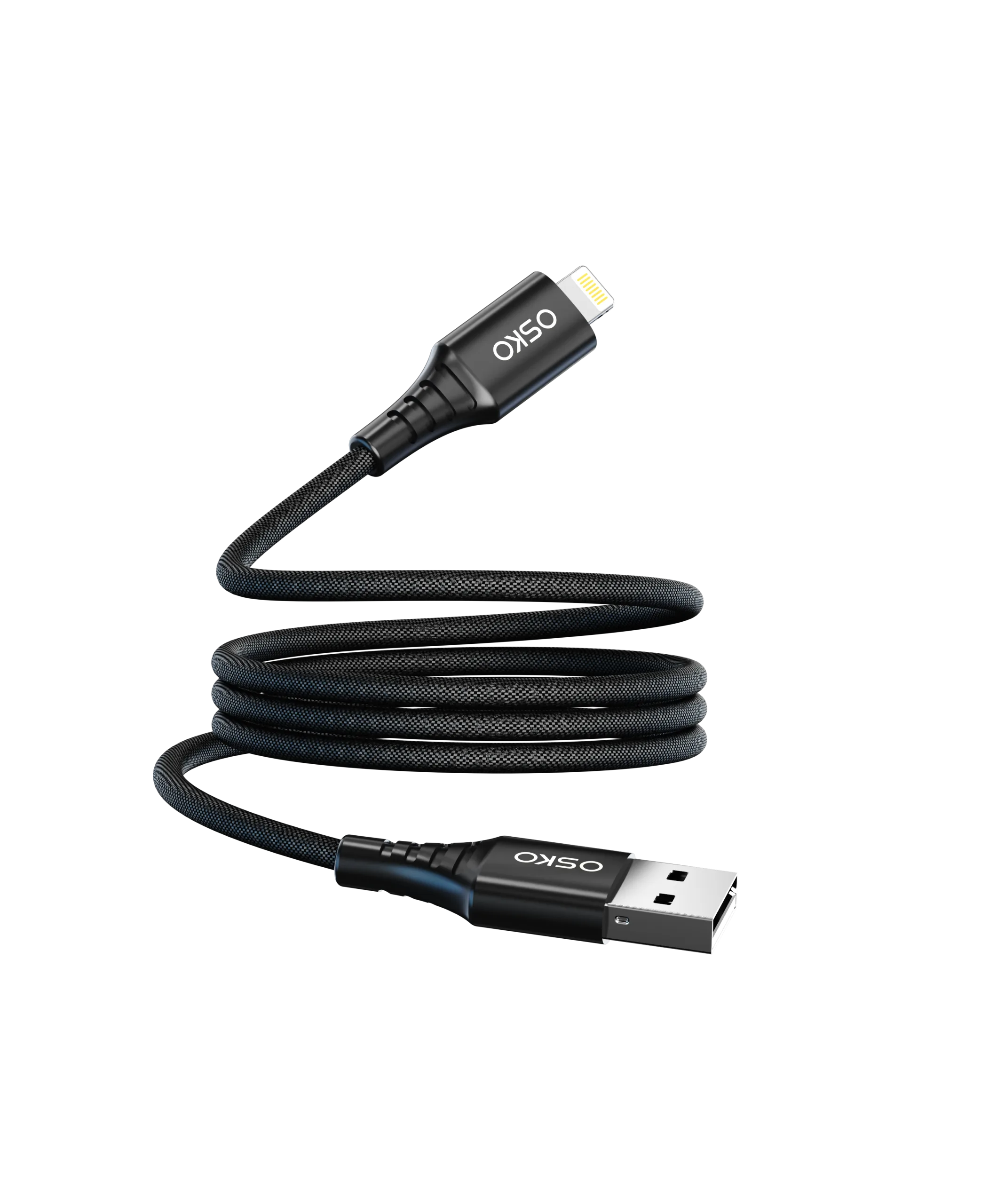
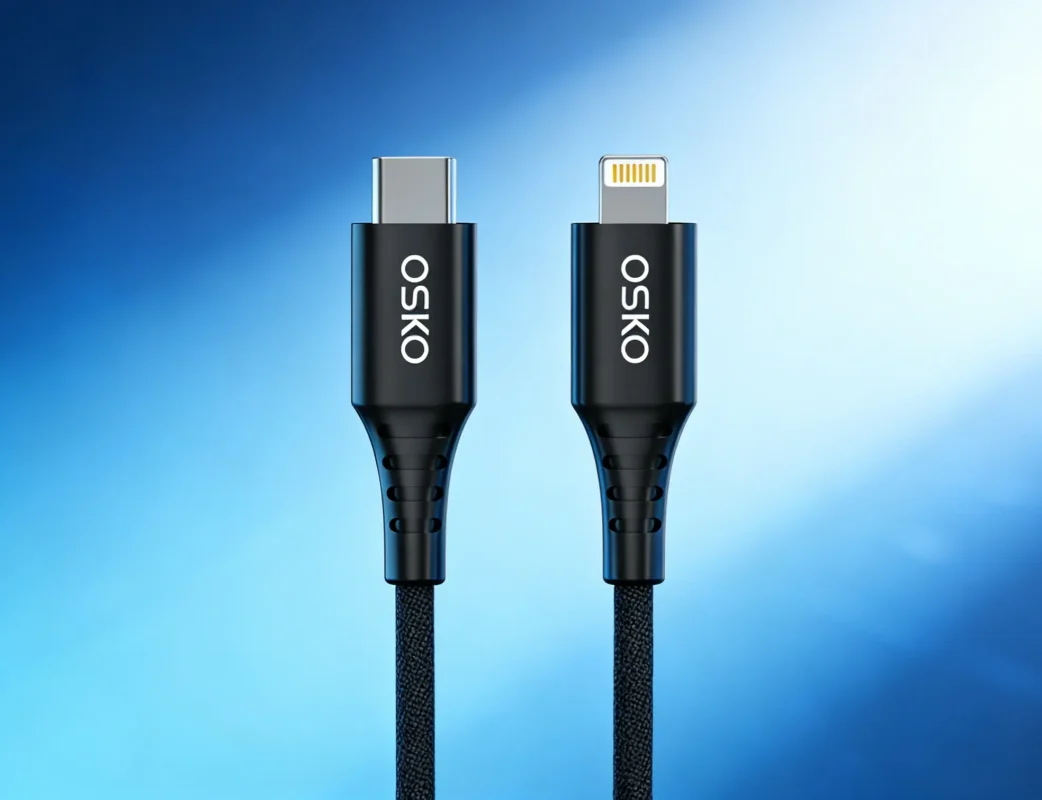
Lightning is Apple’s proprietary connector introduced in 2012.
Its characteristics include:
Compact reversible connector
Designed specifically for Apple devices
Integrated authentication chip requirements
Limited bandwidth compared with modern standards
Lightning cables are commonly used for:
Older iPhone models
Older iPads
AirPods charging cases
Apple accessories
Thunderbolt
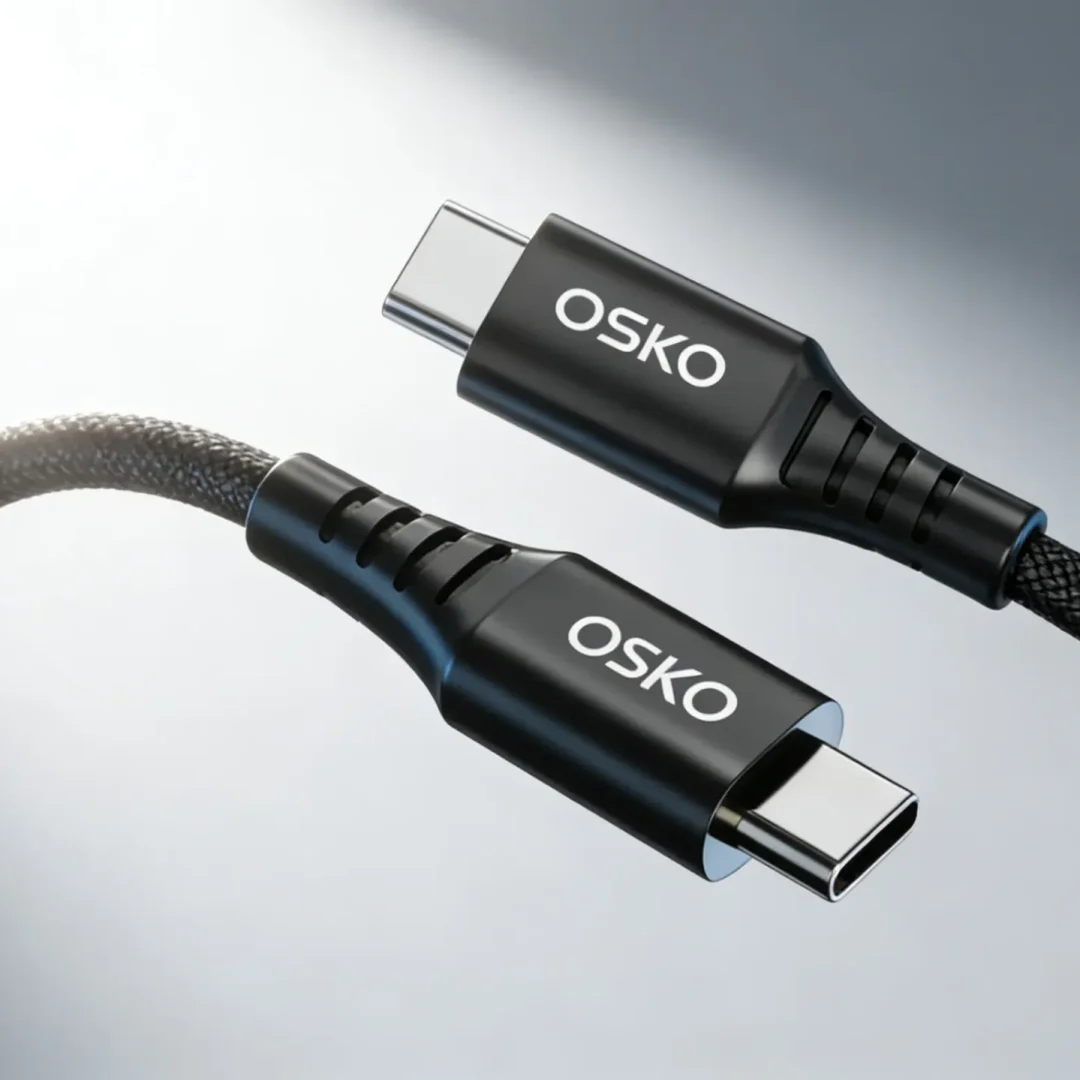
Thunderbolt uses the USB-C connector but provides significantly higher performance.
Thunderbolt supports:
Extremely high data transfer speeds
External display connection
Professional workstation applications
High-performance storage devices
Thunderbolt cables require stricter manufacturing standards compared with standard USB-C cables.
USB-C vs Lightning vs Thunderbolt Performance Comparison
| Feature | USB-C | Lightning | Thunderbolt |
|---|---|---|---|
| Connector Type | USB-C | Apple proprietary | USB-C connector |
| Main Application | Charging + Data | Apple accessories | Professional data |
| Charging Support | Up to 240W PD | Limited fast charging | Up to high-power USB-C PD |
| Data Speed | Up to USB4 depending on cable | Mainly USB 2.0 | Up to 40Gbps+ depending on version |
| Device Compatibility | Wide compatibility | Apple devices only | High-end computers and accessories |
| Video Output | Supported on some devices | Limited | Excellent |
| Manufacturing Complexity | Medium | Medium | High |
Power Delivery and Charging Performance
USB-C PD Charging
Modern USB-C cables support USB Power Delivery technology.
Advantages include:
Higher charging power
Intelligent power negotiation
Better thermal management
Compatibility with phones, tablets, and laptops
Examples:
Smartphone charging: 20W–45W
Tablet charging: 30W–60W
Laptop charging: 65W–140W+
High-performance systems: up to 240W
For most modern consumer devices, USB-C has become the preferred charging standard.
Lightning Charging Limitations
Lightning supports fast charging on compatible iPhones, but the overall power capability is more limited.
Main limitations:
Lower maximum charging capacity
Proprietary ecosystem
Limited compatibility with non-Apple products
For users with multiple devices, Lightning requires additional cables and accessories.
Thunderbolt Power Capability
Thunderbolt cables combine high-speed data and charging functions.
Typical applications:
MacBook professional workflows
External SSD storage
Multiple monitor setups
Docking stations
However, Thunderbolt cables are usually more expensive due to advanced internal construction.

Case Study
US Computer Accessories Brand Cable Portfolio Optimization Project
A US-based electronics accessory company was selling multiple cable categories, including Lightning cables, standard USB-C cables, and high-speed data cables.
The company experienced:
Confusing product positioning
High SKU management costs
Customer complaints about incompatible cables
Increased return rates
Customer Requirements
The brand needed:
Clear product segmentation
Stable OEM production
Different cable solutions for consumer and professional users
Compliance with US retail requirements
Engineering Challenges
The main problems included:
Standard USB-C cables being marketed incorrectly as high-speed cables
Lack of internal specification labeling
Inconsistent conductor and shielding structures
Limited testing procedures
OSKO Engineering Solution
OSKO developed differentiated cable structures:
Consumer USB-C Cable Series
Designed for:
Smartphone charging
Android devices
iPhone USB-C devices
Home charging
Features:
High-quality copper conductor
Nylon braided jacket
PD fast charging support
Professional High-Speed Cable Series
Designed for:
Laptop users
External displays
Storage devices
Features:
Enhanced shielding
High-frequency signal control
Advanced transmission testing
Legacy Lightning Cable Series
Designed for:
Existing Apple users
Retail replacement markets
Features:
Reinforced connector design
Stable charging performance
Durable braided structure
Project Results
After restructuring the product line:
Customer selection became clearer
Product returns decreased
Sales channels were easier to manage
Different user groups received suitable solutions
Selection Guide
Which Cable Should You Choose?
The correct choice depends on your device and application.
Choose USB-C When You Need
USB-C is suitable for:
iPhone 15 and newer models
Android smartphones
Tablets
Power banks
Chargers
Laptops
Recommended for:
Daily charging
Travel use
Office charging
Multi-device environments
For businesses, OEM USB-C cable supplier solutions provide the widest market coverage.
Choose Lightning When You Need
Lightning remains suitable for:
Older iPhones
Older iPads
Existing Apple accessories
Recommended for:
Replacement cables
Legacy product support
Specific Apple accessory markets
Choose Thunderbolt When You Need
Thunderbolt is designed for:
MacBook Pro users
Professional video editing
External SSD applications
Multiple display systems
Recommended for:
Creative professionals
Enterprise users
High-performance computing
OEM Procurement Considerations
For wholesalers and brands, cable selection depends on market positioning.
A professional supplier should provide:
OEM USB-C cable manufacturing
ODM cable development
Bulk USB cable production
Retail packaging solutions
Custom cable specifications
Advanced production capabilities include:
Heavy duty braided USB-C cable manufacturer
Durable nylon braided Type C charging cable factory
USB-IF compliant Type C cable manufacturer
ISO9001 certified braided USB cable factory
CE RoHS certified 240W USB C cable
FAQ
Is Thunderbolt the same as USB-C?
No. Thunderbolt uses the USB-C connector but provides higher data performance and additional features.
Can all USB-C cables support Thunderbolt?
No. Thunderbolt requires specially designed cables with certified internal structures
Is USB-C faster than Lightning?
Yes. USB-C generally provides faster charging and higher data transfer capability.
Which cable is best for iPhone?
For newer iPhones, USB-C is the preferred choice. Older models still require Lightning.
Which cable should businesses stock?
For modern markets, USB-C cables provide the broadest compatibility, while Lightning remains important for legacy Apple devices.
Summary
The difference between USB-C vs Lightning vs Thunderbolt is not only about connector shape but about technology capability.
USB-C is the current universal standard for charging and everyday connectivity. Lightning remains a legacy Apple connector with limited expansion capability. Thunderbolt represents a professional-grade solution for high-speed data, displays, and advanced computing applications.
For consumers, selecting the right cable depends on device requirements. For OEM buyers and brands, choosing the correct cable structure, certification level, and manufacturing partner determines product reliability and market success.
As device ecosystems continue moving toward USB-C standardization, high-quality USB-C cable solutions will become increasingly important for global charging and connectivity markets.
Contact Information
OSKO provides professional OEM and ODM cable manufacturing solutions:
USB-C fast charging cables
High-speed data cables
Thunderbolt-compatible cable solutions
Custom length and packaging services
Wholesale and bulk cable supply
OSKO engineering team supports global brands with cable design optimization, compliance testing, and scalable manufacturing solutions.