
Introduction
Many consumers and purchasing teams see terms such as “USB-IF certified,” “USB-C certified,” or “USB compliant cable” when selecting charging accessories. However, many buyers do not fully understand what these certifications actually mean.
A common problem in the market is that two USB-C cables may look identical but perform completely differently.
One cable may support:
Stable fast charging
Reliable data transfer
Safe power delivery
Broad device compatibility
Another cable may experience:
Slow charging
Connection failures
Limited power output
Device recognition problems
The difference often comes from engineering quality, testing standards, and certification compliance.
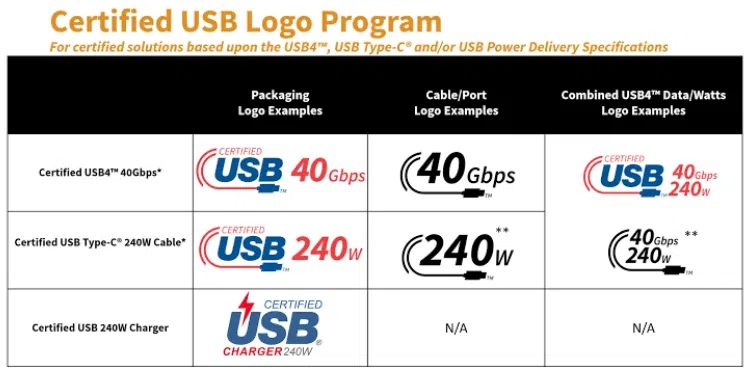
A USB-IF certified cable means the product has been tested according to specifications established by the USB Implementers Forum (USB-IF), an industry organization responsible for developing and maintaining USB standards.
For US consumers, electronics brands, and OEM buyers, USB-IF certification provides confidence that a cable meets defined technical requirements.
For manufacturers, achieving USB-IF compliance requires:
Proper electrical design
Signal integrity testing
Power delivery verification
Manufacturing consistency
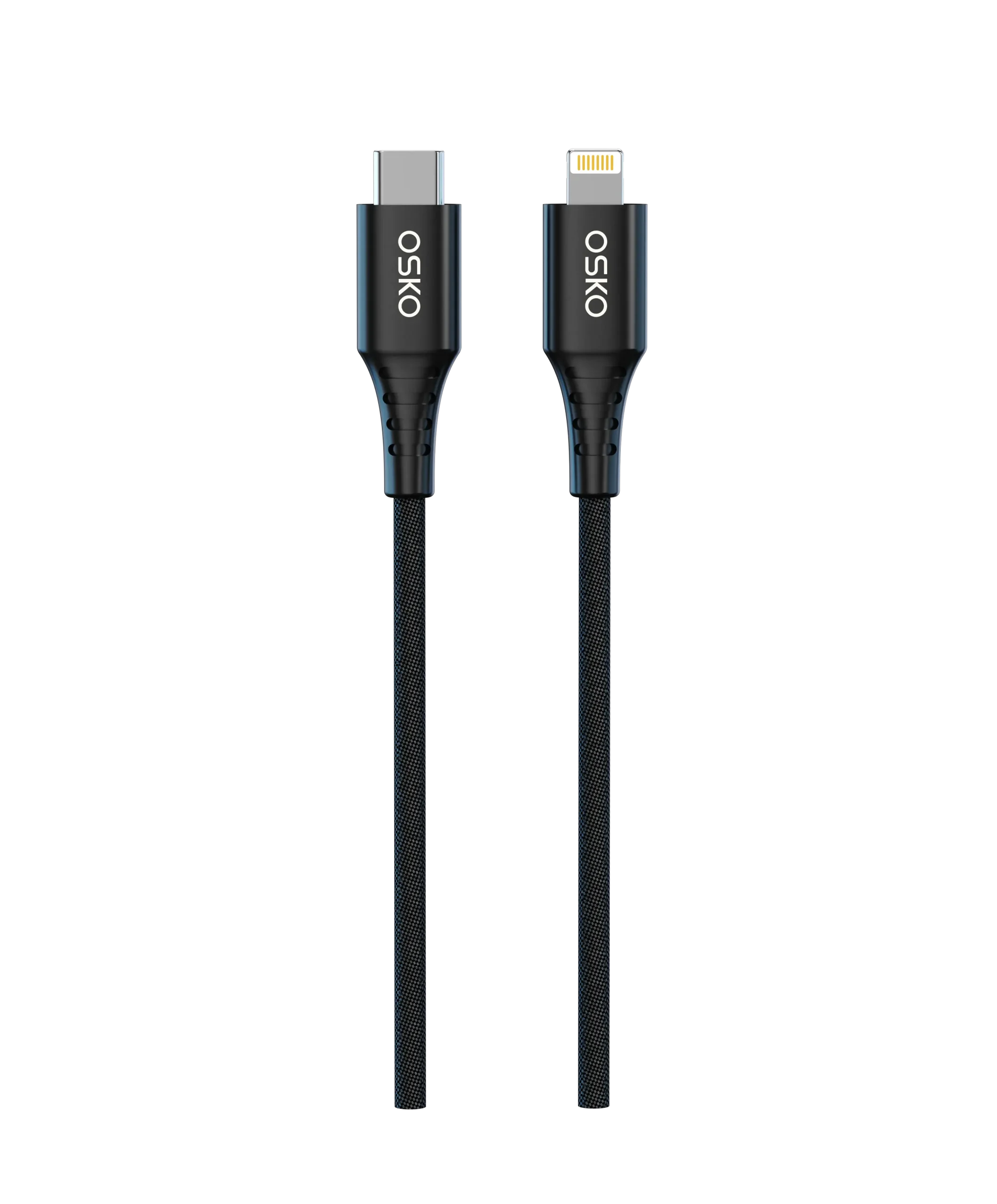
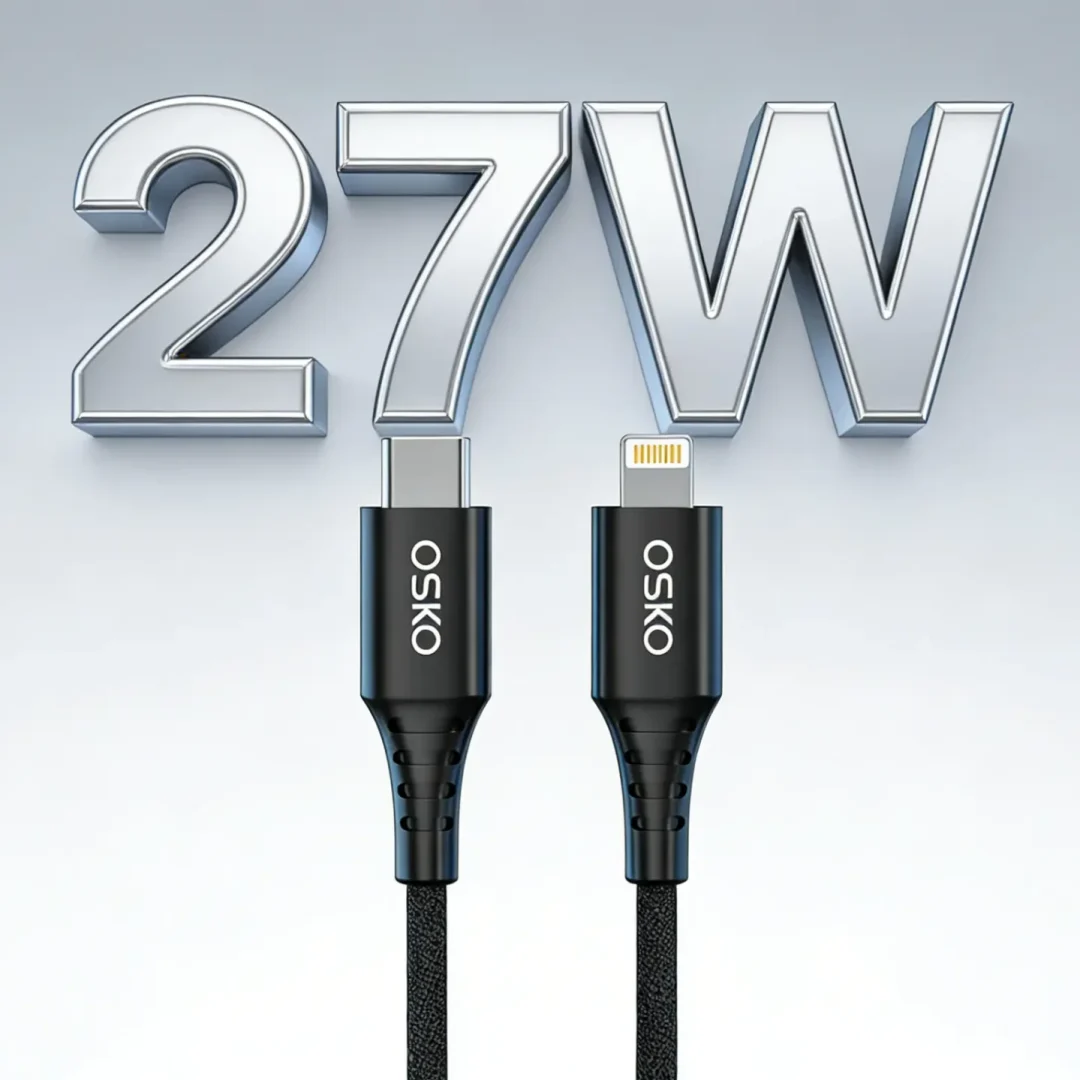
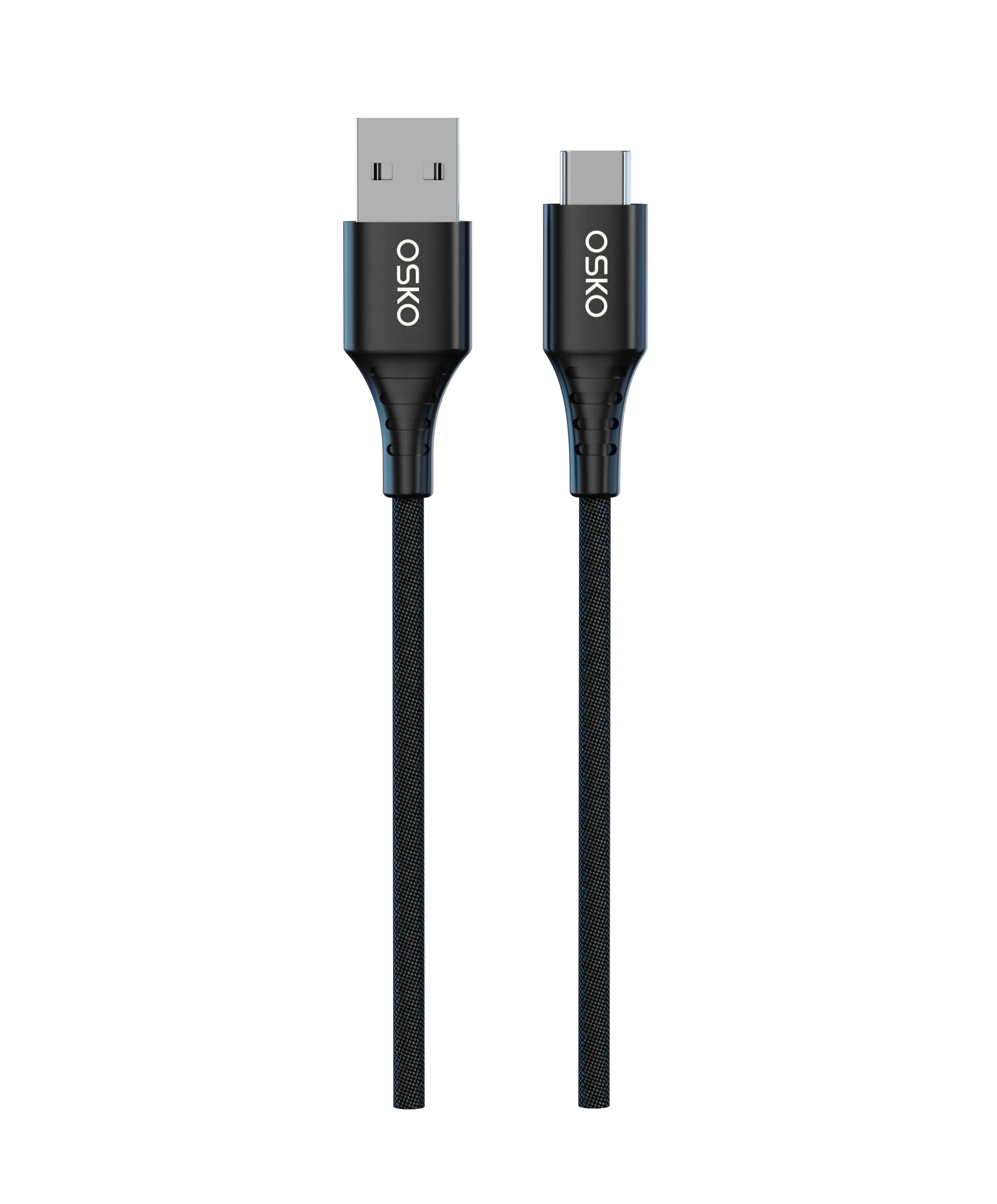
OSKO focuses on engineering-based USB-C cable development, supporting brands that require reliable USB-C charging and data solutions.
Material Science & Electrical Performance
What Is USB-IF?
USB-IF stands for USB Implementers Forum.
It is an industry organization created to support USB technology development and promote compatibility between USB products.
USB-IF works with major technology companies to define standards for:
USB connectors
USB data transmission
USB Power Delivery
USB-C performance requirements
The organization provides testing programs that verify whether products meet USB specifications.
What Does USB-IF Certification Mean for a Cable?
A USB-IF certified cable has passed official compliance testing based on USB standards.
The testing may evaluate:
| Test Category | Purpose |
|---|---|
| Electrical performance | Verify safe power transmission |
| Signal quality | Confirm data reliability |
| Connector performance | Check mechanical compatibility |
| Power delivery | Validate charging capability |
| Identification | Confirm product information |
For example, a USB-C cable claiming high-speed data or fast charging capability should meet corresponding technical requirements.
USB-IF Certified Cable vs Regular USB-C Cable
A major misunderstanding is:
All USB-C cables are not equal.
USB-C only describes the connector shape.
The internal design determines performance.
| Feature | Regular USB-C Cable | USB-IF Certified Cable |
|---|---|---|
| Connector type | USB-C | USB-C |
| Standard verification | Not always tested | Tested according to USB specifications |
| Compatibility | May vary | More reliable |
| Power performance | Depends on design | Verified capability |
| Data performance | May vary | Tested performance |
Why USB-IF Certification Matters for USB-C Charging
Modern devices increasingly rely on USB-C Power Delivery.
Applications include:
Smartphones
Tablets
Laptops
Monitors
Docking stations
Power banks
A poor-quality cable may limit charging performance.
Example:
A laptop charger supports 100W output, but the cable only supports lower power.
Result:
Laptop charges slowly
Charging may stop under heavy workload
Device performance may be affected
A properly designed USB-C PD cable requires:
Correct conductor size
Proper E-marker implementation when required
Stable power transmission
Reliable manufacturing control
USB-IF Certification and High-Speed Data Transfer
USB-C cables can support different data speeds.
| USB Standard | Maximum Speed |
|---|---|
| USB 2.0 | 480 Mbps |
| USB 3.2 Gen 1 | 5 Gbps |
| USB 3.2 Gen 2 | 10 Gbps |
| USB4 | Up to 40 Gbps |
A cable designed for high-speed applications requires:
Controlled impedance
Proper shielding
Signal integrity optimization
Applications include:
External SSDs
Video production equipment
Laptop docking stations
Professional workstations
USB-IF Certification and E-Marker Chips
High-power USB-C cables often include an E-marker chip.
The E-marker provides information about:
Cable power capability
Current rating
Data capability
For example:
A 240W USB-C cable typically requires:
E-marker identification
Higher current support
Improved internal structure
Without proper identification, devices may reduce charging power for safety.
Cable Materials and USB-IF Compliance
Certification focuses on technical performance, but material quality directly influences reliability.
A professional USB-C cable structure includes:
| Material Component | Function |
|---|---|
| Copper conductor | Power and data transmission |
| HDPE insulation | Electrical protection |
| Shielding layer | Signal protection |
| Nylon braid | Mechanical durability |
| Reinforced connector | Long-term reliability |
Why Braided USB-C Cables Are Popular for Certified Products
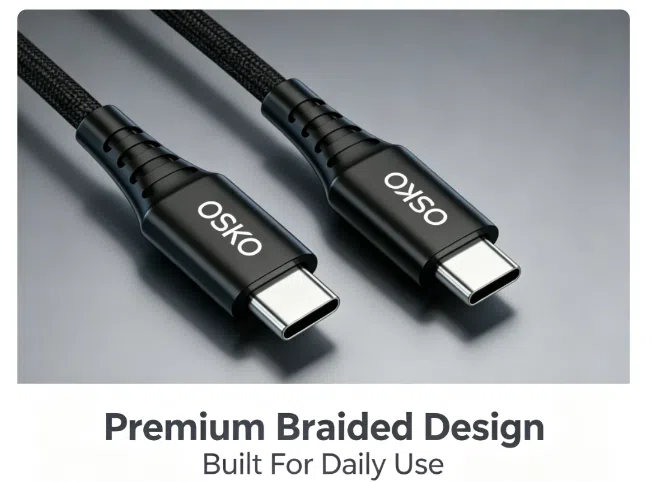
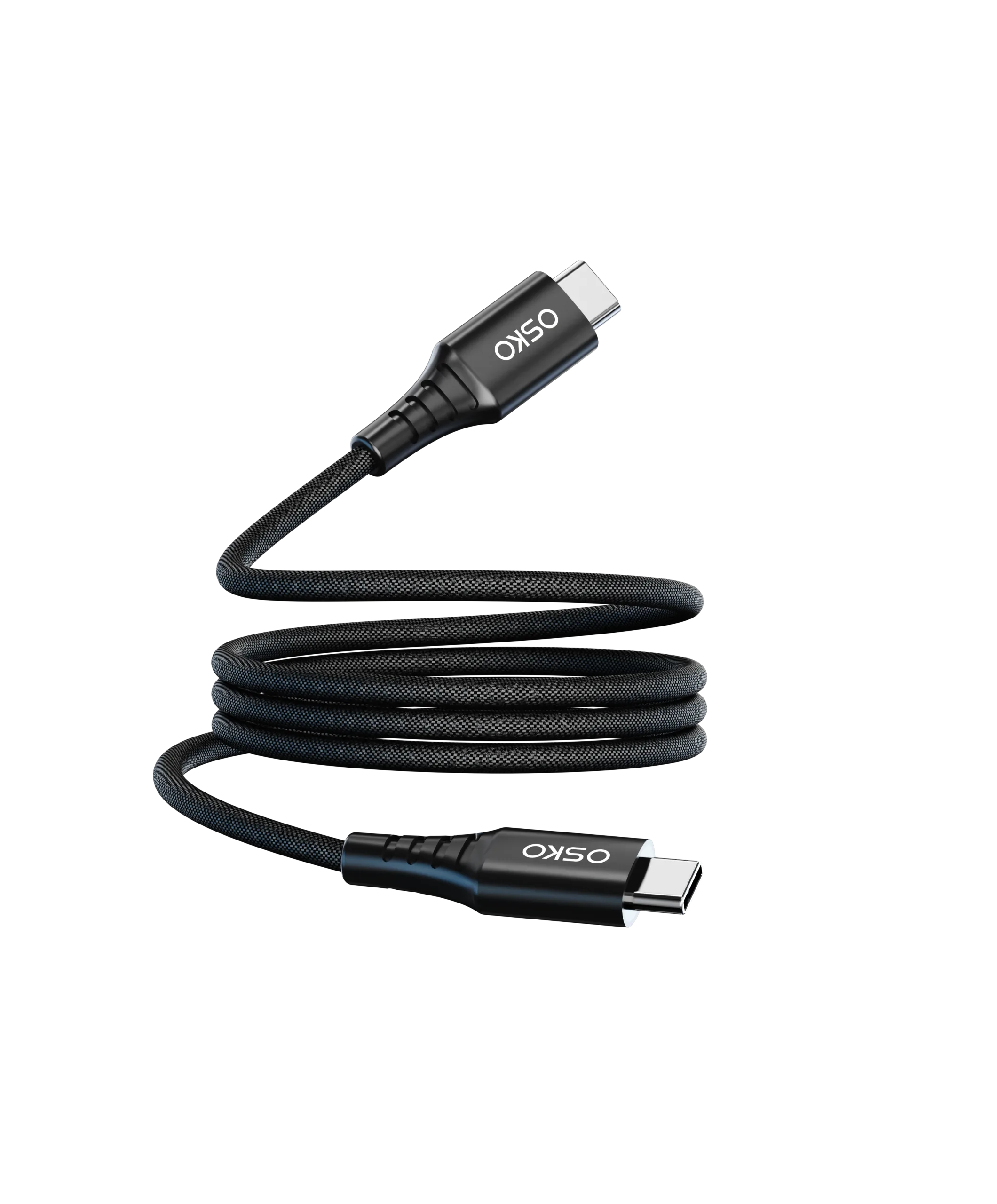
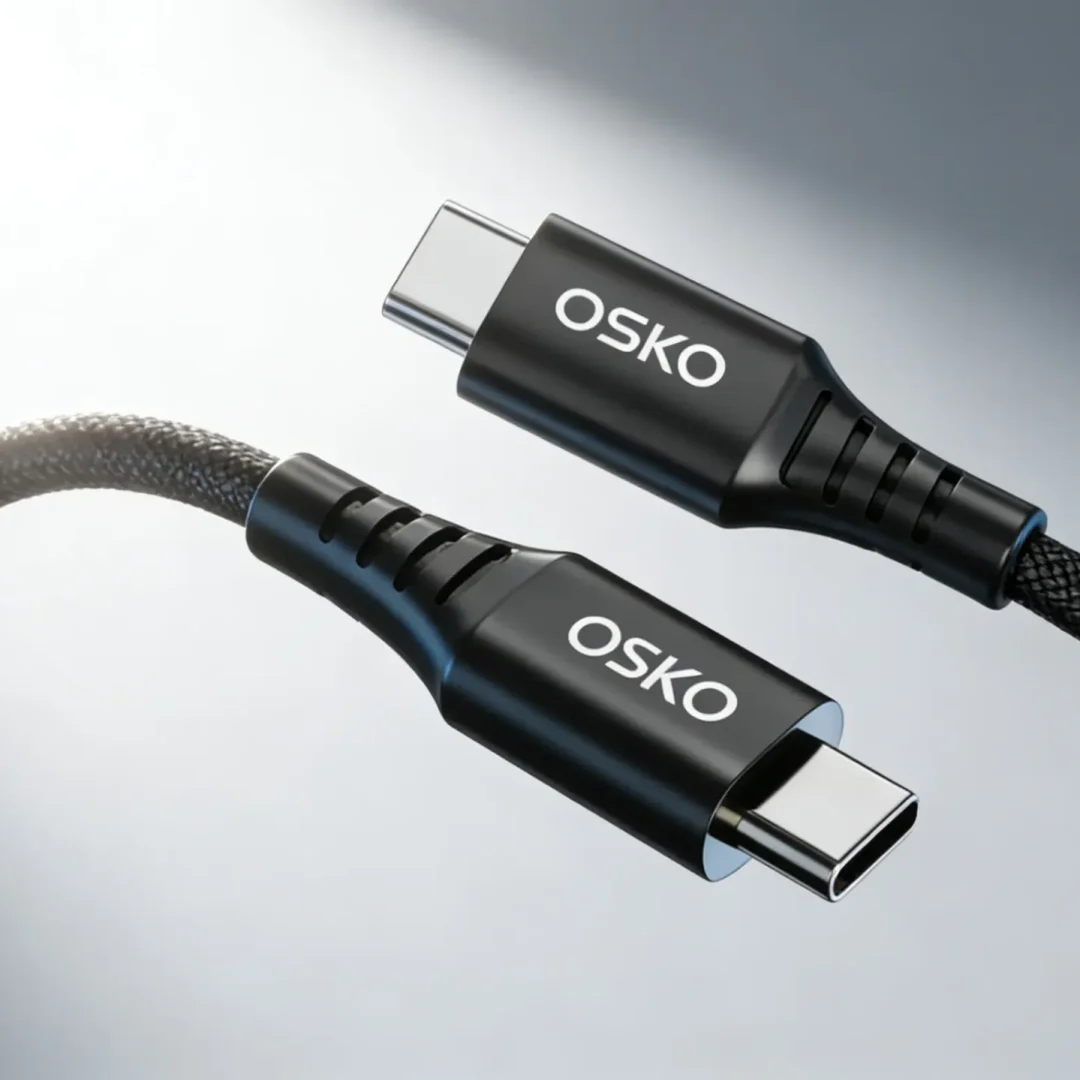
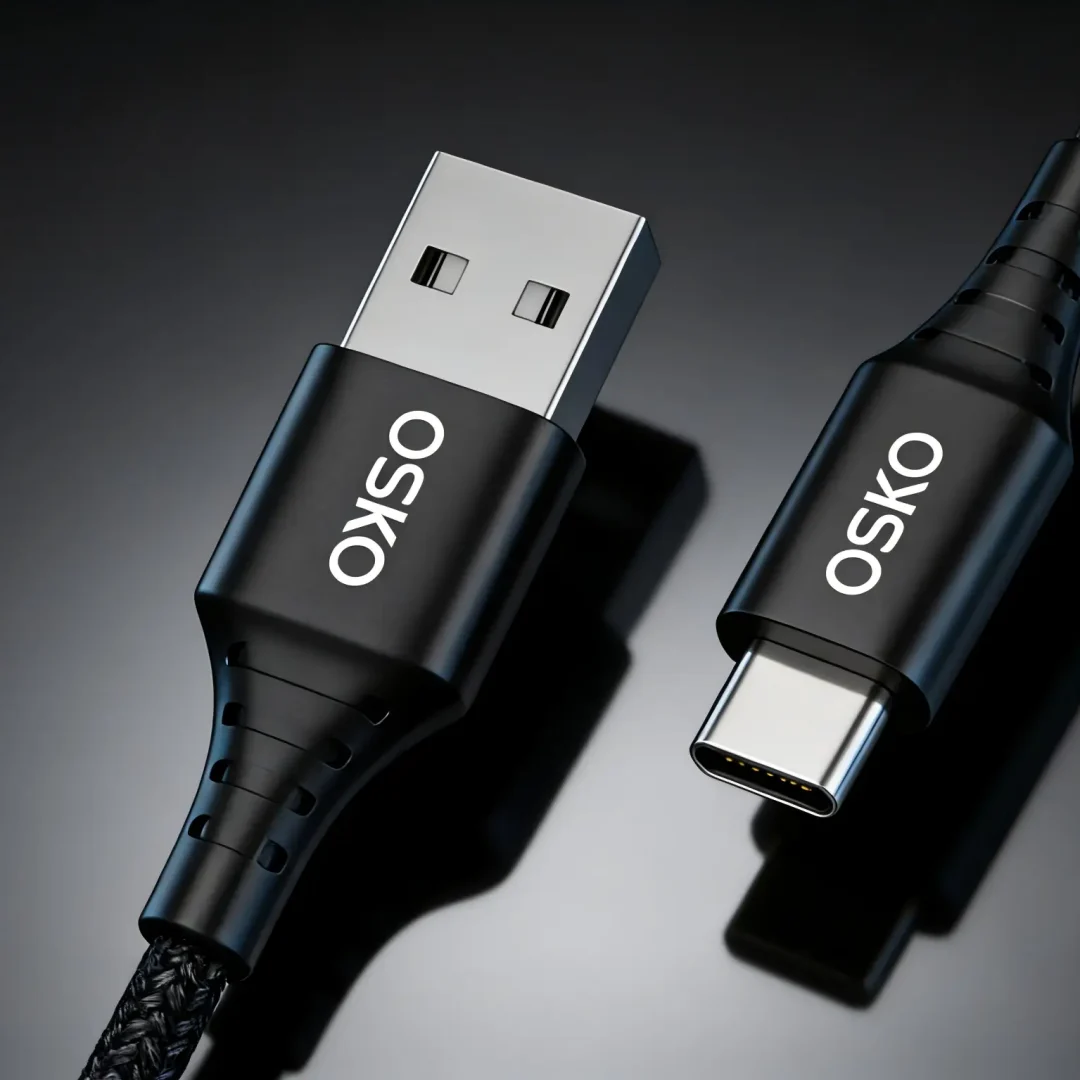
A braided USB-C cable is commonly selected for premium markets.
Benefits:
Better abrasion resistance
Higher bending durability
Reduced tangling
Premium appearance
However, a braided exterior alone does not mean the cable is certified.
A certified cable requires:
Correct internal structure
Electrical testing
Performance verification
Case Study
US Electronics Brand Upgraded Generic USB-C Cable to USB-IF Compliant Product Line
A US consumer electronics company planned to launch a premium USB-C charging cable series.
Their previous supplier provided low-cost cables, but customer feedback showed:
Inconsistent charging speed
Compatibility problems with laptops
High return rates
Customer Requirements
The brand required:
Reliable USB-C charging performance
Professional certification support
Premium braided design
Retail packaging
Stable bulk production
Target applications:
Retail USB cable
Laptop charging cable
Travel USB cable
Home charging cable
Engineering Problems
OSKO evaluated the existing design.
Electrical Problems
Issues included:
Unstable power delivery
Limited testing data
Inconsistent cable performance
Mechanical Problems
The cable had:
Weak connector protection
Low bending resistance
OSKO Engineering Solution
OSKO redesigned the cable structure.
Electrical Optimization
Implemented:
Improved conductor design
USB-C PD compatibility
Performance verification testing
Mechanical Optimization
Added:
Nylon braided jacket
Reinforced connector structure
Improved strain relief
Quality Testing
Testing included:
| Test | Purpose |
|---|---|
| Electrical test | Verify charging stability |
| Data test | Confirm transmission performance |
| Bend test | Improve durability |
| Connector test | Ensure reliability |
Project Results
The upgraded cable achieved:
More consistent charging performance
Improved customer satisfaction
Reduced product returns
Stronger retail positioning
The project supported:
OEM USB cable manufacturing
ODM USB cable development
Wholesale USB cable supply
Certified USB-C accessory production
Selection Guide
How to Choose a USB-IF Certified USB-C Cable Supplier
Verify Product Claims
Before purchasing, check:
Certification information
Product specifications
Testing capability
Avoid suppliers that only claim:
“Fast charging”
“High speed”
“Premium quality”
without technical documentation.
Evaluate Manufacturing Capability
A professional supplier should provide:
| Capability | Importance |
|---|---|
| Engineering design | Product reliability |
| Testing process | Quality assurance |
| Material control | Durability |
| Production management | Consistency |
For OEM Buyers, Ask About
Important questions:
Can the cable support USB PD?
Does it include E-marker technology when required?
What tests are performed?
Can specifications be customized?
Can certification documents be provided?
OSKO provides:
USB-IF compliant Type C cable manufacturer
Heavy duty braided USB-C cable manufacturer
Durable nylon braided Type C charging cable factory
OEM ODM custom length USB C cables
CE RoHS certified 240W USB C cable
FCC approved nylon braided USB C cable supplier
ISO9001 certified braided USB cable factory wholesale
FAQ
Is USB-IF certification necessary for every USB-C cable?
Not every cable requires certification, but certification provides stronger assurance for compatibility, safety, and performance.
Does USB-IF certification mean the cable charges faster?
Not automatically. Certification confirms compliance with USB standards, but charging speed still depends on cable power rating, charger, and device requirements.
Are all USB-C fast charging cables USB-IF certified?
No. Some cables support fast charging without official certification.
What is the difference between USB-IF certified and USB-C compatible?
USB-C compatible means the connector works physically. USB-IF certification means the cable has passed defined compliance testing.
Can USB-IF certified cables support laptops?
Yes, depending on the cable specifications. High-power laptop charging requires appropriate USB PD capability.
Summary
A USB-IF certified cable represents a higher level of technical reliability compared with standard USB-C cables.
The certification helps verify:
Electrical safety
Data performance
Device compatibility
USB standard compliance
However, buyers should still evaluate:
Power rating
Cable structure
Materials
Length
Application requirements
For consumers, USB-IF certification provides confidence when selecting charging and data cables.
For brands and OEM buyers, working with a supplier experienced in certified USB-C cable manufacturing reduces product risk and improves market competitiveness.
OSKO provides professional USB-C cable solutions with engineering support, material optimization, quality testing, and OEM manufacturing capabilities for global brands.
Contact Information
OSKO USB-C Cable Manufacturing Solutions
Products:
USB-IF compliant USB-C cables
USB-C PD charging cables
Braided USB-C cables
Custom OEM USB cables
Wholesale charging cables
OSKO supports brands with USB-C cable engineering, certification preparation, custom design, testing, and scalable production solutions.