
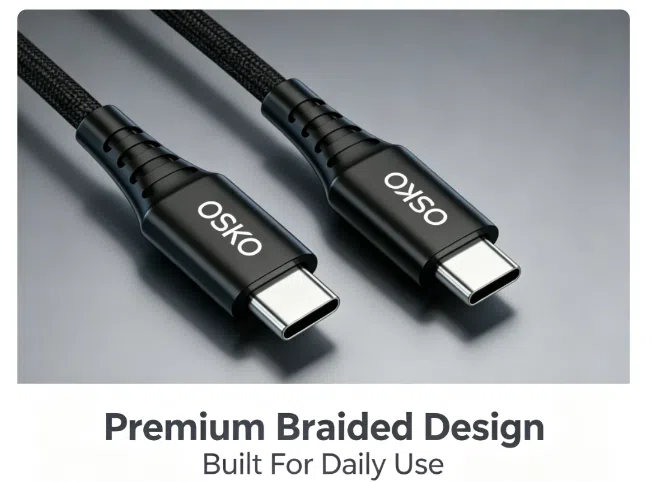
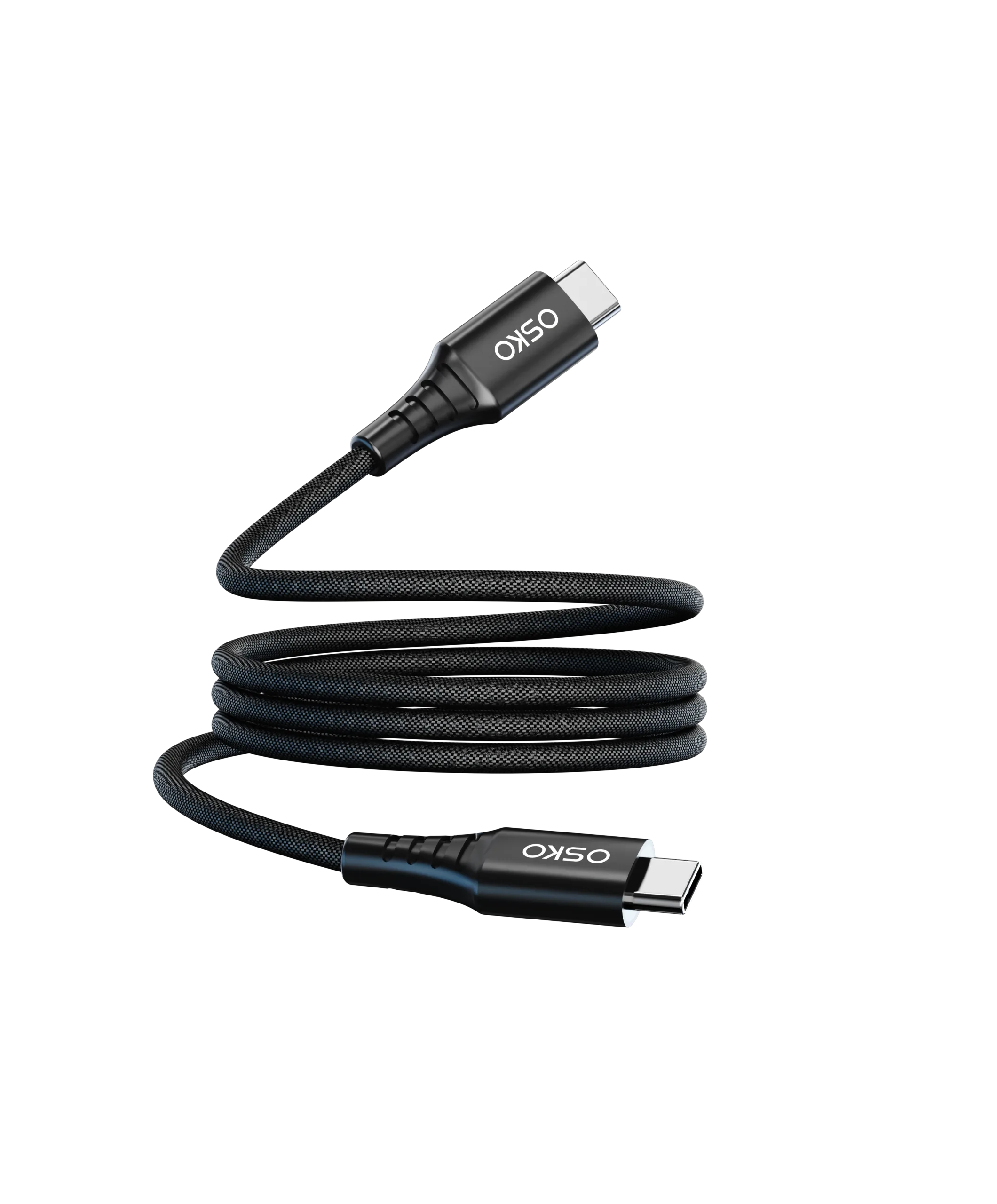
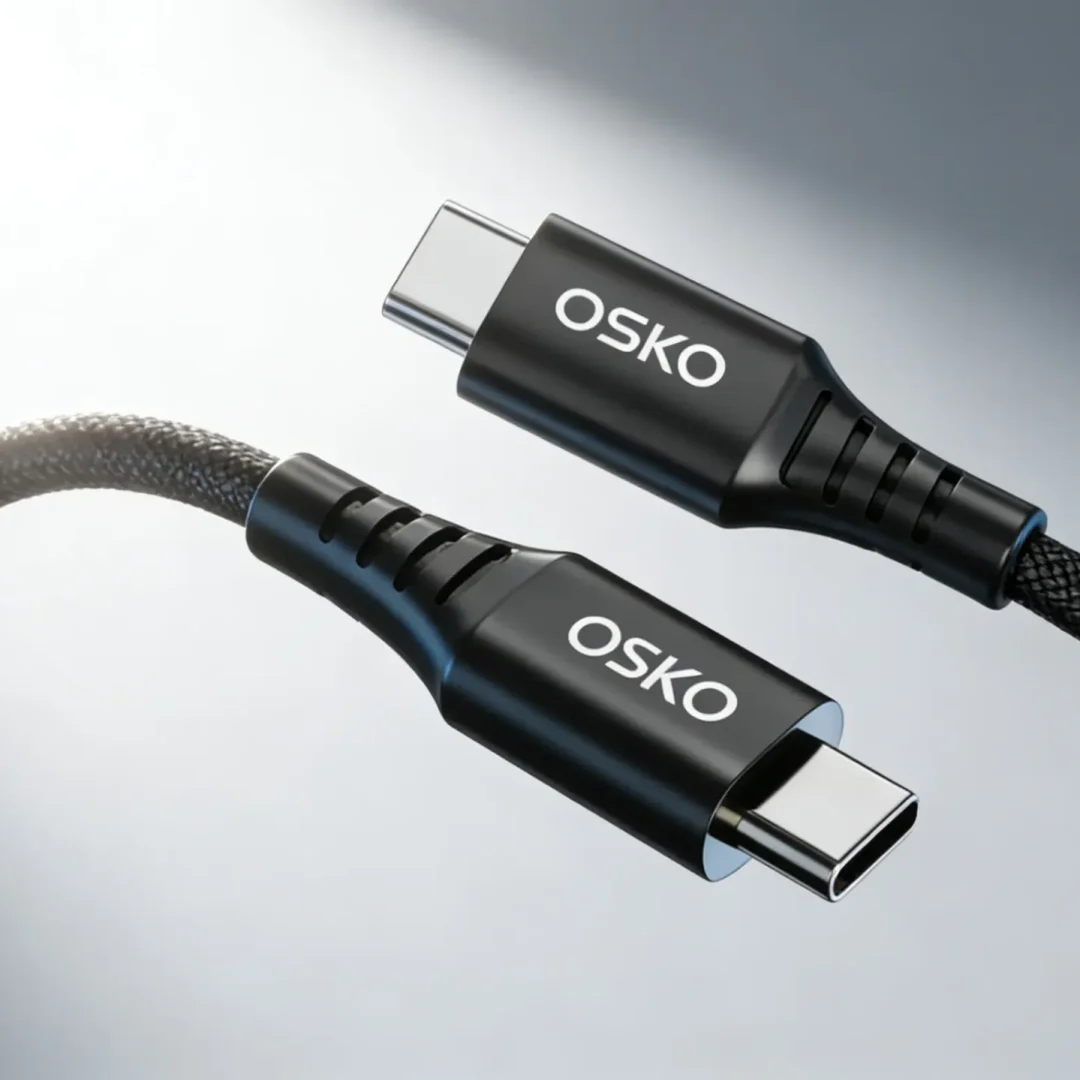
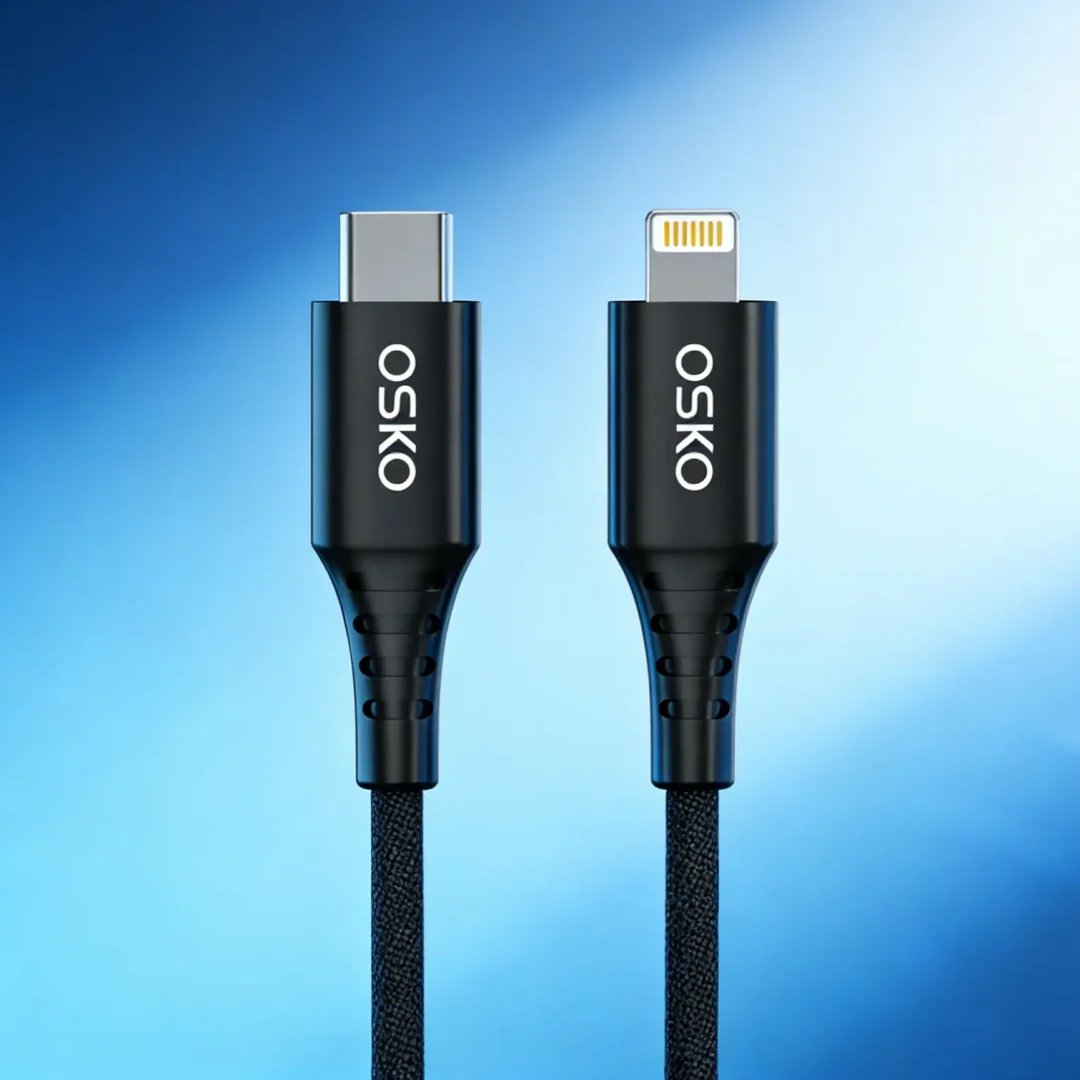
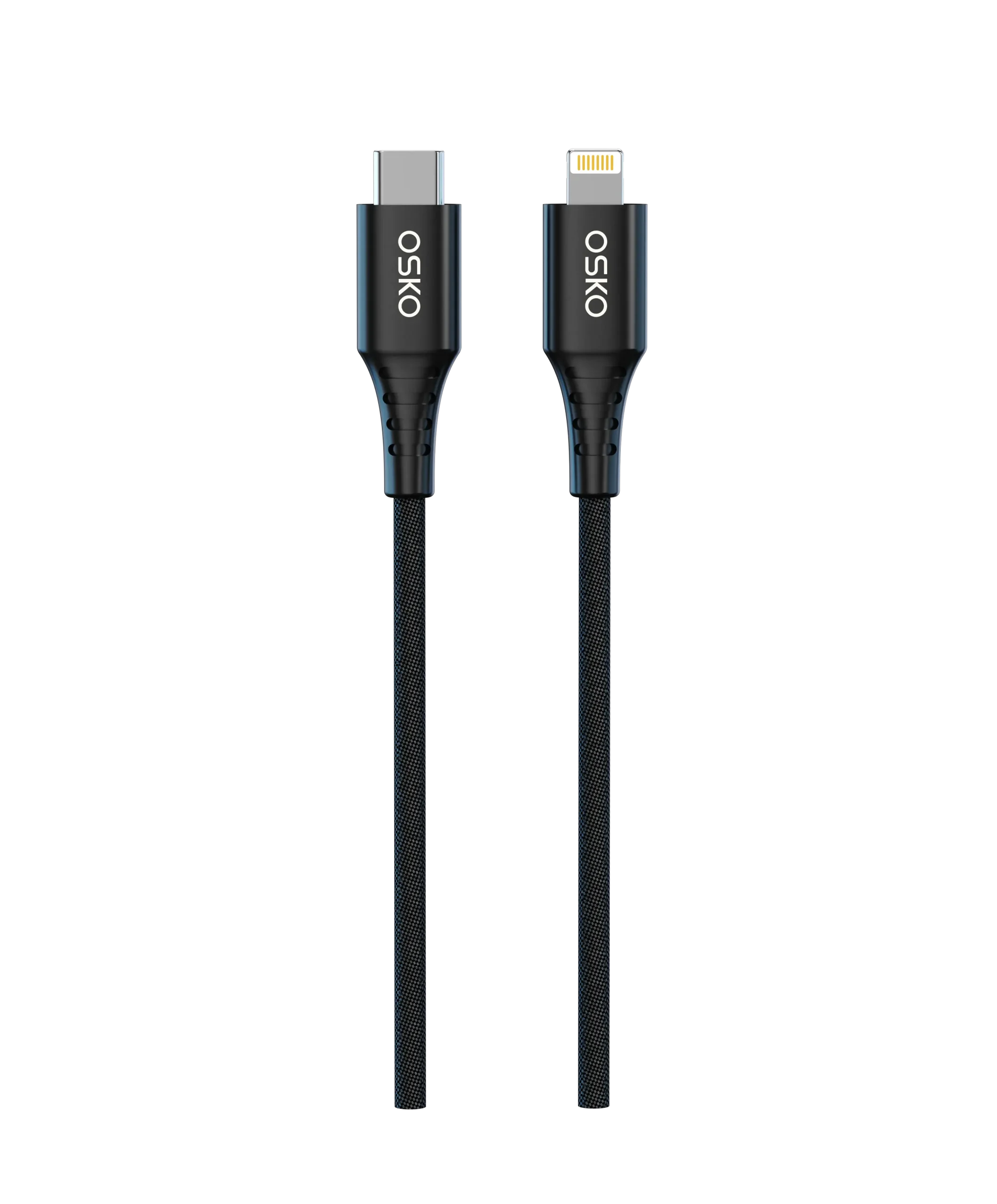
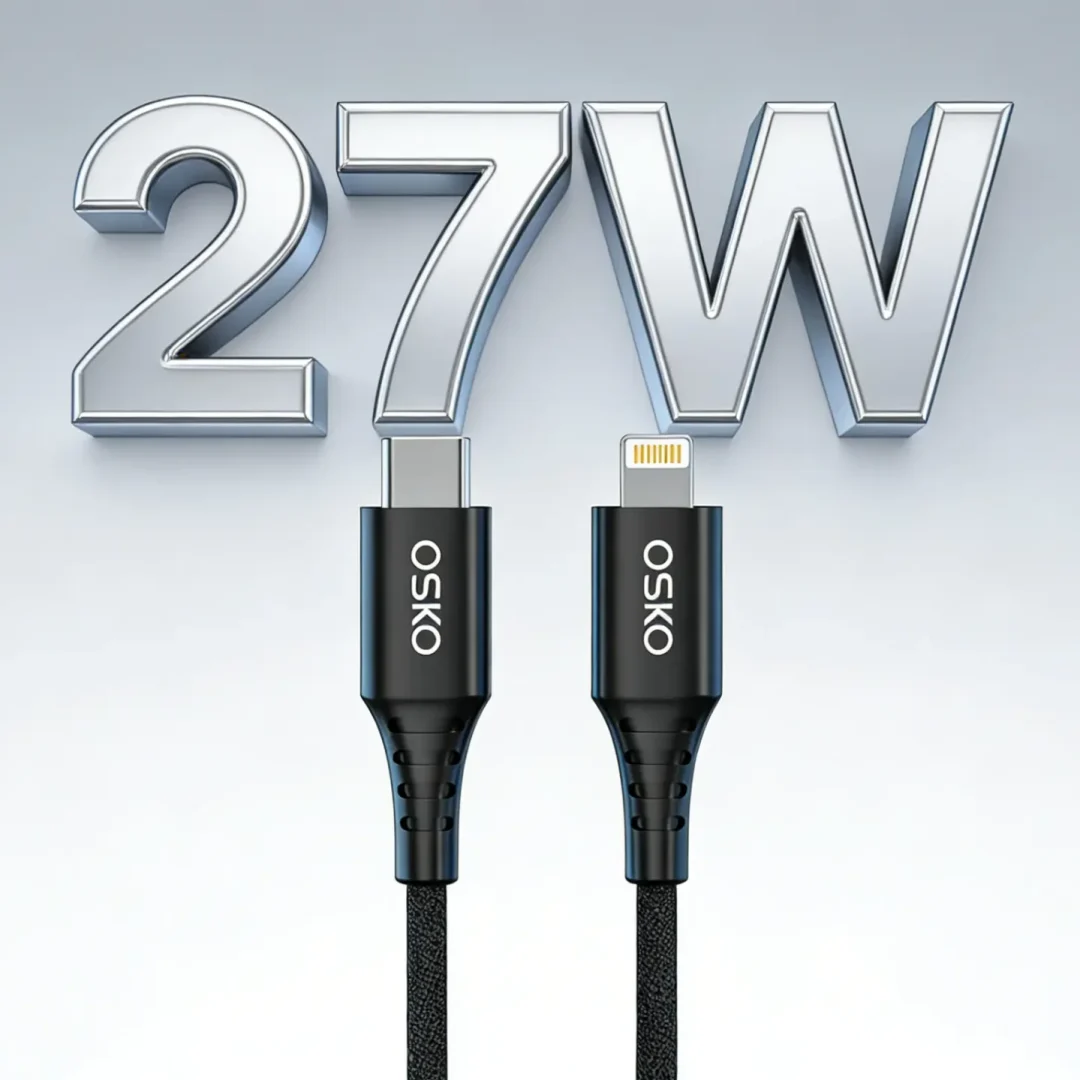
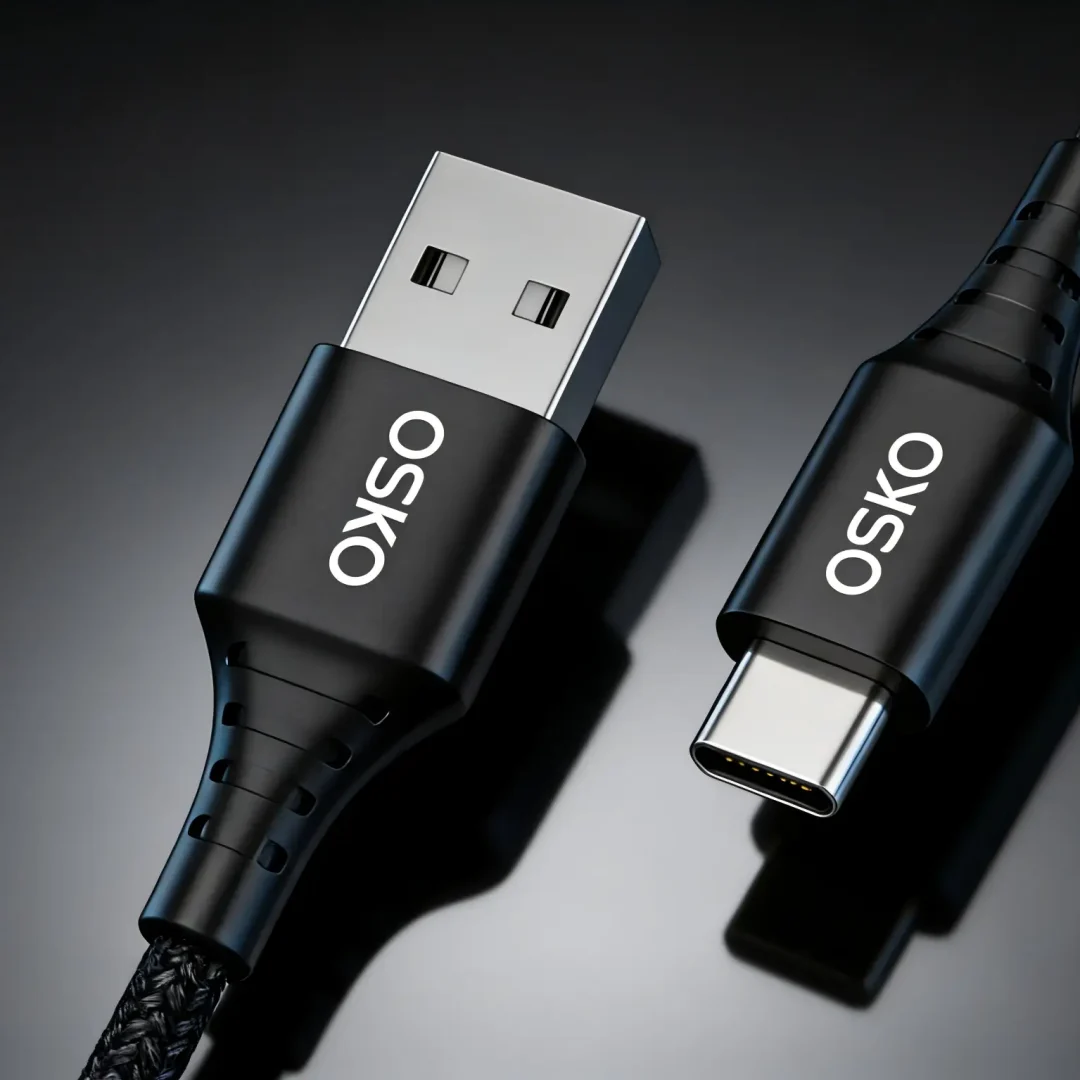
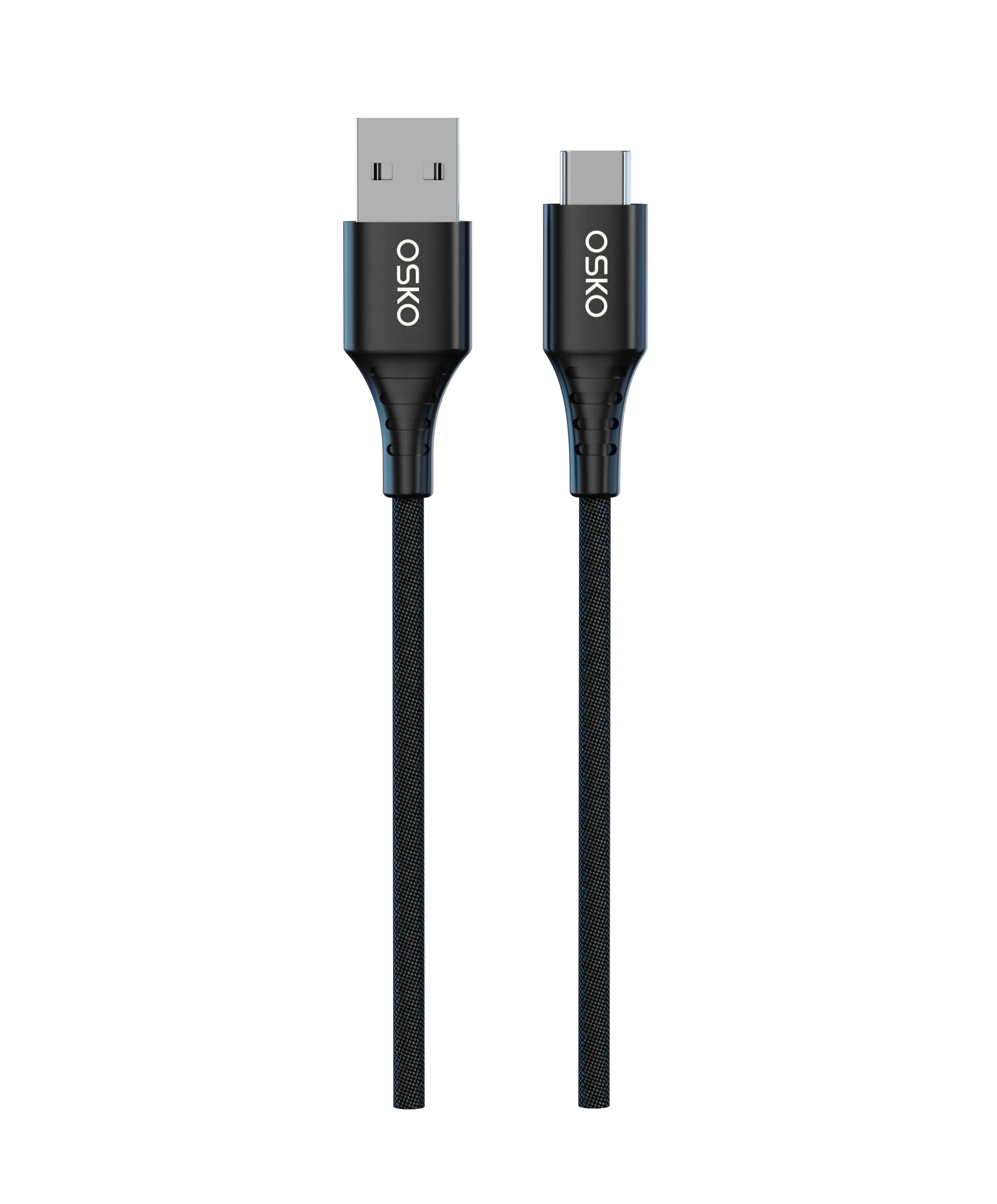
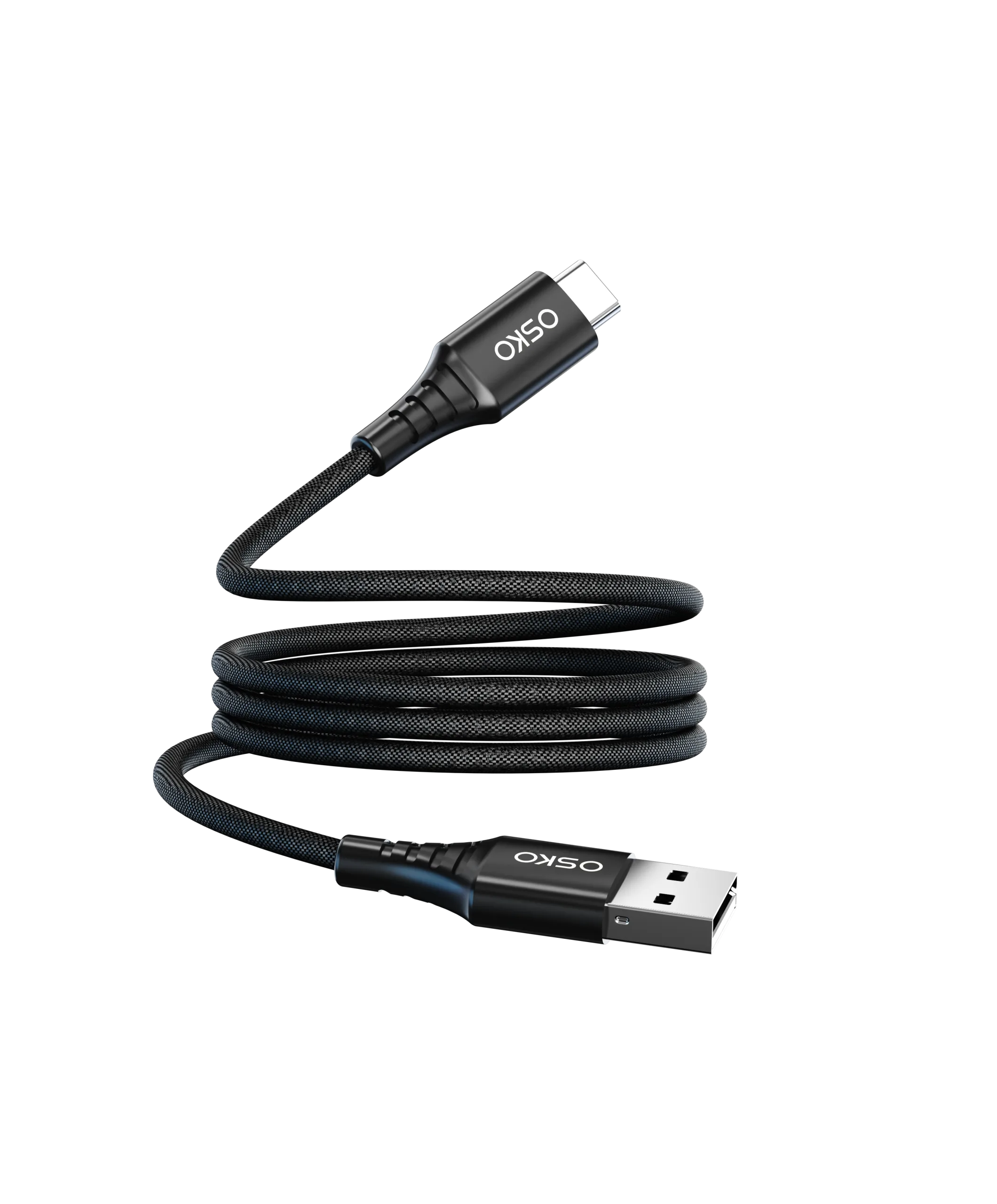
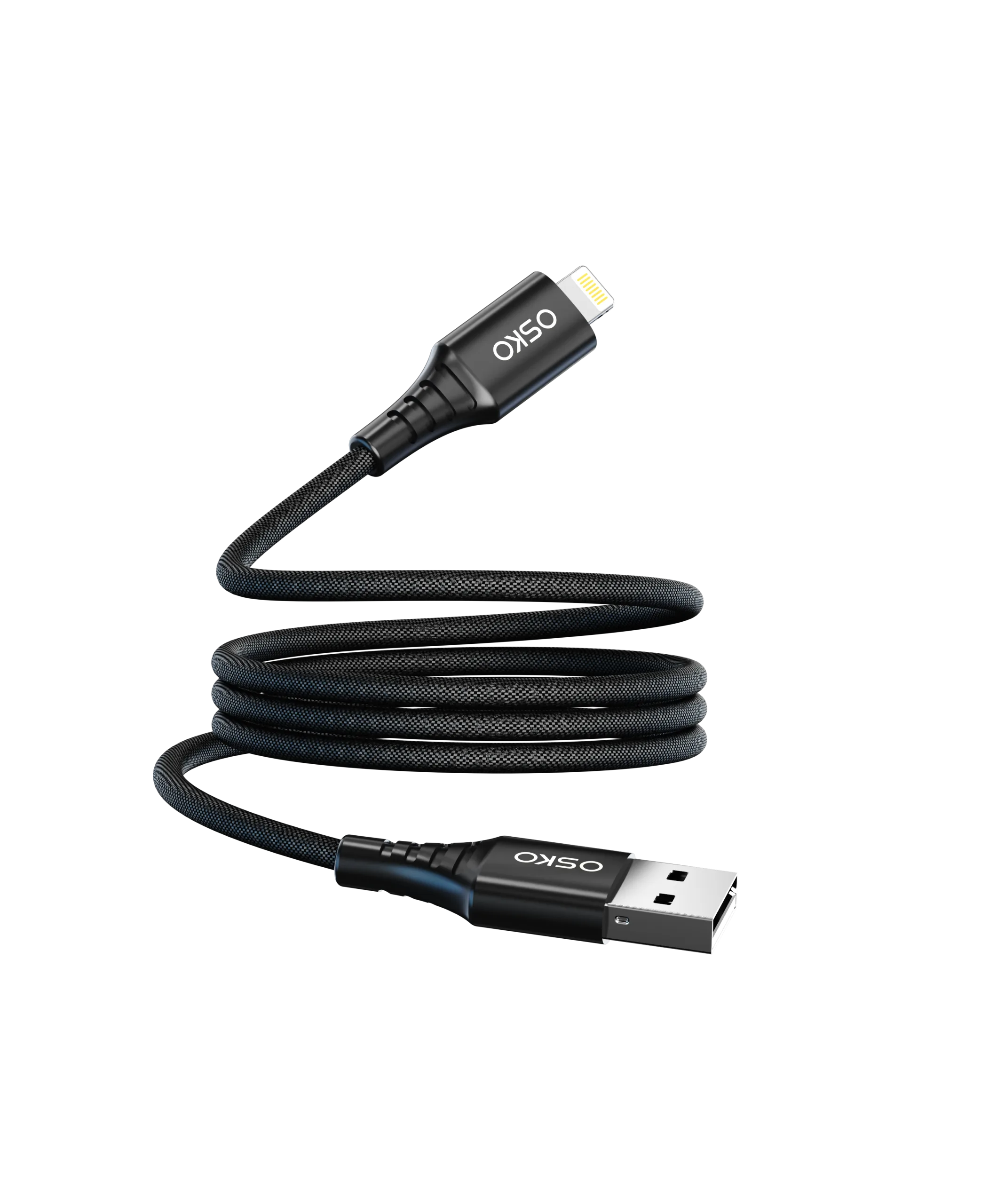
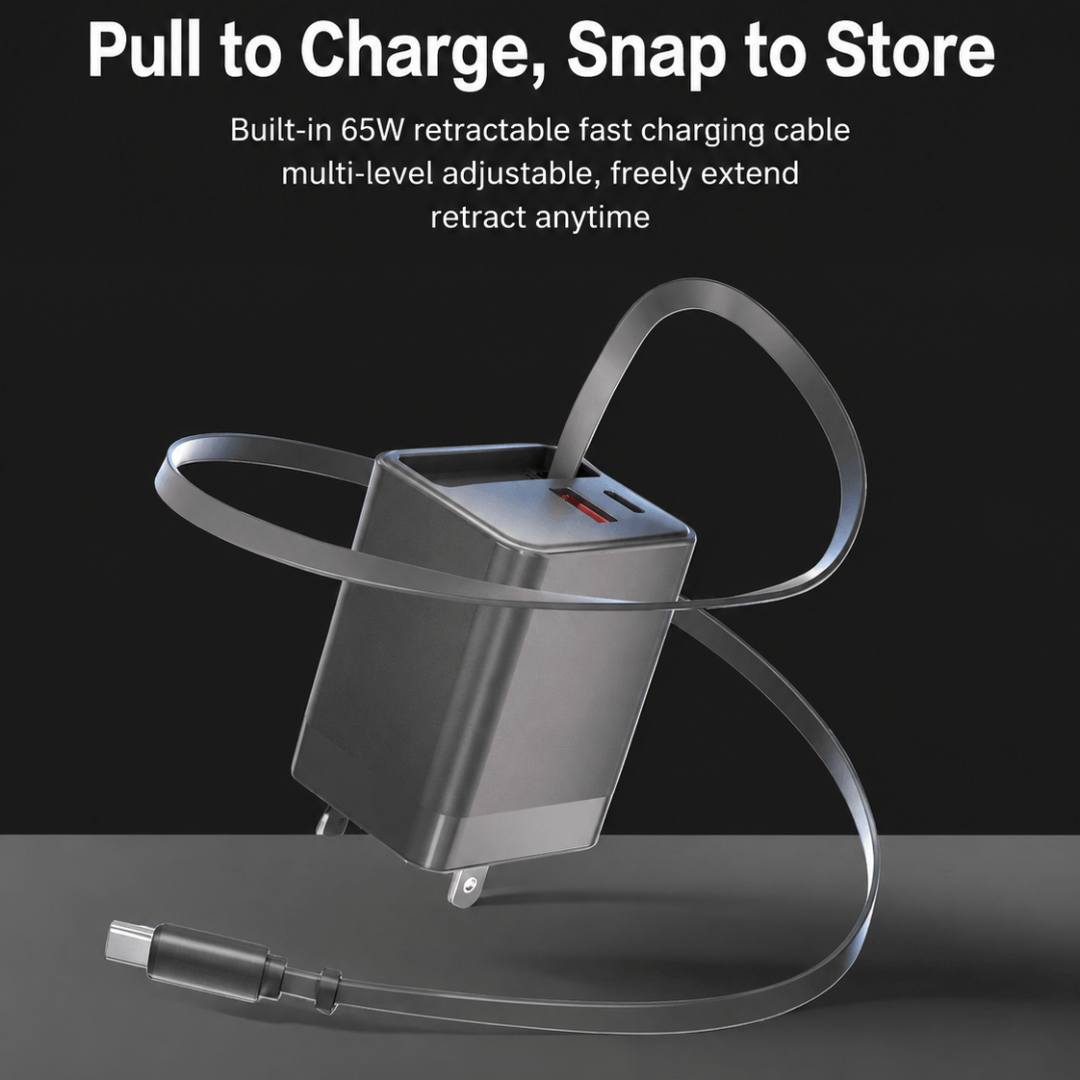
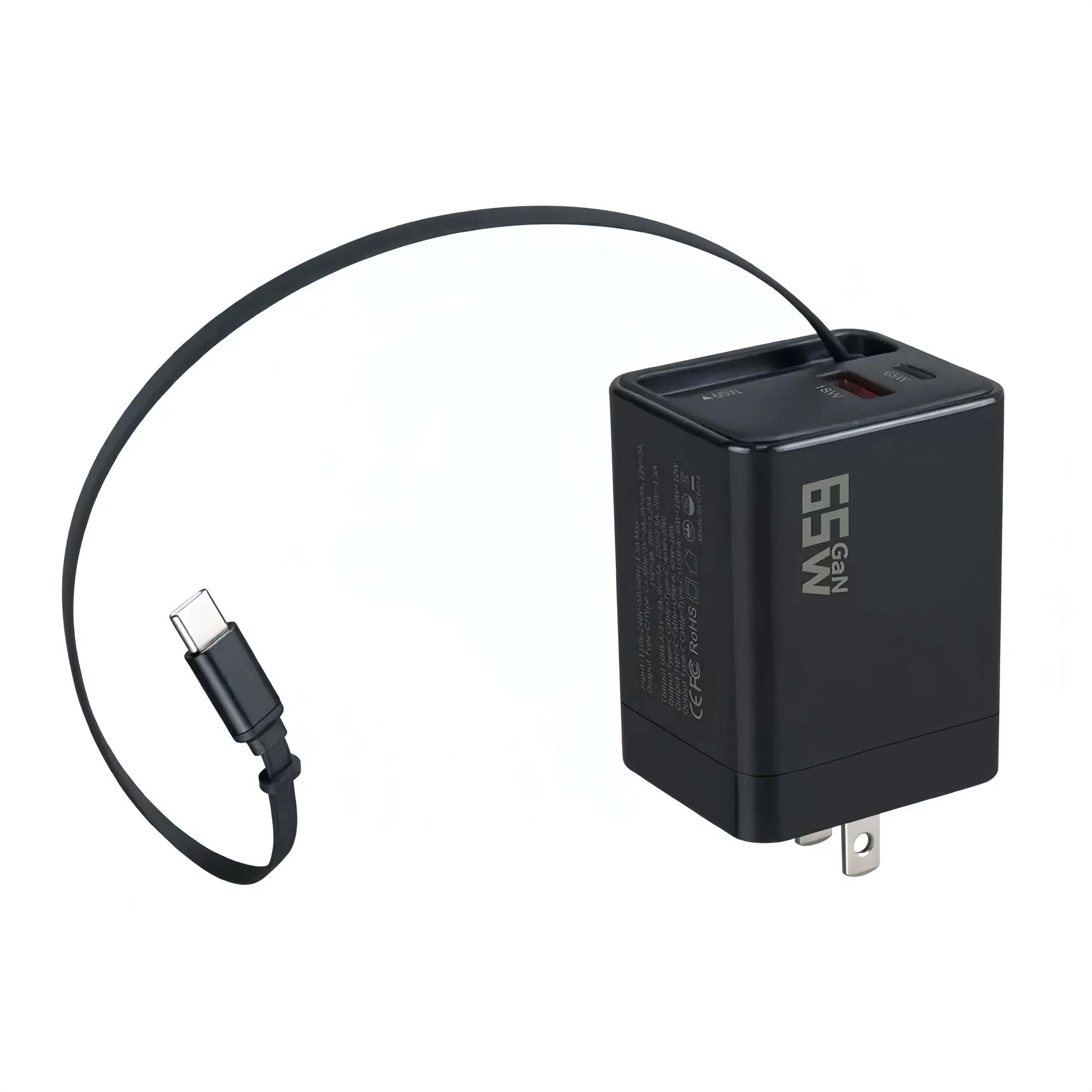
Importing charging cables into the US and EU requires strict compliance with safety standards and regulations. Wholesale buyers, distributors, and retailers must ensure that products meet these requirements to avoid customs delays, fines, or product recalls. This guide explains the essential safety certifications for importing USB, USB-C, Lightning, and fast-charging cables, helping large buyers source compliant products confidently.

Why Safety Certifications Matter
Safety certifications verify that charging cables:
- Meet electrical and thermal safety standards
- Reduce risk of short circuits, fires, or device damage
- Comply with legal requirements for importation
- Build trust with consumers and distributors
Without proper certification, importing large volumes of cables into the US or EU can lead to rejected shipments or legal liabilities.
Essential Certifications for Importing to the US
1. UL (Underwriters Laboratories) Certification
- Ensures compliance with US safety standards for electrical devices.
- Covers overcurrent, insulation, and temperature testing.
- Required for most consumer charging cables, including USB and Lightning cables.
2. FCC (Federal Communications Commission) Compliance
- Mandatory for cables with electronic components that may emit electromagnetic interference (EMI).
- Confirms that the product does not interfere with other electronic devices.
3. RoHS (Restriction of Hazardous Substances)
- Limits hazardous substances in electrical products, including lead, cadmium, and mercury.
- While primarily EU-focused, many US importers also require RoHS compliance to ensure environmental and consumer safety.

Essential Certifications for Importing to the EU
1. CE Marking
- Indicates conformity with EU safety, health, and environmental standards.
- Required for USB, USB-C, Lightning, and fast-charging cables sold in EU member states.
2. RoHS Compliance
- Mandatory in the EU to limit hazardous materials in electrical products.
- Supports environmental sustainability and aligns with EU regulations.
3. REACH Compliance
- Ensures that cables do not contain harmful chemical substances above restricted thresholds.
- Often required for consumer electronics accessories in the EU.
4. WEEE (Waste Electrical and Electronic Equipment) Registration
- Applies to importers and distributors, ensuring proper recycling and disposal of electronic waste.
Tips for Wholesale Buyers and Importers
- Verify Supplier Certifications – Always request official certificates for UL, CE, RoHS, FCC, and REACH.
- Check Product Labeling – Certified cables must display logos and certification numbers.
- Choose Experienced Manufacturers – Prefer suppliers offering OEM/ODM certified USB-C and Lightning cables.
- Request Testing Reports – Ensure cables pass independent lab tests for safety and compliance.
- Plan for Customs Clearance – Proper certification reduces the risk of shipment delays or fines.
Conclusion
For wholesale buyers looking to import charging cables to the US or EU, ensuring proper certifications is not optional—it’s a requirement. UL, FCC, CE, RoHS, REACH, and WEEE certifications guarantee that your products are safe, compliant, and ready for the market.
At OSKO, we provide OEM and private-label certified USB, USB-C, and Lightning cables, fully compliant with US and EU standards. Our cables come with all necessary documentation to streamline importation and reduce compliance risks.
Contact OSKO today to source high-quality certified charging cables for bulk import, ensuring safety, compliance, and premium performance for your brand.