
Introduction: Why USB Cable Testing Is Critical for Manufacturing Quality
In modern electronics manufacturing, USB cables are no longer simple charging accessories. They are precision components responsible for power delivery, high-speed data transmission, device communication, and long-term mechanical reliability.
For OEM USB cable manufacturers, ODM cable suppliers, and wholesale USB cable distributors, production testing is one of the most important steps to ensure product consistency and customer satisfaction.
A cable that passes visual inspection may still fail in real-world applications due to:
Charging instability
Excessive heat generation
Connector damage
Data transmission errors
Cable breakage after repeated bending
Professional manufacturers use multiple inspection stages throughout production to verify:
Electrical performance
Mechanical durability
Safety compliance
Signal integrity
Power delivery capability
For global markets including the United States, Europe, and Asia, reliable USB cable quality control systems are essential for reducing warranty claims and maintaining brand reputation.
Why USB Cable Testing Matters in OEM Manufacturing
What Makes USB Cable Quality Difficult to Control?
A USB cable contains multiple critical components:
Copper conductors
Insulation materials
Shielding layers
Connector terminals
Solder joints
E-marker chips (high-power USB-C cables)
Each component affects final performance.
For example:
Poor copper quality may cause voltage drop.
Weak connectors may fail after repeated insertion.
Poor shielding may create electromagnetic interference.
Incorrect E-marker programming may limit charging power.
Therefore, professional USB cable manufacturers implement testing procedures from incoming materials to final shipment.
USB Cable Testing Applicable Scenarios
USB cable testing is commonly applied in:
OEM Production
Used when electronics brands require customized cables with:
Brand logo
Custom specifications
Private packaging
Special materials
ODM Development
Used for companies developing:
New charging accessories
Laptop charging cables
Gaming accessories
Automotive charging solutions
Wholesale Distribution
Used by:
Retailers
Amazon sellers
Electronics distributors
Enterprise procurement teams
Common applications include:
USB-C fast charging cables
Apple CarPlay cables
Laptop charging cables
Gaming device cables
Desk charging cables
Travel charging cables
Material Science and Electrical Performance Verification
Before testing begins, manufacturers must verify the cable structure.
Important factors include:
Copper Conductors
Determine:
Current capacity
Resistance
Charging stability
Insulation Materials
Influence:
Heat resistance
Electrical safety
Cable lifespan
Shielding Structure
Controls:
EMI interference
Signal stability
Connector Materials
Affect:
Contact resistance
Mechanical durability
For high-power cables, E-marker chips also play an important role in USB Power Delivery communication.
1. Electrical Continuity and Resistance Testing
Why Is Electrical Testing the First Step?
Electrical continuity testing is the most basic and essential inspection method during USB cable production.
Its purpose is to confirm that all internal conductors are correctly connected.
A professional USB cable factory checks:
VBUS power line
Ground line
D+ / D- data lines
CC communication lines
Shield connection
What Does This Test Detect?
Electrical testing identifies:
Open circuits
Short circuits
Incorrect wiring
High resistance problems
A failed continuity test may cause:
Cable unable to charge
Slow charging speed
Data transmission failure
Random device disconnection
For mass production, automated electrical testers help ensure every cable meets production specifications.

2. Pull Force and Connector Strength Testing
How Do Manufacturers Test USB Connector Durability?
USB cables experience repeated mechanical stress during daily usage.
Examples include:
Plugging into smartphones
Connecting laptops
Vehicle charging
Office docking stations
Pull force testing evaluates the strength between:
Connector shell
Internal solder joints
Cable jacket
Strain relief
Common Failure Problems
A weak connector may cause:
Housing separation
Internal wire damage
Loose connection
Charging interruption
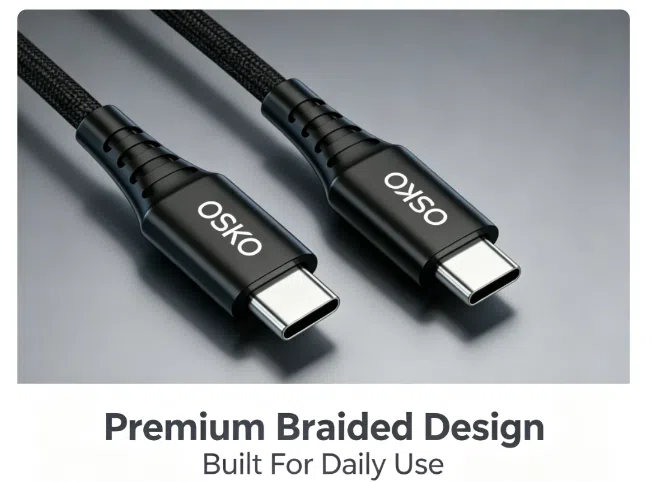
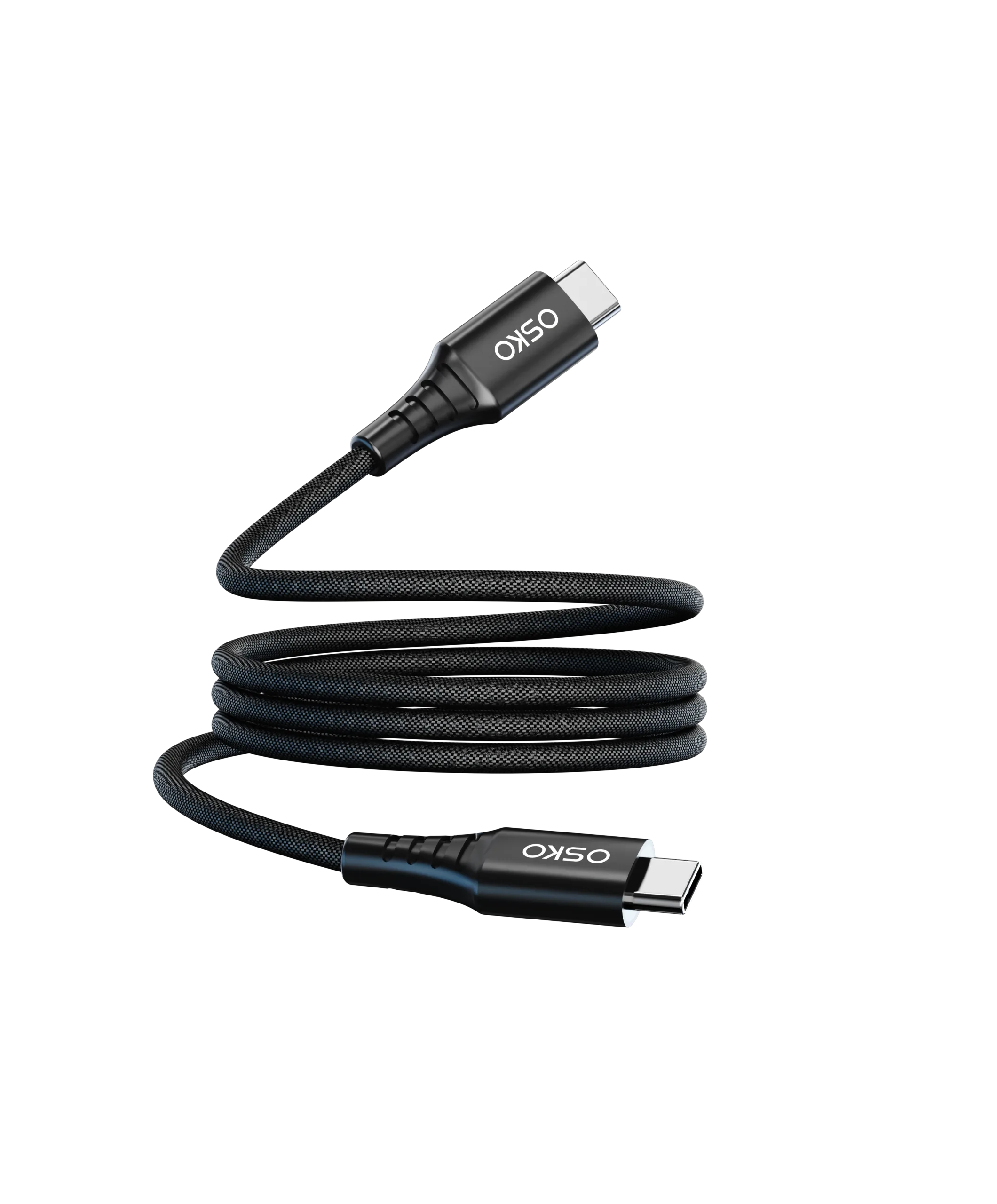
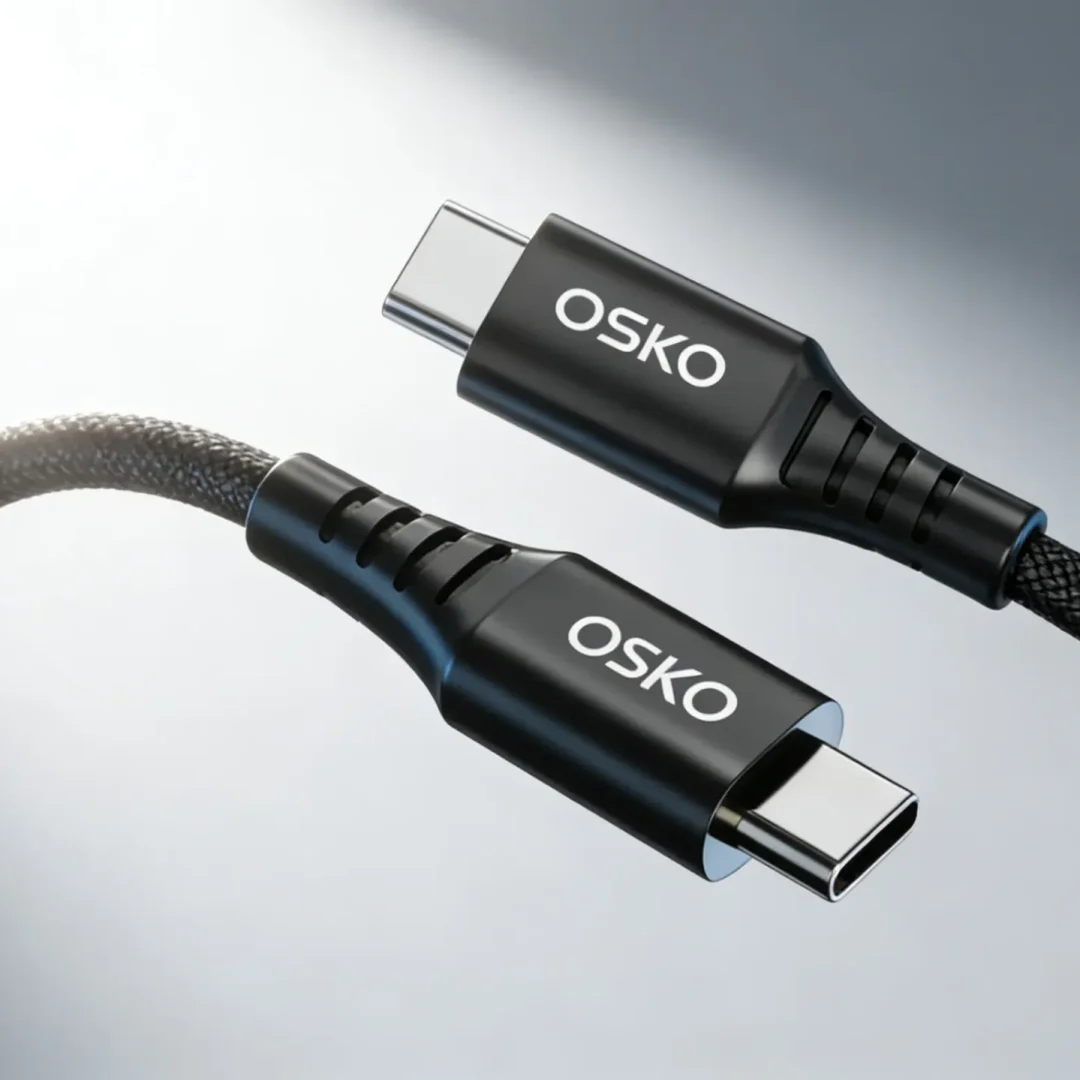
Premium products such as durable nylon braided USB-C cables typically use reinforced connector structures to improve mechanical strength.
3. USB Cable Bending Fatigue Testing
Why Is Bend Testing Important?
Most USB cable failures occur near the connector because this area experiences repeated stress.
Bending fatigue testing simulates:
Daily cable movement
Phone charging usage
Car charging environments
Office desk applications
Testing Process
Manufacturers typically:
- Fix the cable sample
- Apply repeated bending movement
- Perform thousands of bending cycles
- Check electrical performance afterward
High-quality cables may be tested for:
5,000 cycles
10,000 cycles
20,000+ cycles
A reliable USB charging cable manufacturer uses bend testing to improve long-term product durability.
4. E-Marker Chip Validation for High-Power USB-C Cables
Why Does USB PD Cable Testing Require E-Marker Verification?
Modern USB-C cables supporting:
60W
100W
140W
240W
require accurate power identification.
The E-marker chip communicates:
Cable current rating
Maximum power capability
USB specification support
Data capability
What Happens If E-Marker Testing Fails?
Problems may include:
Device charging speed limitation
Charger power reduction
Charging interruption
Safety risks
For products such as OEM 240W USB-C charging cables, E-marker validation is a critical production step.
5. High Voltage and Thermal Safety Testing
Why Are Thermal Tests Necessary?
High-power charging generates heat.
Especially for:
100W USB-C cables
240W PD 3.1 cables
Laptop charging cables
Manufacturers perform:
High-current load testing
Temperature monitoring
Insulation resistance testing
Over-voltage testing
What Problems Can Thermal Testing Detect?
It identifies:
- Excessive heat generation
- Insulation failure
- Electrical leakage
- Unsafe operating conditions
This testing supports products requiring:
- CE compliance
- RoHS compliance
- FCC market requirements
6. Data Transmission and Signal Integrity Testing
Why Do USB Cables Need Data Testing?
Modern USB cables are not only charging products.
Many support:
Smartphone synchronization
External storage
Computer connection
Apple CarPlay
Android Auto
Testing verifies:
USB 2.0 performance
USB 3.x transmission
Signal stability
Data error rates
Poor signal performance may cause:
Slow file transfer
Connection loss
Device recognition problems
For USB-C data cable manufacturers, signal testing is essential for premium products.
USB Cable Manufacturing Quality Control Process
How Do Professional Factories Control Quality?
| Production Stage | Testing Method | Purpose |
|---|---|---|
| Incoming Material Inspection | Copper and material testing | Verify raw materials |
| Production Line Testing | Electrical continuity | Detect wiring issues |
| Assembly Inspection | Pull and bending tests | Verify durability |
| Final QC | Power and data testing | Confirm performance |
| Pre-shipment Testing | Full inspection | Export approval |
Professional factories such as an ISO9001 certified USB cable manufacturer integrate these systems into daily production.
Common USB Cable Failure Causes During Testing
Why Do USB Cables Fail Quality Inspection?
Common causes include:
Poor Conductors
Results:
High resistance
Slow charging
Heat generation
Weak Solder Joints
Results:
Intermittent connection
Electrical failure
Low-Quality Connectors
Results:
Mechanical damage
Poor contact
Incorrect E-Marker Programming
Results:
Limited charging power
How OEM Buyers Should Evaluate USB Cable Suppliers
What Quality Documents Should Buyers Request?
Before placing bulk orders, buyers should check:
Manufacturing Capability
Ask:
Does the factory perform 100% electrical testing?
Are durability tests available?
Can they provide inspection reports?
Technical Capability
Confirm:
USB PD compatibility
E-marker testing capability
Data transmission testing
Compliance Documentation
Request:
ISO9001 certification
RoHS reports
REACH compliance
Test reports
Choosing a manufacturer with complete quality control reduces:
Product returns
Customer complaints
Supply chain risks
FAQ Schema
1. What are the most important USB cable testing methods?
The six main USB cable tests include:
Electrical continuity testing
Pull force testing
Bending fatigue testing
E-marker validation
High voltage and thermal testing
Data transmission testing
2. Why is bending testing important for USB cables?
Bending testing simulates daily usage and helps identify cable failures caused by repeated stress near connectors.
3. Is E-marker testing required for every USB-C cable?
No. E-marker testing is mainly required for high-power USB-C cables supporting higher charging levels such as 60W, 100W, and 240W.
4. How do OEM buyers verify USB cable quality?
Buyers should review:
Factory testing procedures
Material specifications
Certification documents
Durability test reports
Production quality systems
5. Can a cable pass electrical testing but still fail in the market?
Yes. Electrical performance alone does not guarantee durability. Mechanical testing, thermal testing, and signal testing are also required.
Conclusion
USB cable manufacturing requires a complete quality control system covering electrical performance, mechanical durability, thermal safety, and data reliability.
The six essential production tests:
- Electrical continuity testing
- Pull force testing
- Bending fatigue testing
- E-marker validation
- High voltage and thermal testing
- Data transmission testing
form the foundation of reliable USB cable production.
For brands, distributors, and OEM buyers sourcing from global suppliers, selecting an experienced USB cable manufacturer with professional testing capabilities is essential for building reliable charging products.
A manufacturer with ISO9001 quality management, advanced testing equipment, and strong engineering experience can provide consistent solutions for:
Custom USB-C cables
Fast charging cables
240W PD cables
Nylon braided cables
Private label USB accessories
Through strict production testing and engineering control, USB cable manufacturers can deliver safer, more durable, and higher-performance products for global markets.