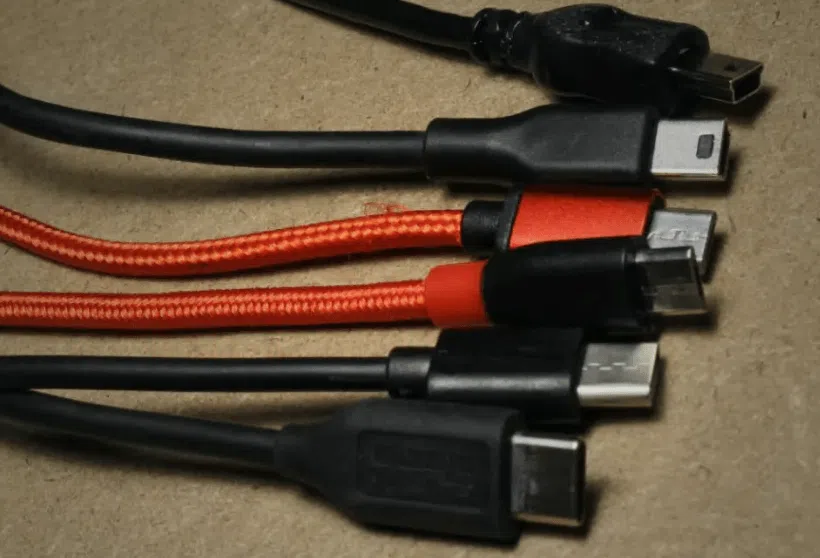
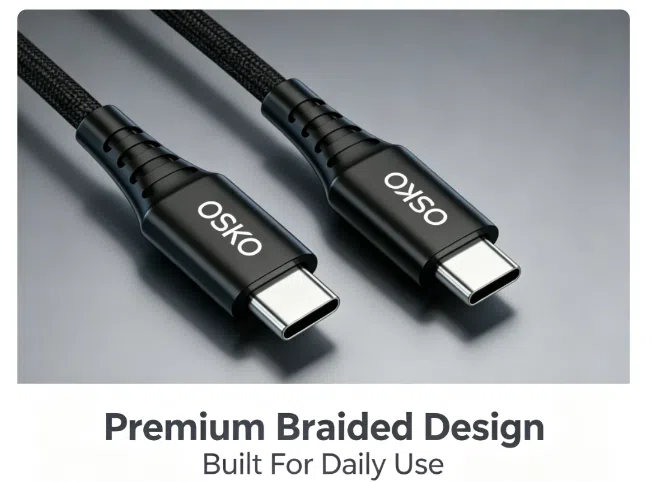
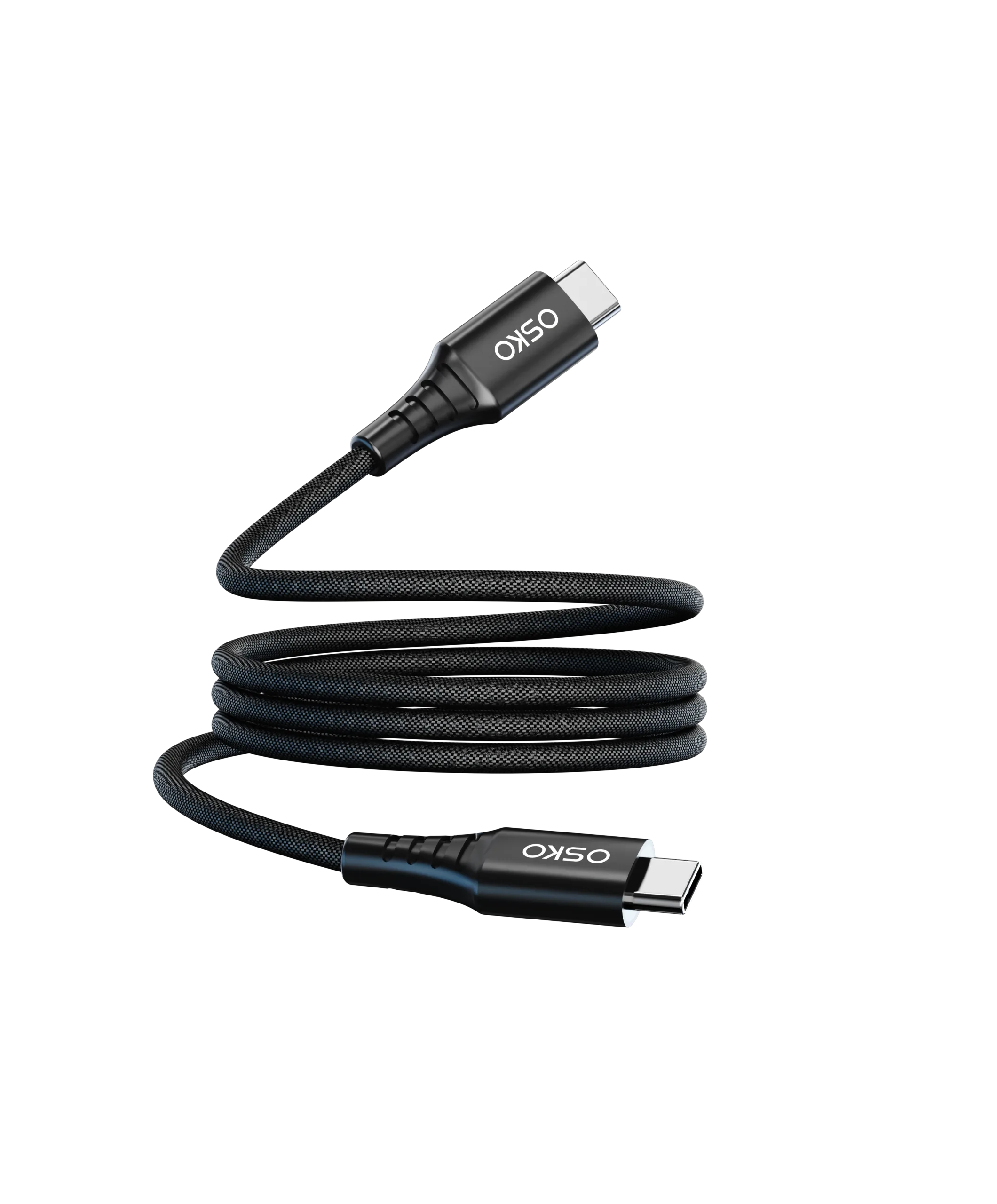
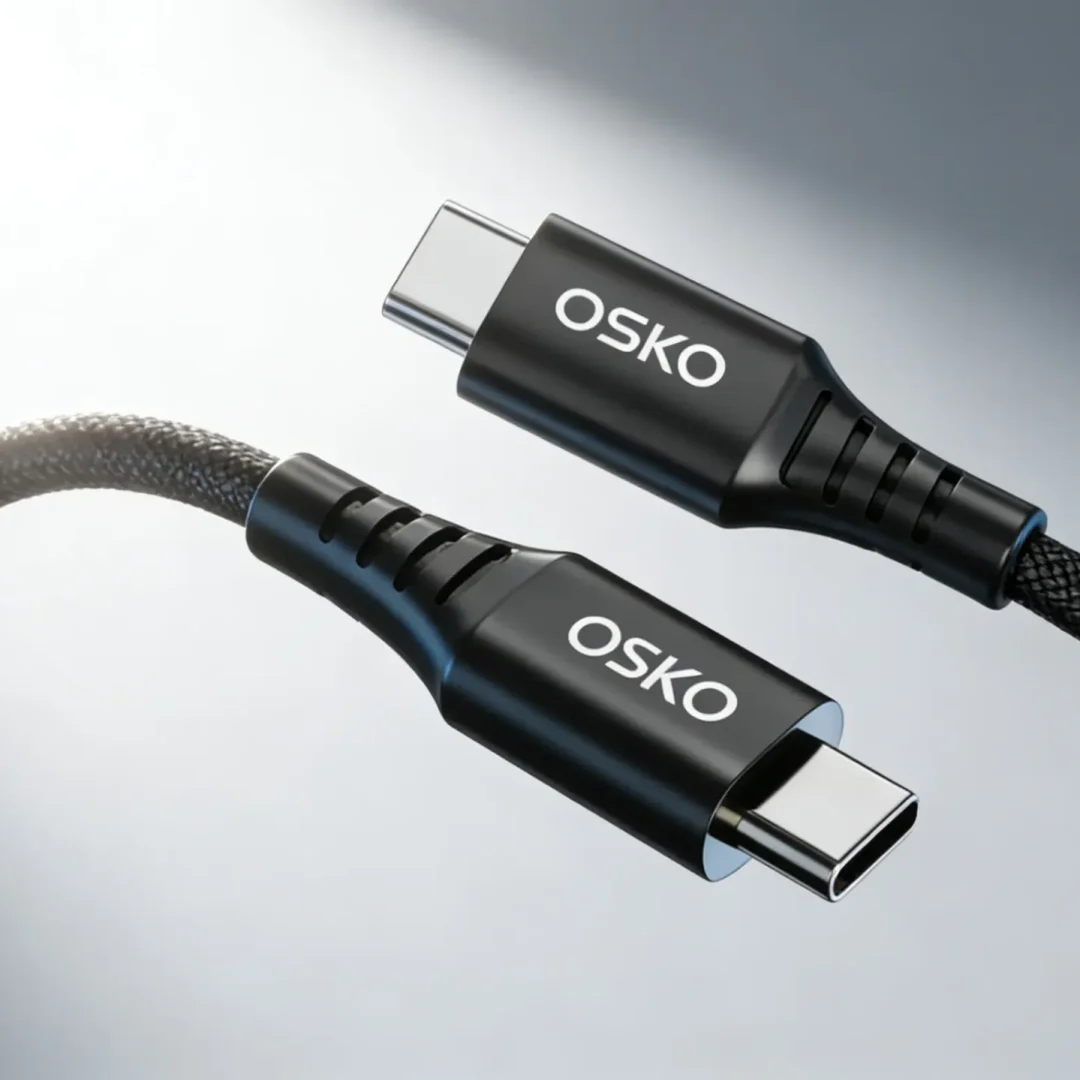
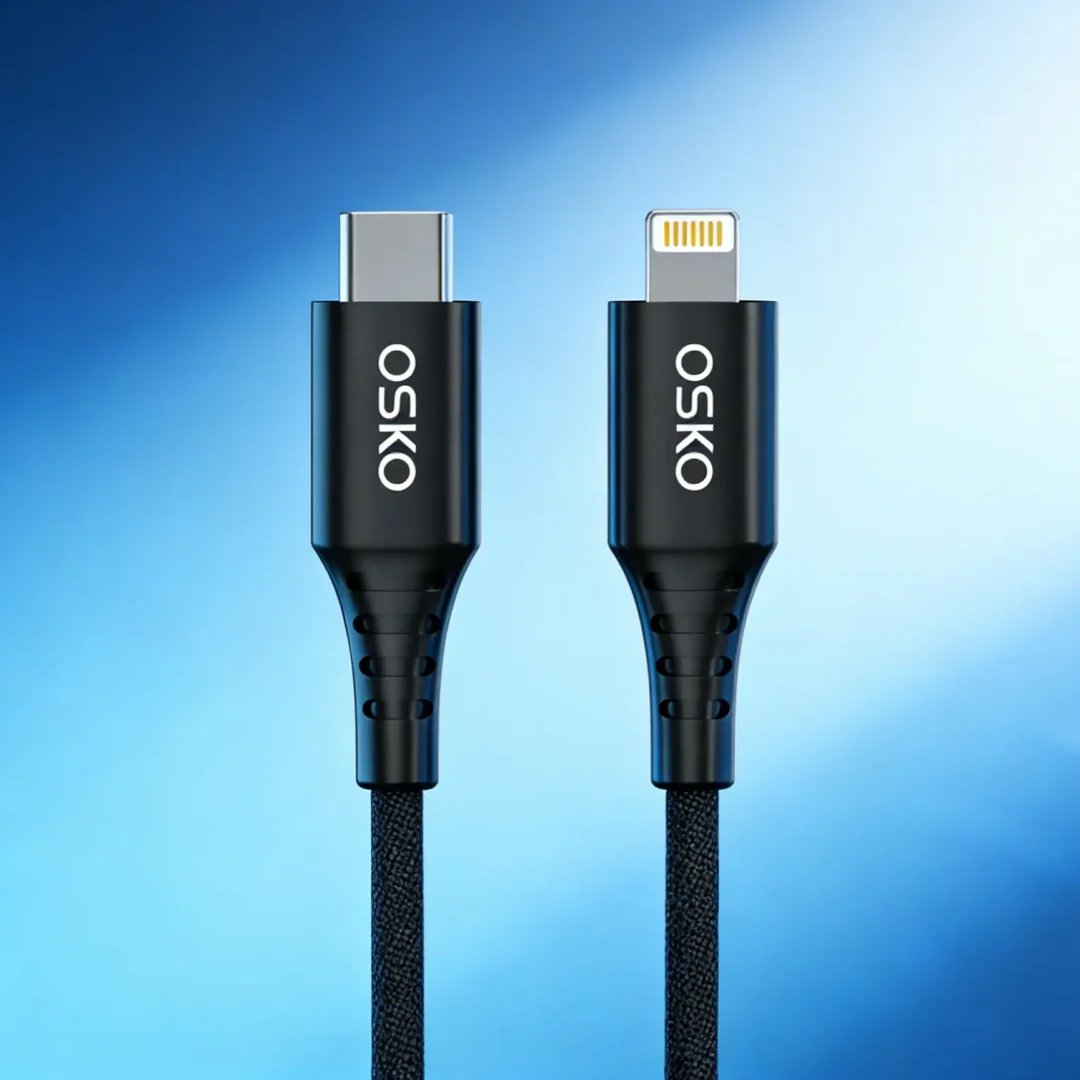
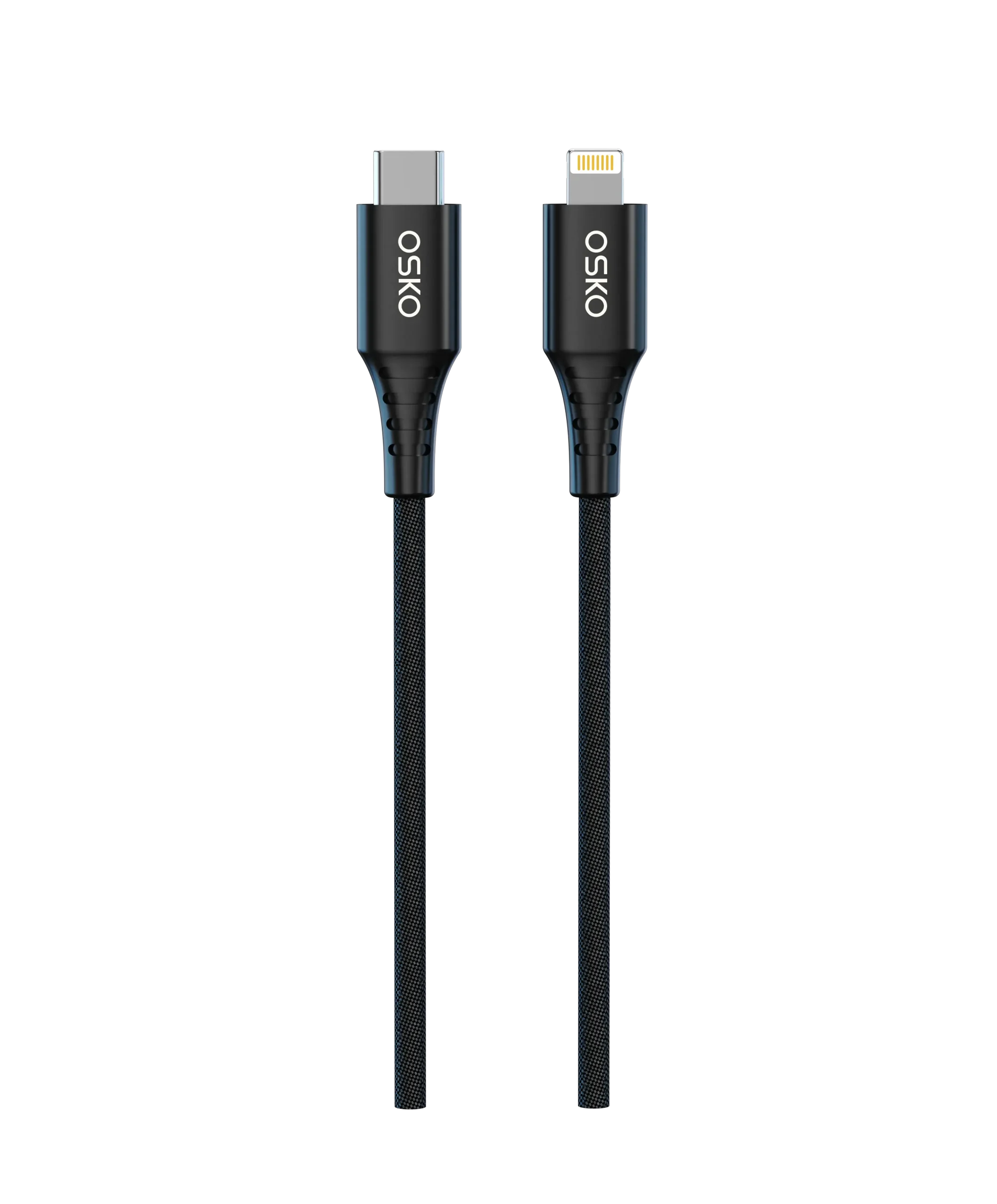
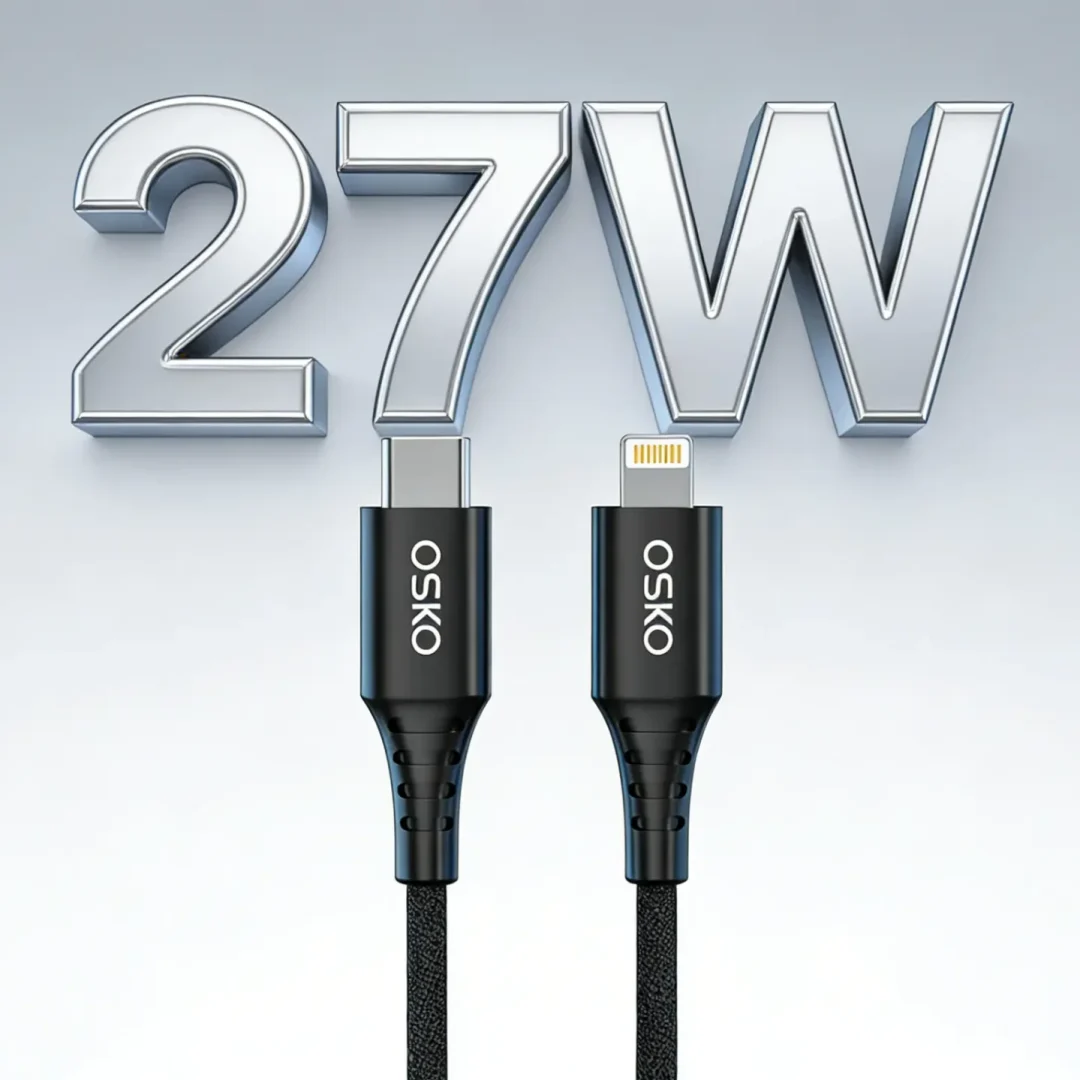
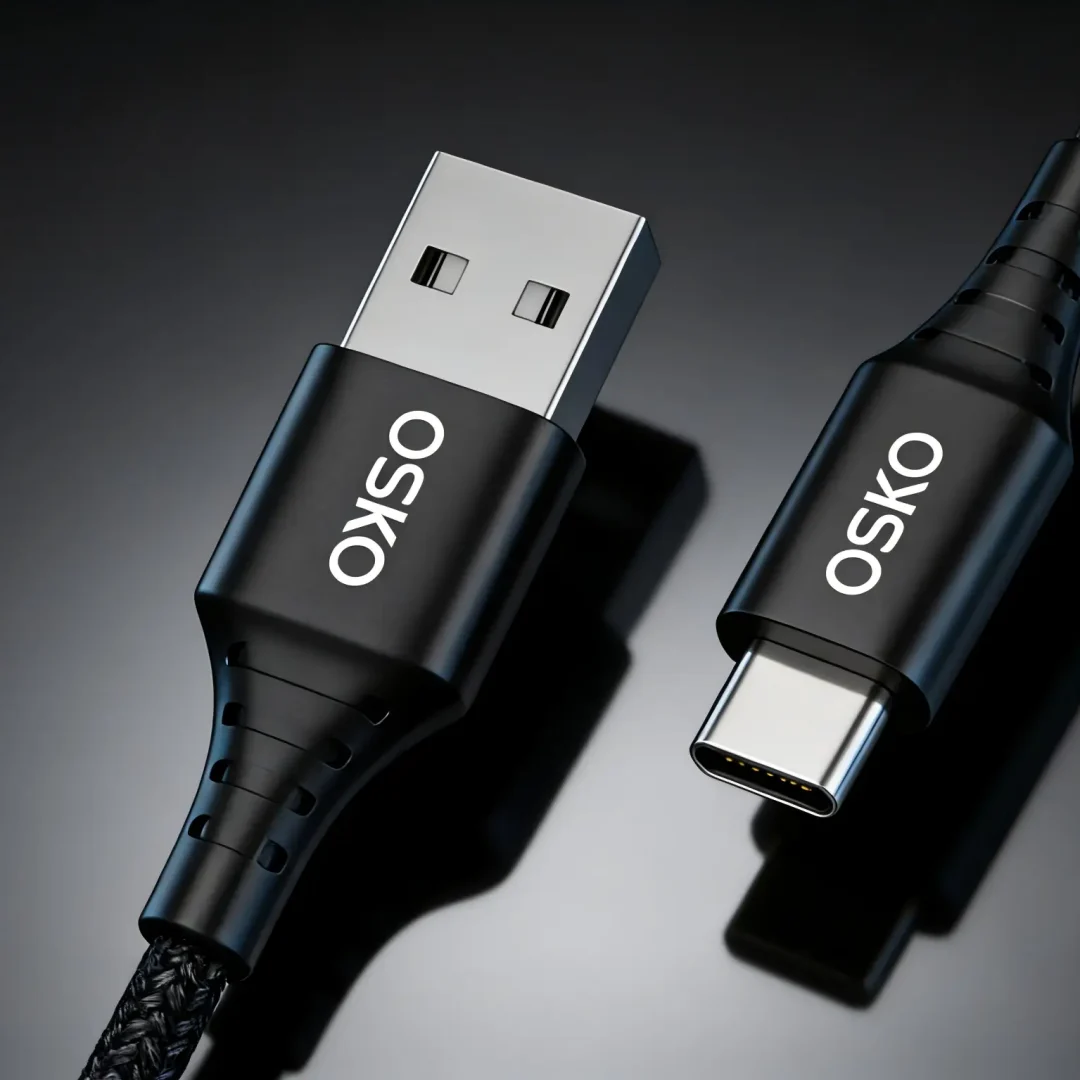
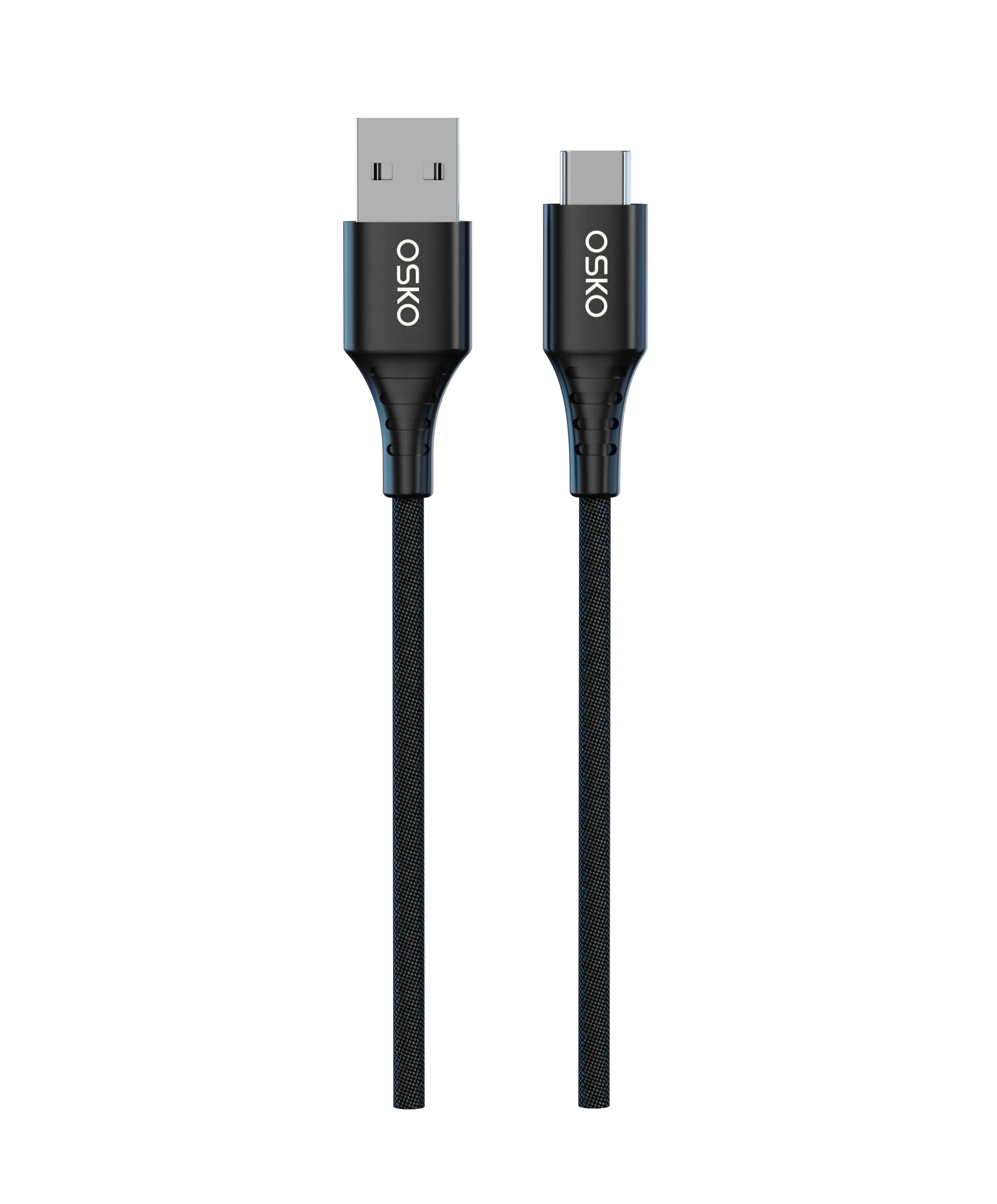
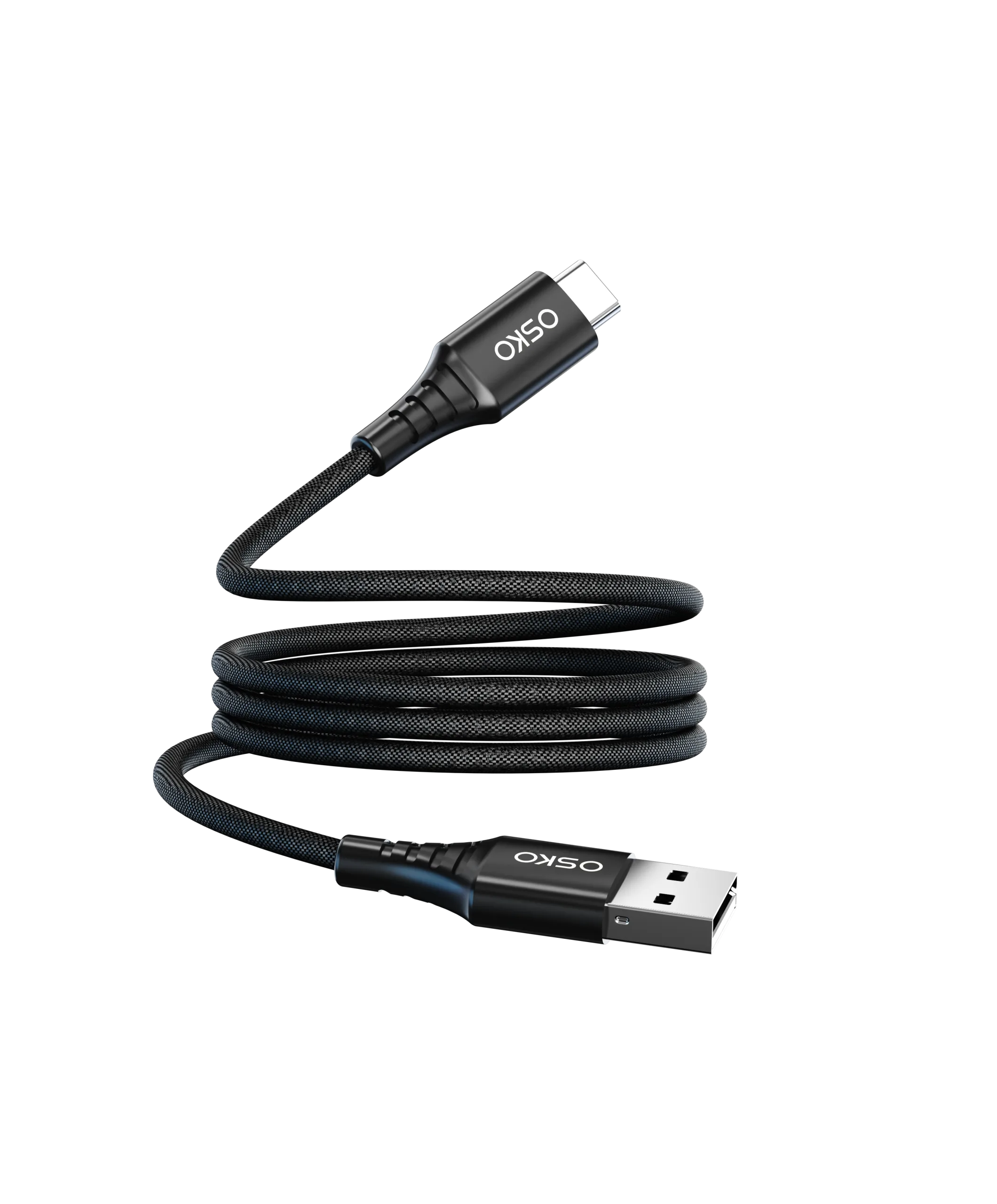
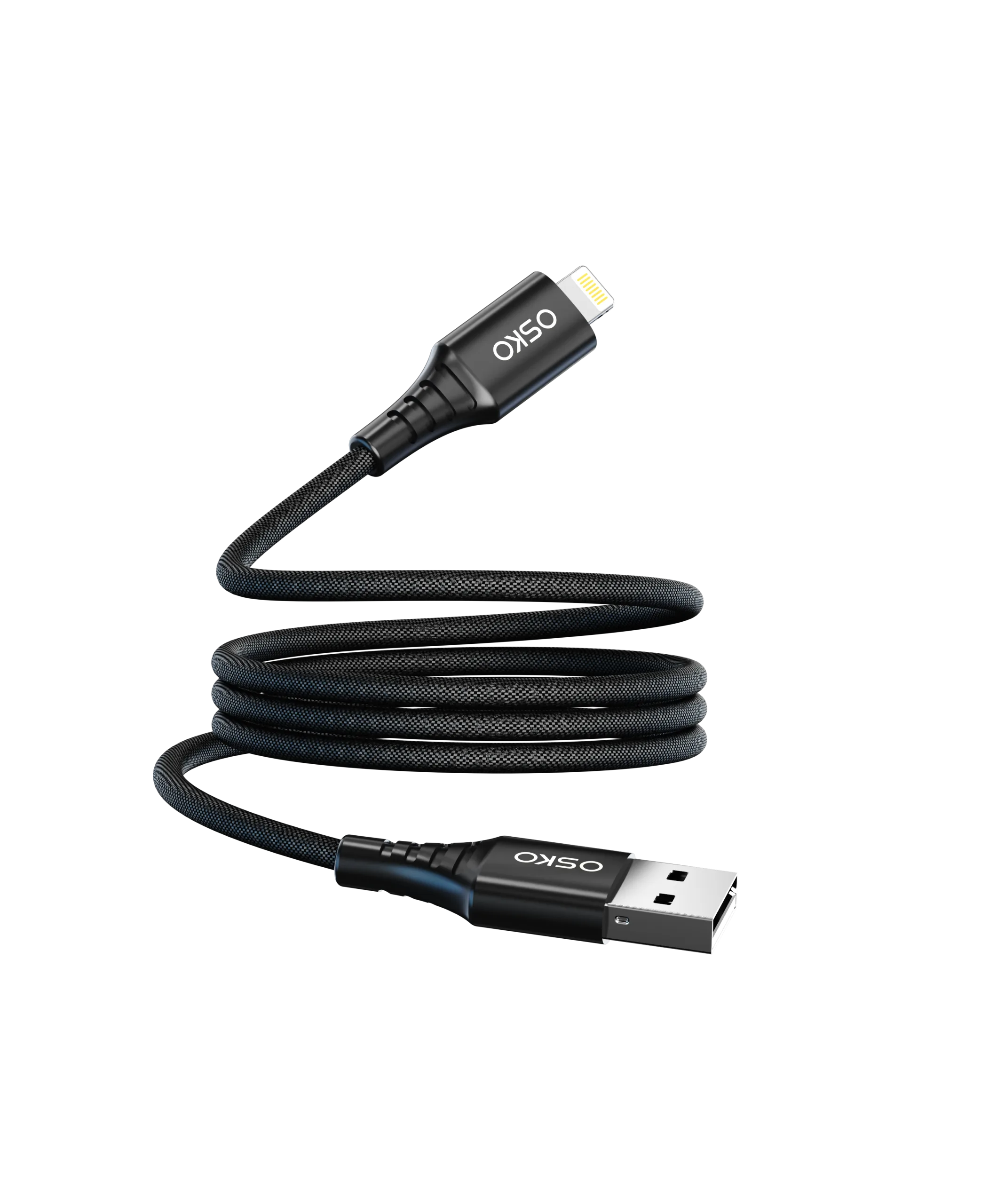

This article explains 6 essential USB cable testing methods used during production, including electrical performance testing, pull-force testing, bending fatigue testing, E-Marker validation, high-voltage safety testing, and data transmission verification. It also covers OEM USB cable manufacturing standards, quality control systems, and compliance requirements for North American and European markets.
news
How to Choose a Durable Braided USB-C Cable for High-Performance Charging and Data Transfer
This guide explains how to select durable braided USB-C cables based on material science, electrical [...]
Continue reading →news
Can a Phone Charger Be Used as a USB Cable?
This article explains whether a phone charger can be used as a USB cable from [...]
Continue reading →news
How USB Connector Pins Affect Charging and Data Speeds: USB-C, USB-A Pinout and Performance Explained
Understand how USB connector pins influence charging speed and data transfer, including USB-C pinout structure, [...]
Continue reading →news
How to Make a USB-C Cable Last Longer
Although USB connector pins are among the smallest components inside a cable, they perform one [...]
Continue reading →news
USB-C Compatibility Guide 2026: Devices, Chargers, Cables and Fast Charging Explained for Global Users
Complete USB-C compatibility guide for 2026 covering smartphones, tablets, laptops, charging standards, cable types, and [...]
Continue reading →