
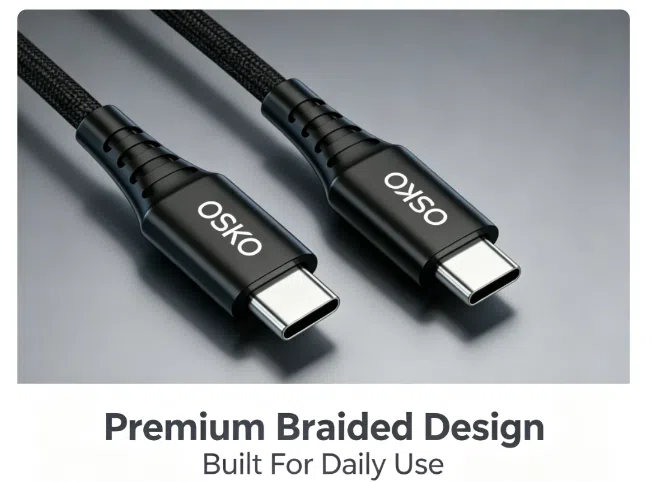
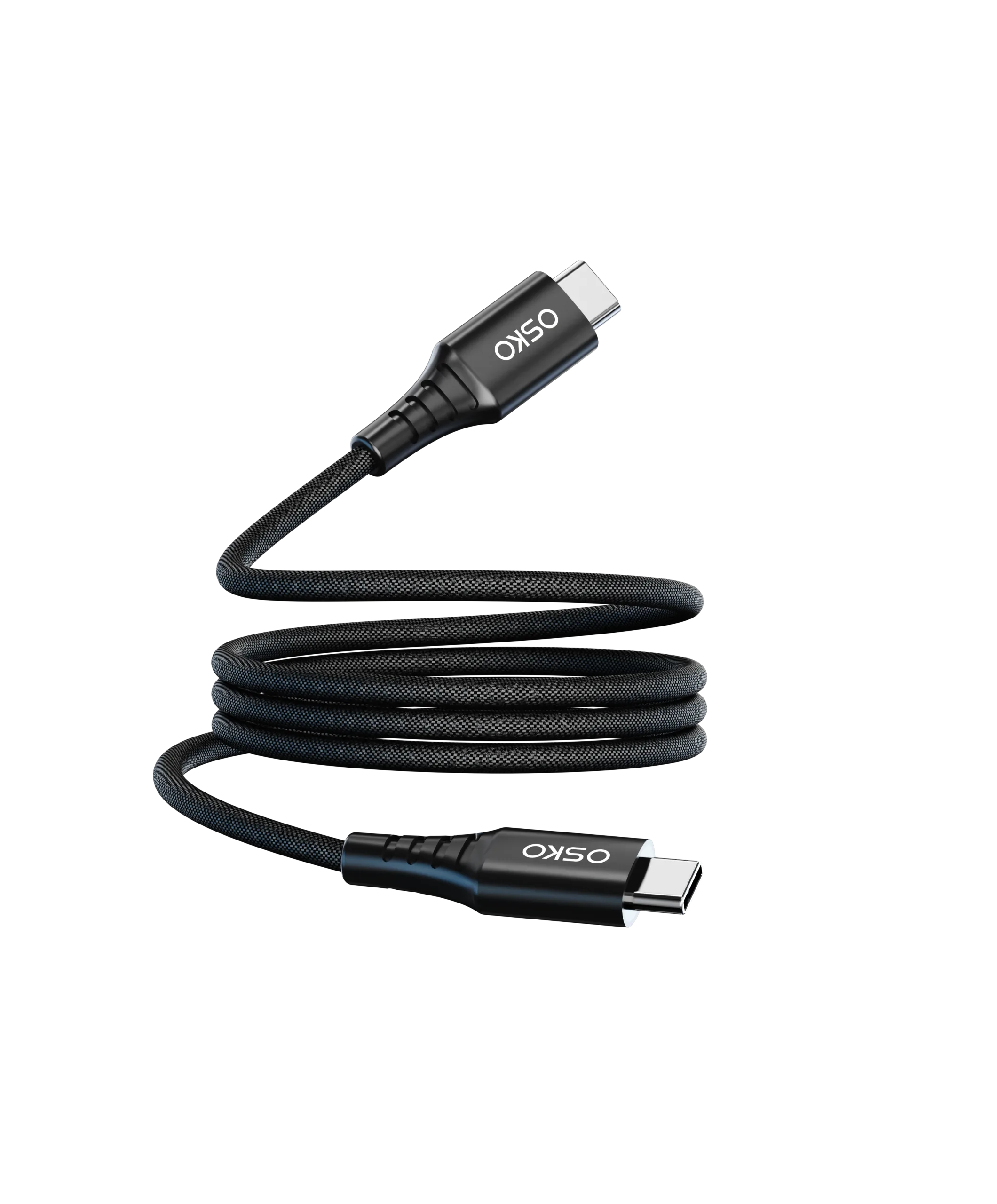
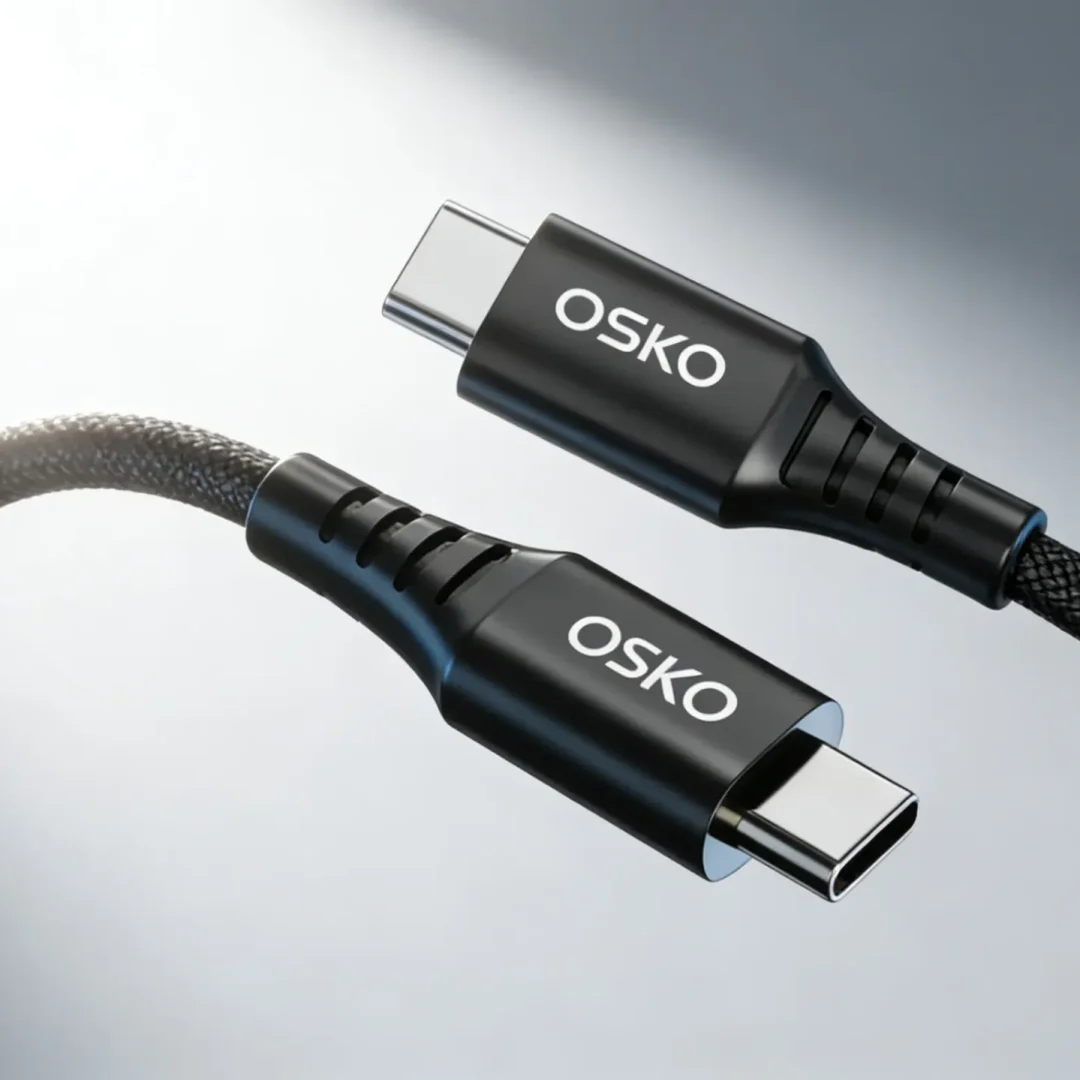
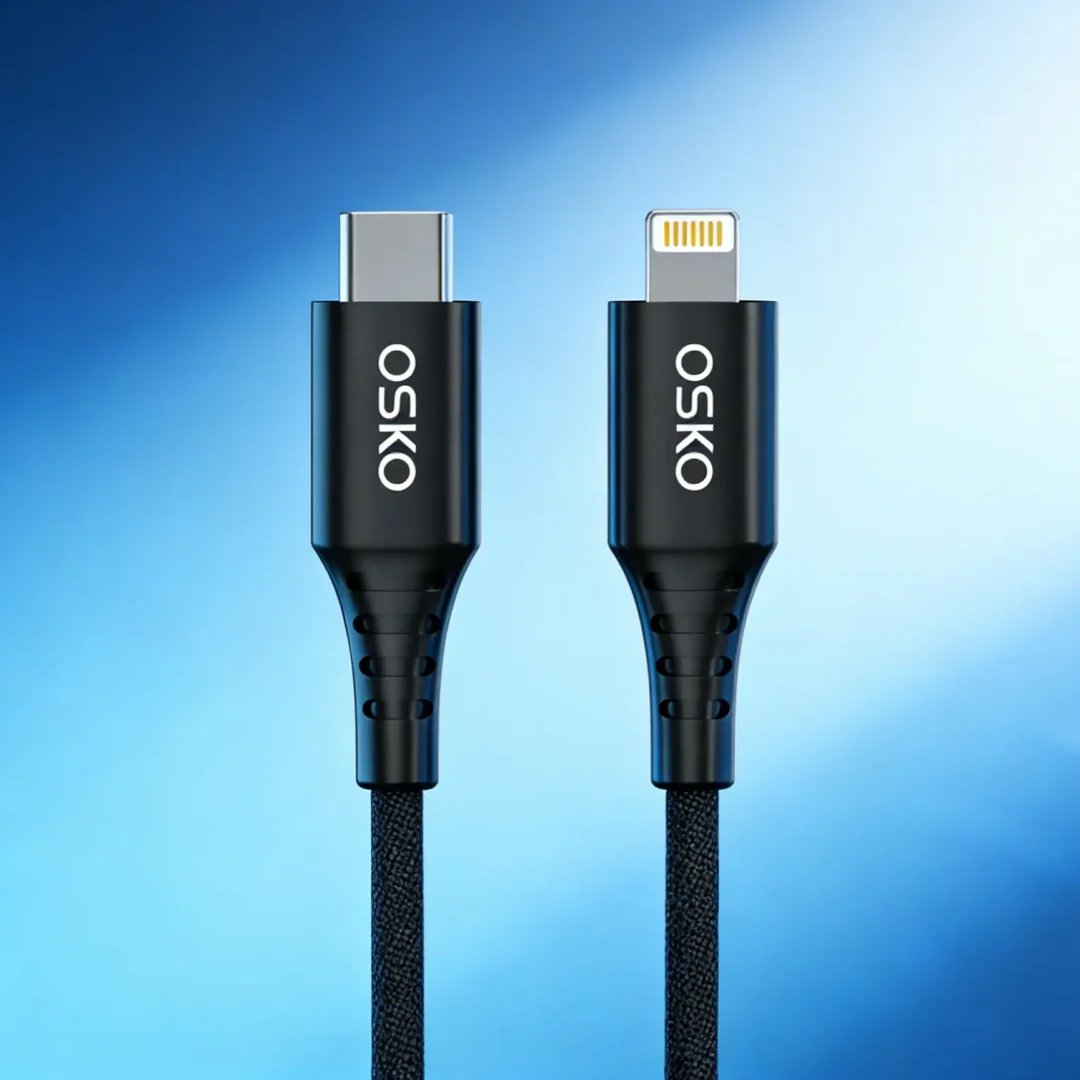
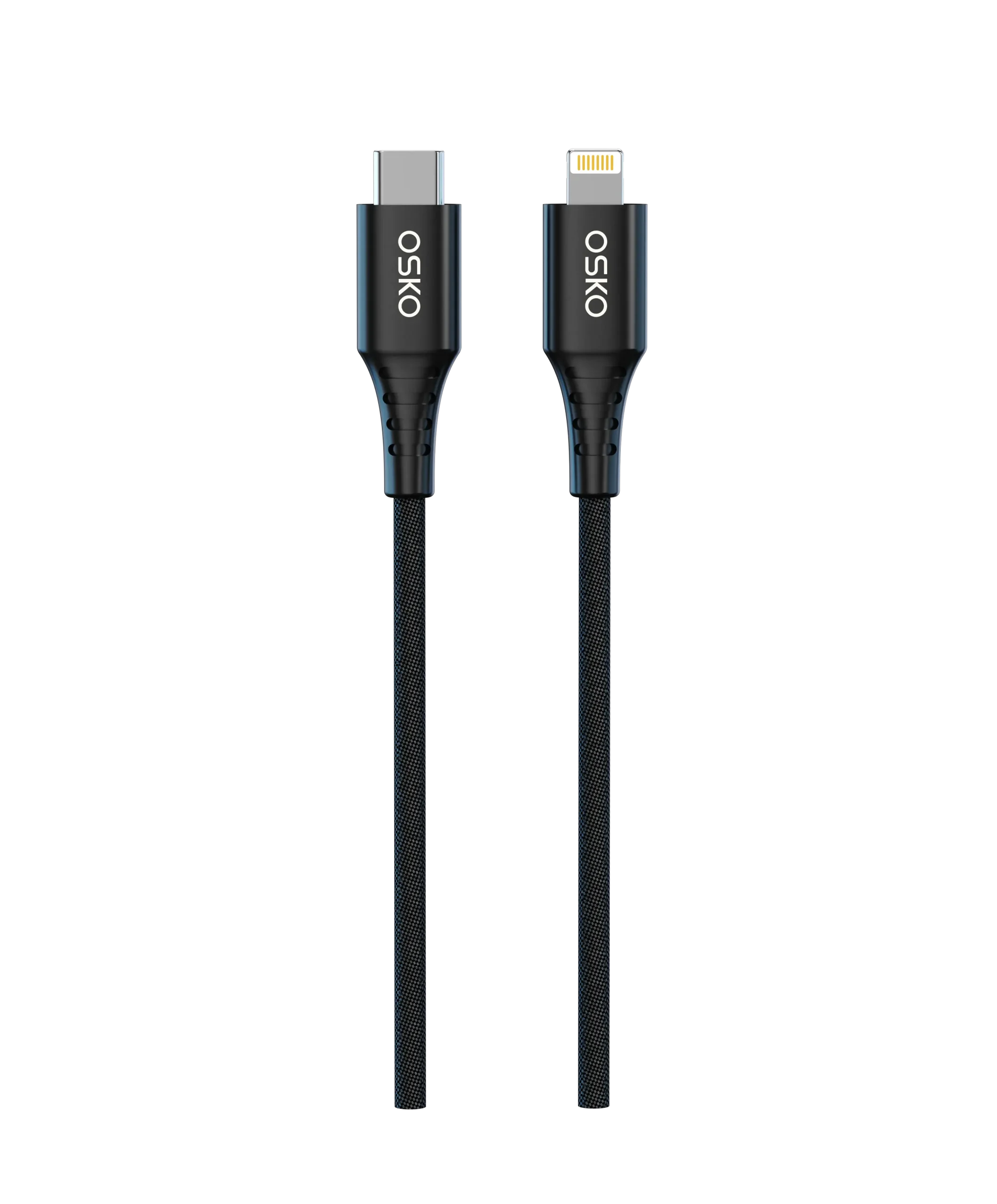
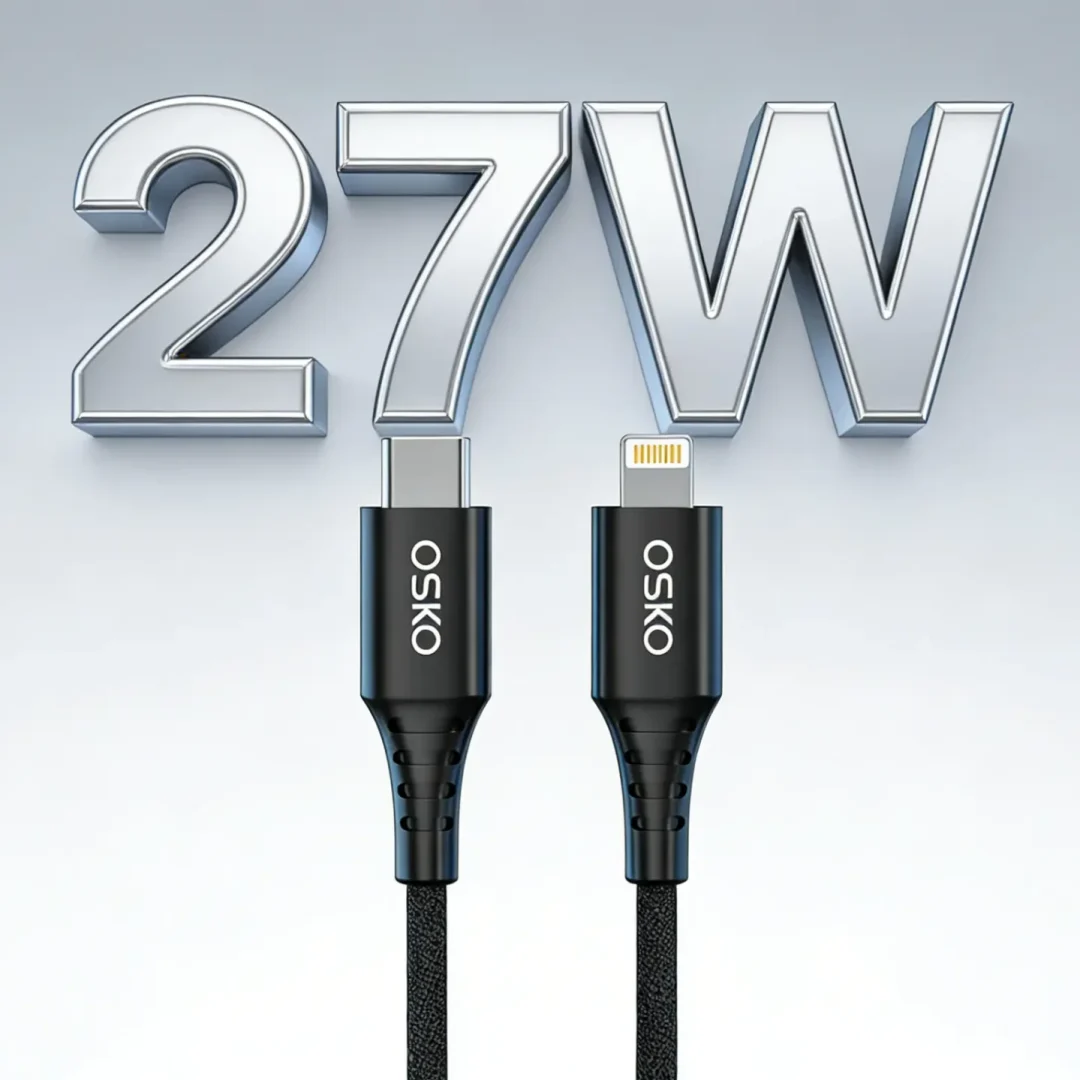
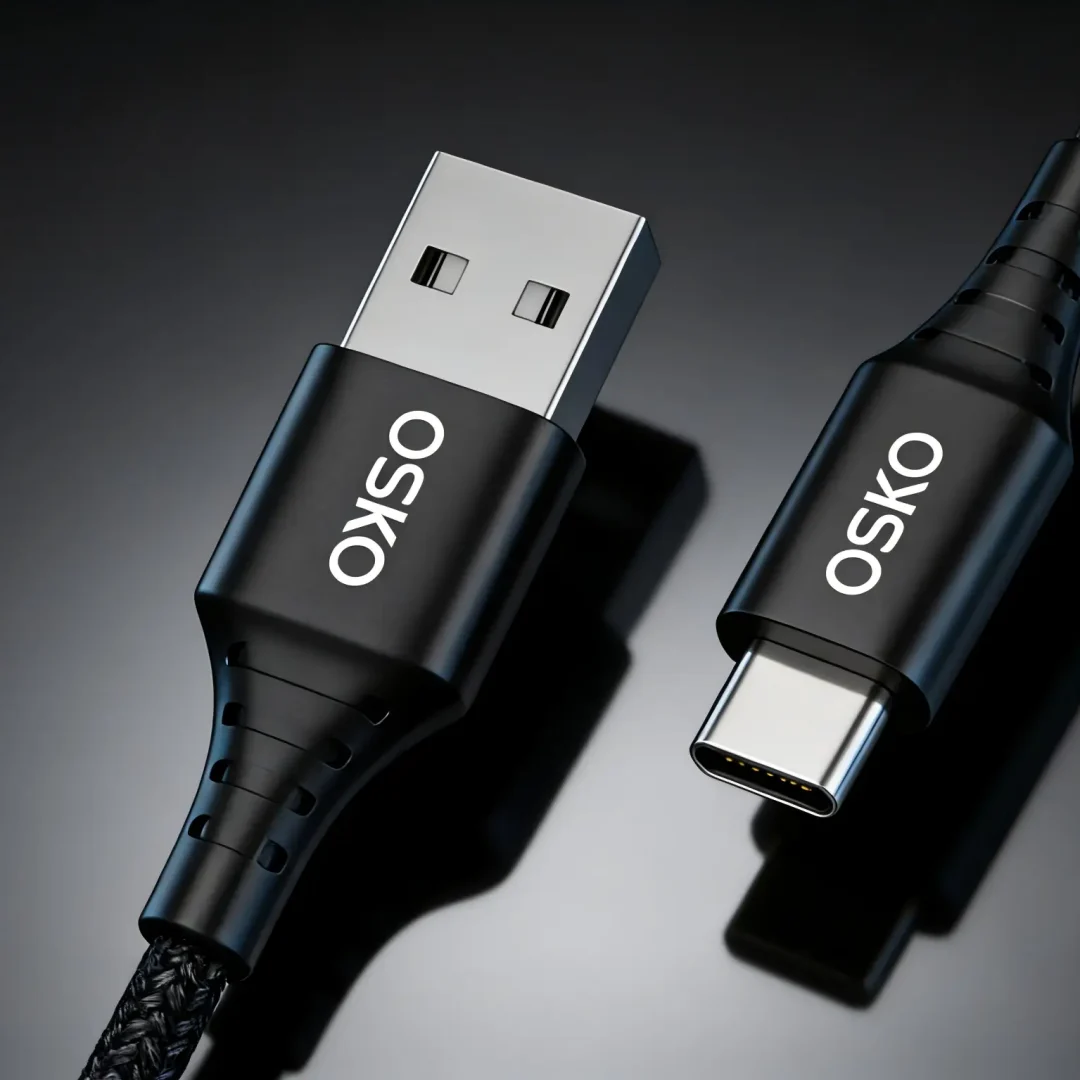
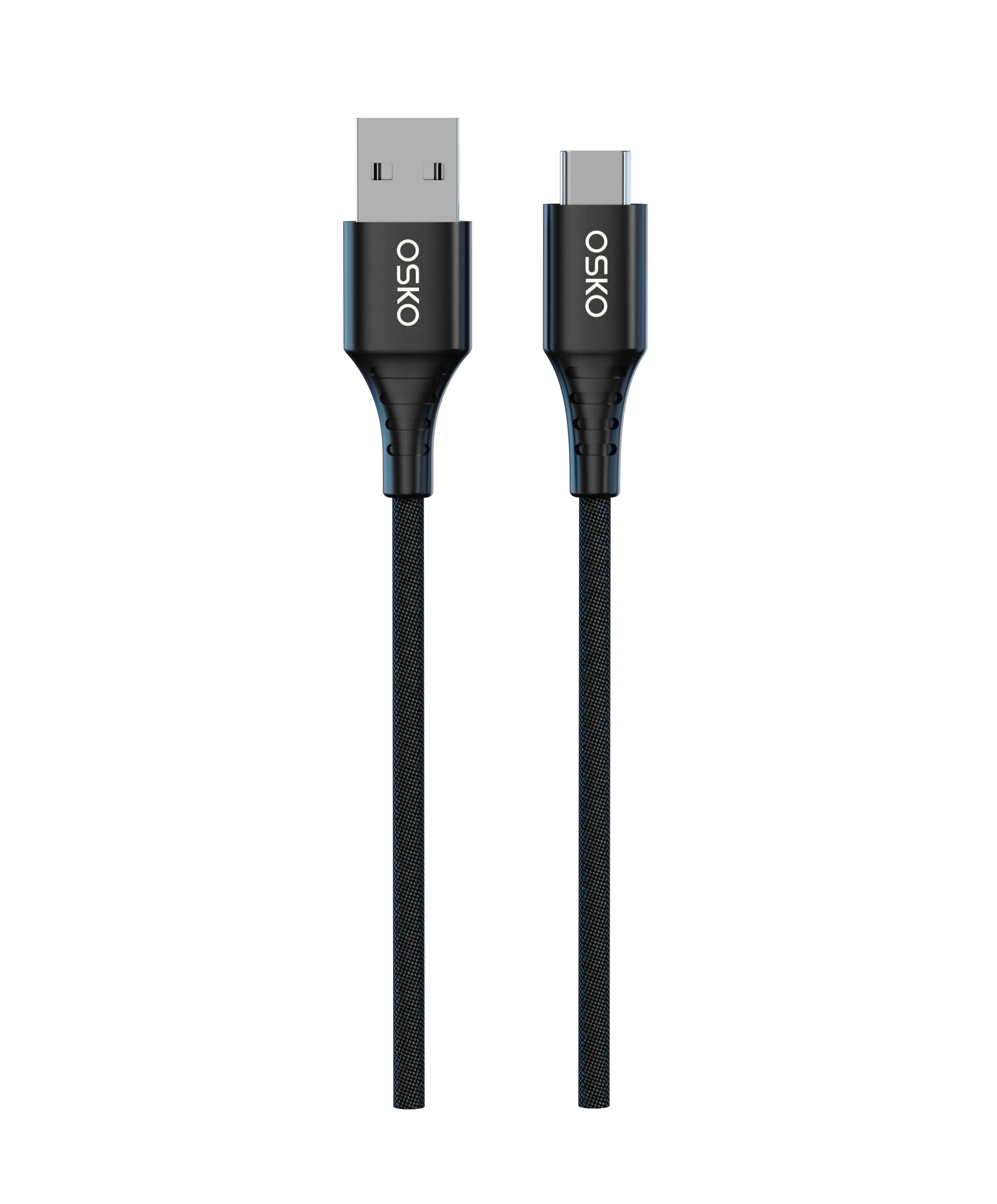
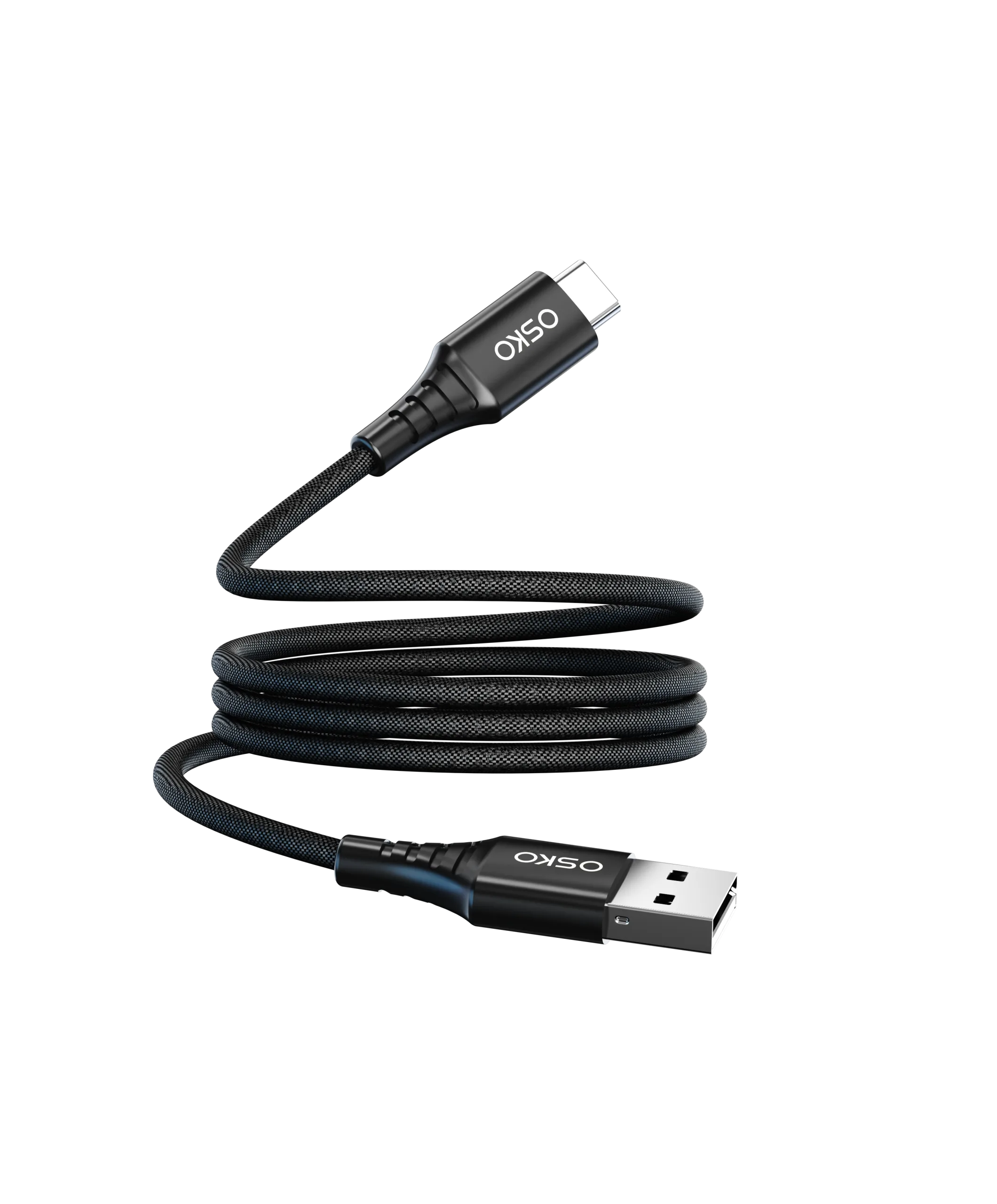
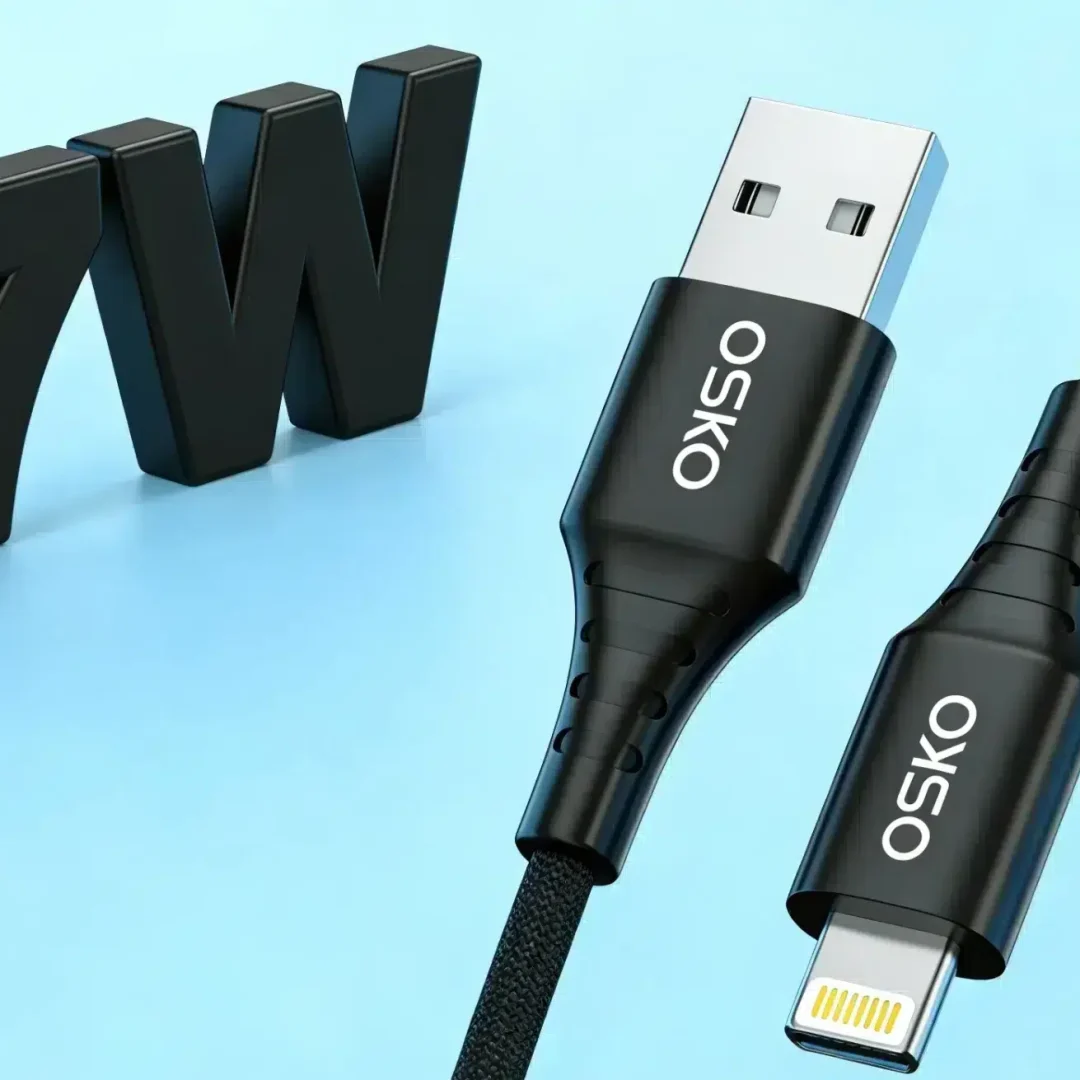
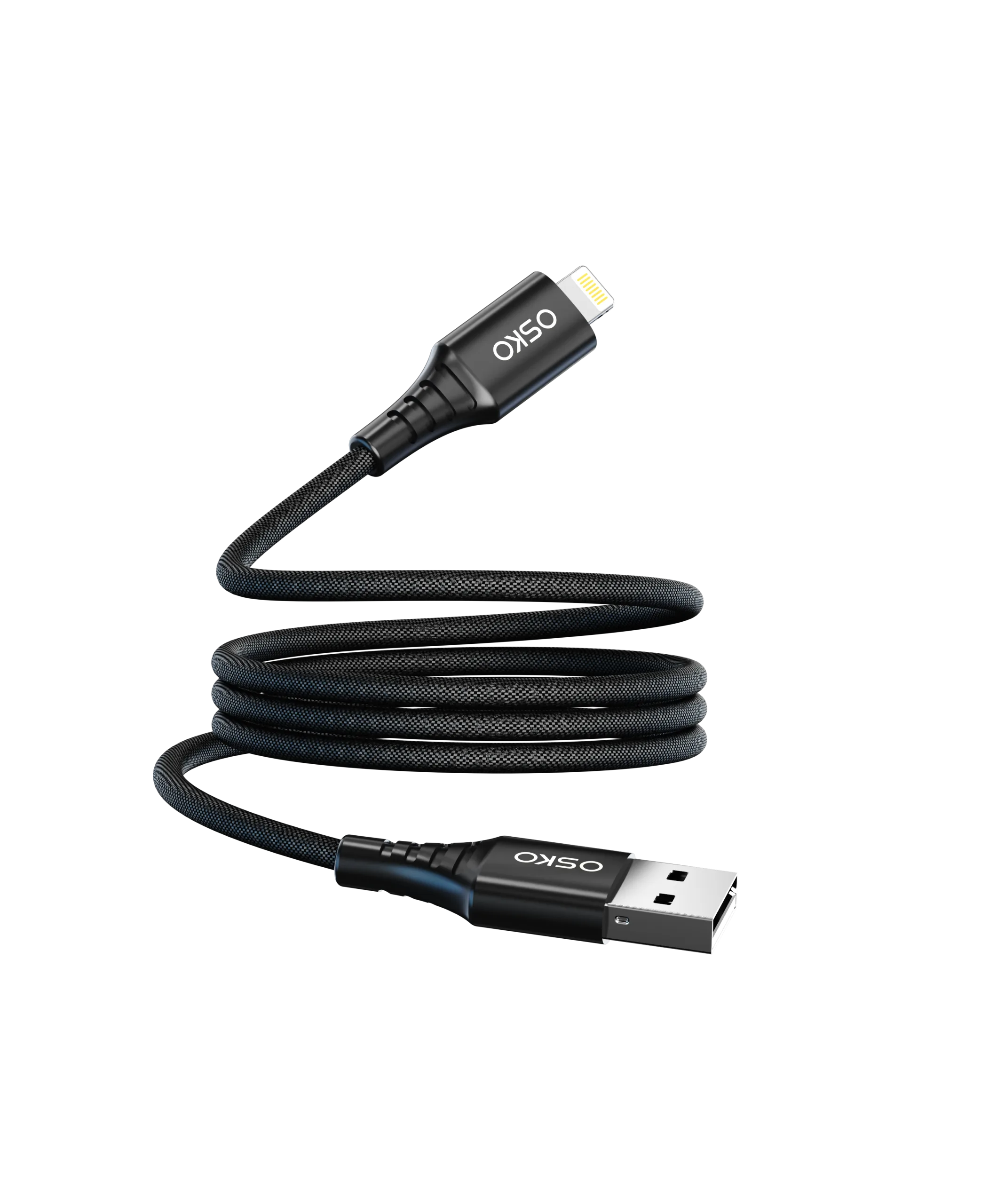
USB-C has moved far beyond the role of a simple smartphone charging connector.
For today’s consumer electronics brands, distributors, Amazon sellers, and retail procurement teams, the same USB-C ecosystem can cover smartphones, tablets, laptops, monitors, docking stations, portable gaming systems, storage devices, and professional peripherals.
That creates a much more demanding sourcing environment.
A buyer looking for a high-spec nylon braided USB-C cable may need to evaluate several independent specifications at the same time:
Charging power
USB Power Delivery capability
Data-transfer performance
Connector construction
Conductor resistance
Shielding
Mechanical durability
E-Marker requirements
Compliance documentation
OEM customization
Production consistency
A cable that looks premium on an e-commerce product page can still fail to meet the actual electrical or mechanical specification.
This is why B2B sourcing should begin with a defined product specification rather than a marketing description.
For brands sourcing from China, the key question is not simply:
“Can this factory make a braided USB-C cable?”
It is:
“Can this manufacturer repeatedly produce the exact electrical, mechanical, compliance, and branding specification our market requires?”
That distinction separates commodity sourcing from professional OEM procurement.
What Defines a High-Spec USB-C Cable?
A high-spec USB-C cable is not defined by one feature such as nylon braiding or a large wattage number.
It is a combination of:
Electrical performance + signal integrity + mechanical construction + connector quality + compliance + manufacturing consistency
A premium cable may therefore include:
Copper conductors sized for the intended current
Appropriate insulation
Shielding matched to the data specification
High-quality USB-C connectors
Reinforced strain relief
Nylon braided outer jacket
E-Marker where required
Controlled production tolerances
Electrical and mechanical testing
For B2B buyers, the most important step is to define the actual performance target before discussing price.
A 60W USB-C charging cable, a 100W laptop cable, and a high-speed USB4 cable may all use the same USB-C connector shape while having very different internal architectures.

USB Power Delivery 3.1 and 240W USB-C Cables
USB Power Delivery 3.1 significantly expanded the power capabilities of the USB-C ecosystem.
USB-IF states that USB PD 3.1 supports power levels up to 240W through compatible full-featured USB Type-C cables and connectors, using Extended Power Range configurations. The specification introduced higher fixed voltage levels including 28V, 36V, and 48V.
This creates opportunities for higher-power USB-C applications such as compatible laptops, monitors, docking environments, and other equipment that previously required proprietary power systems.
However, 240W USB-C cable should never be treated as a generic marketing label.
The cable must be designed for the appropriate power and current requirements.
What Should Buyers Check for a 240W Cable?
For a 240W USB-C cable manufacturer, the engineering review should include:
Current rating
Conductor resistance
Cable length
Connector specification
E-Marker implementation where required
Thermal performance
Voltage drop
Mechanical reliability
Appropriate compliance and validation testing
An E-Marker is particularly important in USB-C cable designs where electronic identification is required by the applicable current and power specification.
The buyer should not simply ask:
“Does this cable have an E-Marker?”
A better procurement question is:
“Does the E-Marker configuration correspond to the exact cable rating and USB-C specification being offered?”
This prevents suppliers from using the term “E-Marker” as a generic premium feature.
Choosing Conductors for High-Power USB-C Cables
Conductor design directly affects electrical resistance and voltage drop.
A common mistake in cable sourcing is using AWG as the only technical benchmark.
AWG can provide useful information about conductor size, but actual performance also depends on:
Copper material
Strand construction
Cross-sectional area
Cable length
DC resistance
Temperature
Connector resistance
Crimp or solder quality
Overall cable architecture
For this reason, a statement such as “20AWG automatically means 240W” is technically incomplete.
Professional procurement specifications should instead define measurable electrical requirements.
Example Procurement Specification
| Parameter | Example Requirement |
|---|---|
| Cable type | USB-C to USB-C |
| Power target | 60W / 100W / 240W |
| Current rating | Defined according to application |
| Length | 3 ft / 6 ft / custom |
| Data capability | USB 2.0 / USB 3.x / USB4 |
| E-Marker | As required by specification |
| Outer jacket | Nylon braid |
| Connector | USB-C specified configuration |
| QC | Electrical + mechanical testing |
This gives the factory a clear engineering target instead of leaving the product definition to marketing language.
USB4 and High-Speed Data Performance
Power is only half of the USB-C value proposition.
For professional users, data performance can be equally important.
USB4 is designed to support high-bandwidth data and display applications using the USB Type-C ecosystem. USB-IF’s current USB4 materials describe multiple performance generations, including operation up to 80Gbps with certified 80Gbps cables.
That means a modern sourcing guide should avoid treating “USB4 = 40Gbps” as the only available specification.
40Gbps remains an important USB4 product category, but buyers should specify the exact USB4 generation and performance requirement.
USB4 Cable Engineering
High-speed USB-C cables require much tighter electrical control than basic charging cables.
The design may involve:
High-speed differential pairs
Controlled impedance
Shielding
Pair-to-pair isolation
Connector integrity
Low insertion loss
Return-loss control
Crosstalk management
High-frequency validation
The exact internal architecture depends on the cable specification.
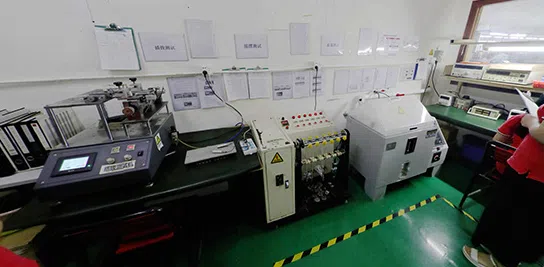
A supplier claiming “USB4” should therefore be able to explain the intended data rate and the relevant testing methodology.
For a buyer searching for an OEM USB4 cable supplier, this technical transparency is often more important than the outer braid.
Does USB4 Automatically Mean 8K Video?
No.
USB4 can support high-bandwidth display applications, but actual display resolution and refresh rate depend on the host, device, display protocol, graphics architecture, available bandwidth, and implementation.
Therefore, marketing statements such as:
“USB4 40Gbps = guaranteed 8K 60Hz”
are too simplistic.
A more accurate product specification identifies the tested data capability and clearly states any display requirements or compatibility conditions.
This is particularly important for brands selling cables for:
MacBooks
Windows laptops
Docking stations
External SSDs
Monitors
Professional video workflows
Why Shielding Matters in High-Speed USB-C Cables
As USB-C cable data rates increase, signal integrity becomes increasingly important.
Shielding can help control electromagnetic coupling and reduce unwanted interference, but the exact shielding architecture depends on the cable design.
Potential structures include:
Aluminum foil
Braided conductive shield
Drain wire
Shielded twisted pairs
Multiple shielding layers
A buyer should distinguish between two completely different meanings of “braided cable.”
Nylon Outer Braid
The visible textile layer primarily provides:
Abrasion resistance
Mechanical protection
Premium appearance
Branding opportunities
Conductive Internal Braid
A conductive shield serves an electrical function and is part of the signal-integrity architecture.
These two layers should not be confused.
A cable can have an attractive nylon exterior while having a relatively simple internal electrical architecture.
Conversely, a high-speed cable may use sophisticated shielding even if the external jacket looks relatively ordinary.
The Importance of Connector Engineering
The connector is one of the highest-stress components in a charging cable.
Everyday users repeatedly:
Insert and remove the cable
Bend the cable near the plug
Pull the cable from a device
Wrap it for storage
Use it at an angle
The transition between the rigid connector and flexible cable therefore needs careful mechanical design.
A professional manufacturer should evaluate:
Connector housing
Contact quality
Crimp or solder integrity
Overmolding
Strain relief
Pull strength
Bend performance
Connector retention
Dimensional consistency
For an OEM buyer, these characteristics should become part of the product specification.he Safe Drinking Water and Toxic Enforcement Act of 1986, universally known as Proposition 65.

Nylon Braiding: More Than a Premium Appearance
Nylon braiding is popular because it combines visual appeal with useful mechanical protection.
However, not all braided USB-C cables are manufactured with the same braid density, yarn quality, or construction.
A high-quality braid should be evaluated for:
Braid density
Yarn strength
Abrasion resistance
Flexibility
Jacket adhesion
Fraying resistance
Color consistency
Dimensional stability
Claims such as “double braided,” “24-spindle,” or “high-density braid” should ideally be supported by an actual manufacturing specification.
The number of spindles alone does not determine cable quality.
Braided vs. PVC Construction
| Feature | PVC Cable | Nylon Braided Cable |
|---|---|---|
| Abrasion resistance | Design dependent | Generally higher |
| Premium appearance | Basic | Higher |
| Surface protection | Moderate | Higher |
| Flexibility | Formulation dependent | Construction dependent |
| Branding | Standard | Strong visual potential |
| Retail positioning | Entry/mid-range | Mid/premium |
The best construction depends on the intended application.
For a low-cost charging cable, PVC may be commercially appropriate.
For a premium private-label accessory, nylon braiding can provide additional product differentiation.
Strain Relief Is a Critical Failure Point
One of the most common mechanical stress areas is where the cable enters the connector.
A strong custom braided USB-C cable should therefore use a strain-relief structure designed around the cable’s bend behavior.
Possible design approaches include:
Extended overmolding
Tapered strain relief
Flexible TPU sections
Multi-stage transitions
Controlled bend radius
A longer strain relief does not automatically make a cable stronger.
The important question is whether the complete design distributes bending stress effectively.
How to Evaluate Bend-Test Claims
Suppliers frequently advertise:
10,000 bends
15,000 bends
20,000 bends
30,000 bends
These numbers are meaningful only when the test conditions are defined.
Ask:
What bending angle was used?
What load was applied?
What bending radius?
How many cycles?
Was the cable energized?
Was charging performance tested afterward?
What constitutes failure?
A 20,000-cycle test under one laboratory method cannot automatically be compared with a 10,000-cycle test under another.
This is a much stronger EEAT approach than simply publishing a large number.
OEM and Private-Label USB-C Cable Customization
For brands, product customization can be just as important as electrical performance.
A professional private label USB-C cable manufacturer may support:
Custom Lengths
Common configurations include:
1 ft
3 ft
6 ft
10 ft
Custom lengths can be developed according to application and production requirements.
Custom Braided Colors
Brands can specify:
Black
White
Gray
Blue
Red
Custom brand colors
Color matching should be confirmed through physical samples because textile, molding, and metal finishing can reproduce the same color differently.
Custom Connector Housing
Potential options include:
ABS
PC
Aluminum alloy
Zinc alloy
Custom molded housing
The appropriate material depends on cost, durability, tooling, appearance, and target market.
Custom Logo
OEM branding can include:
Laser engraving
Pad printing
UV printing
Molded logo
Custom connector branding
Cable printing
Private-label packaging
For premium products, laser engraving or molded branding can provide better long-term durability than surface printing, depending on the connector material.
MOQ and Supply Chain Strategy
MOQ is one of the most important commercial considerations for growing brands.
However, there is no universal “ideal MOQ.”
A supplier may offer different MOQ structures depending on:
Existing cable core
Custom braid color
Custom connector mold
Custom cable length
Packaging
Logo process
Tooling requirements
Production planning
A realistic OEM conversation should therefore separate:
Stock-based customization
from
Fully customized manufacturing
For example, a stock cable core with custom laser branding may require less production commitment than a completely new cable architecture with custom molds, custom braid colors, and new packaging.
For OSKO’s OEM projects, the actual MOQ should be quoted according to the requested specification rather than presented as a universal number.
Compliance: What US Buyers Should Actually Check
Compliance is often where technical marketing becomes misleading.
A buyer may see:
FCC approved
CE certified
RoHS certified
Prop 65 compliant
on a product listing.
These terms do not all describe the same type of legal requirement.
FCC
For US-market products, the applicable FCC requirements depend on the product and whether it contains regulated electronic circuitry or can be an RF source.
A passive USB cable should not automatically be marketed as though it has received a standalone FCC “approval.”
For a supplier, the better approach is to identify the applicable regulatory pathway and provide relevant test or compliance documentation for the actual product configuration.
This is particularly important when a USB-C cable includes active electronics.
CE and European Market Requirements
CE marking is also more nuanced than a simple “quality certificate.”
The European Commission explains that CE marking is mandatory only for products covered by applicable EU harmonization legislation and does not itself mean that a product has been “approved” as safe by the EU or another authority.
Therefore, a European buyer should ask:
Which EU legislation applies?
What conformity assessment was performed?
Who is responsible for the Declaration of Conformity?
Does the documentation match the exact product?
Are applicable RoHS requirements addressed?
For Germany and the Netherlands, technical documentation and traceability can be particularly important during supplier qualification.
RoHS and Material Compliance
RoHS addresses restrictions on specified hazardous substances in electrical and electronic equipment.
For cable sourcing, buyers may request:
Material declarations
Supplier declarations
Laboratory test reports
Component-level documentation
Restricted-substance test records
The exact documentation should correspond to the applicable product category and market requirements.
A professional manufacturer should be able to explain where its compliance documentation comes from rather than simply attaching an unrelated certificate to a quotation.
Understanding California Proposition 65
Prop 65 is frequently misunderstood in USB cable marketing.
California’s Proposition 65 requires businesses to provide clear and reasonable warnings for certain significant exposures to listed chemicals unless an applicable exception or safe-harbor condition applies. OEHHA maintains the Proposition 65 chemical list and publishes safe-harbor levels for many substances.
It is therefore inaccurate to describe Prop 65 simply as a requirement that a USB-C cable must be “free from more than 900 chemicals.”
The list contains approximately 900 chemicals, but Prop 65 is fundamentally an exposure-warning law, not a blanket prohibition on every listed substance in every product.
For California-bound products, brands should evaluate:
Material composition
Potential listed chemicals
Exposure pathways
Applicable safe-harbor levels
Required warnings
Retailer requirements
Current California regulations
This is particularly important for private-label brands selling through major US marketplaces or retail channels.
Engineering Case Study: 60W Braided USB-C Cable for Retail and Automotive Applications
Consider a distributor preparing a 6-foot braided USB-C cable for retail, home-office, and automotive use.
The commercial specification is:
6 ft
60W target
Black nylon braid
Private-label packaging
Smartphone and tablet charging
Car and desk use
Instead of selecting the lowest quotation, the procurement team creates a technical approval checklist.
| Engineering Requirement | Buyer Objective |
|---|---|
| Conductor specification | Control electrical resistance |
| Connector inspection | Improve contact consistency |
| Charging validation | Confirm intended power performance |
| Data testing | Verify specified data capability |
| Bend testing | Evaluate mechanical durability |
| Pull testing | Validate connector retention |
| Strain relief | Reduce cable-end stress |
| Braid inspection | Control appearance and durability |
| Packaging verification | Maintain retail consistency |
| Final QC | Reduce production variation |
The supplier then provides pre-production samples.
The buyer compares the sample against the agreed specification before mass production.
This process is particularly valuable for brands purchasing bulk USB-C charging cables, because the goal is not simply to approve one attractive sample.
The goal is to establish a repeatable manufacturing standard.
What to Ask a USB-C Cable Manufacturer Before Ordering
Before placing a purchase order, B2B buyers should request:
Product Specification
Cable type
Length
Power rating
Data rate
Connector configuration
Jacket material
Conductor specification
Shielding structure
Testing
Electrical testing
Charging validation
Data testing where applicable
Bend testing
Pull testing
Connector testing
Appearance inspection
Compliance
Applicable US documentation
Applicable EU documentation
RoHS information
Material declarations
Prop 65 assessment where relevant
Product-specific test reports
Commercial Terms
MOQ
Sample cost
Tooling cost
Production lead time
Packaging options
Shipping terms
Warranty
Payment terms
The supplier’s ability to answer these questions clearly is often more valuable than a polished factory presentation.
FAQ: High-Spec Nylon Braided USB-C Cables
What is a high-spec USB-C cable?
A high-spec USB-C cable is designed for defined electrical, data, mechanical, and compliance requirements rather than simply using a USB-C connector. The specification may include power rating, data rate, shielding, conductor design, connector construction, and testing.
Can a USB-C cable support 240W charging?
Yes. Compatible USB-C cables can support USB PD Extended Power Range applications up to 240W when the cable, charger, device, and applicable USB PD configuration all support the required power level.
Does every 240W USB-C cable need an E-Marker?
Higher-power USB-C cable designs can require electronic identification depending on the applicable current and power specification. Buyers should verify the actual cable architecture rather than treating “E-Marker” as a generic premium feature.
Is USB4 always 40Gbps?
No. USB4 includes different performance levels. USB-IF’s current USB4 information includes 80Gbps operation with certified 80Gbps cables, so buyers should specify the exact required USB4 performance rather than using “USB4” alone.
Can USB4 cables support 8K displays?
USB4 can support high-bandwidth display applications, but actual resolution and refresh rate depend on the host, display, graphics implementation, protocol support, and available bandwidth. A cable listing should therefore avoid guaranteeing a specific display result without validating the complete system.
Is a nylon braided USB-C cable better than PVC?
Nylon braiding can improve abrasion resistance, mechanical protection, and retail appearance, but it does not automatically guarantee better charging or data performance. Internal electrical design remains critical.
Does a thicker AWG automatically mean higher charging power?
No. AWG is one design variable. Current rating also depends on conductor material, resistance, length, connector design, thermal behavior, and the complete cable specification.
What is the difference between a 100W and 240W USB-C cable?
The two cables are designed for different power levels and applicable USB PD configurations. A 240W cable requires an appropriate EPR-capable design and should not be treated as simply a thicker version of a 100W cable.
Is FCC certification required for every USB-C cable?
Not necessarily. The applicable FCC requirements depend on the product configuration and whether the product falls within regulated FCC equipment categories. Buyers should ask the supplier to identify the specific compliance basis rather than assuming that every passive USB cable requires standalone FCC certification.
Does CE certification mean a USB-C cable is approved by the EU?
No. CE marking indicates conformity with applicable EU legislation where CE marking is required. The European Commission specifically notes that CE marking does not mean a product has been approved as safe by the EU or another authority.
Is Proposition 65 a certification?
No. Proposition 65 is a California law concerning exposures to listed chemicals and warning requirements. It is not a generic product certification. Whether a warning is required depends on applicable exposure circumstances and regulatory thresholds.
What should I ask a USB-C cable supplier?
Ask for the exact product specification, power and data capabilities, connector configuration, testing methodology, applicable compliance documentation, MOQ, lead time, samples, packaging options, and production QC process.
Can a manufacturer customize a nylon braided USB-C cable?
Yes. Depending on the factory’s capabilities, OEM customization can include cable length, braid color, connector housing, logo, packaging, electrical configuration, and other product-specific requirements.
What MOQ should I expect for custom USB-C cables?
MOQ depends on the amount of customization. Existing cable platforms with logo printing may require less production commitment than completely new cable designs involving custom molds, braid colors, connector tooling, and packaging.
Conclusion
The best high-spec nylon braided USB-C cable is not necessarily the cable with the biggest wattage number or the most aggressive marketing claims.
For B2B buyers, the stronger approach is to define the complete product specification:
Power + data + conductor design + shielding + connector + mechanical durability + compliance + QC
USB PD 3.1 has expanded USB-C power capability to 240W, while USB4 continues to evolve toward higher data performance. These developments create valuable opportunities for premium cable brands, but they also make supplier qualification more technically demanding.
For US buyers, FCC requirements should be evaluated according to the actual product configuration rather than automatically labeling every cable “FCC approved.”
For European buyers, CE and RoHS should likewise be handled according to the applicable legislation and product category.
For California sales, Proposition 65 should be treated as an exposure and warning requirement rather than a generic “chemical-free certification.”
For OEM and private-label brands, the final objective is consistency.
A reliable USB-C cable manufacturer should be able to translate a commercial requirement into a measurable engineering specification, provide samples, perform appropriate testing, maintain production QC, support customization, and reproduce the approved design consistently at scale.
That is what turns a USB-C cable from a commodity accessory into a controlled product platform.
Request an OEM Quote for High-Spec USB-C Cables
OSKO specializes in OEM and ODM USB cable manufacturing for brands, wholesalers, distributors, and retail businesses.