
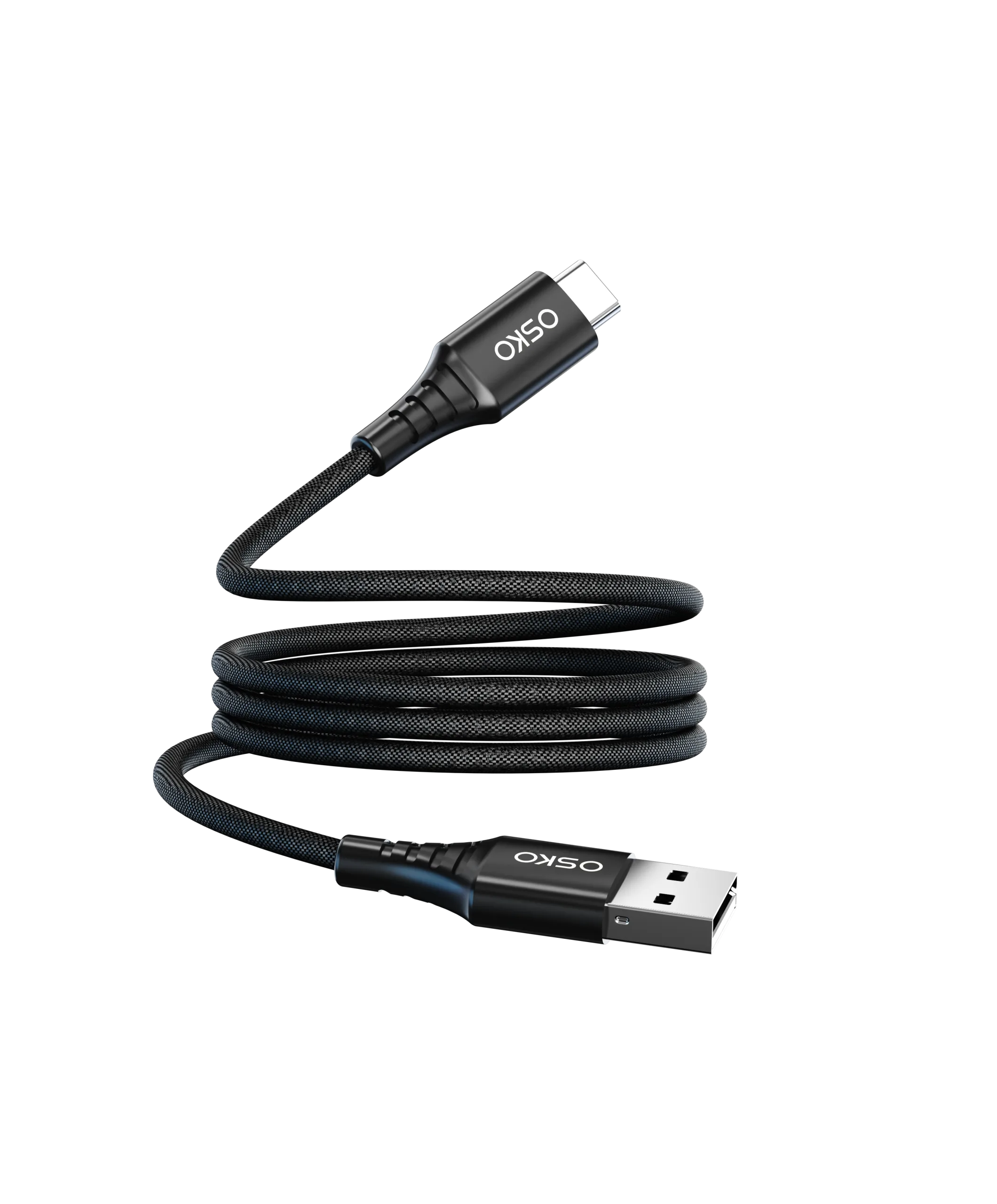
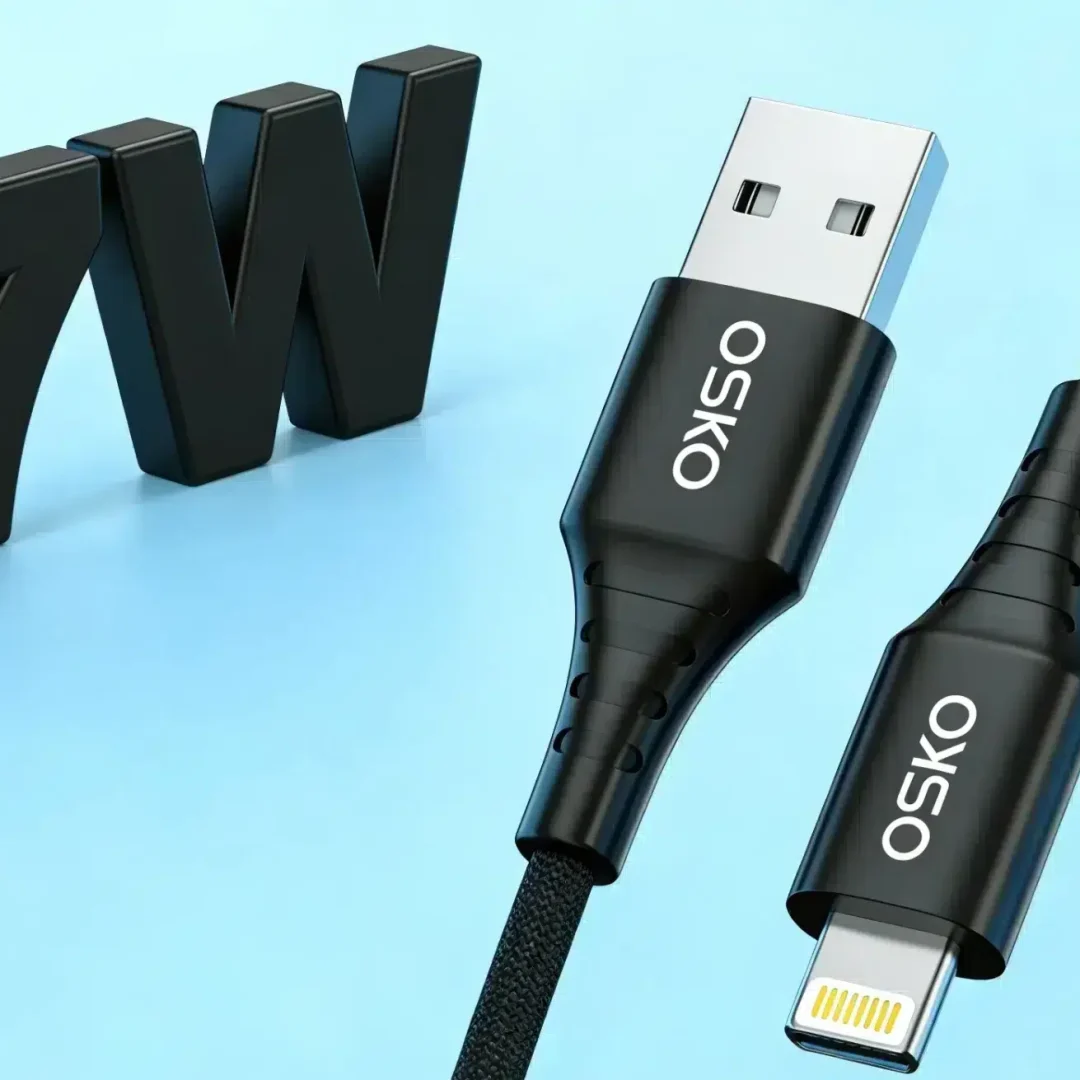
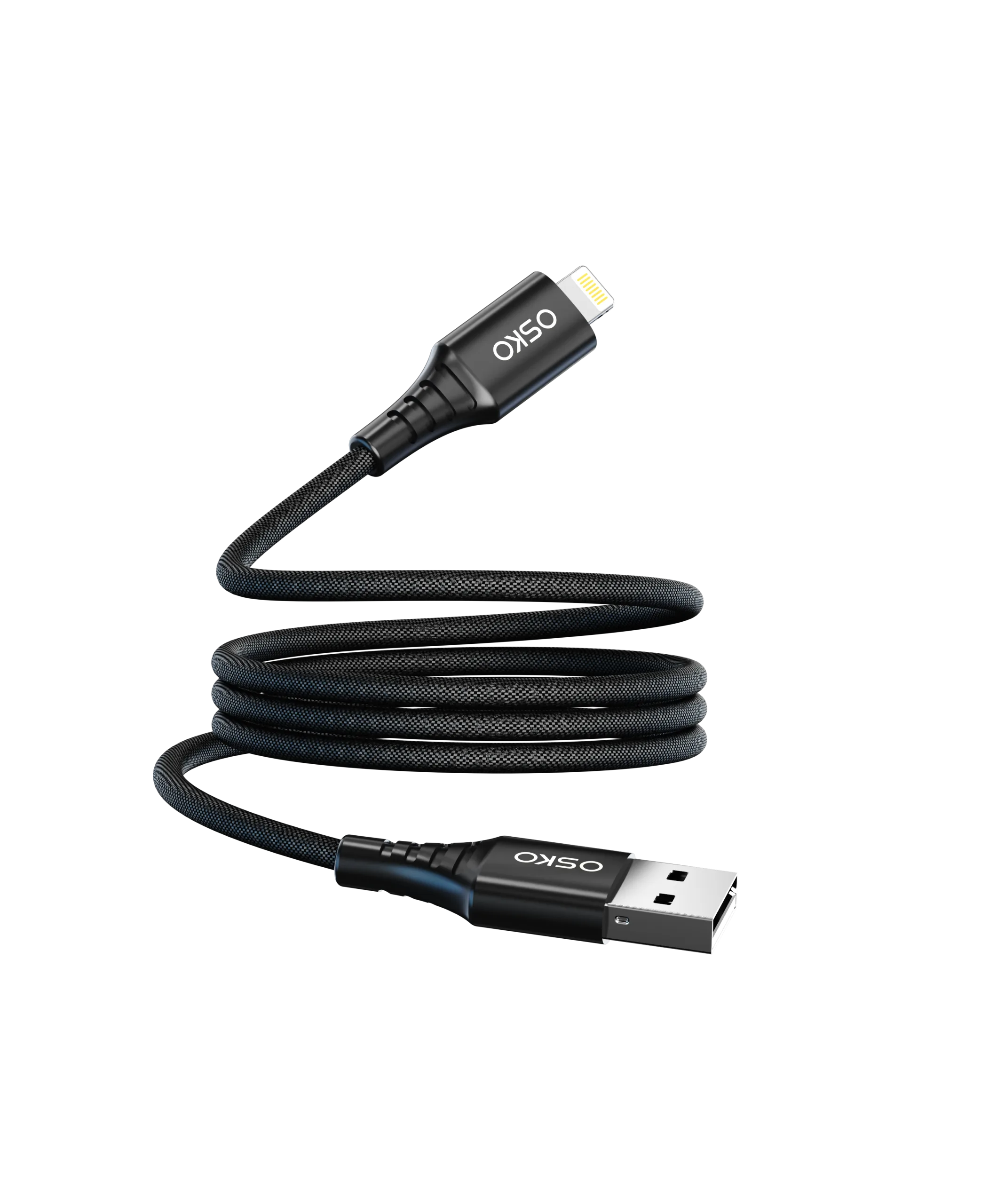
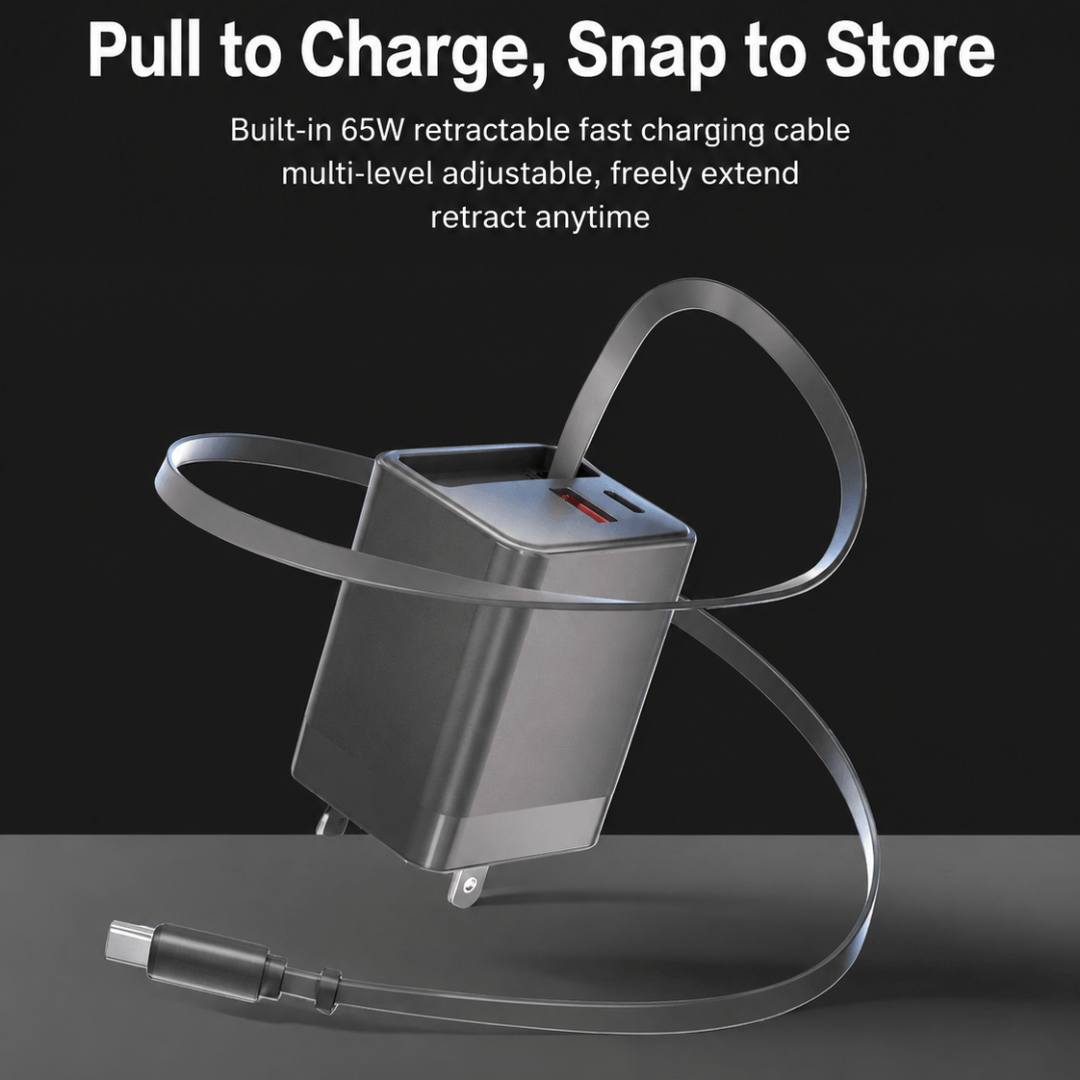
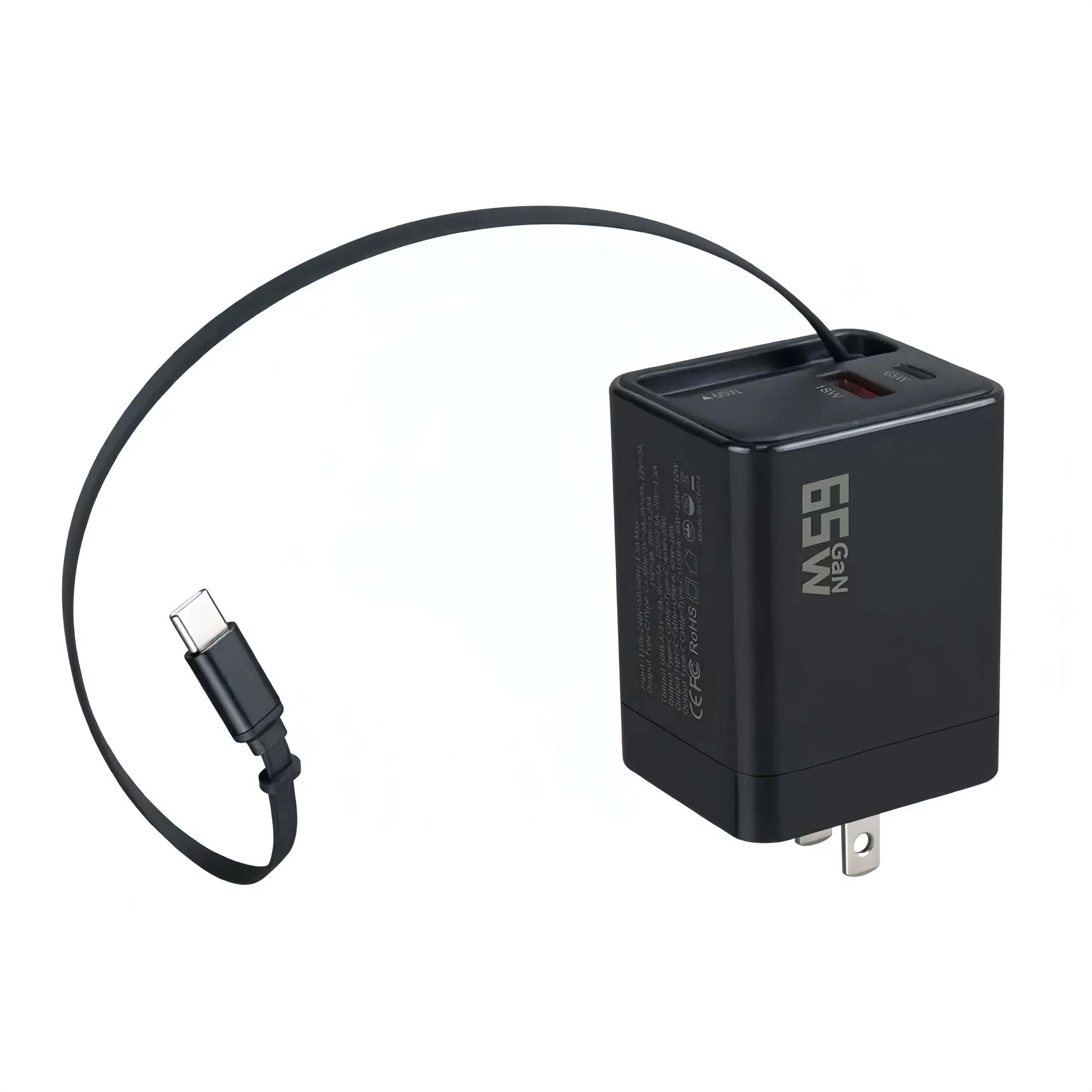
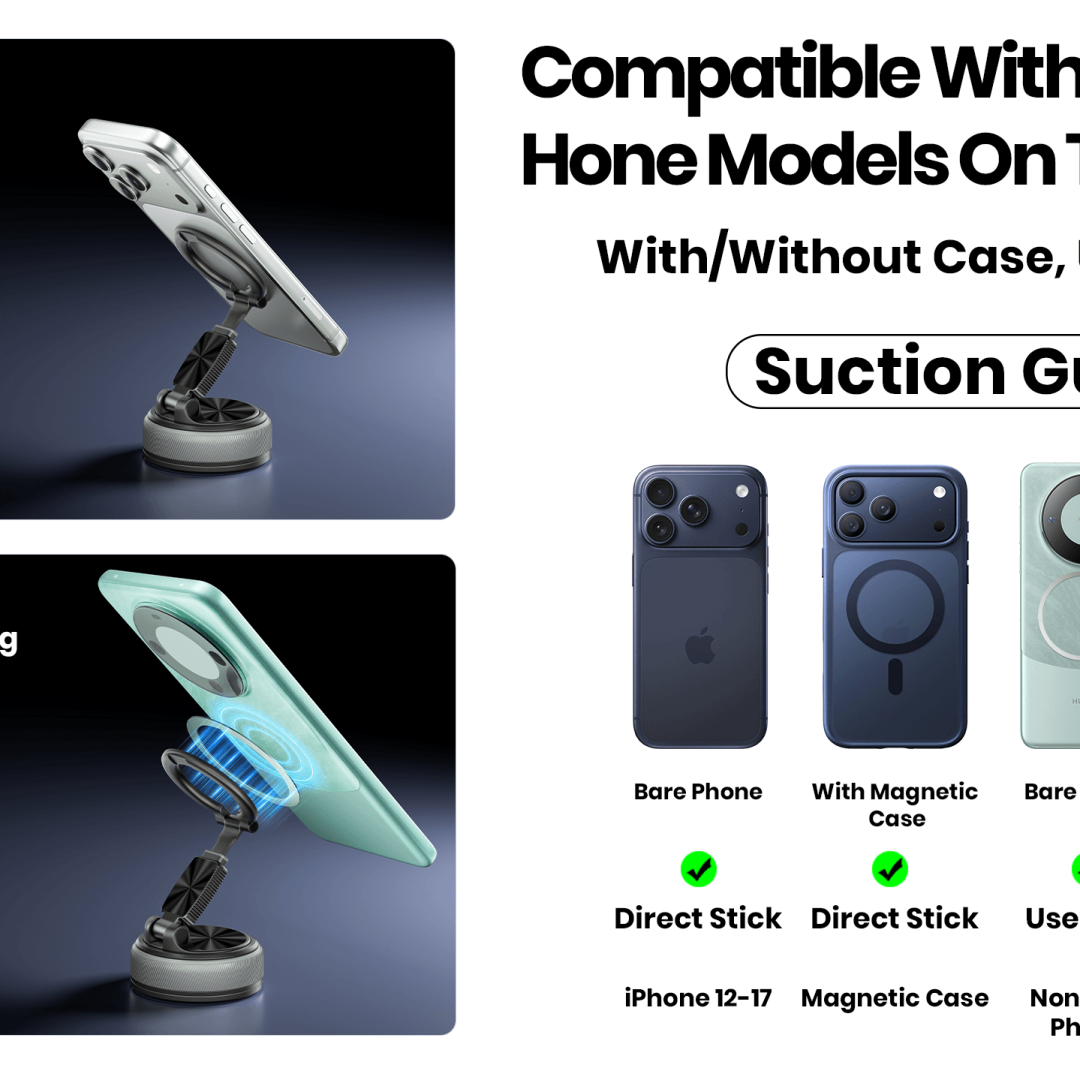
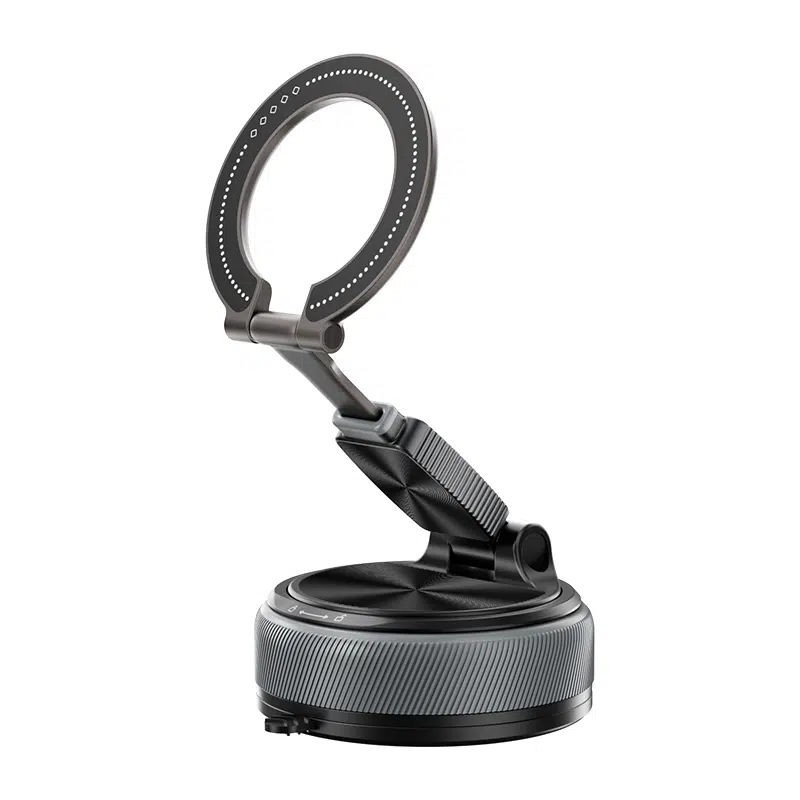
A reliable USB-C cable for power bank and car charger has become an everyday essential for commuters, travelers, drivers, and mobile-device users.
Whether you are charging a smartphone from a power bank, connecting a phone to a car charger, or powering a compatible tablet or laptop while traveling, the cable needs to match the charging system. The right cable should provide the required current, maintain reliable connections, withstand repeated bending, and offer the appropriate data capability when data transfer is also required.
However, not every USB-C cable is designed for the same application.
A short cable used with a compact power bank has different priorities from a 6ft cable used by a backseat passenger. A phone charging cable does not necessarily need the same electrical design as a cable intended for a USB-C laptop and high-power power bank.
For consumers, this means choosing the correct USB-C charging cable rather than simply buying the cheapest option.
For retailers, distributors, and OEM buyers, it means defining the product specification before sourcing.
This guide explains how to choose a USB-C cable for power bank and car charger, including charging power, cable length, connector configuration, durability, data transfer, travel use, and private-label manufacturing.

Why the Right USB-C Cable Matters for Power Banks and Car Chargers
Power banks and car chargers are convenient because they allow users to charge devices away from a wall outlet. But the charging performance depends on the entire system:
Power source + charger circuitry + cable + device
The cable is only one part of that system.
A properly specified cable helps ensure that the power available from the source can be delivered to the connected device within the cable’s rated electrical and mechanical limits.
Charging Performance
A suitable fast charging USB-C cable should have an appropriate current and power capability for the intended application.
For example, a cable designed for everyday smartphone charging may not need the same specification as one intended for a USB-C laptop.
Mechanical Durability
Power bank and car charger cables are often handled more aggressively than cables that stay on a desk.
They may be:
Plugged and unplugged several times per day
Rolled into bags
Bent around a power bank
Pulled from a vehicle center console
Stored in a glove compartment
Used by multiple passengers
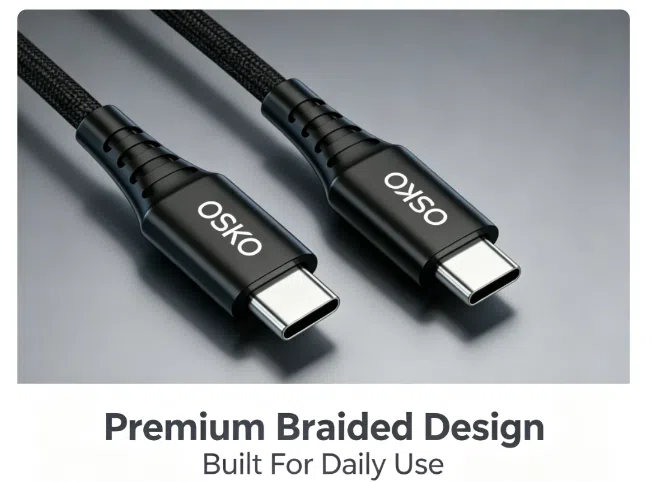
A braided construction can provide additional abrasion resistance and a premium tactile feel.
Connector Reliability
Frequent insertion and removal puts mechanical stress on the connector and cable-to-connector transition.
Good strain relief helps reduce excessive bending at this high-stress area.
USB-C Cable for Power Bank: What Should You Look For?
A USB-C cable for power bank should be selected according to the output capability of the power bank and the input requirements of the device.
For Smartphones
A standard USB-C charging cable may be sufficient for many smartphones.
The key factors are:
USB-C connector configuration
Supported charging current
Cable resistance
Cable length
Connector quality
Device compatibility
For Tablets
Tablets may require more power than smartphones, so buyers should check the tablet’s charging requirements and the power bank’s output capability.
For USB-C Laptops
Laptop charging is more demanding.
A suitable USB-C PD cable should be selected based on the required voltage, current, and power.
A 100W-rated cable may be appropriate for some laptop applications, while higher-power USB-C PD systems require cables and equipment specifically designed for those power levels.
The important point is that a 100W or 240W label alone does not guarantee that the connected laptop will charge at that power.
The laptop, power bank, charger, protocol, and cable all need to support the required charging configuration.
USB-C Cable for Car Charger: What Makes a Good Choice?
A USB-C cable for car charger is exposed to a different environment from a normal indoor charging cable.
A car cable may experience:
Frequent bending
Vibration
Repeated insertion
Tight cable routing
High summer cabin temperatures
Low winter temperatures
Dust and abrasion
Passenger handling
A durable cable construction can therefore be valuable for automotive applications.
3ft USB-C Cable
A 3ft cable is usually convenient for:
Driver phone charging
Center-console charging
Power banks
Short-distance connections
Compact vehicle interiors
Its main advantage is easier cable management.
6ft USB-C Cable
A 6ft cable is useful when the device needs to reach:
Back seats
Passenger seats
Larger vehicles
Rear charging ports
Extended device locations
For automotive retail products, offering both 3ft and 6ft options can address different customer needs.
USB-C Cable Length: 3ft vs 6ft
Cable length affects portability, routing, and electrical design.
| Cable Length | Recommended Application | Main Advantage | Consideration |
|---|---|---|---|
| 1ft / 0.3m | Power banks, compact setups | Very portable | Limited reach |
| 3ft / 1m | Phone charging, cars, travel | Easy to manage | Limited backseat reach |
| 6ft / 1.8m | Cars, bedside, travel | Flexible positioning | More cable to manage |
| 10ft / 3m | Extended workspaces | Maximum reach | Larger and less portable |
For most retail USB-C cable for power bank and car charger applications, 3ft and 6ft are practical mainstream choices.
Longer cables are not automatically slower. However, longer cable designs can have higher electrical resistance, so the conductor and overall cable construction should be engineered for the intended current and power level.
Braided USB-C Cable vs PVC Cable
The outer jacket is one of the most obvious differences between cable products.
PVC USB-C Cable
PVC remains popular because it offers:
Low production cost
Lightweight construction
Flexible handling
Easy mass production
It is suitable for value-oriented products and many everyday applications.
Nylon Braided USB-C Cable
A nylon braided cable can offer:
Improved abrasion resistance
Premium appearance
Better tactile feel
Reduced surface wear
More opportunities for color customization
Stronger retail differentiation
However, the braid itself does not determine charging speed.
A premium braided USB-C cable still needs appropriate internal conductors, insulation, connectors, and termination.
Comparison
| Feature | PVC Cable | Nylon Braided Cable |
|---|---|---|
| Cost | Lower | Higher |
| Appearance | Standard | Premium |
| Abrasion resistance | Standard | Generally higher |
| Retail positioning | Value | Premium |
| Color customization | Available | Available |
| Charging performance | Design dependent | Design dependent |
| Mechanical durability | Design dependent | Design dependent |
For private-label brands, braided construction can be especially useful when the goal is to position a charging cable as a premium everyday accessory.
USB-C PD and Fast Charging: What Buyers Need to Know
USB Power Delivery, commonly called USB PD, is a power negotiation system used over compatible USB-C connections.
A USB-C PD cable should be selected according to the intended power and current requirements.
For example:
| Application | Typical Cable Requirement |
|---|---|
| Smartphone charging | Appropriate USB-C charging cable |
| Tablet charging | Cable matched to device and charger |
| Laptop charging | Higher-power USB-C PD cable where required |
| High-power USB-C PD | Cable specifically rated for the required current/power |
A cable rated for 60W should not be marketed as a 100W cable.
Likewise, a 240W cable should not be treated as automatically necessary for every laptop or power bank.
High-power USB-C PD systems require compatibility between the charger, device, cable, connectors, and relevant USB PD specifications.
For buyers, the best approach is to specify the actual target power rather than simply asking for a “fast charging cable.”
Do You Need an E-Marker?
E-Marker technology is relevant to certain USB-C cable configurations, particularly higher-current applications.
An E-Marker is an electronic component used to communicate cable capabilities to the connected USB-C system.
For example, USB-C cable designs supporting 5A operation require appropriate cable identification and implementation.
However, not every USB-C cable requires an E-Marker.
Therefore, procurement teams should specify:
Target power
Maximum current
USB PD requirement
Cable length
Data capability
Connector configuration
rather than assuming that every premium USB-C cable needs the same electronic components.
USB-C Data Transfer: Charging Is Not the Same as Data Speed
Another common sourcing mistake is assuming that every USB-C cable supports high-speed data.
USB-C describes a connector and interface ecosystem, not a single universal data speed.
A cable may be designed for:
USB 2.0 data
USB 3.x data
USB4 applications
Charging only or charging-focused use
If the cable will be used only for charging a phone from a power bank or car charger, high-speed data may not be a priority.
If customers will also use the cable with:
External SSDs
Cameras
Smartphones
Tablets
USB-C monitors
Computers
then the required data specification should be clearly defined.
For B2B buyers, this is an important difference between a USB-C charging cable and a full-featured high-speed USB-C data cable.
USB-C Cable for Travel and Road Trips
Travel creates some of the most demanding everyday use cases for charging cables.
A cable may be:
Packed into luggage
Wrapped repeatedly
Used at airports
Connected to power banks
Used in rental cars
Stored in backpacks
Shared between multiple devices
A durable braided cable can be useful for these applications because the outer braid can help resist everyday abrasion.
Recommended Travel Setup
For smartphone users:
3ft braided USB-C cable + compact power bank
For car travel:
3ft cable for front seats + 6ft cable for rear passengers
For laptop travel:
Appropriately rated USB-C PD cable + compatible USB-C power bank
The cable should always be matched to the actual charging requirements of the device and power source.
Car Charging Cable Design Considerations
Automotive applications have several practical requirements that differ from home charging.
Connector Fit
The connector should fit securely into the vehicle charger or USB-C port without excessive looseness.
Strain Relief
The cable-to-connector transition should tolerate repeated movement and bending.
Cable Flexibility
A car charging cable should be flexible enough to route around a dashboard or center console without creating excessive stress.
Jacket Durability
Nylon braid or reinforced jacket construction can help protect the cable from abrasion caused by vehicle interiors, storage compartments, and repeated handling.
Temperature Environment
A vehicle interior can experience significant temperature changes.
However, manufacturers should not simply claim that a cable is “heatproof.”
Instead, buyers should ask for the applicable material specifications and environmental testing conditions.
Recommended USB-C Cable Configurations
Different users need different cable designs.
| Cable | Length | Typical Use | Positioning |
|---|---|---|---|
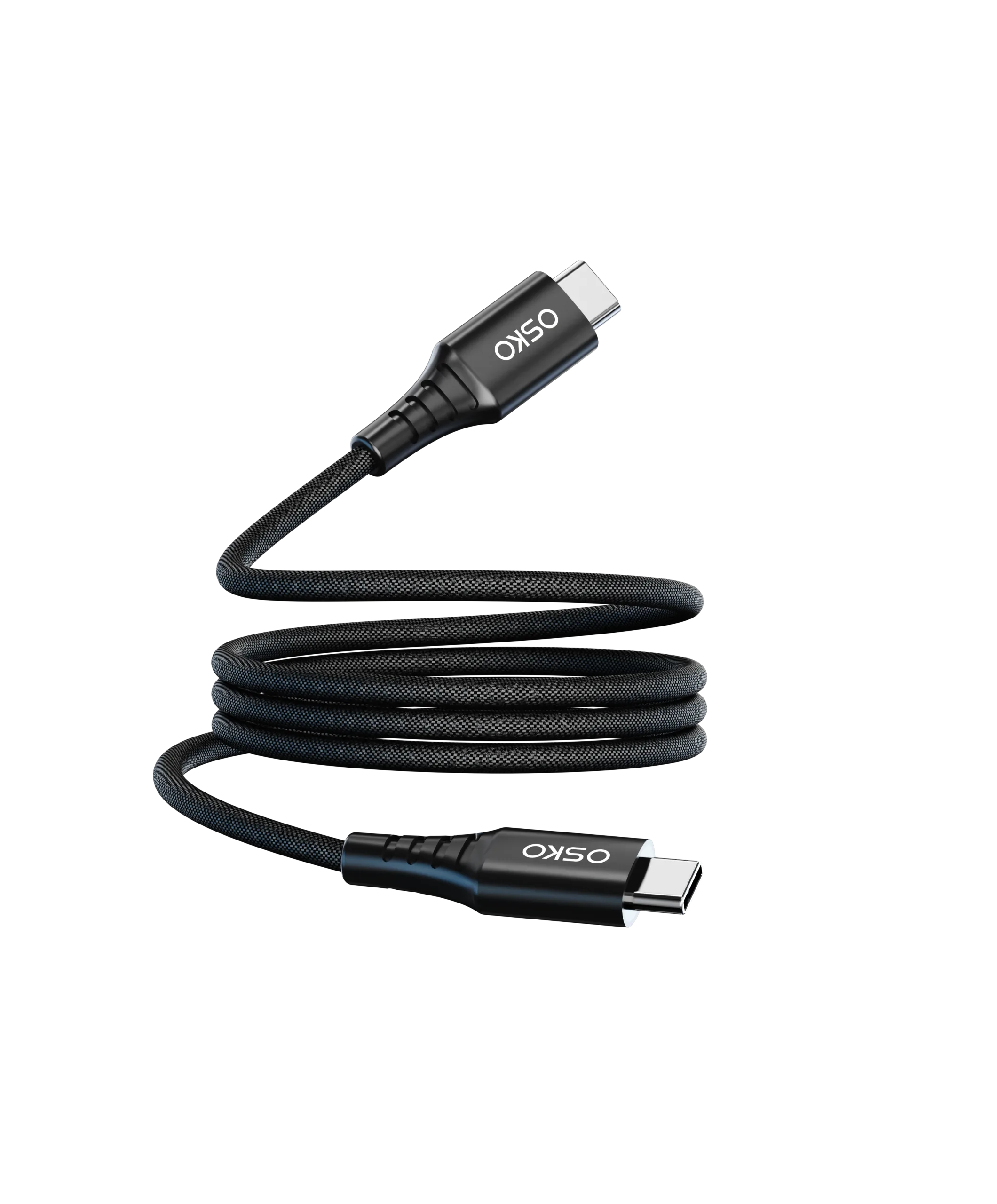
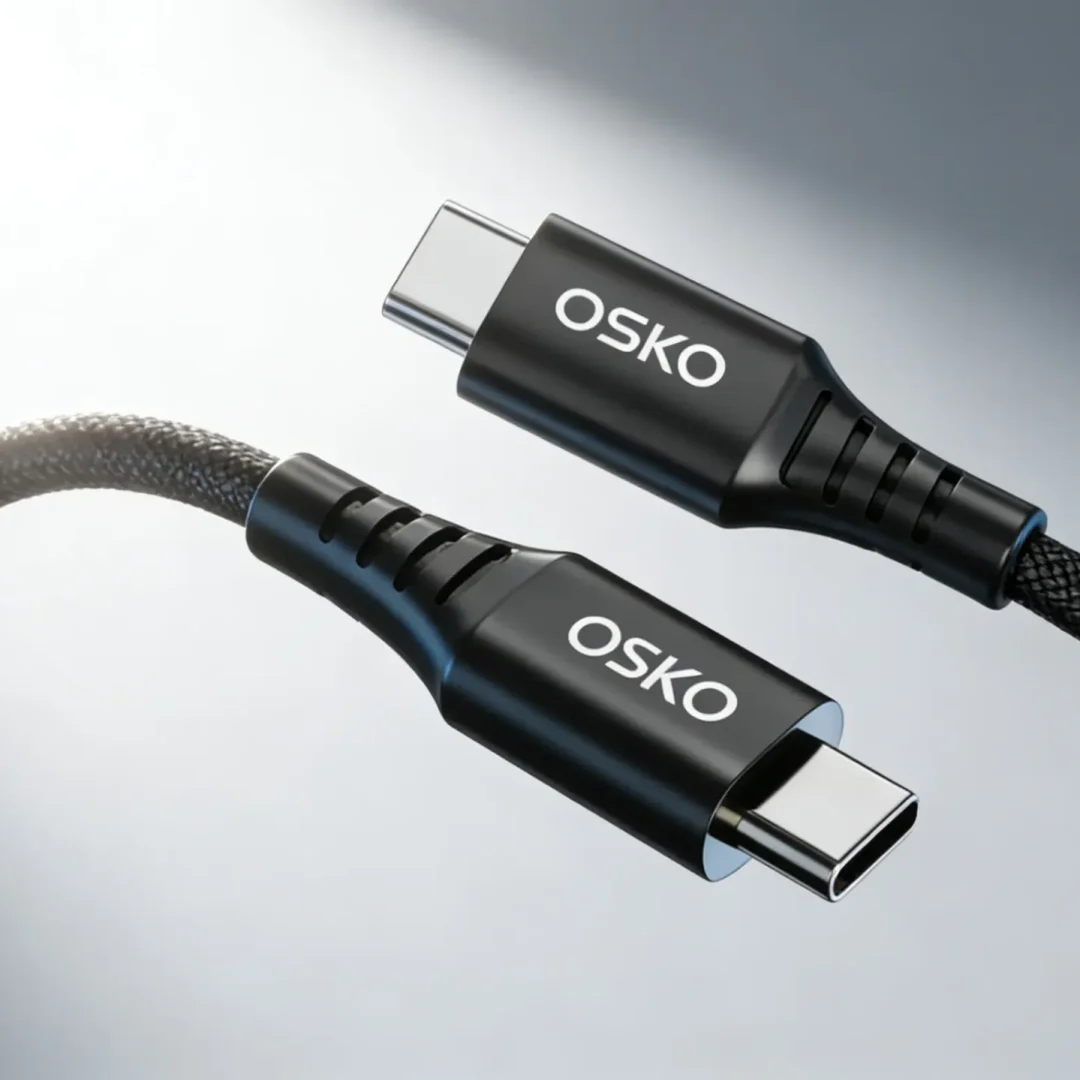
| USB-C to USB-C | 3ft | Power banks, phones | Compact |
| USB-C to USB-C | 6ft | Car charging | Flexible |
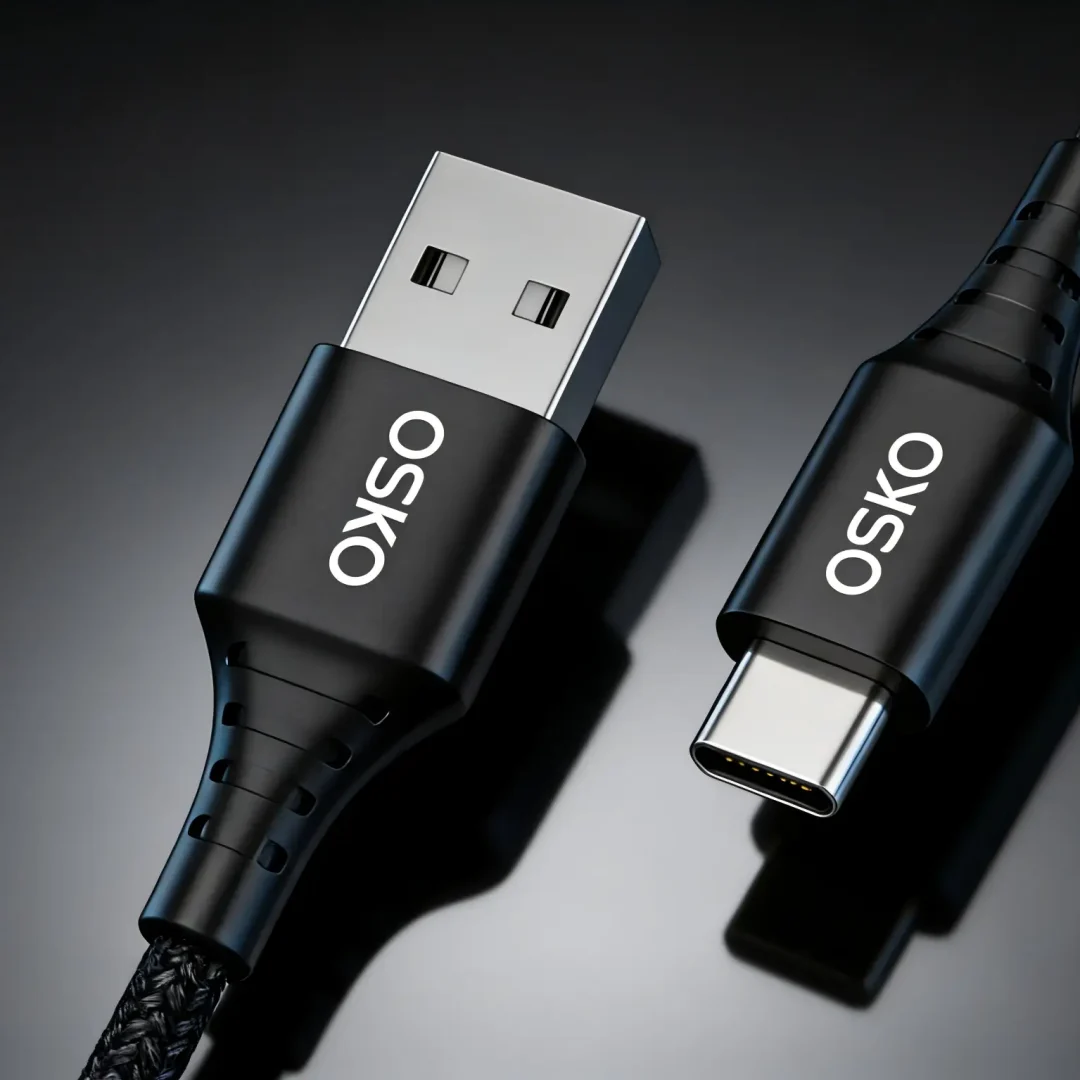
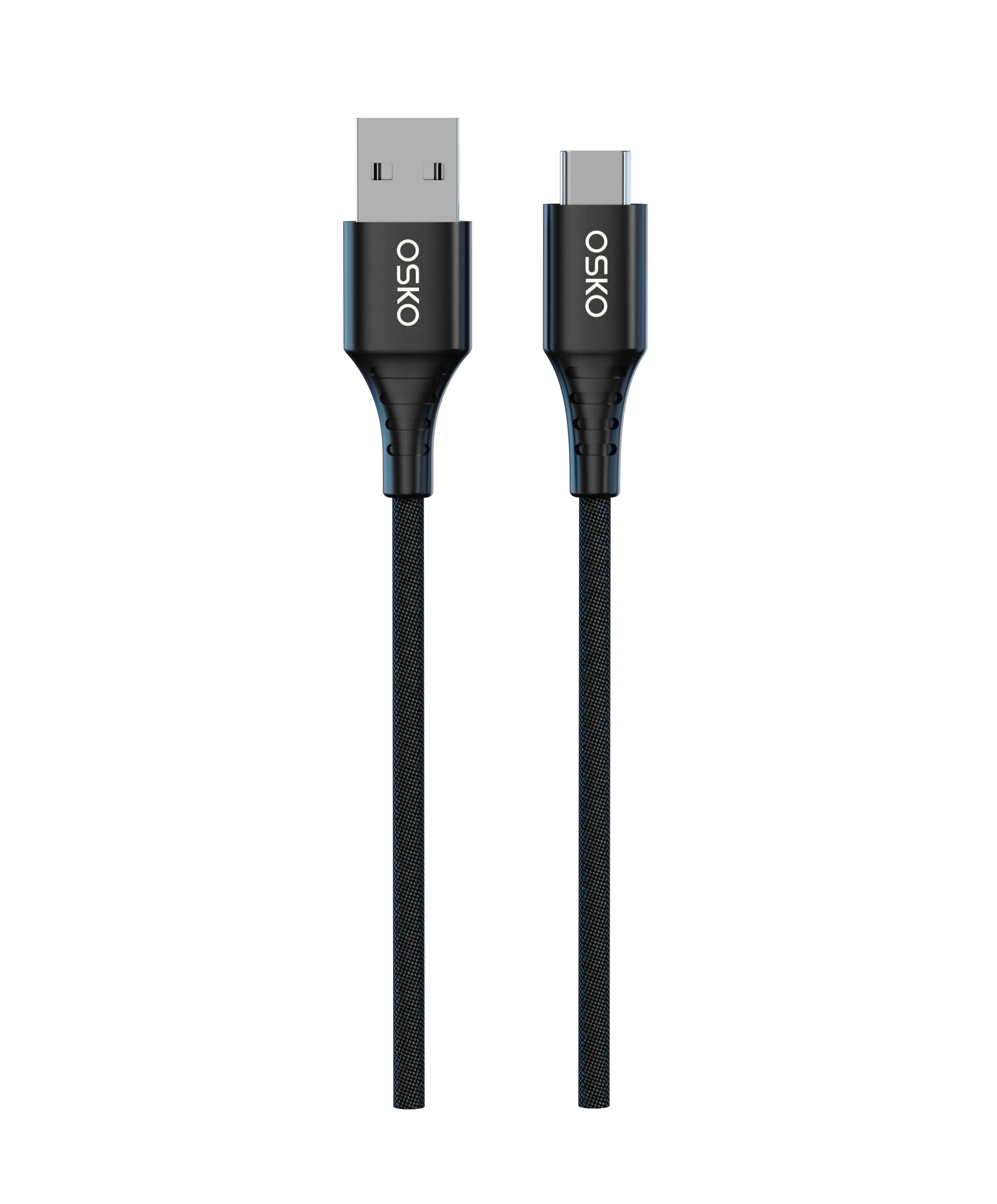
| USB-A to USB-C | 3ft | Legacy car chargers | Universal |
| USB-A to USB-C | 6ft | Vehicles and travel | Extended reach |
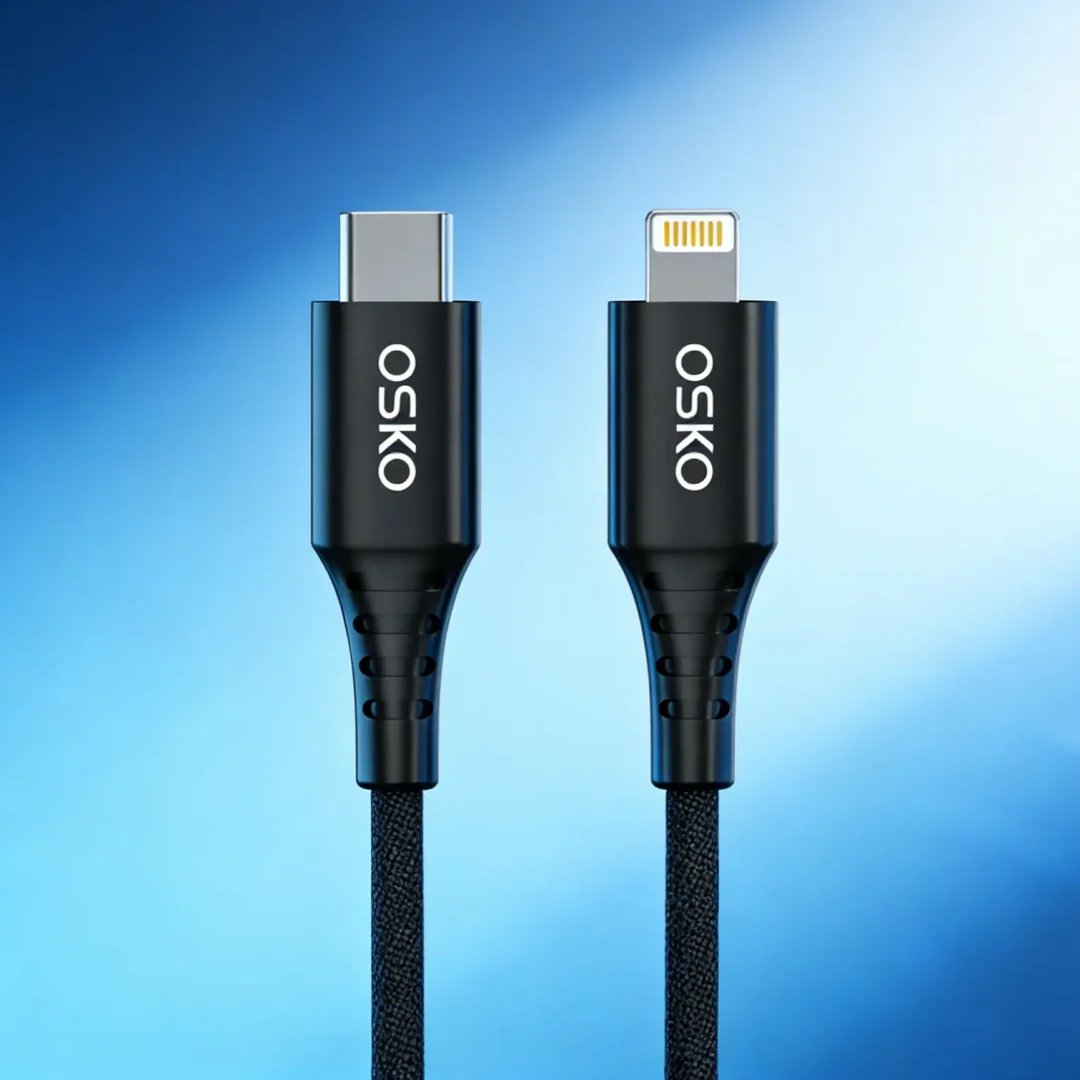
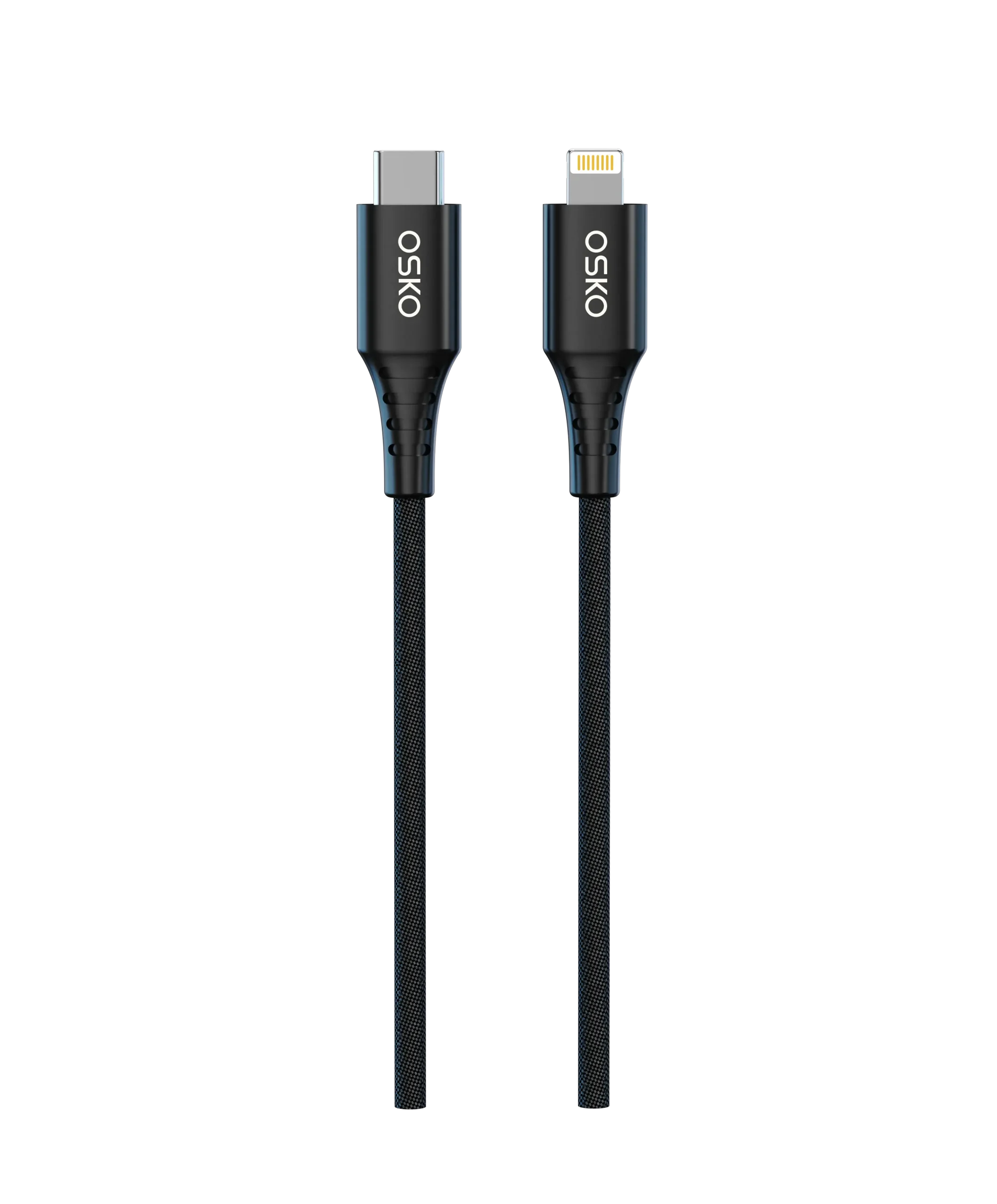
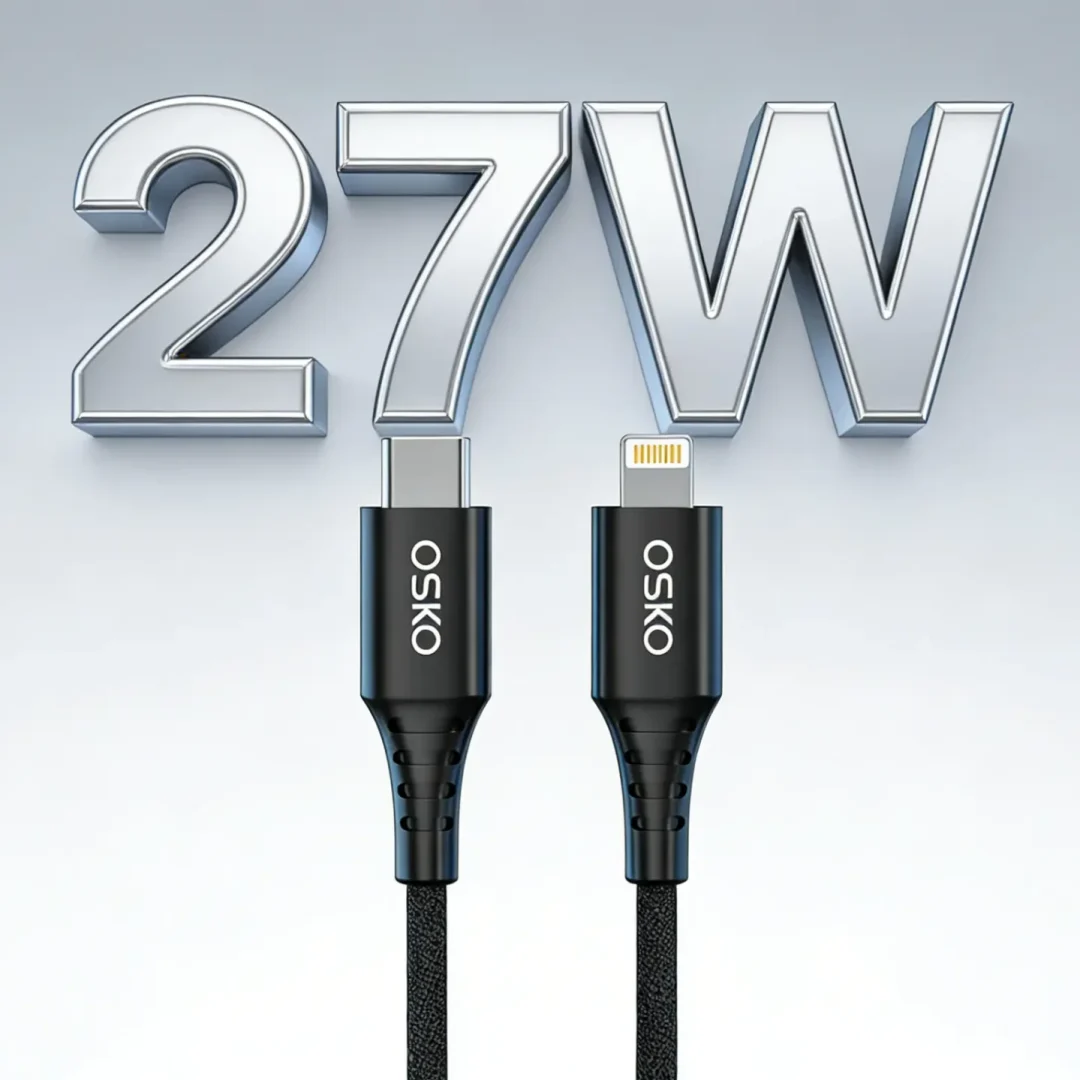
| USB-C to Lightning | 3ft | Lightning iPhones | Compact |
| USB-C to Lightning | 6ft | Lightning iPhones | Extended reach |
For retailers, offering several connector combinations can help cover both modern USB-C devices and customers still using USB-A vehicle chargers or Lightning-equipped devices.
How to Choose a USB-C Cable for Power Bank and Car Charger
Before purchasing, use the following checklist.
Check the Connector Configuration
Confirm whether the source has:
USB-C
USB-A
Multiple charging ports
Then choose the appropriate cable.
Check the Power Requirement
Identify:
Device input power
Charger output
Power bank output
Required cable rating
Do not select the cable based only on the charger’s maximum wattage.
Check the Length
Choose:
1ft for compact portable applications
3ft for general phone charging
6ft for vehicles and flexible positioning
Longer lengths only when required
Check the Data Requirement
If the cable is only for charging, USB 2.0 may be sufficient for many applications.
If high-speed data is required, specify the exact USB data capability.
Check Construction
Look for:
Durable outer jacket
Appropriate conductor design
Reinforced connector
Reliable strain relief
Consistent termination
Appropriate testing
Check Supplier Capability
For wholesale purchases, ask about:
Factory experience
QC process
Sample availability
MOQ
Lead time
Packaging
Warranty
OEM customization
Wholesale and OEM USB-C Cable Solutions
For brands, distributors, and retailers, sourcing a USB-C cable manufacturer is different from buying a single consumer cable.
A B2B supplier should be able to support both product engineering and commercial requirements.
Common OEM Options
Custom cable length
Custom cable color
Nylon braided construction
Custom connector housing
Logo printing
Private-label packaging
Barcode labeling
Retail boxes
Bulk production
Sample development
For example, a brand may request:
6ft black braided USB-C to USB-C cable + private-label box + 60W charging specification + retail barcode
A professional OEM factory should convert this request into a documented product specification before mass production.
For fully customized OSKO OEM cable projects, the typical MOQ is 5,000 units, depending on the customization requirements.
Quality Control for Bulk USB-C Charging Cables
A professional USB-C cable wholesale supplier should control quality throughout the production process.
Incoming Material Inspection
Materials may include:
Copper conductors
Cable jackets
Connectors
Electronic components where applicable
Packaging materials
In-Process Inspection
Production control can cover:
Cable cutting
Stripping
Assembly
Connector termination
Overmolding
Braiding
Labeling
Electrical Testing
Depending on the cable:
Continuity
Resistance
Charging performance
Data-transfer performance
Short-circuit testing
Relevant protocol validation
Mechanical Testing
Potential tests include:
Bend testing
Pull testing
Connector retention
Strain-relief testing
Abrasion testing
A buyer should ask not only whether a factory performs a “bend test,” but also the test method, conditions, sample size, and acceptance criteria.
North American and European Market Search Intent
A strong product page should address how customers actually search in different markets.
United States
Common commercial search intent includes:
USB-C cable for power bank
USB-C cable for car charger
fast charging car cable
braided USB-C cable
60W USB-C cable
USB-C cable wholesale
bulk USB-C charging cables
private label USB-C cable
For US retail and wholesale buyers, practical benefits such as durability, cable length, charging capability, and compatibility should be easy to find.
Germany
German buyers may search for:
USB-C Kabel Powerbank
USB-C Kabel Autoladegerät
USB-C Ladekabel Großhandel
USB-C Kabel Hersteller
USB-C Kabel Großhandel
USB-C Autoladekabel
B2B buyers often pay close attention to technical documentation, product consistency, environmental requirements, and supplier reliability.
Australia
Commercial search intent may include:
USB-C cable for power bank Australia
USB-C car charger cable wholesale
braided USB-C cable supplier
fast charging cable Australia
bulk USB-C cables
private label charging cables
Travel, outdoor use, automotive charging, and durable construction are useful application angles.
Netherlands
Dutch search terms can include:
USB-C kabel powerbank
USB-C kabel auto oplader
USB-C kabel groothandel
USB-C kabel leverancier
USB-C laadkabel groothandel
For European distribution, product documentation and applicable compliance requirements should be considered alongside price and product appearance.
Engineering Case Study: 6ft Braided USB-C Cable for Automotive Retail
Customer Requirement
A representative automotive accessories distributor wanted to launch a private-label charging cable for US and European retail channels.
The target product was a:
6ft black braided USB-C charging cable
The distributor wanted a product suitable for:
Front-seat charging
Backseat passengers
Road trips
Daily commuting
Power-bank use
Engineering Challenges
The project required balancing:
Cable flexibility
Mechanical durability
Connector strain relief
Cable length
Charging capability
Retail appearance
Packaging cost
The buyer initially focused on cable length and price but found that the longer cable required more attention to construction and handling.
OSKO Approach
OSKO treated the cable as an application-specific product rather than simply extending a shorter cable.
The development process included:
Requirement definition → cable specification → sample → charging validation → mechanical evaluation → packaging approval → mass production QC
The final specification was designed around the intended automotive use case, with attention to connector transition, outer jacket construction, cable handling, and repeat production.
Procurement Lesson
For automotive charging accessories, a successful USB-C cable supplier should understand how the product will actually be used.
A cable designed for a desk does not necessarily need the same mechanical priorities as a cable repeatedly moved around a vehicle.
FAQ: USB-C Cable for Power Bank and Car Charger
What is the best USB-C cable for a power bank?
The right cable depends on the power bank output and the device being charged. For modern USB-C devices, a USB-C to USB-C cable with the appropriate current and power rating is often the most direct option.
Can a USB-C cable charge a laptop from a power bank?
Yes, if the power bank supports the laptop’s required USB-C PD input and the cable is appropriately rated for the required power and current.
Do I need a 100W USB-C cable for a power bank?
Not necessarily. A 100W cable is useful when the connected charging system requires that capability. For a smartphone or lower-power device, a lower-rated cable may be sufficient.
Can I use a 240W USB-C cable with a car charger?
Yes, a higher-rated cable can generally be used with a lower-power compatible source, but the cable’s 240W capability does not cause the car charger to output 240W. The system operates according to the capabilities of the source, device, cable, and charging protocol.
Is a 3ft or 6ft USB-C cable better for a car?
It depends on where the device will be used. A 3ft cable is convenient for the driver and front console, while a 6ft cable provides more reach for passengers.
Is a braided USB-C cable better for car charging?
Braided construction can provide better abrasion resistance and a premium feel, which can be useful in automotive environments. It does not automatically increase charging power.
Can I use the same USB-C cable with a power bank and wall charger?
Yes, provided the cable’s connector configuration and electrical rating are appropriate for both charging systems.
Does a USB-C cable support fast charging automatically?
No. Fast charging depends on the charger, device, charging protocol, and cable. A USB-C connector by itself does not guarantee a particular charging speed.
Does a longer USB-C cable charge slower?
Not necessarily. A properly engineered longer cable can perform well within its rated specification. However, cable resistance generally increases with conductor length, so cable construction matters more as length and current requirements increase.
Do all USB-C cables support USB 3 or USB4 data?
No. USB-C describes the connector/interface ecosystem, while data capabilities vary by cable design. Buyers should specify the required USB data performance separately.
What USB-C cable length is best for travel?
A 3ft cable is a practical choice for many travelers because it is compact. A 6ft cable is useful when the charging source is farther from the device.
Can I buy braided USB-C cables in bulk?
Yes. Manufacturers can supply bulk braided USB-C cables for retailers, distributors, e-commerce brands, and private-label businesses.
Can an OEM factory customize USB-C cables?
Yes. Depending on the factory, OEM customization can include cable length, color, jacket construction, connector housing, logo, packaging, labeling, and product specifications.
What MOQ is required for custom USB-C cables?
MOQ depends on the degree of customization. OSKO’s typical MOQ for fully customized OEM cable projects is 5,000 units.
What should I ask a USB-C cable supplier before ordering?
Ask for the exact cable specification, power rating, current capability, data capability, connector configuration, materials, test methods, MOQ, lead time, sample policy, packaging options, warranty, and applicable compliance documentation.
Are USB-C cables for cars different from normal charging cables?
Not necessarily in connector technology, but automotive use can place greater mechanical demands on the cable. Buyers should consider flexibility, abrasion resistance, connector retention, strain relief, and environmental specifications.
Why Choose OSKO for USB-C Cable OEM and Wholesale
OSKO is a professional USB cable manufacturer specializing in OEM and ODM charging cable solutions for brands, distributors, wholesalers, and private-label businesses.
Our USB cable solutions include:
USB-C to USB-C cables
USB-A to USB-C cables
USB-C to Lightning cables
Braided charging cables
Automotive charging cables
Custom cable lengths
Custom colors
Logo branding
Private-label packaging
OEM and ODM development
For a USB-C cable manufacturer China sourcing project, OSKO can support the process from specification and sample development through mass production and quality control.
For fully customized OEM cable projects, the typical MOQ is 5,000 units, depending on the product and customization requirements.
Buyers can provide:
Cable type + length + quantity + power requirement + data requirement + logo + packaging + target market
to receive a project-specific quotation.
Summary
Choosing the right USB-C cable for power bank and car charger requires more than looking for the highest wattage number.
The correct cable should match:
Power source + charging protocol + device + cable rating + application
For power banks, compact 3ft cables are convenient for everyday travel, while 6ft cables provide more flexibility.
For car charging, cable durability, connector reliability, strain relief, flexibility, and cable management become particularly important.
For laptop charging, buyers should pay closer attention to USB PD power and current requirements.
For data-intensive applications, the USB data specification should be defined separately from charging capability.
For retailers and distributors, a professional USB-C cable wholesale supplier should also provide reliable sampling, QC, packaging, OEM customization, documentation, and repeat-order consistency.
OSKO provides OEM and ODM USB cable solutions for North American, European, Australian, and other international markets, helping brands and distributors develop charging cables for power banks, cars, travel, retail, and everyday use.