
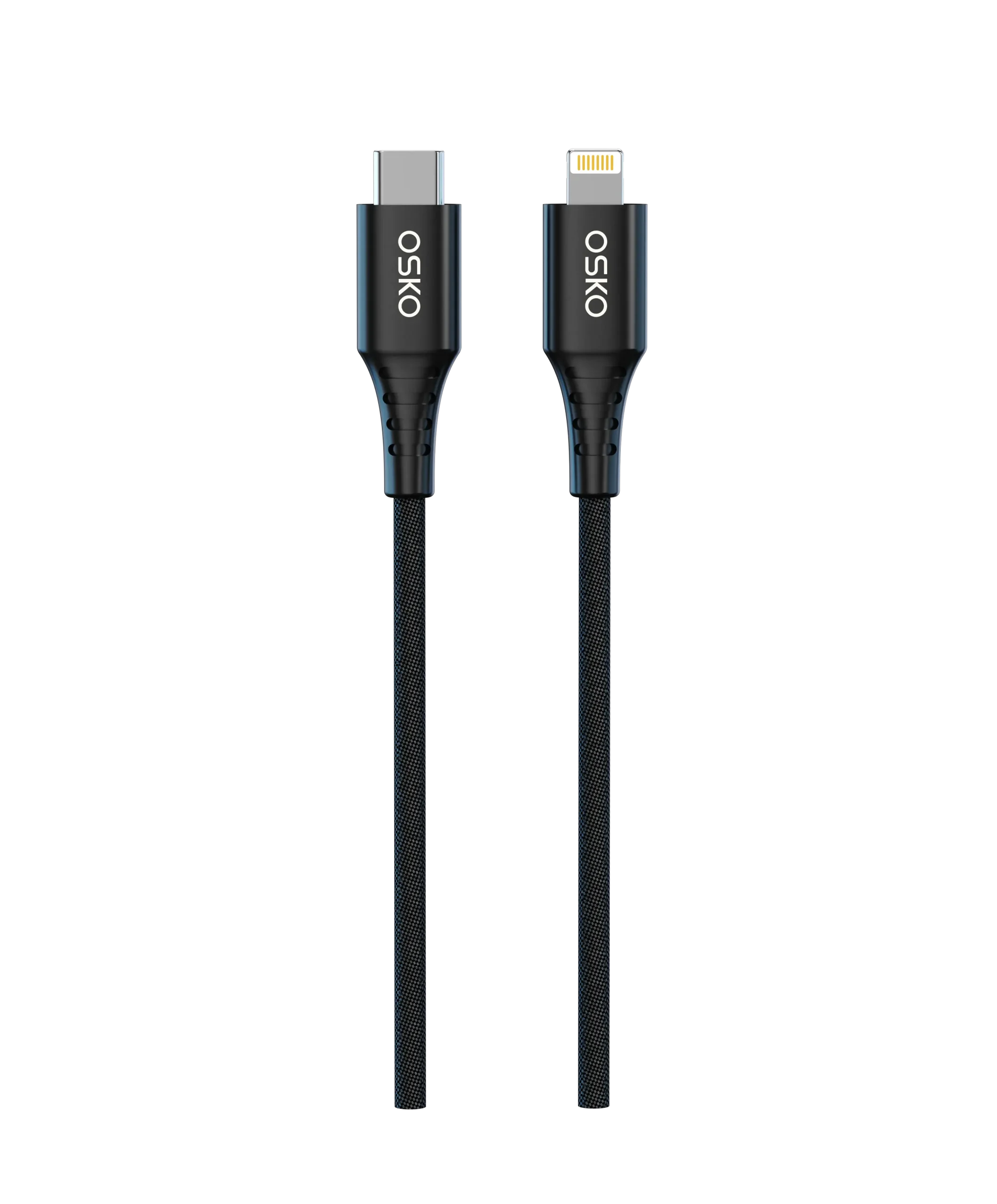
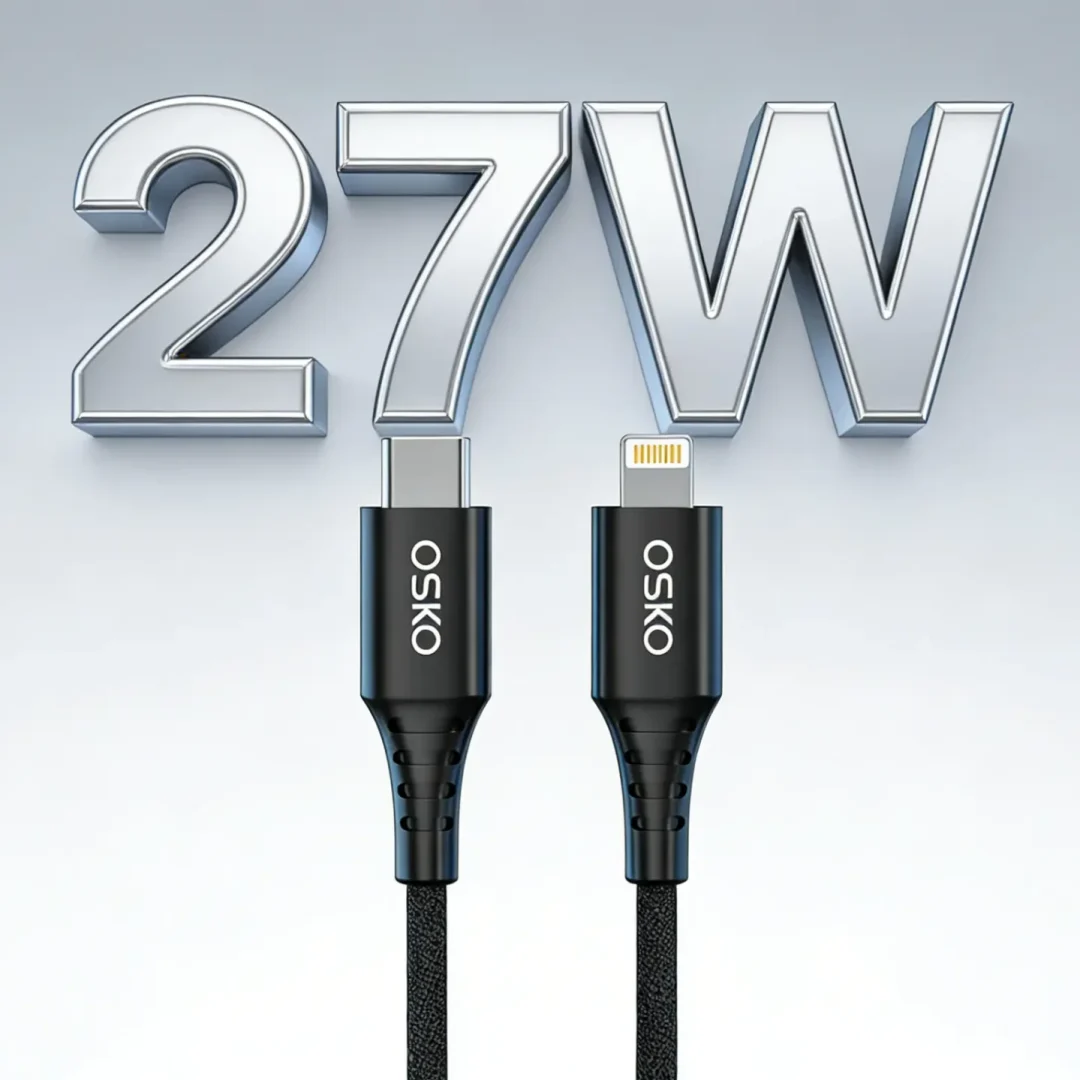
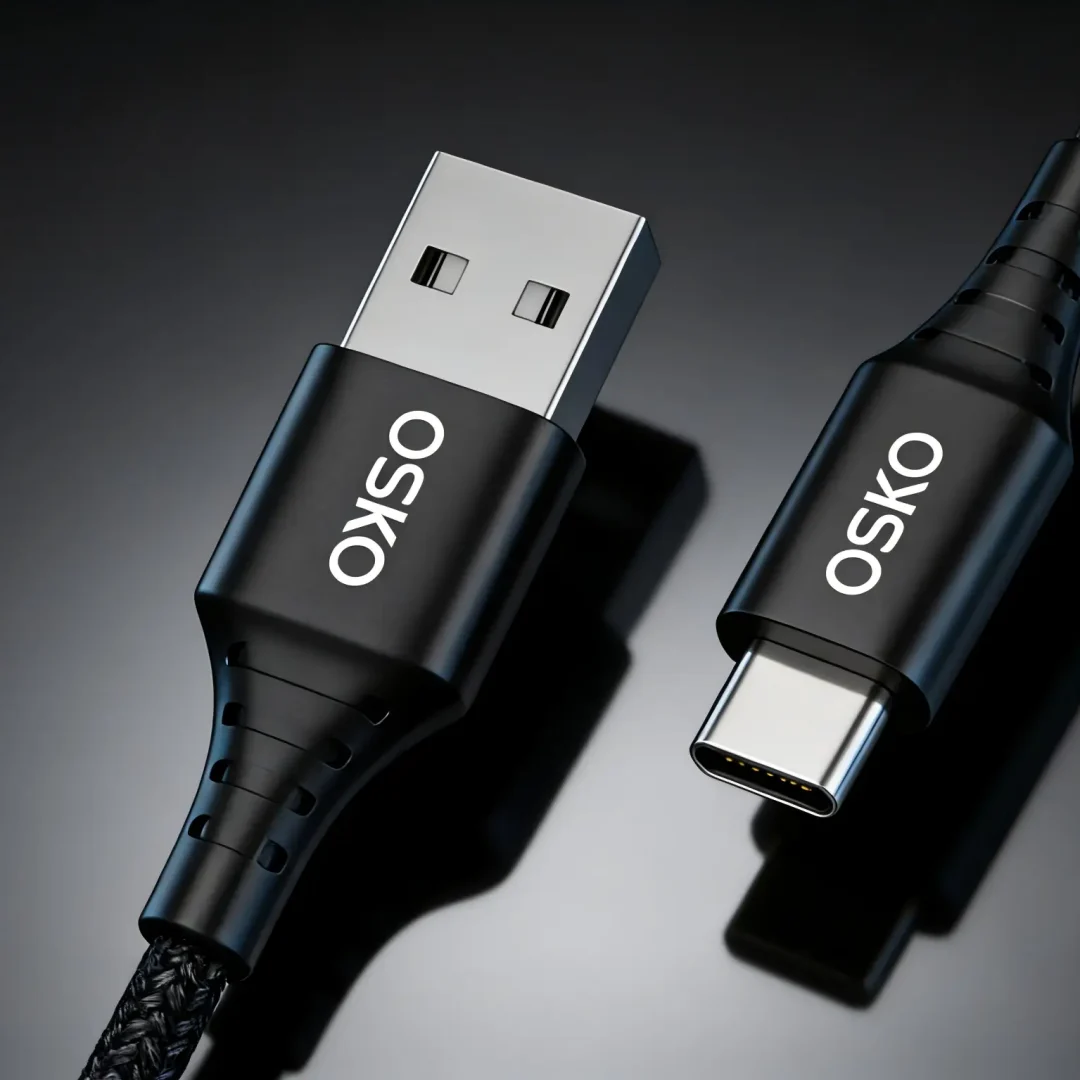
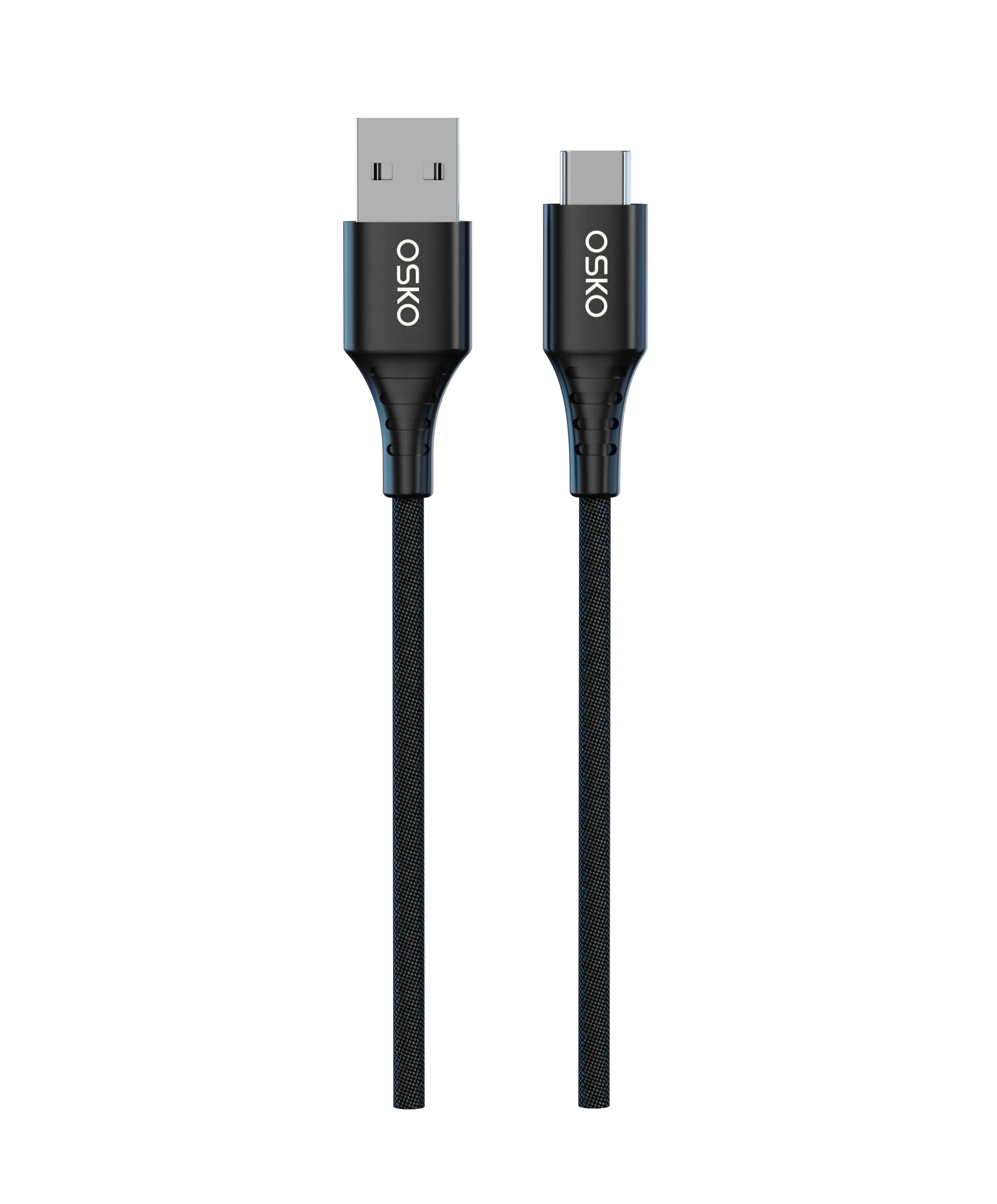
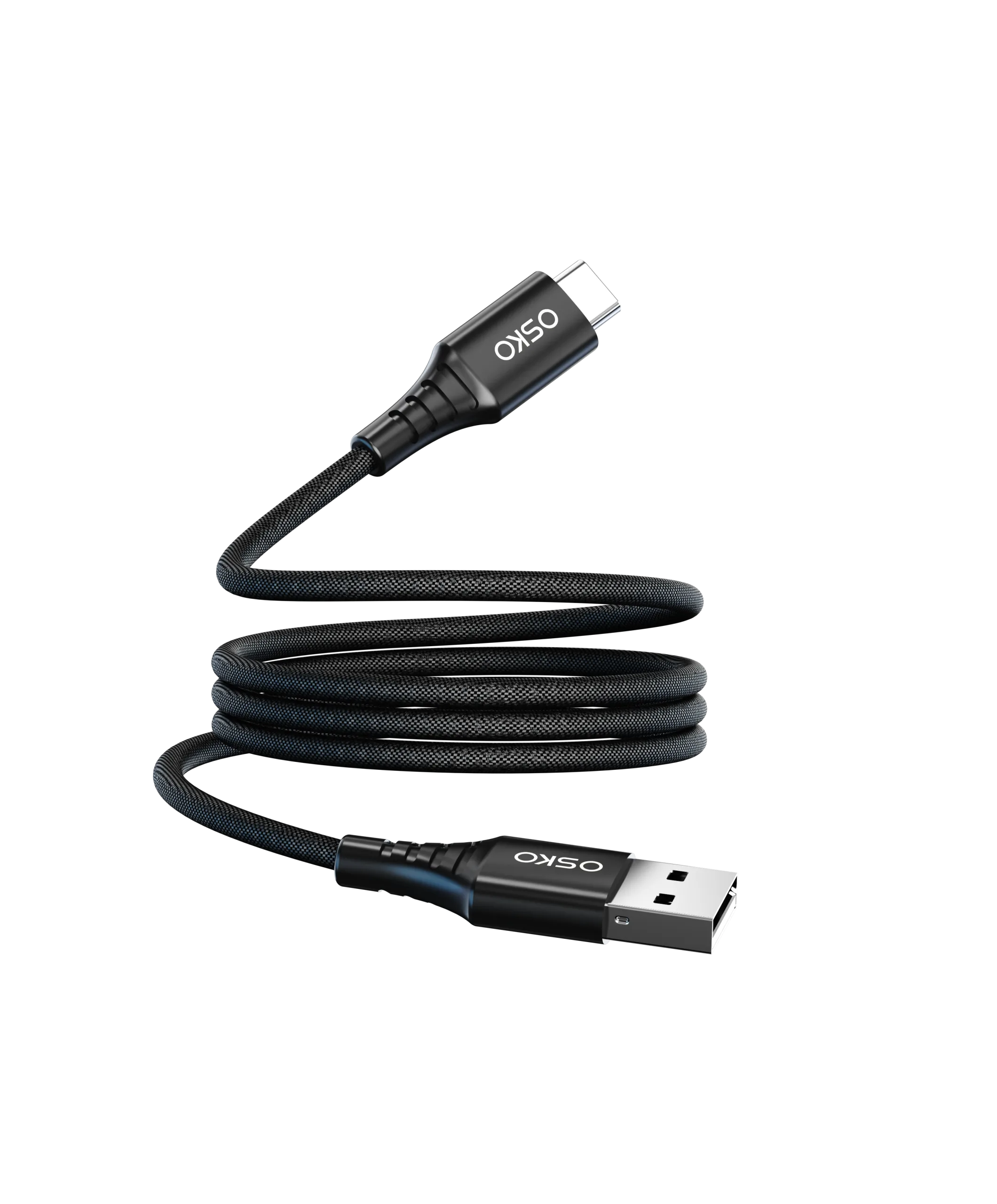
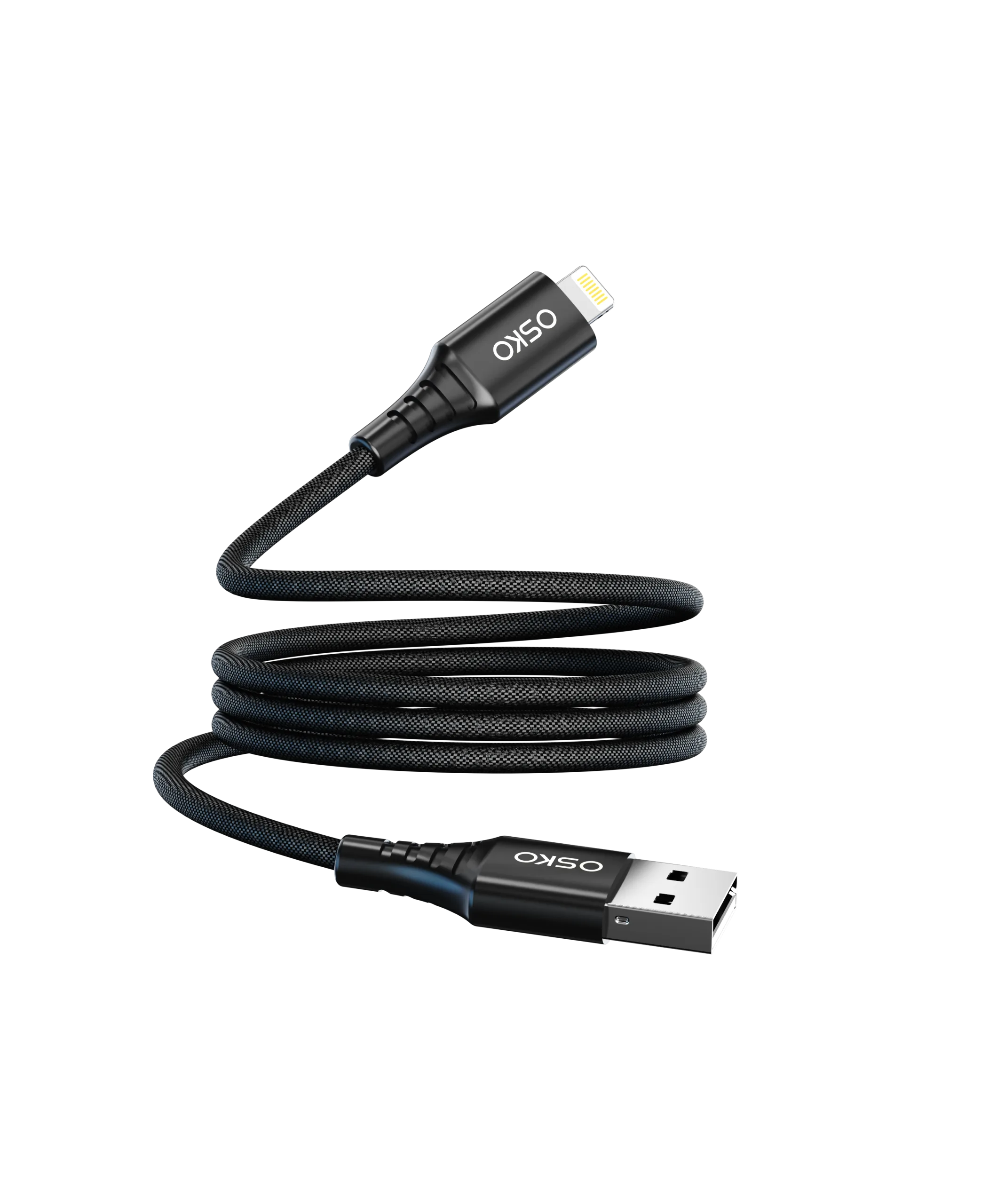
Introduction: The Engineering Inside a USB-C Cable
When buyers evaluate a USB-C charging cable, they usually look at the specifications printed on the package:
60W or 100W charging
Cable length
Connector type
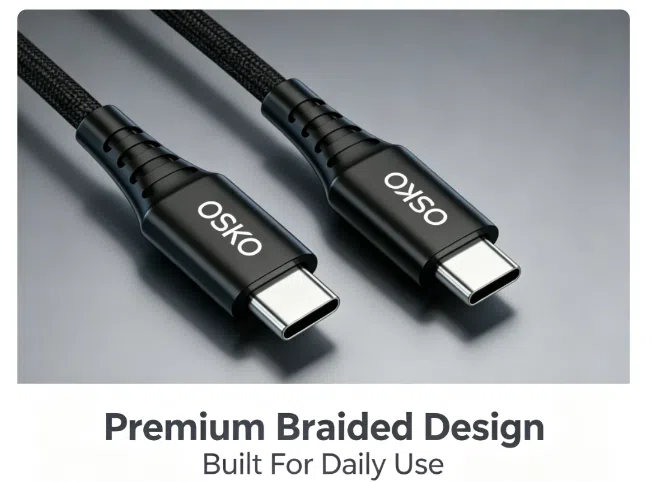
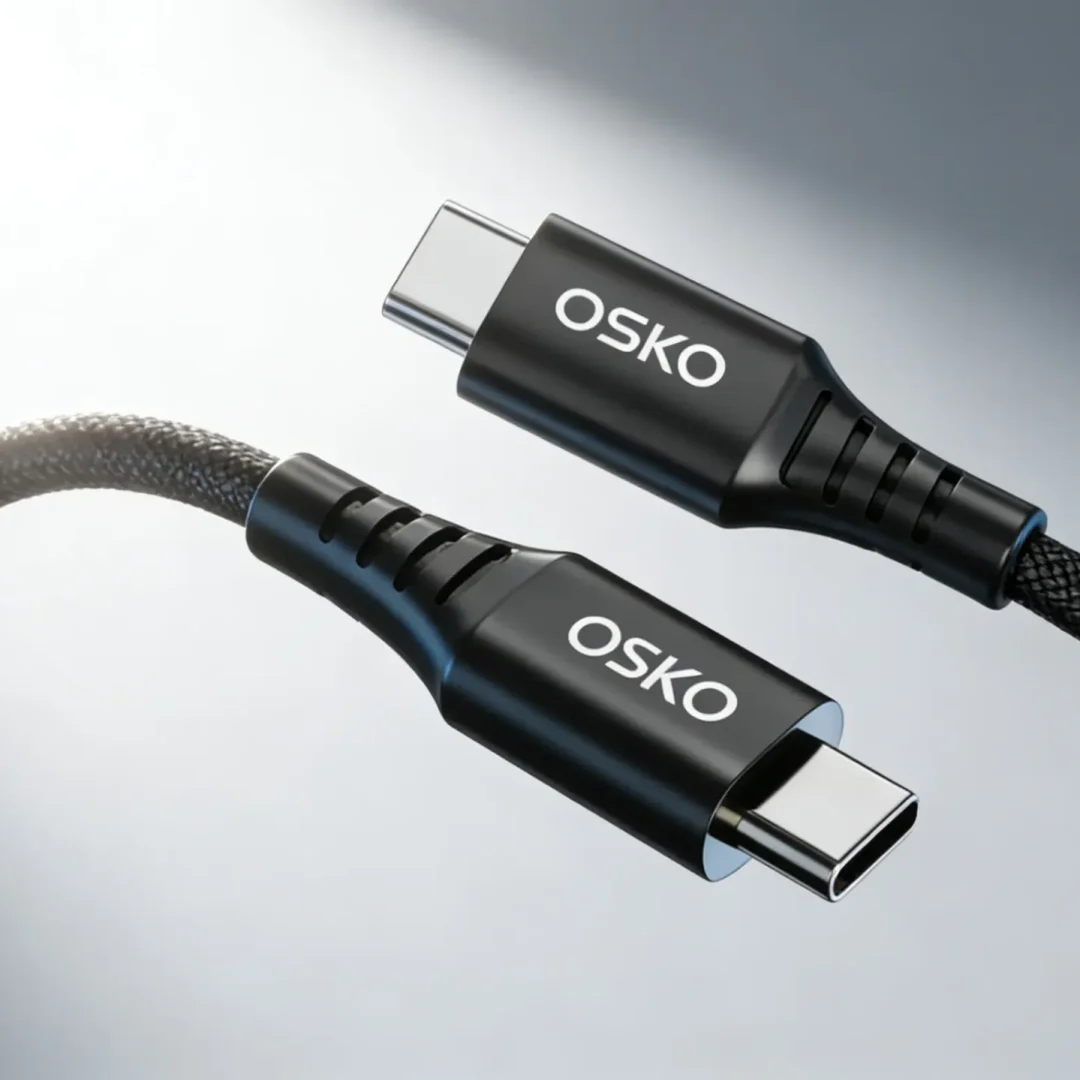
Braided jacket
Data transfer speed
But many of the characteristics that determine whether a cable performs reliably are hidden inside.
The USB-C cable wire core affects resistance, current capability, signal integrity, flexibility, and mechanical reliability. Around that core, the cable may also include insulation, shielding, tensile reinforcement, and an outer jacket.
This matters because USB-C is not one fixed performance level.
A USB-C cable may be designed for basic charging, USB 2.0 data, USB 3.x, USB4, or higher-power USB Power Delivery applications. The USB-C connector shape alone does not tell you which capabilities the finished cable actually supports.
For consumers, internal construction influences charging stability and service life.
For brands, wholesalers, and engineering procurement teams, it affects whether a product can consistently meet its specification after thousands of units are manufactured.
What Is the Wire Core Inside a USB-C Cable?
The wire core is the internal electrical structure that transfers power and data between devices.
It acts as the communication pathway of the cable.
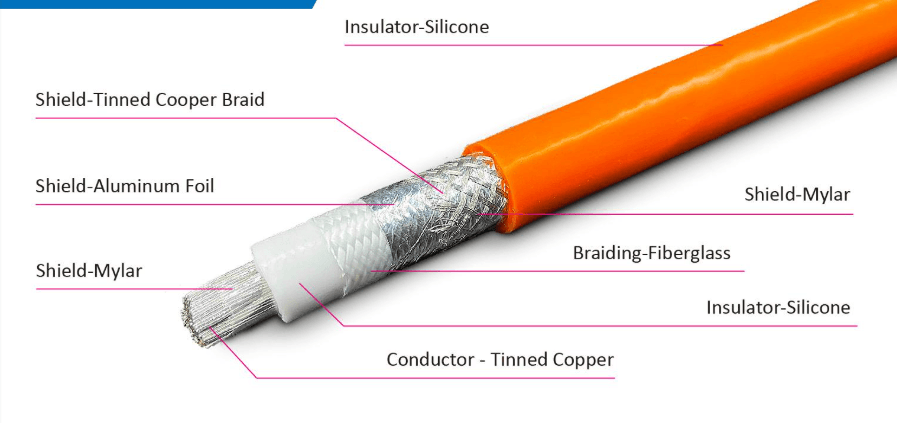
A typical high-performance USB-C cable contains multiple internal layers:
Outer Jacket

↓

Braided Protection Layer

↓

Shielding Layer

↓

Data Wires

↓

Power Conductors

↓

Reinforcement Materials
Each component has a specific function.
Together they determine:
Charging efficiency
Heat generation
Signal stability
Mechanical durability
A poorly designed internal structure may cause:
Slow charging
Data errors
Excessive heat
Short service life
Understanding VCC and GND Wires in USB-C Cable
The foundation of every charging cable is the power conductor system.
The two most important power paths are:
VCC (Voltage Supply)
GND (Ground)
What Is the VCC Wire?
VCC is the positive power conductor responsible for delivering electrical current from the charger to the device.
During charging, current flows through the VCC conductor to provide energy to:
Smartphones
Tablets
Laptops
Power banks
Other USB-C devices
As charging power increases, conductor quality becomes more important.
For example:
| Charging Power | Typical Conductor Requirement |
|---|---|
| Basic charging | Standard copper conductor |
| 60W USB-C PD | Larger current capacity conductor |
| 100W USB-C PD | Lower resistance power conductor |
| 240W EPR charging | High-performance power structure |
A thicker conductor usually provides:
Lower resistance
Reduced voltage loss
Lower heat generation
Better charging efficiency
This is why premium fast charging USB-C cables require carefully selected wire gauges.
What Is the GND Wire?
GND (Ground) completes the electrical circuit.
A stable ground path is essential for:
Reliable power delivery
Electrical stability
Heat control
Device protection
A weak ground conductor may increase:
Voltage fluctuation
Charging instability
Heat generation
For high-power USB-C cables, both VCC and GND conductors must be engineered together.
A cable cannot achieve reliable 100W or 240W performance by improving only one power wire.
Why Copper Quality Matters Inside USB-C Cables
The conductor material directly affects cable performance.
Not all copper conductors provide the same electrical characteristics.
Premium USB-C cable manufacturers typically evaluate:
Copper purity
Wire diameter
Strand structure
Resistance level
Oxygen-Free Copper (OFC)
Oxygen-Free Copper is commonly used in premium charging cable designs.
Advantages include:
Lower Electrical Resistance
Lower resistance means less energy loss during power transmission.
Reduced Heat Generation
Efficient current flow helps reduce unnecessary heat.
Better Long-Term Reliability
High-quality copper maintains performance through repeated use.
Why Low-Cost Conductors Create Problems
Some low-cost charging cables reduce material costs by using:
Copper-clad aluminum (CCA)
Smaller wire diameter
Lower copper content
These designs may result in:
Higher resistance
More heat
Reduced charging efficiency
Shorter lifespan
For conshttps://oskotech.com/service/umers searching for a durable USB-C charging cable, conductor quality is one of the most important factors.
For OEM buyers, conductor specification should always be confirmed before mass production.
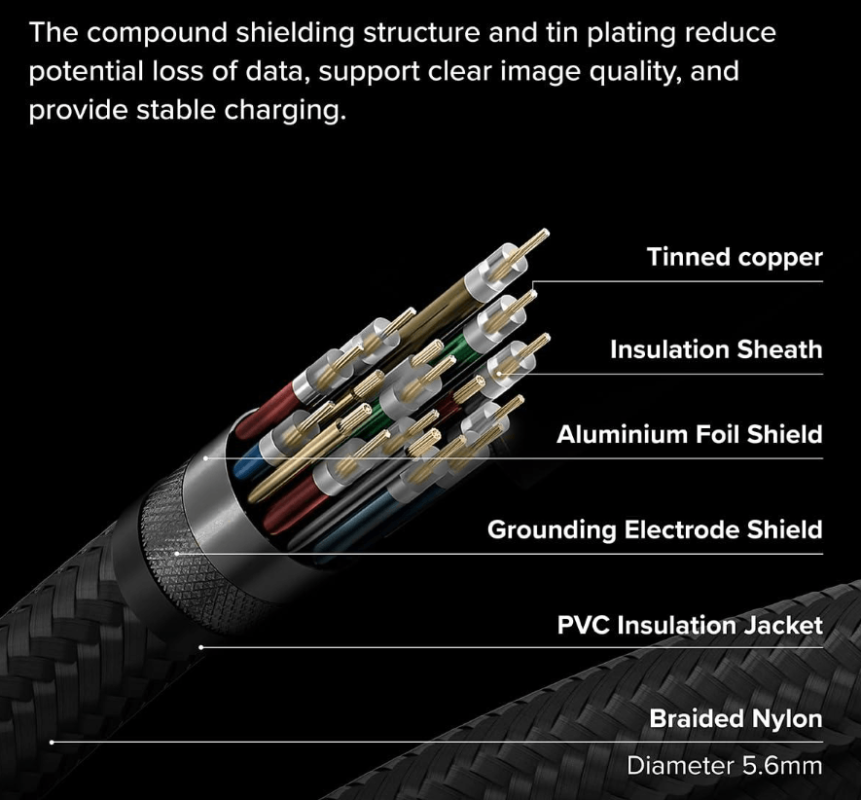
What Are D+ and D- Wires in USB-C Cables?
USB-C cables are not only power cables.
Many models also transmit data.
This requires dedicated signal conductors.
The traditional USB data communication system uses:
D+
D-
These two wires form a differential signal pair.
Why D+/D- Twisted Pair Design Matters
The D+ and D- wires are twisted together to improve signal performance.
This structure is called:
Twisted Pair Technology
The twisting process helps:
Reduce electromagnetic interference
Improve signal integrity
Reduce crosstalk
Maintain stable data transmission
This becomes increasingly important for:
USB 2.0 data transfer
USB 3.2
USB4
Thunderbolt applications
Without proper signal design, high-speed communication becomes unstable.
USB-C Cable Internal Structure for High-Speed Applications
Modern USB-C cables must handle multiple tasks simultaneously:
Power Transmission
Handled by:
VCC conductor
GND conductor
Data Communication
Handled by:
D+/D- pairs
High-speed differential pairs
EMI Protection
Handled by:
Aluminum foil shielding
Braided shielding
Mechanical Protection
Handled by:
Kevlar reinforcement
Nylon braid
Strain relief
A professional USB-C cable manufacturer must balance all these requirements.
Why Kevlar Reinforcement Is Used Inside Premium USB-C Cables
Many buyers notice a braided exterior but do not realize there may also be reinforcement materials inside the cable.
One important material is:
Kevlar Fiber
Kevlar is a high-strength synthetic fiber known for excellent tensile strength.
Inside a charging cable, Kevlar acts as a mechanical support structure.
Its purpose is not electrical conductivity.
Its purpose is durability.
Benefits of Kevlar Reinforced USB-C Cables
Kevlar reinforcement helps:
Prevent Cable Stretching
Repeated pulling can damage internal conductors.
Kevlar absorbs mechanical tension.
Improve Bend Resistance
Daily folding and bending create stress inside cables.
Kevlar helps protect the wire core.
Extend Cable Lifespan
By reducing internal movement, Kevlar helps prevent conductor fatigue.
This is especially valuable for:
Travel cables
Car charging cables
Heavy-use office cables
Premium retail products
How Wire Gauge (AWG) Affects USB-C Cable Performance
Wire thickness is commonly measured using AWG.
AWG means:
American Wire Gauge
Important rule:
A smaller AWG number means a thicker conductor.
Example:
| AWG | Application |
|---|---|
| 28AWG | Basic low-power cables |
| 24AWG | Standard charging applications |
| 22AWG | 60W USB-C PD cables |
| 20AWG | Higher power charging |
| 18AWG | 240W USB-C EPR applications |
Thicker conductors generally provide:
More stable charging
Higher current capacity
Lower resistance
Better thermal performance

Why Premium USB-C Cables Need Multiple Internal Protection Layers
A modern USB-C charging cable must perform several functions at the same time:
Deliver high electrical power
Maintain stable data communication
Reduce electromagnetic interference
Survive repeated bending
Maintain long-term reliability
Because of these requirements, professional USB-C cable manufacturers do not rely on a single material.
A high-performance cable usually combines multiple internal structures.
Shielding Layers Inside a USB-C Cable
High-speed USB-C cables are sensitive to electromagnetic interference (EMI).
Without proper shielding, external electrical noise may affect:
Data stability
Charging communication
Signal quality
Premium cables commonly use two types of shielding.
Aluminum Foil Shielding
Aluminum foil provides high-frequency EMI protection.
It helps protect internal signals from interference generated by:
Chargers
Power adapters
Computers
Wireless devices
Benefits include:
Full conductor coverage
Lightweight construction
Improved signal stability
Braided Metal Shielding
Braided shielding uses woven conductive metal strands around the internal cable structure.
It provides:
Additional EMI protection
Improved mechanical strength
Better overall cable durability
Together, aluminum foil and braided shielding create a stronger protection system for advanced USB-C applications.
Why Internal Structure Determines Real USB-C Cable Performance
Many products advertise:
100W charging
240W charging
Fast data transfer
Premium materials
However, the actual performance depends on internal engineering.
Two cables may look identical externally but perform very differently.
The difference often comes from:
Copper quality
Wire gauge
Internal arrangement
Shielding design
Reinforcement structure
For example:
A thin conductor may technically support charging but experience:
Higher heat
More voltage drop
Reduced efficiency
A properly engineered conductor system provides:
Stable current flow
Better thermal control
Longer service life
Engineering Case Study: Developing a 60W USB-C Cable for a US Retail Brand
Customer Background
A US electronics accessory brand planned to launch a premium charging cable series through online retail channels.
The target product requirements included:
USB-C to USB-C connection
60W Power Delivery charging
6ft retail cable option
Premium braided appearance
High customer satisfaction
Reduced return rate
The customer previously sourced standard charging cables.
Although the products were competitive in price, customer feedback showed several problems:
Charging speed inconsistency
Cable damage near connectors
Reduced lifespan after daily use
Engineering Challenges
Challenge 1: Maintaining Stable 60W Power Delivery
The cable needed to support higher current levels than basic charging cables.
The engineering team evaluated:
Conductor size
Copper material
Resistance performance
The final structure used optimized power conductors to improve charging stability.
Challenge 2: Improving Mechanical Durability
The customer wanted a premium braided design but previous products still experienced internal failures.
The solution focused on:
Reinforced strain relief
Improved internal support
Kevlar reinforcement structure
Durable braided jacket
The goal was not only to create a stronger appearance but to protect the internal wire core.
Challenge 3: Maintaining Data Reliability
Because the cable was designed for charging and data synchronization, signal stability was important.
The design included:
Proper data wire arrangement
Shielding protection
Stable connector assembly
OSKO Production Solution
OSKO optimized the cable structure from the inside out.
The final cable design included:
Electrical System
High-quality copper conductors
Stable VCC and GND paths
Optimized resistance performance
Signal System
Proper D+/D- structure
EMI shielding layers
Reliable data communication
Mechanical System
Kevlar reinforcement
Nylon braided protection
Reinforced connector transition
Manufacturing Control
Production inspection included:
Electrical testing
Connector inspection
Charging performance testing
Appearance inspection
Customer Result
The improved USB-C cable solution provided:
More stable charging performance
Better customer experience
Reduced product complaint risk
Improved retail product positioning
This case shows why a professional OEM USB-C cable supplier focuses on cable engineering instead of only appearance and price.
How to Choose a High-Quality USB-C Cable
When selecting a USB-C cable, consumers and procurement teams should evaluate several factors.
1. Check Power Capability
Confirm whether the cable matches your application.
Examples:
| Application | Recommended Cable |
|---|---|
| Smartphone charging | Standard USB-C charging cable |
| Tablet charging | 60W USB-C cable |
| Laptop charging | 100W USB-C PD cable |
| High-power devices | 240W USB-C EPR cable |
2. Check Internal Construction
A reliable cable should have:
Quality copper conductors
Proper wire gauge
Reliable insulation
Shielding layers
Reinforcement structure
The internal design matters more than external appearance.
3. Check Data Requirements
Not every USB-C cable supports high-speed data.
Buyers should verify:
USB 2.0
USB 3.2
USB4
Thunderbolt compatibility
The connector shape alone does not determine data speed.
4. Check Manufacturer Capability
For wholesale and private-label projects, evaluate:
Manufacturing experience
Quality control process
Sample approval process
Customization capability
Production consistency
A reliable USB-C cable manufacturer should provide technical support, not only product pricing.
OEM and Wholesale USB-C Cable Purchasing Guide
For brands, distributors, and retailers, choosing a supplier requires evaluating the complete product solution.
Customization Options
Professional suppliers can support:
Cable length customization
Connector configuration
Cable color selection
Braided material options
Logo printing
Retail packaging
Product Development Support
OEM buyers should consider whether the supplier can assist with:
Cable structure recommendation
Engineering optimization
Sample development
Production testing
Quality Control Requirements
Important quality processes include:
Material Inspection
Checking:
Copper conductor quality
Connector materials
Jacket materials
Electrical Testing
Including:
Continuity testing
Charging testing
Resistance testing
Mechanical Testing
Including:
Bend testing
Pull testing
Connector durability testing
FAQ: USB-C Cable Internal Structure
What is inside a USB-C cable?
A USB-C cable contains power conductors, data wires, insulation layers, shielding materials, and reinforcement structures.
Premium cables may include:
Oxygen-free copper
Aluminum foil shielding
Braided shielding
Kevlar reinforcement
What does VCC mean in a USB-C cable?
VCC is the positive power conductor that carries electrical current from the charger to the device.
It is a key component for stable charging performance.
What does GND do in a charging cable?
GND completes the electrical circuit and provides a stable return path for current.
A reliable ground conductor helps improve charging stability.
Why are D+ and D- wires twisted?
D+ and D- twisted pair design reduces interference and improves signal quality during data transmission.
This is important for reliable USB communication.
Does a thicker wire make a better USB-C cable?
Generally, thicker conductors reduce electrical resistance and improve current capacity.
However, cable performance depends on the complete design, including materials, connectors, and shielding.
Is Kevlar necessary in a USB-C cable?
Kevlar is not required for every cable, but it improves mechanical durability by reducing internal stress and protecting conductors.
It is especially useful for:
Travel cables
Heavy-use cables
Premium retail cables
Why do some USB-C cables charge slower?
Possible reasons include:
Smaller conductors
Higher resistance
Poor connector quality
Unsupported charging specification
Cable damage
Can a USB-C cable support 240W charging?
Yes, properly designed USB-C cables can support 240W USB Power Delivery applications when they meet the required electrical and communication specifications.
Are all USB-C cables the same?
No.
USB-C describes the connector type, not the complete cable capability.
Different cables may support different:
Power levels
Data speeds
Construction quality
What should wholesalers look for in a USB-C cable supplier?
Important factors include:
Wire structure knowledge
Manufacturing capability
Quality testing
OEM customization support
Stable production capacity
Conclusion: The Wire Core Defines USB-C Cable Quality
The internal wire core is the foundation of every high-performance USB-C cable.
While consumers often notice the outside design first, the hidden structure determines actual performance.
A reliable cable requires:
High-quality VCC and GND conductors
Proper D+/D- signal design
Quality copper materials
Effective shielding
Kevlar reinforcement
Professional manufacturing control
For consumers, understanding cable construction helps avoid unreliable products.
For brands and distributors, selecting an experienced OEM USB-C cable manufacturer helps create products with better reliability and market value.
OSKO specializes in OEM and ODM USB cable manufacturing, providing:
USB-C fast charging cables
60W/100W/240W PD cable solutions
Braided USB-C cables
Custom USB-C cable production
Private-label charging cable solutions
Request OEM USB-C Cable Manufacturing Support
Looking for a professional USB-C cable manufacturer for wholesale or private-label products?
Provide your requirements:
Cable type
Power specification
Length
Quantity
Packaging needs
Target market
OSKO can help develop a reliable USB-C cable solution from internal wire structure to finished production.