
If you have ever connected a Lightning cable to an iPhone and seen an accessory warning, experienced intermittent charging, or found that a cable works with one device but not another, the problem may not be the phone itself.
The cable may be poorly manufactured, incompatible, damaged, or not an authorized accessory.
For buyers searching for an MFi-certified Lightning cable, the important distinction is that an MFi cable is not simply a Lightning cable with an Apple-style logo on the package. Apple’s MFi program covers licensed technologies and components used by qualifying accessories, and Apple provides mechanisms for identifying authorized manufacturers and licensed accessories.
This distinction matters to two very different audiences.
For consumers, the goal is straightforward: find a reliable Lightning cable that charges and synchronizes consistently.
For retailers, wholesalers, distributors, and OEM brands, the requirements go further. Buyers need to evaluate certification status, supplier authorization, connector quality, electrical performance, production consistency, packaging, documentation, and long-term supply capability.
That makes how to identify an MFi cable more than a simple packaging check. It is a sourcing and product-quality decision.
What Does MFi Mean for a Lightning Cable?
MFi stands for Made for iPhone, iPad, and iPod.
Apple describes MFi as a program that gives participating companies access to Apple specifications, certification tools, licensed technologies, and approved components for compatible accessories. MFi can involve technologies and components such as Lightning connectors and authentication coprocessors.
For Lightning cable buyers, this matters because the Lightning connector is part of Apple’s proprietary accessory ecosystem.
A professionally manufactured MFi Lightning cable is therefore not defined only by the appearance of its connector. Certification involves the product design, approved components, testing, production process, and the responsible MFi licensee.
This is particularly important for wholesale buyers.
A supplier may describe a product as:
Apple compatible
iPhone compatible
Apple-quality
Original quality
OEM quality
MFi compatible
None of these phrases alone proves that a specific product is an authorized MFi licensed accessory.
For procurement teams, the better question is:
Can the supplier demonstrate that the exact accessory and manufacturing arrangement are covered by the applicable MFi requirements?
How to Check if a Lightning Cable Is MFi Certified
There is no single visual feature that should be used as the only verification method.
A stronger verification process combines supplier information, product information, packaging, physical inspection, functional testing, and—when purchasing commercially—MFi authorization and licensed-accessory records.
Check the MFi Information on the Packaging
Apple provides “Made for” badges for certified accessories. Apple explains that products carrying the appropriate Made for label are designed and certified for compatibility with the corresponding Apple devices.
For a retail product, inspect the packaging carefully.
Look for:
Appropriate Made for labeling
Manufacturer or brand information
Product model or SKU
Barcode and traceability information
Consistent printing quality
Clear product specifications
Matching information between packaging and the actual cable
However, packaging should be treated as one verification layer rather than absolute proof.
A copied logo can be printed on counterfeit packaging.
For that reason, professional buyers should not approve an MFi purchase solely because a box contains an Apple-looking badge.
Verify the Manufacturer or Licensed Accessory
For wholesale and OEM purchasing, this is a much more meaningful step.
Apple states that MFi authorized manufacturers can manufacture accessories on behalf of licensees, and Apple provides an MFi Licensed Accessories page through which qualifying accessories can be searchable after the applicable certification requirements have been completed and the manufacturer has opted in or reported the product.
This creates a better procurement workflow:
Supplier → Licensee/Manufacturer → Product → MFi status → Purchase
Instead of:
Supplier → “MFi certified” claim → Purchase
For a large purchase order, buyers should ask the supplier for documentation that supports the specific product being quoted.
Useful questions include:
Who is the MFi licensee?
Is the factory an authorized MFi manufacturer or working with an authorized licensee?
Is the specific Lightning cable covered by the relevant certification?
Does the product packaging correspond to the certified product?
Can the supplier provide appropriate documentation under applicable confidentiality restrictions?
Is the same certified configuration used for mass production?
This is especially important when sourcing MFi Lightning cables wholesale.
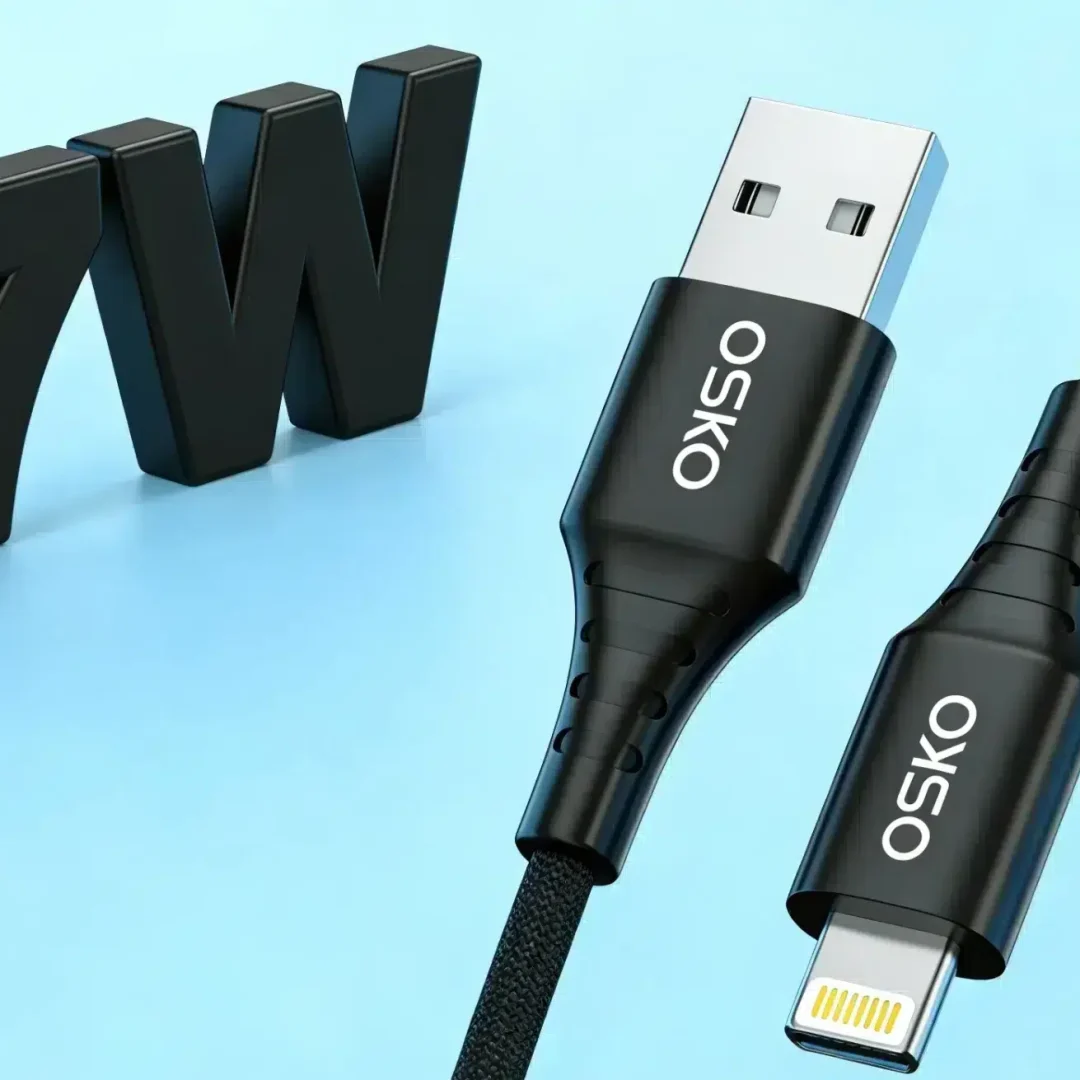
Inspect the Lightning Connector
Physical inspection cannot independently prove MFi certification, but it can reveal manufacturing problems.
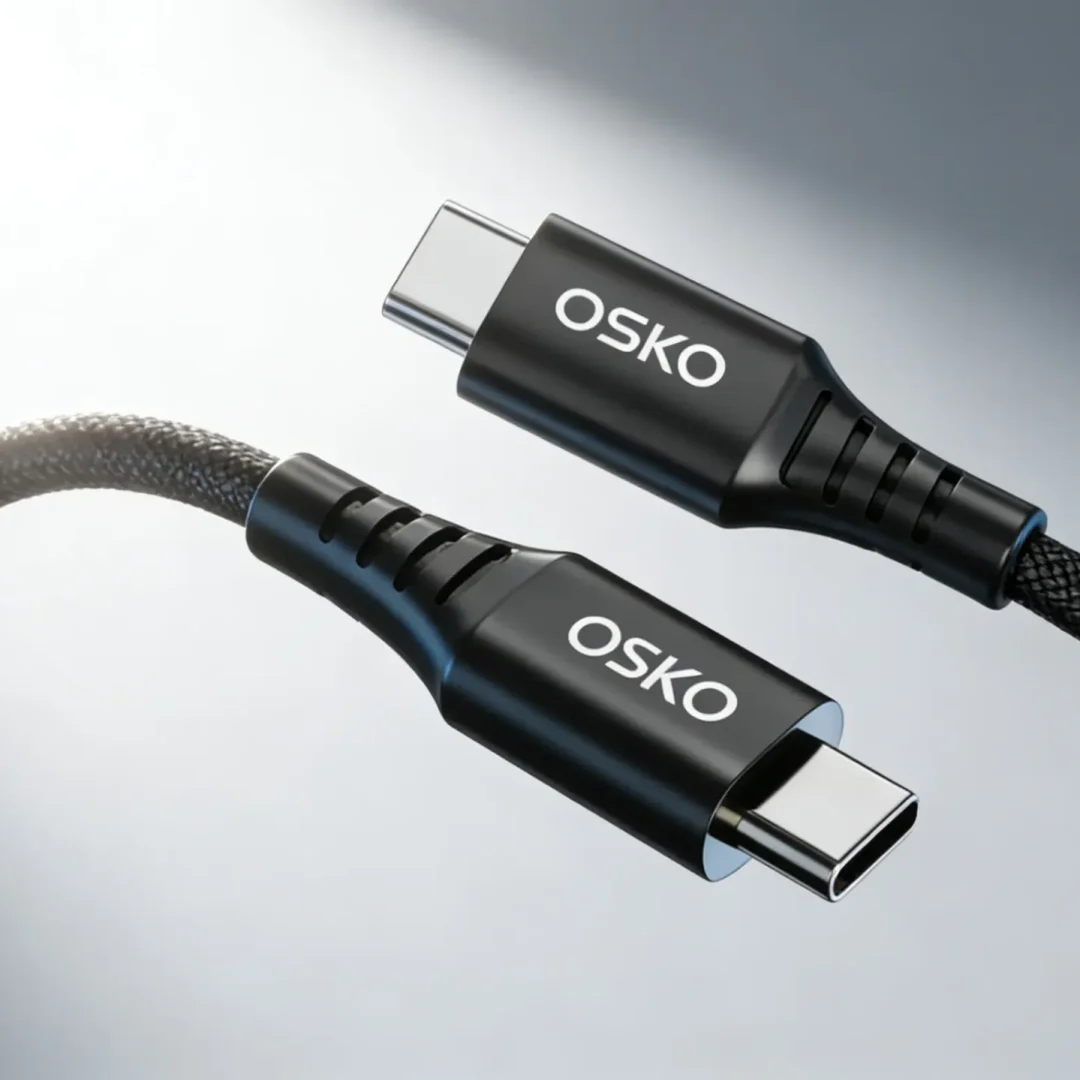
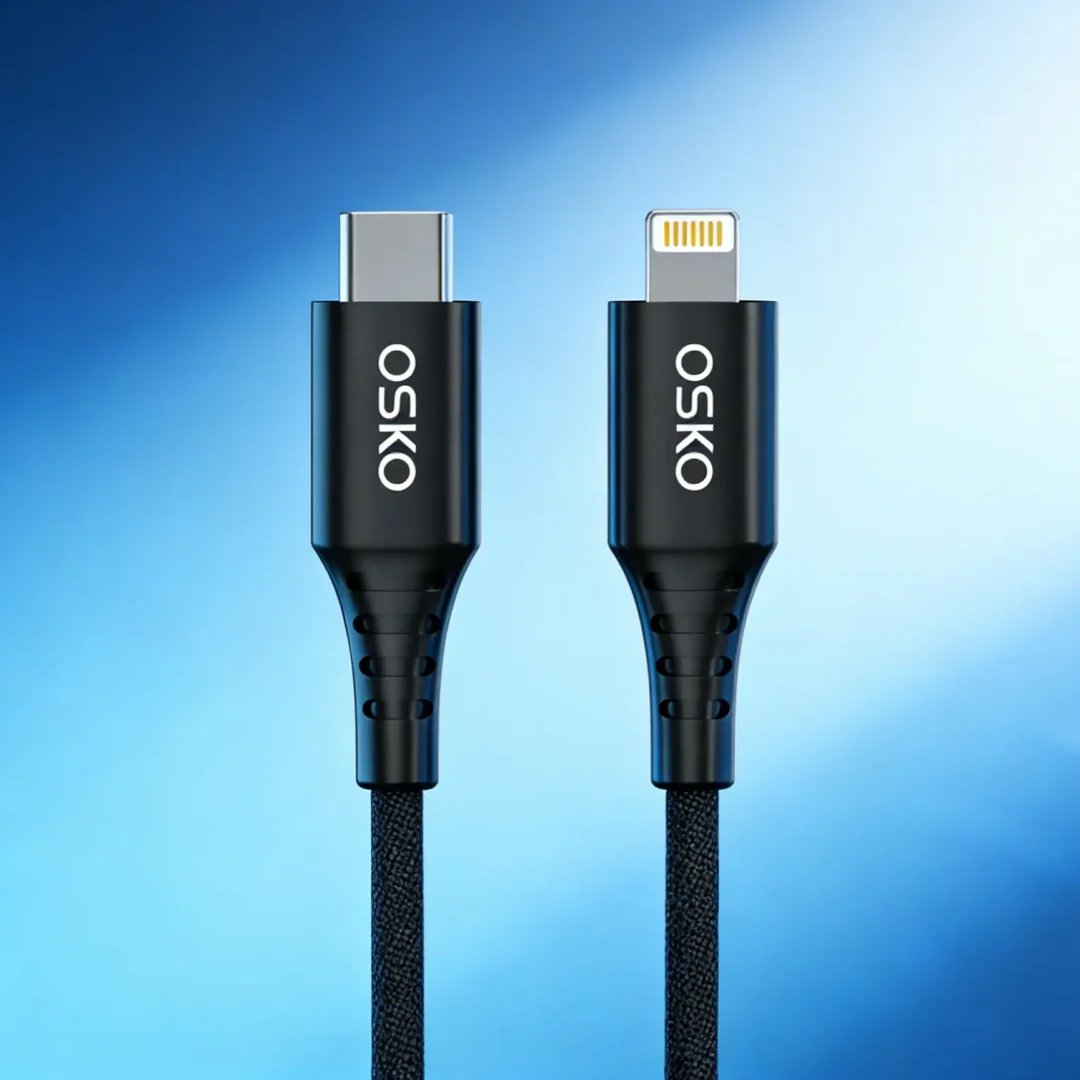
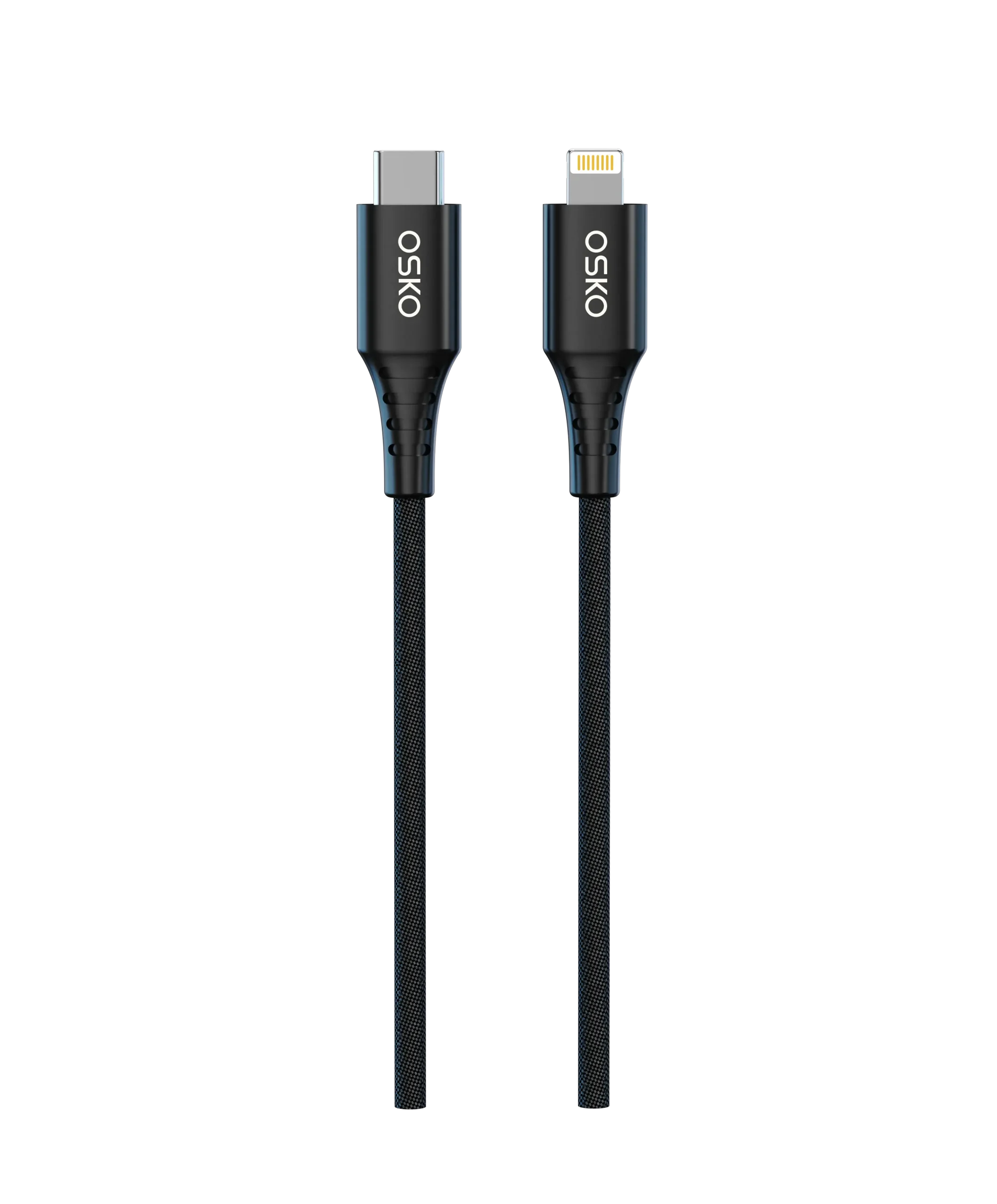
A well-engineered Lightning connector should have:
Consistent metal finishing
Accurate contact alignment
Clean molding
Stable connector housing
Smooth transitions between shell and cable
Proper strain relief
No obvious burrs or deformation
Consistent insertion and removal feel
Low-quality connectors may show:
Uneven plating
Rough edges
Misaligned contacts
Loose housings
Poor molding
Excessive connector movement
Weak strain relief
These problems matter because the connector is subjected to repeated mechanical insertion, removal, bending, and pulling during normal use.
A cable can have excellent-looking packaging and still fail because the connector assembly is poorly controlled.

Connector Quality vs. MFi Status
| Evaluation Area | What It Tells You |
|---|---|
| MFi authorization/certification | Whether the accessory is covered by the relevant Apple program requirements |
| Packaging | Product identification and certification presentation |
| Connector construction | Manufacturing quality and mechanical consistency |
| Electrical testing | Charging and data performance |
| Cable jacket | Abrasion and flex protection |
| Strain relief | Resistance to repeated bending |
| Supplier documentation | Traceability and procurement risk |
The important point is that connector appearance is evidence of manufacturing quality, not standalone proof of MFi certification.
Test Charging and Data Performance
After checking documentation and construction, test the cable in actual use.
A quality Lightning cable should provide stable connection and consistent performance under the intended operating conditions.
Test:
Charging connection
Charging stability
Data synchronization
Connector fit
Repeated connection
Performance across representative Apple devices
Performance with the intended charger
If a cable repeatedly disconnects, stops charging, produces accessory warnings, or loses data connectivity, it deserves further investigation.
However, charging performance alone does not prove MFi certification.
This distinction is important because MFi certification and charging wattage are not the same thing.
A cable may have excellent electrical performance without being an MFi-certified Lightning accessory, while a certified product still needs to be used with a compatible charger and device to achieve the expected charging performance.
USB-C to Lightning and Fast Charging
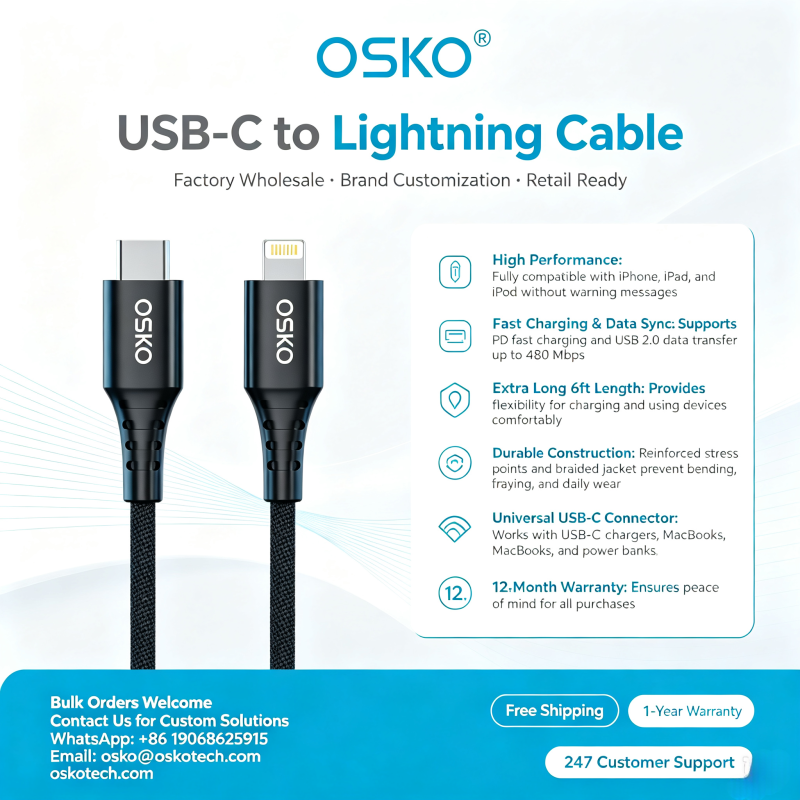
For buyers of older-generation iPhone accessories, USB-C to Lightning cables remain commercially relevant.
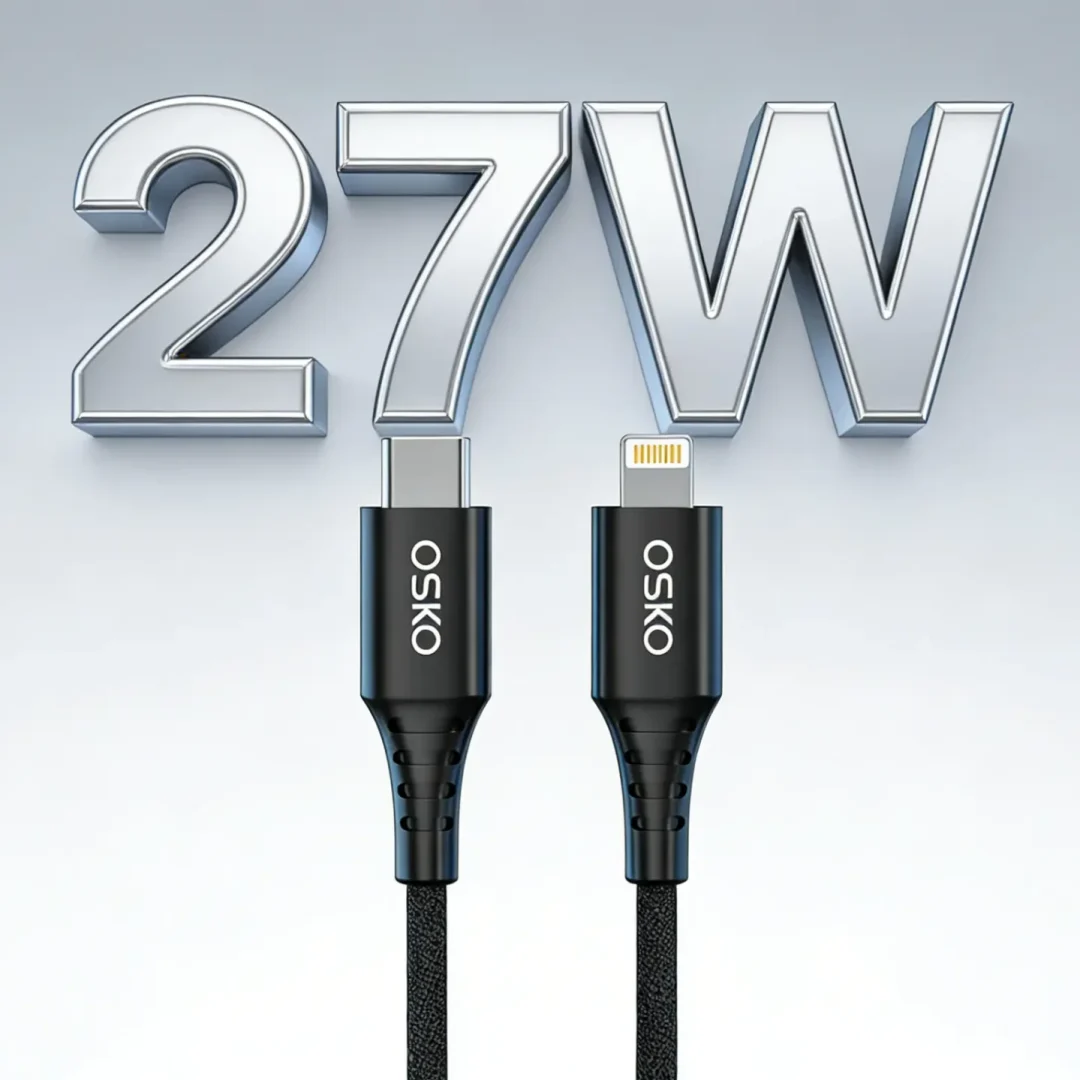
Apple’s current charging guidance states that iPhone 14 models and earlier can use a USB-C to Lightning cable with a compatible USB-C power adapter for faster wired charging. For iPhone 15 models and later, Apple recommends a USB-C cable because those devices use USB-C.
Therefore, an article or product listing should avoid saying that every MFi Lightning cable automatically provides a particular wattage.
Charging performance depends on the complete charging system:
Phone + cable + charger + charging protocol + operating conditions
For example, a retailer selling a USB-C to Lightning cable should specify the intended use and supported charging configuration instead of simply advertising a large wattage number.
This creates more accurate expectations and reduces customer complaints.
Evaluate the Cable Construction
Certification is only one part of a commercially successful Lightning cable.
The physical cable also needs to survive everyday use.
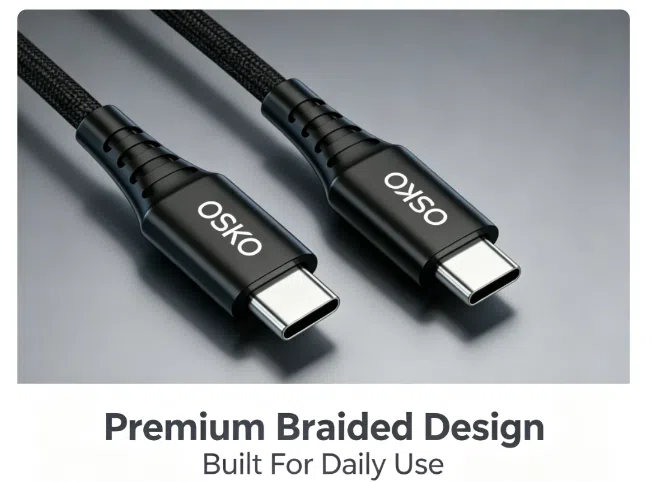
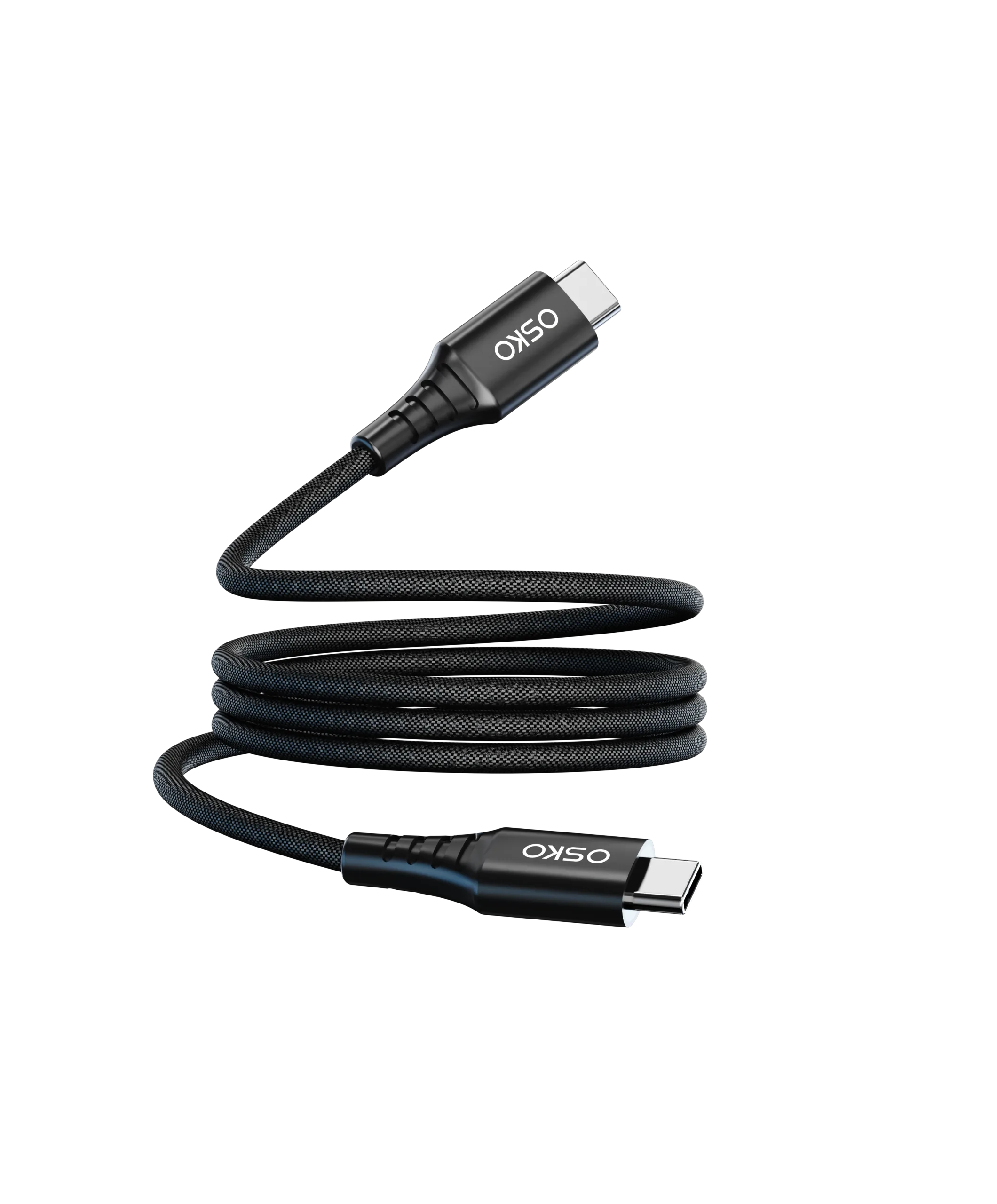
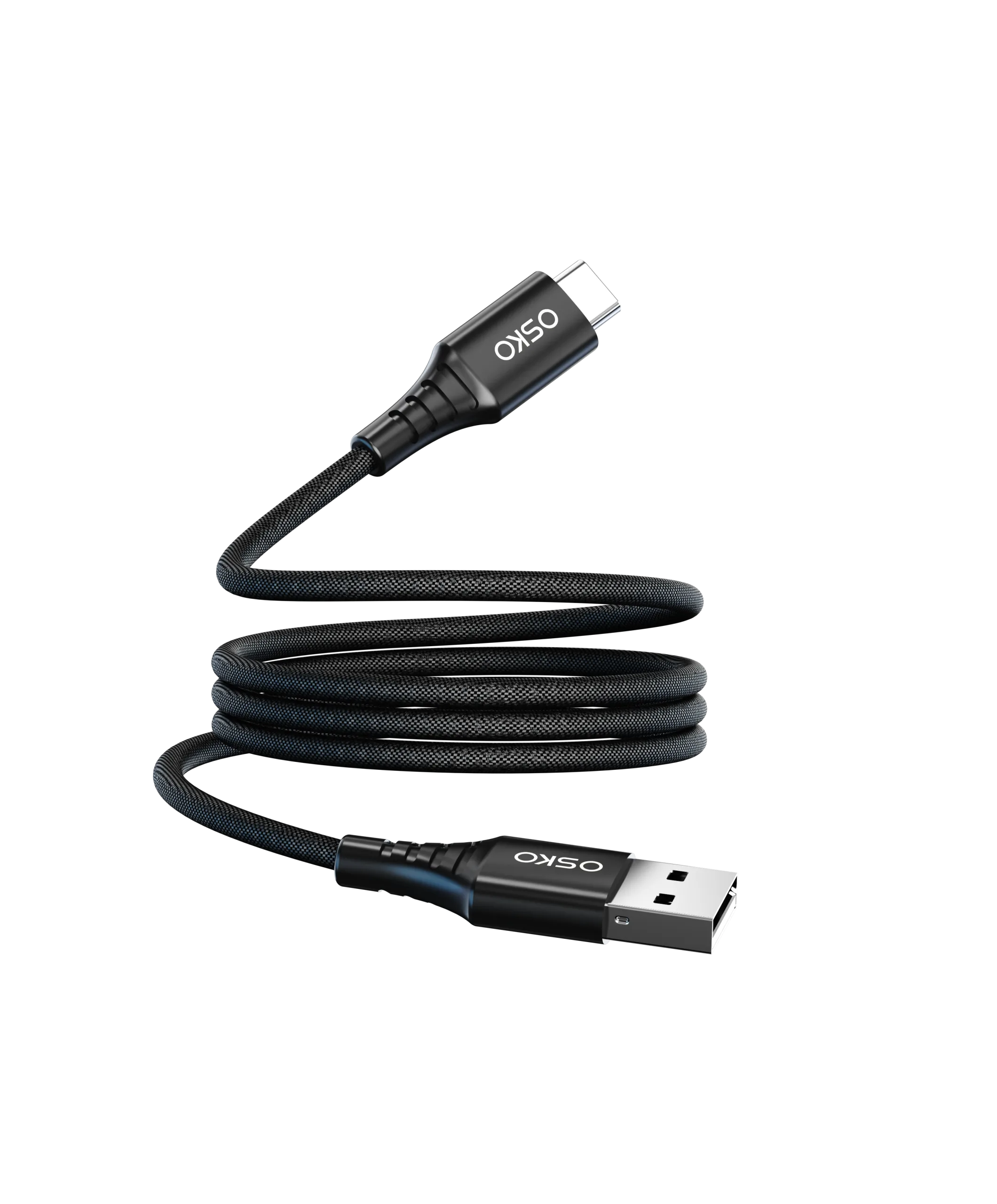
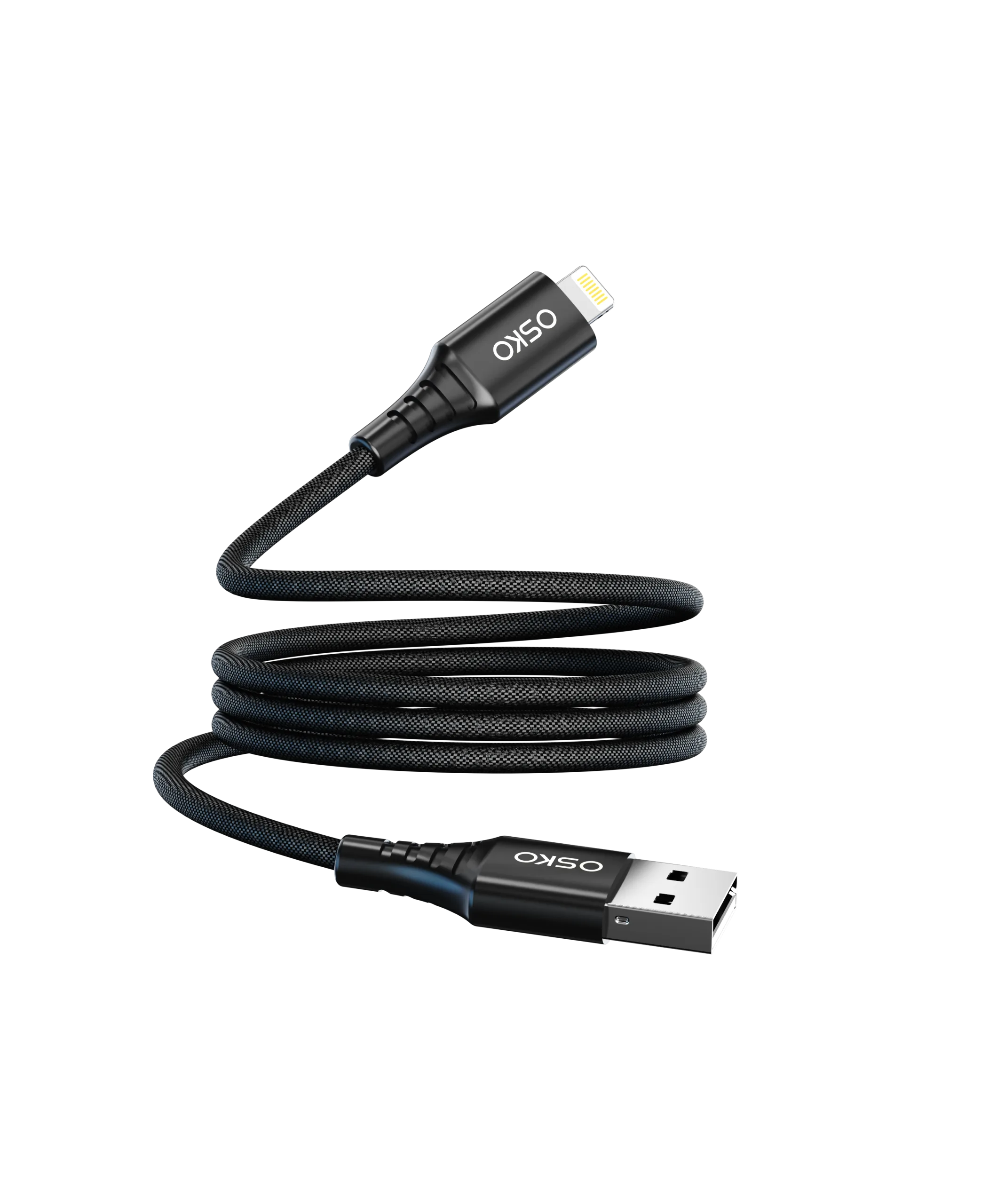
A professional braided MFi Lightning cable may use a combination of:
Copper conductors
Insulation layers
Internal shielding where required by the design
Nylon or textile outer braiding
Reinforced connector housing
Molded strain relief
Controlled connector assembly
Nylon braiding can improve abrasion resistance and mechanical protection compared with many basic PVC constructions.
However, a braided jacket does not automatically make a cable electrically superior.
Procurement teams should evaluate the complete design.
PVC vs. Braided Lightning Cable
| Feature | Standard PVC Cable | Nylon Braided Cable |
|---|---|---|
| Abrasion resistance | Moderate | Generally higher |
| Surface durability | Moderate | High |
| Appearance | Basic | Premium |
| Flexibility | Depends on formulation | Depends on braid/core design |
| Kink resistance | Variable | Generally improved |
| Retail positioning | Entry-level | Premium |
| OEM customization | Available | Available |
For retailers, the right construction depends on the product’s target price, sales channel, expected usage, and warranty requirements.
For a premium accessory line, a braided construction can help create a stronger product proposition.
Check the Cable’s Strain Relief
One of the most common failure points in charging cables is the transition between the cable jacket and connector housing.
Repeated bending creates mechanical stress at this point.
A properly engineered cable should control:
Bend radius
Connector transition geometry
Jacket adhesion
Internal conductor movement
Molded strain relief
Pull resistance
This is particularly relevant for 6-foot cables, car charging cables, bedside cables, and products used frequently during travel.
For a retailer, better strain-relief engineering can help reduce premature failures and warranty claims.
For an OEM buyer, the same area should be included in the product validation plan before mass production.
What Retailers Should Check Before Buying MFi Lightning Cables
Retail buyers often focus on unit price first.
A better approach is to calculate the total commercial cost.
Consider:
Unit Cost + Freight + Inspection + Returns + Warranty Claims + Customer Support + Brand Risk
A cable that is slightly cheaper at the factory can become more expensive if customers frequently report:
Charging interruptions
Connector failures
Cable breakage
Compatibility issues
Inconsistent performance
Short product lifespan
Before placing a purchase order, retailers should request:
Product specifications
Sample units
Certification information where applicable
Packaging artwork
Quality inspection criteria
Warranty terms
Production lead time
MOQ
Shipping options
Batch traceability
This is especially relevant when purchasing bulk MFi Lightning cables for retailers.
What Wholesale Buyers Should Ask an MFi Cable Supplier
For distributors and importers, supplier qualification should go beyond a product sample.
Ask the supplier:
1. Are you the MFi licensee or an authorized manufacturing partner?
The answer helps establish responsibility for certification.
2. Can you verify the specific product’s MFi status?
Do not rely only on the phrase “MFi compatible.”
3. What connector and authentication components are used?
This helps evaluate the technical configuration.
4. What testing is performed before shipment?
Ask about charging, data, connector, pull, bending, and appearance inspection.
5. Can you provide production samples?
Samples allow buyers to validate construction before mass production.
6. Can the factory maintain the same specification during mass production?
This is critical because the approved sample and the shipped production batch must not silently diverge.
7. Can you support private-label packaging?
For brands, packaging and product configuration should remain aligned.
OEM and ODM MFi Lightning Cable Sourcing
OEM and ODM projects require more technical coordination than standard wholesale purchases.
A brand may specify:
USB-C to Lightning
3 ft or 6 ft length
Nylon braided jacket
Custom color
Private-label logo
Retail packaging
Target charging performance
Target market
MOQ
Warranty period
The manufacturer then needs to translate these requirements into an approved product configuration.
For custom MFi Lightning cable manufacturing, the critical issue is not simply changing the logo or cable color.
The manufacturer must maintain the required certified configuration and ensure that changes to relevant components or design do not create a certification or compatibility problem.
Apple’s MFi program specifically includes accessory developers, manufacturers, brand owners, contract manufacturers, and ODMs within its program structure.
That makes supplier capability particularly important for private-label brands.
Engineering Case Study: Private-Label Lightning Cable for a Retail Distributor
Consider a distributor preparing a premium charging-cable line for retail stores.
The initial requirement is simple:
USB-C to Lightning
6 ft
Black braided jacket
Private-label packaging
Reliable iPhone compatibility
Retail-ready presentation
The procurement team initially focuses on unit price.
During engineering review, the team adds several checkpoints:
| Engineering Check | Procurement Objective |
|---|---|
| MFi documentation | Reduce certification uncertainty |
| Connector inspection | Improve connection consistency |
| Conductor specification | Control electrical performance |
| Strain-relief validation | Reduce bending failures |
| Braided jacket inspection | Improve mechanical durability |
| Charging validation | Confirm intended system performance |
| Data synchronization test | Verify connectivity |
| Packaging verification | Match certified product configuration |
| Production QC | Maintain batch consistency |
The manufacturer then provides pre-production samples for validation before the packaging artwork is finalized.
This workflow is more valuable than simply comparing factory prices.
For the distributor, the goal is not to buy the cheapest Lightning cable. The goal is to establish a repeatable product specification that can be manufactured consistently and sold with predictable performance.
That is the practical difference between buying a cable and qualifying an OEM cable supplier.
consistent specifications, and reliable cross-border supply are important parts of supplier qualification.
How to Avoid Fake MFi Cable Claims
A supplier should raise questions if the only evidence provided is:
“100% original quality”
“Same as Apple”
“Apple standard”
“MFi style”
“MFi compatible”
A copied Apple logo
A generic certificate unrelated to the actual product
These descriptions do not replace appropriate MFi verification.
A professional sourcing process should focus on the specific product, responsible licensee, manufacturing arrangement, documentation, and production configuration.
This is especially important for distributors because purchasing counterfeit or incorrectly represented products can create downstream customer-service and compliance problems.
FAQ: MFi Lightning Cable Questions Buyers Are Asking
How can I tell if a Lightning cable is MFi certified?
Start by checking the appropriate Made for labeling and manufacturer information, then verify the supplier and, where applicable, the product through Apple’s MFi resources. Physical appearance and charging performance should be treated as additional checks rather than standalone proof.
Is every Apple-compatible Lightning cable MFi certified?
No. “Apple compatible” is a marketing description, not by itself proof of MFi certification.
Can a non-MFi Lightning cable charge an iPhone?
Yes, some non-MFi cables may charge or transfer data. However, compatibility and reliability can vary, and the cable should not be represented as an MFi-certified accessory without appropriate authorization.
Can a non-MFi cable damage an iPhone?
A non-MFi cable should not automatically be assumed to damage an iPhone. However, poorly manufactured cables can have electrical, mechanical, or compatibility problems. Product quality and appropriate certification should therefore be evaluated separately.
Does MFi certification mean the cable is fast charging?
No. MFi status and charging speed are different specifications. Charging performance depends on the cable, charger, device, charging protocol, and operating conditions.
Is USB-C to Lightning still relevant?
Yes, particularly for Lightning-equipped iPhone and Apple devices. Apple currently recommends USB-C to Lightning for faster wired charging on iPhone 14 and earlier, while iPhone 15 and later use USB-C directly.
Are braided MFi Lightning cables better than PVC cables?
Braided cables can provide stronger abrasion resistance and a more premium physical construction, but braiding alone does not prove electrical or MFi performance. The complete cable design and manufacturing quality matter.
How can a retailer verify an MFi cable supplier?
Ask who holds the relevant MFi authorization, whether the specific product is covered, what manufacturing arrangement is used, and what quality-control documentation is available. Apple provides information about MFi licensees and licensed accessories through its MFi program resources.
Can I order private-label MFi Lightning cables?
Private-label MFi products are possible when the brand, licensee, manufacturer, and product certification arrangement meet the applicable MFi requirements. OEM buyers should clarify certification responsibility before changing product specifications or packaging.
What should I request before placing a wholesale Lightning cable order?
Request samples, product specifications, MFi-related documentation where applicable, packaging information, MOQ, lead time, QC procedures, warranty terms, and production traceability.
Do MFi cables work after iOS updates?
An appropriately certified and properly manufactured accessory is designed to meet Apple’s applicable compatibility requirements. However, no supplier should use “works with every future iOS version forever” as an absolute guarantee.
Summary
Knowing how to identify an MFi cable requires more than looking for an Apple-style logo.
For consumers, the practical checks are packaging, manufacturer information, connector quality, charging stability, data performance, and supplier credibility.
For retailers and wholesale buyers, the process should go further:
Verify the MFi status → qualify the supplier → inspect the connector → test electrical performance → evaluate cable construction → validate production consistency.
MFi certification should also not be confused with charging wattage. A certified Lightning accessory still needs to be paired with an appropriate charger and device to deliver the intended charging performance.
For OEM and ODM brands, supplier qualification becomes even more important. The manufacturer should be able to manage product specifications, samples, certification requirements, connector quality, cable construction, packaging, quality control, and mass-production consistency as one coordinated process.
A reliable MFi Lightning cable supplier therefore provides more than a low unit price. The real value lies in documented product configuration, controlled manufacturing, consistent QC, and a sourcing process that reduces risk for the brand and its customers.
Request a Quote for MFi Lightning Cables
OSKO provides professional USB cable OEM and ODM solutions for brands, wholesalers, distributors, and retail businesses.
Depending on the project and applicable certification requirements, buyers can discuss:
Braided Lightning cable
3 ft and 6 ft cable configurations
Private-label packaging
Custom cable colors
OEM branding
Bulk production
Pre-production samples
Quality-control requirements