
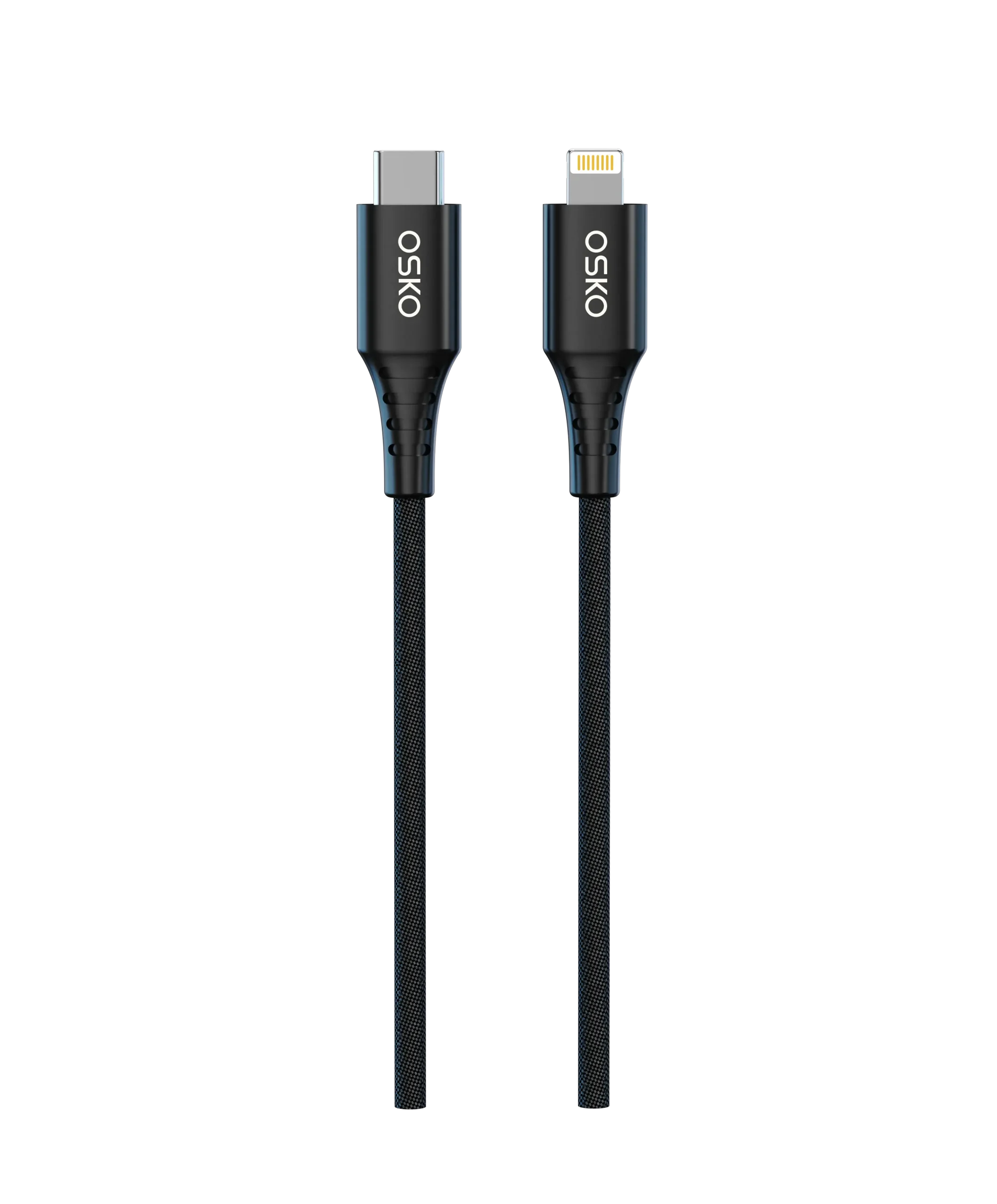
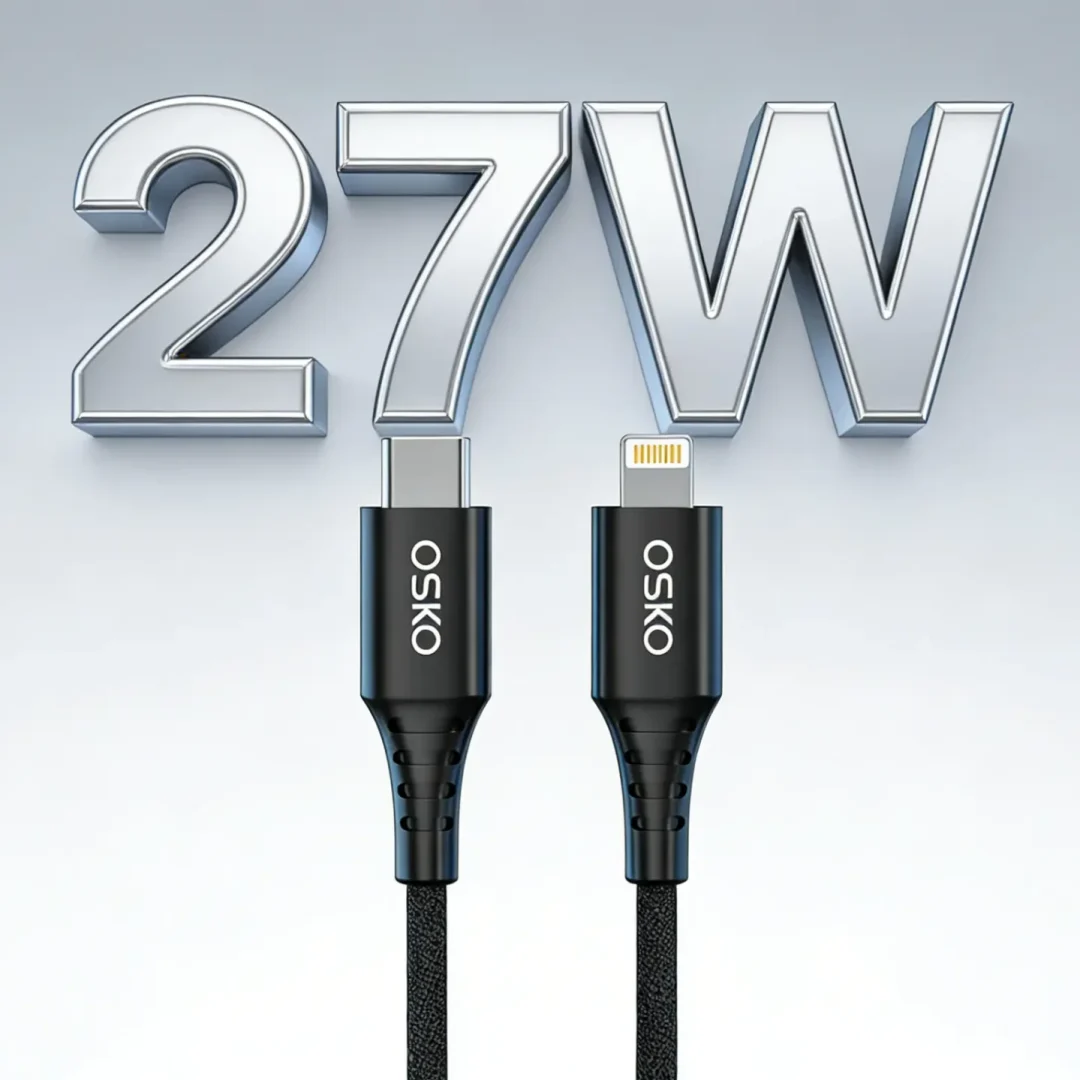
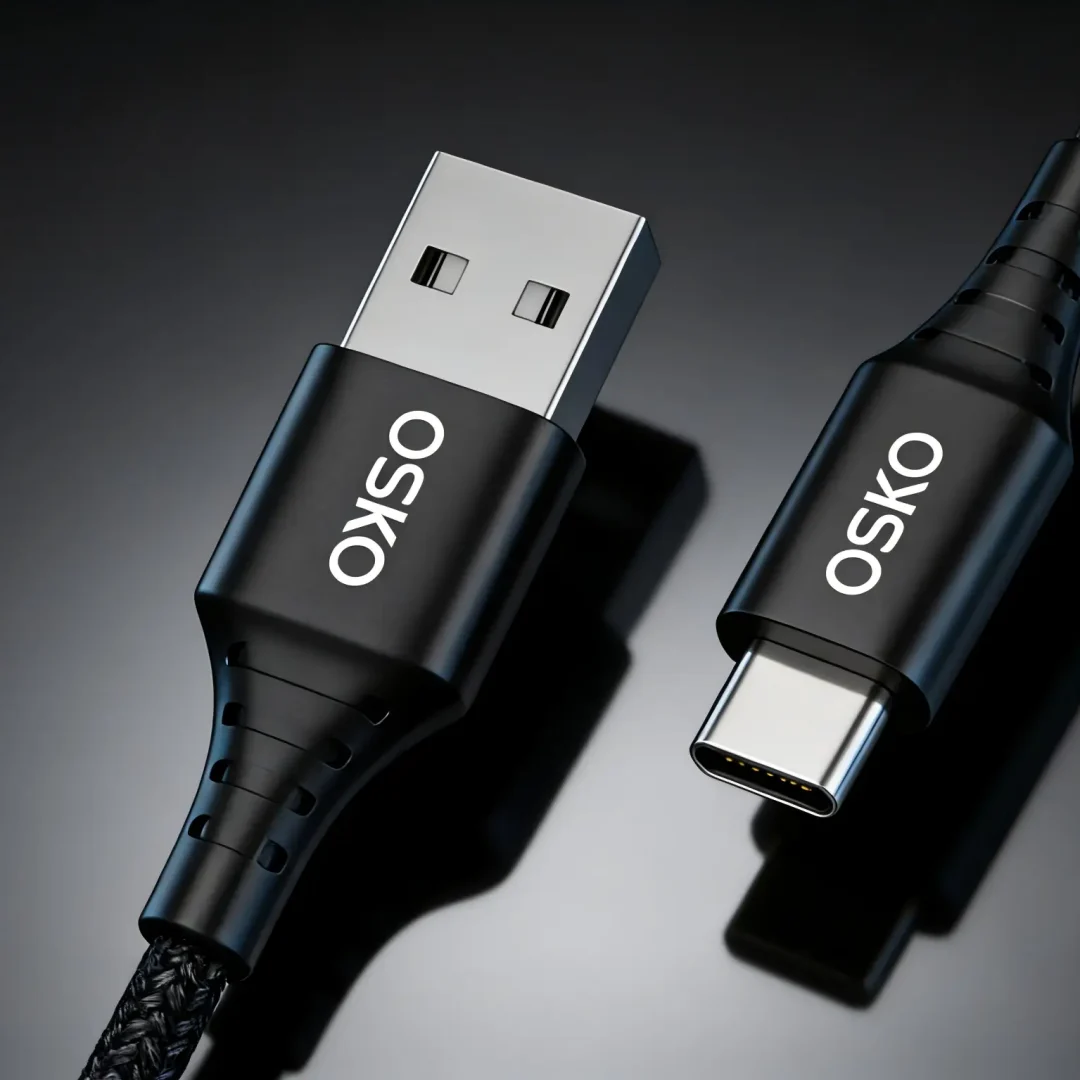
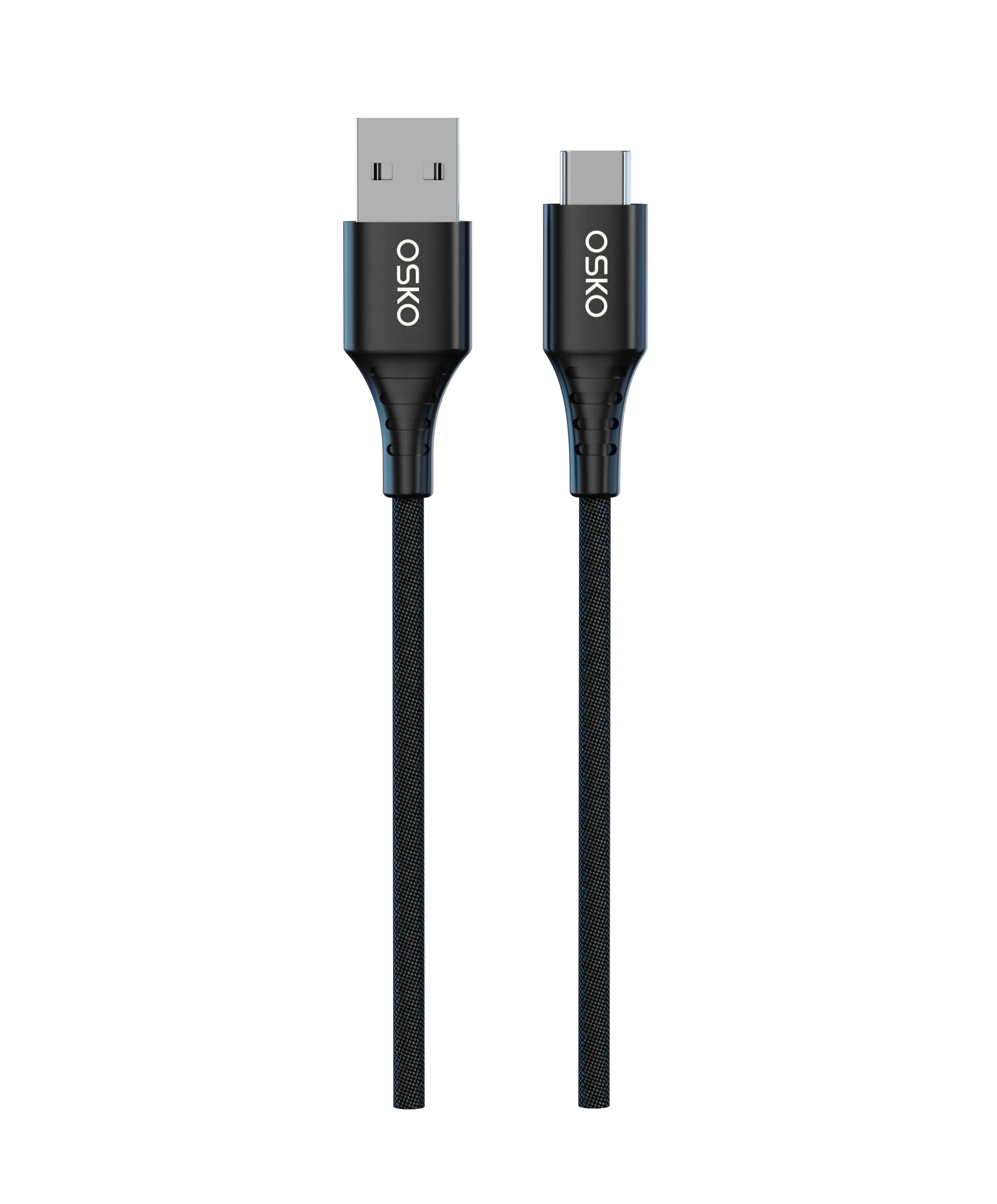
Modern USB-C cables carry high power (up to 240W) and high-speed data, but these signals are sensitive to Electromagnetic Interference (EMI). Shielding is the hidden but critical component that ensures stable charging and data transfer.
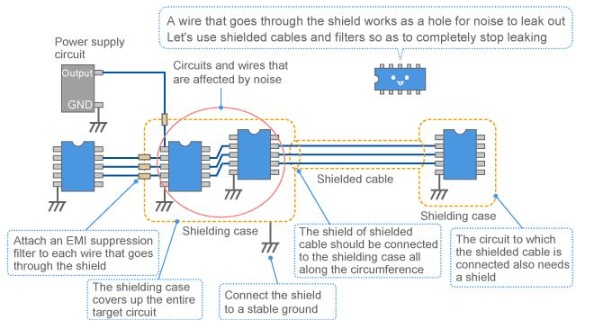
What Is Shielding in a USB Cable?
Definition: A protective layer wrapped around a cable’s internal conductors.
Purpose: Prevents EMI, Radio Frequency Interference (RFI), signal degradation, and data errors.
Analogy: Think of it as a protective wall around the cable’s internal wires.
What Is EMI?
EMI is unwanted electromagnetic energy that disrupts electronic signals.
Common sources: Smartphones, Wi-Fi routers, Bluetooth devices, power adapters, computer motherboards, wireless chargers, household appliances.
Why it matters: EMI can slow data transfer, corrupt data, interrupt charging, cause device recognition failures, and increase heat.
Types of Shielding
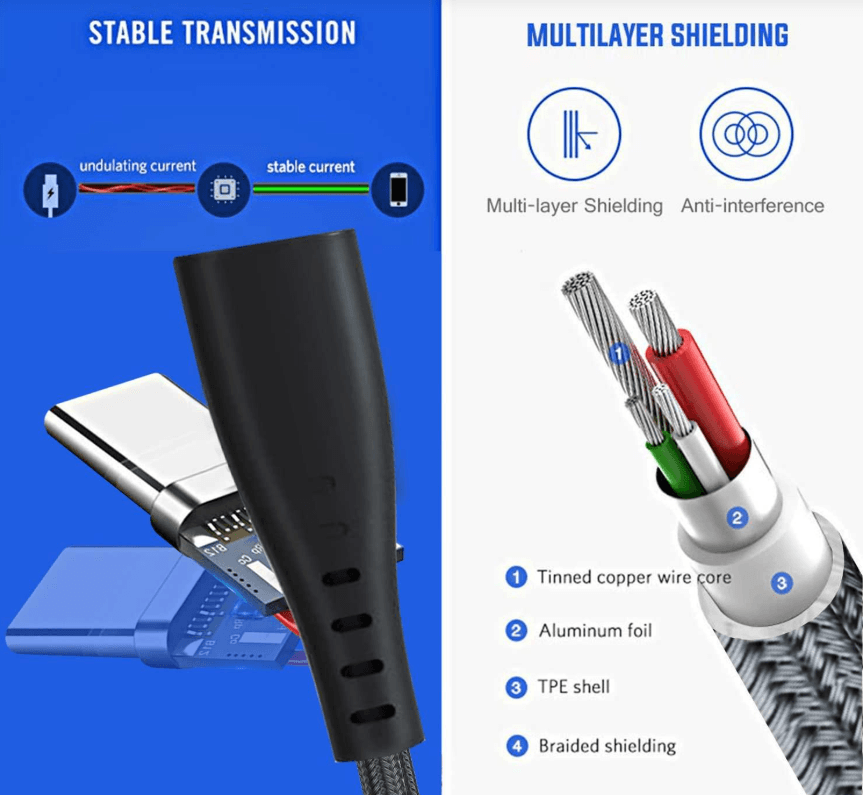
1. Aluminum Foil Shielding
Thin foil wrapped around the conductor core.
Benefits:
Blocks high-frequency EMI and RFI.
Provides nearly 100% coverage.
Lightweight, flexible, and cost-effective.
Limitation: Limited mechanical strength, less effective against low-frequency interference.
2. Braided Metal Shielding
Woven mesh of fine metal wires.
Benefits:
Blocks low-frequency EMI that foil may miss.
Reduces internal signal crosstalk.
Increases mechanical strength, protecting against bending, twisting, and stretching.
Dual-Layer Shielding
Premium USB-C cables often combine:
- Aluminum Foil: High-frequency EMI, RFI, signal leakage.
- Braided Shielding: Low-frequency EMI, mechanical reinforcement, signal isolation.
Result: Highly effective EMI protection, longer cable life, and stable performance.
How Shielding Impacts Performance
Fast Charging
Fast charging standards (USB PD, Quick Charge, PPS) require continuous communication.
EMI can disrupt this, reducing charging speed or causing fluctuations.
Proper shielding ensures stable, uninterrupted fast charging.
Data Transfer
High-speed standards (USB 3.2, USB4, Thunderbolt 4/5) need clean signals.
EMI causes packet loss, retransmission, reduced bandwidth.
Shielding maintains maximum transfer performance.
Why Cheap Cables Underperform
Thin foil layers
Low-density braided shielding
Incomplete coverage
Lower-quality materials
Result: Slower charging, unstable connections, shorter lifespan.
How to Identify a Well-Shielded USB Cable
- Certification: USB-IF, PD, Thunderbolt.
- Performance: Consistent high-speed charging and data transfer.
- Construction: Dual-layer shielding, braided mesh, reinforced internal structures.
Future of USB Cable Shielding
With higher power and faster data (USB4 2.0, Thunderbolt 5, 240W PD), shielding must evolve:
Higher-density shielding
Better EMI protection
Lower signal loss
Increased durability
Conclusion
Shielding, though invisible, is critical to cable quality. Dual-layer systems combining aluminum foil and braided metal provide:
Stable fast charging
Reliable data transmission
Reduced signal interference
Better device compatibility
Longer lifespan
When buying a USB-C cable, look beyond wattage and appearance. Check for internal shielding quality, as it’s the backbone of cable performance.
Request a Quote
If you are sourcing fast charging cables for OEM, ODM, retail, or wholesale markets, OSKO provides certified, durable solutions with custom lengths, branding options, and bulk packaging.
Form Fields:
Name
Company
Cable Type: USB-C / Lightning / Mixed
Target Market: Retail / Wholesale / OEM / ODM
Submit your inquiry today to get a tailored solution with product specifications, pricing, and sample evaluation.