
Introduction: Why Understanding USB Cable Manufacturing Matters
In the fast-paced world of mobile technology, USB cables and mobile phone charging cables are no longer just simple accessories—they are high-performance components that handle high-speed data transfer, device authentication, and fast charging. With modern USB-C cables capable of carrying up to 240W of power while transferring data at speeds exceeding 40Gbps (Thunderbolt 3/4, USB4), the quality of materials and manufacturing processes has never been more critical.
For buyers, importers, OEMs, and wholesalers, understanding how USB cables are manufactured can save costs, ensure product reliability, and reduce returns or failures. This guide offers a detailed breakdown of materials, production workflows, critical manufacturing steps, and quality control measures, while highlighting practical troubleshooting and failure prevention techniques.
1. Material Composition of Mobile Phone USB Cables
A modern USB cable is built from multiple layers and components, each affecting performance, durability, and charging efficiency. The main components include:
- Conductors (Core Wires)
- Insulation Layers
- Shielding Layers
- Outer Jackets
- Connectors and Connector Housings
1.1 Conductors: The Heart of a USB Cable
The internal conductor carries both power and data.
Premium cables use oxygen-free copper (OFC) or tinned copper, offering:
Superior conductivity
Stable charging and data transfer
Reduced voltage drop and heat
Low-cost alternatives may use copper-clad aluminum (CCA) or aluminum-magnesium alloy:
Lower conductivity
Reduced durability
Not recommended for fast charging
Most conductors are stranded copper wires twisted together for flexibility and resistance to repeated bending—essential for cables used daily.
1.2 Insulation Layer: Protecting Conductors
Insulation surrounds the conductor and prevents short circuits or signal leakage. Common materials:
PVC (Polyvinyl Chloride): inexpensive, flame-retardant, durable, slightly stiff
TPE / TPR (Thermoplastic Elastomer): flexible, soft-touch, environmentally friendly, odorless
Silicone Jackets: high flexibility, soft-touch, premium feel
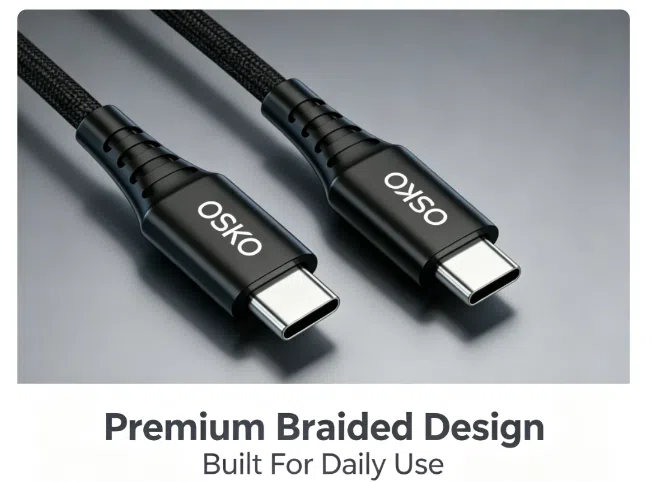
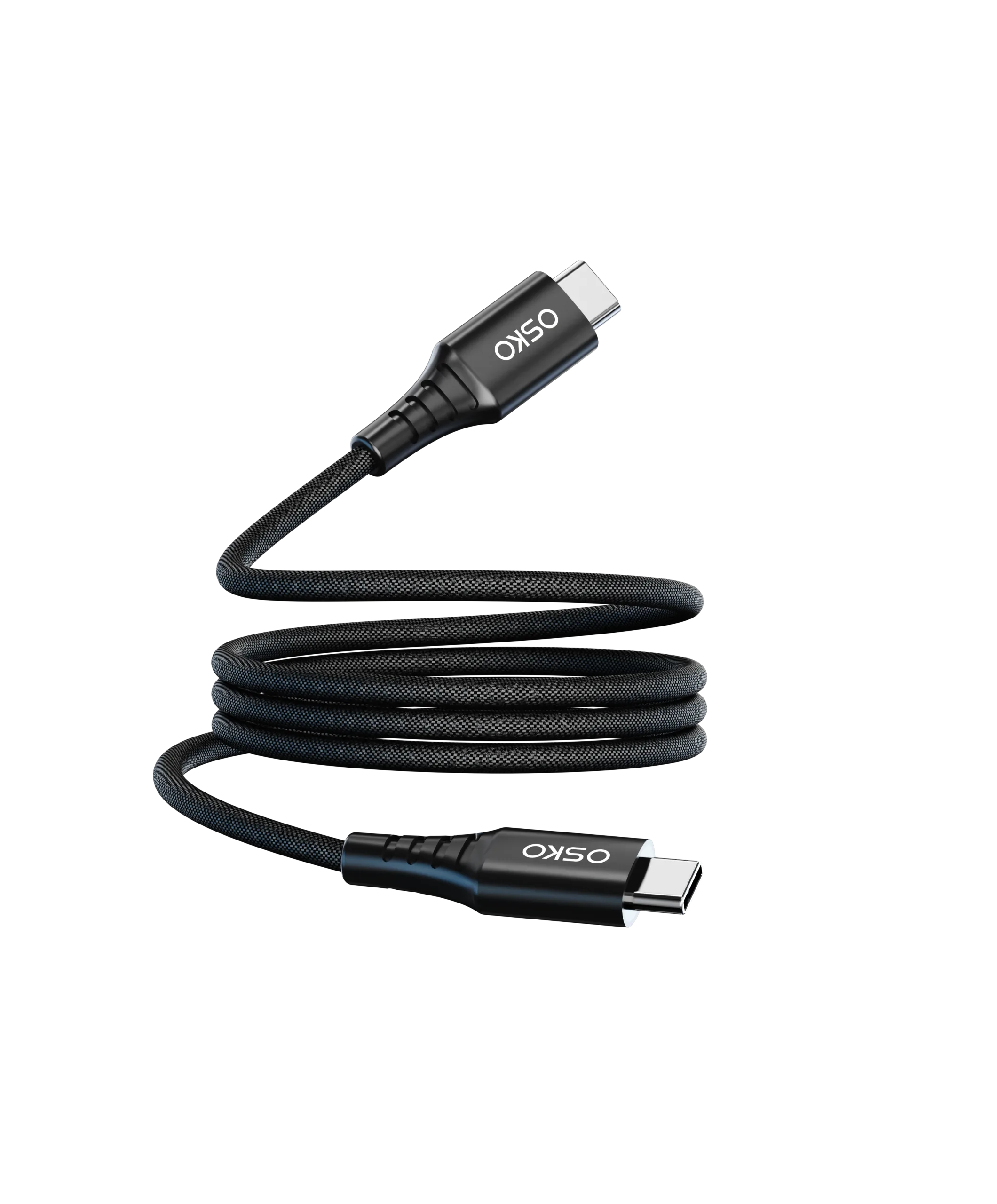
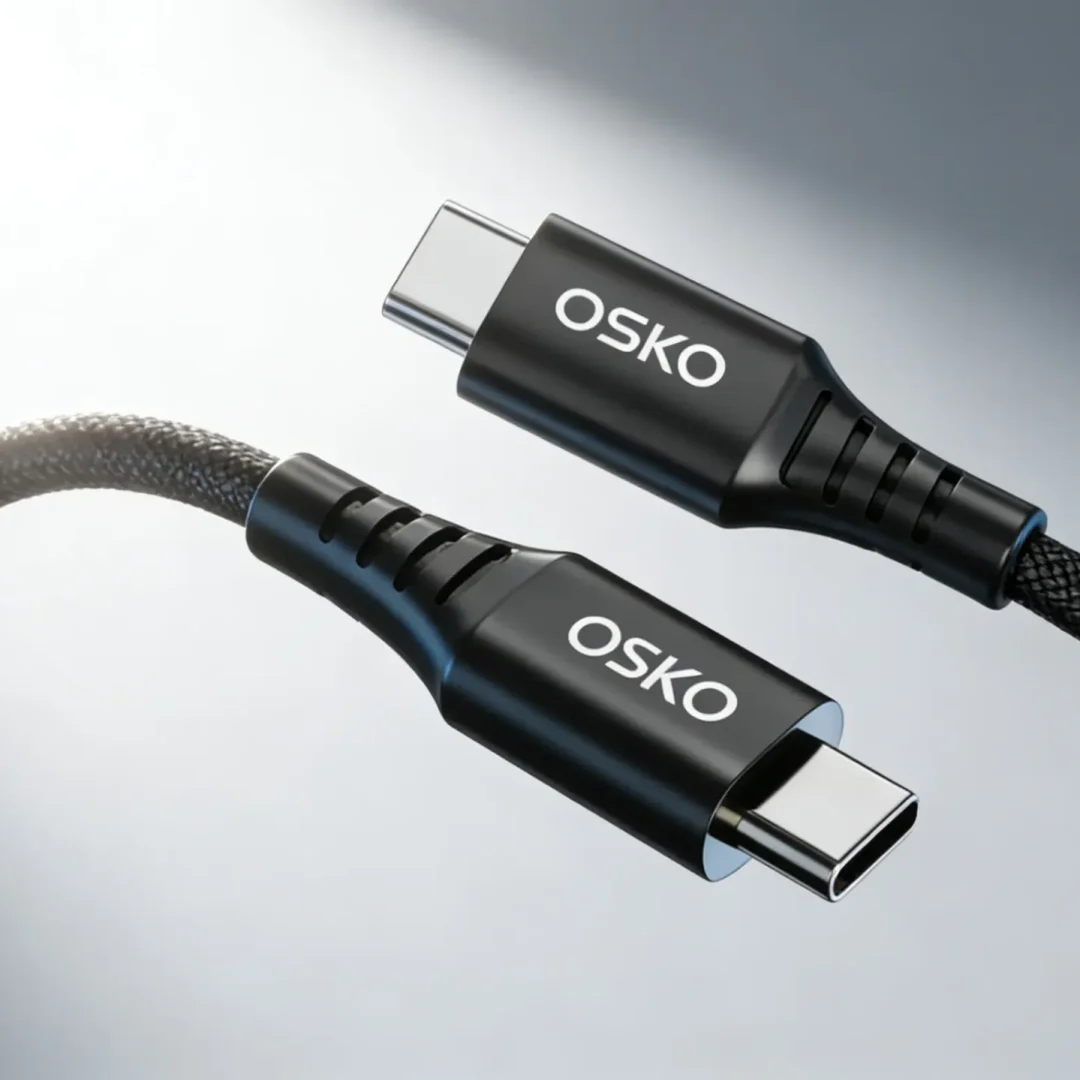
Braided Nylon Sleeves: extra protection, abrasion resistance, and premium aesthetics
Many Apple and Samsung cables have switched to TPE for better user experience and durability.
1.3 Shielding Layer: EMI Protection
Shielding is essential to prevent electromagnetic interference (EMI) and signal loss.
Aluminum Foil: protects against high-frequency EMI
Copper Braided Mesh: strengthens mechanical protection and blocks low-frequency interference
Dual-layer shielding is standard in premium USB-C and fast-charging cables.
1.4 Outer Jacket: Durability and Flexibility
The outer layer protects the cable’s internal structure:
PVC jackets: cheap, stiff, basic protection
TPE jackets: flexible, better bend resistance, mid–high-end products
Braided nylon jackets: premium, wear-resistant, better tensile strength
1.5 Connectors and Housings
Connectors include the housing and internal pins:
Housings: PC plastic, ABS plastic, aluminum alloy, zinc alloy
Pins: gold-plated copper or conductive alloys for corrosion resistance
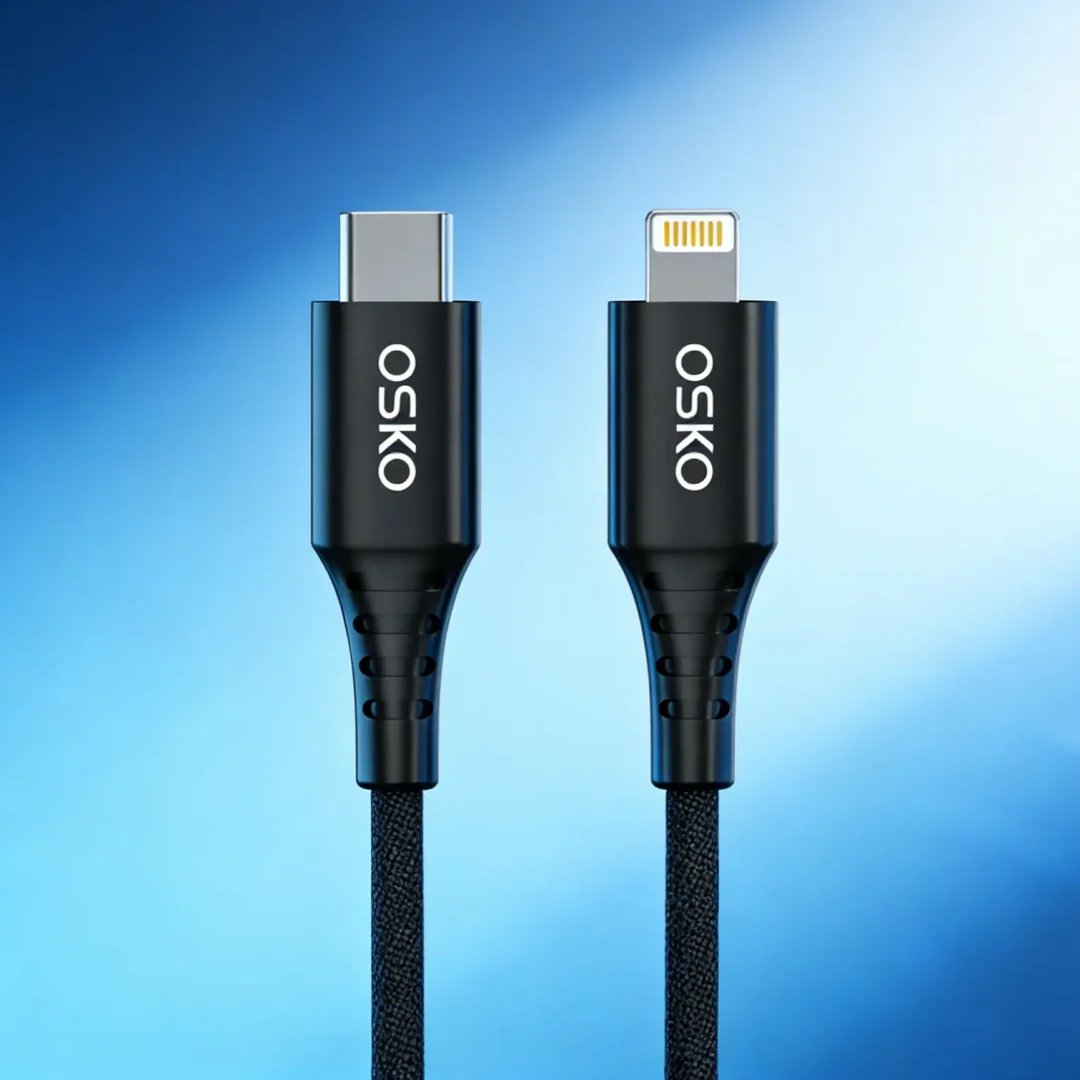
Premium cables may include authentication chips (Lightning cables)
2. The USB Cable Manufacturing Process
Understanding each production step is crucial for assessing supplier quality and ensuring consistent performance.
Step 1: Raw Material Preparation
Factories prepare:
Copper conductors
PVC, TPE, or silicone insulation
Shielding foil and braided mesh
Connector housings and pins
Materials are prepared in rolls, pellets, or molded forms.
Step 2: Wire Cutting and Stripping
Automatic cutting to cable length
Strip 6–7mm of insulation for soldering
Accuracy is critical to prevent weak solder joints
Step 3: Wire Sorting and Twisting
Align color-coded cores
Twist wires to improve flexibility and signal stability
Prepare multi-core USB and Type-C cables for soldering
Step 4: Connector Soldering
Pre-tin conductors for easier soldering
Automated or manual precision soldering
Conduct continuity testing to verify proper connection
Step 5: Connector Housing Assembly
Insert soldered wires into connector housing
Ensure correct orientation, logo alignment, and visual quality
Step 6: Injection Molding / Overmolding
TPE or PVC is injected around soldered connections
Strengthens the joint and protects internal wires
Temperature: 130°C–170°C for optimal flow and bonding
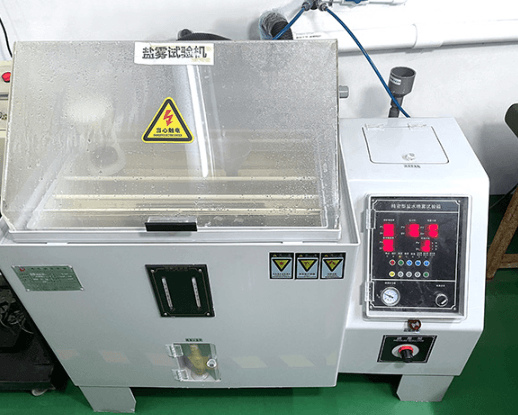
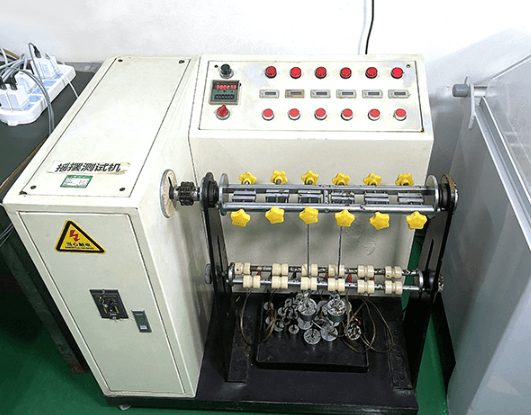
Step 7: Quality Inspection
Tests include:
Bending fatigue
Pull force testing
Plug insertion/extraction
Conductivity & continuity
Full-load aging simulation
High-quality factories maintain incoming material checks, in-process inspections, and final random sampling.
Step 8: Packaging & Certification
Label with CE, FCC, RoHS, MFi certifications
Pack according to client requirements (bulk or retail)
3. Common USB Cable Failures and Troubleshooting
Even premium cables may face issues if production is flawed:
- Outer Jacket Cracking – solved by softer TPE or reinforced overmolding
- Loose Connector Housing – solved by mechanical locking design
- Broken Internal Wires – solved by Kevlar fiber reinforcement
- Signal Interruption / Slow Charging – solved by proper dual-layer shielding
- Braided Layer Fraying – solved by tight braiding and quality nylon
4. OEM & B2B Considerations
For bulk buyers, wholesalers, and OEM clients, selecting the right USB cable manufacturer is critical:
OEM / ODM capability
Material transparency (OFC vs CCA)
Shielding design
Factory certifications (ISO, USB-IF, MFi)
Production capacity
5. Conclusion
Understanding USB cable materials, shielding, and production processes is essential for anyone sourcing or buying cables in bulk.
High-quality USB cables combine:
Oxygen-free copper conductors
Dual-layer EMI shielding
Accurate soldering
Reinforced overmolding
Strict quality control
Outcome: reliable charging, high-speed data transfer, and long-lasting performance.
Next time you purchase USB-C, Lightning, or Type-C cables, look beyond appearance—the internal construction is what truly defines quality.