

Introduction
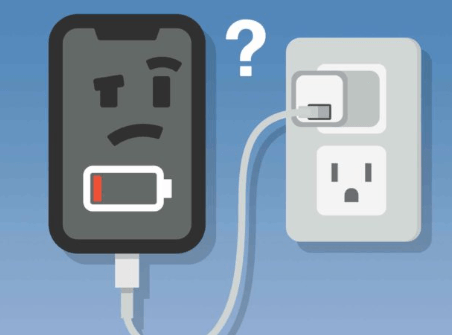
Slow charging is one of the most common frustrations for users and buyers:
Smartphones or laptops take hours to charge fully
Power banks don’t deliver expected performance
Car chargers or desk setups underperform
OEM/ODM distributors face returns and complaints
Understanding why a cable charges slowly is essential for both consumers and wholesale buyers. It’s rarely just a “bad cable”—multiple factors influence charging speed, including cable design, power source, device compatibility, and environmental conditions.
This guide explains the main causes of slow charging and provides actionable solutions for fast charging setups, including OEM and retail scenarios.
Applicable Scenarios
USB-C Fast Charging
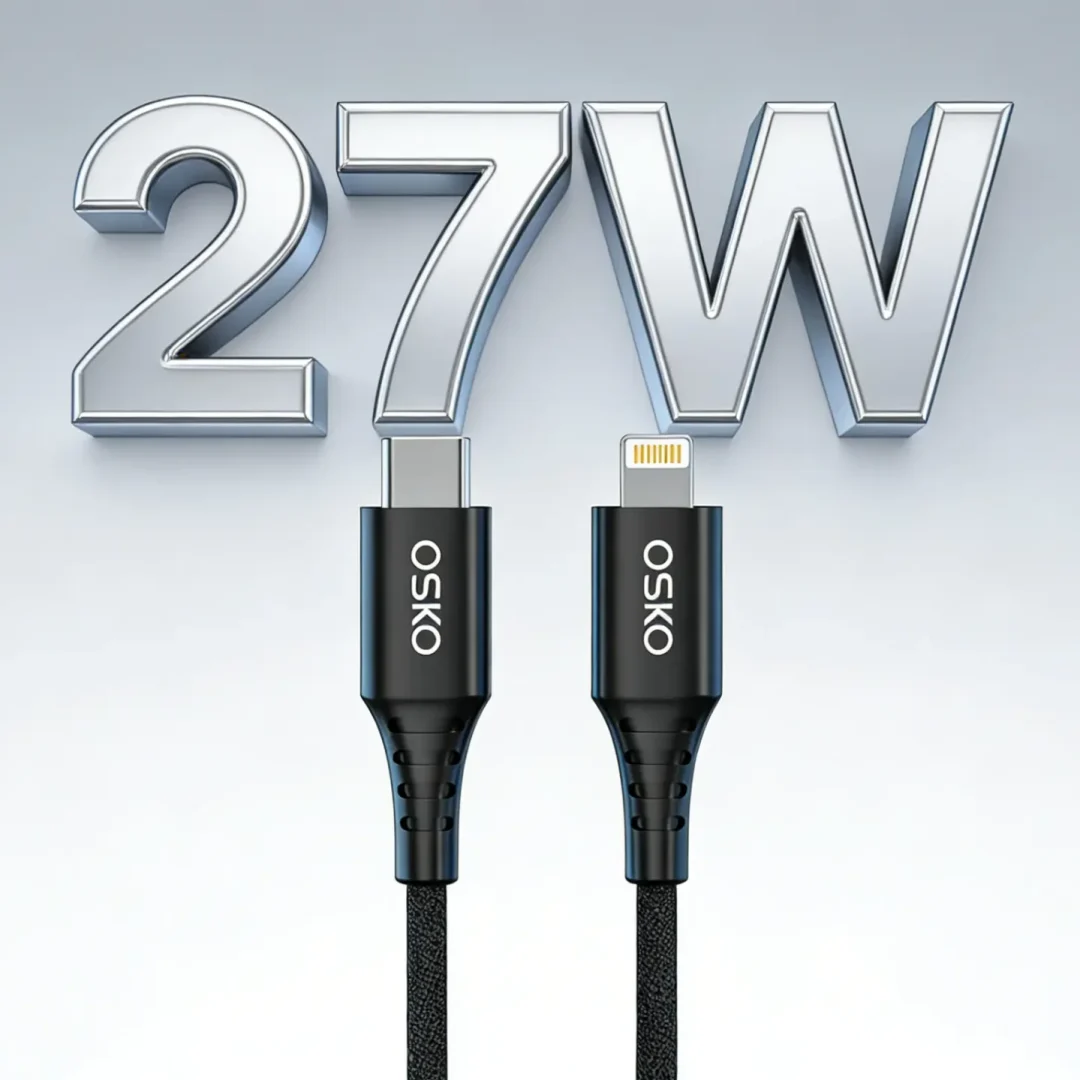
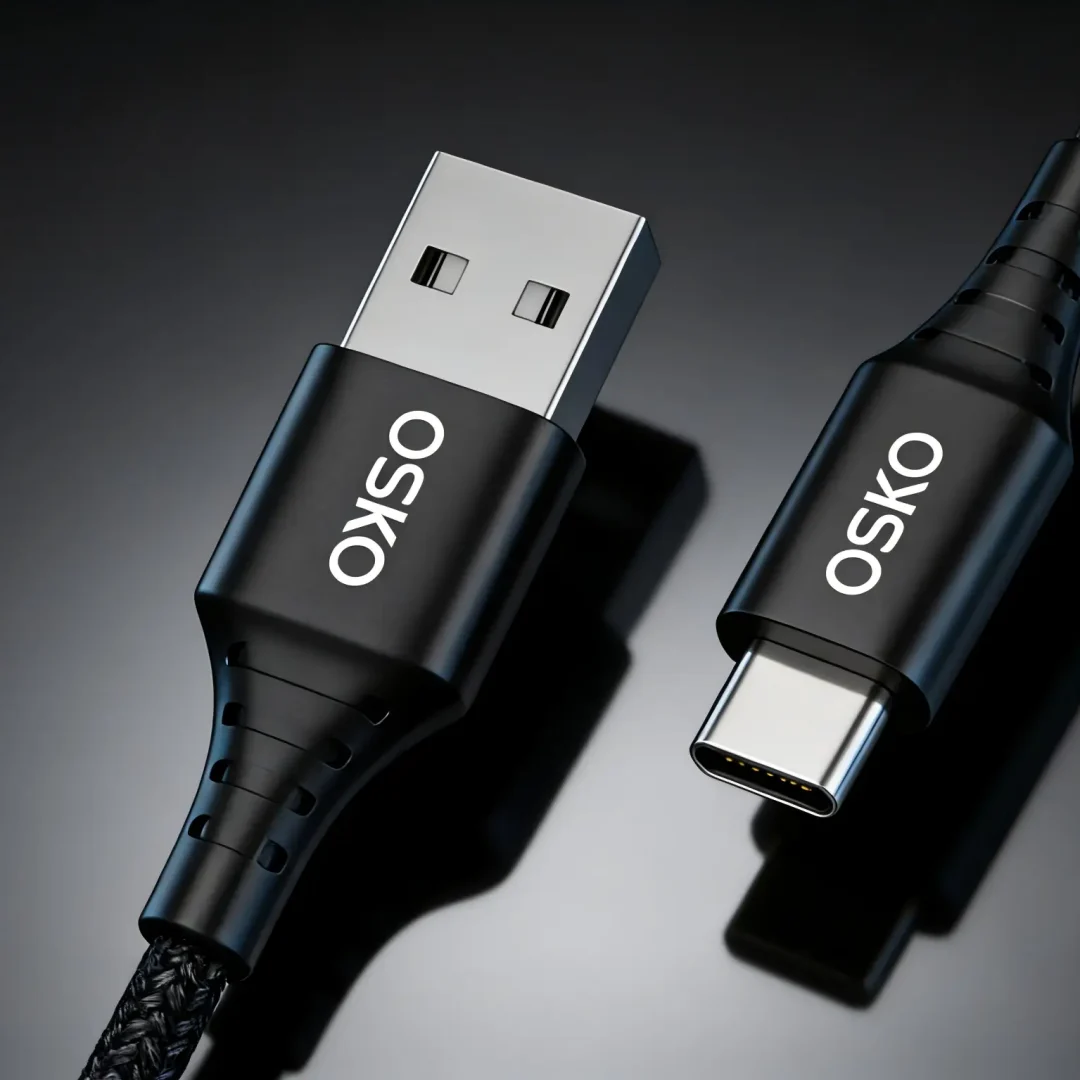
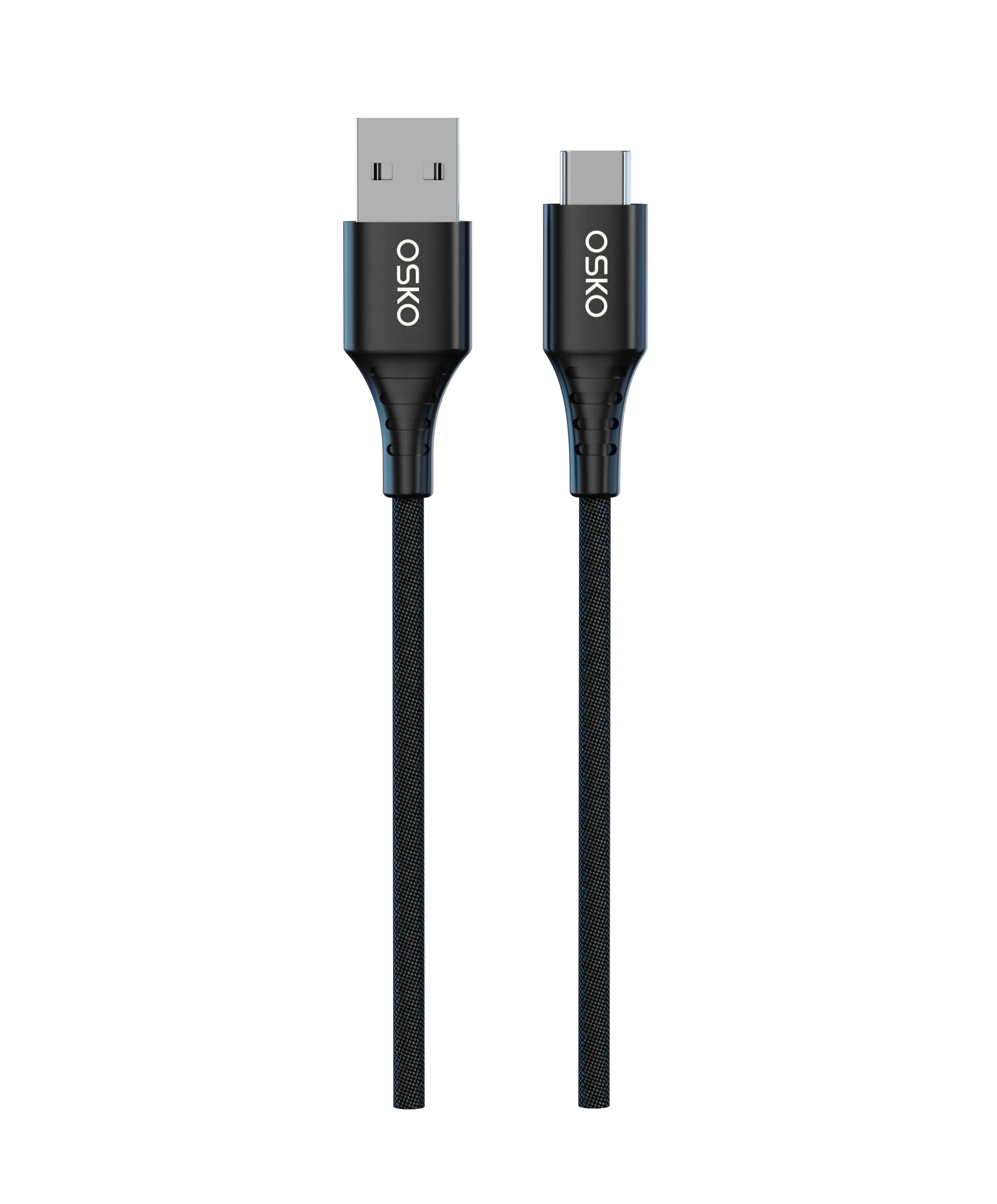
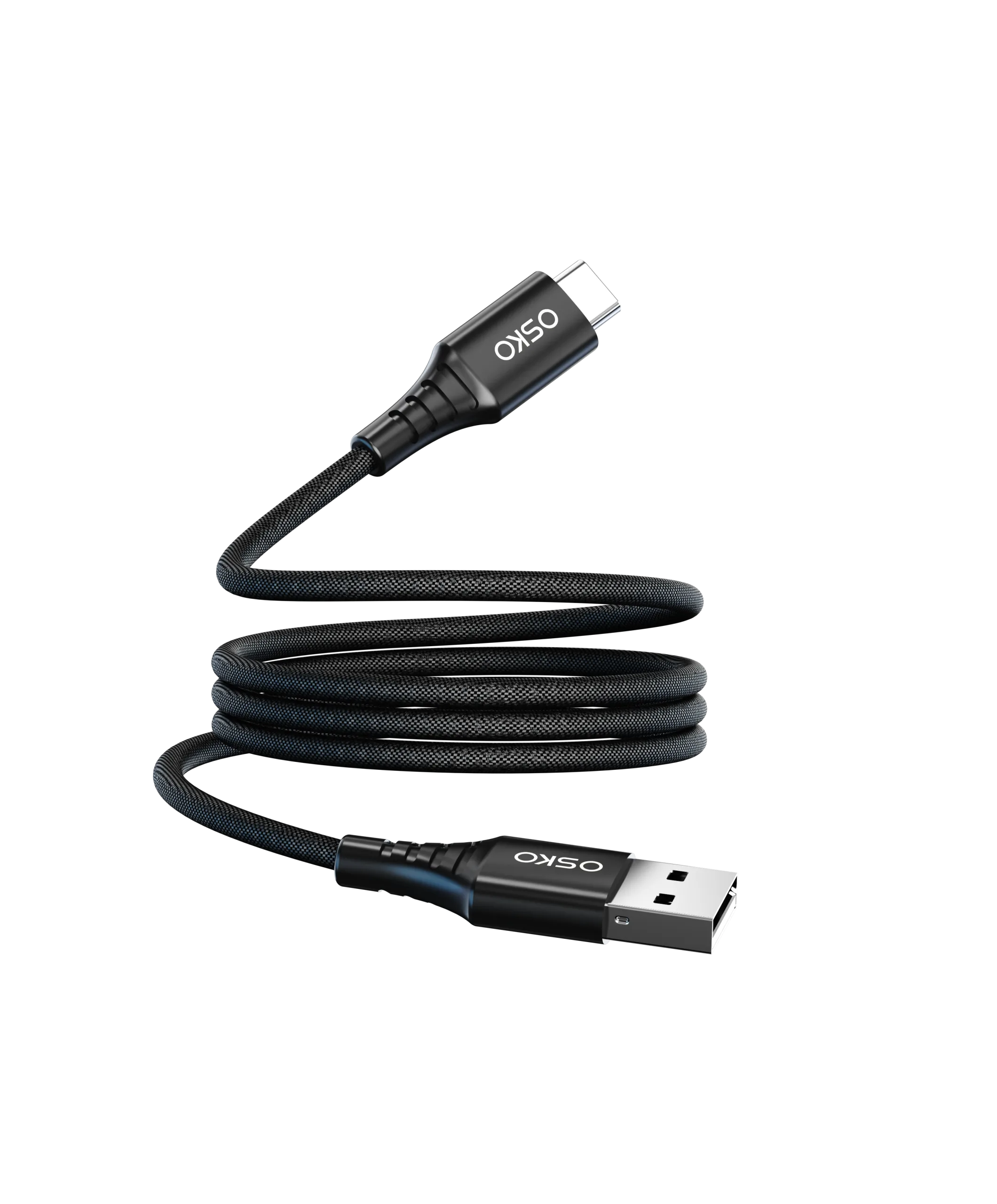
USB-C cables with Power Delivery (PD) capability are standard for high-speed charging:
Laptops, tablets, Android phones, and gaming devices require PD-compliant cables
Using low-quality or non-PD cables reduces charging speed drastically
USB-C cables longer than 2 meters may experience voltage drops if conductors are too thin
Lightning Fast Charging
For Apple devices:
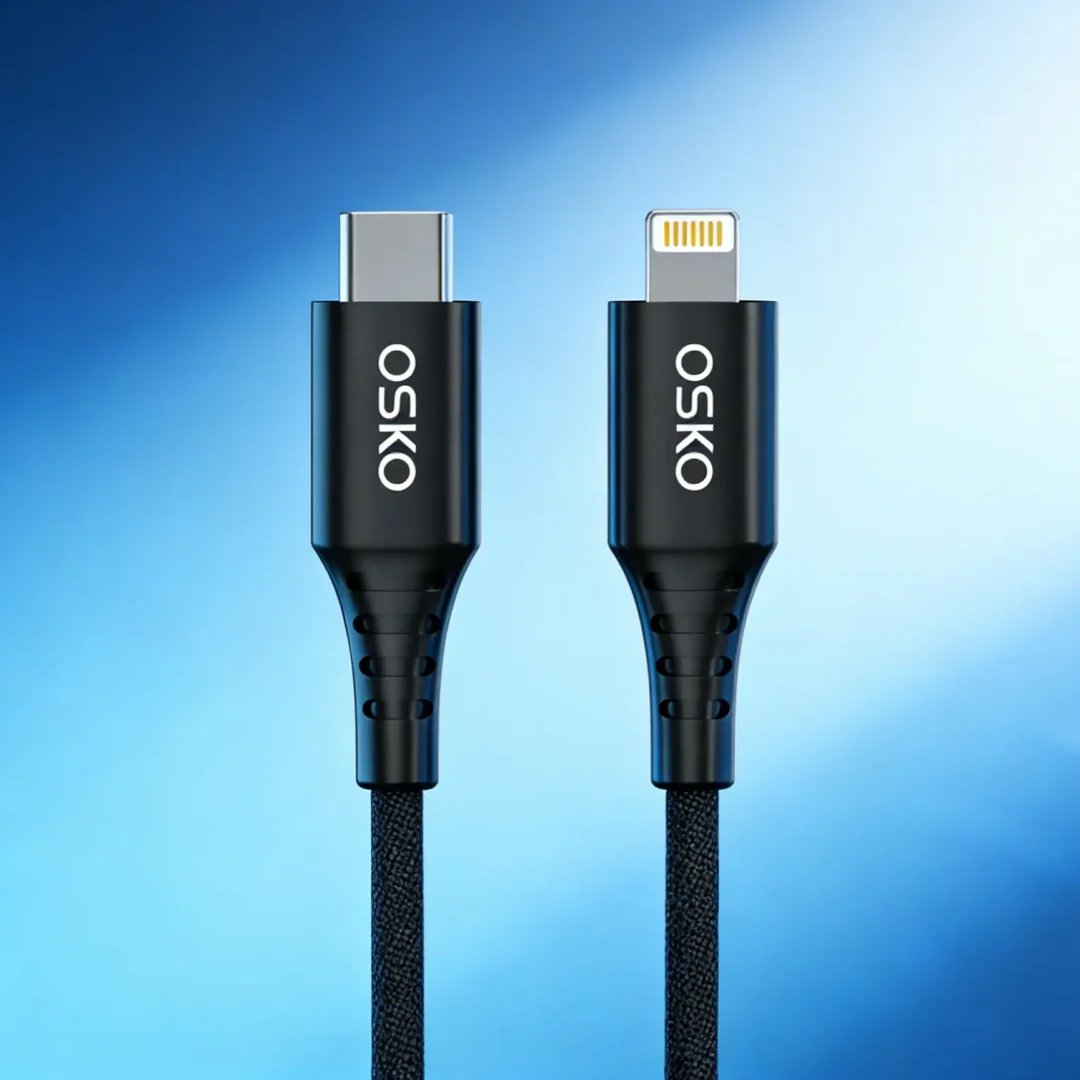
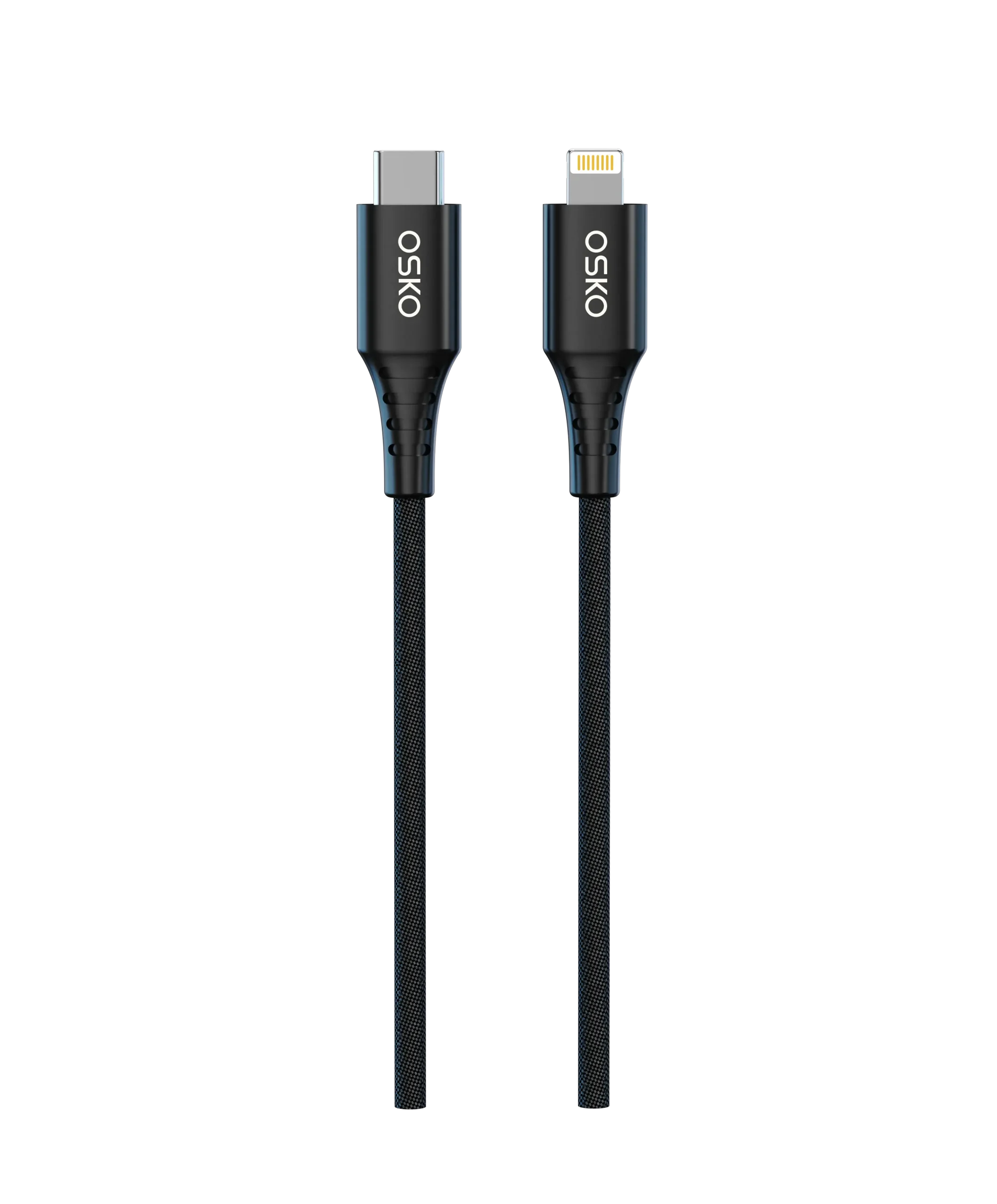
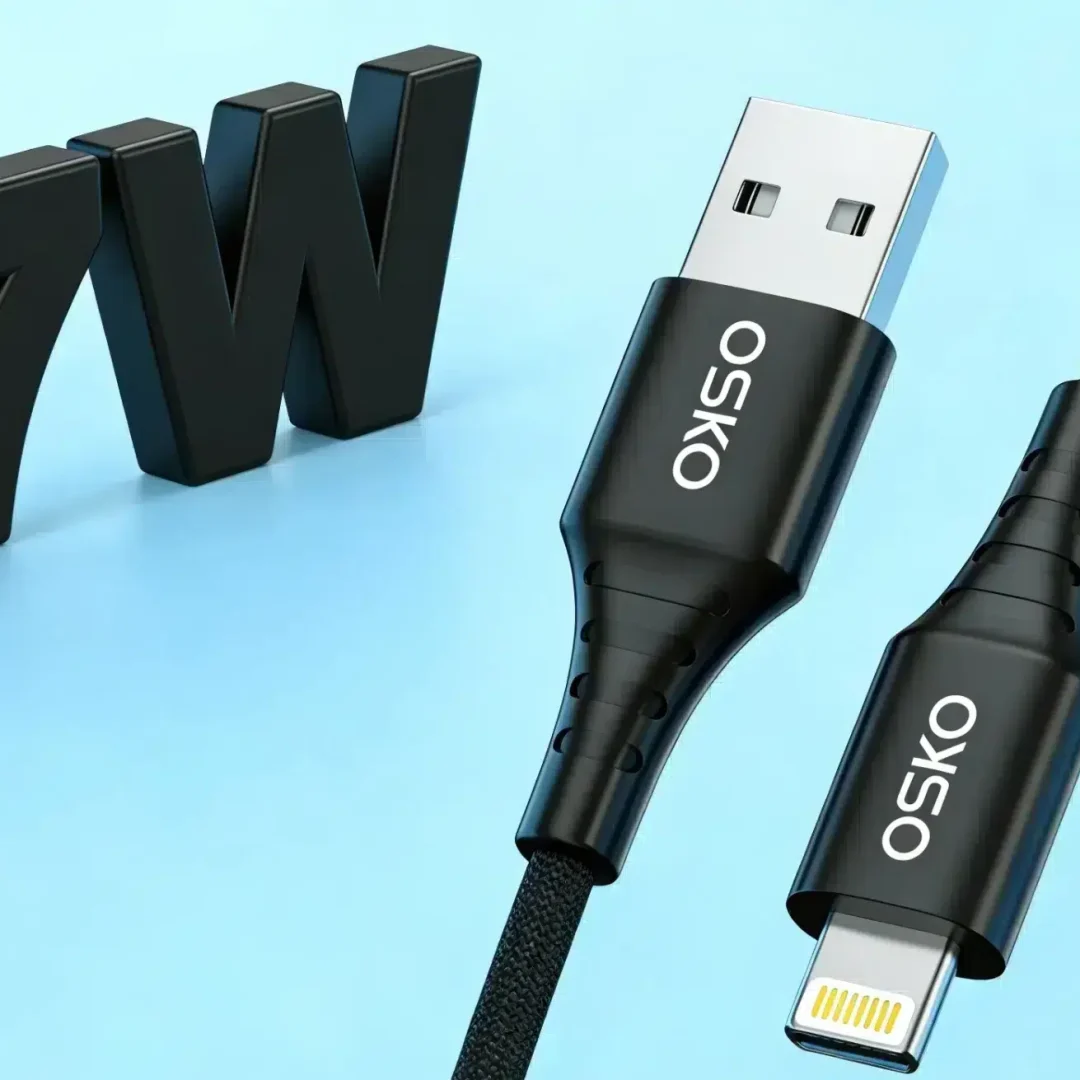
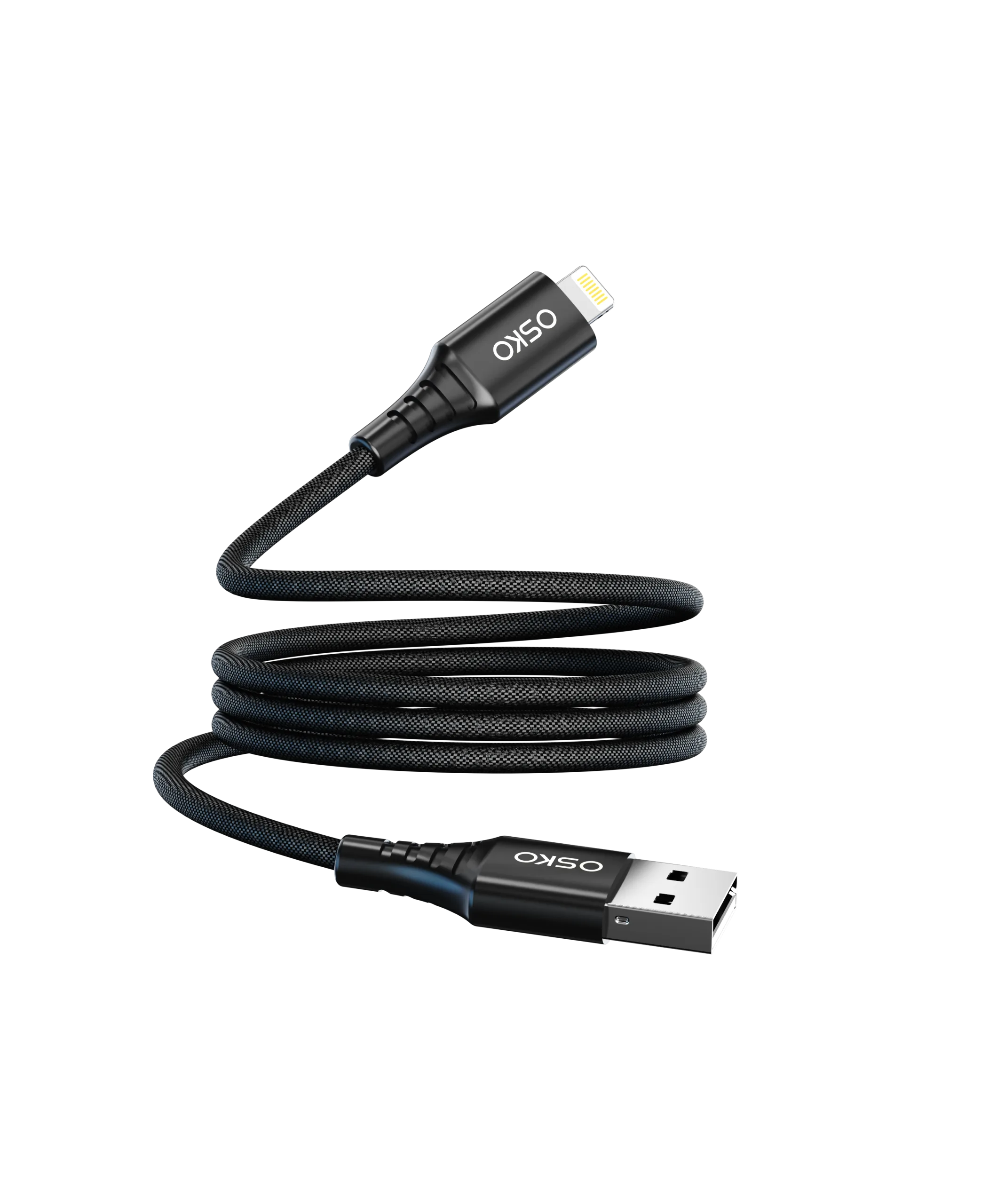
iPhones require MFi-certified Lightning cables for stable fast charging
Older or non-certified cables may charge at standard 5W–7.5W instead of 20W PD
Using a Lightning cable with a non-PD adapter results in slow charging
Travel and Car Charging Kits
Slow charging is common in mobile and automotive setups due to:
Poor-quality adapters or car chargers
Excessive cable length or low conductor gauge
Environmental heat affecting voltage efficiency
Causes of Slow Charging
Cable Quality
Thin, low-grade wires have higher resistance, reducing current flow
PVC cables fray or break internally over time
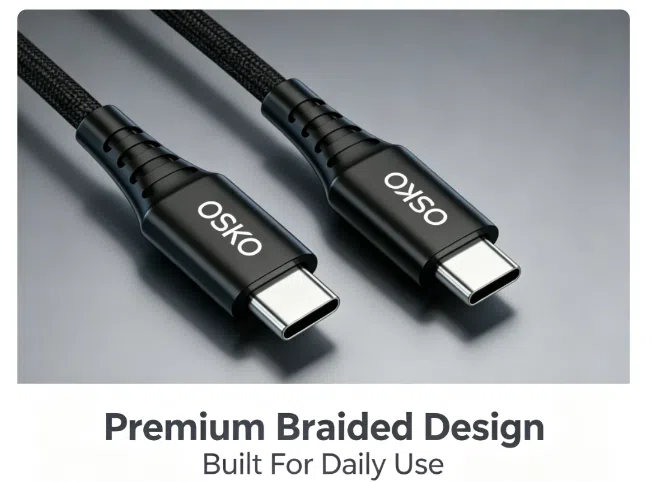
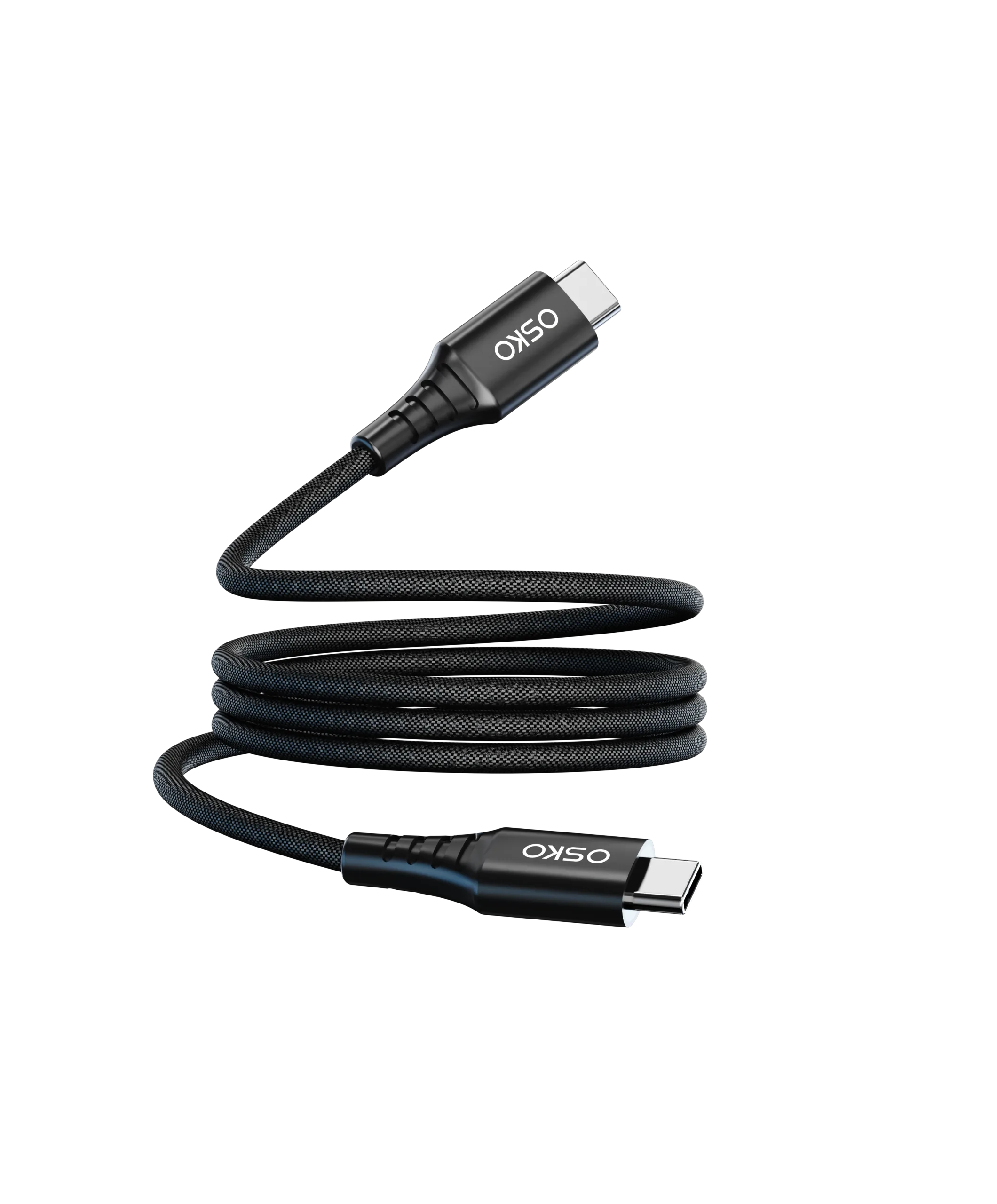
Solution: Use nylon braided or double-braided cables, preferably OEM/ODM certified
Connector Type and Wear
Loose USB-C or Lightning connectors increase resistance
Frequent plug/unplug cycles degrade contact quality
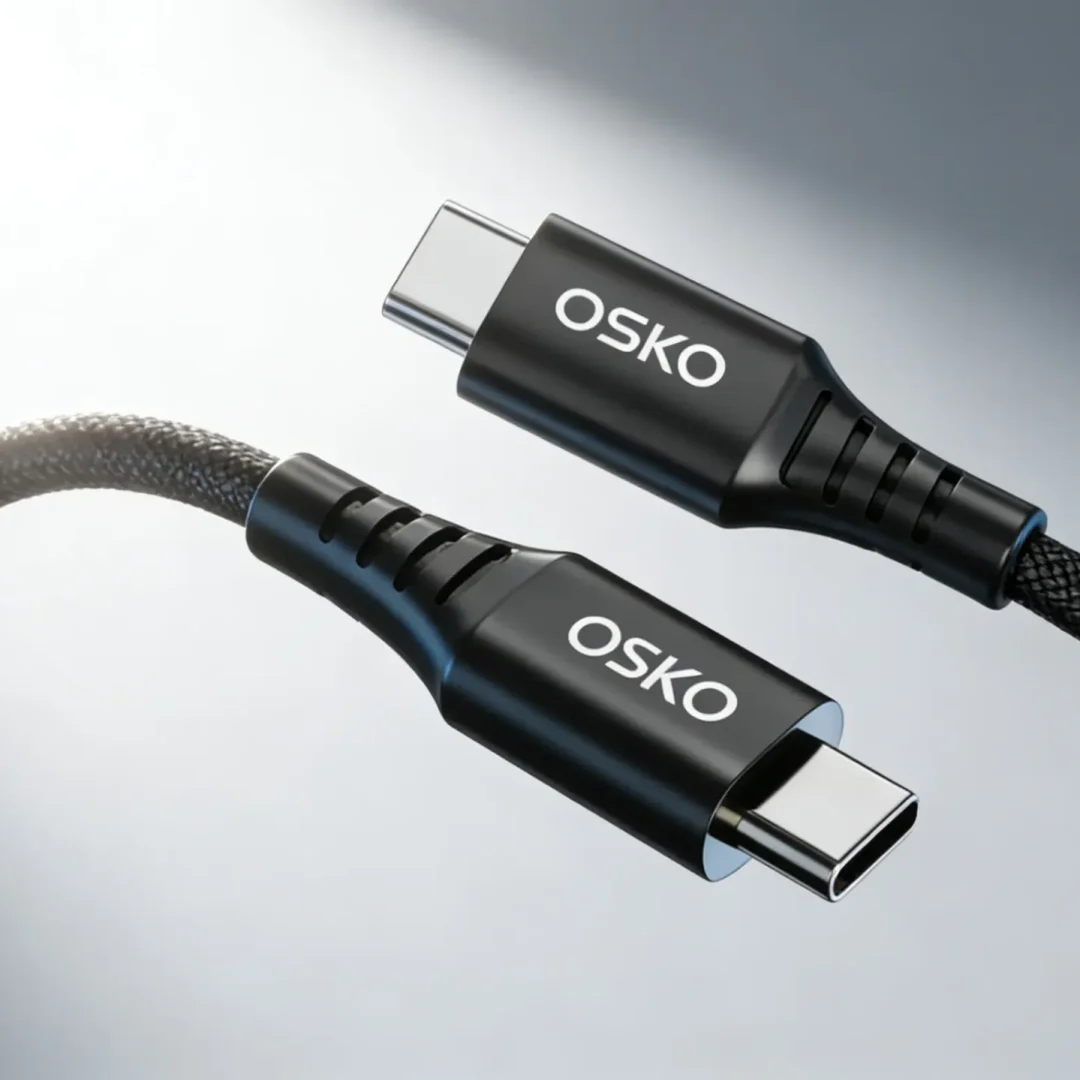
Solution: Reinforced connectors and high-quality terminations improve consistency
Power Source Limitations
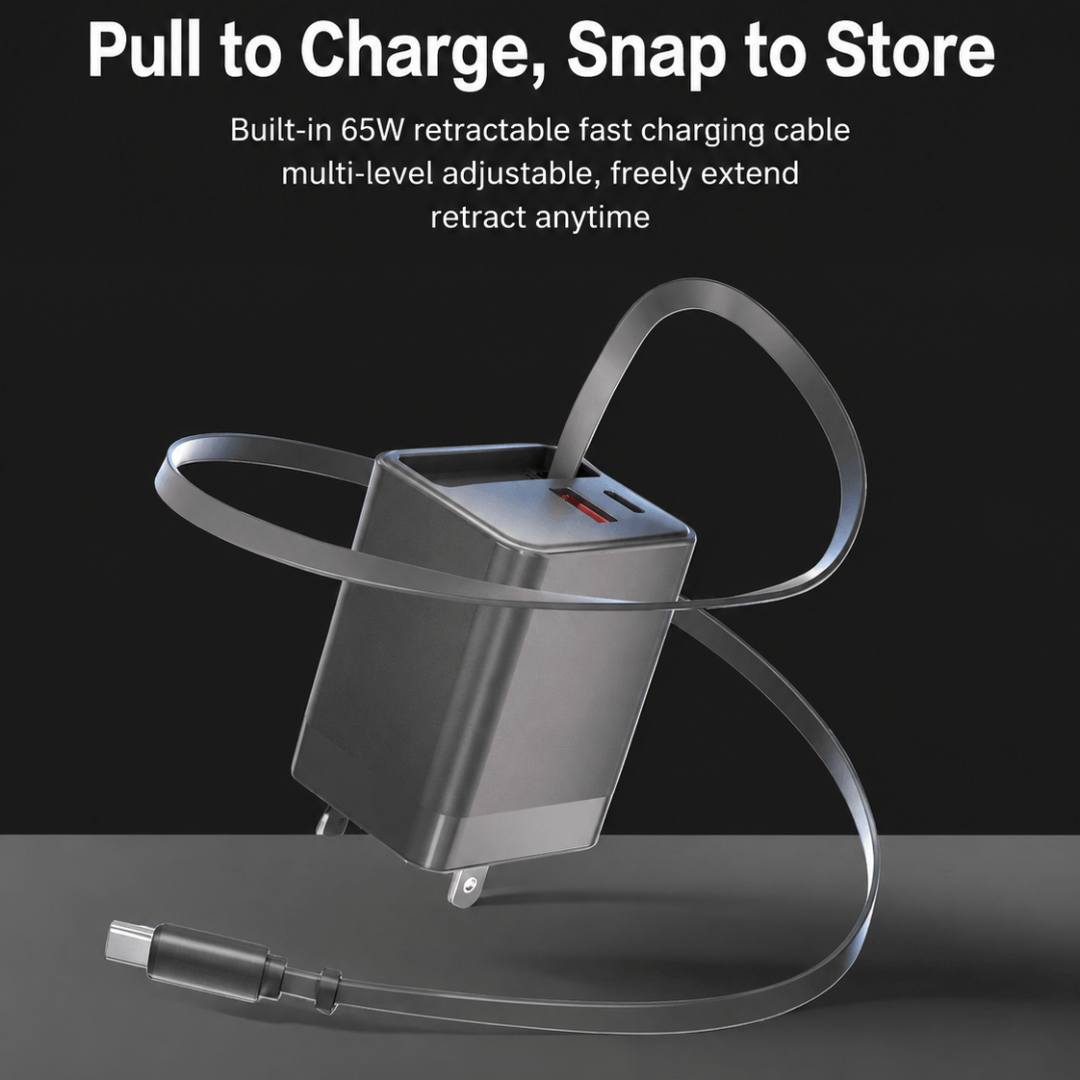
Wall adapters or car chargers with insufficient wattage limit charging speed
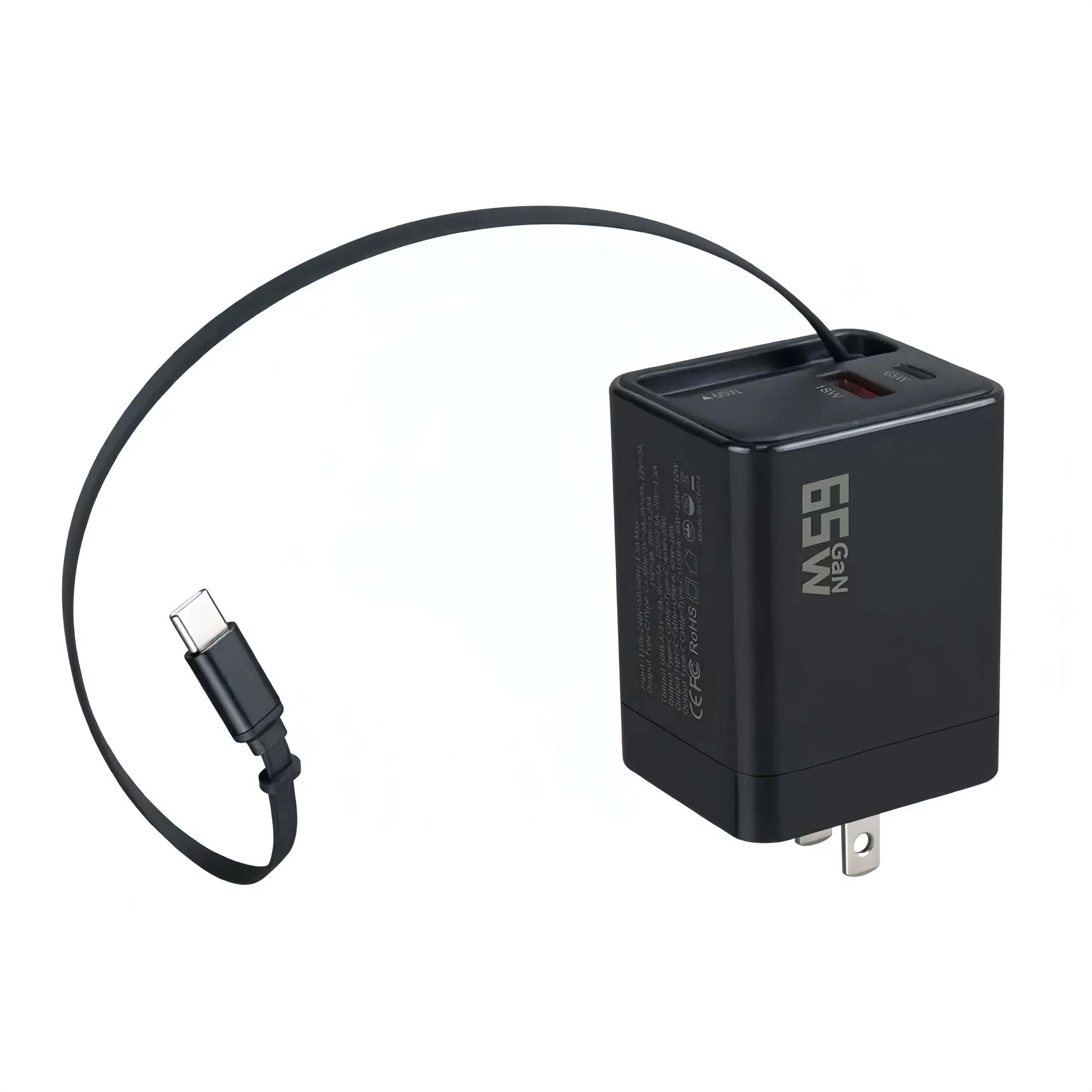
Solution: Match cable rating to adapter PD output (60W–240W for high-power devices)
Device Compatibility
Some devices limit input current based on battery health or temperature
Older devices may not support fast charging standards
Solution: Use compatible PD adapters and certified cables
Environmental Factors
High temperatures, moisture, or poor airflow affect charging efficiency
Solution: Avoid charging in hot cars or under direct sunlight
Cable Length and Gauge
Long or thin cables experience voltage drop
Coiled or extra-long cables may reduce fast charging efficiency
Solution: Choose high-quality braided cables with sufficient conductor thickness
Solutions and Best Practices
| Problem | Solution | Recommended Products |
|---|---|---|
| Thin or frayed cable | Replace with durable nylon braided USB-C or Lightning cable | Heavy duty coiled USB-C cable, Braided right-angle Lightning cable |
| Adapter too weak | Use PD-compatible wall or car charger | 60W–240W USB-C PD adapters |
| Connector wear | Reinforced cable terminations | OEM/ODM custom cables with reinforced connectors |
| Long cable voltage drop | Use shorter or high-quality thicker cables | Bulk custom 3ft–6ft USB-C cables, 10ft desk charging cables |
| Device incompatibility | Verify fast charging standard | MFi-certified Lightning cables, USB-IF compliant Type C cables |
FAQ
Q: Can slow charging damage my device?
A: Not usually, but it can stress the battery if repeated charging is inconsistent.
Q: Will all braided cables charge faster?
A: No. Braided cables improve durability and reduce voltage drop but must also match PD standards.
Q: How do I test cable speed?
A: Use a USB-C power meter or phone charging app to monitor current and voltage.
Q: Are adapters important?
A: Yes. Even the best cable can be limited by a low-power or non-PD adapter.
Summary
Slow charging is often a combination of cable, adapter, and device factors rather than a single cause. To optimize charging speed:
Select high-quality, braided or reinforced cables
Match PD adapters to cable ratings
Verify device compatibility with fast charging standards
Avoid extreme environmental conditions
For OEM, ODM, retail, or wholesale buyers, durable nylon braided USB-C or MFi Lightning cables provide the best long-term solution for fast, reliable charging.
Call to Action (Inquiry Section)
OSKO provides engineering-grade fast charging cables for OEM, ODM, retail, and wholesale markets:
Custom lengths (0.5–10ft)
Nylon or double-braided construction
PD fast charging support (60W–240W)
Coiled or right-angle variants for automotive and desk setups
OEM branding and bulk packaging
Request a Quote
Name
Company
Cable Type: USB-C / Lightning / Mixed
Target Market: Retail / Wholesale / OEM / ODM
Submit your inquiry today for technical specifications, samples, and bulk pricing.