
Introduction
Have you ever noticed that some charging cables become stiff, crack near the connector, or stop working after repeated bending?
This is one of the most common problems faced by consumers, businesses, and OEM buyers. Standard cables may perform well initially, but in applications involving constant movement, twisting, or repeated plugging and unplugging, cable failure rates increase dramatically.
Typical problems include:
Cable cracking near connectors
Internal conductor breakage
Intermittent charging
Unstable data transmission
Frequent replacement costs
For manufacturers, distributors, and end users, these failures lead to unnecessary expenses, downtime, and customer dissatisfaction.
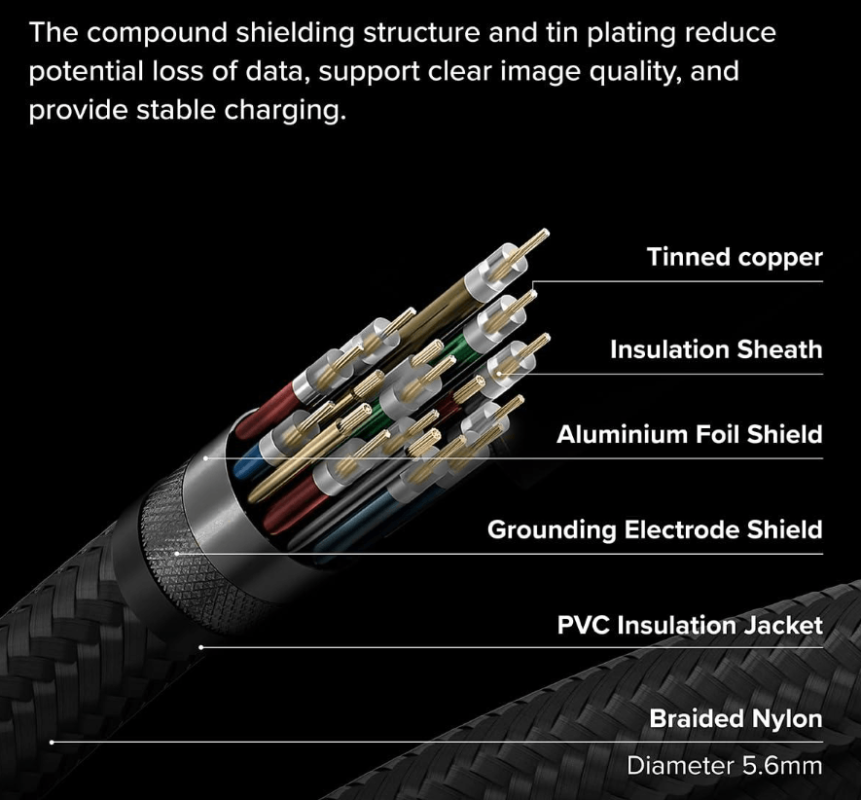
This is where high-flexibility data cables become essential. Designed with advanced materials, reinforced conductor structures, and optimized strain relief systems, these cables can withstand thousands of bending cycles while maintaining charging and data performance.
Understanding where high-flexibility cables are required helps buyers select the right solution and avoid costly reliability issues.
Applicable Scenarios
Automotive Charging Systems
Vehicles create one of the harshest environments for charging cables.
Unlike desk setups, cables inside cars experience:
Constant vibration
Frequent movement
Extreme temperature changes
Tight installation spaces
Drivers often connect and disconnect their phones multiple times each day, placing continuous stress on the cable near the connector.
In these situations, standard PVC cables often fail prematurely.
High-flexibility cables offer:
Better bending resistance
Improved connector durability
Longer operational lifespan
Stable charging performance during vehicle movement
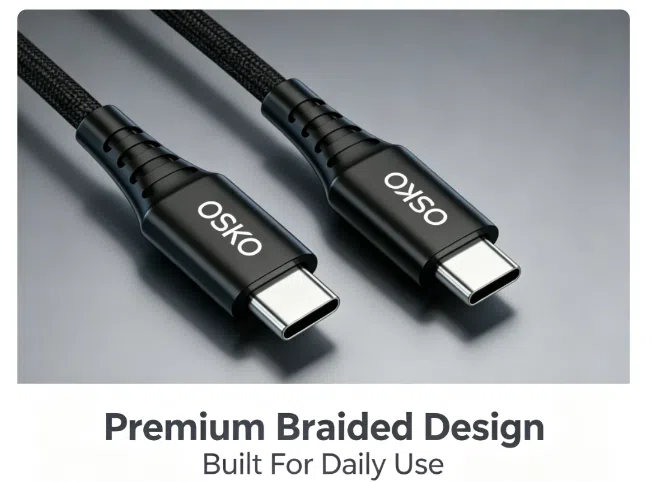
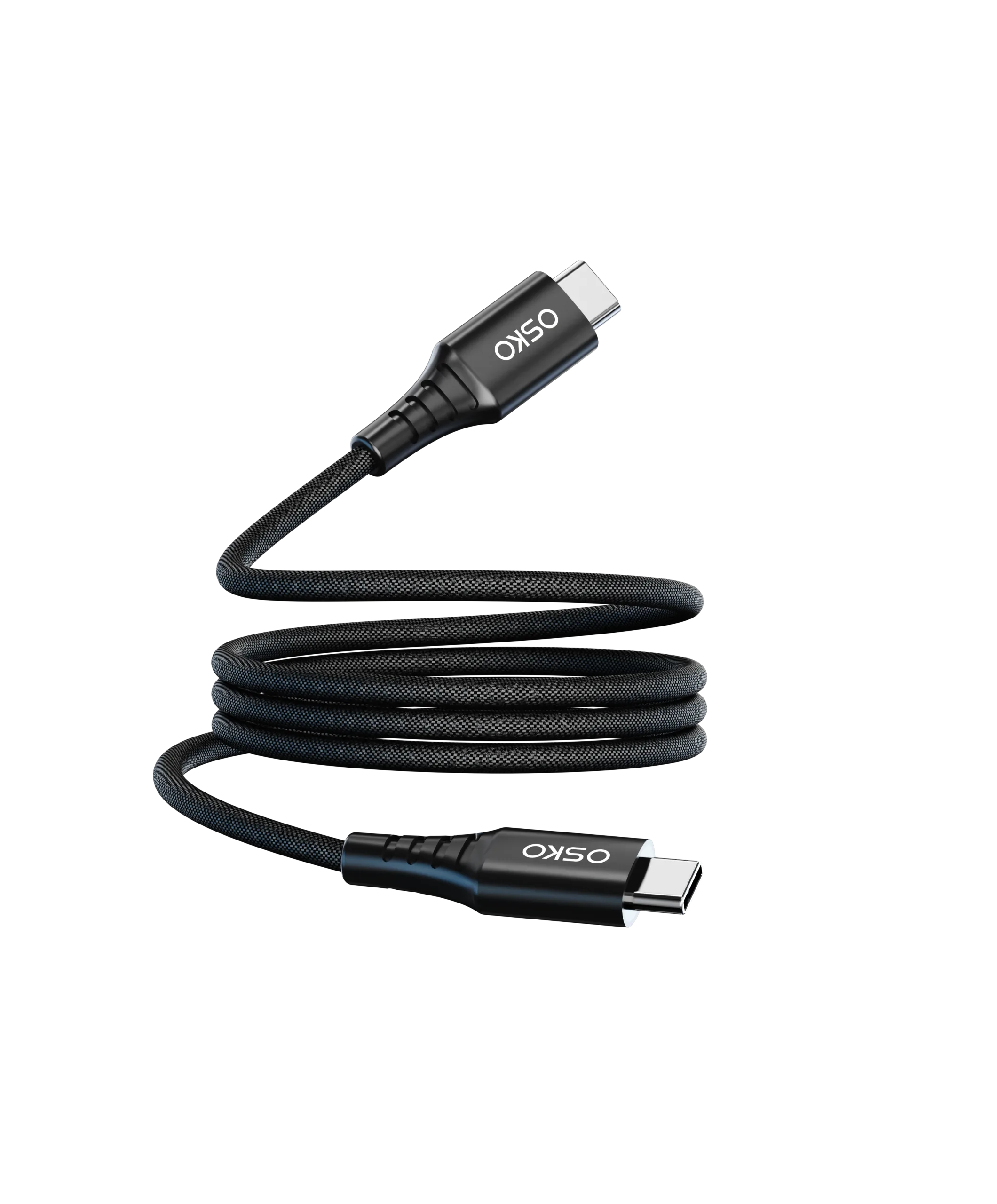
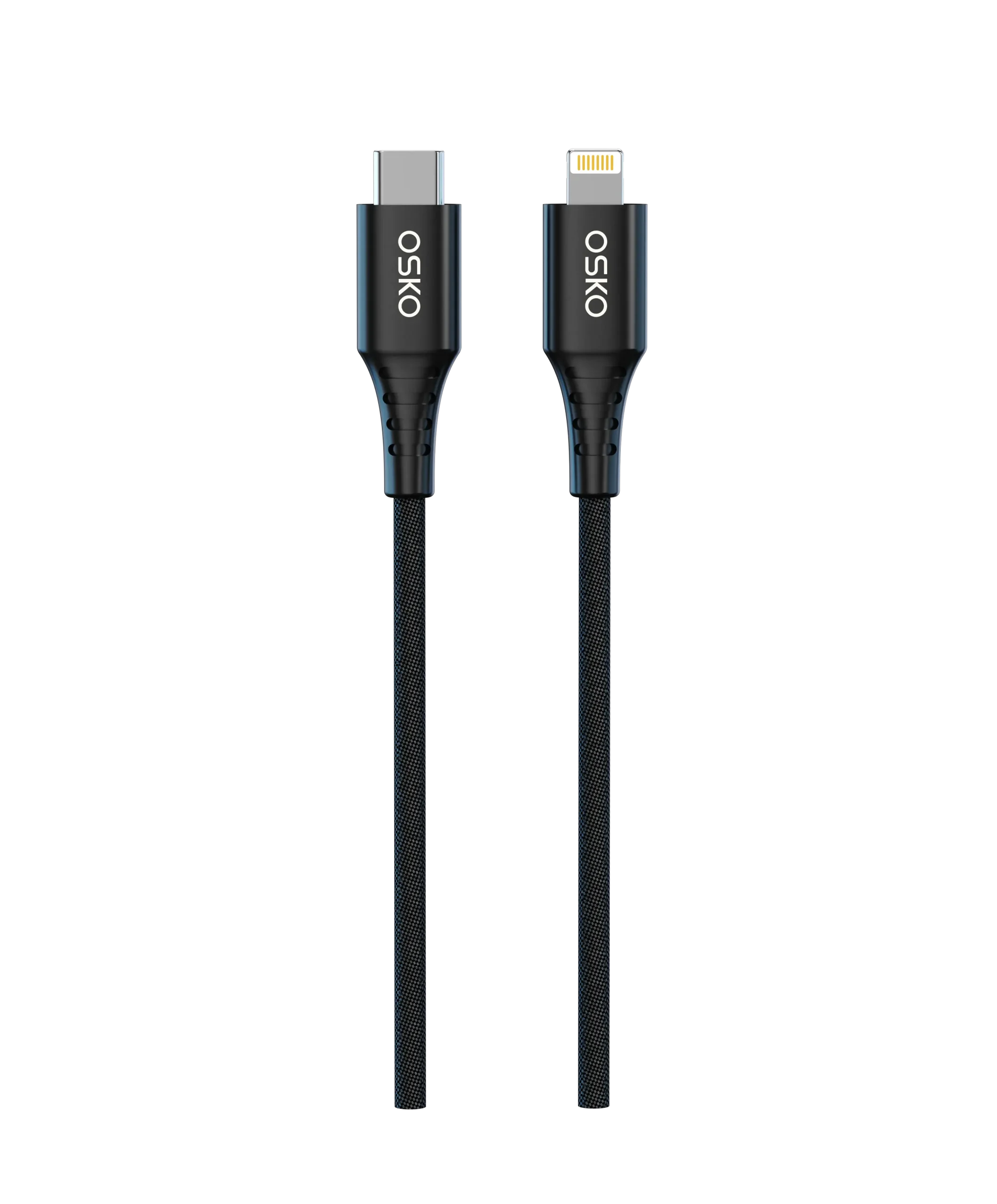
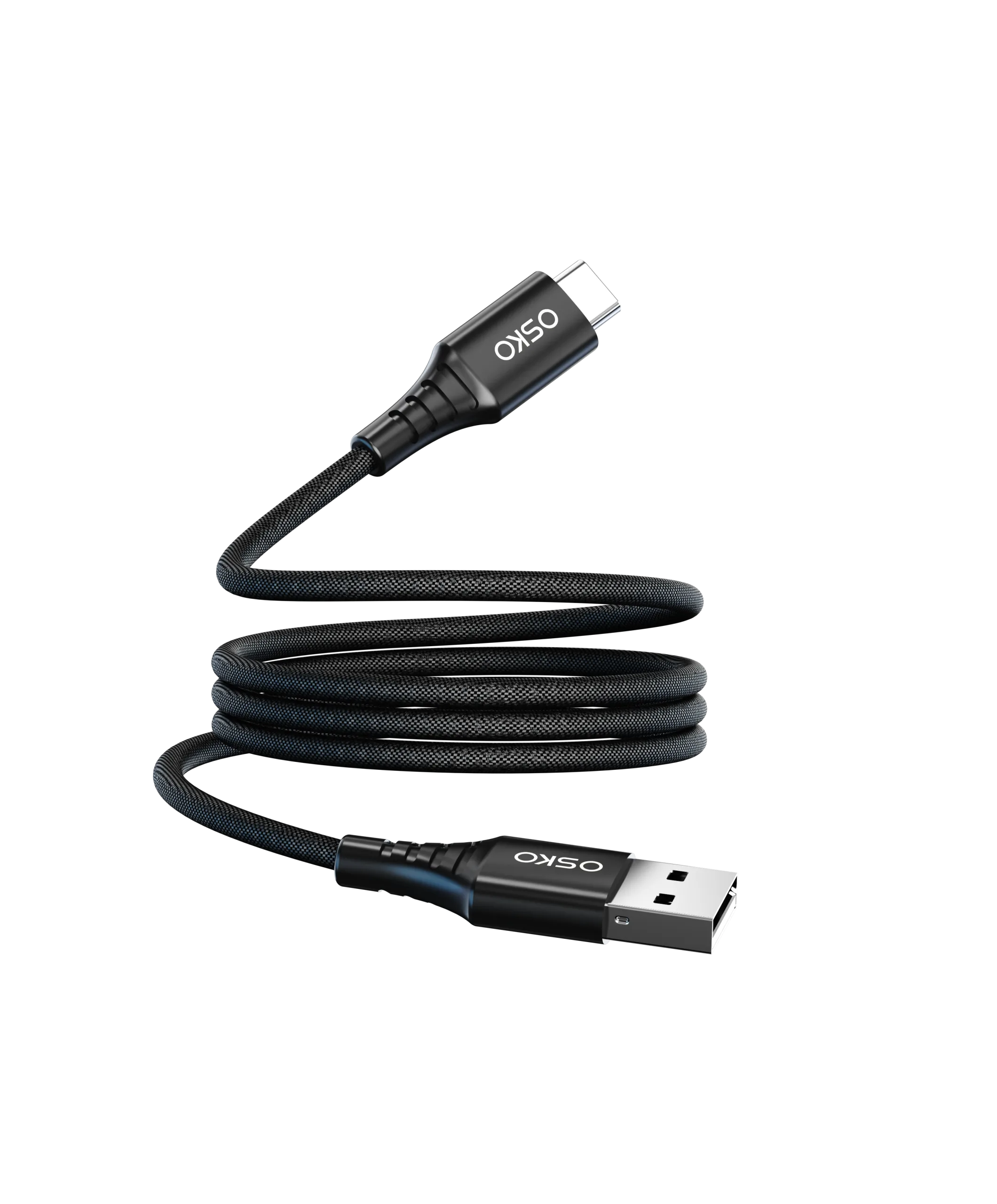
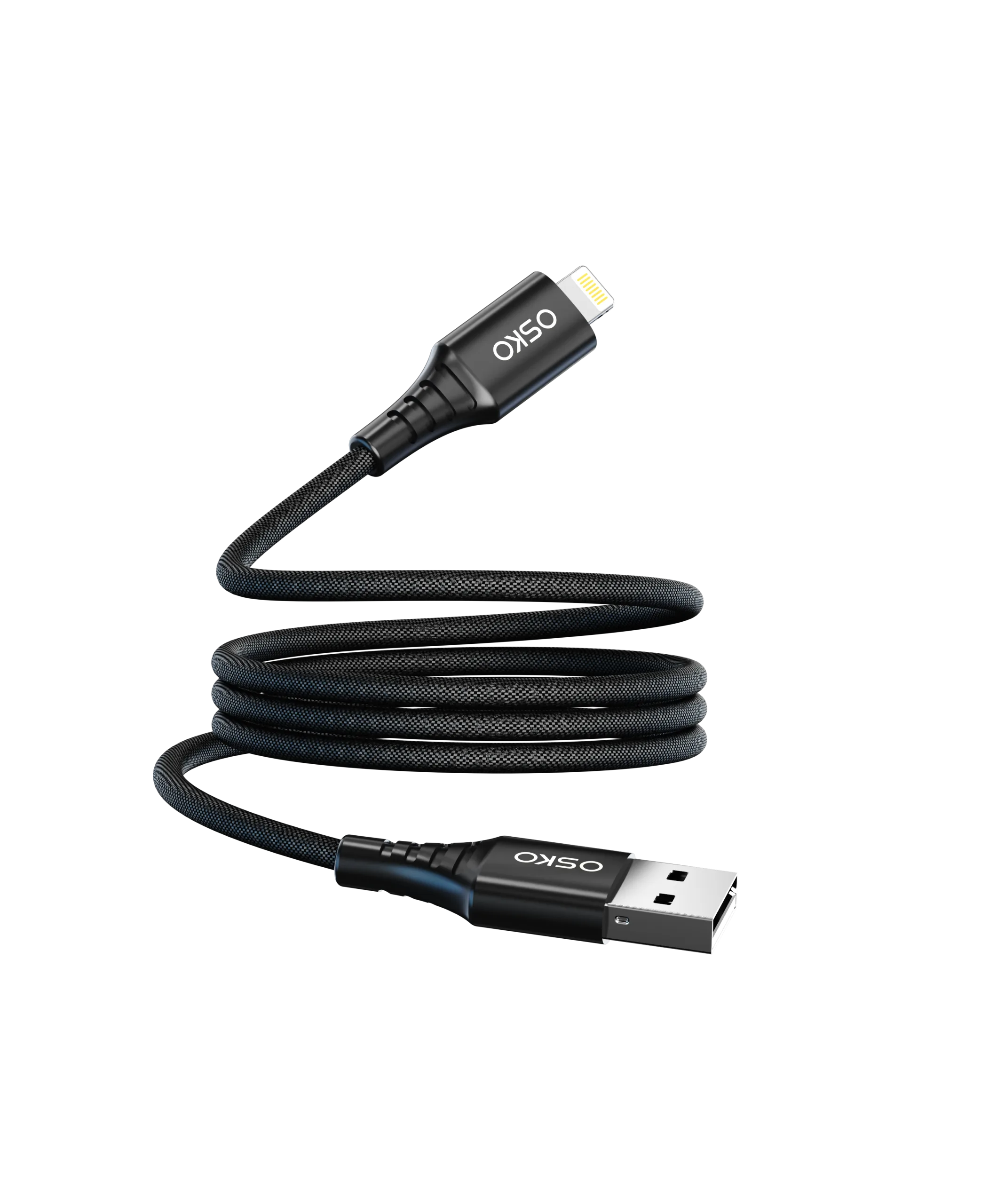
This is why many automotive accessory manufacturers prefer Braided right angle USB-C cable wholesale solutions and Heavy duty coiled USB-C spring cable bulk designs.
Travel and Mobile Work Applications
Travelers place unique demands on charging cables.
During daily use, cables are:
Folded repeatedly
Stored in backpacks
Wrapped around adapters
Exposed to frequent movement
Low-flexibility cables often develop internal wire fatigue after repeated packing and unpacking.
High-flexibility cables solve this problem through:
Softer jacket materials
Flexible conductor structures
Reinforced strain relief
Tangle-resistant designs
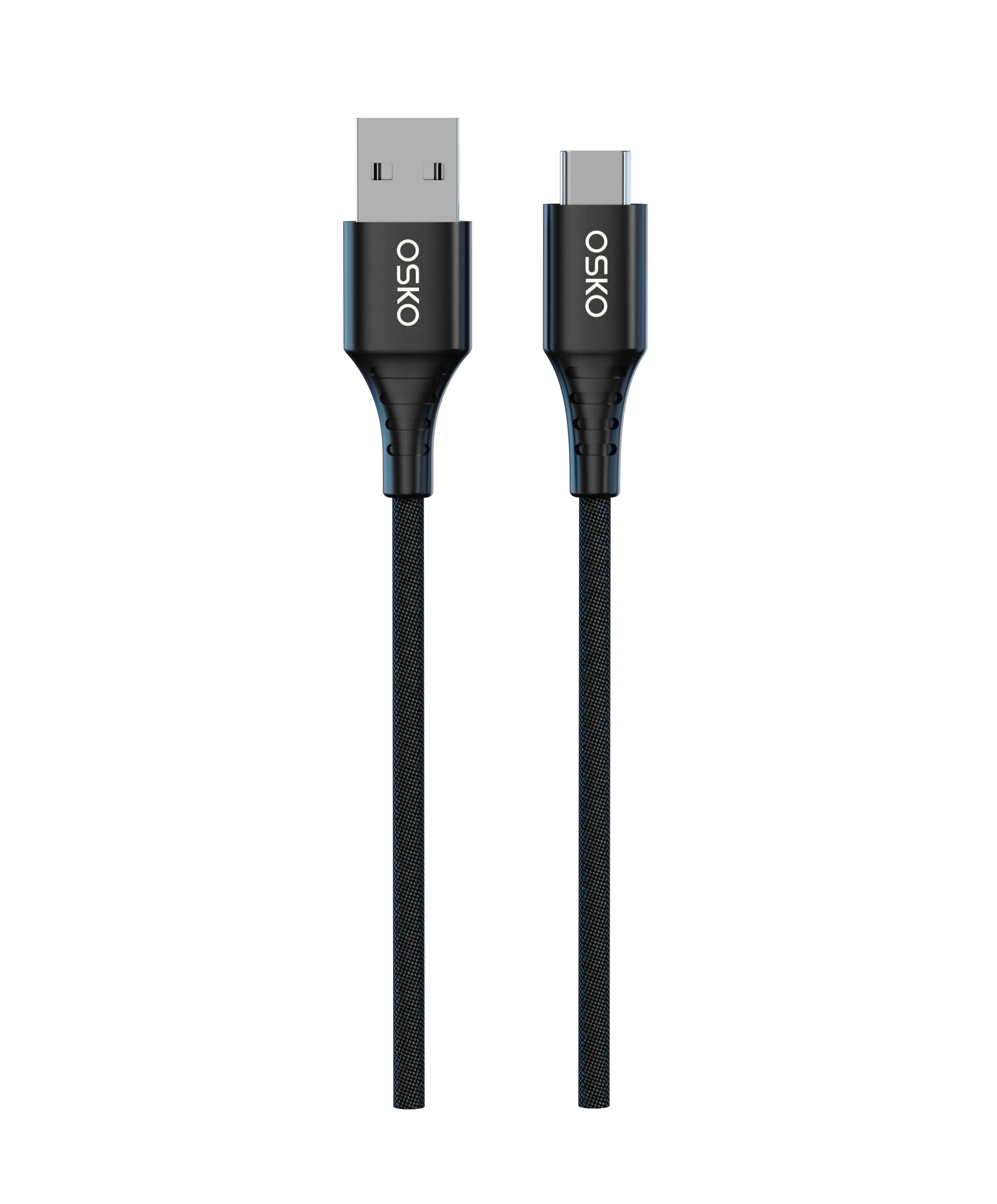
For travel applications, many buyers prefer Tangle-free double-braided USB C cable wholesale products because they combine flexibility with durability.
As travel becomes increasingly device-dependent, flexible charging solutions help reduce cable replacement frequency.
Office and Mobile Workstations
Modern professionals rarely work at a fixed desk.
Instead, they move between:
Offices
Meeting rooms
Home workstations
Co-working spaces
This constant relocation means cables are frequently packed, unpacked, and repositioned.
In these environments, flexibility improves:
Cable management
User convenience
Connector longevity
Overall reliability
Many organizations purchasing cables in bulk choose OEM ODM custom length USB C cables with high-flexibility construction to improve long-term performance.
Industrial Applications
Factory Automation Equipment
Industrial machinery often contains moving components that require continuous data communication.
Applications include:
Robotic arms
Automated assembly lines
Machine vision systems
Conveyor monitoring equipment
Standard cables can quickly fail when subjected to constant motion.
High-flexibility industrial cables are engineered to withstand:
Continuous bending
Twisting movements
High-cycle operation
Mechanical vibration
Without flexible cable structures, maintenance costs increase significantly.
Medical Equipment
Medical devices frequently require highly reliable flexible cable systems.
Examples include:
Portable diagnostic devices
Patient monitoring systems
Mobile imaging equipment
Laboratory instruments
Healthcare environments demand both reliability and safety.
High-flexibility cables reduce:
Equipment downtime
Signal interruption
Connector failures
As a result, cable flexibility is often a critical specification in medical electronics.
Point-of-Sale and Retail Systems
Retail environments use cables continuously throughout the day.
Devices such as:
Barcode scanners
Payment terminals
Mobile checkout systems
Inventory management devices
are frequently moved and reconnected.
High-flexibility cables provide greater durability under repetitive usage conditions.
This helps retailers reduce equipment maintenance and replacement expenses.
Gaming and Entertainment Setups
Gaming environments place significant stress on cables.
Gamers often:
Charge devices while playing
Move controllers continuously
Connect accessories for extended periods
Rigid cables restrict movement and increase connector strain.
High-flexibility USB-C cables improve:
User comfort
Device mobility
Connector protection
Long-term durability
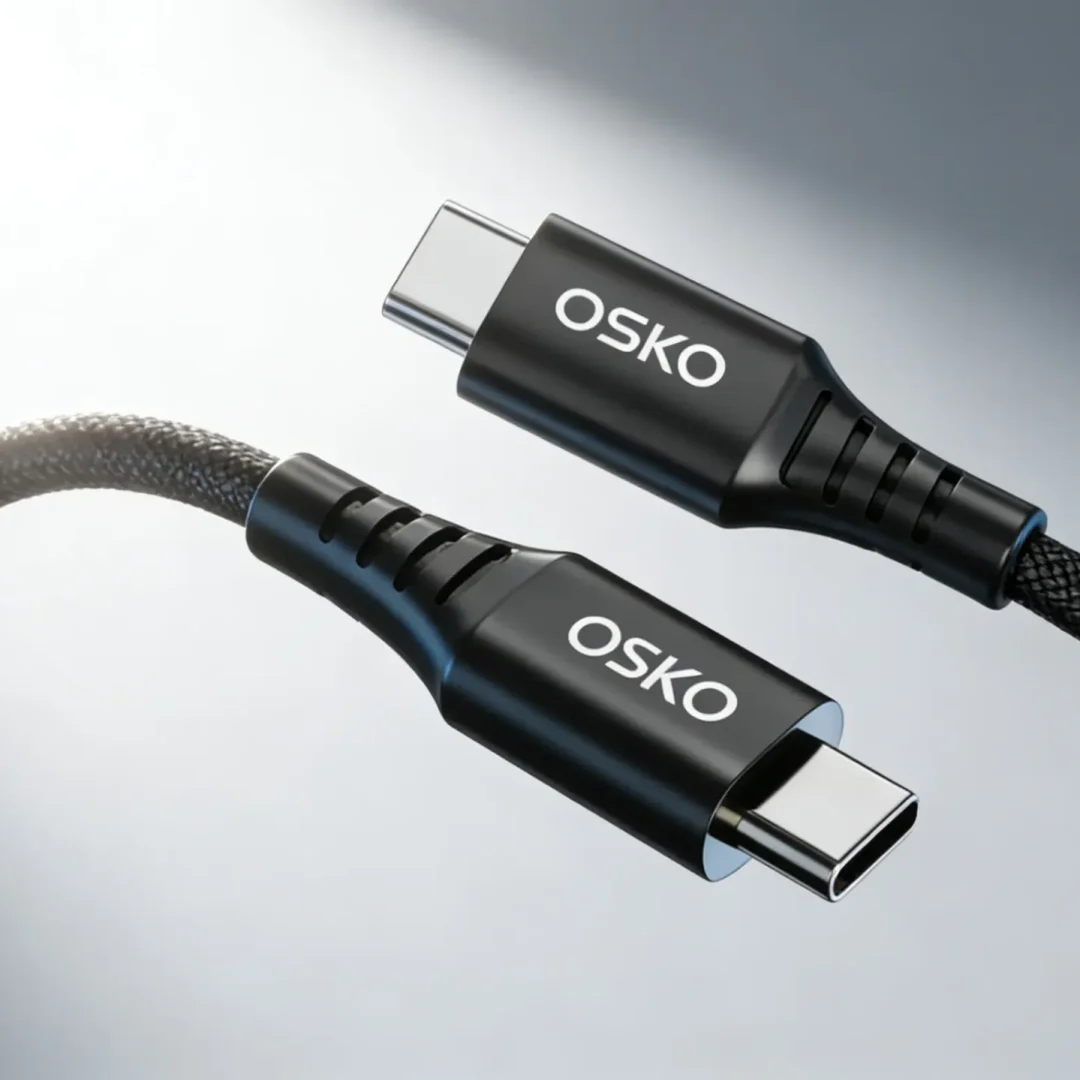
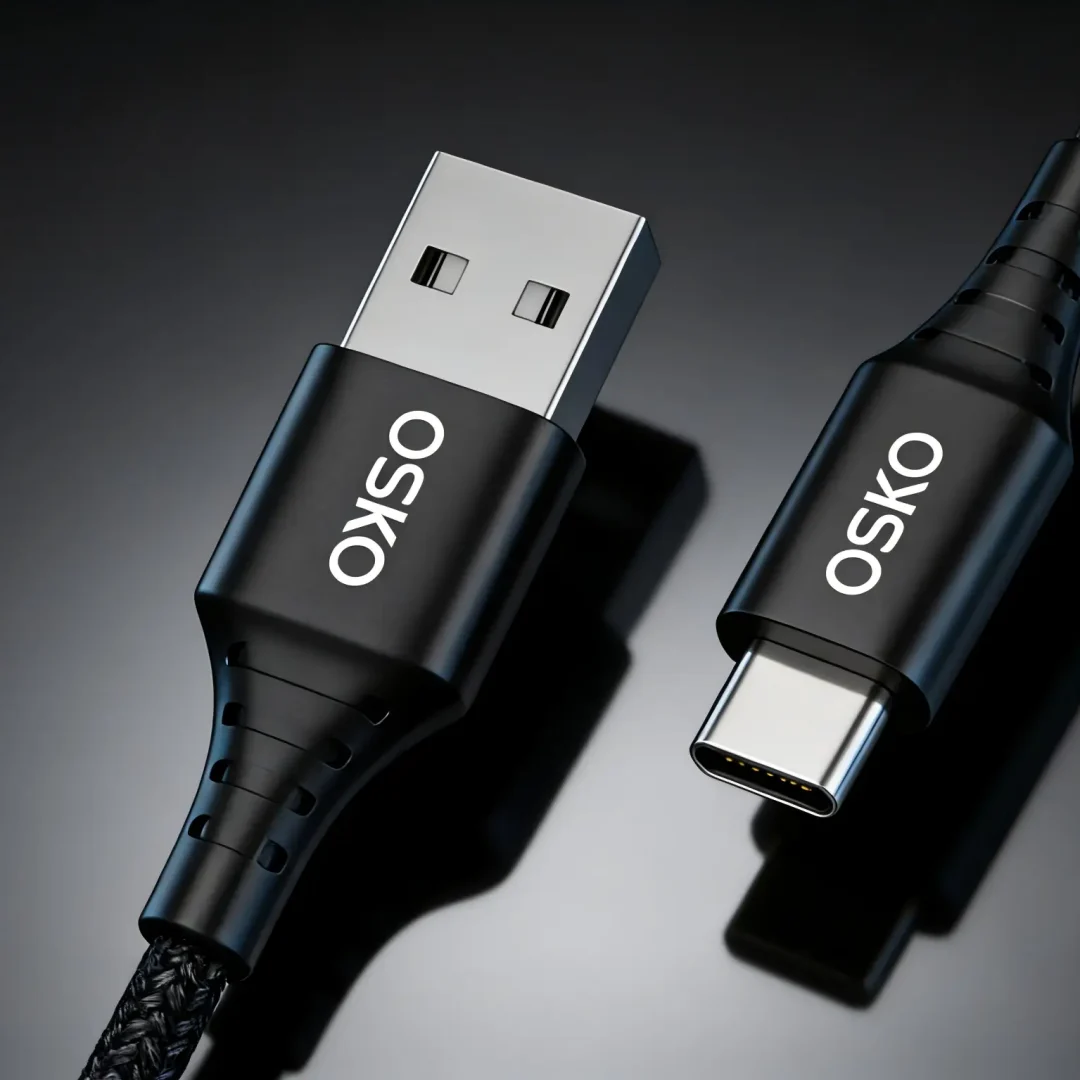
Many gaming accessory manufacturers choose braided flexible cable designs because they balance strength with movement freedom.
Engineering Benefits of High-Flexibility Data Cables
Improved Bend Life
The most important advantage is increased bending durability.
A standard cable may survive a few thousand bends.
A professionally engineered flexible cable can withstand tens of thousands of bending cycles.
This significantly extends service life.
Reduced Internal Conductor Fatigue
Repeated movement causes metal fatigue inside cable conductors.
Flexible conductor designs distribute stress more evenly, reducing the likelihood of breakage.
This improves both charging and data transfer reliability.
Better User Experience
Flexibility also improves daily usability.
Users benefit from:
Easier cable routing
Better storage
Reduced tangling
Greater comfort during use
These seemingly small improvements often influence customer satisfaction more than charging speed alone.
Purchase Recommendations
When selecting high-flexibility cables, buyers should evaluate the following:
| Feature | Recommended Specification |
|---|---|
| Cable Jacket | High-flexibility TPE or braided nylon |
| Connector Design | Reinforced strain relief |
| Bending Performance | High-cycle tested |
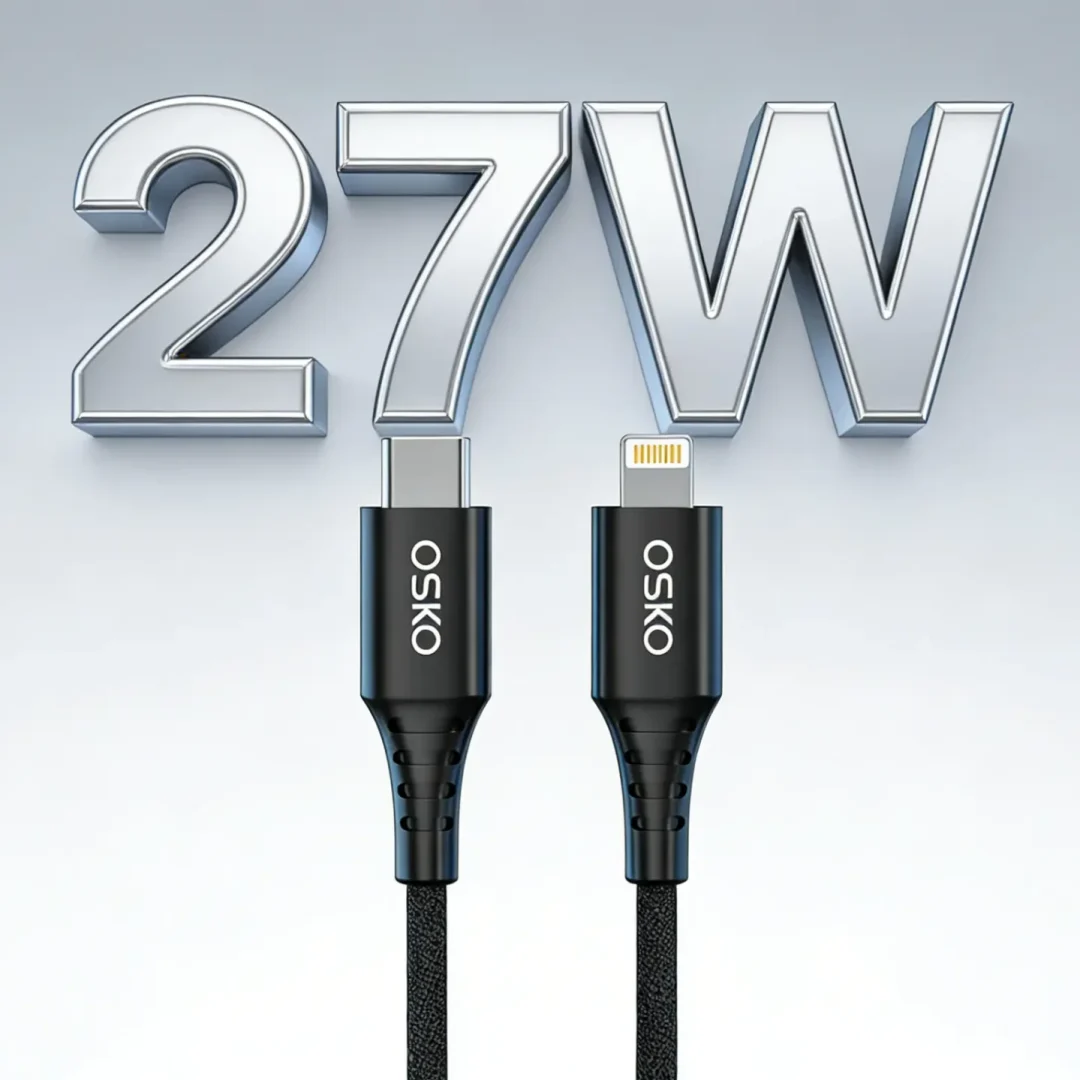
| Charging Support | 60W–240W PD capability |
| Certification | CE, RoHS, FCC, USB-IF |
| Customization | Length, color, packaging |
For OEM projects, it is advisable to work with a manufacturer experienced in flexible cable engineering rather than focusing solely on price.
FAQ
What makes a cable high-flexibility?
High-flexibility cables use specialized conductor structures, flexible insulation materials, and reinforced strain relief systems designed to withstand repeated bending and movement.
Are braided cables always flexible?
Not necessarily. Some braided cables prioritize durability over flexibility. The internal conductor design is equally important.
Do flexible cables charge faster?
Flexibility itself does not increase charging speed. However, flexible cables often maintain electrical performance longer because they resist internal damage.
Are high-flexibility cables worth the extra cost?
For applications involving frequent movement, travel, automotive use, or industrial operation, the longer lifespan typically justifies the higher investment.
Which industries use high-flexibility cables most?
Automotive, industrial automation, medical equipment, gaming accessories, mobile workstations, and travel electronics are among the largest users.
Summary
High-flexibility data cables are not simply premium accessories—they are essential components in environments where movement, bending, and durability matter.
Whether used in automotive charging systems, travel accessories, industrial automation equipment, medical devices, retail terminals, or gaming setups, flexible cables significantly improve reliability and reduce failure rates.
The key advantage lies in their ability to withstand repeated mechanical stress while maintaining stable charging and data transfer performance.
For OEM brands, wholesalers, and distributors, investing in properly engineered high-flexibility cable solutions can lower warranty claims, improve customer satisfaction, and create a stronger long-term product offering.
Request Custom Flexible Cable Solutions
OSKO provides high-flexibility cable manufacturing solutions for:
USB-C Charging Cables
Fast Charging Cables (60W–240W)
Automotive Charging Cables
Industrial Data Cables
Braided USB-C Cables
OEM & ODM Cable Projects
Request a Quote
Name: ___________________
Company: ___________________
Email: ___________________
Application: Automotive / Industrial / Medical / Retail / Consumer Electronics
Required Length: ___________________
Estimated Quantity: ___________________
Project Requirements: ___________________
Contact our engineering team today to receive samples, technical specifications, certification documents, and OEM pricing support.