
Introduction
Many users face the frustration of frequent cable failures:
Fraying after weeks of use
Tangled or knotted cables
Reduced charging efficiency
Connectors breaking or loosening
For brands, distributors, and OEM buyers, selecting the right cable material is essential to minimize returns, improve product quality, and maintain customer satisfaction.
The main choice often comes down to braided cables versus standard PVC cables. Each has strengths and weaknesses depending on the application, device, and usage scenario. Understanding these differences ensures buyers choose the best solution for their target audience.
Applicable Scenarios
Home Charging
Standard PVC cables work well for light, occasional home use.
Braided cables excel in frequent, multi-device households where durability and tangle resistance are critical.
Office or Desk Use
Braided cables maintain structural integrity under daily bending and coiling.
PVC cables may wear quickly on busy desks with repeated insertion and removal.
For office environments, heavy-duty braided cables reduce maintenance costs and improve workflow reliability.
Travel and Portable Charging
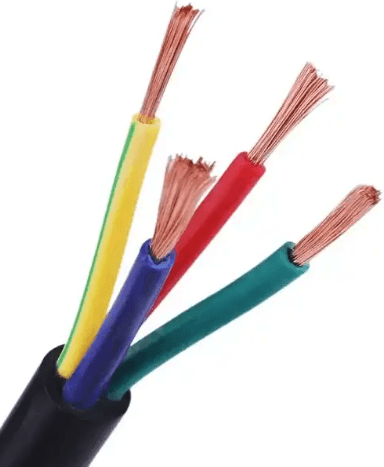
Travel introduces additional stress: folding, coiling, and packing cables in tight spaces.
Braided cables are preferred for tangle-free storage and abrasion resistance.
Short PVC cables may suffice for occasional travelers but are more prone to damage.
Material Comparison: Braided vs. PVC
| Feature | Braided Cable | Standard PVC Cable |
|---|---|---|
| Durability | High – resists fraying and bending | Medium – prone to splits and wear |
| Tangle Resistance | Excellent | Poor |
| Aesthetic | Premium look | Basic |
| Flexibility | Moderate – retains shape | High – can be soft but wears faster |
| Charging Performance | Stable, with proper wire gauge | Can degrade faster over time |
| Ideal Use | Travel, office, heavy-duty daily use | Light home use, low-stress environments |
| Cost | Higher | Lower |
Charging Speed and Conductivity
Material alone does not determine speed; wire gauge, copper quality, and PD compliance are crucial.
Both braided and PVC cables can support fast charging if properly manufactured.
Many heavy duty braided USB-C cables maintain better contact integrity over time, resulting in more consistent charging speeds.
For OEM buyers, selecting USB-IF compliant Type C cable manufacturers ensures cables meet fast-charging standards regardless of outer material.
Durability Insights
PVC Cables
Lightweight and low-cost
Susceptible to bending fatigue and cracking
Shorter lifespan in high-stress applications
Braided Cables
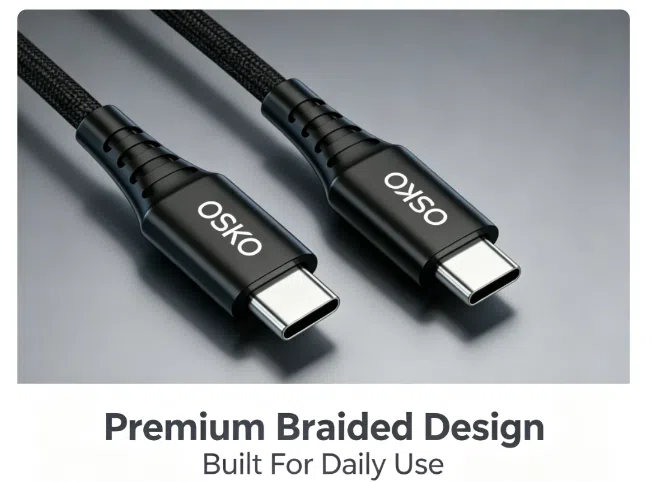
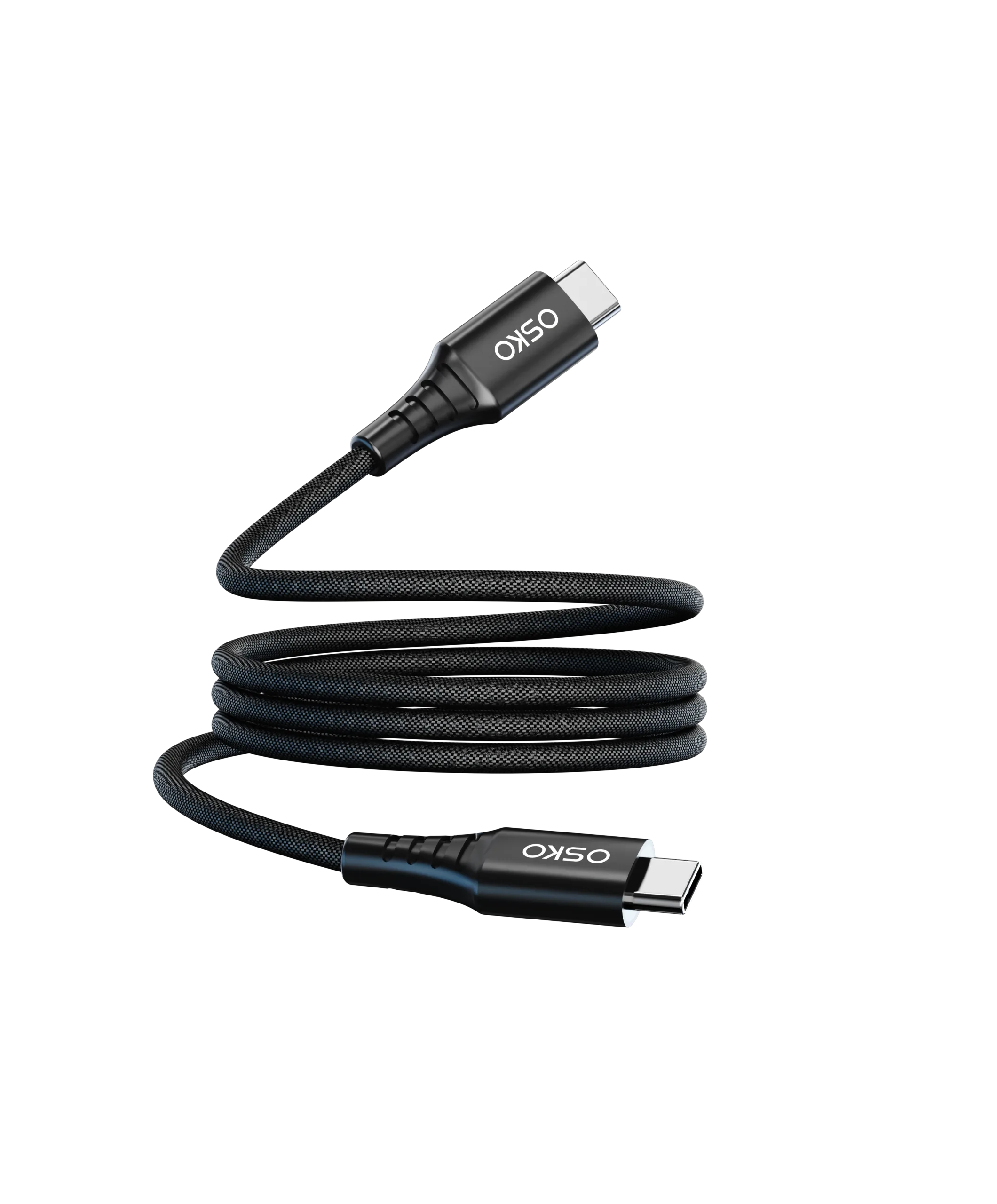
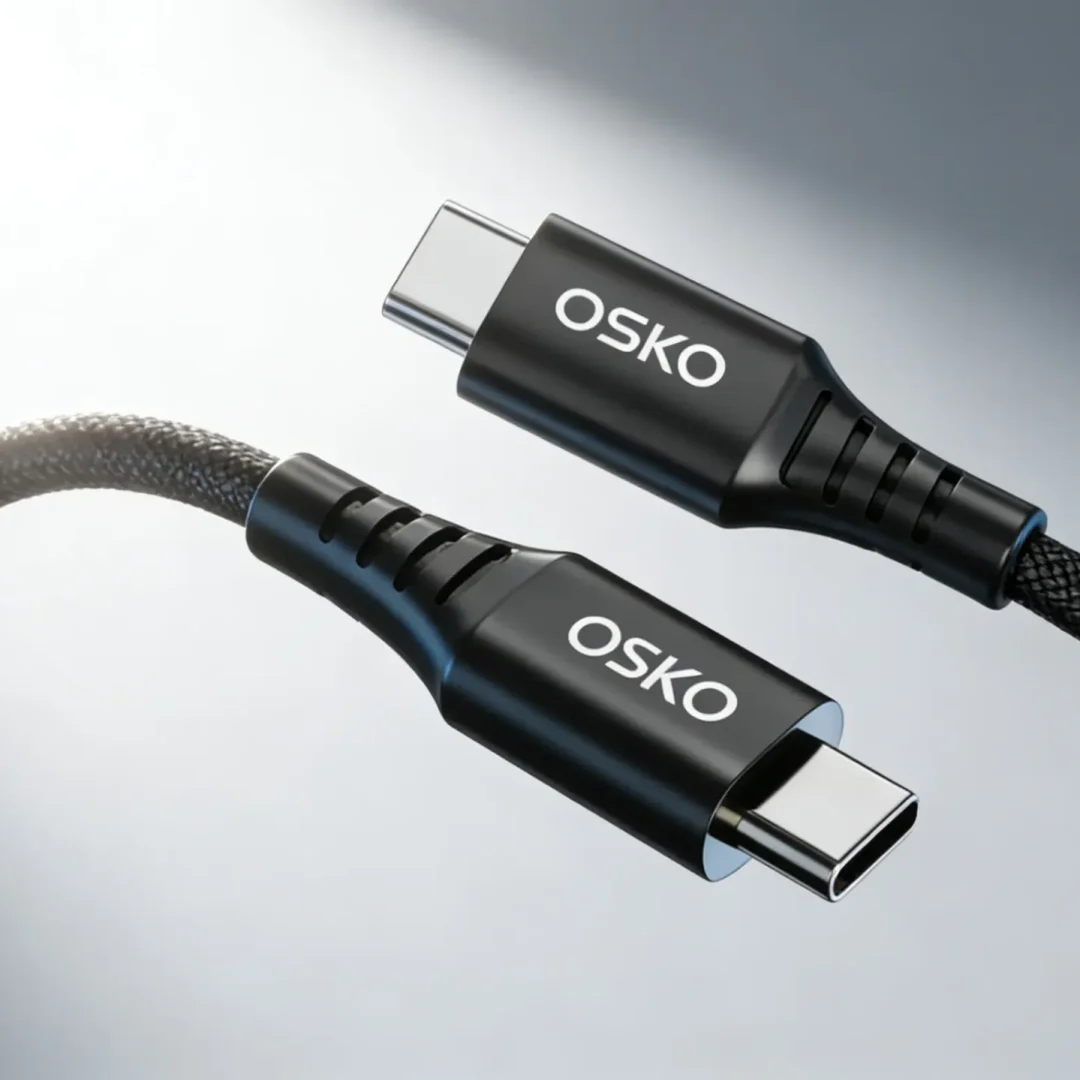
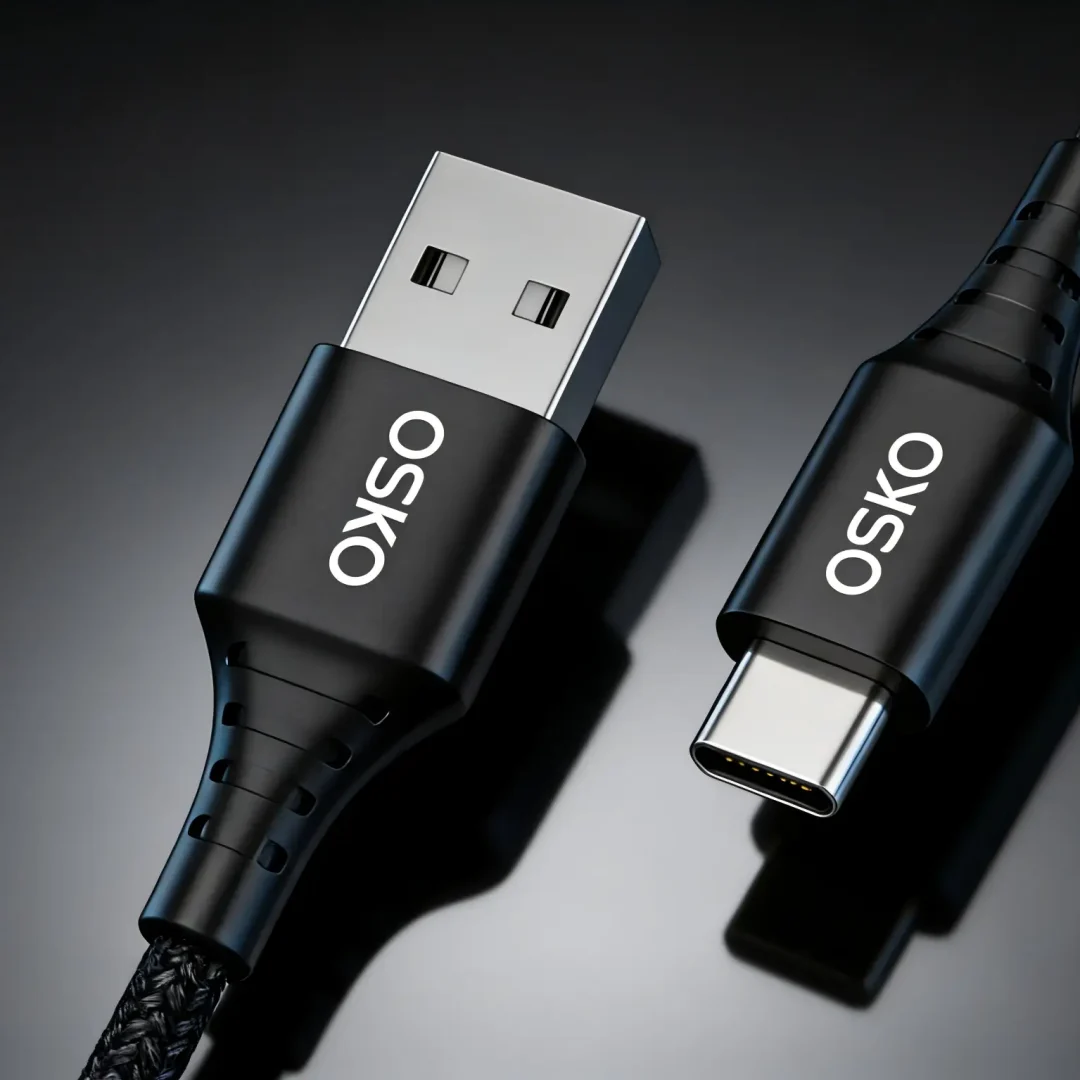
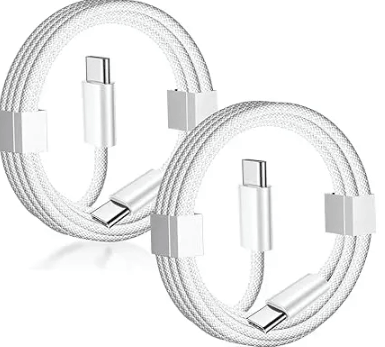
Nylon or double-braided jackets enhance mechanical strength
Protect against abrasion and daily wear
Last significantly longer in office, travel, or automotive applications
A study of bulk 3ft and 6ft cables shows braided cables often last 2–3x longer under similar usage conditions.
Purchase Recommendations
When choosing between braided and PVC:
| Use Case | Recommended Material |
|---|---|
| Home occasional charging | PVC Cable |
| Office or desk daily charging | Braided Cable |
| Travel or portable kit | Braided Cable |
| Car charging | Heavy-duty braided cable |
| Retail or OEM packaging | Braided Cable (premium perception) |
| Bulk wholesale | Braided or PVC depending on target market price point |
OEM buyers can combine both types for tiered product lines, using braided cables as premium options and PVC as cost-effective alternatives.
Case Study: OEM Cable Line for Mixed-Use
Customer Background
A North American electronics brand needed a cable line for retail:
Price-sensitive customers
Frequent travelers
Office professionals
Engineering Challenge
Provide durable solutions for high-use scenarios
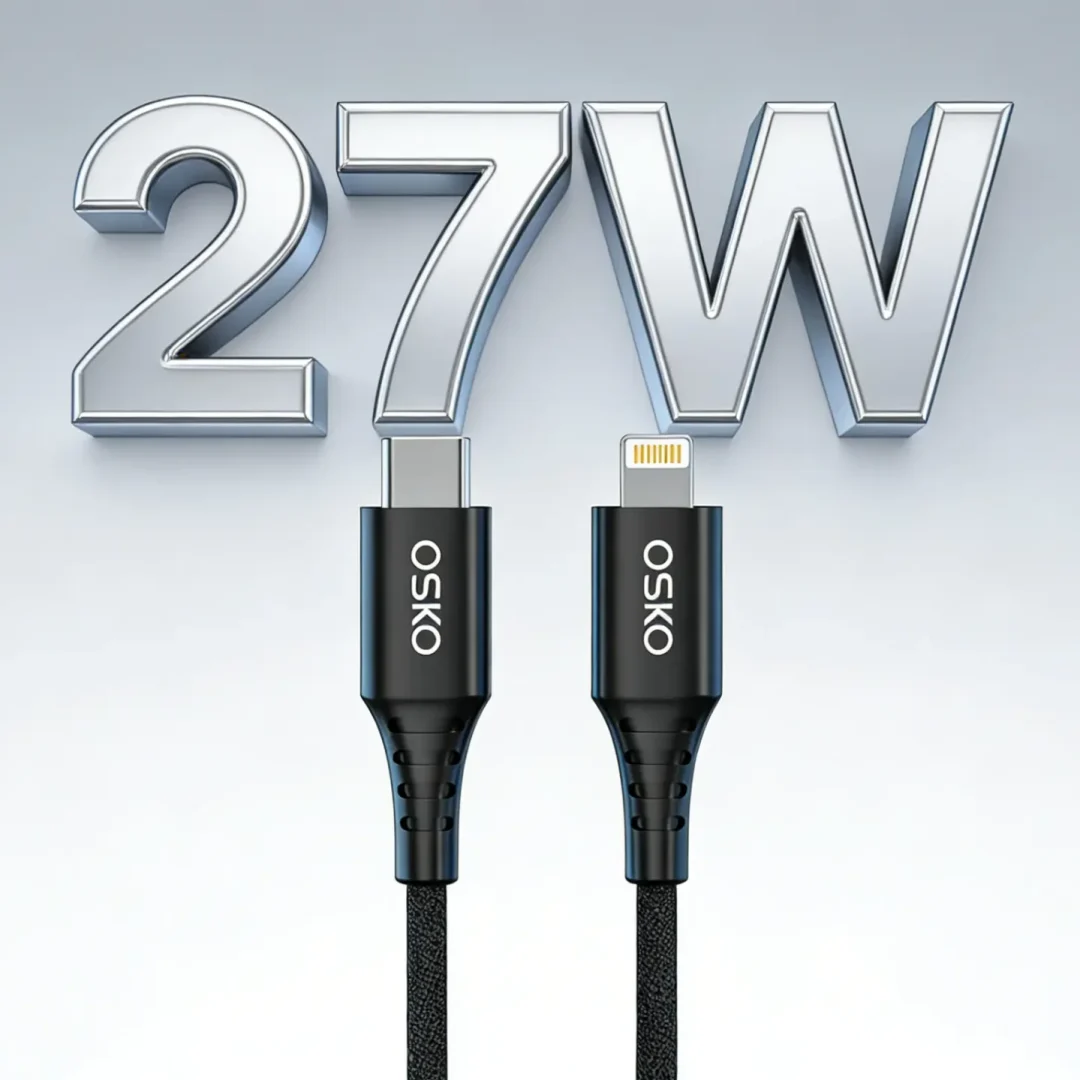
Maintain fast charging compatibility for USB-C and Lightning devices
Keep cost-effective options for budget buyers
OSKO Solution
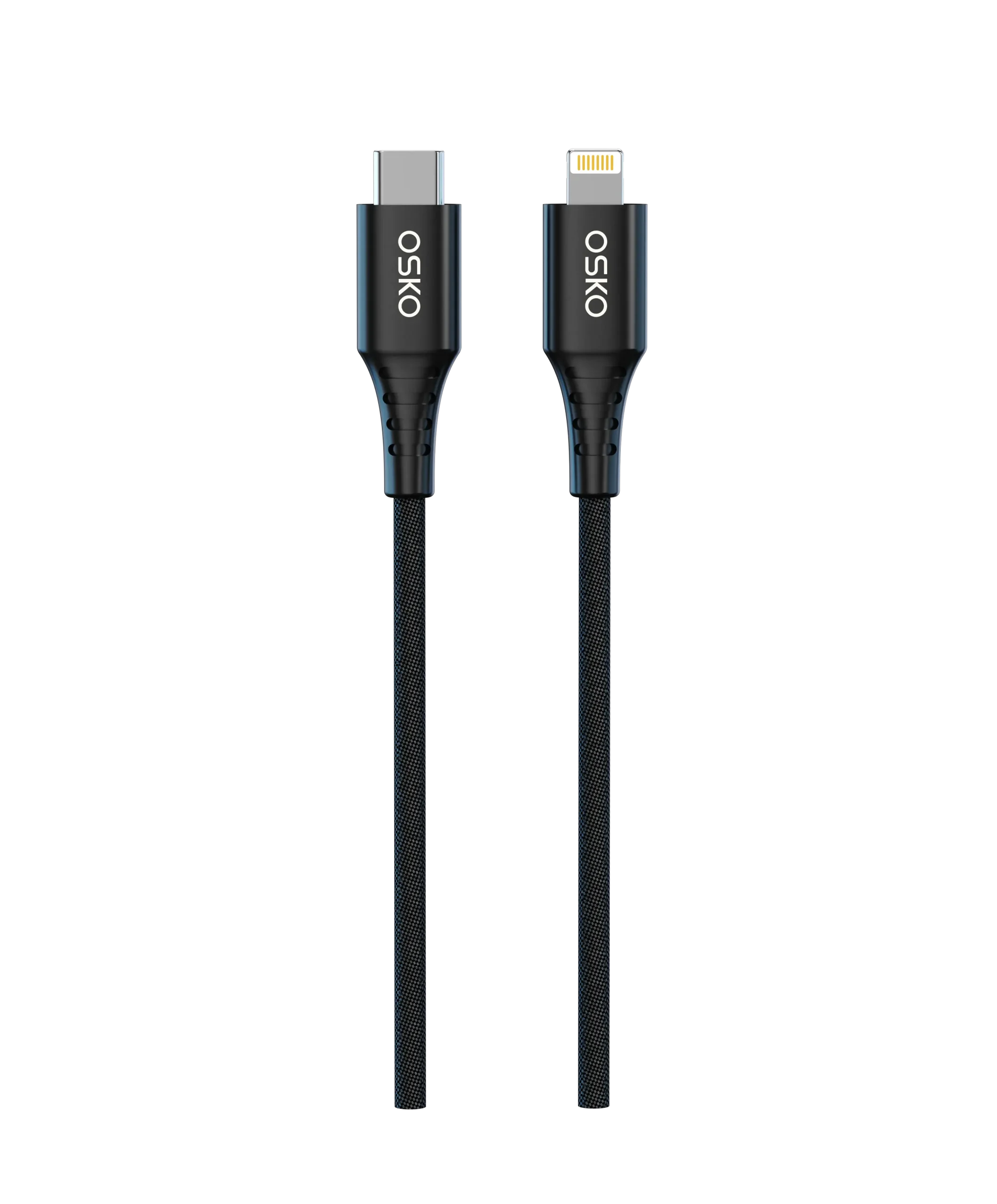
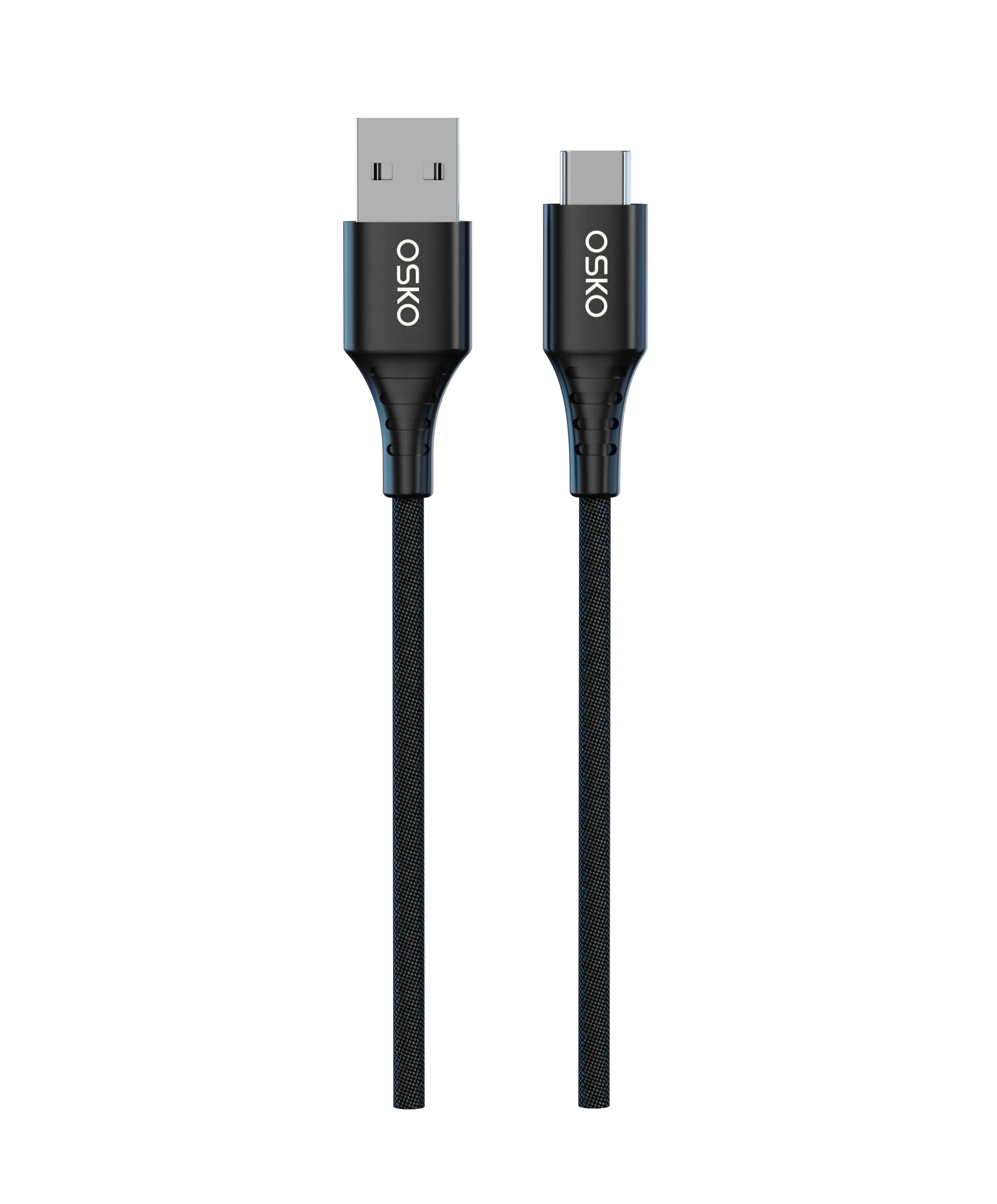
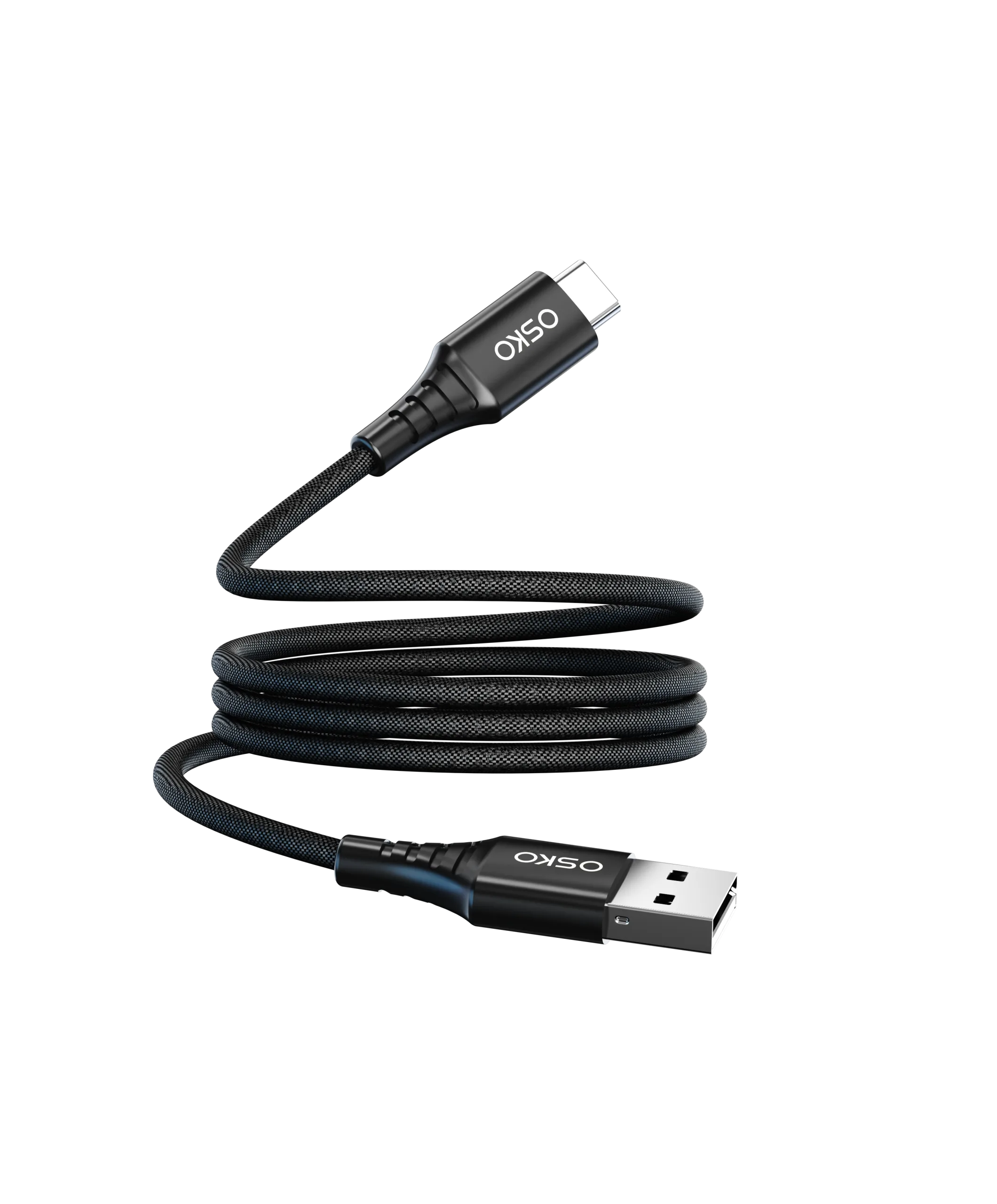
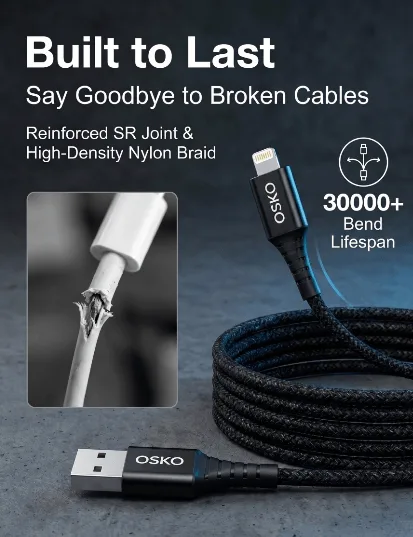
Nylon braided cables for premium lines (3ft, 6ft)
PVC cables for entry-level bundles
USB-IF and MFi-certified cables
Custom packaging with OEM branding
Bulk production with consistent quality control
Result:
Reduced warranty claims by 50%
Positive customer feedback for premium braided lines
Maintained competitive pricing for budget lines
FAQ
Are braided cables worth the higher cost?
Yes. Braided cables provide better durability, reduced tangling, and longer lifespan, especially in high-stress environments.
Does the outer material affect charging speed?
Not directly. Charging performance depends on copper wire gauge, PD compliance, and connector quality. High-quality braided cables maintain better performance over time.
Can PVC cables last long?
Yes, if used lightly, but frequent bending, travel, or office use may shorten lifespan significantly.
Which is better for wholesale or OEM projects?
Braided cables are preferred for premium products, while PVC can be used for budget-friendly options. OEM buyers often include both to serve different market segments.
Summary
Choosing between braided and PVC cables depends on usage scenario, durability requirements, and customer expectations.
Braided cables excel in office, travel, automotive, and heavy-use environments.
PVC cables work for light, occasional charging at lower cost.
For wholesale, OEM, and ODM buyers, braided cables offer premium quality, lower return rates, and better customer satisfaction, making them a worthwhile investment for mixed-device ecosystems, including iPhone, Android, and MacBook users.
OEM & Wholesale Cable Solutions
OSKO offers:
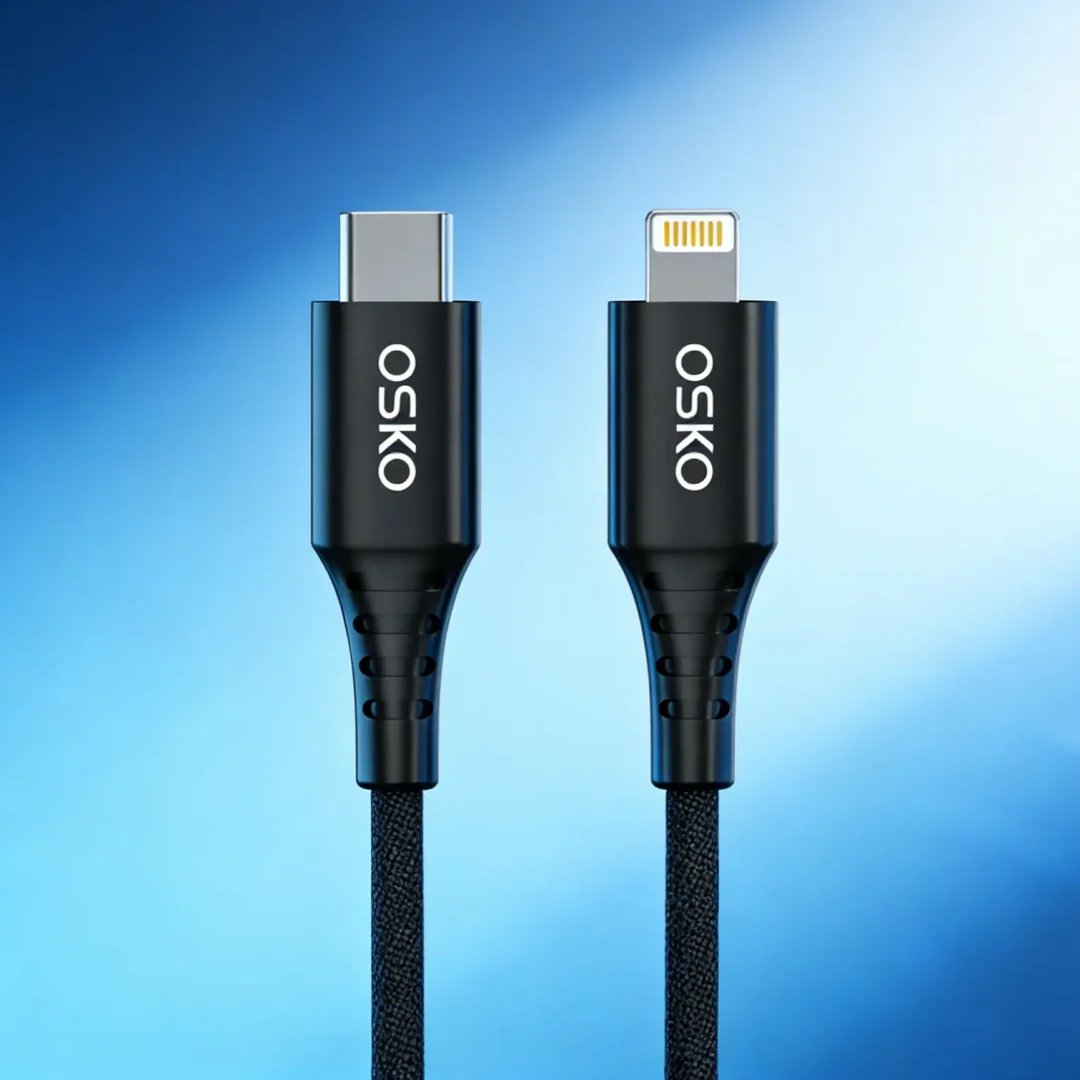
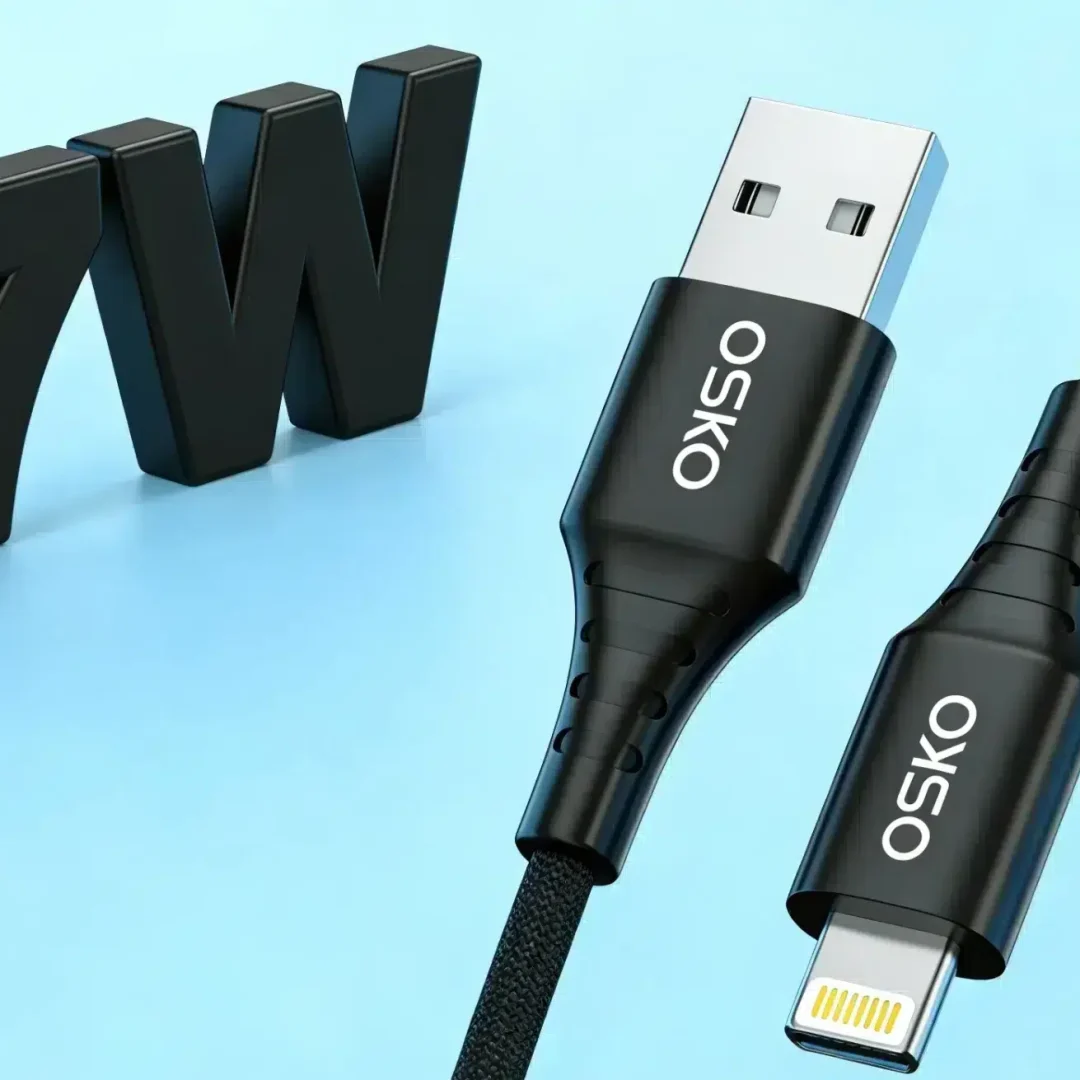
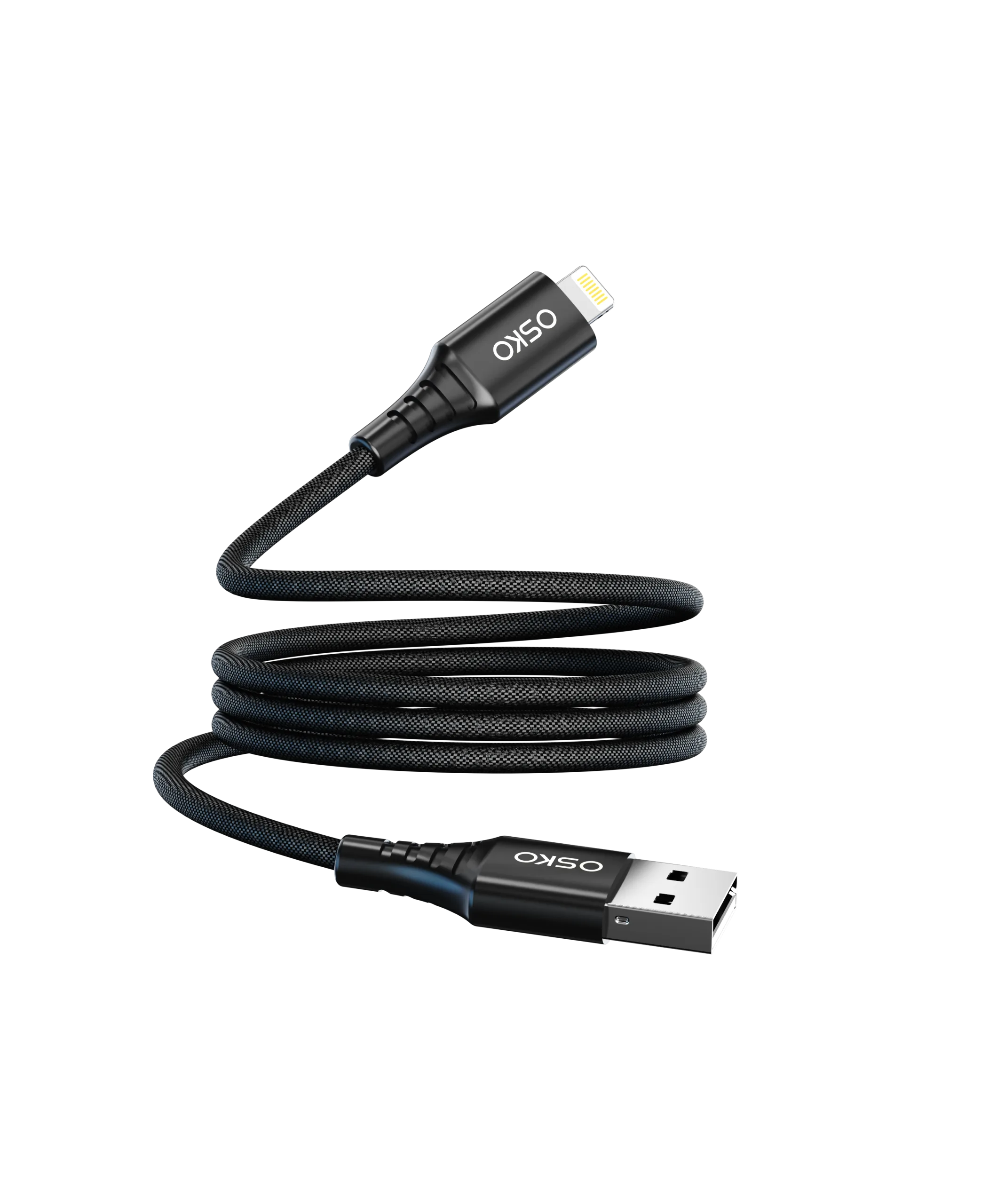
Nylon braided USB-C, Lightning, and multi-device cables
PD fast-charging support (60W–240W)
OEM/ODM services with custom lengths, colors, and packaging
Bulk and retail-ready solutions
Submit Inquiry:
Name / Company / Email
Cable Type: Braided / PVC / Mixed
Quantity / Target Market
Custom Requirements
Contact OSKO today for samples, certification documents, and OEM pricing solutions.