
Introduction
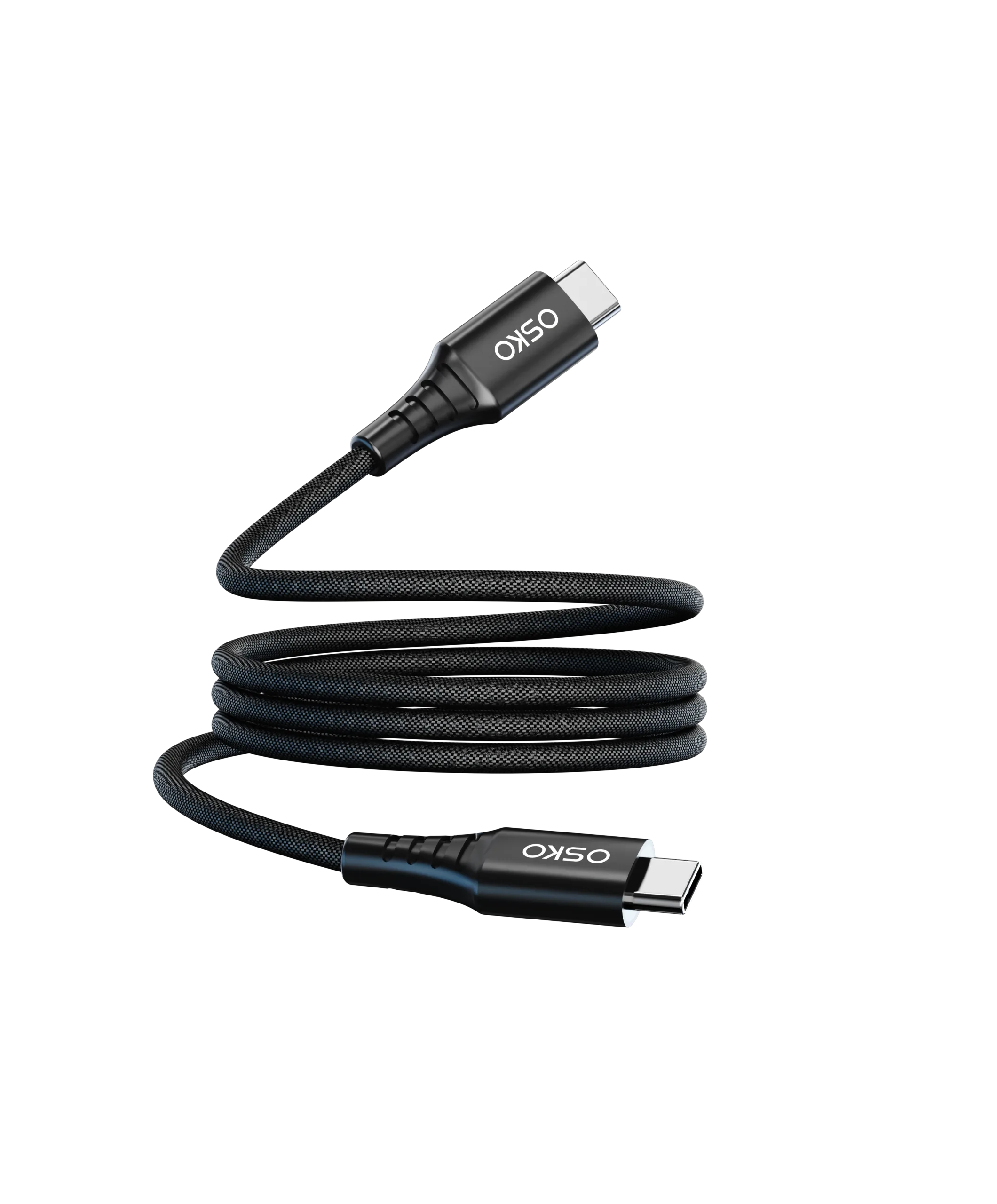
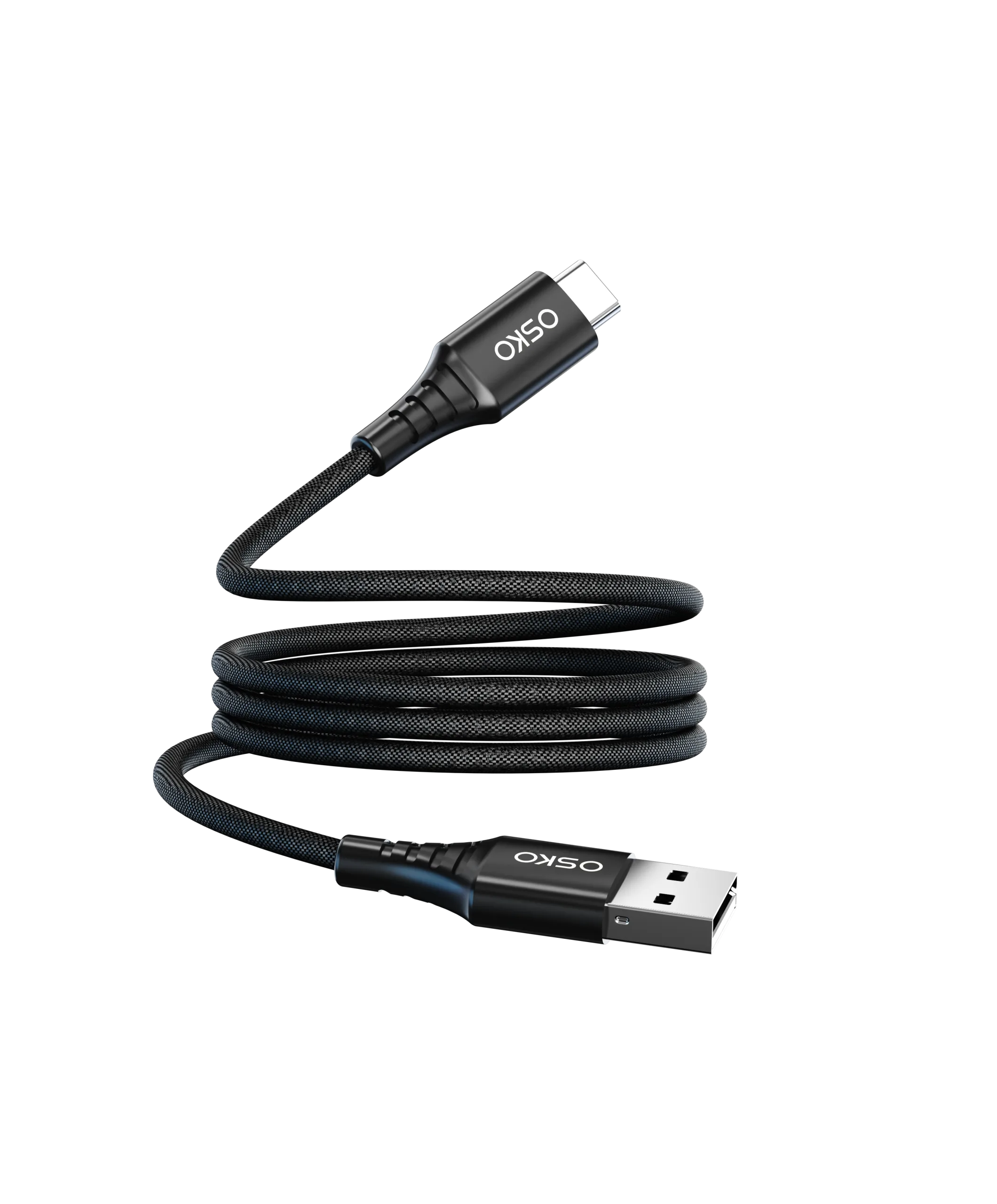
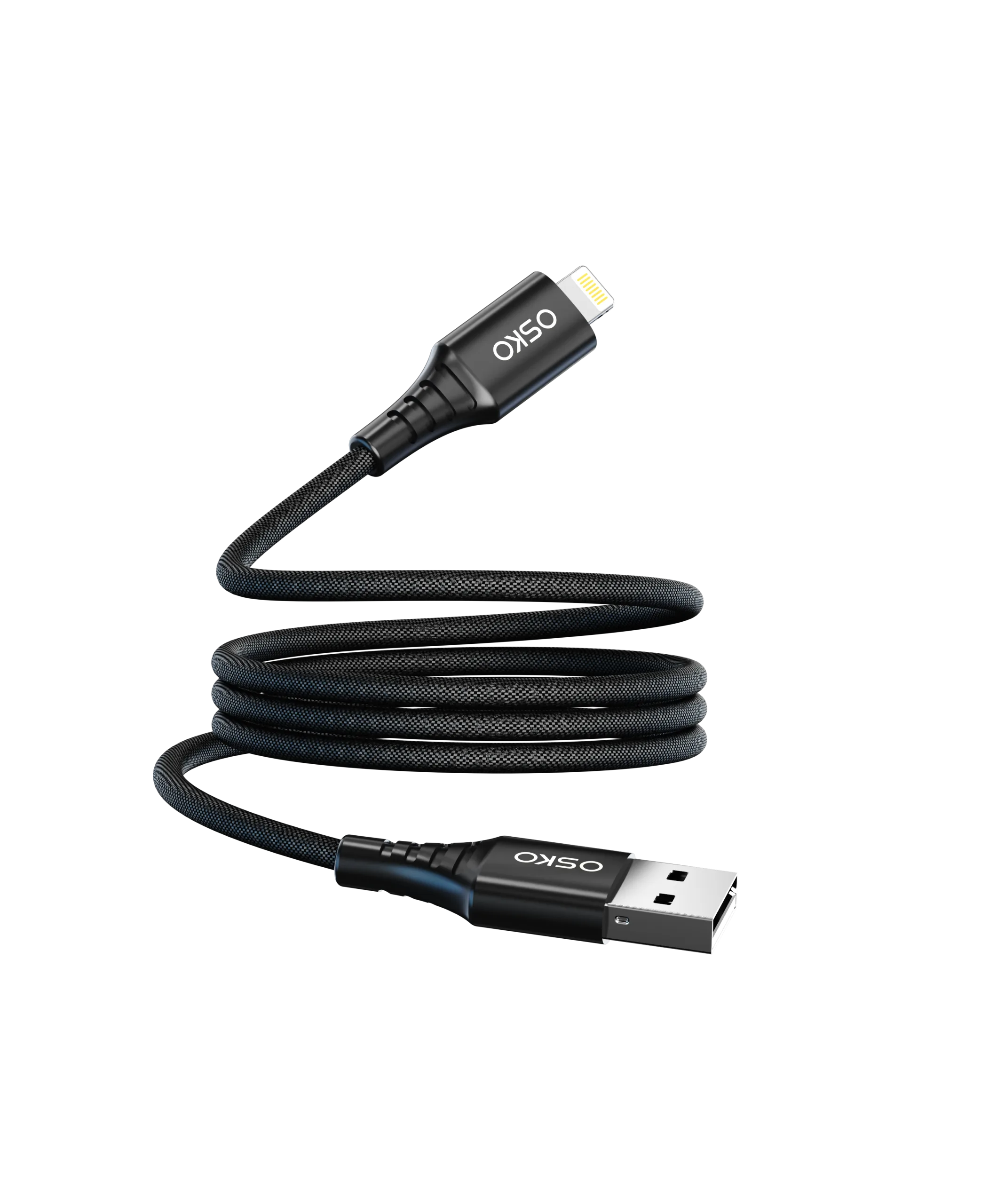
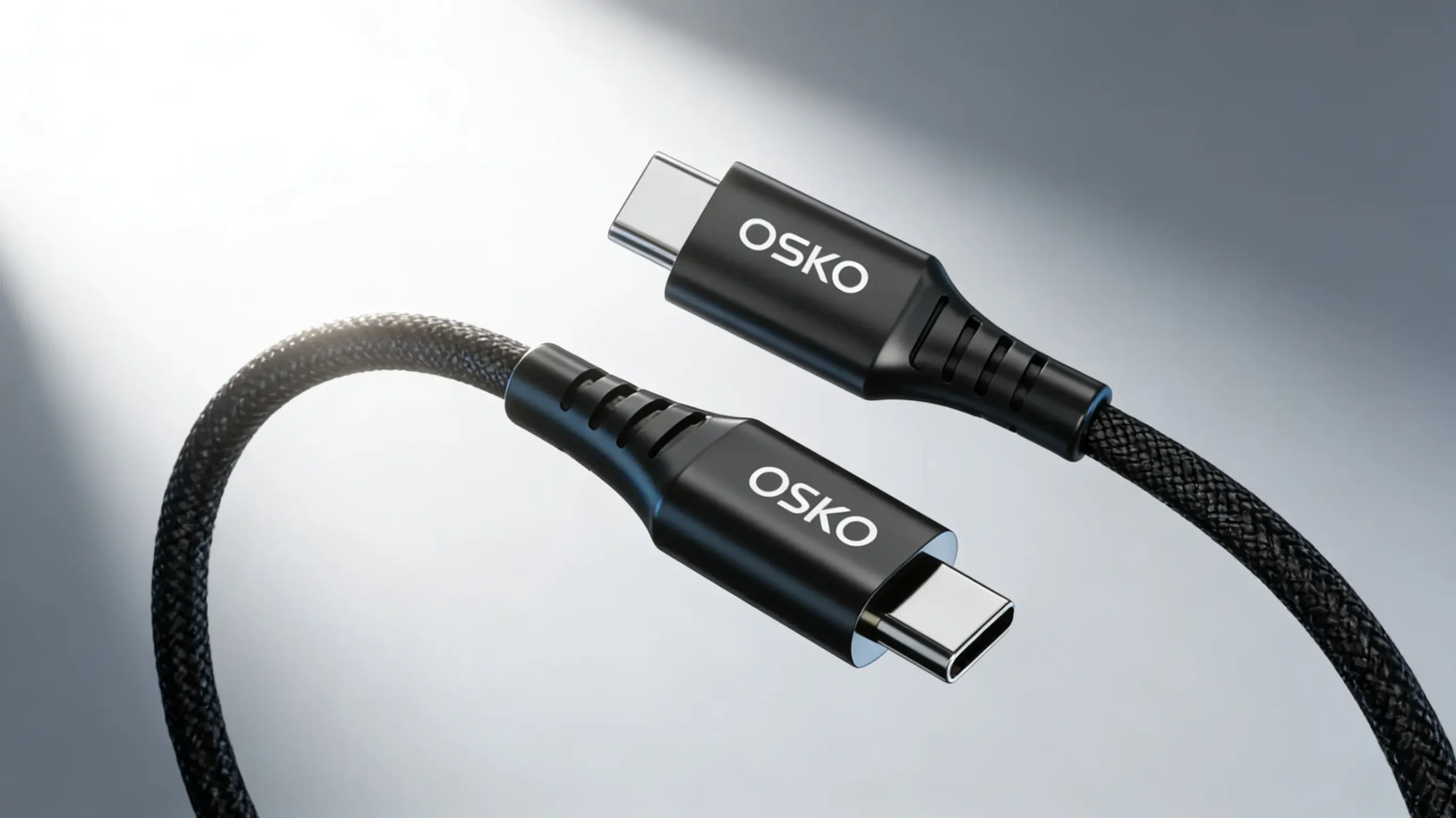
A 6ft USB-C fast charging cable has become one of the most popular cable lengths in North America and Europe. Consumers increasingly prefer longer charging cables because they provide greater flexibility when charging smartphones, tablets, laptops, power banks, and other USB-C devices.
However, many importers, distributors, and brand owners face a common challenge when sourcing USB-C cables:
The market is filled with products that appear identical but vary dramatically in charging performance, durability, safety compliance, and manufacturing quality.
Common problems include:
Slow charging speeds
Unstable power delivery
Connector failures
Poor durability
Inconsistent quality between production batches
As a result, choosing the right 6ft USB-C fast charging cable manufacturer is critical for long-term business success.
This guide explains the technical specifications, manufacturing considerations, certification requirements, and OEM customization options that buyers should evaluate before selecting a supplier.
Applicable Scenarios
Home Charging Applications
One reason 6ft USB-C cables are so popular is convenience.
Many users charge devices:
Beside the bed
On the sofa
At a workstation
In shared living spaces
A 6ft cable provides greater reach compared with standard 3ft cables while maintaining efficient charging performance.
For these applications, durability and charging stability are often more important than ultra-high data transfer speeds.
Office and Desktop Charging
Modern workspaces frequently require users to connect:
MacBooks
Windows laptops
Tablets
Smartphones
Docking stations
A longer USB-C cable improves desk organization and flexibility.
Many businesses now source OEM ODM custom length USB C cables for branded corporate accessories and employee equipment packages.
Travel and Mobile Charging
Travelers often need cables that can reach inconveniently located outlets in:
Airports
Hotels
Conference centers
Vehicles
A 6ft cable offers a practical balance between portability and usability.
Compared with 10ft cables, it is easier to store while still providing sufficient reach.
Why 6ft USB-C Cables Remain the Most Popular Length
The popularity of 6ft USB-C cables is not accidental.
This length solves several common charging problems.
Better Reach
A 3ft cable often limits device placement.
Users may find themselves unable to comfortably use their device while charging.
A 6ft cable provides significantly greater flexibility.
Improved User Experience
Longer cables support:
Bedside charging
Couch charging
Conference room usage
Shared workstations
This improves convenience without creating excessive cable clutter.
Broad Market Demand
Retailers consistently report strong demand for:
6ft USB-C charging cables
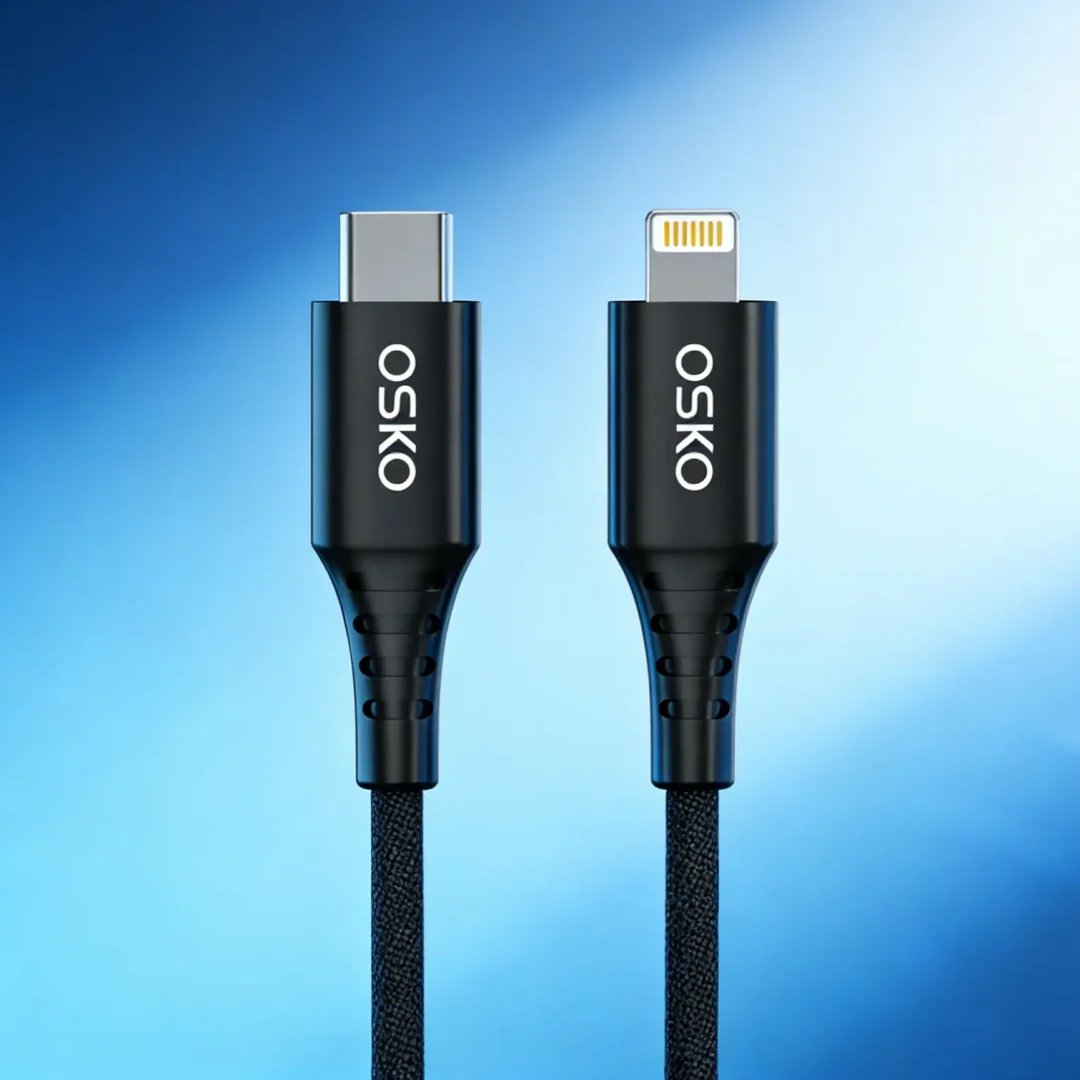
6ft Lightning cables
6ft braided charging cables
As a result, Bulk custom 6ft USB-C cables remain one of the most commonly requested OEM products.
Technical Factors Buyers Should Evaluate
Not all USB-C cables deliver the same performance.
When sourcing from a manufacturer, buyers should carefully evaluate the following factors.
Charging Power Capability
Modern USB-C devices require varying power levels.
| Power Rating | Typical Devices |
|---|---|
| 20W–30W | Smartphones |
| 45W–60W | Tablets |
| 60W–100W | Laptops |
| 140W–240W | High-performance notebooks |
Many importers continue to source:
wholesale 60w braided usb c cable
White label 240W fast charging cable wholesale
to address different customer segments.
The cable’s conductor design must support the intended power level.
Conductor Quality
The conductor is the foundation of charging performance.
High-quality manufacturers typically use:
Oxygen-free copper
Tinned copper
High-purity copper conductors
Benefits include:
Lower resistance
Reduced heat generation
Faster charging
Improved reliability
Poor-quality conductors often result in slower charging speeds and higher warranty rates.
E-Marker Chip Support
For cables exceeding 60W, E-Marker chips are often required.
These chips communicate with devices and chargers to enable:
100W charging
140W charging
240W charging
Without a properly programmed E-Marker chip, charging performance may be limited.
Braided vs Standard PVC Construction
One common sourcing decision involves jacket materials.
Standard PVC Cable
Advantages:
Lower cost
Lightweight
Flexible
Disadvantages:
Lower abrasion resistance
Reduced lifespan
More prone to tangling
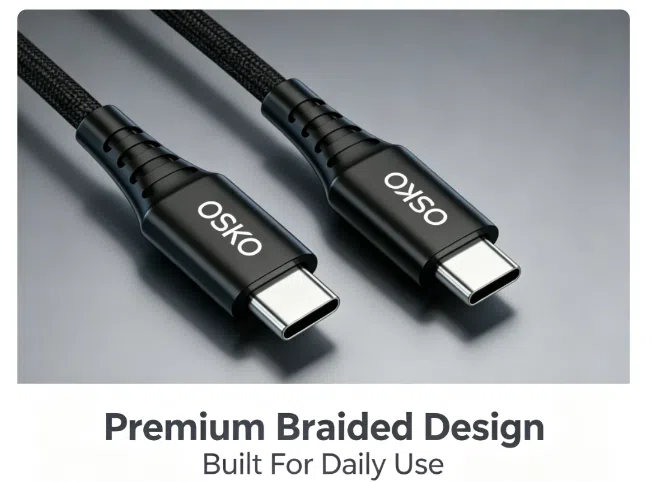
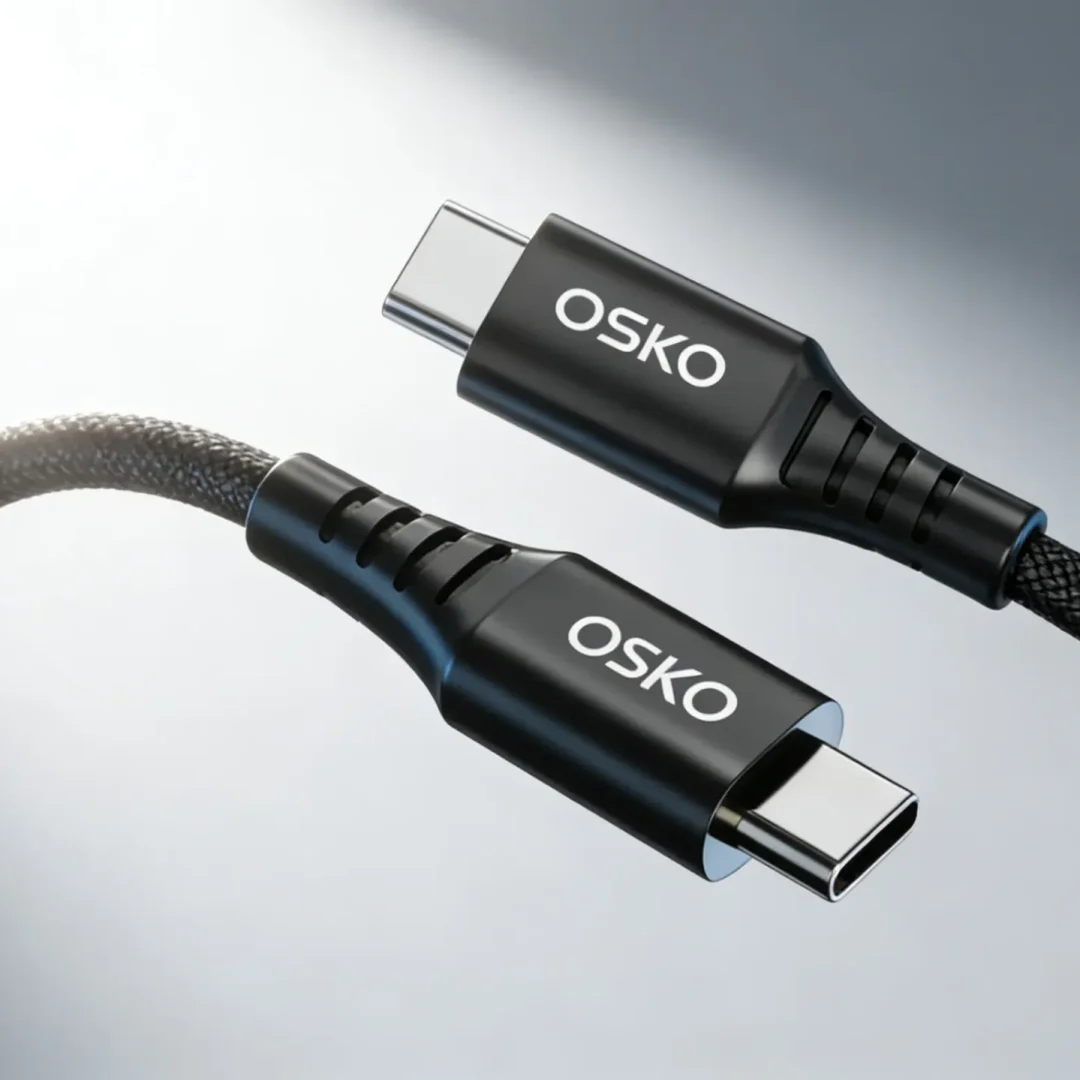
Braided USB-C Cable
Advantages:
Improved durability
Enhanced appearance
Better abrasion resistance
Reduced tangling
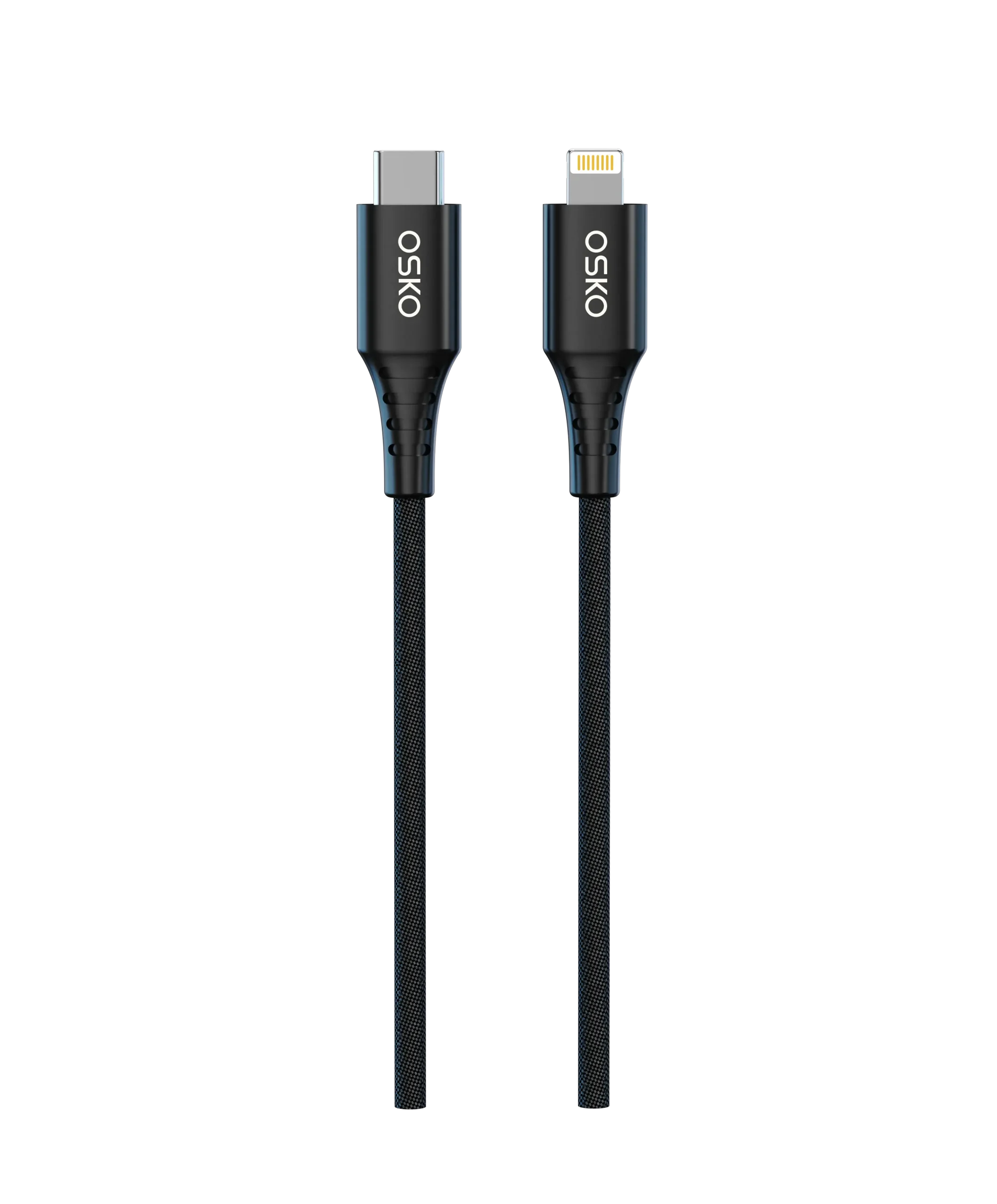
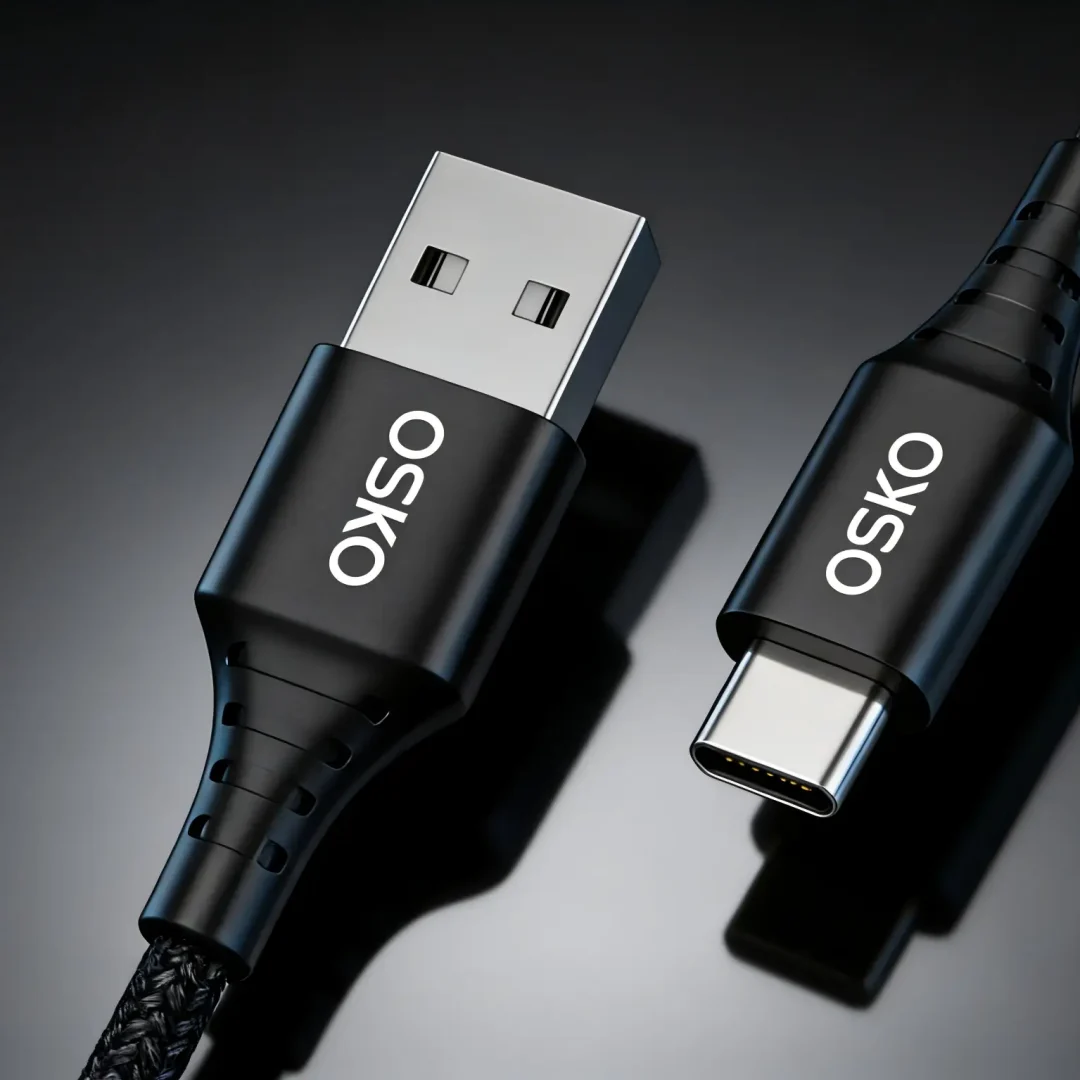
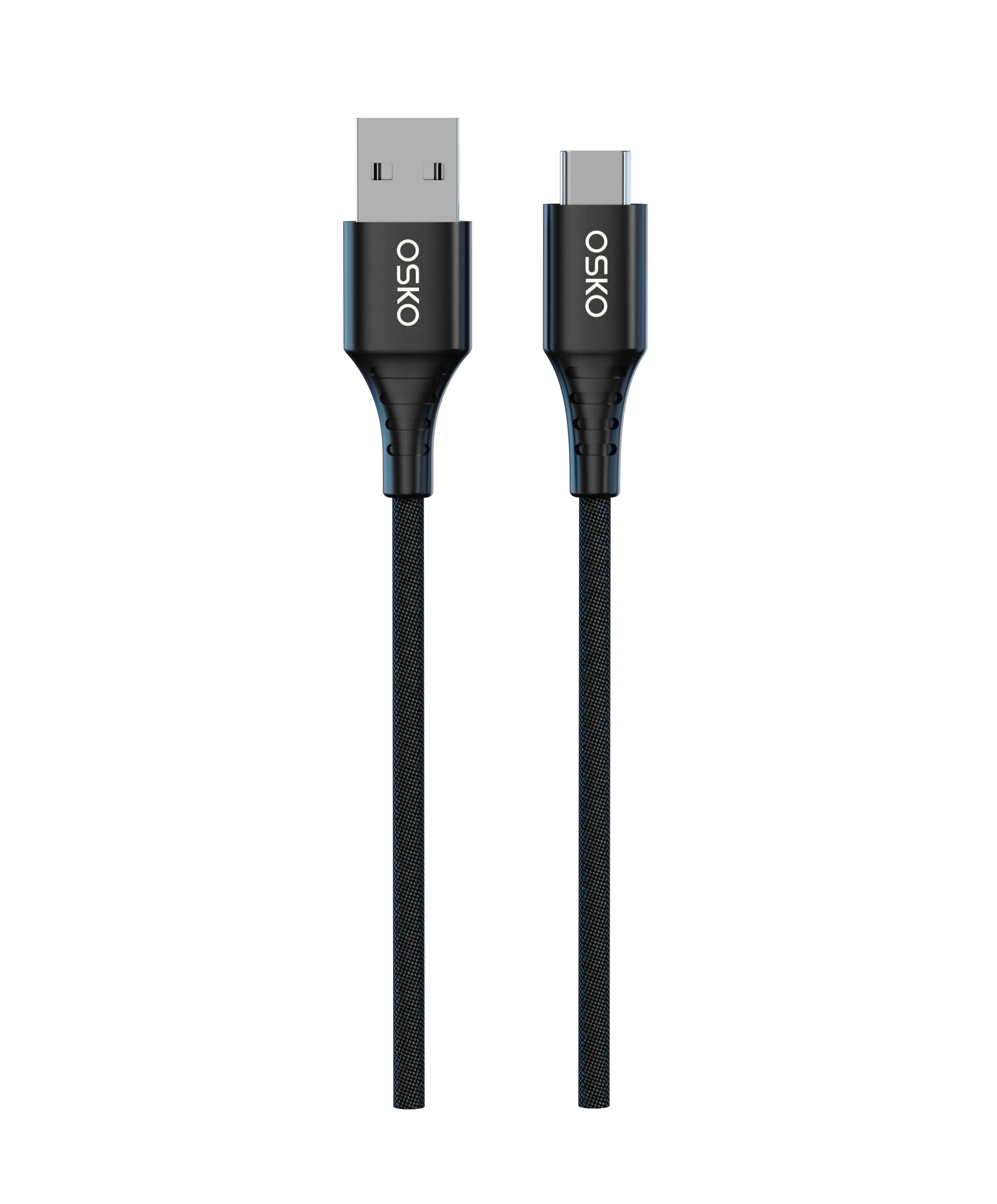
Products sourced from a Durable nylon braided Type C charging cable factory are especially popular in retail and premium product segments.
Comparison Table
| Feature | PVC Cable | Braided Cable |
|---|---|---|
| Durability | Moderate | High |
| Appearance | Standard | Premium |
| Abrasion Resistance | Moderate | High |
| Retail Value | Standard | Premium |
| Lifespan | Moderate | Longer |
For OEM brands targeting premium markets, braided cables generally provide stronger consumer appeal.
Manufacturing Capabilities to Look For
A professional manufacturer should provide more than cable assembly.
Key capabilities include:
OEM Services
Support for:
Custom logos
Private labeling
Retail packaging
Custom colors
ODM Development
Advanced manufacturers can assist with:
Product engineering
Cable structure design
Connector customization
Packaging development
Production Capacity
Large-volume buyers should verify:
Monthly output
Lead times
Factory audits
Quality systems
An experienced Heavy duty braided USB-C cable manufacturer should be able to support both small and large production runs.
Certification Requirements
Compliance is increasingly important for international markets.
A reliable supplier should support:
| Certification | Purpose |
|---|---|
| CE | European compliance |
| FCC | US compliance |
| RoHS | Environmental standards |
| USB-IF | USB-C compatibility |
| ISO9001 | Quality management |
| Prop 65 | California market compliance |
Many professional buyers specifically seek:
FCC approved nylon braided USB C cable supplier
Prop 65 compliant USB C cable factory
USB-IF compliant Type C cable manufacturer
ISO9001 certified braided USB cable factory
These certifications help reduce market-entry risks and improve customer confidence.

Case Study: Retail USB-C Cable Brand Launch
Customer Background
A North American accessories brand planned to launch a premium charging cable series.
The primary product was a 6ft USB-C fast charging cable.
Challenges
The company faced several issues with previous suppliers:
Connector failures
Slow charging complaints
Packaging inconsistencies
Customer reviews negatively impacted sales performance.
OSKO Solution
OSKO developed a customized solution featuring:
Oxygen-free copper conductors
Double-braided nylon jacket
100W PD support
Reinforced strain relief
Custom retail packaging
Results
Within the first year, the customer achieved:
Lower return rates
Improved customer reviews
Increased retail sales
Enhanced brand reputation
This illustrates the importance of selecting a qualified manufacturing partner rather than focusing solely on price.
Purchase Recommendations
When selecting a 6ft USB-C fast charging cable manufacturer, prioritize the following criteria:
| Evaluation Factor | Importance |
|---|---|
| Charging Performance | High |
| Conductor Quality | High |
| Certification Compliance | High |
| Manufacturing Experience | High |
| OEM Capability | High |
| Quality Control | High |
| Packaging Support | Medium |
| Price | Medium |
The best supplier is not necessarily the cheapest supplier.
Long-term reliability, compliance, and customer satisfaction typically generate greater value than small cost savings.
FAQ
Is a 6ft USB-C cable slower than a 3ft cable?
Not necessarily. A properly engineered 6ft cable with high-quality conductors can maintain excellent charging performance.
Can a 6ft USB-C cable support 100W charging?
Yes. Many 6ft USB-C cables support 100W PD charging when designed with appropriate conductors and E-Marker chips.
Are braided USB-C cables worth the extra cost?
For most users, yes. Braided cables generally offer better durability, abrasion resistance, and lifespan.
What certifications should a USB-C cable have?
CE, FCC, RoHS, USB-IF, ISO9001, and Prop 65 compliance are commonly required for international markets.
Can OEM manufacturers provide custom packaging?
Yes. Professional manufacturers typically offer custom branding, packaging, and private-label solutions.
Summary
The 6ft USB-C fast charging cable remains one of the most popular charging accessories in the global market because it offers an ideal balance between convenience, charging performance, and usability.
However, successful sourcing depends on much more than selecting a cable length. Buyers should carefully evaluate conductor quality, charging capability, certifications, OEM customization options, and manufacturing experience before choosing a supplier.
For wholesalers, retailers, distributors, and brand owners, partnering with a qualified manufacturer helps reduce warranty costs, improve customer satisfaction, and strengthen market competitiveness.
Request OEM 6ft USB-C Cable Solutions
OSKO provides:
6ft USB-C Fast Charging Cables
60W–240W USB-C PD Solutions
Nylon Braided USB-C Cables
OEM & ODM Manufacturing
Custom Lengths and Colors
Private Label Packaging
Wholesale Distribution Programs
Request a Quote
Name: ___________________
Company: ___________________
Email: ___________________
Cable Type: USB-C / USB-C to Lightning / Multi-Connector
Power Requirement: 60W / 100W / 240W
Estimated Quantity: ___________________
Target Market: North America / Europe / Global
Project Requirements: ___________________