
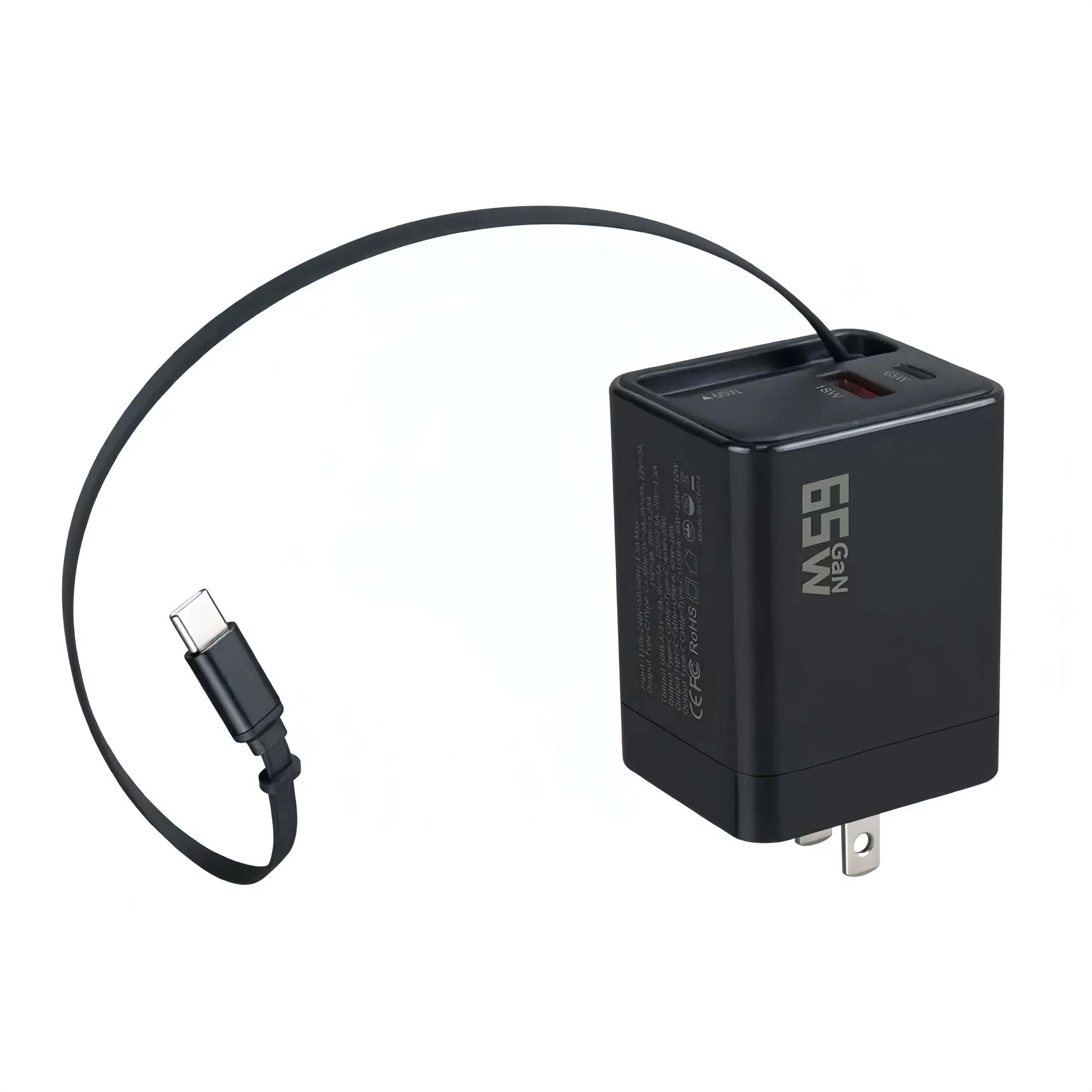
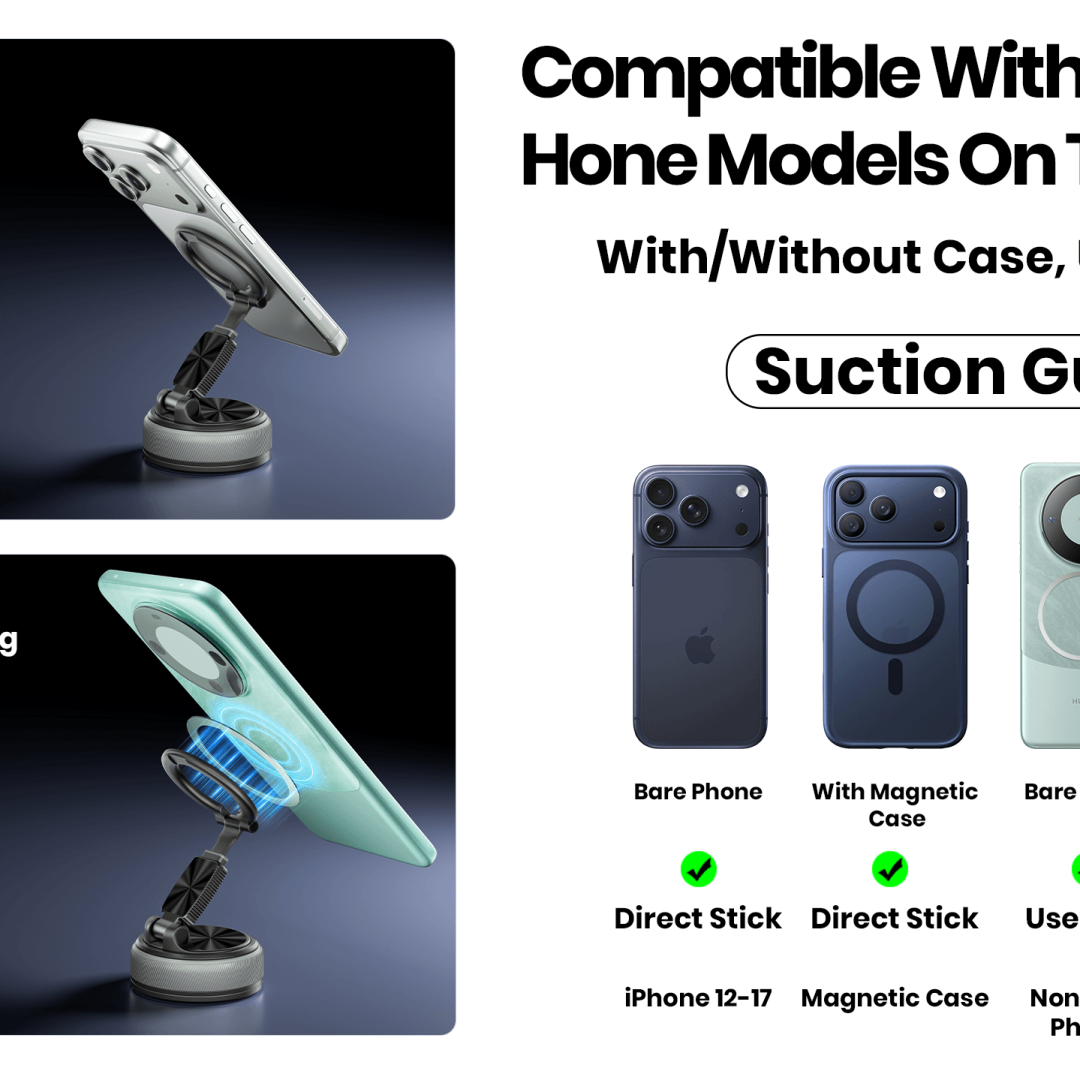

Introduction: Why Choosing the Right USB Car Charger Matters
A smartphone battery running low during a road trip can quickly become a problem. Drivers rely on mobile devices for navigation, hands-free communication, music streaming, online meetings, and emergency services.
A reliable USB car charger has become an essential vehicle accessory rather than a simple power adapter.
Modern vehicles are increasingly equipped with USB-powered devices, but the built-in charging ports are not always powerful enough for today’s smartphones and tablets. This has increased demand for advanced USB-C car chargers featuring USB Power Delivery (PD), Quick Charge (QC), and intelligent charging management.
For consumers, choosing the right fast charging car charger means faster charging, better safety, and improved convenience.
For retailers, distributors, and private-label brands, selecting the right USB car charger manufacturer is even more important because charger quality directly affects:
Customer reviews
Product returns
Brand reputation
Long-term sales performance
A professional OEM USB car charger supplier should provide more than finished products. The supplier should offer:
Charging technology development
Circuit design optimization
Safety testing
Custom branding
Stable mass production
OSKO specializes in OEM and ODM charging solutions, providing customized USB-C PD car chargers, USB charging accessories, and cable solutions for global markets including the United States, Germany, Australia, and the Netherlands.

What Is a USB Car Charger?
A USB car charger is an electronic charging adapter designed to convert vehicle power into stable USB charging output for smartphones, tablets, and other electronic devices.
Most vehicles provide power through a 12V cigarette lighter socket or accessory outlet. Because electronic devices require regulated voltage, the charger contains internal power conversion components that transform vehicle electricity into safe USB output.
A modern 12V USB car charger typically includes:
| Component | Function |
|---|---|
| DC conversion circuit | Converts vehicle power |
| Charging IC chip | Controls charging communication |
| USB output port | Connects devices |
| Protection system | Prevents electrical damage |
| Thermal management | Controls heat generation |
Unlike basic chargers, advanced USB-C PD car chargers communicate with connected devices to automatically adjust voltage and current.
For example:
Smartphones usually require 18W-30W charging
Tablets may require 30W-45W charging
Some USB-C laptops require 60W or higher
A well-designed USB-C charger for car provides stable power while protecting connected devices.
How Does a USB Car Charger Work?
Understanding the internal operation helps buyers identify the difference between premium and low-quality chargers.
1. Vehicle Power Input
The charger receives DC electricity from the vehicle’s 12V power socket.
However, automotive power environments are not always stable. Voltage fluctuations may occur during:
Engine startup
Long-distance driving
Vehicle electrical load changes
Therefore, a reliable USB car charger manufacturer must design protection circuits capable of handling automotive conditions.
2. Voltage Conversion
The internal power management system converts vehicle voltage into regulated USB charging output.
High-quality designs use efficient charging chips to provide:
Stable voltage output
Lower energy loss
Reduced heat generation
Improved charging efficiency
3. Charging Protocol Communication
Modern fast charging is not only about higher power output.
The charger and device communicate to determine the correct charging mode.
Common protocols include:
| Technology | Application |
|---|---|
| USB Power Delivery (PD) | USB-C smartphones, tablets, laptops |
| Quick Charge (QC) | Android devices |
| PPS | Advanced Samsung fast charging |
| Standard USB charging | Basic accessories |
A professional USB-C PD car charger supplier selects compatible charging IC solutions to ensure broad device compatibility.
Why USB-C Car Chargers Are Replacing Traditional USB-A Chargers
The transition from USB-A to USB-C has changed automotive charging requirements.
Traditional USB-A chargers are still useful for older devices, but modern electronics increasingly rely on USB-C because of higher power capability and improved charging efficiency.
Higher Charging Power
A modern USB-C car charger can support:
20W smartphone fast charging
30W tablet charging
45W portable device charging
60W laptop charging
Higher-power USB PD applications
This makes USB-C more suitable for:
iPhone 15 series and newer devices
Samsung Galaxy smartphones
Google Pixel phones
iPads
Portable gaming devices
USB-C laptops
Faster Charging Performance
A fast charging car charger reduces charging time by providing optimized power delivery.
For example:
A compatible iPhone can achieve significantly faster charging when paired with:
USB-C PD charger
USB-C charging cable
Proper power output
Better Future Compatibility
More consumer electronics are adopting USB-C standards.
For businesses selling automotive charging accessories, investing in USB-C car charger wholesale products helps align with future market demand.
Main Types of USB Car Chargers
USB-A Car Charger
USB-A car chargers remain common because many existing cables still use USB-A connectors.
Advantages:
Compatible with older cables
Lower manufacturing cost
Suitable for basic charging
Applications:
Older smartphones
Dash cameras
GPS devices
USB accessories
However, USB-A usually cannot provide the same charging performance as modern USB-C PD technology.
For new product lines, many brands are moving toward USB-C fast charging car chargers.
USB-C PD Car Charger
A USB-C PD car charger uses Power Delivery technology to provide higher charging performance.
Main advantages include:
Fast Charging Support
Supports:
20W
30W
45W
60W+
depending on product design.
Reversible USB-C Connection
USB-C connectors can be inserted in either direction, improving user convenience.
Wider Device Compatibility
Suitable for:
Smartphones
Tablets
Laptops
Gaming devices
Portable monitors
For premium automotive accessory brands, a USB-C PD car charger has become a key product category.

Dual Port and Multi-Port USB Car Chargers
Dual Port USB Car Charger
A dual port USB car charger allows drivers and passengers to charge two devices simultaneously from one vehicle power socket.
Common configurations include:
USB-C PD + USB-A QC
Dual USB-C ports
USB-C + USB-A combination ports
These designs are popular among:
Families
Business travelers
Ride-share drivers
Fleet operators
Commercial vehicle users
For example, a driver can charge an iPhone through a USB-C PD port while a passenger charges another device through a USB-A port.
For brands developing automotive accessories, a dual port USB car charger provides a practical balance between product size, cost, and charging performance.
Multi-Port Car Charger Solutions
A multi-port car charger is designed for users who need to power multiple devices during travel.
Typical designs include:
2-port car chargers
3-port car chargers
4-port charging solutions
Common applications:
Family vehicles
Road trips
Taxi services
Delivery fleets
Business transportation
However, adding more ports does not automatically mean better performance.
A professional USB car charger manufacturer must optimize:
Power distribution
Thermal management
Charging chip efficiency
Circuit protection
For example, a 60W multi-port charger may intelligently distribute power:
30W to smartphone charging
30W to another connected device
instead of causing unstable charging performance.
How to Choose the Best USB-C Car Charger
Selecting a reliable USB-C car charger requires more than comparing wattage numbers.
Whether you are a consumer buying a charger for daily driving or a company sourcing OEM USB car charger solutions, several factors should be considered.
1. Check Charging Power Requirements
Power output determines charging speed.
Different devices require different charging levels.
| Device | Recommended Power |
|---|---|
| Wireless earbuds | 5W-10W |
| Smartphones | 18W-30W |
| Tablets | 30W-45W |
| USB-C laptops | 60W+ |
For most smartphones, a 20W-30W USB-C PD car charger is sufficient.
For professional users who charge laptops or multiple devices inside vehicles, higher-power solutions provide better flexibility.
2. Verify Charging Protocol Compatibility
A high-quality fast charging car charger should support modern charging standards.
USB Power Delivery (PD)
USB PD is widely used for USB-C devices.
Benefits include:
Faster charging speed
Intelligent power management
Better device compatibility
Quick Charge (QC)
QC remains popular among Android smartphones.
PPS Technology
PPS provides more accurate voltage adjustment and improves charging efficiency for supported devices.
A reliable USB-C car charger supplier should carefully select charging chipsets to ensure compatibility across major device brands.
3. Evaluate Safety Protection Features
Automotive charging environments are different from home charging.
Vehicles experience:
Voltage changes
Temperature fluctuations
Continuous vibration
Therefore, safety design is critical.
A premium USB car charger should include:
Over-Current Protection
Prevents excessive current from damaging devices.
Over-Voltage Protection
Protects electronics from unstable voltage.
Short-Circuit Protection
Stops abnormal current flow.
Temperature Protection
Controls heat during high-power charging.For markets such as Germany and the Netherlands, buyers often pay attention to product safety documentation and compliance standards.
4. Check Internal Components and Build Quality
The real quality of a charger depends on internal engineering.
Premium chargers usually use:
High-efficiency charging IC chips
Quality PCB design
Heat-resistant components
Strong connector structures
Reliable soldering processes
Low-cost chargers may reduce expenses through:
Lower-quality chips
Simplified protection circuits
Poor thermal design
These shortcuts may cause:
Slow charging
Charging interruption
Excessive heat
Reduced lifespan
For retailers and distributors, choosing an experienced OEM USB car charger manufacturer helps reduce after-sales problems.
5. Select the Right Port Configuration
Different markets have different usage requirements.
USB-C + USB-A Design
Suitable for mixed device environments.
Example:
Driver:
USB-C PD charging for iPhone
Passenger:
USB-A charging for older accessories
Dual USB-C Design
Suitable for modern users with multiple USB-C devices.
Applications:
New smartphones
Tablets
Portable computers
Multi-Port Design
Suitable for:
Family vehicles
Commercial vehicles
Travel applications
A professional manufacturer can customize port combinations according to market demand.
Engineering Case Study: Custom USB-C Car Charger Development for North American Automotive Brand
Customer Background
A North American automotive accessory company wanted to launch a premium USB-C car charger product line for online retail channels.
The company previously sourced from a low-cost supplier but experienced several problems:
Inconsistent charging performance
High customer return rates
Excessive heat during operation
Limited customization support
The customer needed a reliable supplier capable of providing a branded charging solution.
Customer Requirements
The product needed to support:
USB-C PD fast charging
Multiple smartphone brands
Compact vehicle installation
Premium retail positioning
Custom packaging
The main challenge was balancing:
High charging performance
Small product size
Thermal control
Competitive cost
OSKO Engineering Solution
OSKO optimized the product design through:
Charging Circuit Optimization
Engineers selected efficient charging IC solutions to improve:
Power conversion efficiency
Charging stability
Heat control
Safety System Development
The charger integrated:
Over-current protection
Over-voltage protection
Short-circuit protection
Temperature monitoring
Product Structure Optimization
The design focused on:
Compact housing
Improved heat dissipation
Stable vehicle connection
Quality Testing
Production testing included:
Charging performance testing
Temperature testing
Compatibility testing
Aging testing
Final inspection
Project Results
After product launch, the customer achieved:
More stable charging performance
Reduced customer complaints
Improved product reviews
Successful expansion into online retail channels
This project demonstrates why selecting an experienced USB car charger manufacturer is important for brands seeking reliable automotive charging products.
OEM and Wholesale USB Car Charger Solutions
For businesses, buying standard chargers may not always meet market requirements.
A professional OEM USB car charger supplier should provide complete customization support.
OSKO provides:
Custom Logo Solutions
Brands can customize:
Logo printing
Product appearance
Brand identity
Customized Packaging
Available options:
Retail packaging
E-commerce packaging
Gift box packaging
User manuals
Product Specification Customization
Options include:
- USB-C PD output
- USB-A + USB-C combination
- Multi-port charging design
- Different power levels
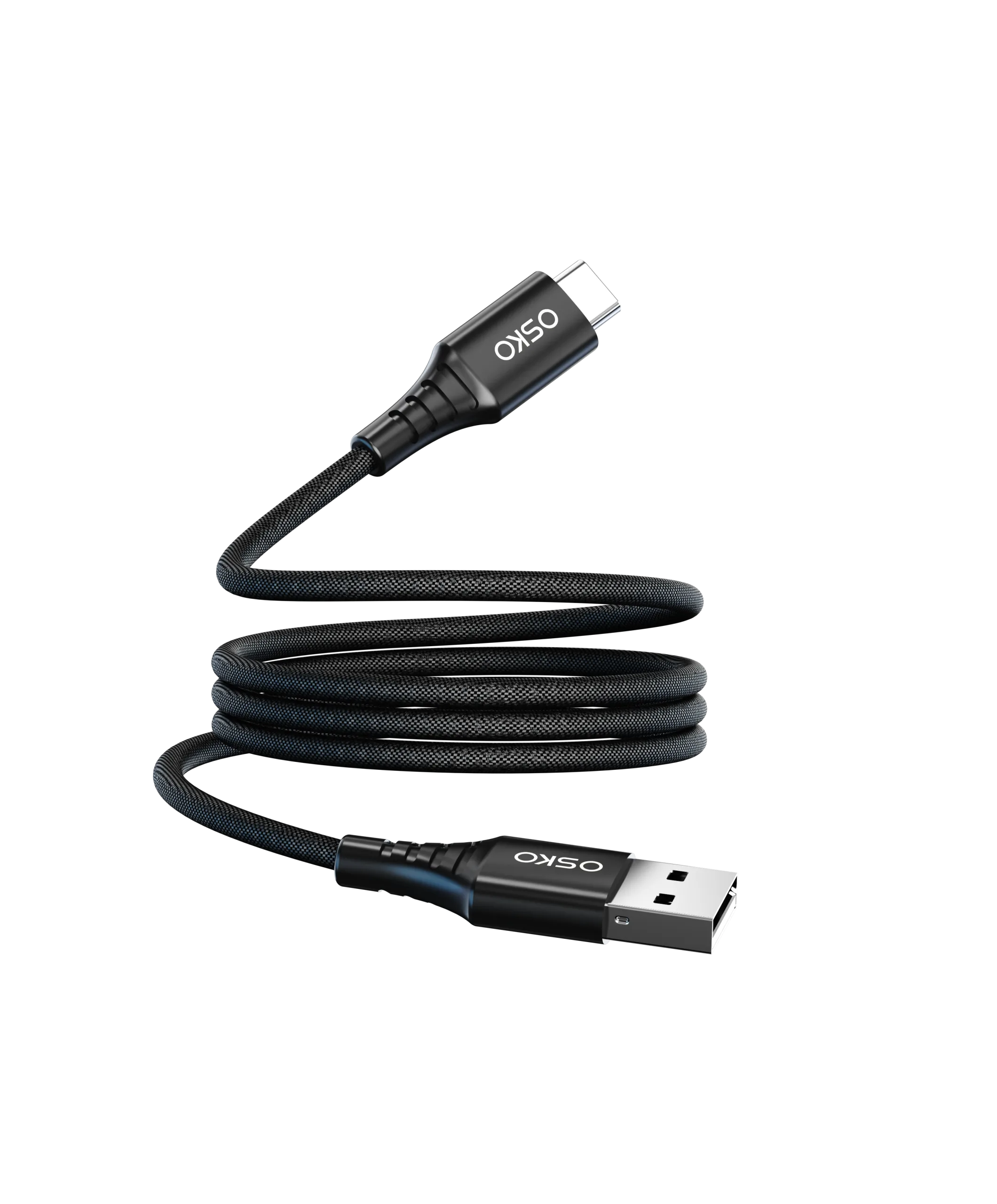
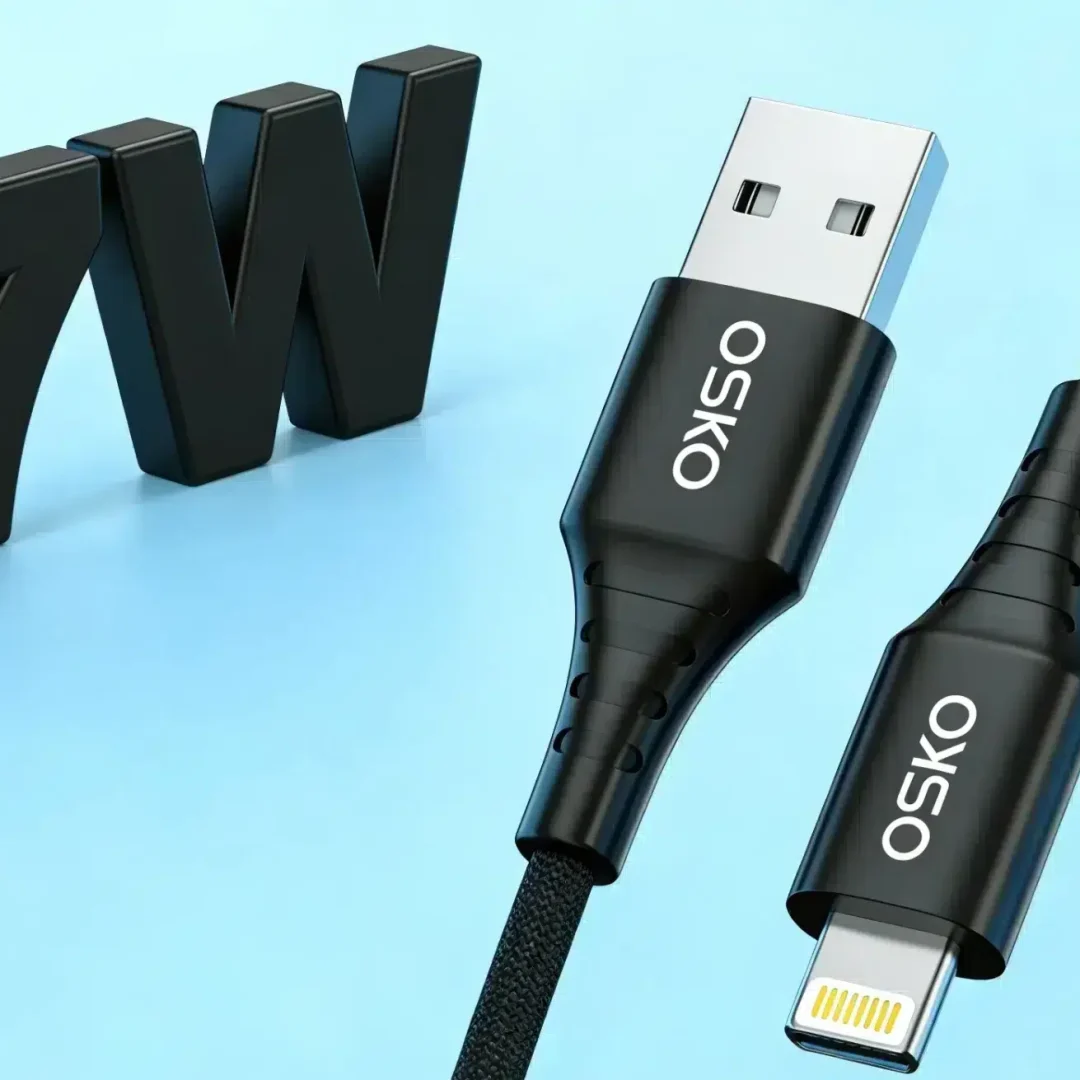
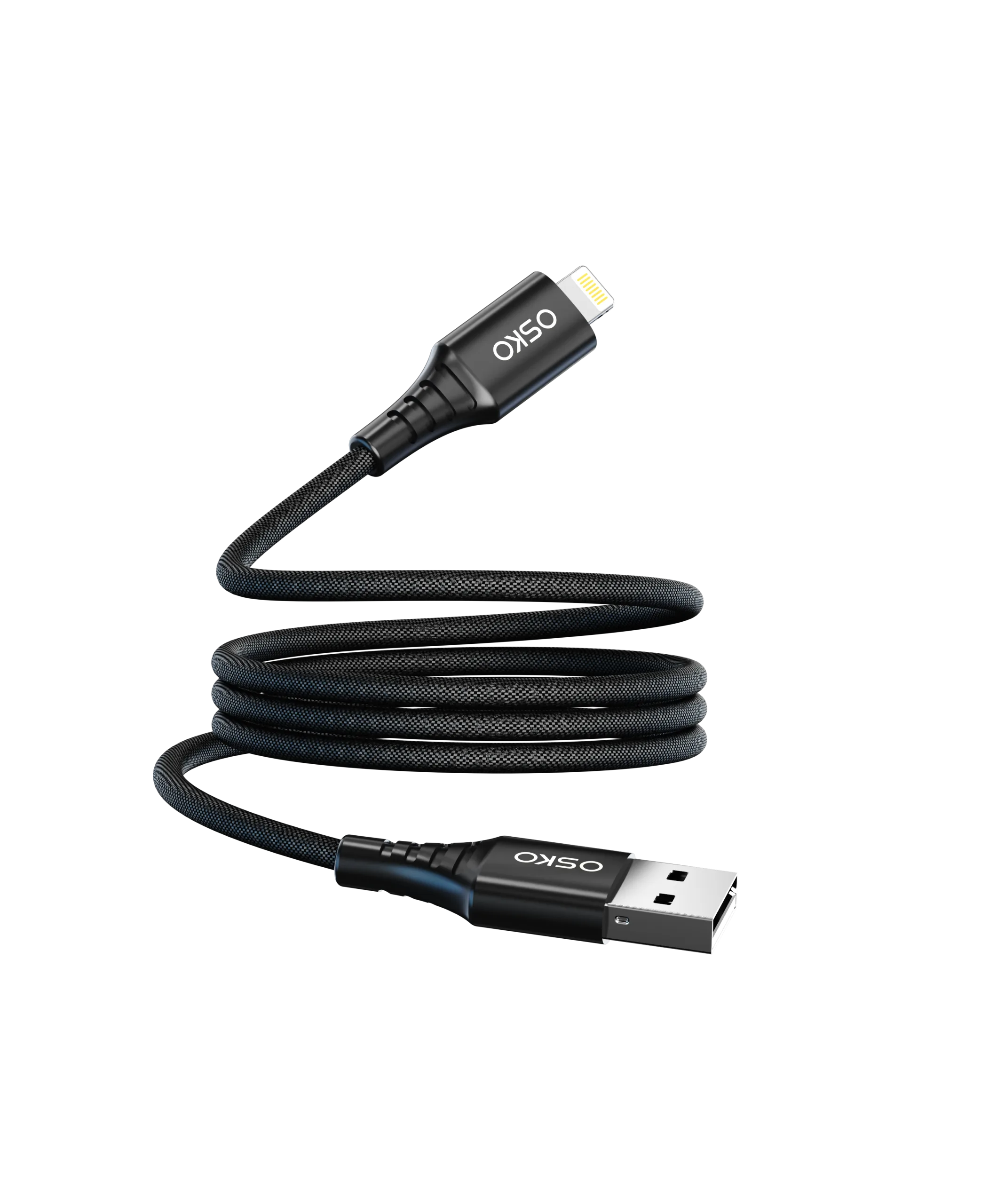
- Custom cable integration
Bulk Production Support
OSKO supports:
USB car charger wholesale orders
Private label charging products
Distributor programs
Brand development projects
Suitable customers include:
Electronics wholesalers
Mobile accessory distributors
Amazon sellers
Automotive accessory brands
Importers
Retail chains
For companies searching for a reliable USB car charger supplier, working directly with an experienced manufacturer helps improve:
Quality consistency
Production communication
Delivery reliability
Product customization
How to Use a USB Car Charger Correctly
To achieve better charging performance:
- Insert the charger securely into the vehicle socket.
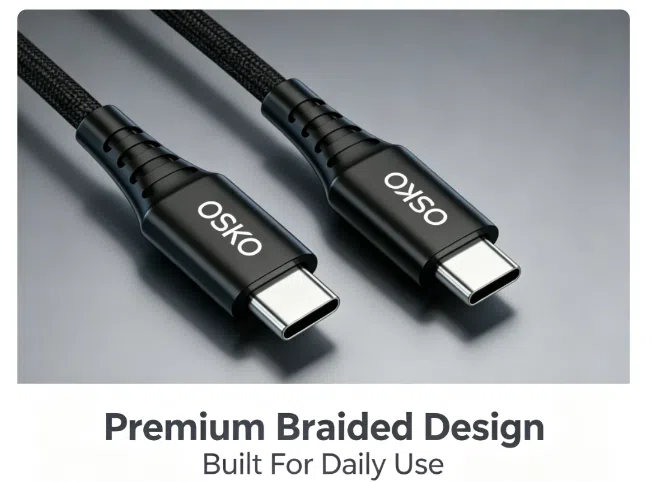
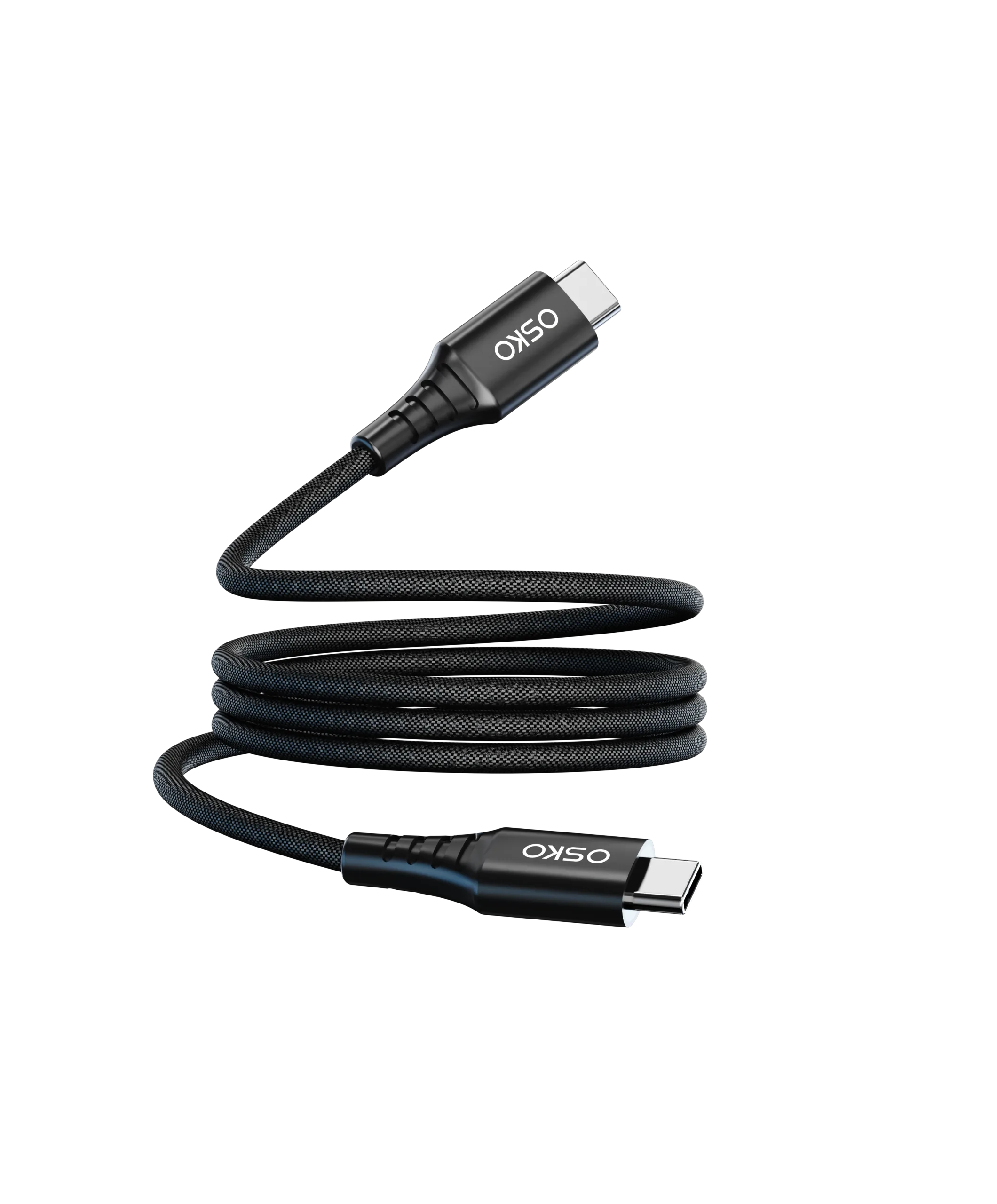
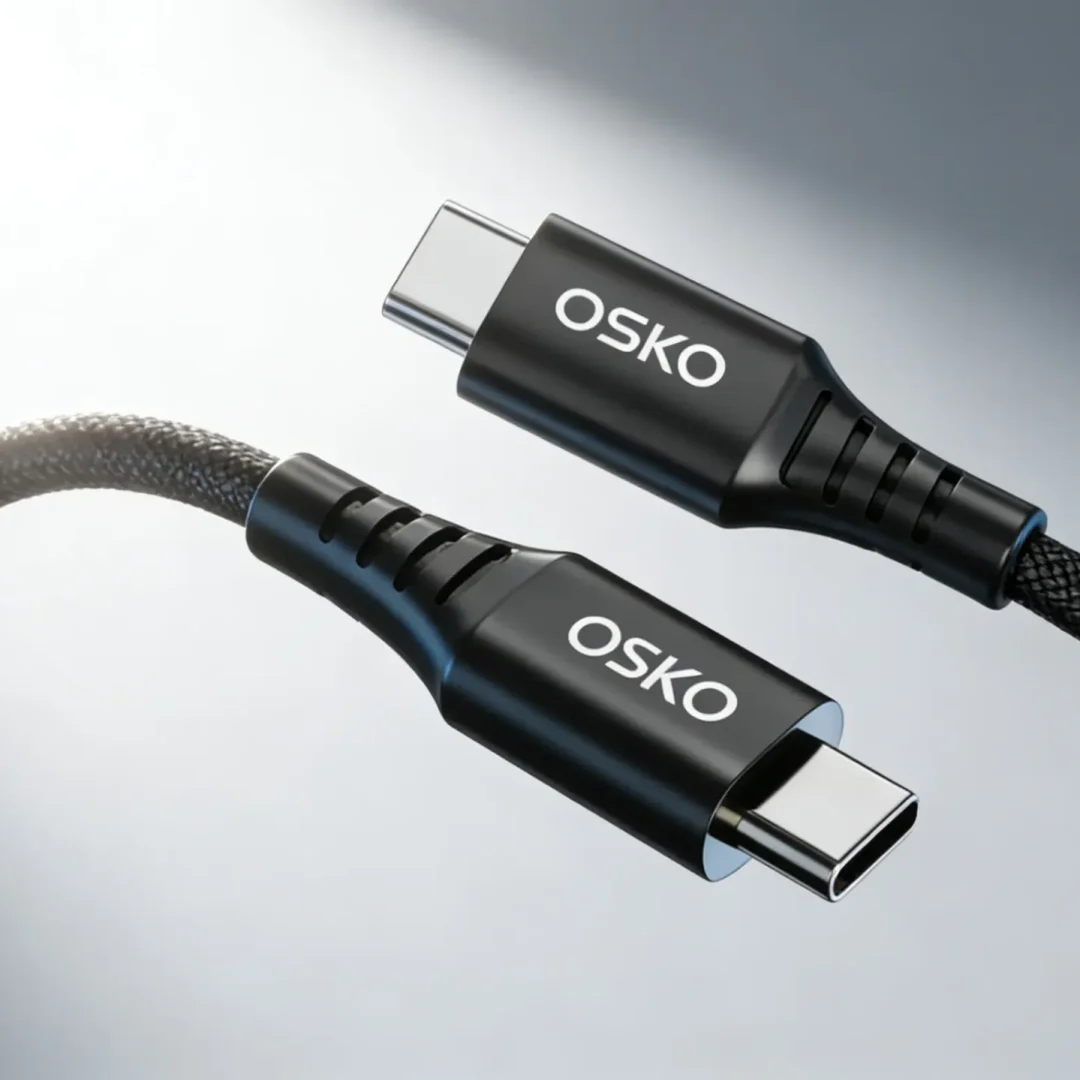
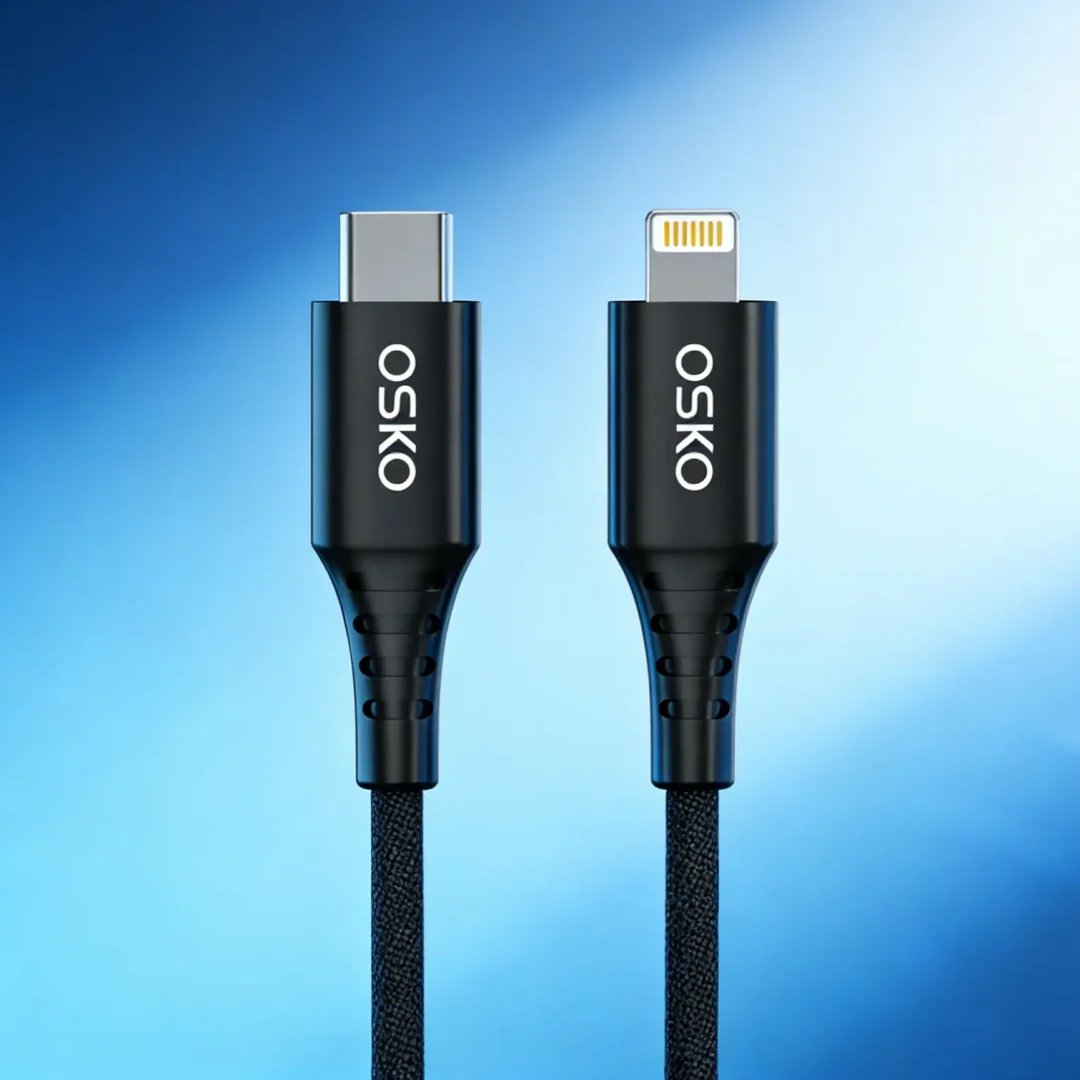
- Use a high-quality USB-C charging cable.
- Confirm device compatibility with PD or QC protocols.
- Avoid covering ventilation areas.
- Disconnect unnecessary devices when not in use.
A premium USB-C charger for car combined with a quality charging cable provides better charging stability.
Frequently Asked Questions About USB Car Chargers
What is a USB car charger?
A USB car charger is a power adapter that converts vehicle electrical power into USB charging output for smartphones, tablets, and other electronic devices.
Modern versions support technologies such as USB PD and Quick Charge for faster charging performance.
Is a USB-C car charger better than USB-A?
For most modern devices, a USB-C car charger provides higher charging power, faster charging speed, and better future compatibility.
USB-A chargers are still useful for older devices and accessories.
What is the fastest USB car charger?
The fastest charger depends on device compatibility and power output.
High-power USB-C PD car chargers can provide faster charging for compatible smartphones, tablets, and some laptops.
Can a USB-C car charger charge a laptop?
Yes, some USB-C car chargers can charge compatible laptops when they support USB Power Delivery and provide sufficient output power.
A 60W or higher USB-C PD charger is typically required for many laptop applications.
Does a USB car charger damage the phone battery?
A quality USB car charger does not damage a phone battery.
Professional chargers use intelligent power management to regulate voltage and current according to device requirements.
How many devices can a multi-port car charger charge?
It depends on the design.
A dual-port charger supports two devices, while advanced multi-port chargers can support three or more devices with intelligent power distribution.
What certifications should a USB car charger have?
Common certifications and compliance requirements include:
CE
FCC
RoHS
Safety testing documentation
Requirements may vary depending on the target market.
Where can businesses buy USB car chargers wholesale?
Businesses can purchase wholesale USB car chargers directly from professional manufacturers.
OEM suppliers can provide:
Custom branding
Packaging design
Product customization
Bulk production support
How do I choose an OEM USB car charger manufacturer?
Important evaluation factors include:
Production reliability
Manufacturing experience
Product testing capability
Engineering support
Customization options
Quality control systems

Conclusion: Choose a Reliable USB Car Charger Manufacturer for Long-Term Success
A modern USB car charger is more than a simple vehicle accessory.
It combines:
Power conversion technology
Charging protocol compatibility
Safety protection
Thermal management
Product engineering
For consumers, choosing the right USB-C car charger ensures faster and safer charging during daily driving and long-distance travel.
For retailers, wholesalers, and private-label brands, partnering with an experienced USB car charger manufacturer provides:
Stable product quality
Lower return risks
Custom development capability
Reliable supply chain support
OSKO specializes in OEM and ODM charging solutions, including:
USB-C PD car chargers
Fast charging car chargers
USB charging accessories
Custom automotive charging products
Request OEM USB Car Charger Solutions
OSKO provides:
Custom logo printing
Private label packaging
Product customization
Bulk wholesale production
Engineering support
For electronics brands, distributors, and automotive accessory companies looking for a reliable USB car charger supplier, OSKO delivers professional manufacturing solutions from product development to mass production.
Contact OSKO today to request samples, technical specifications, and OEM pricing for your next USB car charger project.