
Introduction
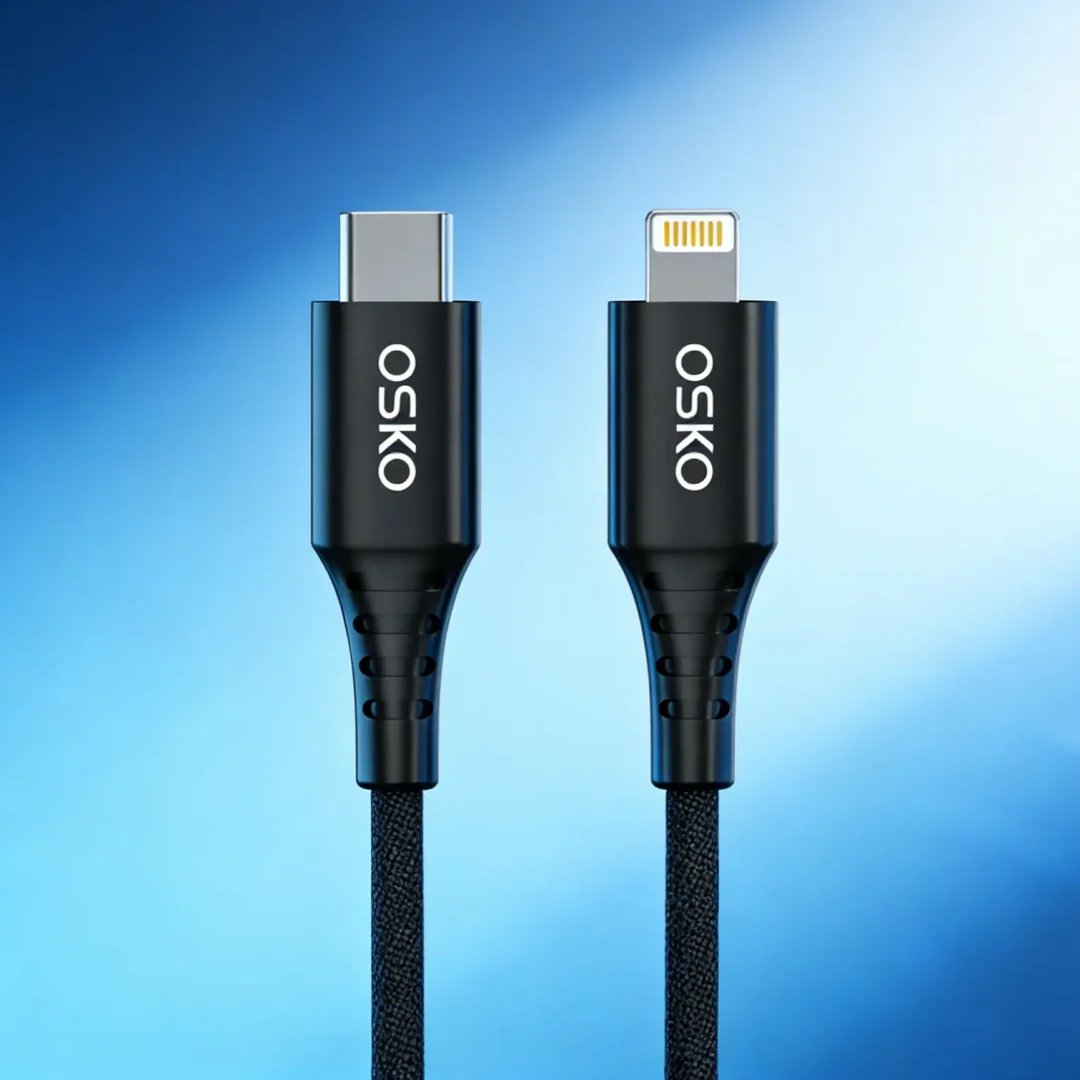
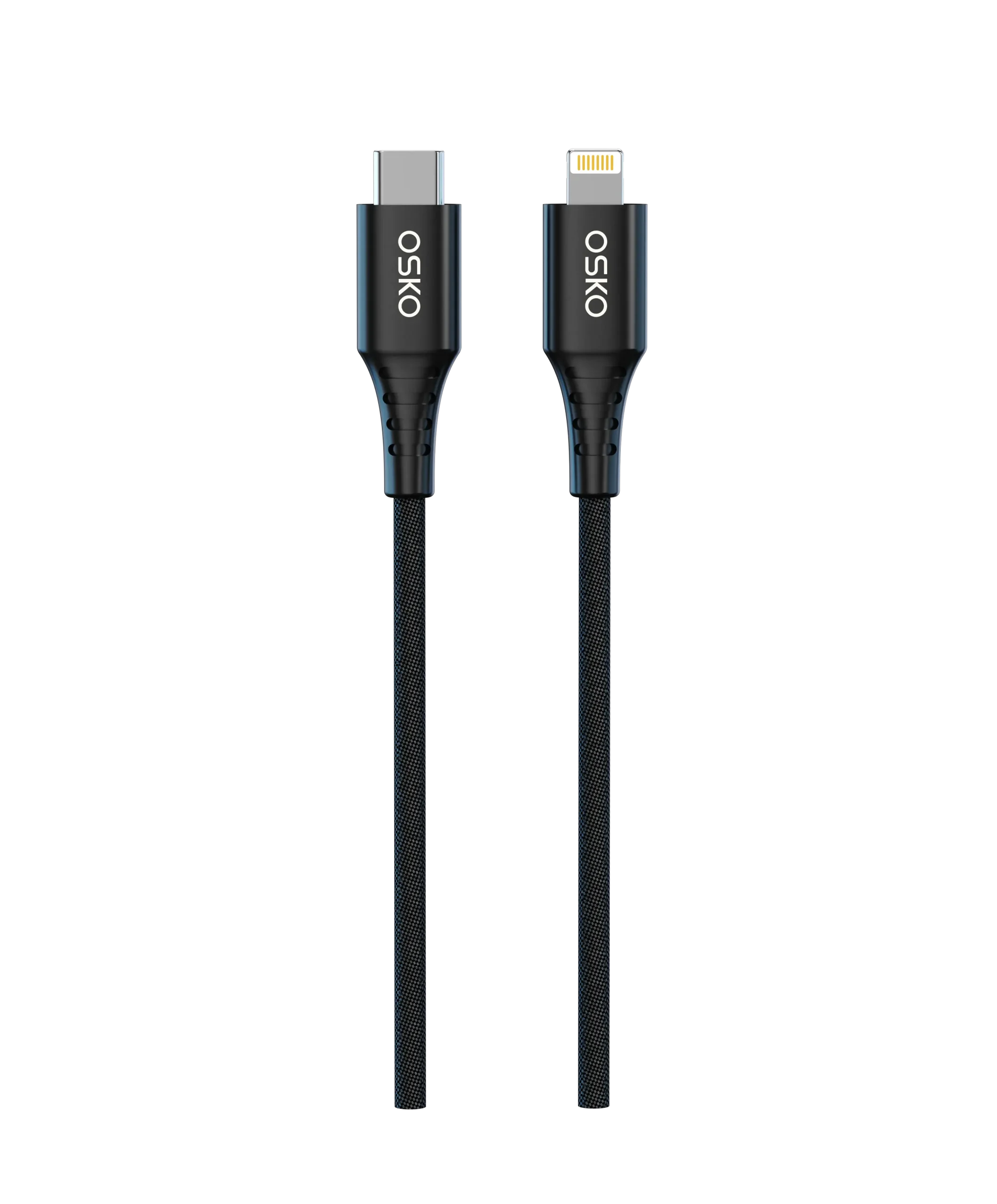
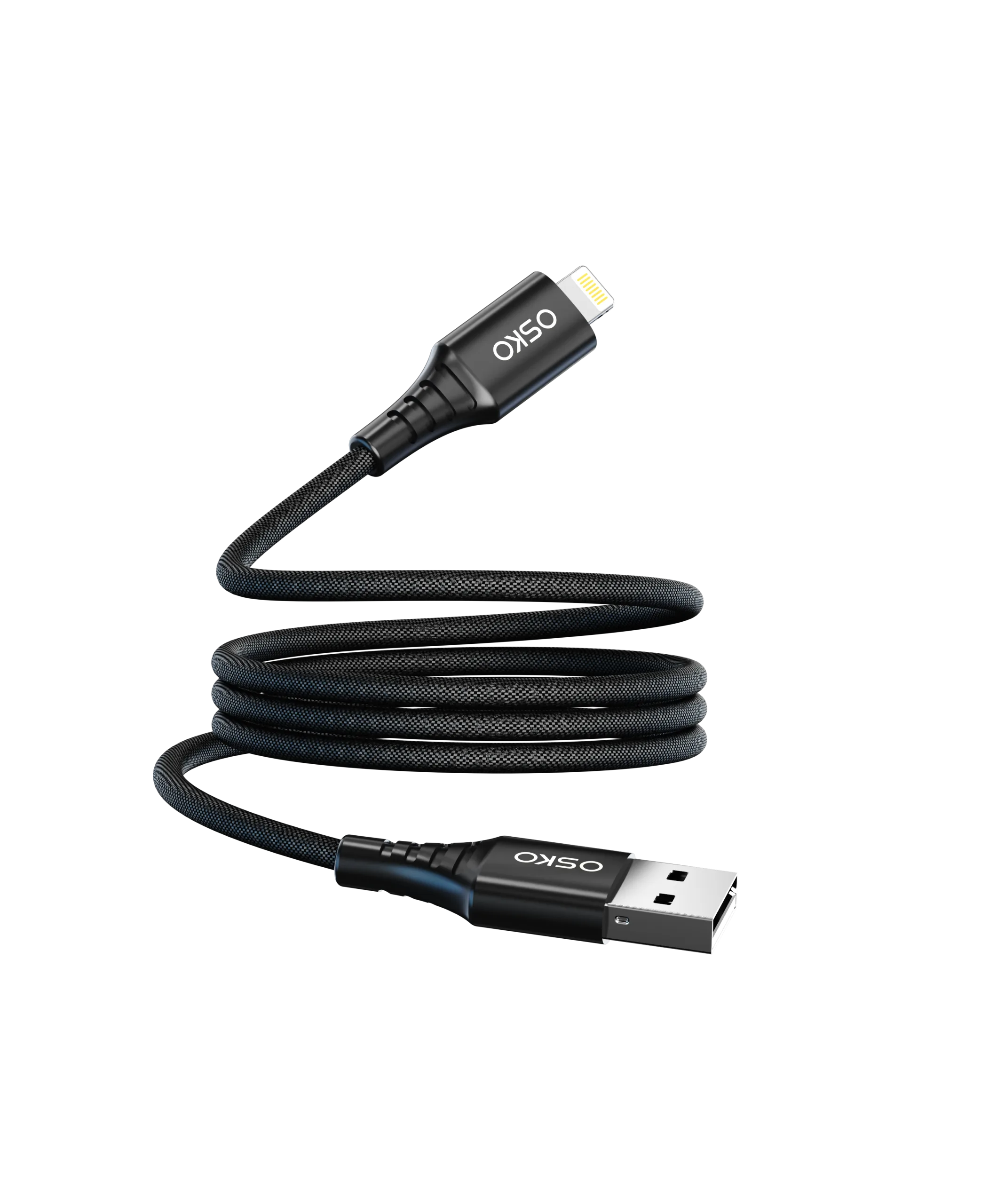
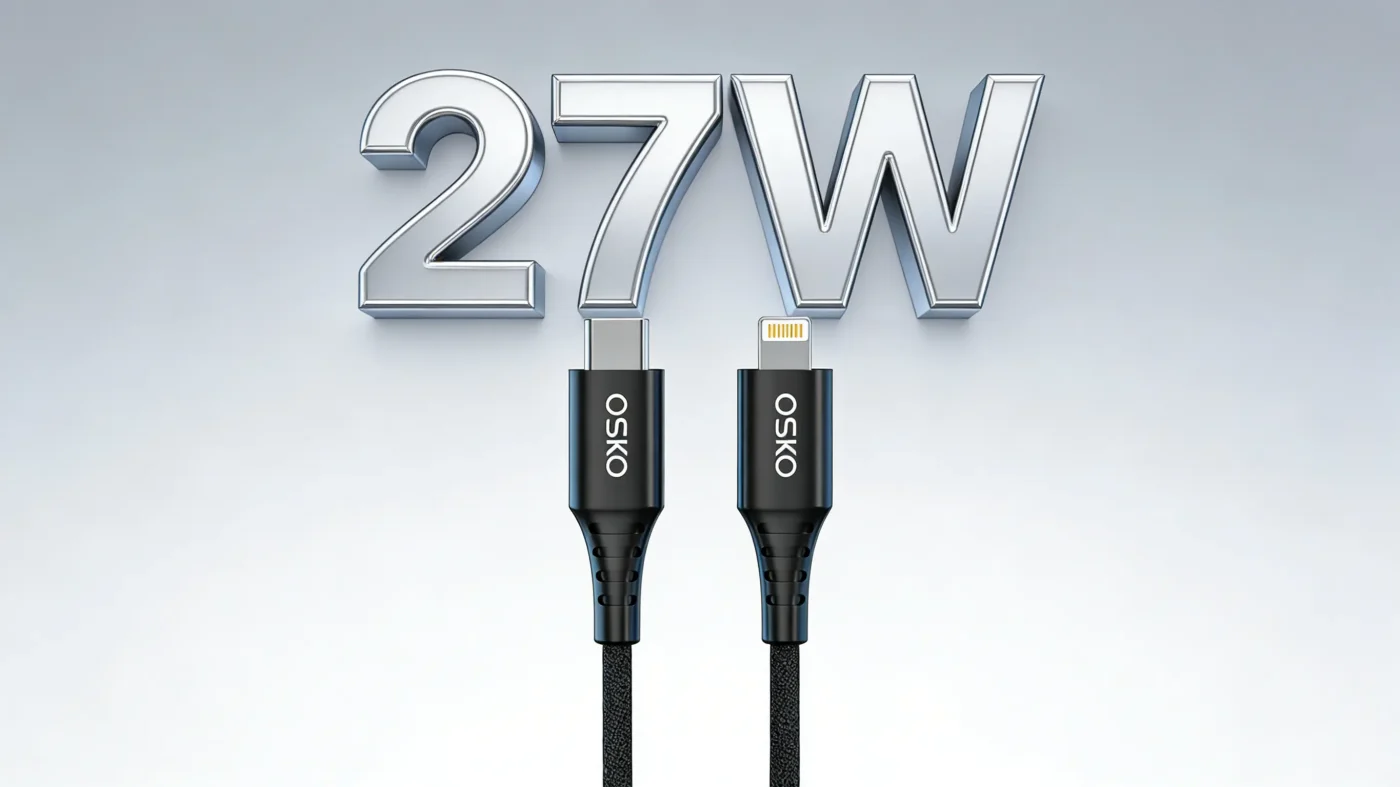
The Apple USB-C to Lightning cable remains one of the most widely used charging accessories in the Apple ecosystem. Although newer iPhone models have transitioned to USB-C ports, millions of Lightning-equipped devices remain active across North America and Europe.
For consumers, the primary concerns are simple:
Fast charging performance
Reliable synchronization
Long-term durability
Device compatibility
For distributors, retailers, and OEM brands, the challenges are different:
High return rates caused by poor-quality cables
Compatibility issues with Apple devices
Product differentiation in a competitive market
Meeting compliance requirements in Europe and North America
A properly engineered Apple USB-C to Lightning cable addresses all these concerns while delivering efficient charging and stable data transfer. Understanding the technology behind these cables is essential for both end users and wholesale buyers.
Applicable Scenarios
Apple USB-C to Lightning cables are used in a wide range of environments, from personal charging setups to enterprise procurement projects.
Home Charging Applications
Many users rely on USB-C to Lightning cables for daily charging of:
iPhone 14 Series
iPhone 13 Series
iPhone 12 Series
AirPods charging cases
Apple accessories
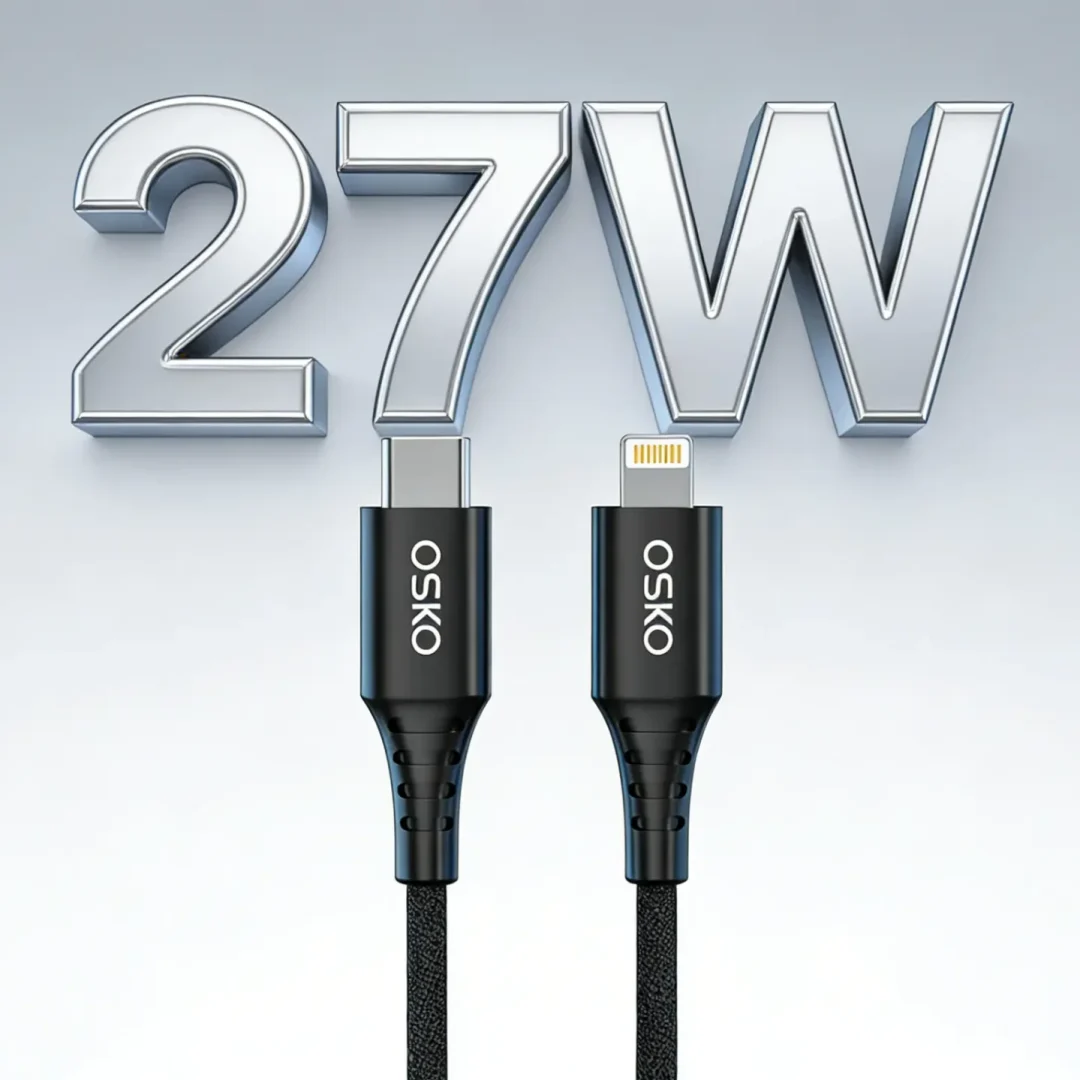
The combination of a USB-C Power Delivery charger and a quality Lightning cable significantly reduces charging time compared to traditional USB-A charging solutions.
Office and Workstation Environments
Professional users frequently require:
Simultaneous charging and synchronization
Stable connections for backups
Reliable performance during software updates
High-quality cables help prevent interruptions that can occur during large data transfers.
Travel Charging Solutions
Travel users often prioritize:
Lightweight construction
Tangle-free storage
Compact cable lengths
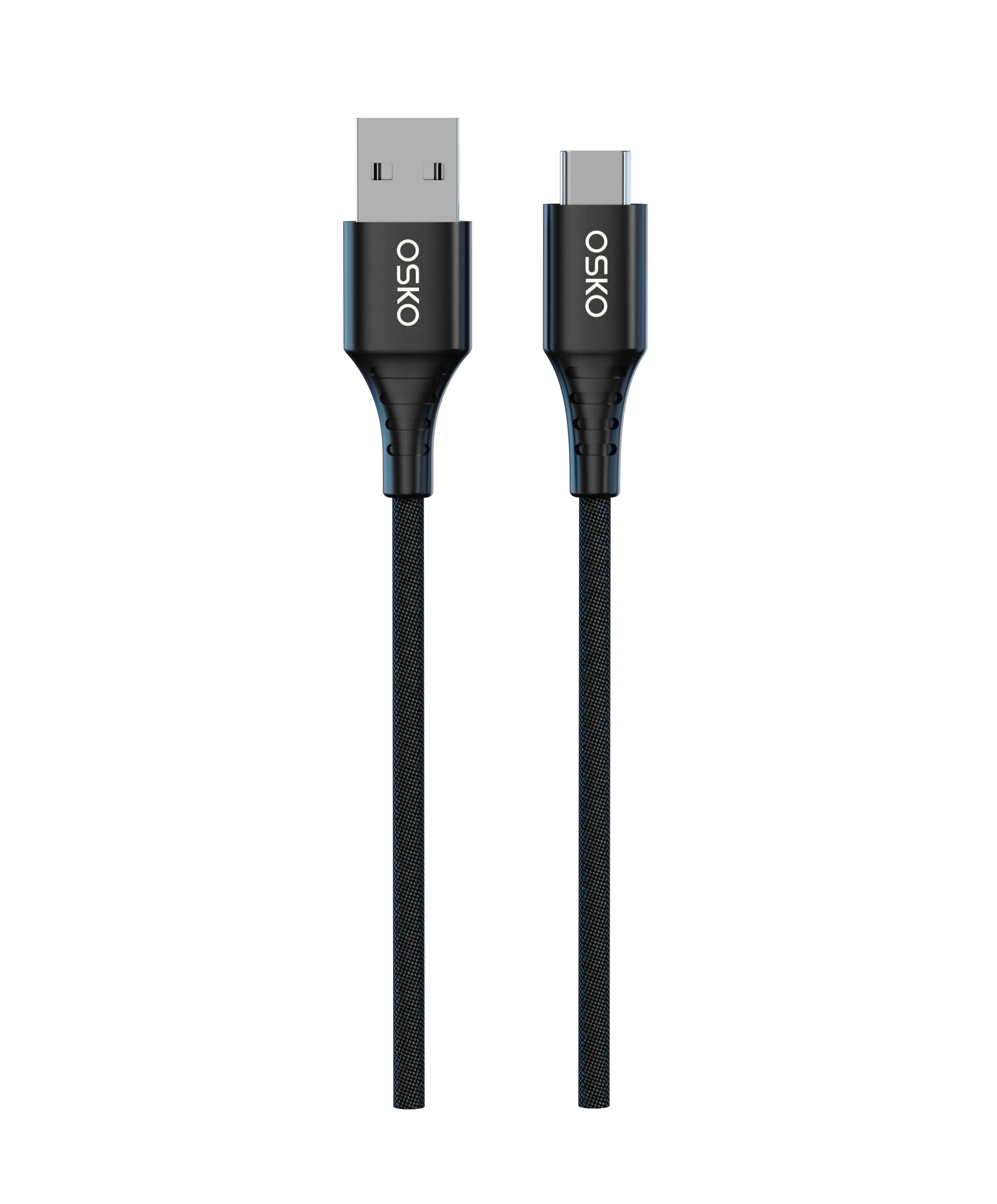
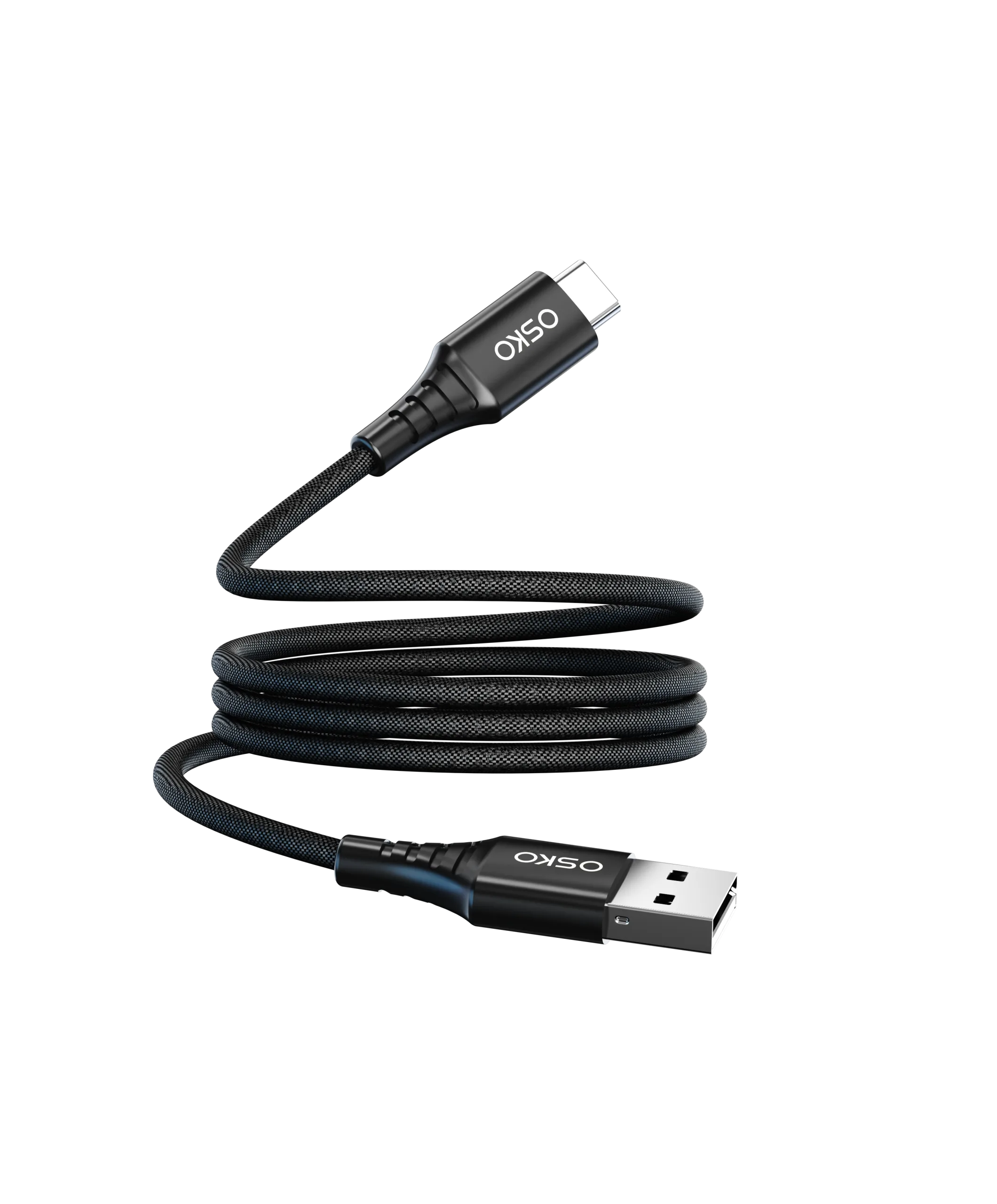
Many brands now offer Bulk short 0.5ft braided Type C cables OEM and portable Lightning solutions designed specifically for travel kits.
Retail and E-Commerce Markets
Retailers frequently bundle USB-C to Lightning cables with:
Wall chargers
Power banks
Vehicle chargers
In North America, braided cable designs continue to outperform standard PVC products due to higher perceived quality and durability.
OEM and Wholesale Projects
Businesses often require:
Custom packaging braided charging cable factory services
OEM ODM custom length USB C cables
Private label product development
Bulk distribution solutions
This has driven increasing demand for specialized cable manufacturers.
Material Science & Dielectric Performance
The performance of an Apple USB-C to Lightning cable depends heavily on its internal structure and materials.
Conductor Materials
The conductor is responsible for carrying both power and data.
Copper Quality Comparison
| Material | Conductivity | Performance |
|---|---|---|
| Copper-Clad Aluminum | Medium | Budget Products |
| Standard Copper | Good | General Applications |
| Oxygen-Free Copper | Excellent | Premium Fast Charging |
Premium manufacturers typically use oxygen-free copper to reduce resistance and improve charging efficiency.
Insulation and Dielectric Materials
The dielectric layer separates conductive components and affects signal quality.
Common materials include:
| Material | Flexibility | Heat Resistance |
|---|---|---|
| PVC | Moderate | Moderate |
| TPE | High | Good |
| PE | Excellent | Excellent |
Higher-quality insulation minimizes signal loss and improves data transfer stability.
Shielding Design
Apple charging cables must support both power delivery and data communication.
Modern cable designs often include:
Aluminum foil shielding
Braided copper shielding
Multi-layer EMI protection
These features reduce electromagnetic interference and improve reliability.
Jacket Construction
The outer jacket determines durability and user experience.
PVC vs Nylon Braided Comparison
| Feature | PVC Cable | Nylon Braided Cable |
|---|---|---|
| Durability | Standard | Excellent |
| Tangle Resistance | Low | High |
| Abrasion Resistance | Moderate | Excellent |
| Premium Appearance | Standard | Premium |
| Service Life | Shorter | Longer |
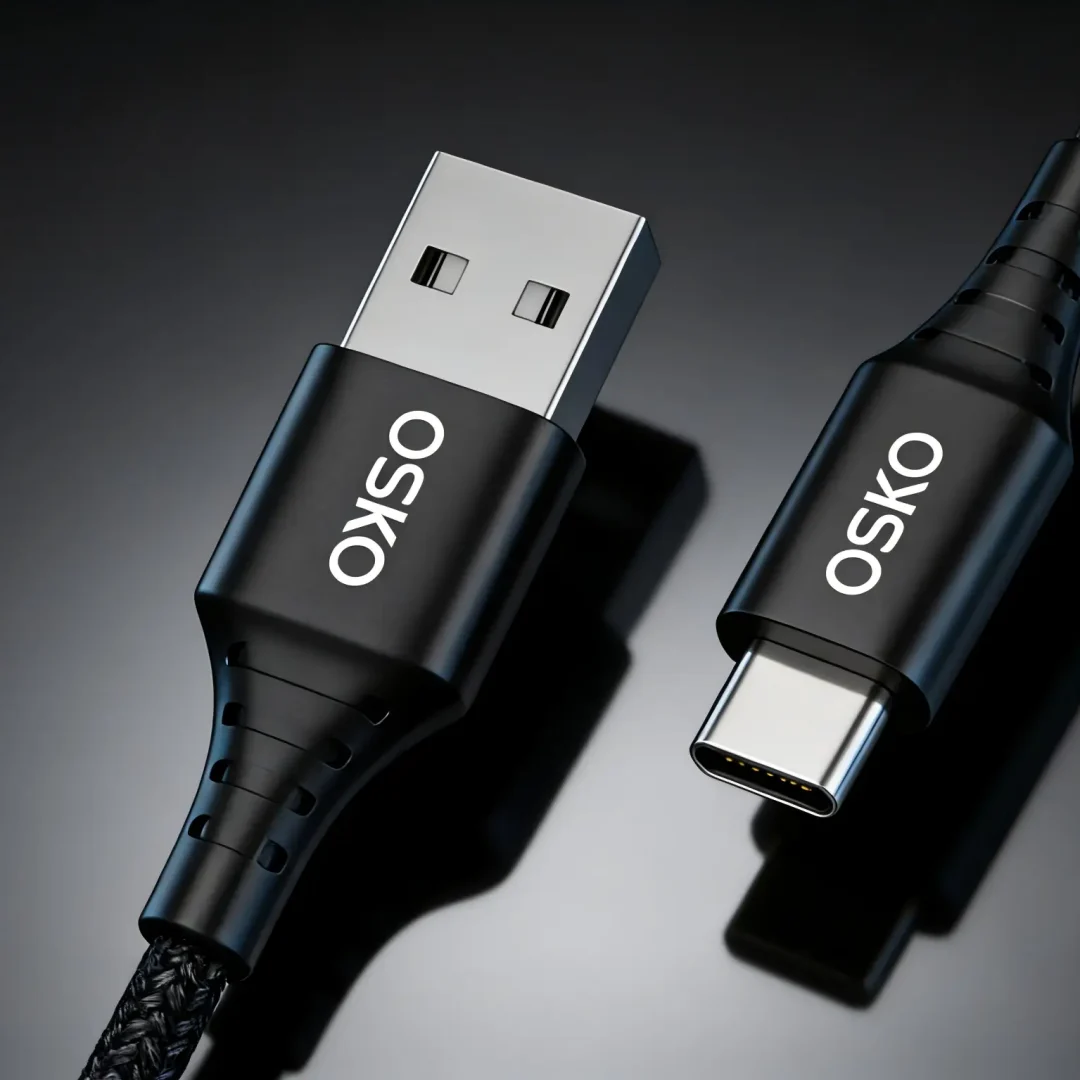
Many buyers now prefer products from a Durable nylon braided Type C charging cable factory because of their superior lifespan.
Charging Performance and Fast Charging Technology
One of the primary advantages of USB-C to Lightning technology is fast charging support.
Traditional Charging vs USB Power Delivery
| Charging Method | Typical Output |
|---|---|
| USB-A Charging | 5W–12W |
| USB-C PD Charging | 18W–30W+ |
When paired with a compatible charger, an iPhone can reach approximately 50% battery capacity in around 30 minutes under optimal conditions.
Why Charging Speeds Differ
Several factors influence charging performance:
Cable Resistance
Poor conductor quality increases resistance and reduces charging efficiency.
Connector Quality
Premium connectors feature:
Gold-plated contacts
Reinforced terminals
Improved conductivity
Manufacturing Precision
Accurate soldering and quality control help ensure stable power delivery.
Data Transfer Performance
In addition to charging, Lightning cables support data synchronization.
Common uses include:
Device backups
Media transfers
Software updates
File synchronization
Stable signal transmission depends on conductor quality, shielding design, and connector integrity.
Industry Case Study
OEM Consumer Electronics Brand
Customer Background
A North American electronics retailer planned to launch a private-label Apple accessory line.
The company faced several challenges:
High return rates from previous suppliers
Inconsistent charging performance
Packaging quality concerns
Engineering Challenges
Testing revealed:
Inadequate conductor sizing
Weak strain relief structures
Connector failures after repeated use
OSKO Solution
OSKO developed a customized solution featuring:
Oxygen-free copper conductors
Reinforced connector molding
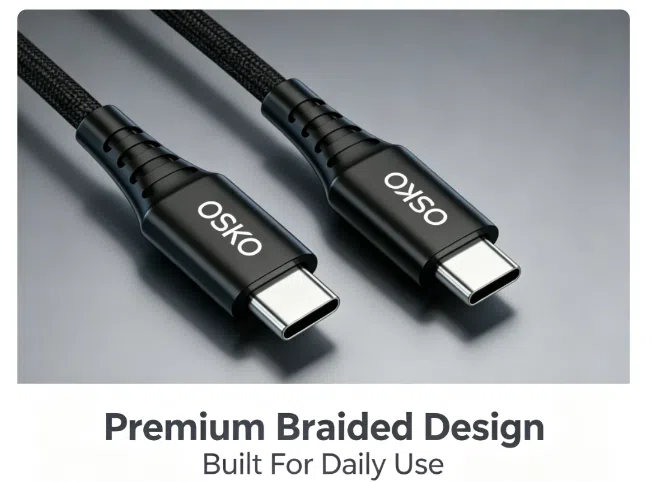
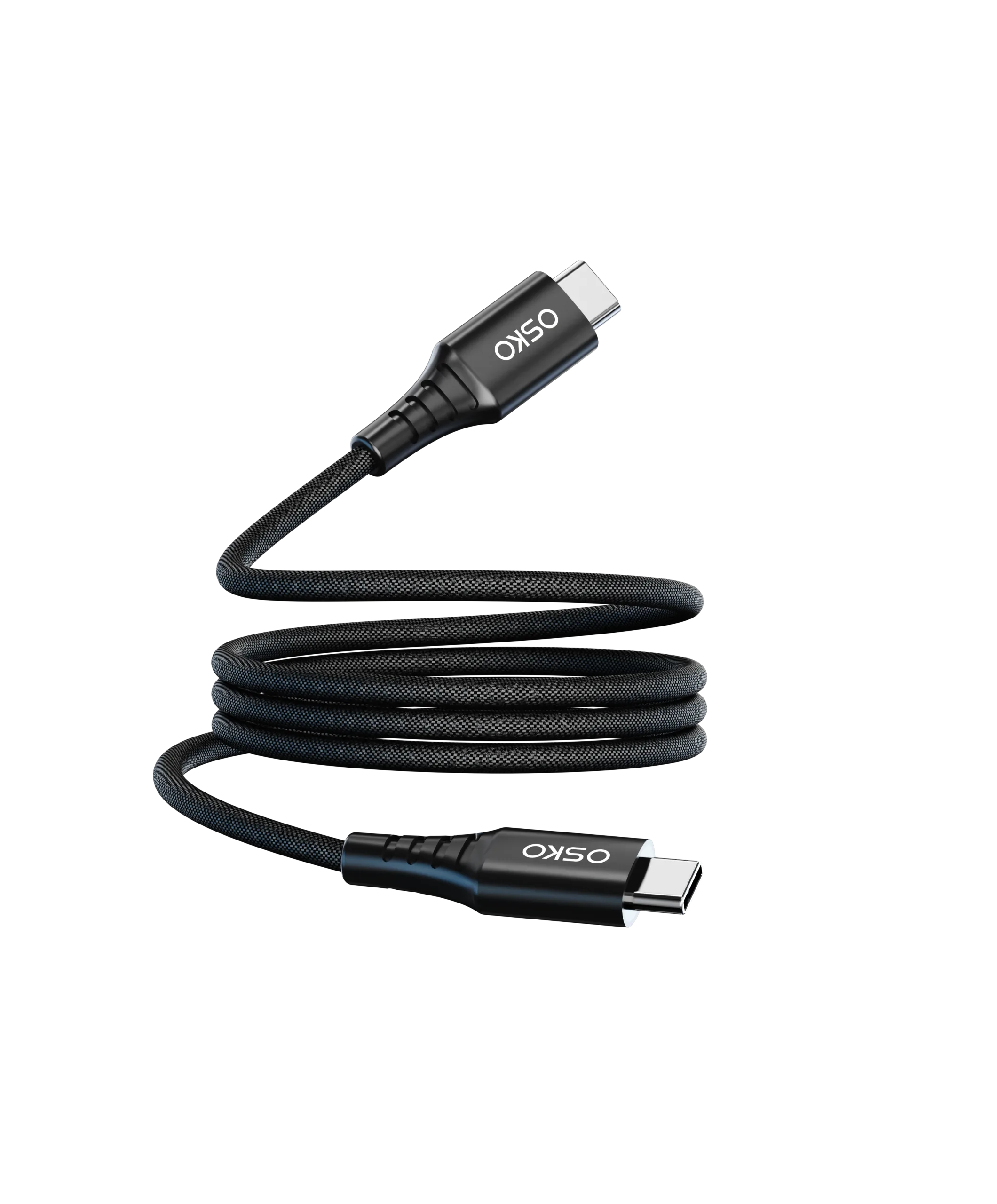
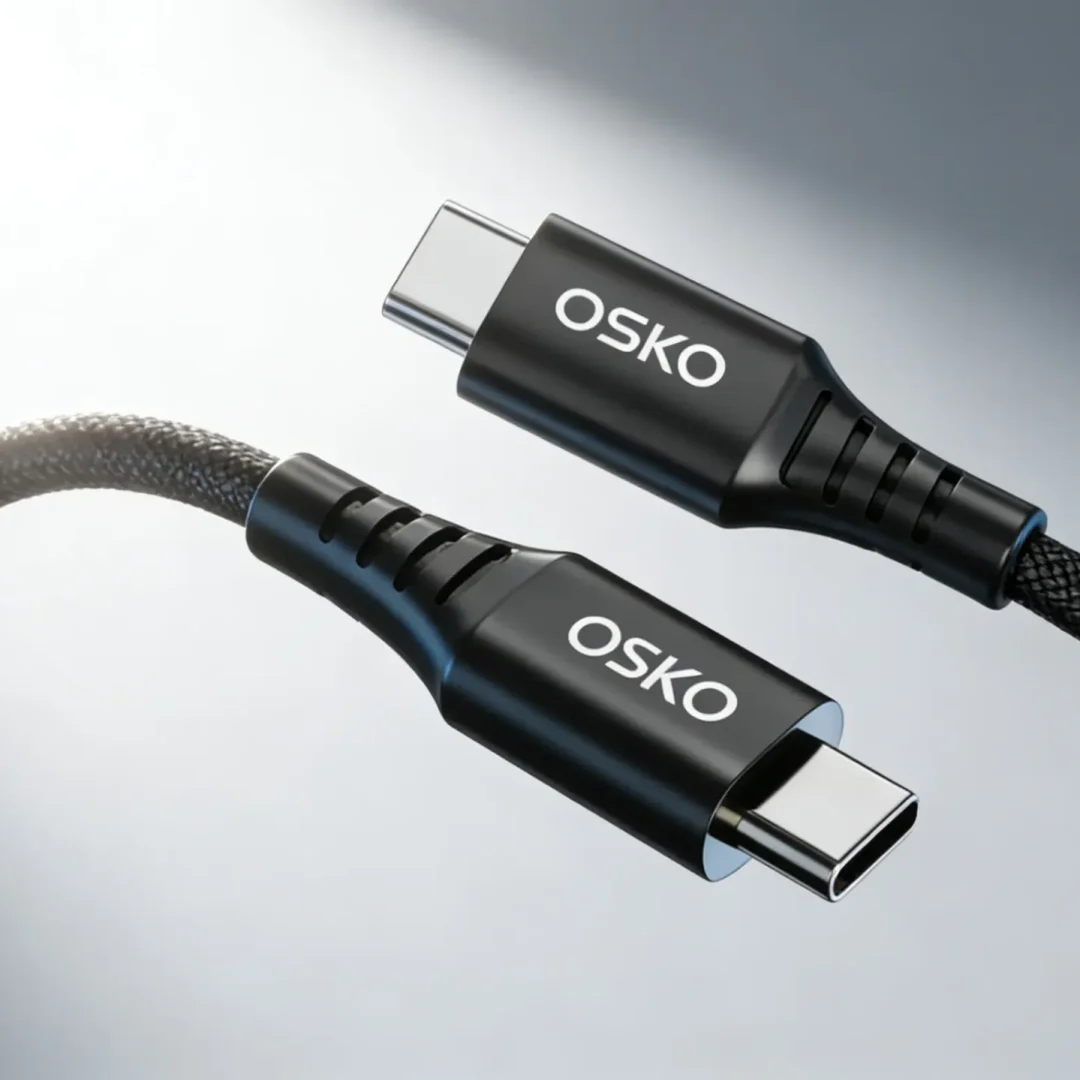
Nylon braided construction
Retail-ready custom packaging
The project also incorporated requirements commonly requested from an ISO9001 certified braided USB cable factory.
Results
The retailer achieved:
Lower product returns
Improved customer satisfaction
Enhanced brand reputation
Increased repeat orders
Wholesale Distribution Project
A European distributor required:
Bulk custom 6ft 10ft USB-C cables
CE and RoHS documentation
Consistent manufacturing quality
OSKO delivered a solution aligned with regional compliance standards and long-term supply requirements.

Purchase Recommendations
Choosing the right Apple USB-C to Lightning cable depends on application requirements.
For Consumers
Prioritize:
MFi-certified solutions
Reinforced connectors
Nylon braided construction
USB-C PD compatibility
For Retailers
Focus on:
Product durability
Packaging quality
Fast charging performance
Brand differentiation
For OEM Buyers
Evaluate suppliers based on:
| Evaluation Factor | Importance |
|---|---|
| Manufacturing Experience | High |
| Quality Control Systems | High |
| Compliance Documentation | High |
| Customization Capabilities | High |
| Production Capacity | High |
Reliable manufacturers often provide:
OEM ODM custom length USB C cables
White label charging solutions
Custom branding services
Retail packaging development
For North American and European Markets
Look for suppliers capable of supporting:
CE compliance
RoHS compliance
FCC approved nylon braided USB C cable supplier requirements
Stable large-scale production
FAQ
Is a USB-C to Lightning cable faster than a USB-A to Lightning cable?
Yes. USB-C Power Delivery enables significantly faster charging compared to traditional USB-A charging solutions.
Do all USB-C to Lightning cables support fast charging?
No. Fast charging performance depends on cable quality, charger compatibility, and device support.
Are braided Lightning cables more durable?
Yes. Braided cables typically offer greater resistance to bending, abrasion, and daily wear.
Why do some Lightning cables cost more than others?
Price differences often reflect:
Material quality
Connector design
Manufacturing precision
Compliance and certification costs
Can OEM suppliers customize Lightning cables?
Yes. Most professional manufacturers offer:
Custom cable lengths
Custom colors
Private label packaging
Logo printing
Retail-ready solutions
Summary
The Apple USB-C to Lightning cable remains an essential accessory for millions of Apple users worldwide. Its ability to support fast charging, stable data transfer, and broad device compatibility makes it a key product category for both consumers and businesses.
From a technical perspective, cable performance depends on conductor materials, dielectric insulation, shielding structures, and connector quality. Premium solutions built with oxygen-free copper and durable braided jackets consistently outperform low-cost alternatives.
For distributors, retailers, and OEM brands serving North American and European markets, selecting an experienced manufacturing partner is equally important. Suppliers capable of delivering compliance, customization, and reliable production help create products that meet market expectations while supporting long-term business growth.
By combining engineering quality, fast charging capability, and professional OEM services, Apple USB-C to Lightning cables will continue to play a significant role in the global charging accessory market.
Request an OEM Quote
OSKO Lightning Cable Manufacturing Solutions
Products
Apple USB-C to Lightning Cable
Nylon Braided Lightning Cable
Fast Charging Lightning Cable
Custom Length Lightning Cable
Private Label Charging Cable Solutions
Logo Printing
Custom Packaging
OEM ODM Manufacturing
Bulk Custom Length Production
Retail & E-commerce Packaging