
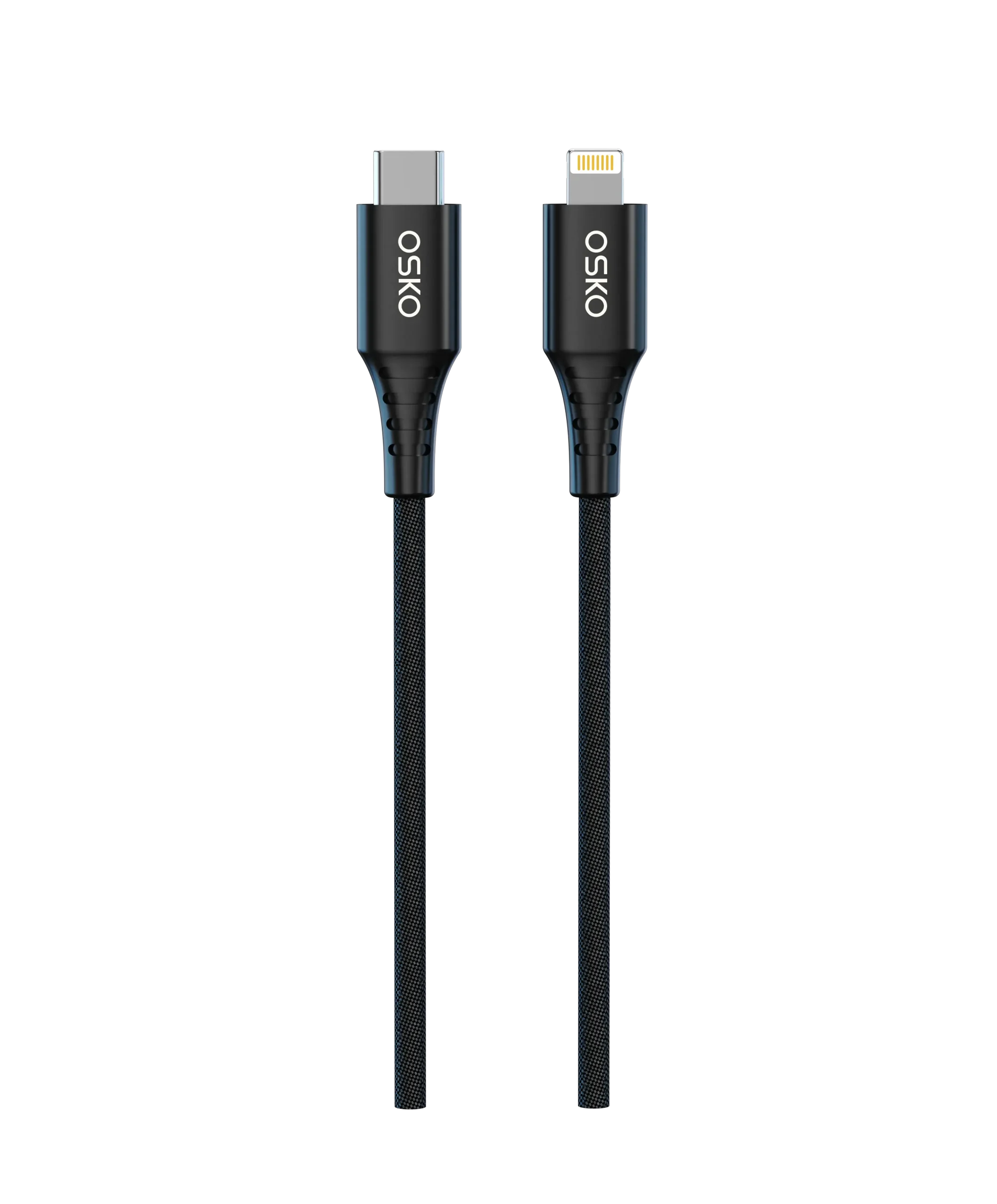
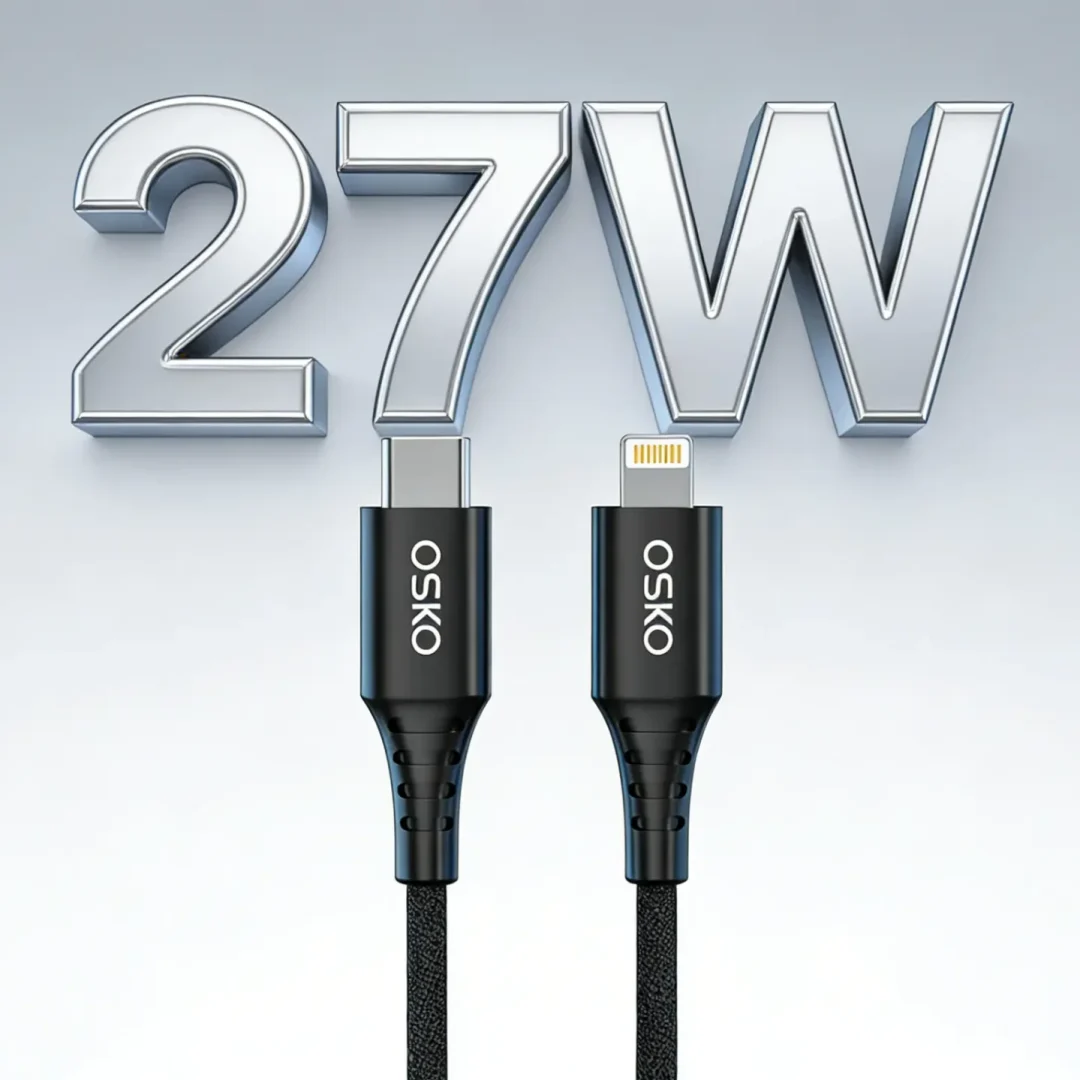
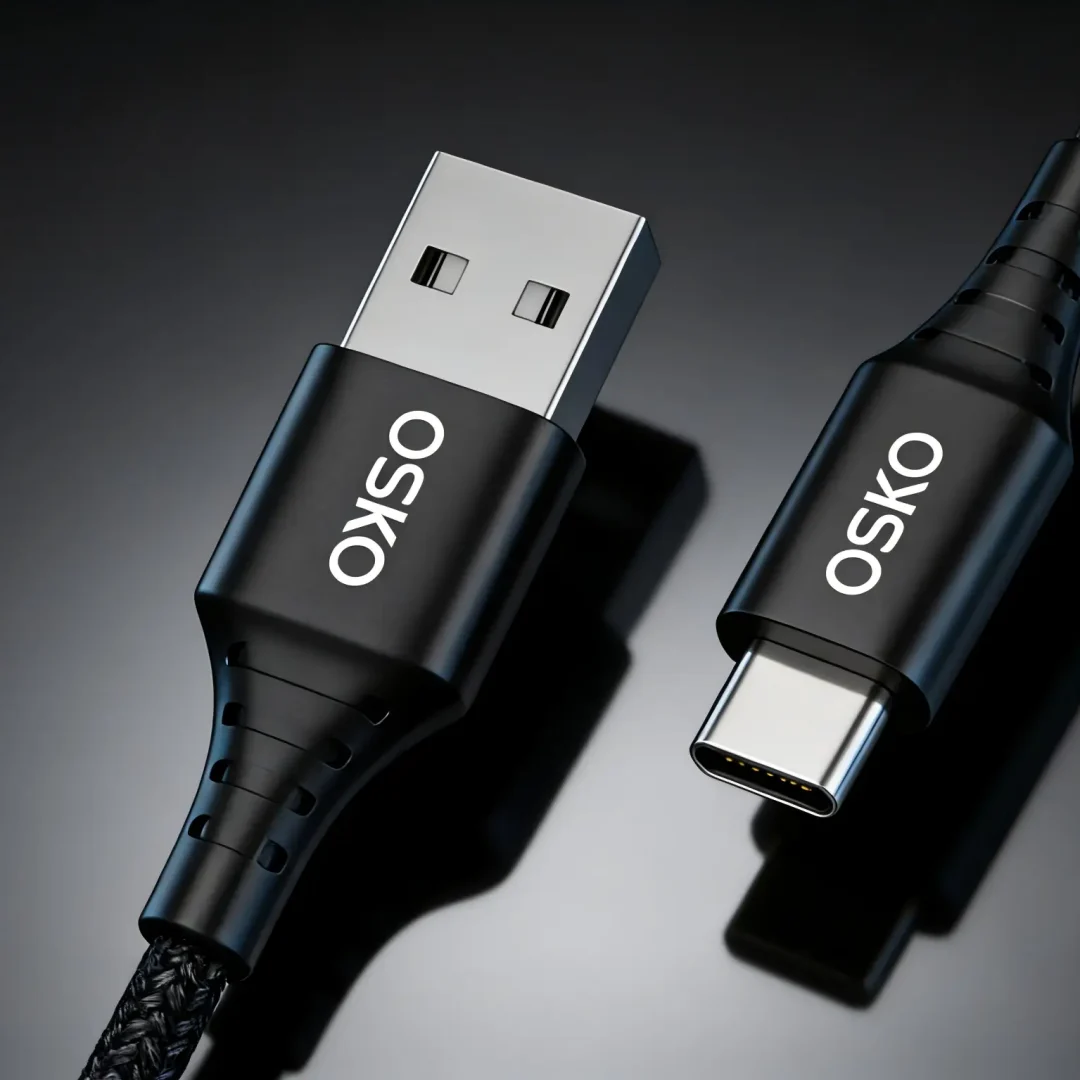
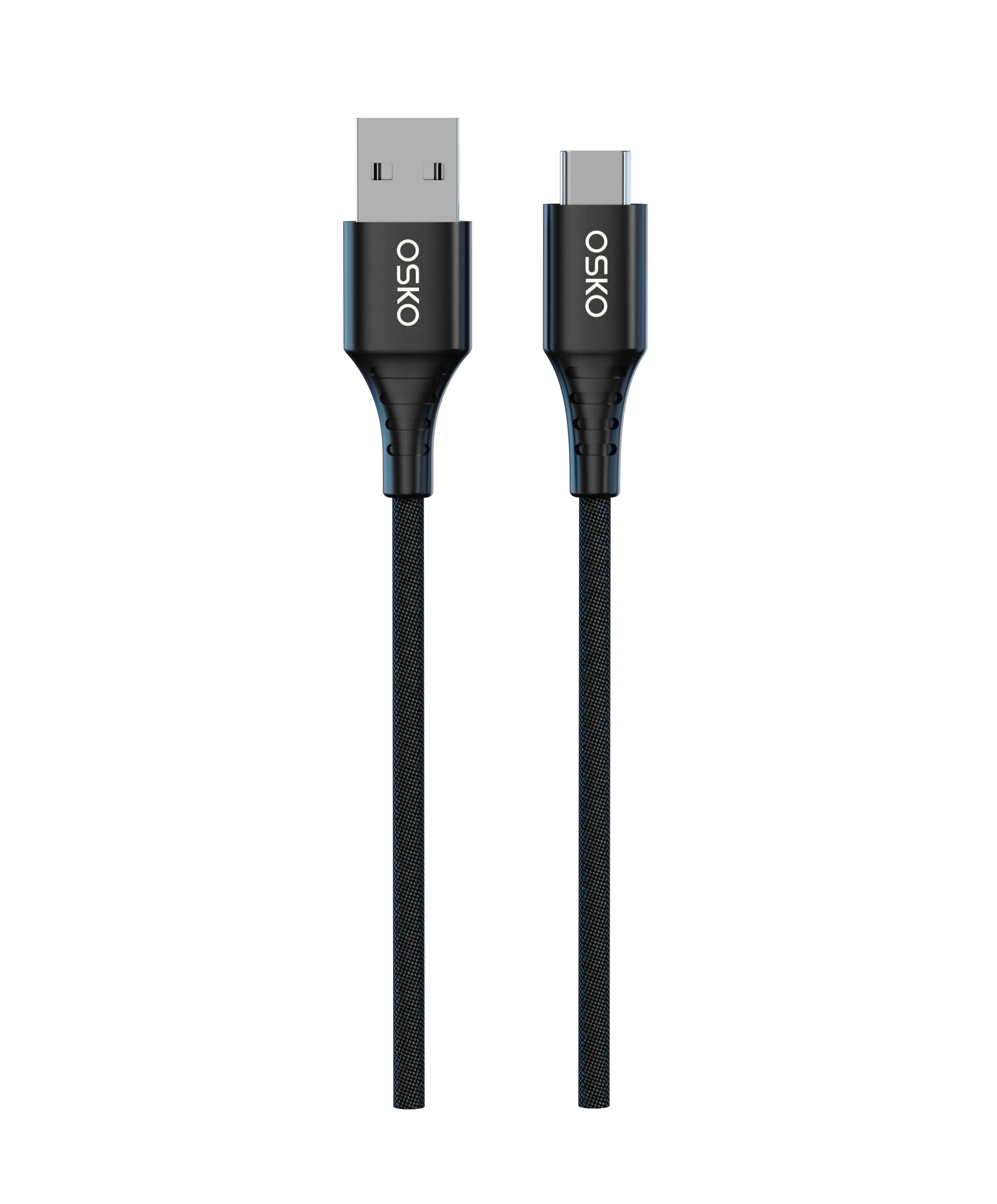
Cheap USB-C cables can look almost identical to premium products when they are sitting next to each other on a supplier’s quotation sheet. The difference often becomes visible only after the cables reach customers.
Charging complaints, loose connectors, damaged jackets, intermittent data connections, inconsistent fast charging, and premature cable failure can quickly turn a low purchase price into a high total cost for retailers and distributors.
That is why professional buyers increasingly evaluate more than unit price when sourcing a nylon braided USB-C cable.
They look at conductor construction, connector quality, charging capability, mechanical durability, production testing, traceability, and applicable market requirements.
For US-bound products, buyers may also search for an FCC-compliant USB-C cable or “FCC-approved USB-C cable.” However, these terms should be used carefully. FCC requirements generally apply to regulated electronic devices and intentional or unintentional radiators depending on the product and configuration; a passive USB cable should not automatically be described as having standalone “FCC approval.”
For an OEM manufacturer, the more accurate approach is to identify the actual compliance requirements applicable to the complete product and provide supporting test or compliance documentation where appropriate.
This guide explains what buyers should evaluate when sourcing FCC-compliant nylon braided USB-C cables, including charging performance, materials, OEM customization, quality control, and wholesale supplier qualification.
What Is an FCC-Compliant Nylon Braided USB-C Cable?
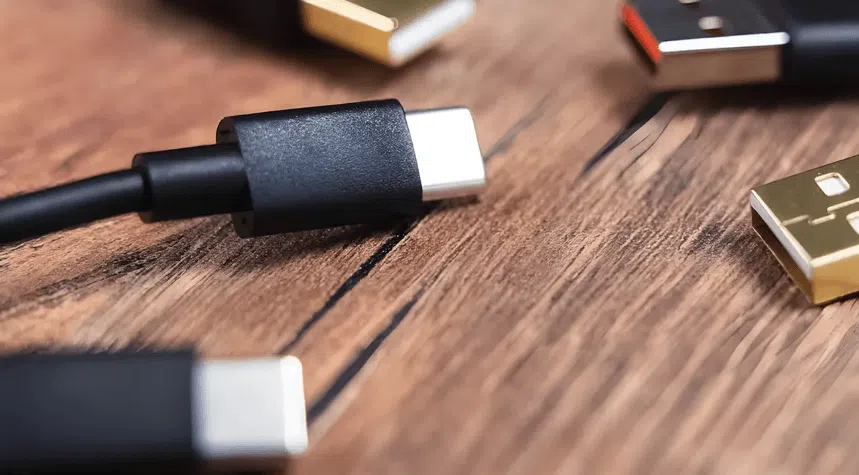
A FCC-compliant nylon braided USB-C cable is a USB-C cable designed and manufactured with consideration for applicable US electromagnetic compatibility requirements and the regulatory status of the finished product or system in which it is used.
The term “FCC-compliant” is therefore more precise than automatically calling every USB-C cable “FCC approved.”
This distinction matters for procurement teams.
A passive charging or data cable does not necessarily have the same FCC regulatory pathway as an electronic charger, powered device, wireless product, or other equipment containing active electronics.
If a cable is supplied with an electronic accessory or incorporates electronics such as identification or control circuitry, the compliance assessment should consider the complete product configuration.
For buyers, the practical question is:
What FCC-related testing or compliance documentation applies to this specific product?
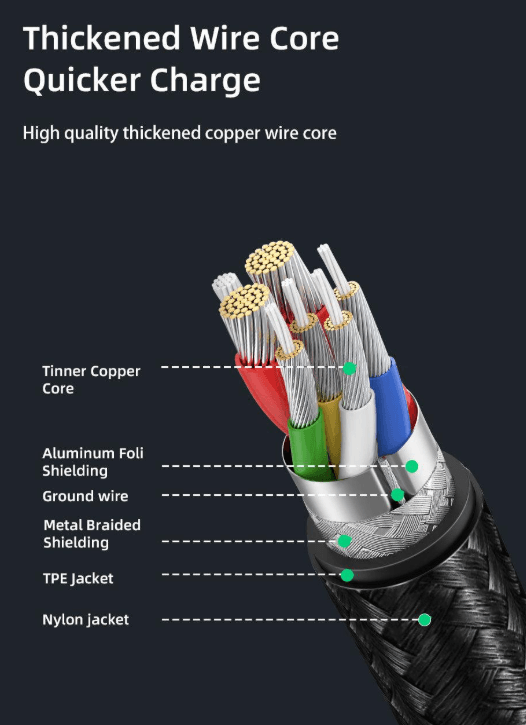
A professionally engineered braided USB-C cable may include:
Copper conductors
Individual insulation layers
Shielding appropriate to the signal design
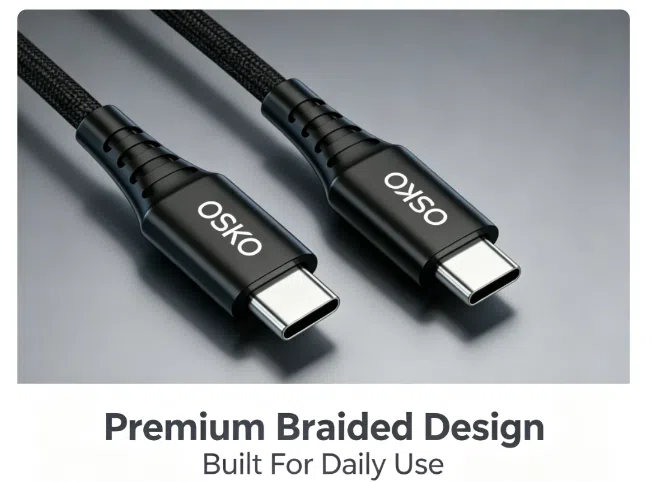
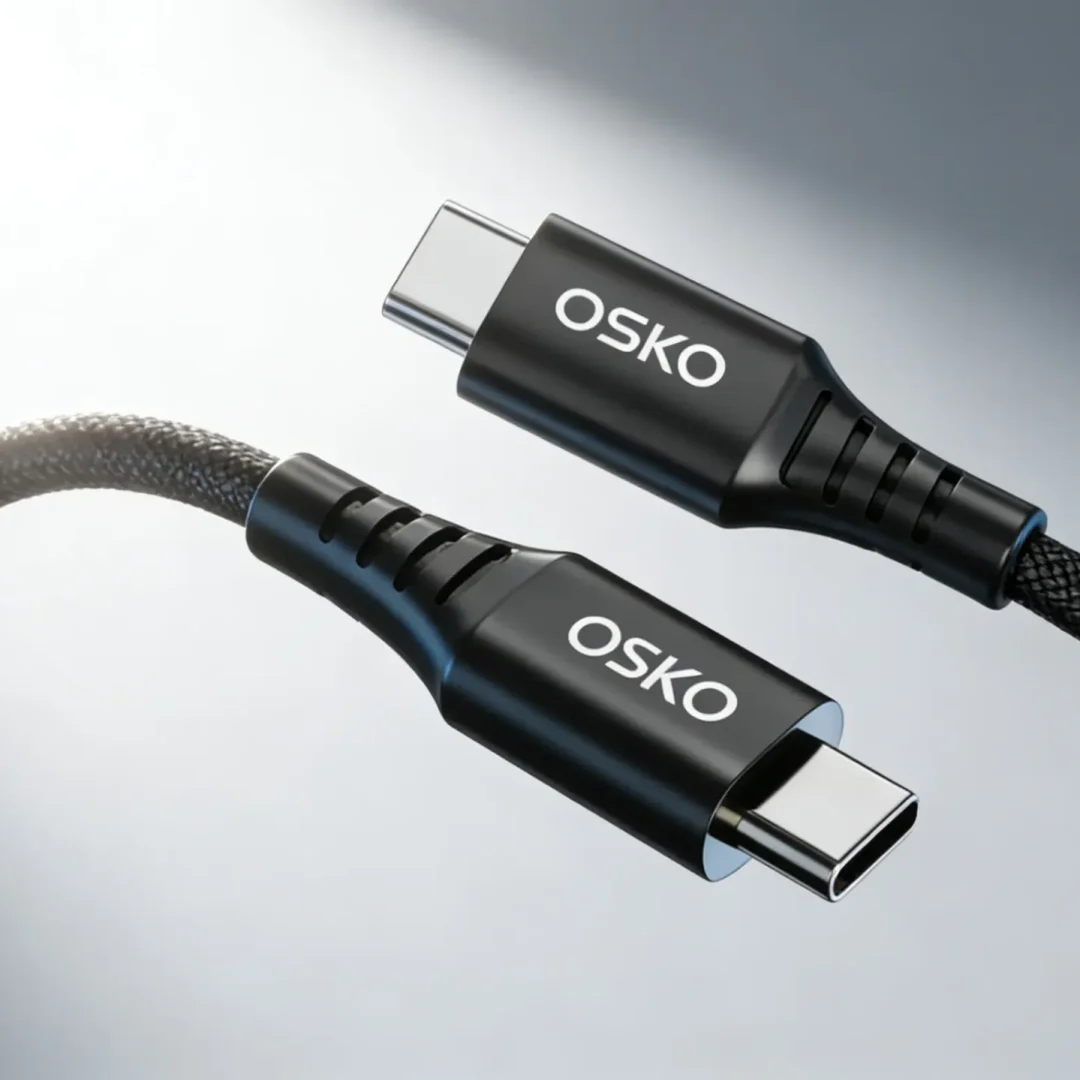
Nylon braided outer jacket
Molded strain relief
Reinforced connector housing
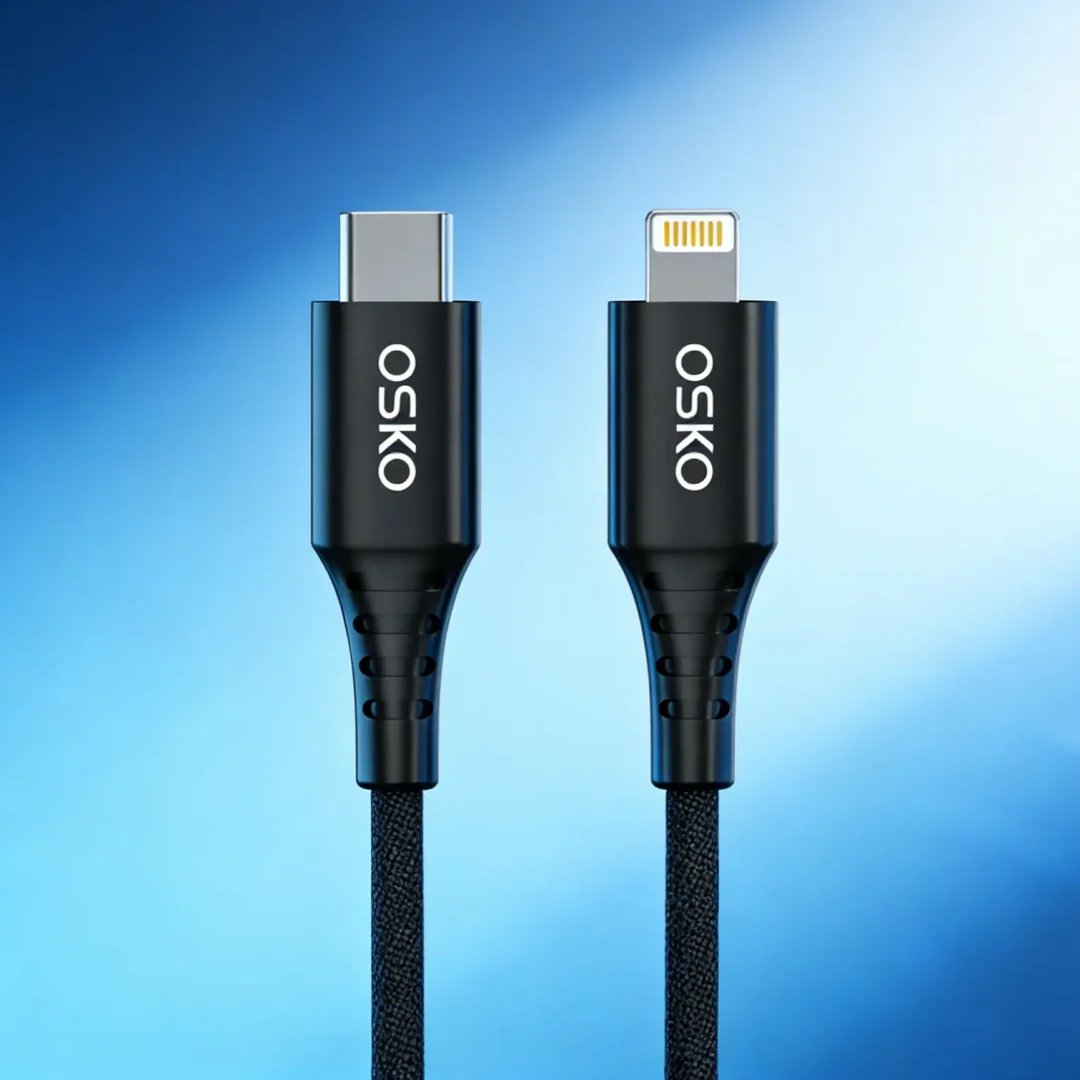
USB-C connector assemblies
Identification or E-Marker components when required by the cable specification
The exact internal construction should be matched to the intended power, data, length, and protocol requirements rather than relying on marketing labels alone.
Why Nylon Braided USB-C Cables Are Popular with Retail Buyers
The outer jacket is one of the first differences customers can see and feel.
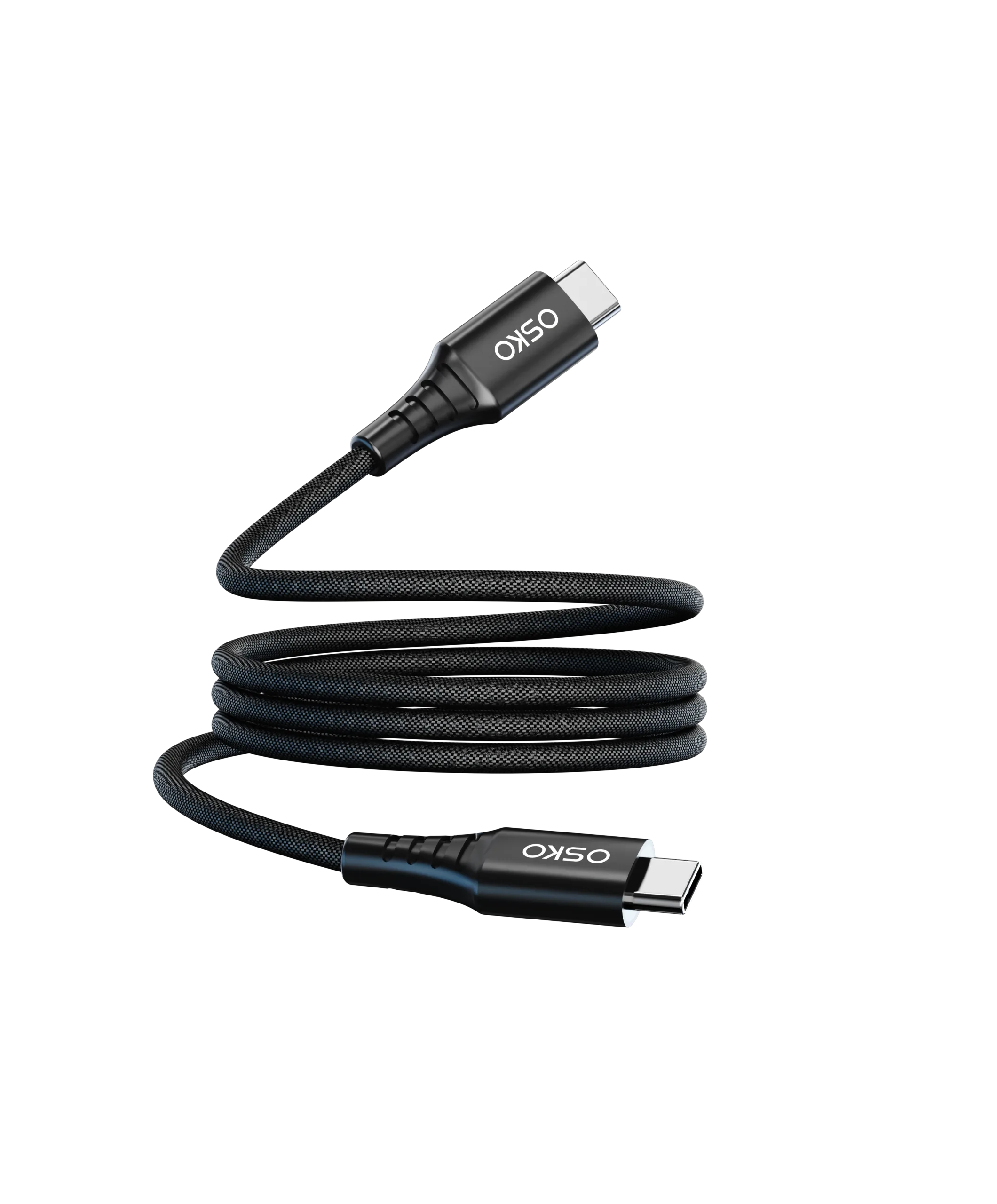
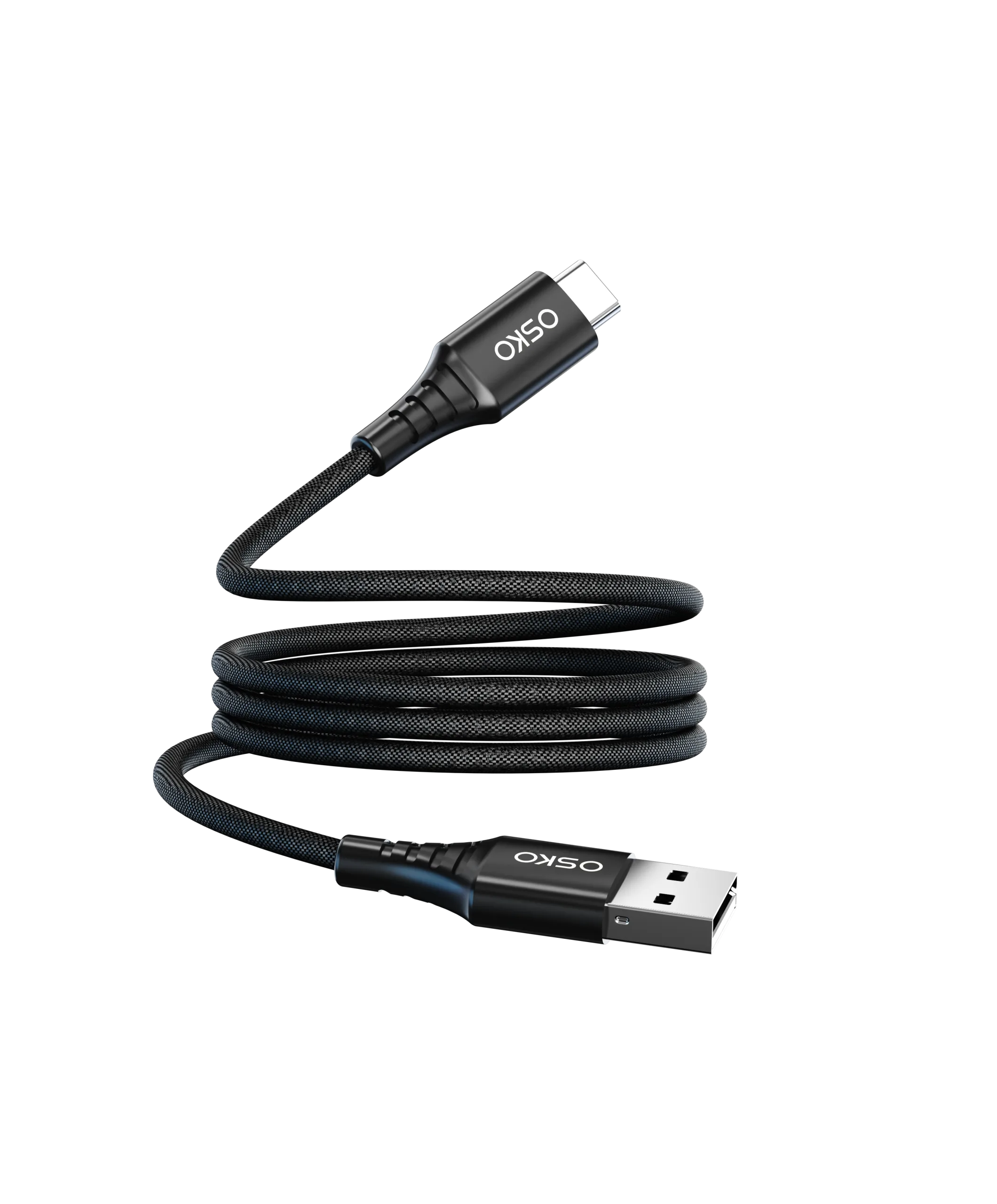
A nylon braided cable typically consists of an underlying insulated cable covered by a woven textile layer. This outer braid can improve abrasion resistance and provide additional mechanical protection compared with many basic PVC constructions.
However, braid quality varies considerably.
A premium-looking textile jacket does not automatically mean that the cable has better electrical performance.
Professional buyers should evaluate both:
Mechanical construction + Electrical construction
Braided vs. PVC USB-C Cable
| Feature | Standard PVC USB-C Cable | Nylon Braided USB-C Cable |
|---|---|---|
| Abrasion resistance | Generally moderate | Generally higher |
| Surface appearance | Basic | Premium |
| Tangle behavior | Design dependent | Often improved |
| Flexibility | Depends on PVC formulation | Depends on braid and cable core |
| Strain protection | Design dependent | Design dependent |
| Retail positioning | Entry to mid-range | Mid-range to premium |
| OEM customization | Available | Available |
Nylon braiding is particularly useful for products positioned for travel, home office, automotive charging, retail accessory kits, and premium electronics.
For a brand, the objective should not simply be “use braided material.”
The better objective is to specify the required bend, pull, abrasion, connector, and electrical tests and then select a cable construction capable of meeting those requirements.
What Determines USB-C Charging Performance?
One of the most common sourcing mistakes is assuming that every USB-C cable supports the same charging power.
USB-C describes the connector and interface ecosystem, not a single universal power or data-performance level.
A USB-C charging cable can have very different electrical capabilities depending on its design.
Important factors include:
Conductor resistance
Conductor cross-sectional area
Cable length
Connector resistance
Current rating
Power-delivery requirements
E-Marker requirements
Thermal behavior
Charger compatibility
Device compatibility
Charging performance is ultimately determined by the complete system:
Power source + charger + cable + device + charging protocol
Conductor Design
For higher-current cables, conductor resistance becomes increasingly important.
A properly engineered conductor system can reduce voltage drop and resistive losses.
Copper is commonly used because of its electrical conductivity, but buyers should not evaluate a cable solely by claims such as “OFC” or “premium copper.”
More useful procurement specifications include:
Conductor material
Conductor size
Strand construction
DC resistance
Current rating
Cable length
Test conditions
This produces a more measurable specification than simply describing the cable as “high-purity copper.”
Does AWG Determine USB-C Cable Power?
AWG is useful, but it should not be treated as a standalone power specification.
A lower AWG number generally indicates a larger conductor cross-sectional area, but actual cable performance depends on the complete conductor design, including strand structure, material, length, resistance, insulation, connector assembly, and thermal conditions.
For example:
| Conductor Specification | Typical Procurement Consideration |
|---|---|
| Smaller conductor | Basic current applications |
| Medium conductor | General charging |
| Larger conductor | Higher-current designs |
| Multi-strand construction | Flexibility and mechanical requirements |
| Optimized conductor system | Higher-current / lower-loss applications |
Therefore, avoid selecting a 100W USB-C cable solely because a supplier advertises a particular AWG number.
Ask for the cable’s rated current, power specification, applicable protocol support, and test data.
60W, 100W and 240W USB-C Cables
Power ratings should always be connected to the applicable USB Power Delivery specification and the complete charging system.
A 60W cable may be suitable for smartphones, tablets, portable electronics, and many everyday charging applications.
A 100W cable can be appropriate for many laptops, docking environments, and higher-power USB-C devices when the charger and device support the required power level.
USB Power Delivery has also expanded to higher power levels, including USB PD Extended Power Range (EPR) applications up to 240W.
But 240W USB-C cable should not be treated as a generic description for every USB-C cable.
For higher-power applications, the cable needs the appropriate electrical design, current rating, connectors, and—where required—electronic marking such as an E-Marker.
| Cable Category | Typical Application |
|---|---|
| 60W USB-C cable | Phones, tablets, portable devices, everyday charging |
| 100W USB-C PD cable | Laptops, monitors, docks and higher-power devices |
| 240W USB-C PD EPR cable | Compatible high-power USB-C systems |
Actual charging power remains dependent on the charger, device, cable, and negotiated charging conditions.
Why Shielding Matters in USB-C Cables
USB-C cables can carry power and, depending on the cable specification, high-speed digital signals.
Signal integrity can therefore become an important engineering consideration.
A cable may use:
Foil shielding
Braided shielding
Drain wire
Twisted differential pairs
Multiple shielding layers
Controlled termination
The correct shielding structure depends on the required signal performance and cable architecture.
For example, a USB 2.0 charging/data cable has different signal requirements from a high-speed USB 3.x or USB4 cable.
This is why braided outer jacket and braided electromagnetic shielding should not be confused.
The nylon braid visible to the customer primarily serves mechanical and aesthetic purposes.
An internal conductive shield serves a different engineering function.
USB-C Cable Durability Starts at the Connector
Cable failures frequently occur near the connector rather than in the middle of the cable.
Everyday users repeatedly:
Bend the cable
Pull it from the connector
Wrap it for storage
Insert and remove it
Use it at an angle
The connector transition therefore requires careful mechanical design.
A professional nylon braided USB-C cable manufacturer should evaluate:
Strain-relief geometry
Connector housing strength
Cable-to-housing transition
Pull force
Bend testing
Jacket adhesion
Connector insertion and removal
Repeated flexing
For retail products, this can be more meaningful than simply advertising an extremely high bend-test number.
If a manufacturer claims “30,000 bends,” the buyer should ask:
Under what test conditions and with what pass/fail criteria?
A test number without methodology is difficult to compare between suppliers.
Common Applications for Nylon Braided USB-C Cables
Smartphone and Tablet Charging
USB-C has become widely adopted across smartphones, tablets, portable electronics, and accessories.
A retail cable may be designed for:
Android smartphones
iPhone models using USB-C
USB-C tablets
Power banks
Portable gaming devices
Other USB-C consumer electronics
The required power and data specification should be defined according to the target device category.
Laptop Charging
Laptop charging places greater demands on cable design than basic phone charging.
A braided USB-C cable for laptop charging should be evaluated for:
Current rating
Power rating
Connector quality
Conductor resistance
Length
E-Marker requirements
Thermal performance
A 100W-rated cable may be appropriate for many laptop applications, but the laptop and charger must also support the relevant USB PD power level.
Automotive Charging
Automotive applications introduce additional mechanical challenges.
A cable may be exposed to:
Frequent movement
Repeated plugging and unplugging
Heat
Cold
Tight storage spaces
Bending around dashboards and consoles
A braided jacket can provide useful abrasion resistance, but automotive suitability should be validated through the appropriate environmental and mechanical tests rather than assumed from the outer material.
Travel and Home Office
Travel and desk users typically value:
Compact storage
Flexibility
Reduced tangling
Durable connectors
Appropriate cable length
Fast charging compatibility
This makes braided USB-C cables attractive for premium retail bundles and accessory kits.
Choosing the Right USB-C Cable Length
Length influences both user experience and electrical design.
Common retail lengths include:
| Length | Typical Application |
|---|---|
| 1 ft / 0.3 m | Power banks, compact setups |
| 3 ft / 0.9 m | Desk, travel, car |
| 6 ft / 1.8 m | Home, office, bedside |
| 10 ft / 3 m | Extended charging environments |
A longer cable can have greater electrical resistance because of the additional conductor length.
However, length alone does not determine charging performance.
A properly engineered 6-foot cable can perform reliably when its conductor size, connector assembly, and electrical specifications are appropriate.
OEM Customization for Braided USB-C Cables
For private-label brands and distributors, customization is often more important than choosing an off-the-shelf cable.
A professional custom nylon braided USB-C cable program can include:
Cable Length
Typical OEM requirements include:
1 ft
3 ft
6 ft
10 ft
Custom lengths
Cable Color
Brands may specify:
Black
White
Gray
Blue
Red
Custom color
Pantone matching may be available depending on the manufacturing process and order volume.
Connector Housing
Potential materials and finishes can include:
ABS
Aluminum alloy
Zinc alloy
Custom molded housings
The final material should be selected based on durability, cost, appearance, tooling, and production requirements.
Branding
OEM programs can support:
Logo printing
Laser engraving
Custom connector branding
Custom cable colors
Private-label packaging
Retail boxes
Product inserts
Custom labels
For a private label USB-C cable manufacturer, packaging and product specifications should be managed as one product configuration to minimize inconsistencies between samples and mass production.
How to Evaluate a USB-C Cable Wholesale Supplier
Price should be only one part of the supplier comparison.
A professional procurement checklist should include:
| Supplier Evaluation | What to Verify |
|---|---|
| Factory capability | Actual manufacturing experience |
| Product specification | Power, data, length and construction |
| Sample quality | Physical and functional performance |
| Electrical testing | Resistance, charging and data tests where applicable |
| Mechanical testing | Bend, pull and connector testing |
| Compliance | Applicable market documentation |
| QC system | Incoming, in-process and final inspection |
| Customization | Logo, color, packaging and length |
| MOQ | Minimum production quantity |
| Lead time | Sampling and mass production |
| Traceability | Batch and production records |
| After-sales | Warranty and defect handling |
For US retailers searching for a USB-C cable wholesale supplier USA, the supplier does not necessarily need to be located in the United States. Many brands source directly from Asian manufacturers.
What matters is whether the factory can provide consistent specifications, appropriate documentation, quality control, and reliable export support.
Engineering Case Study: 60W Braided USB-C Cable for Retail and Automotive Use
Consider a distributor developing a 6-foot braided USB-C cable for everyday charging and automotive use.
The initial specification is:
6 ft
60W target
Black nylon braid
Retail packaging
Smartphone and tablet applications
Car and desk use
Instead of selecting the supplier with the lowest quoted price, the procurement team creates a technical approval checklist.
| Test / Requirement | Procurement Purpose |
|---|---|
| Conductor specification | Control electrical resistance |
| Connector inspection | Improve contact consistency |
| Charging validation | Confirm intended power configuration |
| Data test | Verify specified data function |
| Bend test | Evaluate repeated flexing |
| Pull test | Validate connector retention |
| Strain-relief inspection | Reduce cable-end failures |
| Jacket inspection | Control braid consistency |
| Packaging verification | Maintain retail presentation |
| Final QC | Reduce batch variation |
The supplier provides pre-production samples before mass production.
The engineering team then compares the sample against the approved specification rather than relying on the product description alone.
This approach is especially useful for brands purchasing bulk braided USB-C charging cables because a successful sample is only valuable when the same construction can be reproduced consistently across production batches.
For procurement, the lesson is simple:
Do not purchase a marketing claim. Purchase a defined specification with measurable acceptance criteria.
Why the Cheapest USB-C Cable Can Cost More
A low factory price does not necessarily mean a low total cost.
Suppose a retailer saves a small amount on every cable but experiences:
Higher return rates
Replacement shipments
Customer-service costs
Marketplace penalties
Negative reviews
Lost repeat purchases
Emergency replenishment
The original unit-cost saving can disappear quickly.
This is why experienced distributors calculate total cost of ownership, not just factory price.
For premium retail products, a better strategy is to balance:
Product cost + quality + compliance + durability + supply stability + customer expectations
That is the commercial value of working with a qualified OEM manufacturer.
FAQ: Nylon Braided USB-C Cable Buying Questions
Is a nylon braided USB-C cable better than a PVC cable?
Nylon braiding can provide better abrasion resistance and a more premium appearance, but it does not automatically make the cable electrically superior. Overall performance depends on the complete cable construction.
Is an FCC-approved USB-C cable the same as an FCC-certified USB-C cable?
Not necessarily. FCC terminology depends on the regulated product and applicable compliance pathway. Buyers should ask exactly what product was tested, what requirements were evaluated, and what documentation is available rather than relying on a generic “FCC approved” claim.
Does FCC compliance make a USB-C cable charge faster?
No. FCC-related requirements concern electromagnetic compatibility and regulatory compliance, not charging wattage. Charging performance depends on the cable’s electrical design and the charger, device, and charging protocol.
Can a braided USB-C cable support 100W charging?
Yes, a properly designed and rated USB-C cable can support 100W charging when the cable, charger, and device support the required USB Power Delivery configuration.
Can a USB-C cable support 240W?
Some USB-C cables are designed for USB PD Extended Power Range applications up to 240W. Such cables require an appropriate electrical design and applicable identification and testing. A standard braided USB-C cable should not automatically be advertised as 240W.
Does a thicker AWG cable always charge faster?
No. AWG is only one part of cable design. Conductor material, resistance, length, connector quality, current rating, thermal behavior, and charging protocol also affect performance.
Are 3ft or 6ft USB-C cables more popular?
Both are common retail configurations. 3ft is convenient for desks, vehicles, and travel, while 6ft provides greater reach for bedsides, offices, and home charging. Actual demand depends on the product category and sales channel.
Can a braided USB-C cable be used for laptops?
Yes, provided the cable has the appropriate power rating and the laptop and charger support the corresponding USB Power Delivery configuration.
Does a nylon braid make a USB-C cable waterproof?
No. Nylon braiding is primarily an outer mechanical layer. Water resistance depends on the complete cable construction, connector sealing, materials, and any applicable IP testing.
What should I ask a USB-C cable manufacturer before placing a bulk order?
Ask for the product specification, power rating, data capability, conductor design, connector details, applicable compliance documentation, mechanical test requirements, QC process, MOQ, lead time, samples, and warranty terms.
Can an OEM USB-C cable manufacturer customize the cable?
Yes. Depending on the manufacturer, OEM programs can include cable length, braid color, connector housing, logo, packaging, labeling, and electrical specifications.
What is the difference between an OEM and ODM USB-C cable?
OEM generally means manufacturing a product according to the buyer’s defined specifications or branding requirements. ODM typically involves the manufacturer contributing more of the product design and development. The exact commercial arrangement depends on the project.
Summary
A high-quality nylon braided USB-C cable is more than a premium-looking outer jacket.
For professional buyers, the important factors include:
Electrical design + connector quality + mechanical construction + applicable compliance + testing + production consistency
For US-market sourcing, buyers should also use FCC terminology carefully. Rather than assuming that every USB-C cable has standalone FCC approval, procurement teams should identify the actual regulatory requirements applicable to the finished product and request relevant documentation from the supplier.
For European markets such as Germany and the Netherlands, applicable CE, RoHS, documentation, traceability, and product requirements should likewise be evaluated according to the exact product and intended market.
From a commercial perspective, the cheapest USB-C cable is not necessarily the lowest-cost solution.
A reliable USB-C cable manufacturer should be able to provide defined specifications, samples, quality control, testing, customization, and consistent mass production.
For retailers, wholesalers, distributors, and private-label brands, that combination helps create a more predictable product—and a more predictable business.
Request an OEM Quote for Braided USB-C Cables
OSKO specializes in OEM and ODM USB cable manufacturing for brands, wholesalers, distributors, and retail businesses.