
Introduction
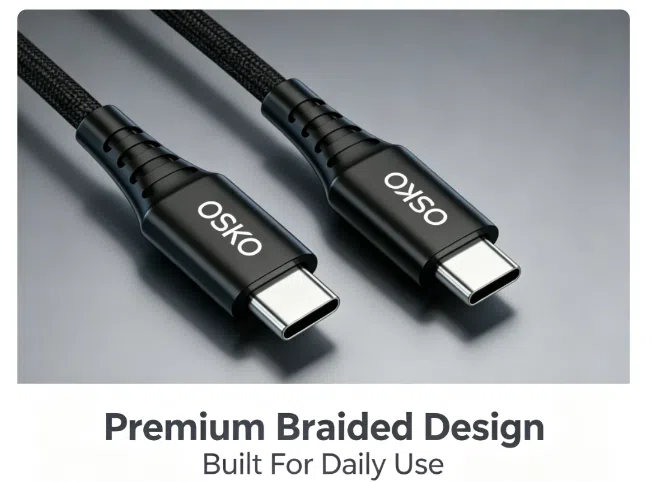
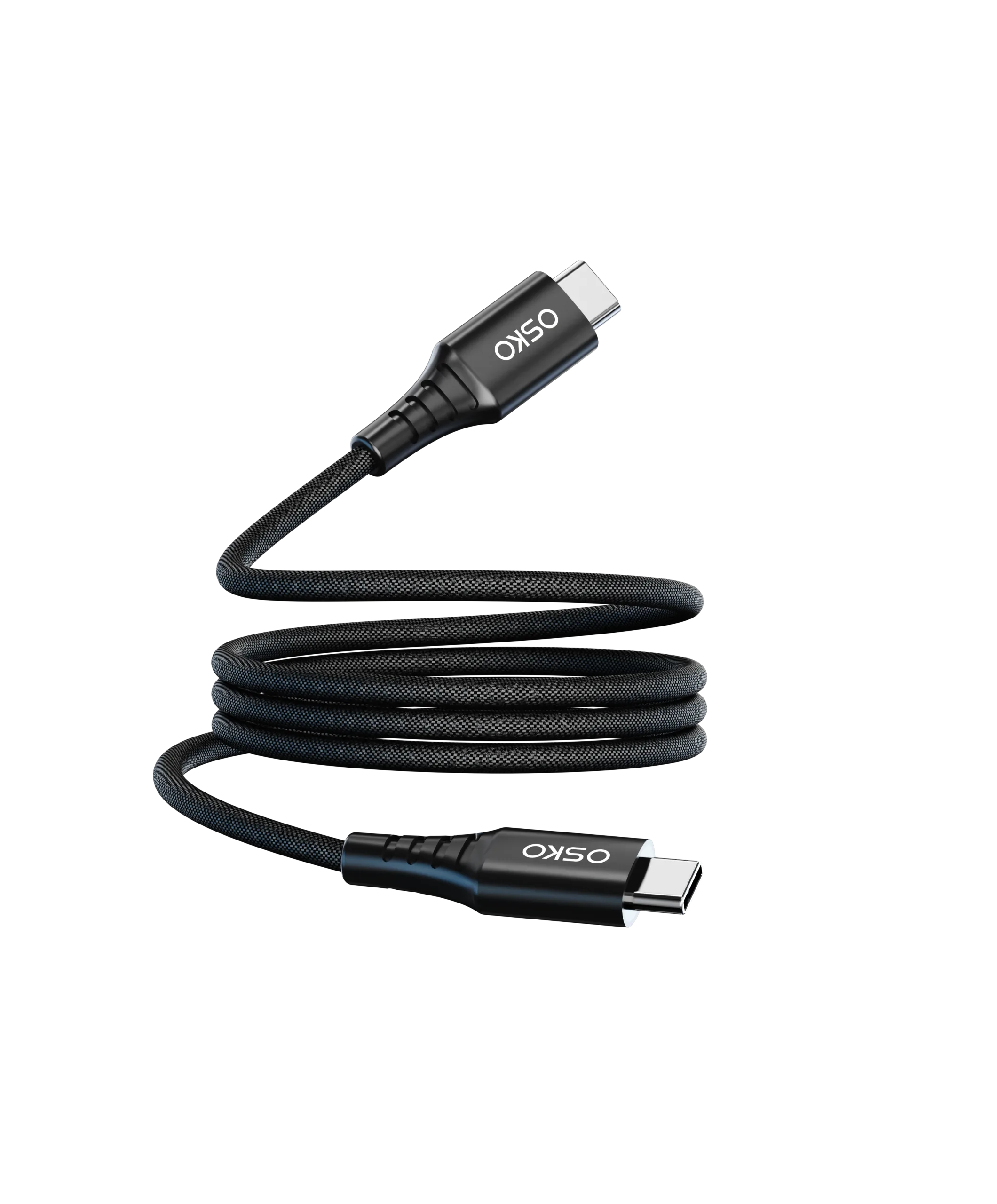
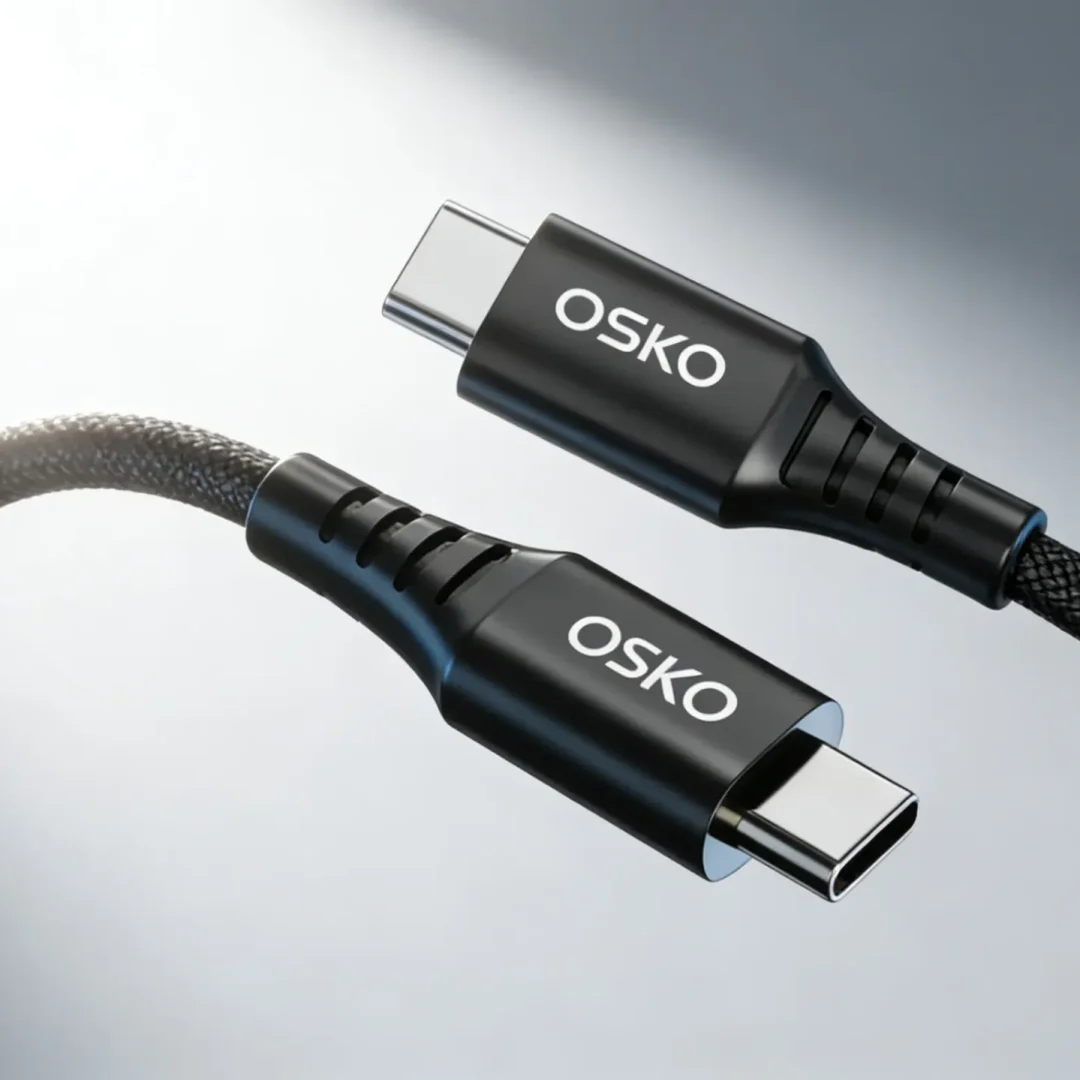
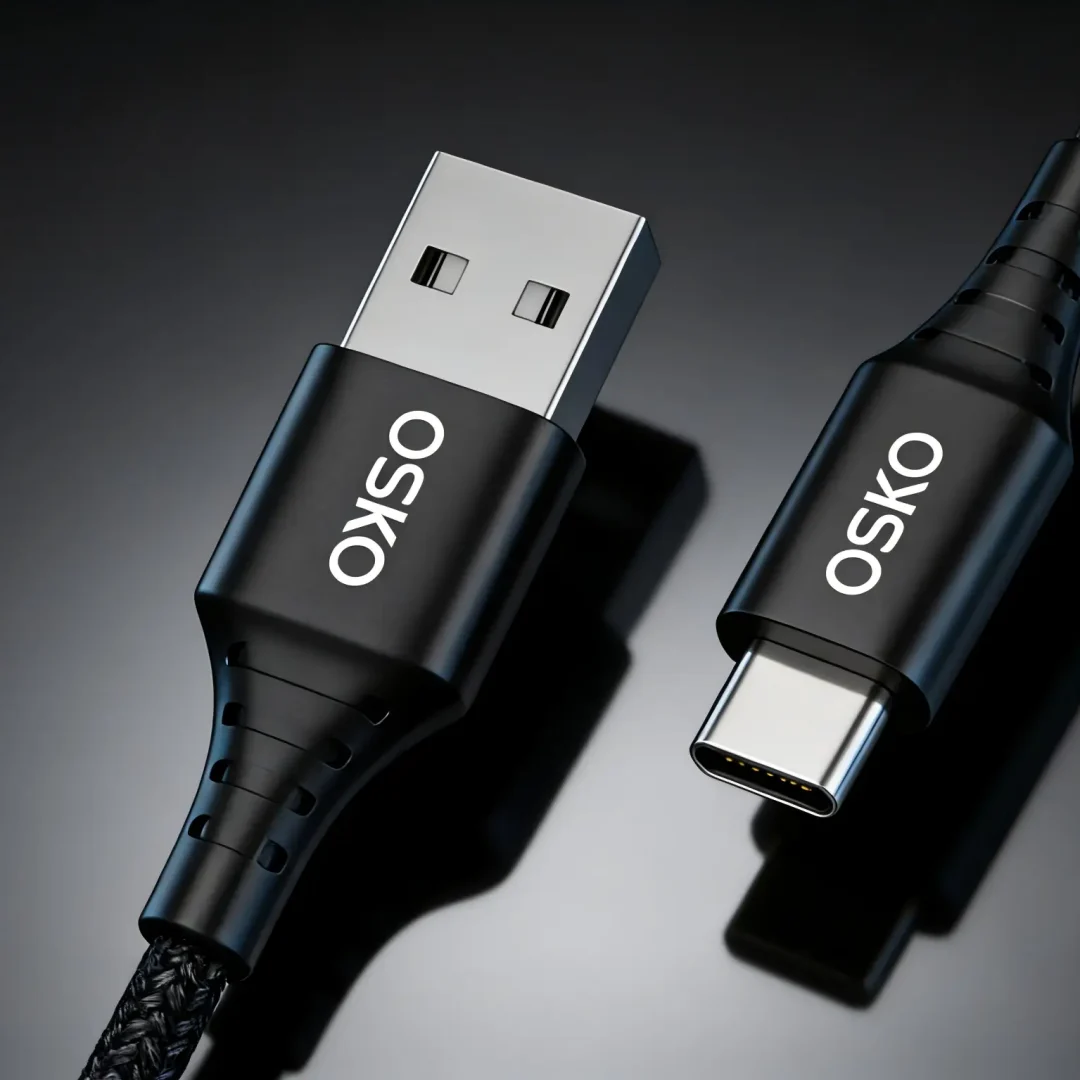
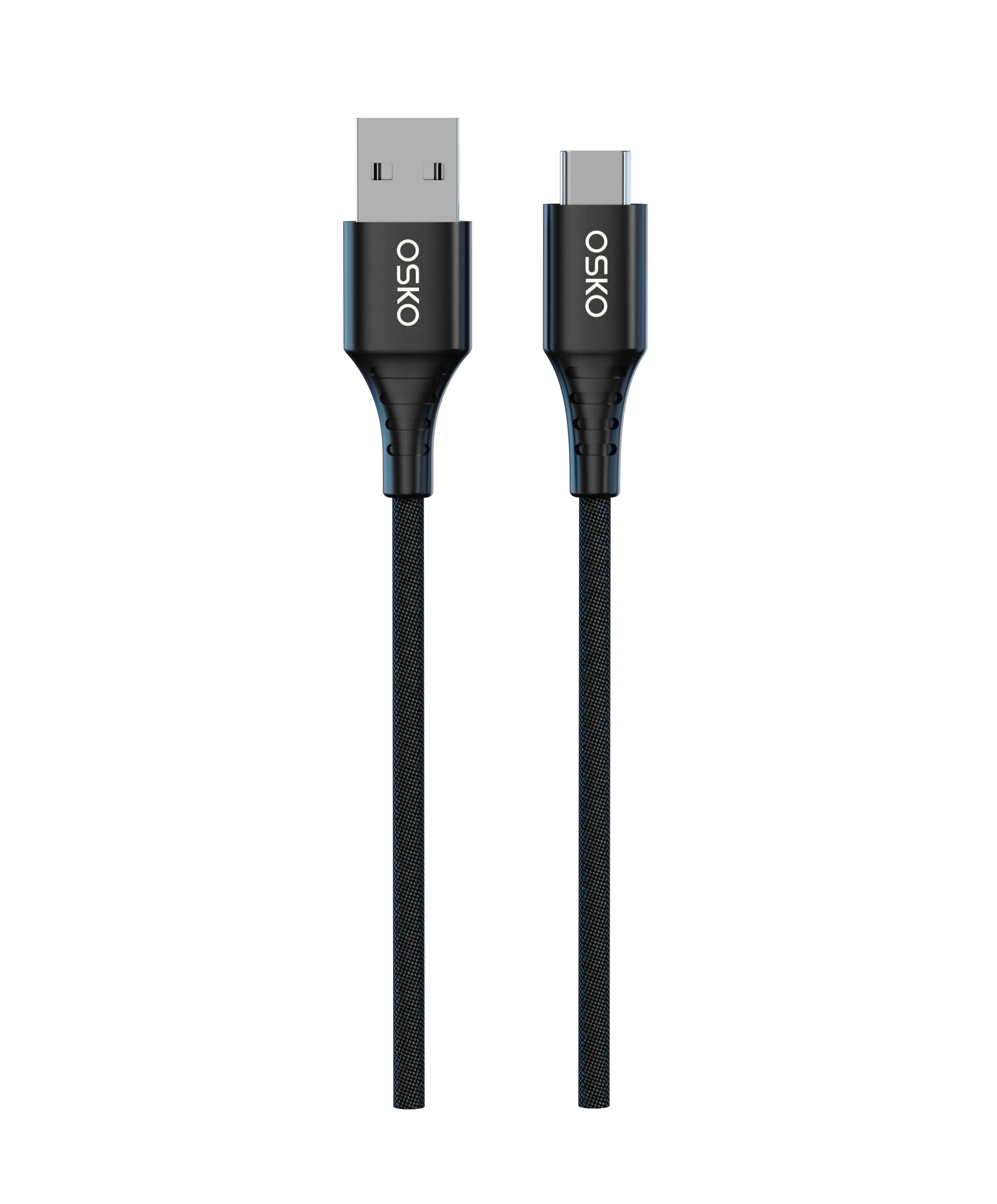
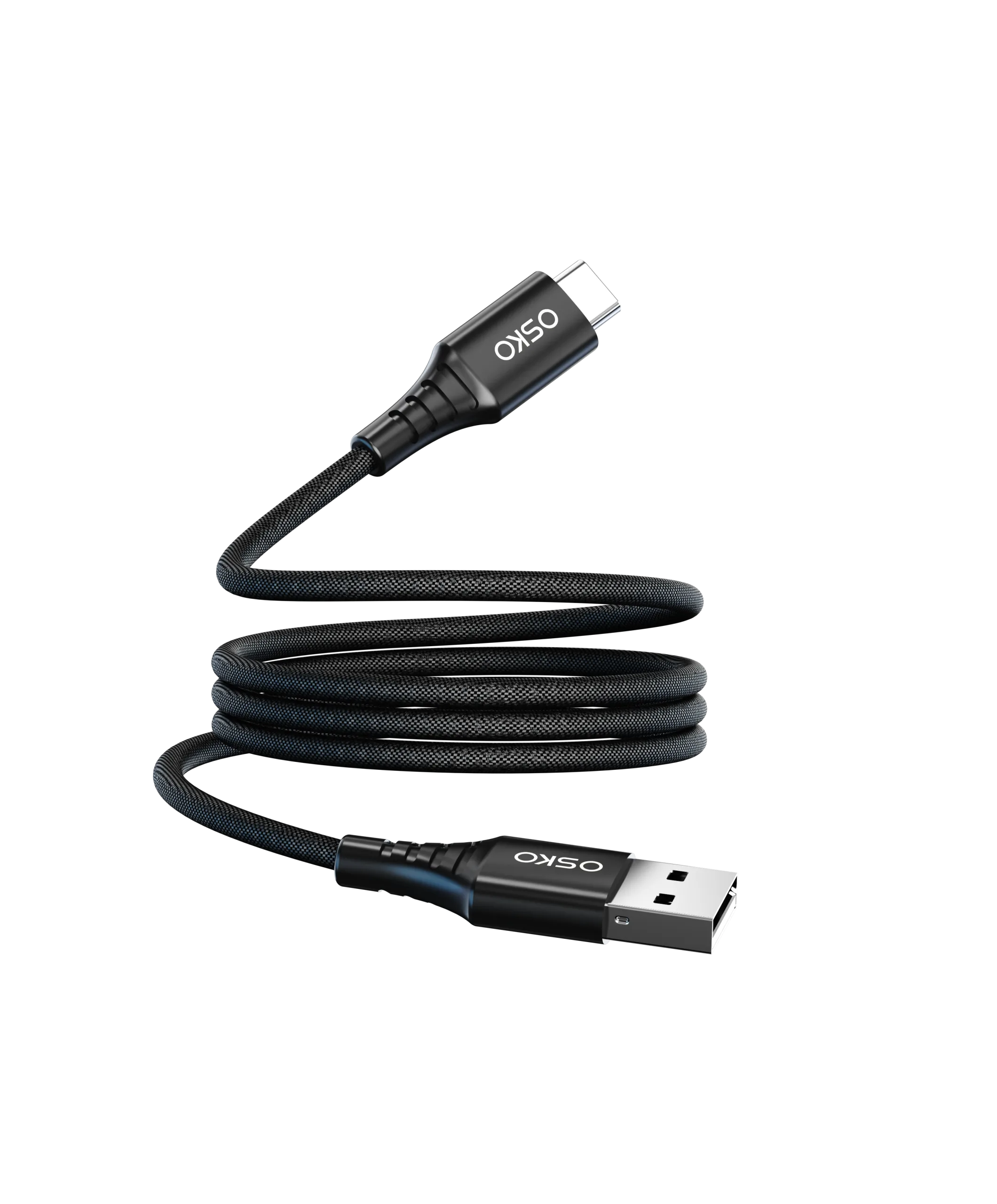
A USB-C cable is a universal charging and data transmission cable that uses the USB Type-C connector standard. Unlike older USB-A or micro-USB cables, USB-C features a reversible connector, higher power delivery capability, and significantly faster data transfer speeds.
In 2026, USB-C has become the dominant standard across smartphones, tablets, laptops, and accessories. However, despite its widespread adoption, many users—especially in the United States—are still actively searching for “what is a USB-C cable” and “which USB-C cable should I buy.”
This growing search interest reflects a major transition period in consumer electronics, where older charging standards are being replaced by USB-C across nearly all major brands.
For OEM USB cable manufacturers, ODM USB cable suppliers, and Wholesale USB cable distributors, this shift represents a rapidly expanding global demand cycle.

Applicable Scenarios
USB-C cables are now used across nearly every digital ecosystem:
OEM USB cable bundled with smartphones and tablets
ODM USB cable for branded accessory ecosystems
Wholesale USB cable distribution on Amazon and retail stores
Bulk USB cables for enterprise IT infrastructure
Retail USB cable for consumer electronics shops
Travel USB cable for portable charging kits
Desk charging cable for office productivity setups
Car charging cable for Apple CarPlay and Android Auto
Home USB cable for multi-device charging environments
Each scenario requires different performance levels in terms of durability, power delivery, and data speed.
Material Science & Dielectric Performance
What Makes USB-C Different
A USB-C cable is not just a physical connector upgrade. It is a complete engineering system that supports:
Reversible plug orientation
Higher power delivery (up to 240W)
Faster data transmission (USB 2.0 to USB4/Thunderbolt)
Smart power negotiation via E-Marker chips
Copper Conductor Structure
The performance of a USB-C cable depends heavily on internal copper quality:
Oxygen-free copper (OFC) ensures low resistance
Multi-strand design improves flexibility
Thicker gauge supports higher wattage
Poor conductor quality leads to:
Slow charging
Heat generation
Voltage drop over long cables
Shielding and Signal Stability
High-quality USB-C cables include:
Aluminum foil shielding
Braided copper mesh
EMI protection layer
This ensures stable performance in high-interference environments such as offices, vehicles, and industrial setups.

E-Marker Chip (High Power Requirement)
For cables supporting more than 60W:
E-Marker chip is required
Enables safe power negotiation
Prevents overheating and device damage
This is critical for 100W and 240W fast charging systems.
Why U.S. Users Are Searching for USB-C Cables
1. Apple and Industry-Wide Transition
Apple’s shift to USB-C across iPhones and iPads has significantly increased consumer awareness. Users who previously used Lightning cables are now searching for:
USB-C charging cable compatibility
Fast charging cable for iPhone
USB-C cable for MacBook and iPad
2. Confusion from Cable Fragmentation
U.S. consumers face a fragmented ecosystem:
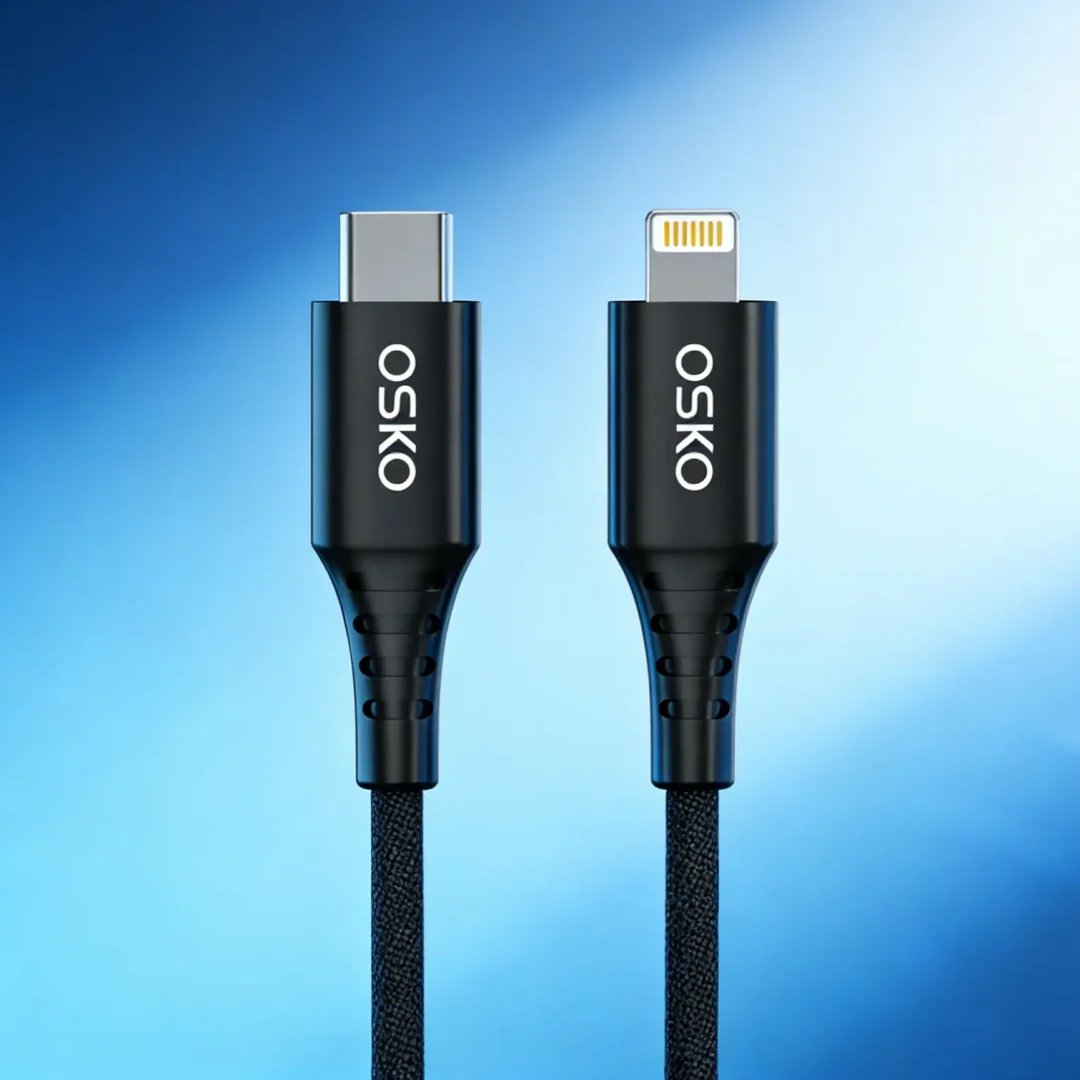
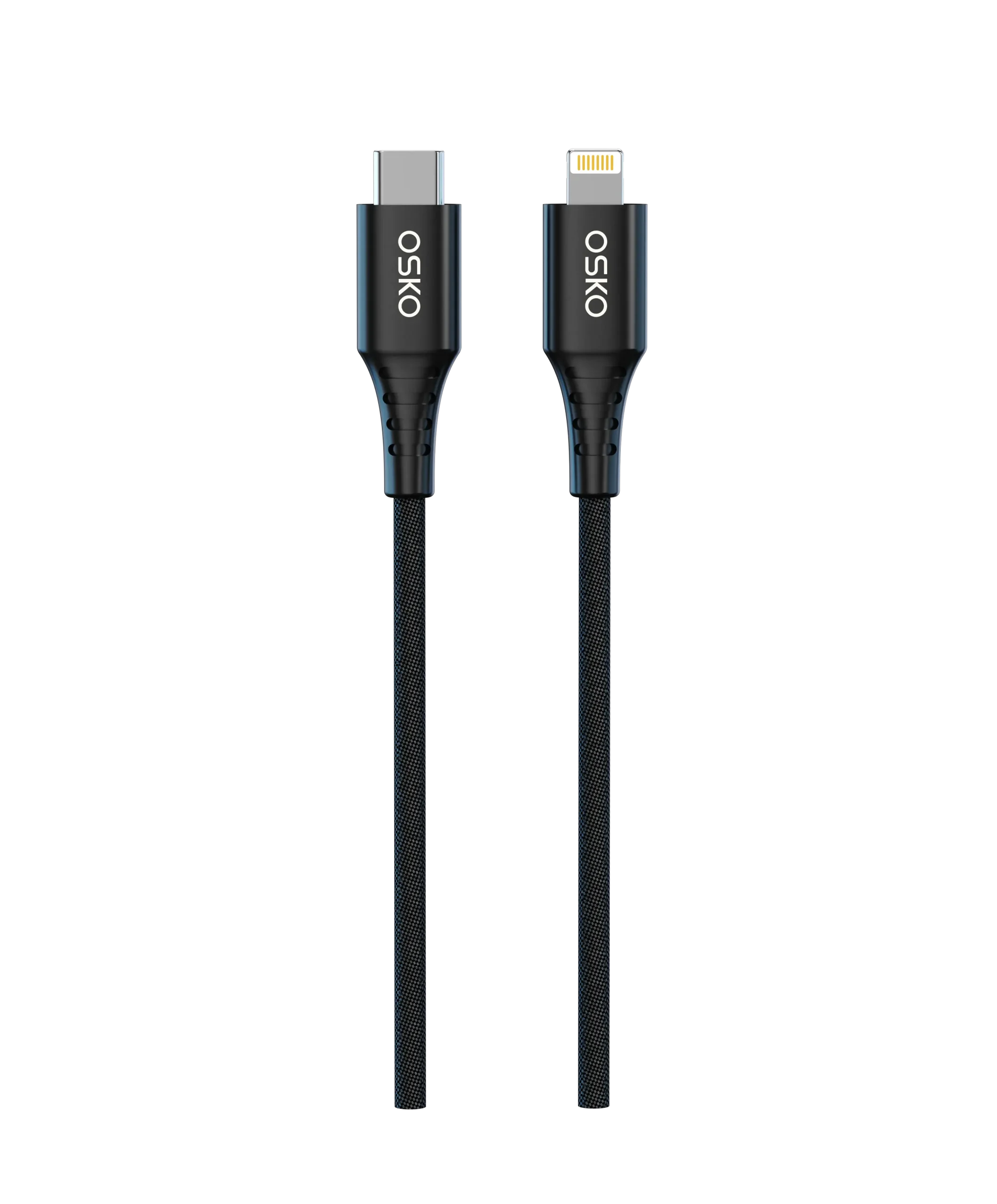
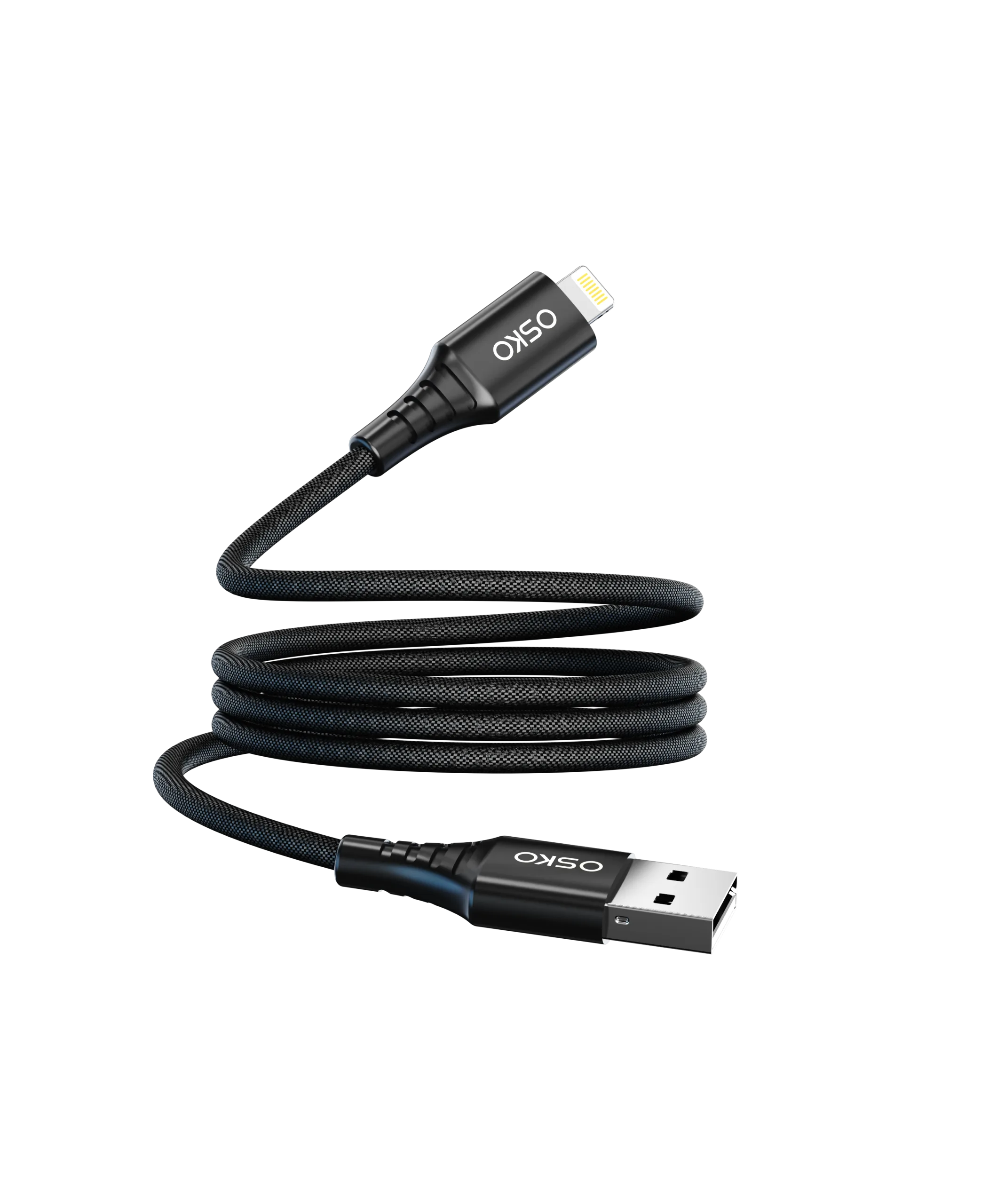
USB-C to Lightning (legacy devices)
Different wattage ratings (60W / 100W / 240W)
This leads to frequent search behavior such as “which USB-C cable do I need?”

3. Fast Charging Demand Growth
Modern U.S. users prioritize speed:
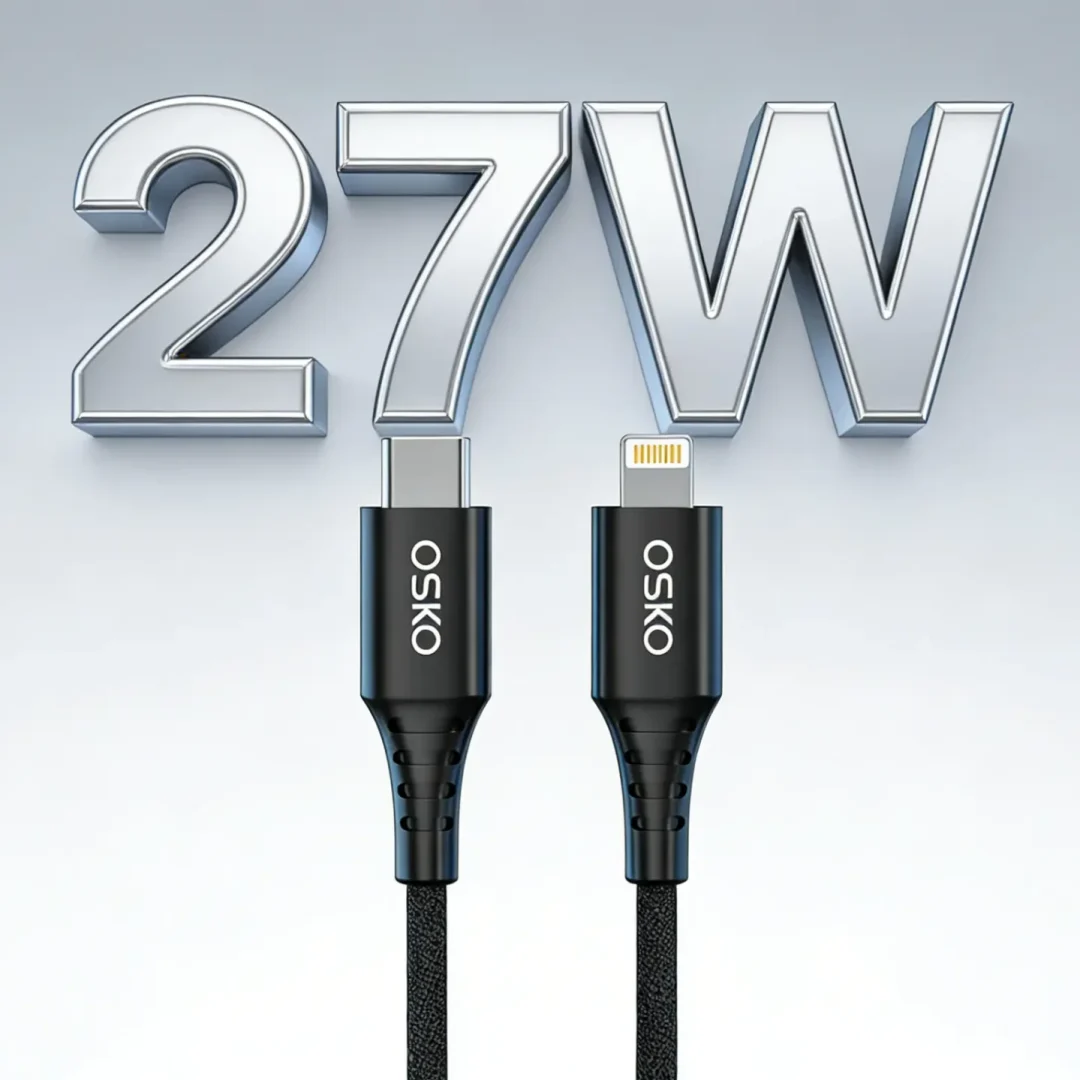
20W–30W for smartphones
45W–65W for tablets and laptops
100W+ for high-performance devices
This drives searches for fast charging USB-C cable and high-wattage compatible cables.
4. Cable Quality Awareness
Consumers increasingly understand that:
Not all USB-C cables support fast charging
Cheap cables may overheat or fail
Certification matters (USB-IF, CE, FCC)
This leads to higher demand for OEM-quality products.
5. Growth of Remote Work and Mobility
In the U.S. market, hybrid work has increased demand for:
Desk charging cable setups
Travel USB cable kits
Multi-device charging stations
USB-C is now the default standard in these environments.
Market Insight Table (U.S. Demand Drivers)
| Demand Factor | Impact Level | Description |
|---|---|---|
| Apple USB-C transition | Very High | Major driver of search growth |
| Fast charging adoption | Very High | 60W–240W ecosystem expansion |
| Device fragmentation | High | Users confused about compatibility |
| Remote work trends | Medium-High | Multi-device charging demand |
| OEM/retail expansion | High | Strong wholesale market growth |
Purchase Recommendations
USB-C Cable Selection Guide
| Use Case | Recommended Cable Type |
|---|---|
| Smartphone charging | 60W braided USB-C cable |
| Laptop charging | 100W USB-C cable with E-Marker |
| Future-proof use | 240W USB-C cable |
| Travel use | 3ft lightweight cable |
| Desk setup | 6ft reinforced cable |
OEM Manufacturing Strategy Table
| Category | Engineering Focus | OSKO Solution |
|---|---|---|
| OEM USB cable | Branding + compatibility | Custom logo + QC testing |
| ODM USB cable | Product differentiation | Structural optimization |
| Wholesale USB cable | Cost efficiency | Mass production control |
| Bulk USB cables | Supply stability | Automated inspection |
| Retail USB cable | Premium design | Braided + packaging upgrade |
| Travel USB cable | Portability | Lightweight structure |
| Car charging cable | Vibration resistance | Reinforced connectors |
| Home USB cable | Long lifespan | Heat-resistant materials |
Compliance for U.S. Market
FCC approved nylon braided USB C cable supplier
CE RoHS certified 240W USB C cable
USB-IF compliant Type C cable manufacturer
ISO9001 certified braided USB cable factory wholesale
Prop 65 compliant USB C cable factory
These certifications are essential for retail and Amazon compliance.
FAQ
What is a USB-C cable used for?
It is used for charging devices and transferring data across modern electronics.
Is USB-C the same as fast charging?
No, fast charging depends on both cable quality and power delivery support.
Why are there different USB-C cables?
Because wattage, data speed, and internal chip requirements vary.
Do all USB-C cables work with all devices?
Physically yes, but performance varies significantly.
Why is USB-C becoming standard in the U.S.?
Due to Apple adoption, regulatory trends, and fast charging demand.
Summary
A USB-C cable is the modern universal standard for charging and data transmission, but its performance depends heavily on internal engineering, material quality, and power delivery design. In the U.S. market, rising adoption from Apple devices, fast charging demand, and device fragmentation are driving massive search growth around USB-C cables.
For OEM USB cable manufacturers, ODM USB cable suppliers, and Wholesale USB cable distributors, this shift represents a long-term opportunity to deliver certified, durable, and high-performance braided USB-C cable solutions tailored for North American and European markets.