
Introduction
USB cables have evolved through multiple generations, with Micro USB, Lightning, and USB-C representing three major stages of charging and data transmission technology.
Although all three serve similar functions—charging devices and transferring data—their internal structure, electrical capability, durability, and compatibility differ significantly.
In 2026, the global market is rapidly converging toward USB-C, especially in North America and Europe. However, many legacy devices still rely on Lightning and Micro USB, making compatibility understanding essential for consumers and OEM USB cable manufacturers.

Applicable Scenarios
Each cable type is still used in different ecosystems:
OEM USB cable bundled with smartphones and accessories
ODM USB cable for branded electronics
Wholesale USB cable distribution for retail markets
Bulk USB cables for enterprise and logistics systems
Retail USB cable for consumer electronics stores
Travel USB cable for portable charging kits
Desk charging cable for office environments
Car charging cable for infotainment systems
Home USB cable for multi-device charging setups
Different standards still coexist due to legacy device support and ecosystem transitions.
Material Science & Structural Design Differences
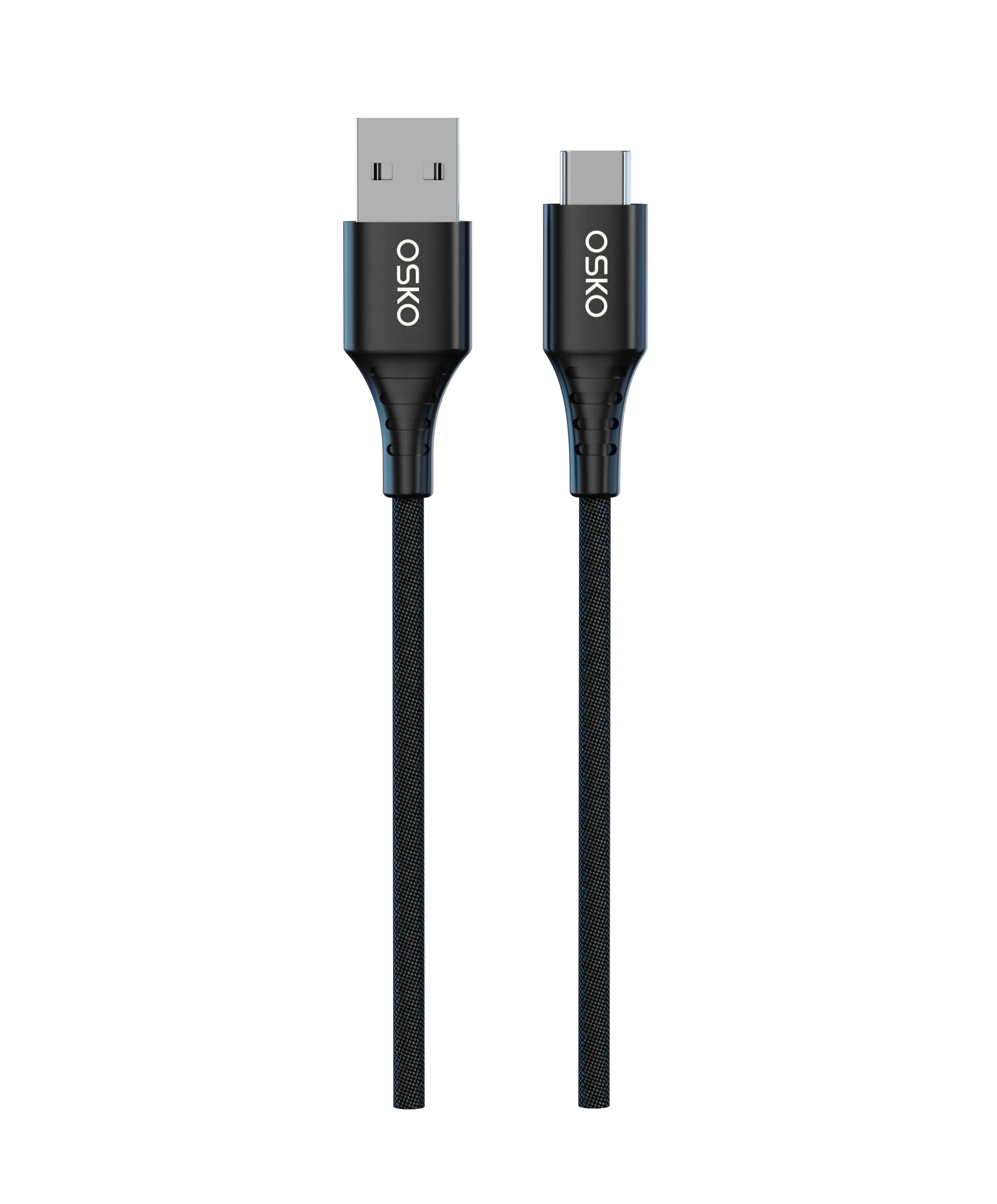
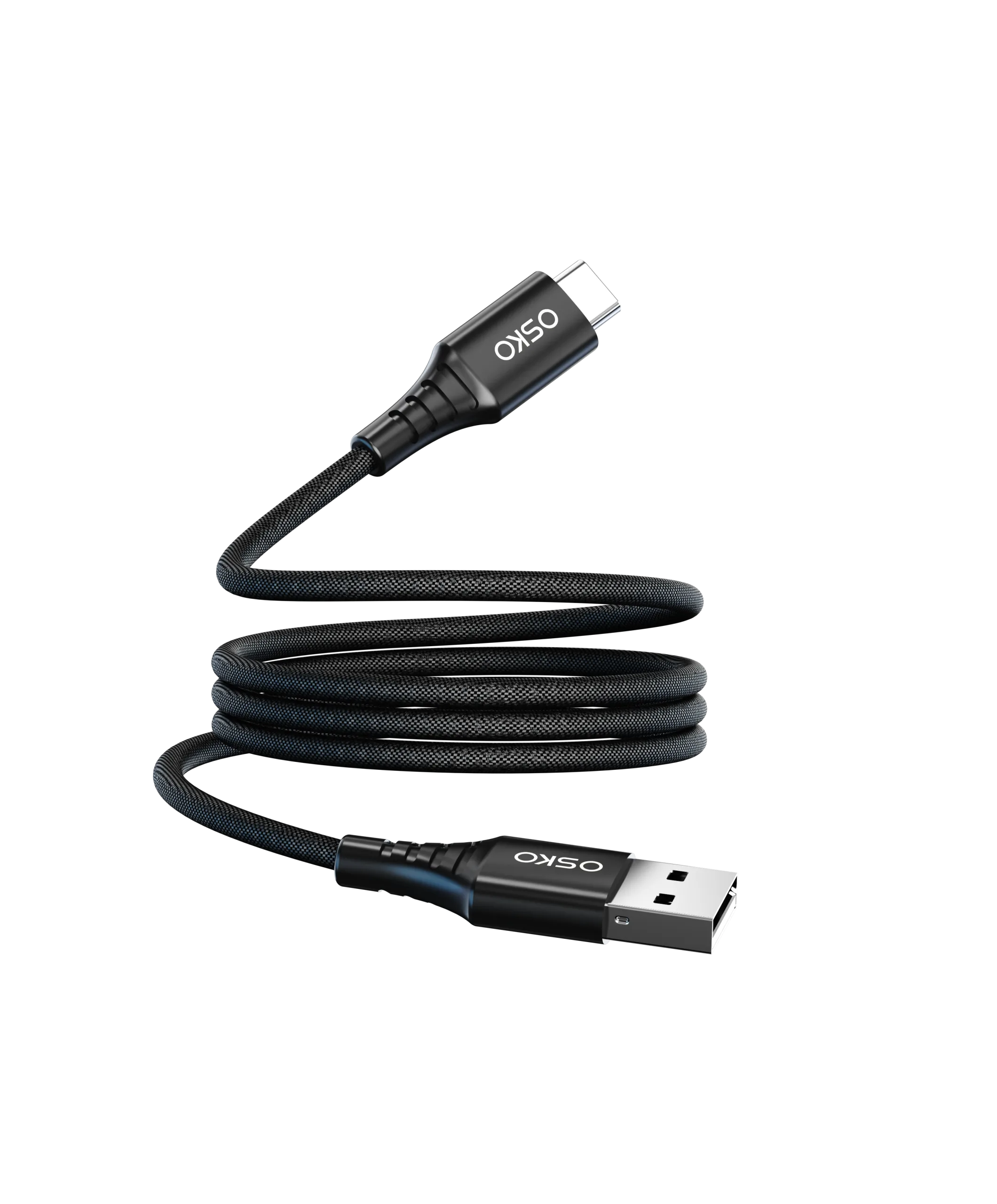
USB-C Cable
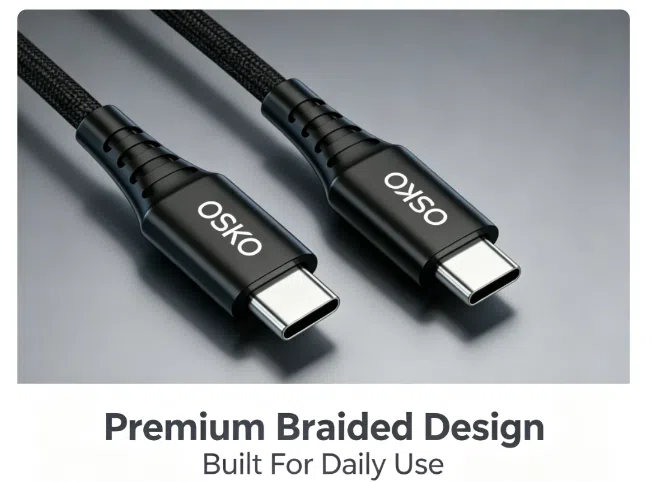
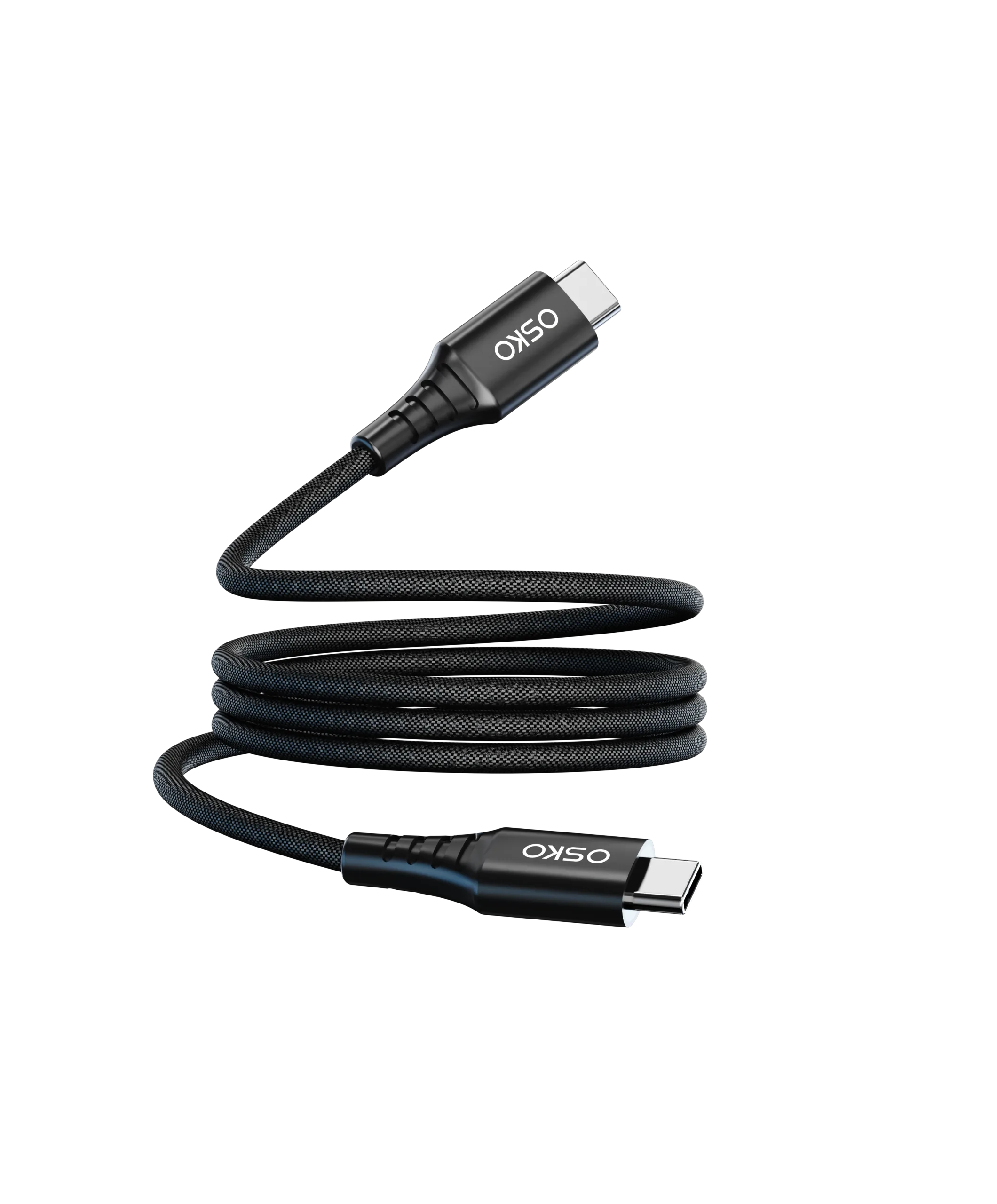
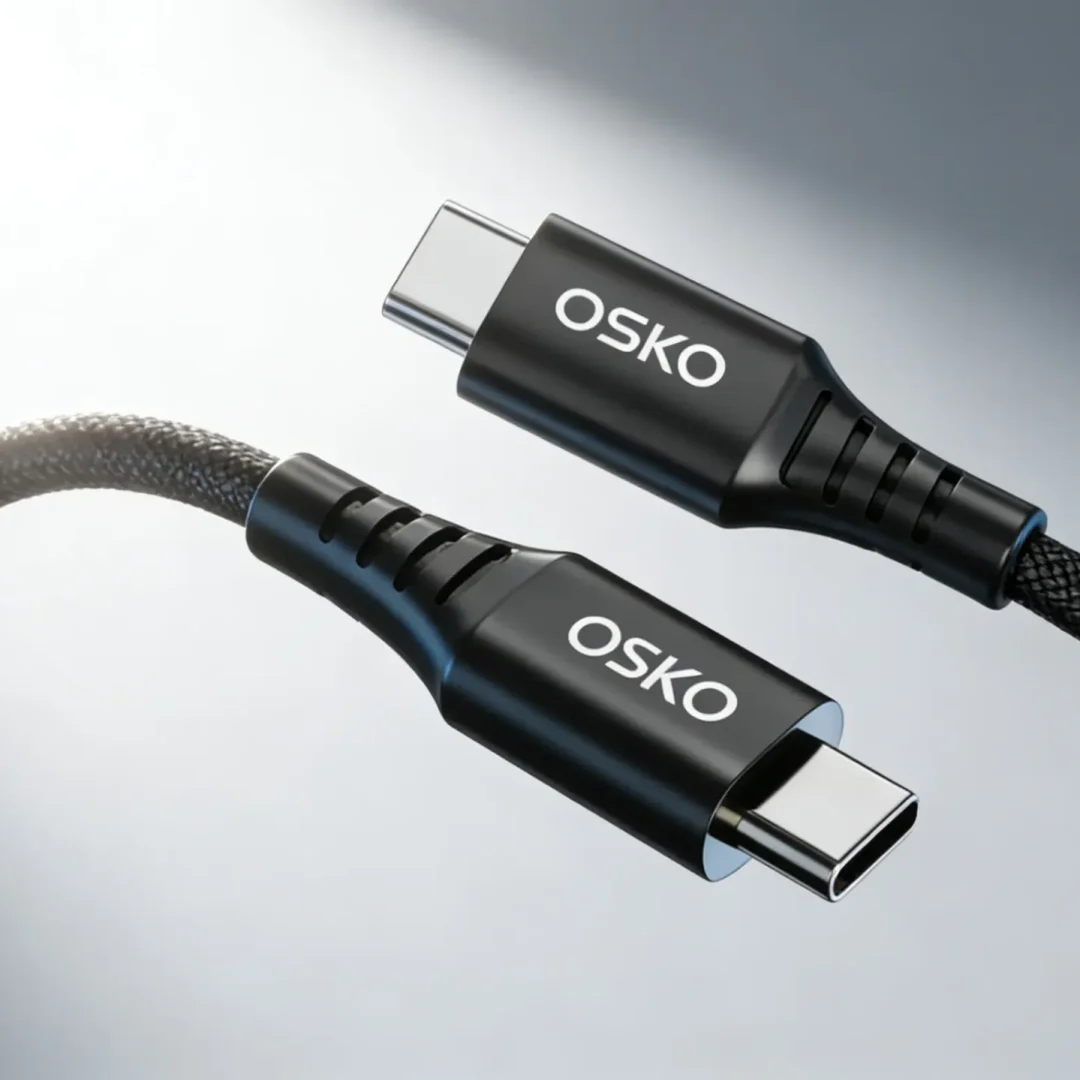
USB-C is the most advanced standard among the three.
Key features:
Reversible connector design
High power delivery up to 240W
High-speed data transfer (USB 2.0 to USB4/Thunderbolt)
E-Marker chip support for smart power control
Internal structure includes:
Multi-strand oxygen-free copper
Advanced shielding layers
High-speed differential data pairs
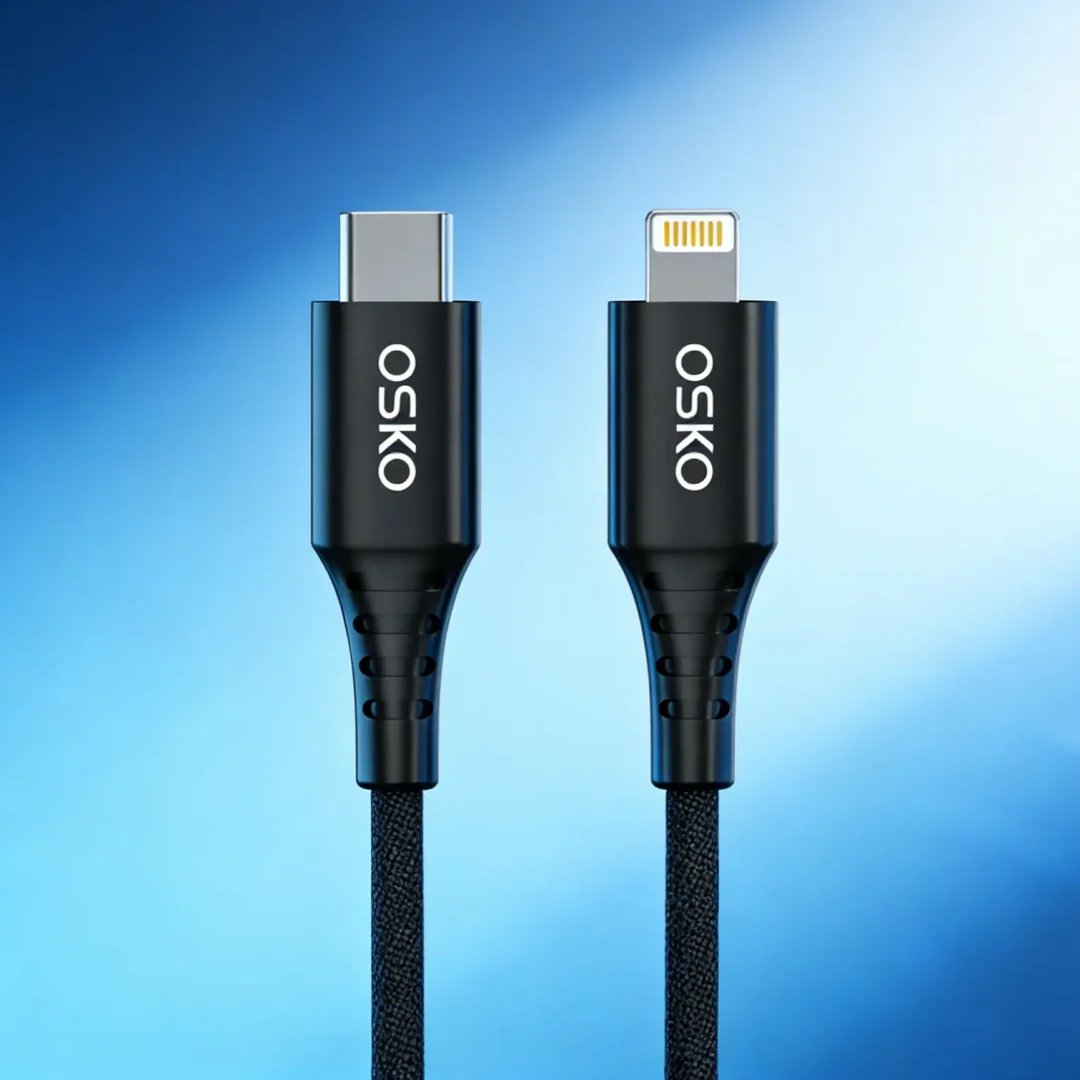
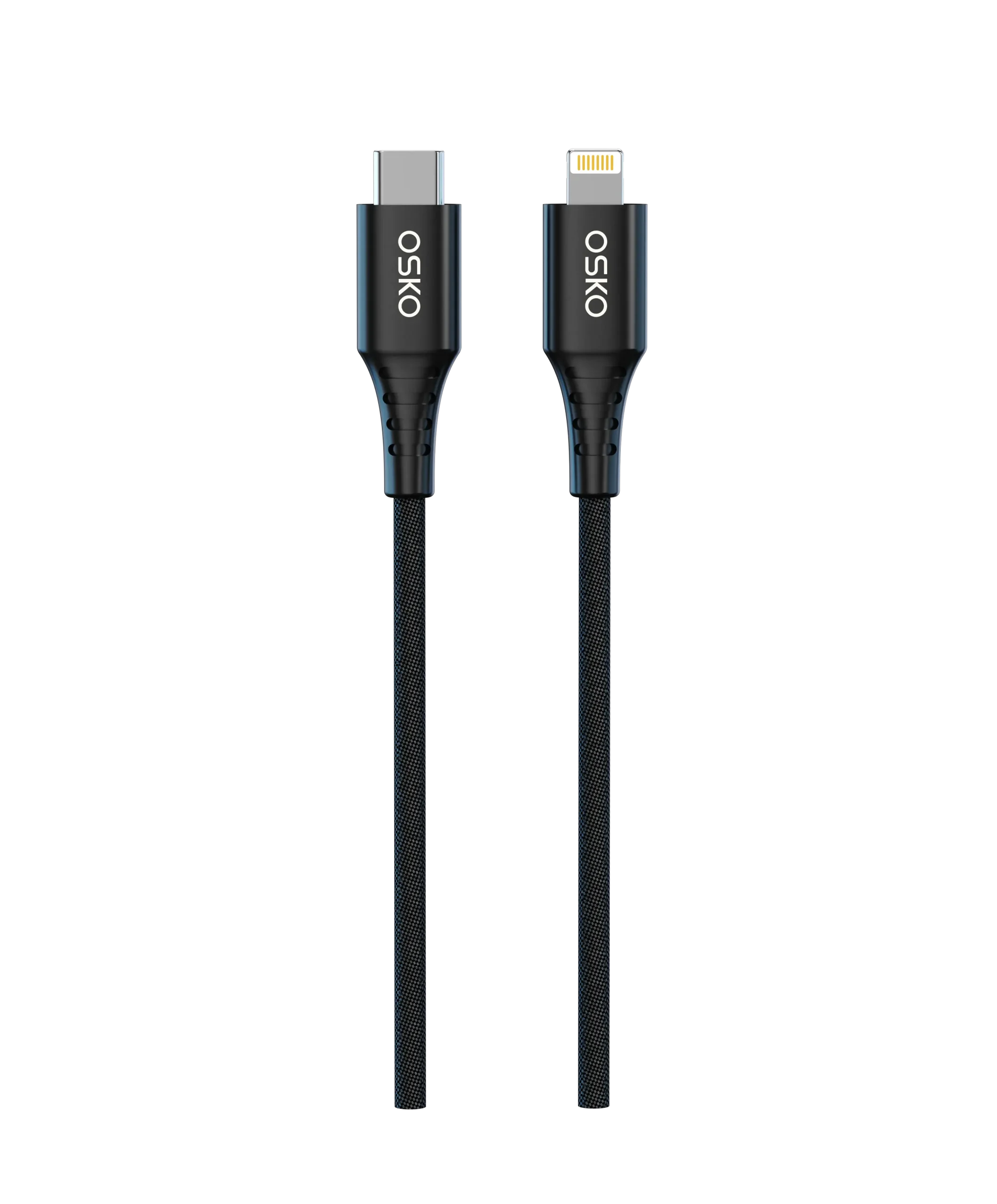
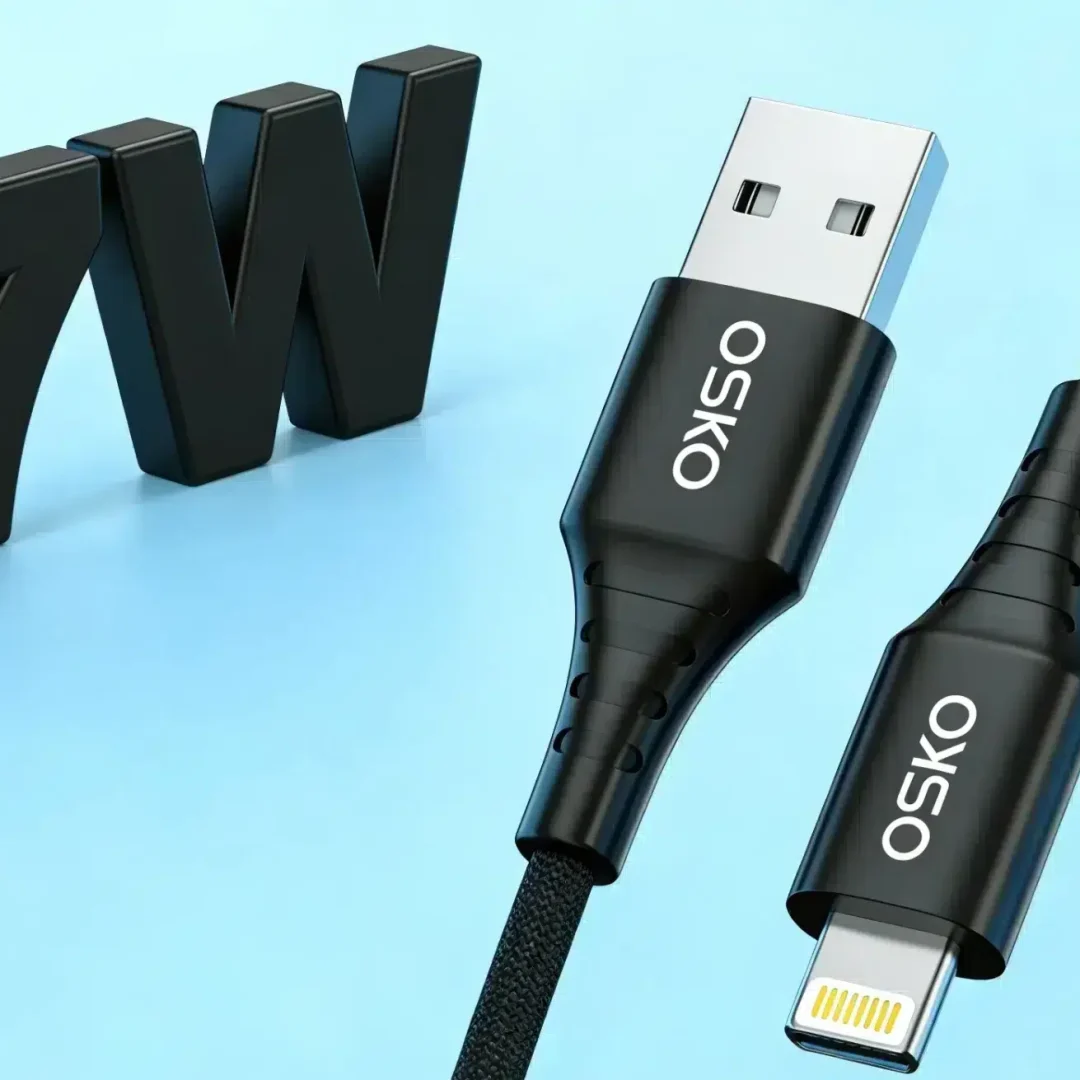
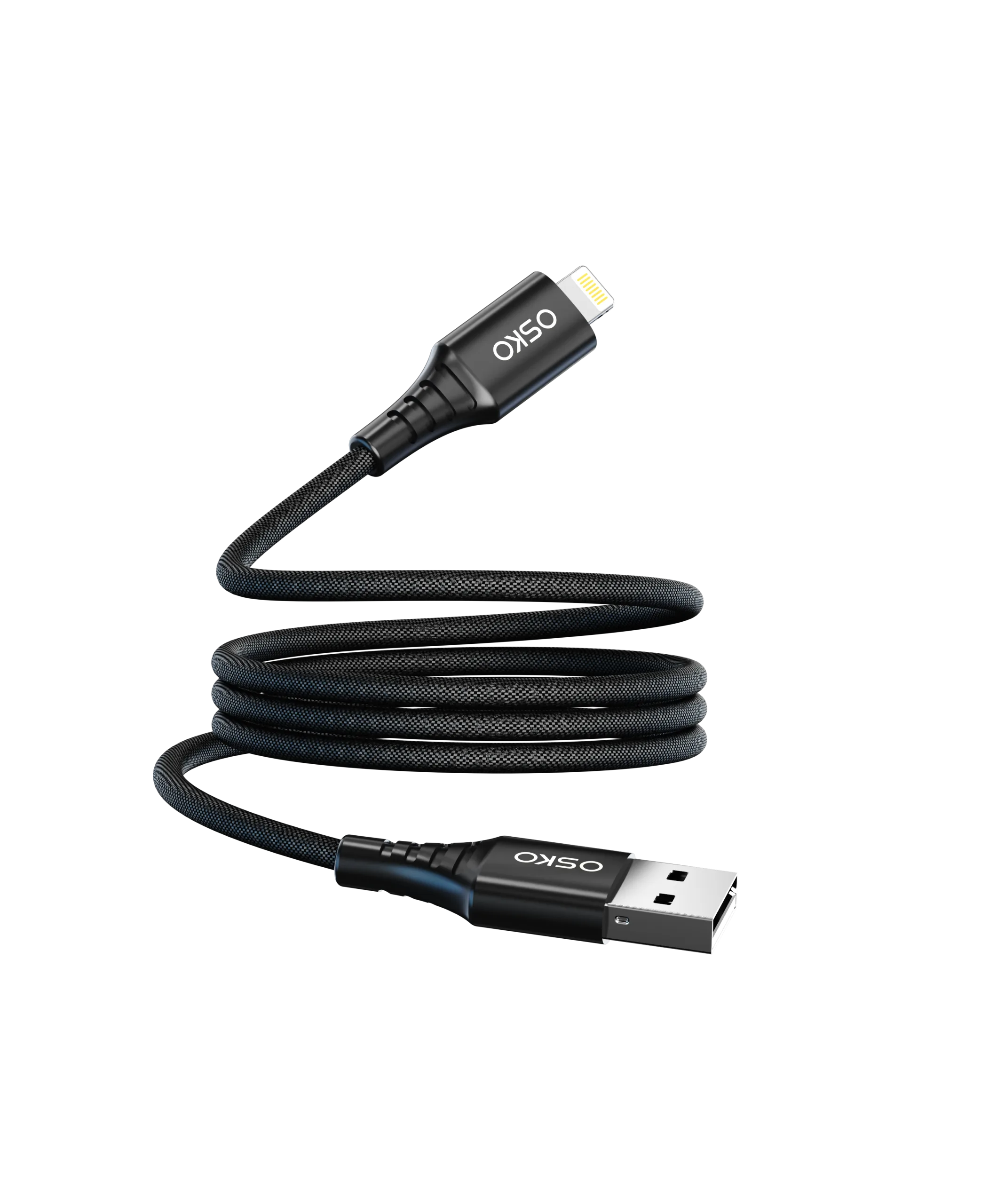
Lightning Cable (Apple Ecosystem)
Lightning is Apple’s proprietary standard.
Key features:
Reversible connector (smaller form factor)
Limited to Apple ecosystem devices
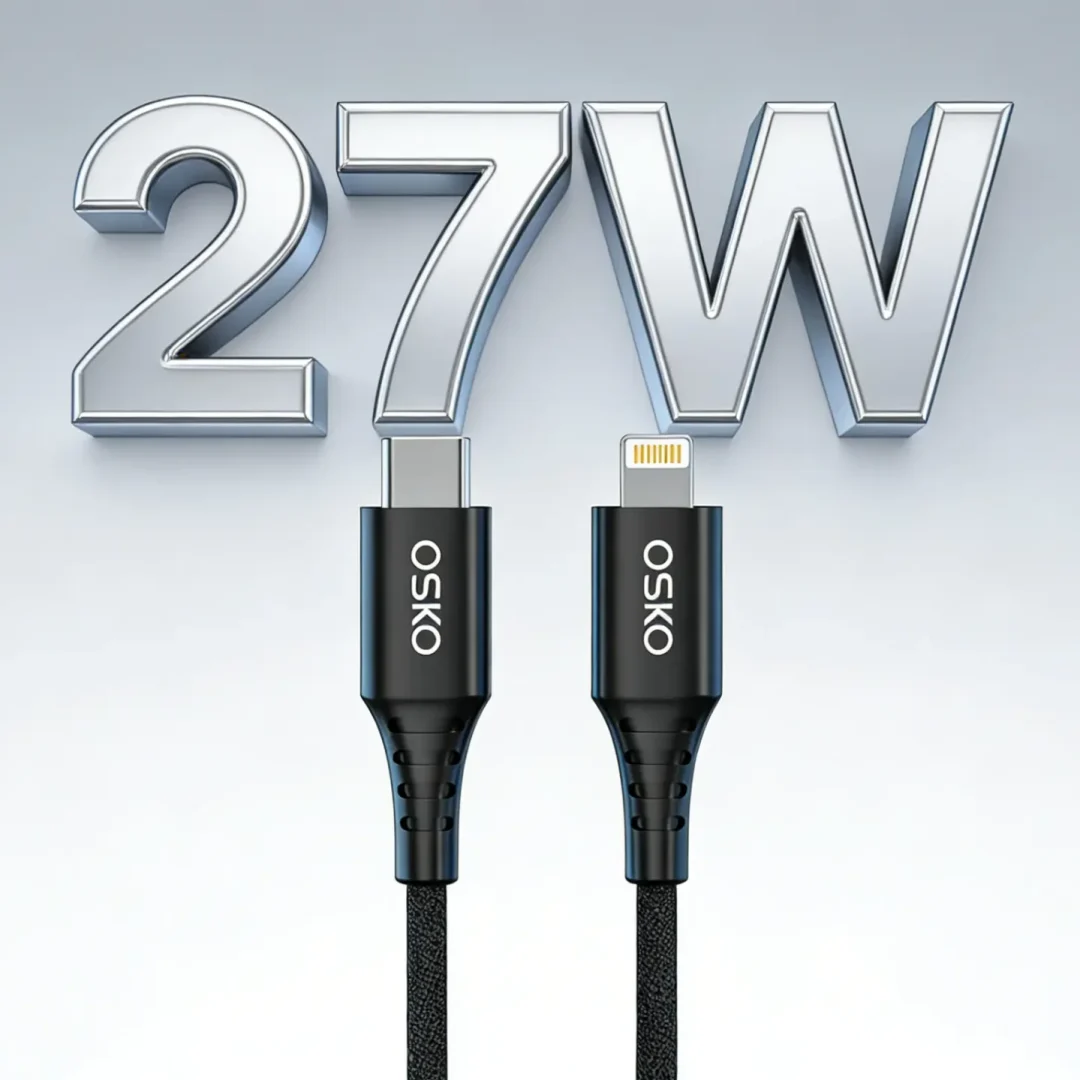
Charging up to ~27W–30W in most cases
Data speed limited compared to USB-C
Internal structure:
Compact pin-based contact design
Lower power tolerance than USB-C
Tight integration with Apple authentication chips (MFi)

Micro USB Cable
Micro USB is the oldest widely used standard.
Key features:
Non-reversible connector
Limited power delivery (typically 5W–10W, up to ~15W in fast charge variants)
Slow data transfer rates
Mechanical wear-prone design
Internal structure:
Simple 5-pin layout
Thin copper conductors
No advanced power negotiation system
Technical Comparison Table
| Feature | USB-C | Lightning | Micro USB |
|---|---|---|---|
| Reversible | Yes | Yes | No |
| Max Power | Up to 240W | ~27–30W | ~10–15W |
| Data Speed | Up to 40Gbps | Limited (USB 2.0 level) | USB 2.0 |
| Durability | High | Medium-High | Low |
| Ecosystem | Universal | Apple-only | Legacy Android |
| OEM Usage | Global standard | Apple accessories | Legacy devices |

Material & Engineering Performance
Copper Conductor Efficiency
USB-C cables typically use:
Oxygen-free copper (OFC)
High-density multi-strand structure
Low resistance design
Lightning cables use:
Smaller conductor architecture optimized for Apple devices
Micro USB cables use:
Basic copper structure with limited current handling
Shielding and Signal Integrity
USB-C: advanced EMI shielding + braided mesh
Lightning: compact shielding optimized for Apple devices
Micro USB: minimal shielding, more interference-prone
Connector Durability
| Type | Insertion Lifespan |
|---|---|
| USB-C | ~10,000+ cycles |
| Lightning | ~5,000–10,000 cycles |
| Micro USB | ~1,000–5,000 cycles |
USB-C offers the highest mechanical durability, especially in OEM USB cable manufacturing environments.

Market Evolution and Adoption Trends
United States
Rapid migration from Lightning → USB-C (Apple ecosystem shift)
Strong demand for fast charging USB-C cable solutions
Decline of Micro USB in consumer electronics
Europe
Regulatory push toward universal USB-C standard
High adoption in laptops, phones, and accessories
Strong compliance requirements (CE, RoHS)
Asia Manufacturing
OEM USB cable production primarily centered in USB-C transition
Micro USB still used in low-cost legacy devices
Lightning production declining due to ecosystem shift
Purchase Recommendations
Cable Selection Guide
| Device Type | Recommended Cable |
|---|---|
| iPhone (2026+) | USB-C cable |
| Android phones | USB-C cable |
| Old Android devices | Micro USB |
| Apple legacy accessories | Lightning cable |
OEM Manufacturing Strategy Table
| Category | Engineering Focus | OSKO Solution |
|---|---|---|
| OEM USB cable | Cross-compatibility | Multi-standard production |
| ODM USB cable | Product innovation | Material + design upgrades |
| Wholesale USB cable | Cost efficiency | Mass production QC |
| Bulk USB cables | Supply chain stability | Automated testing |
| Retail USB cable | Premium positioning | Braided + packaging |
| Travel USB cable | Portability | Lightweight design |
| Car charging cable | Vibration resistance | Reinforced connectors |
| Home USB cable | Long lifespan | Heat-resistant materials |
Certification Requirements
For North America and Europe:
CE RoHS certified 240W USB C cable
FCC approved nylon braided USB C cable supplier
USB-IF compliant Type C cable manufacturer
ISO9001 certified braided USB cable factory wholesale
Prop 65 compliant USB C cable factory
FAQ
Which is better: USB-C, Lightning, or Micro USB?
USB-C is the most advanced and widely adopted standard.
Why is USB-C replacing other cables?
Because it supports higher power, faster data, and universal compatibility.
Is Lightning still relevant in 2026?
Only in limited Apple legacy ecosystems.
Why is Micro USB still used?
Only in low-cost or older devices.
Can USB-C replace all cables?
Yes, it is becoming the global universal standard.
Summary
USB-C, Lightning, and Micro USB represent three generations of charging and data transmission technology. Among them, USB-C is the most advanced, offering higher power delivery, faster data transfer, and universal compatibility across devices.
Lightning remains limited to Apple ecosystems, while Micro USB is gradually disappearing from modern electronics due to performance limitations.
For OEM USB cable manufacturers, ODM USB cable suppliers, and Wholesale USB cable distributors, the global market is clearly shifting toward USB-C as the dominant standard, especially in North America and Europe where fast charging and regulatory standardization are accelerating adoption.