

Introduction
The question “Can a phone charger be used as a USB cable?” reflects a common misunderstanding in modern charging systems, especially in consumer electronics markets across North America and Europe.
At a surface level, both components appear to belong to the same charging ecosystem. However, from an engineering perspective, a phone charger and a USB cable are fundamentally different subsystems that perform separate electrical functions.
A charger is an active power conversion device, while a USB cable is a passive transmission medium designed to carry electrical energy and data signals between devices.
Because of this structural difference, a charger cannot replace a USB cable under any standard USB-C or Lightning architecture.
To fully understand this limitation, it is necessary to analyze the system from material science, electrical engineering, and OEM manufacturing perspectives.

Material Science & Dielectric Properties
The distinction between charger and cable becomes clear when examining their internal structures and material behavior.
System-Level Functional Separation
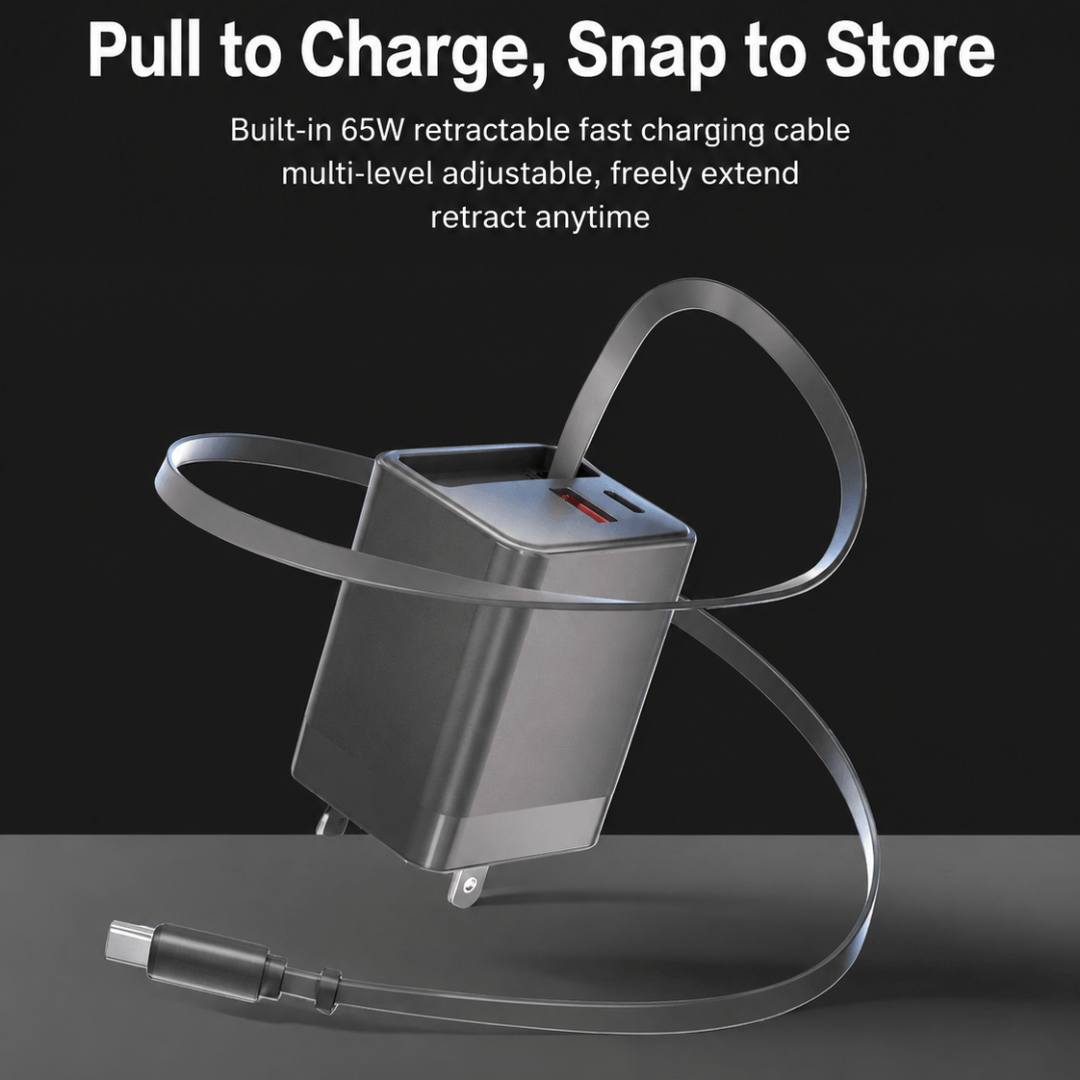
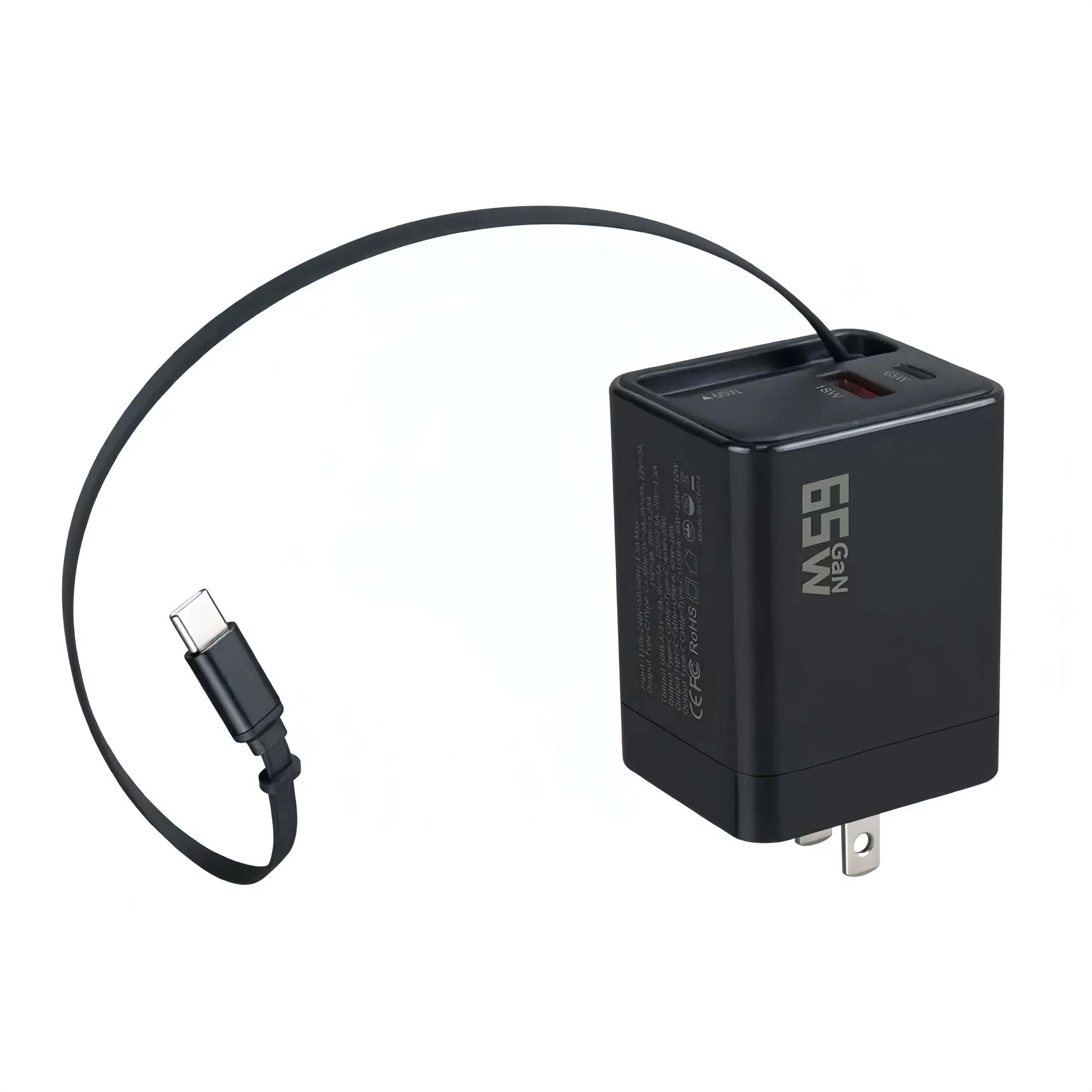
A phone charger contains active electronic components, including:
AC-to-DC conversion circuits
Voltage regulation modules
Power management ICs
Thermal protection systems
Its role is to convert high-voltage alternating current into controlled low-voltage direct current.
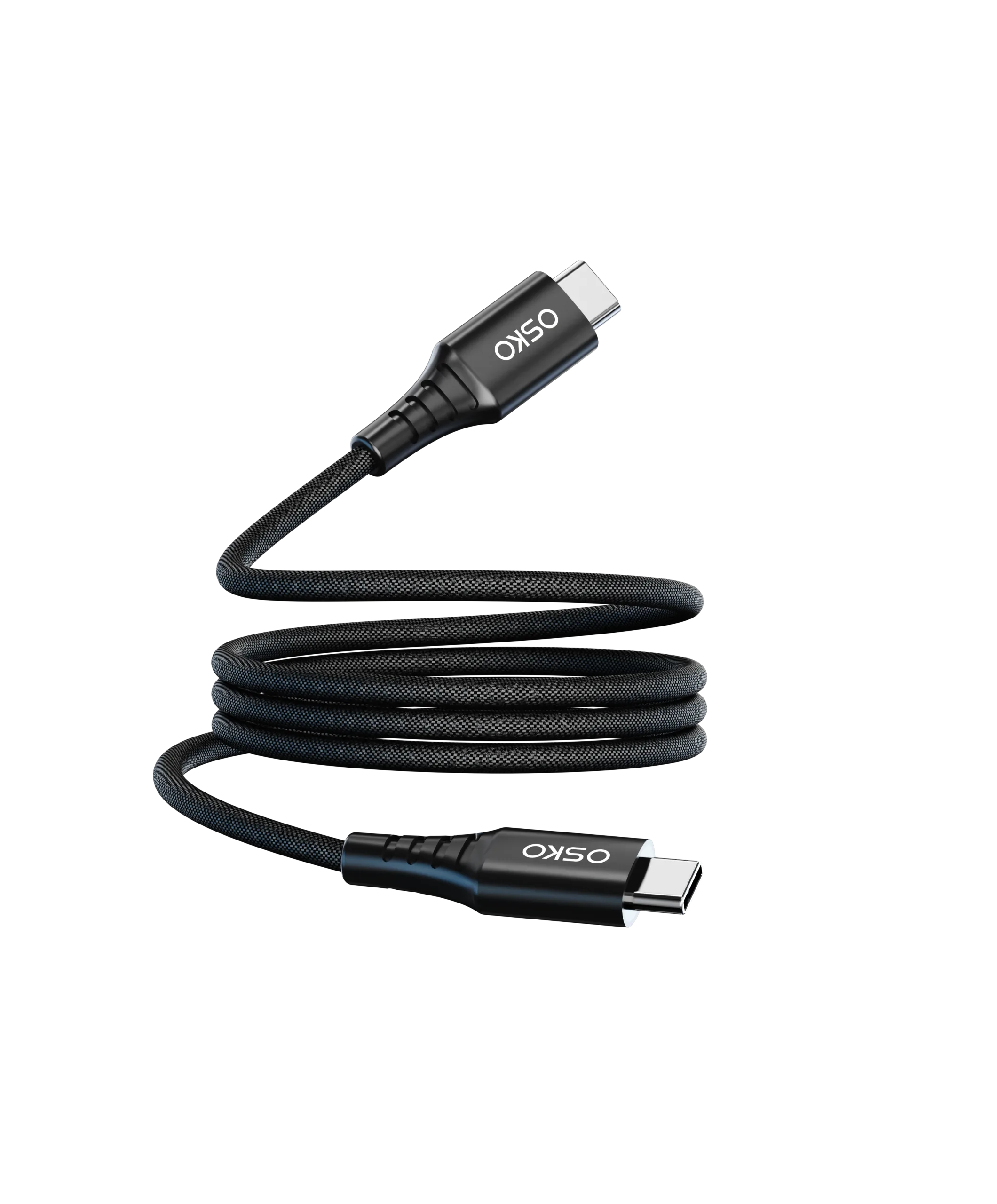
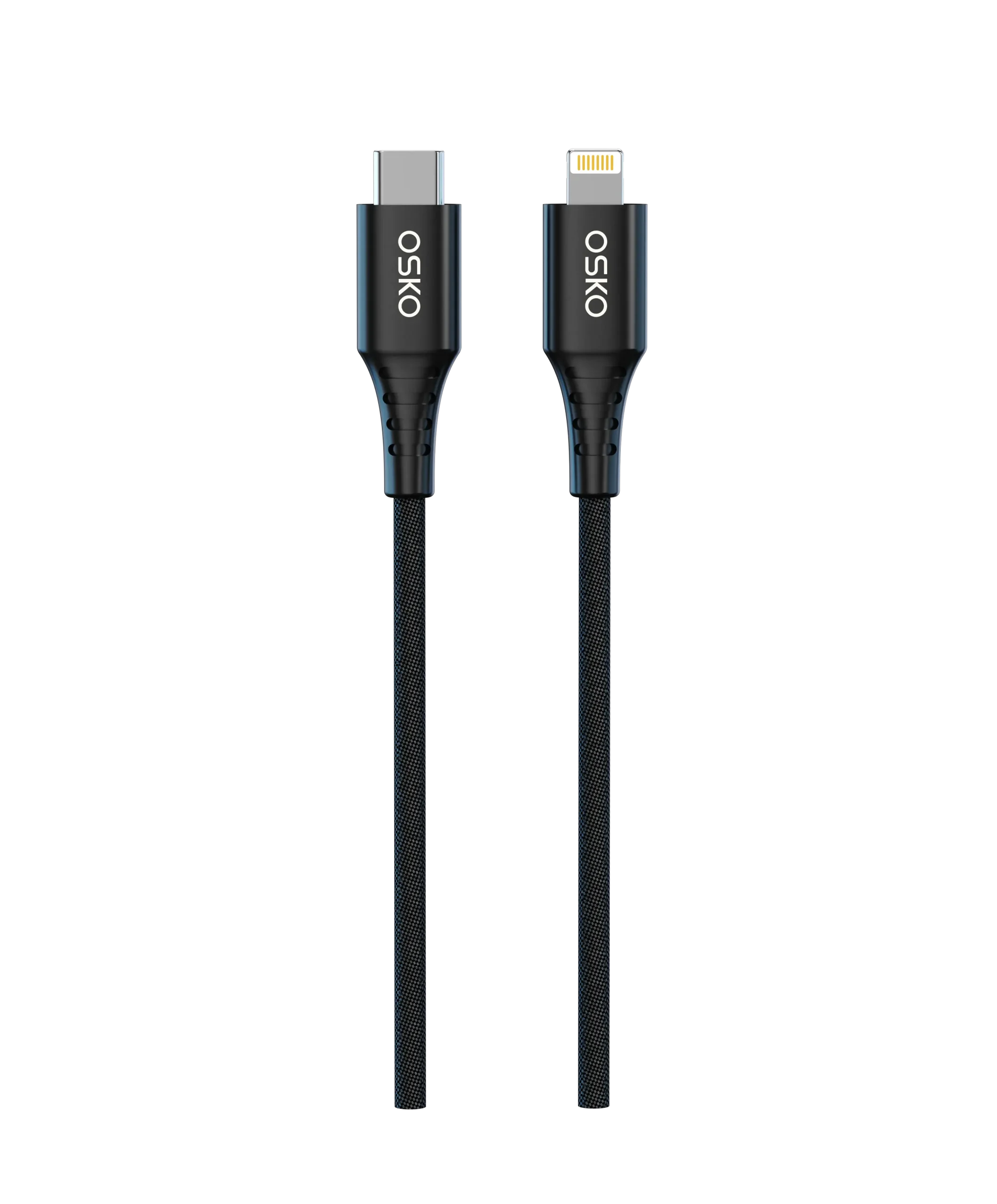
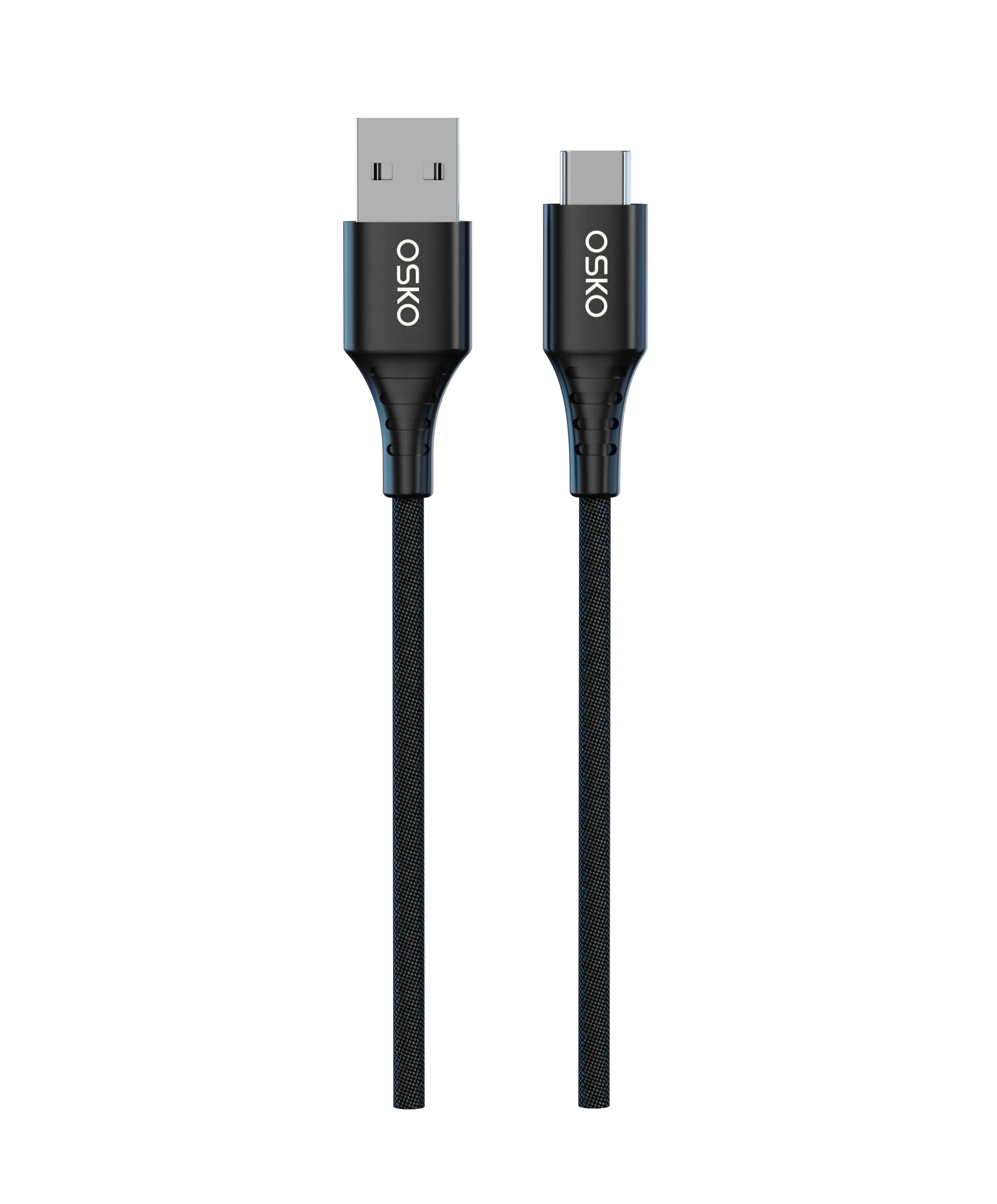
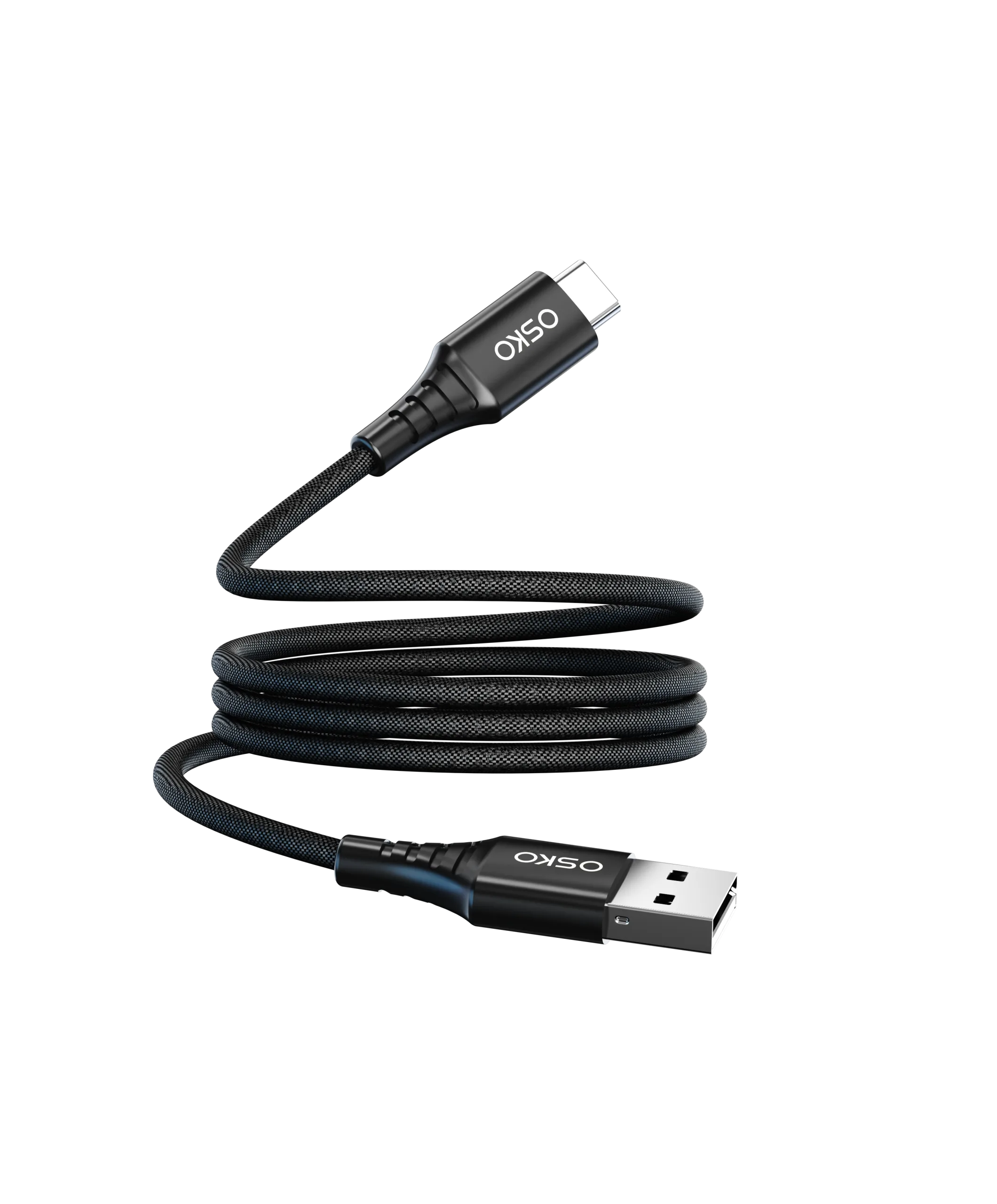
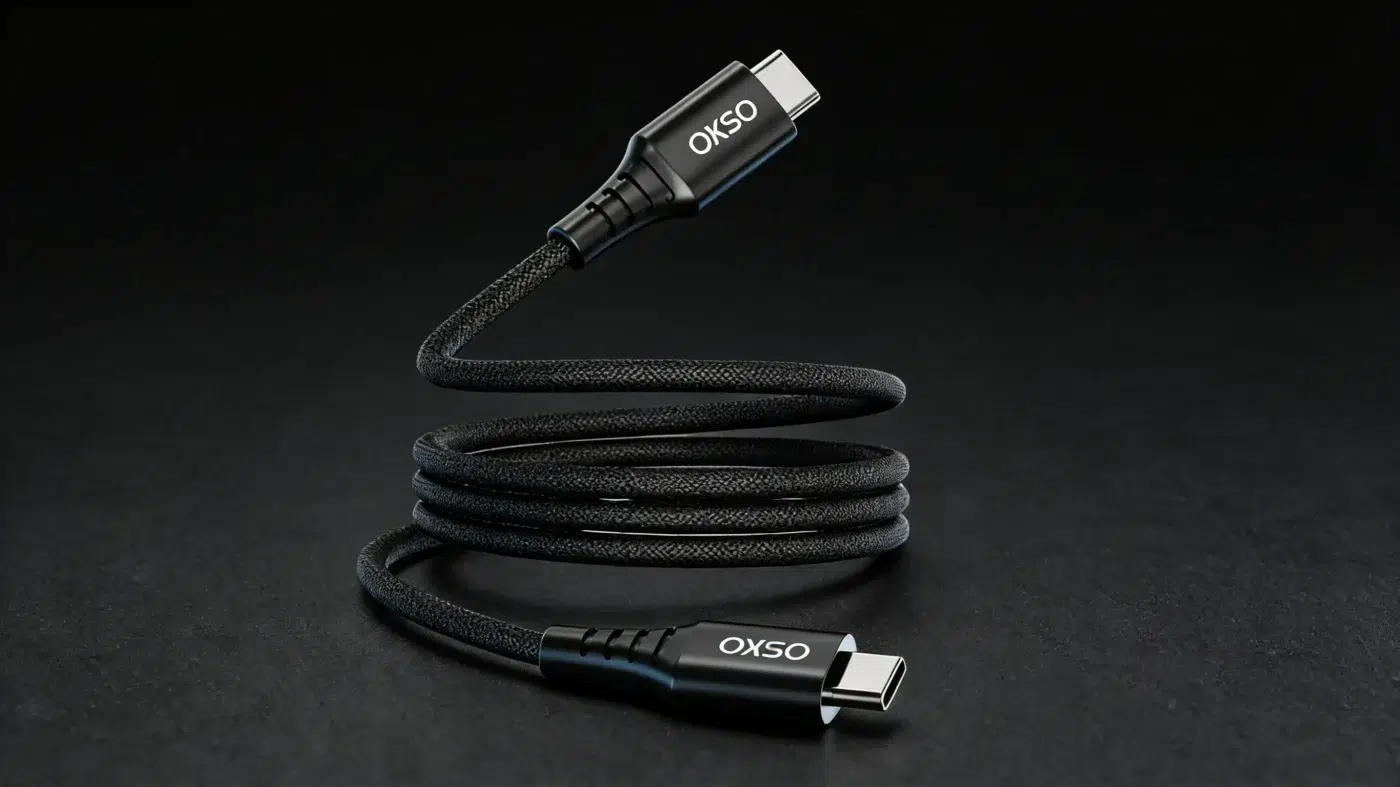
In contrast, a USB cable such as a USB-C cable is a passive conductive system composed of:
Oxygen-free copper conductors
Polyethylene or TPE insulation layers
Aluminum foil or braided shielding structures
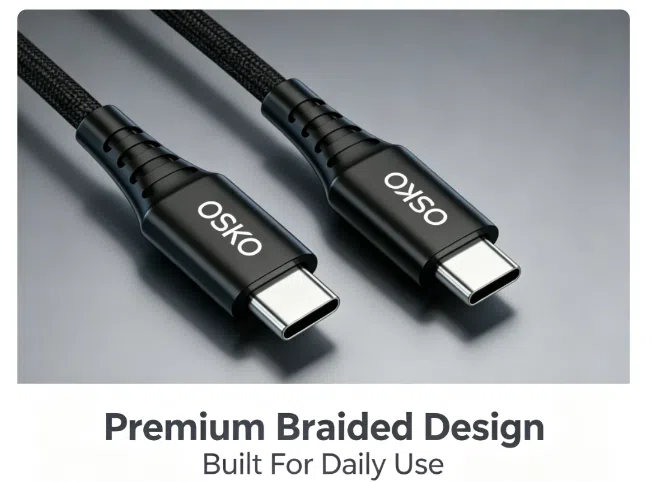
Nylon or TPU outer jackets
Its role is to transmit power and data without performing electrical conversion.
This fundamental separation defines why USB-C cable engineering cannot be replaced by a charger.
Dielectric Behavior and Signal Integrity
A key technical difference lies in dielectric performance.
USB cables rely on carefully engineered dielectric materials to ensure:
Stable voltage transmission
Low signal loss
Electromagnetic interference shielding
Consistent fast charging performance
Materials such as TPE and PE are selected specifically for their dielectric stability.
A charger does not perform signal transmission and therefore does not include these structural requirements.
As a result, a charger cannot replicate the physical transmission function of a USB cable compatibility system.
Mechanical Interface Constraints
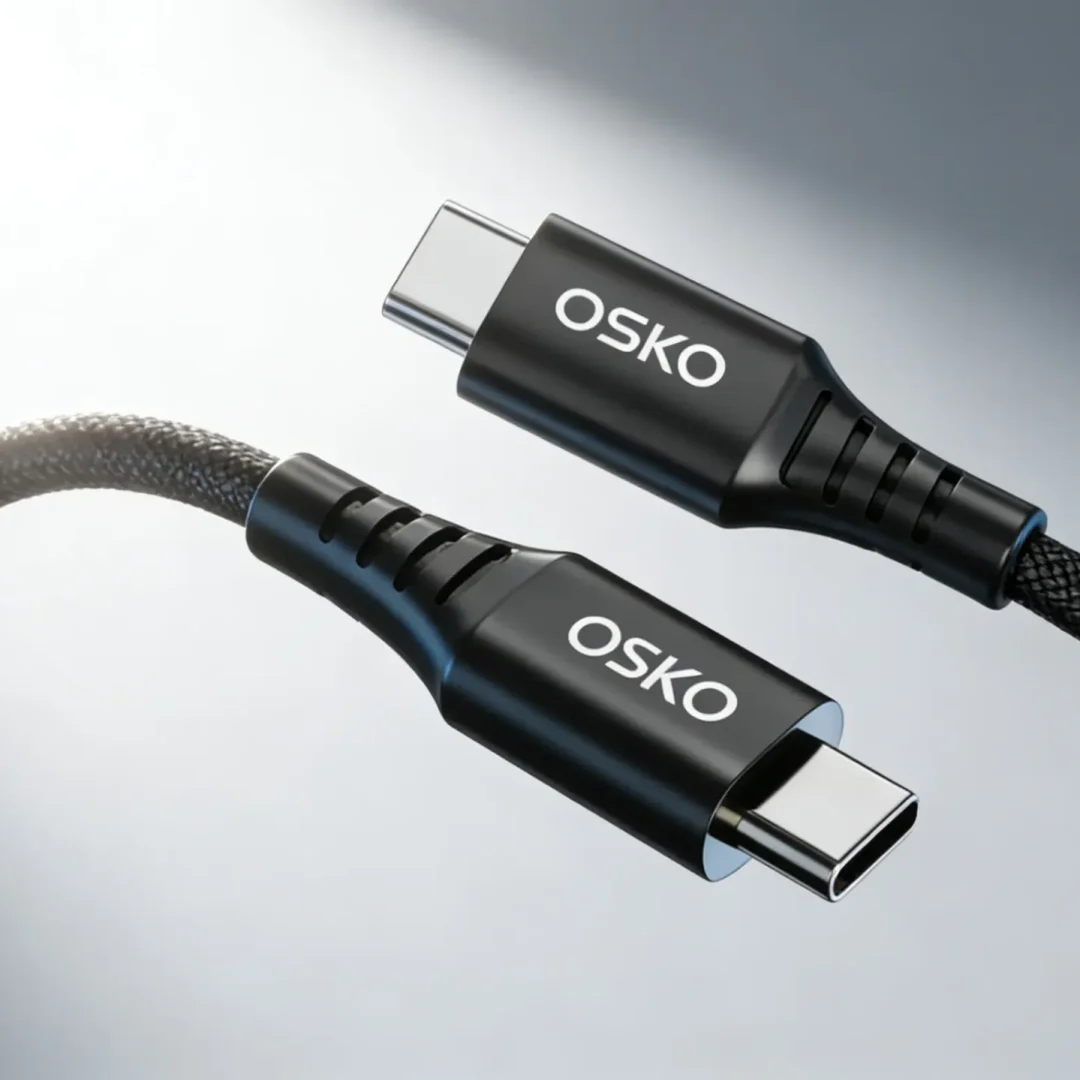
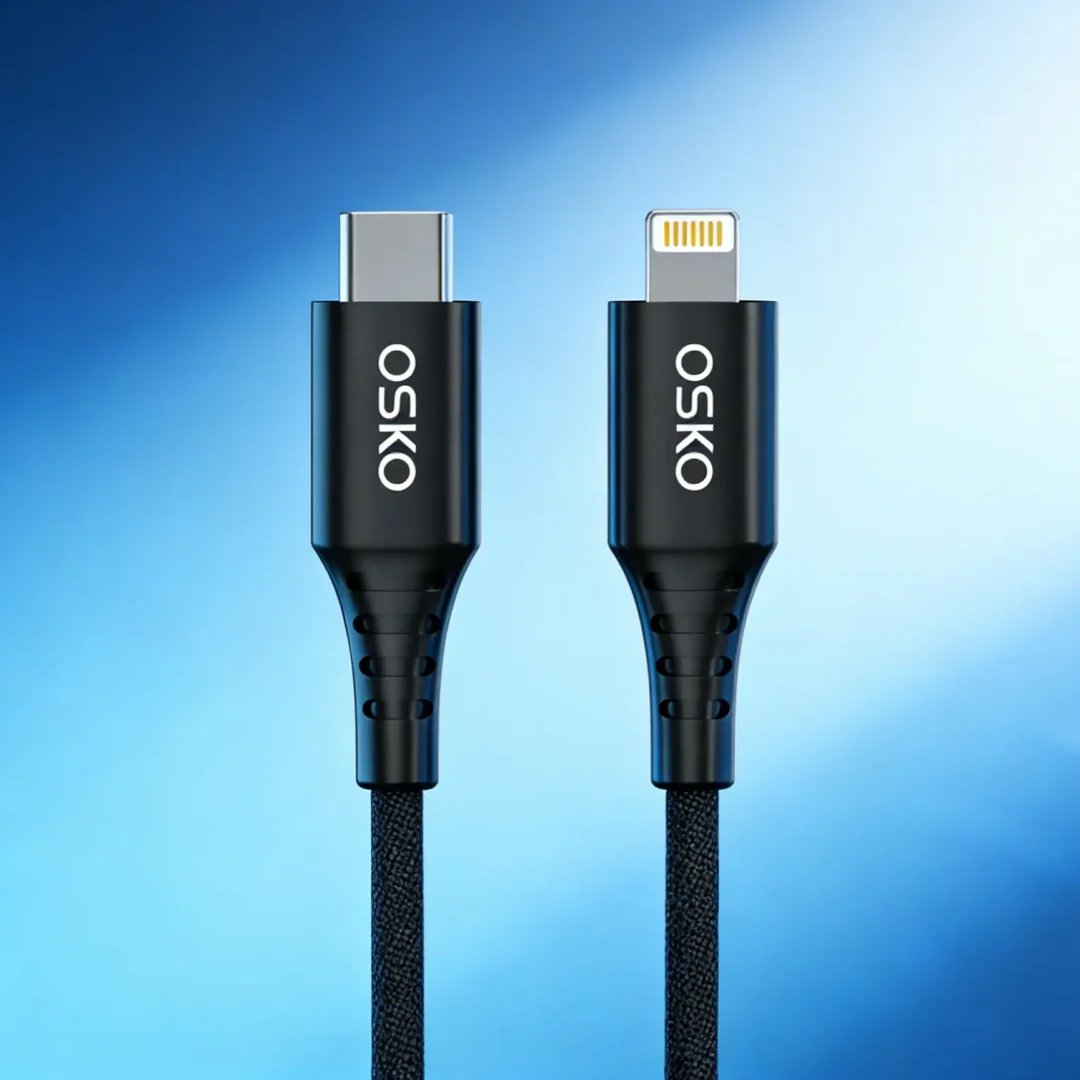
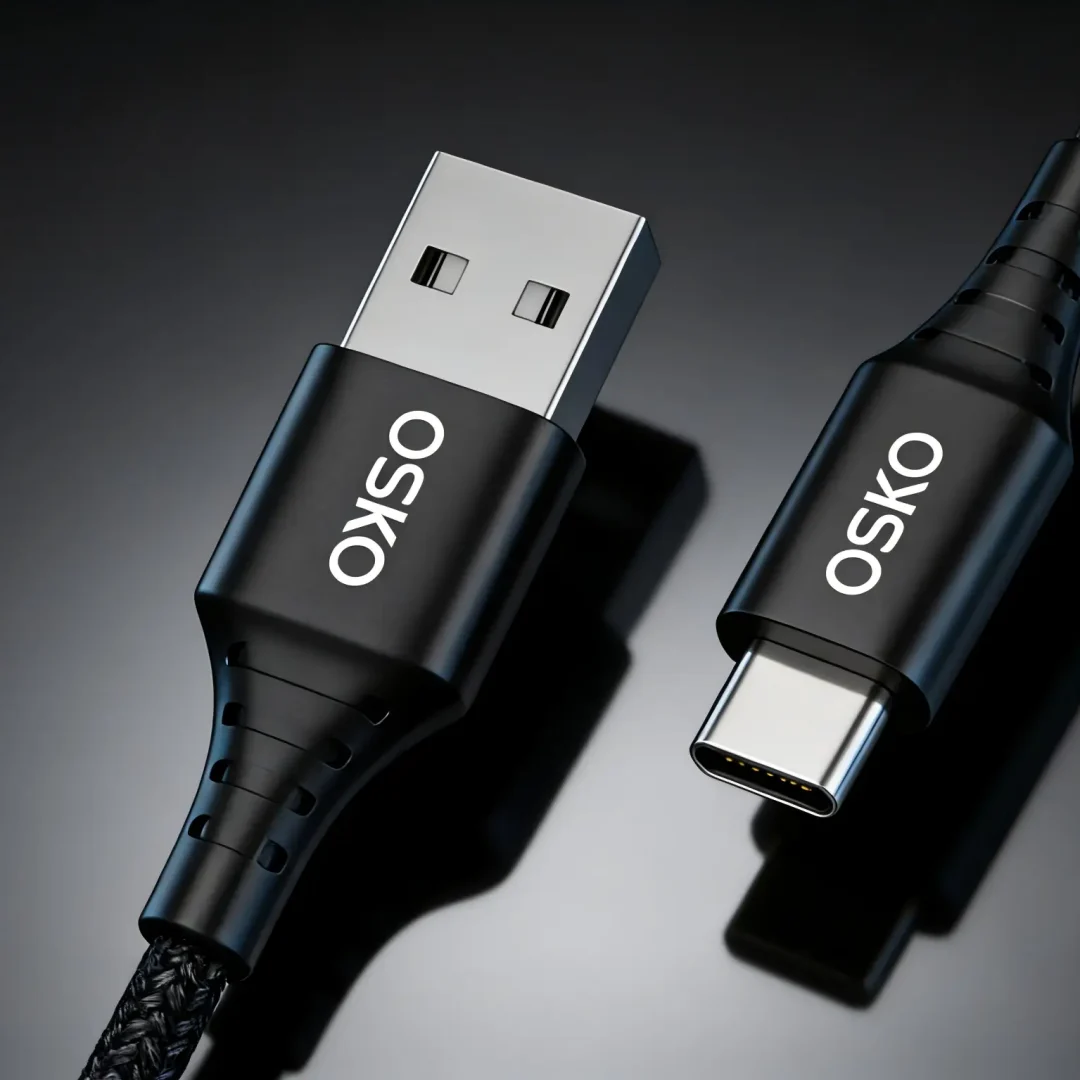
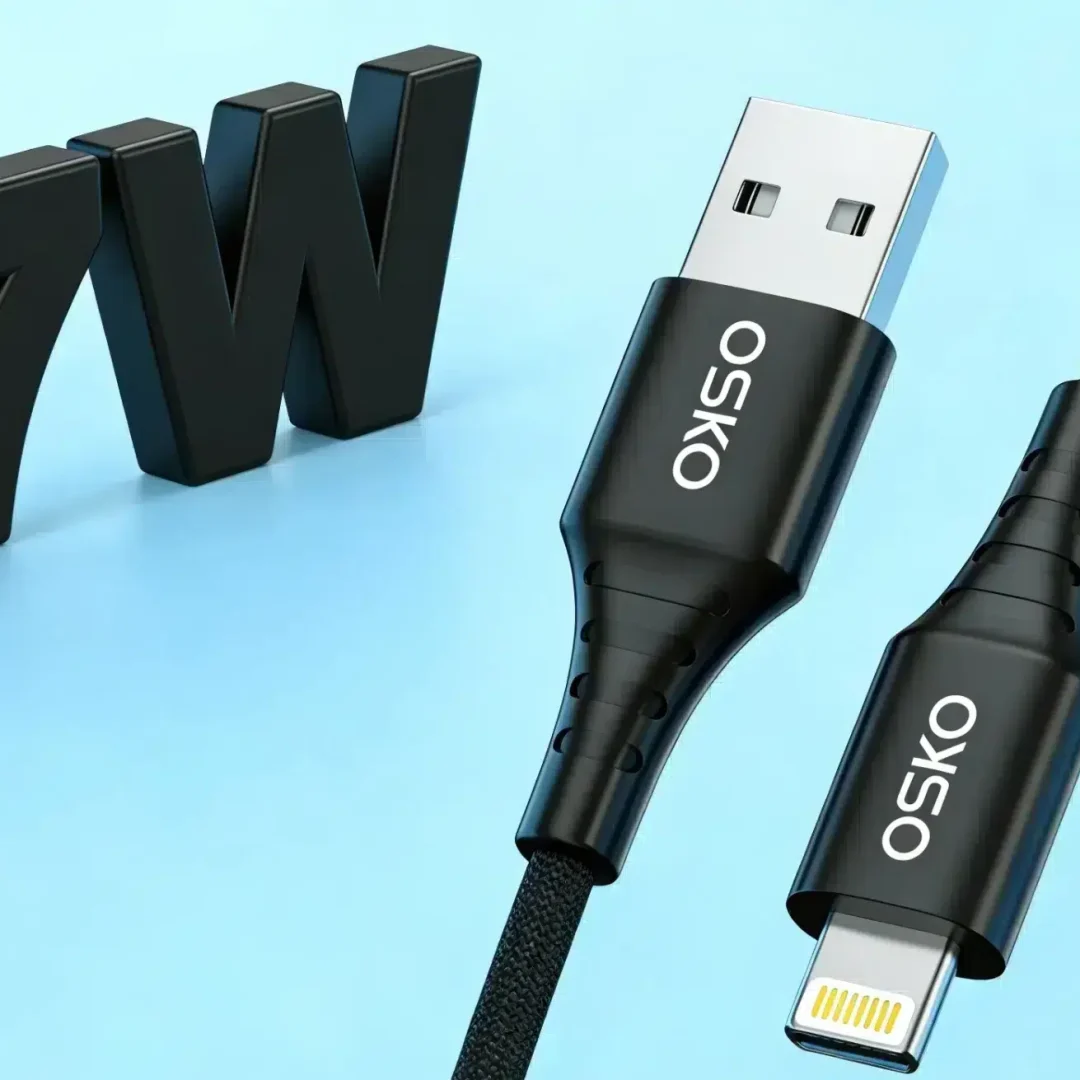
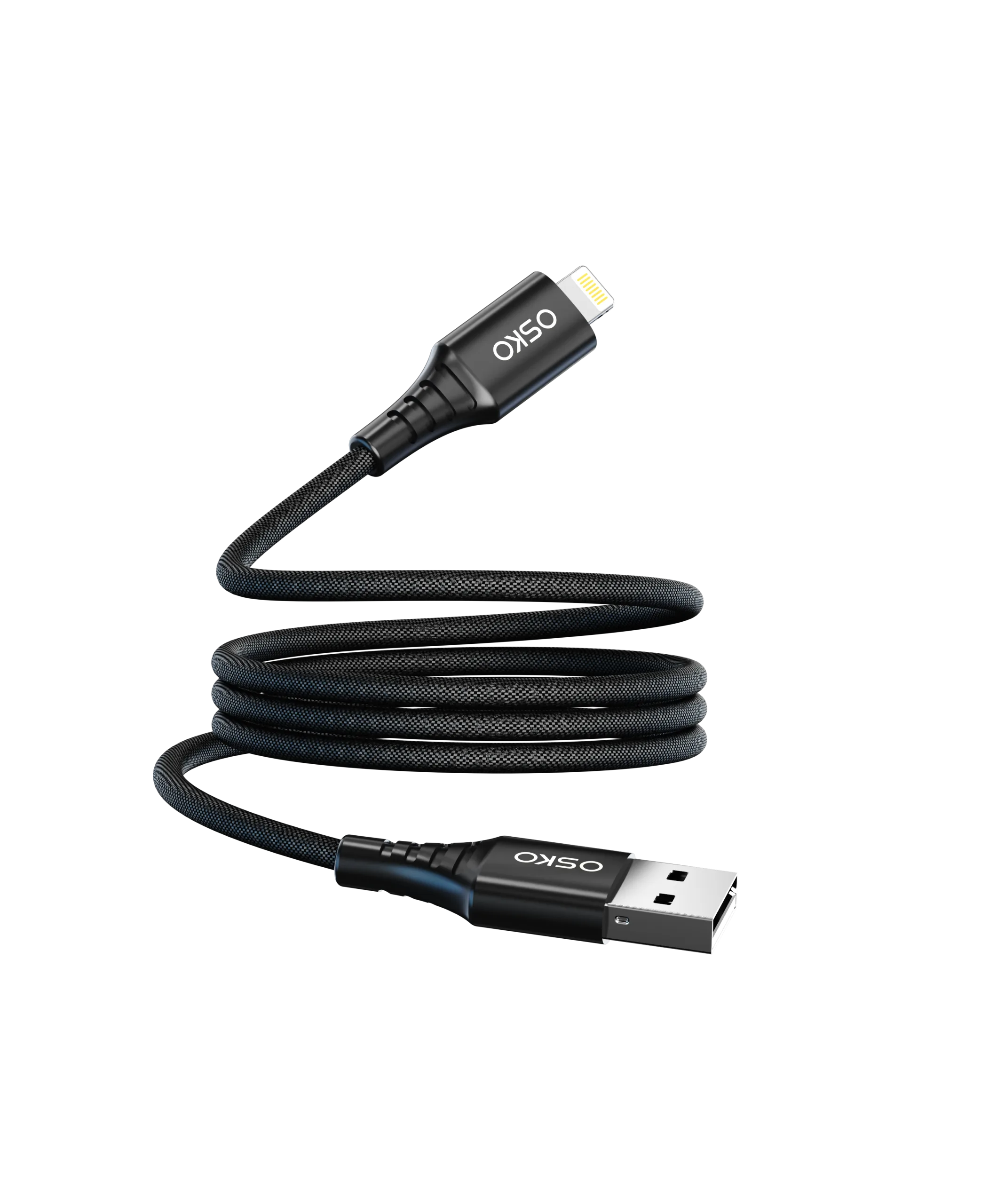
USB systems rely on standardized physical connectors:
These connectors define mechanical and electrical boundaries for safe operation.
Without a physical cable interface, a charger cannot connect to a device directly, making substitution impossible under all standard configurations.
Case Study
OEM USB Charging Integration Project for US and EU Markets
A North American electronics brand attempted to reduce product complexity by merging charger and cable functionality into a single hybrid device for retail distribution.
Customer Requirements
The product brief included:
Simplified travel charging solution
Compatibility with iPhone and Android devices
Support for USB-C fast charging systems
Reduced packaging complexity for retail channels
Engineering Challenges
During prototyping, several critical issues were identified:
Overheating under sustained load conditions
Lack of modular flexibility for different devices
Limited support for multiple charging protocols
Mechanical stress at connector junctions
These failures confirmed a key engineering principle: a charger cannot replace the transmission role of a USB cable.

OSKO Engineering Solution
The final system design separated functions into modular components:
High-efficiency USB-C charging system architecture
Oxygen-free copper conductor structure
TPE dielectric insulation system
Reinforced nylon braided outer jacket
USB-IF compliant power delivery protocol
The design aligned with global manufacturing standards used in:
OEM USB Cables
ODM USB Cables
Bulk USB Cables
Retail USB Cables
Results
After redesign implementation:
Charging stability improved significantly
Thermal performance optimized under high load
Cross-device compatibility increased
Compliance achieved for CE and FCC standards
This case demonstrates that charging systems require strict separation between power conversion and signal transmission components.
Selection Guide
Charging System Architecture Understanding
A complete USB charging system always consists of three components:
Power source (charger)
Transmission medium (USB cable)
Device load (smartphone, tablet, laptop)
Each component plays a unique engineering role and cannot replace the others.
Material Engineering in USB Cable Design
Cable performance depends heavily on material selection and structural engineering.
| Material Type | Engineering Function | Performance Impact |
|---|---|---|
| Oxygen-free copper | Electrical conductivity | Efficient power delivery |
| TPE insulation | Flexibility and dielectric stability | Stable signal transmission |
| PVC insulation | Cost optimization | Standard performance level |
| Nylon braided jacket | Mechanical protection | High durability and abrasion resistance |
Premium products such as Durable nylon braided Type C charging cable factory solutions focus on both electrical efficiency and mechanical reliability.
High-Power Charging System Requirements
Modern USB-C ecosystems support multiple power levels:
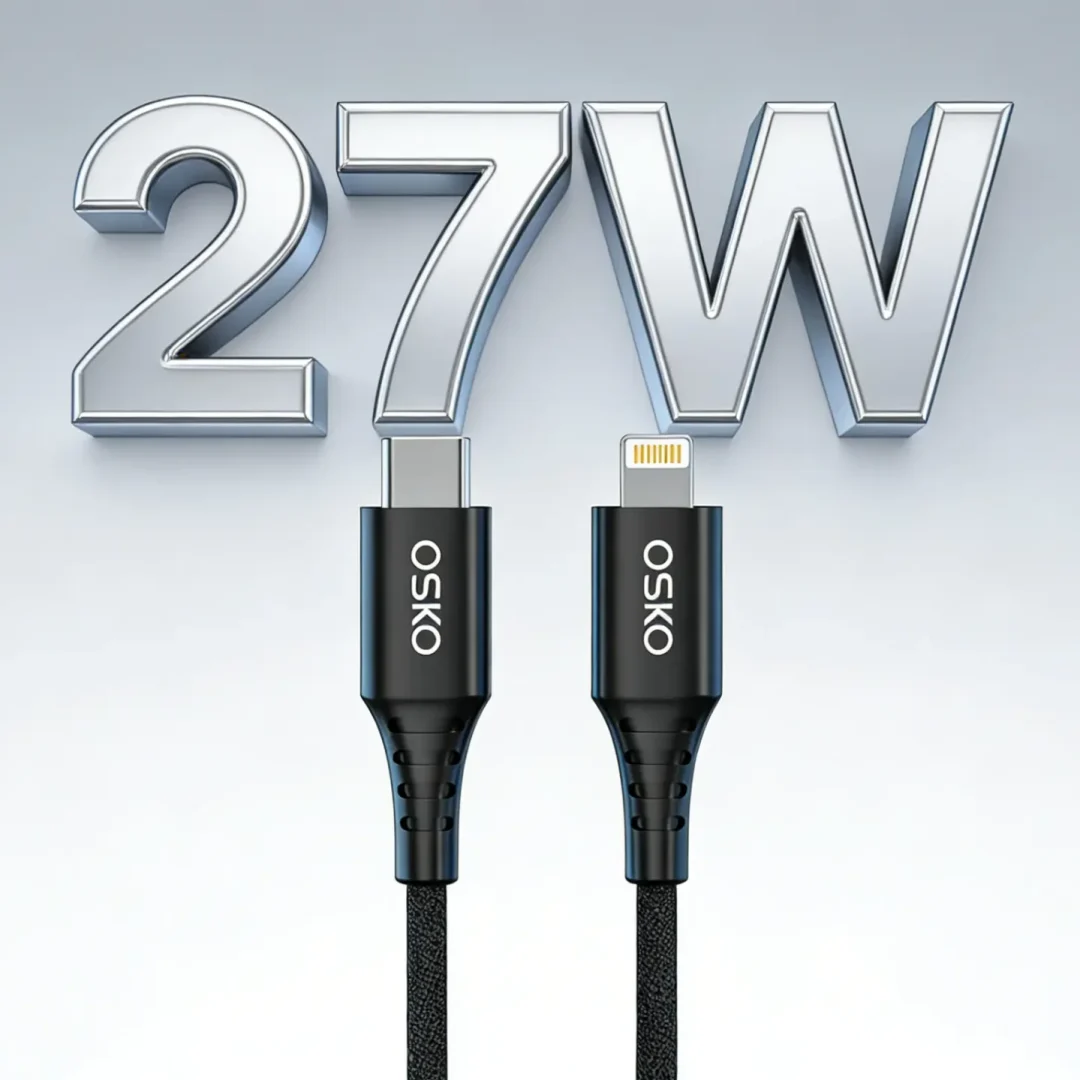
60W systems for smartphones and tablets
100W systems for laptops
240W systems for advanced PD architectures
Manufacturers producing CE RoHS certified 240W USB C cable and USB-IF compliant Type C cable manufacturer products ensure compliance with global charging standards.
OEM and Global Supply Chain Considerations
International buyers frequently source:
Bulk custom 6ft 10ft USB-C cables
OEM ODM custom length USB C cables
White label 240W fast charging cable wholesale
Wholesale 60w braided usb c cable
Custom packaging braided charging cable factory
These products are widely used in:
OEM USB cable manufacturing systems
ODM product development pipelines
Wholesale distribution networks
Retail electronics ecosystems
Specialized Cable Engineering Applications
Different environments require specialized cable designs:
Braided right angle USB-C cable wholesale for gaming and desk setups
Heavy duty coiled USB-C spring cable bulk for automotive environments
Bulk short 0.5ft braided Type C cables for power bank systems
Wholesale 3 in 1 braided charging cable OEM for multi-device compatibility
These variations reflect real-world engineering adaptation across industries.
FAQ
Can a phone charger replace a USB cable?
No. A charger performs power conversion, while a USB cable performs physical transmission of power and data.
Why are chargers and cables both required?
Because charging systems depend on both energy conversion and transmission infrastructure.
Does cable quality affect charging speed?
Yes. Resistance, conductor purity, and shielding design directly impact charging efficiency.
Can USB-C cables support fast charging?
Yes. Properly engineered USB-C cables can support up to 240W PD systems.
Are braided cables better than PVC cables?
Braided cables offer higher durability, better abrasion resistance, and longer service life in real-world applications.
Summary
A phone charger cannot be used as a USB cable because both components serve fundamentally different engineering roles within a charging system architecture.
A charger is responsible for converting and regulating electrical power, while a USB cable is responsible for transmitting that power and enabling data communication through engineered conductive and dielectric structures.
From a materials and system design perspective, USB cables require copper conductors, insulation layers, shielding systems, and standardized connectors that a charger does not contain.
For OEM manufacturers, distributors, and global electronics brands, understanding this distinction is essential for building reliable, compliant, and high-performance charging ecosystems for North American and European markets.
Ultimately, stable charging performance depends on the coordinated interaction between charger, cable, and device—not the interchangeability of their functions.
Contact Information
OSKO provides full-scale USB charging system solutions for global markets, including:
USB-C fast charging cables (60W–240W)
Nylon braided cable engineering systems
OEM & ODM manufacturing services
Private label and retail packaging solutions
Wholesale and bulk supply programs
OSKO engineering team provides technical documentation, compliance support, and OEM customization solutions for international buyers.