
Introduction
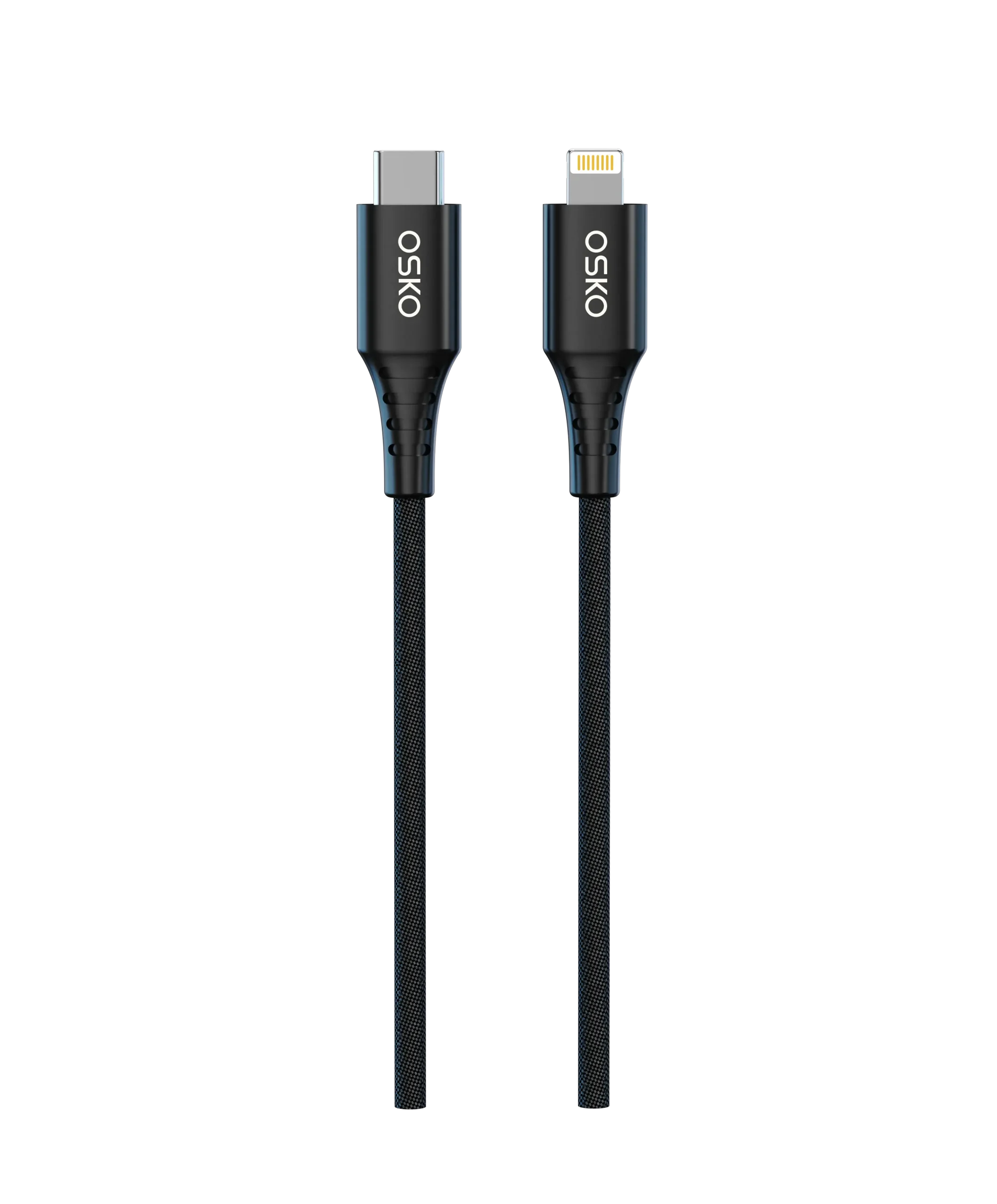
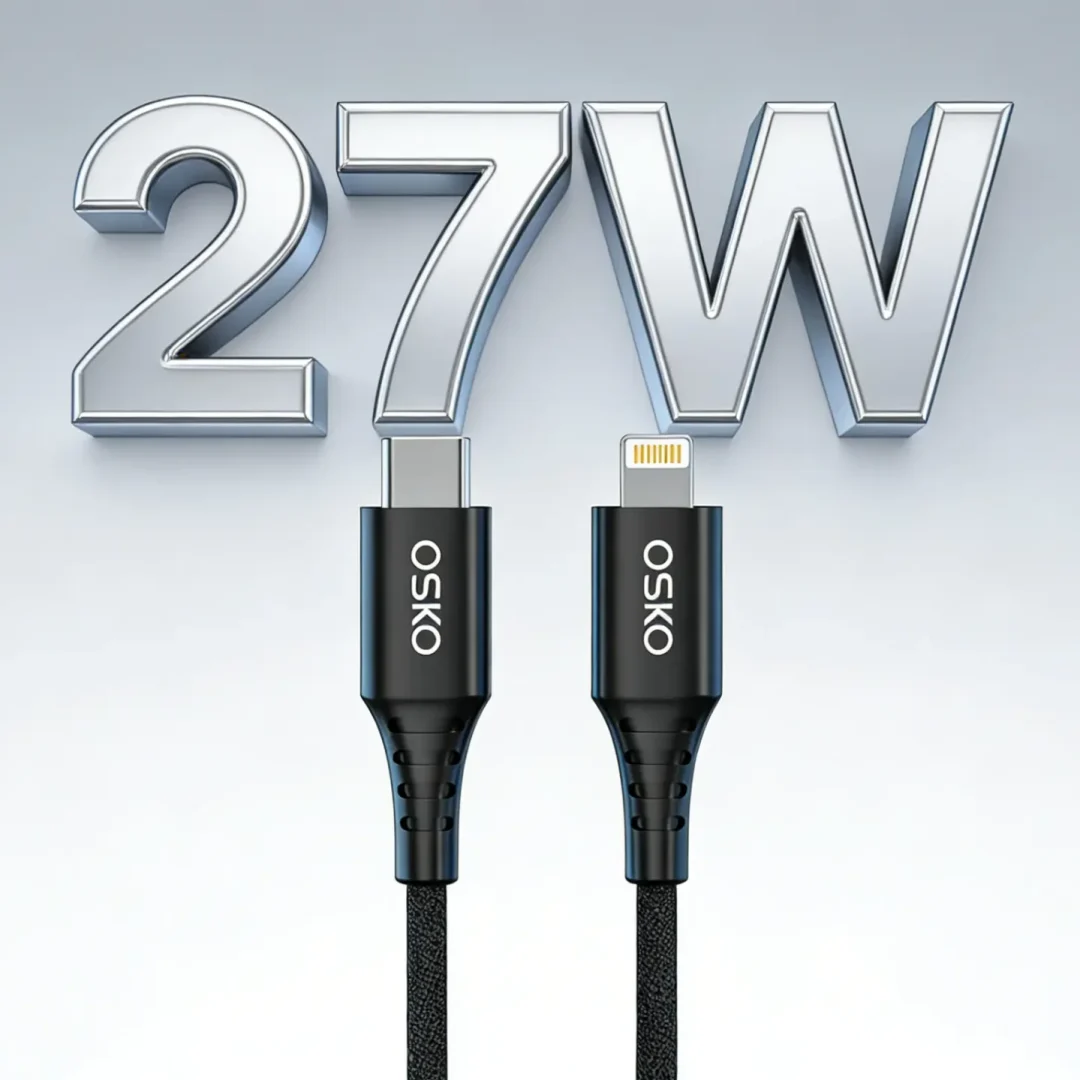
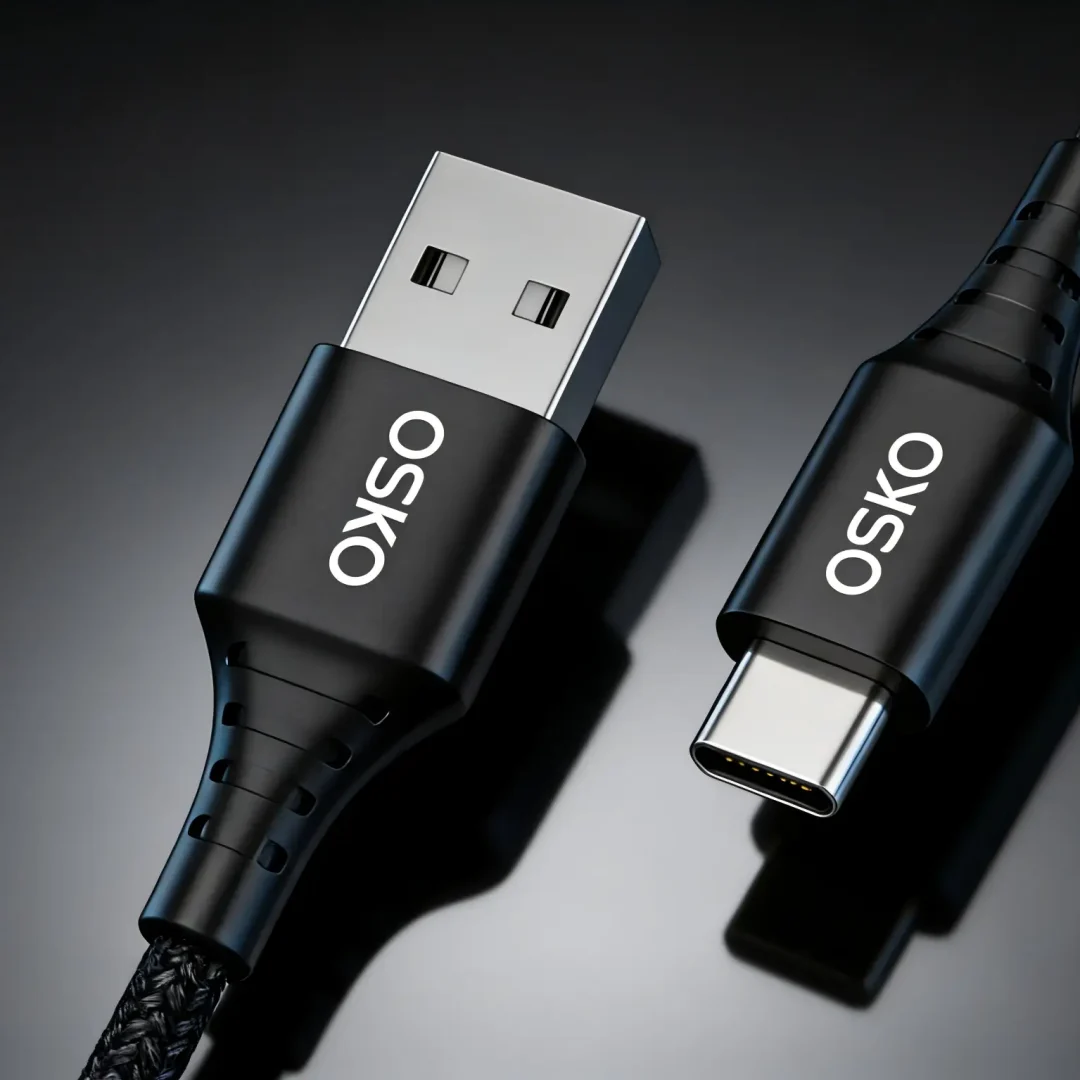
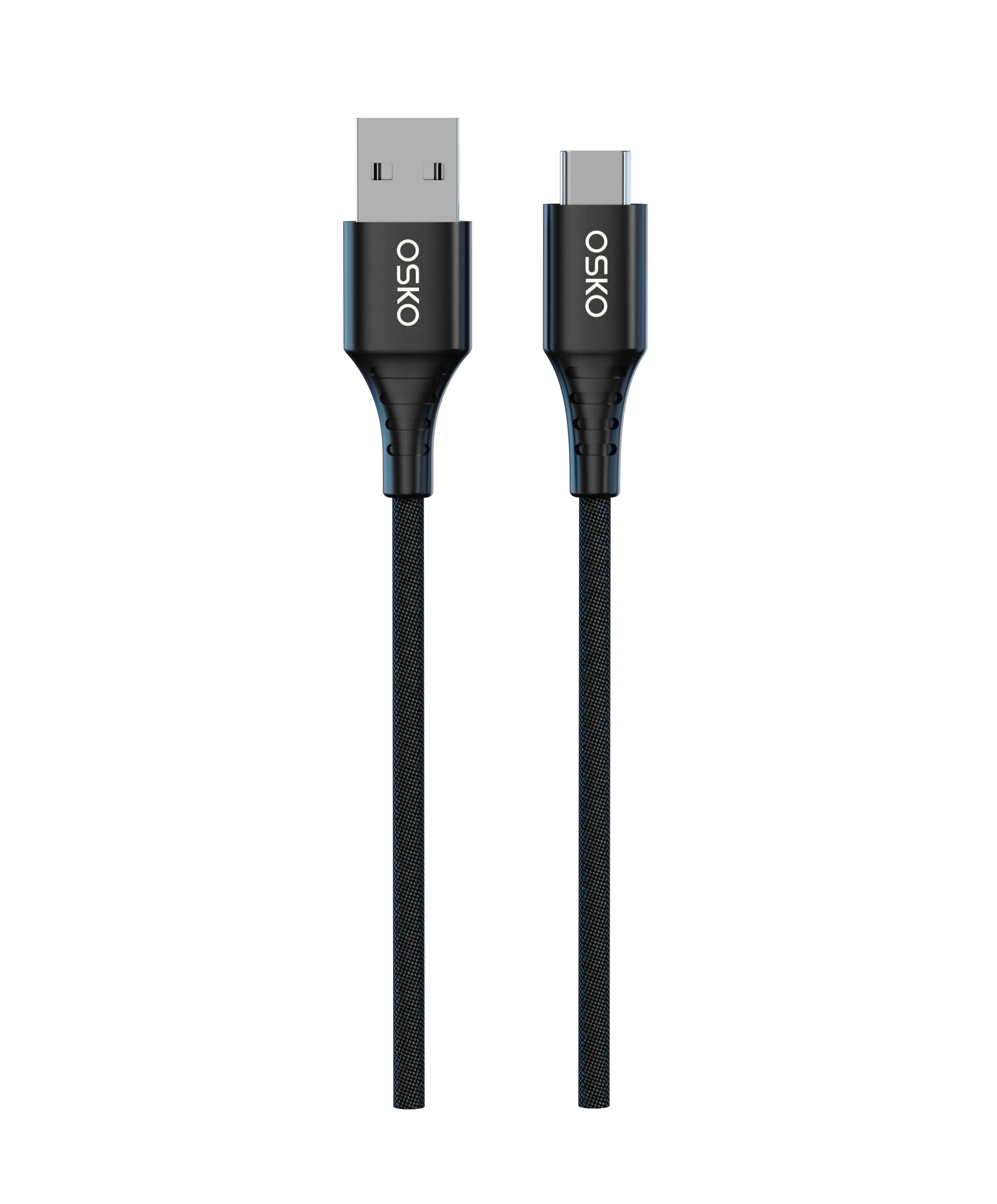
Modern devices demand higher power delivery, faster data transfer, and improved durability, making cable selection a critical engineering and procurement decision. A braided USB-C cable is not simply a cosmetic upgrade but a structural improvement designed to enhance mechanical strength and electromagnetic stability. As USB Power Delivery reaches up to 240W, material design and shielding become essential to maintaining performance across devices such as laptops, smartphones, and industrial equipment.
In the B2B and export context, buyers increasingly prioritize compliance, lifecycle durability, and customization capabilities. This is especially relevant when sourcing from a USB-IF compliant Type C cable manufacturer or evaluating suppliers for large-scale deployment.

Material Science & Dielectric Properties
The performance of a USB-C cable is fundamentally determined by its conductor material, insulation, and outer shielding. High-quality cables typically use tinned copper or pure copper conductors to reduce resistance and heat generation under high current loads.
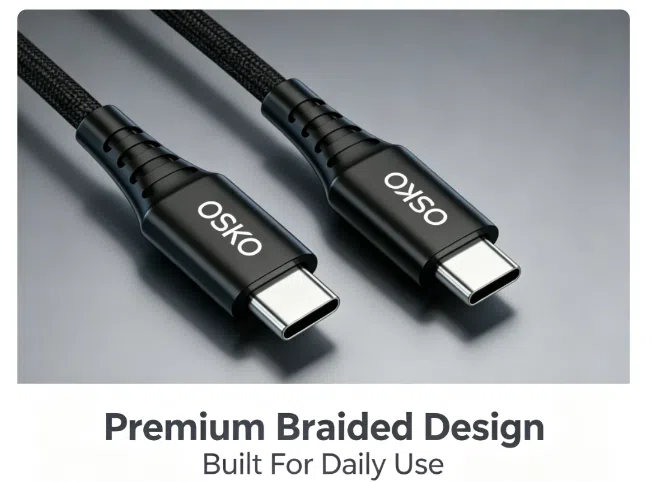
Equally important is the dielectric layer, which affects signal integrity and impedance consistency. Materials such as polyethylene (PE) or thermoplastic elastomer (TPE) are commonly used to maintain stable electrical characteristics. When paired with braided nylon exteriors, these cables achieve both flexibility and mechanical protection.
A CE RoHS certified 240W USB C cable must meet strict requirements for insulation resistance and flame retardancy. Additionally, double-braided structures improve tensile strength while minimizing signal interference, which is crucial in high-frequency data transmission environments.
From a manufacturing standpoint, a ISO9001 certified braided USB cable factory ensures consistent process control, particularly in extrusion and shielding application, which directly impacts product reliability.
Case Study
A U.S.-based electronics distributor sourcing OEM cables for retail and enterprise clients faced recurring product failures due to cable fraying and inconsistent charging speeds. Their primary requirement was to secure a Heavy duty braided USB-C cable manufacturer capable of delivering both durability and certification compliance.
The engineering challenge centered on balancing flexibility with mechanical strength while ensuring compatibility across devices like MacBook, Android smartphones, and docking stations. Previous suppliers failed to meet USB-IF standards, leading to performance inconsistencies.
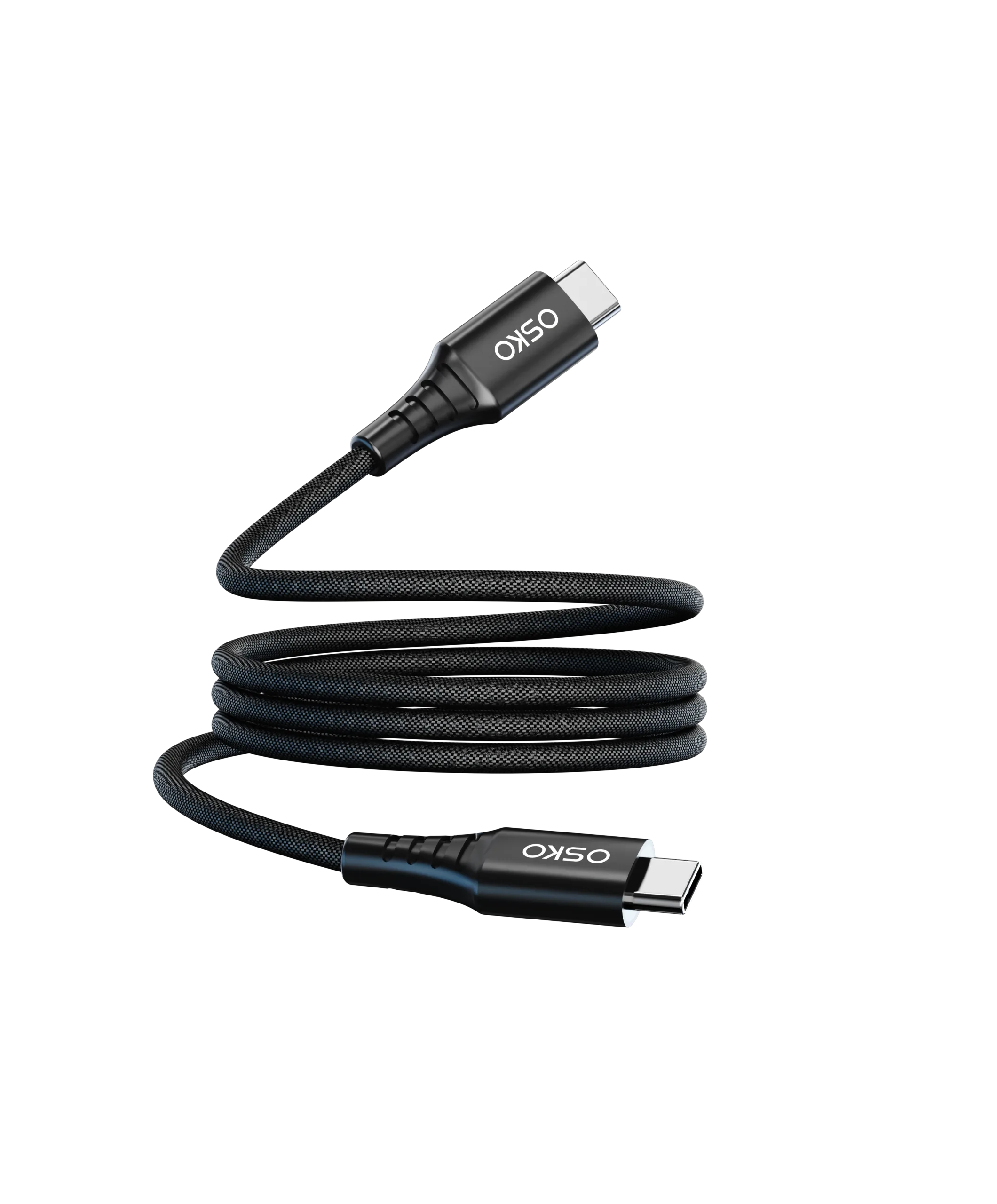
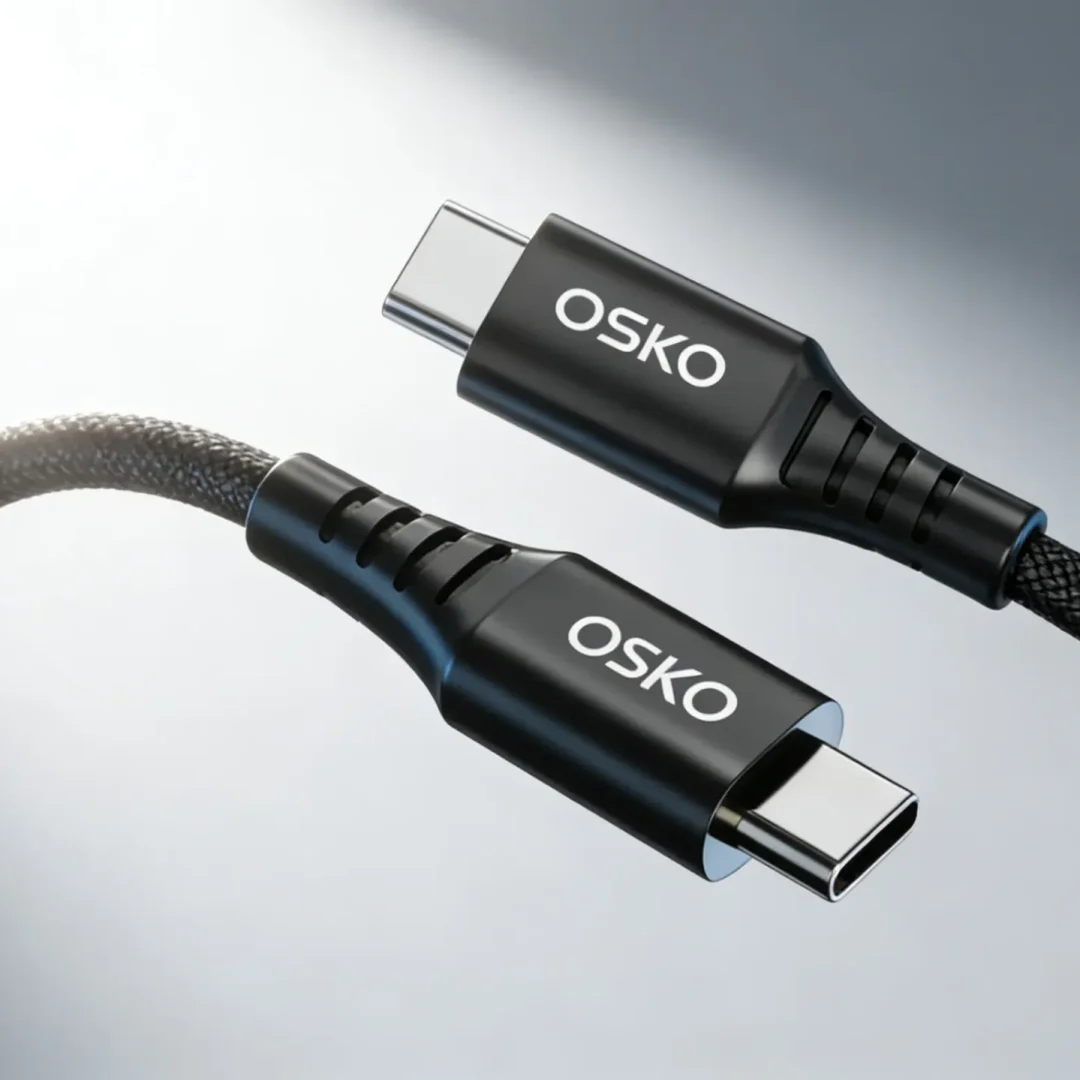
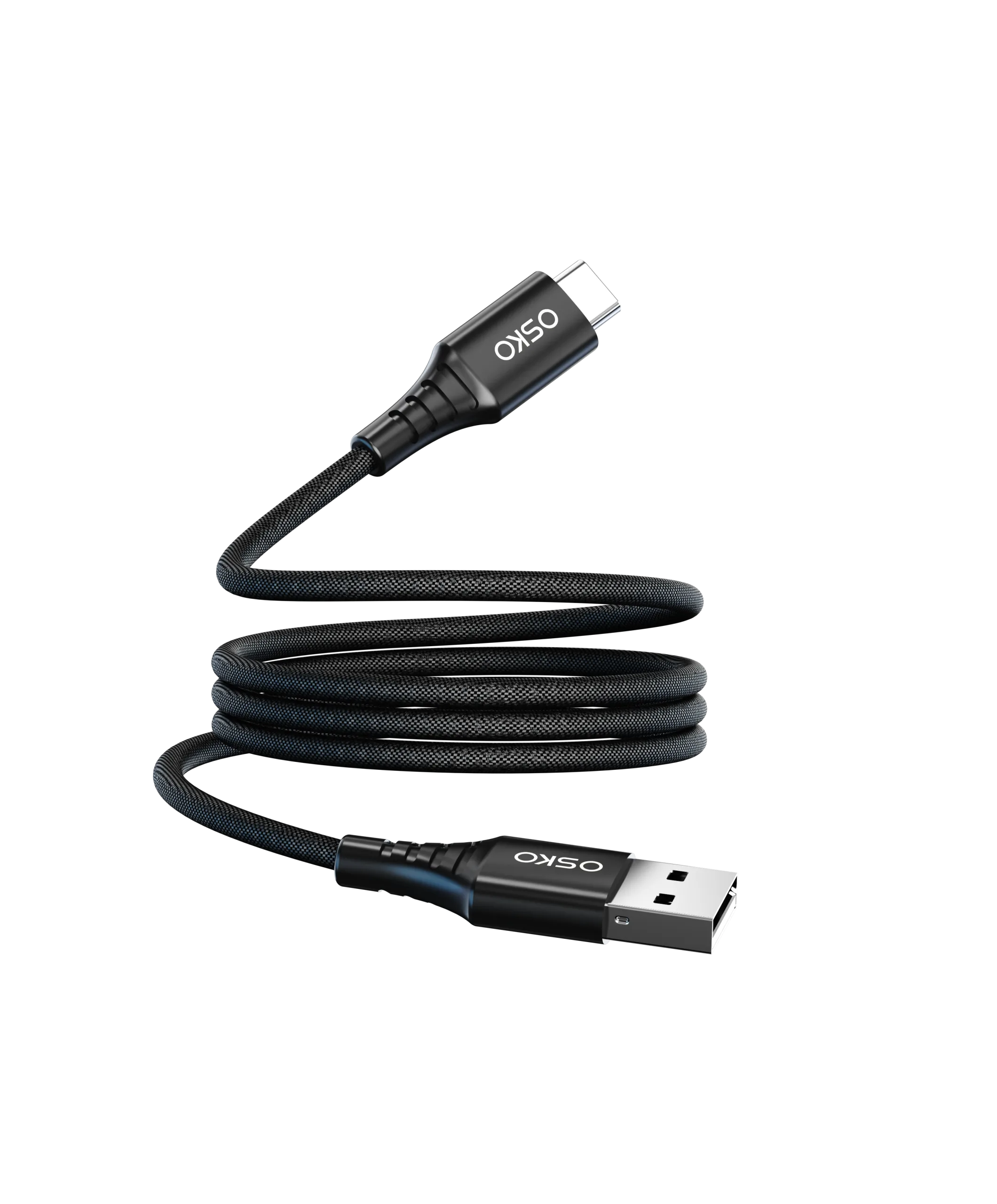
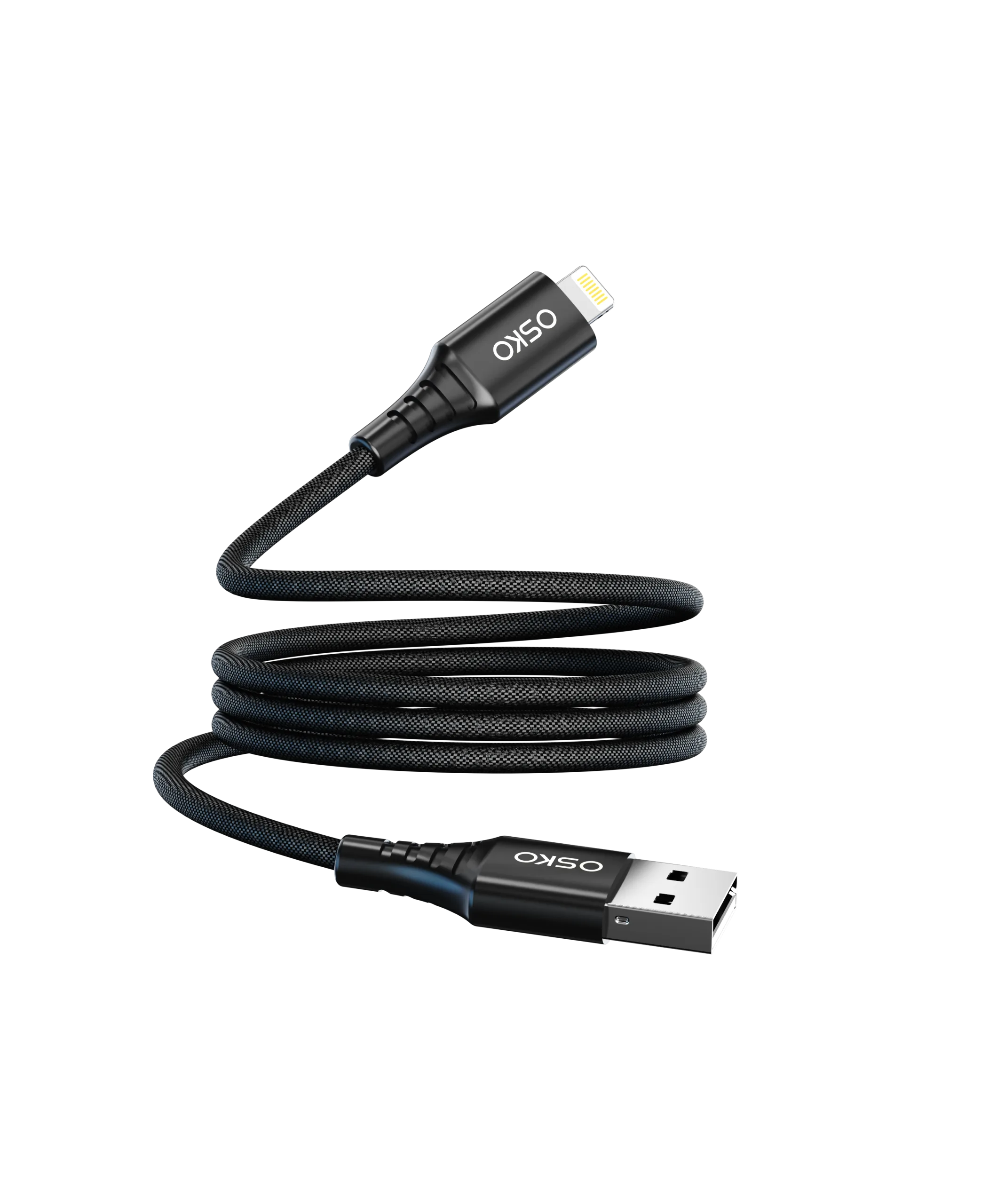
OSKO provided a solution by developing a Tangle-free double-braided USB C cable wholesale line with reinforced strain relief and aluminum shielding. The cables were tested for over 20,000 bend cycles and validated for 240W power delivery.
Additionally, OSKO enabled OEM ODM custom length USB C cables production, allowing the distributor to offer 0.5ft travel cables and 10ft extended desktop variants. The result was a 35% reduction in product returns and improved customer satisfaction across both retail and B2B channels.
Selection Guide
Choosing the right cable requires aligning technical specifications with application scenarios. The table below outlines key selection criteria:
Parameter | Recommendation | Application Scenario
Cable Length | 0.5ft–10ft custom options | Travel, desktop, industrial setups
Power Rating | 60W–240W | Smartphones to laptops
Outer Material | Nylon braided or double braided | High durability environments
Connector Type | Straight or right-angle | Gaming, automotive use
Certification | CE, RoHS, FCC, USB-IF | Compliance for global markets
Shielding | Aluminum foil + braided shield | Data integrity and EMI protection
For bulk procurement, buyers often prefer a Bulk custom color braided charging cables solution to align with brand identity. In automotive and industrial use, a Braided right angle USB-C cable wholesale option improves usability in confined spaces.
Meanwhile, specialized use cases such as logistics or warehouse scanning devices benefit from a Heavy duty coiled USB-C spring cable bulk, which reduces cable clutter and enhances durability.
FAQ
What makes braided USB-C cables more durable than standard cables?
Braided cables use an արտաքին woven nylon layer that increases resistance to abrasion and bending stress, extending lifecycle significantly.
Are all braided cables suitable for fast charging?
No. Only cables with appropriate internal conductors and certifications, such as a wholesale 60w braided usb c cable, can reliably support fast charging.
How important is certification when sourcing cables?
Certifications like USB-IF, CE, and RoHS ensure safety, compatibility, and regulatory compliance, especially for international markets.
Can cables be customized for branding and packaging?
Yes. Many suppliers offer Custom packaging braided charging cable factory services, including logo printing and retail-ready packaging.
What industries commonly use bulk braided cables?
Industries include consumer electronics, automotive, logistics, hospitality, and corporate IT infrastructure.
Summary
Selecting a high-quality braided USB-C cable involves understanding both material science and real-world application demands. From dielectric properties to shielding design, each component contributes to performance and durability.
In B2B procurement, factors such as certification, OEM customization, and supplier reliability are equally critical. Whether sourcing for retail, industrial use, or branded distribution, working with a compliant and experienced manufacturer ensures long-term value and consistent product performance.
By aligning technical specifications with use-case requirements, buyers can confidently select cables that meet both operational and market expectations.
Contact Information
For OEM, ODM, or bulk inquiries related to braided USB-C cables, including custom specifications and certification requirements, contact a verified manufacturing partner with experience in global export compliance and large-scale production.