
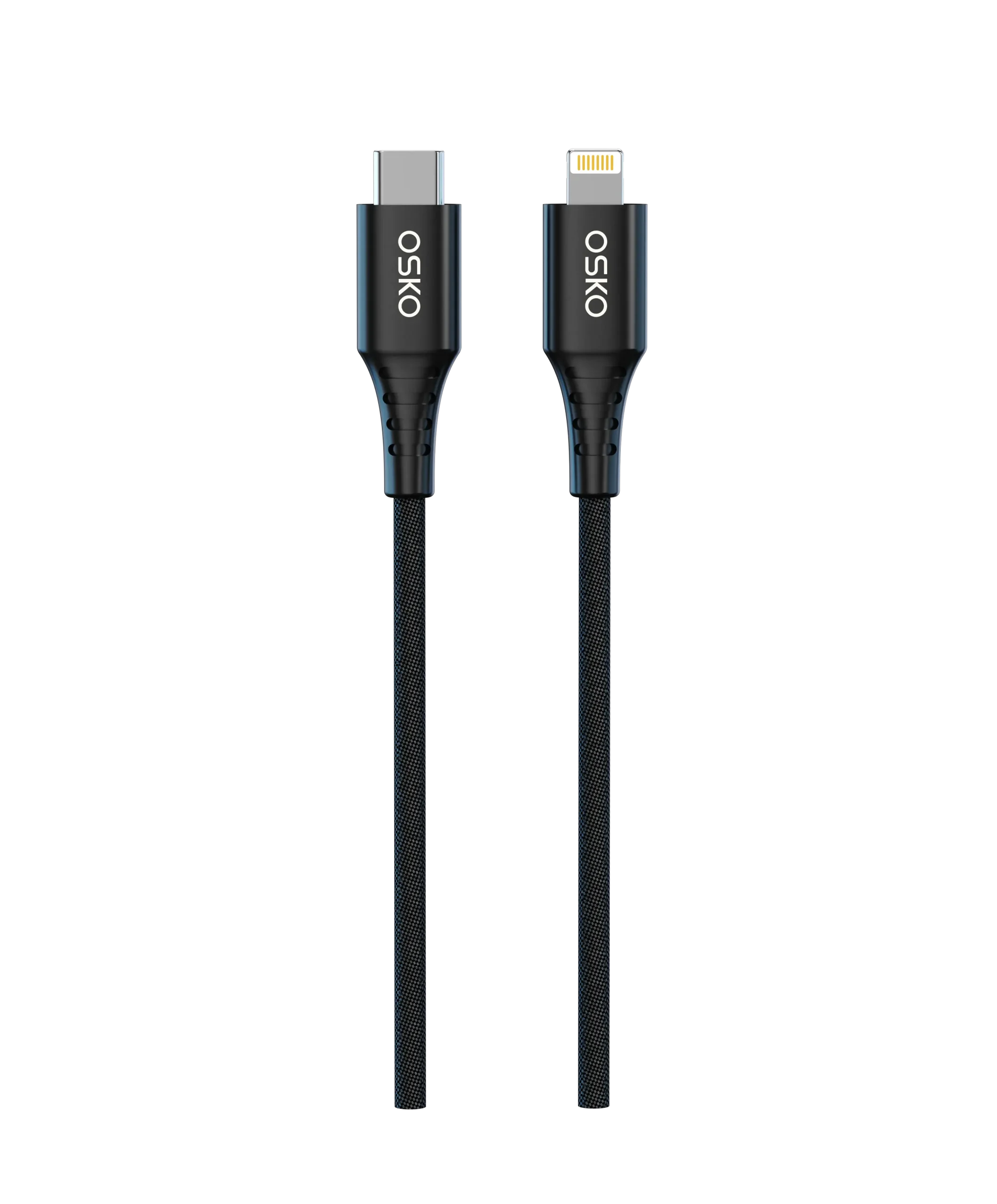
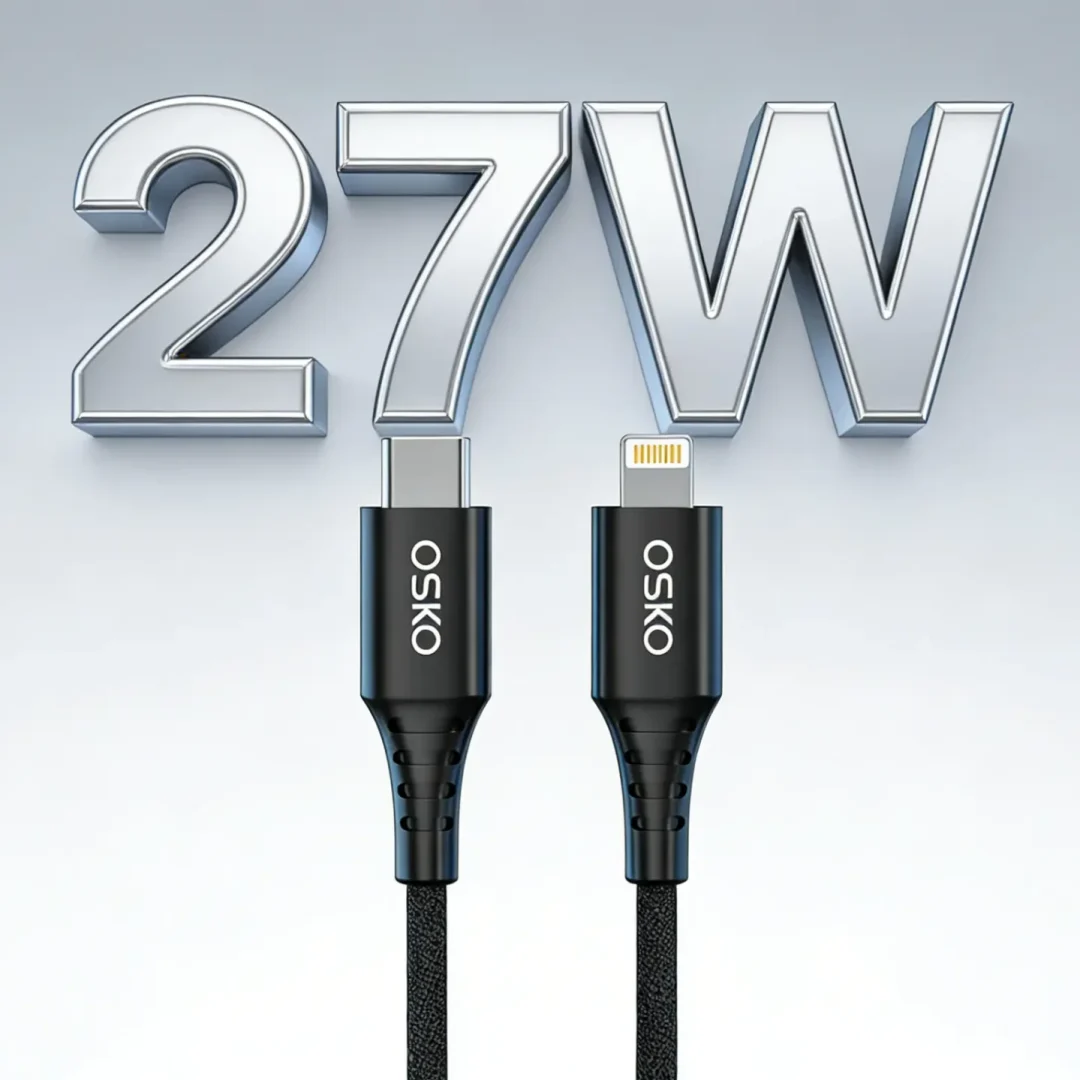
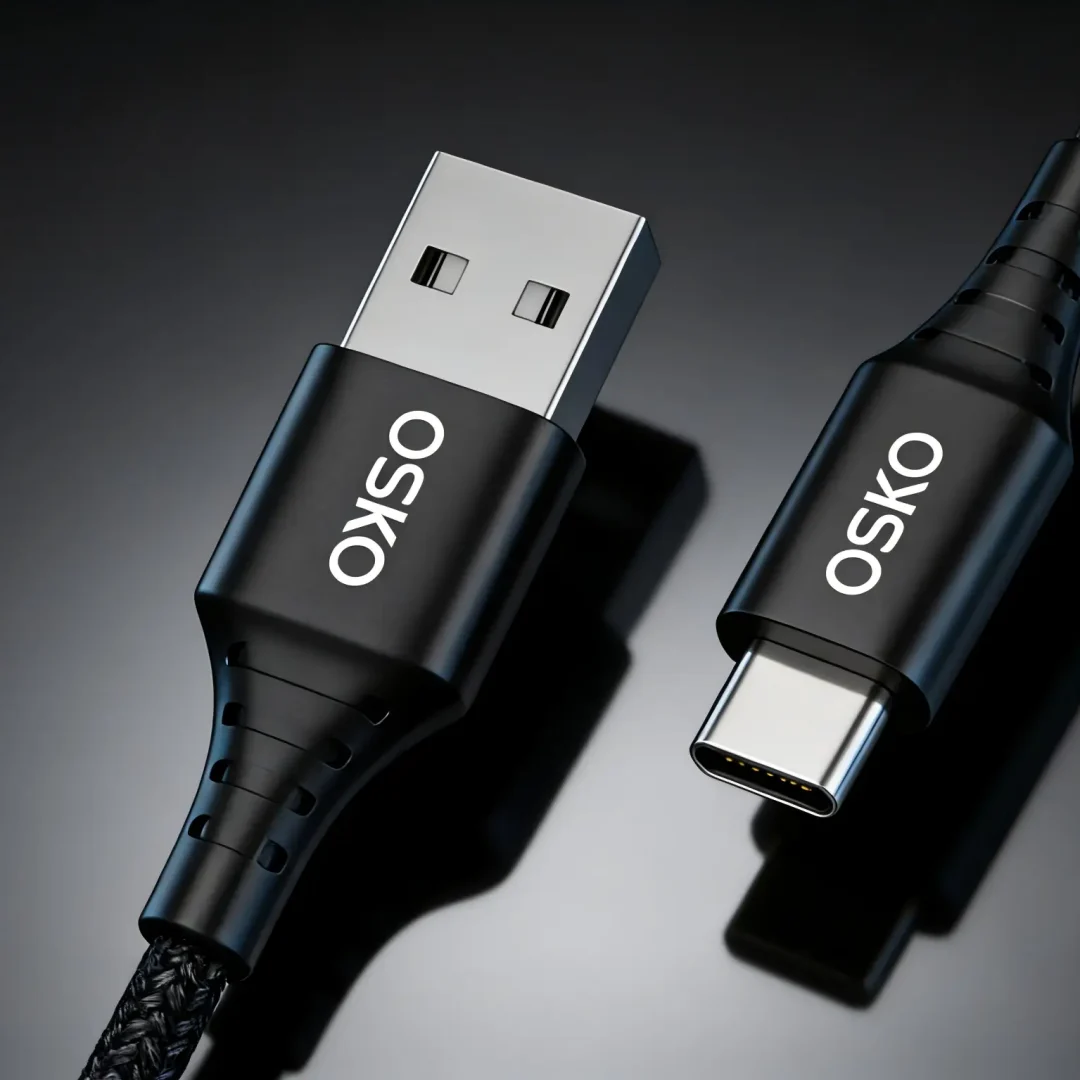
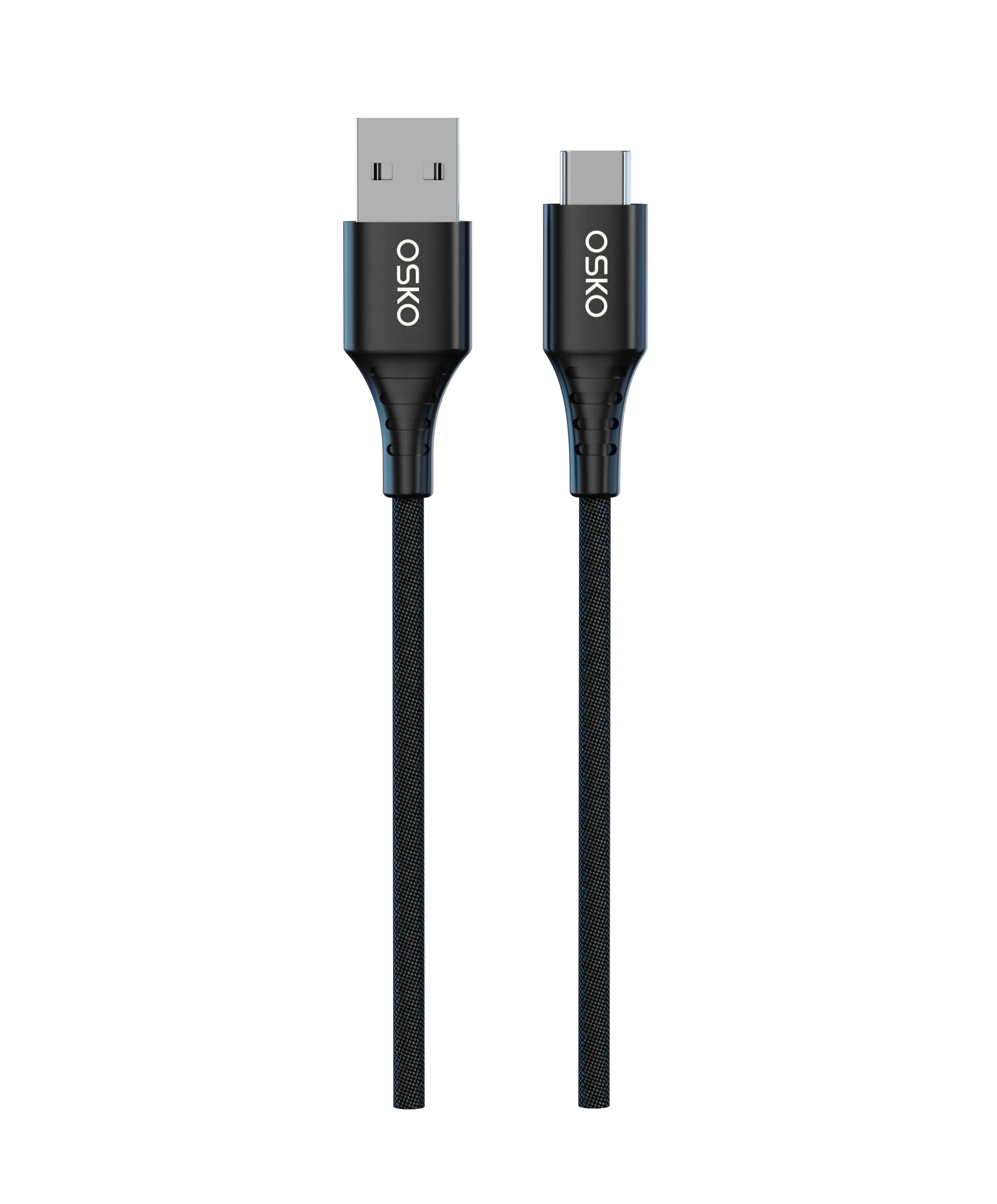
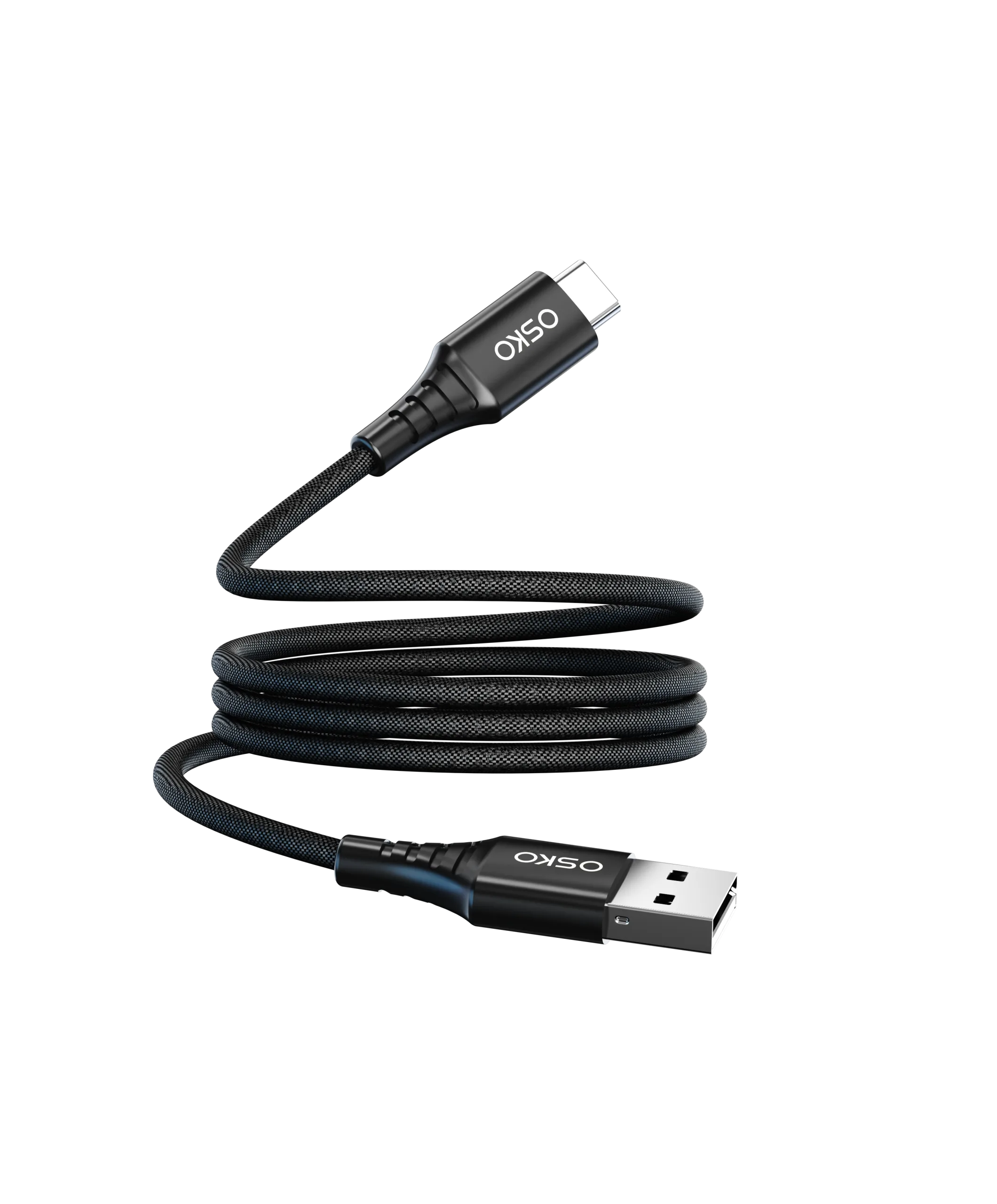
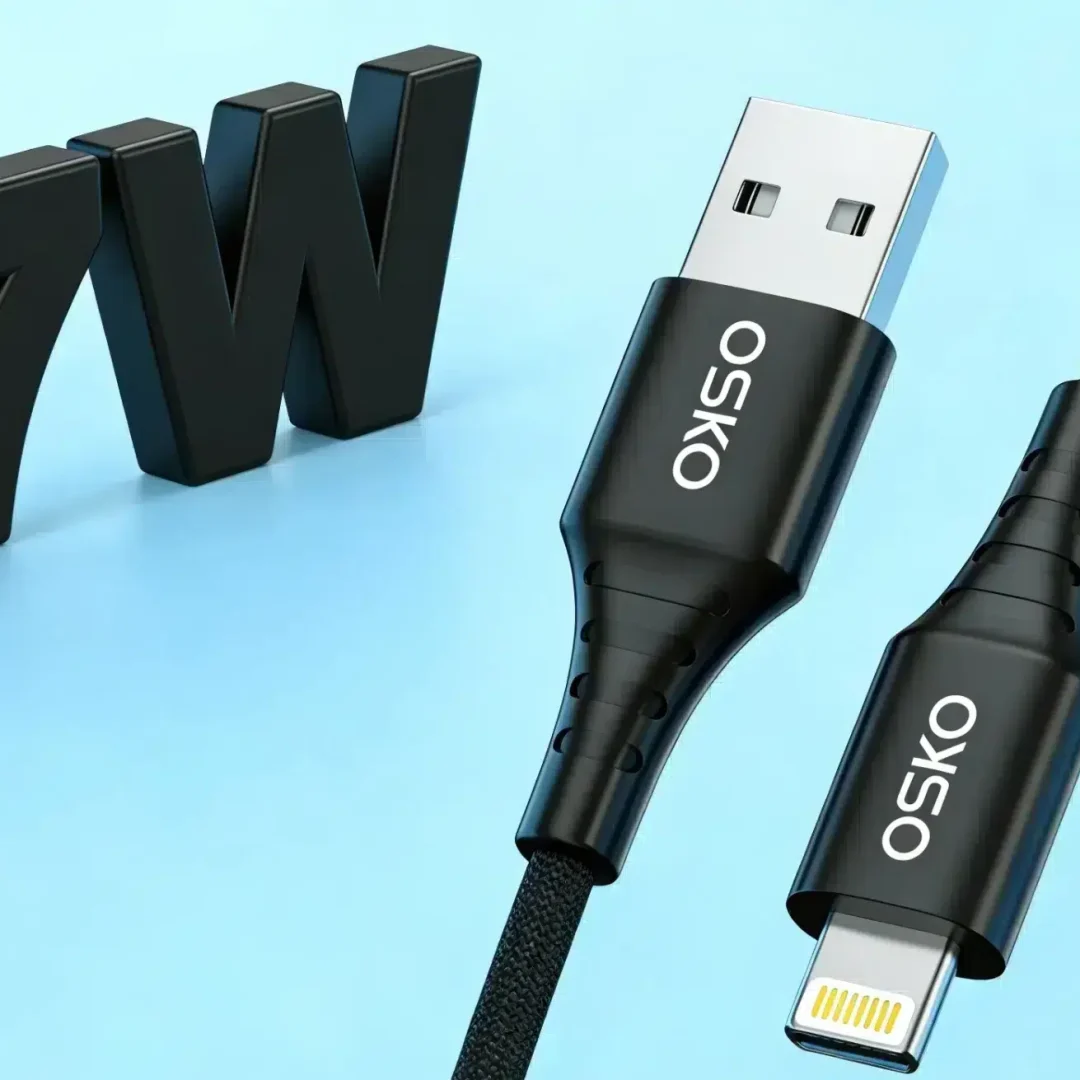
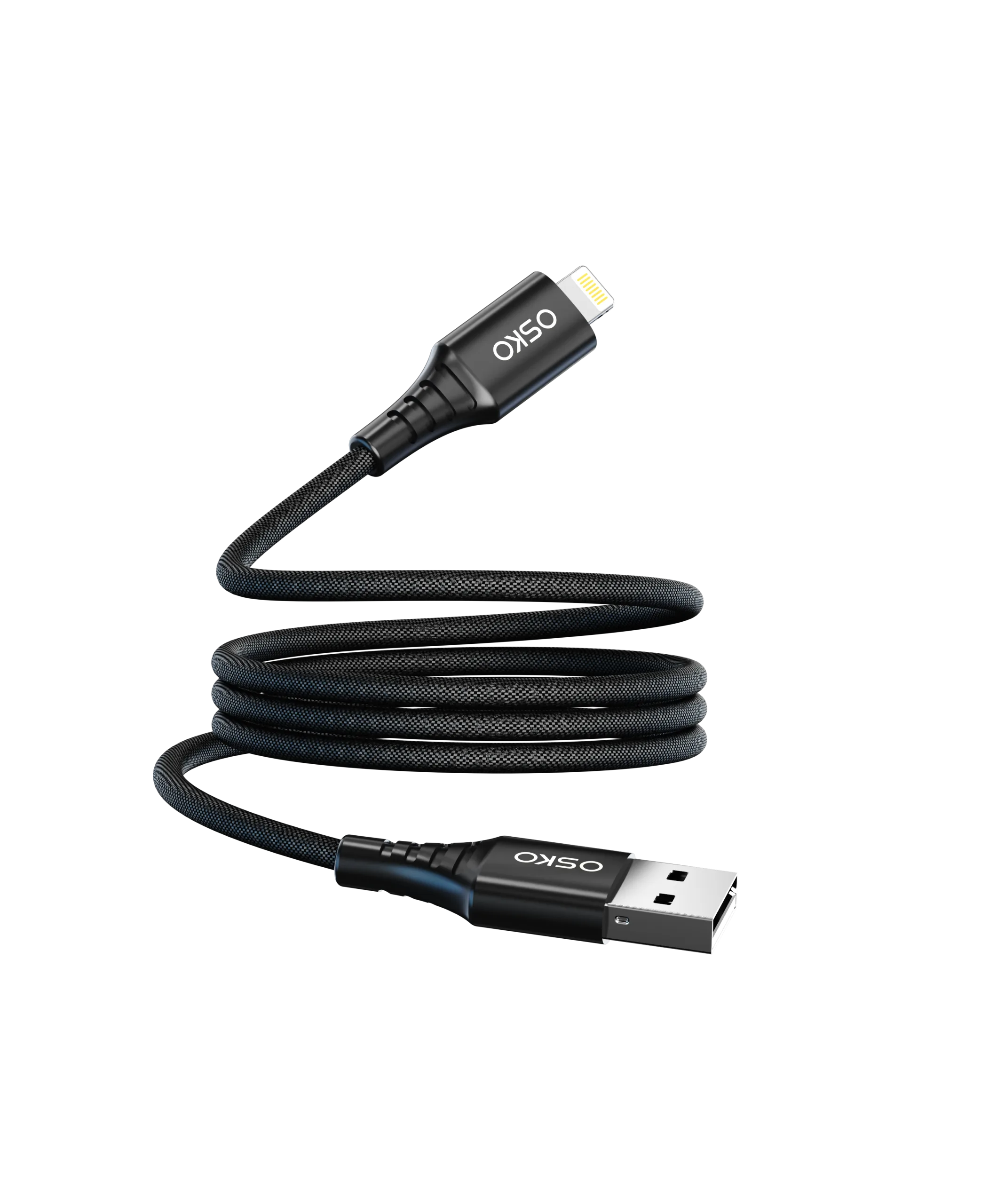

The demand for a reliable iPhone fast charging cable continues to increase as users expect faster charging speeds, improved durability, and stable long-term performance across mobile devices.
Although many cables appear similar externally, their internal engineering design determines whether they can support fast charging protocols such as USB Power Delivery (PD).
In Apple ecosystems, fast charging is not only dependent on the charger but also on the cable’s internal conductor quality, MFi authentication chip, and material structure.
Understanding how these elements interact is essential for selecting safe and high-performance charging solutions in North American and European markets.

Material Science & Dielectric Propertie
The performance of an iPhone fast charging cable is defined by its internal electrical architecture rather than its external appearance.
Conductor System and Electrical Efficiency
At the core of every fast charging cable is the conductor system, which determines current stability and energy loss.
High-quality cables typically use:
Oxygen-free copper conductors
Multi-strand wire architecture for flexibility
Tin-plated copper for oxidation resistance
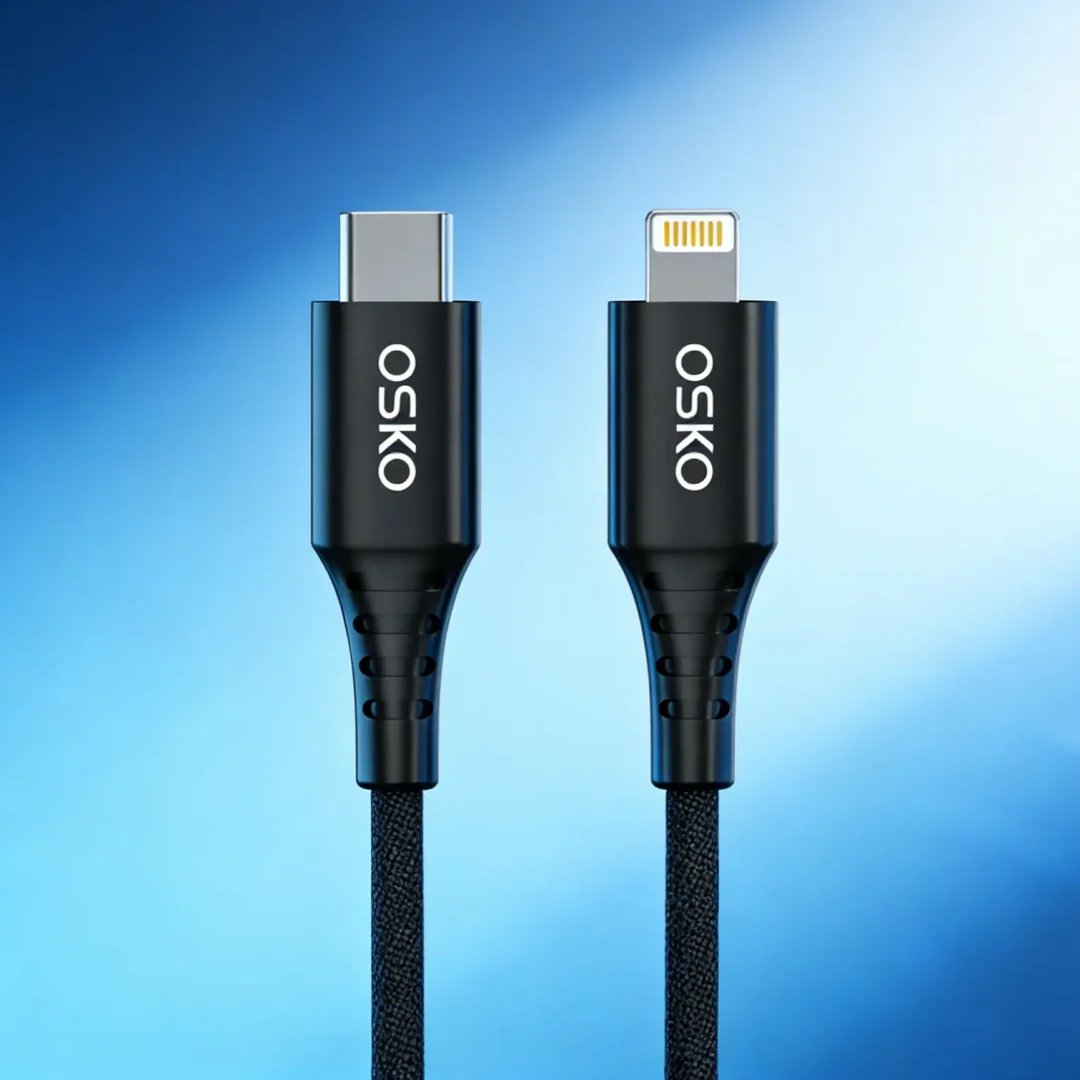
These materials reduce resistance and ensure stable current flow in USB-C to Lightning cable systems.
Poor conductor quality leads to:
Voltage drop
Heat accumulation
Reduced charging speed
MFi Authentication and Communication Layer
Apple requires all fast charging cables to include an MFi (Made for iPhone) authentication chip.
This chip enables:
Device authentication
Power negotiation compatibility
Safe charging limits enforcement
Data synchronization stability
Without MFi certification, iPhones will restrict charging performance or display compatibility warnings.
This is a critical requirement for any MFi certified cable used in Apple ecosystems.
Dielectric Insulation and Signal Stability
The insulation layer ensures electrical safety and signal integrity.
Common materials include:
TPE for flexibility and thermal stability
PE for low dielectric loss
PVC for cost-efficient production
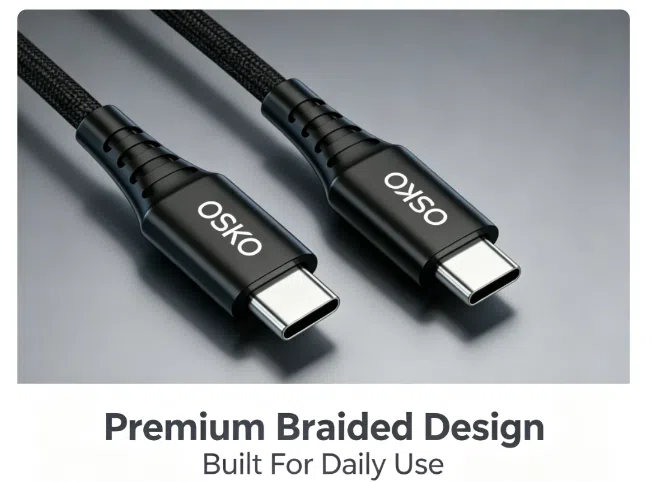
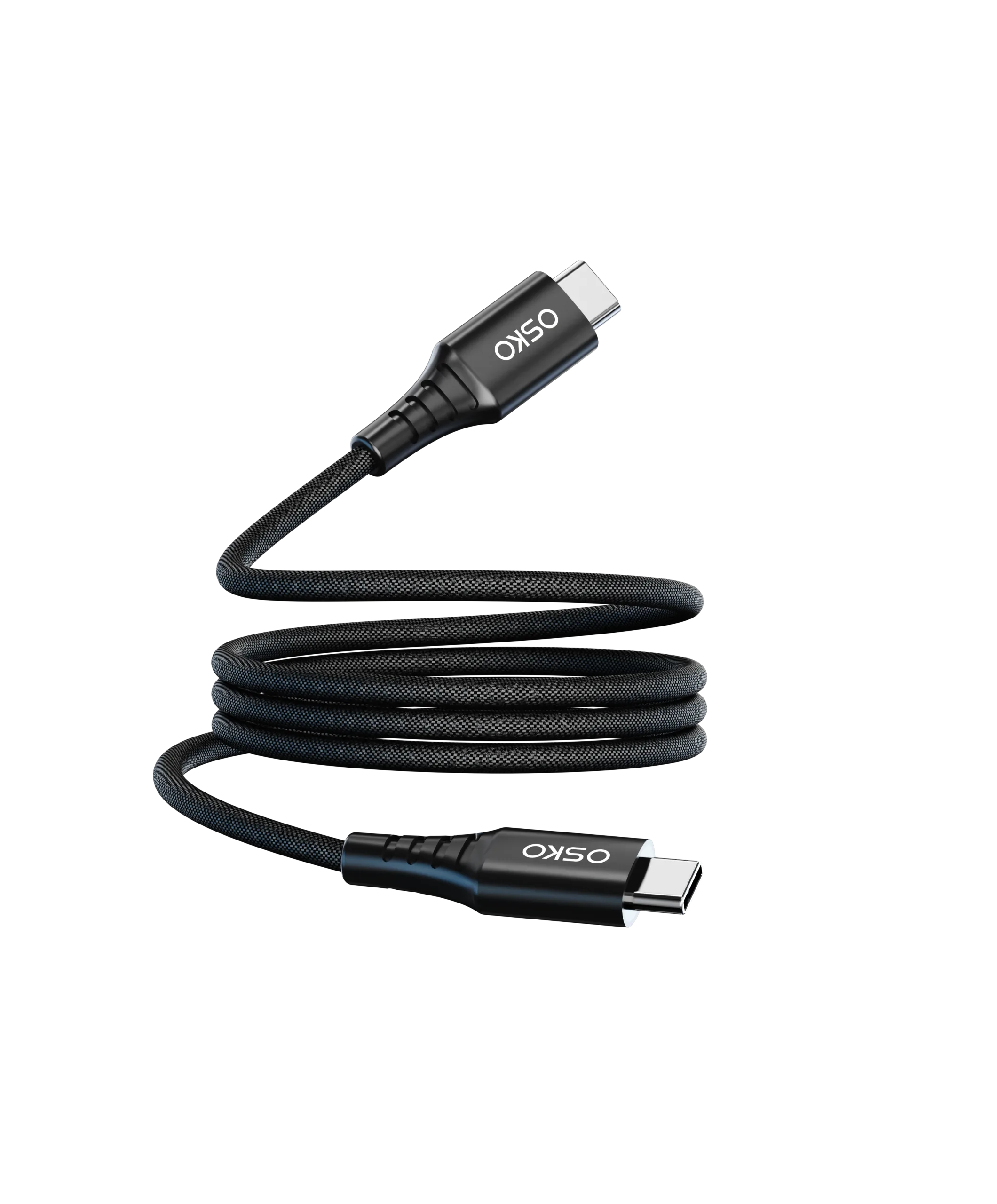
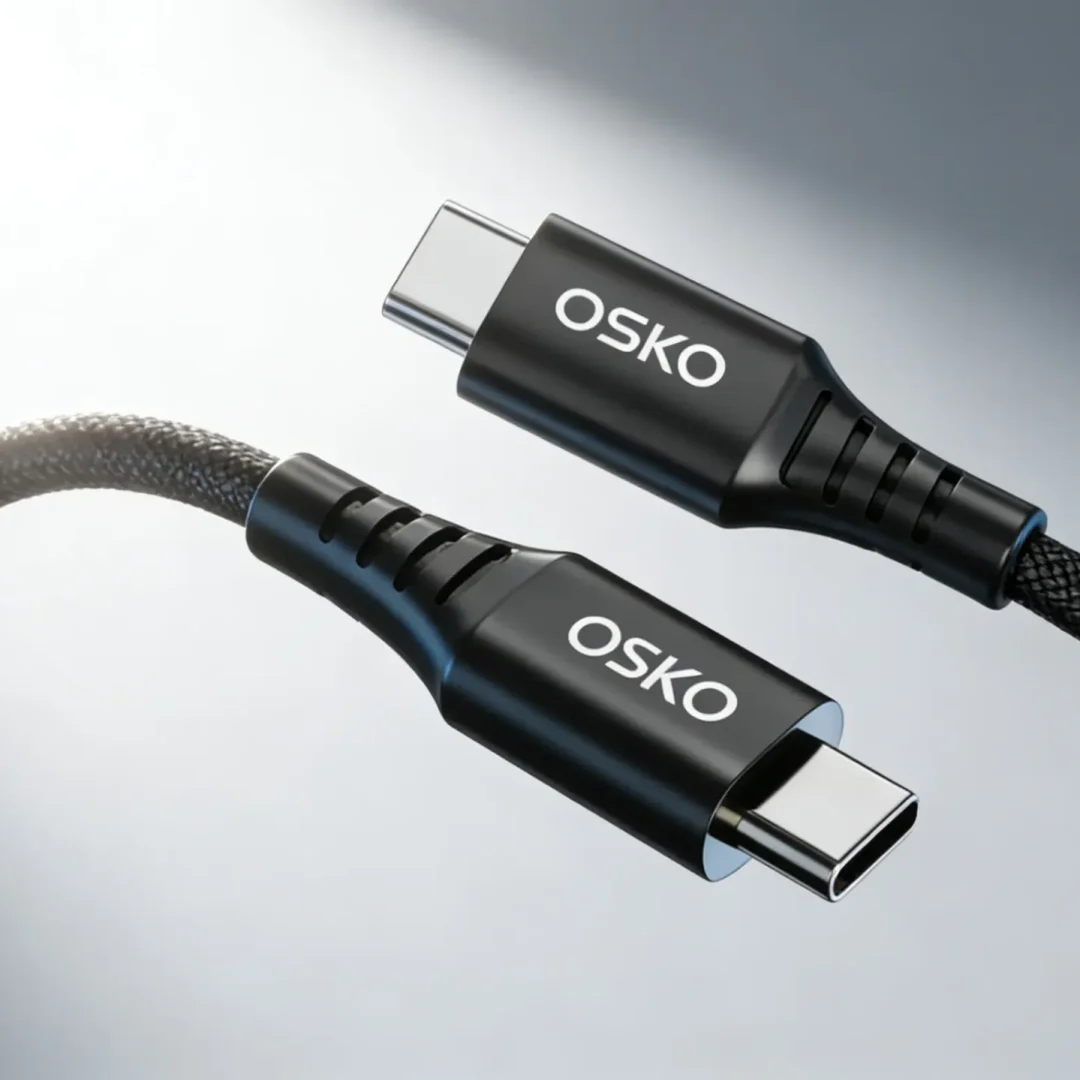
In premium nylon braided iPhone cable designs, TPE is widely used due to its balance between durability and electrical performance.
Shielding and EMI Protection
Fast charging cables must minimize electromagnetic interference.
Typical shielding structures include:
Aluminum foil shielding layer
Copper braided shielding
Dual-layer EMI protection systems
These structures ensure stable performance in high-density charging environments such as desks, travel kits, and multi-device setups.
Case Study
US Retail Expansion for Apple-Compatible Charging Accessories
A North American electronics distributor aimed to expand its Apple accessory portfolio with premium fast charging cables.
Customer Requirements
Support USB Power Delivery fast charging
Ensure full MFi certification compliance
Improve durability for retail customers
Offer multiple lengths (3ft, 6ft)
Reduce return rate under 2.5%
Engineering Challenges
Initial products faced several issues:
Non-certified chip inconsistencies
Weak strain relief at connector joints
Braided jacket separation after repeated bending
Unstable charging at high load conditions
These issues revealed gaps in both material selection and OEM manufacturing control.
OSKO Engineering Solution
OSKO implemented a redesigned architecture including:
Certified MFi authentication chip integration
Oxygen-free copper conductor system
Reinforced connector strain relief structure
High-density nylon braided outer jacket
Optimized TPE dielectric insulation layer
This solution aligns with production standards used in:
OEM USB cable
ODM USB cable
Wholesale USB cables
Bulk USB cables
Retail USB cables
Results
After implementation:
Charging stability improved significantly
Product lifespan increased under daily bending cycles
Return rate reduced in retail channels
Device compatibility issues eliminated
This confirms that fast charging performance depends on both electrical design and mechanical reinforcement.
Selection Guide
Understanding Fast Charging Capability
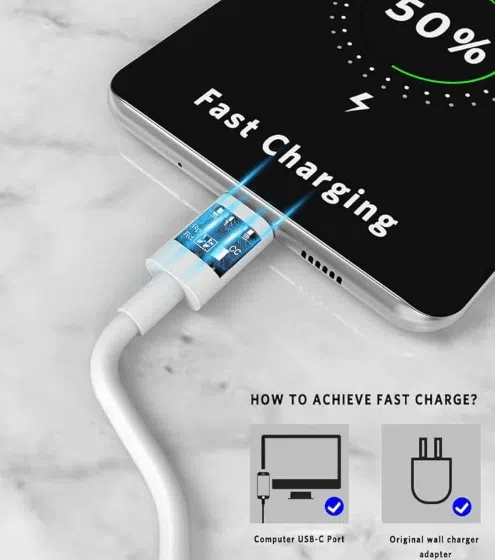
An iPhone fast charging cable does not increase charging speed alone. It enables proper power delivery between charger and device.
Fast charging depends on:
USB Power Delivery compatibility
Cable resistance level
MFi authentication chip validation
Charger output capacity
Cable Material Comparison
| Material Type | Performance Role | Durability |
|---|---|---|
| PVC | Cost-effective standard use | Medium |
| TPE | Flexible fast charging use | High |
| Nylon braided | Mechanical protection | Very high |
Premium fast charging Lightning cable designs often combine TPE internal insulation with nylon braided outer layers for optimal balance.
OEM and Wholesale Considerations
For international buyers, sourcing decisions should include:
Certification (MFi, CE, FCC, RoHS)
Production consistency
Packaging customization
Electrical testing capability
Common sourcing categories:
Durable nylon braided Type C charging cable factory
Heavy duty braided USB-C cable manufacturer
White label 240W fast charging cable wholesale
Bulk custom 6ft 10ft USB-C cables
OEM ODM custom length USB C cables
Application Scenarios
iPhone fast charging cables are widely used in:
Home charging environments
Office desk setups
Travel charging kits
Car charging systems
Each environment requires different durability and length configurations.
FAQ
What makes an iPhone cable fast charging?
Fast charging requires USB Power Delivery support, proper conductor quality, and MFi certification.
Do braided cables charge faster?
No. Braiding improves durability, not charging speed
Is MFi certification necessary?
Yes. Without MFi certification, Apple devices may limit charging performance.
What cable length is best for fast charging?
Shorter cables (3ft) reduce resistance, but 6ft cables are more convenient for daily use.
Can non-certified cables damage iPhones?
They may not damage devices immediately, but can cause unstable charging and long-term battery stress.
Summary
An iPhone fast charging cable is a precision-engineered component that combines electrical conductivity, MFi authentication, dielectric insulation, and mechanical reinforcement into a single system.
Fast charging performance is not determined by appearance but by internal architecture, including conductor materials, shielding design, and certification compliance.
For OEM manufacturers and global buyers, selecting a reliable supplier with MFi certification and consistent engineering quality is essential for ensuring stable performance in North American and European markets.
Ultimately, iPhone fast charging reliability depends on the integration of electrical design and material engineering rather than the cable exterior alone.
Contact Information
OSKO provides OEM/ODM Apple-compatible charging cable solutions, including:
MFi certified iPhone fast charging cables
USB-C to Lightning braided cables
Nylon braided durable charging cable systems
Custom retail packaging and branding
Wholesale and bulk supply programs
OSKO engineering team provides full technical documentation, compliance support, and OEM customization solutions for global cable brands.