
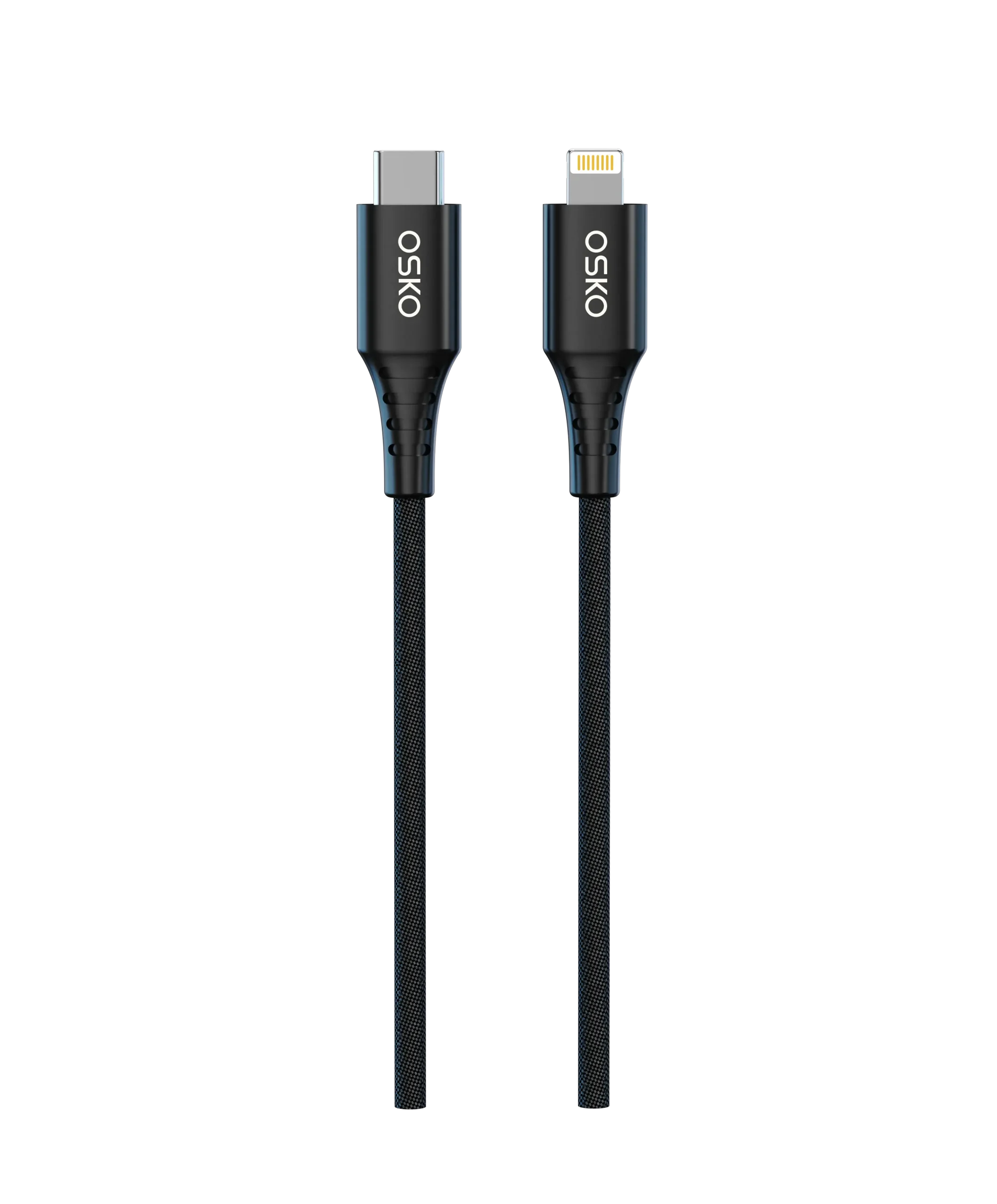
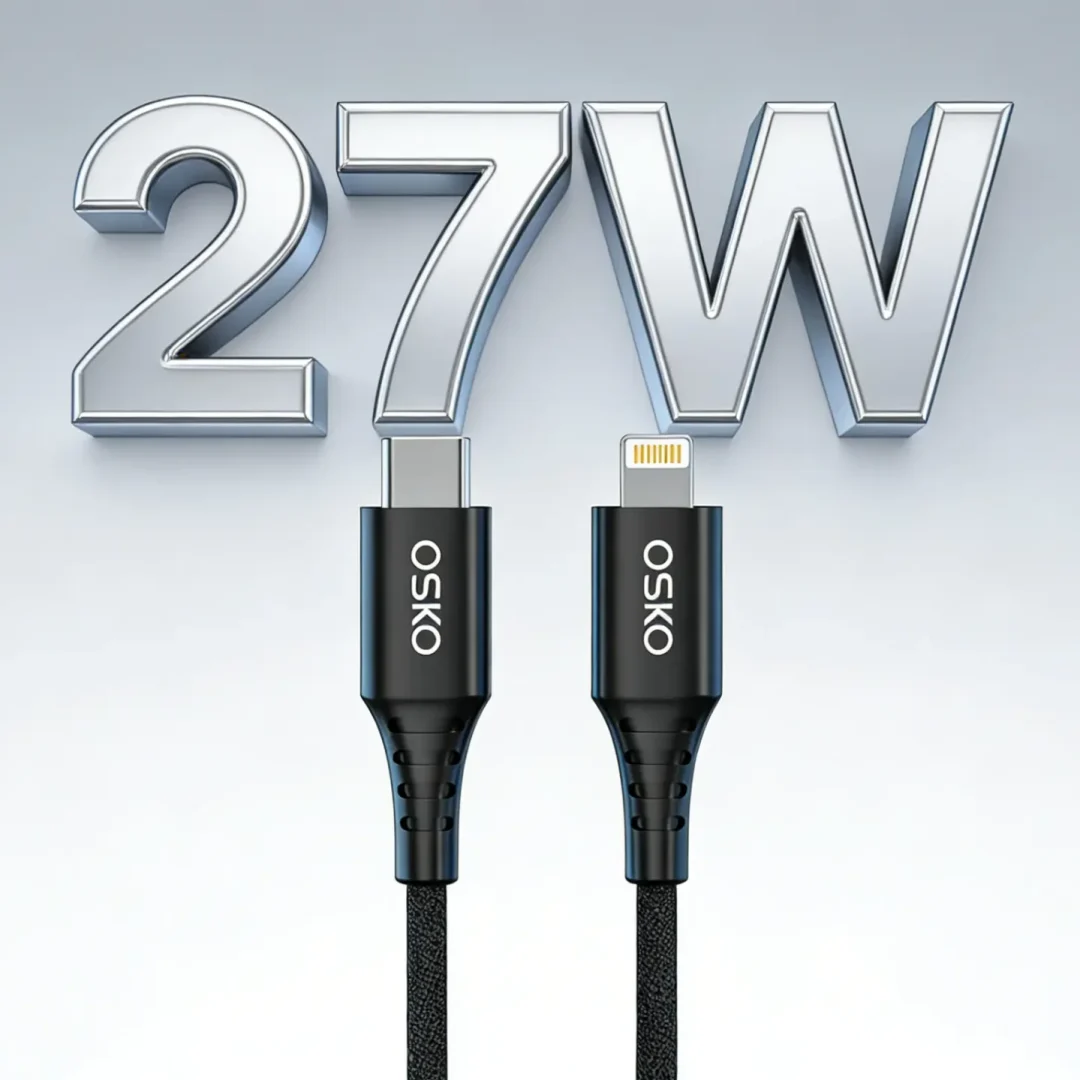
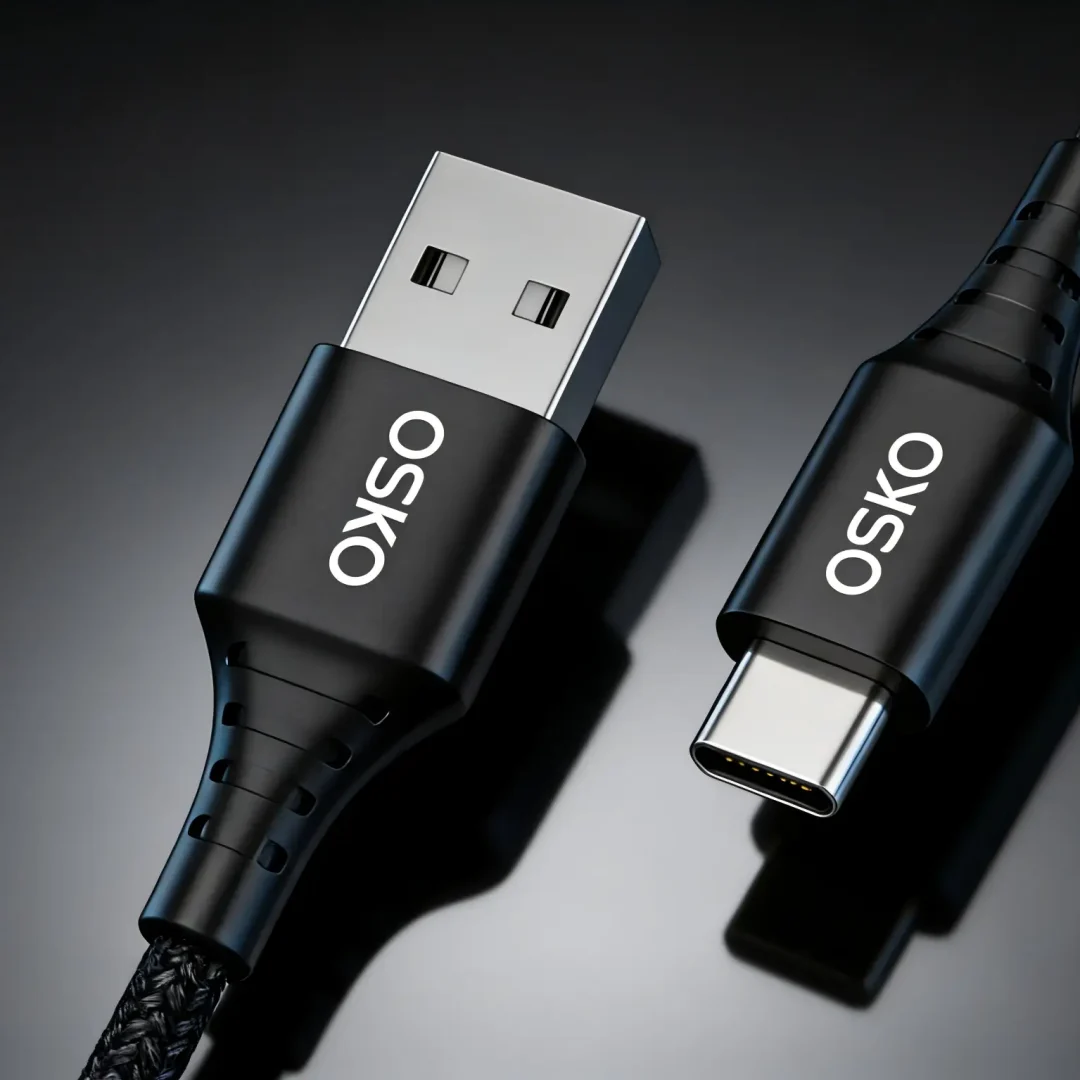
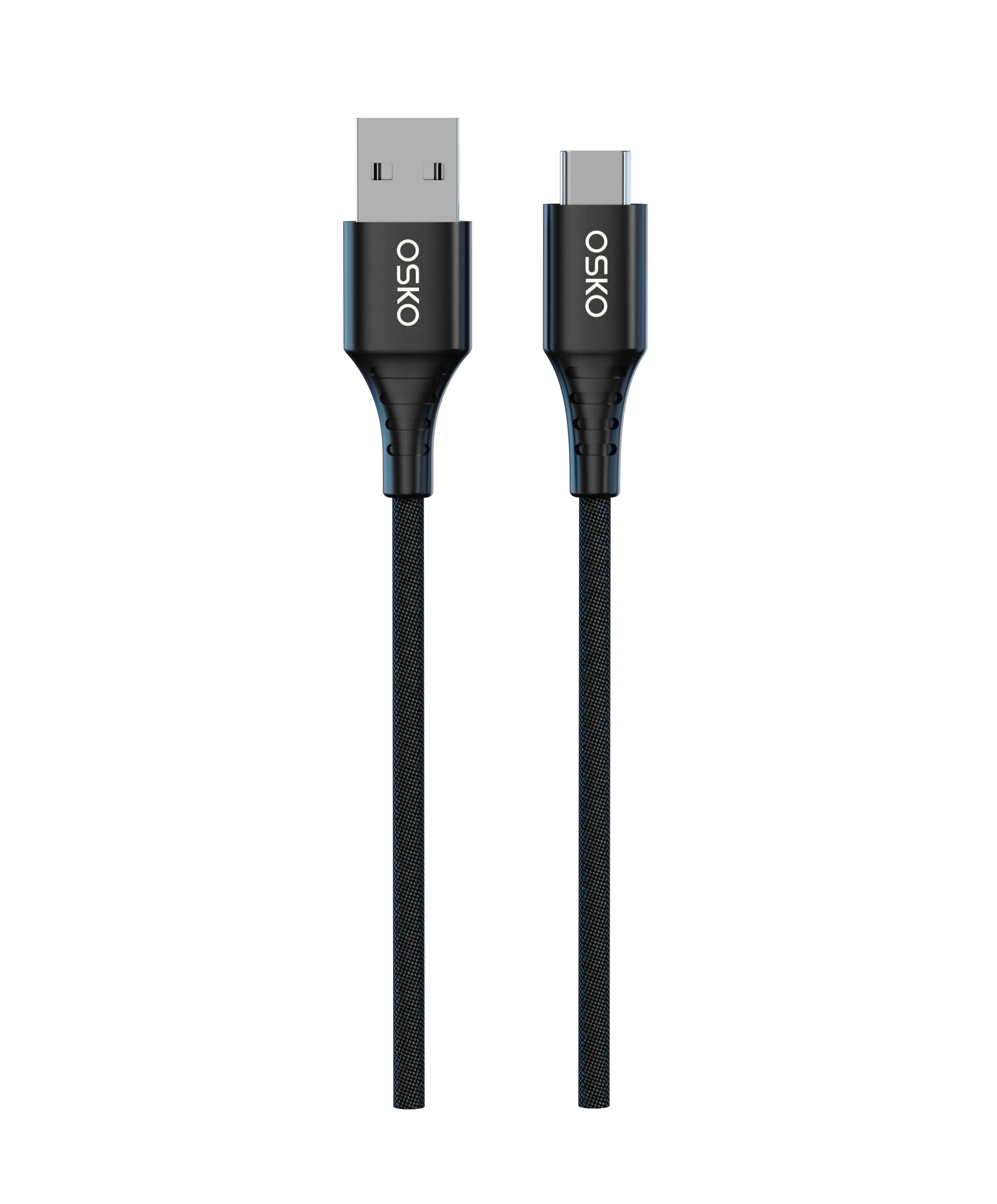


The question of whether a 240W PD3.1 cable is worth using for MacBook or gaming laptops is increasingly relevant as modern devices push toward higher power consumption and faster charging requirements.
USB Power Delivery 3.1 (PD 3.1) extends the maximum power delivery capability up to 240W, enabling a new class of high-performance laptops and workstation devices.
However, not every MacBook or gaming laptop requires this level of power. The real value of a 240W cable depends on device compatibility, charging architecture, and future-proofing needs.
Understanding when this specification matters requires looking beyond marketing claims and into electrical engineering, thermal constraints, and USB-C system design.

Material Science & Dielectric Properties
A 240W PD3.1 cable is not just a higher-rated accessory; it is a structurally enhanced transmission system designed for higher voltage and current stability.
Electrical Architecture of PD 3.1
USB Power Delivery 3.1 increases voltage ranges up to 48V while maintaining controlled current delivery.
A 240W system typically includes:
High-voltage support up to 48V
5A current capability
Advanced negotiation protocols
Enhanced thermal protection logic
The cable must support these conditions without excessive resistance or heat generation.
E-Marker Chip Requirement
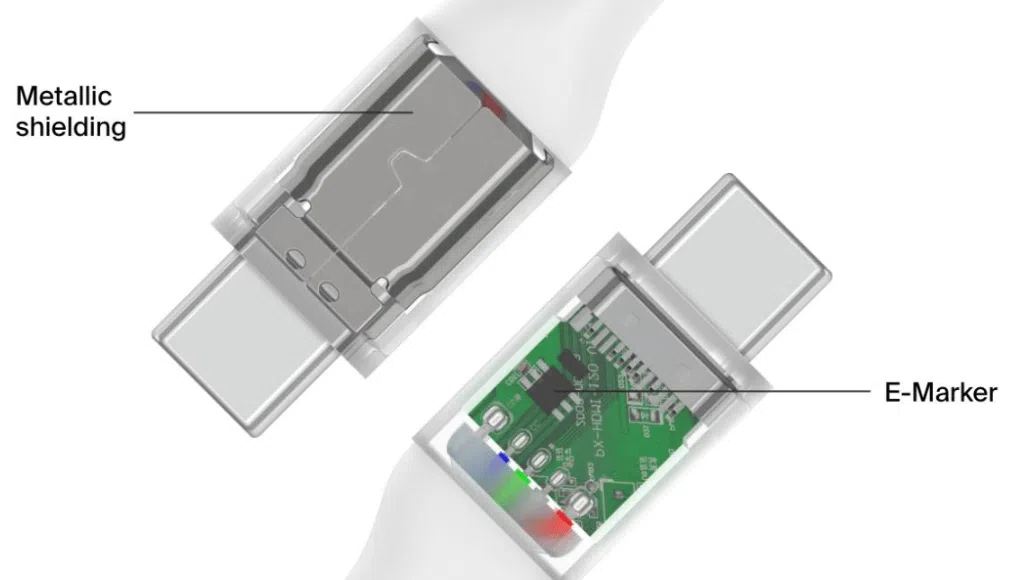
A key requirement for any 240W USB-C cable is the integrated E-Marker chip.
This chip enables:
Power capability identification
Voltage and current negotiation
Safety threshold communication
Cable classification (EPR support)
Without it, devices will automatically limit power output for safety reasons.
This is why USB-C E-Marker cable design is mandatory for PD 3.1 high-power systems.
Conductor and Insulation Design
High-power cables require advanced material engineering:
Oxygen-free copper conductors for low resistance
Reinforced insulation layers to reduce thermal buildup
Multi-layer shielding for EMI reduction
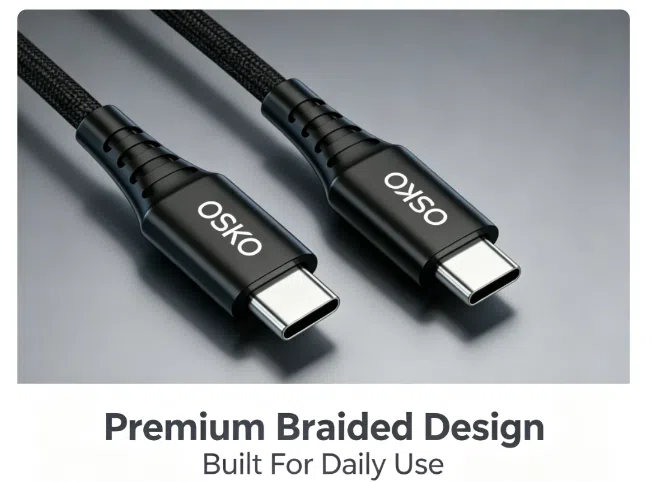
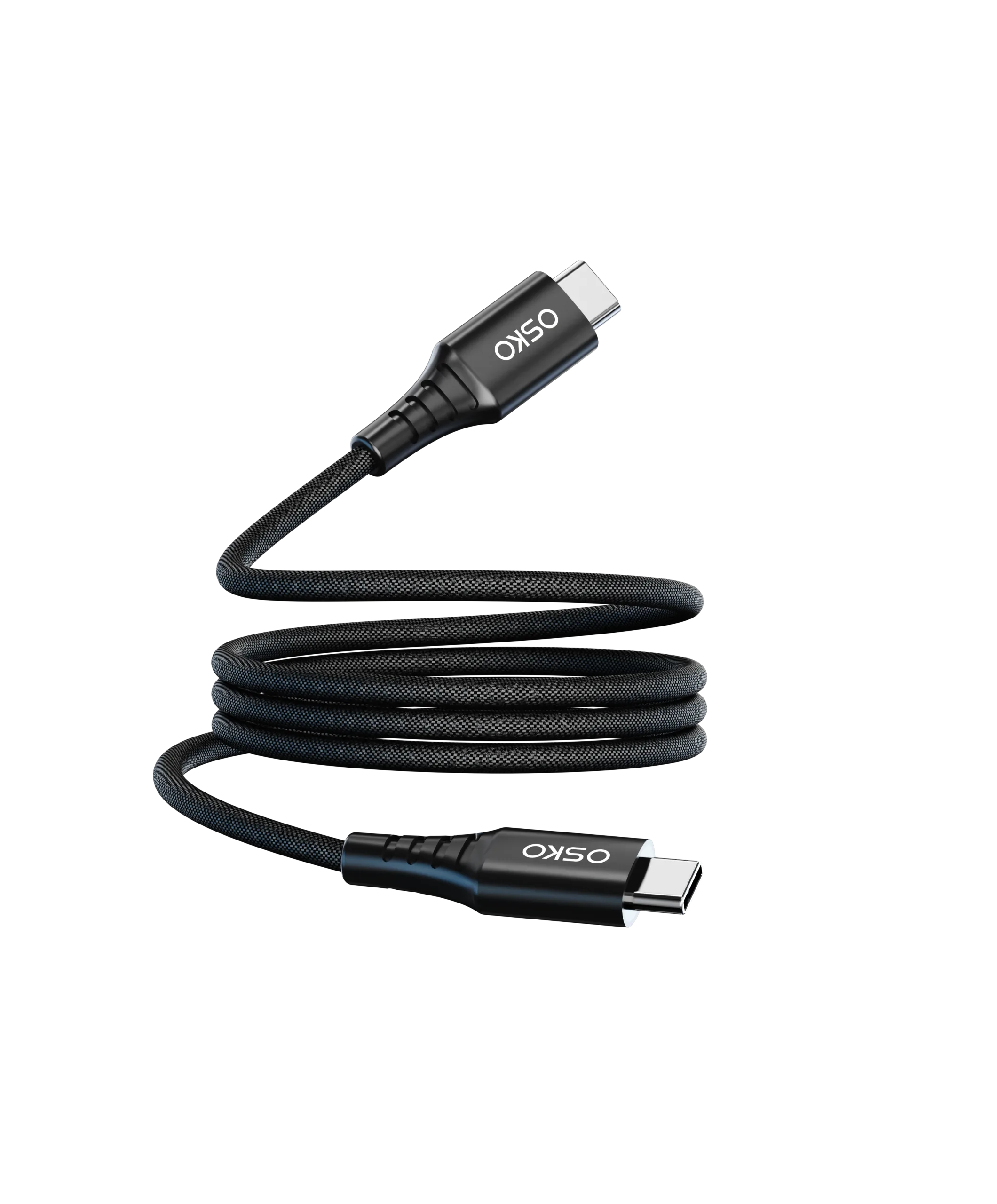
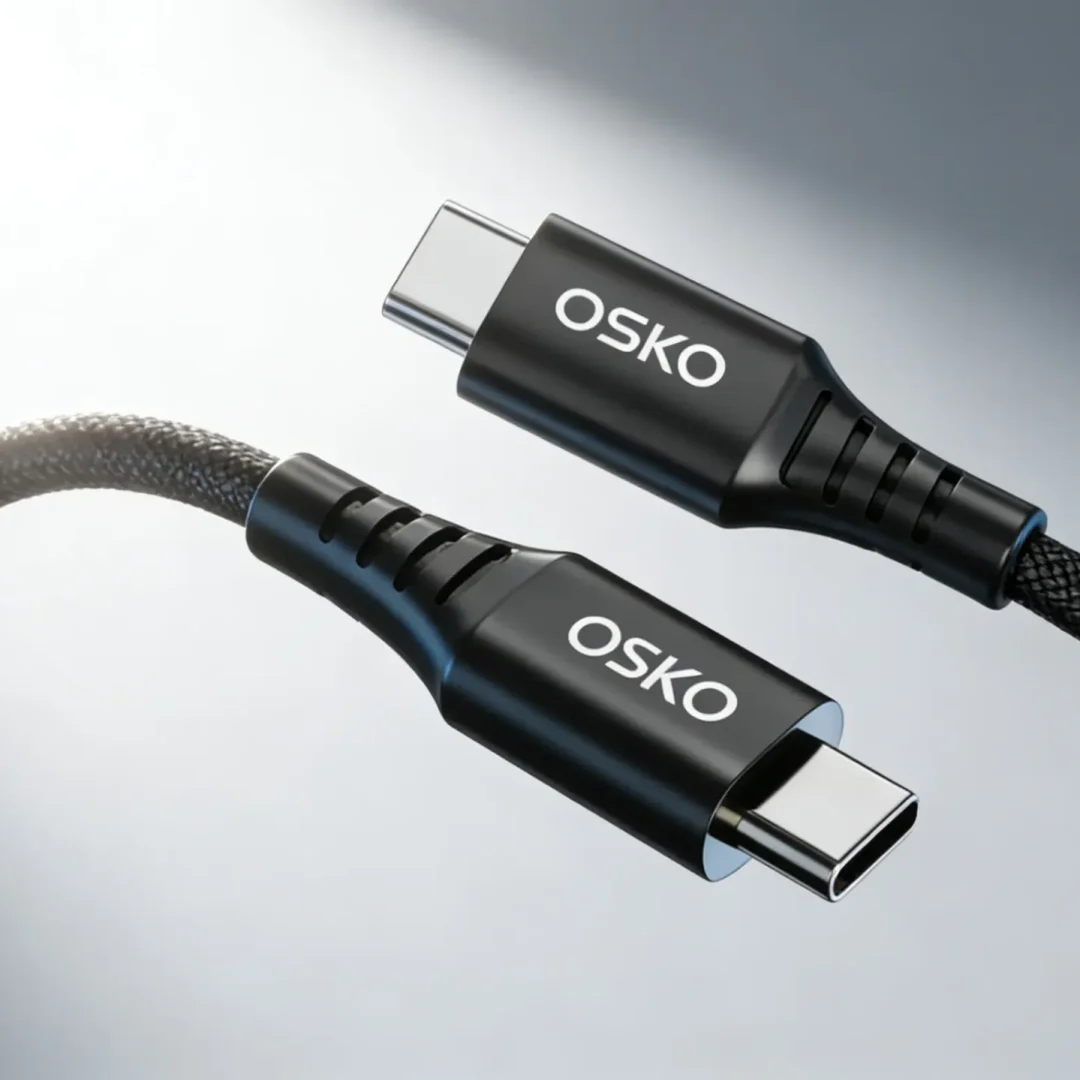
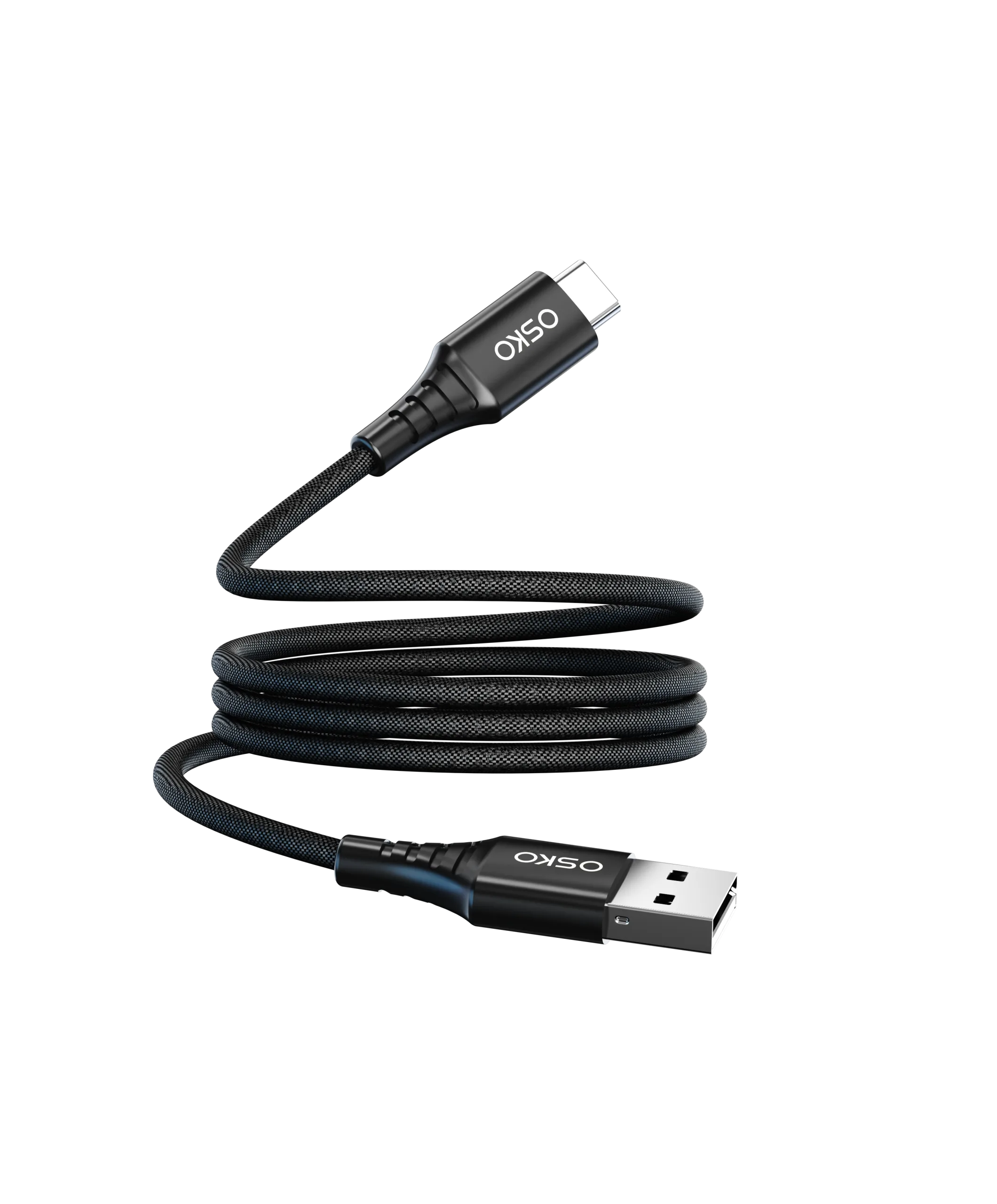
Nylon braided or TPU jackets for mechanical durability
These designs are commonly found in OEM USB-C cable manufacturer production lines for laptop-grade accessories.
Thermal and Safety Considerations
At 240W, thermal management becomes critical.
Poor-quality cables may experience:
Heat accumulation at connector points
Voltage drop under load
Long-term insulation degradation
This is why certified cables such as CE RoHS certified 240W USB C cable and USB-IF compliant Type C cable manufacturer products are essential for safe operation.
Case Study
MacBook and Gaming Laptop Charging Optimization Project
A European electronics distributor tested whether 240W cables should be standard across all high-end laptop accessories.
Device Categories Teste
MacBook Pro 14-inch / 16-inch
High-performance gaming laptops (RTX-class systems)
Mobile workstation devices
Engineering Observation
The test revealed three key findings:
MacBook systems typically draw under 140W in real-world usage
Gaming laptops vary widely between 100W and 240W demand
Charging stability improved with higher-rated cables even when not fully utilized
OSKO Engineering Interpretation
From a system design perspective:
A 240W cable does not force higher power delivery
It enables higher capacity when required
It reduces stress under peak load conditions
This makes it a “headroom-based engineering solution” rather than a mandatory upgrade.
Result
No performance gain in standard MacBook usage
Noticeable stability improvement in gaming laptops under load
Reduced thermal stress in high-power scenarios
This confirms that value depends on usage category rather than specification alone.
Selection Guide
When a 240W Cable Is Worth It
A 240W PD3.1 cable is recommended when:
You use high-performance gaming laptops
You want future-proof compatibility
You use docking stations with high power draw
You operate multiple USB-C devices in one ecosystem
When It Is Not Necessary
A 240W cable may be unnecessary for:
Standard MacBook Air users
Phones and tablets under 60W
Basic office productivity setups
In these cases, a 60W or 100W cable is sufficient.
Cable Category Comparison
| Cable Type | Max Power | Typical Use Case |
|---|---|---|
| 60W USB-C cable | 60W | Phones, tablets |
| 100W USB-C cable | 100W | MacBook Air, ultrabooks |
| 240W PD3.1 cable | 240W | Gaming laptops, workstations |
OEM Manufacturing Considerations
For global buyers sourcing high-power cables, key factors include:
E-Marker chip authenticity
Thermal resistance testing
USB-IF certification compliance
Factory QA systems
Common procurement categories:
Heavy duty braided USB-C cable manufacturer
White label 240W fast charging cable wholesale
Bulk custom 6ft 10ft USB-C cables
ISO9001 certified braided USB cable factory
OEM ODM custom length USB C cables
Material Design Impact
High-end 240W cables typically use:
Reinforced nylon braided jackets
Low-resistance copper conductors
High-density shielding layers
Precision-molded connectors
These elements ensure stable performance under high-load conditions.
FAQ
Does a 240W cable charge faster than a 100W cable?
Not by itself. Charging speed depends on the device and charger, not just cable rating.
Is PD 3.1 backward compatible?
Yes. PD 3.1 cables work with lower-power devices but will limit output accordingly.
Do MacBooks need 240W cables?
Most MacBooks do not require 240W, but they can benefit from improved stability and future compatibility.
Are 240W cables safe for phones?
Yes. They automatically adjust power through PD negotiation.
What makes a 240W cable different physically?
It requires E-Marker chips, stronger conductors, and improved thermal and shielding design.
Summary
A 240W PD3.1 cable is not universally necessary for MacBook or gaming laptop users, but it provides clear engineering advantages in high-performance and future-proof scenarios.
For MacBook users, especially those under typical workloads, lower-rated cables already provide sufficient performance. However, for gaming laptops and workstation devices, a 240W cable offers improved stability, reduced thermal stress, and better headroom for peak power demands.
From an engineering standpoint, the value of a 240W cable lies not in constant maximum output, but in system safety margin, durability under load, and compatibility with next-generation USB-C ecosystems.
Ultimately, the decision depends on usage intensity, device specifications, and long-term upgrade planning rather than raw wattage alone.
Contact Information
OSKO provides OEM/ODM USB-C cable solutions for global markets, including:
60W / 100W / 240W PD 3.1 cables
USB-IF certified high-speed cable systems
Nylon braided durable cable designs
Custom OEM branding and packaging
Wholesale and bulk supply programs