

Introduction
The problem of how to stop your charging cable from breaking so easily is one of the most common issues faced by smartphone and laptop users in the US and European markets.
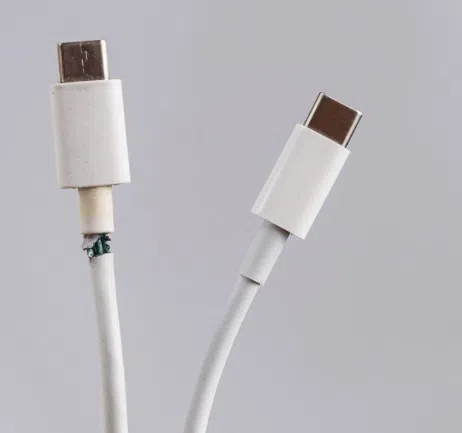
Most cable failures do not happen suddenly. Instead, they result from repeated mechanical stress, poor material design, or improper usage habits over time.
From an engineering perspective, cable breakage is not a random defect—it is a predictable failure pattern driven by bending fatigue, connector strain, and internal conductor degradation.
OSKO analyzes cable durability from both user behavior and material engineering perspectives to improve long-term product reliability.

Material Science & Failure Mechanism
1. Bending Fatigue is the Main Cause of Cable Failure
Every charging cable experiences repeated bending near the connector.
Over time:
Internal copper wires weaken
Conductive paths break gradually
Charging becomes intermittent
This is the most common failure mode in both PVC and low-grade cables.
2. Strain Relief Weakness at Connector Joints
The junction between cable and connector is the most fragile area.
Poor design leads to:
Sharp bending angles
Stress concentration
Early internal wire fracture
High-quality cables use reinforced strain relief structures to distribute stress evenly.
3. Material Degradation from Heat and Friction
Charging generates heat, especially in fast charging systems (60W–240W).
Heat combined with friction causes:
Insulation softening
Reduced mechanical strength
Accelerated aging of internal materials
4. Low-Quality Conductors
Cheap cables often use:
Thin copper or copper-clad aluminum
Poor shielding
Inconsistent wire gauge
These factors reduce both durability and charging stability.
5. Environmental Stress Factors
External conditions also affect lifespan:
Frequent bending in backpacks
Tight coiling during storage
Car usage with constant movement

Case Study
US E-Commerce Seller Cable Failure Reduction Project
Customer Background
A US-based Amazon seller specializing in charging accessories experienced high return rates due to cables breaking within 2–3 months of use.
Their goal was to improve durability without significantly increasing product cost.
Engineering Problems Identified
OSKO analysis found:
Weak PVC outer jacket with low flexibility
No reinforced strain relief at connector joints
Thin copper conductors increasing resistance and heat
Poor bending cycle performance
Lack of braided protection layer
OSKO Engineering Solution
OSKO redesigned the cable system using durability-focused engineering:
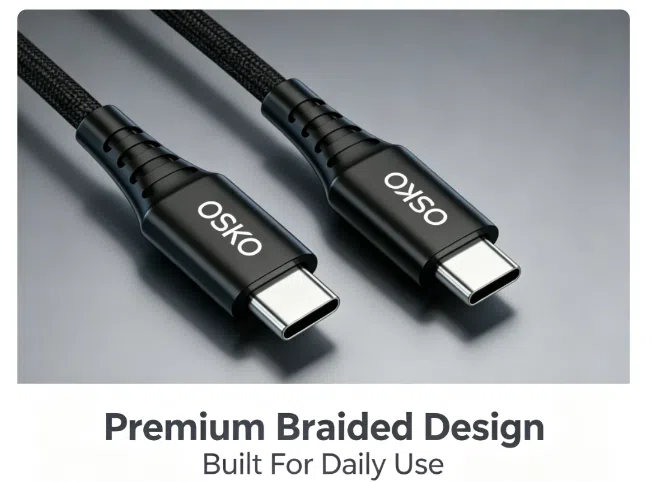
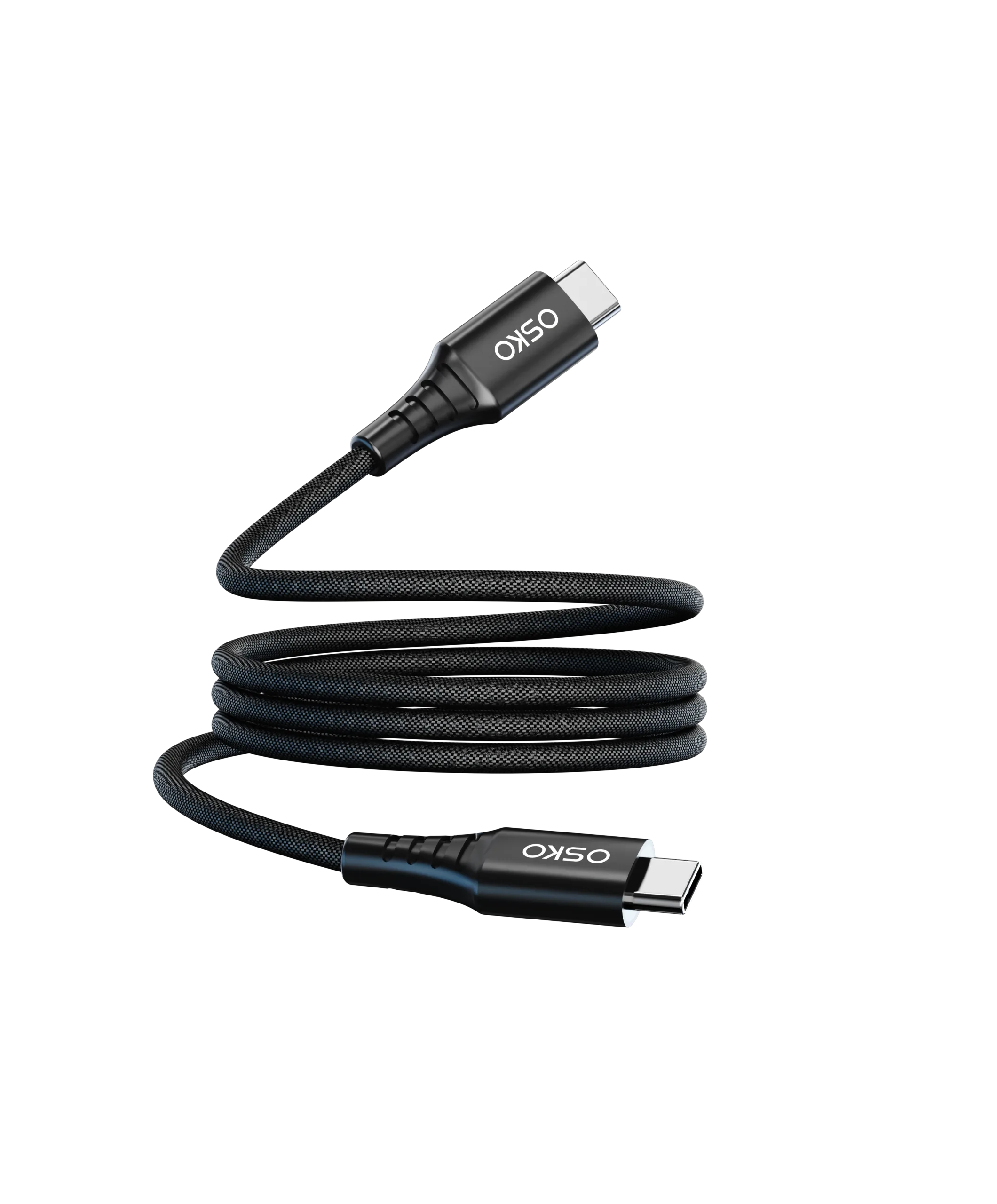
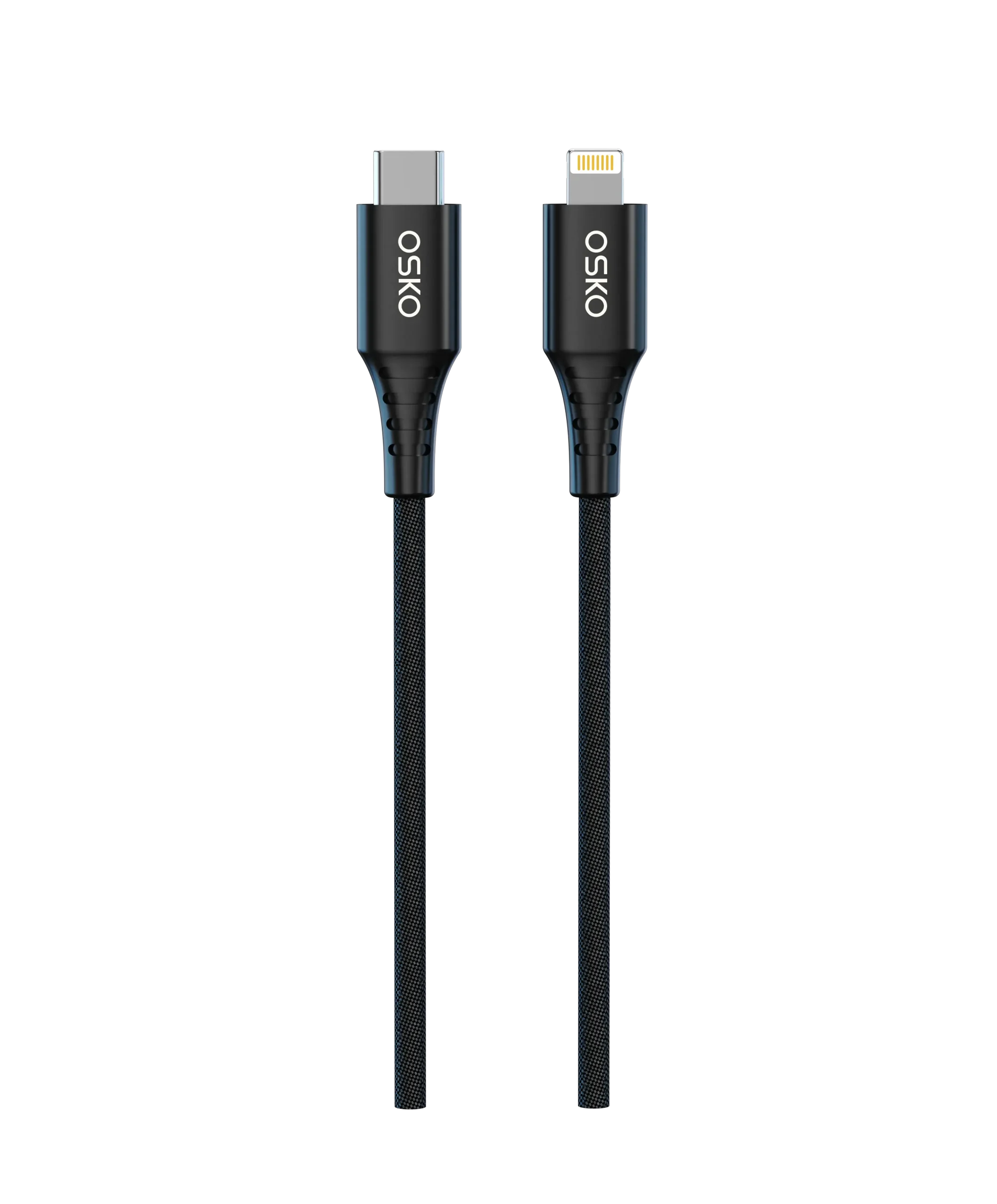
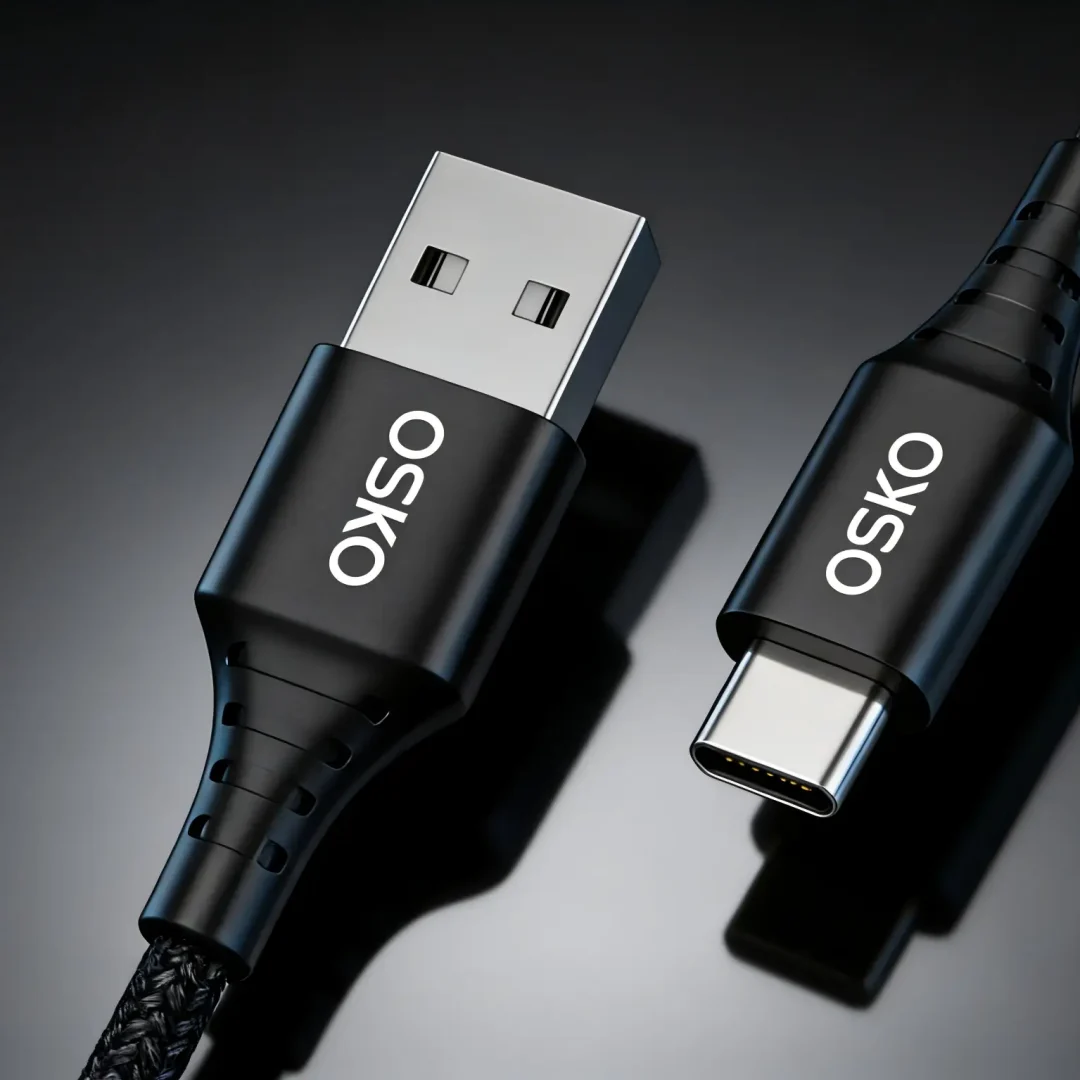
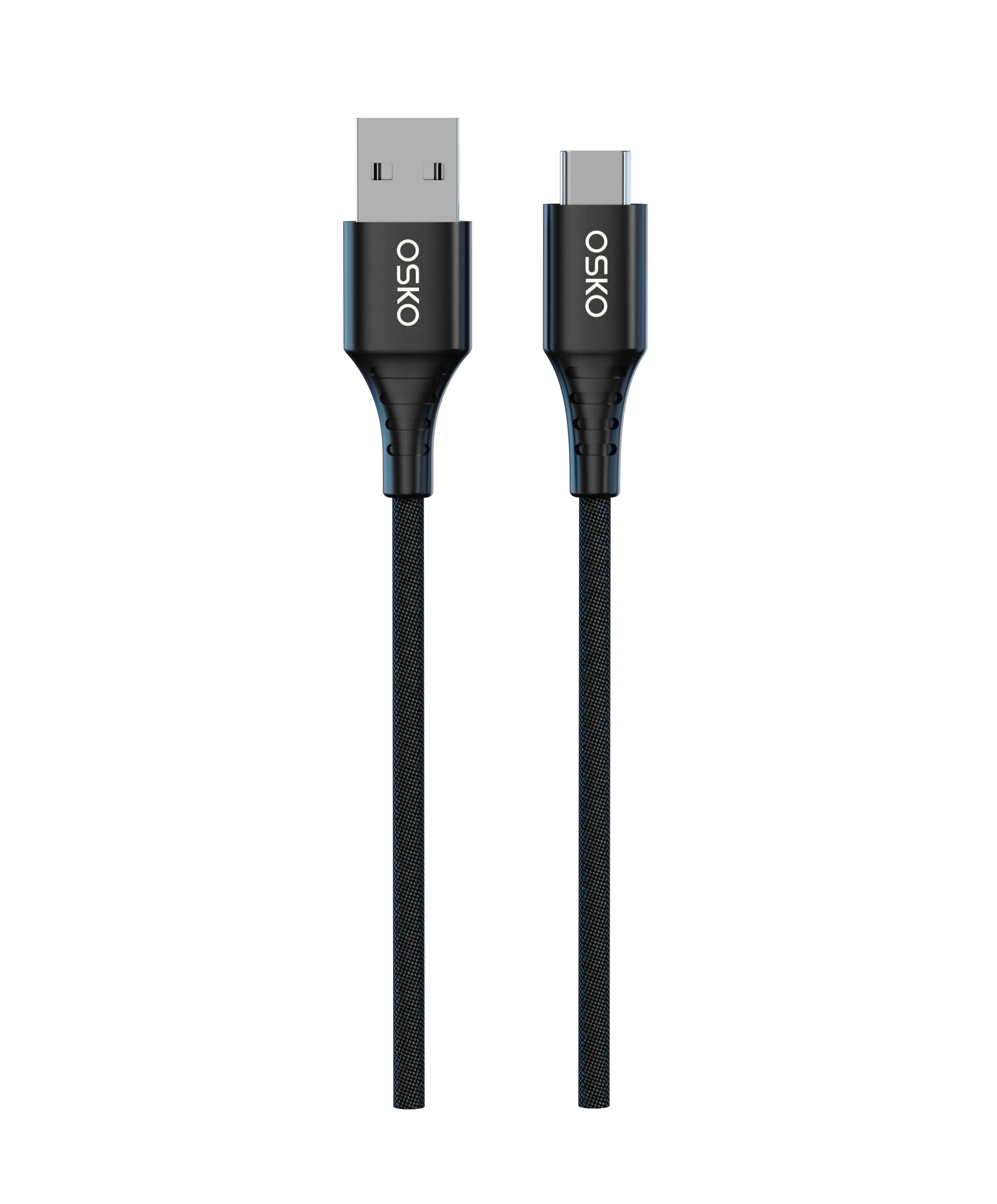
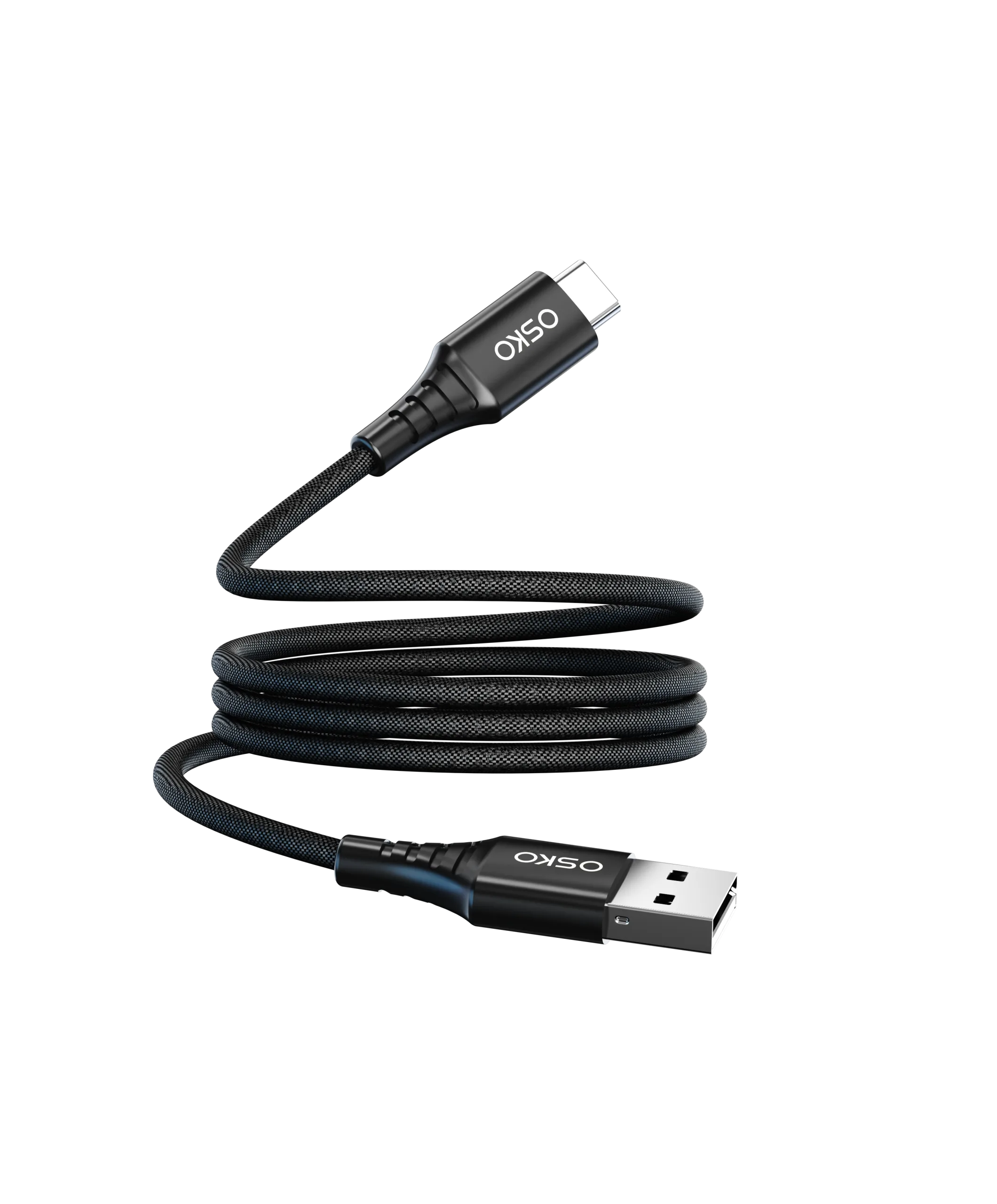
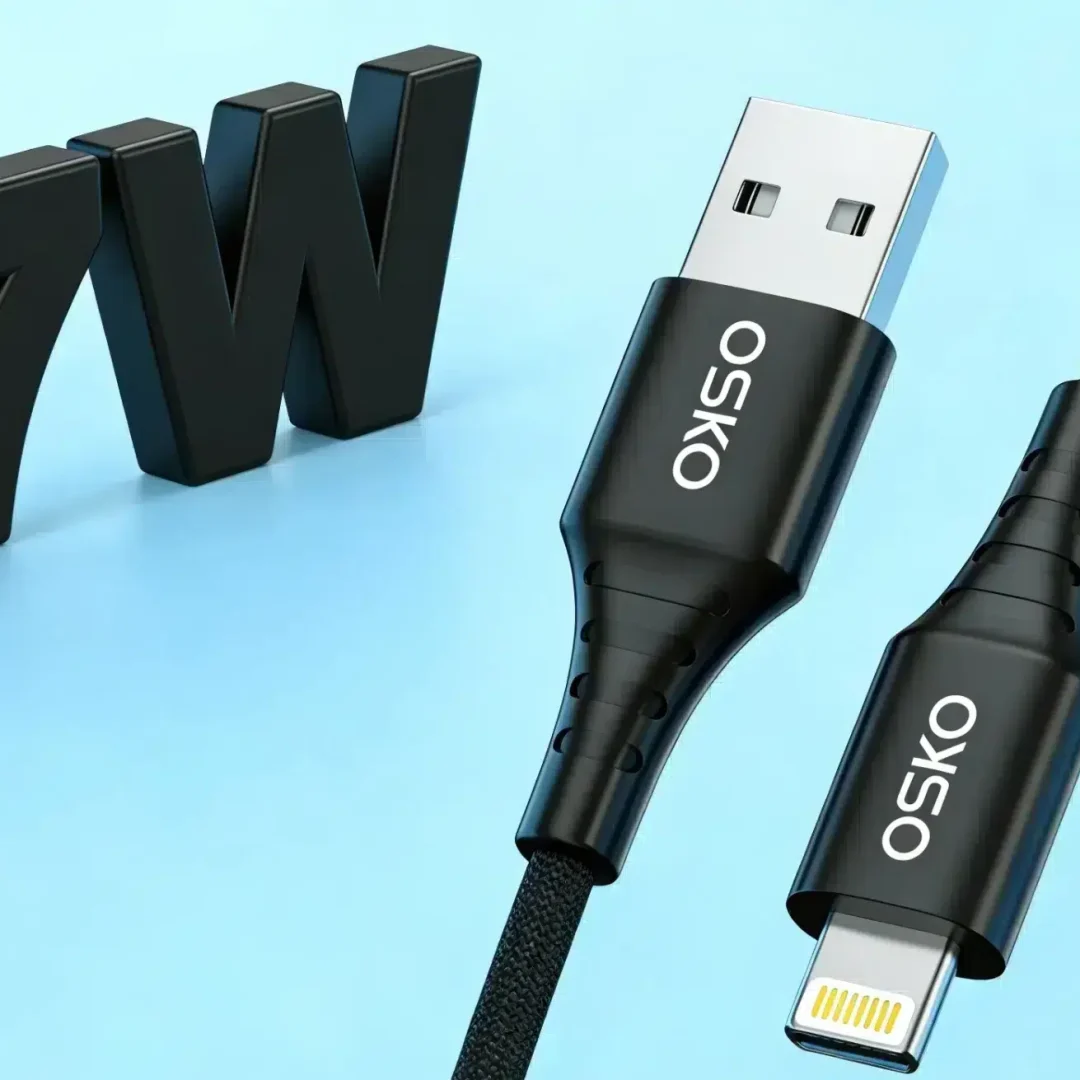
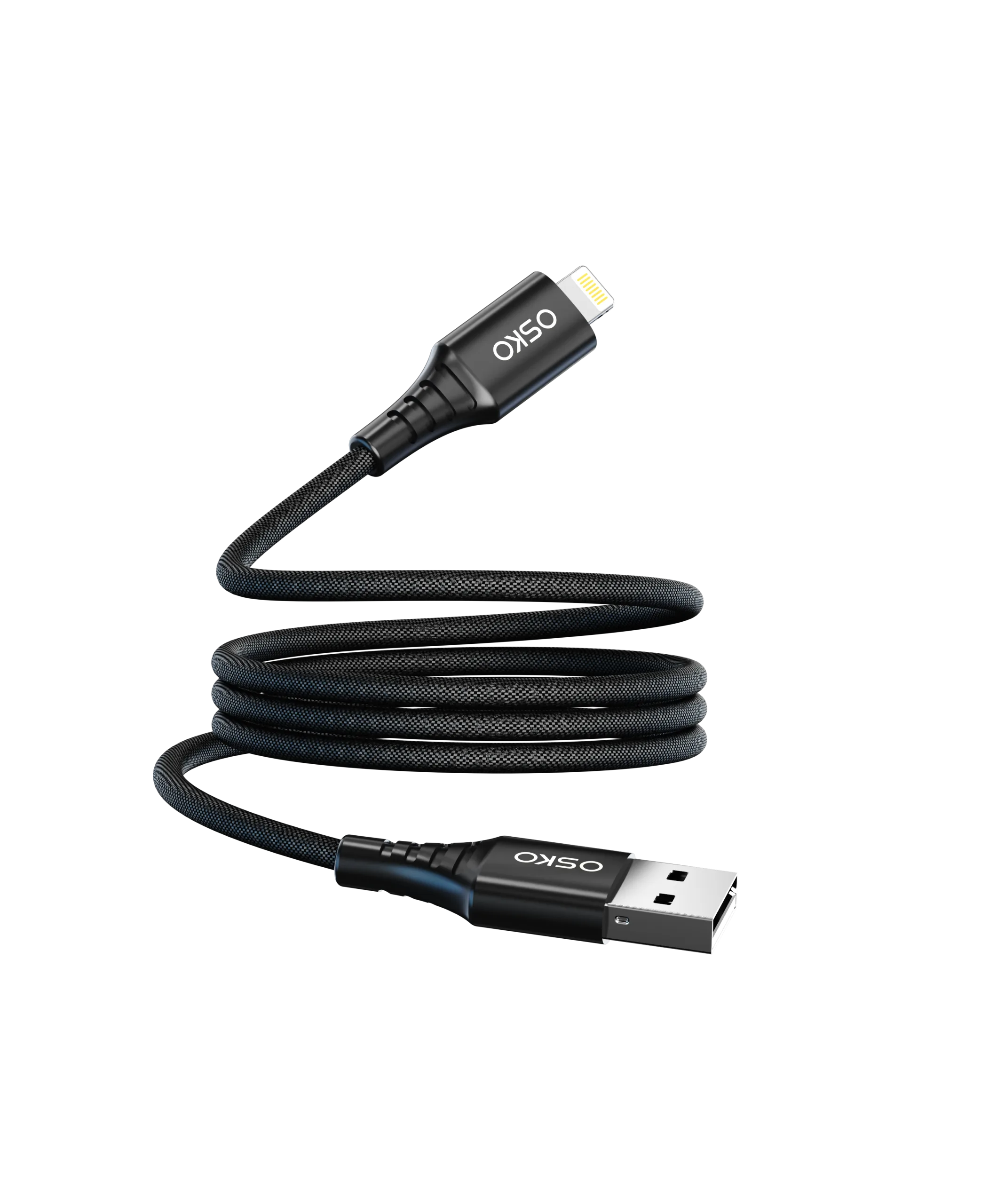
Upgraded to nylon braided outer structure
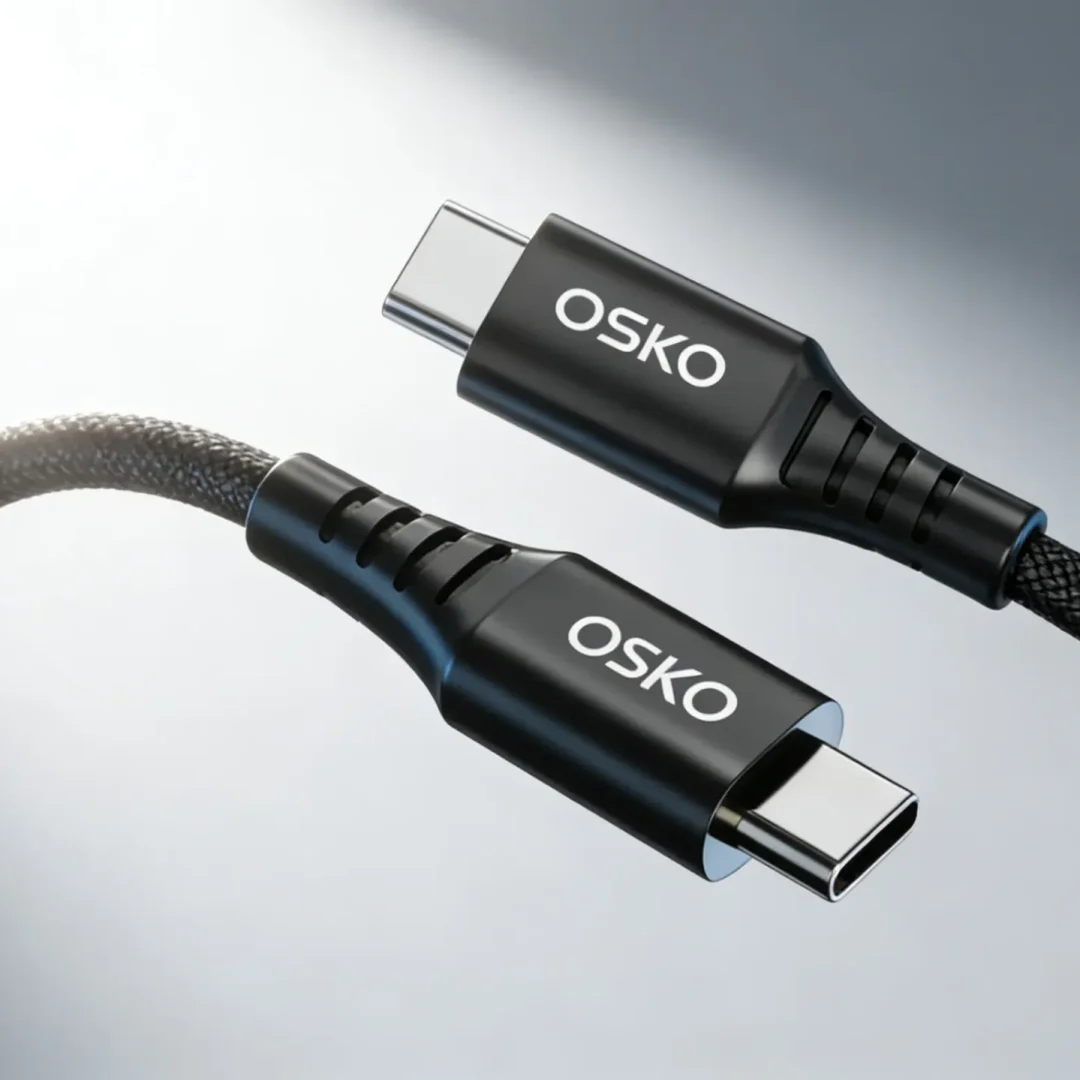
Reinforced connector strain relief design
Optimized copper conductor thickness for lower resistance
Improved internal insulation heat resistance
Introduced bending cycle testing (10,000+ cycles standard)
Compliance and quality systems included:
USB-IF compliant Type C cable manufacturer validation
ISO9001 production quality control
FCC EMI testing for signal stability
RoHS environmental material compliance
Result
Significant reduction in cable breakage rate
Improved customer satisfaction ratings
Lower return rates on Amazon listings
Longer product lifespan in real-world usage
Stronger brand reputation in US retail market
Selection Guide
How to Prevent Charging Cable Breakage
1. Choose Reinforced Cable Structure
Look for:
Braided nylon or high-flex TPE materials
Reinforced connector strain relief
Thick copper conductors
2. Avoid Sharp Bending Near Connectors
Most failures occur within 2–5 cm of the connector.
Best practice:
Do not bend cable at extreme angles
Use straight cable routing when possible
3. Use Proper Storage Methods
Avoid:
Tight wrapping
Knotting cables
Over-compression in bags
Instead:
Use loose loops
Cable organizers or holders
4. Match Cable Wattage to Device
Using under-rated cables increases heat stress.
60W → phones and tablets
100W → laptops
240W → high-performance devices
5. Invest in High-Quality Manufacturing Standards
Reliable cables should meet:
USB-PD compliance
USB-IF certification
ISO9001 manufacturing control
FCC and CE safety standards
Comparison Table
| Factor | Low-Quality Cable | Durable Engineering Cable |
|---|---|---|
| Material | PVC / thin copper | Nylon braided / OFC copper |
| Break Resistance | Low | High |
| Lifespan | Short | Long |
| Heat Resistance | Weak | Strong |
| Strain Relief | Basic | Reinforced |
Application Scenarios
Durable charging cables are essential for:
OEM USB cables for branded electronics manufacturing
ODM USB cables for custom product development
USB cables for wholesale distribution
Desktop charging cables for office workstationsTravel USB cables for portable charging kits
In-car charging cables for automotive use
Home USB cables for multi-device home setups
FAQ
Why do charging cables break so easily?
Mostly due to bending fatigue and weak strain relief design.
Are braided cables more durable?
Yes, they significantly improve abrasion and bending resistance.
Where do cables usually break first?
Near the connector joint due to repeated stress.
Does fast charging damage cables faster?
Yes, if the cable is not rated for the correct wattage.
How long should a good cable last?
A high-quality cable can last several years under normal use.
Summary
The issue of how to stop your charging cable from breaking so easily is primarily caused by mechanical fatigue, weak connector design, and poor material selection.
Durability can be significantly improved through better engineering, including braided outer layers, reinforced strain relief, and proper conductor design.
OSKO develops durable charging cable systems for US and European markets based on real-world testing, ensuring long lifespan erformance across OEM, retail, and wholesale applications.
Cable longevity is not accidental—it is engineered.