
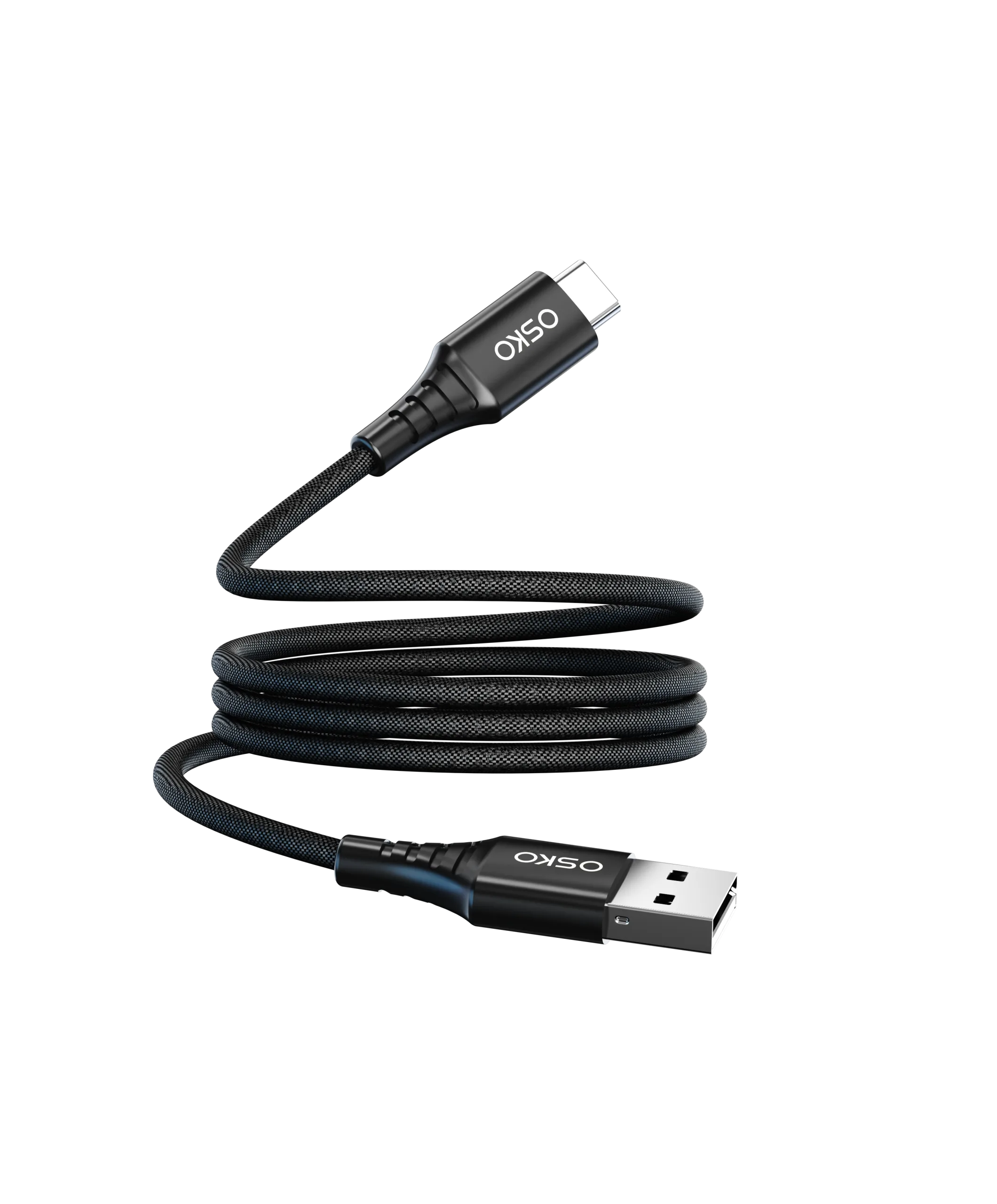
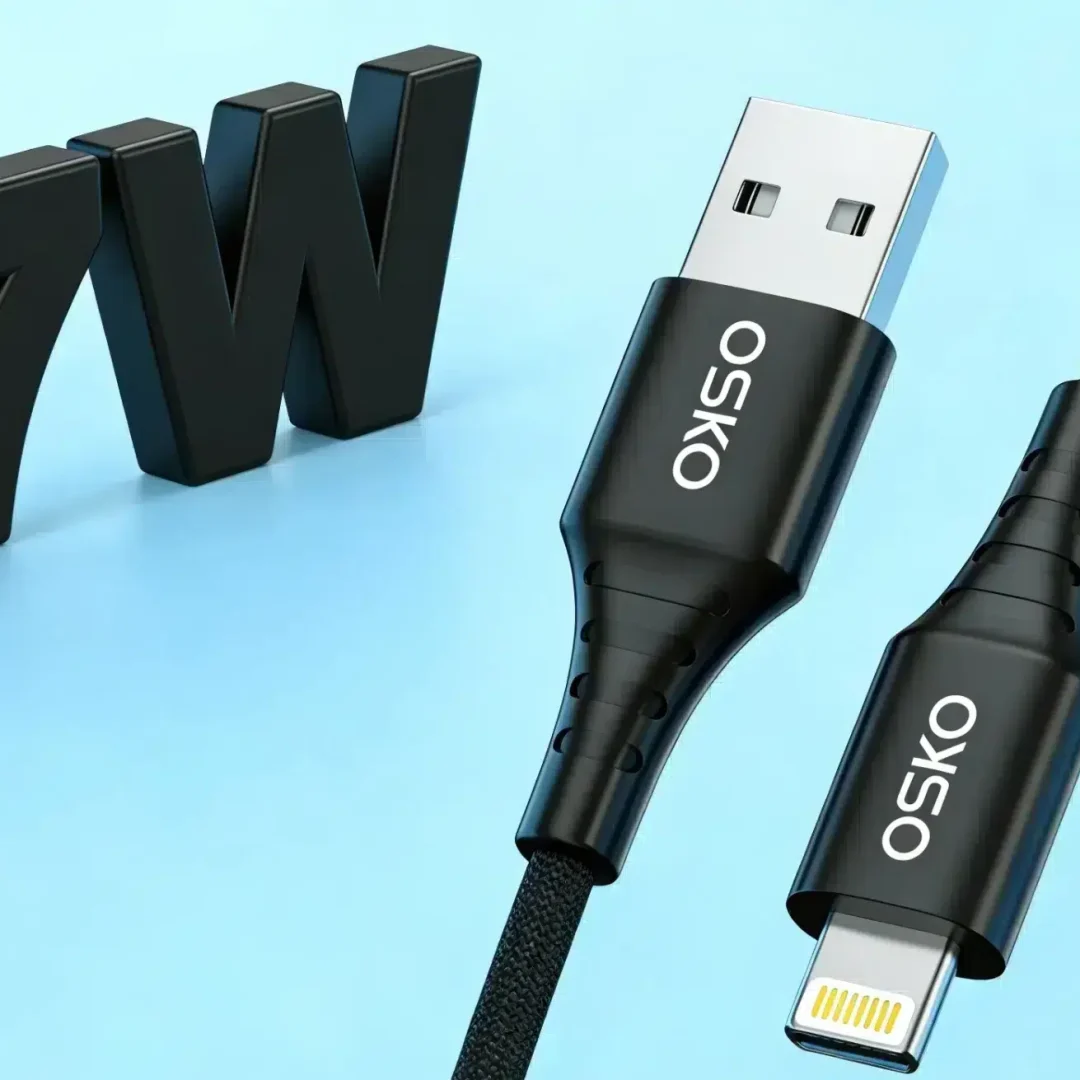
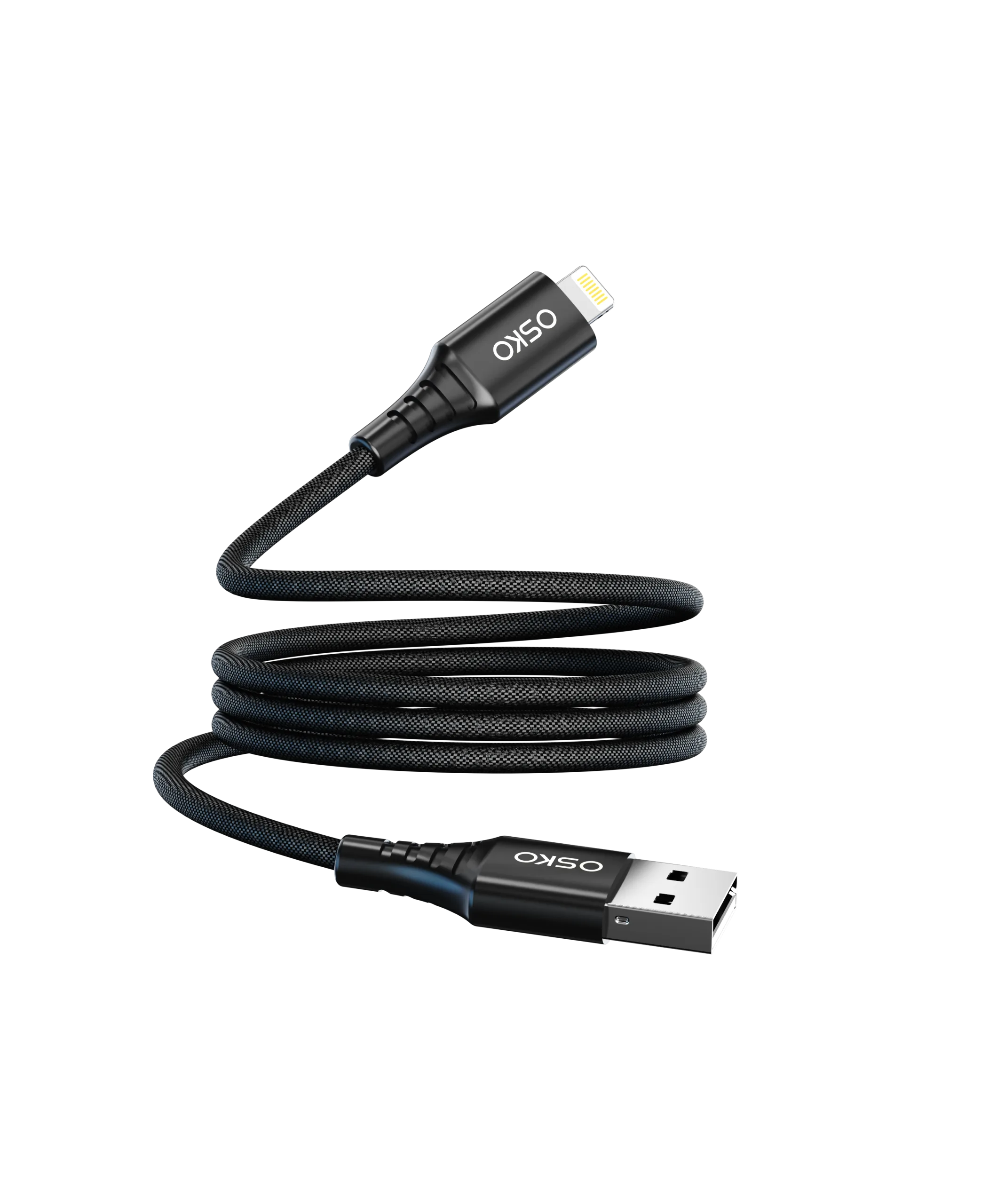
The comparison of USB-C vs Lightning: What’s the Difference has become one of the most searched topics in the charging cable industry as smartphones, tablets, and laptops move toward universal USB-C connectivity.
For years, Apple devices mainly relied on the Lightning connector, while Android phones, laptops, and other electronics adopted USB-C as the industry standard.
Today, businesses, retailers, and consumers are asking:
Is USB-C better than Lightning?
Which cable charges faster?
Should brands continue selling Lightning cables?
Is USB-C the future charging standard?
From an engineering and manufacturing perspective, USB-C and Lightning represent two different approaches:
USB-C focuses on universal compatibility, higher power delivery, and open industry standards.
Lightning focuses on Apple ecosystem control, compact design, and accessory certification.
For OEM cable manufacturers, distributors, and retail brands, understanding the difference between USB-C vs Lightning cables is essential for product planning and long-term market strategy.

USB-C vs Lightning: Connector Design and Engineering Structure
USB-C Connector Architecture
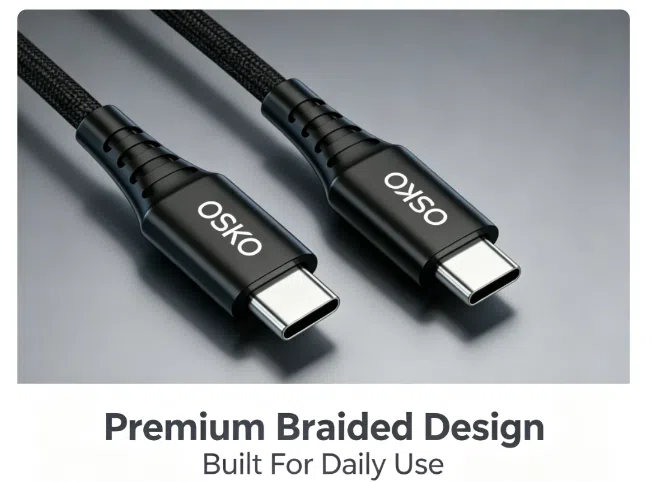
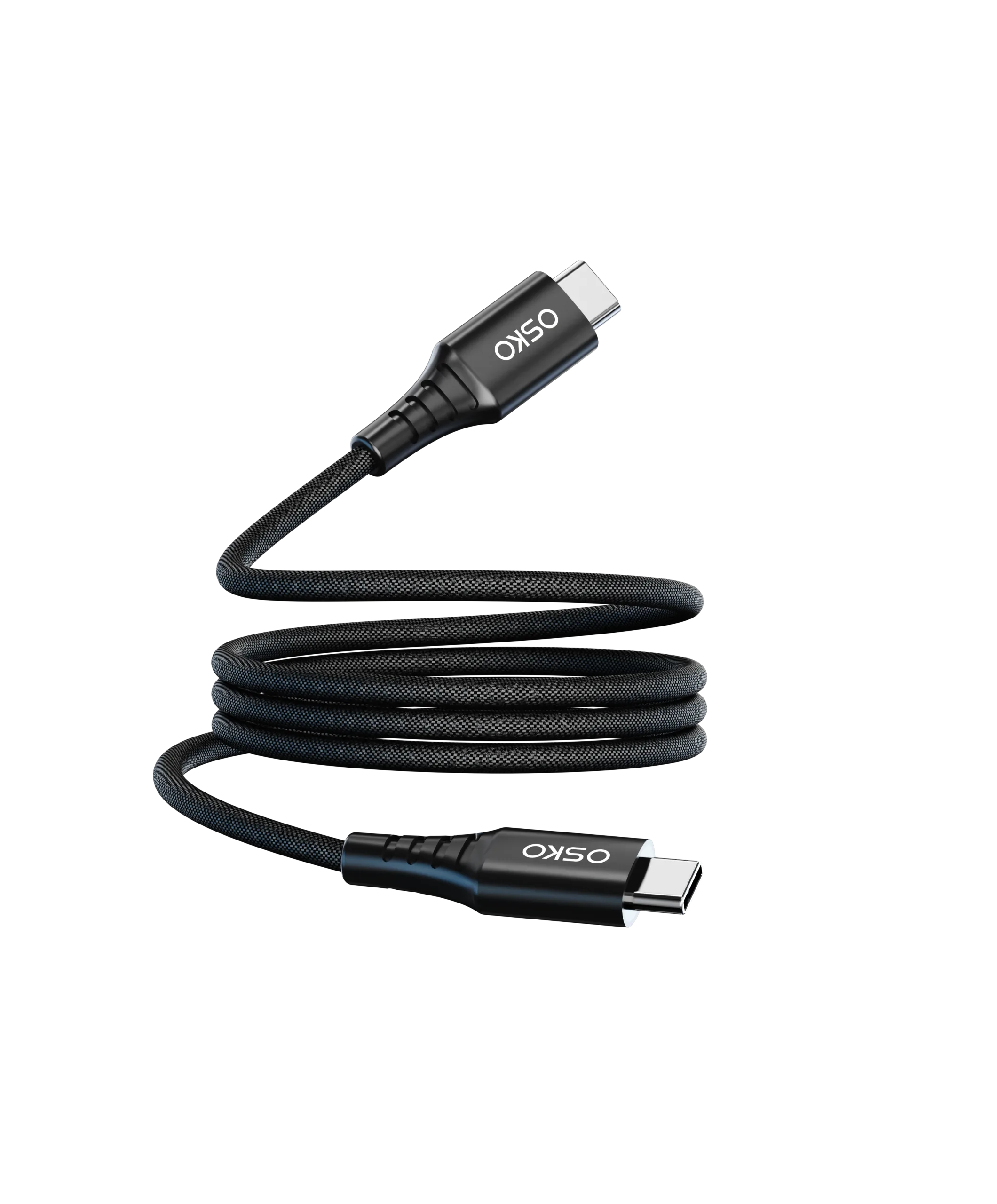
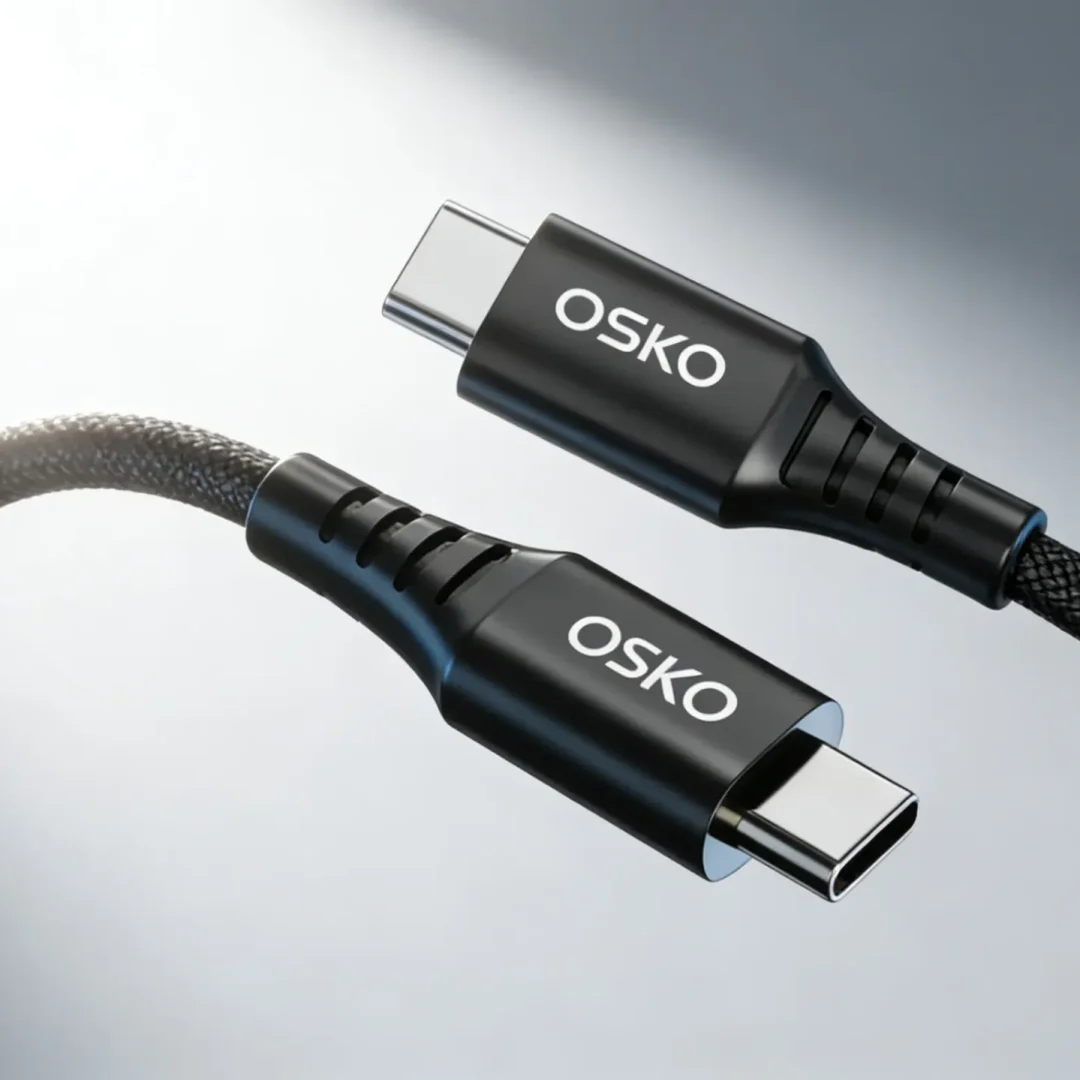
USB-C, also known as USB Type-C, is a modern universal connector developed by the USB Implementers Forum (USB-IF).
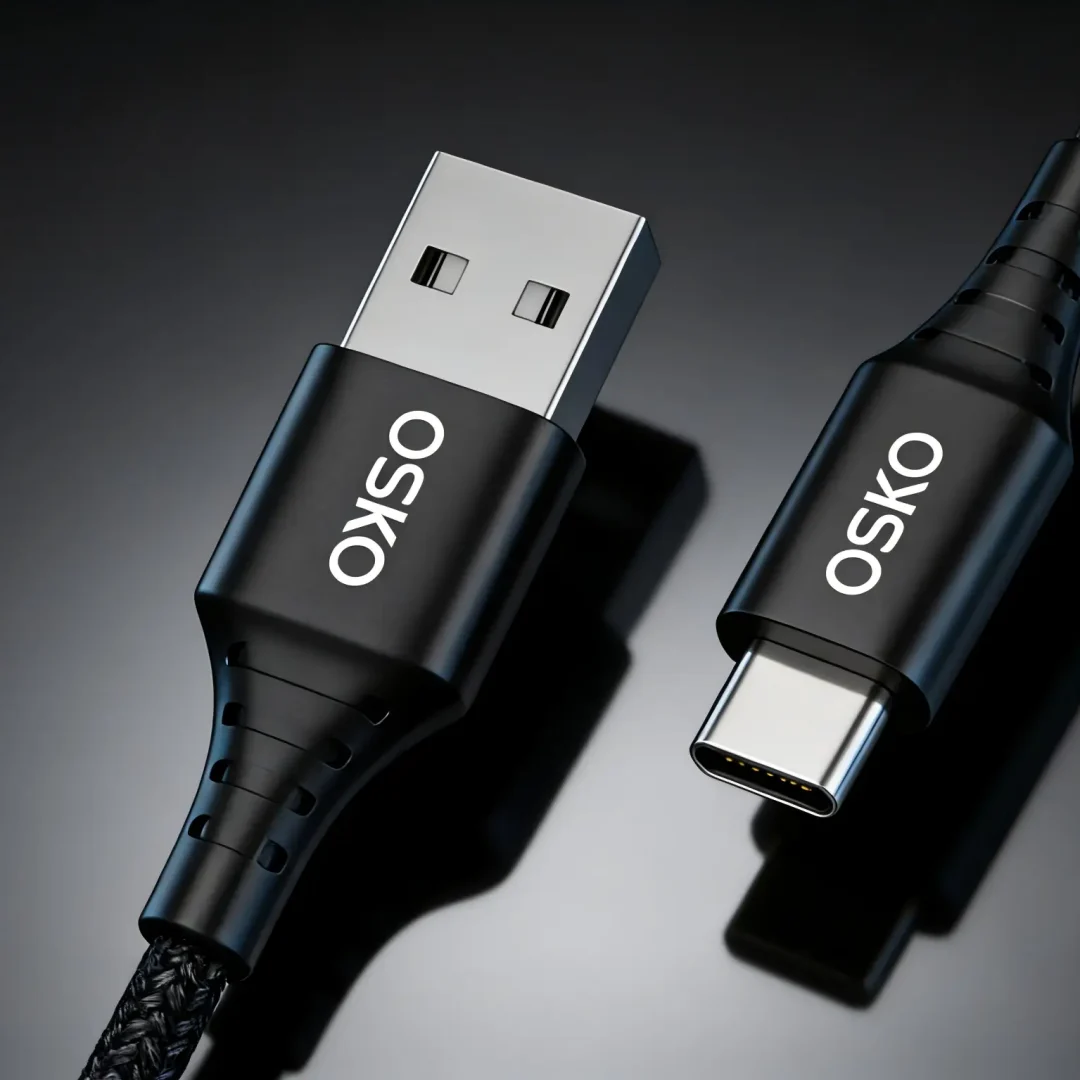
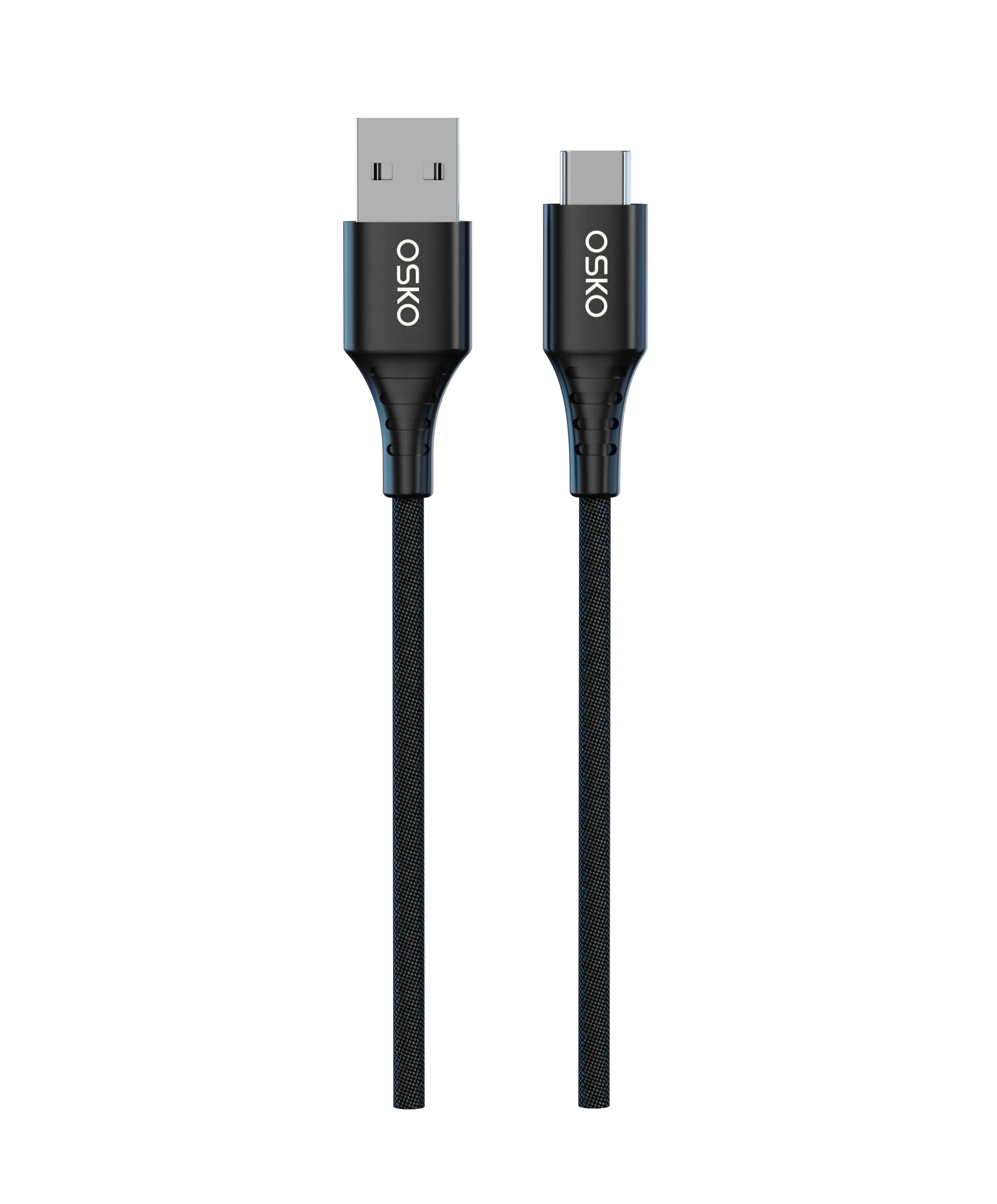
Unlike traditional USB-A connectors, USB-C features a reversible design, allowing users to insert the cable in either direction.
Key characteristics include:
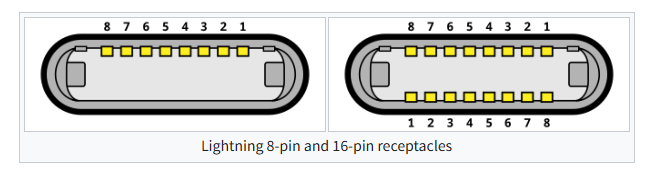
24-pin symmetrical connector design
Reversible plug structure
Support for charging, data transfer, and video output
Compatible with smartphones, tablets, laptops, monitors, and accessories
The internal structure includes:
Power delivery channels
High-speed data transmission lanes
Configuration channel (CC) communication pins
Ground and signal connections
This advanced architecture allows USB-C cables to support:
USB Power Delivery (USB-PD)
Fast charging
High-speed data transfer
Display output
For modern electronics manufacturers, USB-C has become the preferred connector for developing universal charging solutions.
Lightning Connector Design
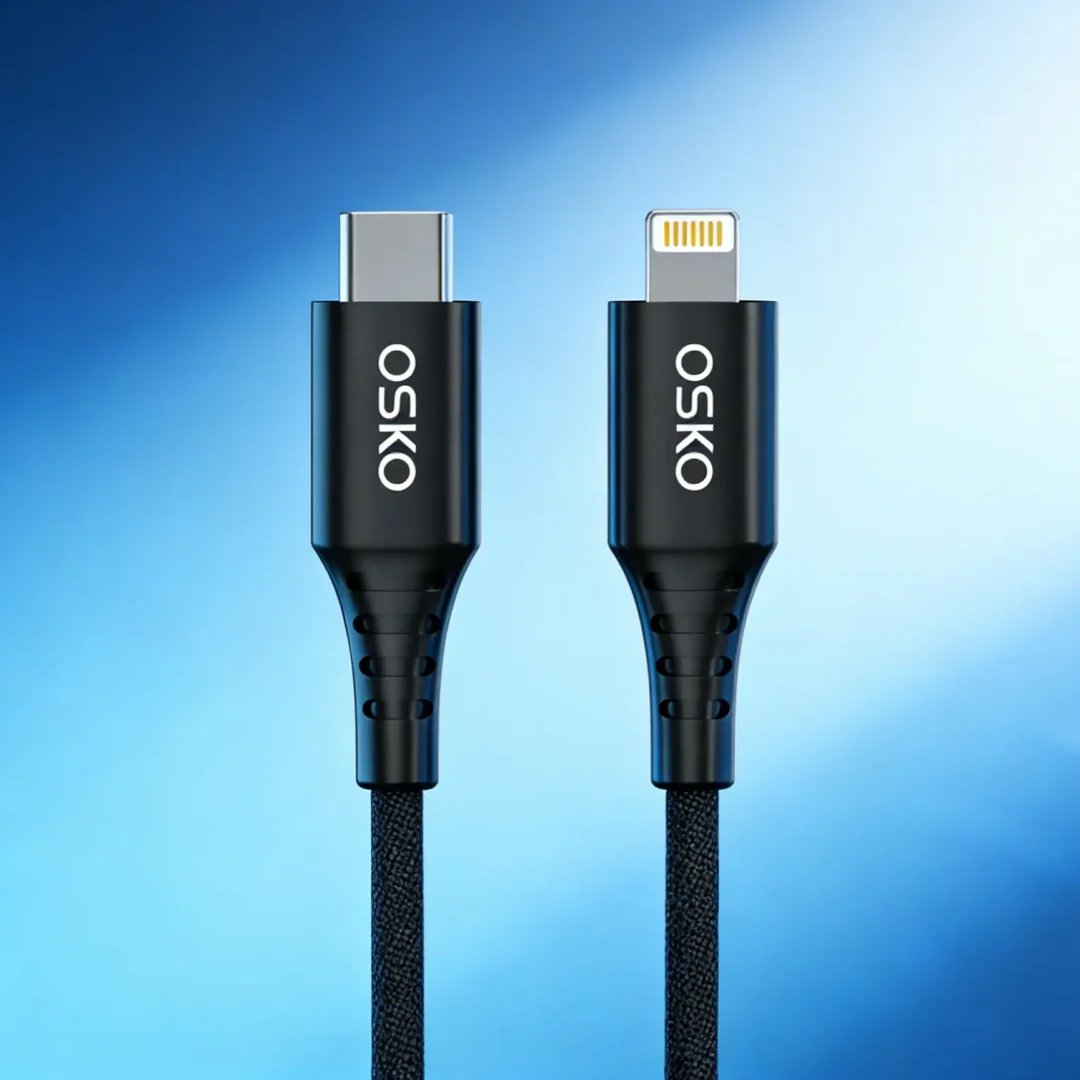
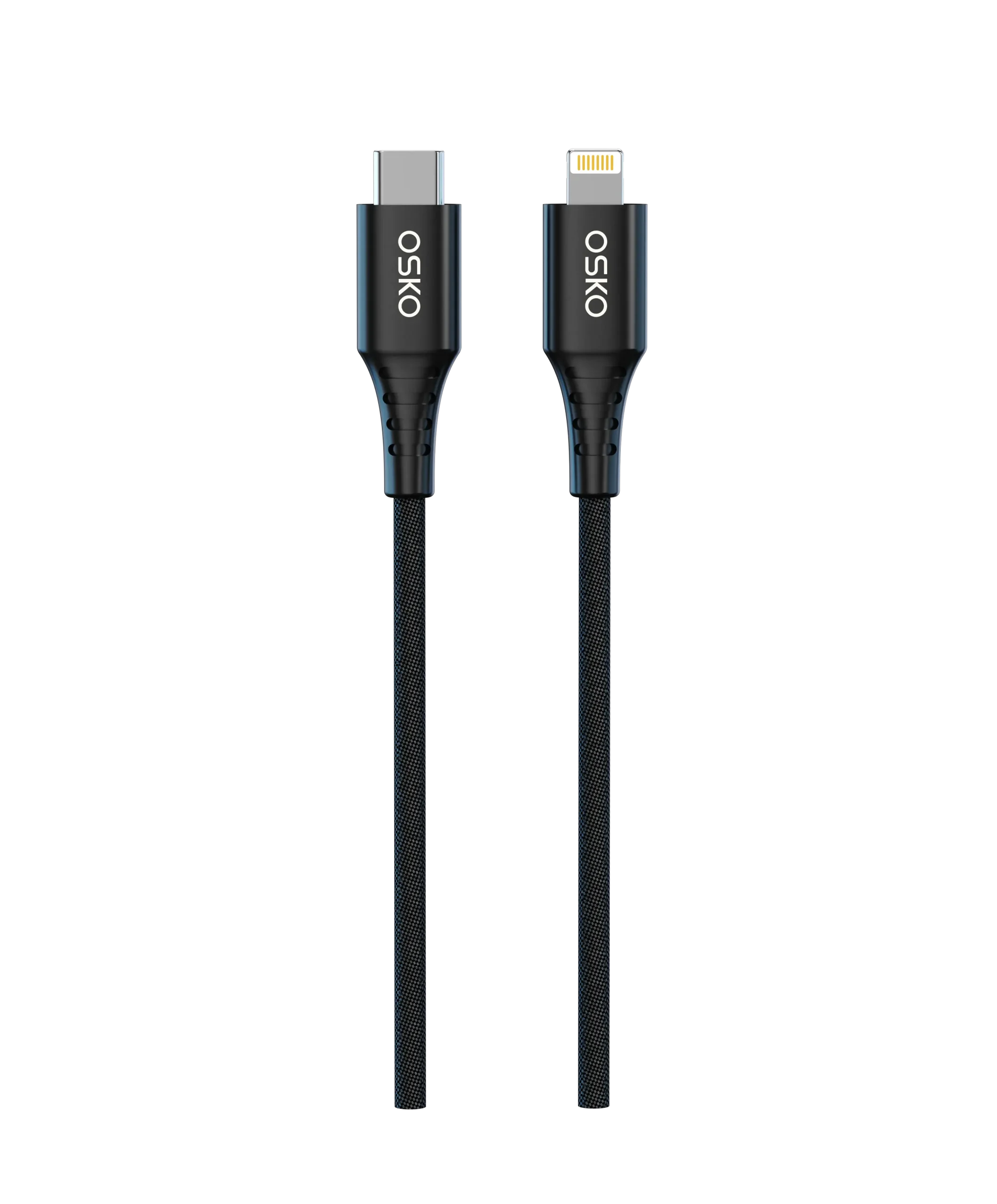
Lightning is Apple’s proprietary charging connector introduced with the iPhone 5.
Unlike USB-C, Lightning uses an 8-pin connector designed specifically for Apple devices.
Main characteristics:
Compact connector size
Reversible plug design
Apple-controlled accessory ecosystem
Requires MFi certification for approved accessories
Lightning cables are mainly used for:
Older iPhone models
Older iPad devices
AirPods charging cases
Apple accessories
The main advantage of Lightning is its optimized integration with Apple hardware.
However, compared with USB-C, Lightning has limitations in:
Cross-platform compatibility
Maximum charging power
Data transfer speed
USB-C vs Lightning Charging Speed Comparison
Charging performance is one of the biggest differences between USB-C and Lightning cables.
USB-C Fast Charging Performance
USB-C supports USB Power Delivery technology.
Depending on cable design and device requirements, USB-C cables can support:
20W fast charging
60W charging
100W laptop charging
140W high-performance charging
Up to 240W USB-PD 3.1 charging
This makes USB-C suitable for:
Smartphones
Tablets
MacBooks
Windows laptops
Gaming devices
A USB-C fast charging cable can provide enough power for an entire mobile workstation.
Lightning Cable Charging Performance
Lightning cables generally support lower charging power.
Typical Lightning charging performance:
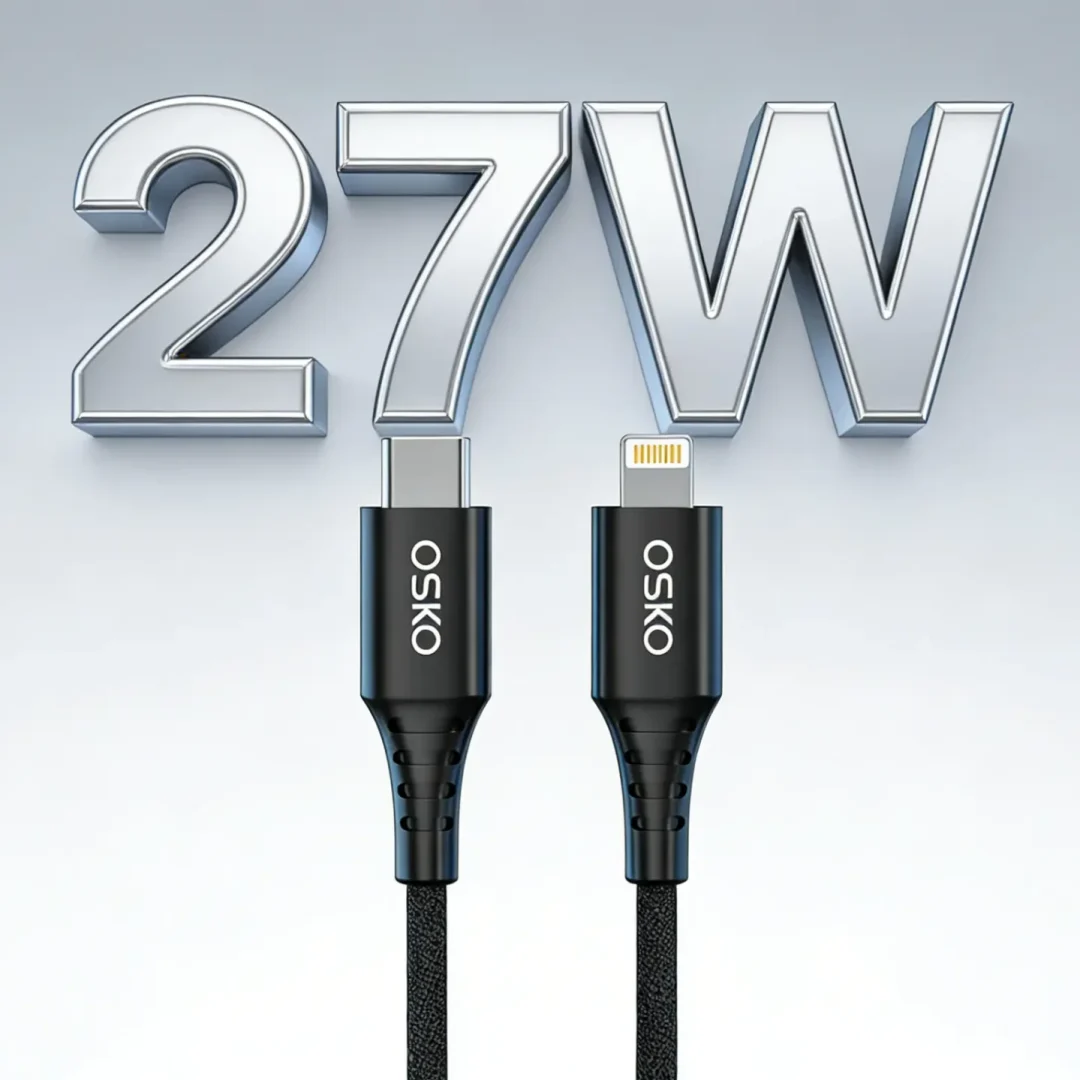
Around 18W fast charging
Up to approximately 27W depending on device conditions
Lightning fast charging works well for:
iPhones
Older iPads
Apple accessories
However, Lightning is limited when compared with USB-C because it was not designed for high-power applications such as laptop charging.
USB-C vs Lightning Data Transfer Speed
Charging is only one part of cable performance.
Data transfer speed is another major difference.
USB-C Data Transfer Capability
USB-C supports multiple USB standards:
USB 2.0: 480Mbps
USB 3.2 Gen 1: 5Gbps
USB 3.2 Gen 2: 10Gbps
USB4: up to 40Gbps
Depending on the cable specification, USB-C can support:
Large file transfers
External SSD connections
4K display output
Professional workstation applications
This makes USB-C ideal for business users and content creators.
Lightning Data Transfer Capability
Most Lightning cables operate at:
USB 2.0 speed
Approximately 480Mbps
For daily tasks such as:
iPhone charging
Small file transfers
Device synchronization
Lightning works effectively.
However, large video transfers and professional workflows are slower compared with USB-C.

USB-C vs Lightning Compatibility Comparison
| Feature | USB-C | Lightning |
|---|---|---|
| Standard | USB-IF Open Standard | Apple Proprietary |
| Connector Pins | 24 Pins | 8 Pins |
| Reversible | Yes | Yes |
| Charging Power | Up to 240W | Around 27W |
| Data Speed | Up to 40Gbps | 480Mbps |
| Device Compatibility | Universal | Apple Devices |
| Laptop Support | Yes | No |
| Future Market Trend | Growing | Declining |
Why Is USB-C Becoming the Global Standard?
The biggest reason USB-C adoption is increasing is universal compatibility.
One USB-C cable can charge:
Android smartphones
iPhones with USB-C ports
iPads
MacBooks
Windows laptops
Gaming consoles
Portable monitors
For consumers, this means:
Fewer cables
Less electronic waste
Easier travel
Lower accessory costs
For brands and distributors, USB-C creates a larger market opportunity.
Many companies are now shifting product development toward:
USB-C fast charging cables
USB-C to USB-C cables
USB-C laptop charging cables
USB-C automotive cables
Case Study: US Retail Brand Transition from Lightning to USB-C
Customer Background
A US consumer electronics accessory brand traditionally focused on Lightning cables.
As new devices increasingly adopted USB-C, the company faced several challenges:
Declining Lightning cable demand
Increasing inventory pressure
Customer confusion about compatibility
Growing demand for USB-C fast charging products
The company needed a transition strategy without immediately eliminating Lightning products.
Engineering Solution by OSKO
OSKO developed a dual product strategy:
1. Maintain Lightning Product Line
For existing Apple users:
MFi certified Lightning cables
Durable braided designs
Retail-ready packaging
2. Expand USB-C Product Portfolio
New products included:
USB-C fast charging cables
100W laptop charging cables
USB-C PD cables
3. Improve Product Positioning
Updated packaging clearly displayed:
Device compatibility
Charging speed
Power rating
Certification information
Compliance Standards for USB Cable Manufacturing
For global markets, professional cable manufacturers should consider:
USB-C Cable Compliance
USB-IF requirements
FCC testing
RoHS compliance
CE certification
Quality management systems
Lightning Cable Compliance
Apple MFi certification
Apple authentication requirements
Safety testing
For US and European retailers, certified manufacturing helps reduce product returns and improves customer trust.
How Should Brands Choose Between USB-C and Lightning Cables?
For New Product Development
USB-C is usually the better long-term choice.
Recommended products:
USB-C fast charging cable
USB-C laptop charging cable
Reasons:
Wider compatibility
Higher charging capability
Future market growth
For Existing Apple Accessories
Lightning remains necessary for:
Older iPhones
Existing iPad users
Legacy Apple accessories
Brands should maintain Lightning products where customer demand remains strong.
OEM USB Cable Solutions for Brands and Distributors
Professional cable manufacturers provide customized solutions including:
USB-C Cable OEM
Options include:
Custom length
Custom color
Braided nylon materials
High-power charging
Retail packaging
Lightning Cable OEM
Options include:
MFi certified production
Private label packaging
Custom branding
Wholesale supply
Applications
OEM cables are widely used for:
Amazon sellers
Electronics retailers
Telecom distributors
Corporate gift programs
Consumer electronics brands
FAQ: USB-C vs Lightning
Is USB-C better than Lightning?
Yes. USB-C provides higher charging power, faster data transfer, and wider compatibility.
Can USB-C replace Lightning cables?
For newer devices, yes. However, Lightning cables are still needed for older Apple products.
Which cable charges faster: USB-C or Lightning?
USB-C is faster because it supports USB Power Delivery with much higher wattage
Why did Apple move from Lightning to USB-C?
USB-C provides better performance, industry compatibility, and meets global charging standard requirements.
Should brands invest in USB-C cables?
Yes. USB-C represents the future direction of charging accessories and offers larger market potential.
Summary: USB-C vs Lightning Cable Future Trends
The comparison of USB-C vs Lightning: What’s the Difference shows a clear industry transition.
Lightning remains valuable for existing Apple users, but USB-C has become the dominant technology because of:
Higher charging performance
Faster data transmission
Universal compatibility
Long-term market adoption
For consumers, USB-C means simpler charging.
For brands, retailers, and distributors, USB-C represents the next generation of charging products.
OSKO provides professional OEM and ODM cable manufacturing solutions, including:
USB-C fast charging cables
USB-C PD cables
MFi certified Lightning cables
Private label charging accessories
Custom retail packaging
With engineering expertise, quality control systems, and global supply capability, OSKO helps brands develop reliable charging solutions for US and international markets.