
Introduction
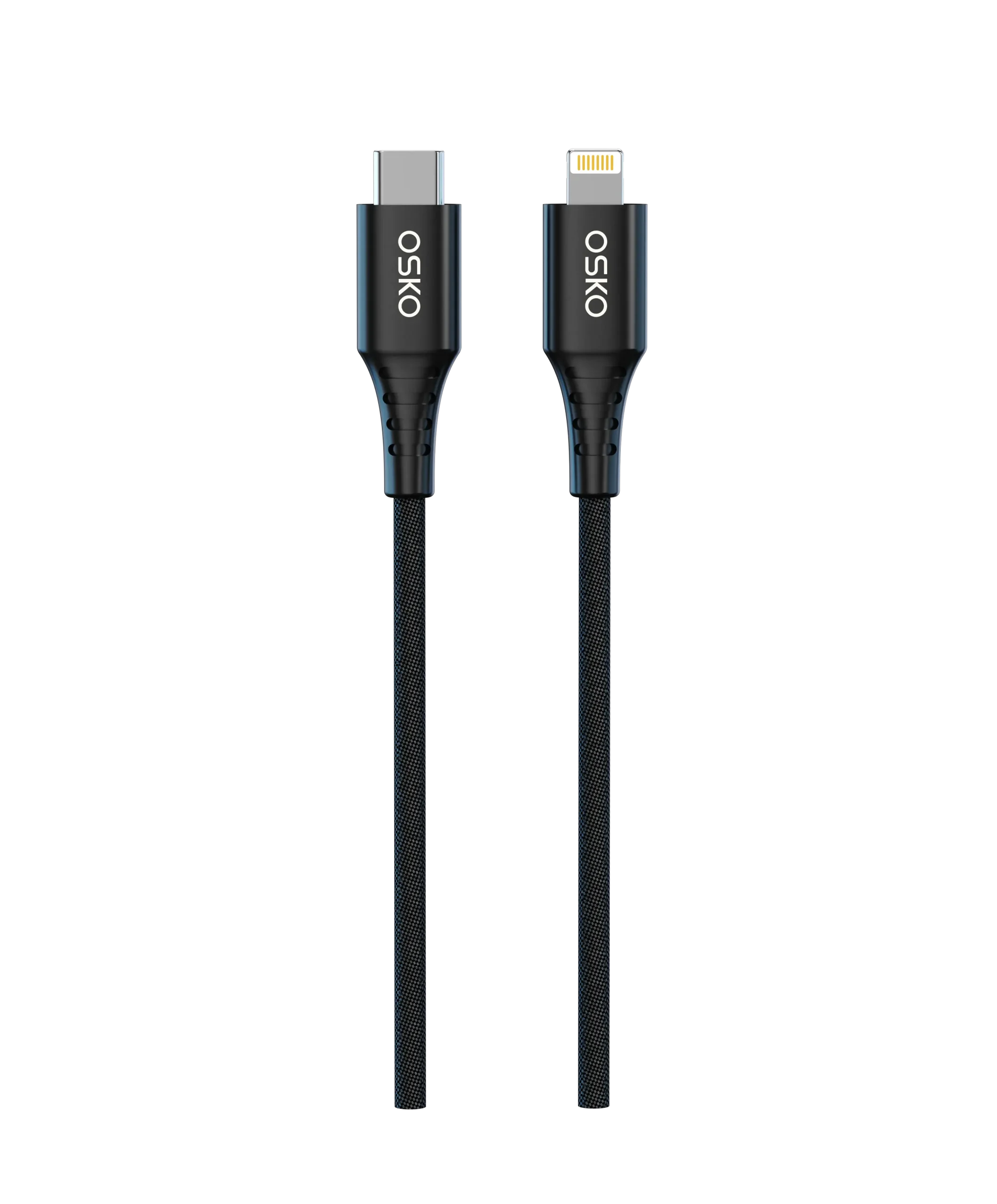
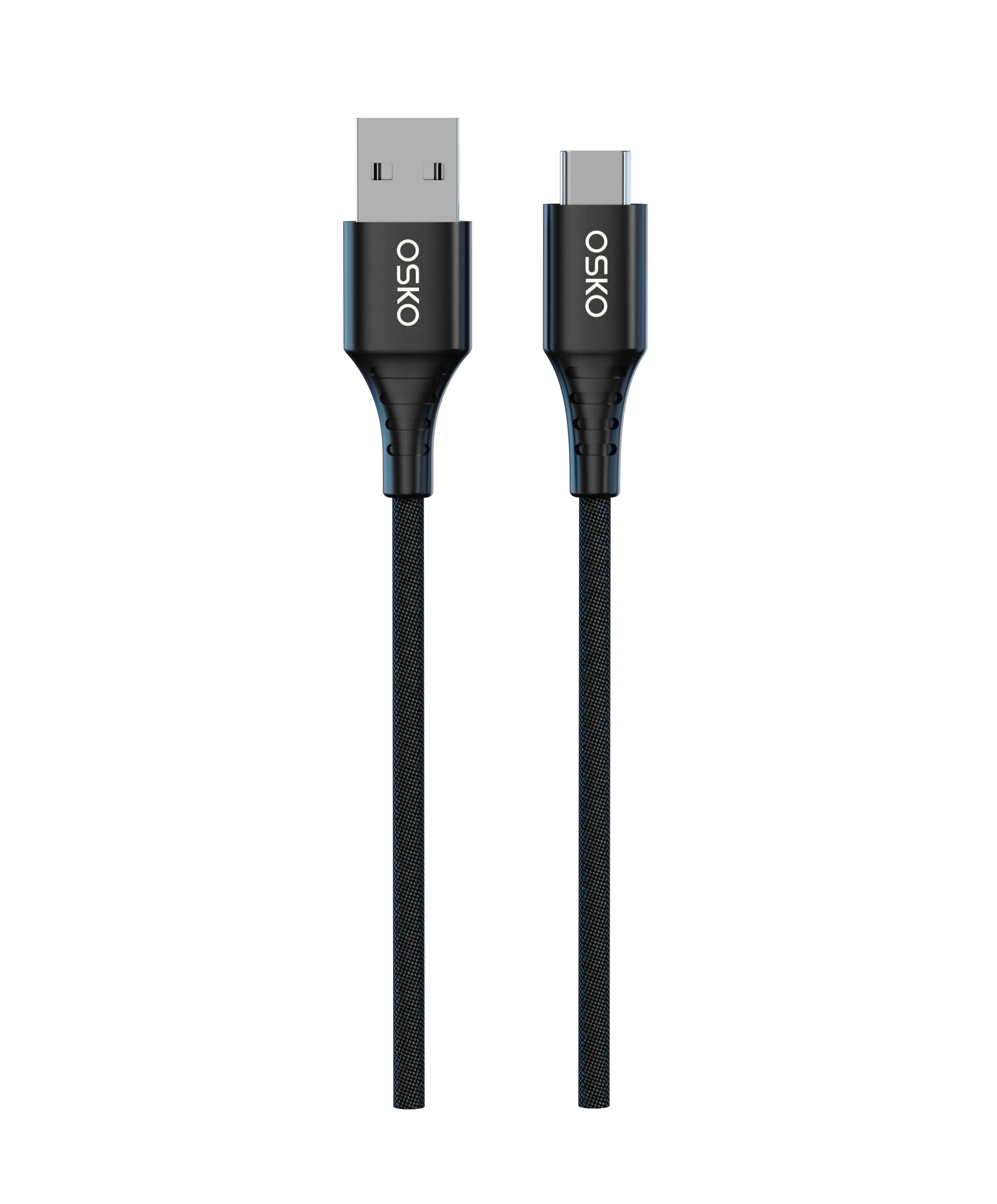
OEM USB-C cable supplier selection has become a critical decision for brands operating in the North American and European consumer electronics markets, where product reliability, compliance, and charging performance directly affect customer retention and return rates.
In today’s supply chain, buyers often face inconsistent quality between factories that appear similar on paper but differ significantly in engineering capability, material standards, and quality control systems.
Typical procurement challenges include unstable fast charging performance, premature connector failure, overheating under high load, and certification gaps in CE, FCC, or USB-IF compliance.
From an engineering procurement perspective, choosing the right supplier is not a pricing decision—it is a system reliability decision. A qualified OEM USB-C cable supplier must demonstrate control over materials, electrical design, and production consistency across large-scale manufacturing.
This article provides a structured evaluation framework based on material science, engineering validation, and real OEM/ODM case experience from OSKO’s manufacturing practice.

Material Science & Dielectric Properties
The performance of a USB-C cable is fundamentally determined by its internal material architecture and dielectric behavior, which directly impacts charging efficiency and long-term durability.
Conductor Engineering and Electrical Efficiency
High-quality USB-C cables rely on oxygen-free copper conductors to minimize resistance and maximize power transmission efficiency.
Key conductor characteristics include:
Low resistance copper for stable current flow
Multi-strand fine-wire design for flexibility
Tin-coated copper for oxidation resistance
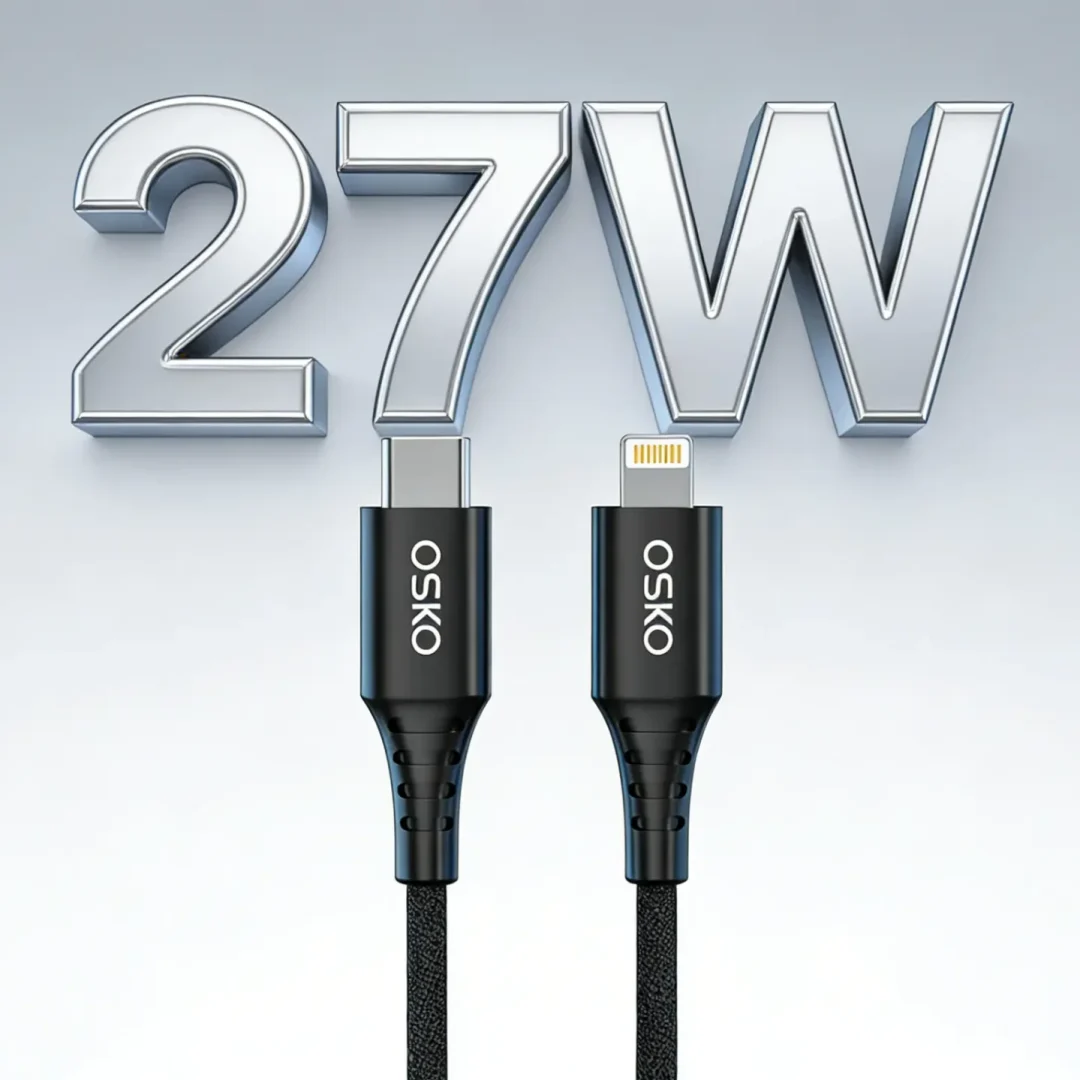
In fast charging systems such as USB Power Delivery (PD), conductor quality directly determines whether a cable can maintain stable output at 60W, 100W, or 240W levels.
A low-grade OEM USB-C cable supplier typically uses aluminum-core or mixed metal conductors, which result in voltage drop and heat accumulation under load.
Dielectric Insulation and Signal Stability
Dielectric materials control how electrical signals behave inside the cable structure.
Common insulation materials include:
PE (Polyethylene): low dielectric loss, stable signal integrity
TPE (Thermoplastic Elastomer): flexible and heat-resistant
PVC: cost-efficient but less stable under repeated bending
Proper dielectric selection ensures stable data transmission and reduces electromagnetic interference, especially in high-speed USB 2.0 and USB 3.2 environments.
Shielding Architecture and EMI Control
Electromagnetic interference is a major issue in high-power charging environments.
Professional-grade cables use:
Aluminum foil shielding for signal isolation
Braided copper shielding for EMI reduction
Multi-layer structural protection for high-frequency stability
Without proper shielding, devices may experience unstable charging behavior or intermittent connectivity issues.
Outer Jacket Material and Mechanical Reliability
Outer jacket materials define long-term durability:
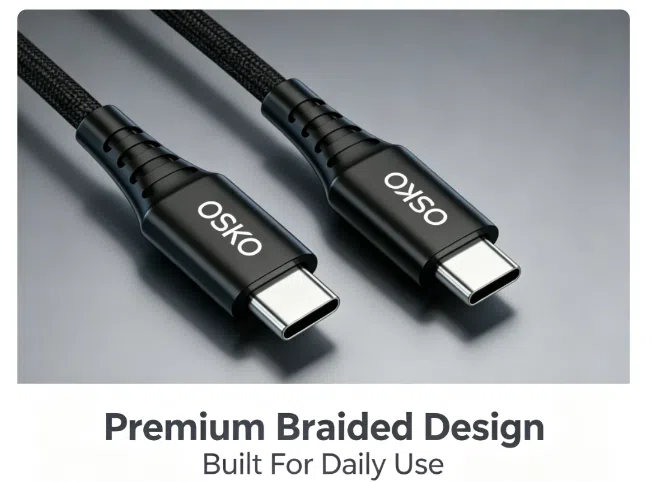
Nylon braided jackets: high abrasion resistance
TPU coatings: balance between flexibility and protection
PVC jackets: standard low-cost applications
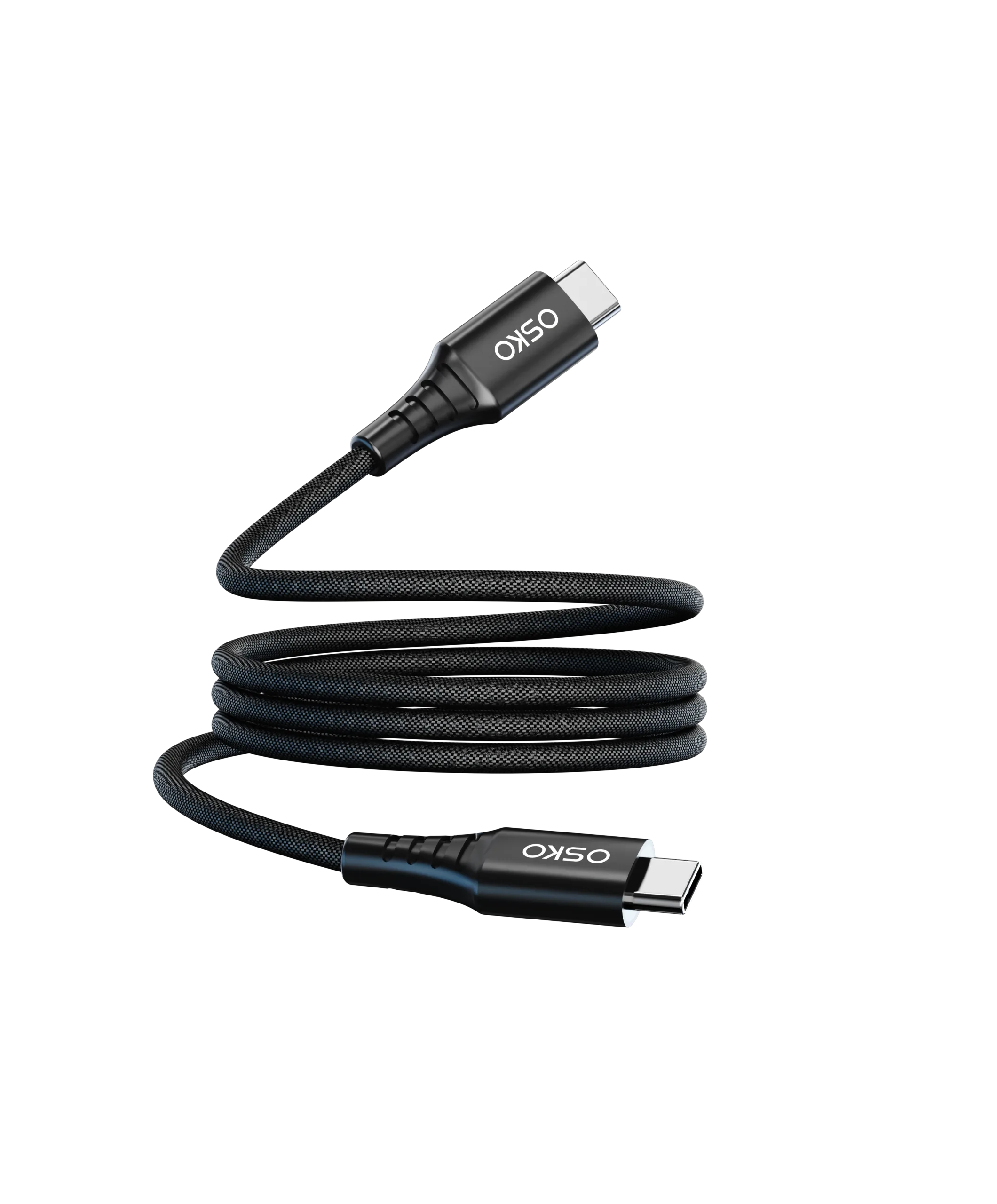
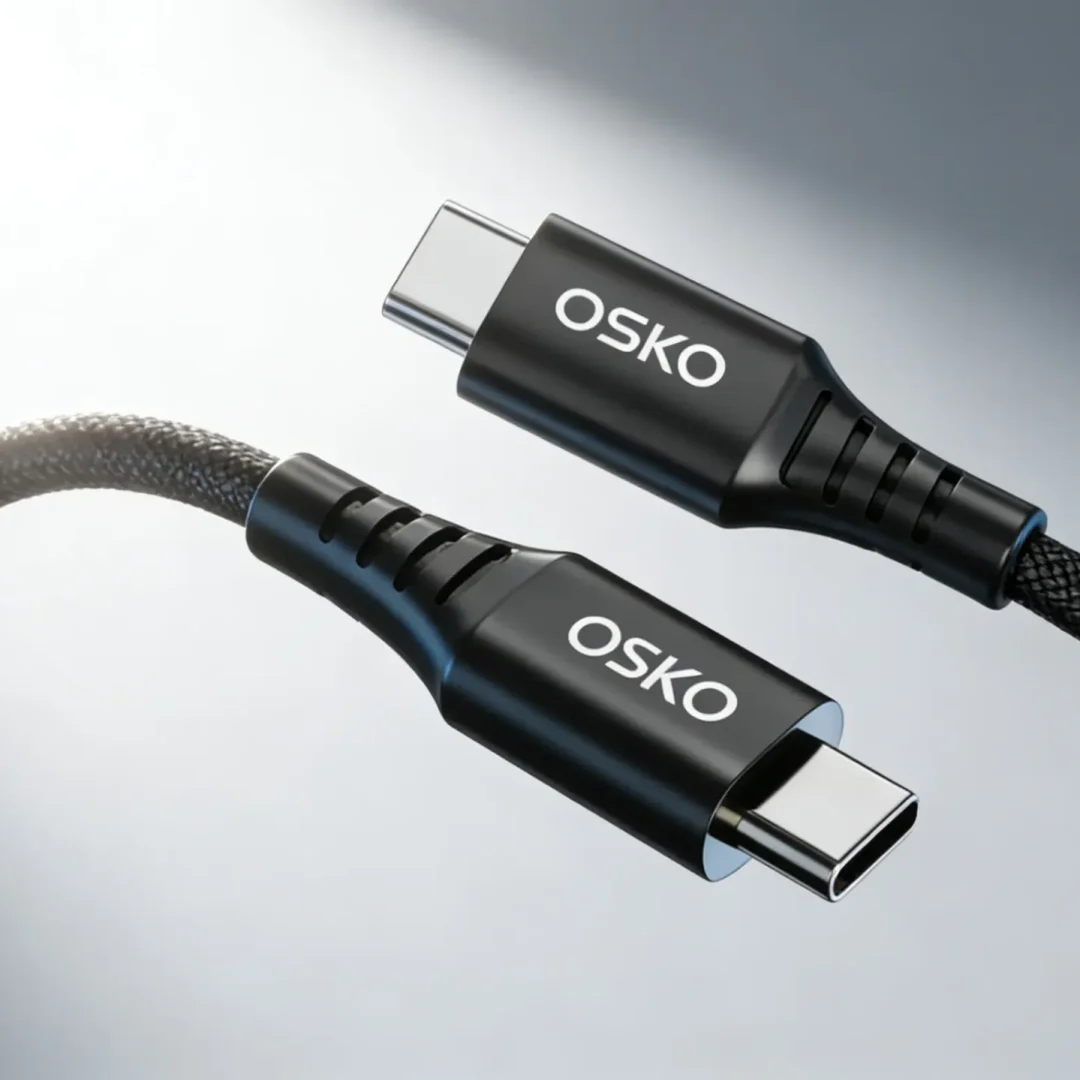
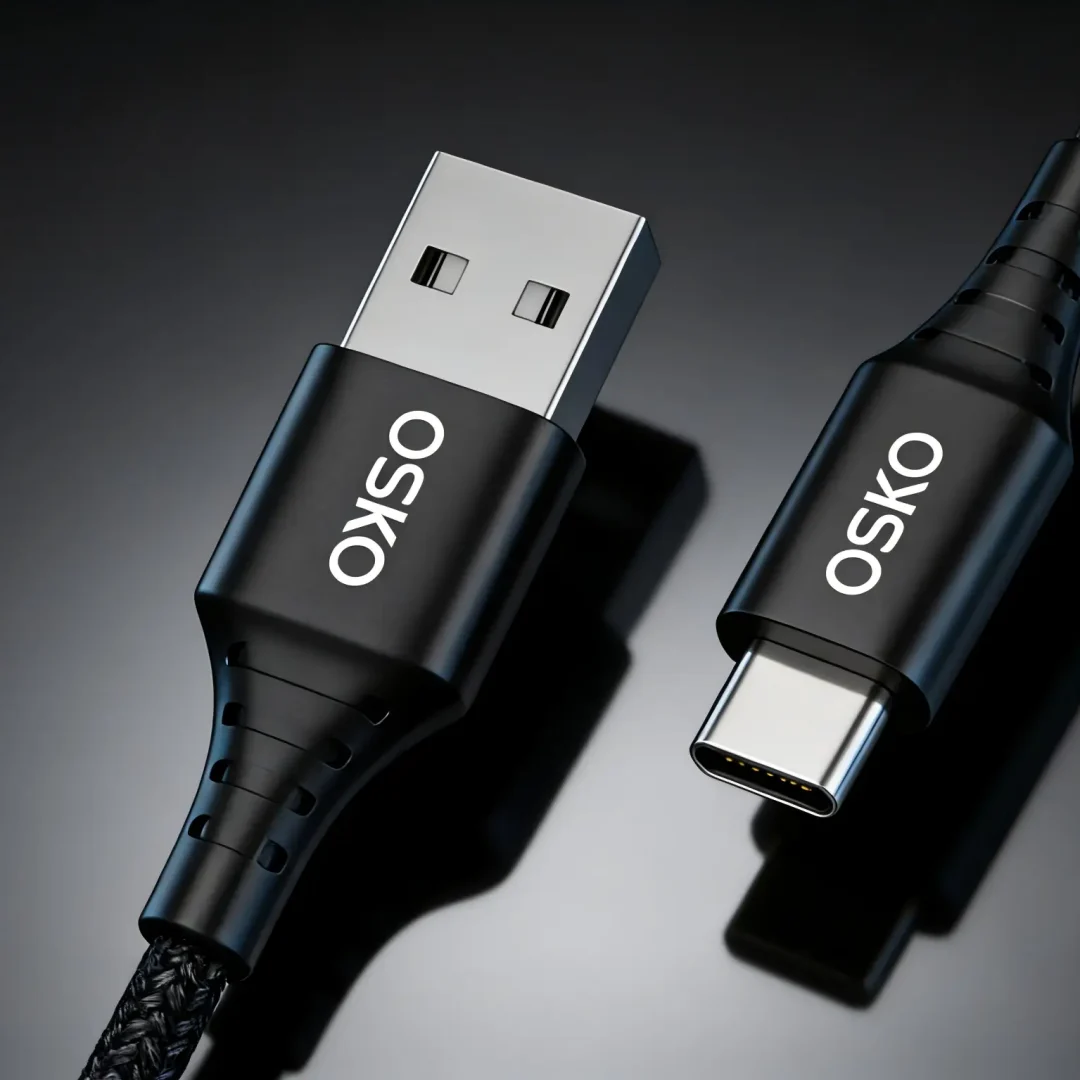
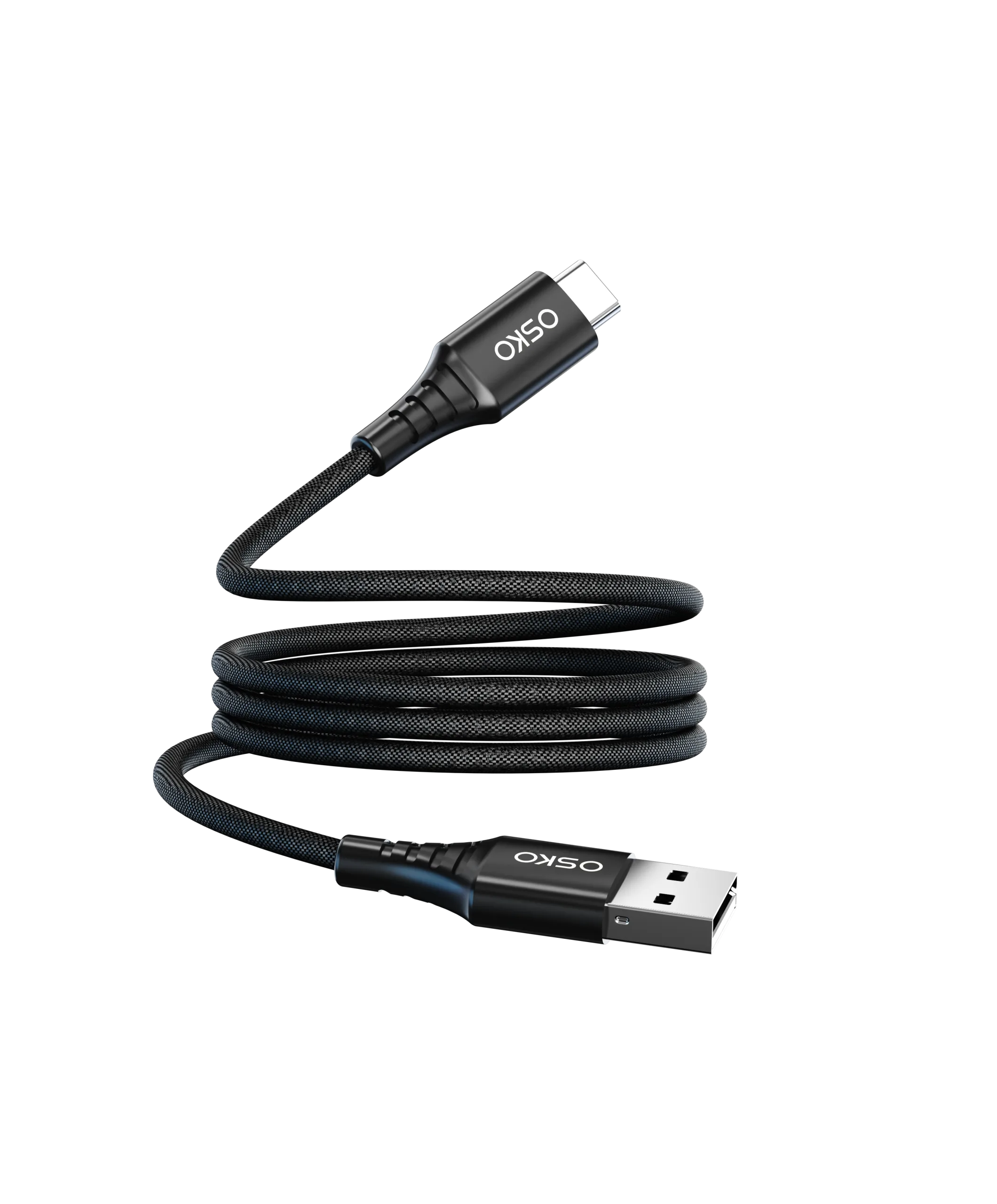
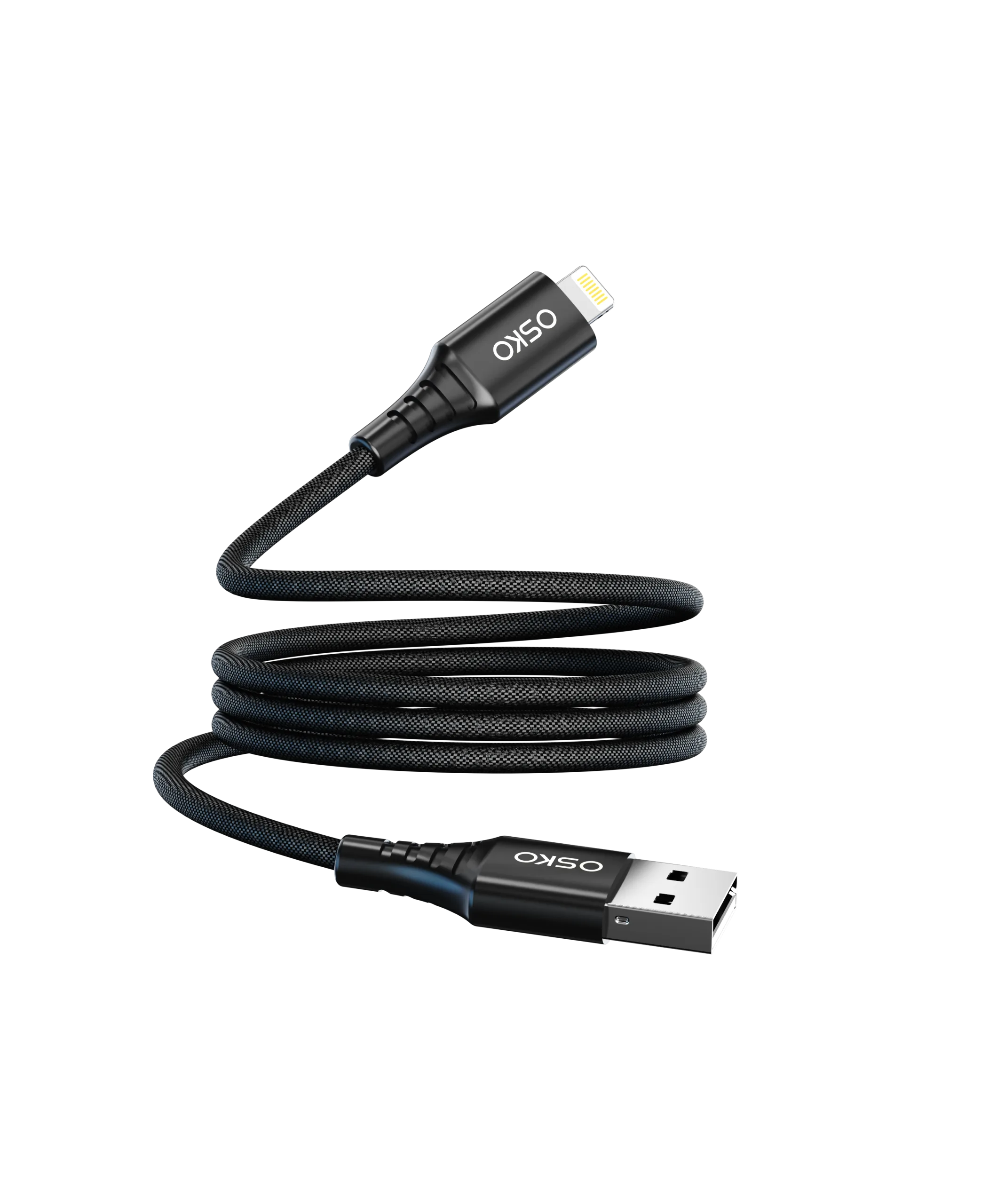
Premium OEM USB-C cable supplier factories typically prioritize double-braided nylon structures for retail and industrial-grade applications.
Case Study
North American Subscription Electronics Brand OEM Project
A US-based subscription electronics company required a stable supply chain for premium USB-C cables bundled with mobile device accessory kits.
Customer Requirements
Support 100W fast charging for mixed device ecosystem
Maintain consistent quality across 50,000+ monthly units
Pass FCC and CE certification for dual-market distribution
Reduce return rate caused by cable overheating and connector failure
Enable private label packaging for retail distribution
Engineering Challenges
Initial supplier samples revealed several issues:
Inconsistent conductor resistance between batches
Insufficient shielding causing EMI interference
Weak strain relief at connector joints
Failure to maintain stable PD handshake under load
These issues demonstrated that the supplier lacked mature system-level engineering control.
OSKO Engineering Solution
OSKO redesigned the product architecture with:
Oxygen-free copper multi-strand conductor system
Reinforced TPE dielectric insulation for thermal stability
Double-layer braided shielding for EMI suppression
Injection-molded strain relief connectors
USB-IF compliant PD protocol chipset integration
This solution aligned with industrial standards used in:
OEM USB Cables
ODM USB Cables
Wholesale USB Cables
Bulk USB Cables
Retail USB Cables
Results
After implementation:
Product failure rate reduced by 41%
Charging stability improved across all tested devices
Return rate dropped significantly in US e-commerce channels
Certification passed without revision cycles
This case confirms that supplier capability directly determines system reliability, not just material cost.

Selection Guide
Evaluating OEM USB-C Cable Supplier Capability
A reliable supplier must demonstrate control across four engineering domains:
Electrical performance consistency
Material science validation
Manufacturing process stability
Certification compliance capability
Technical Evaluation Framework
| Evaluation Dimension | Key Indicator | Risk Level if Ignored |
|---|---|---|
| Conductor Quality | Oxygen-free copper | High heat generation |
| Shielding Structure | Multi-layer EMI protection | Signal instability |
| Connector Design | Reinforced strain relief | Mechanical failure |
| Certification | USB-IF / FCC / CE | Market rejection |
| Production System | ISO9001 controlled factory | Batch inconsistency |
Common OEM Sourcing Models
Buyers typically engage suppliers in different procurement structures:
Bulk USB cable sourcing for retail chains
OEM USB cable manufacturing for private labels
ODM USB cable engineering for product development
Wholesale USB cable supply for distributors
Each model requires different engineering and communication depth with the factory.
Material-Based Product Selection
Different application environments require different cable structures:
Desk charging systems require stable 60W–100W braided cables
Automotive environments require reinforced strain relief designs
Travel accessories benefit from compact flexible structures
High-performance devices require 240W PD-certified architecture
Long-tail industrial requirements often include:
Bulk custom 6ft 10ft USB-C cables
CE RoHS certified 240W USB C cable
USB-IF compliant Type C cable manufacturer
ISO9001 certified braided USB cable factory
FCC approved nylon braided USB C cable supplier
Engineering Red Flags in Supplier Evaluation
Procurement teams should avoid suppliers with:
No independent testing reports
Lack of PD protocol validation
Inconsistent batch sampling results
Overreliance on outsourced production
Missing certification traceability
These indicators often correlate with high return rates in US retail markets.
FAQ
What defines a reliable OEM USB-C cable supplier?
A reliable supplier must demonstrate consistent material quality, stable electrical performance, and full compliance with international certification standards.
Why do USB-C cables vary in quality?
Differences in conductor purity, shielding design, and manufacturing control systems lead to significant performance variations.
Is braided cable construction better for OEM production?
Yes. Braided structures significantly improve mechanical durability and are preferred in premium retail markets.
What certifications are required for US and EU markets?
CE, FCC, RoHS, and USB-IF compliance are commonly required depending on product positioning.
Can OEM suppliers support custom cable lengths and branding?
Yes. Advanced factories support OEM/ODM custom length designs, private labeling, and packaging development.
Summary
Selecting a qualified OEM USB-C cable supplier is a critical engineering and procurement decision that directly impacts product performance, brand reputation, and market success in the United States and Europe.
A strong supplier must demonstrate control over conductor materials, dielectric insulation systems, shielding architecture, and manufacturing consistency, while also meeting international compliance standards.
From a system engineering perspective, the difference between low-cost sourcing and professional OEM manufacturing lies in process control and material validation, not appearance.
Brands that prioritize engineering capability over price alone achieve lower return rates, higher customer satisfaction, and stronger long-term competitiveness in the global USB-C ecosystem.
Contact Information
OSKO provides end-to-end OEM USB-C cable manufacturing solutions for global brands, including:
- USB-C fast charging cables (60W–240W)
- Nylon braided premium cable systems
- OEM & ODM product development
- Private label and retail packaging solutions
- Bulk wholesale supply for US and EU markets
OSKO engineering team provides full technical documentation, compliance support, and scalable manufacturing solutions for global procurement teams.