
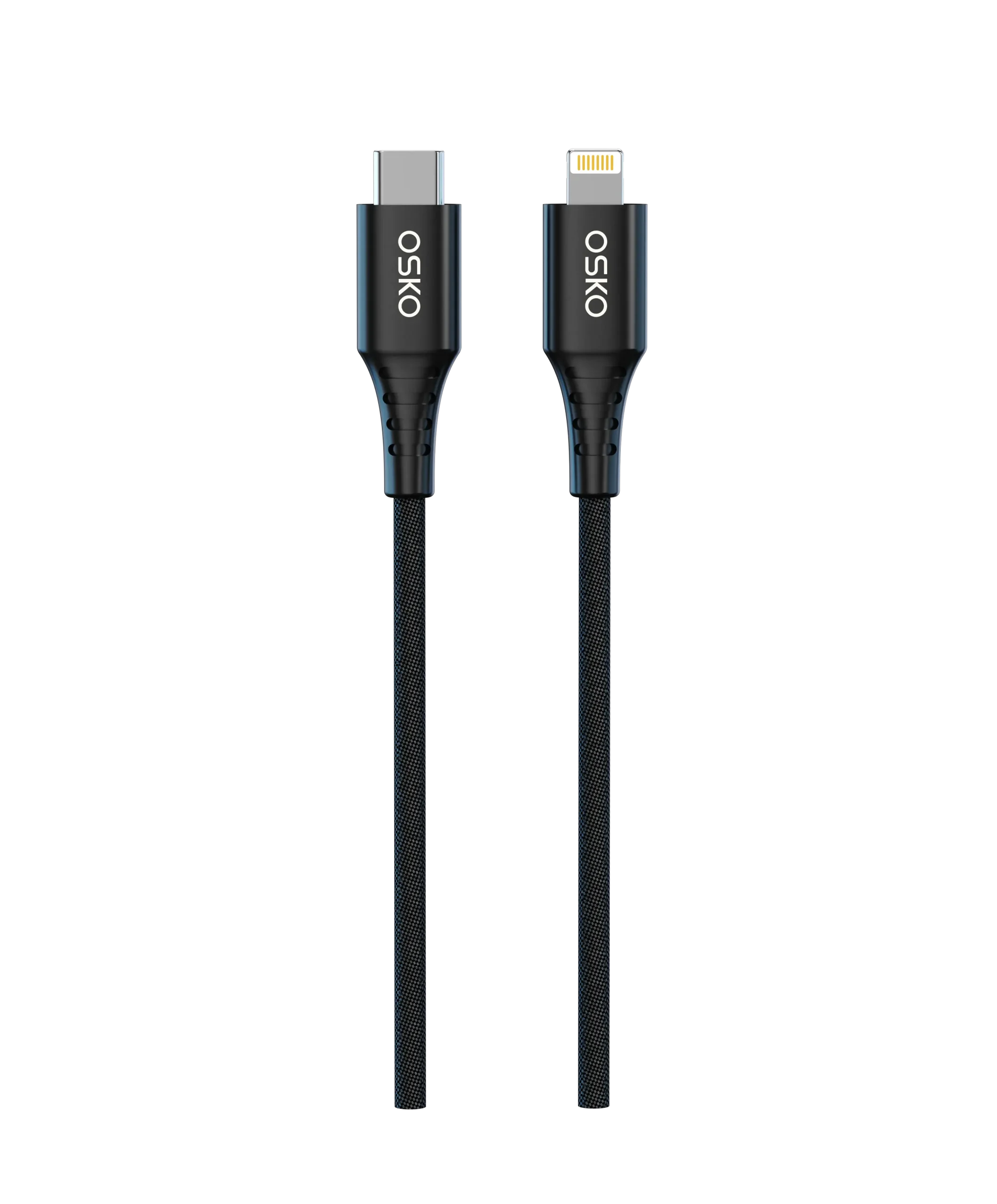
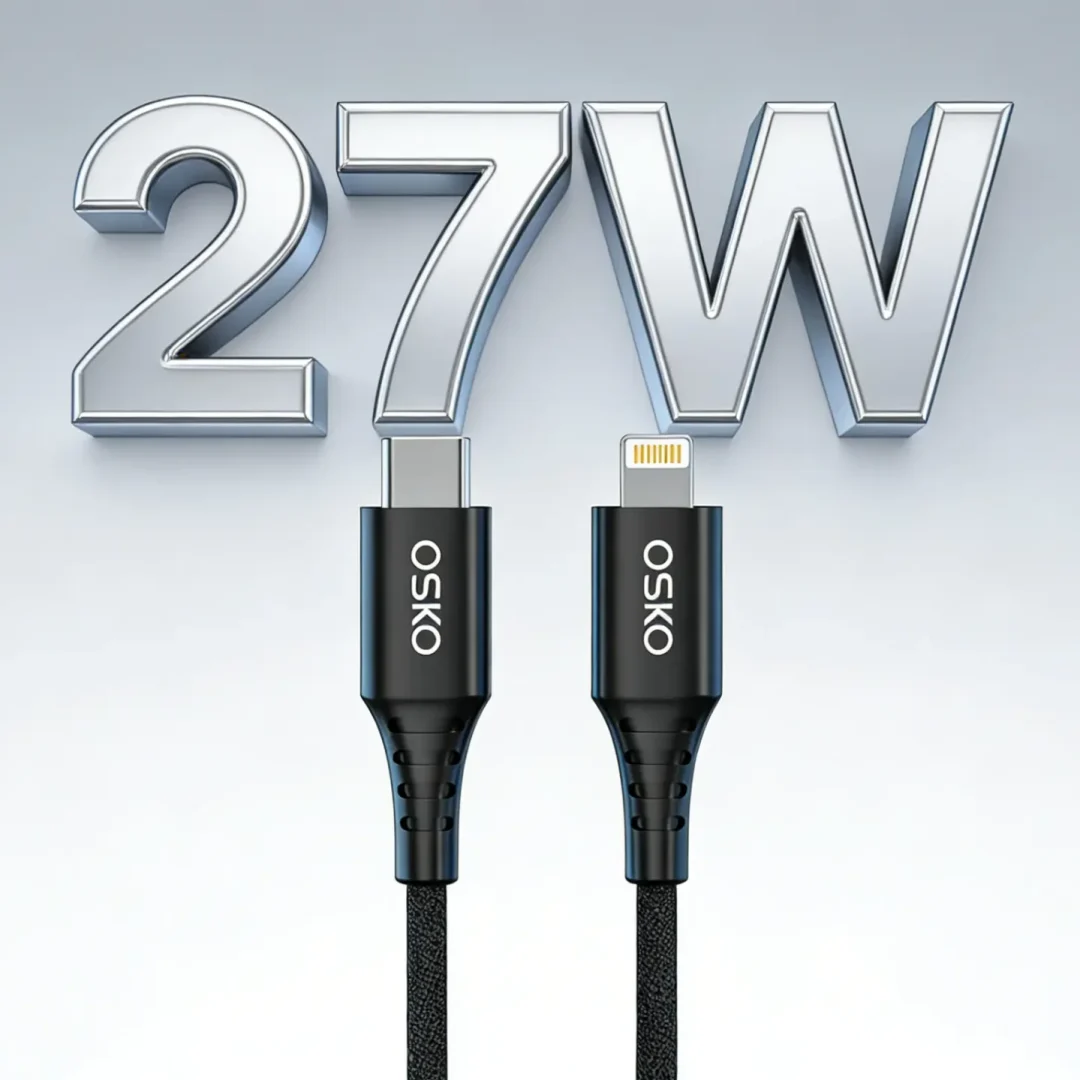
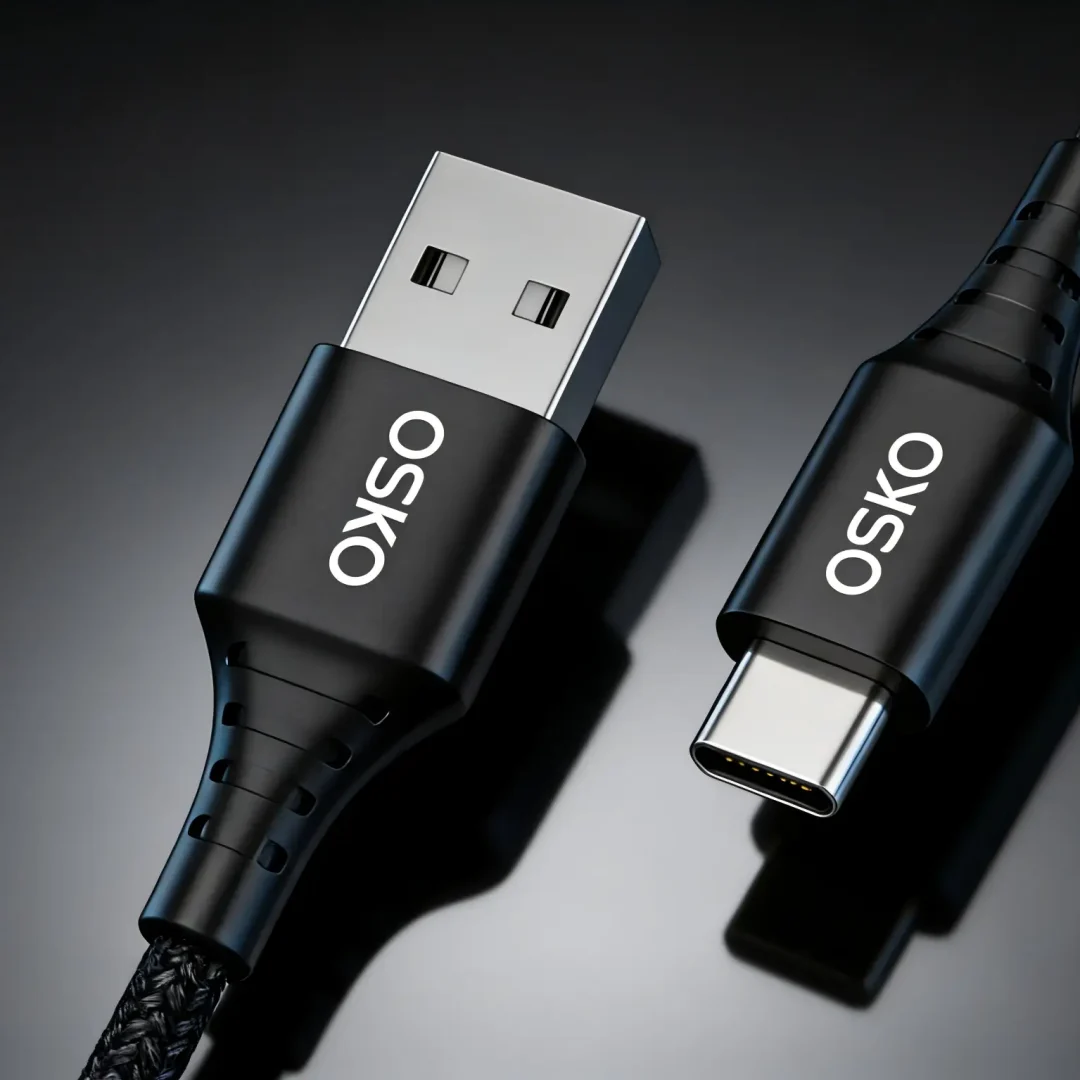
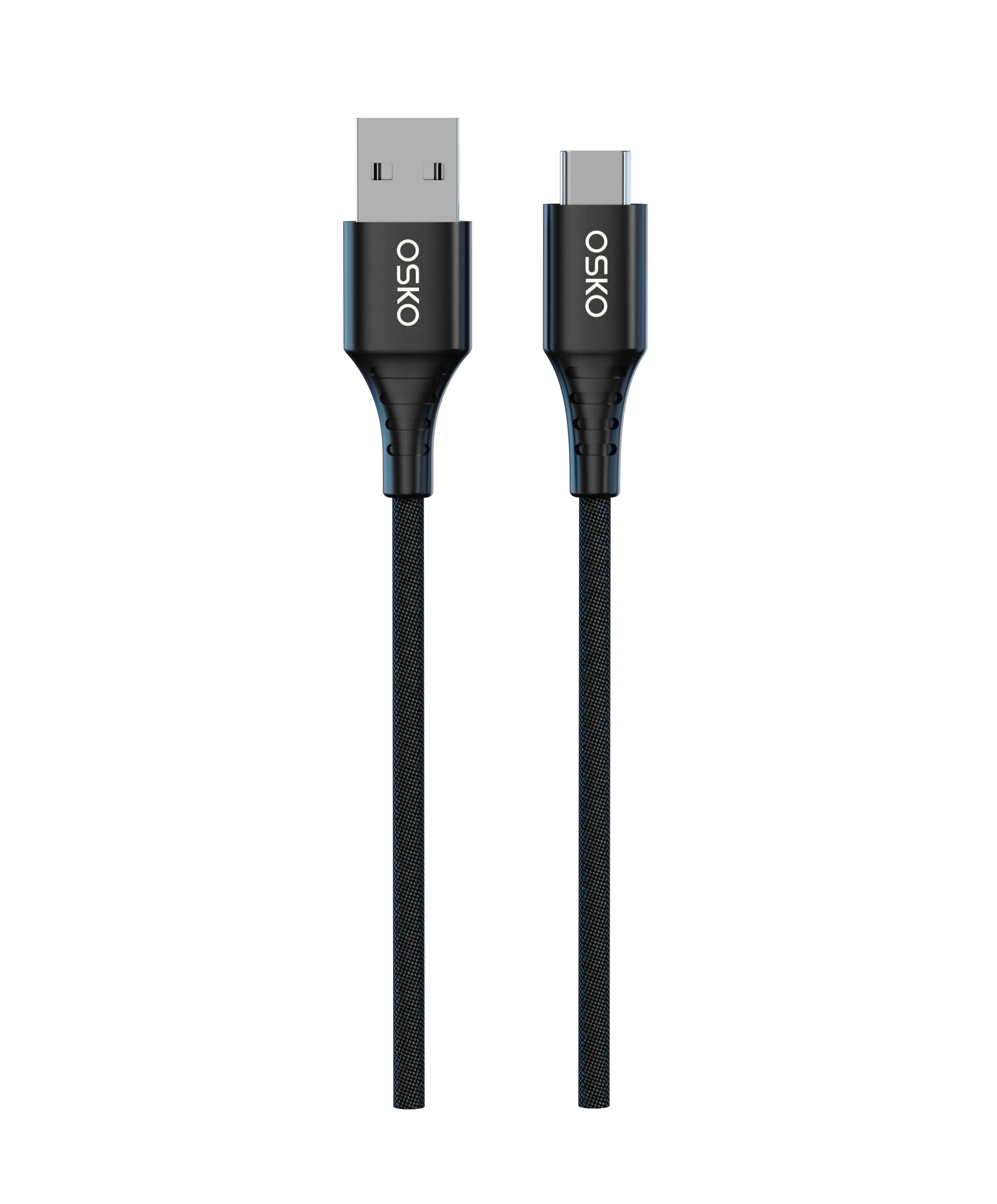
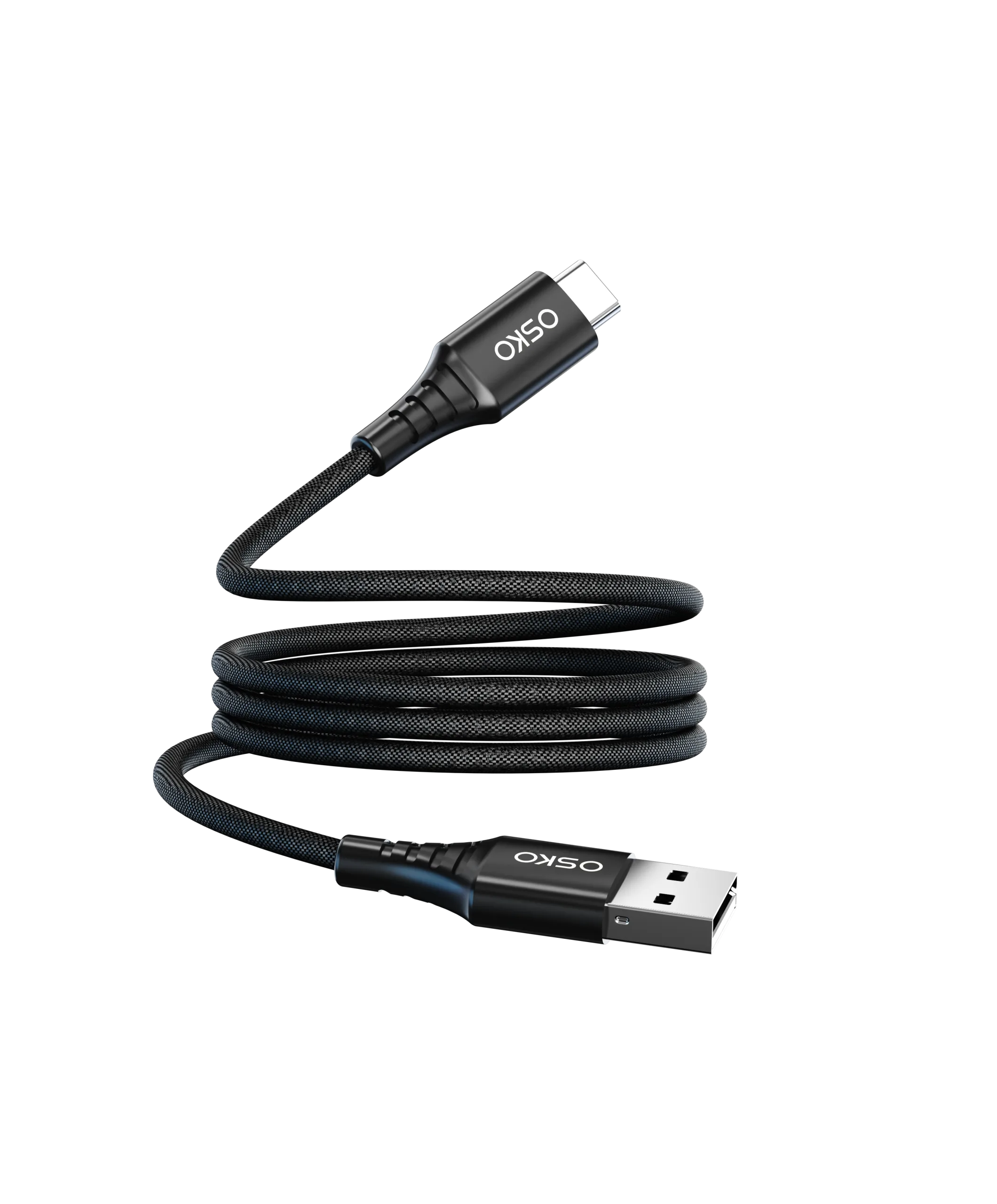
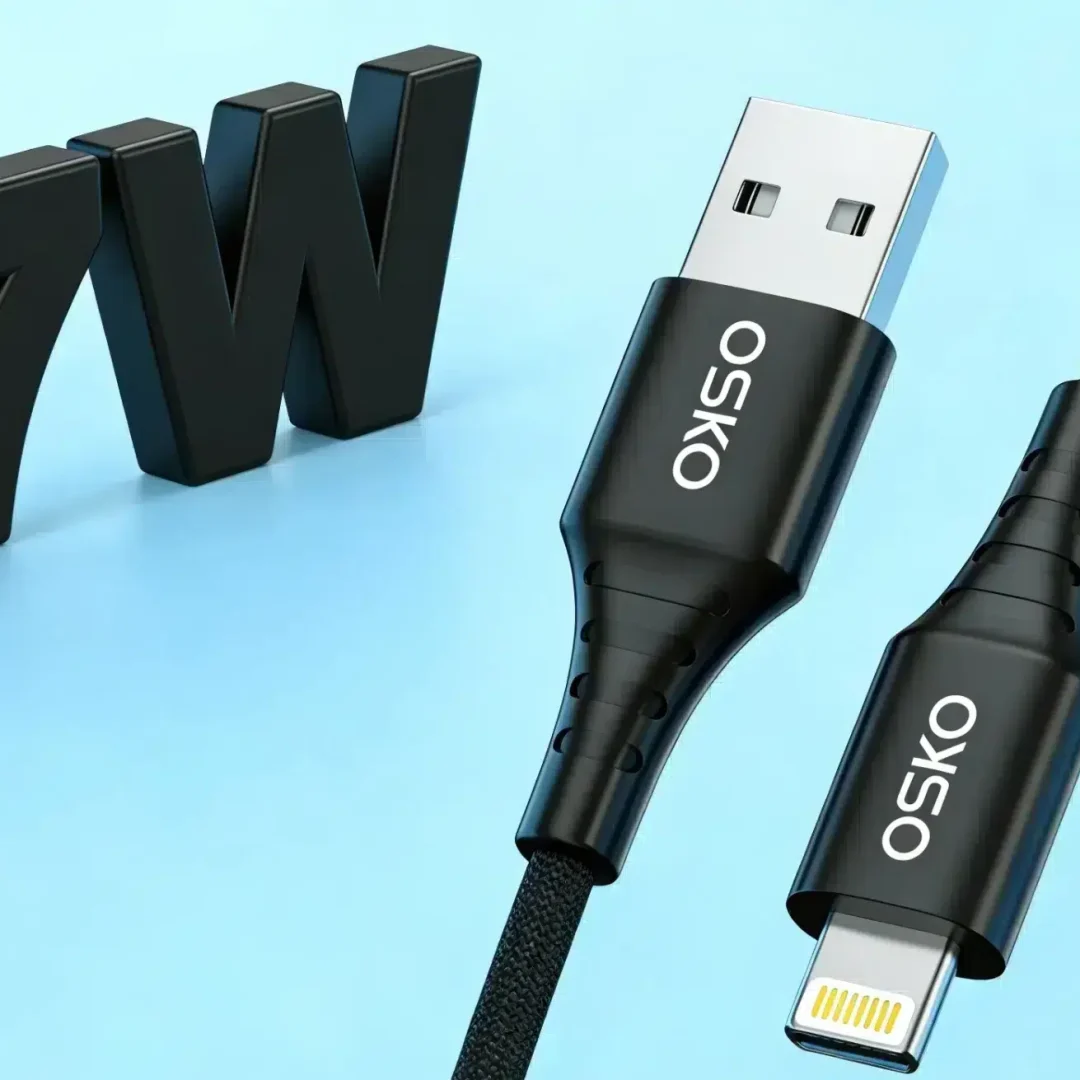
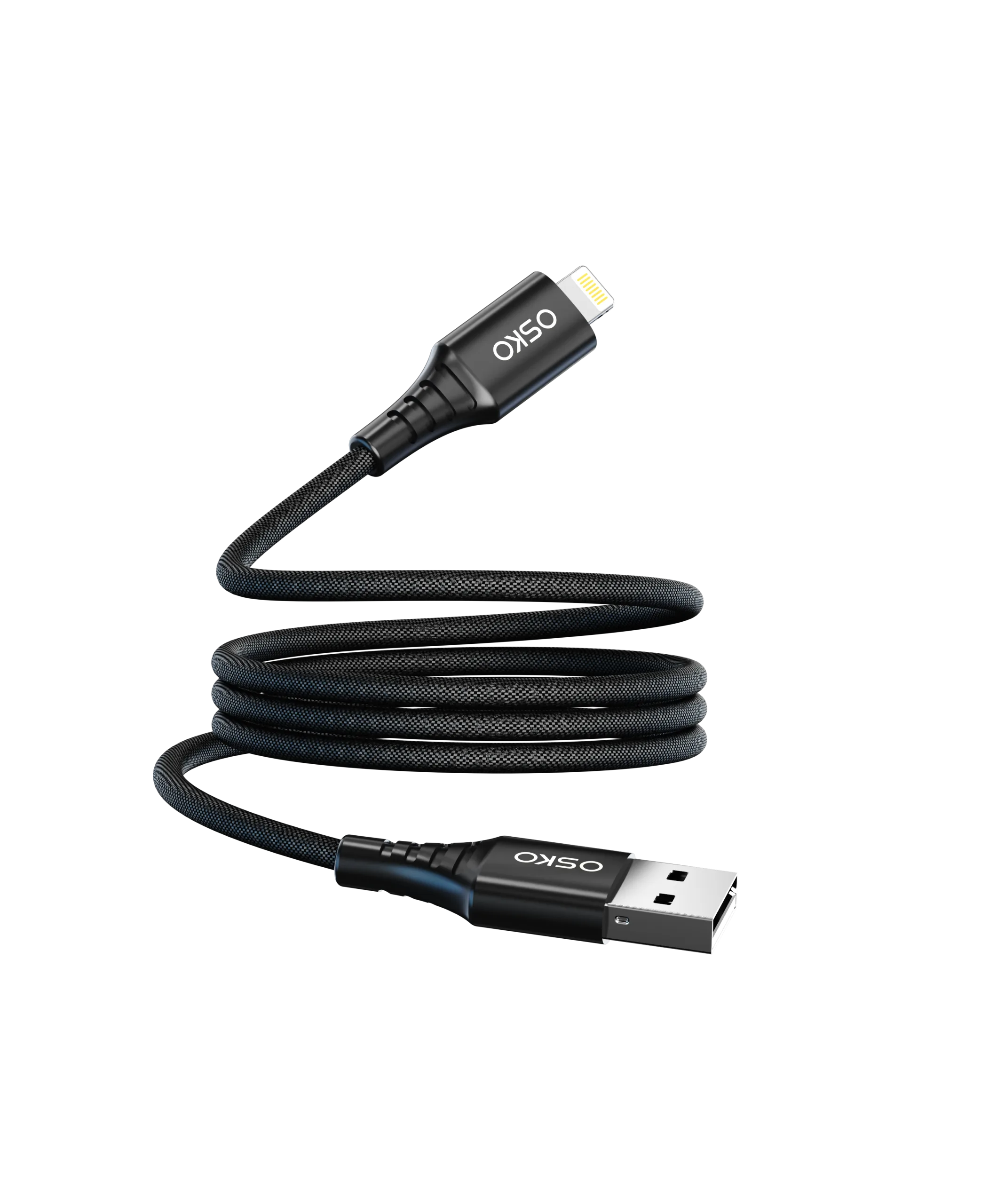
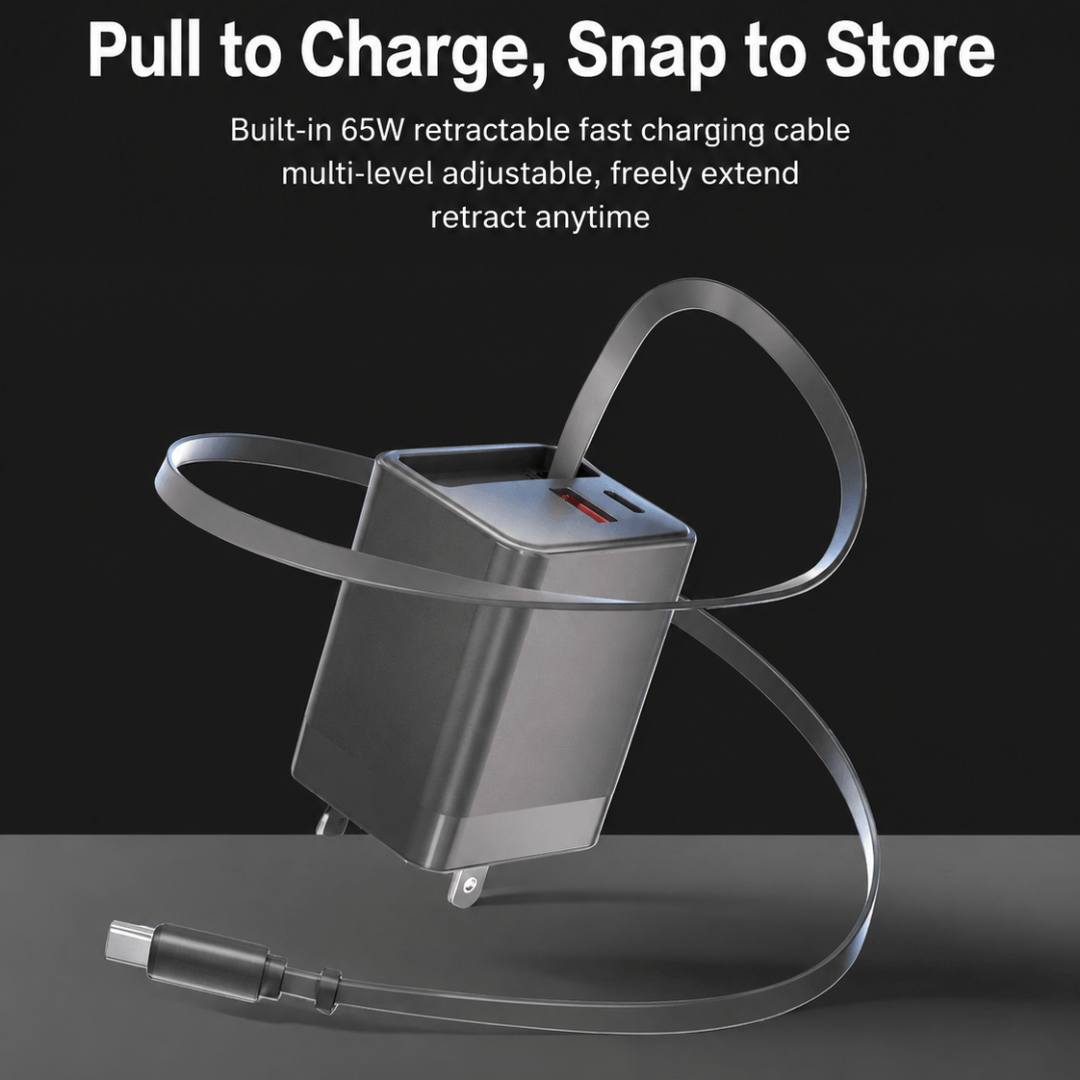

When consumers search for a fast charging cable, many believe that charging speed depends only on the wall charger. However, the cable itself is one of the most important components in the charging system.
A high-power adapter cannot deliver maximum charging performance if the cable cannot safely transfer enough current.
The real performance of a USB-C fast charging cable depends on several engineering factors:
Electrical resistance
Conductor material
Cable structure
Insulation technology
Shielding design
Connector quality
Power delivery compatibility
In modern USB-C Power Delivery (USB-PD) systems used across the US and European markets, cable quality directly affects charging speed, heat generation, reliability, and device compatibility.
For OEM buyers, distributors, and electronics brands, understanding what makes a charging cable fast is essential when developing reliable charging accessories.
How Does a Fast Charging Cable Work?
A charging cable works as the transmission path between:
Power adapter → Cable → Electronic device
During fast charging, the cable must carry higher electrical current.
For example:
Standard charging: 5V / 2A
Fast charging: 9V / 3A
High-power USB-C PD: 20V / 5A
Higher current creates more stress on the cable because electrical resistance generates heat.
The formula is:
Power Loss = Current² × Resistance
This means even small increases in cable resistance can significantly reduce charging efficiency.
Therefore, a professional fast charging cable must minimize resistance while maintaining safety and durability.
1. Conductor Material: The Foundation of Charging Speed
The most important factor affecting charging cable performance is the internal conductor.
Oxygen-Free Copper Conductors
High-quality fast charging cables typically use:
Oxygen-free copper (OFC)
Multi-strand copper wire
High-purity copper cores
Copper provides excellent electrical conductivity and reduces energy loss.
Advantages include:
Lower resistance
Better current transmission
Reduced heat generation
More stable charging performance
Why Cheap Cables Charge Slowly
Low-cost cables may use:
Aluminum conductors
Copper-clad aluminum (CCA)
Mixed metal materials
These materials have higher electrical resistance.
Common problems include:
Slow charging speed
Voltage drop
Excessive heat
Charging interruptions
A cable may look identical externally, but the internal conductor quality determines actual performance.
2. Cable Gauge and Current Capacity
Cable thickness also affects charging capability.
A higher-quality fast charging cable uses optimized wire gauge to support higher current.
Examples:
Standard Charging Cable
Usually supports:
2A charging
Lower wattage devices
Short-distance charging
Fast Charging USB-C Cable
Designed for:
3A charging
5A charging
USB Power Delivery applications
High-power applications require proper cable architecture.
For example:
100W USB-C PD cable
240W USB-C PD 3.1 cable
require stronger internal structures.
3. Insulation Materials and Electrical Stability
Cable insulation protects internal conductors and maintains stable electrical performance.
Common insulation materials include:
TPE (Thermoplastic Elastomer)
Advantages:
Flexible
Durable
Good temperature resistance
Comfortable handling
Used widely in premium charging cables.
PVC (Polyvinyl Chloride)
Advantages:
Low production cost
Good basic protection
Limitations:
Less flexible
Lower premium feel
Can become stiff over time
PE (Polyethylene)
Advantages:
Excellent electrical insulation
Low signal loss
Stable dielectric performance
High-quality USB-C cables often combine different materials to balance flexibility, safety, and durability.
4. Shielding Design: Protecting Charging Stability
Fast charging cables also need electromagnetic interference (EMI) protection.
Without proper shielding, cables may experience:
Signal interference
Charging instability
Data transmission problems
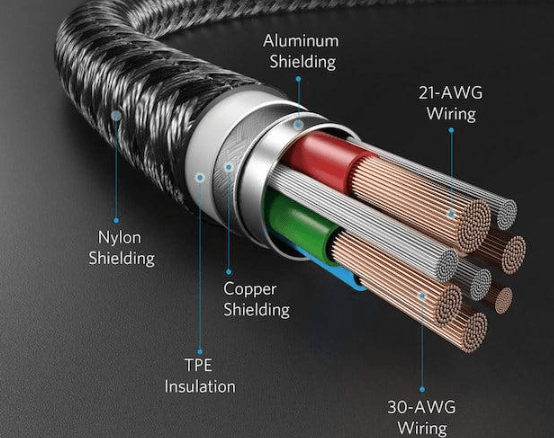
Professional charging cables use:
Aluminum Foil Shielding
Provides:
High-frequency interference protection
Better signal isolation
Braided Copper Shielding
Provides:
Additional EMI protection
Mechanical reinforcement
Multi-Layer Shielding Structure
Premium USB-C cables may include:
Inner insulation layer
Aluminum foil shield
Copper braid shield
Outer protective jacket
This structure improves:
Charging stability
Data performance
Product reliability
5. Connector Quality Determines Real Performance
The connector is another critical factor in charging speed.
Even if the cable uses high-quality copper, poor connectors can reduce performance.
Important connector features include:
Gold-Plated Contacts
Benefits:
Lower contact resistance
Better corrosion resistance
More stable connection
Reinforced Strain Relief
The cable-to-connector joint is the most common failure point.
Professional designs use:
Flexible strain relief
Injection molding technology
Reinforced internal support
This prevents:
Charging interruptions
Wire breakage
Loose connections
Case Study: Improving Fast Charging Cable Performance for a US Electronics Brand
Customer Background
A US-based consumer electronics company launched a fast charging cable on Amazon.
Although the product was marketed as a high-speed charging cable, customers reported:
Slow charging speed
Cable overheating
Connection drops
High return rates
The company needed a more reliable OEM fast charging cable solution.
Engineering Problems Identified
Testing revealed several issues:
1. High conductor resistance
The original cable used lower-grade materials, causing voltage loss.
2. Poor shielding design
EMI interference affected charging stability.
3. Weak connector structure
Repeated bending damaged internal wires.
4. Incorrect PD optimization
The cable could not consistently support high-power charging protocols.
OSKO Engineering Solution
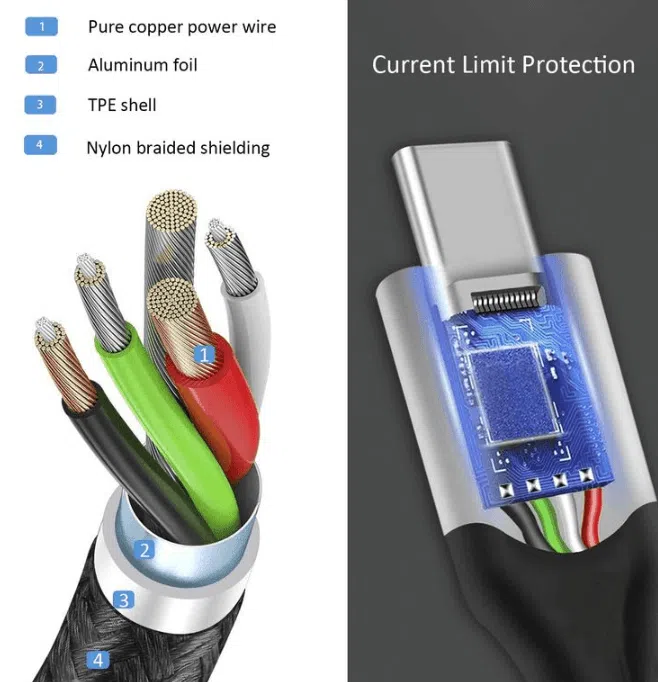
The redesigned cable included:
Electrical Improvements
Oxygen-free copper conductors
Optimized wire gauge
USB-C PD protocol support
Mechanical Improvements
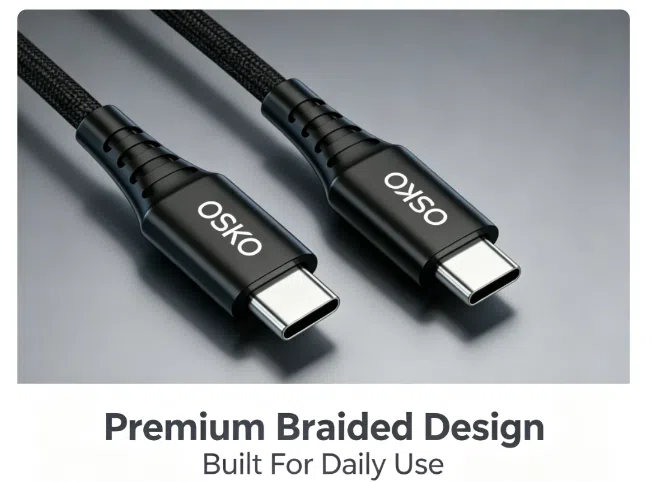
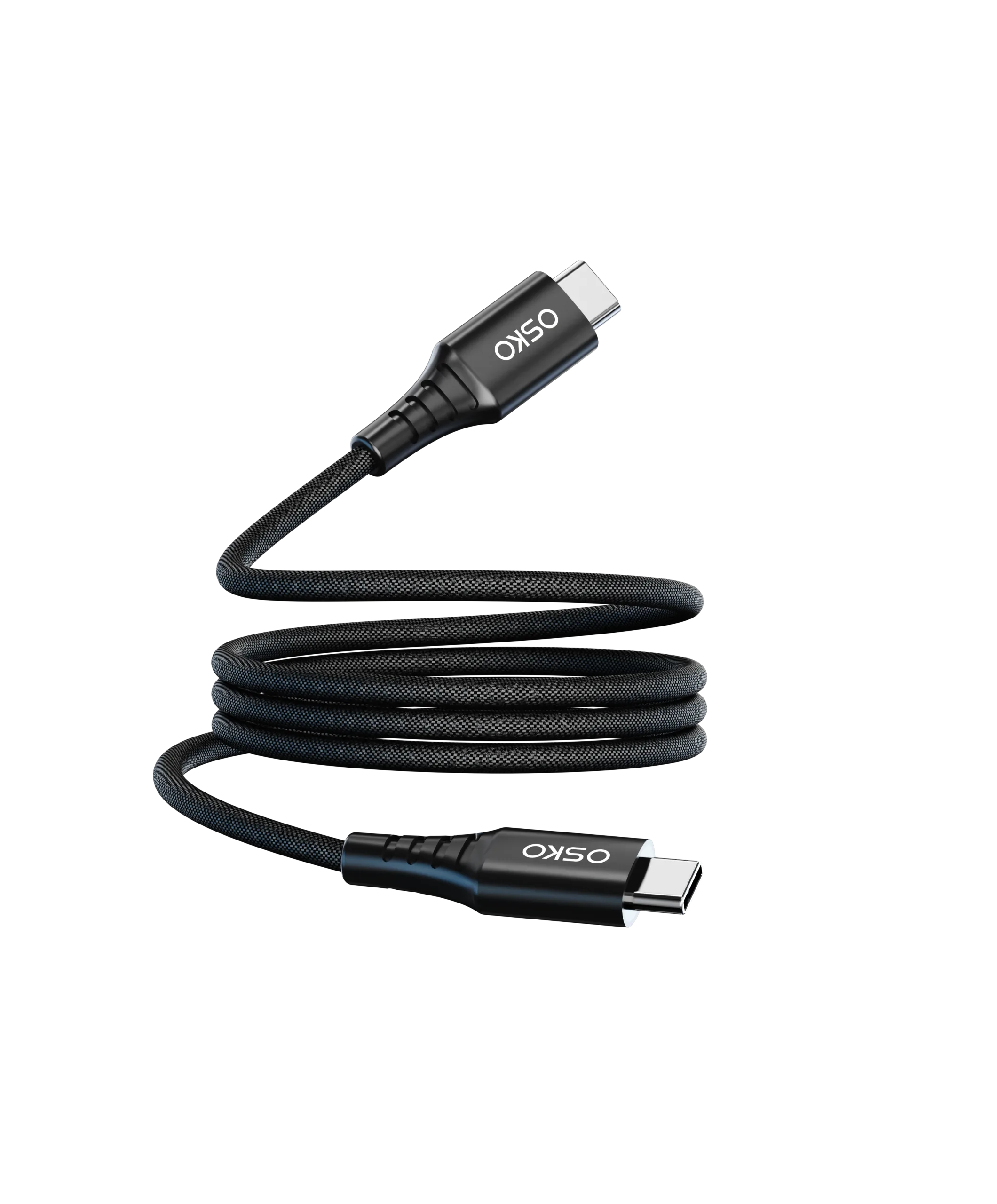
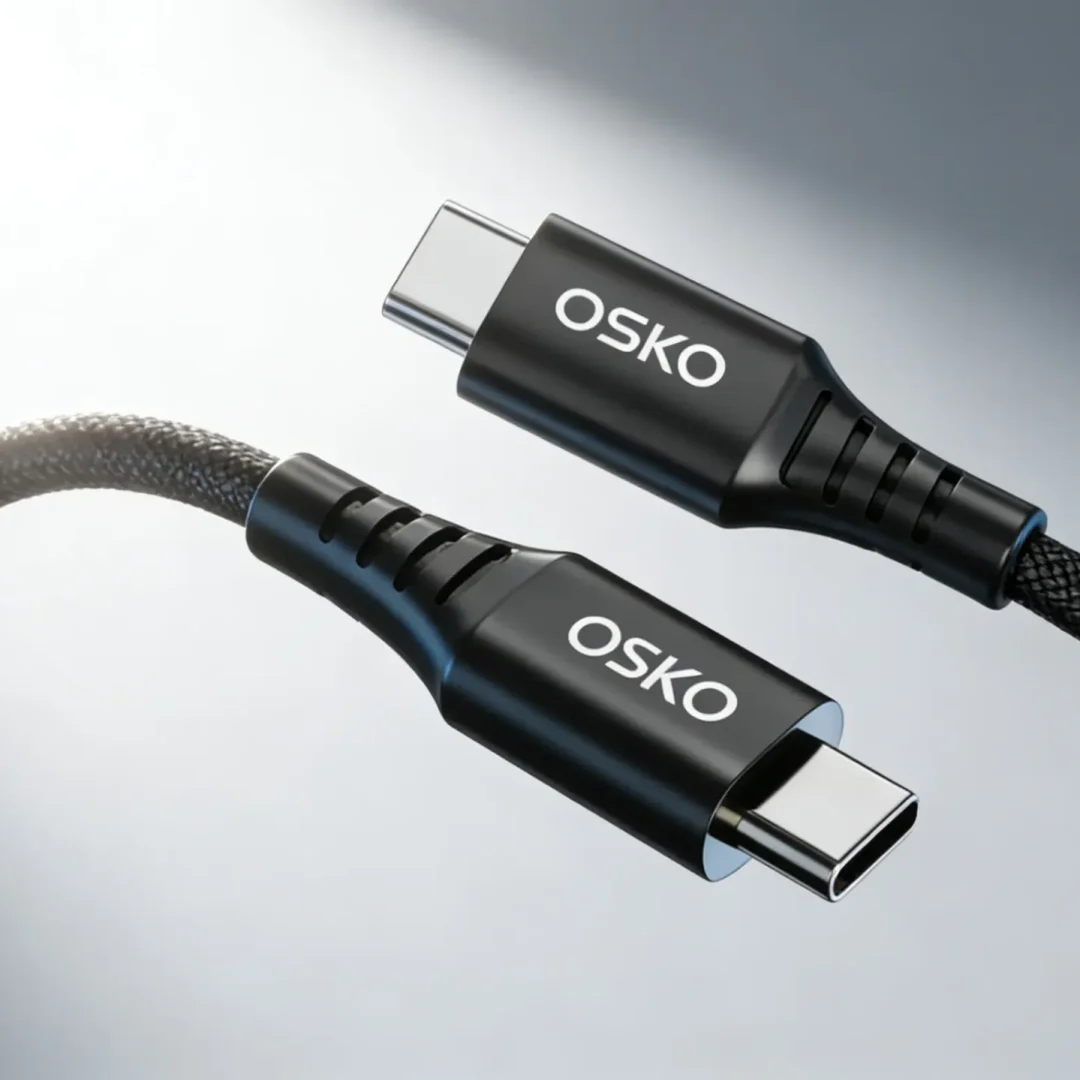
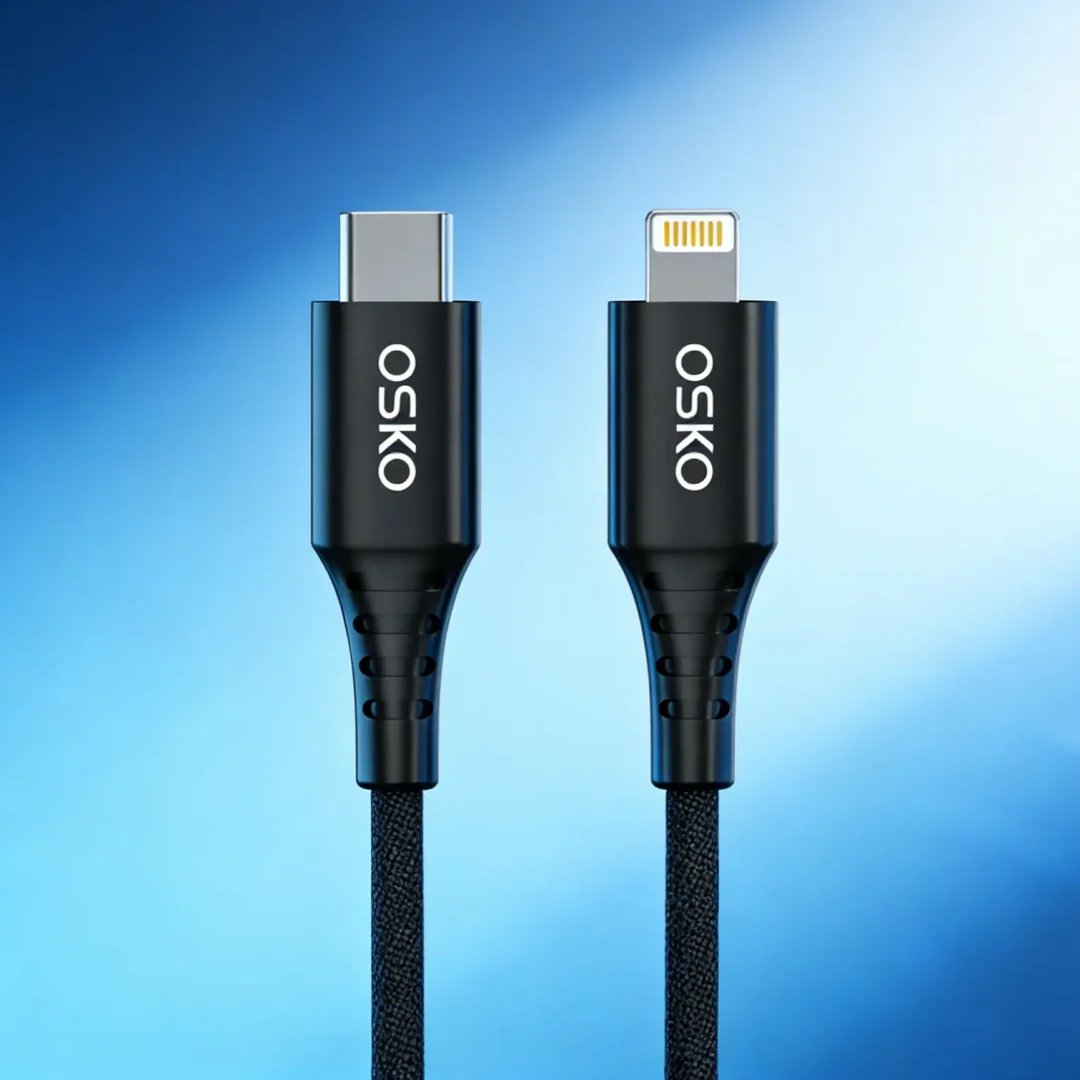
Double-layer braided nylon jacket
Reinforced strain relief
Aluminum alloy connector housing
Safety Improvements
Better thermal management
Improved insulation system
Compliance testing support
Results
After optimization:
Charging performance became more consistent
Heat generation decreased
Customer complaints were reduced
Product ratings improved
Retail reliability increased
This case demonstrates that fast charging performance depends on cable engineering, not only charger wattage.
Fast Charging Cable Selection Guide
When choosing a high-performance charging cable, consider these factors:
| Feature | Premium Fast Charging Cable | Low Quality Cable |
|---|---|---|
| Conductor | Oxygen-free copper | Aluminum alloy |
| Current Support | 3A/5A | Limited current |
| Shielding | Multi-layer protection | Basic/no shielding |
| Connector | Precision molded | Weak structure |
| Jacket | Nylon braided | Thin PVC |
| PD Support | USB-C PD compatible | Limited charging |
Choosing the Right USB-C Fast Charging Cable for Different Applications
Smartphones
Recommended:
20W–60W USB-C cables
Features:
Flexible design
Daily charging durability
Tablets
Recommended:
45W–100W USB-C PD cables
Features:
Higher current support
Stable long charging sessions
Laptops
Recommended:
100W–240W USB-C cables
Features:
E-marker chip support
High-power transmission
Premium thermal design
Automotive Charging
Recommended:
Reinforced braided cables
Features:
Vibration resistance
Strong connectors
Longer lifespan
OEM Fast Charging Cable Manufacturing Considerations
For brands, distributors, and wholesalers, selecting the right manufacturer is critical.
Professional OEM cable suppliers should provide:
Product Development
Custom cable length
Custom color
Material selection
Logo customization
Manufacturing Capability
USB-C cable production
PD fast charging testing
Bulk manufacturing
Private label packaging
Compliance Support
Depending on market requirements:
USB-IF compatibility
FCC testing
CE certification
RoHS compliance
ISO9001 quality systems
FAQ: What Makes a Charging Cable Fast?
What makes a charging cable fast?
A fast charging cable depends on low-resistance conductors, high-quality materials, proper shielding, and optimized connector design.
Does a thicker charging cable charge faster?
Not always. Thickness alone does not determine performance. Internal conductor quality and cable design are more important.
Can any USB-C cable support fast charging?
No. Some USB-C cables only support basic charging. High-power charging requires cables designed for USB-PD specifications.
Does cable length affect charging speed?
Yes. Longer cables usually have higher resistance, which can reduce charging efficiency.
Are expensive charging cables always faster?
No. Price does not guarantee performance. Engineering design and material quality determine charging capability.
Summary: Cable Engineering Defines Fast Charging Performance
A true fast charging cable is not simply a thicker cable or a premium-looking accessory.
Its performance comes from engineering details:
High-purity copper conductors
Low electrical resistance
Stable insulation materials
Advanced shielding
Reliable connectors
USB-C Power Delivery compatibility
For US brands, Amazon sellers, retailers, and global distributors, choosing a professional USB-C fast charging cable manufacturer helps improve product reliability, reduce returns, and build stronger customer trust.
OSKO provides OEM and ODM charging cable solutions including:
USB-C fast charging cables
60W / 100W / 240W USB-C PD cables
Nylon braided charging cables
Custom private label cables
Wholesale charging cable production
With advanced engineering, testing capability, and scalable manufacturing, OSKO helps global brands develop reliable charging solutions for modern devices.