
Introduction
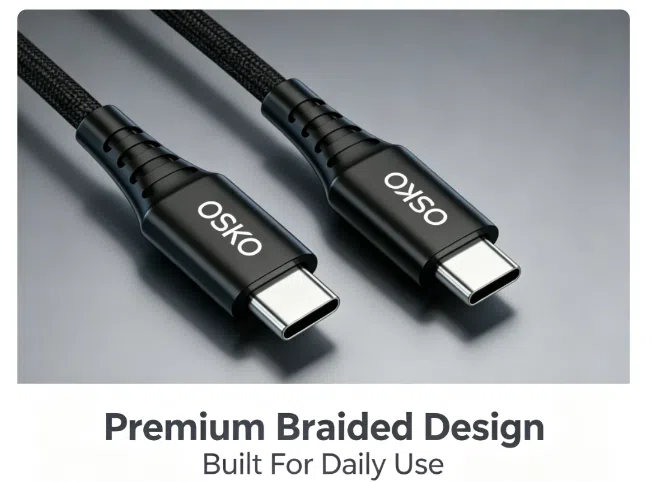
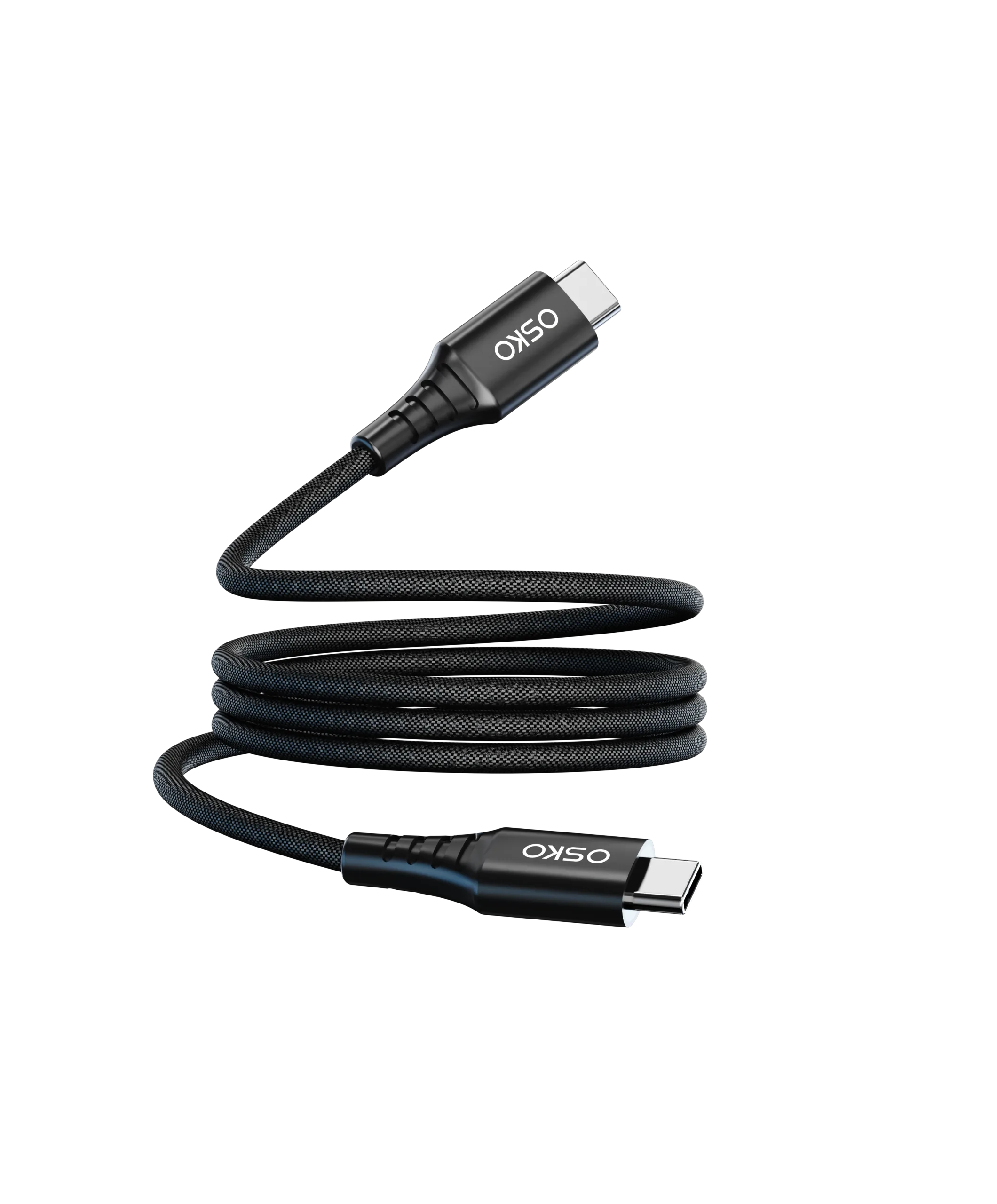
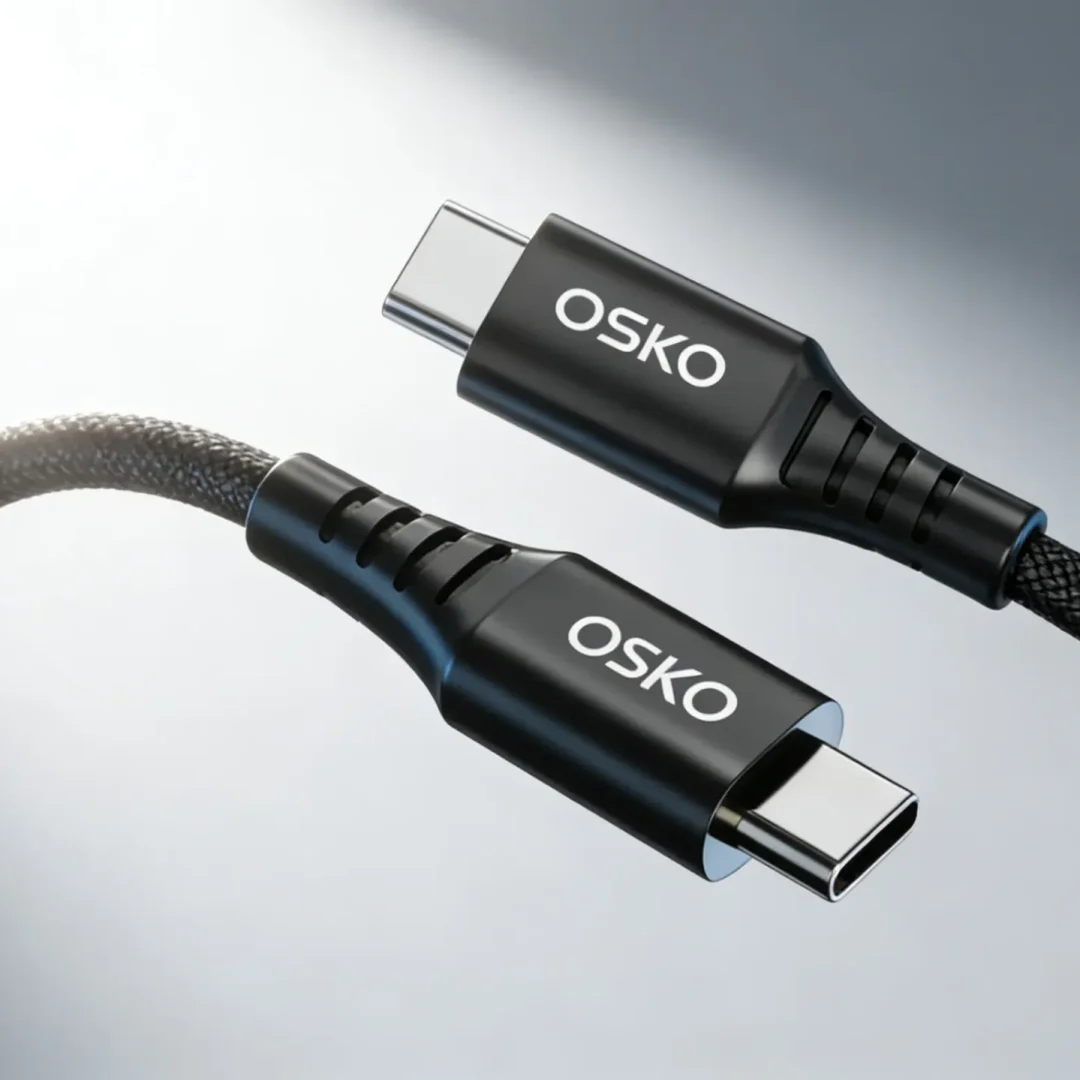
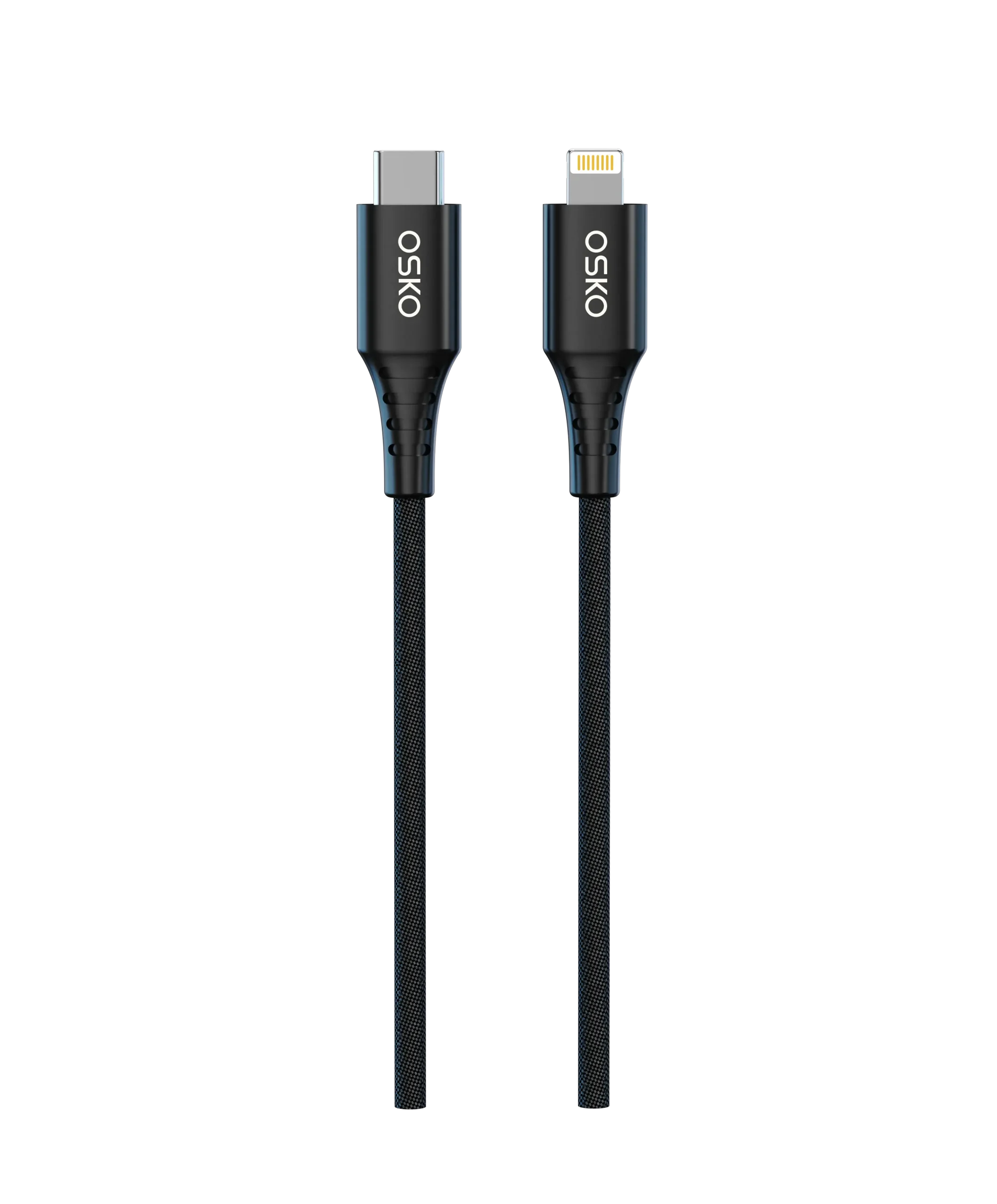
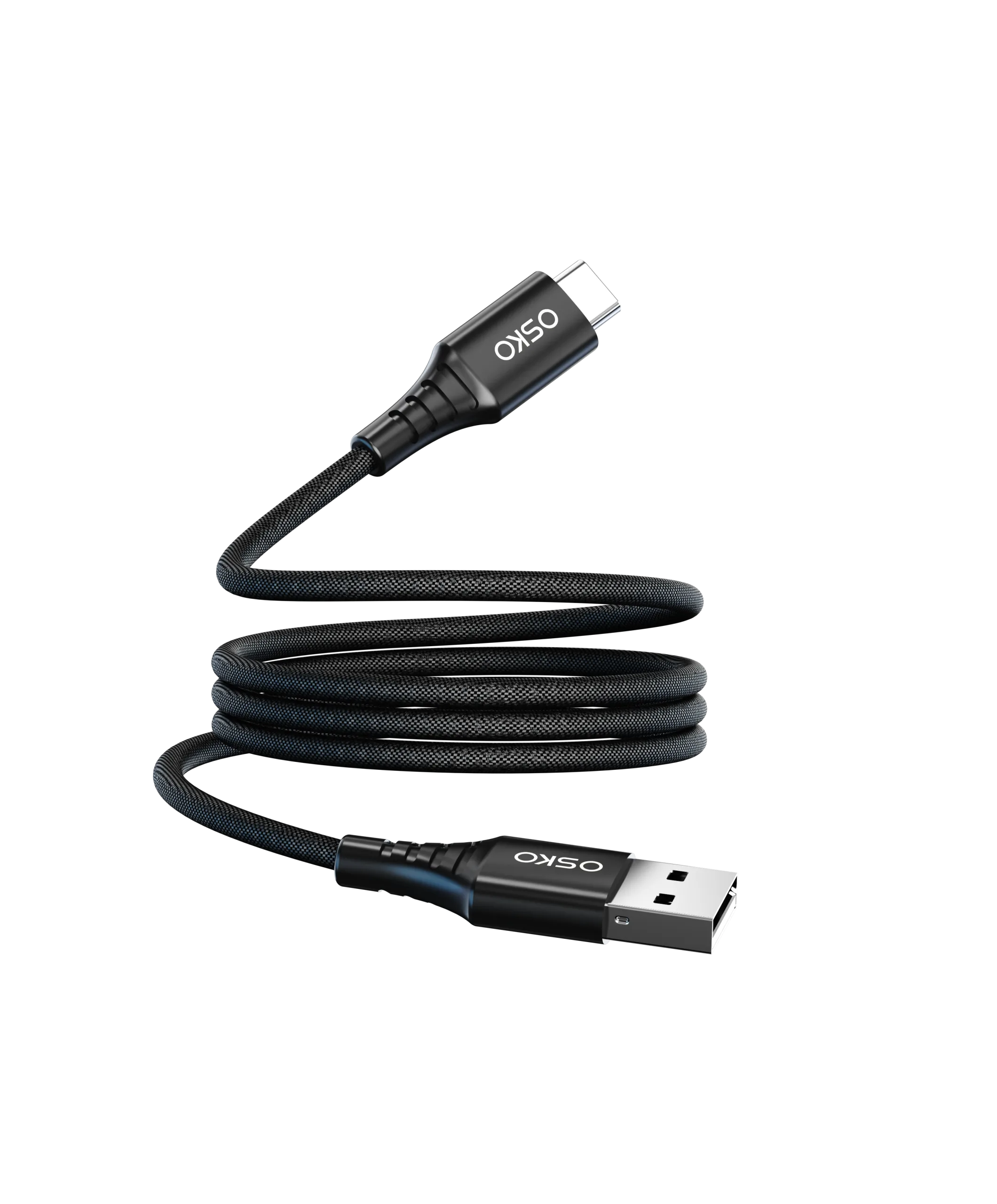
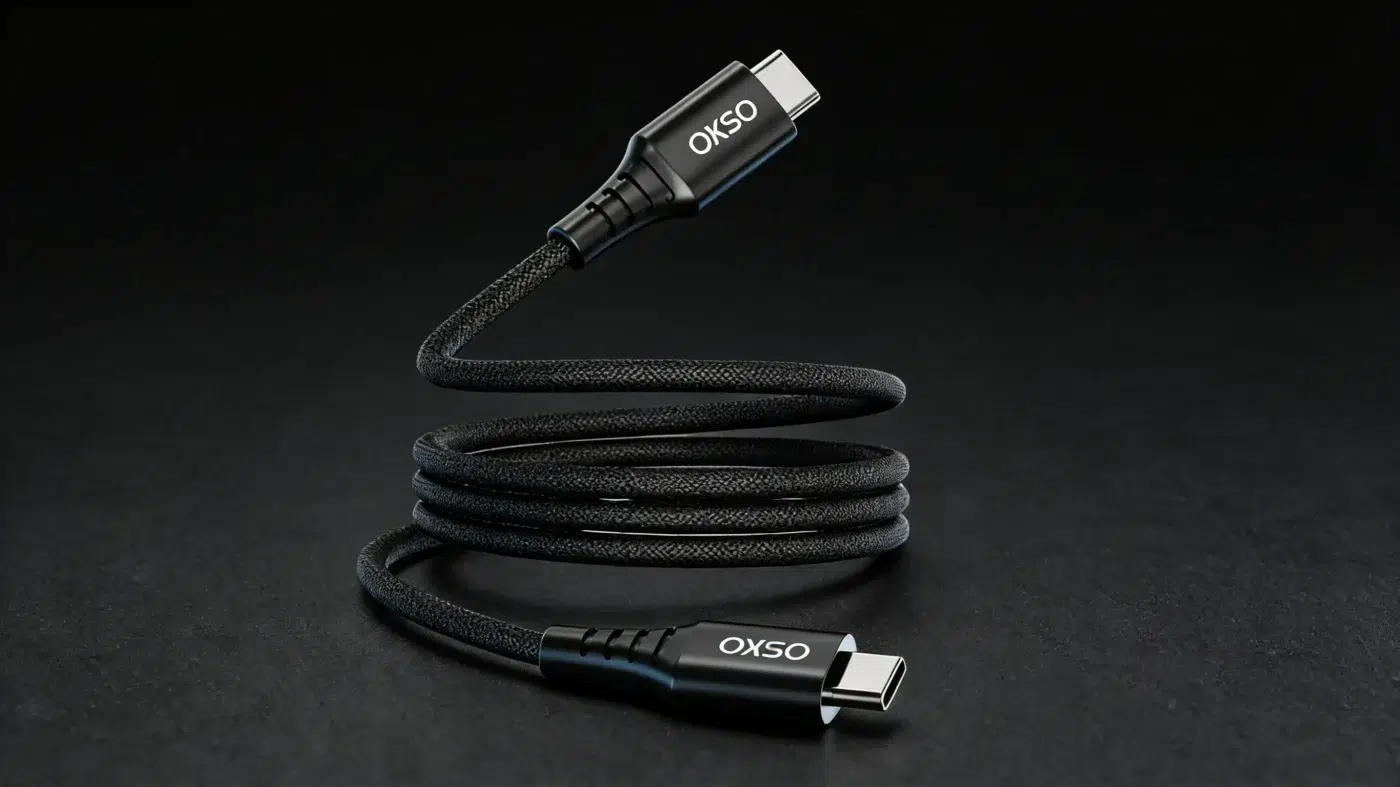
A Type-C to Type-C cable Samsung setup is now the standard charging method for modern Samsung smartphones, tablets, and laptops, especially Galaxy S and Galaxy Note series devices.
Unlike older USB-A charging systems, USB-C to USB-C supports higher power delivery, faster data transfer, and more stable charging performance through USB Power Delivery (USB-PD) protocols.
However, many users still experience confusion regarding compatibility, fast charging activation, and cable selection. These issues are often caused not by the phone itself, but by mismatched cable specifications, insufficient power adapters, or low-quality manufacturing standards.
From an engineering perspective, proper use of a Type-C to Type-C cable Samsung requires understanding both electrical protocol negotiation and material-level cable performance.

Material Science & Dielectric Properties
The performance of a USB-C system depends on both electrical communication and physical material quality inside the cable.
USB-C PD Communication System
Samsung devices use USB Power Delivery (PD) and PPS (Programmable Power Supply) protocols.
This means:
The charger and phone negotiate voltage dynamically
The cable must support stable current transmission
The system adjusts power in real time for efficiency
If the cable cannot maintain stable conductivity, fast charging will fail or downgrade.
Conductor Quality and Power Stability
High-performance cables use:
Oxygen-free copper conductors for low resistance
Multi-strand wiring for flexibility and stability
Tin-coated copper to prevent oxidation
Lower-grade cables often cause:
Reduced charging speed
Heat buildup
Inconsistent power delivery
This is especially critical in Samsung Super Fast Charging systems.
Dielectric Insulation and Signal Integrity
Insulation materials directly affect charging stability:
TPE: flexible and heat resistant
PE: low signal loss, stable transmission
PVC: cost-effective but less stable under high load
Stable dielectric performance ensures consistent USB-C PD negotiation between charger and device.
Shielding and EMI Protection
Electromagnetic interference can disrupt charging communication.
High-quality cables include:
Aluminum foil shielding
Braided copper shielding
Multi-layer EMI protection
This is essential for maintaining stable fast charging in real-world environments.
Case Study
US Mobile Accessories Brand Samsung Cable Compatibility Issue
A US-based mobile accessories brand experienced inconsistent “Super Fast Charging” performance across Samsung Galaxy devices using their Type-C cable lineup.
Customer Requirements
Support Samsung Super Fast Charging (25W–45W)
Ensure stable PD and PPS protocol compatibility
Reduce product return rate under 5%
Improve charging consistency across Galaxy S and Tab series
Meet FCC and CE compliance for US and EU markets
Engineering Problem Analysis
Testing identified several key issues:
Inconsistent conductor resistance across batches
Lack of PPS protocol stability under load
Weak shielding leading to signal interference
Insufficient connector precision affecting contact stability
These issues caused inconsistent fast charging activation on Samsung devices.
OSKO Engineering Solution
OSKO redesigned the cable architecture using:
Oxygen-free copper conductor system for stable current flow
Reinforced TPE dielectric insulation for thermal control
Double-layer braided shielding for EMI reduction
Precision USB-C connector molding for stable contact
USB-IF compliant PD + PPS optimization
This structure aligns with OEM manufacturing standards used in:
OEM USB Cables
ODM USB Cables
Wholesale USB Cables
Bulk USB Cables
Retail USB Cables

Results
After optimization:
Samsung fast charging stability significantly improved
Device compatibility increased across Galaxy lineup
Return rate reduced in US retail channels
Charging efficiency became consistent across batches
This confirms that cable engineering directly impacts Samsung fast charging performance.
Selection Guide
How to Properly Use a Type-C to Type-C Cable with Samsung Devices
Correct usage depends on three key components:
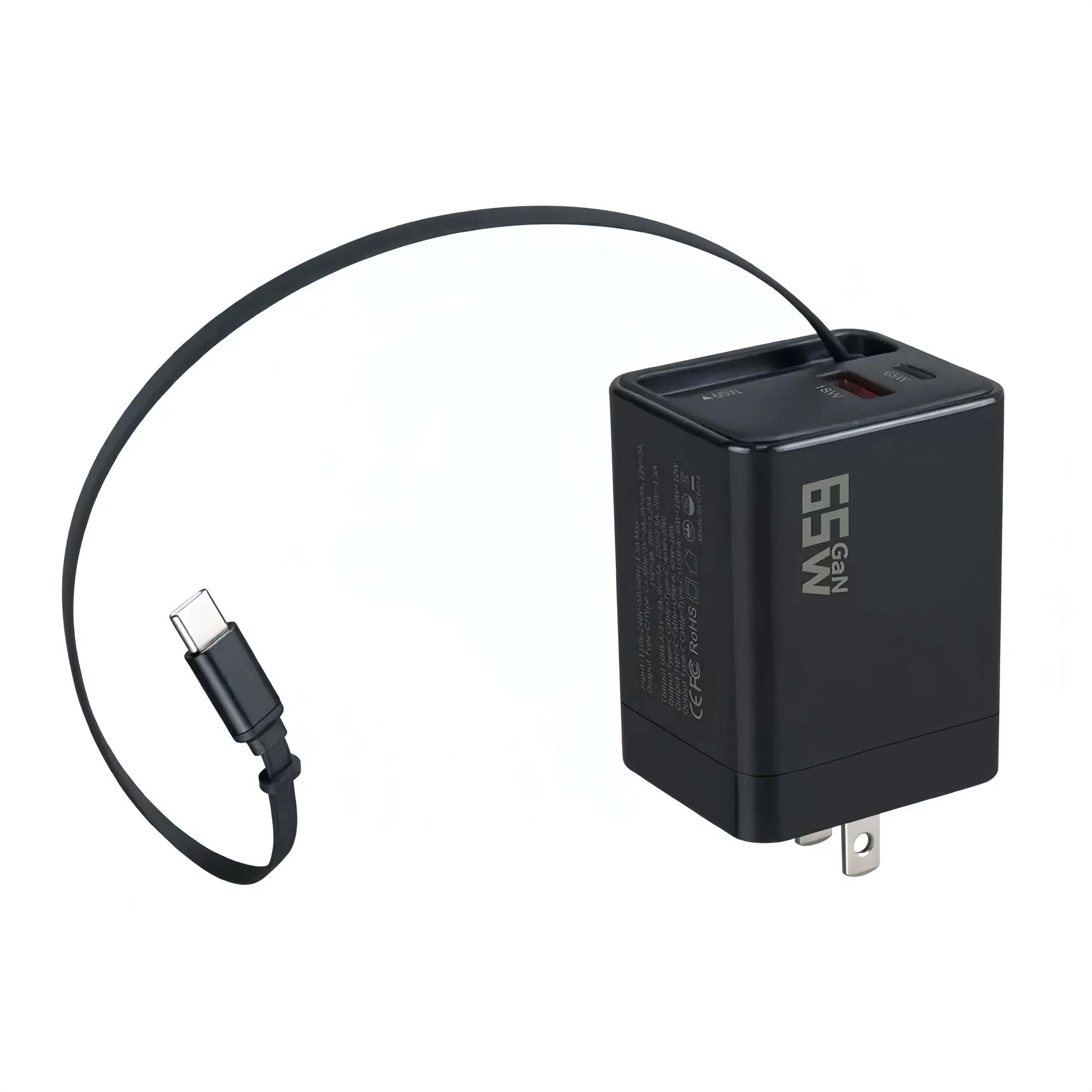
Compatible USB-C PD charger
Certified Type-C to Type-C cable
Samsung device supporting PD/PPS
Step 1: Choose the Right Charger
Samsung fast charging requires:
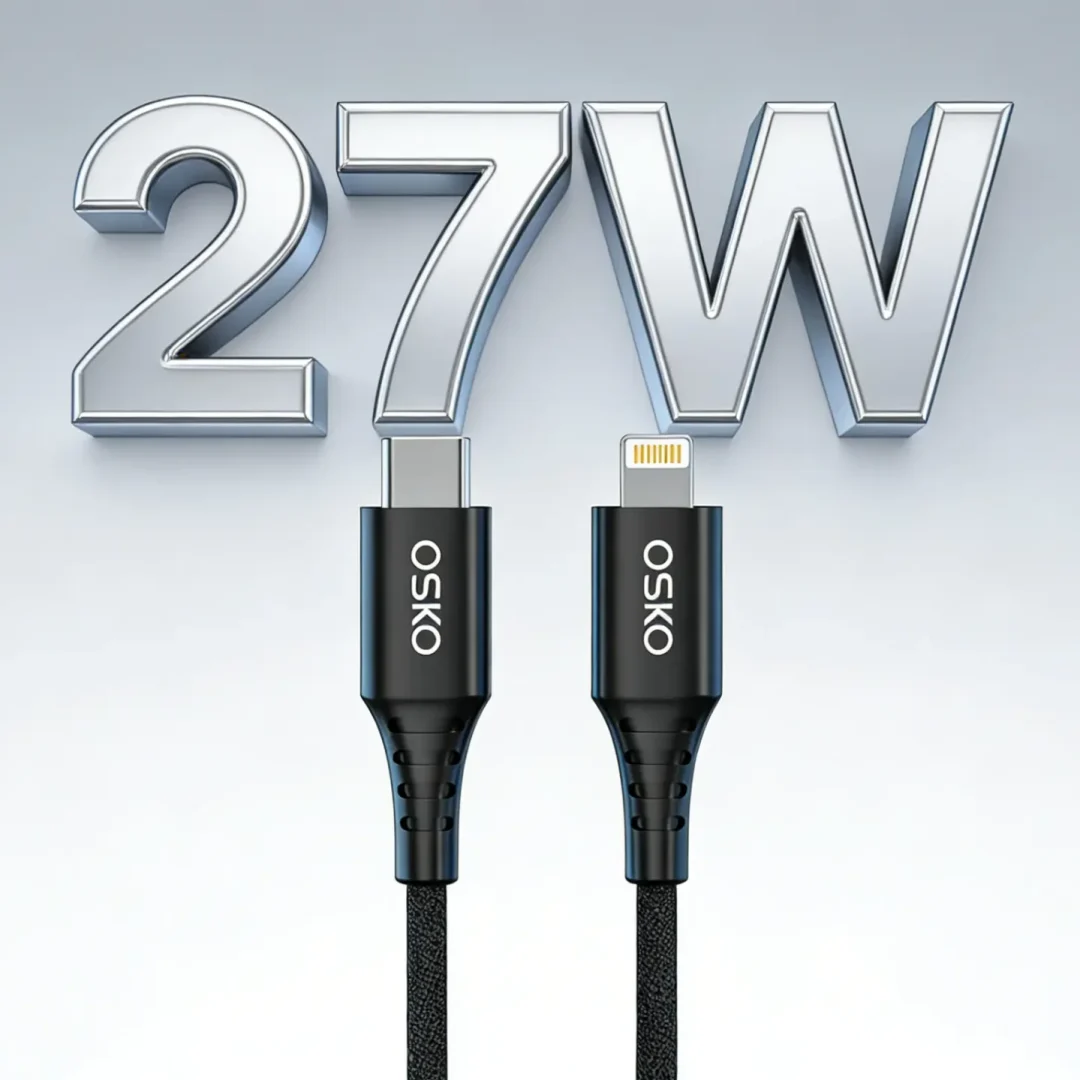
25W for Super Fast Charging
45W for Ultra Fast Charging (select models)
The charger must support USB Power Delivery with PPS protocol.
Step 2: Select a Certified Cable
A proper Type-C to Type-C cable Samsung must support:
3A or 5A current transmission
Stable PD handshake communication
Low resistance copper conductors
Recommended specifications include:
USB-IF certified design
60W–100W rated cables for phones and tablets
240W cables for future-proof compatibility
Step 3: Ensure Device Compatibility
Supported Samsung devices include:
Galaxy S series
Galaxy Note series
Galaxy Z Fold / Flip
Galaxy Tab series
Older devices with micro-USB require adapters and do not support PD fast charging.
Technical Comparison Table
| Cable Type | Charging Speed | Compatibility | Engineering Level |
|---|---|---|---|
| Basic USB-A to USB-C | Slow | Limited | Low |
| Standard USB-C cable | Medium | Wide | Medium |
| High-quality USB-C PD cable | Fast | Full Samsung support | High |
| OEM USB-IF certified cable | Ultra stable | Full ecosystem | Industrial grade |
OEM Procurement Insight
For global buyers, Samsung-compatible cables are often sourced through:
OEM USB-C cable manufacturing
ODM USB-C cable engineering
Wholesale USB cable distribution
Bulk USB cable procurement
Advanced suppliers typically provide:
Bulk custom 6ft 10ft USB-C cables
CE RoHS certified 240W USB C cable
USB-IF compliant Type C cable manufacturer
ISO9001 certified braided USB cable factory
FCC approved nylon braided USB C cable supplier
FAQ
Why is my Samsung not fast charging with USB-C cable?
It may be due to low-quality cable conductors or lack of PD/PPS support.
Do all Type-C cables support Samsung fast charging?
No. Only properly engineered USB-C PD cables support full fast charging.
Does cable length affect Samsung charging speed?
Yes. Longer cables may increase resistance and reduce charging efficiency.
What is needed for Samsung Super Fast Charging?
A PD + PPS compatible charger and a high-quality USB-C cable.
Are braided cables better for Samsung devices?
Yes. Braided cables offer higher durability and stable long-term performance.
Summary
Using a Type-C to Type-C cable Samsung correctly requires more than simple physical connection. It depends on USB-C PD protocol support, conductor quality, dielectric stability, and manufacturing precision.
From an engineering perspective, fast charging performance is determined by the full system interaction between charger, cable, and device.
For US and European markets, selecting certified and well-engineered USB-C cables ensures stable Samsung fast charging performance, reduced failure rates, and improved long-term device safety.
Contact Information
OSKO provides professional USB-C cable solutions optimized for Samsung and global fast charging ecosystems, including:
USB-C PD fast charging cables (60W–240W)
Samsung-compatible Type-C cable engineering
OEM & ODM manufacturing services
Private label retail packaging solutions
Wholesale and bulk supply programs