
Introduction
A USB-C cable loose connection is one of the most common issues experienced by smartphone, tablet, and laptop users in both consumer and industrial environments.
This problem often appears as intermittent charging, unstable fast charging, or complete disconnection when the cable is slightly moved. While users often assume the cable is defective, the root cause can come from multiple system-level factors including connector wear, port contamination, manufacturing tolerance, and material fatigue.
In modern USB-C Power Delivery systems used across North American and European markets, connection stability is critical because even small contact resistance variations can affect charging speed, heat generation, and device safety.
Understanding the engineering causes behind a USB-C loose connection is essential for both end users and OEM procurement teams selecting reliable charging components.
Material Science & Dielectric Properties
The stability of a USB-C connection depends on mechanical contact integrity and material behavior under repeated stress cycles.
Contact Interface Engineering
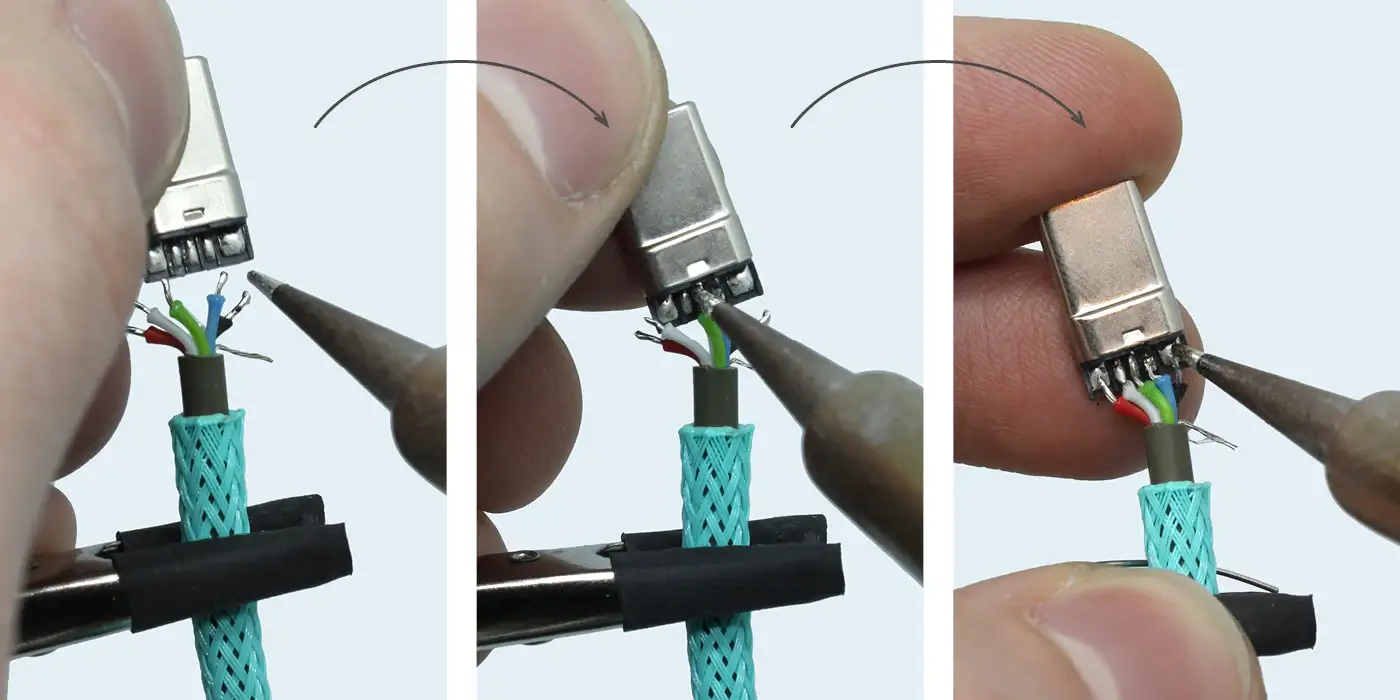
USB-C connectors rely on multiple spring-loaded contact pins inside the port.
These contacts are designed to maintain:
Stable electrical conduction
Consistent pressure force
Low contact resistance
Over time, repeated insertion cycles can reduce contact tension, leading to a loose connection.
This mechanical fatigue is one of the most common reasons behind USB-C cable connection instability.
Material Fatigue and Mechanical Wear
Connector housings are typically made from:
Thermoplastic materials (LCP, nylon blends)
Reinforced polymer structures
With repeated use, micro-deformation occurs at the contact interface, especially under lateral stress or frequent unplugging.
Lower-grade cables from non-industrial suppliers often degrade faster due to insufficient strain relief design.
Dielectric Stability and Signal Integrity
While mechanical looseness is the visible issue, dielectric instability can worsen performance.
Key materials include:
TPE for flexibility and thermal stability
PE for low dielectric loss
PVC for cost-effective insulation
If insulation degrades, it can indirectly affect signal stability and charging performance even if physical contact is intact.
Cable Strain and Load Distribution
A major hidden factor is mechanical stress distribution along the cable.
Poor design leads to:
Stress concentration at connector joints
Internal conductor breakage
Increased resistance at microfracture points
Premium OEM designs use reinforced structures to prevent these failures.
Case Study
US Retail Electronics Brand USB-C Reliability Issue
A US-based electronics retailer reported increasing customer complaints related to unstable charging behavior in their USB-C accessory line.
Customer Requirements
Eliminate intermittent charging complaints
Improve connector durability under daily use
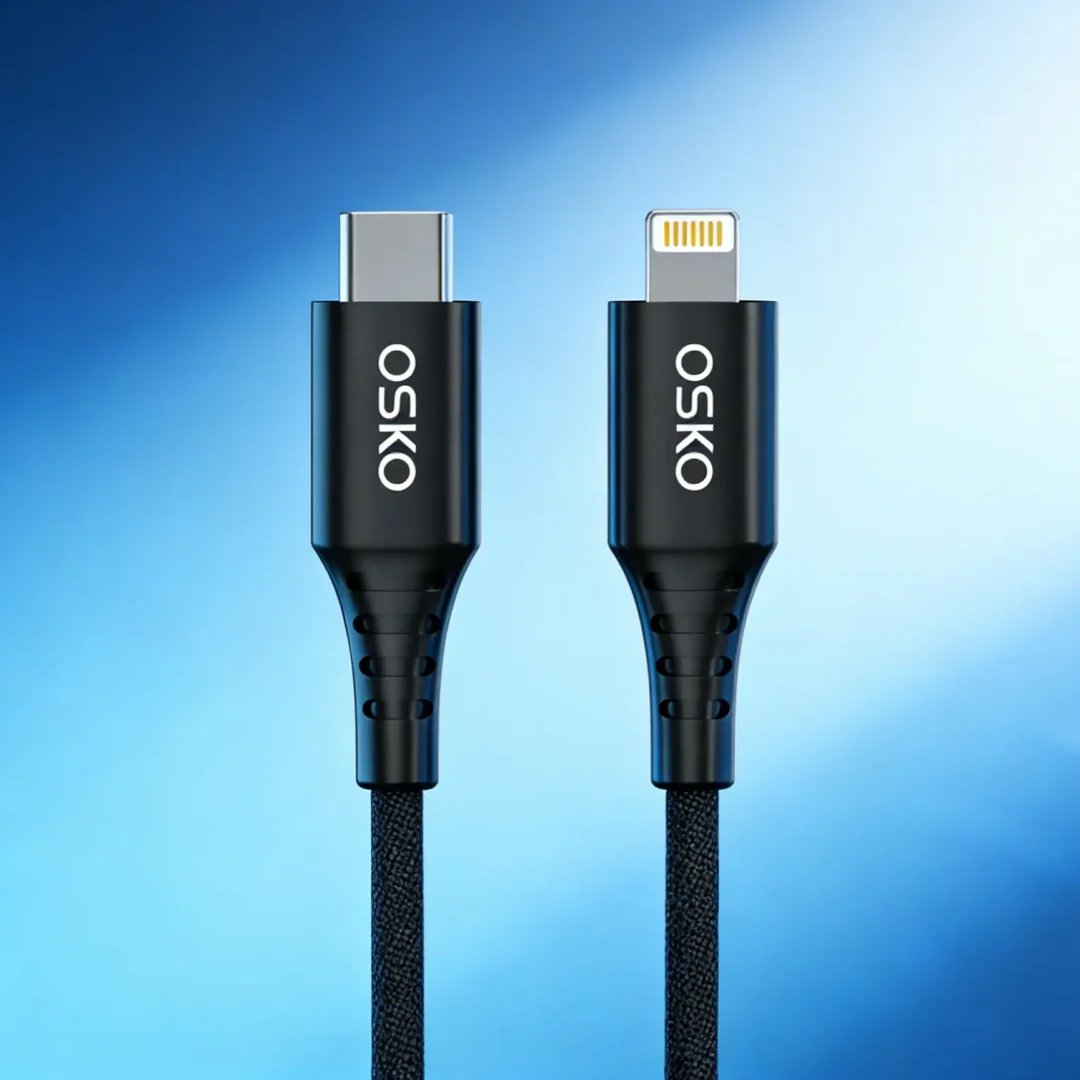
Maintain compatibility with iPhone, Android, and laptop devices
Reduce warranty return rate below 4%
Maintain compliance with FCC and CE standards
Engineering Problem Analysis
Testing revealed multiple root causes:
Weak connector spring tension
Poor strain relief design at cable junction
Inconsistent molding tolerances in USB-C heads
Oxidation at contact points after extended use
These issues led to a widespread perception of “loose USB-C connection.”
OSKO Engineering Solution
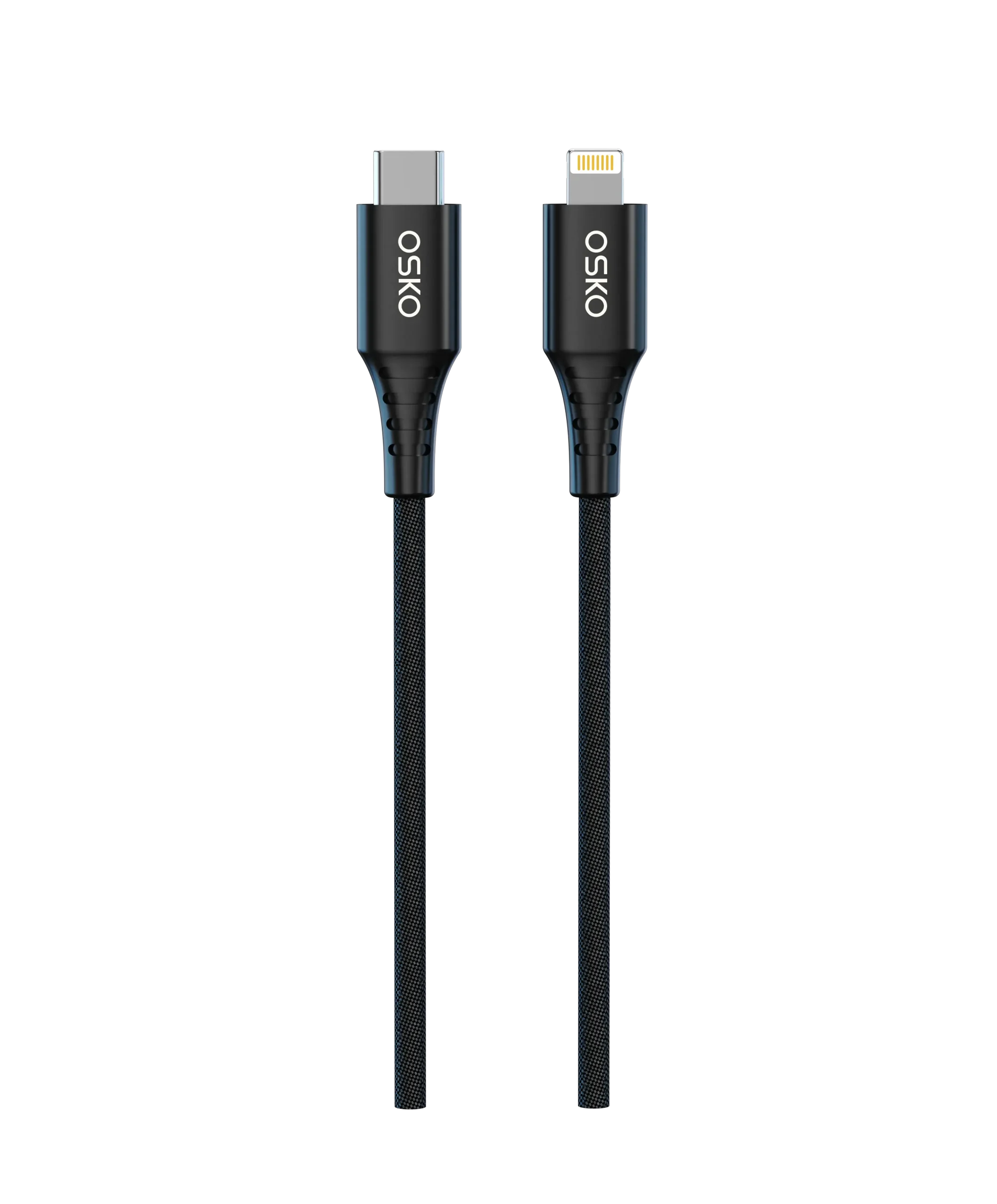
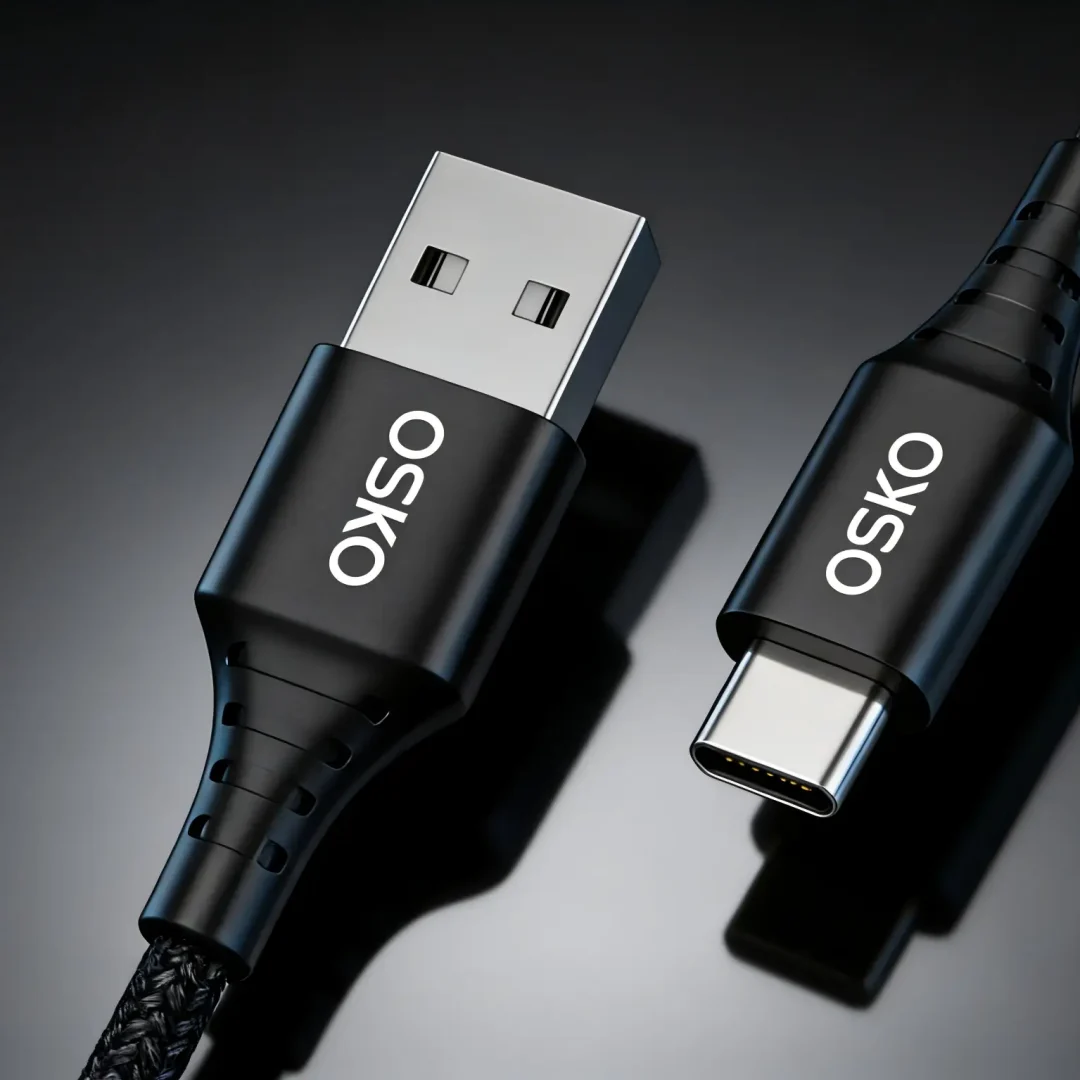
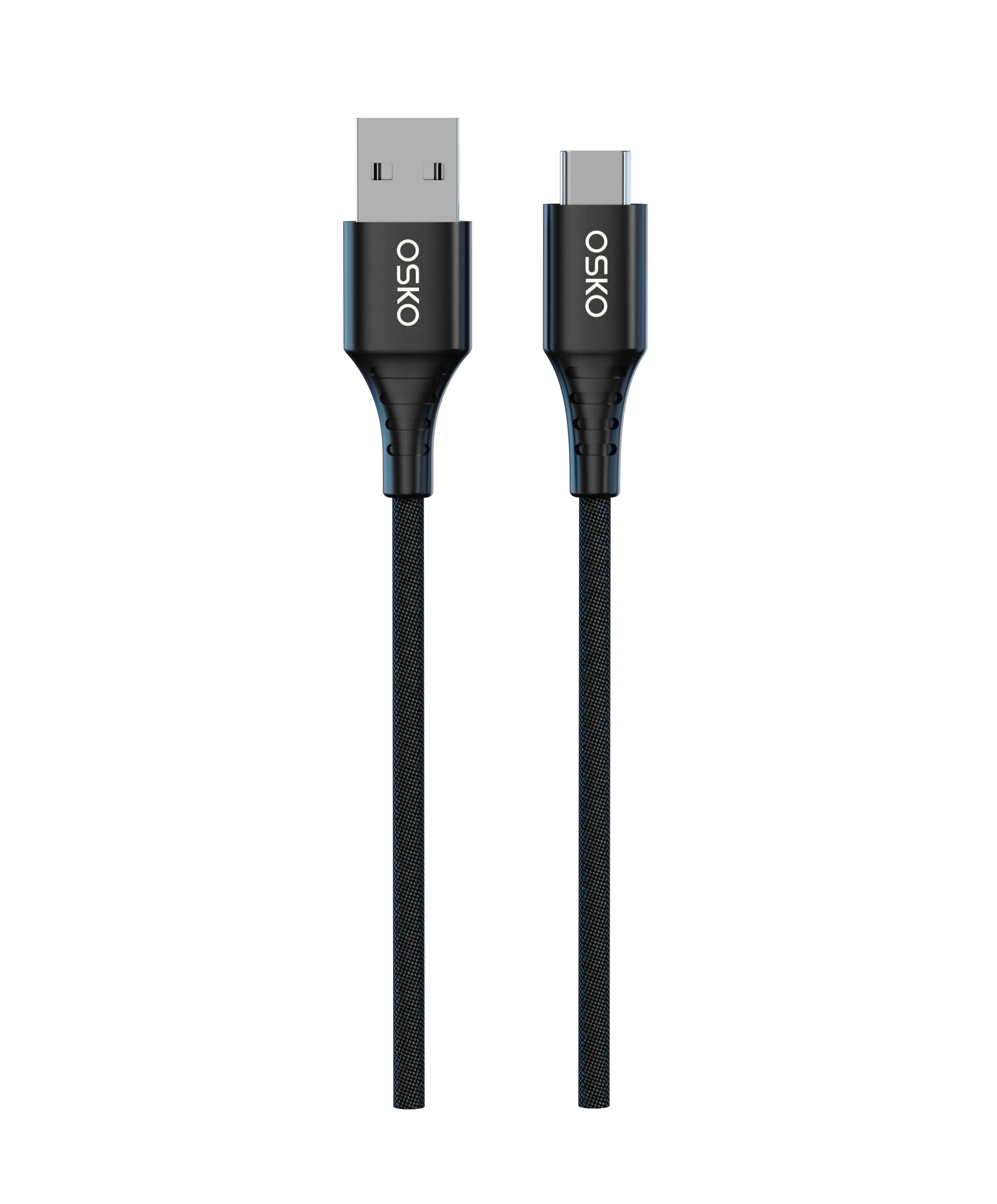
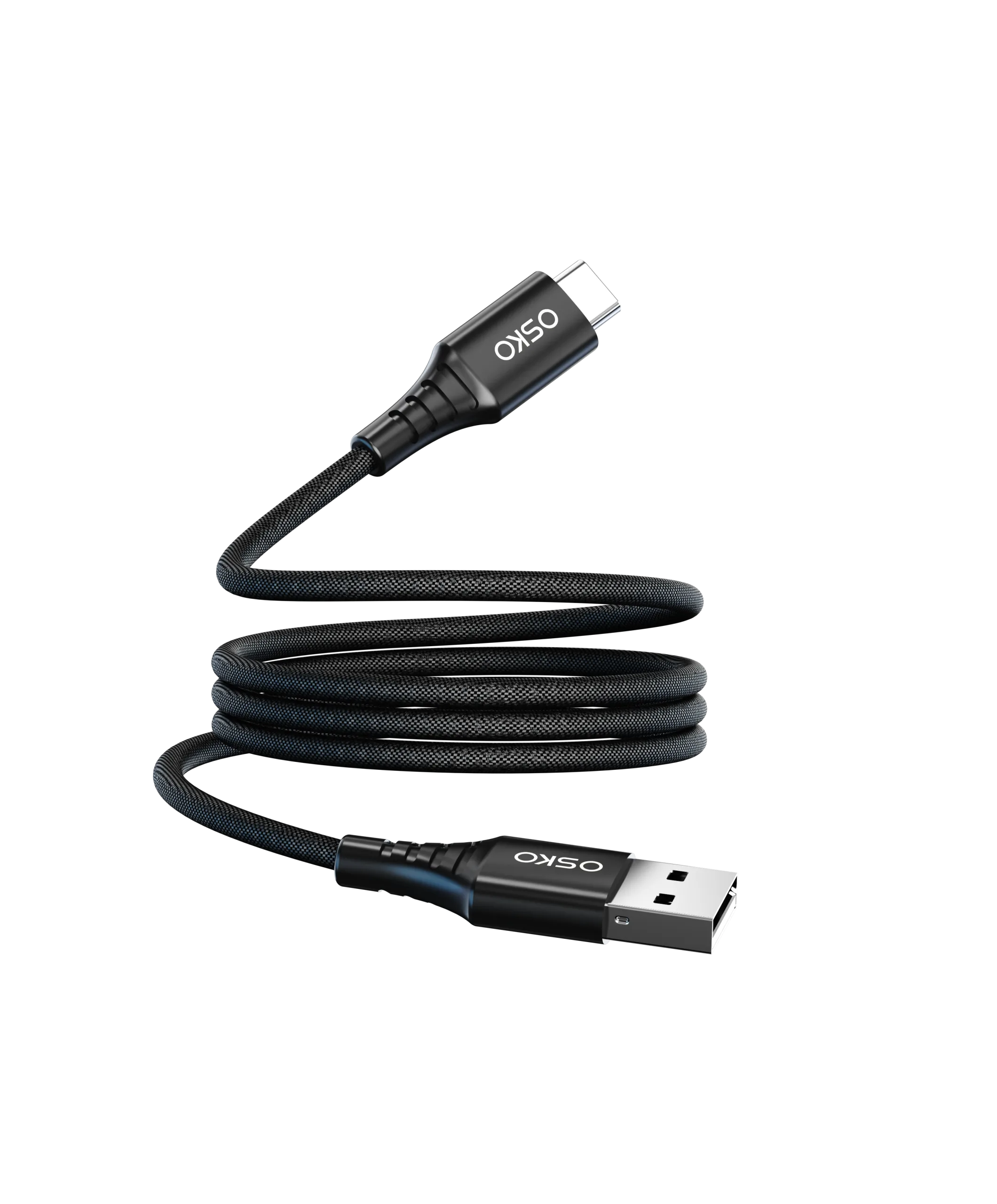
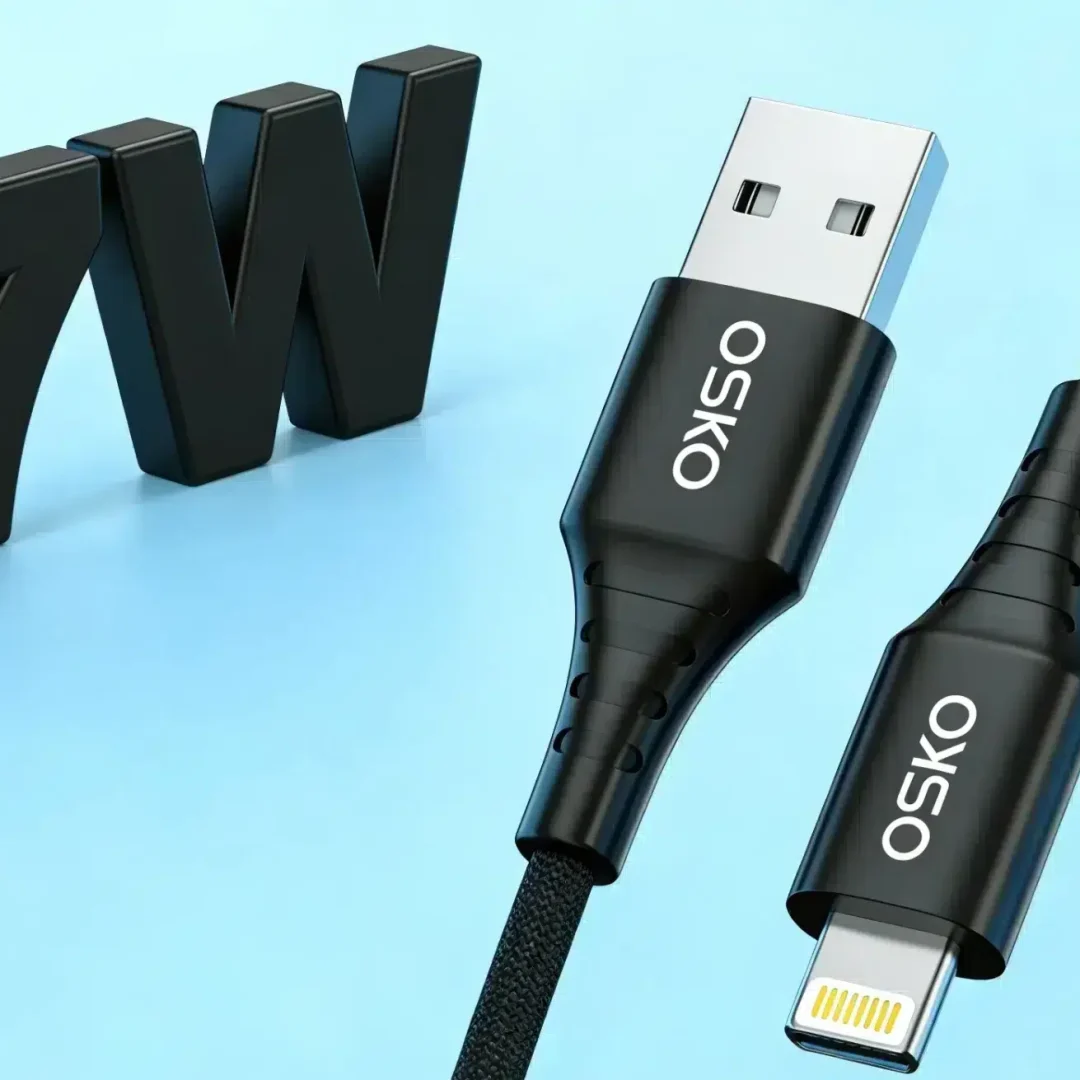
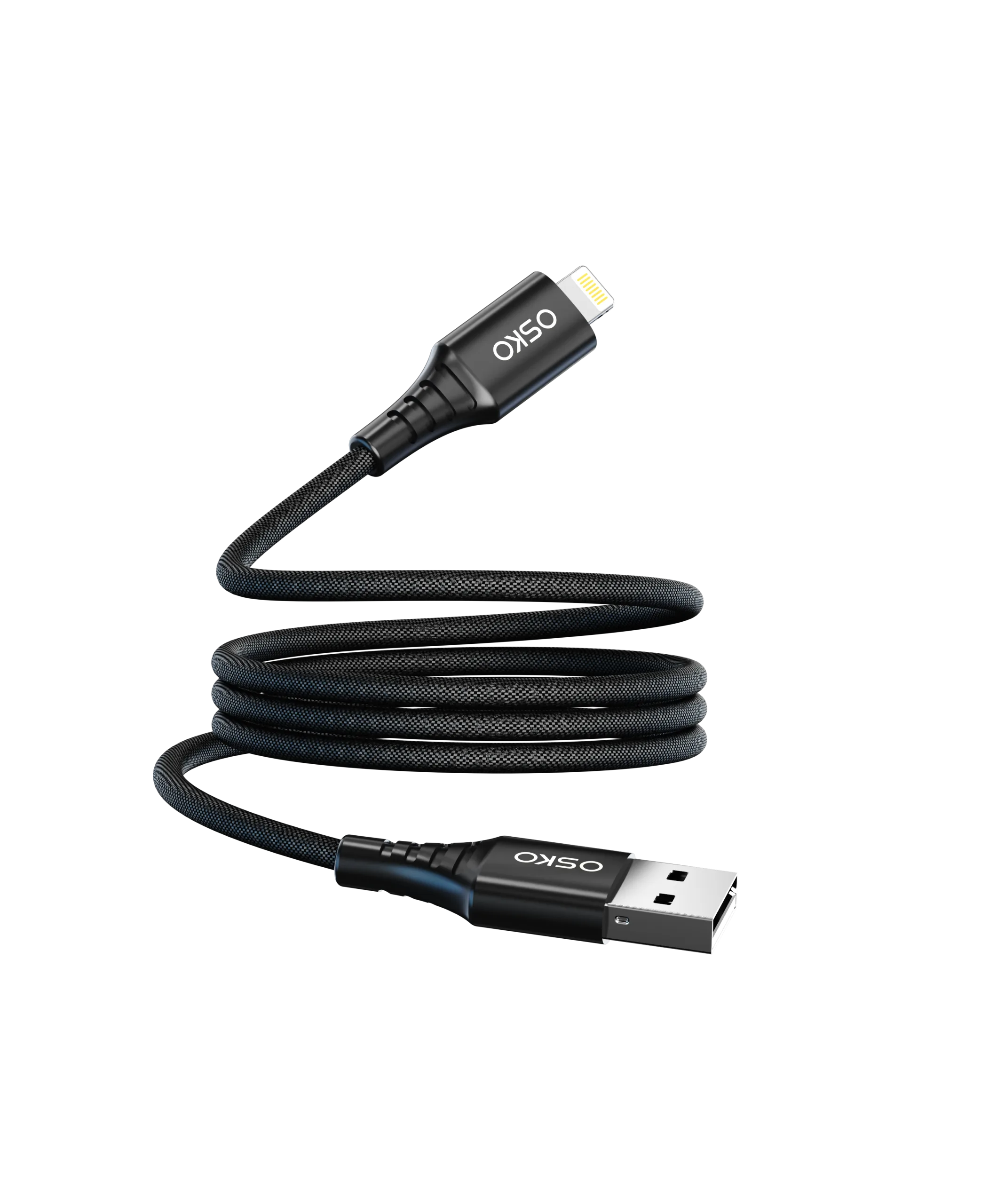
OSKO implemented a redesigned connector system:
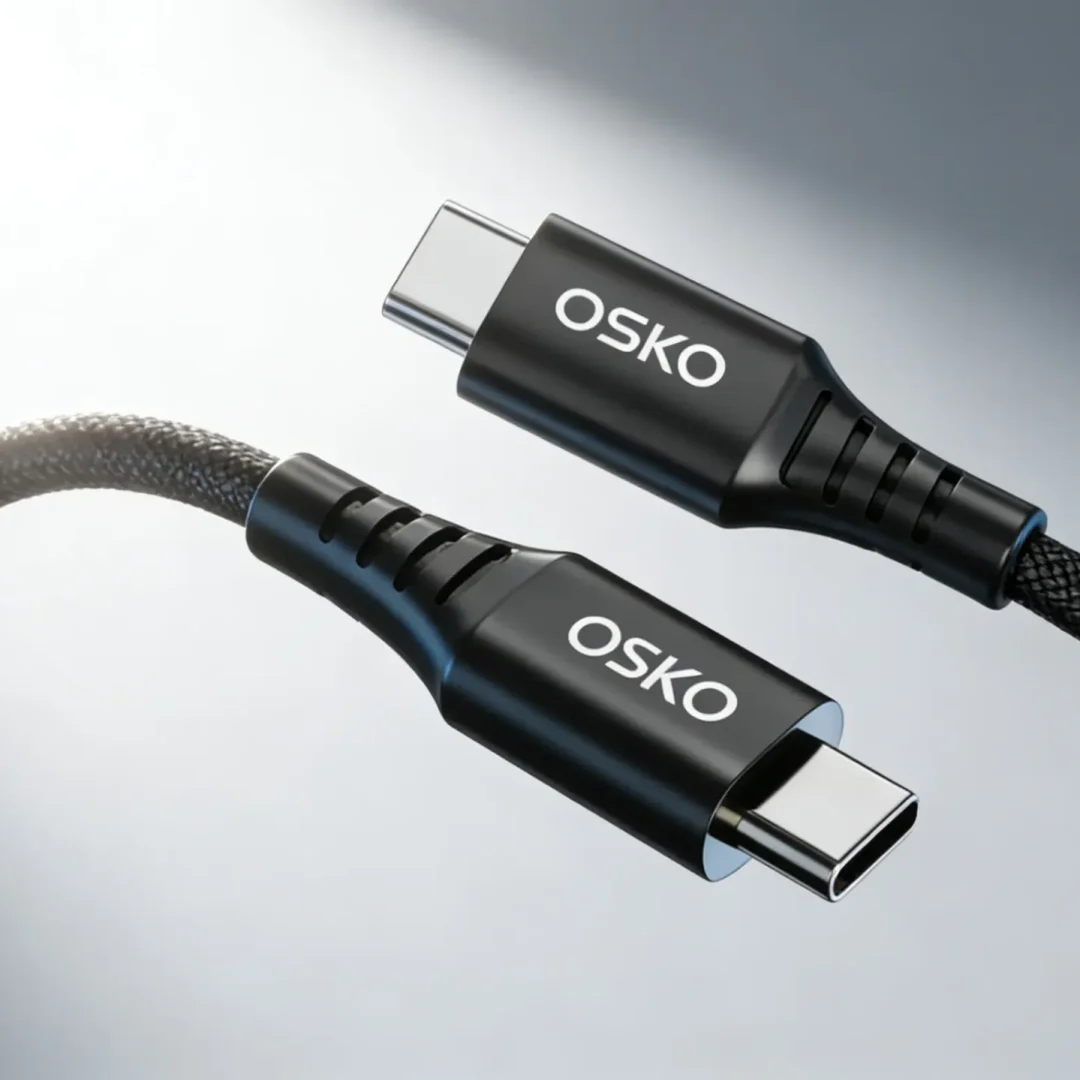
Precision-molded USB-C interface with tight tolerance control
Reinforced internal spring contact structure
Oxygen-free copper conductor system for stable conductivity
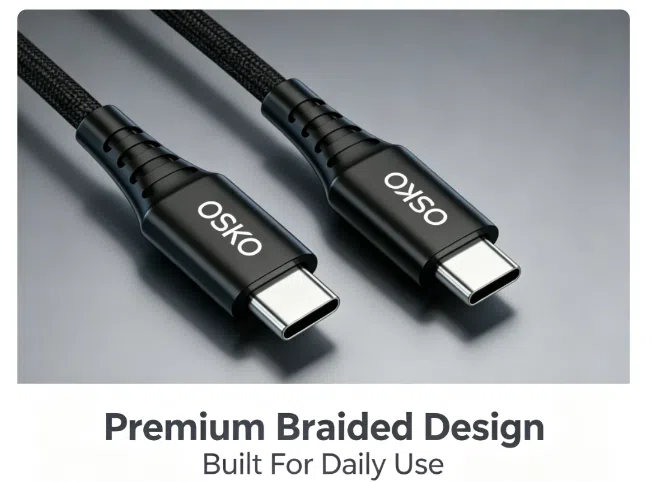
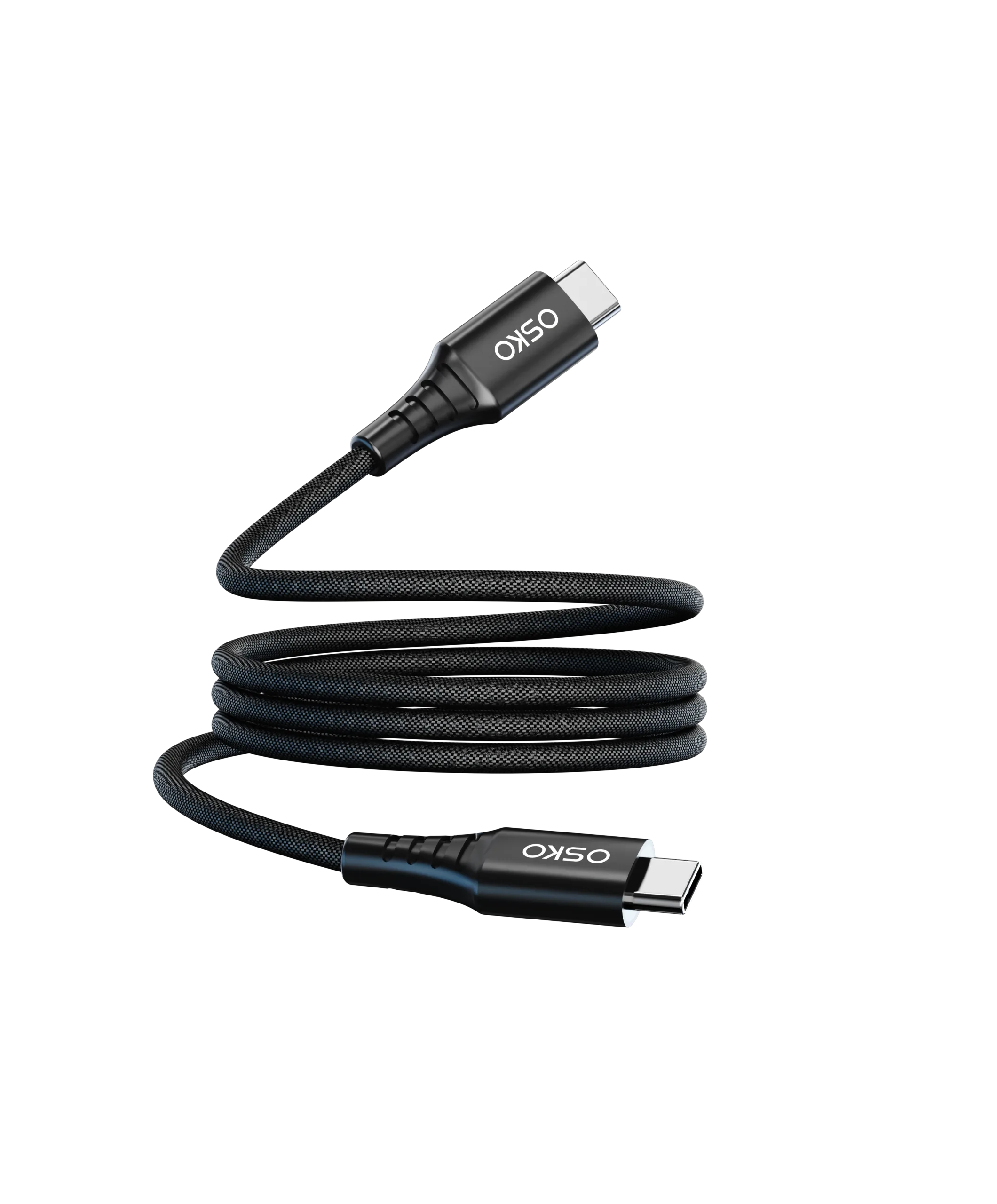
Double-layer nylon braided jacket for mechanical stability
Enhanced strain relief geometry to reduce connector stress
This design aligns with manufacturing standards used in:
OEM USB Cables
ODM USB Cables
Bulk USB Cables
Retail USB Cables
Results
After implementation:
Connector looseness complaints reduced significantly
Charging stability improved across all devices
Product return rate decreased
Long-term durability increased under stress testing cycles
This demonstrates that “loose connection” is often an engineering design issue rather than user misuse alone.

Selection Guide
How to Fix a Loose USB-C Cable Connection (Practical + Engineering View)
Fixing a loose connection requires addressing both device-side and cable-side factors.
Step 1: Clean the USB-C Port
Dust and debris accumulation inside the port can reduce contact pressure.
Typical contaminants include:
Pocket lint
Dust particles
Oxidized residue
Removing debris can immediately improve connection stability.
Step 2: Check Cable Wear Condition
Inspect the cable for:
Bent or deformed connector housing
Frayed strain relief
Loose plug fit
If mechanical wear is present, replacement is recommended.
Step 3: Evaluate Cable Quality
High-quality cables feature:
Tight manufacturing tolerances
Reinforced connector housing
Stable spring contact pins
Braided or reinforced outer jacket
Poor-quality cables often loosen quickly due to weak structural design.
Step 4: Match Proper Power Standards
In USB-C PD systems, unstable power negotiation can be mistaken for a loose connection.
Ensure compatibility with:
60W–100W devices for phones and tablets
100W–240W systems for laptops
Certified PD communication protocols
Engineering Comparison Table
| Factor | High-Quality Cable | Low-Quality Cable | Impact |
|---|---|---|---|
| Connector tolerance | Precision molded | Loose fit | High |
| Strain relief | Reinforced | Weak | High |
| Conductor material | Oxygen-free copper | Mixed metal | Medium |
| Shielding | Multi-layer | Minimal | Medium |
| Durability cycles | 10,000+ bends | <3,000 bends | High |
OEM Procurement Considerations
For procurement teams, preventing loose connection issues requires supplier evaluation across:
OEM USB-C cable manufacturing capability
ODM USB-C cable engineering support
Wholesale USB cable quality consistency
Bulk USB cable production control systems
Advanced suppliers typically offer:
Bulk custom 6ft 10ft USB-C cables
CE RoHS certified 240W USB C cable
USB-IF compliant Type C cable manufacturer
ISO9001 certified braided USB cable factory
FCC approved nylon braided USB C cable supplier
FAQ
Why does my USB-C cable feel loose?
It is usually caused by connector wear, manufacturing tolerance issues, or port contamination.
Can a loose USB-C connection be repaired?
Minor issues can be improved by cleaning the port, but worn connectors typically require replacement.
Does cable quality affect connection tightness?
Yes. Precision molding and material quality directly influence connector stability.
Is USB-C supposed to wiggle slightly?
A very slight movement is normal, but excessive looseness indicates wear or poor manufacturing.
Why do some cables last longer than others?
Differences in strain relief design, conductor quality, and connector materials affect lifespan.
Summary
A USB-C loose connection is not a single-point failure but a system-level issue involving mechanical design, material fatigue, and manufacturing precision.
From an engineering perspective, connector stability depends on tight tolerance control, reinforced strain relief, high-quality conductive materials, and proper shielding design.
In real-world applications, especially in US and European markets, addressing loose connections requires both user-side maintenance and supplier-side engineering improvements.
Ultimately, long-term reliability is achieved not through temporary fixes, but through selecting properly engineered USB-C cable systems designed for durability and precision.
Contact Information
OSKO provides engineered USB-C cable solutions designed for stability and durability, including:
USB-C fast charging cables (60W–240W)
Reinforced braided connector systems
OEM & ODM manufacturing services
Private label and retail packaging solutions
Wholesale and bulk supply programs