
Introduction
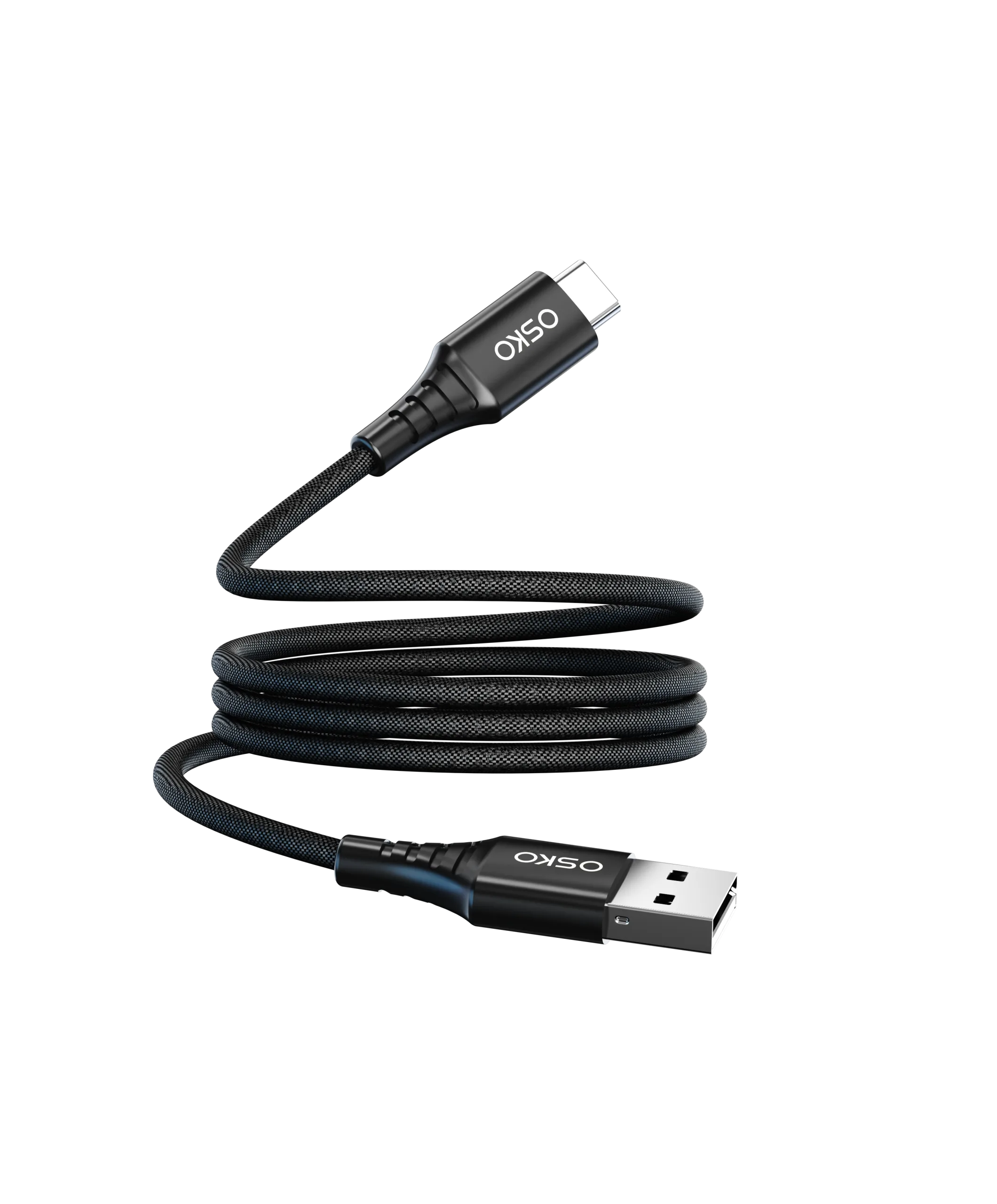
best USB-C cable for Android selection is a critical factor in achieving stable fast charging performance across modern Android smartphones, tablets, and accessories.
Although most Android devices support USB-C, not all cables deliver the same charging speed, stability, or long-term durability. Many users experience slow charging, overheating, or inconsistent performance due to low-quality cable construction rather than device limitations.
From an engineering perspective, the performance of a USB-C cable depends on electrical resistance, material composition, shielding architecture, and compliance with USB Power Delivery (USB-PD) standards.
In US and European markets, where Android ecosystems are widely distributed across Samsung, Google Pixel, OnePlus, and other brands, selecting the right cable is essential for performance consistency and product safety.

Material Science & Dielectric Properties
The performance of an Android USB-C cable is defined by how efficiently it transmits power and maintains signal stability under load.
Conductor Design and Charging Efficiency
The most critical component in any best USB-C cable for Android is the conductor system.
High-performance cables typically use:
Oxygen-free copper conductors for low resistance
Multi-strand fine wire construction for flexibility
Tin-coated copper to prevent oxidation over time
Lower-quality cables often use aluminum blends or reduced copper content, which leads to:
Slower charging speeds
Higher heat generation
Reduced long-term durability
In fast charging systems above 3A or 5A, conductor quality becomes a limiting factor in performance.
Dielectric Insulation and Stability
Dielectric materials ensure stable electrical behavior inside the cable structure.
Common materials include:
PE (Polyethylene): low signal loss, stable transmission
TPE: flexible, heat resistant, widely used in OEM cables
PVC: cost-effective but less stable under continuous load
Proper dielectric performance ensures stable USB-PD negotiation between charger and Android device.
Shielding Architecture and Interference Control
Electromagnetic interference (EMI) can disrupt fast charging communication.
High-quality cables use:
Aluminum foil shielding for signal isolation
Braided copper shielding for EMI suppression
Multi-layer structural protection for high-frequency stability
Without proper shielding, Android devices may experience unstable fast charging activation.
Connector Precision and Contact Resistance
Connector design directly affects charging performance.
Key engineering factors include:
Gold-plated contacts for lower resistance
Tight USB-C tolerance control for stable fit
Reinforced strain relief to prevent internal wire damage
Poor connector quality is one of the most common causes of inconsistent Android charging performance.

Case Study
US E-Commerce Brand Android Cable Performance Optimization Project
A US-based e-commerce brand specializing in Android accessories experienced high return rates due to inconsistent charging speeds across its USB-C cable product line.
Customer Requirements
Support 60W fast charging for Android smartphones and tablets
Ensure compatibility across Samsung, Pixel, and OnePlus devices
Reduce return rate below 5% in US marketplaces
Improve durability for daily charging and travel use
Achieve CE and FCC compliance for US and EU distribution
Engineering Problem Analysis
Testing revealed several core issues:
High resistance variation between cable batches
Insufficient EMI shielding causing unstable charging
Weak connector strain relief leading to internal breakage
Lack of USB-PD optimization consistency
These issues directly impacted Android fast charging reliability.
OSKO Engineering Solution
OSKO implemented a full system redesign:
Oxygen-free copper conductor architecture for stable current flow
Reinforced TPE dielectric insulation for thermal stability
Double-layer braided shielding for EMI protection
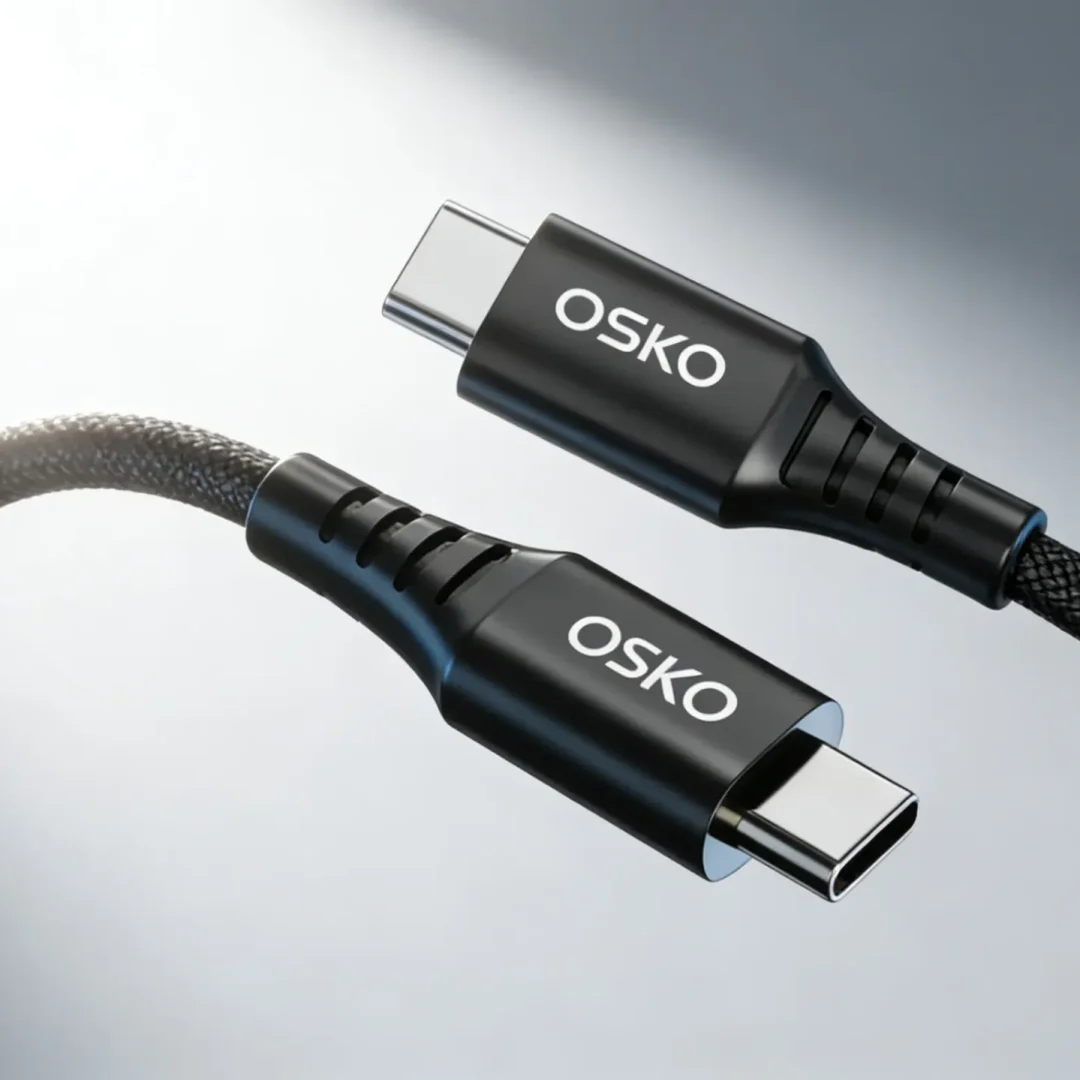
Precision-molded USB-C connector system for consistent contact
USB-IF compliant PD protocol optimization
This engineering structure aligns with OEM production standards used in:
OEM USB Cables
ODM USB Cables
Wholesale USB Cables
Bulk USB Cables
Retail USB Cables
Results
After implementation:
Android fast charging stability significantly improved
Device compatibility expanded across major brands
Product return rate decreased in US channels
Customer satisfaction ratings improved
This confirms that cable engineering is a key determinant of Android charging performance.
Selection Guide
How to Choose the Best USB-C Cable for Android Devices
Selecting the right cable requires evaluating multiple engineering factors rather than focusing only on price or appearance.
Step 1: Match Power Requirements
Android devices typically support:
18W standard fast charging
25W–45W super fast charging (Samsung)
60W+ charging for tablets and laptops
The cable must support appropriate current levels (3A or 5A depending on use case).
Step 2: Evaluate Material Construction
A high-quality best USB-C cable for Android should include:
Oxygen-free copper conductors
Stable dielectric insulation (TPE or PE)
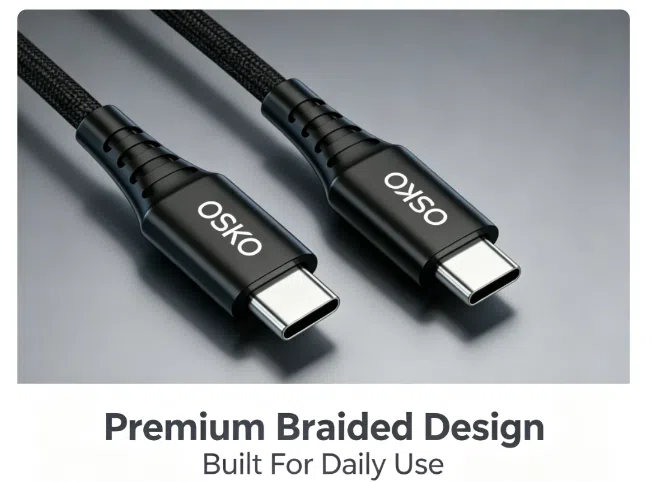
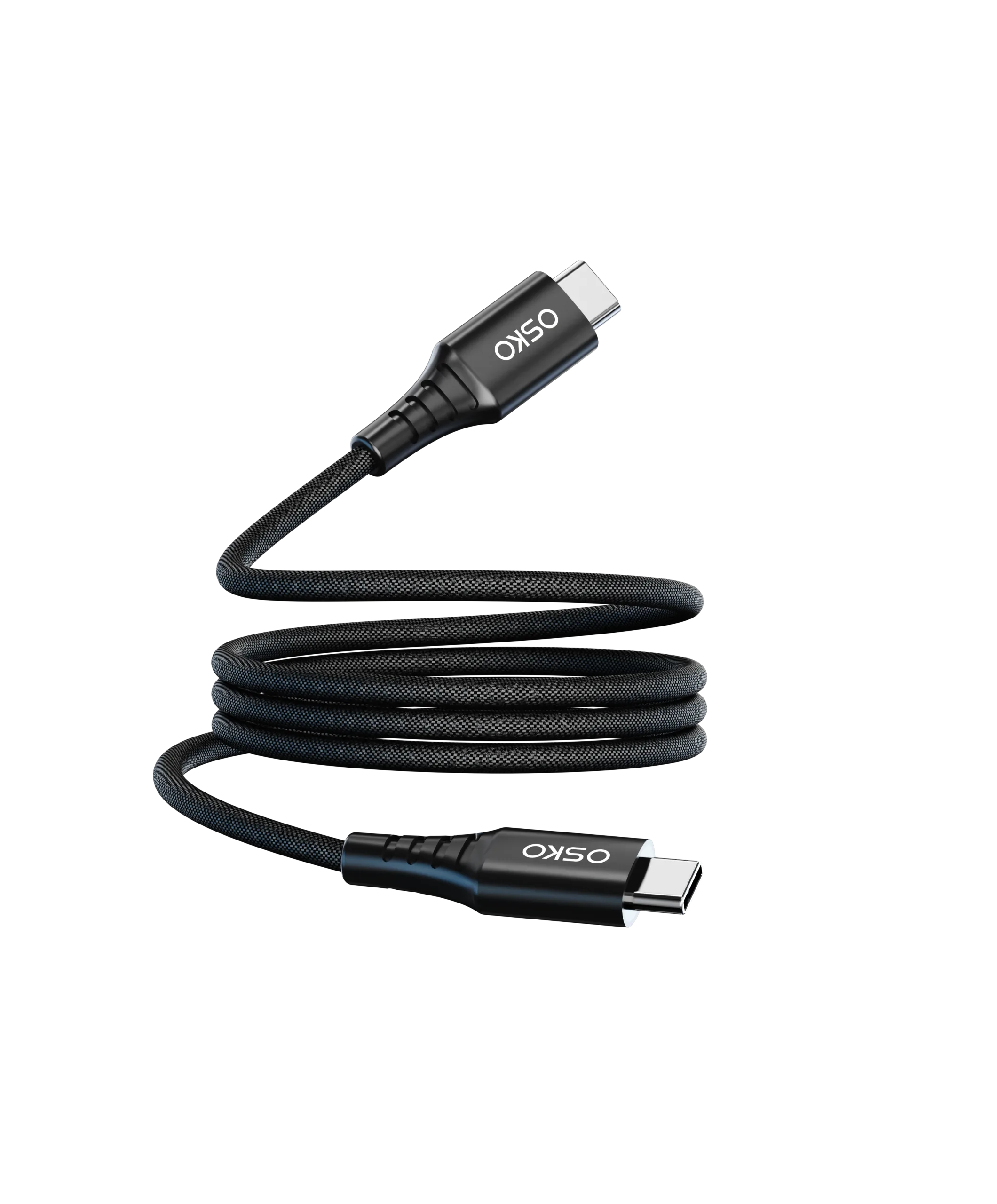
Reinforced outer jacket (preferably braided nylon)
These materials ensure durability and stable performance under load.
Step 3: Check Protocol Compatibility
Ensure the cable supports:
USB Power Delivery (USB-PD)
PPS for Samsung fast charging
Stable voltage negotiation systems
Without proper protocol support, Android fast charging may not activate.
Step 4: Consider Application Scenarios
Different environments require different cable structures:
Desk charging systems require stable long-duration performance
Travel environments require flexibility and durability
Automotive use requires reinforced strain relief
Retail bundles require consistent OEM branding
Technical Comparison Table
| Cable Type | Charging Performance | Durability | Application |
|---|---|---|---|
| Basic USB-A to USB-C | Low | Low | Legacy devices |
| Standard USB-C cable | Medium | Medium | Daily use |
| High-quality USB-C PD cable | High | High | Android fast charging |
| OEM USB-IF certified cable | Very high | Industrial grade | Premium devices |
OEM Procurement Insight
For global buyers, sourcing strategies often include:
OEM USB-C cable manufacturing
ODM USB-C cable development
Wholesale USB cable distribution
Bulk USB cable procurement
Advanced factories support:
Bulk custom 6ft 10ft USB-C cables
CE RoHS certified 240W USB C cable
USB-IF compliant Type C cable manufacturer
ISO9001 certified braided USB cable factory
FCC approved nylon braided USB C cable supplier
FAQ
What is the best USB-C cable for Android fast charging?
A USB-IF certified cable with oxygen-free copper conductors and PD support.
Do all USB-C cables support Android fast charging?
No. Only properly engineered PD-compatible cables support full fast charging.
Does cable length affect Android charging speed?
Yes. Longer cables increase resistance and may reduce efficiency.
Why does my Android charge slowly with USB-C?
Common causes include low-quality cables, poor shielding, or incompatible chargers.
Are braided cables better for Android devices?
Yes. Braided cables offer improved durability and better long-term reliability.
Summary
The best USB-C cable for Android is not defined by appearance or brand alone, but by engineering quality, material selection, and protocol compatibility.
High-performance cables require oxygen-free copper conductors, stable dielectric insulation systems, robust shielding, and precision connector design to ensure consistent USB-PD fast charging performance.
In US and European markets, where Android device ecosystems are diverse and performance expectations are high, selecting a properly engineered USB-C cable is essential for reducing failure rates and improving user experience.
Ultimately, reliable Android charging performance depends on the integration of charger, cable, and device working as a unified system.
Contact Information
OSKO provides professional OEM USB-C cable solutions for Android ecosystems, including:
USB-C fast charging cables (60W–240W)
Android-compatible braided cable systems
OEM & ODM manufacturing services
Private label retail packaging solutions
Wholesale and bulk supply programs