
Introduction
The best charging cable solution for car use is not simply a matter of compatibility—it is an engineering challenge shaped by vibration, temperature fluctuation, power instability, and space constraints inside automotive environments.
In modern vehicles across North America and Europe, USB-C has become the standard interface for fast charging smartphones, navigation devices, and in-car entertainment systems. However, many users still experience slow charging, intermittent disconnection, or overheating when using low-quality cables in cars.
Unlike desktop environments, automotive charging systems expose cables to continuous mechanical stress, frequent plugging cycles, and unstable voltage conditions. These factors make cable selection a critical component of overall system reliability.
From an OEM engineering perspective, designing a reliable car charging cable system requires balancing electrical performance, mechanical durability, and thermal stability under dynamic conditions.

Material Science & Dielectric Properties
The performance of a car charging cable solution depends heavily on how materials behave under vibration, heat, and continuous electrical load.
Conductor Stability Under Automotive Load
Inside a vehicle, power delivery is affected by ignition cycles, alternator fluctuations, and multi-device usage.
High-quality cables use:
Oxygen-free copper conductors for low resistance
Multi-strand wire construction for flexibility under vibration
Tin-coated copper for corrosion resistance
Poor-quality cables often degrade faster in cars due to repeated bending and thermal cycling, leading to voltage drop and unstable charging performance.
Dielectric Insulation in Temperature Variations
Car interiors experience significant temperature changes, especially in regions like the US Southwest or European summer conditions.
Common insulation materials:
TPE: high flexibility and thermal stability
PE: low dielectric loss and stable signal transmission
PVC: lower cost but less stable under heat stress
A stable dielectric system ensures consistent USB-C PD negotiation even under fluctuating temperature conditions.
Shielding and EMI Resistance in Vehicles
Automotive environments contain strong electromagnetic interference from:
Engine systems
Wireless modules
Navigation and infotainment systems
To maintain stable charging, cables require:
Aluminum foil shielding
Braided copper shielding layers
Multi-layer EMI protection architecture
Without proper shielding, USB-C car charging systems may experience unstable power delivery.
Mechanical Design and Vibration Resistance
Unlike desk use, car environments involve continuous vibration and movement.
Key engineering requirements include:
Reinforced strain relief at connector joints
Tight molding tolerance for USB-C interfaces
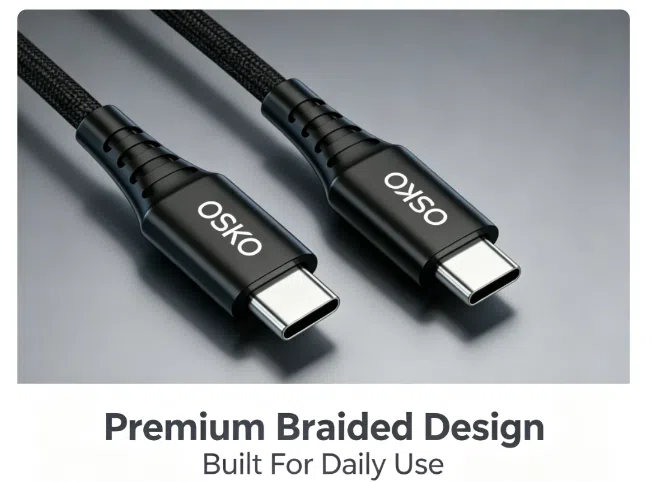
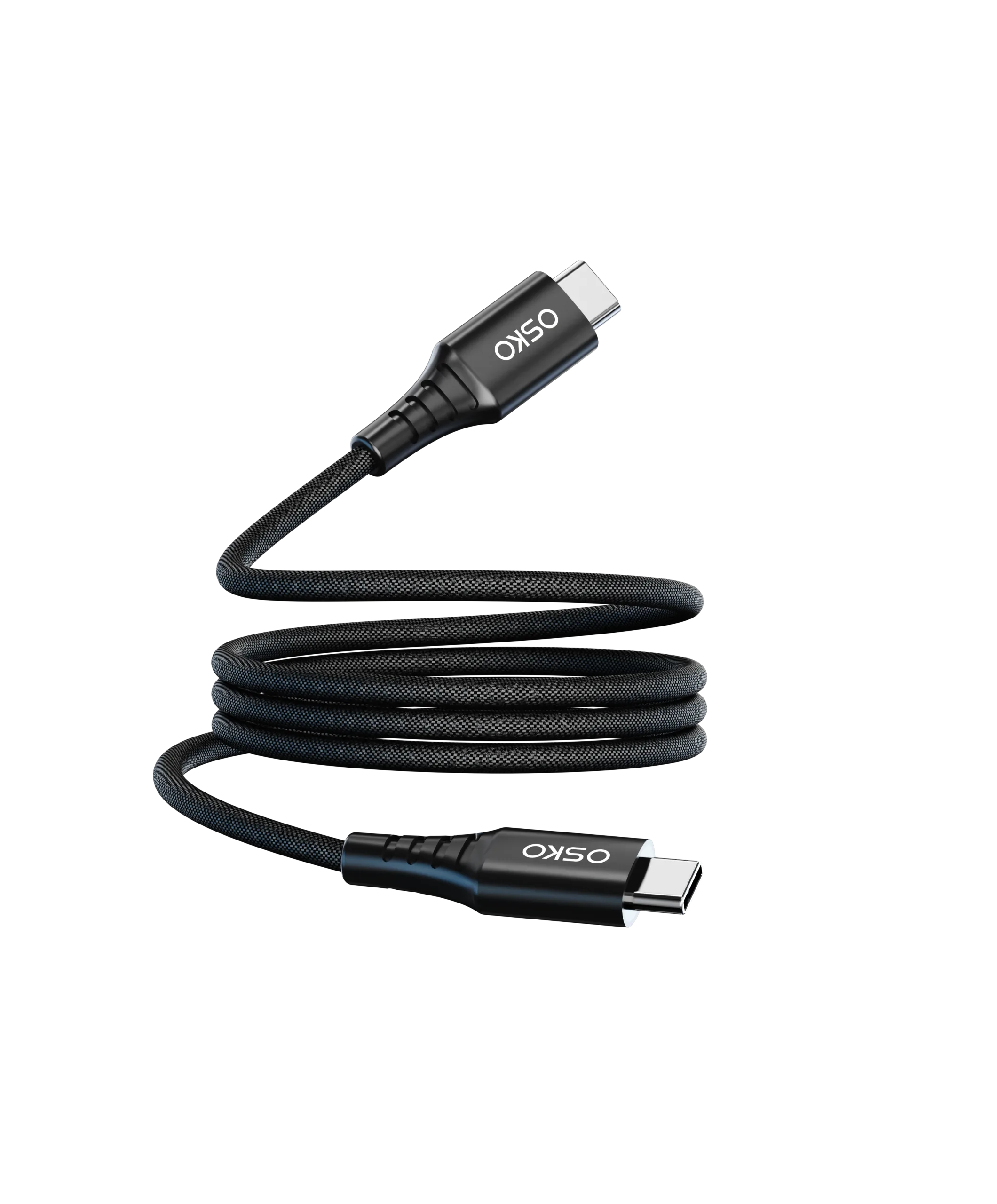
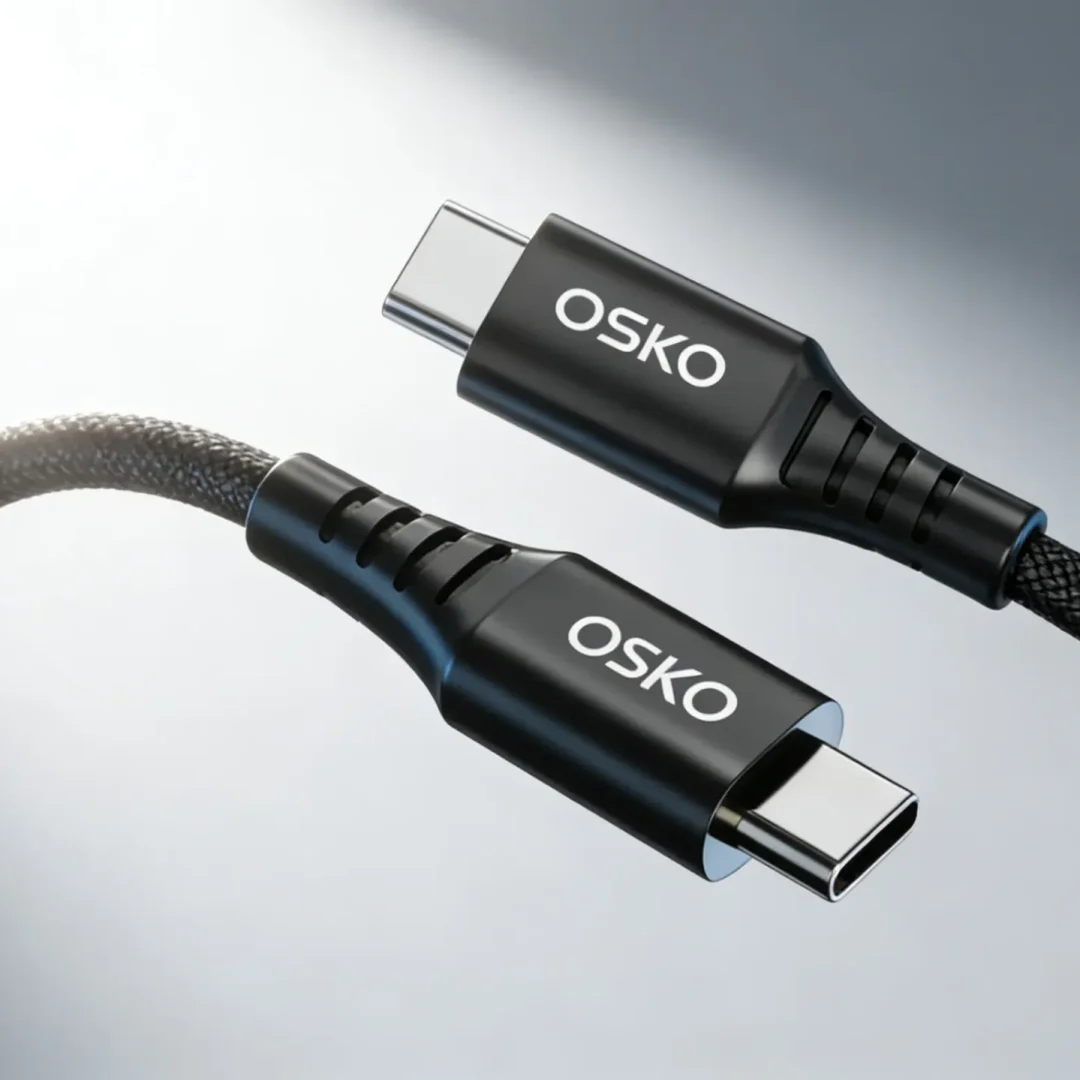
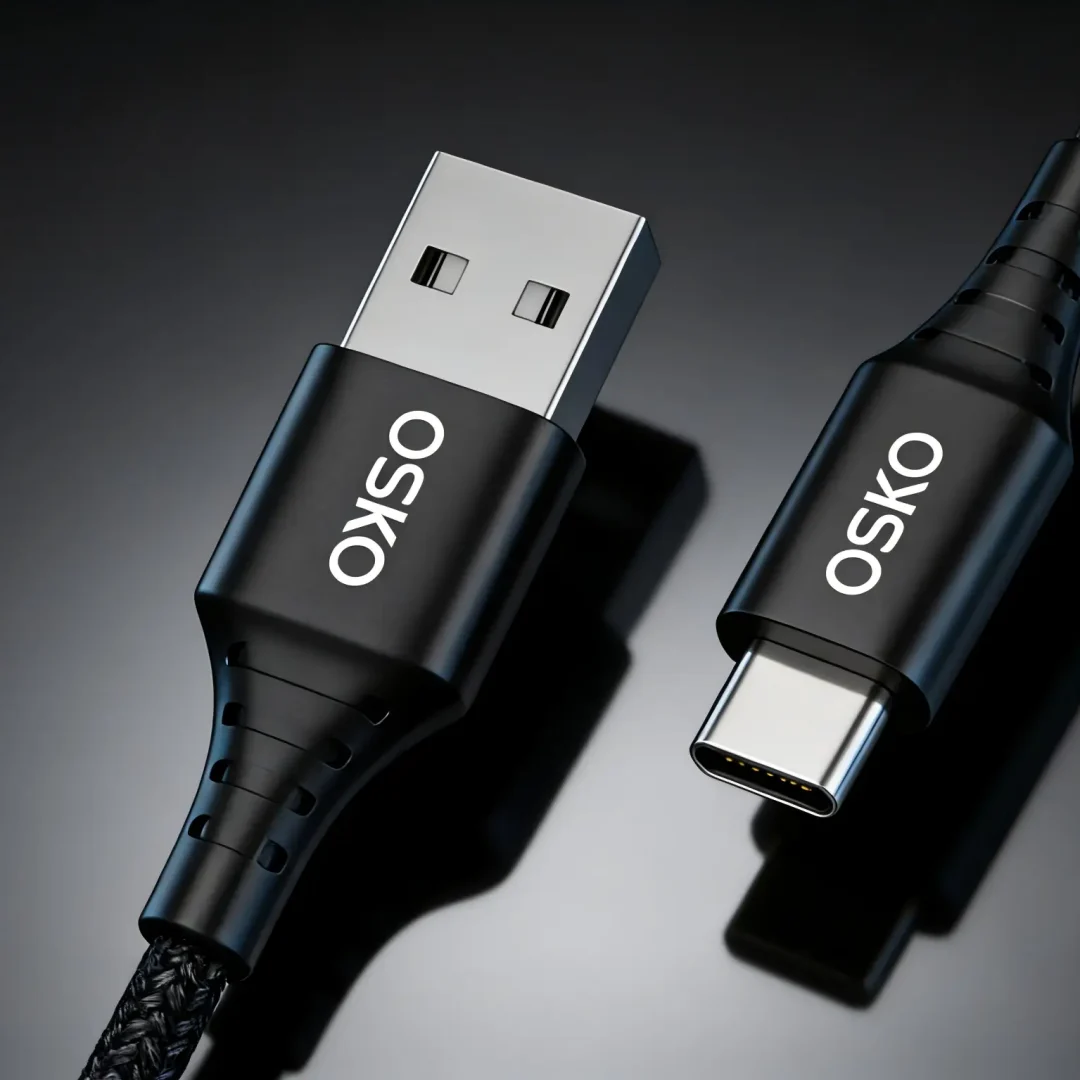
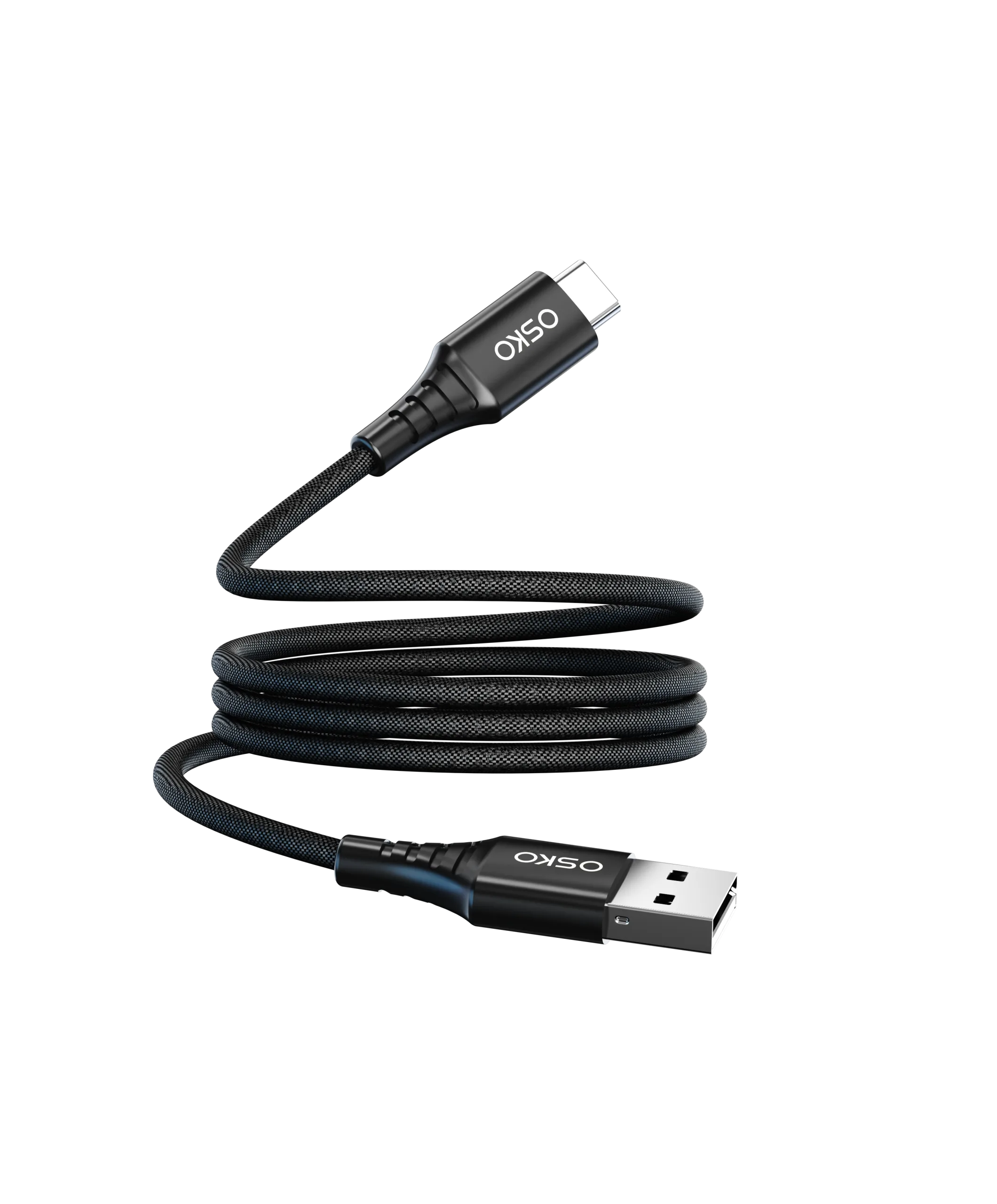
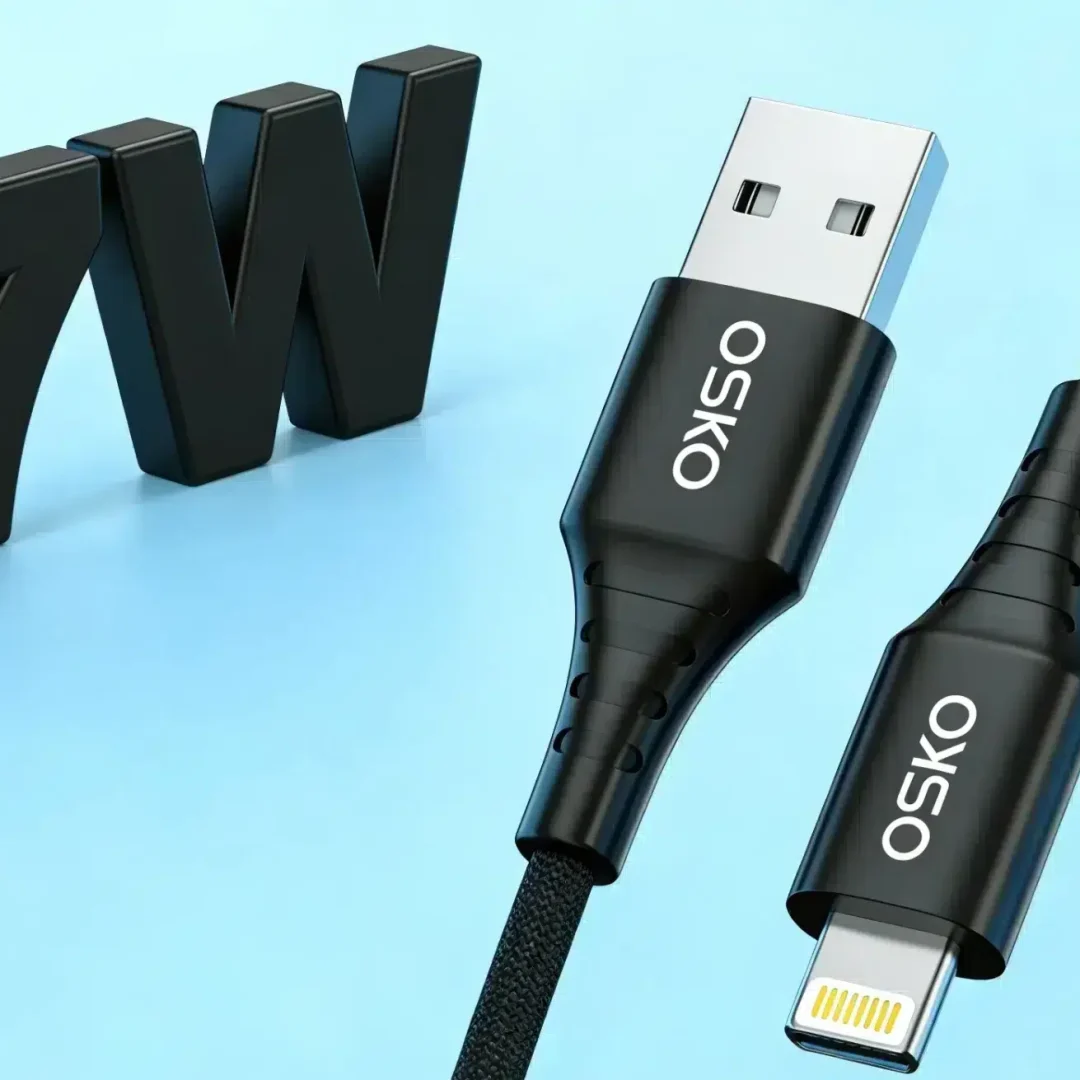
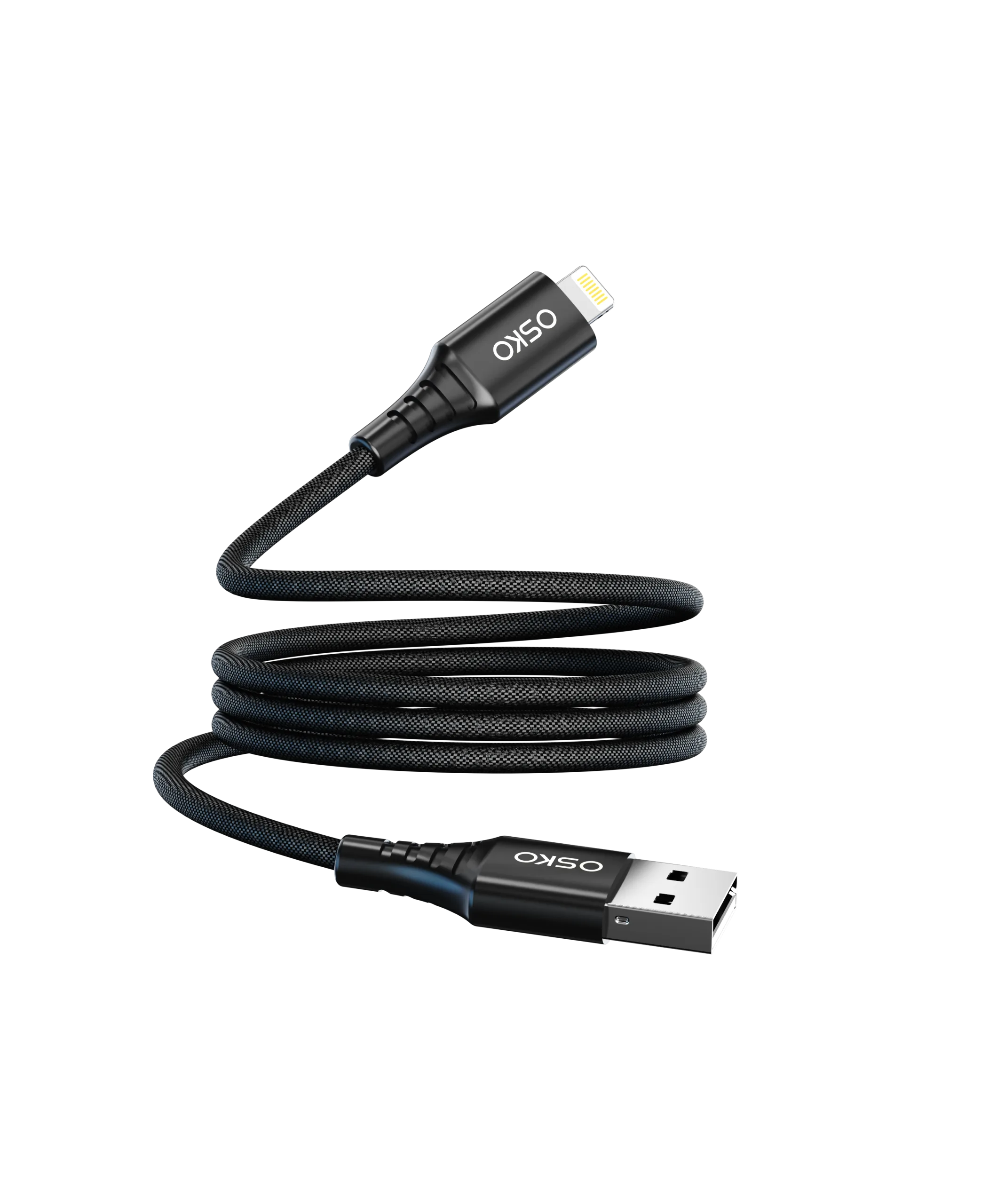
Flexible outer jacket (preferably nylon braided or TPU)
These features reduce connector fatigue and extend product lifespan.
Case Study
US Automotive Accessory Brand In-Vehicle Charging Optimization Project
A US-based automotive accessory brand experienced high customer complaints related to unstable charging performance in car environments.
Customer Requirements
Support stable 60W fast charging in vehicles
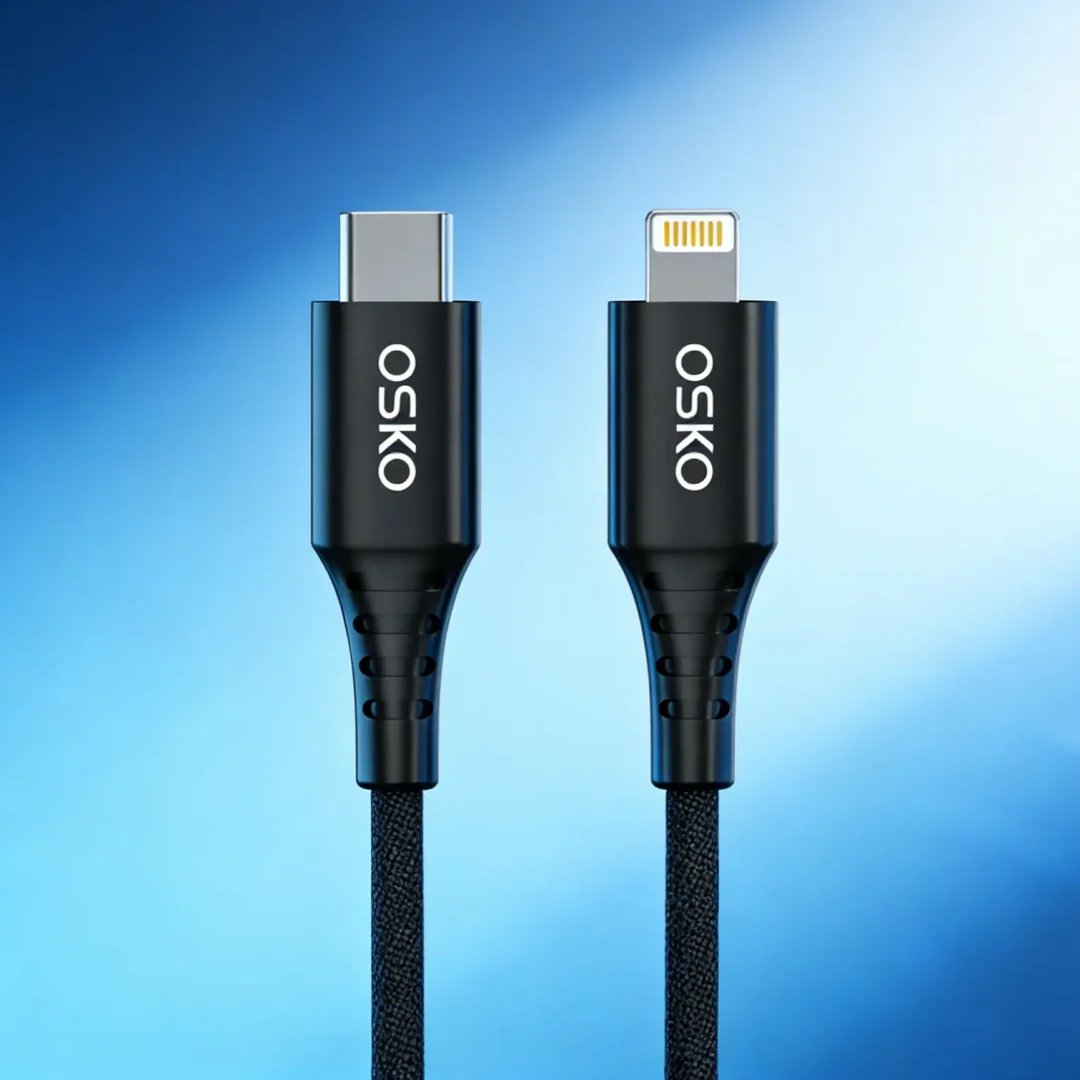
Ensure compatibility with iPhone, Android, and tablets
Improve durability under vibration and temperature variation
Reduce return rate in Amazon automotive category
Achieve FCC and CE compliance for US and EU markets
Engineering Problem Analysis
Initial testing revealed:
Connector looseness after repeated vehicle use
High resistance leading to slow charging
EMI interference from car electronics
Cable jacket cracking under temperature variation
These issues indicated that standard USB-C cables were not engineered for automotive conditions.
OSKO Engineering Solution
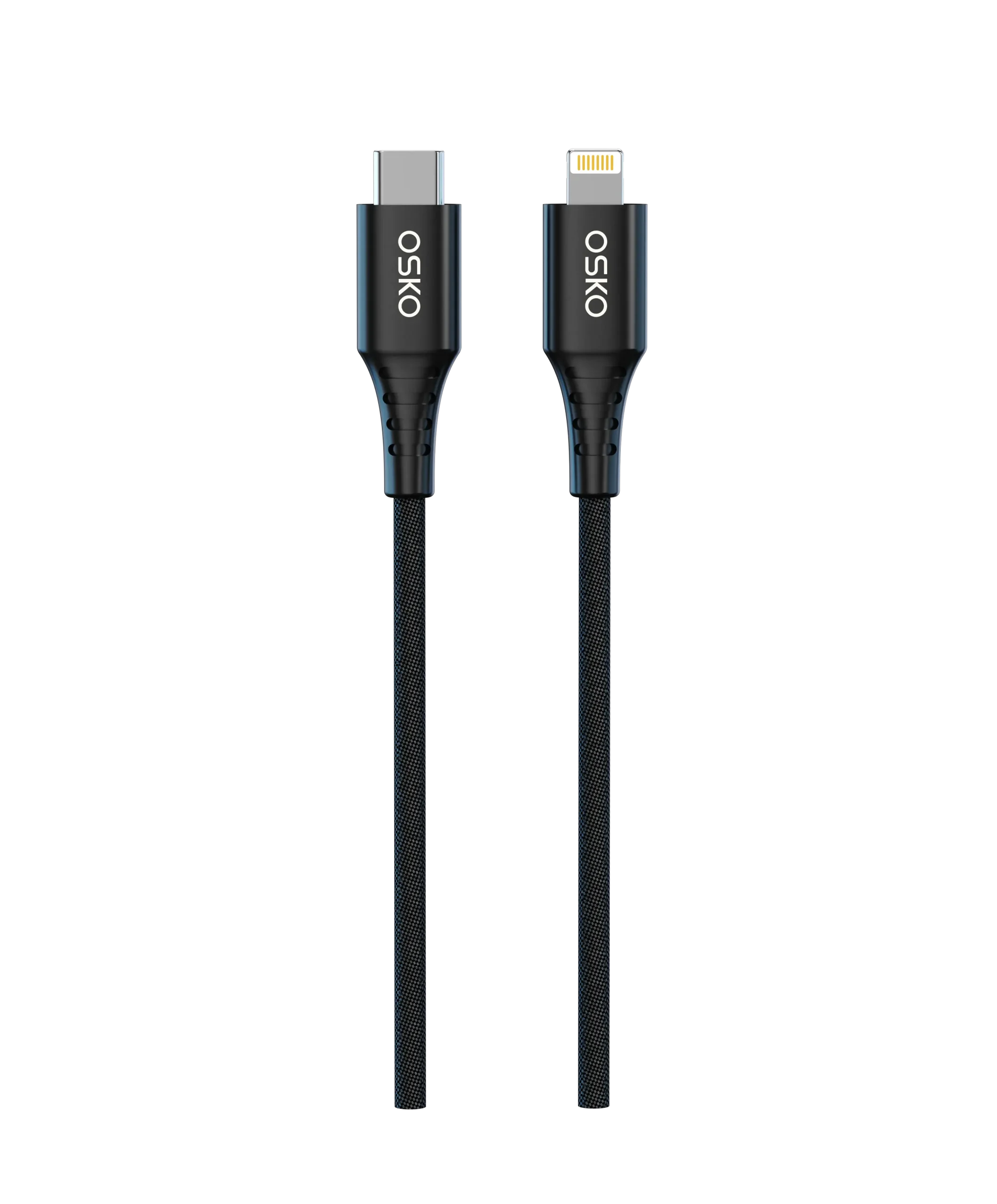
OSKO developed an automotive-grade cable architecture:
Oxygen-free copper conductor system optimized for low resistance
Reinforced TPE insulation for thermal stability
Double-layer braided shielding for EMI resistance
Reinforced strain relief connector design for vibration durability
USB-IF compliant PD charging optimization
This structure aligns with OEM production systems used in:
OEM USB Cables
ODM USB Cables
Wholesale USB Cables
Bulk USB Cables
Retail USB Cables
Results
After deployment:
Charging stability improved in real vehicle testing
Connector failure rate significantly reduced
Customer return rate decreased in automotive retail channels
Device compatibility improved across iOS and Android ecosystems
This confirms that automotive charging requires specialized engineering beyond standard USB-C cable design.

Selection Guide
Best Charging Cable Solution for Car Use
A proper car charging cable system must balance electrical performance and mechanical durability.
Step 1: Match Power Output Requirements
Typical automotive charging scenarios include:
18W–30W for smartphones
45W–60W for fast charging tablets
60W+ for laptops and multi-device charging
Cable must support appropriate current levels (3A or 5A depending on system).
Step 2: Evaluate Material Durability
Recommended materials for automotive use:
Oxygen-free copper conductors for stable power delivery
TPE insulation for heat resistance
Nylon braided outer jacket for abrasion resistance
These materials ensure long-term durability in high-vibration environments.
Step 3: Ensure EMI Protection
Vehicle environments require strong interference resistance:
Multi-layer shielding structure
Stable grounding design
EMI-resistant connector architecture
Without these, charging instability is likely.
Step 4: Choose Correct Cable Type for Car Scenarios
| Cable Type | Application | Advantage |
|---|---|---|
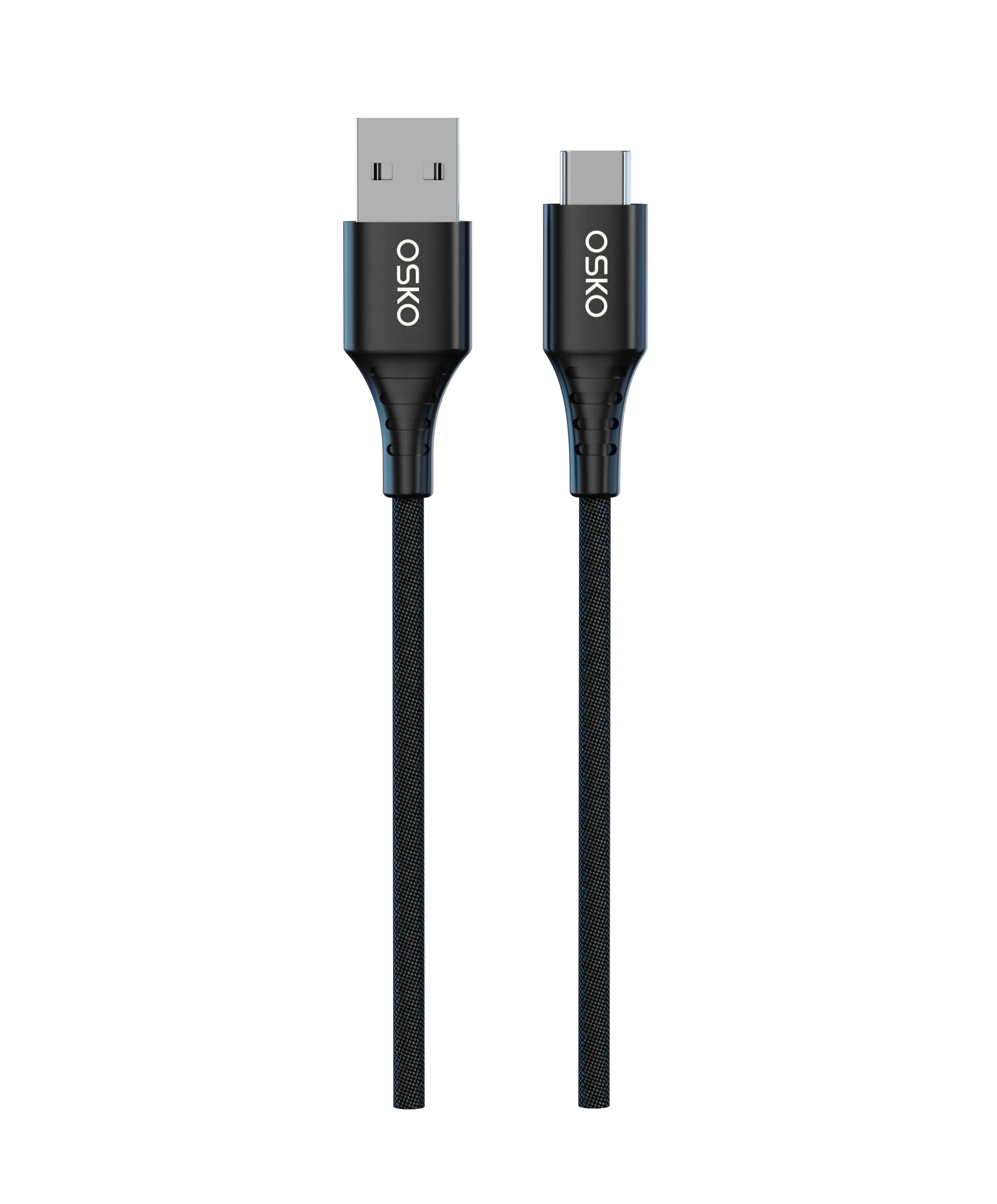
| Braided USB-C cable | General car charging | High durability |
| Right-angle USB-C cable | Dashboard setups | Space-saving design |
| Coiled USB-C cable | Rear-seat charging | Flexibility |
| Short USB-C cable (0.5–1ft) | Car charger integration | Reduced clutter |
OEM Procurement Perspective
For global buyers sourcing automotive charging solutions:
OEM USB-C cable manufacturing ensures brand customization
ODM USB-C cable development supports product innovation
Wholesale USB cable supply supports distribution scale
Bulk USB cable procurement ensures cost efficiency
Advanced manufacturing capabilities include:
Bulk custom 6ft 10ft USB-C cables
CE RoHS certified 240W USB C cable
USB-IF compliant Type C cable manufacturer
ISO9001 certified braided USB cable factory
FCC approved nylon braided USB C cable supplier
FAQ
What is the best charging cable for car use?
A braided USB-C cable with reinforced strain relief and EMI shielding is the most reliable option.
Why do car charging cables fail faster?
Due to vibration, temperature variation, and repeated connector stress
Does cable length matter in cars?
Yes. Shorter cables reduce resistance and clutter, improving performance
Can all USB-C cables be used in cars?
No. Only properly engineered cables with stable PD support are suitable.
Are braided cables better for automotive use?
Yes. They offer higher durability and better resistance to mechanical wear.
Summary
The best charging cable solution for car use requires more than standard USB-C compatibility. It must be engineered to withstand vibration, temperature fluctuation, electromagnetic interference, and repeated mechanical stress.
From a system engineering perspective, automotive charging performance depends on conductor quality, shielding architecture, dielectric stability, and connector reinforcement.
In US and European automotive markets, selecting properly engineered USB-C cables ensures stable fast charging, reduced failure rates, and improved user experience across diverse vehicle environments.
Ultimately, reliable car charging performance depends on a system-level integration of charger, cable, and vehicle power architecture working together under real-world conditions.
Contact Information
OSKO provides professional automotive USB-C cable solutions, including:
Car-grade USB-C fast charging cables (60W–240W)
Reinforced braided automotive cable systems
OEM & ODM manufacturing services
Private label automotive accessory solutions
Wholesale and bulk supply programs