
Introduction
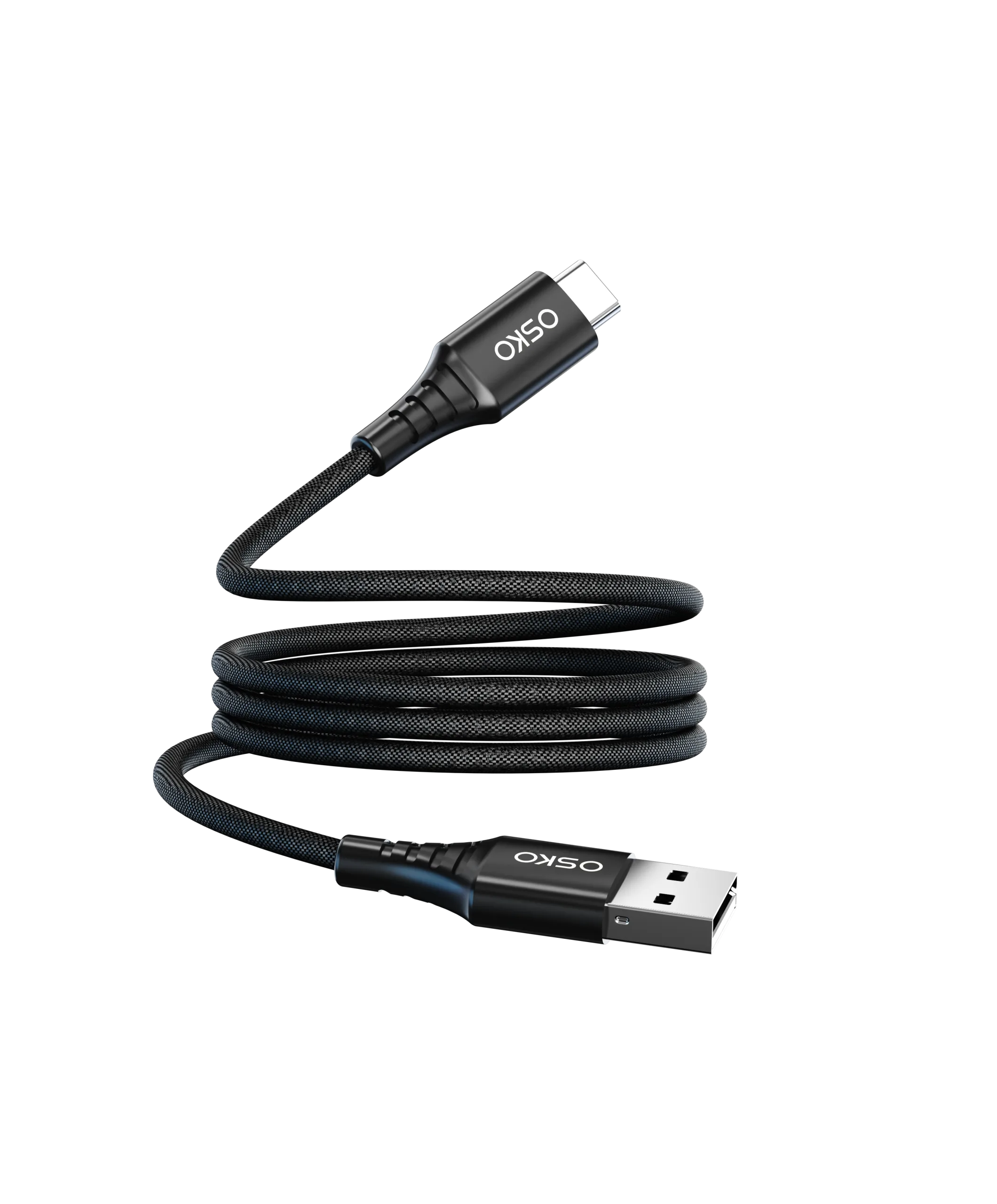
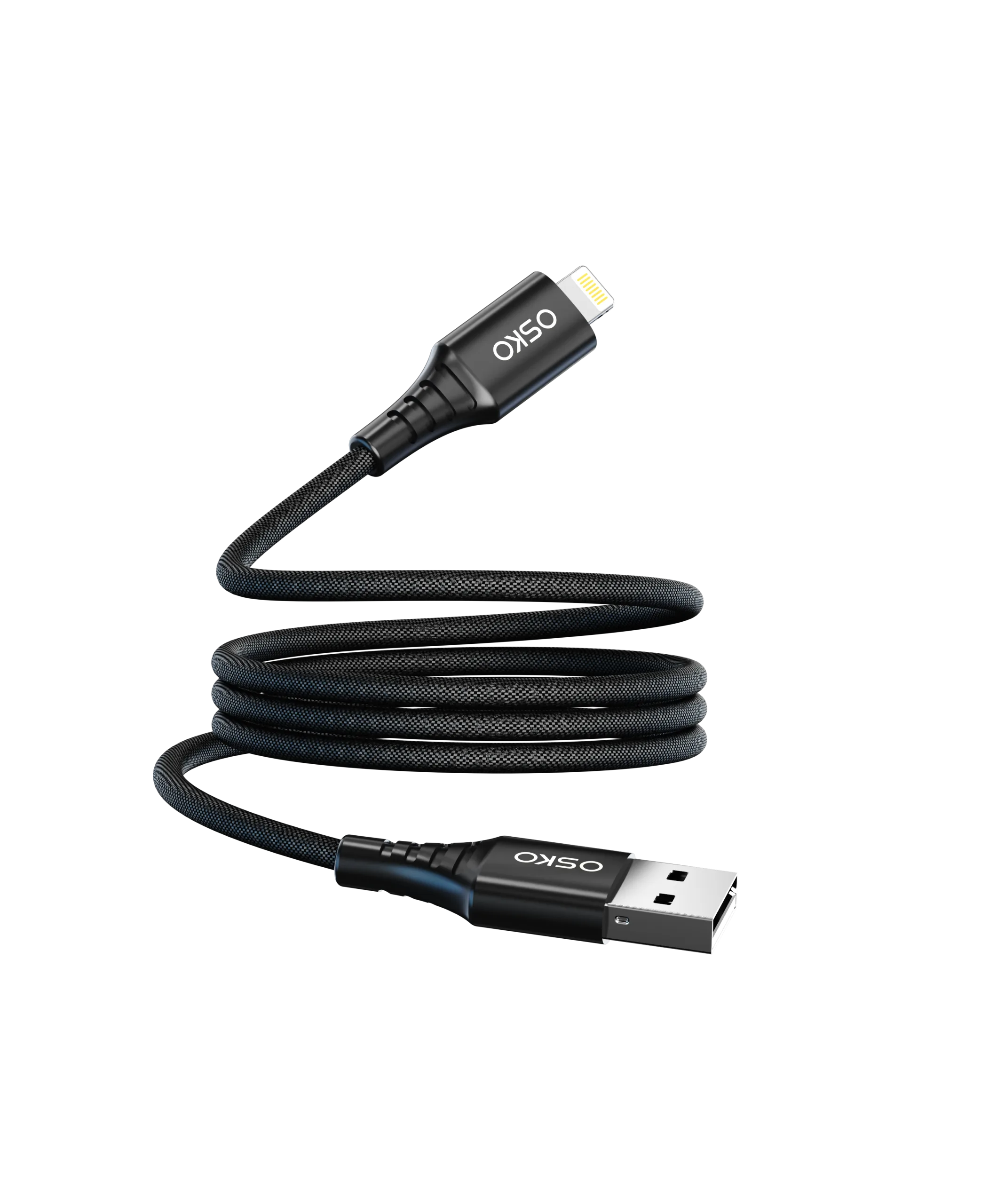
HDPE insulation USB-C cable design plays a critical role in maintaining signal integrity and stable fast charging performance in modern USB-C systems.
As USB-C technology evolves toward higher power levels (60W–240W) and faster data transmission rates, even small levels of signal loss can affect charging stability, device communication, and overall system efficiency.
High-Density Polyethylene (HDPE) is widely used in high-performance cable engineering due to its low dielectric constant, excellent insulation stability, and ability to reduce high-frequency signal attenuation.
In US and European markets, where USB Power Delivery (USB-PD) and high-speed data transmission are standard, HDPE-based insulation systems are increasingly adopted in OEM-grade USB-C cable manufacturing to ensure consistent performance.

Material Science & Dielectric Properties
The ability of a USB-C cable to prevent signal loss depends heavily on its dielectric structure and material composition.
Dielectric Constant and Signal Stability
HDPE has a low dielectric constant compared to many traditional insulation materials.
This means:
Reduced electrical energy absorption
Lower signal distortion at high frequencies
Improved transmission efficiency
In USB-C systems, this directly improves PD communication stability and reduces charging interruptions.
Signal Loss Mechanism in USB-C Cables
Signal loss occurs due to:
Resistance in conductors
Dielectric absorption in insulation materials
Electromagnetic interference (EMI)
Impedance mismatch
HDPE reduces dielectric absorption, which is one of the key contributors to high-frequency signal degradation.
HDPE vs Other Insulation Materials
| Material | Dielectric Loss | Flexibility | Signal Stability |
|---|---|---|---|
| HDPE | Very Low | Medium | Excellent |
| PVC | High | Medium | Low |
| TPE | Medium | High | Good |
| PE (standard) | Medium-Low | Medium | Good |
HDPE stands out in high-frequency applications where signal precision is critical.
Impedance Control and Data Integrity
USB-C cables require controlled impedance to ensure stable data transmission.
HDPE contributes to:
Consistent conductor spacing
Stable electrical field distribution
Reduced impedance fluctuations
This is especially important in USB 3.1/3.2 and USB4-compatible cable systems.
Case Study
US Electronics Brand High-Speed USB-C Cable Signal Optimization Project
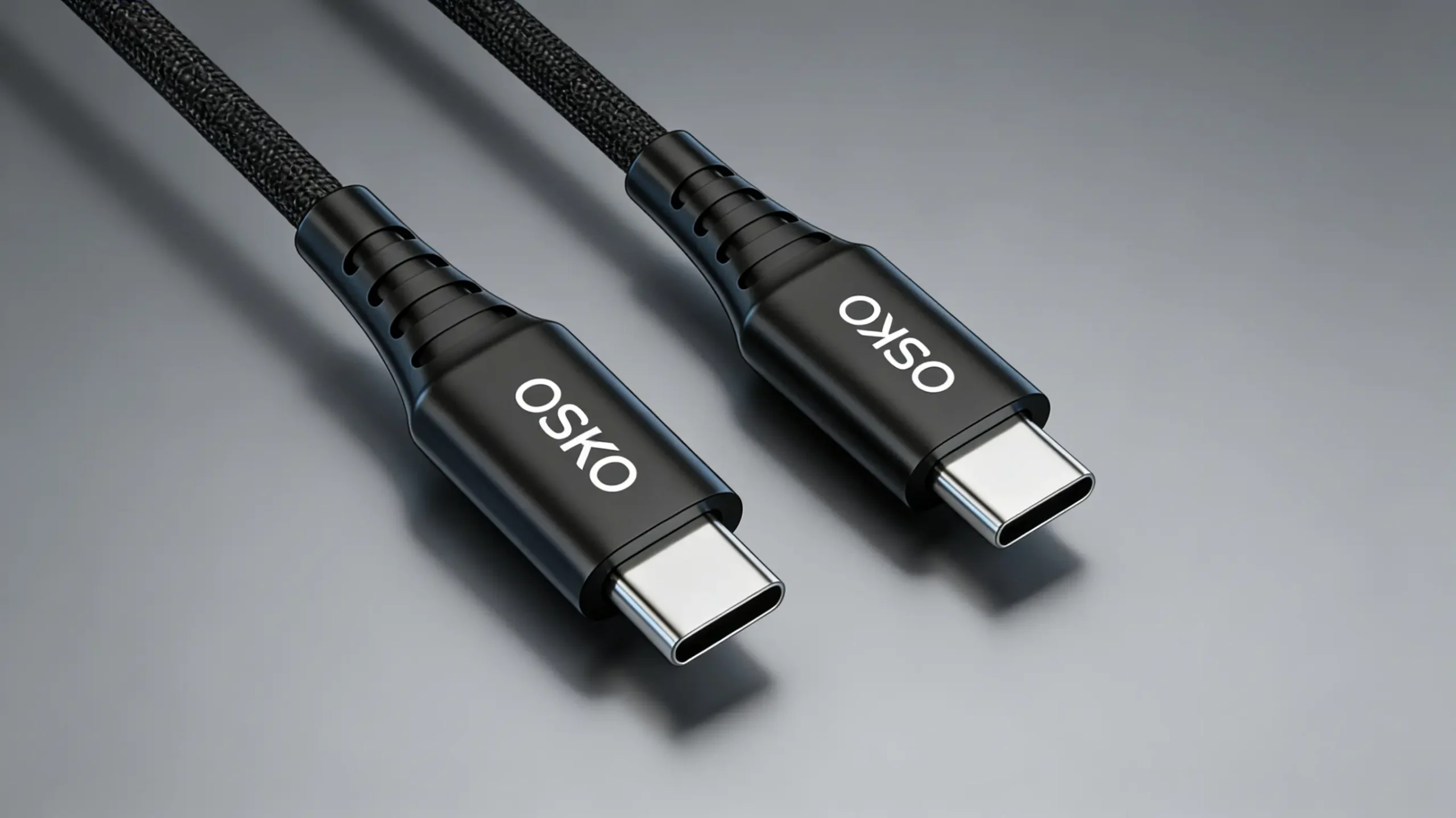
A US-based electronics brand experienced inconsistent data transfer speeds and unstable PD charging performance across its USB-C cable product line.
Customer Requirements
Stable 60W fast charging performance
High-speed data transmission reliability
Compatibility with iPhone, Android, and laptops
Reduce return rate below 5%
Improve performance consistency across batches
Engineering Problem Analysis
Testing revealed:
High dielectric loss in standard PVC insulation
Signal attenuation under high-frequency load
EMI interference affecting PD negotiation
Inconsistent impedance control across production batches
These issues led to unstable USB-C performance in real-world usage.
OSKO Engineering Solution
OSKO introduced an HDPE-based insulation upgrade:
HDPE dielectric core structure for signal stabilization
Oxygen-free copper conductor system
Multi-layer shielding for EMI reduction
Precision impedance control design
USB-IF compliant PD performance validation
This system supports OEM production categories including:
OEM USB Cables
ODM USB Cables
Wholesale USB Cables
Bulk USB Cables
Retail USB Cables
Results
After implementation:
Signal stability significantly improved
Data transfer consistency increased across devices
USB-C PD handshake reliability improved
Return rate reduced in US retail channels
This confirms that dielectric material selection directly impacts USB-C performance.
Selection Guide
How HDPE Insulation Prevents Signal Loss in USB-C Cables
To understand HDPE’s role, buyers and engineers must evaluate three core functions:
Function 1: Reducing Dielectric Loss
HDPE minimizes energy absorption during signal transmission, resulting in:
Lower attenuation
Improved high-frequency stability
Better USB-C PD communication
Function 2: Maintaining Impedance Consistency
Stable impedance is essential for high-speed USB-C systems.
HDPE helps maintain:
Uniform electrical field distribution
Consistent conductor spacing
Reduced signal reflection
Function 3: Improving High-Frequency Performance
For USB 3.2 and USB4 systems:
HDPE reduces jitter
Enhances signal clarity
Improves data integrity over longer distances
Material Selection Comparison
| Use Case | Recommended Material | Performance Level |
|---|---|---|
| Basic charging | PVC | Low |
| General USB-C cable | TPE | Medium |
| Fast charging cable | PE/TPE hybrid | High |
| High-speed data + PD | HDPE | Very High |
OEM Procurement Insight
For global buyers, HDPE-based USB-C cables are typically sourced through:
OEM USB-C cable manufacturing
ODM engineering development programs
Wholesale USB cable distribution
Bulk USB cable procurement
Advanced factories provide:
Bulk custom 6ft 10ft USB-C cables
CE RoHS certified 240W USB C cable
USB-IF compliant Type C cable manufacturer
ISO9001 certified braided USB cable factory
FCC approved nylon braided USB C cable supplier
FAQ
What is HDPE insulation in USB-C cables?
HDPE is a low-loss dielectric material used to improve signal stability and reduce interference.
Does HDPE improve charging speed?
Indirectly yes. It improves signal stability, which supports more consistent USB-C PD performance.
Is HDPE better than PVC for USB-C cables?
Yes. HDPE has significantly lower dielectric loss and better high-frequency performance.
Why is signal loss important in USB-C cables?
Signal loss affects charging stability, data transfer speed, and device communication reliability.
Is HDPE used in all USB-C cables?
Is HDPE used in all USB-C cables?
Summary
HDPE insulation USB-C cable technology plays a crucial role in reducing signal loss and improving overall performance in modern high-speed charging systems.
From an engineering perspective, HDPE enhances dielectric stability, maintains impedance consistency, and reduces high-frequency signal degradation—making it essential for USB-C PD and data-intensive applications.
In US and European markets, where performance reliability and device compatibility are critical, HDPE-based cable structures provide a clear advantage in both charging stability and data integrity.
Ultimately, HDPE is not just a material choice but a key engineering factor in high-performance USB-C cable design.
Contact Information
OSKO provides advanced OEM USB-C cable solutions using high-performance insulation systems, including:
HDPE-based USB-C fast charging cables (60W–240W)
High-speed data + PD hybrid cable systems
OEM & ODM manufacturing services
Private label engineering solutions
Wholesale and bulk supply programs
OSKO engineering team provides full material engineering support, compliance documentation, and scalable OEM manufacturing solutions for global brands.