
Introduction
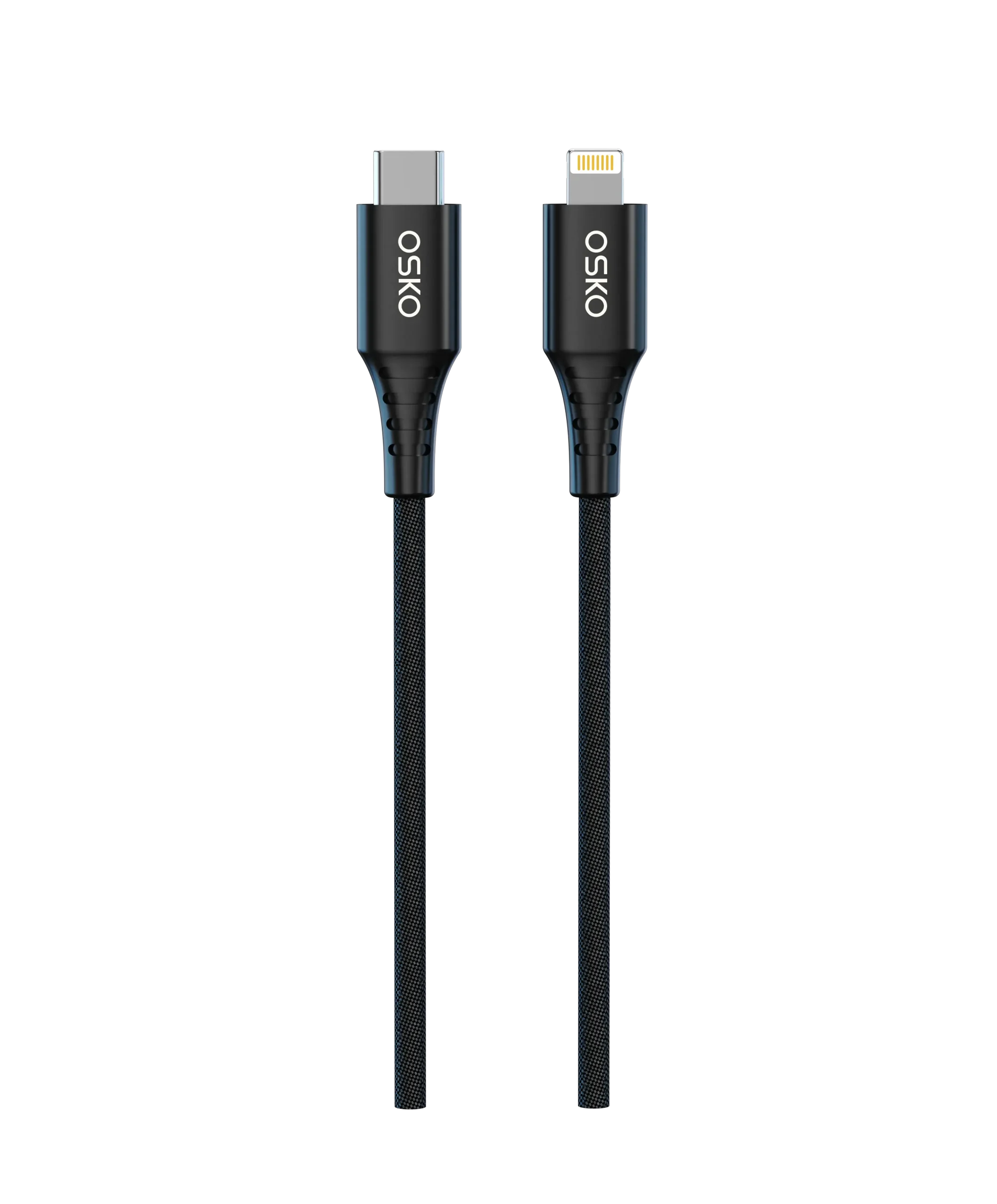
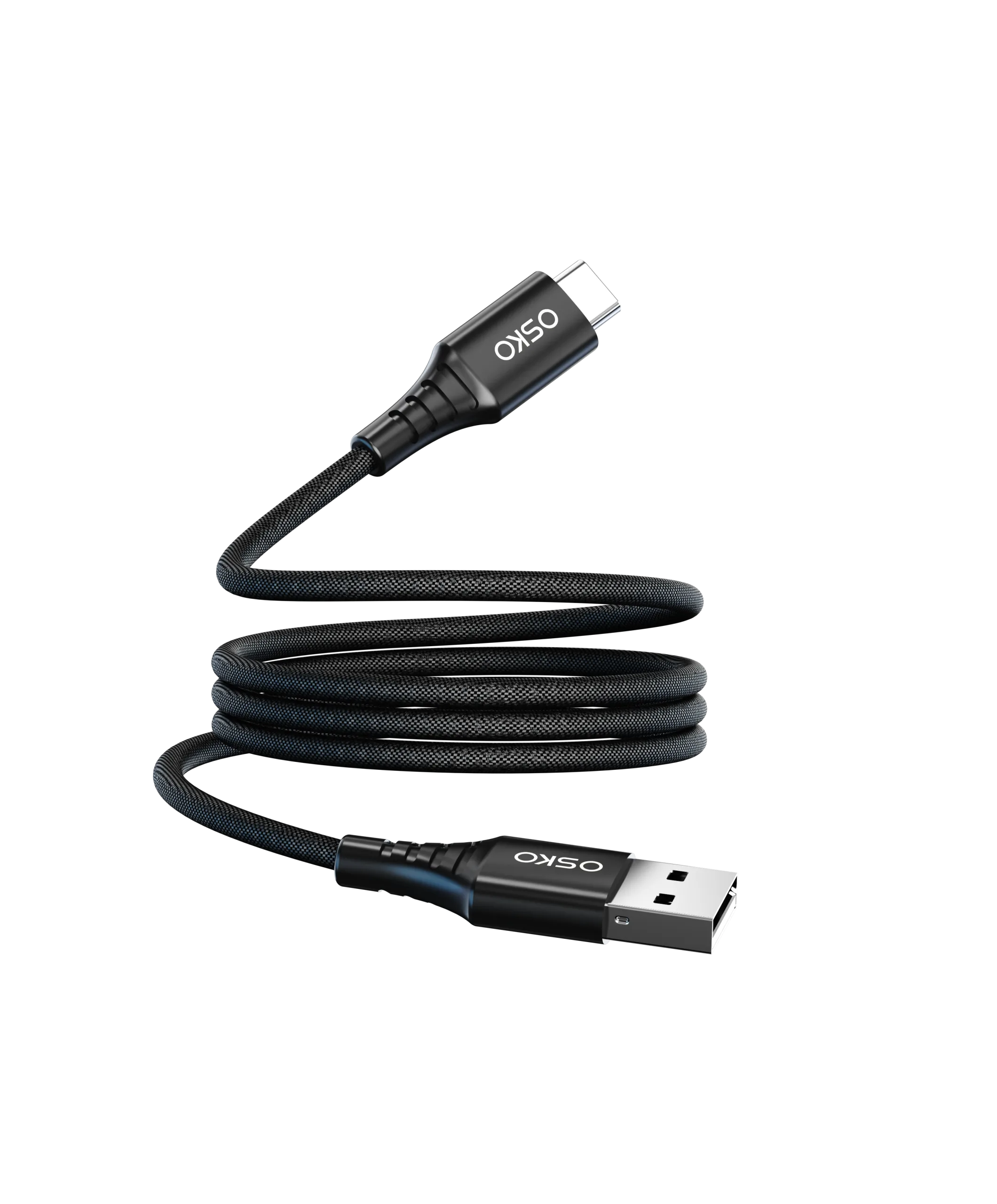
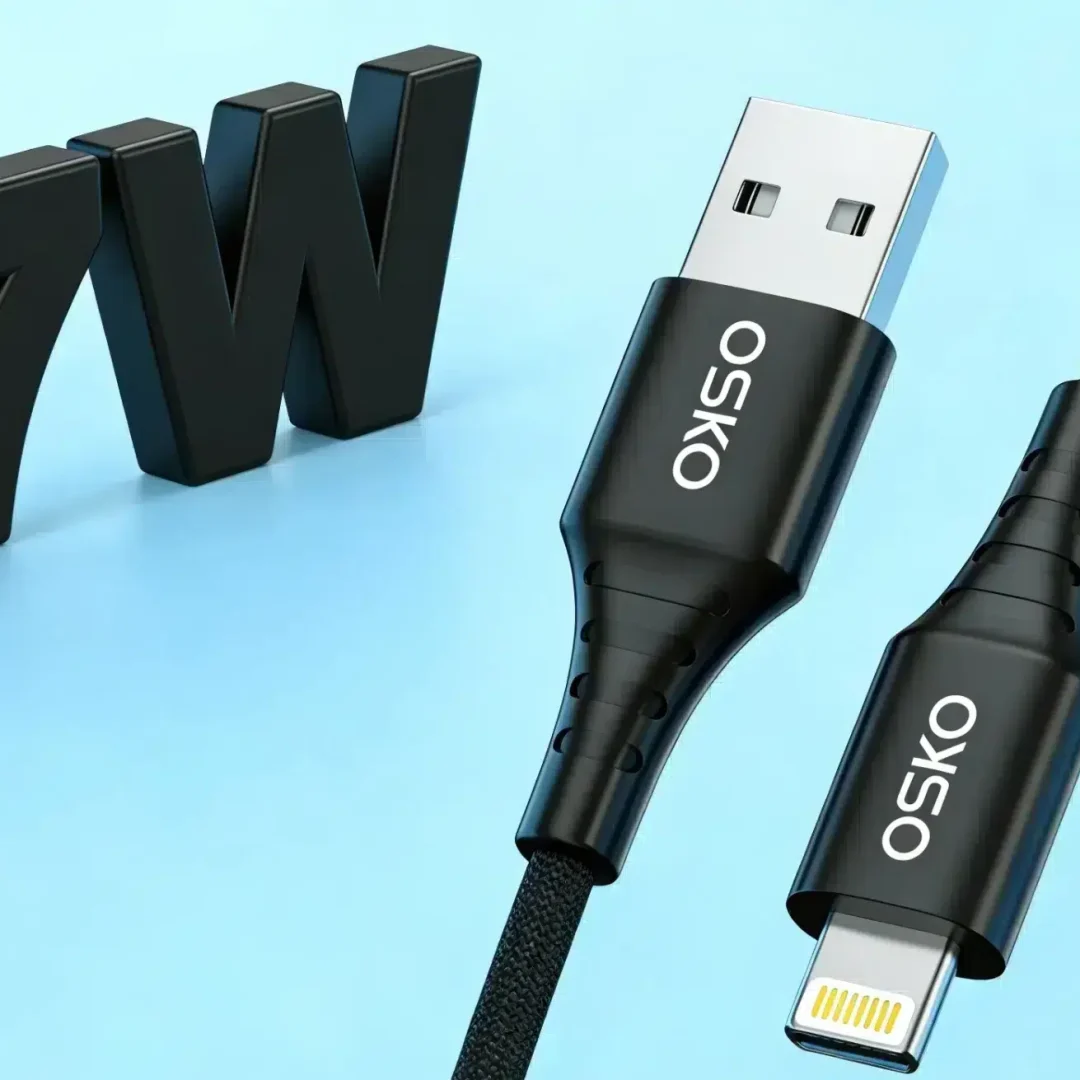
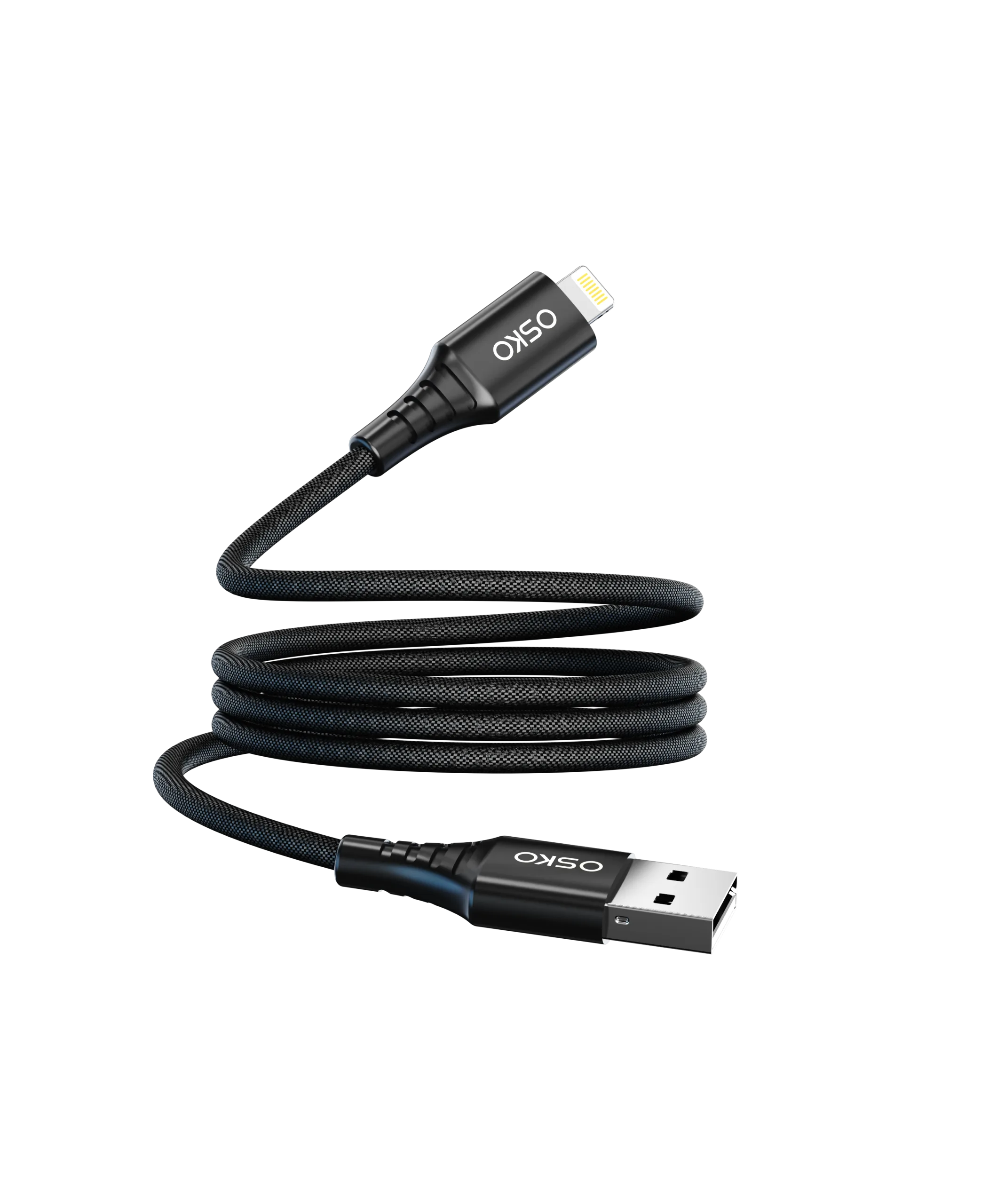
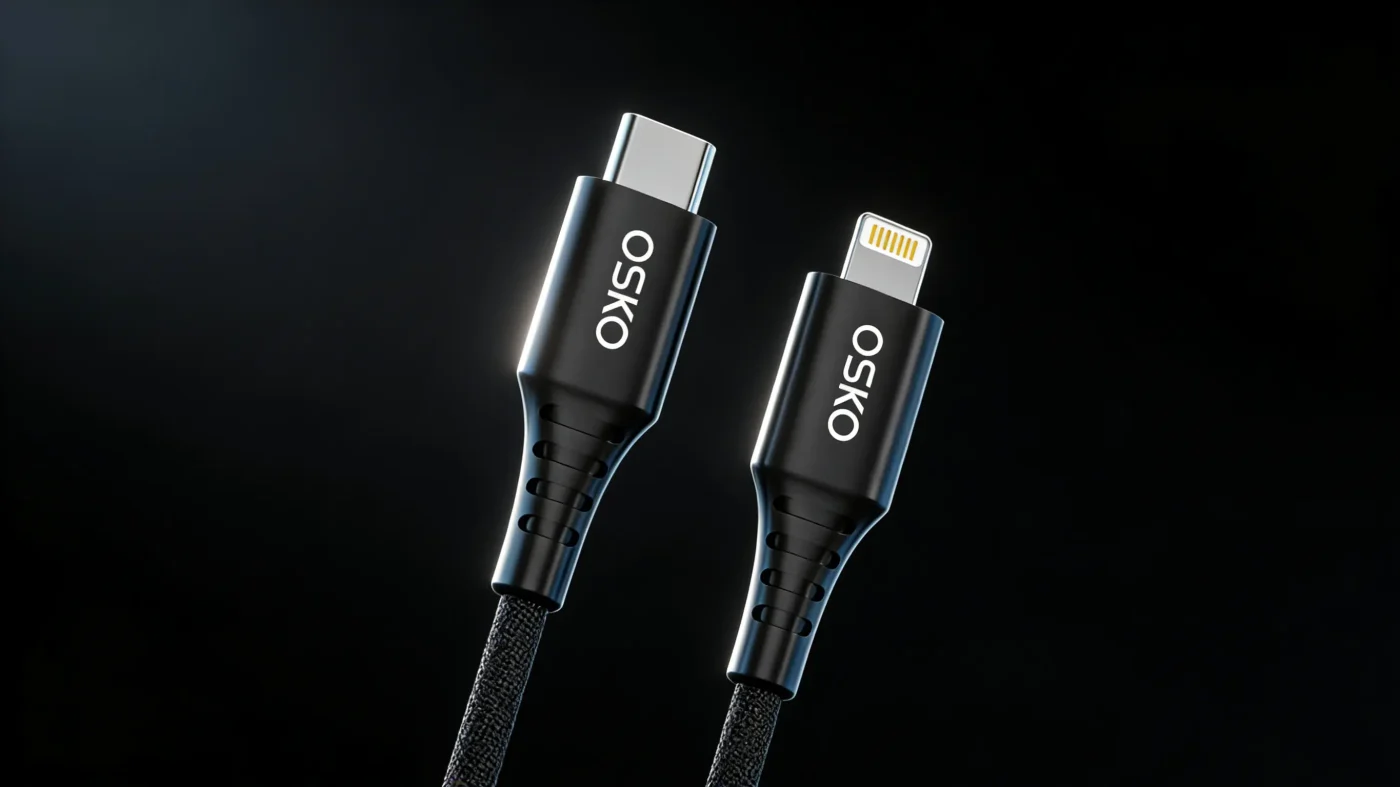
The debate between USB-C vs Lightning cable for iPhone has become increasingly important as Apple transitions toward USB-C across its device ecosystem.
For years, Lightning cables have been the standard for iPhones, offering stable charging and data transmission within a closed Apple ecosystem. However, USB-C has rapidly become the global standard for smartphones, tablets, laptops, and accessories due to its higher power delivery capability, faster data transfer, and broader compatibility.
From an engineering and procurement perspective, the comparison between USB-C vs Lightning cable is not just about connector shape—it is about power architecture, material design, signal integrity, and long-term ecosystem compatibility.
In US and European markets, where multi-device usage is common, choosing the right cable system directly impacts charging efficiency, user experience, and accessory compatibility.

Material Science & Electrical Performance
Understanding the difference between USB-C vs Lightning cable iPhone systems requires analyzing their internal electrical and structural design.
Power Delivery Architecture
USB-C cables support USB Power Delivery (USB-PD), which enables:
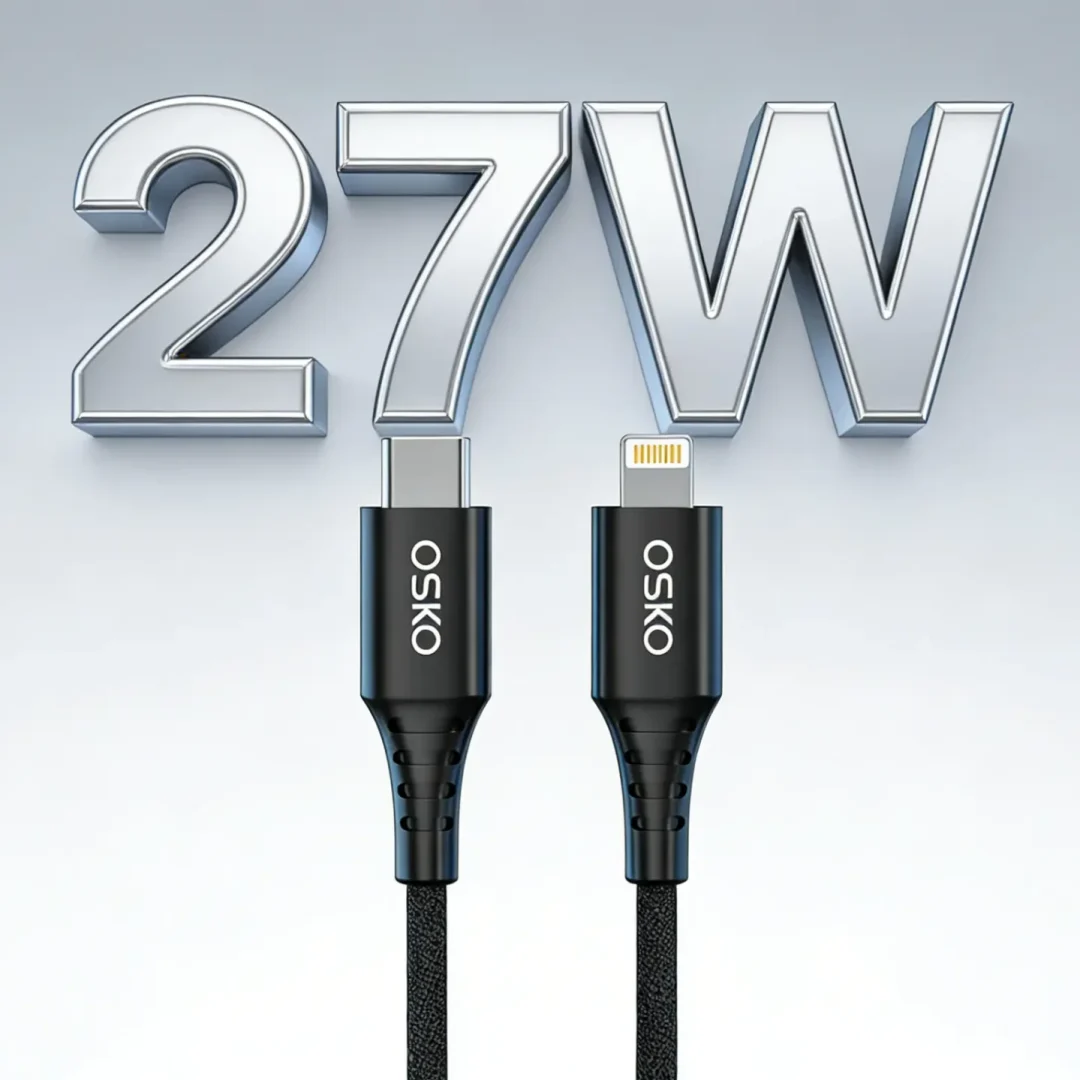
Up to 240W power transmission
Dynamic voltage negotiation
Faster charging for phones, tablets, and laptops
Lightning cables, in contrast, are limited by Apple’s proprietary design:
Lower maximum power output
More restricted charging protocol
Limited scalability for high-power devices
This makes USB-C significantly more efficient for modern fast charging systems.
Conductor and Signal Design
Both cable types use copper-based conductors, but their engineering differs:
USB-C cables often use multi-strand oxygen-free copper for higher current capacity
Lightning cables use compact proprietary pin structures optimized for Apple devices
In high-performance OEM designs, USB-C cables typically offer better current stability under load.
Data Transfer Speed
USB-C supports modern standards such as USB 3.1, USB 3.2, and USB4, enabling:
High-speed file transfer
Stable data synchronization
Multi-device compatibility
Lightning cables are generally limited to USB 2.0-level speeds in many configurations, which restricts performance for large file transfers.
Durability and Mechanical Structure
Durability varies significantly depending on structure:
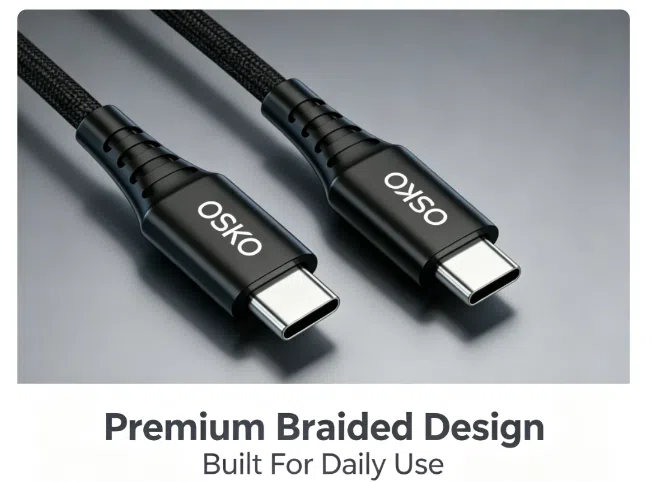
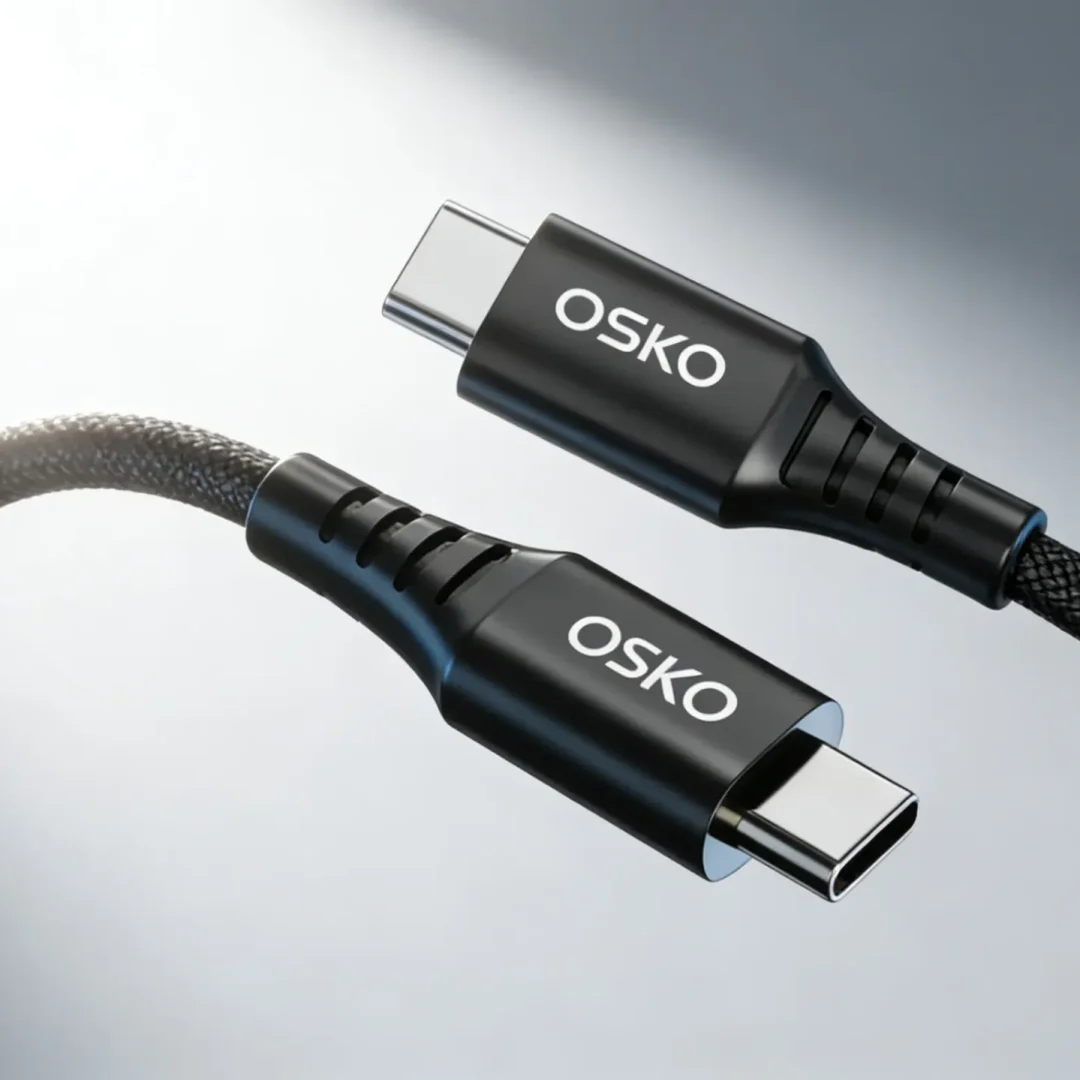
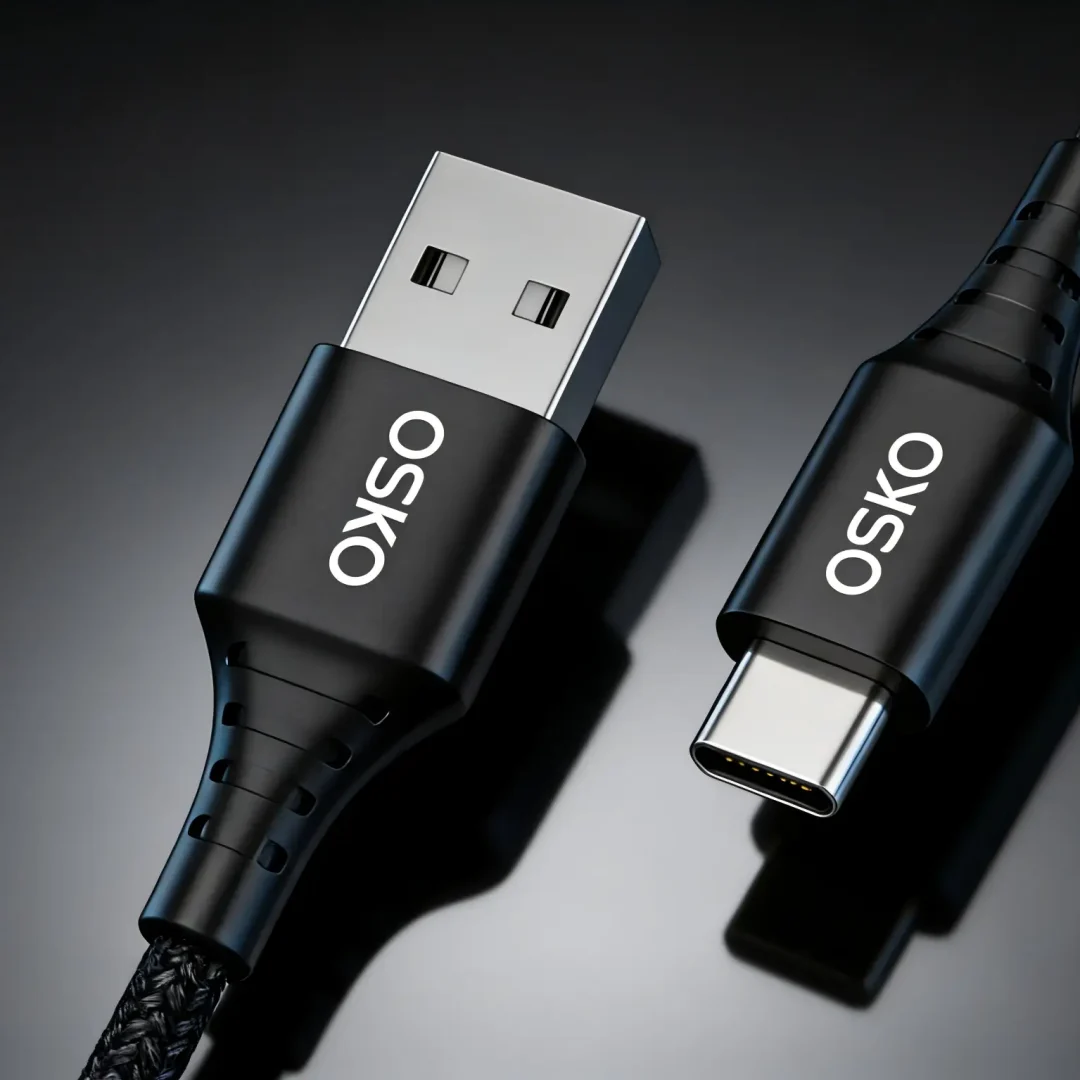
USB-C cables often use reinforced braided or TPU jackets
Lightning cables frequently use thinner PVC or single-layer insulation
In high-cycle environments, USB-C cables typically demonstrate better mechanical lifespan due to stronger strain relief designs.
Case Study
US Multi-Device Retail Brand Cable Transition Project
A US-based electronics retailer managing both Apple and Android accessories faced inventory inefficiencies and customer confusion due to dual cable ecosystems.
Customer Requirements
Support iPhone and Android fast charging
Reduce SKU complexity in retail channels
Improve durability for high-frequency daily use
Ensure compatibility with laptops and tablets
Maintain CE/FCC compliance for US/EU markets
Engineering Problem Analysis
The brand faced several challenges:
Lightning cables limited to Apple-only ecosystem
USB-C cables not initially optimized for iPhone users
Inconsistent charging performance across devices
High return rates due to cable incompatibility confusion
This created operational inefficiencies and customer dissatisfaction.
OSKO Engineering Solution
OSKO developed a unified cable strategy focusing on USB-C ecosystem standardization:
USB-C PD optimized cable architecture
High-density copper conductor system
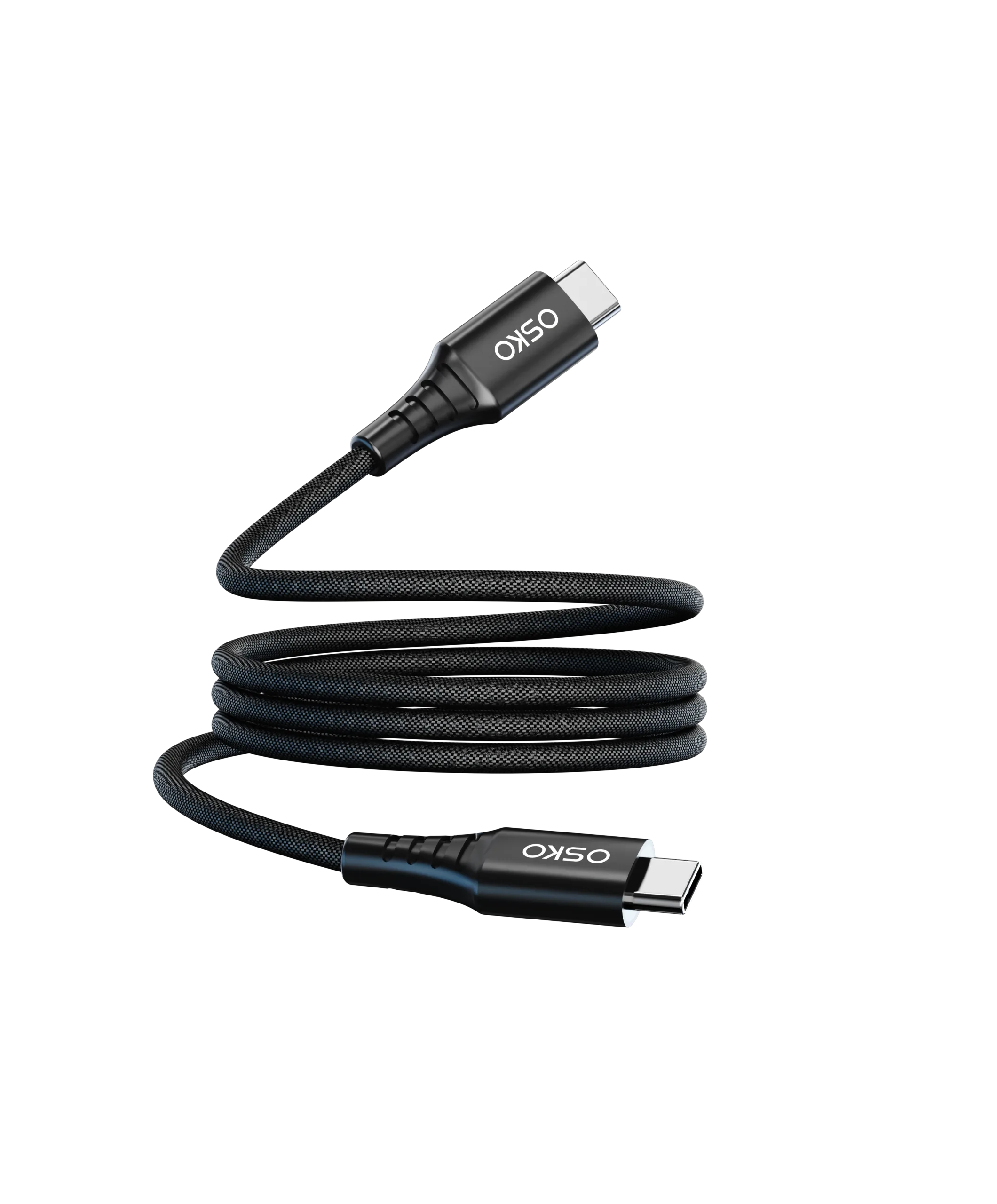
Reinforced braided outer jacket for durability
Multi-device compatibility testing (iPhone, Android, MacBook)
USB-IF compliant performance validation
This system supports:
OEM USB Cables
ODM USB Cables
Wholesale USB Cables
Bulk USB Cables
Retail USB Cables
Results
After implementation:
SKU complexity reduced significantly
Charging performance improved across devices
Customer confusion decreased
Return rates reduced in retail channels
Cross-platform compatibility improved
This confirms that USB-C standardization improves ecosystem efficiency.
Selection Guide
USB-C vs Lightning Cable for iPhone: Key Buying Considerations
When choosing between USB-C vs Lightning cable iPhone, buyers should evaluate engineering and ecosystem factors.
Factor 1: Charging Speed
USB-C: supports fast charging up to 240W (device dependent)
Lightning: limited fast charging capability
USB-C clearly offers superior performance for modern fast charging needs.
Factor 2: Device Compatibility
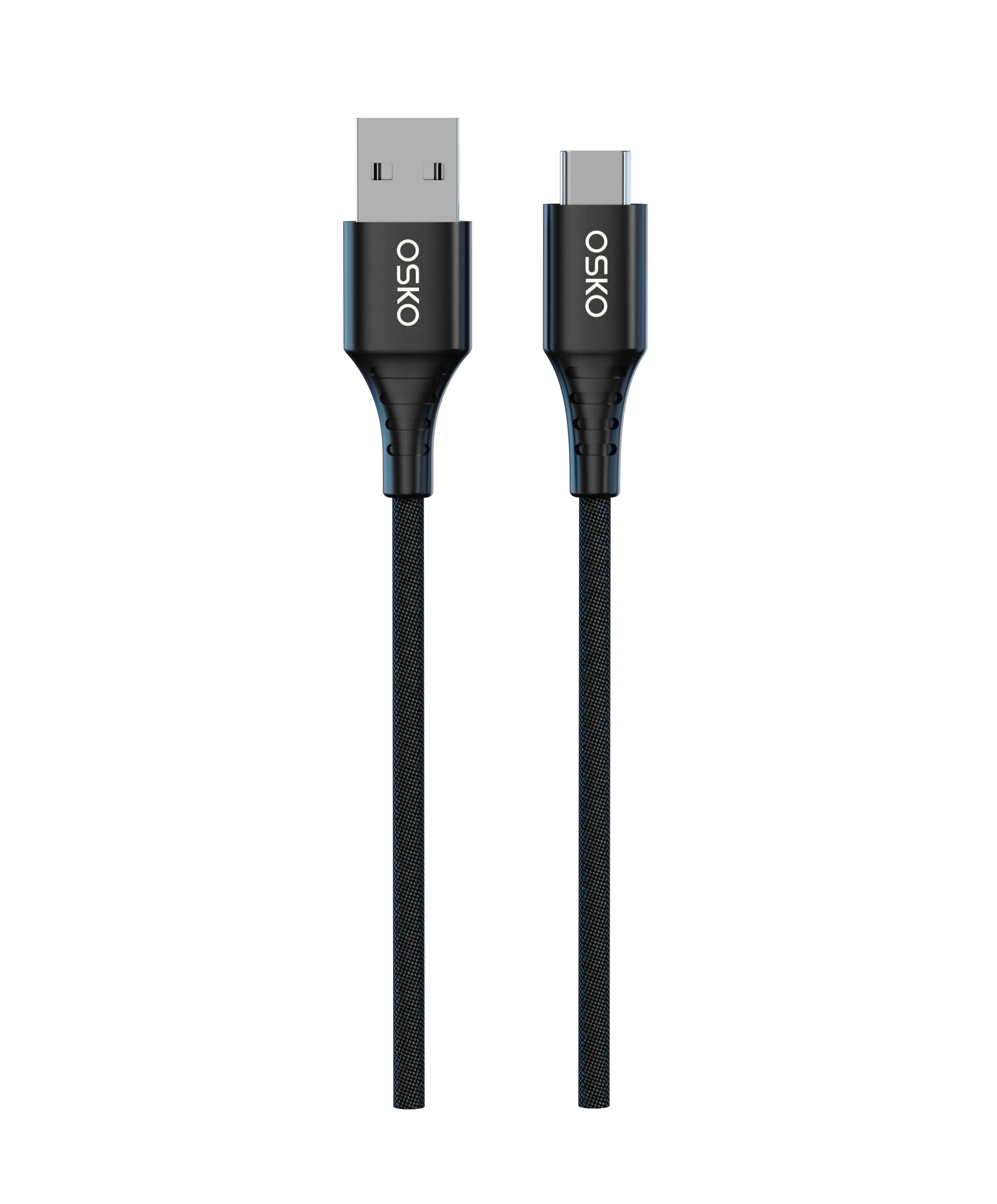
USB-C: compatible with Android, laptops, tablets, and newer Apple devices
Lightning: limited to Apple ecosystem
USB-C provides broader cross-device usability in global markets.
Factor 3: Durability Structure
USB-C cables: braided nylon, TPU reinforcement, high bend-cycle design
Lightning cables: thinner construction, more prone to connector wear
Durability is generally higher in USB-C designs.
Factor 4: Ecosystem Transition
Apple’s gradual shift toward USB-C means:
USB-C is becoming the future standard
Lightning is gradually being phased out in newer devices
Accessory compatibility will increasingly favor USB-C
Comparison Table
| Feature | USB-C Cable | Lightning Cable |
|---|---|---|
| Charging Speed | High (up to 240W) | Moderate |
| Device Compatibility | Universal | Apple-only |
| Data Transfer | High-speed USB 3.x | Limited |
| Durability | High | Medium |
| Future Compatibility | Strong | Declining |
OEM Procurement Insight
For global buyers, sourcing decisions typically include:
ODM cable engineering programs
Wholesale USB cable distribution
Bulk accessory procurement
Advanced suppliers support:
Bulk custom 6ft 10ft USB-C cables
CE RoHS certified 240W USB C cable
USB-IF compliant Type C cable manufacturer
ISO9001 certified braided USB cable factory
FCC approved nylon braided USB C cable supplier
FAQ
Is USB-C better than Lightning for iPhone?
Yes. USB-C offers faster charging, higher compatibility, and better long-term ecosystem support.
Can I use USB-C for all Apple devices?
Newer Apple devices support USB-C, while older devices still require Lightning.
Why is Lightning still used?
It remains in legacy devices due to Apple’s previous ecosystem design.
Does USB-C charge iPhone faster?
Yes, when paired with PD-compatible chargers and cables.
Will Lightning cables disappear?
Over time, yes, as Apple transitions to USB-C across its product lineup.
Summary
The comparison of USB-C vs Lightning cable iPhone is fundamentally a comparison between a legacy proprietary system and a modern universal standard.
USB-C provides higher charging speed, broader compatibility, better durability, and stronger future-proofing, while Lightning remains limited to Apple’s older ecosystem.
For US and European markets, where multi-device usage and fast charging demand are high, USB-C is becoming the dominant standard for both consumers and OEM manufacturers.
Ultimately, USB-C represents the future of charging infrastructure, while Lightning remains a transitional legacy technology.
Contact Information
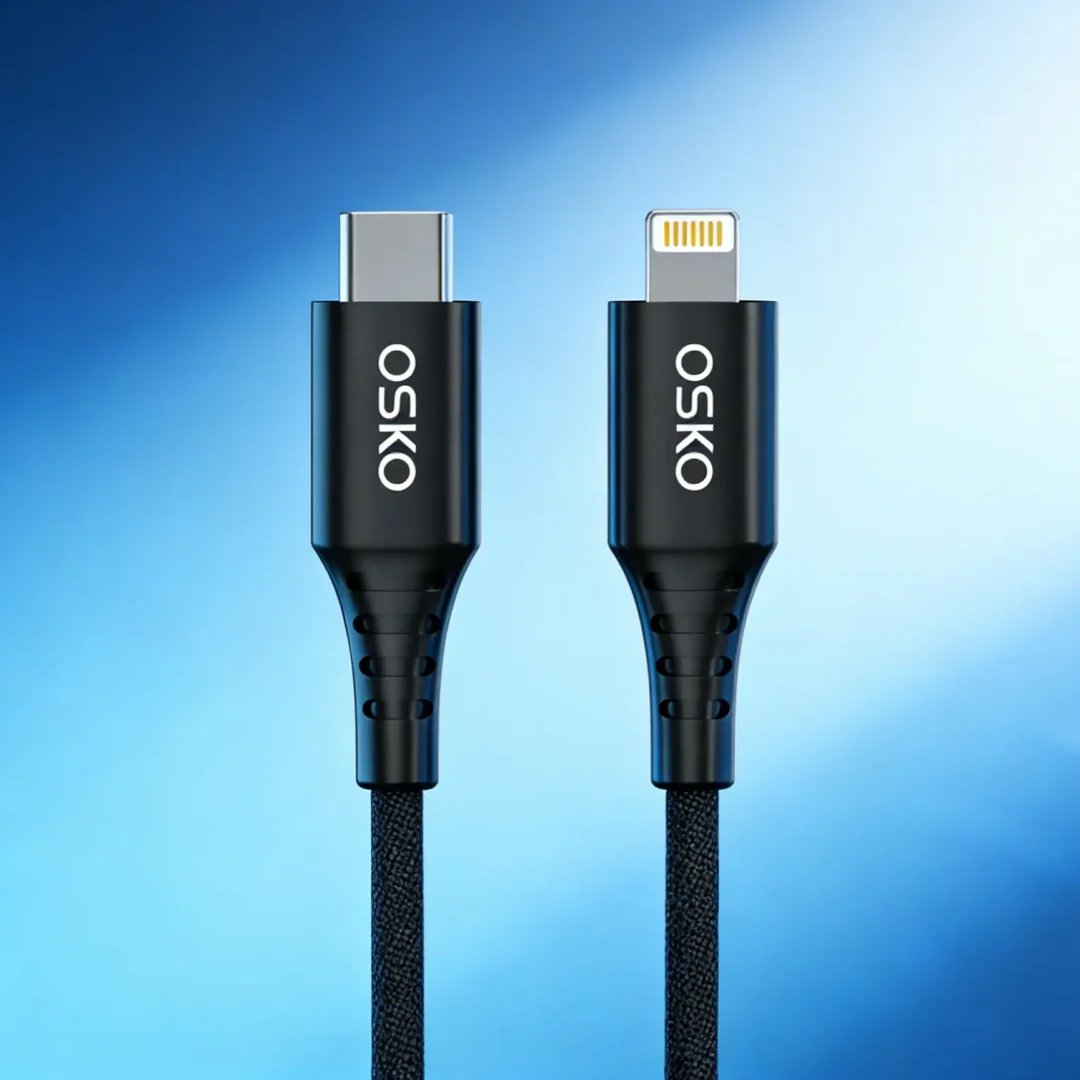
OSKO provides OEM and ODM cable solutions supporting both USB-C and Lightning ecosystems, including:
USB-C fast charging cables (60W–240W)
Lightning braided charging cables
Multi-device compatible cable systems
OEM & private label manufacturing
Wholesale and bulk supply programs
OSKO engineering team provides full technical documentation, compatibility testing, and scalable OEM manufacturing solutions for global brands.