

Introduction
A power bank is designed to provide portable charging anywhere, but the charging experience depends heavily on the quality of the cable connected to it. Many users encounter problems such as slow charging, unstable connections, or excessive cable wear because they choose a cable based only on appearance instead of technical specifications.
A reliable USB C cable for power bank must handle frequent movement, repeated connection cycles, and portable charging conditions while maintaining stable power transmission.
Unlike stationary charging setups, power bank applications create unique requirements:
Compact size
Flexible cable structure
Reliable connectors
Stable current transmission
Resistance to bending and pulling
For consumers, selecting the correct cable improves charging efficiency and travel convenience.
For US retailers, distributors, and OEM buyers, developing a high-quality portable charging cable requires careful consideration of electrical performance, material selection, and manufacturing consistency.
A professional USB-C cable manufacturer evaluates power bank cables through:
Power delivery capability
Conductor quality
Connector durability
Cable flexibility
Real-world usage testing

Material Science & Electrical Performance
Why Does a Power Bank Need a Special USB-C Cable?
A power bank is frequently used in dynamic environments:
Travel
Outdoor activities
Vehicles
Workspaces
Emergency charging situations
Compared with home charging cables, power bank cables experience:
More bending cycles
More frequent plugging and unplugging
Higher portability requirements
Therefore, a suitable cable must balance:
Charging Performance + Mechanical Durability + Portability
A standard low-cost cable may work initially but can quickly develop:
Broken connectors
Internal wire damage
Slow charging performance
USB-C Power Delivery Compatibility
Modern power banks increasingly support USB-C Power Delivery (PD).
The charging system works as:
Power Bank USB-C Output → USB-C Cable → Smartphone / Tablet / Laptop
The cable must support the required power level.
Common power bank charging applications:
| Power Bank Output | Recommended Cable |
|---|---|
| 18W–30W | Standard USB-C cable |
| 45W–60W | 60W USB-C cable |
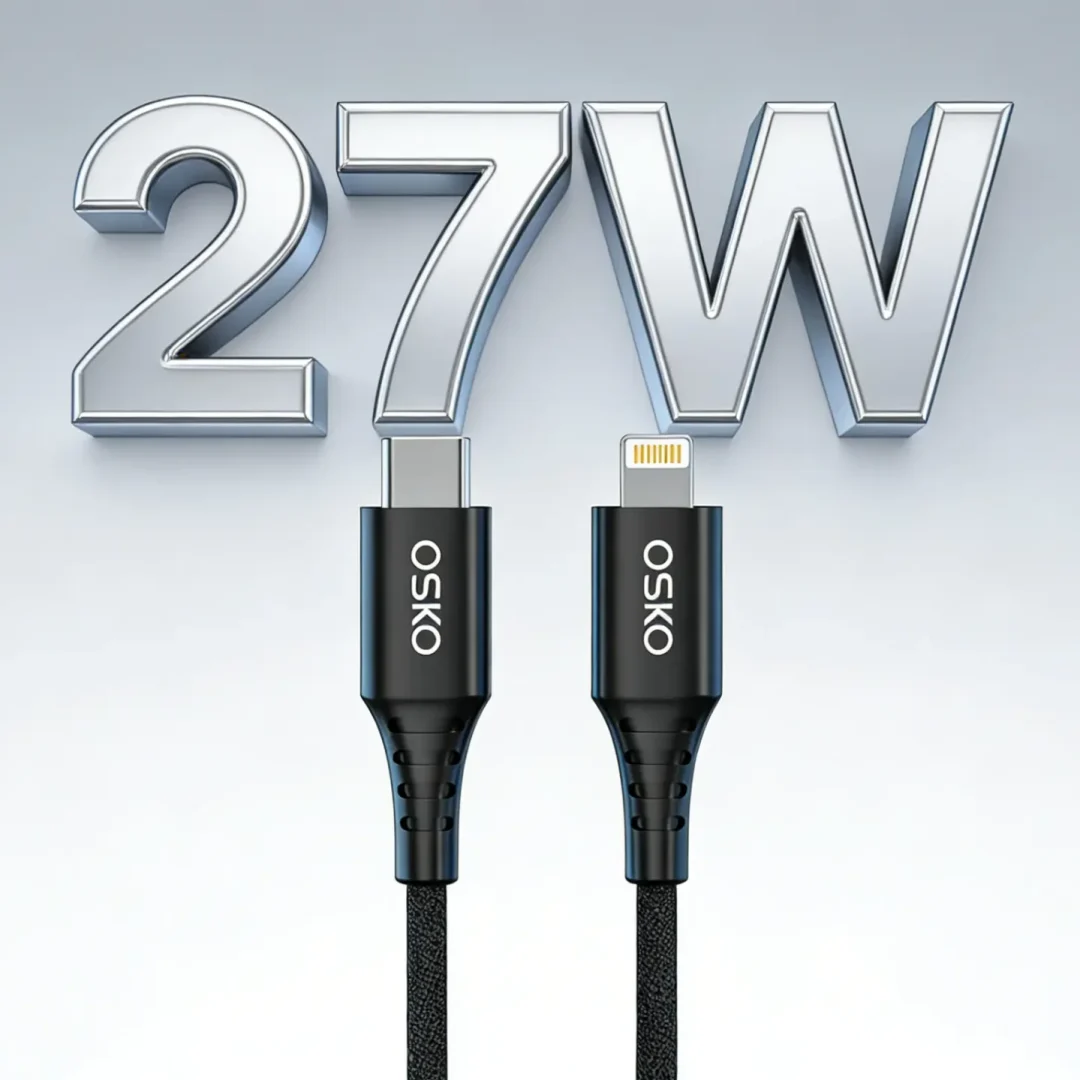
| 65W–100W | High-power USB-C cable |
| 140W+ | Advanced PD cable |
A high-quality USB-C fast charging cable ensures stable communication between the power bank and connected device.
How to Select the Correct USB-C Cable for Power Banks
Check Charging Wattage
The first step is matching the cable with the power bank output.
For example:
A 65W power bank requires a cable capable of handling 65W or higher.
Using a low-power cable may result in:
Reduced charging speed
Increased heat
Limited power output
Cable Current Rating
Current capacity is another important specification.
Common USB-C cable ratings:
| Current Rating | Application |
|---|---|
| 3A | Standard charging |
| 5A | High-power PD charging |
High-power cables often require:
Better conductor materials
E-marker technology
Improved thermal management
Cable Length for Power Bank Use
Length affects portability and charging convenience.
Short USB-C Cable
Advantages:
Easy storage
Less cable clutter
Ideal for travel
Applications:
Pocket power banks
Mobile charging kits
Outdoor use
3ft USB-C Cable
Advantages:
Balanced flexibility
Comfortable daily use
Applications:
Backpack charging
Office use
General portable charging
6ft USB-C Cable
Advantages:
More freedom of movement
Applications:
Larger workspaces
Hotels
Indoor power bank use
However, longer cables require better conductor design to maintain charging performance.
Cable Material Selection
PVC USB-C Cable
Advantages:
Lower cost
Easy production
Limitations:
Lower abrasion resistance
Easier surface damage
Suitable for:
Basic charging products
TPU USB-C Cable
Advantages:
Flexible
Better durability
Improved bending resistance
Suitable for:
Daily portable charging
Nylon Braided USB-C Cable
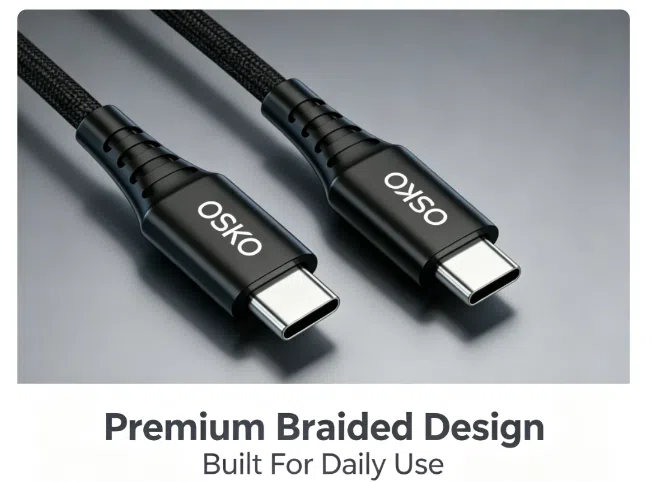
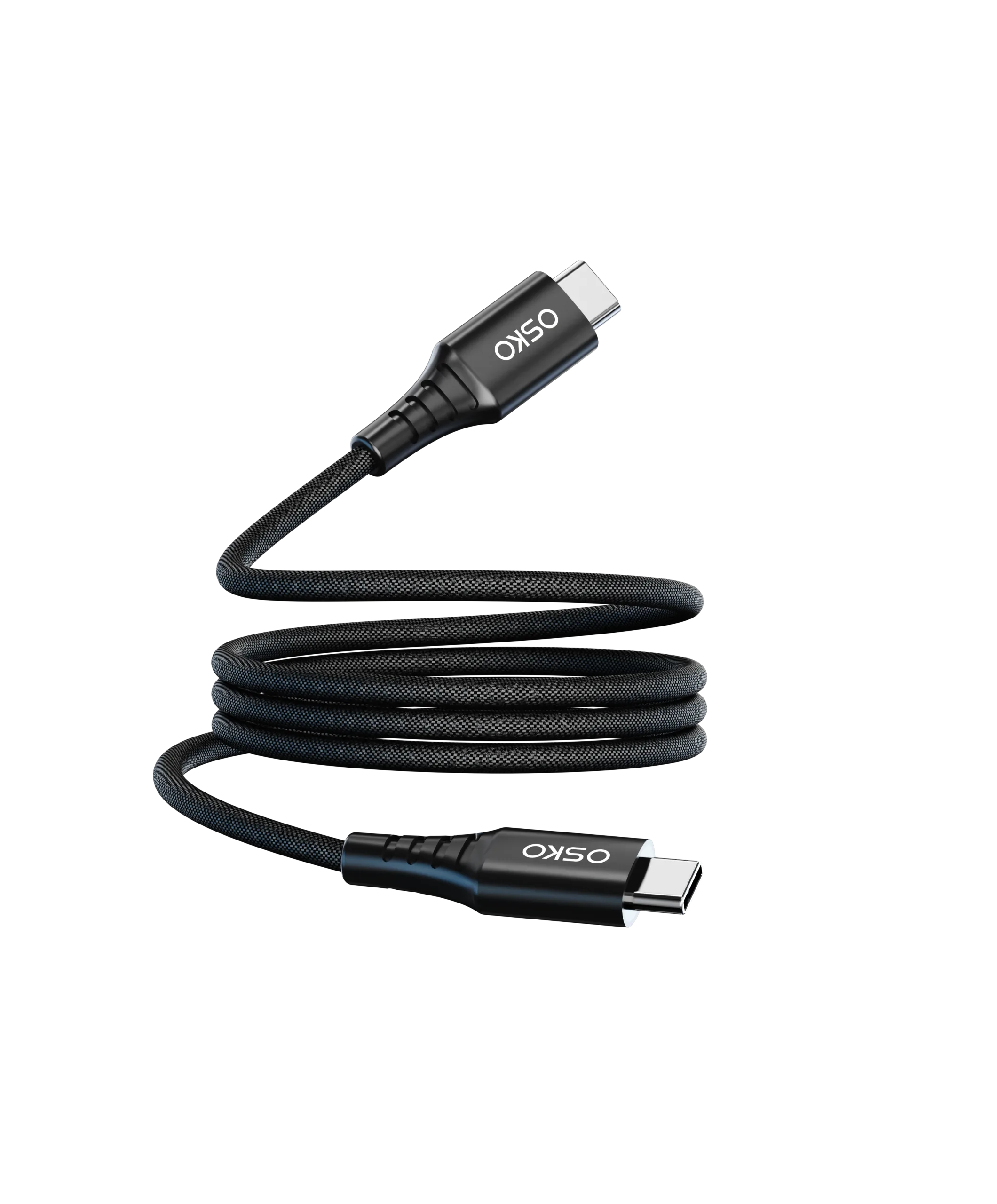
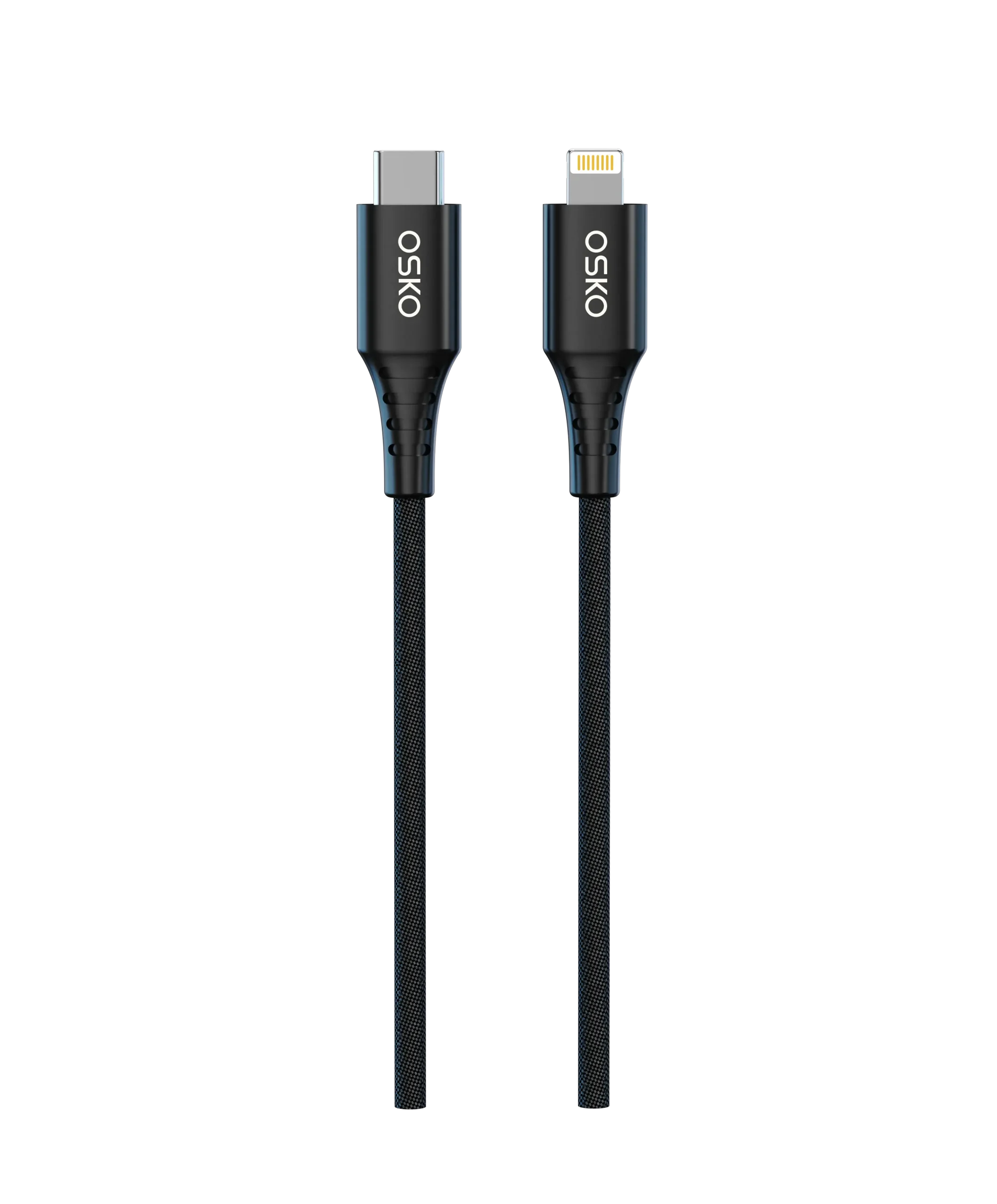
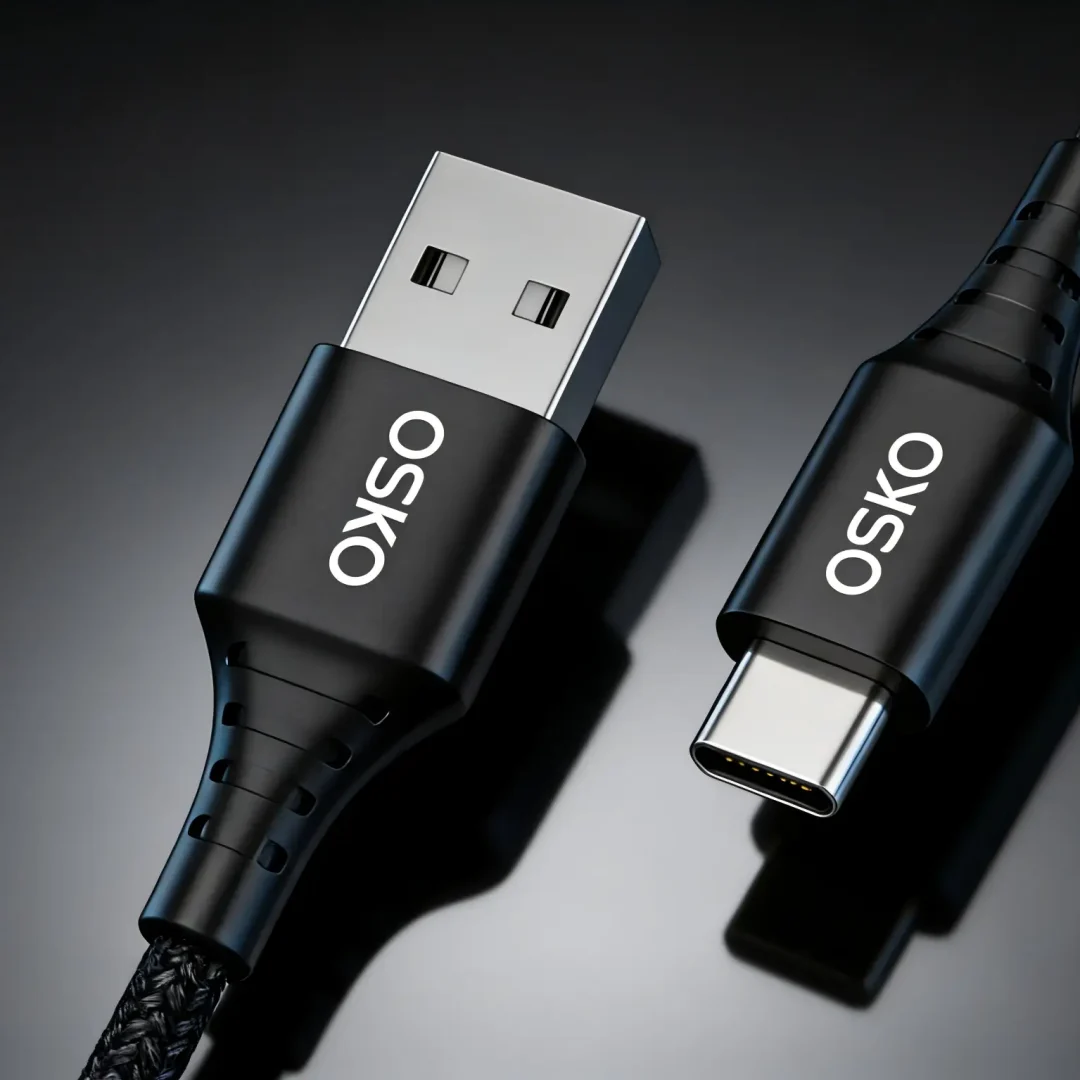
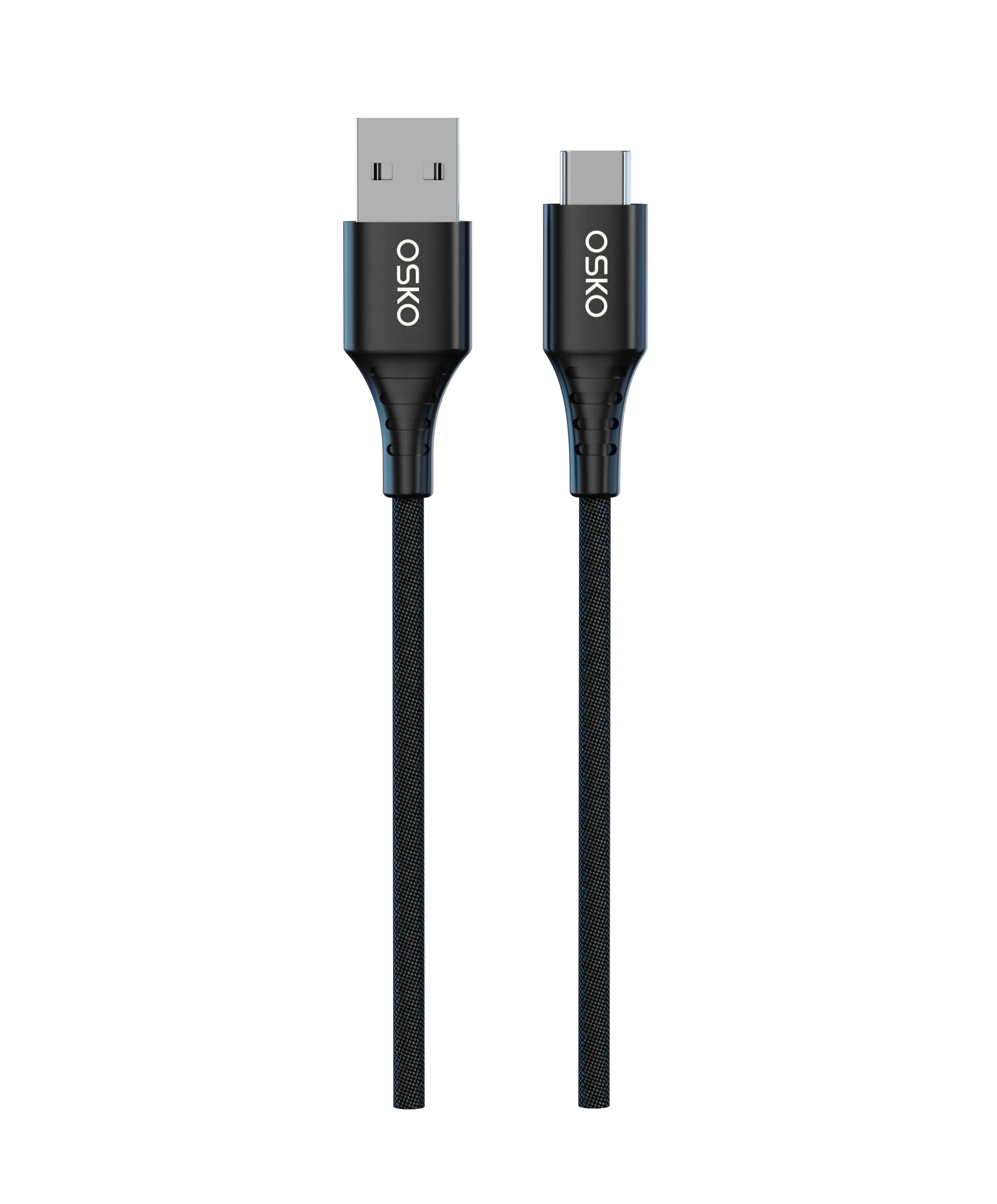
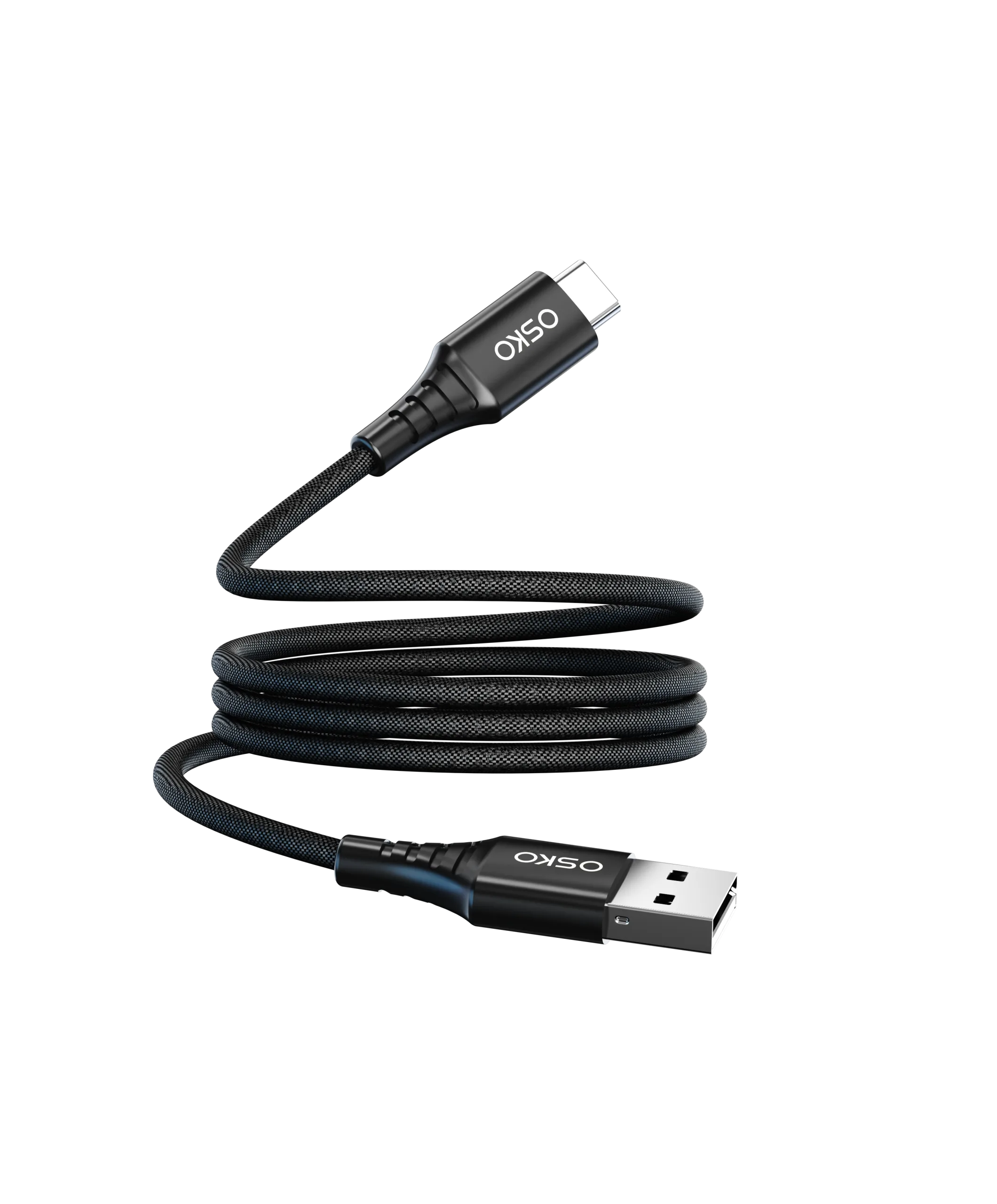
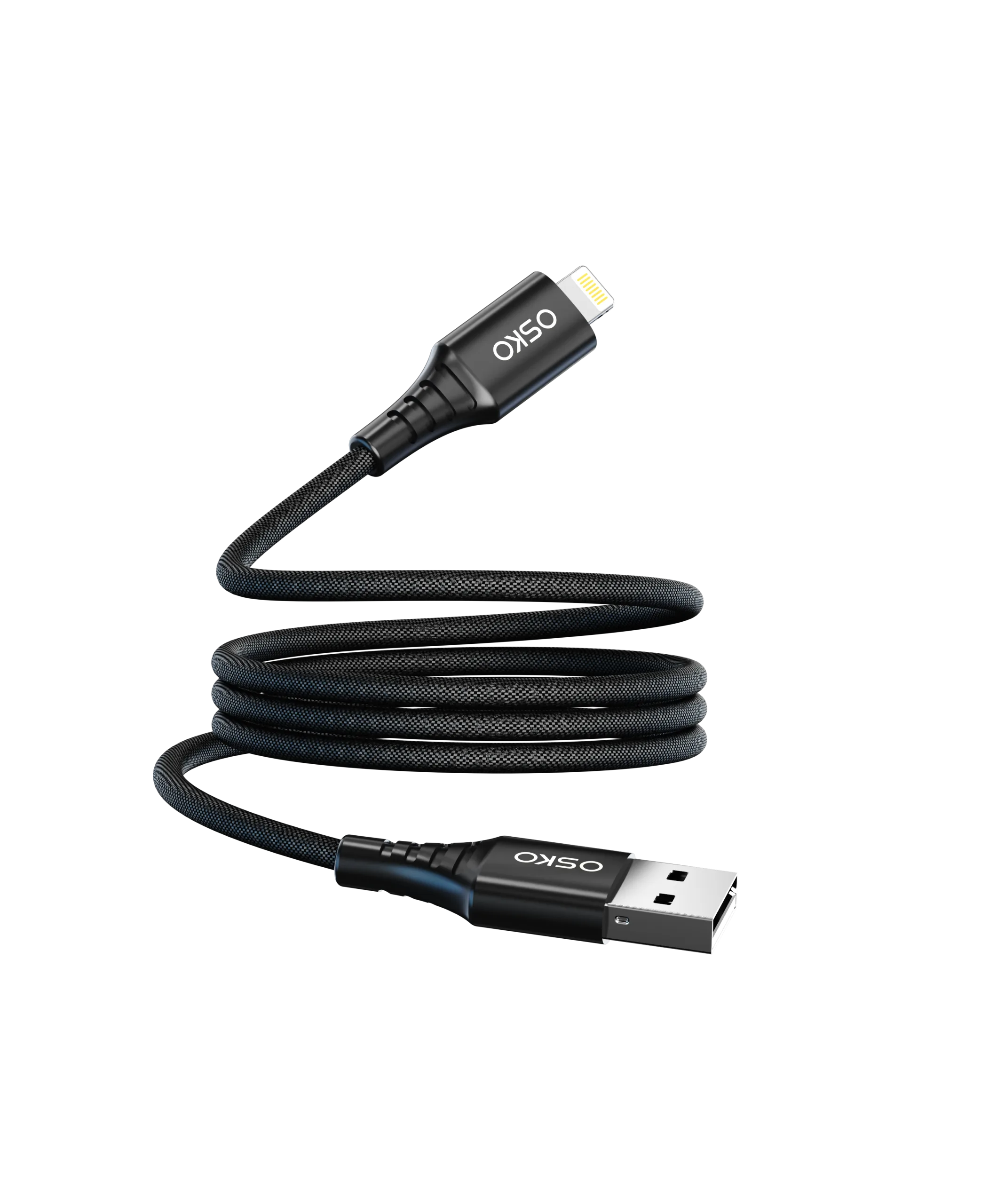
A premium braided USB-C cable provides better protection for power bank applications.
Advantages:
Strong abrasion resistance
Better bending performance
Longer service life
Premium appearance
Common applications:
Travel USB cable
Outdoor charging cable
Car charging cable
Emergency charging accessories
Connector Design and Durability
Power bank users frequently connect and disconnect cables.
Therefore, connector durability is critical.
A reliable USB-C connector should include:
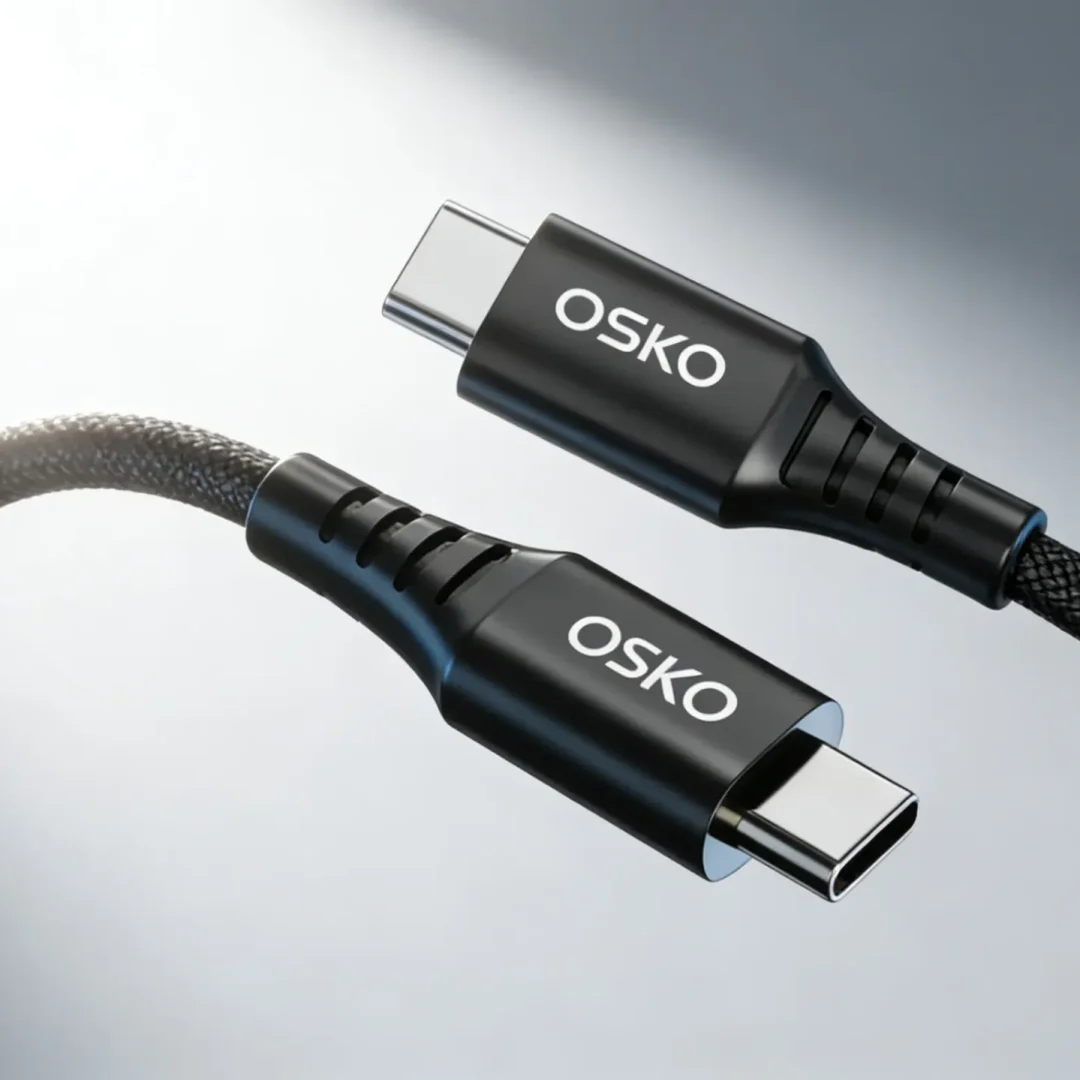
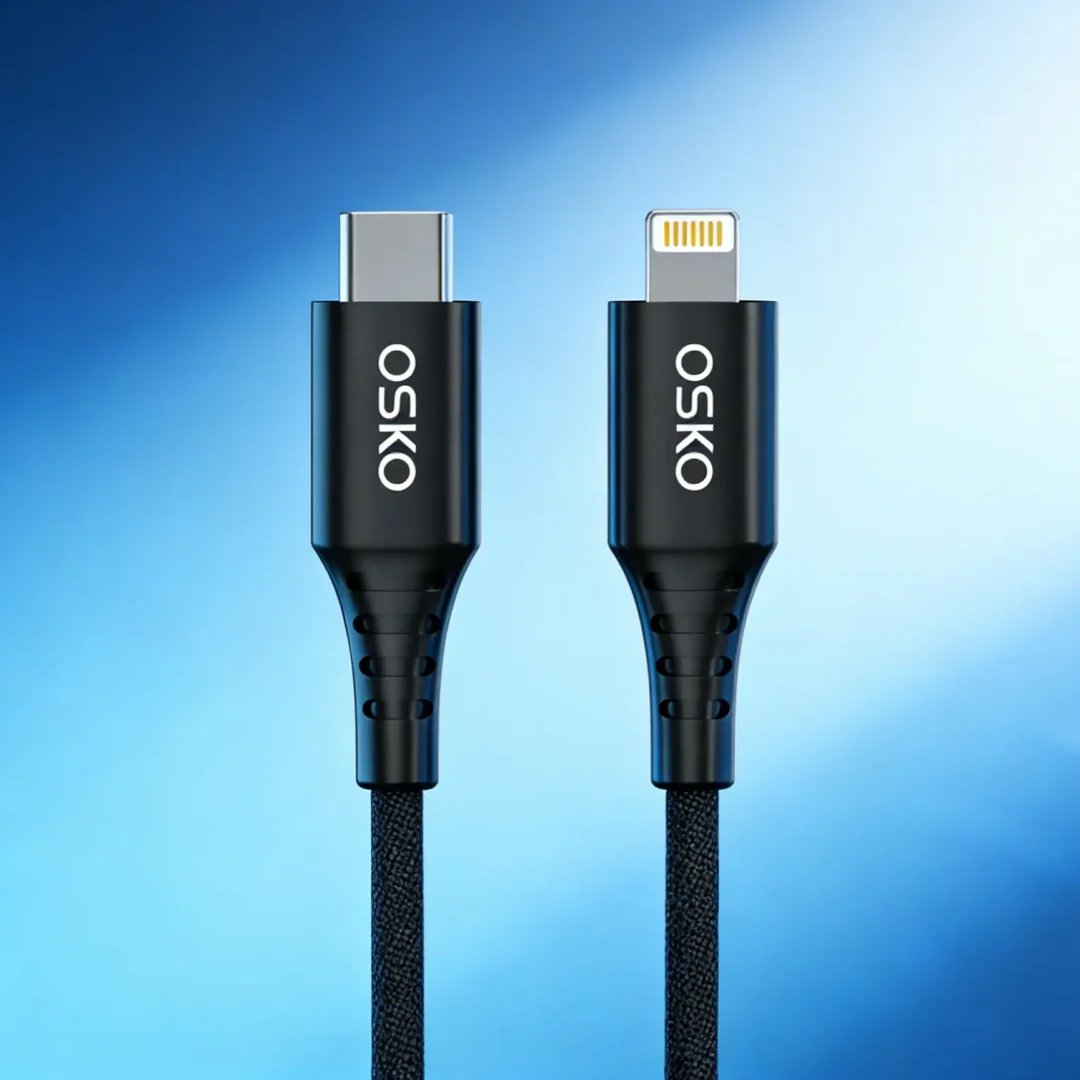
Strong metal shell
Accurate internal contact structure
Reinforced cable entry point
Poor connector design can cause:
Loose connection
Charging interruption
Physical damage
Professional manufacturers perform:
Plug insertion testing
Pull force testing
Bending cycle testing
Case Study
US Travel Accessory Brand Developed Durable Power Bank Charging Cable
A US consumer electronics brand planned to launch a travel charging kit that included power banks and USB-C cables.
The company experienced problems with previous cable suppliers:
High customer return rates
Broken connectors
Poor charging consistency
Customer Requirements
The brand required:
Compact portable cable design
Fast charging support
Premium braided appearance
Multiple lengths
Stable wholesale production
Engineering Problems
OSKO analyzed the previous cable samples.
Electrical Issues
High resistance conductor
Inconsistent charging output
Limited PD compatibility
Mechanical Issues
Weak connector reinforcement
Cable damage after repeated folding
Poor travel durability
OSKO Engineering Solution
OSKO developed a customized power bank cable:
Electrical Design
Optimized copper conductor
Improved current transmission
PD charging compatibility
Structural Design
Nylon braided outer layer
Reinforced connector protection
Flexible strain relief
Manufacturing Support
Durability testing
Charging performance testing
Custom packaging development
The project supported:
OEM USB cable production
ODM portable charging cable development
Travel USB cable products
Wholesale charging accessories
Project Results
After implementation:
Cable durability improved
Product returns decreased
Customer satisfaction increased
Brand value improved

Selection Guide
USB-C Cable Buying Checklist for Power Banks
| Evaluation Item | Recommendation |
|---|---|
| Power Rating | Match power bank output |
| Current | Choose suitable amperage |
| Length | Select based on application |
| Material | Nylon braid or TPU preferred |
| Connector | Reinforced design |
| Testing | Require reliability verification |
OEM Procurement Perspective
For companies sourcing power bank cables, supplier capability is essential.
A professional manufacturer should provide:
Custom cable length
Color customization
Material selection
Packaging design
Bulk production support
OSKO provides:
Heavy duty braided USB-C cable manufacturer
Durable nylon braided Type C charging cable factory
Tangle-free double-braided USB C cable wholesale
OEM ODM custom length USB C cables
Bulk custom color braided charging cables
Wholesale 60W braided USB C cable
CE RoHS certified 240W USB C cable
These solutions support:
Retail charging accessories
Travel USB cable collections
Power bank bundles
Corporate charging kits
FAQ
What USB-C cable is best for a power bank?
The best cable depends on power bank output. For modern fast charging power banks, a USB-C PD cable with proper wattage support is recommended.
Can any USB-C cable work with a power bank?
Most USB-C cables can provide basic charging, but high-speed charging requires compatible specifications.
Is a braided USB-C cable better for power banks?
Yes. Braided cables usually provide better protection against bending and abrasion, making them suitable for portable use.
Does cable length affect power bank charging speed?
Yes. Longer cables may have higher resistance, so high-quality conductors are important
What wattage USB-C cable should I use for a 100W power bank?
A cable rated for 100W or higher is recommended, usually with proper PD support and E-marker technology.
Summary
Choosing the correct USB C cable for power bank requires more than selecting the right connector.
The key factors include:
USB PD compatibility
Correct wattage rating
High-quality copper conductors
Durable cable materials
Reinforced connectors
Reliable manufacturing quality
For consumers, the right cable provides faster, safer, and more stable portable charging.
For US retailers and OEM buyers, partnering with an experienced manufacturer like OSKO enables the development of durable power bank charging cables with customized designs, consistent quality, and scalable production.
Contact Information
OSKO provides professional OEM and ODM USB-C cable solutions:
Power bank charging cables
USB-C PD fast charging cables
Braided portable charging cables
Wholesale and bulk production
OSKO engineering team supports global brands with cable structure design, material optimization, charging performance testing, and reliable manufacturing solutions.