
Introduction
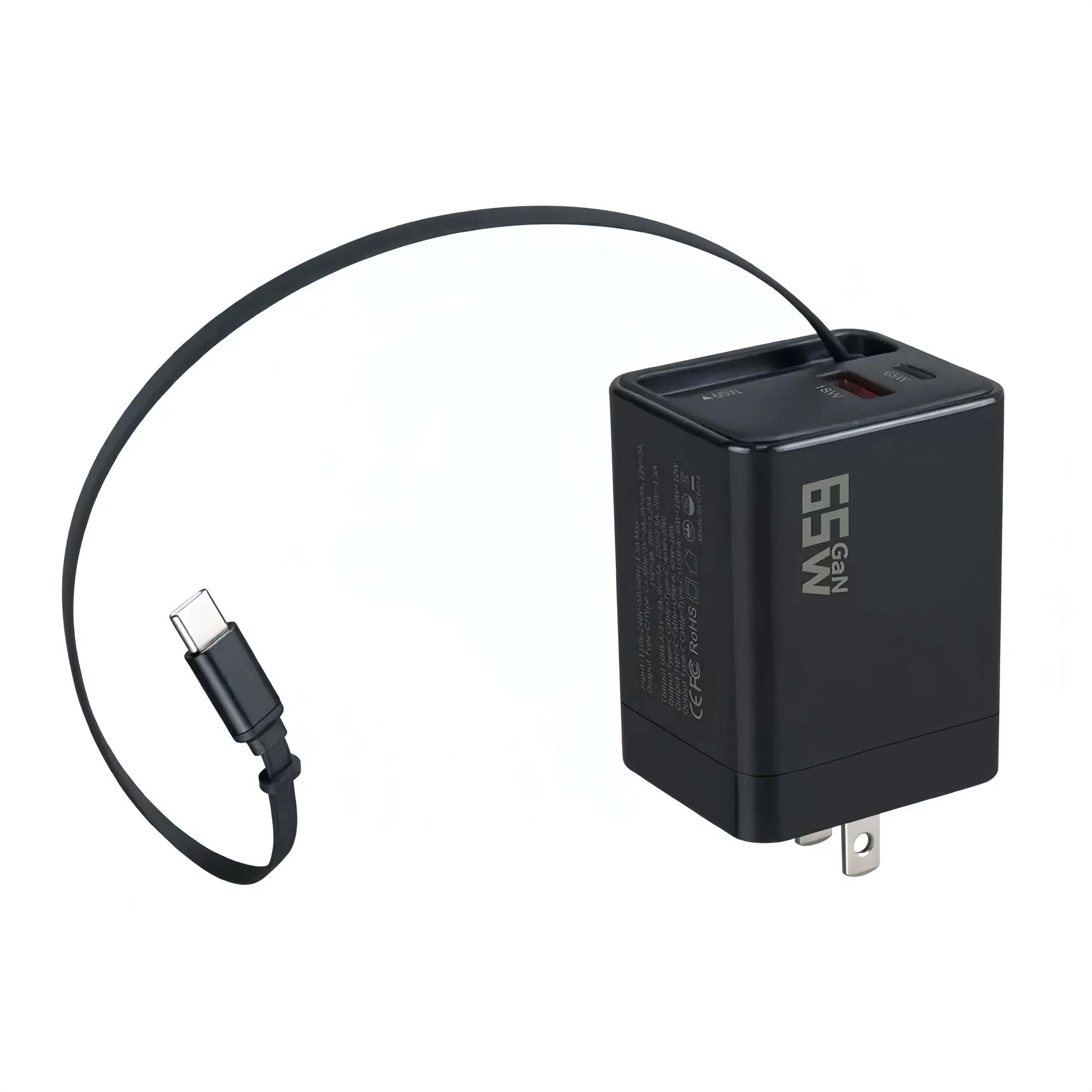
Many users plug a USB charger into a wall outlet and expect their phone, tablet, or laptop to charge immediately. However, the charging process involves multiple stages of electrical conversion, communication, and safety control.
A USB charger is not simply a device that transfers electricity. It is an intelligent power conversion system that transforms high-voltage AC electricity from a wall outlet into controlled low-voltage DC power suitable for electronic devices.
When a charging system works correctly, four components cooperate:
Power Source → USB Charger → USB Cable → Electronic Device
If any component has limitations, charging performance can decrease.
Common charging problems include:
Slow charging speed
Charger overheating
Charging interruption
Cable compatibility issues
Device not recognizing fast charging
For consumers, understanding charger operation helps select safer and faster charging solutions.
For US retailers, distributors, and OEM buyers, understanding charger and cable engineering is essential for developing reliable charging accessories.

Material Science & Electrical Performance
How Does a USB Charger Convert Electricity?
The electricity from a wall outlet is alternating current (AC).
However, smartphones and laptops require direct current (DC).
A USB charger performs several conversion steps:
AC Input → Power Conversion → Voltage Regulation → USB Output → Device Charging
The internal charger circuit contains several key components:
| Component | Function |
|---|---|
| Transformer | Reduces voltage safely |
| Rectifier | Converts AC to DC |
| Capacitor | Smooths electrical fluctuations |
| Control IC | Regulates output power |
| Protection Circuit | Prevents overheating and overcurrent |
Step 1: AC Power Enters the Charger
Most household outlets provide:
100–120V AC in North America
220–240V AC in many other regions
This voltage is too high for mobile devices.
The charger first receives AC power and prepares it for conversion.
Step 2: AC Is Converted Into DC Power
Electronic devices operate using DC power.
Inside the charger:
AC voltage is converted into DC voltage
Electrical noise is filtered
Output stability is controlled
A high-quality charger maintains consistent output even when:
Input voltage changes
Device power demand changes
Step 3: Voltage and Current Regulation
Different devices require different charging power.
For example:
| Device | Typical Charging Requirement |
|---|---|
| Wireless earbuds | Low power |
| Smartphone | 20W–45W |
| Tablet | 30W–60W |
| Laptop | 65W–240W |
The charger adjusts:
Voltage
Current
Power output
to match the connected device.
The relationship between voltage, current, and power determines charging capability:
I=RV
I=6.0Ω12.0V=2.00A
ΩVs = 12.0 V+-R = 6.0 ΩI = 2.00 A
A charger with higher wattage capability can provide more power, but the final charging speed depends on the device and cable limitations.

USB Charging Communication: How Chargers Know What Power to Provide
Modern USB chargers communicate with devices before delivering high power.
This process is called charging negotiation.
The charger and device exchange information:
Charger → Cable → Device
They determine:
Supported voltage
Maximum current
Charging protocol
Safe power level
Without communication, many systems automatically reduce output.
USB Power Delivery (USB PD) Technology
USB Power Delivery is one of the most important fast charging technologies.
USB PD allows devices to negotiate higher power levels.
Common USB PD applications:
| Power Level | Application |
|---|---|
| 20W | Smartphones |
| 45W | Phones and tablets |
| 65W | Tablets and laptops |
| 100W | Professional laptops |
| 240W | High-power USB-C devices |
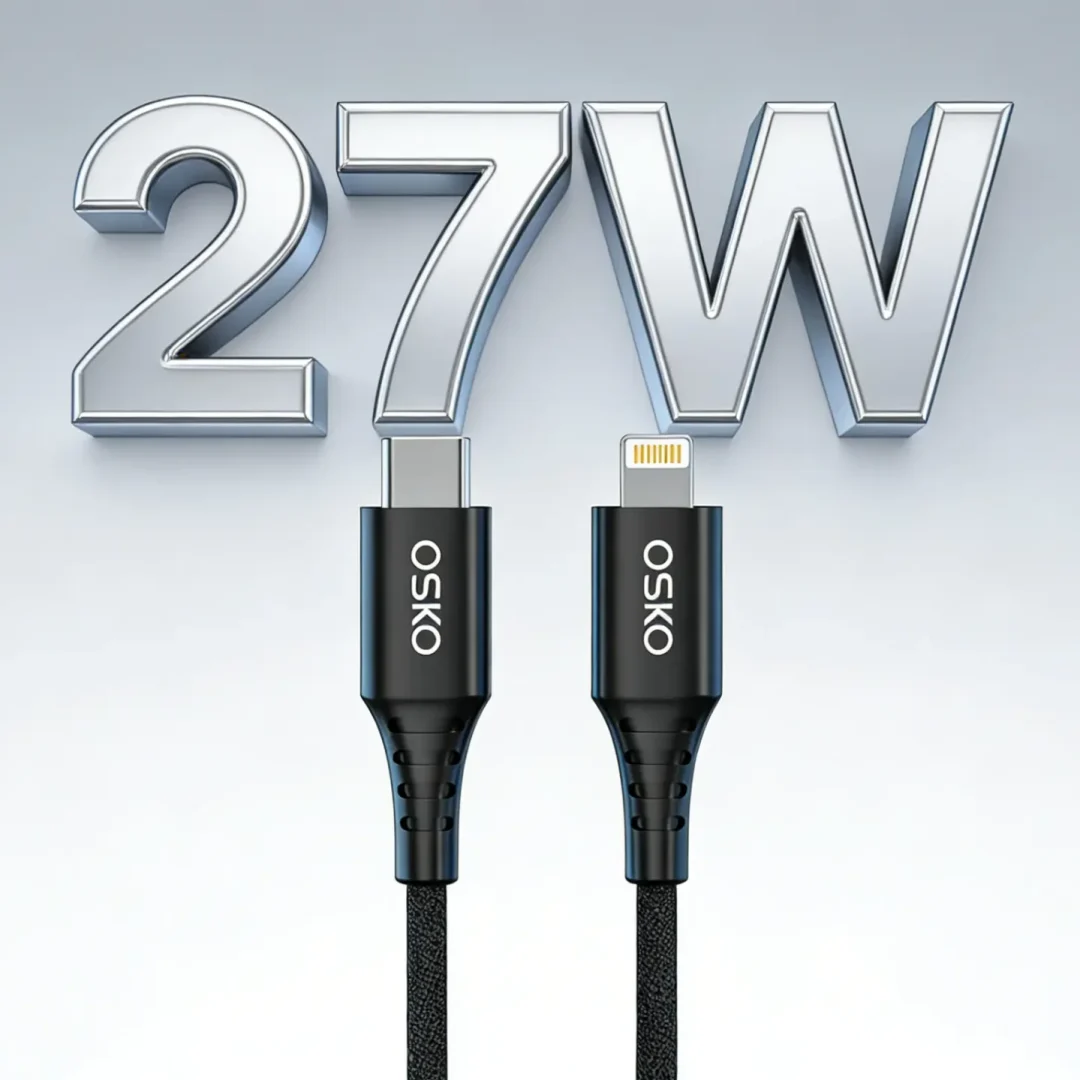
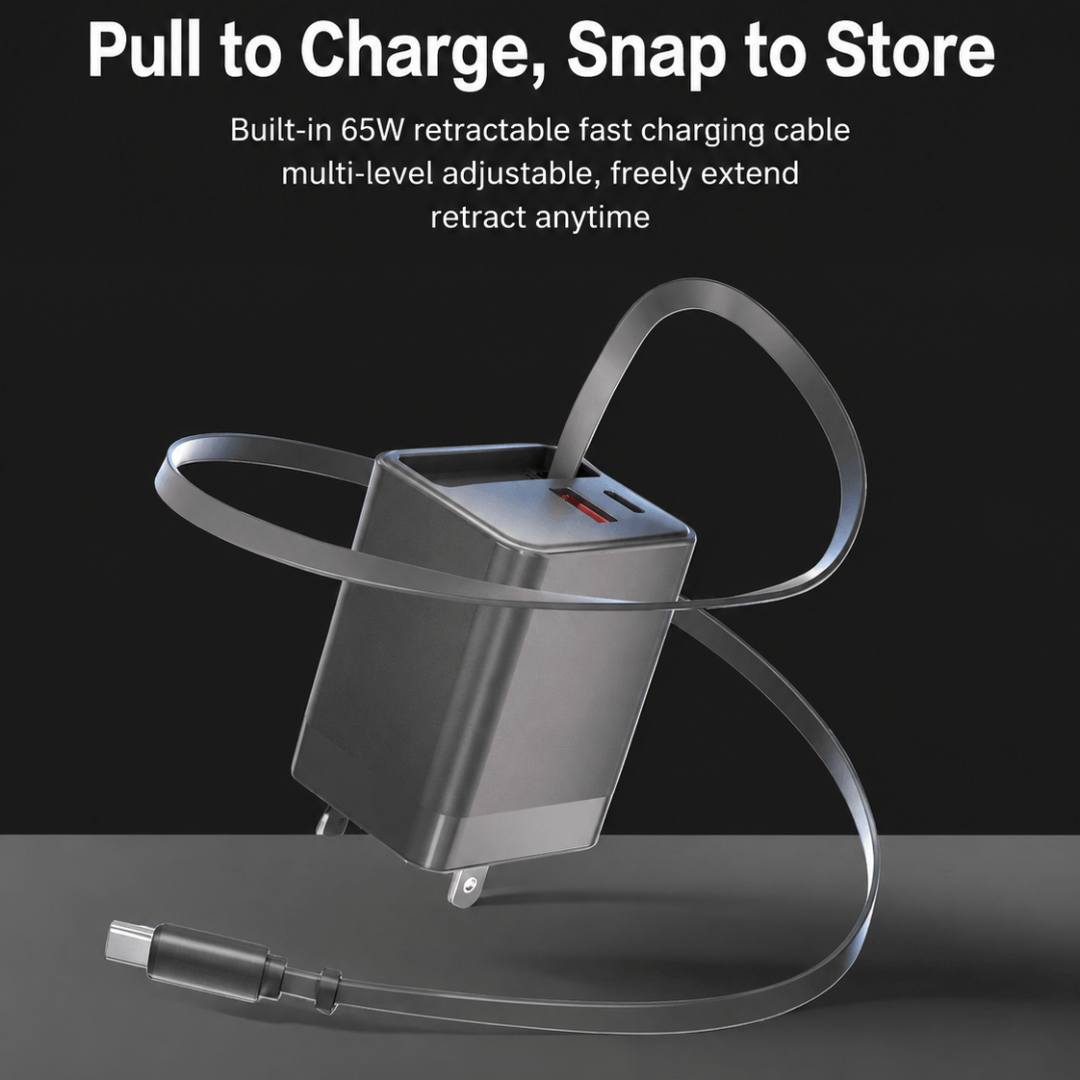
A USB-C fast charger requires a compatible cable and device to achieve maximum performance.
Why USB-C Changed Charging Technology
USB-C became popular because it supports:
Higher power delivery
Reversible connection
Faster data transmission
Universal device compatibility
Compared with older USB-A charging systems, USB-C provides better support for modern electronics.
Common USB-C applications include:
Smartphones
Tablets
MacBooks
Gaming devices
Monitors
Power banks
The Role of Charging Cables
A charger cannot deliver high performance without a suitable cable.
The cable controls:
Current transmission
Power capability
Data communication
Heat management
For example:
A 100W charger + low-quality cable may only provide limited charging.
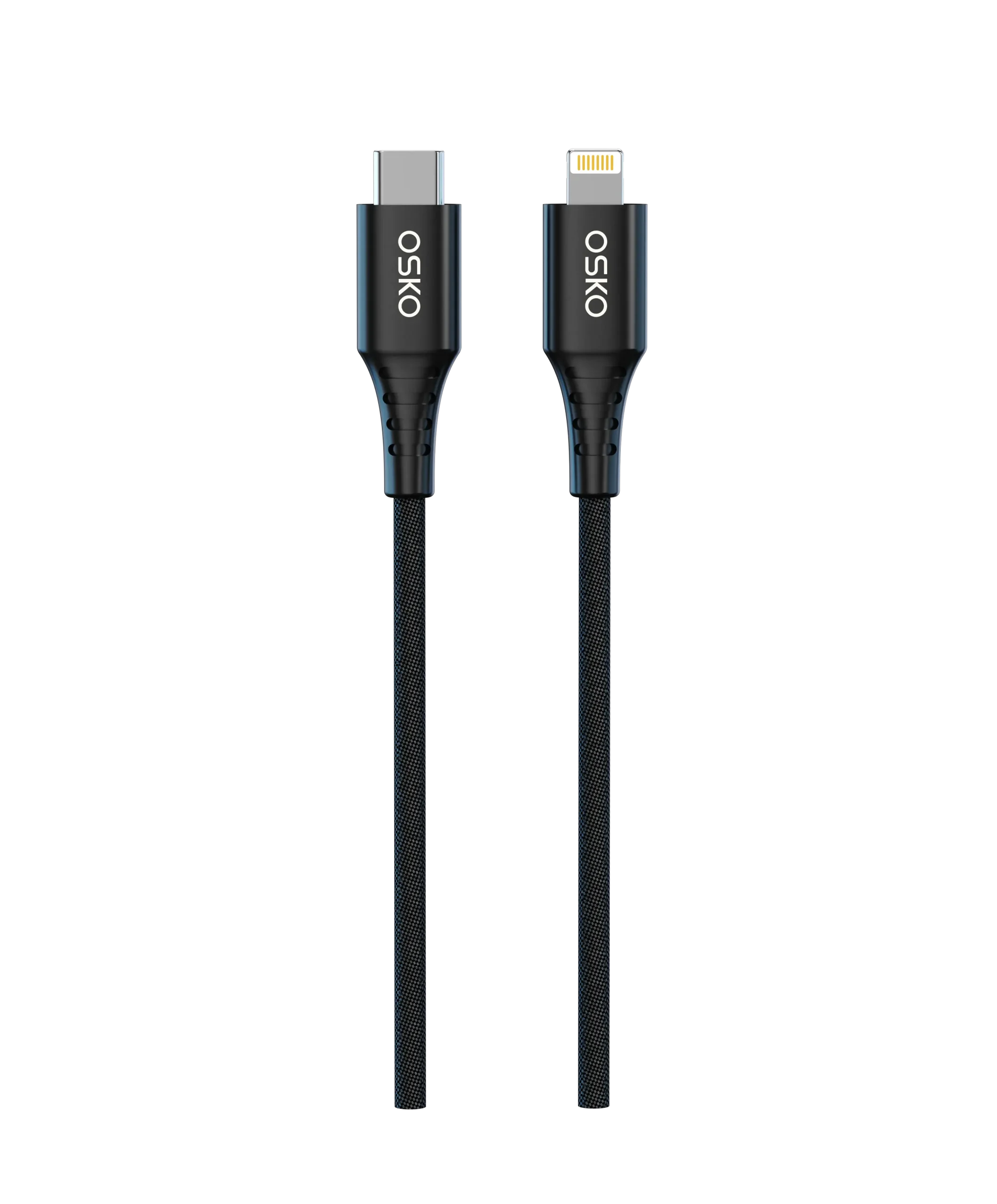
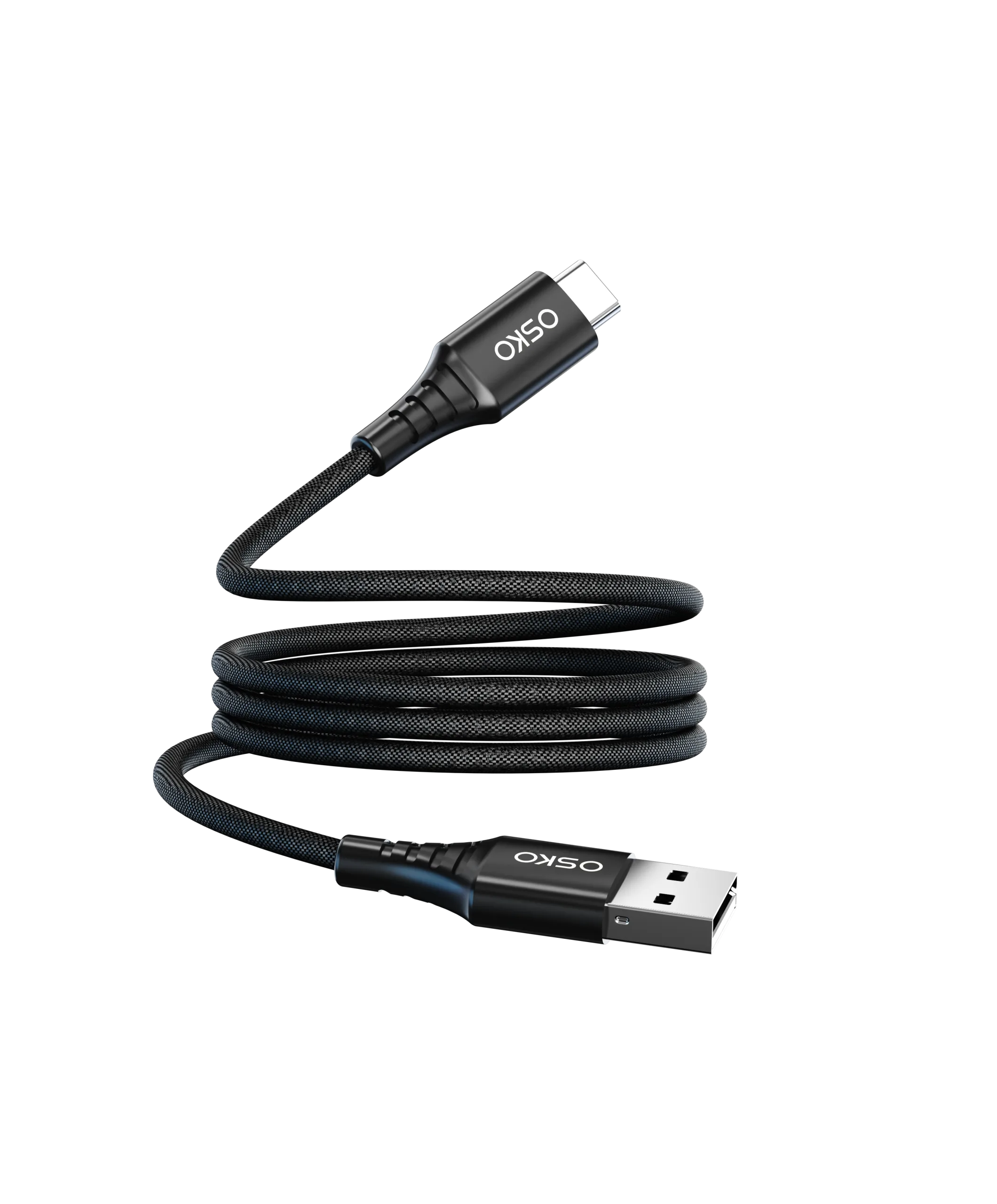
A proper USB-C charging cable requires:
High-quality copper conductors
Correct wire gauge
Reliable connectors
Proper insulation
Why Some Fast Chargers Charge Slowly
Even with a powerful charger, charging may be slow because of:
Low-Quality Cable Design
Problems:
High conductor resistance
Poor internal materials
Insufficient current capacity
Solution:
Use a cable designed for the required wattage.
Unsupported Charging Protocol
Examples:
Charger supports USB PD
Device uses different technology
The system may automatically reduce power.
Cable Length Limitations
Longer cables create higher resistance.
A professional manufacturer compensates through:
Better conductor design
Improved insulation
Optimized structure
Cable Materials Used in Charging Systems
Copper Conductors
Copper is widely used because it provides:
Excellent conductivity
Stable electrical performance
Good durability
Higher-quality cables use optimized copper structures to reduce energy loss.
Insulation Materials
Insulation protects internal wires.
Common materials:
| Material | Characteristics |
|---|---|
| PVC | Cost-effective |
| TPU | Flexible and durable |
| HDPE | Strong dielectric performance |
Good insulation improves:
Electrical stability
Safety
Signal protection
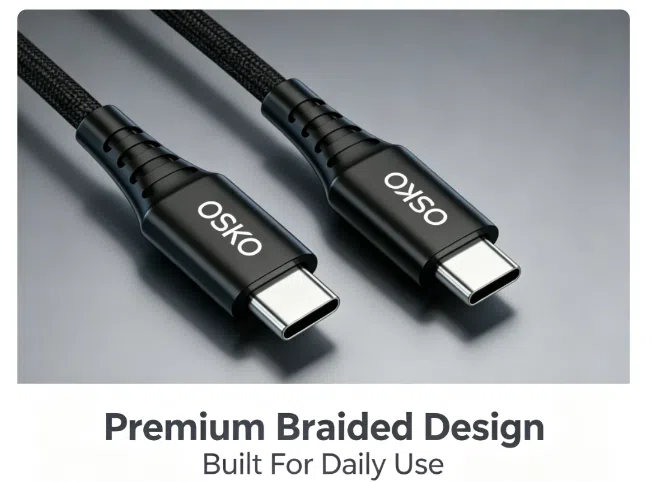
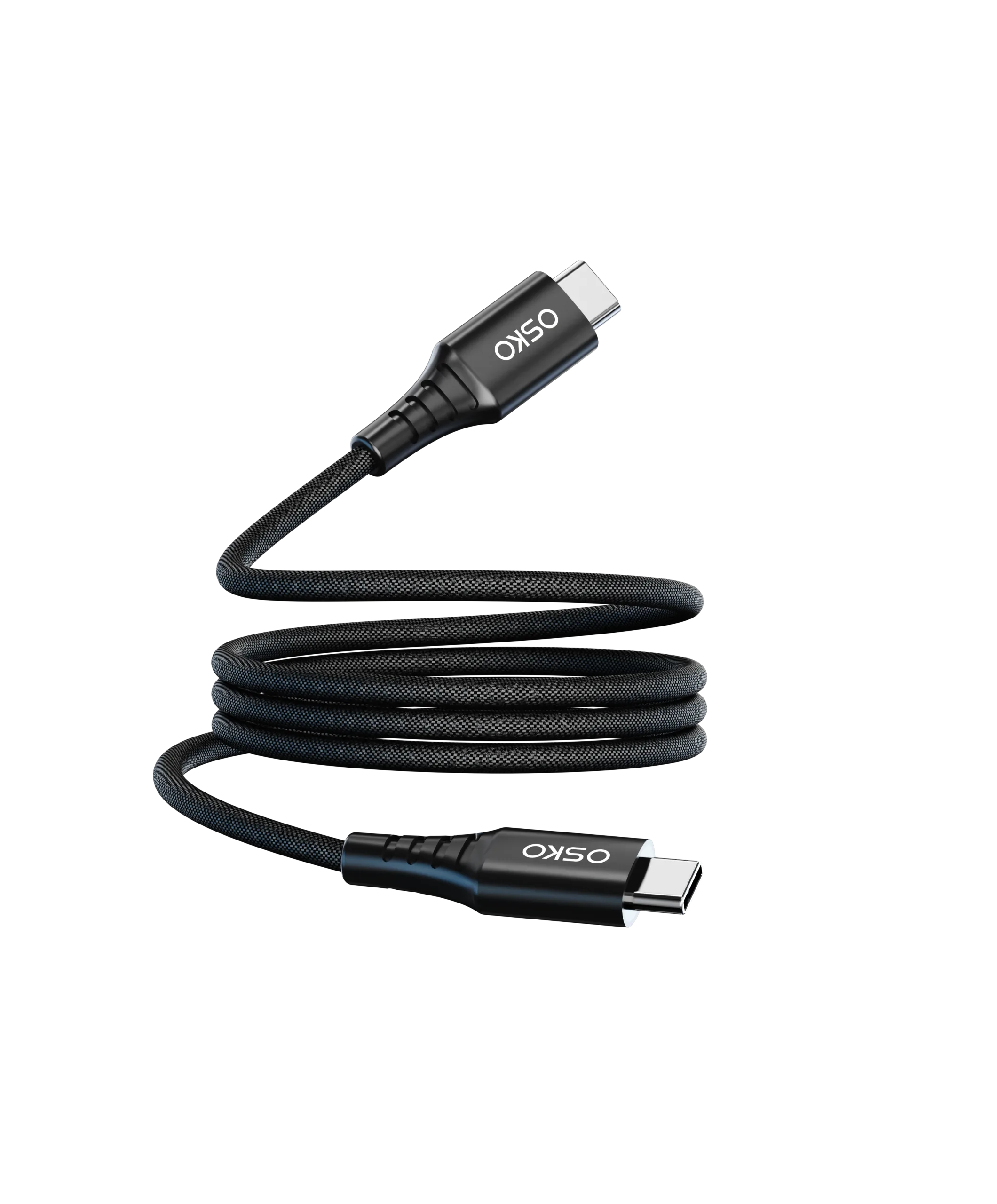
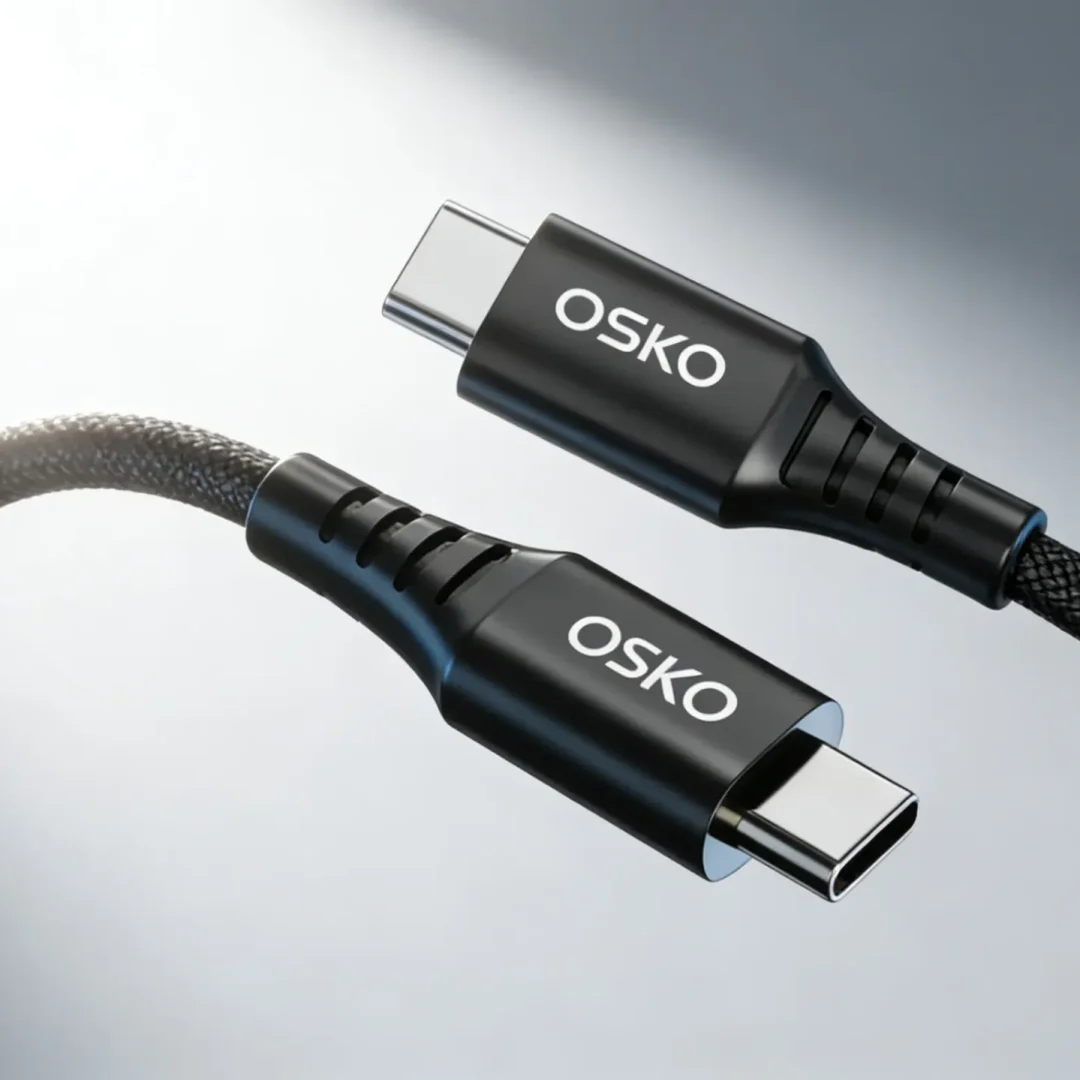
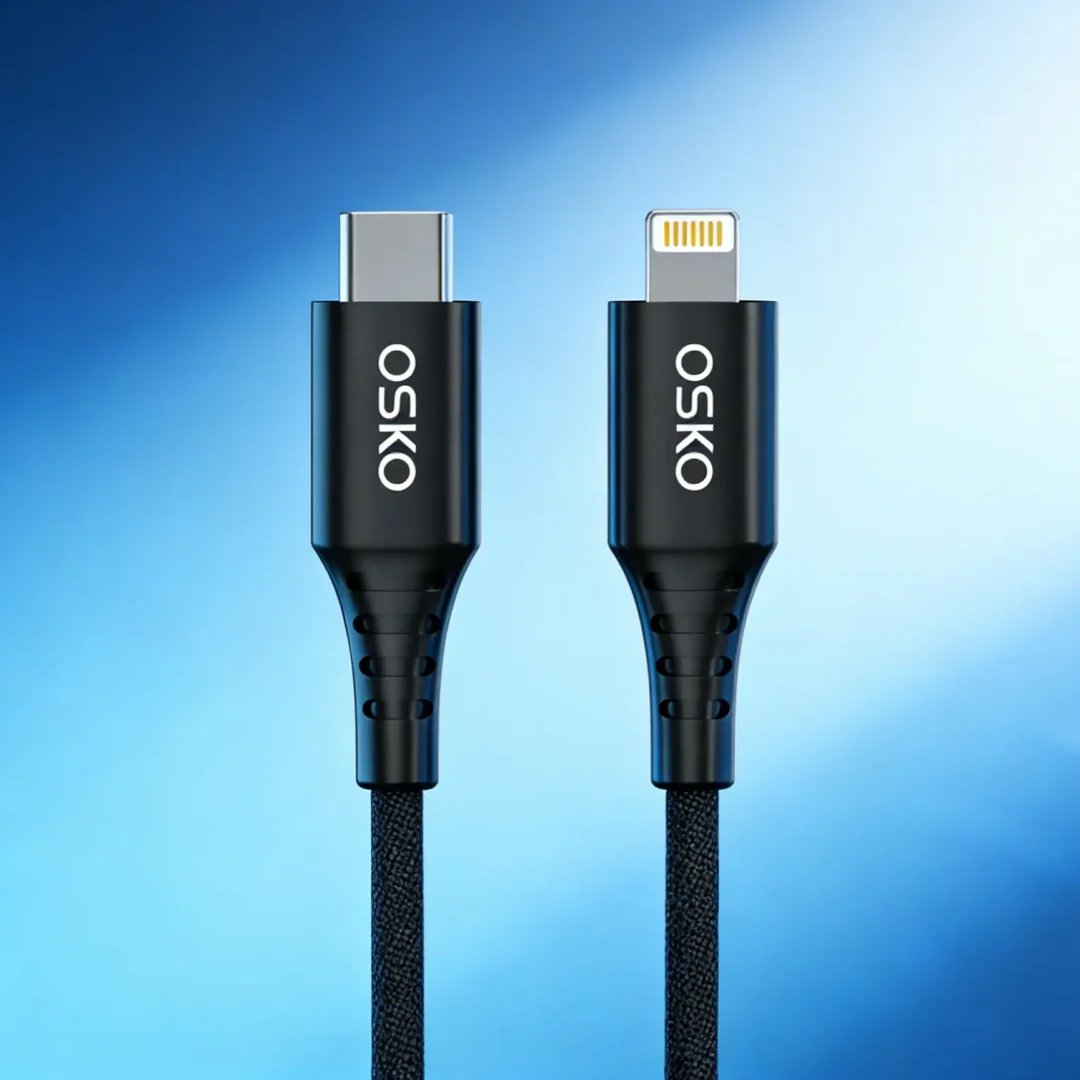
Braided Cable Structure
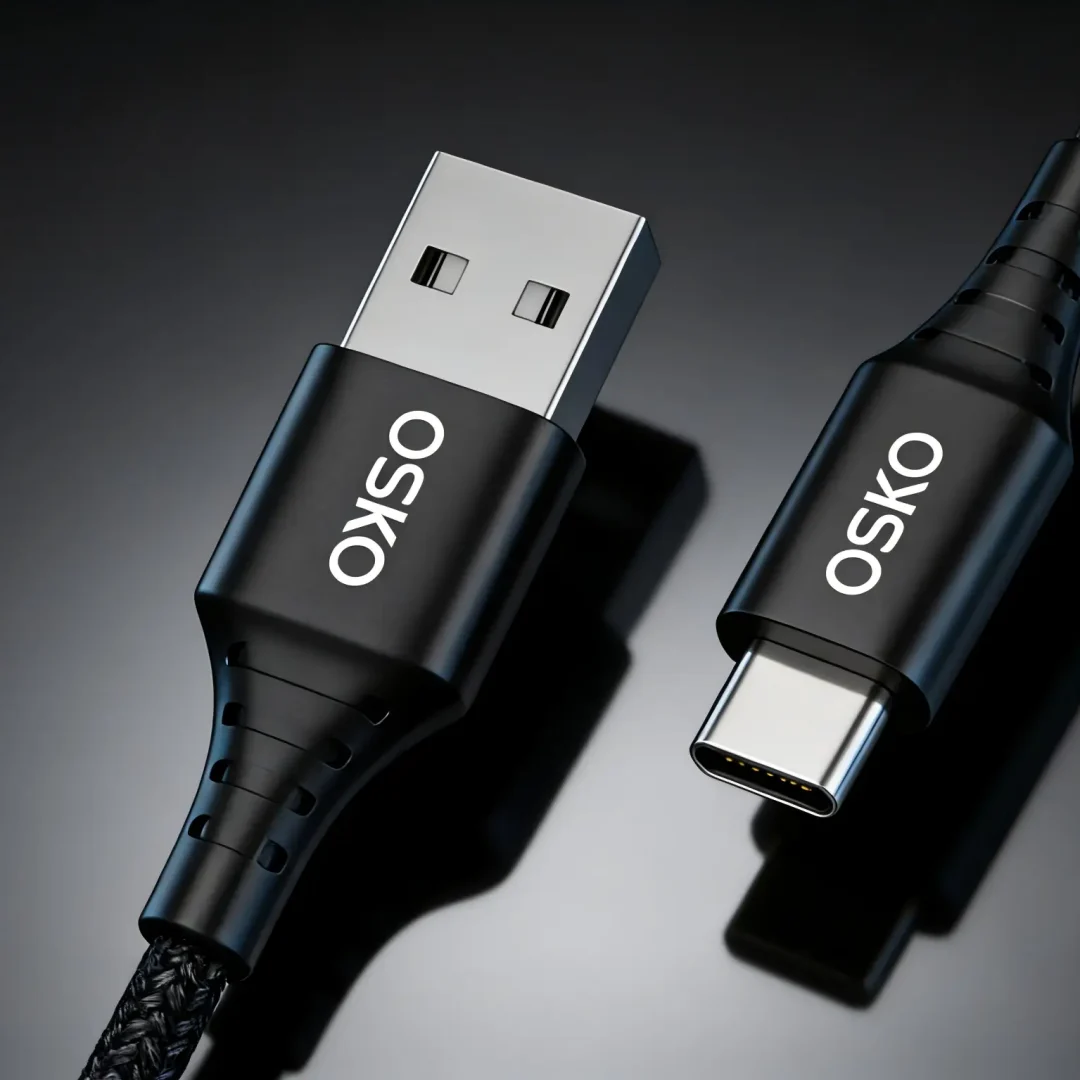
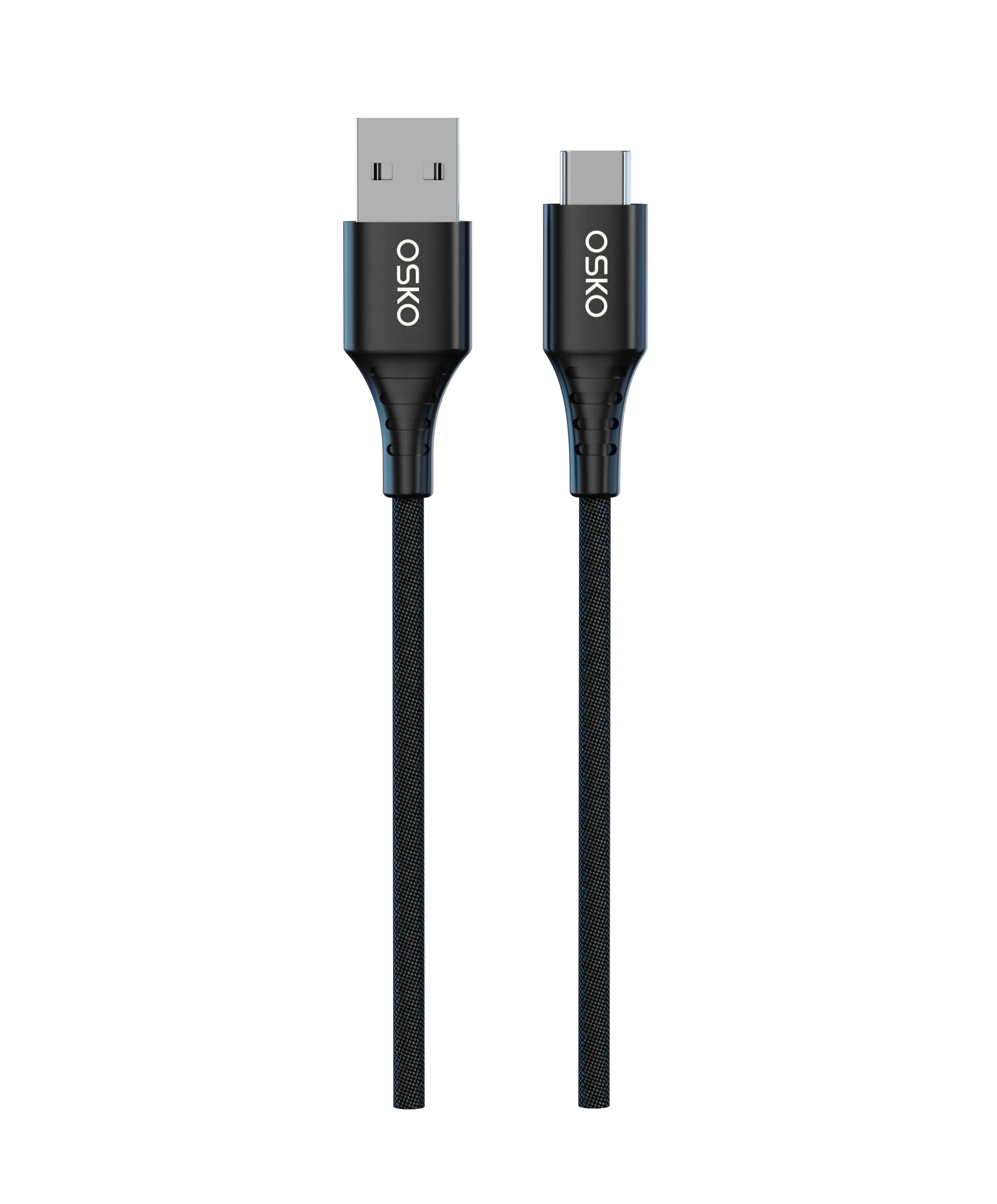
A braided USB-C cable provides improved mechanical durability.
Advantages:
Better abrasion resistance
Improved bending performance
Longer lifespan
Common applications:
Travel charging cable
Desk charging cable
Car charging cable
Home charging cable

Case Study
US Consumer Electronics Brand Improved Charging Product Reliability Through Cable Engineering
A US charging accessory company developed a new fast charging product line but experienced customer complaints.
Customer Requirements
The brand needed:
Reliable fast charging performance
Durable charging cables
Retail-ready products
Stable OEM production
Target applications:
Smartphone charging
Power bank bundles
Home charging kits
Travel accessories
Engineering Problems
OSKO analyzed the existing products.
Electrical Issues
Cable resistance reduced charging efficiency
Inconsistent power performance
Mechanical Issues
Connector damage after repeated use
Weak cable bending protection
OSKO Solution
OSKO optimized the charging cable structure:
Electrical Improvements
Improved conductor design
Better current transmission
USB PD compatibility
Mechanical Improvements
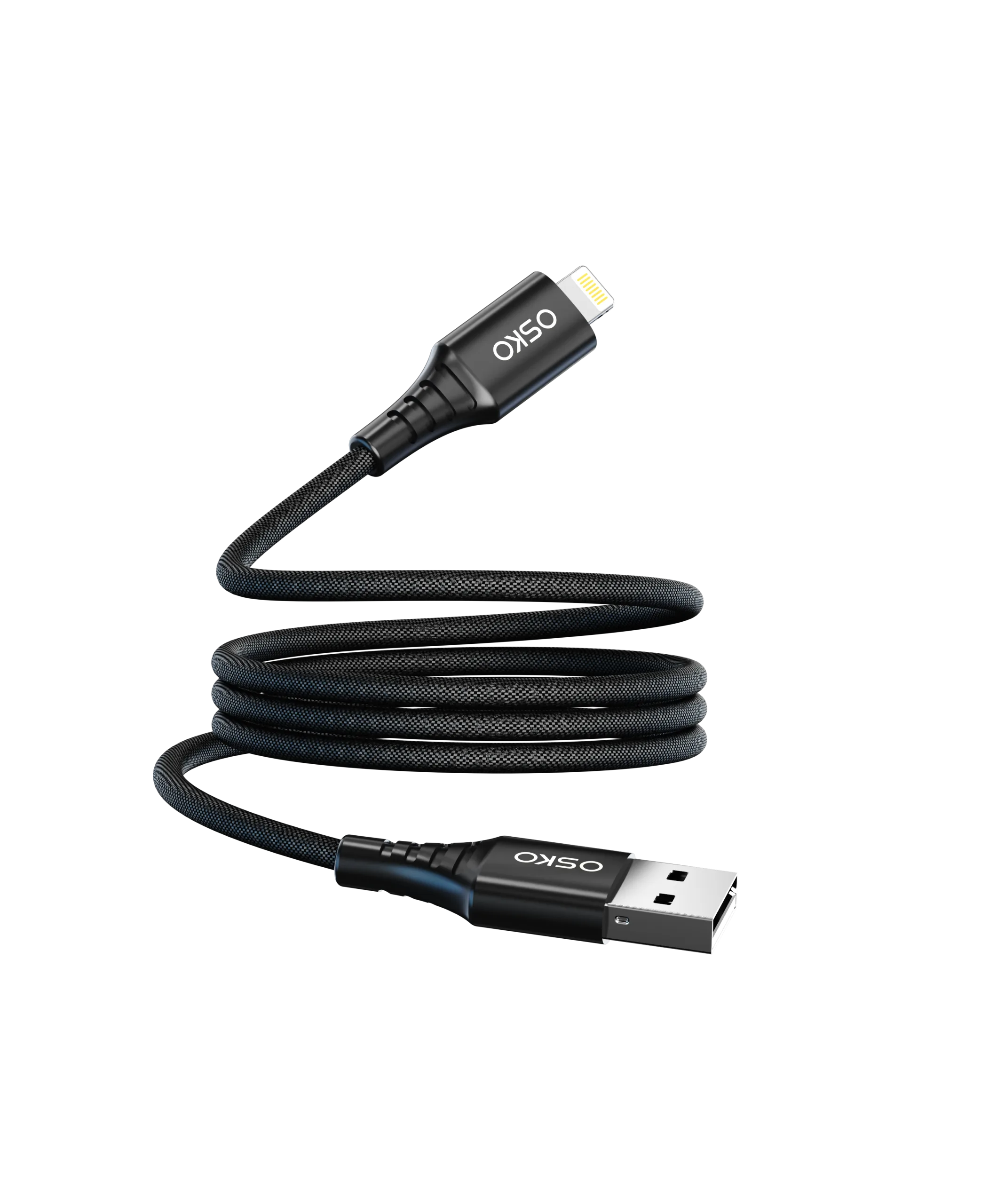
Nylon braided outer layer
Reinforced connector housing
Enhanced strain relief
Manufacturing Support
Performance testing
Durability testing
Bulk production quality control
The project supported:
OEM USB cable production
ODM charging cable development
Wholesale USB cable supply
Retail charging accessory programs
Selection Guide
How to Choose the Right USB Charger and Cable Combination
For Smartphones
Recommended:
20W–45W USB-C charger
USB-C fast charging cable
Compatible charging protocol
For Tablets
Recommended:
45W–60W charger
Durable USB-C cable
For Laptops
Recommended:
65W–240W USB-C PD charger
High-power USB-C cable
E-marker supported cable
OEM Buyer Considerations
For companies sourcing charging products, evaluate:
| Category | Important Factors |
|---|---|
| Charger | Power output and safety |
| Cable | Wattage rating and structure |
| Materials | Copper and insulation quality |
| Testing | Reliability verification |
| Supplier | Engineering capability |
OSKO provides:
Heavy duty braided USB-C cable manufacturer
Durable nylon braided Type C charging cable factory
USB-IF compliant Type C cable manufacturer
OEM ODM custom length USB C cables
White label 240W fast charging cable wholesale
CE RoHS certified 240W USB C cable
ISO9001 certified braided USB cable factory
FAQ
Does a USB charger provide power directly to a phone?
No. The charger first converts AC electricity into controlled DC power and communicates with the device to provide suitable output.
Why does my charger get hot?
Some heat is normal during power conversion. Excessive heat may indicate poor design, overload, or insufficient ventilation.
Can a high-watt charger damage a phone?
Generally no. Modern charging systems negotiate power levels and only provide what the device supports.
Is the USB cable as important as the charger?
Yes. A poor-quality cable can limit charging speed even when using a high-performance charger.
Why is USB-C better for fast charging?
USB-C supports higher power delivery, improved communication, and modern charging protocols
Summary
USB chargers work through a complex process of power conversion, voltage regulation, communication, and safety management.
The complete charging system depends on:
Charger capability
USB protocol compatibility
Cable specifications
Device requirements
A high-quality charging solution requires both a reliable charger and a properly engineered cable.
For US consumers and businesses, selecting the correct combination improves charging speed, safety, and product reliability.
For OEM brands and distributors, partnering with an experienced manufacturer like OSKO provides professional charging cable engineering, customization support, and scalable production solutions.
Contact Information
OSKO provides professional USB charging cable solutions:
USB-C PD charging cables
Fast charging cables
Braided USB-C cables
Custom length cables
OEM and ODM production
OSKO engineering team supports global brands with cable design optimization, material selection, charging performance testing, and reliable manufacturing solutions.