
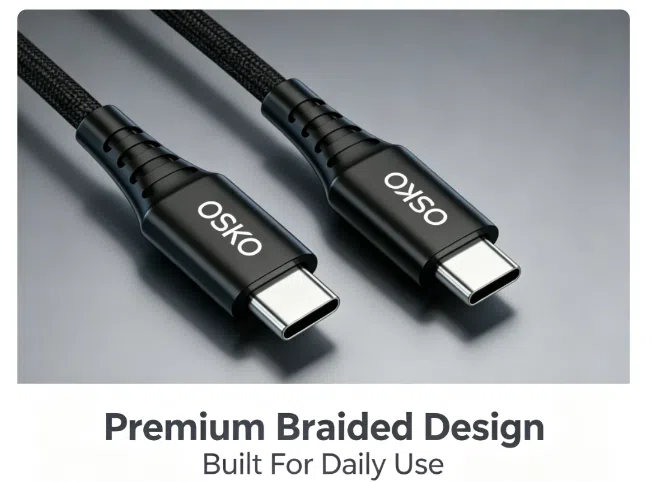
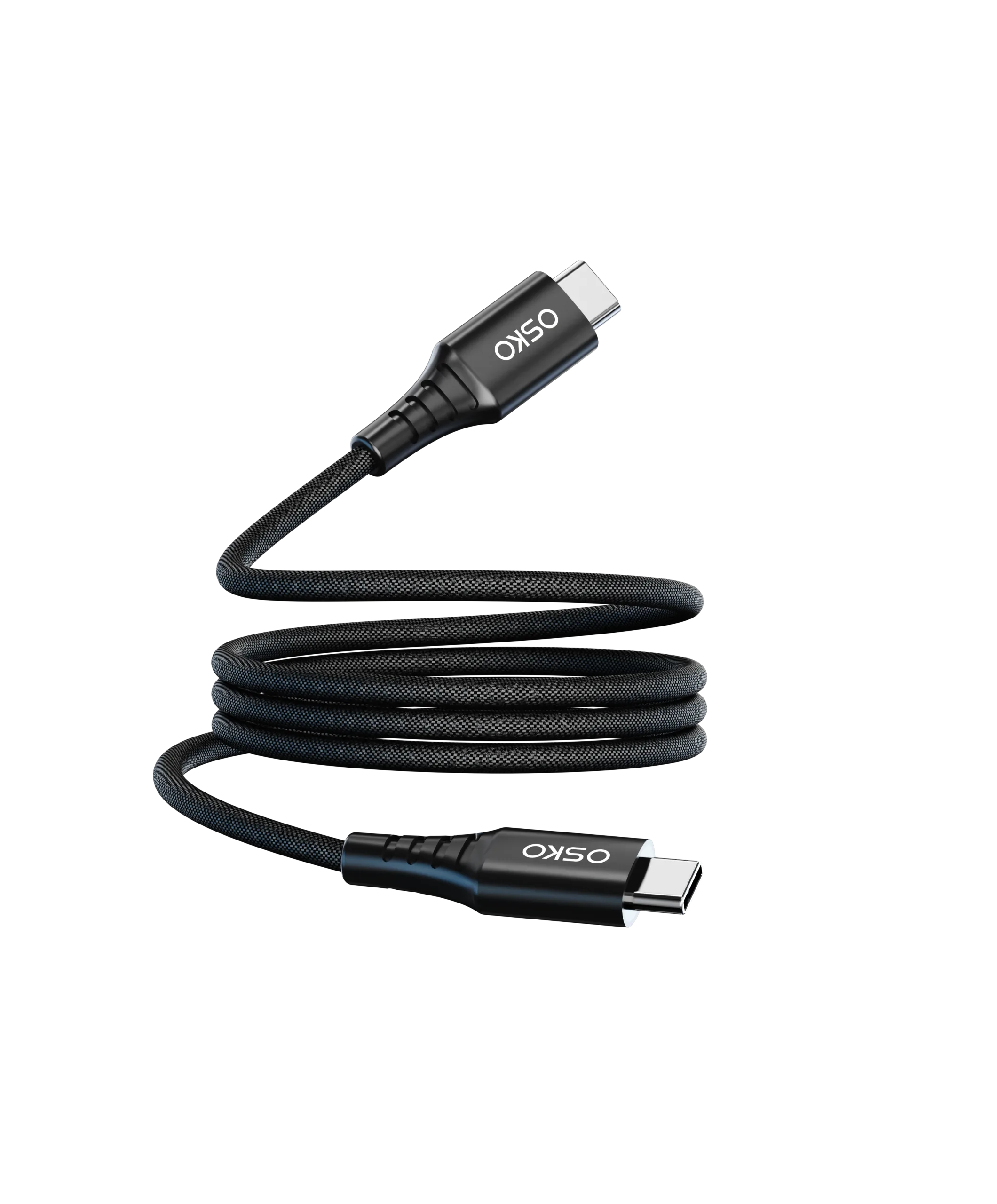
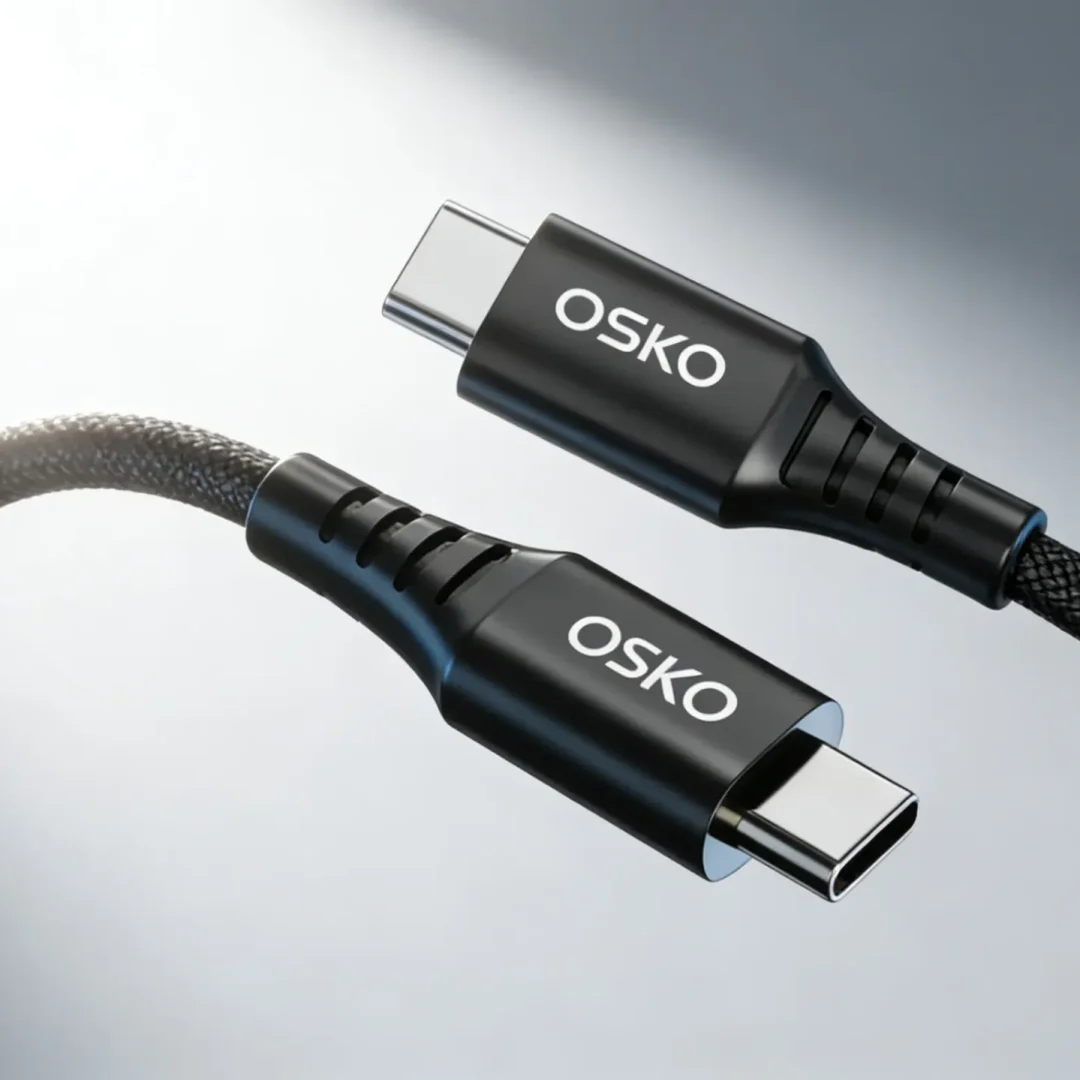
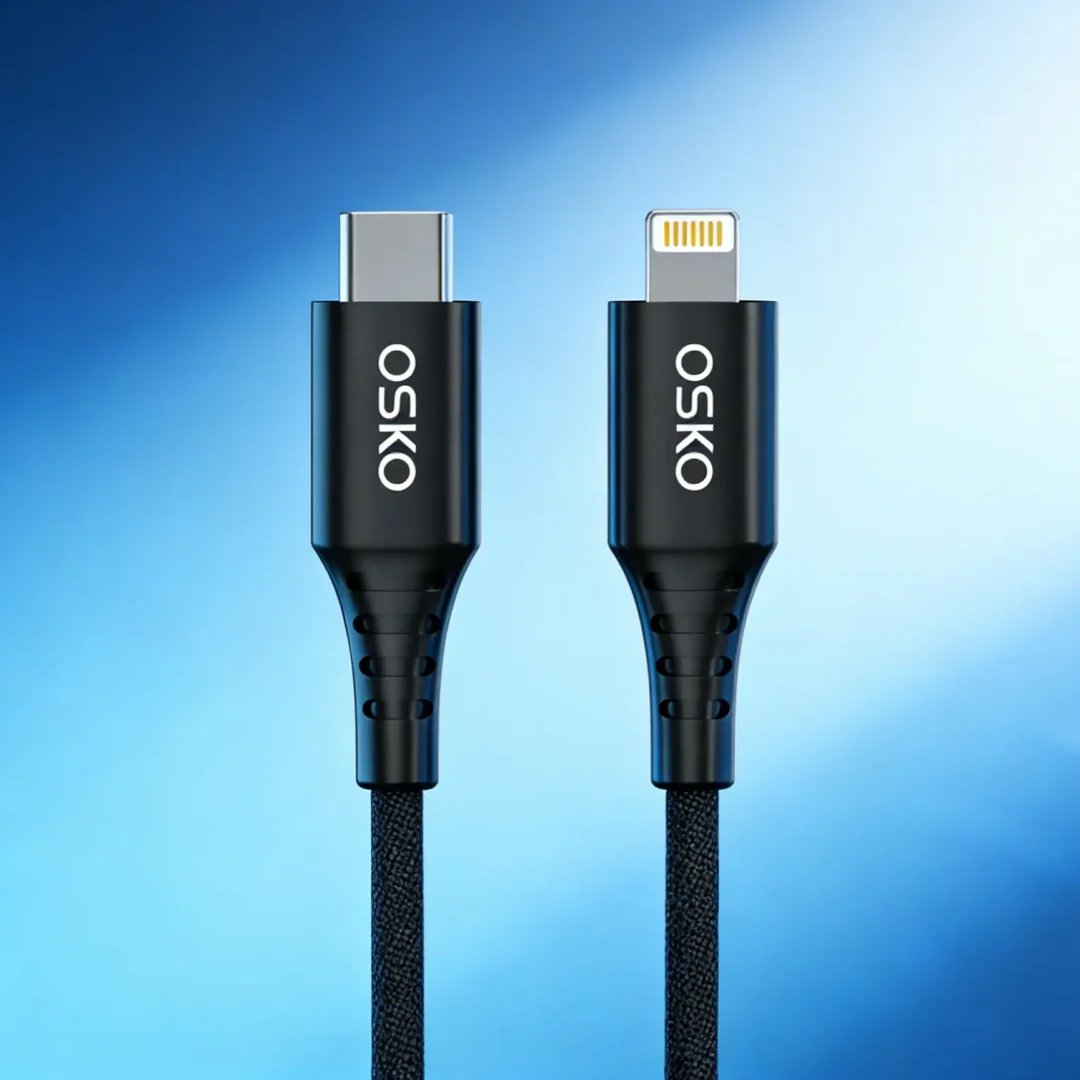
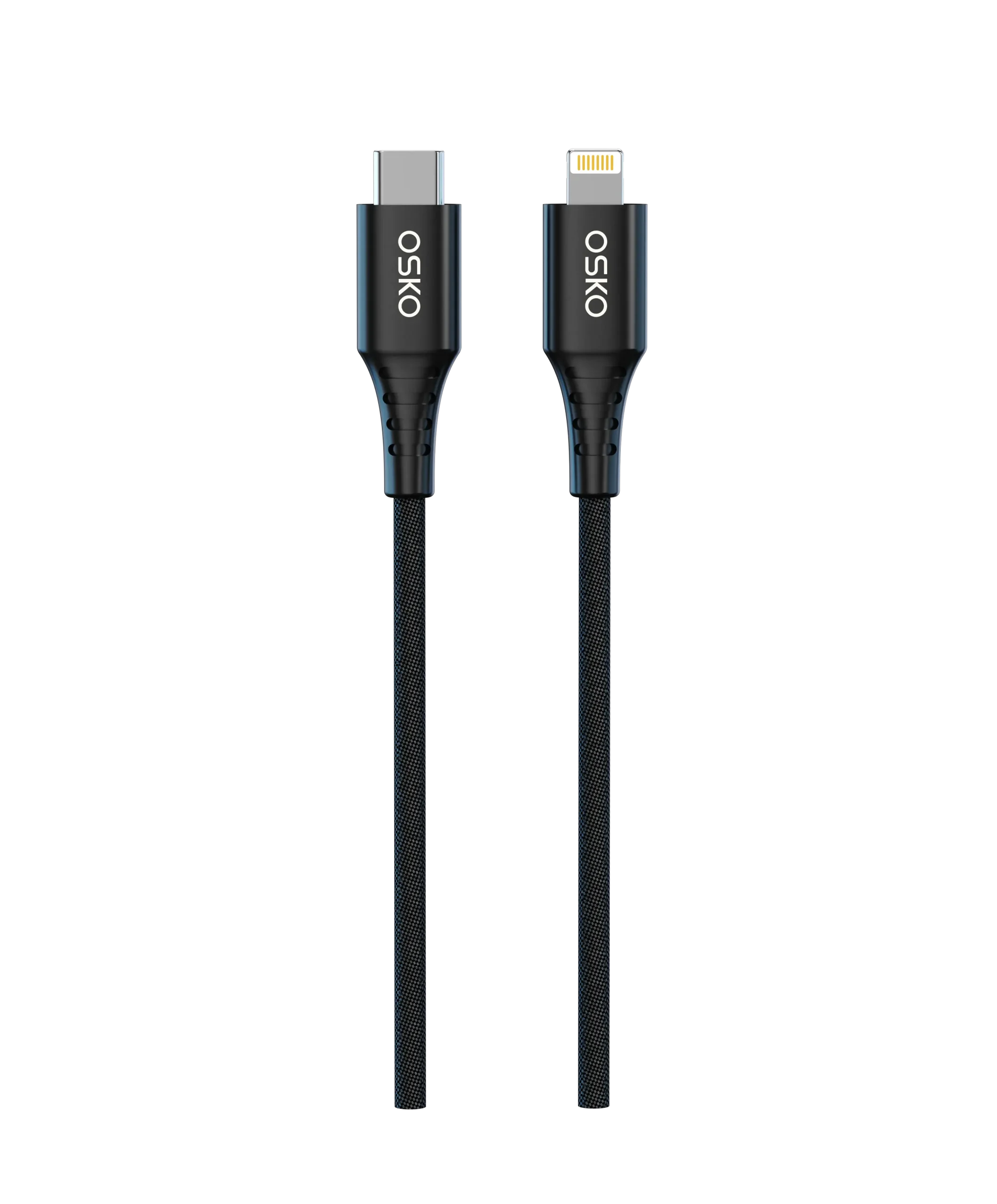
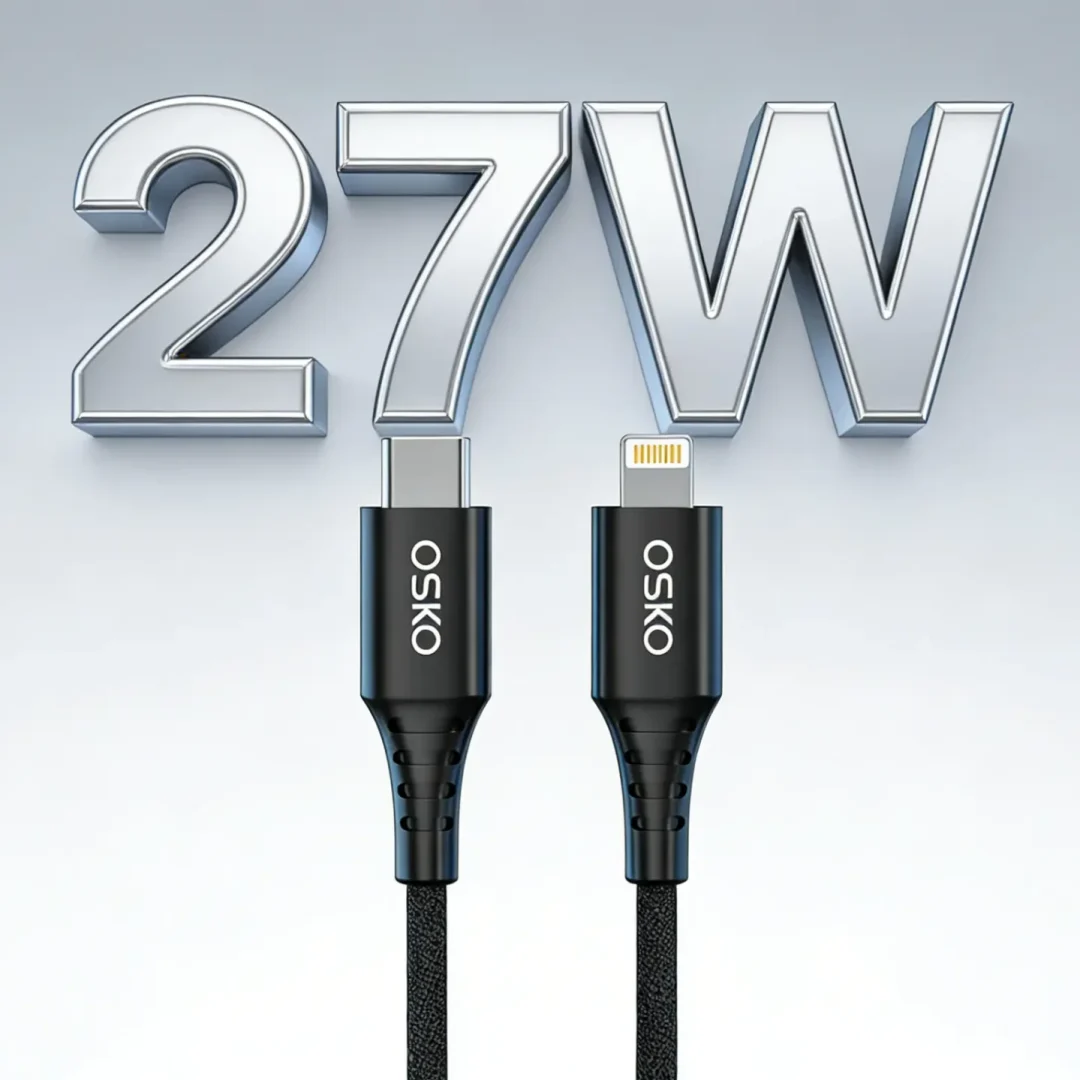
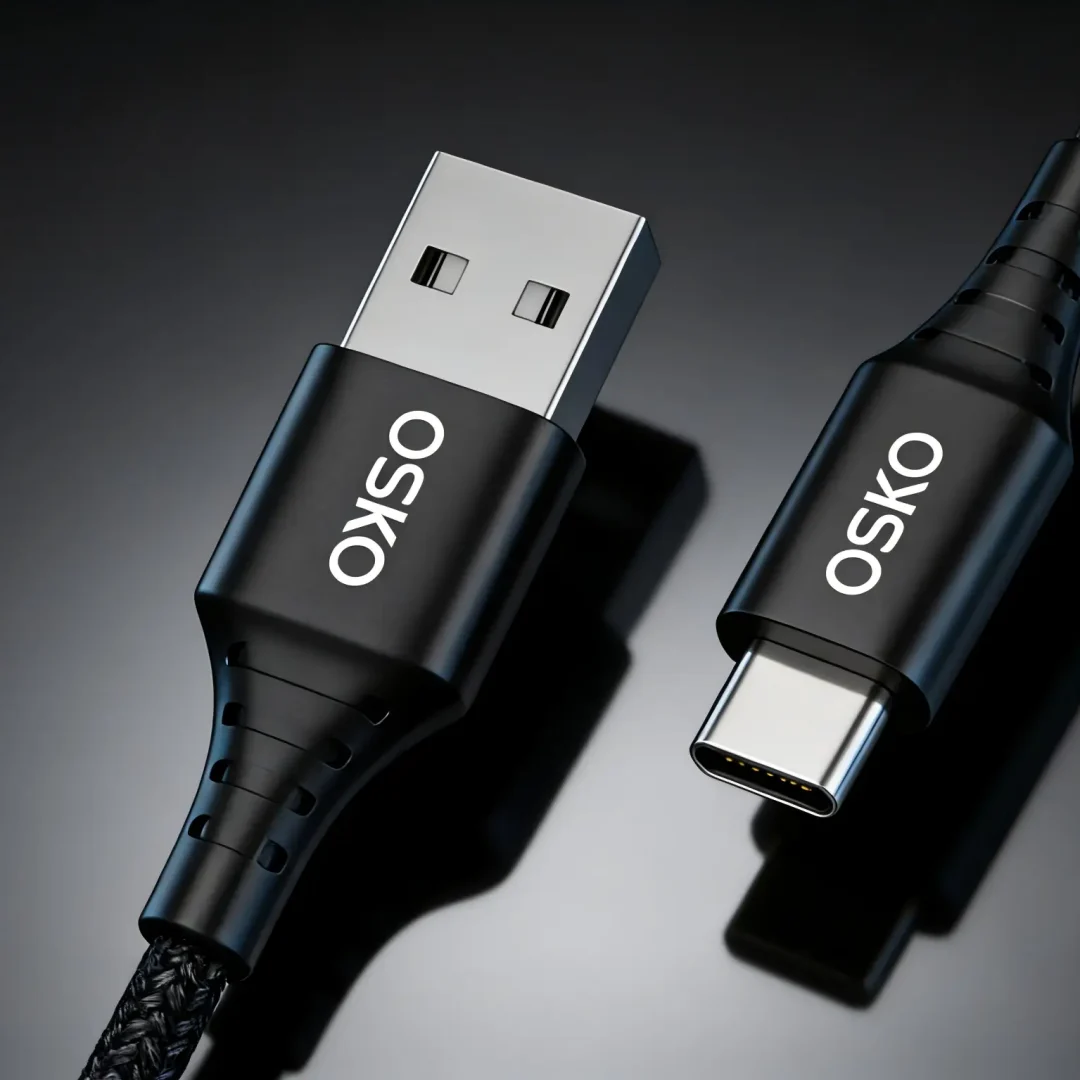
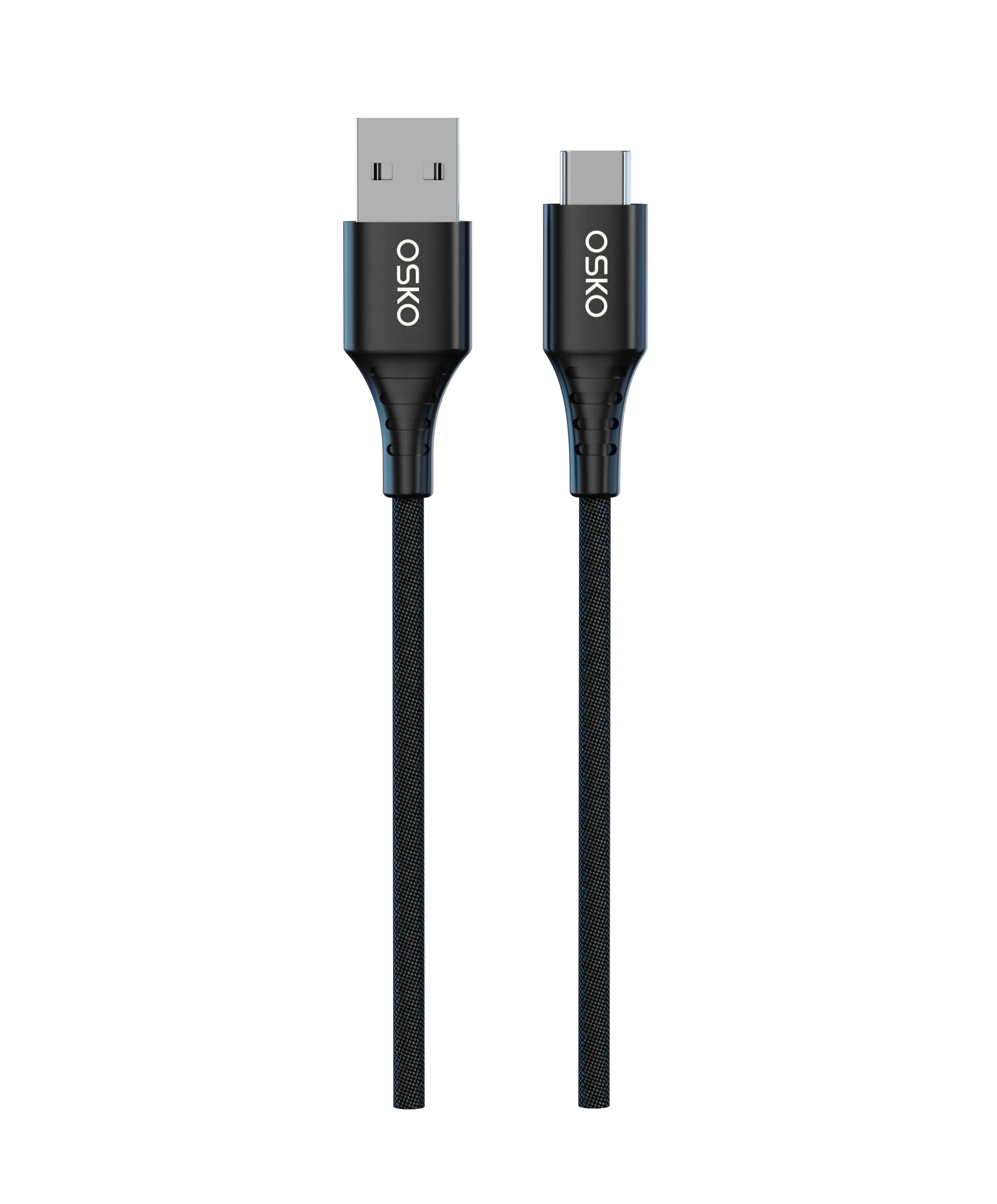
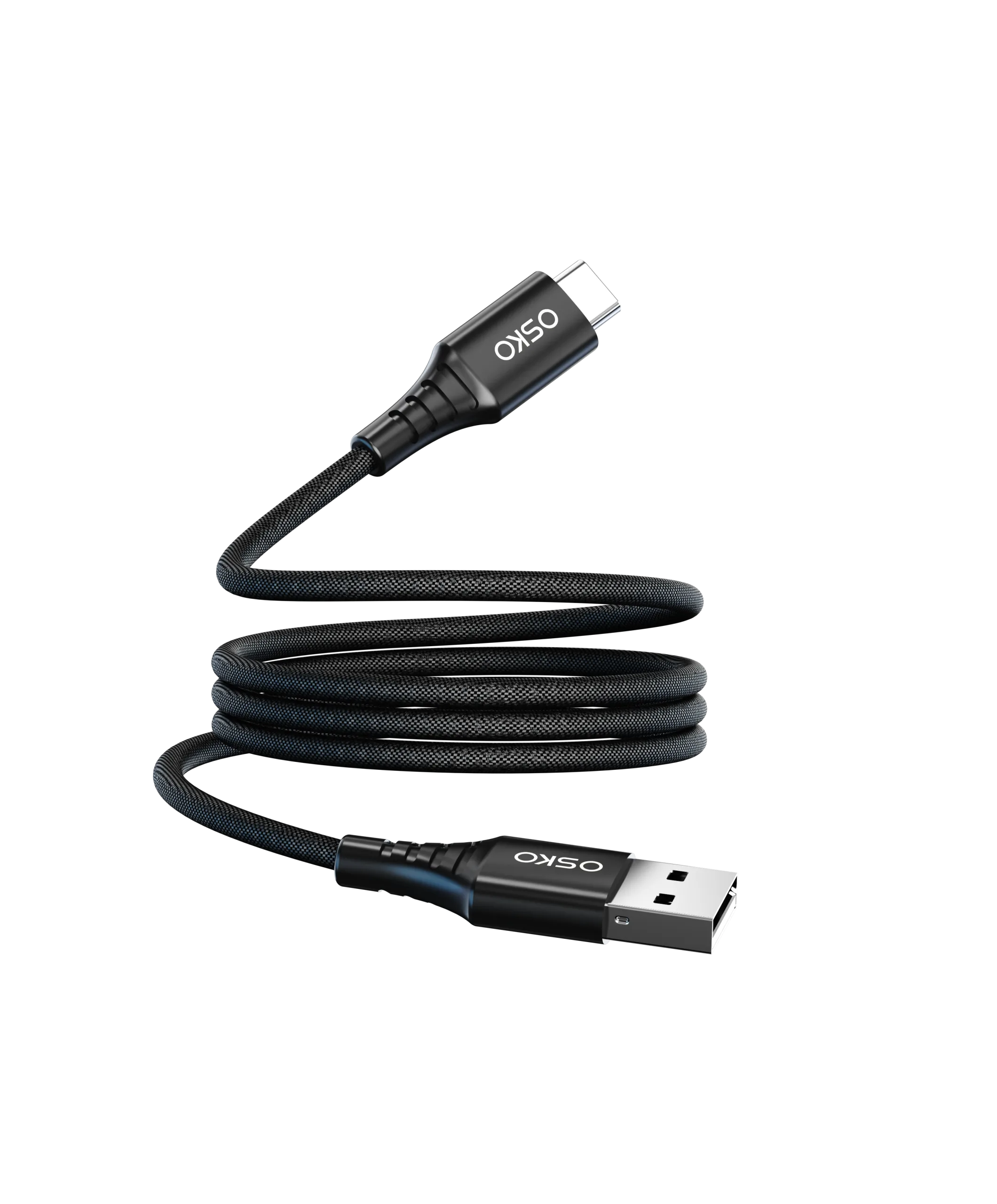
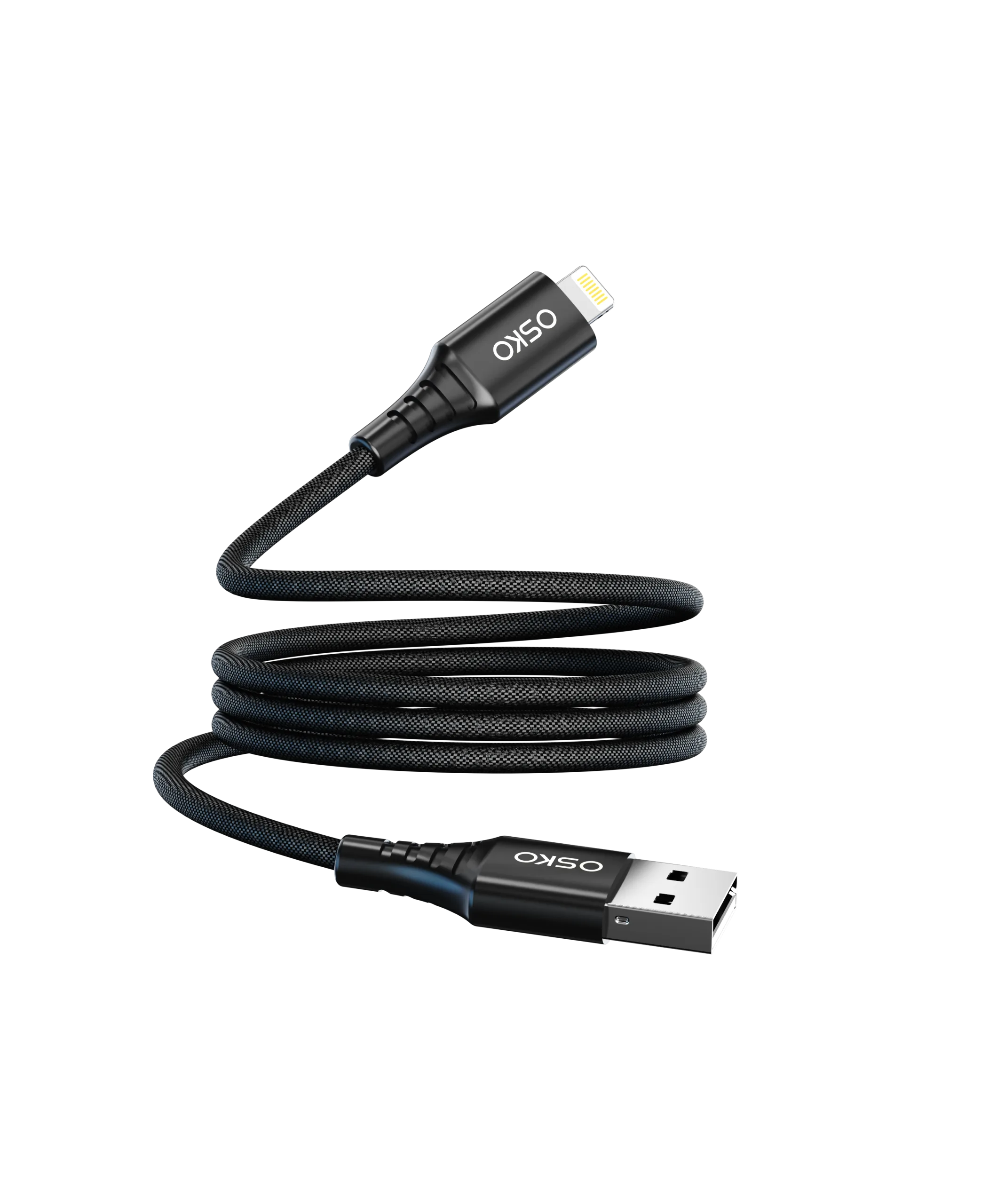
USB-C has become the standard charging connector for smartphones, tablets, laptops, gaming devices, and professional electronics. However, not every USB-C cable delivers the same charging performance.
Many consumers and purchasing teams often see USB-C cables labeled as 3A, 5A, 60W, 100W, or 240W and wonder:
What is the difference between a USB-C 3A cable and a 5A cable?
The main difference is the maximum current capacity. A 3A USB-C cable can safely carry up to 3 amps of current, while a 5A USB-C cable supports up to 5 amps and enables higher power charging applications.
Choosing the wrong cable may result in slower charging, limited power output, or incompatibility with high-performance devices.
This guide explains the technical differences between USB-C 3A vs 5A cables, including charging power, E-marker chips, device compatibility, and how to choose the right cable for personal use or bulk procurement.

USB-C 3A vs 5A: Quick Comparison
Although USB-C connectors look identical, the internal structure and power capability of cables can be very different.
| Feature | USB-C 3A Cable | USB-C 5A Cable |
|---|---|---|
| Maximum Current | 3 Amps | 5 Amps |
| Maximum Power | Up to 60W | Up to 100W / 240W |
| E-marker Chip | Usually Not Required | Required |
| Charging Speed | Standard Fast Charging | High Power Fast Charging |
| Cable Structure | Standard Conductors | Larger Conductors + Identification Chip |
| Cost | Lower | Higher |
| Best Application | Phones, Tablets | Laptops, Gaming Devices, High Power Equipment |
The biggest difference is not the connector type, but the internal design and power delivery capability.
What Does 3A Mean on a USB-C Cable?
A 3A USB-C cable means the cable supports a maximum current of 3 amps.
Using the USB Power Delivery calculation:
Power = Voltage × Current
A typical USB-C PD charging example:
20V × 3A = 60W
This means a 3A USB-C cable can normally support charging up to 60 watts.
Common Applications for 3A USB-C Cables
A 3A cable is suitable for everyday devices such as:
Smartphones
Wireless earbuds
Tablets
Smart watches
Portable gaming devices
20W–45W phone chargers
Some lightweight tablets
For most mobile devices, a 3A USB-C cable provides enough power because these products usually require less than 60W.
For example:
iPhone fast charging: usually below 30W
Android flagship phones: commonly 25W–45W
Tablets: often 20W–45W
In these situations, purchasing a 5A cable may not provide additional charging speed.
What Does 5A Mean on a USB-C Cable?
A 5A USB-C cable is designed for high-power charging applications.
Because it supports up to 5 amps, it can deliver significantly higher power:
Examples:
20V × 5A = 100W
48V × 5A = 240W
Modern USB-C Power Delivery standards allow compatible USB-C cables to support up to 240W charging with Extended Power Range (EPR).
This makes 5A cables suitable for demanding devices that require more power.
Why Does a 5A USB-C Cable Need an E-marker Chip?
One of the biggest differences between a 3A and 5A USB-C cable is the E-marker chip.
An E-marker (Electronic Marker) is a small identification chip built inside high-power USB-C cables.
It communicates information between:
Charger
USB-C cable
Connected device
The chip tells the system:
Maximum current capability
Supported power level
Cable specifications
Safety information
Without an E-marker chip, USB-C chargers normally limit power output to protect the device and cable.
For example:
A 100W USB-C charger + normal 3A cable
may only provide:
60W maximum charging
A 100W USB-C charger + 5A E-marker cable
can deliver:
Up to 100W charging

3A vs 5A USB-C Cable: Charging Performance Difference
The difference becomes clear when charging high-power devices.
Smartphone Charging
Most smartphones:
Require 20W–45W
Work perfectly with 3A cables
Do not benefit significantly from 5A cables
Example:
A 30W phone charger:
30W ÷ 20V = 1.5A
A 3A cable already provides enough capacity.
Laptop Charging
Laptops require much more power.
Examples:
MacBook Air: around 30W–45W
MacBook Pro: 60W–140W
Gaming laptops: 100W+
For laptops using USB-C PD charging:
A 5A USB-C cable is often recommended.
Example:
100W charger:
20V × 5A = 100W
A standard 3A cable cannot deliver the full charging capability.
Which USB-C Cable Should You Choose?
The right cable depends on your device and charging requirements.
Choose a 3A USB-C Cable If You Need:
Smartphones
For:
iPhone
Samsung Galaxy
Google Pixel
Android phones
A quality 3A USB-C cable is usually sufficient.
Tablets
Suitable for:
iPad USB-C models
Android tablets
E-readers
Standard Chargers
Recommended for:
20W chargers
30W chargers
45W chargers
Up to 60W USB-C PD chargers
Advantages:
Lower cost
Lightweight design
Easy portability
Choose a 5A USB-C Cable If You Need:
Laptop Charging
Recommended for:
MacBook Pro
Dell XPS
Lenovo ThinkPad
HP Spectre
Gaming laptops
High-Power USB-C Chargers
For:
65W chargers
100W chargers
140W chargers
240W USB-C chargers
Professional Application
Commonly used in:
Office equipment
Industrial devices
Portable monitors
Docking stations
Power stations
Advantages:
Higher power capability
Better future compatibility
Supports modern USB-C PD standards
Does a 5A USB-C Cable Charge Faster Than a 3A Cable?
Not always.
Charging speed depends on three factors:
Charger output power
Device charging requirement
Cable capability
A 5A cable only improves charging speed when the charger and device support higher power.
Example:
A phone requiring 25W charging:
3A cable → 25W
5A cable → 25W
No speed difference.
However:
A laptop requiring 100W charging:
3A cable → Limited to around 60W
5A cable → Up to 100W
The 5A cable provides faster charging.
Are 100W USB-C Cables Always 5A?
Yes.
A USB-C cable designed for 100W charging must support 5A current and include an E-marker chip.
A cable without an E-marker cannot safely support 5A charging.
When purchasing a 100W USB-C cable, check:
5A current rating
E-marker chip
USB PD compatibility
Cable certification
Connector quality

USB-C 3A vs 5A Cable for Wholesale Buyers
For distributors, retailers, and OEM customers, choosing the correct cable specification is important.
3A USB-C Cable Advantages
Best for:
Mobile accessories
Retail charging cables
Smartphone bundles
Travel accessories
Benefits:
Lower production cost
Competitive pricing
High-volume applications
5A USB-C Cable Advantages
Best for:
Premium charging products
Laptop accessories
High-end electronics
Professional markets
Benefits:
Supports future devices
Higher retail value
Meets high-power charging demand
How to Identify a High-Quality USB-C 5A Cable?
Before purchasing, check:
1. E-marker Chip
Confirm that the cable includes a certified E-marker chip.
2. Internal Wire Structure
High-power cables require:
Larger copper conductors
Better insulation
Improved heat management
3. Connector Durability
Quality USB-C connectors should provide:
Stable connection
Good mechanical strength
Long insertion life
4. Safety Testing
Reliable manufacturers usually provide:
Electrical testing
Current testing
Material inspection
Production quality control
Frequently Asked Questions About USB-C 3A and 5A Cables
Is a 5A USB-C cable safe for phones?
Yes. A 5A USB-C cable is safe for smartphones because devices only draw the power they need.
Do I need a 5A cable for 65W charging?
Yes, in most USB-C PD applications, a 5A E-marker cable is recommended for achieving full 65W charging performance.
Can a 3A cable charge a laptop?
It depends on the laptop.
Some laptops charging below 60W work with 3A cables, but high-performance laptops requiring 65W or more usually need a 5A cable.
Does a 5A cable transfer data faster?
Not necessarily.
Charging current and data speed are separate specifications.
A cable may support:
USB 2.0 data speed
USB 3.2
USB4
Thunderbolt
depending on its internal design.
How long does a quality USB-C cable last?
A well-made USB-C cable can typically withstand thousands of bending cycles and provide years of reliable daily use.
Conclusion: Should You Buy a USB-C 3A or 5A Cable?
The choice between a USB-C 3A cable and a 5A cable depends on your charging needs.
Choose a 3A USB-C cable for:
Smartphones
Tablets
Standard fast charging
Choose a 5A USB-C cable for:
Laptops
65W–240W chargers
High-power USB-C devices
For everyday phone charging, a 3A cable is usually enough. However, if you want maximum compatibility with modern USB-C Power Delivery technology, a 5A E-marker USB-C cable provides better long-term value.
For bulk purchasing, OEM customization, or wholesale USB-C cable solutions, working with an experienced manufacturer helps ensure reliable quality, stable supply, and product compliance.