
Introduction
A USB cable may look like a simple accessory, but manufacturing a reliable charging and data cable requires precise engineering, material control, and multiple quality inspection processes.
From smartphones and laptops to automotive systems and industrial devices, USB cables must deliver stable:
Power transmission
Data communication
Mechanical durability
Device compatibility
A professional USB cable manufacturer does not simply assemble connectors and wires. The manufacturing process involves:
Material selection
Cable structure design
Wire drawing and processing
Insulation extrusion
Shielding
Outer jacket production
Connector molding
Electrical testing
Safety inspection
For brands, distributors, and retailers, understanding how USB cable manufacturing works helps buyers evaluate supplier capability and select the right OEM or ODM partner.
Modern production supports a wide range of applications, including:
ODM USB cable development
USB cable wholesale
Bulk USB cables
Private label charging cable solutions

Material Science & Dielectric Properties
USB Cable Structure Overview
Before understanding manufacturing, it is important to understand the internal structure of a USB cable.
A complete USB cable usually contains several layers.
| Component | Manufacturing Function |
|---|---|
| Copper conductor | Transfers power and data signals |
| Insulation layer | Separates electrical conductors |
| Shielding layer | Protects against interference |
| Drain wire | Supports grounding |
| Outer jacket | Provides mechanical protection |
| Connector assembly | Connects electronic devices |
Each layer requires specific materials and manufacturing techniques.
Raw Material Preparation
USB cable manufacturing begins with selecting and inspecting raw materials.
Main materials include:
| Material | Purpose |
|---|---|
| Copper wire | Electrical transmission |
| PVC / TPU | Cable insulation and protection |
| Nylon fiber | Braided protection layer |
| Connector shells | Mechanical structure |
| E-marker chip | High-power identification |
Before production, factories inspect:
Material specifications
Conductivity
Appearance quality
Supplier consistency
Poor-quality raw materials can affect:
Charging speed
Cable lifespan
Safety performance
Step One: Copper Conductor Manufacturing
The conductor is the core component of a USB cable.
Copper wire is selected because of its:
High electrical conductivity
Low resistance
Good flexibility
Wire Drawing Process
Large copper rods are processed into thinner wires through wire drawing.
The process controls:
Wire diameter
Surface quality
Mechanical strength
Different cable applications require different conductor sizes.
For example:
| Cable Type | Requirement |
|---|---|
| Standard charging cable | Basic current transmission |
| 100W USB-C cable | Higher conductor capacity |
| 240W USB-C cable | Advanced current handling |
Step Two: Insulation Extrusion
After conductor preparation, wires receive insulation protection.
The extrusion process covers conductors with insulating materials.
Common materials:
PVC Insulation
Advantages:
Cost-effective
Stable production
Suitable for mass-market cables
TPU Insulation
Advantages:
Higher flexibility
Better bending resistance
Improved durability
The insulation layer prevents:
Electrical short circuits
Signal interference
Safety problems
Step Three: Cable Core Assembly
Multiple insulated wires are combined to create the cable core.
Depending on product requirements, the structure may include:
Power wires
Data wires
Ground wires
Shielding layers
For USB-C cables, internal design becomes more complex because modern cables may support:
Fast charging
High-speed data
Video transmission
Step Four: Shielding Process
Shielding improves signal stability.
Common shielding methods include:
| Shielding Type | Function |
|---|---|
| Aluminum foil | Blocks electromagnetic interference |
| Copper braid | Improves protection |
| Drain wire | Grounding connection |
Shielding is especially important for:
USB4 cables
Video-capable USB-C cables
High-speed data cables
Step Five: Outer Jacket Production
The outer jacket protects the internal cable structure.
Manufacturers select materials based on application requirements.
PVC Cable Jacket
Used for:
Cost-sensitive products
Large-volume orders
Promotional cables
TPU Cable Jacket
Used for:
Flexible cables
Automotive applications
Premium daily-use products
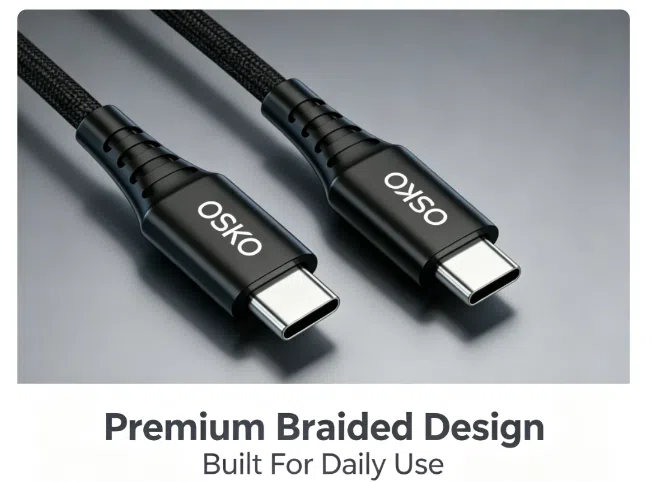
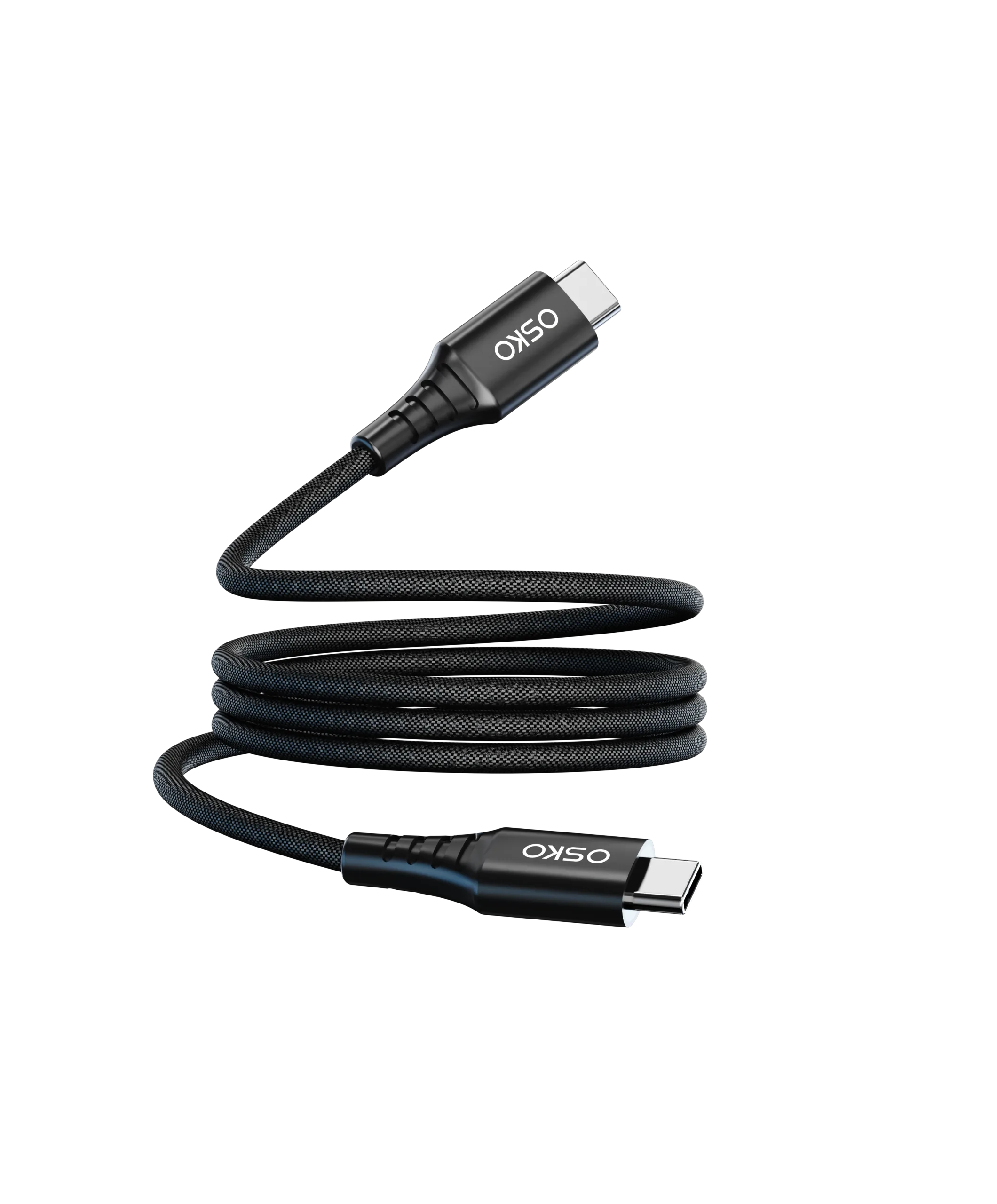
Nylon Braided Cable Structure
A braided layer is added around the cable surface.
Benefits:
Higher abrasion resistance
Better appearance
Reduced tangling
Improved durability
Premium products often use a:
Heavy duty braided USB-C cable manufacturer
solution for demanding applications.

Step Six: Connector Assembly
The connector is one of the most important manufacturing stages.
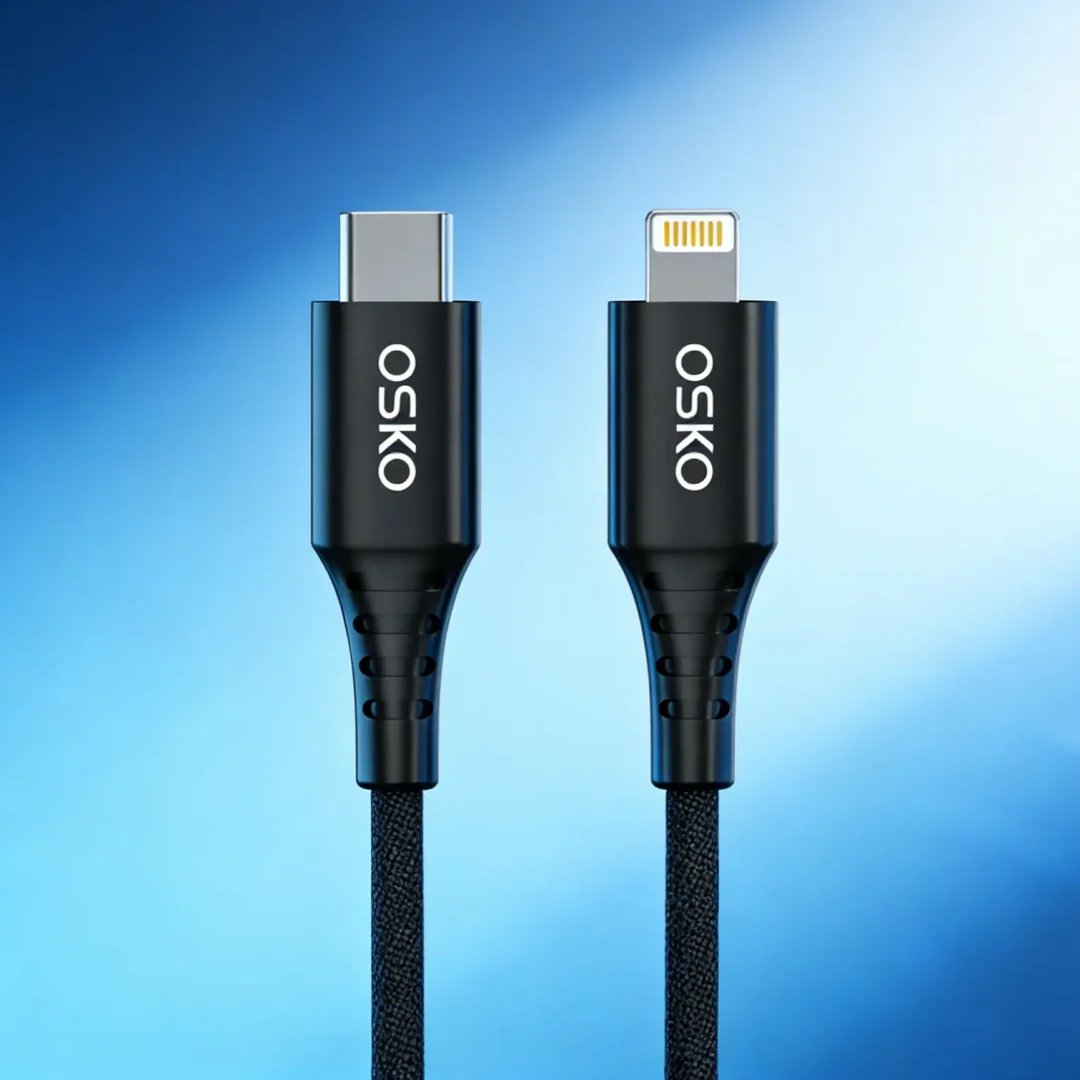
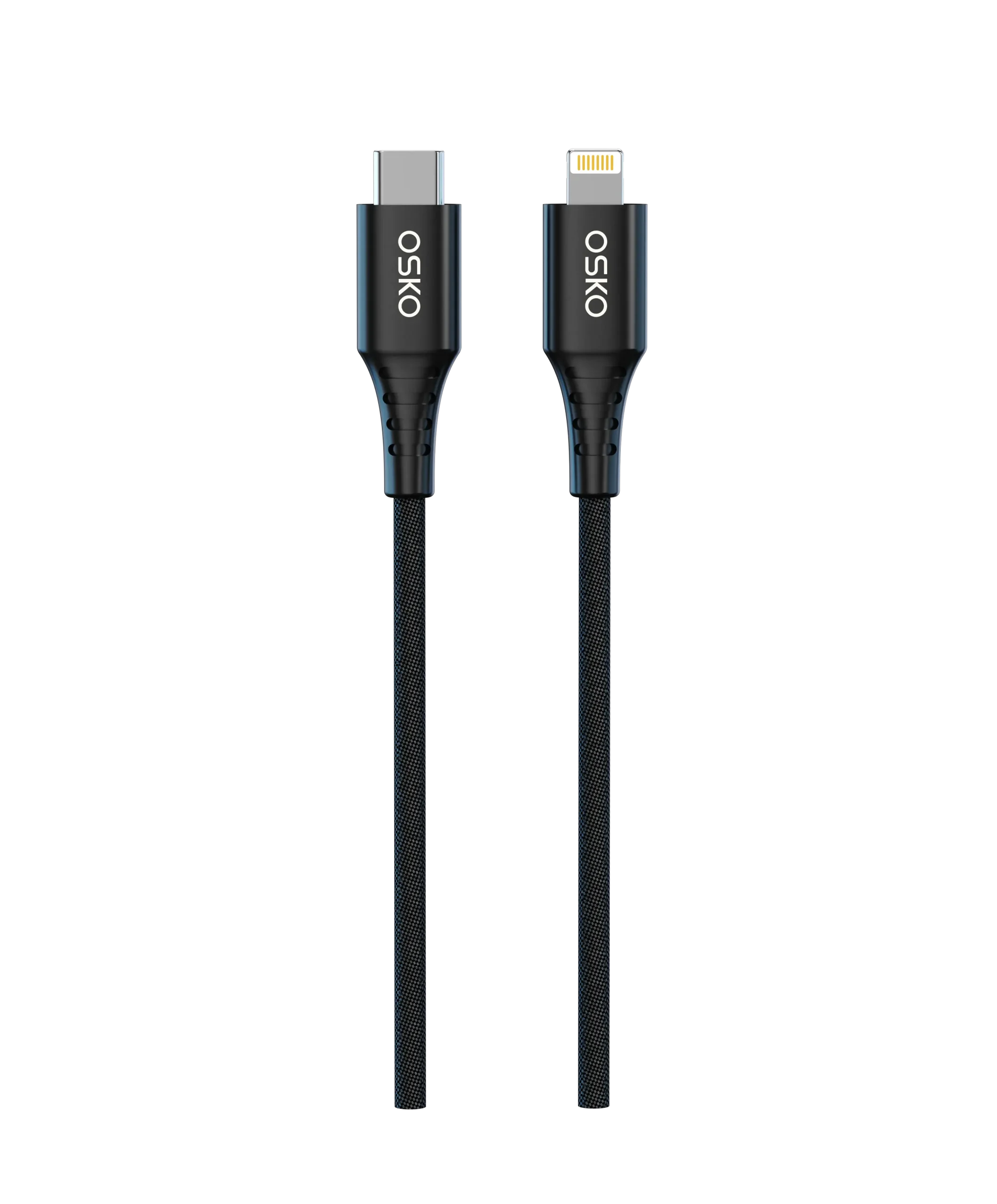
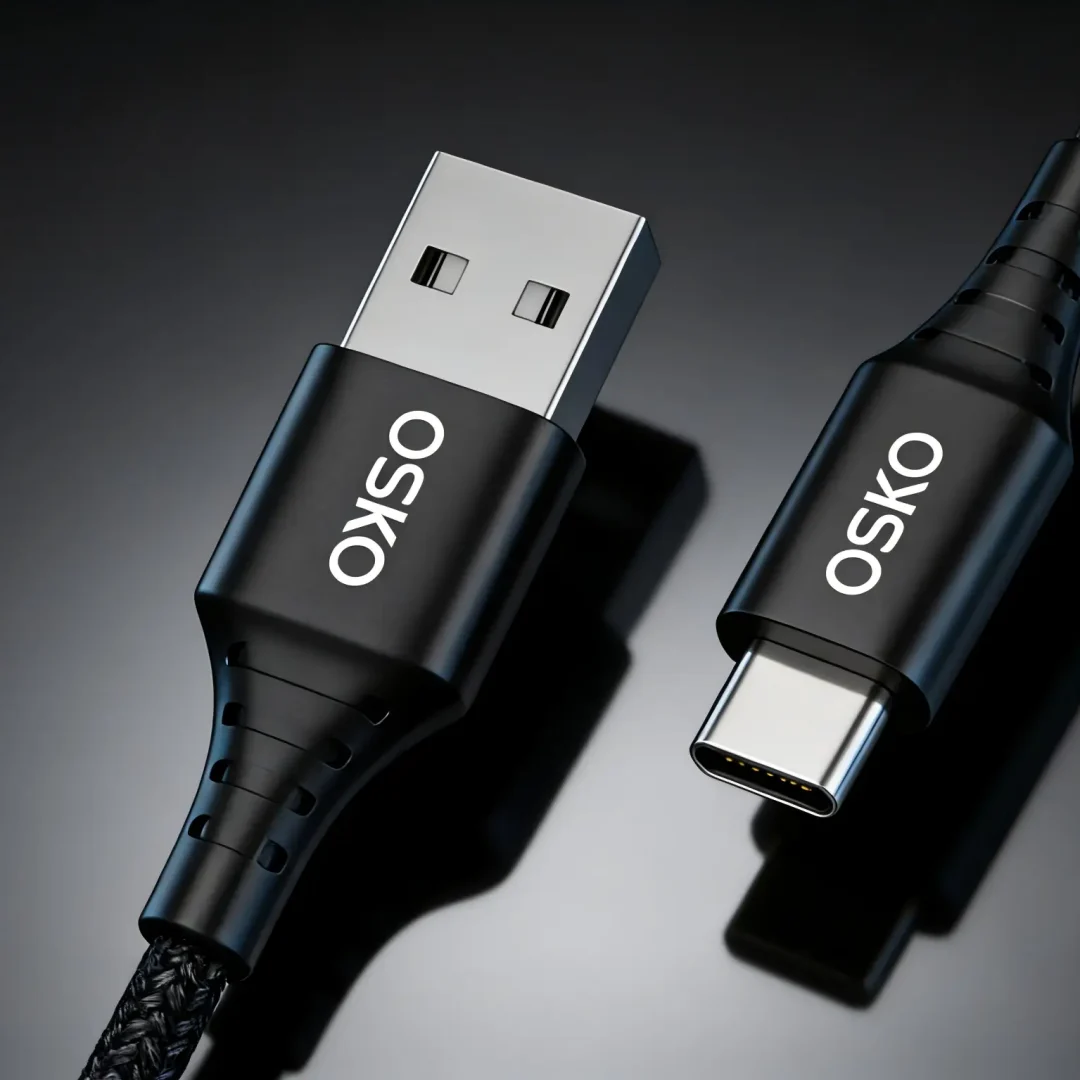
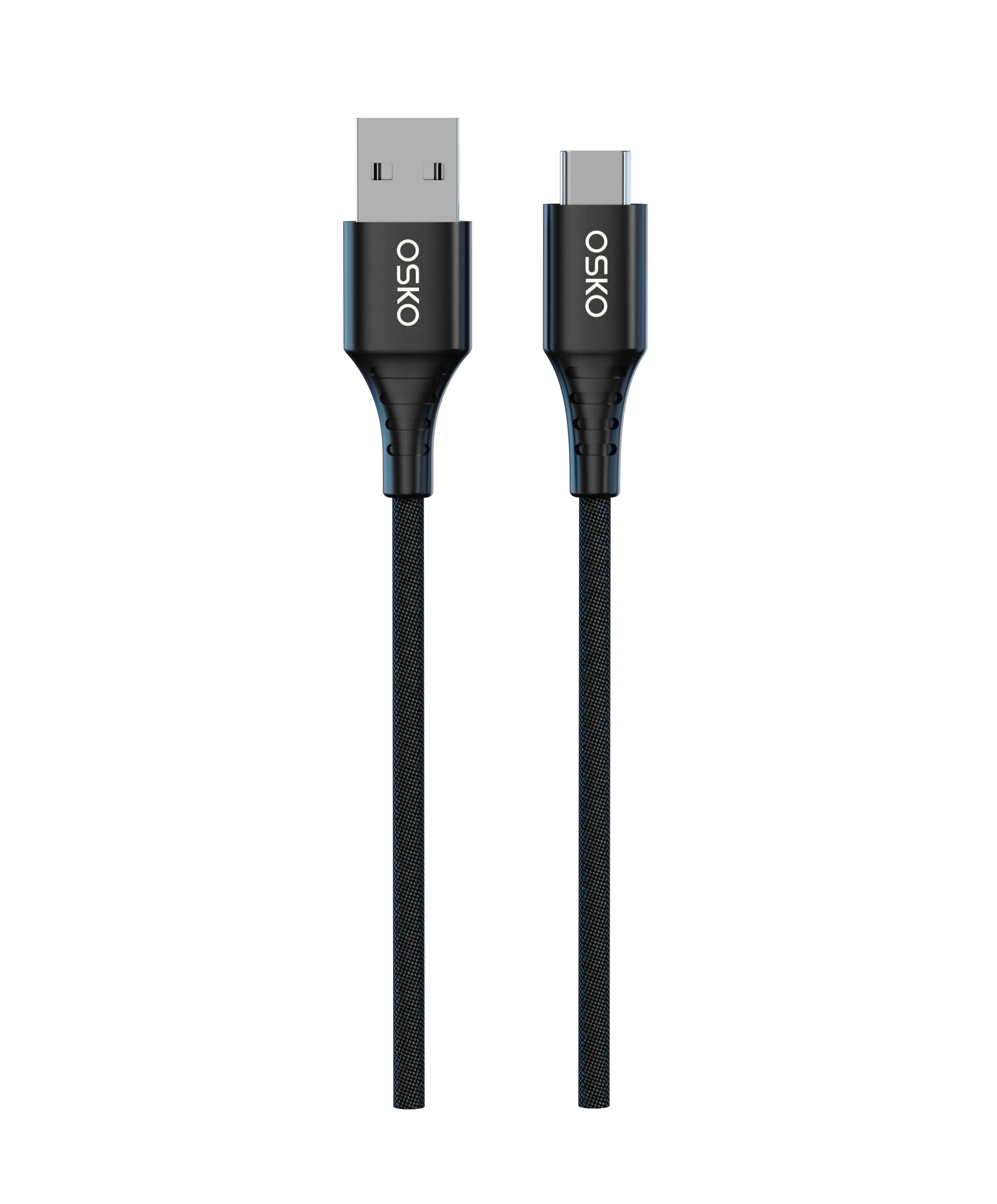
Common USB connectors include:
USB-A
USB-C
Micro USB
Lightning
Connector production includes:
Terminal installation
Wire soldering
Injection molding
Strain relief formation
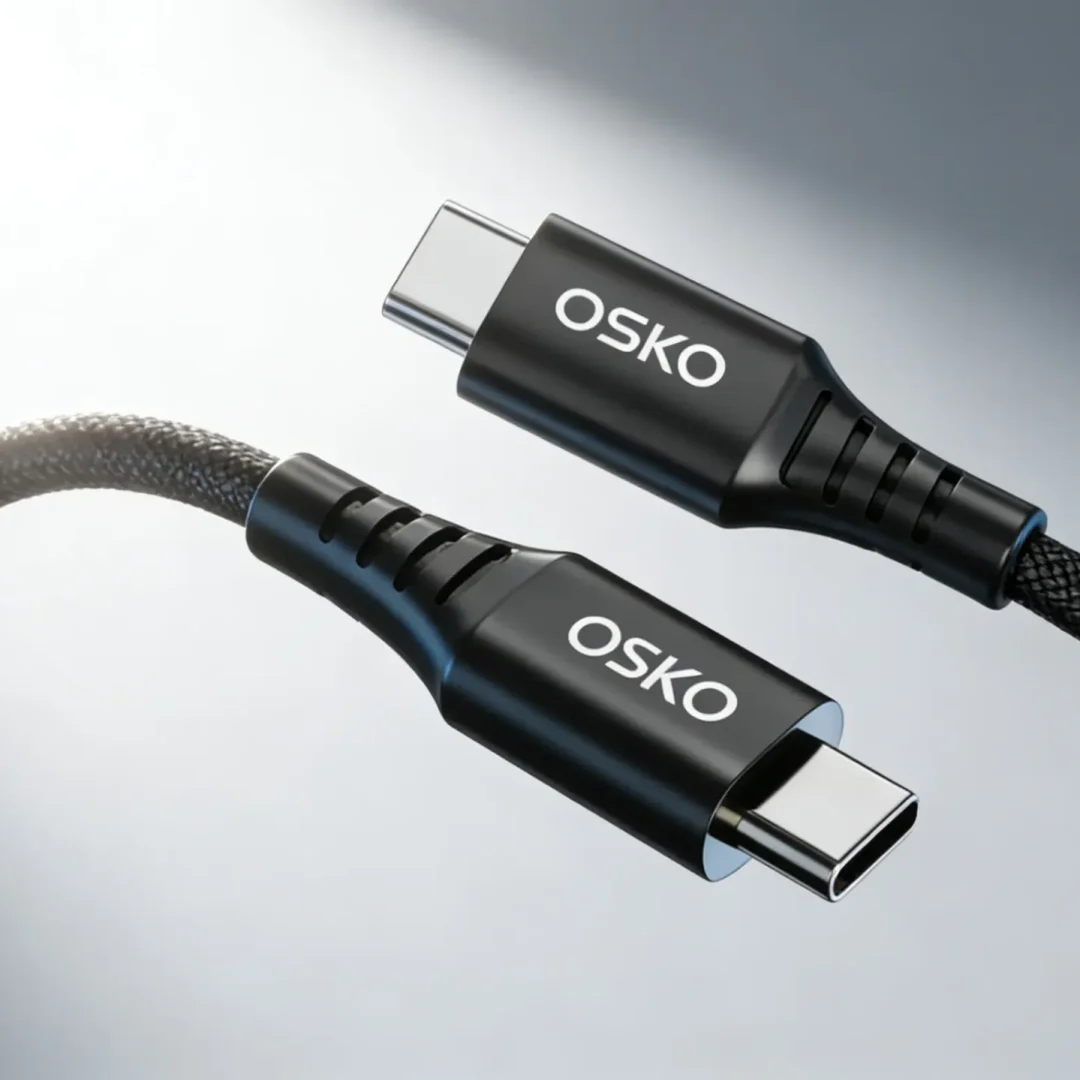
USB-C Connector Manufacturing
USB-C connectors require precise assembly because they contain:
Multiple pins
Power contacts
Data contacts
Communication channels
High-power USB-C cables may also include:
E-marker chips
Additional protection components
Step Seven: Injection Molding
Injection molding creates the connector housing.
The process provides:
Mechanical protection
Cable strain relief
Improved appearance
Design options include:
Standard housing
Transparent housing
Aluminum alloy housing
Custom branded design
Step Eight: Cable Testing and Quality Inspection
Testing is a critical stage before shipment.
A professional USB cable factory performs multiple inspections.
Electrical Testing
Tests include:
| Test | Purpose |
|---|---|
| Continuity test | Checks wire connection |
| Resistance test | Measures electrical performance |
| Charging test | Verifies power delivery |
| Data test | Confirms transmission capability |
Mechanical Testing
Mechanical tests evaluate:
Bending resistance
Connector strength
Pull force
Plug lifespan
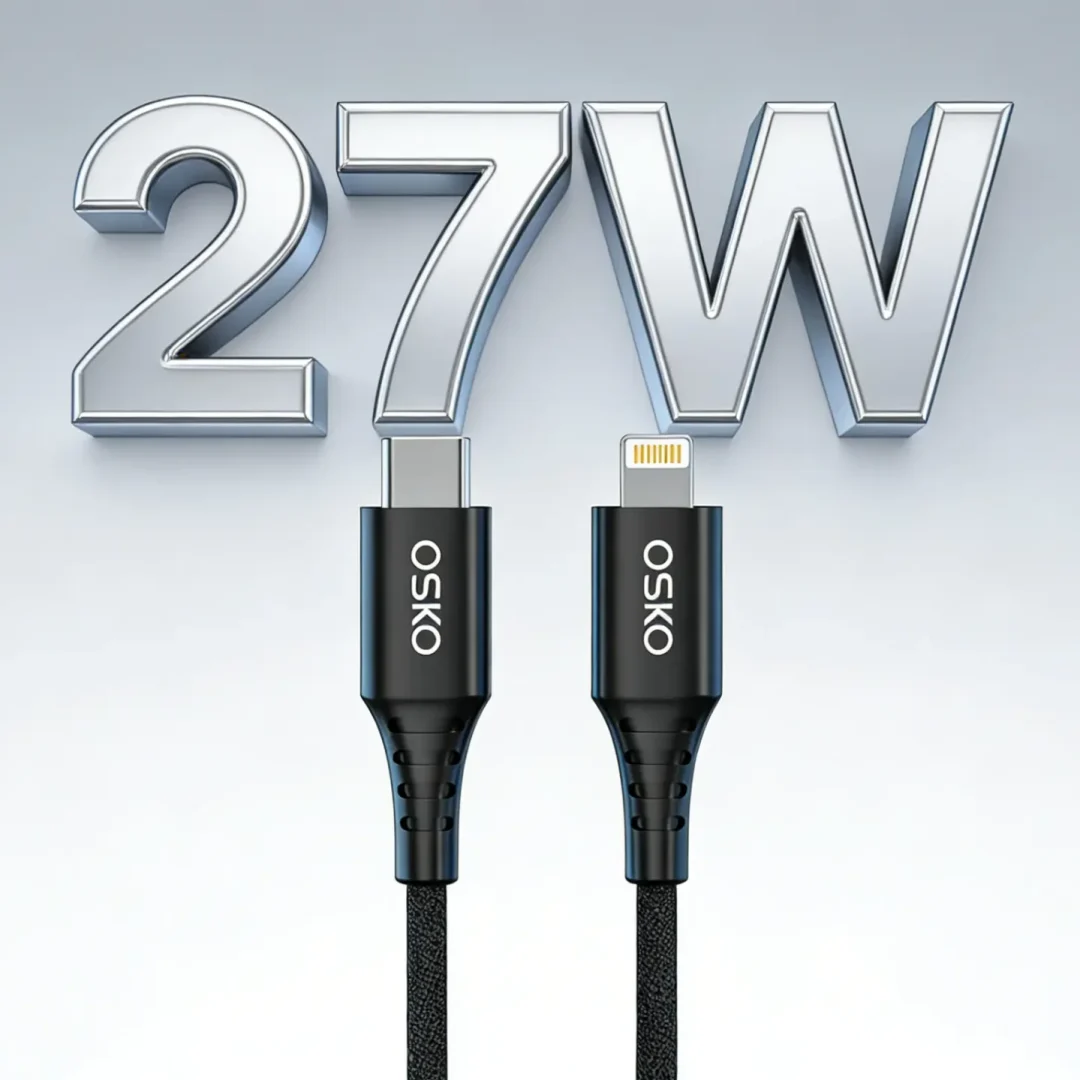
High-Power USB-C Testing
For products such as 100W and 240W cables:
Testing includes:
Power negotiation
E-marker communication
Temperature control
Current stability
Certification Testing
For international markets, manufacturers may provide:
| Certification | Purpose |
|---|---|
| USB-IF | USB performance |
| CE | European safety |
| RoHS | Environmental compliance |
| FCC | US requirements |
| ISO9001 | Quality management |
Professional suppliers may provide:
USB-IF compliant Type C cable manufacturer
CE RoHS certified USB-C cable supplier
ISO9001 certified braided USB cable factory
USB Cable Manufacturing Process Flow
| Production Stage | Main Purpose |
|---|---|
| Material inspection | Verify raw materials |
| Copper processing | Create conductors |
| Extrusion | Add insulation |
| Core assembly | Build cable structure |
| Shielding | Improve signal quality |
| Braiding | Add durability |
| Connector assembly | Connect terminals |
| Injection molding | Protect connectors |
| Testing | Ensure performance |
| Packaging | Prepare shipment |

Case Study
US Electronics Brand Develops Custom USB-C Cable Production
Customer Background
A North American consumer electronics company wanted to launch its own charging cable product line.
Products included:
USB-C charging cables
Laptop cables
Retail accessories
The company required:
Custom colors
Branded packaging
Different power ratings
Stable monthly supply
Customer Challenges
The company previously purchased generic cables.
Problems included:
Inconsistent quality
Limited customization
High return rates
No engineering support
They needed a manufacturer capable of complete product development.
OSKO Solution
OSKO provided a complete manufacturing solution.
| Requirement | Manufacturing Solution |
|---|---|
| Premium appearance | Nylon braided structure |
| Fast charging | 60W/100W/240W designs |
| Branding | Custom logo and packaging |
| Quality control | Full production testing |
| Supply stability | OEM mass production |
The project included:
OEM USB cable production
ODM USB-C cable development
USB cable wholesale supply
Bulk custom USB cables
Retail charging cable solutions
Selection Guide
How Buyers Choose a USB Cable Manufacturer
Evaluate Factory Capability
A reliable supplier should have:
Production equipment
Engineering team
Testing facilities
Quality management system
Check Manufacturing Experience
Important questions:
Does the factory produce USB-C cables?
Can it support high-power charging?
Can it provide custom designs?
Does it support private labeling?
Match Supplier Capability With Product Requirements
| Requirement | Recommended Supplier Capability |
|---|---|
| Retail cables | Packaging and branding support |
| Laptop charging cables | High-power testing |
| Automotive cables | Flexible material development |
| Wholesale products | Large production capacity |
| Premium products | Braided cable engineering |
FAQ
How long does USB cable manufacturing take?
Production time depends on customization, materials, quantity, and testing requirements.
Can USB cables be customized?
Yes. Manufacturers can customize:
Length
Color
Material
Connector design
Packaging
Logo
Why are braided USB cables more expensive?
Braided cables require additional materials and manufacturing processes but provide better durability and premium appearance
How do factories test USB cables?
Factories use:
Electrical testing
Charging tests
Data testing
Mechanical durability tests
Safety inspections
Summary
USB cable manufacturing is a complex engineering process involving:
Material selection
Copper conductor production
Insulation extrusion
Shielding
Braiding
Connector assembly
Testing
Quality control
A reliable USB cable manufacturer must combine production capability with engineering knowledge to create products that meet modern charging and data requirements.
For businesses sourcing:
OEM USB cables
USB-C charging cables
Wholesale cables
Private label products
Custom charging solutions
choosing the right factory ensures stable quality, certification compliance, and long-term supply reliability.