
Introduction
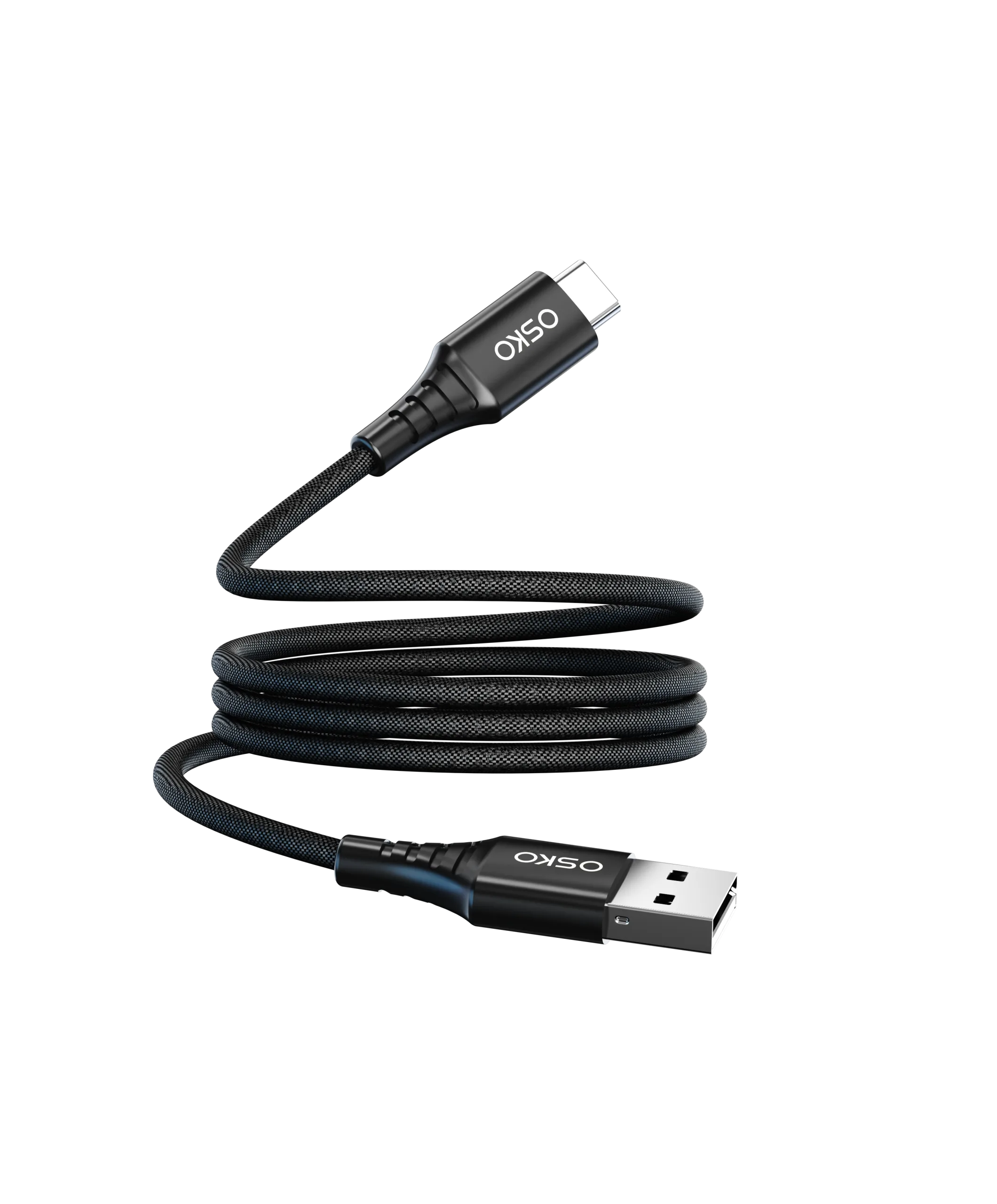
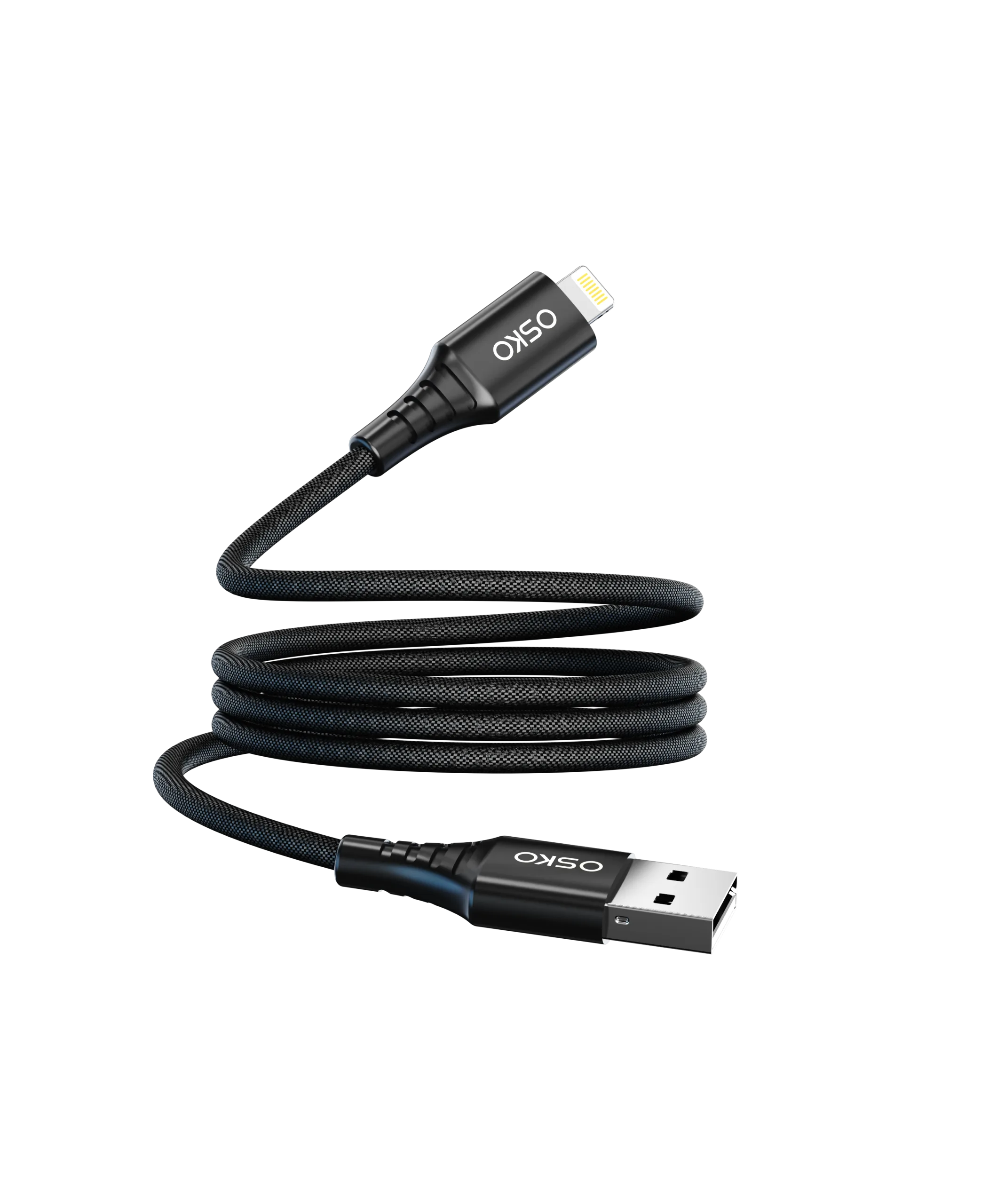
USB cables have become one of the most important components in modern electronic products. From smartphones and tablets to laptops, automotive systems, industrial equipment, and smart devices, USB cables are responsible for delivering power, transferring data, and maintaining stable device connections.
However, not all USB cables are manufactured to the same quality standards.
A cable may look identical on the outside but perform completely differently in real-world applications. Low-quality USB cables can create problems such as:
Slow charging performance
Unstable power delivery
Failed data transmission
Excessive heat generation
Connector damage
Short product lifespan
For consumers, these issues create inconvenience. For distributors, retailers, and brand owners, poor cable quality can result in much bigger business risks, including:
High product return rates
Negative customer reviews
Warranty costs
Brand reputation damage
Supply chain instability
Therefore, professional buyers need to understand USB cable quality standards before selecting a manufacturing partner.
A reliable USB cable manufacturer should not only provide production capacity but also demonstrate strong control over:
Raw material selection
Cable structure engineering
Electrical performance testing
Mechanical durability testing
Certification compliance
Mass production quality control
For OEM, ODM, wholesale, and private label projects, manufacturing quality directly affects product reliability and market competitiveness.

USB Cable Quality Standards Overview
Professional USB cable evaluation involves multiple technical areas. A qualified manufacturer must balance electrical performance, durability, safety, and compliance requirements.
| Quality Category | Testing Focus |
|---|---|
| Electrical Performance | Voltage stability, current capacity, resistance |
| Charging Capability | USB Power Delivery (PD), power rating |
| Data Performance | Transfer speed and signal stability |
| Material Quality | Insulation, conductor, outer jacket |
| Mechanical Durability | Bending, pulling, connector strength |
| Certification Compliance | Market safety and regulatory approval |
A professional USB-C cable supplier uses these standards throughout the product development and manufacturing process to ensure consistent quality from prototype to mass production.
Electrical Performance Standards for USB Cables
Electrical performance is one of the most important factors when evaluating USB cable quality.
A charging cable is not simply a wire. It is an engineered product designed to safely transfer electrical power while maintaining efficiency.
Conductor Resistance Testing
The internal copper conductor determines how effectively electrical current travels through the cable.
High-quality USB cables require:
Low electrical resistance
Stable current transmission
Consistent copper specifications
Proper wire gauge design
When resistance is too high, several problems may occur:
Voltage drop
Reduced charging speed
Excessive heat generation
Lower energy efficiency
This becomes especially important for high-power charging products such as:
60W USB-C charging cables, 100W USB-C cables, and 240W USB-C PD cables.
For example, a laptop charging cable requires stronger conductor performance than a basic smartphone charging cable because higher power transmission creates greater thermal and electrical demands.
A professional USB-C charging cable manufacturer must test conductor resistance during production to ensure the cable can safely support its rated power output.
Current Carrying Capacity Testing
USB cables must safely support their advertised charging power.
Different applications require different power levels.
| Cable Power Rating | Typical Application |
|---|---|
| 60W USB-C Cable | Smartphones, tablets, portable devices |
| 100W USB-C Cable | Laptops, monitors, professional equipment |
| 140W USB-C Cable | High-performance laptops |
| 240W USB-C Cable | Advanced USB PD charging systems |
Testing verifies whether the cable can maintain stable current transmission without overheating.
For high-power USB-C cables, manufacturers must consider:
Copper conductor thickness
Internal wire structure
Heat management
Connector design
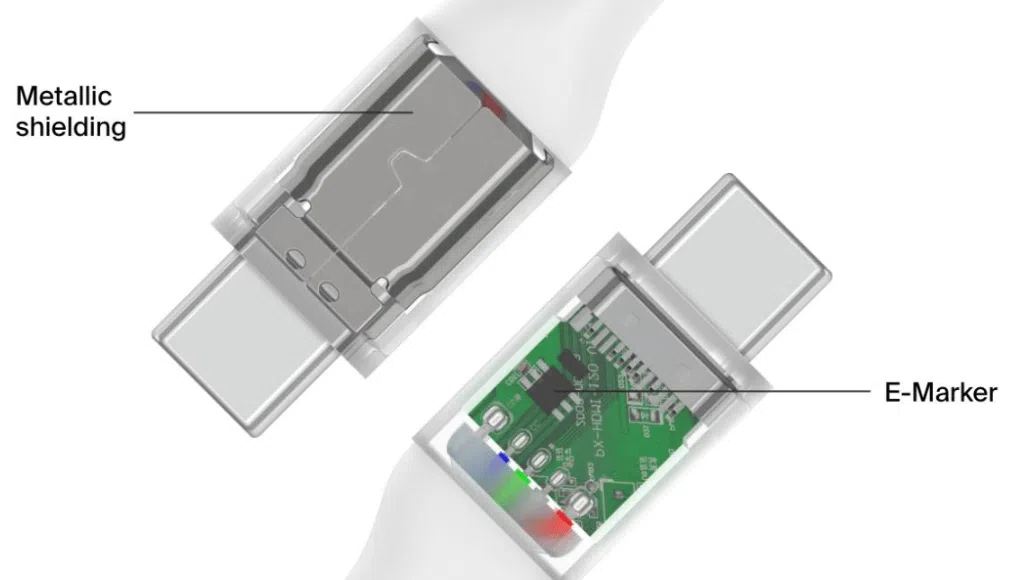
E-marker chip integration
Without proper engineering, cables may fail to achieve their advertised charging performance.
USB Power Delivery (PD) Compliance Testing
Modern USB-C charging technology relies heavily on USB Power Delivery.
USB PD allows devices and chargers to communicate and negotiate the appropriate power level.
A professional USB PD cable test evaluates:
Charger recognition
Device communication
Voltage negotiation
Current capability
Power stability
High-power USB-C cables may require an E-marker chip, which stores cable information and communicates power capability between connected devices.
For example:
A 240W USB-C cable requires proper identification technology to safely support higher power transmission.
A reliable USB-IF compliant Type C cable manufacturer should verify PD performance before shipment to reduce compatibility problems in global markets.
USB Cable Data Transfer Quality Standards
USB cables are not only charging accessories.
Many modern applications require stable data transmission, including:
Smartphone file transfer
External storage connection
Professional cameras
Docking stations
USB-C monitors
Data performance depends on:
Cable structure
Signal shielding
Internal wiring design
Connector quality
Common USB standards include:
| USB Standard | Application |
|---|---|
| USB 2.0 | Basic charging and data transfer |
| USB 3.x | High-speed file transmission |
| USB4 | Advanced data and video applications |
Testing should verify:
Transfer speed
Signal stability
Device compatibility
Error rate performance
For buyers sourcing USB-C data cables wholesale, data testing is essential because unstable transmission can negatively impact user experience.
USB Connector Quality Standards
The connector is one of the most frequently damaged parts of a USB cable.
A high-quality USB connector requires:
Accurate pin positioning
Strong metal structure
Reliable electrical contact
Corrosion resistance
Long-term insertion durability
Poor connector design may lead to:
Loose connection
Charging interruption
Data failure
Reduced product lifespan
This is why professional factories perform connector reliability testing before mass production.
Mechanical Durability Testing
USB cables experience repeated movement during daily use.
A premium braided USB-C cable manufacturer must evaluate mechanical durability through multiple tests.
Plug and Unplug Test
This test measures connector lifespan through repeated insertion and removal cycles.
It evaluates:
Contact stability
Connector wear resistance
Connection reliability
A quality cable should maintain stable performance after thousands of connection cycles.
Pull Force Test
Pull testing measures the strength between the connector and cable body.
The purpose is to prevent:
Connector separation
Internal wire breakage
Strain relief failure
This is especially important for retail charging cables that consumers use every day.
USB Cable Material Science & Construction
Material selection directly affects cable durability, flexibility, and safety.
A professional manufacturer must carefully select materials according to application requirements.
Outer Jacket Material Selection
Common USB cable jacket materials include:
| Material | Characteristics |
|---|---|
| PVC | Cost-effective, stable, widely used |
| TPU | Flexible, durable, resistant to wear |
| Nylon Braiding | Premium protection and enhanced durability |
For premium retail products, many buyers prefer:
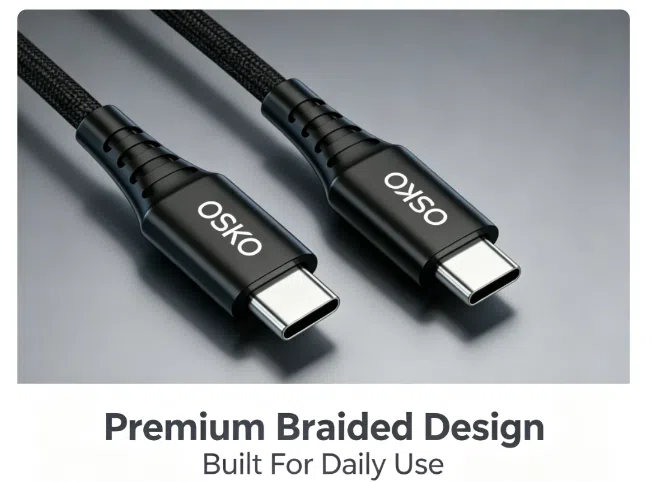
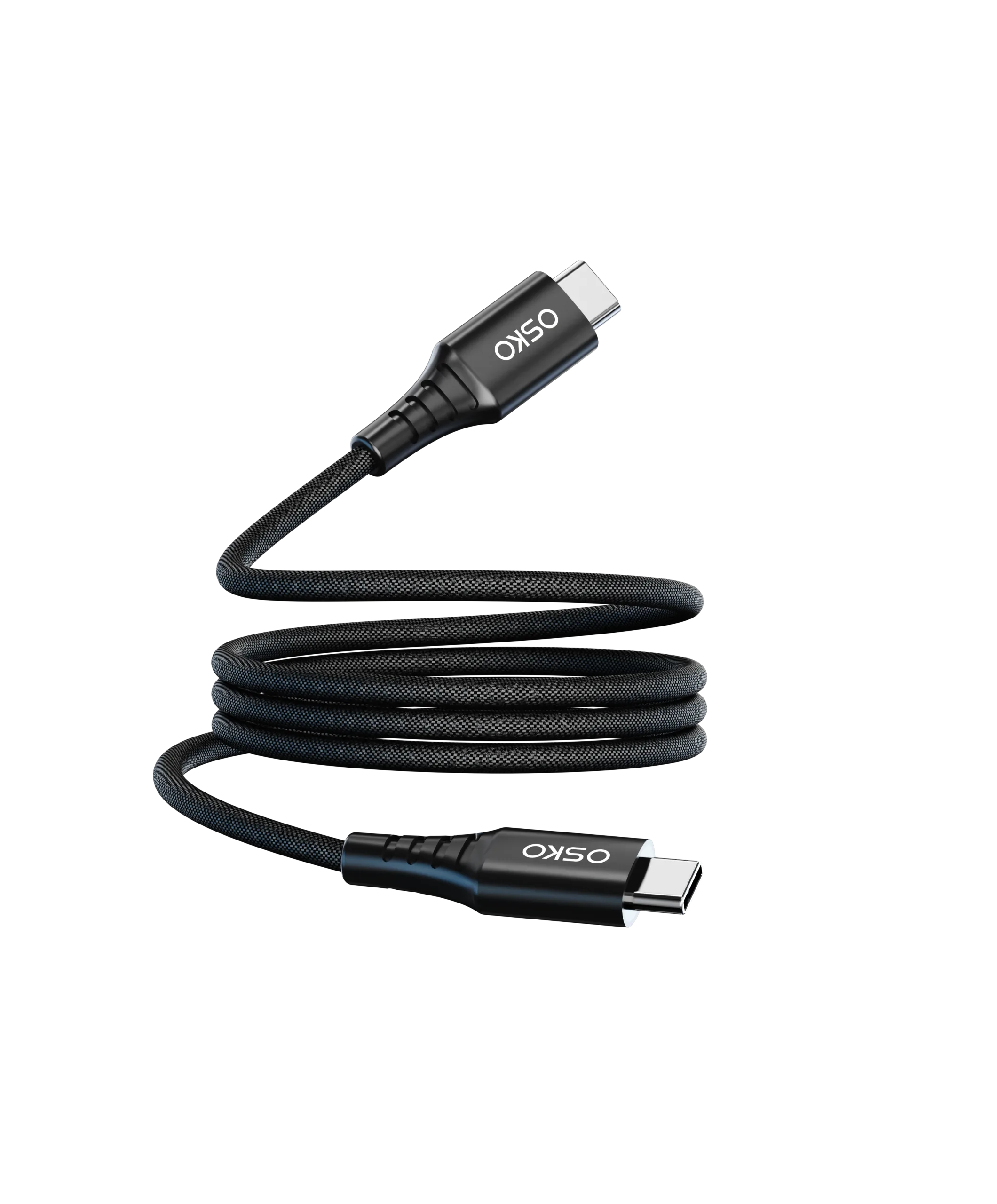
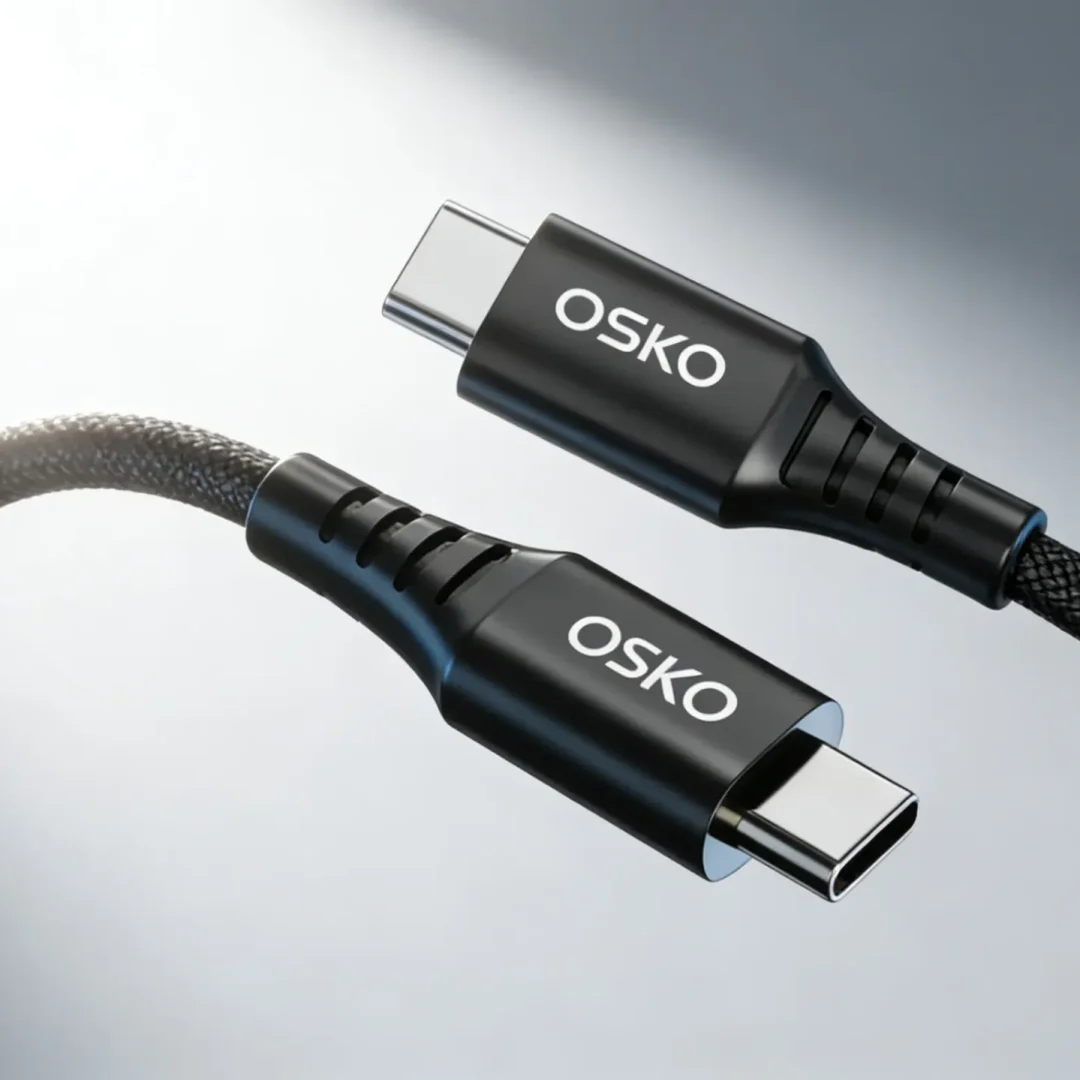
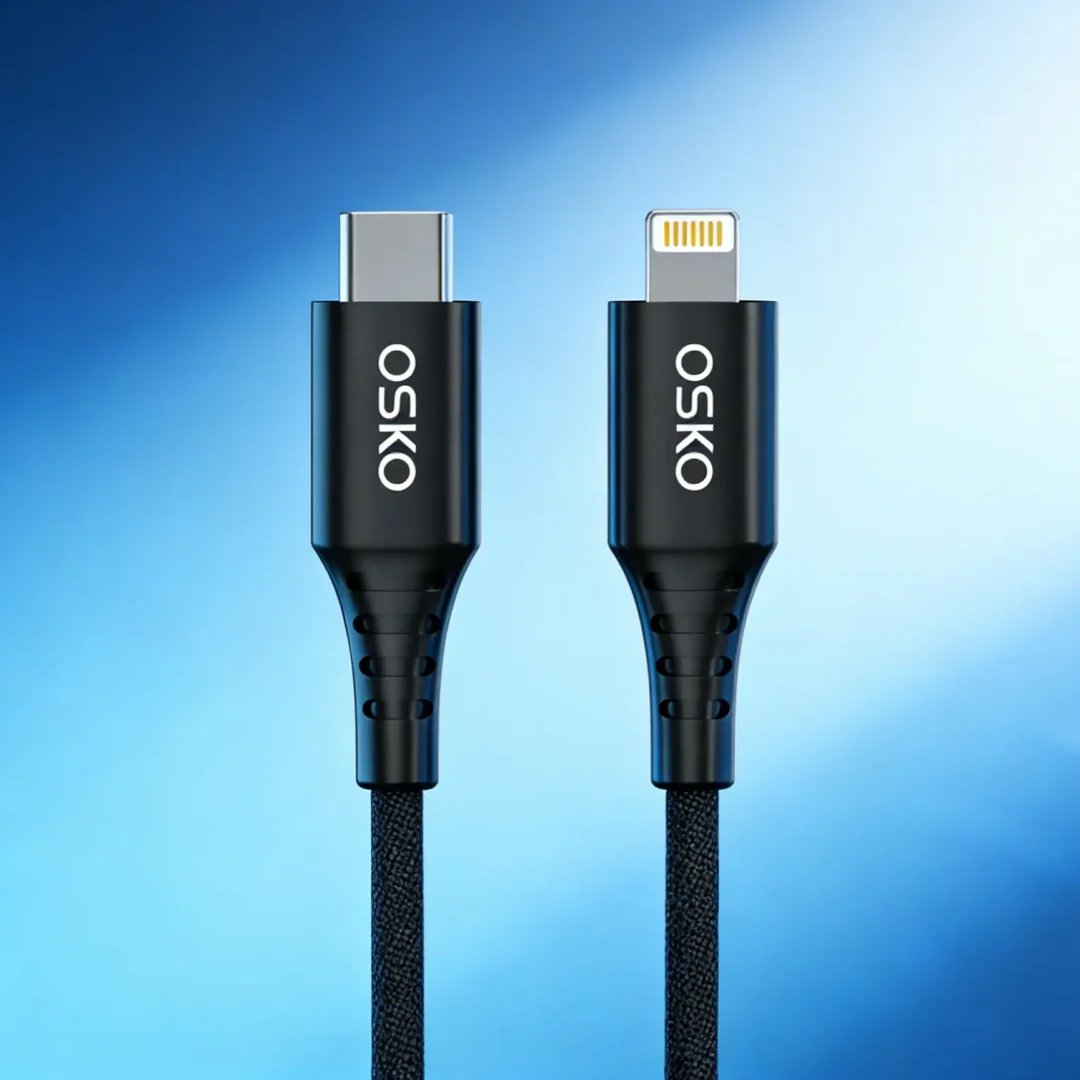
Durable nylon braided USB-C cable solutions
because braided structures provide:
Better abrasion resistance
Improved flexibility
Premium appearance
Longer service life
USB Cable Certification Standards and Manufacturing Compliance
For global markets, product quality is not only determined by performance testing. Compliance certifications are also critical factors for distributors, retailers, and brand owners when selecting a reliable USB cable supplier.
Different regions have different regulatory requirements. A professional manufacturer should understand these standards before exporting products to markets such as the United States, Germany, Australia, and the Netherlands.
USB-IF Certification Requirements
USB-IF (USB Implementers Forum) certification is one of the most recognized quality standards in the USB industry.
It verifies whether a USB cable meets official USB specifications, including:
Electrical performance
Power delivery capability
Data transmission performance
Protocol compatibility
Safety requirements
For high-performance USB-C products, USB-IF testing helps ensure compatibility with modern devices such as:
iPhone and iPad
MacBook
Android smartphones
Windows laptops
USB-C monitors
Docking stations
For buyers searching for a USB cable manufacturer with quality certification, USB-IF compliance provides additional confidence that products can perform reliably across different devices.
CE Certification for European Markets
For companies selling USB cables in Europe, CE compliance is an important requirement.
The CE mark indicates that products meet European safety, health, and environmental protection standards.
European buyers, especially distributors in Germany and the Netherlands, often require suppliers to provide compliance documentation before approving new products.
CE testing typically focuses on:
Electrical safety
Electromagnetic compatibility
Product reliability
Regulatory compliance
A professional CE certified USB-C cable supplier should maintain proper documentation and testing records throughout production.
RoHS Compliance Requirements
RoHS (Restriction of Hazardous Substances) is another important standard for electronic products.
It controls the use of restricted materials, including:
Lead
Mercury
Cadmium
Hexavalent chromium
Certain flame retardants
For European markets, especially Germany and other EU countries, RoHS compliance has become a basic requirement for electronic accessories.
A CE RoHS compliant USB cable supplier helps brands reduce regulatory risks and build consumer trust.
FCC Compliance for the US Market
For products sold in the United States, FCC requirements are commonly requested by importers and distributors.
FCC testing evaluates electromagnetic compatibility and ensures electronic products do not create harmful interference.
For USB cables used with charging systems and electronic devices, buyers may request:
FCC reports
Product testing records
Supplier compliance documents
A professional FCC approved nylon braided USB-C cable manufacturer should be able to support customers with necessary compliance information.
ISO9001 Quality Management System
Beyond product certifications, manufacturing management systems are equally important.
ISO9001 focuses on quality management processes, including:
Production control
Supplier management
Inspection procedures
Documentation systems
Continuous improvement
An ISO9001 certified USB cable factory typically has more structured production processes, helping maintain consistent quality during large-volume orders.
For wholesalers and private label brands, production consistency is often as important as product specifications.
USB Cable Factory Quality Control Process
A professional OEM USB cable manufacturer should control quality throughout the entire production process instead of only inspecting finished products.
Incoming Material Inspection
Before production begins, factories evaluate raw materials including:
Copper wire quality
Connector components
Plastic materials
Nylon braiding materials
Electronic components
Material inspection helps prevent quality problems before assembly.
For example, poor-quality copper conductors may pass visual inspection but fail during charging performance tests.

Production Process Inspection
During manufacturing, quality engineers monitor key production stages:
Cable Assembly Inspection
Checks include:
Internal wire connection
Soldering quality
Component positioning
Signal integrity
Injection Molding Inspection
The molding process affects connector durability.
Inspection focuses on:
Connector alignment
Strain relief structure
Surface quality
Appearance Inspection
Products are checked for:
Scratches
Uneven braiding
Connector defects
Label accuracy
These inspections help ensure every batch meets customer expectations.
Final Product Testing
Before shipment, professional manufacturers perform final testing.
Common tests include:
| Testing Method | Purpose |
|---|---|
| Continuity Test | Verify internal connections |
| Resistance Test | Check electrical efficiency |
| PD Test | Confirm fast charging capability |
| Data Test | Verify transfer performance |
| Bending Test | Evaluate flexibility |
| Tensile Test | Check mechanical strength |
| Temperature Test | Monitor heat performance |
For international buyers ordering bulk USB cables, final inspection reduces the risk of receiving inconsistent products.
Case Study: US Electronics Distributor Improves USB Cable Quality Through Manufacturing Standards
Customer Background
A US-based electronics distributor supplied charging accessories through:
Online marketplaces
Retail channels
Corporate customers
The company planned to expand its product line with:
USB-C fast charging cables
Nylon braided charging cables
Custom packaging solutions
Private label products
However, the company needed a more reliable manufacturing partner to support long-term growth.
Customer Challenges
Before working with OSKO, the distributor experienced several issues:
Inconsistent Product Performance
Different suppliers delivered cables with inconsistent:
Charging speeds
Material quality
Connector durability
Limited Quality Documentation
Previous suppliers could not provide complete:
Testing reports
Production inspection records
Compliance information
Customer Complaints
Some end users reported:
Slow charging
Cable failures
Short product lifespan
The distributor needed a manufacturer that could provide stable quality and professional engineering support.
OSKO Manufacturing Solution
OSKO developed a quality-focused production process based on the customer’s requirements.
| Customer Requirement | OSKO Solution |
|---|---|
| Stable charging performance | Electrical resistance and PD testing |
| Premium product appearance | Nylon braided cable structure |
| International market compliance | CE/RoHS/FCC support |
| High-power charging capability | Power delivery testing and E-marker verification |
| Batch consistency | Multi-stage production inspection |
The project included:
ODM cable development
Private label packaging
Wholesale USB cable production
Retail charging cable solutions
After implementing stricter quality control procedures, the distributor achieved more consistent product performance and improved customer satisfaction.
Selection Guide: How Buyers Choose a Reliable USB Cable Supplier
Choosing the right supplier is one of the most important decisions for brands and distributors.
A low-cost supplier may reduce initial purchasing expenses but create higher long-term costs through returns and customer complaints.
Evaluate Technical Capability
A qualified supplier should provide:
Product specifications
Testing information
Material details
Certification documents
Production quality procedures
For advanced products such as USB-C PD cables, buyers should confirm whether the factory understands:
Power delivery technology
E-marker requirements
High-current applications
Data transmission standards
Review Manufacturing Experience
Before placing bulk orders, buyers should ask:
Does the factory specialize in USB cables?
Can they support OEM and ODM projects?
Can they customize cable length, color, logo, and packaging?
Can they provide samples before mass production?
Experienced manufacturers can help reduce development risks.
Match Quality Standards With Target Markets
Different markets have different expectations.
| Market | Important Requirements |
|---|---|
| United States | FCC compliance, reliable performance, retail quality |
| Germany | CE, RoHS, documentation, durability |
| Netherlands | Sustainability, compliance, consistent supply |
| Australia | Product reliability, long-term durability |
| Global Retail | Stable quality and customer satisfaction |
A supplier experienced in international markets can better support different compliance requirements.
FAQ
What are USB cable quality standards?
USB cable quality standards include electrical performance, charging capability, data transmission reliability, material quality, mechanical durability, and certification compliance. These standards ensure that USB cables provide stable performance during daily use and professional applications.
Why is USB-IF certification important for USB-C cables?
USB-IF certification confirms that a USB-C cable follows official USB specifications. It helps improve device compatibility, charging reliability, and performance consistency, especially for products supporting USB Power Delivery and high-speed data transfer.
Do all USB-C cables support fast charging?
No. A USB-C connector does not automatically mean fast charging capability. Charging performance depends on conductor quality, cable design, power rating, USB PD support, and compatibility between the cable, charger, and device.
What certifications should a USB cable supplier provide?
Common certifications and compliance documents include:
USB-IF certification
CE certification
RoHS compliance
FCC compliance
ISO9001 quality management
The exact requirements depend on the target market and product application.
How do manufacturers test USB cable quality?
Professional factories use multiple testing methods, including:
Electrical resistance testing
Power delivery testing
Data transfer testing
Connector durability testing
Tensile testing
Bending testing
Temperature testing
These tests help verify product reliability before shipment.
What should buyers look for in an OEM USB cable manufacturer?
Buyers should evaluate:
Manufacturing experience
Quality control system
Certification capability
Customization ability
Production capacity
Communication efficiency
A reliable OEM partner should provide both manufacturing capability and engineering support.
Summary
USB cable quality standards are essential for ensuring reliable charging, stable data transmission, and long-term product performance.
For global buyers sourcing:
OEM USB cables
USB-C charging cables
Wholesale charging cables
Private label products
selecting a manufacturer with strong engineering capability and quality management systems can significantly reduce supply chain risks.
A professional USB cable manufacturer should provide more than production capacity. The right partner delivers:
Reliable raw materials
Advanced testing procedures
Compliance support
Consistent manufacturing quality
Technical expertise
For brands, wholesalers, and distributors entering competitive markets, choosing a qualified USB-C cable supplier is a key step toward building a successful product line.
Contact Information
OSKO specializes in OEM and ODM USB cable manufacturing, providing customized USB-C charging cables, fast charging solutions, private label services, and bulk production support for global customers.
From product design and material selection to quality testing and mass production, OSKO helps brands create reliable charging accessories for international markets.
Contact OSKO for:
Custom USB cable solutions
Wholesale pricing
OEM/ODM projects
Product samples
Technical consultation
Our engineering team provides professional support for your next USB cable project.