

When buying a smartphone charging cable, most users focus on:
Charging speed
Cable length
Connector type
Price
However, one of the most important factors affecting cable performance is often ignored:
The materials used inside and outside a charging cable directly influence:
Charging efficiency
Data transfer stability
Heat control
Flexibility
Durability
Product lifespan
A cheap USB cable may look identical to a premium cable, but the internal materials can be completely different.
This guide explains what USB cables are made of, how to identify cable materials, and how to choose a high-quality charging cable for smartphones, tablets, and other devices.

What Materials Are USB Cables Made Of?
A USB charging cable is not made from a single material.
A professional USB cable usually contains several layers:
- Outer jacket material
- Shielding layer
- Insulation material
- Copper conductor
- Connector components
Each layer has a specific function.
1. USB Cable Outer Jacket Material
The outer jacket is the material users touch directly.
It protects the internal wires from:
Bending
Pulling
Friction
Moisture
Daily wear
Common USB cable jacket materials include:
PVC
TPE
Nylon braided fabric
Silicone
PVC USB Cable Material
PVC (Polyvinyl Chloride) is one of the most common materials used in charging cables.
Advantages:
Low production cost
Good insulation
Easy manufacturing
Lightweight
PVC cables are commonly used for:
Standard phone charging cables
Entry-level accessories
Promotional products
Limitations:
Less flexible
Can become stiff over time
Lower resistance to bending
PVC cables are suitable for basic applications but may not be ideal for heavy daily use.
TPE USB Cable Material
TPE (Thermoplastic Elastomer) is a more flexible cable jacket material.
Advantages:
Softer feeling
Better flexibility
Improved bending resistance
More environmentally friendly options
Compared with PVC cables, TPE cables usually provide:
Better user experience
Better durability
More premium appearance
Many modern smartphone charging cables use TPE materials.
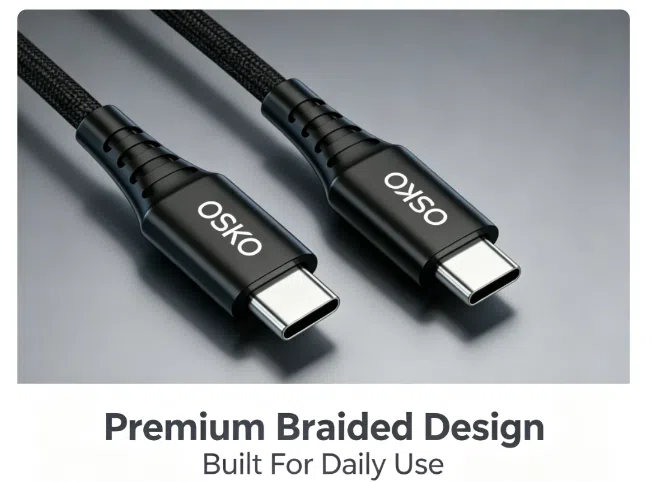
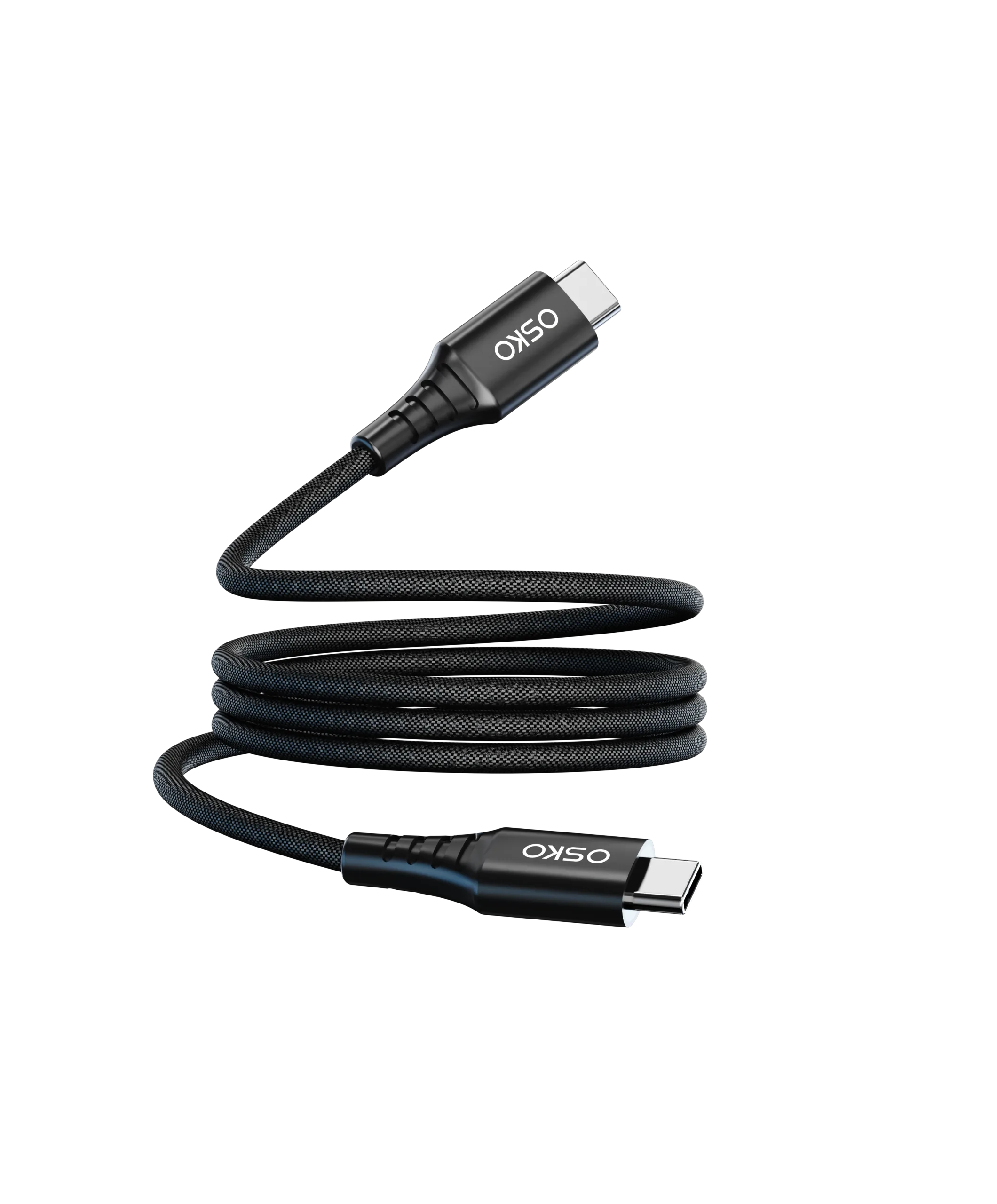
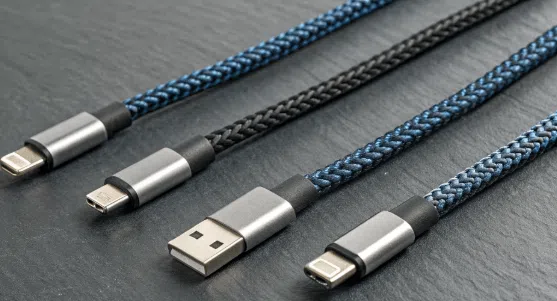
Nylon Braided USB Cable Material
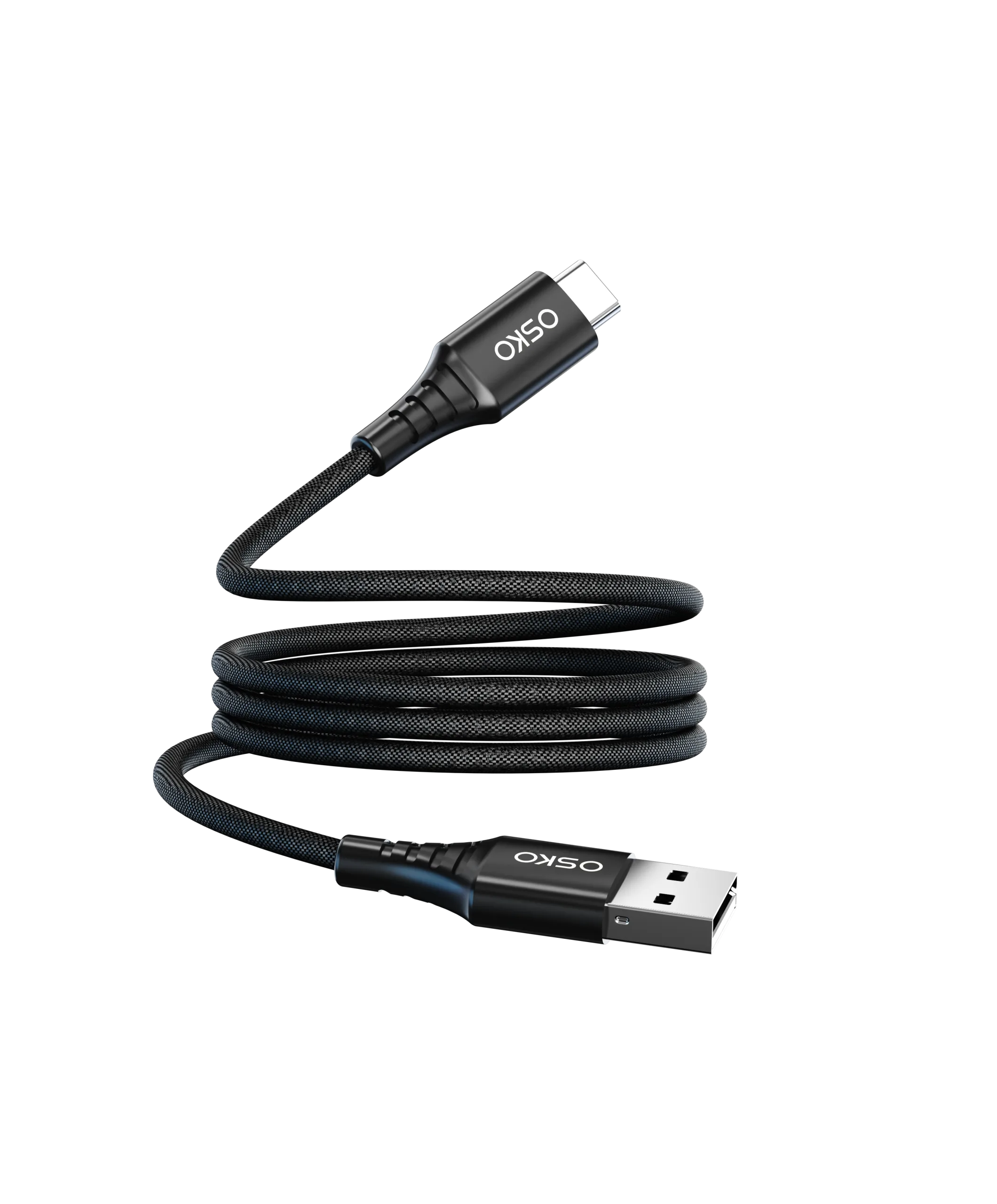
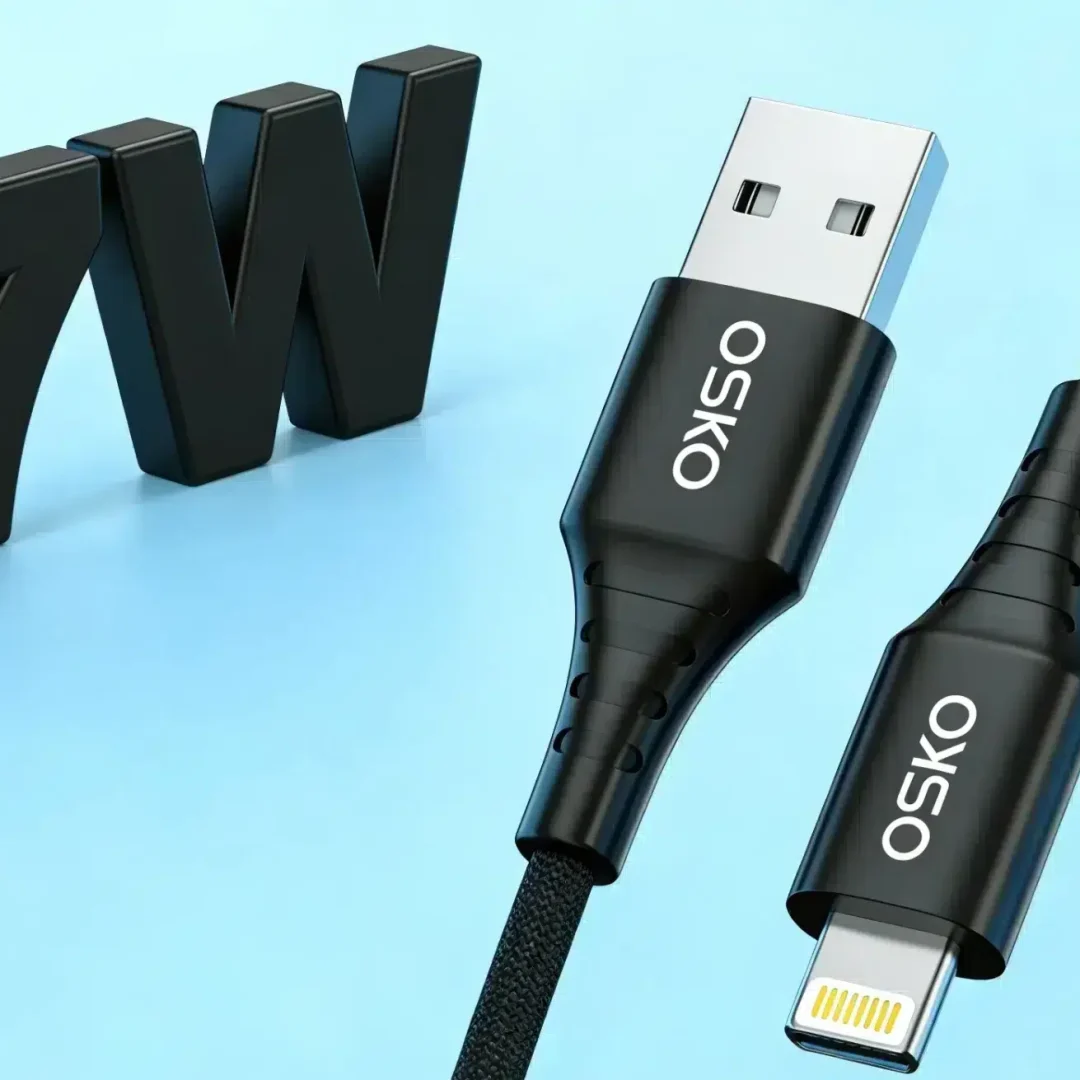
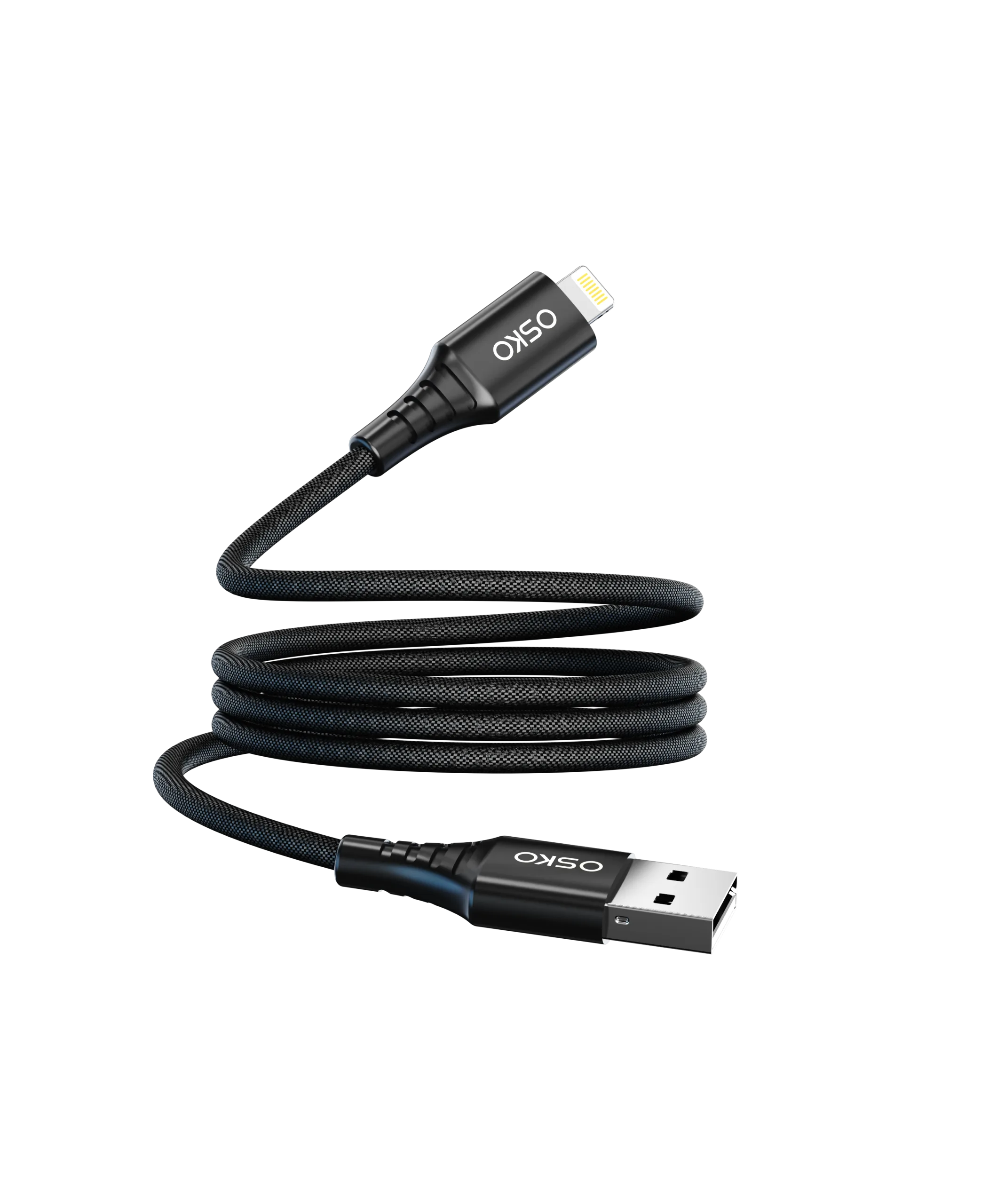
Nylon braided cables are popular in premium charging accessories.
The cable includes a woven nylon outer layer around the internal structure.
Advantages:
Better Durability
The braided structure protects against:
Scratching
Pulling
Daily friction
Better Anti-Tangle Performance
Compared with soft rubber cables, braided cables are less likely to:
Twist
Knot
Flatten
Premium Appearance
Many brands choose braided USB cables because they provide:
Higher perceived value
Better retail presentation
Premium product positioning
Silicone USB Cable Material
Silicone is another high-performance cable material.
Advantages:
Extremely flexible
Soft touch feeling
Resistant to temperature changes
Less likely to crack
Silicone cables are often used for:
Premium accessories
Travel cables
Professional applications
USB Cable Internal Wire Material
The outer jacket protects the cable, but the internal conductor determines charging performance.
The most important internal material is:
Copper wire.
Copper Conductor in USB Cables
High-quality USB cables use copper conductors because copper provides excellent electrical conductivity.
Copper affects:
Charging speed
Voltage stability
Heat generation
Benefits of copper wire:
Low electrical resistance
Efficient power transfer
Better charging performance
Pure Copper vs Low-Quality Conductors
Not all USB cables use the same internal wire quality.
High-Quality Copper Cable
Features:
Better conductivity
Lower heat
Stable current transmission
Suitable for:
Fast charging
High-power USB-C cables
Data transfer
Low-Cost Cable Materials
Some cheap cables may use:
Thin copper wire
Aluminum-based conductors
Lower-grade materials
Problems:
Slower charging
More heat
Shorter lifespan
Does Wire Thickness Affect USB Cable Performance?
Yes.
Cable thickness affects:
Current carrying capacity
Resistance
Charging stability
Higher-power charging cables usually require:
Larger copper conductors
Better insulation
Improved heat management
For example:
A 100W USB-C cable requires stronger internal construction than a basic 5W charging cable.
USB Cable Shielding Materials
A professional data cable requires shielding to protect signal quality.
Shielding reduces interference caused by:
Electrical noise
Nearby cables
Power transmission
Common shielding materials include:
Aluminum Foil Shielding
Benefits:
Lightweight
Reduces electromagnetic interference
Metal Braiding Shield
Provides:
Stronger protection
Better signal stability
Important for:
USB data transfer
External drives
CarPlay
Android Auto
How to Identify USB Cable Quality by Appearance
Consumers can check several visible signs.
1. Check Cable Thickness
A thicker cable often indicates:
Better internal wire size
Stronger insulation
Higher power capability
However, thickness alone does not guarantee quality.
Internal construction matters more.
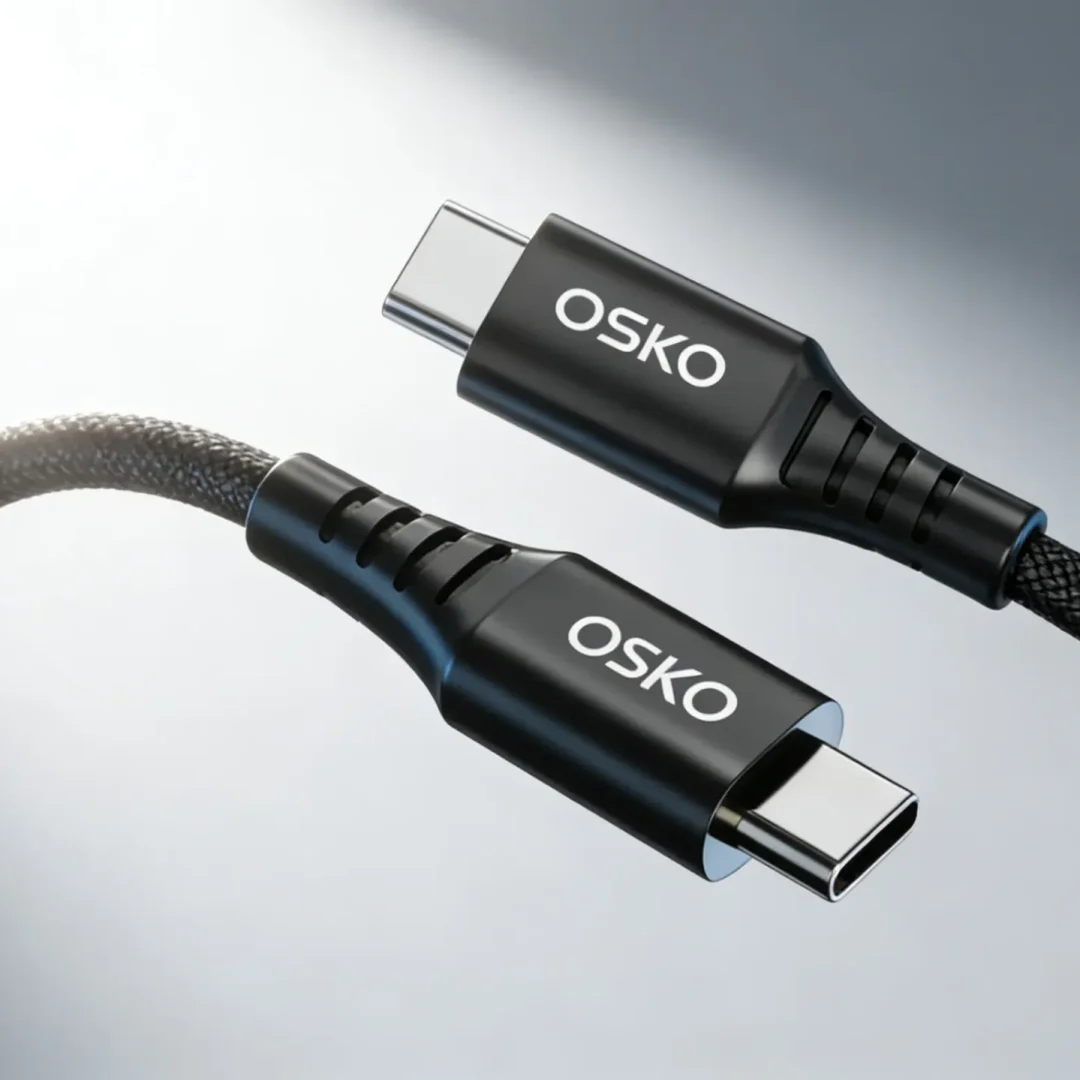
2. Check Connector Quality
High-quality USB cables usually have:
Strong connector housing
Smooth metal shell
Reinforced cable joint
Poor-quality connectors often:
Break easily
Become loose
Disconnect frequently
3. Check Cable Flexibility
A good charging cable should balance:
Flexibility
Strength
Too soft may indicate:
Thin protection layer
Too hard may indicate:
Low-quality PVC material
4. Check Braiding Quality
For braided cables, look for:
Tight weaving
Even surface
No loose fibers
High-quality nylon braiding improves durability.
USB Cable Material Comparison
| Material | Advantages | Common Application |
|---|---|---|
| PVC | Affordable, lightweight | Standard charging cables |
| TPE | Flexible, durable | Daily phone cables |
| Nylon Braided | Strong, premium | Fast charging cables |
| Silicone | Soft, flexible | Premium accessories |
| Copper | Excellent conductivity | Internal conductor |

Best Material Combination for Fast Charging Cable
A high-quality fast charging cable usually combines:
Outer Layer
Nylon braided or premium TPE
↓
Shielding Layer
Aluminum foil + metal shielding
↓
Insulation
High-temperature resistant material
↓
Conductor
High-purity copper wire
↓
Connector
Strong metal housing
This structure provides:
Fast charging
Stable data transfer
Long service life
USB Cable Materials for Different Applications
Smartphone Charging Cable
Recommended:
TPE
Nylon braided
Copper conductor
Fast Charging USB-C Cable
Recommended:
Nylon braided jacket
Thick copper wire
E-marker chip
Strong shielding
CarPlay / Android Auto Cable
Recommended:
Shielded copper conductor
Stable connector
High-quality insulation
Laptop USB-C Cable
Recommended:
High-current copper wire
Heat-resistant materials
E-marker chip
Why Cheap USB Cables Fail Quickly
Low-cost cables often use:
Thin wires
Poor insulation
Weak connectors
Common problems:
Slow Charging
Caused by:
High resistance
Poor conductor materials
Cable Overheating
Caused by:
Low-quality copper
Insufficient wire thickness
Data Connection Failure
Caused by:
Poor shielding
Weak internal structure
How USB Cable Manufacturers Choose Materials
Professional USB cable manufacturers select materials based on:
Power requirements
Data speed
Target market
Product positioning
For example:
A basic promotional cable may use:
PVC jacket
Standard copper wire
A premium 240W USB-C cable may require:
Nylon braid
High-current copper
E-marker chip
Advanced shielding
OEM USB Cable Material Customization Solutions
For brands and distributors, material selection is an important part of product development.
Professional OEM USB cable suppliers provide:
Custom cable materials
Custom colors
Custom lengths
Logo printing
Packaging solutions
Private label manufacturing
Applications include:
Electronics brands
Retail stores
Amazon sellers
Corporate gifts
Mobile accessory distributors
Frequently Asked Questions
What is the best material for a charging cable?
The best charging cables usually combine high-quality copper conductors with durable outer materials such as nylon braid or premium TPE.
Are braided USB cables better?
Yes. Braided cables generally provide better protection against bending and daily wear compared with standard PVC cables.
Is thicker USB cable better?
A thicker cable often supports higher power, but internal wire quality and construction are more important.
What is inside a USB cable?
A USB cable contains:
Copper wires
Insulation layers
Shielding materials
Protective jacket
Connector components
Conclusion: Choosing the Right USB Cable Material Matters
The material used in a USB cable directly affects performance and durability.
A high-quality charging cable should have:
✅ Reliable copper conductors
✅ Durable outer jacket
✅ Strong shielding
✅ Reinforced connectors
✅ Proper insulation
Understanding USB cable materials helps consumers choose better products and helps brands develop reliable charging accessories.
For businesses looking for customized solutions, working with an experienced USB cable manufacturer ensures better material selection, quality control, and product performance.