
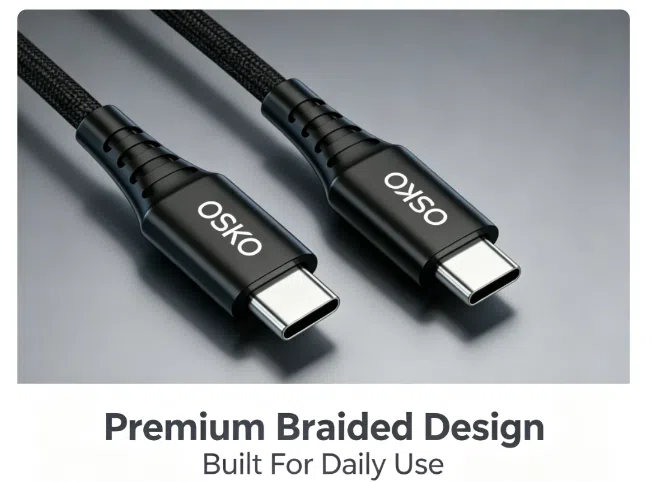
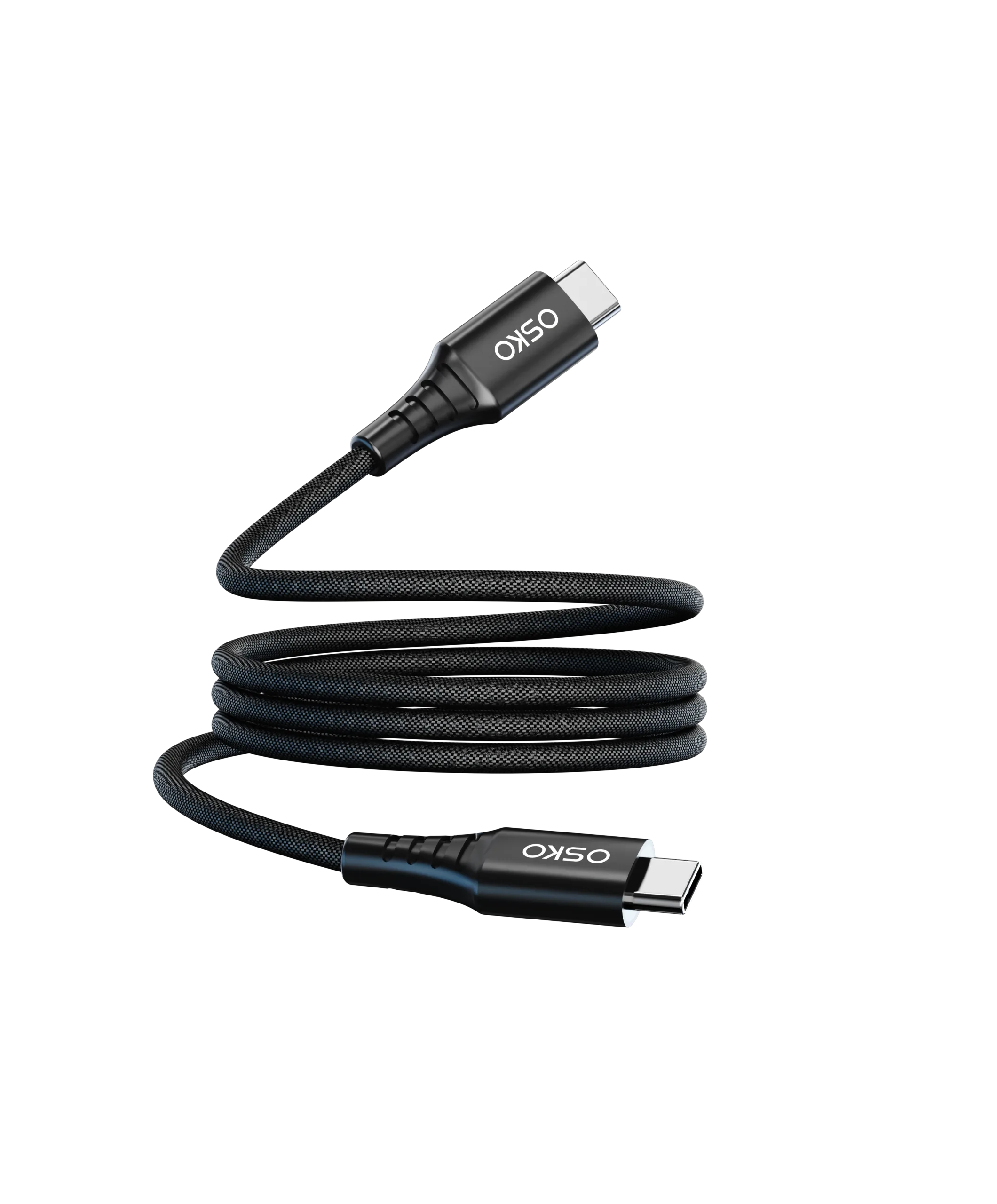
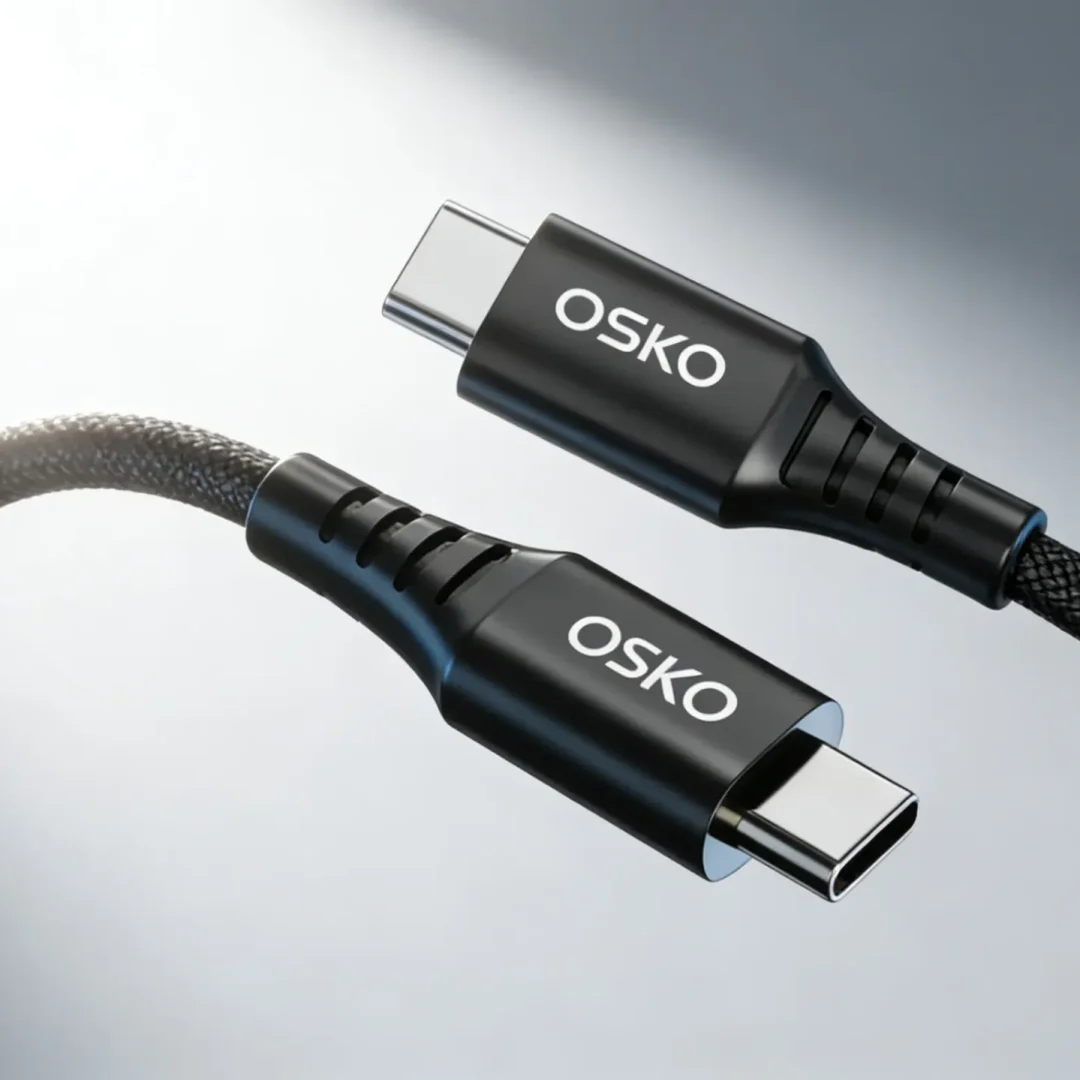
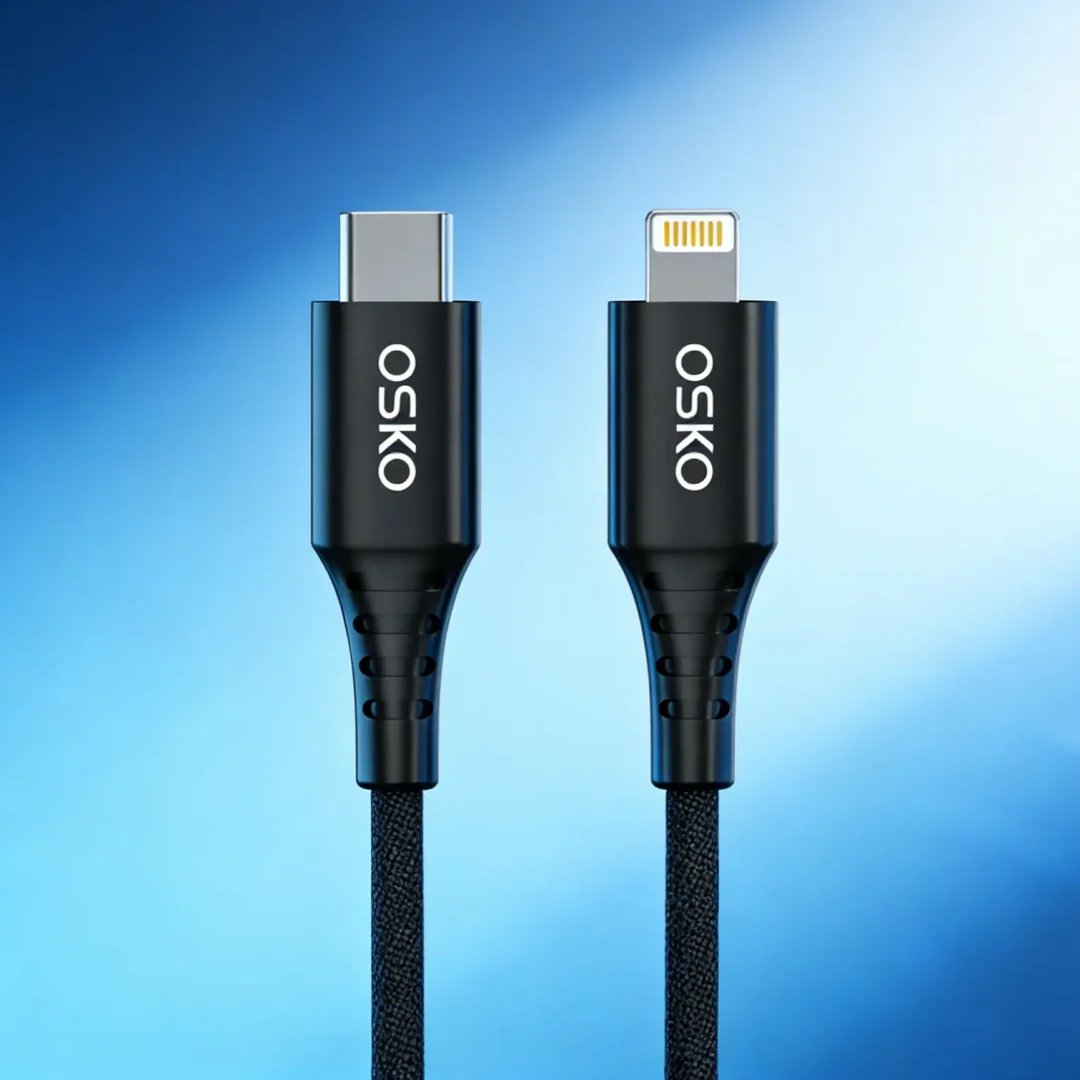
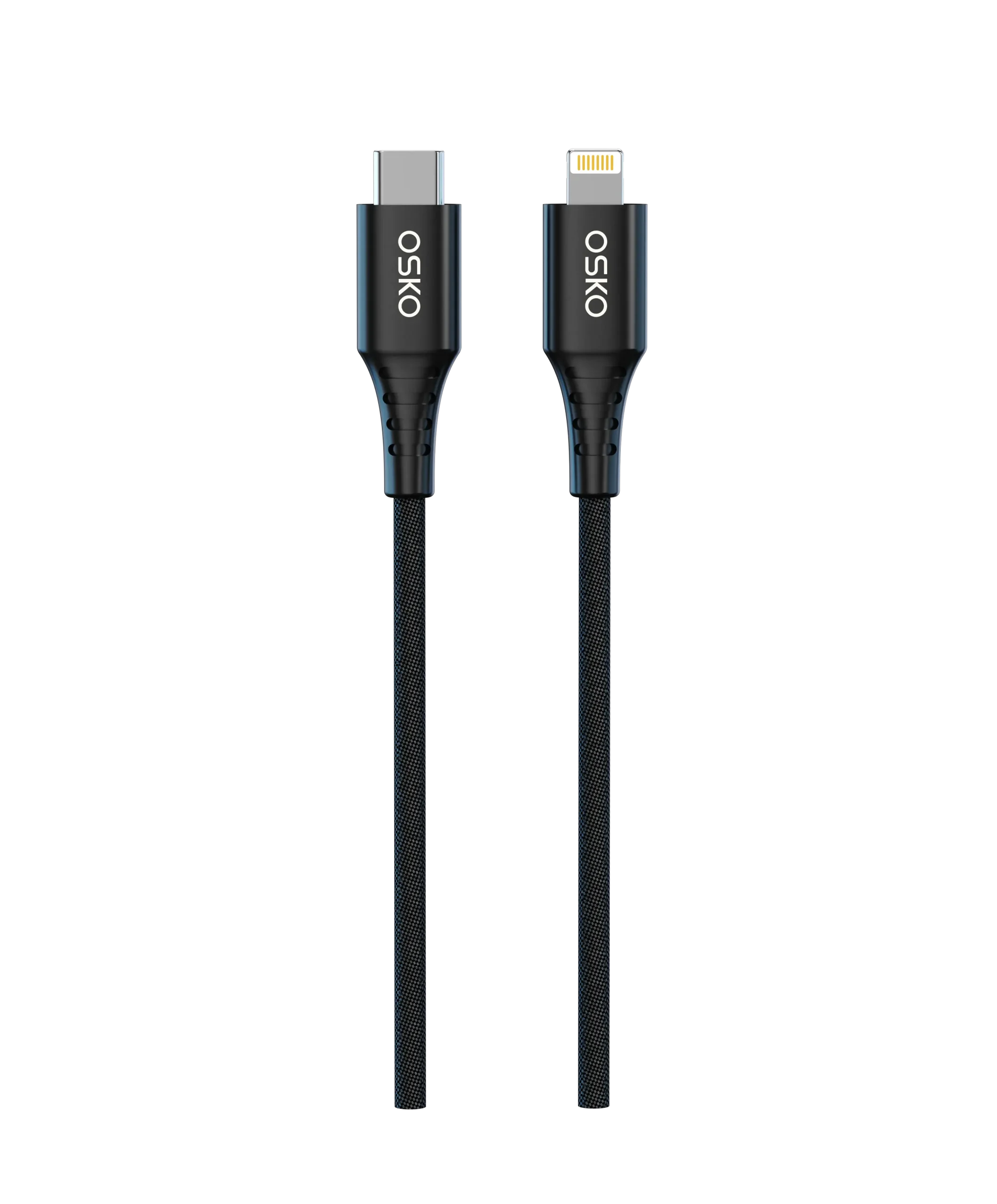
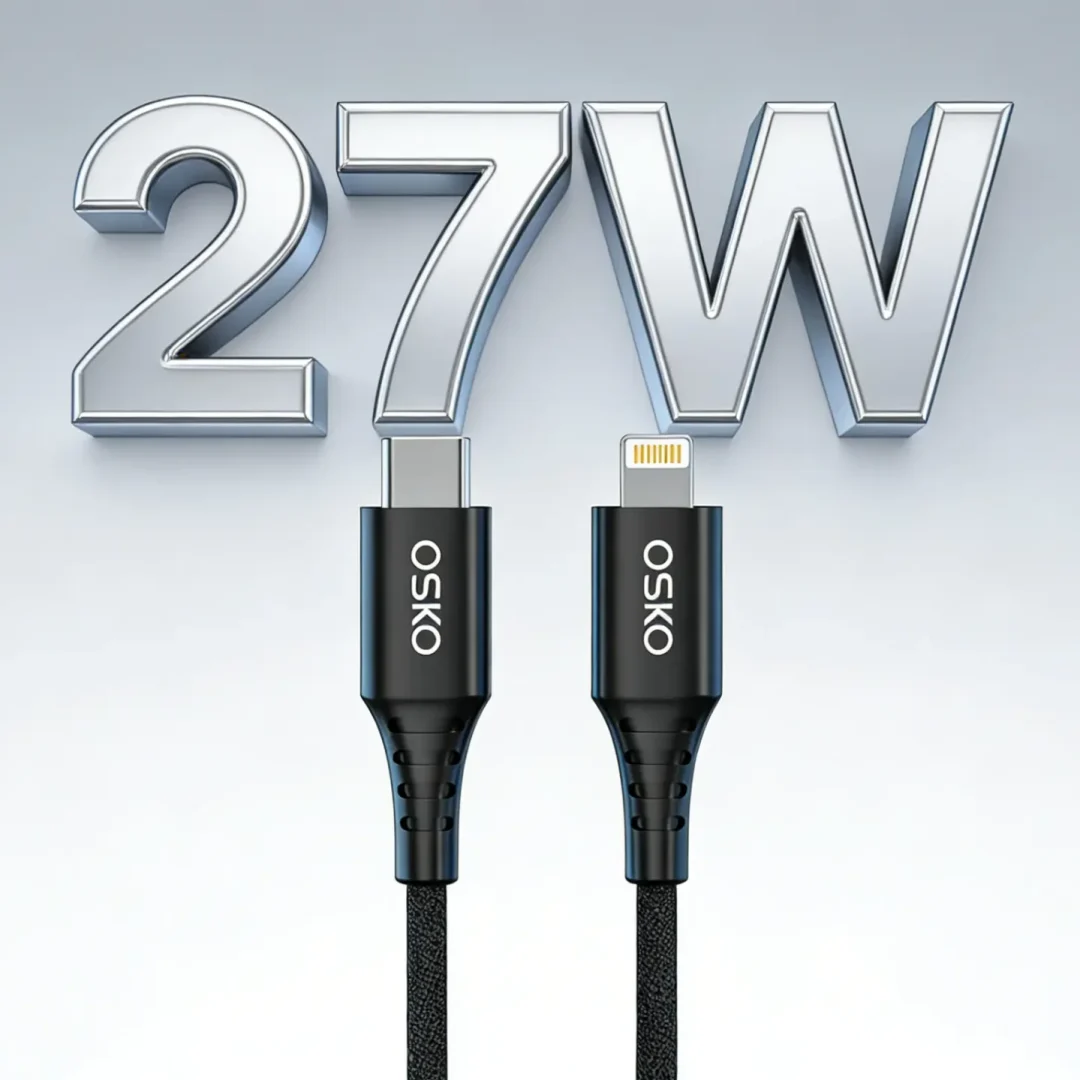
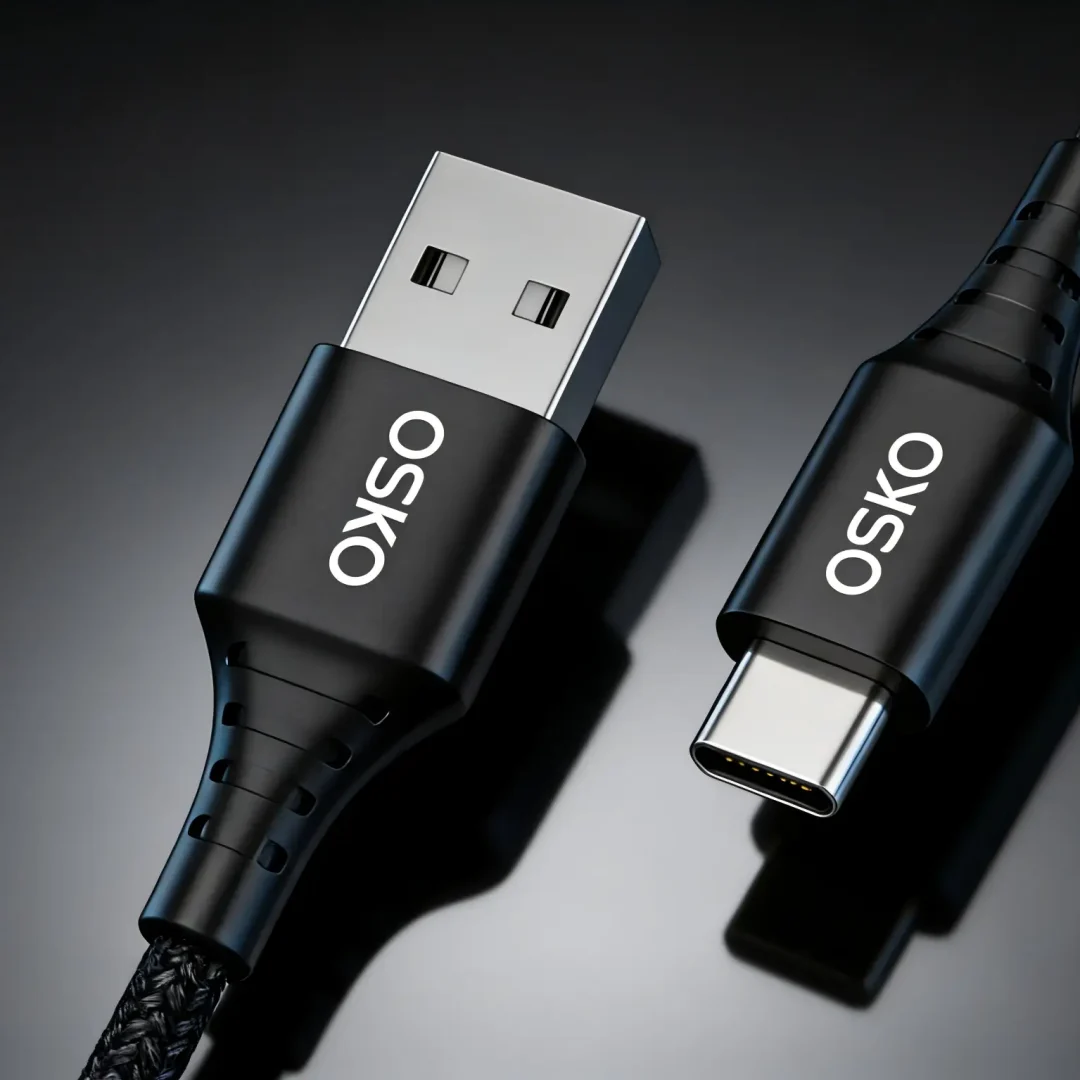
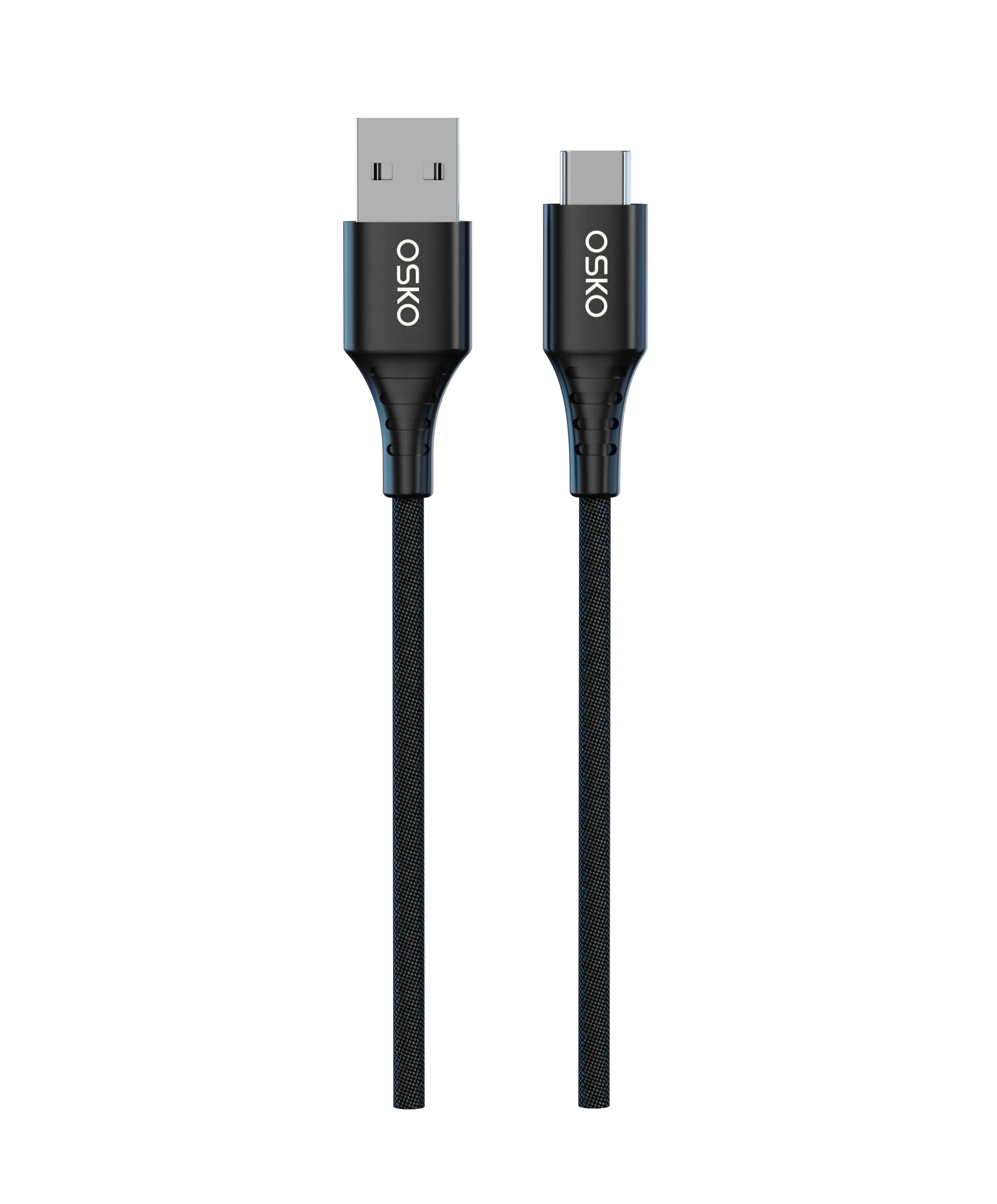
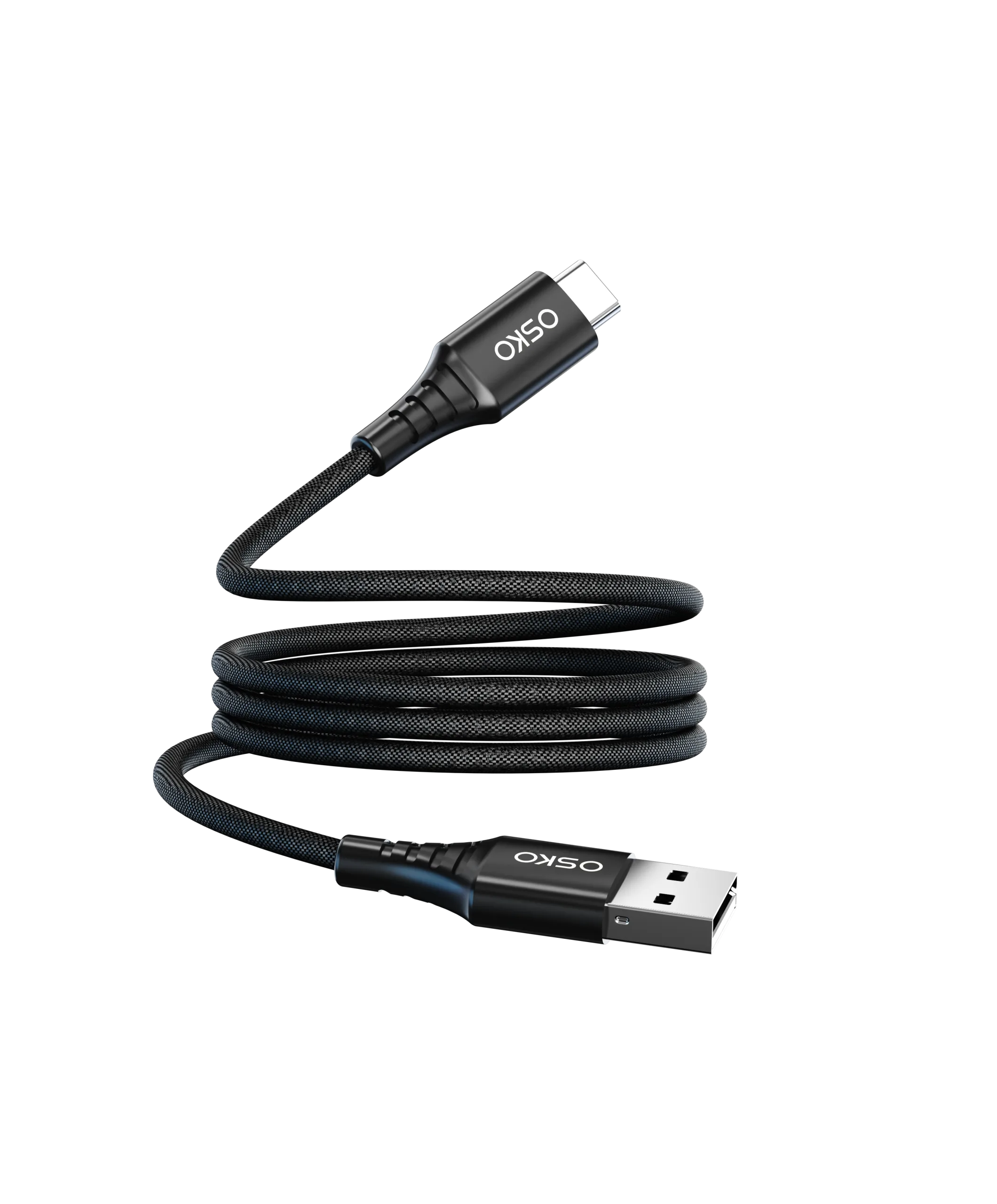
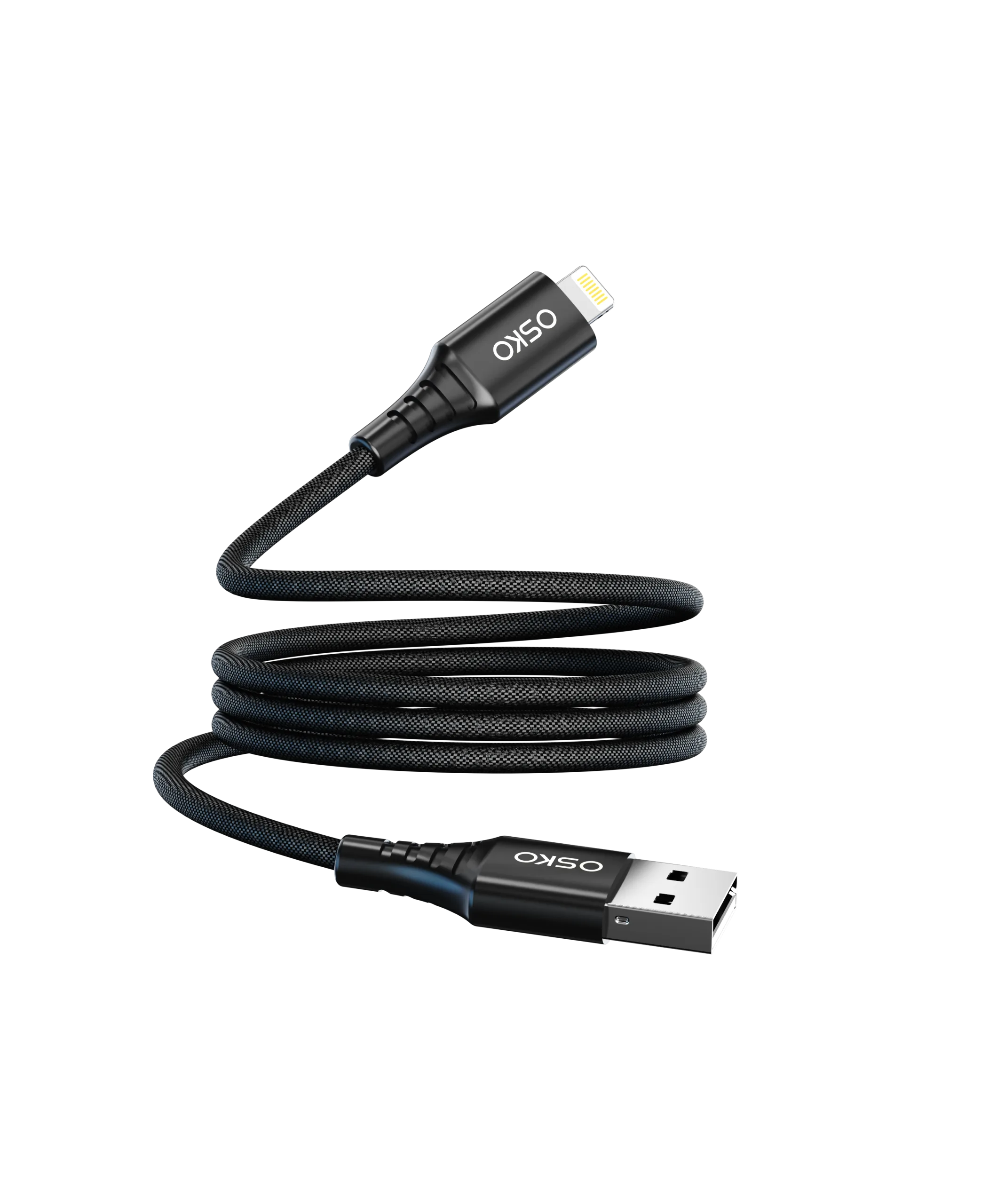
Seamless one-piece USB-C connectors provide higher structural strength, better appearance, and improved long-term durability compared with traditional two-piece split connectors. However, two-piece USB-C connectors remain widely used because they offer competitive production costs and reliable performance for standard OEM cable applications.
For brands, distributors, and electronics companies sourcing custom USB-C cables, connector construction is a critical factor that directly affects product reliability, customer experience, and warranty costs.
Although USB-C connectors may look similar from the outside, their internal structure, material selection, and manufacturing precision can create significant differences in durability and performance.
This guide explains the differences between seamless one-piece USB-C connectors and two-piece split USB-C connectors, helping OEM buyers choose the right solution for their charging cable products.
Why Does USB-C Connector Design Matter?
How Does Connector Construction Affect Cable Quality?
The USB-C connector is one of the most mechanically stressed parts of a charging cable.
Every day, users repeatedly:
Insert and remove connectors
Bend cables near the plug
Pull cables during use
Carry cables in bags
Expose cables to mechanical stress
A weak connector design may cause:
Connector shell deformation
Loose connection
Charging interruption
Signal instability
Premature cable failure
For professional USB-C cable manufacturers, connector design is not only an appearance decision. It influences:
Product lifespan
Manufacturing consistency
Return rates
Brand reputation
Customer satisfaction
Premium USB cable brands usually evaluate connector structure together with:
Copper conductor quality
AWG wire size
Shielding design
USB PD performance
Mechanical testing
What Is a Seamless One-Piece USB-C Connector?
How Is a One-Piece USB-C Connector Manufactured?
A seamless one-piece USB-C connector is produced using a single integrated metal shell design.
Unlike split connectors, it does not have a visible joint between separate housing parts.
Typical manufacturing processes include:
Precision metal stamping
Progressive die forming
Surface plating
Connector assembly
Automated inspection
The integrated structure creates fewer weak points and improves mechanical strength.
Professional manufacturers often use:
Stainless steel shells
Nickel-plated metal housing
Gold-plated contacts
High-temperature LCP insulation materials
These materials improve:
Wear resistance
Corrosion resistance
Electrical stability
Mechanical reliability
What Are the Advantages of Seamless One-Piece USB-C Connectors?
Why Do Premium Cable Brands Prefer One-Piece Designs?
A seamless USB-C connector offers several advantages.
1. Higher Mechanical Strength
Because the housing is formed as one structure, it provides better resistance against:
Impact
Compression
Twisting
Shell separation
This makes it suitable for:
Premium charging cables
Gaming accessories
Laptop charging cables
Industrial applications
2. Better Product Appearance
For consumer electronics brands, appearance affects purchasing decisions.
A seamless connector provides:
Cleaner design
Premium visual quality
Better brand perception
This is especially important for:
Retail products
Private label accessories
High-end charging solutions
3. Improved Long-Term Reliability
A stronger connector housing helps maintain:
Stable electrical contact
Consistent charging performance
Better user experience
For OEM buyers, this can reduce:
Customer complaints
Warranty replacements
Product returns
What Is a Two-Piece Split USB-C Connector?
Why Are Split Connectors Still Popular?
A two-piece USB-C connector consists of two metal shell sections assembled around the internal connector structure.
This design remains common because it provides:
Lower production cost
Faster assembly
Easier manufacturing
Flexible customization options
Two-piece connectors are widely used in:
Standard charging cables
Promotional cables
Entry-level accessories
High-volume OEM projects
When manufactured with proper quality control, two-piece connectors can still provide reliable daily performance.
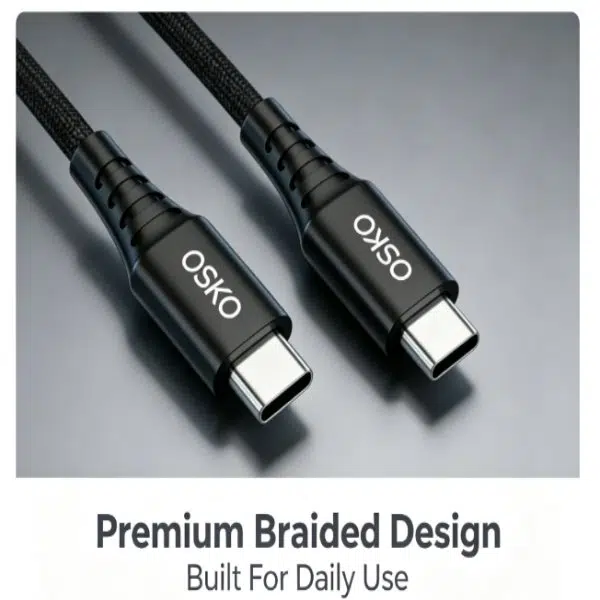
Seamless One-Piece vs Two-Piece USB-C Connector Comparison
| Feature | Seamless One-Piece Connector | Two-Piece Split Connector |
|---|---|---|
| Housing Design | Integrated metal shell | Two assembled shell parts |
| Appearance | Premium smooth finish | Visible seam |
| Mechanical Strength | Excellent | Good |
| Deformation Resistance | Higher | Moderate |
| Production Cost | Higher | Lower |
| Manufacturing Complexity | Higher | Lower |
| Premium Product Positioning | Excellent | Suitable |
| Mass Production Cost Control | Moderate | Excellent |
| Typical Applications | Premium USB-C cables | Standard charging cables |
Does Connector Design Affect Charging Speed?
Will a One-Piece Connector Charge Faster?
No.
The connector housing itself does not determine charging power.
Charging performance mainly depends on:
USB Power Delivery protocol
Cable conductor size
Copper quality
AWG specification
E-Marker chip
Charger capability
Device compatibility
For example:
A 100W USB-C cable requires:
5A current support
E-Marker IC
Proper conductor size
Reliable electrical design
A 240W USB-C cable requires:
USB PD 3.1 EPR support
48V capability
5A charging capability
High-quality internal construction
However, better connector structures improve mechanical reliability during long-term high-power usage.
Which USB-C Connector Is Better for 100W and 240W Cables?
Why Do High-Power Cables Need Stronger Connectors?
High-power USB-C cables experience higher electrical and thermal requirements.
Recommended designs:
| Cable Type | Power Wire Size | Connector Requirement |
|---|---|---|
| 60W USB-C Cable | 24–26 AWG | Standard quality connector |
| 100W USB-C Cable | 22–24 AWG | Premium reinforced connector |
| 240W USB-C Cable | 20–22 AWG | High-performance connector design |
For premium 100W and 240W USB-C charging cables, many OEM manufacturers prefer seamless connector designs because they provide stronger mechanical protection.
What Materials Are Used in Premium USB-C Connectors?
Which Connector Materials Improve Durability?
Professional USB-C connectors commonly use:
Connector Shell
Stainless steel
Nickel-plated steel
Benefits:
Higher hardness
Better corrosion resistance
Improved durability
Contact Materials
Common materials:
Copper alloy
Phosphor bronze
Gold plating
Benefits:
Lower contact resistance
Better conductivity
Longer service life
Insulation Material
High-temperature LCP materials provide:
Thermal stability
Mechanical strength
Electrical insulation
How Do USB-C Cable Manufacturers Test Connector Quality?
What Durability Tests Are Required?
Reliable USB cable factories perform mechanical and electrical testing before mass production.
Common tests include:
Insertion and Removal Test
Measures connector durability after repeated usage.
Typical requirements:
10,000 cycles
20,000 cycles
depending on product requirements.
Pull Force Test
Evaluates:
Connector retention strength
Cable assembly reliability
Cable Bend Test
Tests:
Strain relief performance
Internal conductor durability
High Current Test
Evaluates:
Charging stability
Heat generation
Contact resistance
Professional OEM buyers should request testing reports before approving production.
Manufacturing Quality Standards for USB-C Cable Suppliers
How Can Buyers Choose a Reliable USB-C Cable Manufacturer?
A professional OEM USB-C cable supplier should have controlled manufacturing processes.
Important quality systems include:
ISO9001 Quality Management System
ISO9001 helps control:
Raw material inspection
Supplier management
Production procedures
Quality records
Final inspection
Factory quality processes normally include:
IQC
Incoming Quality Control
Checks:
Connector materials
Copper wire quality
Raw materials
IPQC
In-Process Quality Control
Checks:
Assembly process
Solder quality
Production consistency
OQC
Outgoing Quality Control
Checks:
Final product performance
Packaging quality
Shipment approval
Why Is SAC305 Lead-Free Solder Used in USB-C Cable Production?
How Does Solder Quality Affect Reliability?
Professional USB cable manufacturers commonly use SAC305 lead-free solder.
Composition:
Tin (Sn): 96.5%
Silver (Ag): 3.0%
Copper (Cu): 0.5%
Advantages:
Strong solder joints
Stable electrical connection
RoHS compliance
Poor soldering can cause:
Increased resistance
Charging instability
Connector failure
What Certifications Should OEM Buyers Request?
Which Documents Verify Supplier Capability?
Before selecting a USB-C cable manufacturer, buyers should review:
| Certification | Purpose |
|---|---|
| ISO9001 | Quality management |
| RoHS | Hazardous substance control |
| REACH | Chemical compliance |
| UL Certification | Electrical safety |
| USB Compliance Testing | USB specification verification |
Additional reports may include:
Connector durability test
Cable bending test
Tensile strength test
High-current test
Material certification

How Should Brands Choose Between One-Piece and Two-Piece USB-C Connectors?
Questions OEM Buyers Should Ask Suppliers
Before starting production, buyers should confirm:
Product Positioning
Is the cable entry-level or premium?
Does appearance influence customer purchasing decisions?
Is long-term durability required?
Technical Requirements
Does the cable support USB PD 100W or 240W?
What AWG wire size is used?
Is an E-Marker chip required?
Manufacturing Capability
Can the factory provide test reports?
Are materials traceable?
Does the supplier support custom OEM production?
Choosing the correct connector design during product development helps brands improve reliability and reduce future service costs.
Conclusion: Choosing the Right USB-C Connector Design
Both seamless one-piece and two-piece split USB-C connectors have important roles in modern cable manufacturing.
A seamless one-piece USB-C connector provides:
Better structural strength
Premium appearance
Improved durability
Higher product value
A two-piece USB-C connector provides:
Lower production cost
Efficient manufacturing
Reliable performance for standard applications
For premium USB-C charging cables, laptop cables, gaming accessories, and industrial solutions, seamless connectors are often the preferred choice.
For large-volume OEM projects focused on cost control, two-piece connectors remain a practical option.
The best choice depends on:
Product positioning
Target market
Charging requirements
Durability expectations
Manufacturing budget
Working with an experienced custom USB-C cable manufacturer ensures better quality control, consistent production, and reliable long-term performance.
FAQ
Q1: Are seamless one-piece USB-C connectors better than two-piece connectors?
Yes, in most premium applications. Seamless connectors provide stronger housing construction, better deformation resistance, and improved appearance.
Q2: Does a seamless USB-C connector improve charging speed?
No. Charging speed depends on USB PD technology, conductor quality, AWG size, E-Marker chips, and device compatibility.
Q3: Are two-piece USB-C connectors reliable?
Yes. High-quality two-piece connectors can provide reliable performance for standard charging cables when manufactured with proper quality control.
Q4: Which USB-C connector is better for 100W and 240W charging cables?
Premium seamless connectors are often preferred because high-power cables require stronger mechanical reliability and better long-term durability.
Q5: What should OEM buyers check when choosing a USB-C cable supplier?
Buyers should verify connector design, material quality, durability testing, ISO9001 certification, compliance documents, and manufacturing capability.
Need a Custom USB-C Cable Solution?
OSKO provides OEM and ODM USB-C cable manufacturing services for global brands, distributors, and electronics companies.
Our capabilities include:
Custom USB-C connector solutions
USB PD 60W / 100W / 240W cables
Nylon braided and TPE cable designs
Private label USB cable production
Quality testing and compliance support
From prototype development to bulk manufacturing, we help brands create reliable charging products for global markets.