
Introduction
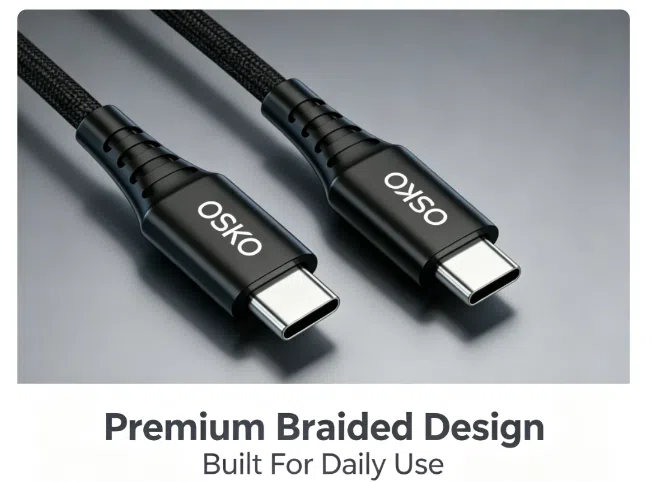
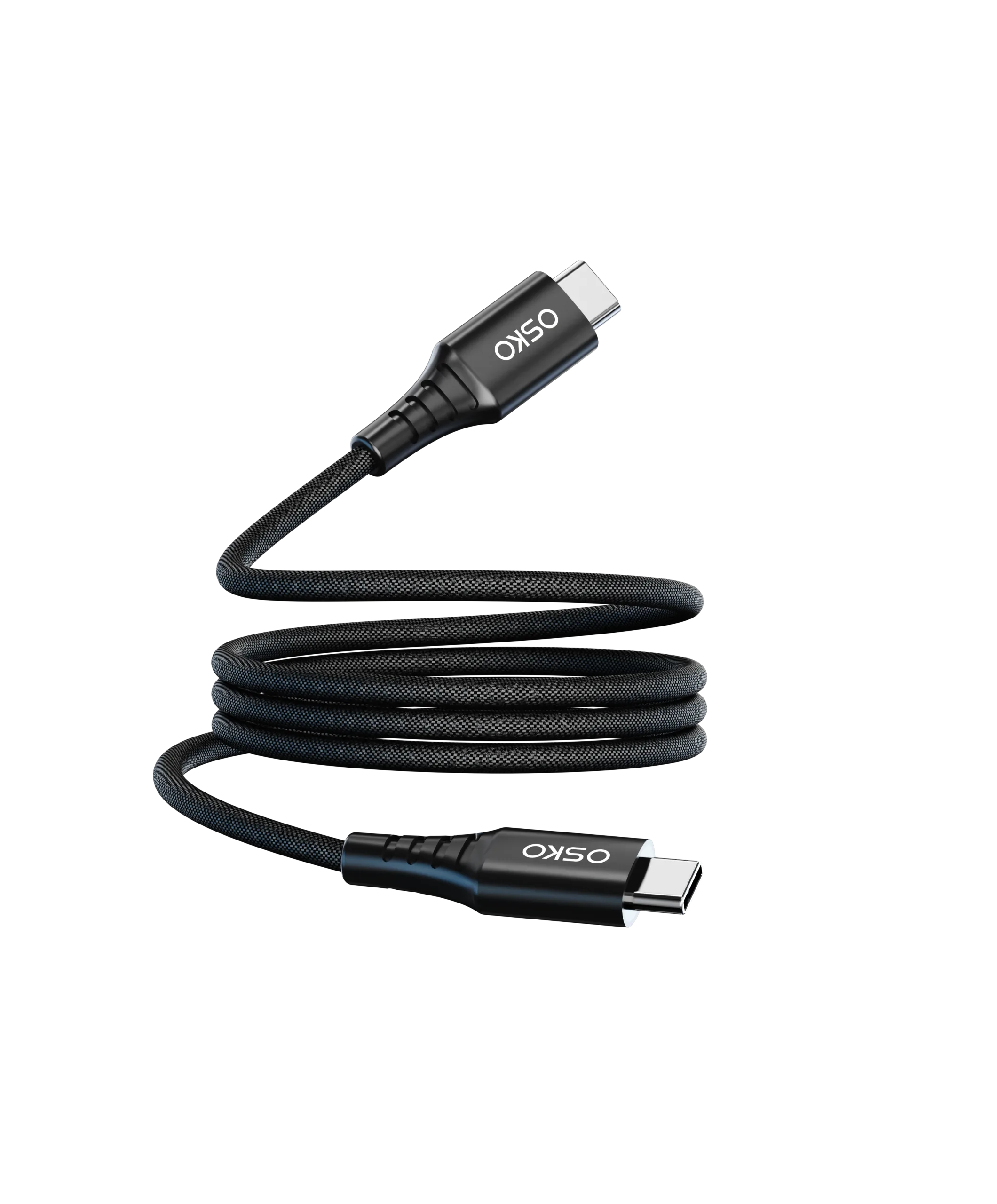
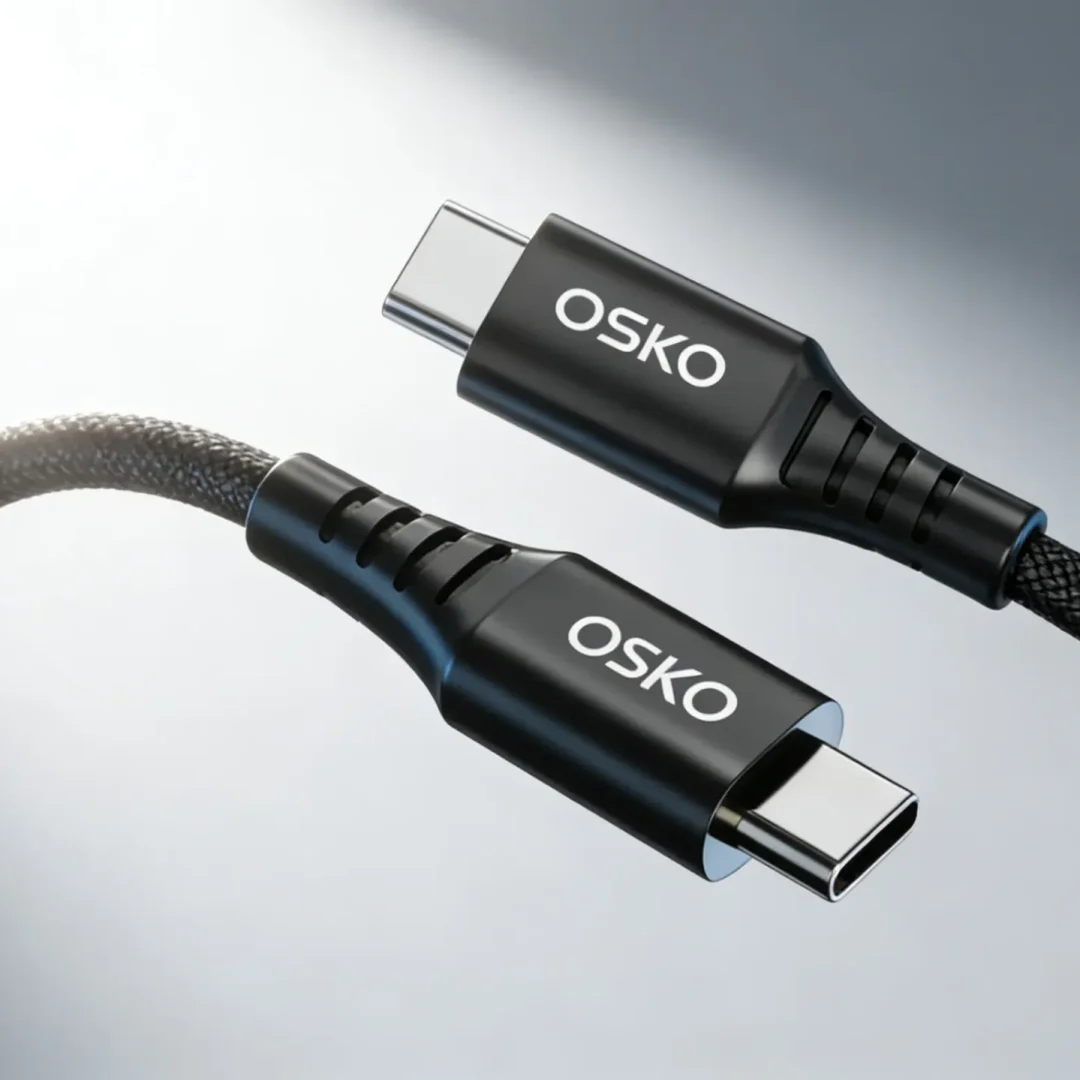
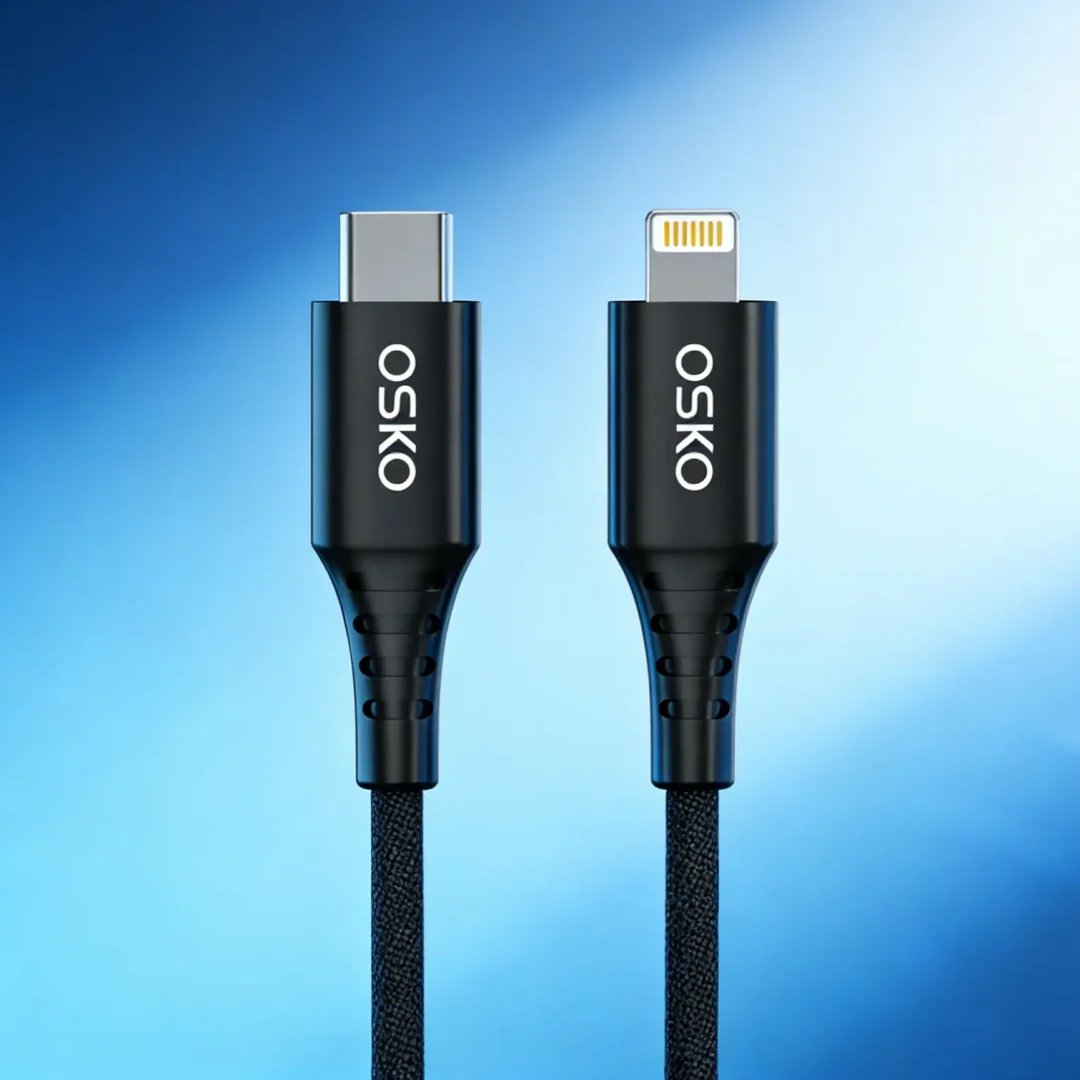
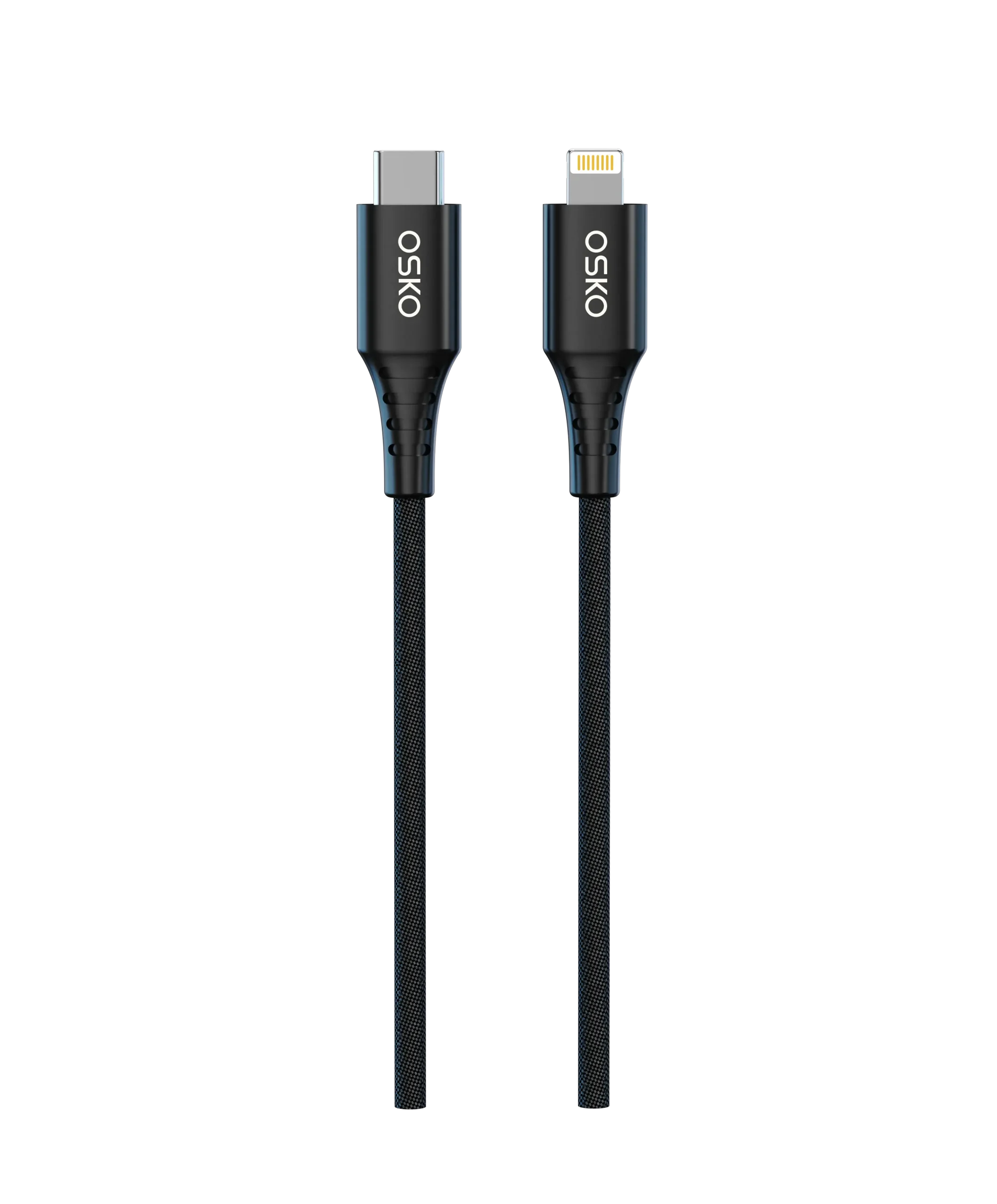
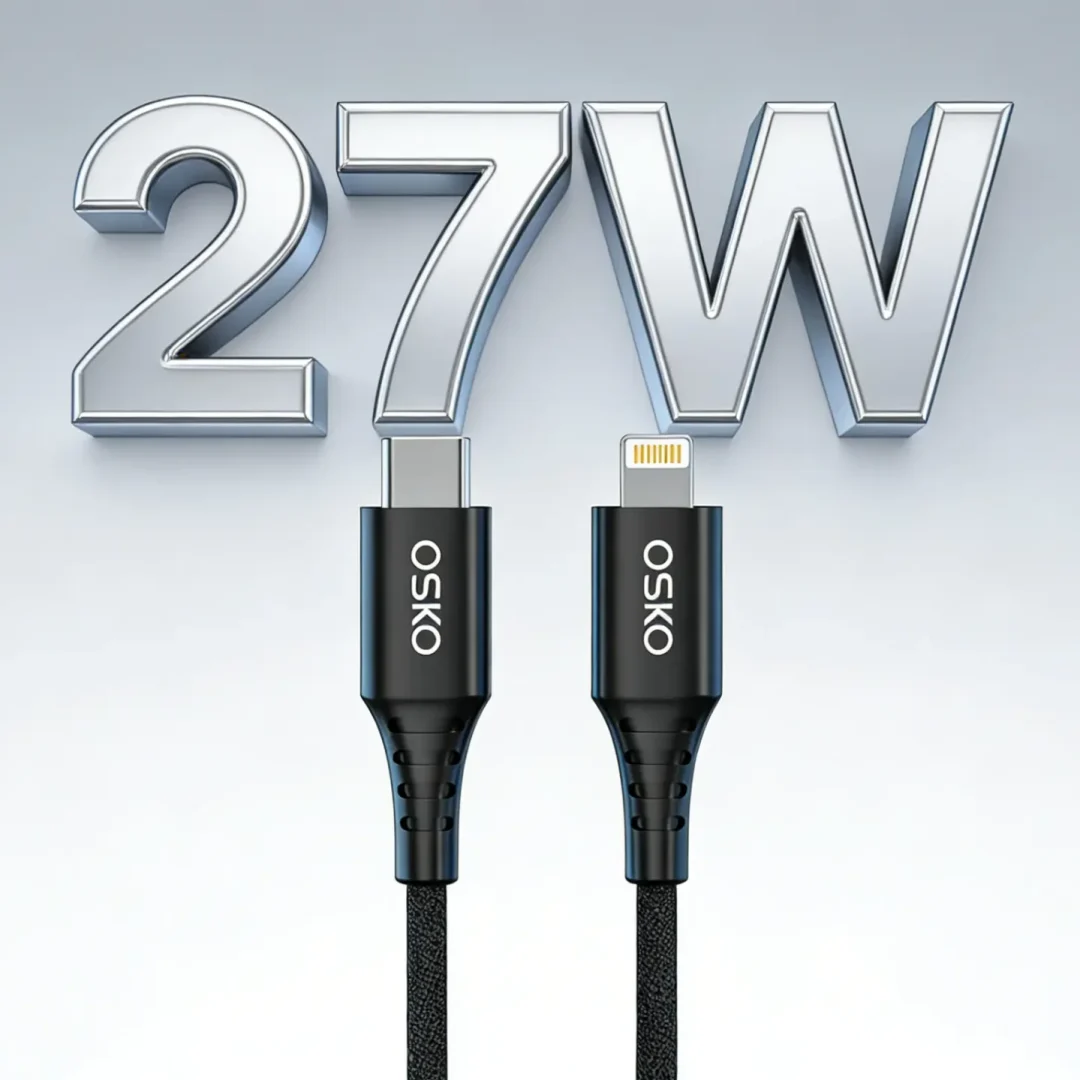
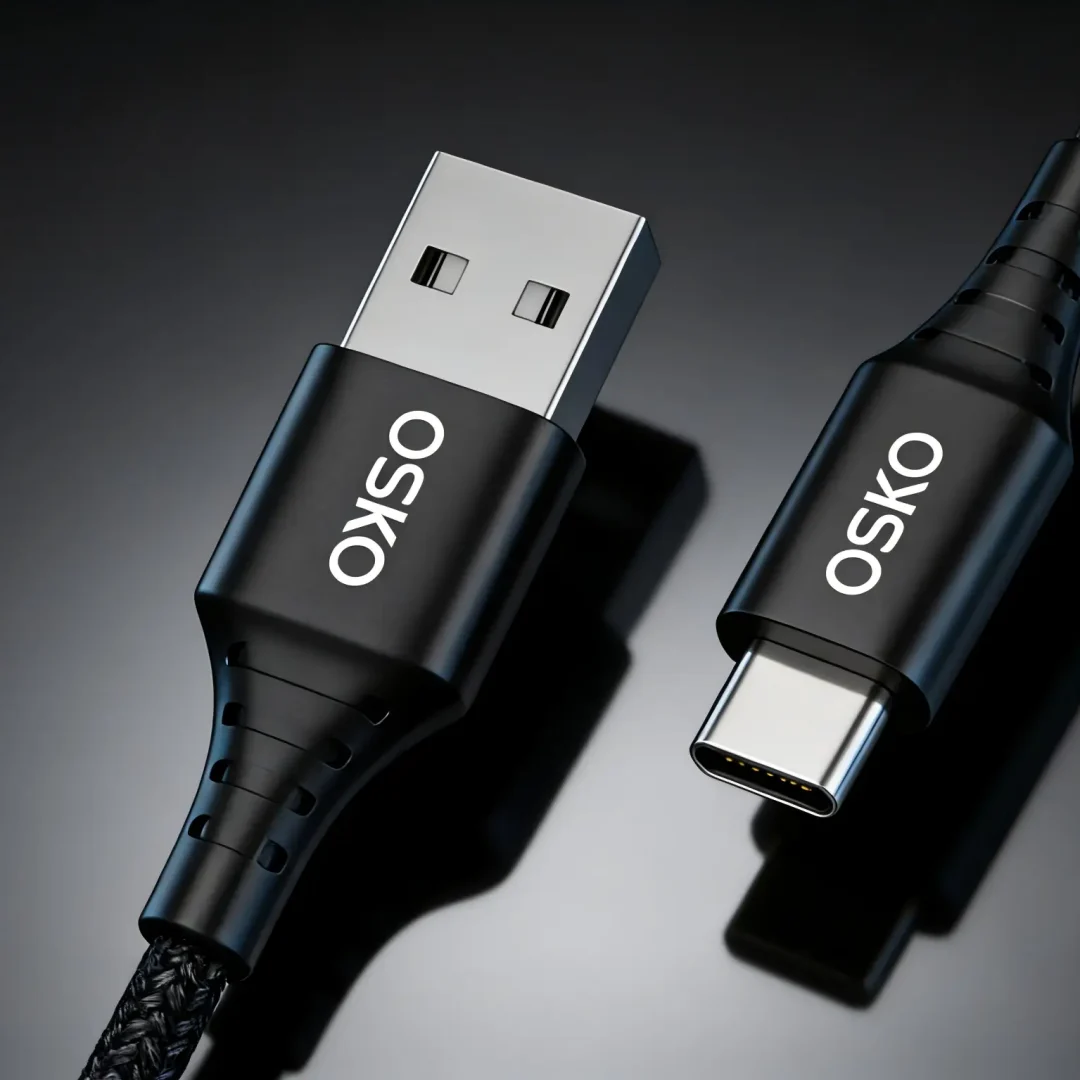
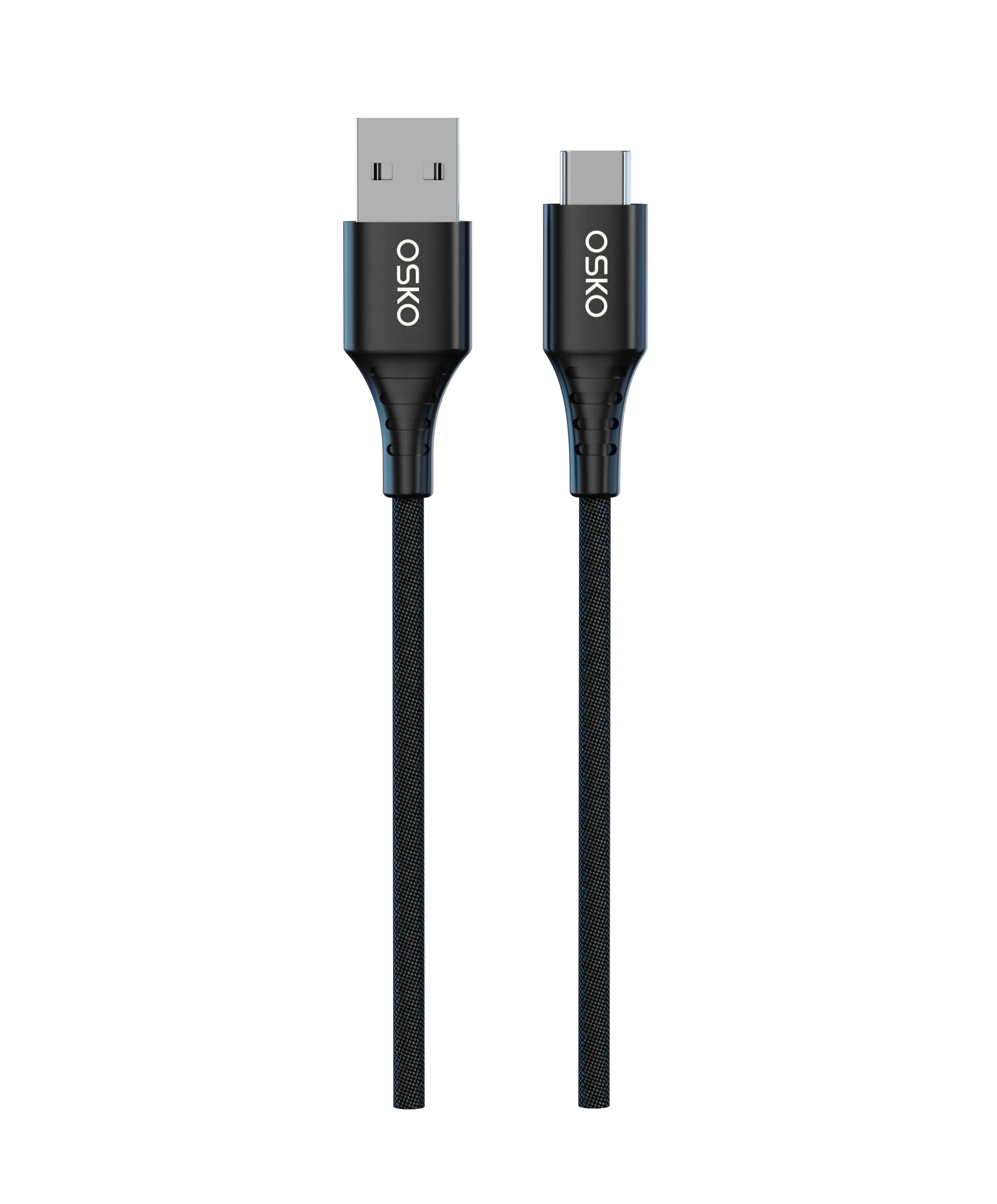
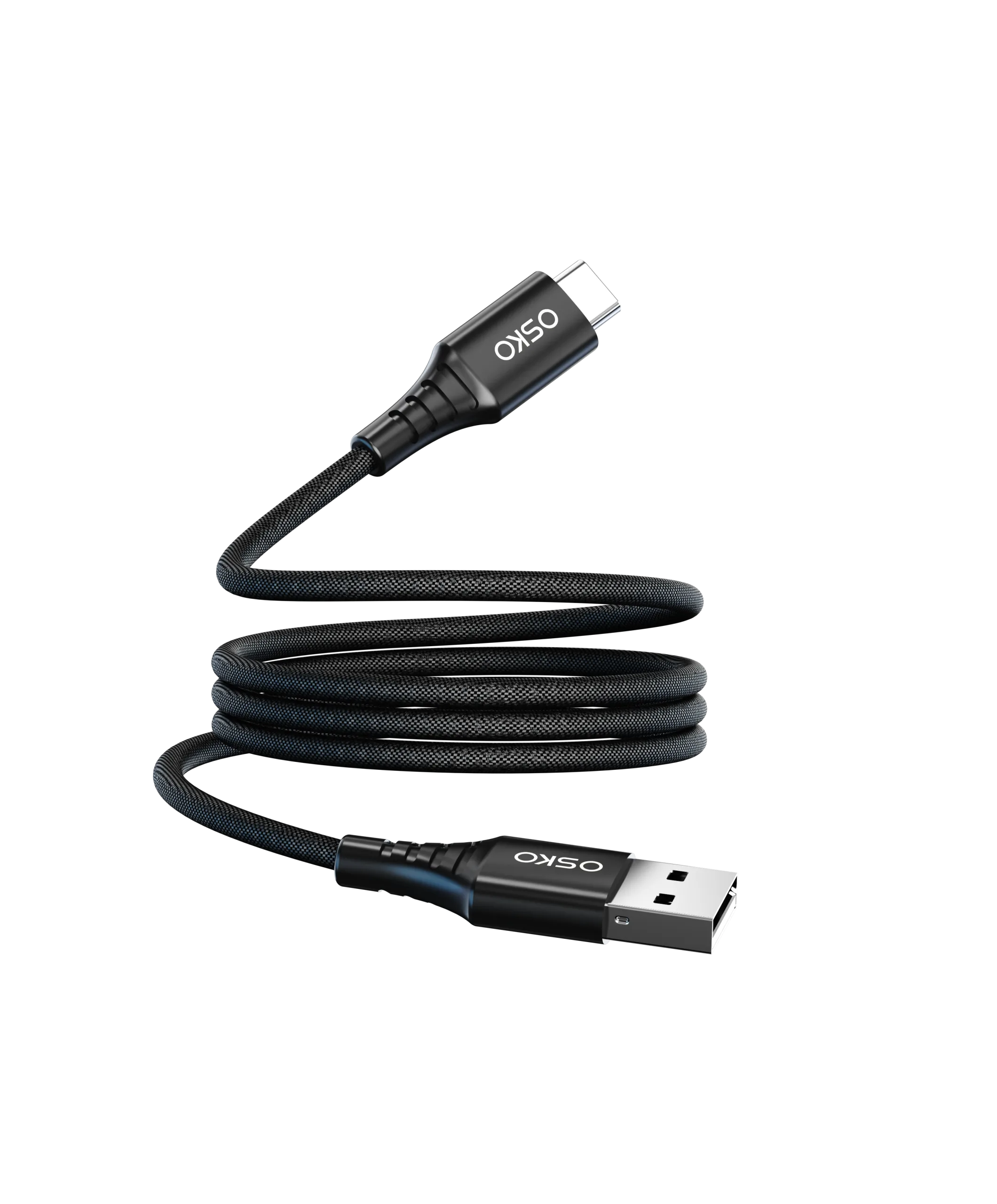
For modern gaming hardware manufacturers, a reliable USB-C Cable for Controller is no longer only a charging accessory. It has become an important component that affects user experience, product reliability, and brand reputation. Gaming controllers require stable power delivery, consistent data communication, and long-term mechanical durability because users often connect and disconnect cables thousands of times during daily operation.
Many gaming controller manufacturers focus primarily on controller electronics, buttons, wireless modules, and firmware performance, while the charging and communication cable is often considered a secondary component. However, poor cable design can create problems such as unstable charging, intermittent connection during gameplay, slow data synchronization, and customer complaints after product launch.
From an engineering and procurement perspective, selecting the correct USB-C Cable for Controller requires evaluating multiple factors, including conductor materials, shielding structure, connector durability, signal integrity, cable flexibility, production consistency, and supplier manufacturing capability.
As an experienced USB cable manufacturer, OSKO provides OEM and ODM cable solutions designed for gaming hardware brands, accessory companies, and electronics manufacturers. Through optimized materials, controlled production processes, and application-based engineering support, OSKO helps customers develop reliable charging and data solutions for different controller platforms.

Material Science & Dielectric Properties
Engineering Structure of USB-C Controller Cables
A gaming controller cable usually performs two major functions:
- Power transmission for charging the internal battery system.
- Data communication between controller and gaming devices.
Unlike simple charging cables, controller cables require stable signal transmission because many gaming applications depend on low-latency wired communication.
A professional USB-C Data Cable for controllers normally includes several internal components:
| Component | Engineering Function | Recommended Design Consideration |
|---|---|---|
| Copper conductor | Transfers power and data signals | High-purity copper improves conductivity |
| Insulation layer | Prevents electrical leakage | Stable dielectric materials reduce signal loss |
| Shielding layer | Protects against electromagnetic interference | Aluminum foil and braided shielding improve stability |
| Drain wire | Provides grounding connection | Enhances EMI protection |
| Outer jacket | Provides mechanical protection | TPE or braided materials improve durability |
| Connector shell | Protects USB interface | Metal reinforcement improves lifetime |
For gaming applications, cable construction must balance electrical performance and user handling comfort.
Conductor Material and Charging Stability
The conductor is one of the most important elements affecting cable performance.
Low-quality cables may use inferior copper materials, resulting in higher resistance. This creates voltage drops during charging, especially when controllers require stable current input.
OSKO engineering solutions typically focus on:
Optimized copper conductor diameter
Reduced internal resistance
Stable power transmission
Consistent charging performance across production batches
For gaming controller manufacturers, this reduces issues related to charging speed variation between different production lots.
Dielectric Materials and Signal Integrity
Data transmission quality depends heavily on insulation material.
The dielectric layer controls:
Signal attenuation
Electrical interference
Transmission consistency
For high-speed controller applications, improper insulation design can cause:
Data packet errors
Connection interruption
Communication delay
A well-designed USB-C Cable for Controller uses carefully selected insulation materials to maintain stable impedance and improve signal reliability.
Shielding Design for Gaming Environments
Gaming environments often contain multiple electronic devices:
Gaming consoles
PCs
Wi-Fi equipment
Monitors
Audio systems
These devices can generate electromagnetic interference.
A professional USB-C Data Cable design may include:
Aluminum foil shielding
Copper braid shielding
Grounding optimization
This structure helps maintain stable communication between controllers and host devices.
Case Study: Custom USB-C Cable Solution for a European Gaming Controller Manufacturer
Customer Background
A European gaming accessory company developing premium wired controllers needed a customized cable solution for a new generation of gaming products.
The customer planned to supply controllers to retail markets in Germany and the Netherlands. Their main requirements were:
Stable charging performance
Reliable wired gameplay connection
High durability for frequent user operation
Custom cable length options
Consistent quality for mass production
From the procurement perspective, the customer was not only looking for a low-cost supplier. They needed a manufacturing partner capable of controlling cable performance throughout large-volume production.
Engineering Challenges
During product testing, the customer identified several problems with their previous cable supplier:
1. Unstable Data Connection
Some cables experienced intermittent communication when users moved the controller during gameplay.
The engineering team determined that unstable shielding and inconsistent internal structure affected signal performance.
2. Connector Durability Issues
Gaming users frequently plug and unplug cables.
The original connector design showed mechanical stress after repeated bending cycles.
3. Different Performance Between Production Batches
The customer needed thousands of cables per month, but previous suppliers had difficulty maintaining consistent electrical performance.
OSKO Engineering Solution
OSKO analyzed the customer’s controller application requirements and developed a customized USB-C Cable for Controller solution.
The improvements included:
Optimized Internal Cable Structure
OSKO adjusted:
Conductor specifications
Shielding layers
Insulation materials
Internal arrangement
to improve power delivery and signal stability.
Reinforced Connector Design
The connector structure was upgraded with:
Stronger strain relief
Improved bending resistance
More durable housing materials
This helped increase cable lifetime under repeated gaming usage.
Production Quality Control
OSKO implemented production testing including:
| Test Item | Purpose |
|---|---|
| Continuity test | Verify electrical connection |
| Charging performance test | Confirm power stability |
| Data transmission test | Ensure communication reliability |
| Bending test | Evaluate mechanical durability |
| Batch inspection | Maintain production consistency |
The final cable solution helped the customer achieve a more stable gaming accessory product while reducing after-sales quality risks.

Selection Guide: How Gaming Controller Manufacturers Choose the Right USB-C Cable
1. Define Charging Requirements
Gaming controller manufacturers should first evaluate:
Required charging power
Battery capacity
Charging environment
Device compatibility
A standard controller may only require basic charging, while premium models may require higher-performance Fast Charging Cable solutions.
2. Evaluate Data Transmission Capability
For wired gaming controllers, data stability is critical.
Procurement teams should consider:
USB protocol compatibility
Signal shielding
Cable impedance control
Connector quality
A charging-only cable may not meet gaming communication requirements.
3. Consider Cable Length and Usage Environment
Different gaming applications require different cable lengths.
| Application | Recommended Cable Consideration |
|---|---|
| Console gaming | Longer flexible cable |
| PC gaming desk setup | Medium-length reinforced cable |
| Retail gaming accessories | Durable standard length |
| Professional gaming events | High-strength cable structure |
4. Select an OEM/ODM Manufacturing Partner
For gaming brands, supplier capability directly affects product success.
Important evaluation factors include:
Engineering support
Customization capability
Production capacity
Quality control system
Material selection experience
An experienced OEM USB Cable manufacturer can help optimize both product performance and manufacturing cost.
FAQ
What makes a USB-C Cable for Controller different from a normal charging cable?
A controller cable requires both charging capability and stable data communication. It needs better shielding, signal control, and connector durability compared with basic charging cables.
Can OSKO provide customized USB-C cables for gaming brands?
Yes. OSKO supports OEM and ODM projects including custom lengths, connector designs, materials, packaging requirements, and production specifications.
What cable length is suitable for gaming controllers?
The ideal length depends on the gaming environment. Console users often prefer longer cables, while desktop gaming setups usually require shorter and more flexible designs.
Does a USB-C controller cable support fast charging?
It depends on controller requirements and internal design. OSKO can customize charging specifications based on customer device requirements.
Why is shielding important for gaming controller cables?
Shielding reduces electromagnetic interference and improves data communication stability, especially in environments with multiple electronic devices.
Summary
A high-quality USB-C Cable for Controller is an essential component for gaming hardware manufacturers that require reliable charging, stable data communication, and long-term durability.
From conductor selection and dielectric material design to shielding optimization and connector reinforcement, every engineering detail affects final product performance.
For gaming accessory brands, choosing the right cable supplier is not only about purchasing a cable but also about reducing quality risks and improving product reliability.
OSKO provides professional OEM and ODM USB cable manufacturing solutions for gaming controllers, consumer electronics, and smart devices. Through engineering-focused development, controlled production processes, and application-specific solutions, OSKO helps global customers create reliable cable products for competitive markets.
Contact Information
OSKO USB Cable Manufacturing Solutions
OSKO specializes in OEM and ODM USB cable development, including:
USB-C Cable for Controller
Gaming Charging Cable
USB-C Data Cable
Fast Charging Cable
Custom USB Cable Solutions
For gaming controller manufacturers and electronics brands requiring reliable cable solutions, OSKO provides engineering support from prototype development to mass production.
Contact OSKO for customized USB cable manufacturing solutions.