
Introduction
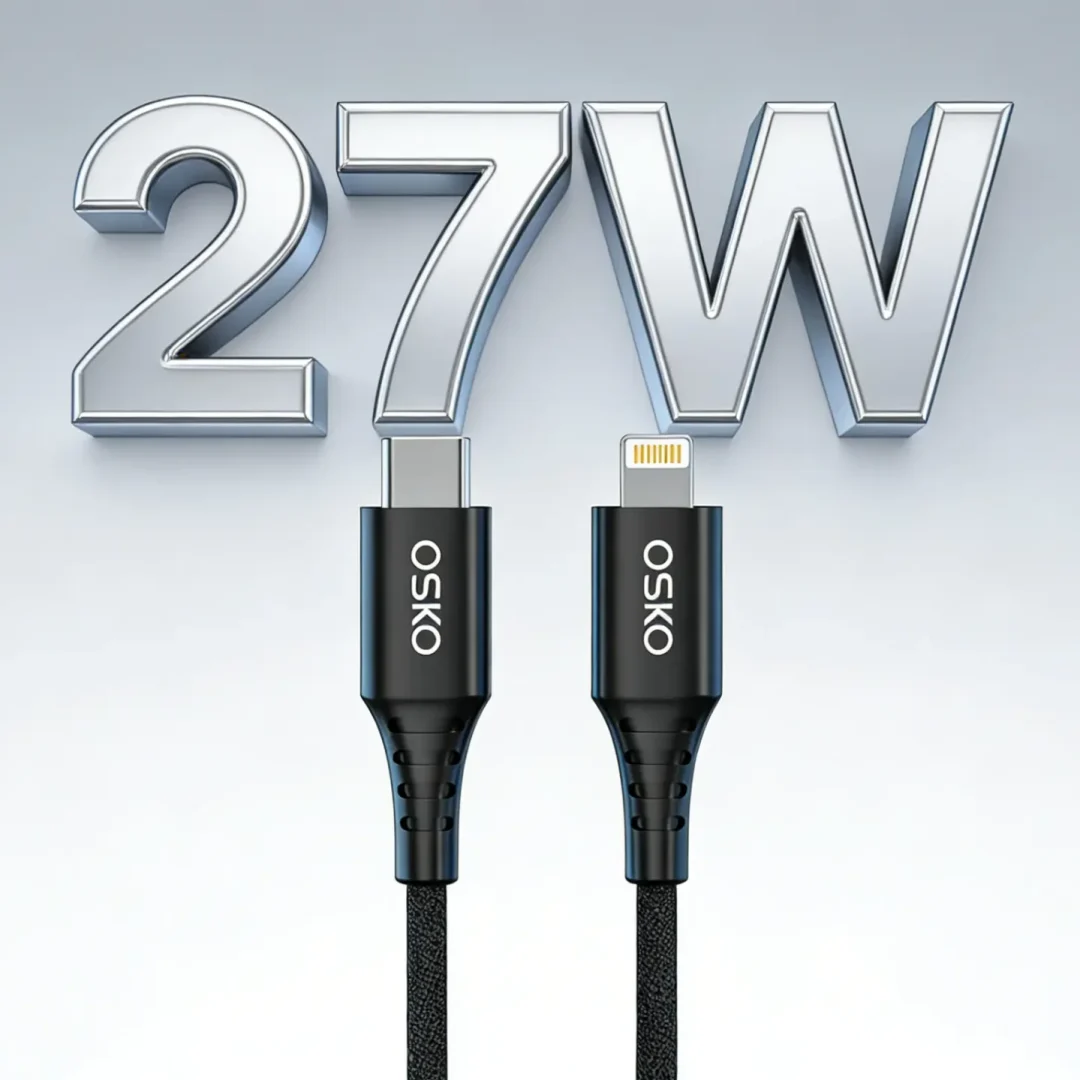
The demand for high-performance charging solutions has increased rapidly as smartphones, laptops, tablets, handheld gaming devices, and professional electronics adopt higher power requirements. Choosing the Best USB-C Cable for Fast Charging is no longer only about selecting a cable with a USB-C connector. For manufacturers, distributors, and procurement teams, cable design directly influences charging efficiency, device compatibility, safety performance, and customer satisfaction.
Modern fast charging systems rely on advanced power delivery technologies such as USB Power Delivery (USB PD), which can support significantly higher power levels compared with traditional charging methods. However, achieving stable high-power transmission requires precise engineering in conductor selection, insulation materials, shielding design, connector construction, and production quality control.
A cable that looks identical externally may perform very differently internally. Low-quality charging cables can experience voltage drops, overheating, unstable charging speeds, and reduced product lifetime. For electronics brands and accessory manufacturers, selecting a professional supplier is essential to ensure consistent performance in large-scale production.
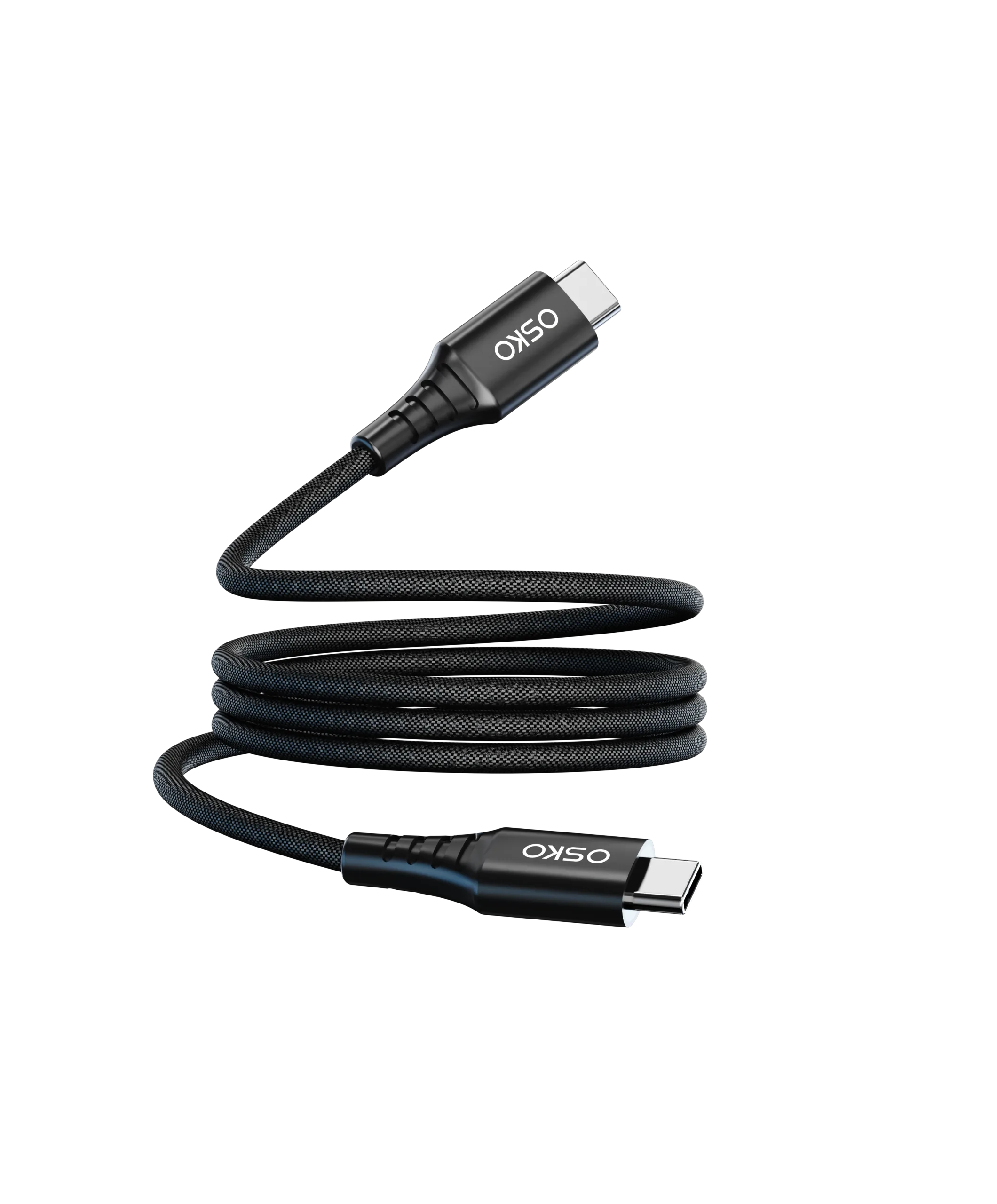
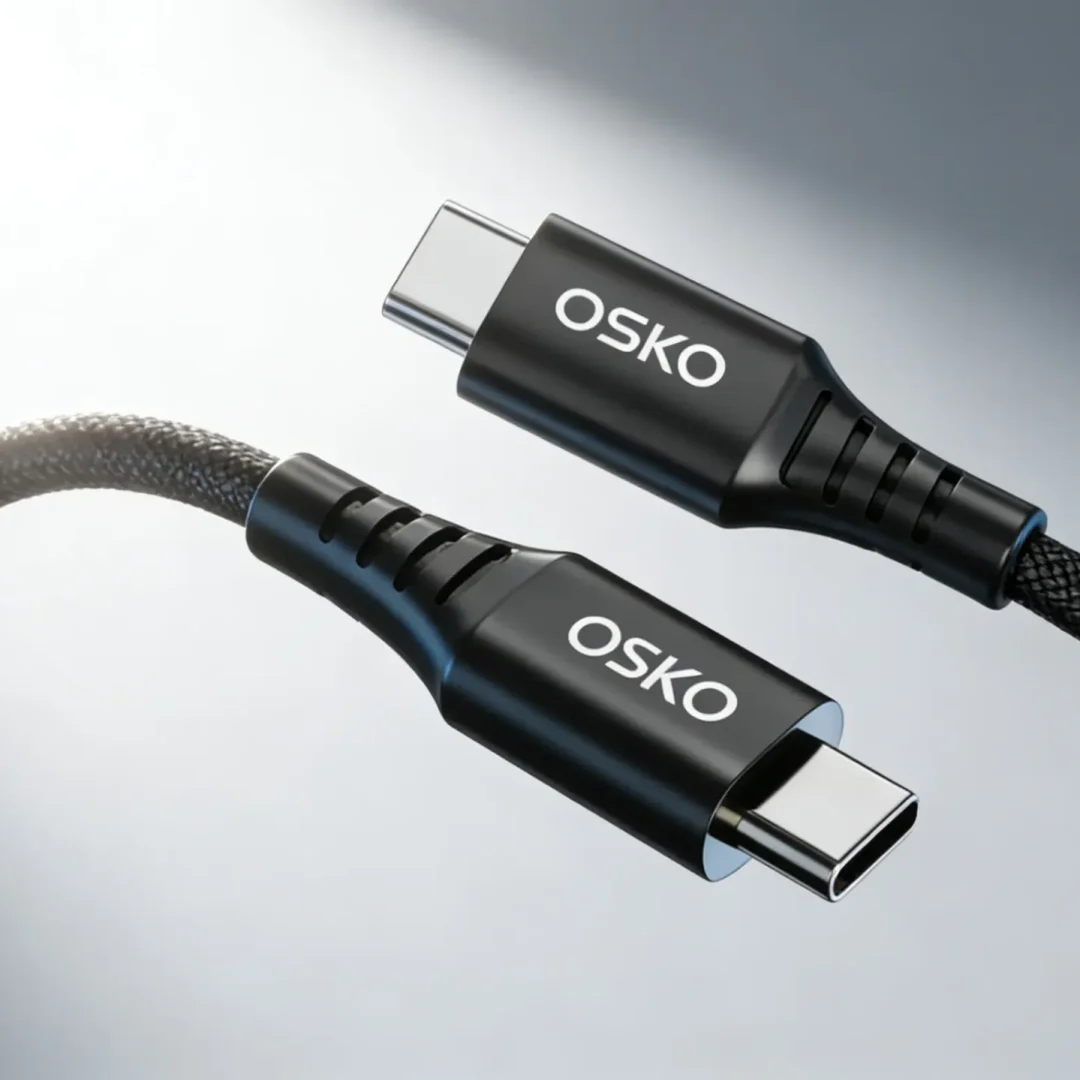
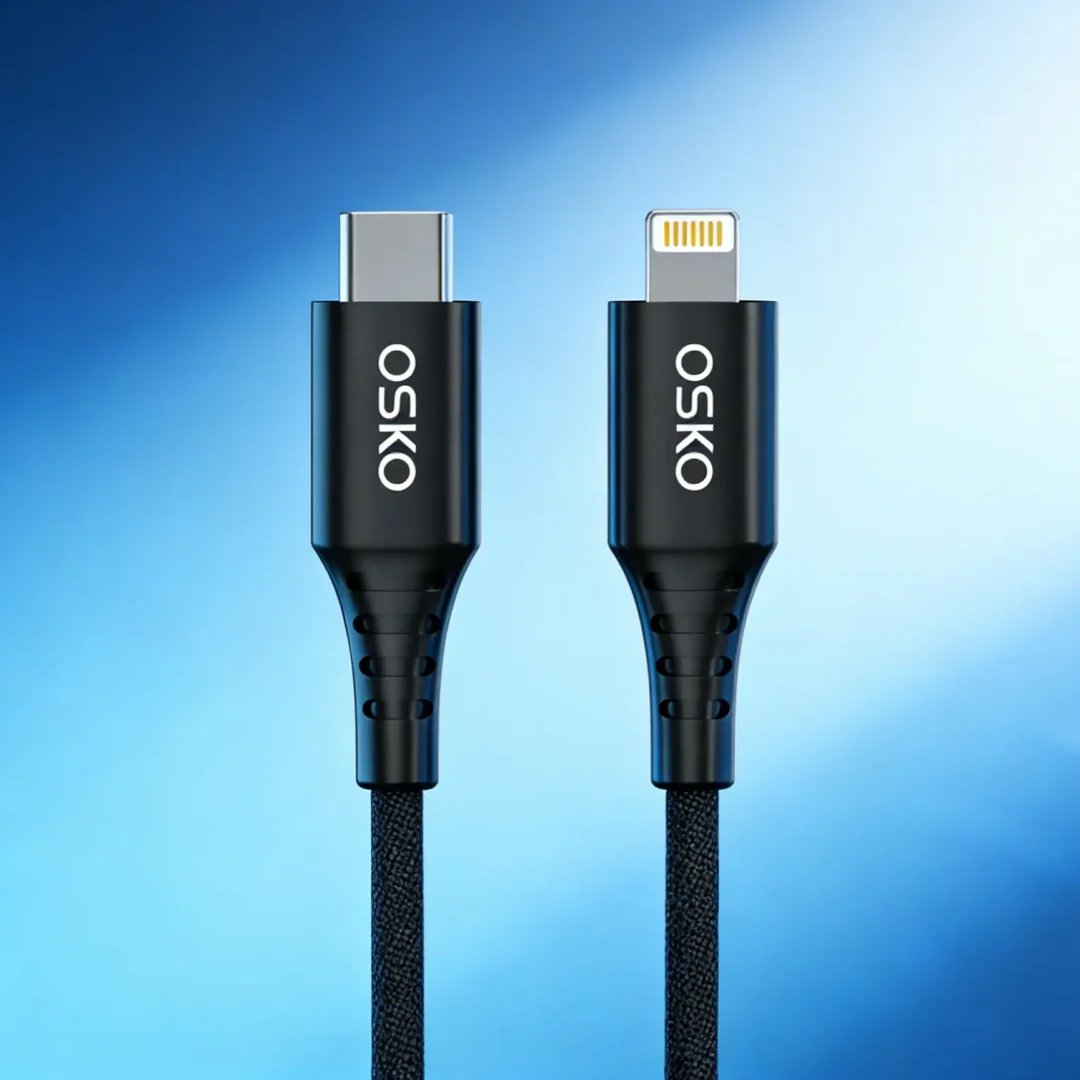
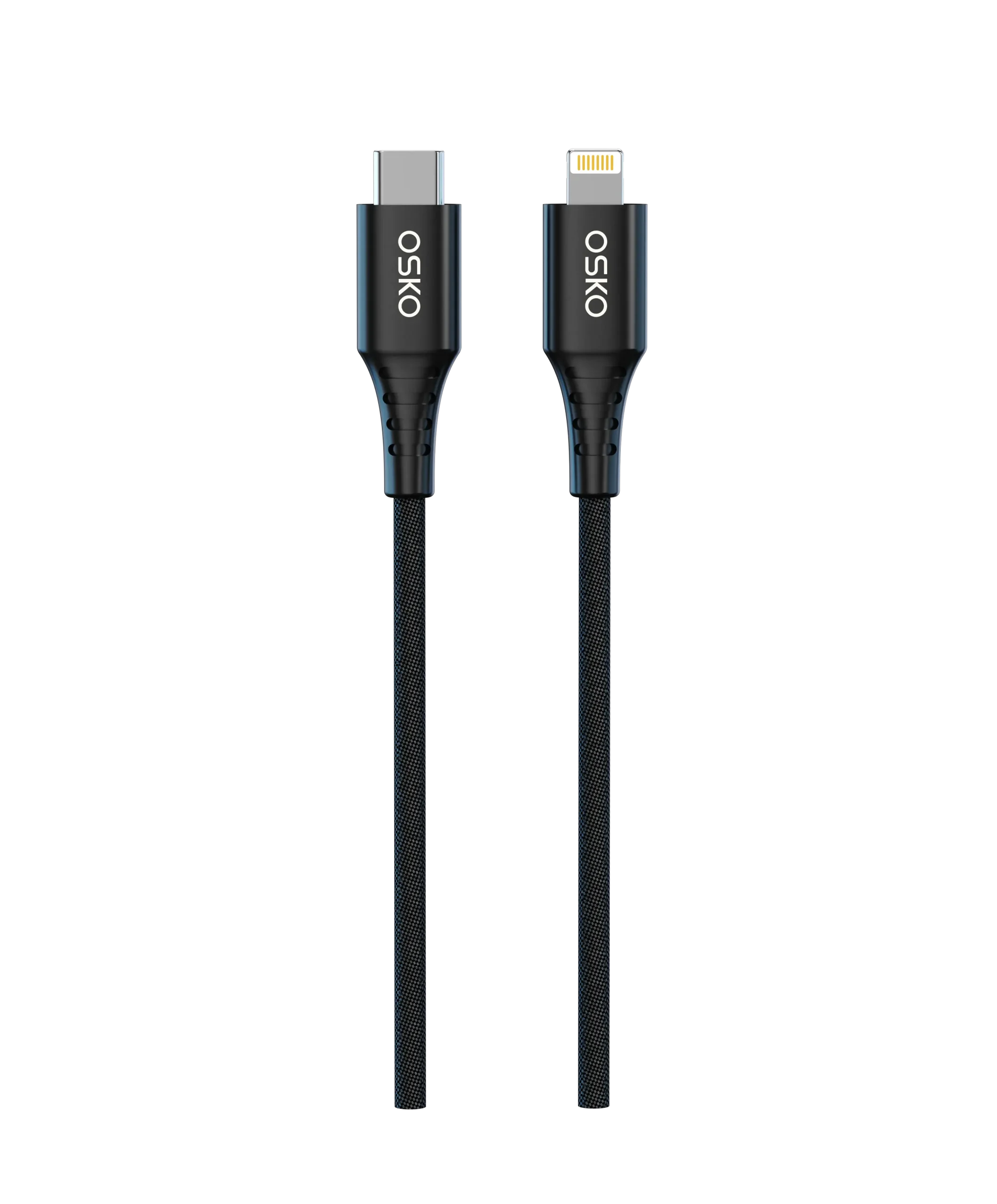
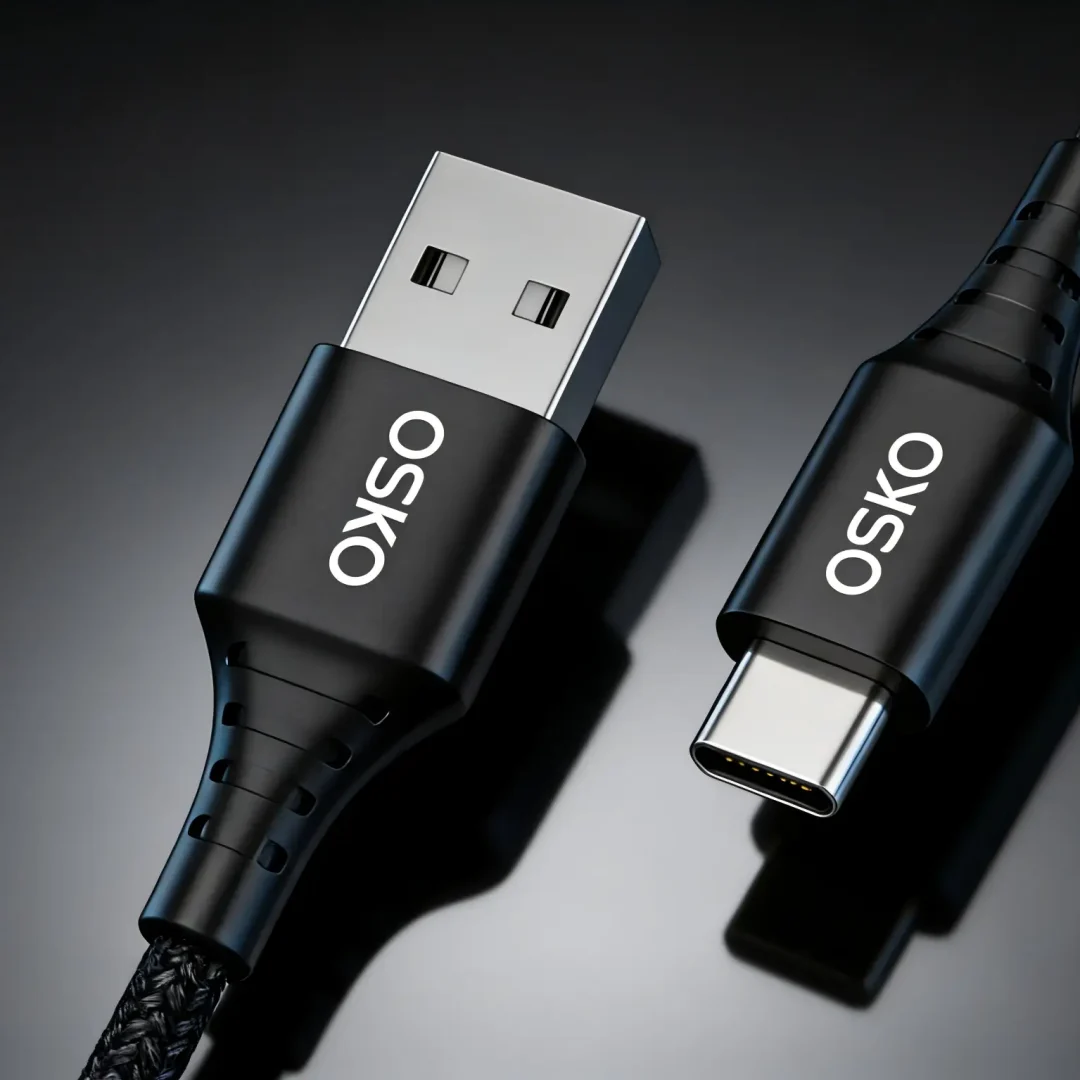
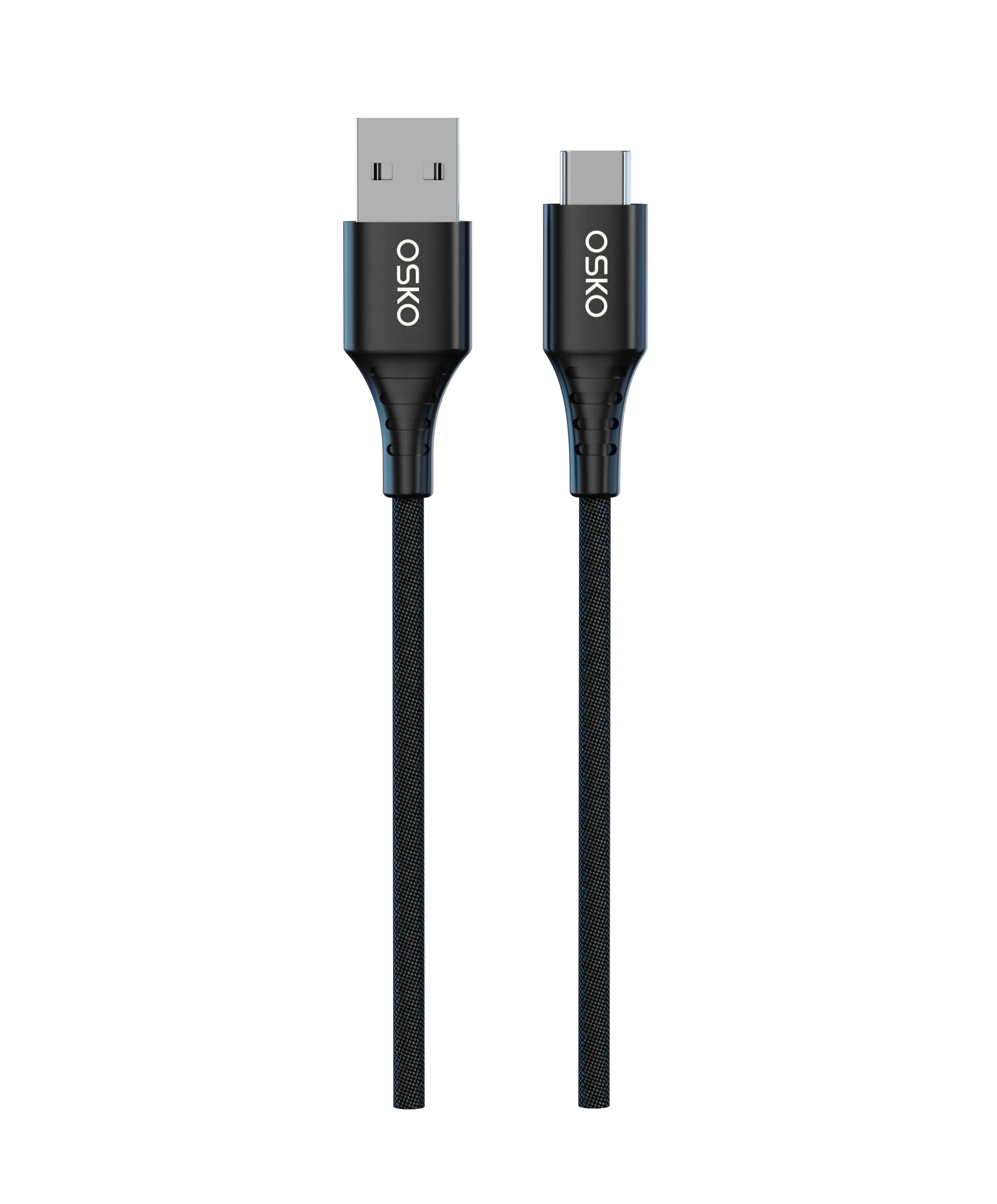
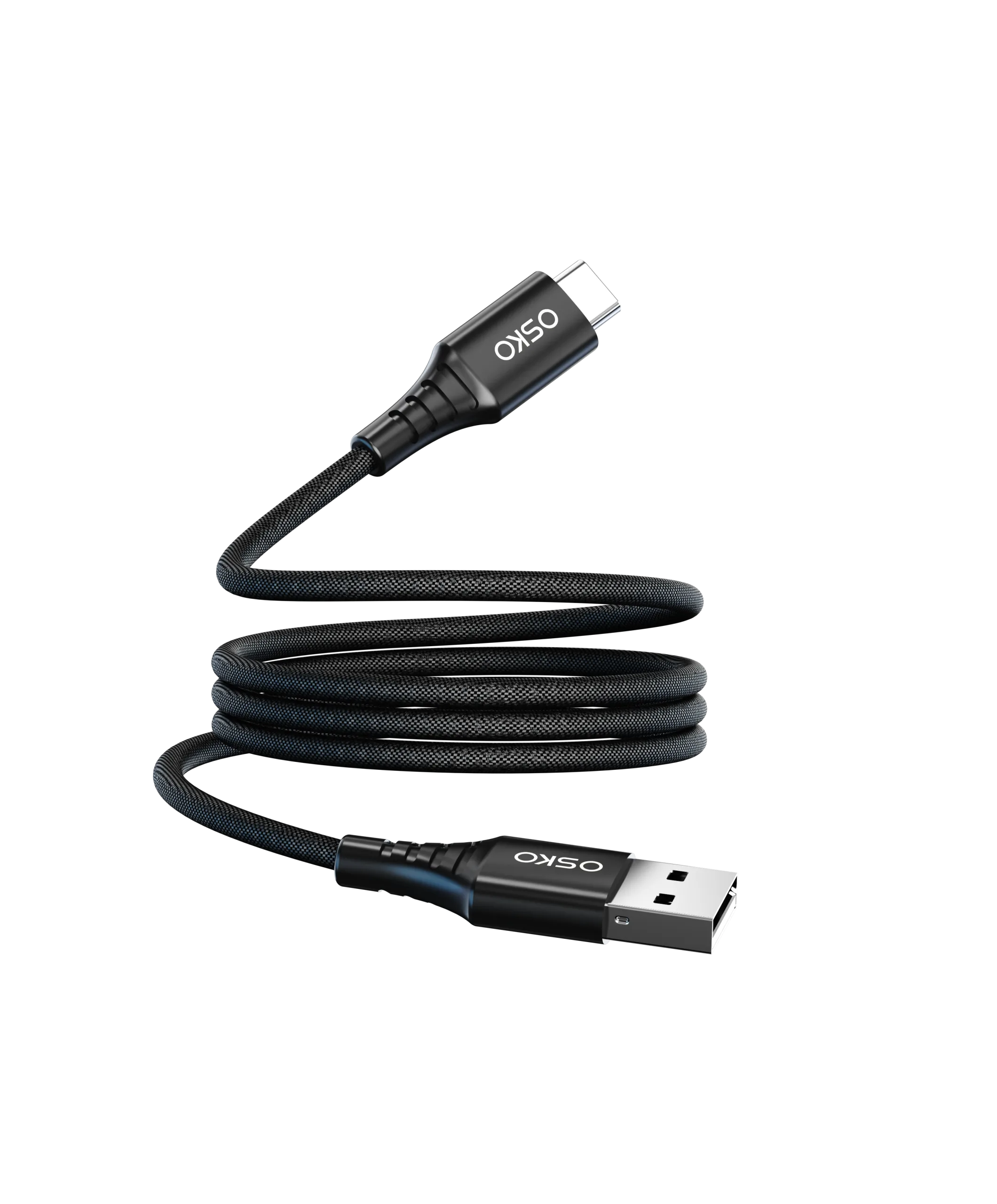
OSKO specializes in OEM and ODM cable manufacturing, providing customized USB-C Charging Cable solutions for global electronics companies. Through optimized material selection, engineering validation, and strict production control, OSKO helps customers develop reliable charging products for consumer electronics, retail markets, and industrial applications.

Material Science & Dielectric Properties
Engineering Requirements of Fast Charging USB-C Cables
A high-performance Fast Charging Cable must achieve several technical objectives simultaneously:
High current transmission capability
Stable voltage delivery
Low electrical resistance
Effective heat management
Reliable signal communication
Long mechanical lifetime
The internal construction determines whether a cable can maintain stable performance under continuous high-power operation.
| Cable Component | Engineering Function | Impact on Fast Charging Performance |
|---|---|---|
| Copper conductor | Transfers electrical current | Determines resistance and power efficiency |
| Insulation material | Separates conductors electrically | Controls dielectric stability |
| Shielding layer | Reduces electromagnetic interference | Improves signal reliability |
| E-marker chip | Identifies cable capability | Enables high-power USB PD communication |
| Connector structure | Maintains electrical contact | Improves charging consistency |
| Outer jacket | Protects internal structure | Enhances flexibility and durability |
Conductor Design and Power Efficiency
The conductor is the core element affecting charging performance.
When current passes through a cable, resistance generates heat. Higher resistance results in:
Energy loss
Lower charging efficiency
Increased temperature
Reduced charging stability
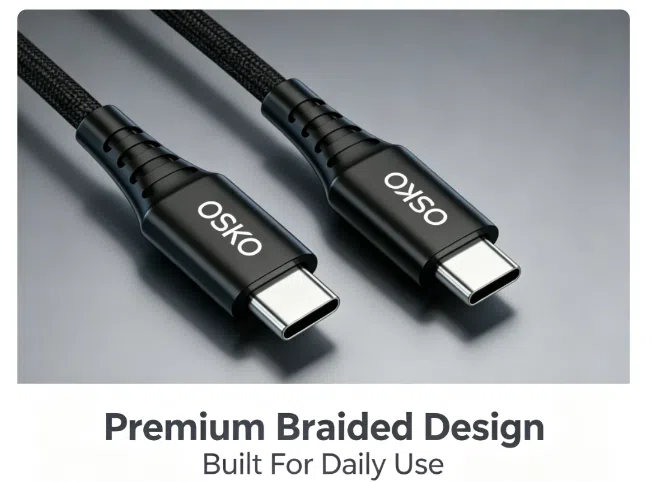
Professional USB-C to USB-C Cable designs typically use optimized copper conductors to reduce resistance and maintain stable current transmission.
For manufacturers, conductor selection must consider:
Cable length
Target power level
Device compatibility
Thermal requirements
A longer cable requires more careful electrical design because voltage loss increases with distance.
Insulation Materials and Dielectric Performance
Fast charging cables operate under higher electrical loads, making insulation quality critical.
The insulation layer provides:
Electrical separation
Signal protection
Thermal resistance
Long-term reliability
Poor insulation materials may cause:
Electrical leakage
Reduced durability
Signal interference
OSKO evaluates dielectric properties during cable development to ensure stable performance across different operating conditions.
USB Power Delivery and E-Marker Technology
High-power USB-C charging systems often require communication between charger, cable, and device.
An E-marker chip inside the cable provides information about:
Supported current level
Power capability
Cable identification
For example, high-power charging applications require cables designed specifically for higher wattage transmission.
A professional USB Power Delivery Cable solution must combine:
Correct chip configuration
Suitable conductor size
Reliable connector design
Production testing
Without proper engineering validation, a cable may fail to achieve the expected charging performance.
Case Study: Custom Fast Charging Cable Solution for a Laptop Accessory Brand
Customer Background
A consumer electronics company based in Australia developed a new laptop accessory product line, including USB-C docking solutions, portable chargers, and replacement charging accessories.
The company planned to enter retail channels in Australia and Europe. Their procurement team required a reliable cable supplier capable of supporting:
High-power charging applications
Consistent mass production
Custom branding requirements
Stable supply chain management
Their previous cable supplier provided standard products, but the customer experienced inconsistent charging performance between different batches.
Engineering Challenges
1. Charging Speed Variation
During product testing, some cables reached expected charging speeds while others showed reduced performance.
The engineering team identified inconsistent conductor resistance as the main reason.
For laptop charging applications, even small differences in cable resistance can affect power delivery efficiency.
2. Thermal Performance Issues
The customer discovered that some cables became noticeably warm during extended high-power charging.
The main causes included:
Insufficient conductor specifications
Poor internal structure design
Limited heat dissipation capability
3. Supply Chain Consistency
The customer needed thousands of units monthly for retail distribution.
Their procurement team required:
Stable quality control
Repeatable electrical performance
Reliable production capacity
OSKO Engineering Solution
OSKO developed a customized USB-C Charging Cable solution based on the customer’s laptop accessory requirements.
Optimized Electrical Structure
OSKO adjusted:
Copper conductor specifications
Internal cable layout
Power transmission design
to improve charging stability and reduce energy loss.
Enhanced Thermal Management
The cable structure was optimized to improve heat distribution during high-power operation.
This helped reduce temperature increase during continuous charging cycles.
Manufacturing Quality Control
OSKO implemented multiple inspection procedures:
| Quality Test | Purpose |
|---|---|
| Resistance testing | Verify electrical consistency |
| Power delivery testing | Confirm charging capability |
| Temperature testing | Evaluate thermal performance |
| Connector inspection | Ensure mechanical reliability |
| Production sampling | Maintain batch consistency |
The final solution enabled the customer to launch a more reliable charging accessory product while reducing quality complaints and improving retail competitiveness.
Selection Guide: How to Choose the Best USB-C Cable for Fast Charging
1. Confirm Power Requirements
Before selecting a cable, buyers should define:
Required charging wattage
Supported devices
Charger compatibility
Cable length
Different applications require different specifications.
| Application | Recommended Cable Type |
|---|---|
| Smartphone charging | USB-C Charging Cable |
| Laptop charging | High-power USB-C to USB-C Cable |
| Power bank products | Fast Charging Cable |
| Industrial devices | Customized USB-C Cable |
2. Check USB-C Protocol Compatibility
A cable should match the intended charging standard.
Important factors include:
USB PD compatibility
Current rating
E-marker configuration
Device communication capability
A visually identical cable may not support the same charging performance.
3. Evaluate Material Quality
Professional buyers should review:
Copper conductor quality
Insulation materials
Shielding structure
Connector durability
Material selection directly affects product lifetime.
4. Select an Experienced OEM Partner
For brands requiring large-volume production, supplier capability is critical.
A qualified OEM USB Cable manufacturer should provide:
Engineering support
Prototype development
Custom specifications
Quality testing
Stable production capacity
OSKO supports customers from initial design validation through bulk manufacturing.
FAQ
What is the best USB-C cable for fast charging?
The best USB-C cable depends on device requirements, power level, charging protocol, and usage environment. A high-quality cable should provide stable current transmission, proper USB PD compatibility, and reliable materials.
Is every USB-C cable capable of fast charging?
No. Some USB-C cables are designed only for basic charging or data transfer. Fast charging requires appropriate electrical specifications and power capability.
Why does cable quality affect charging speed?
Cable resistance affects voltage delivery. Higher resistance can reduce charging efficiency and increase heat generation.
Can OSKO customize USB-C cables for different devices?
Yes. OSKO provides OEM and ODM solutions including custom lengths, materials, connector designs, packaging, and electrical specifications.
Are longer USB-C cables suitable for fast charging?
Yes, but longer cables require optimized conductor design to minimize voltage loss and maintain charging performance.
Summary
Selecting the Best USB-C Cable for Fast Charging requires more than choosing a compatible connector. Engineering factors such as conductor materials, dielectric properties, shielding structure, USB PD technology, and manufacturing consistency determine real-world charging performance.
For electronics brands and procurement teams, a reliable cable supplier can reduce product risks and improve market competitiveness.
OSKO provides professional OEM and ODM USB-C Charging Cable solutions for global electronics manufacturers, including high-power charging cables, custom USB-C designs, and bulk production services.
Through engineering-focused development, material optimization, and strict quality control, OSKO helps customers create reliable charging products for smartphones, laptops, tablets, and advanced electronic devices.
Contact Information
OSKO USB Cable Manufacturing Solutions
OSKO provides:
OEM USB Cable Manufacturing
ODM USB-C Cable Development
Fast Charging Cable Solutions
USB-C to USB-C Cable Production
Custom Cable Engineering Services
For electronics brands, distributors, and procurement teams seeking reliable charging solutions, OSKO delivers professional cable design and manufacturing support from prototype to mass production.