
Introduction
As modern vehicles become more connected, the demand for reliable smartphone integration solutions continues to increase. A high-quality USB-C Cable for CarPlay is no longer only a charging accessory. It has become an important connection component that enables stable communication between smartphones and vehicle infotainment systems.
With the adoption of USB-C ports in smartphones and automotive systems, users increasingly require cables that can support:
Apple CarPlay connectivity
Smartphone data transmission
Vehicle charging
Long-term automotive use
However, not all USB-C cables provide the same performance. A cable designed for home charging may experience problems when used inside vehicles, including:
Connection interruptions
Slow device recognition
Unstable data transmission
Connector wear
Automotive environments create additional challenges because cables must operate under:
Temperature fluctuations
Continuous vibration
Frequent plugging and unplugging
Limited installation space
For automotive accessory brands and procurement teams, selecting the right USB-C CarPlay Cable supplier requires evaluating:
Signal stability
Cable structure
Material quality
Connector reliability
Manufacturing consistency
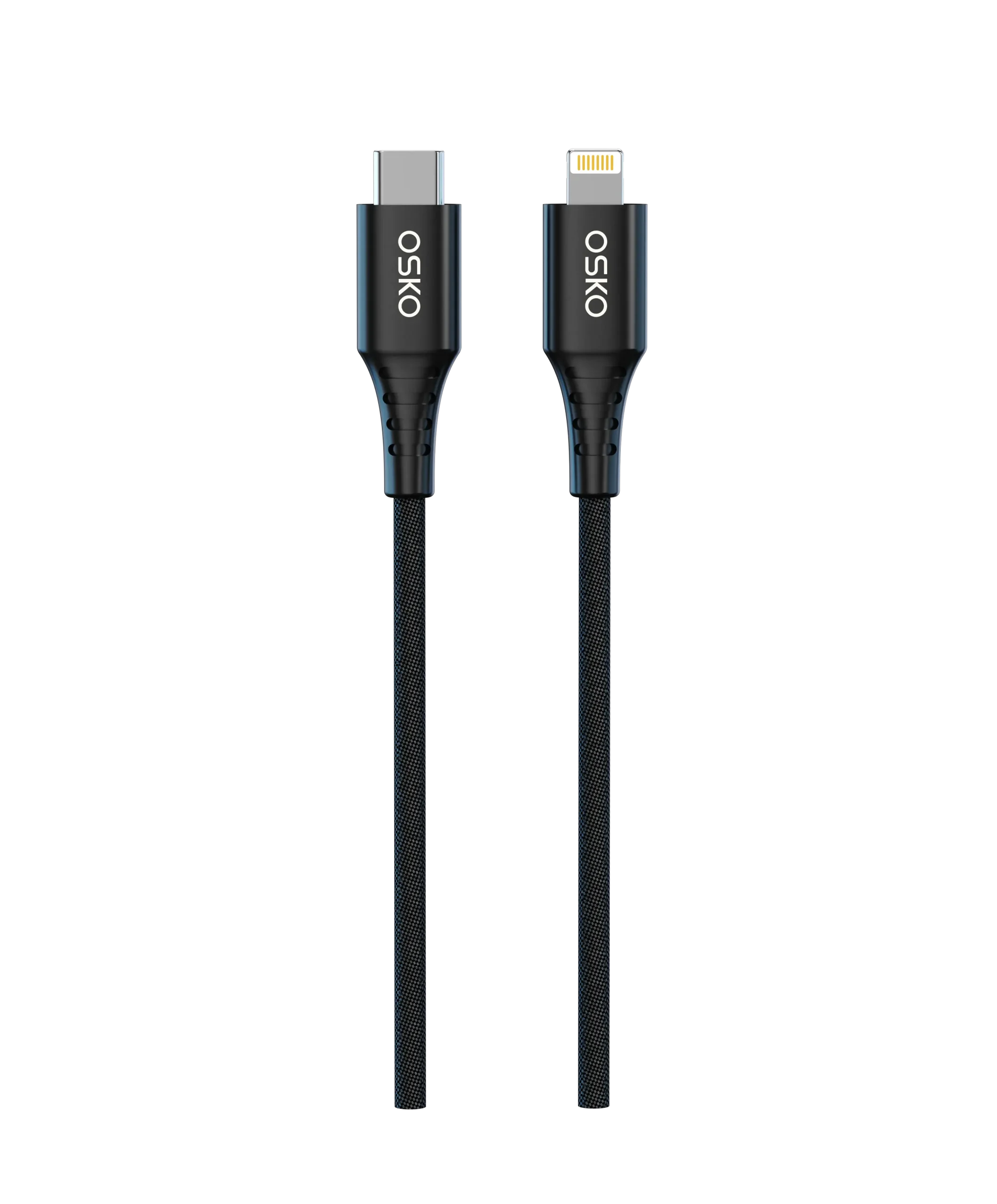
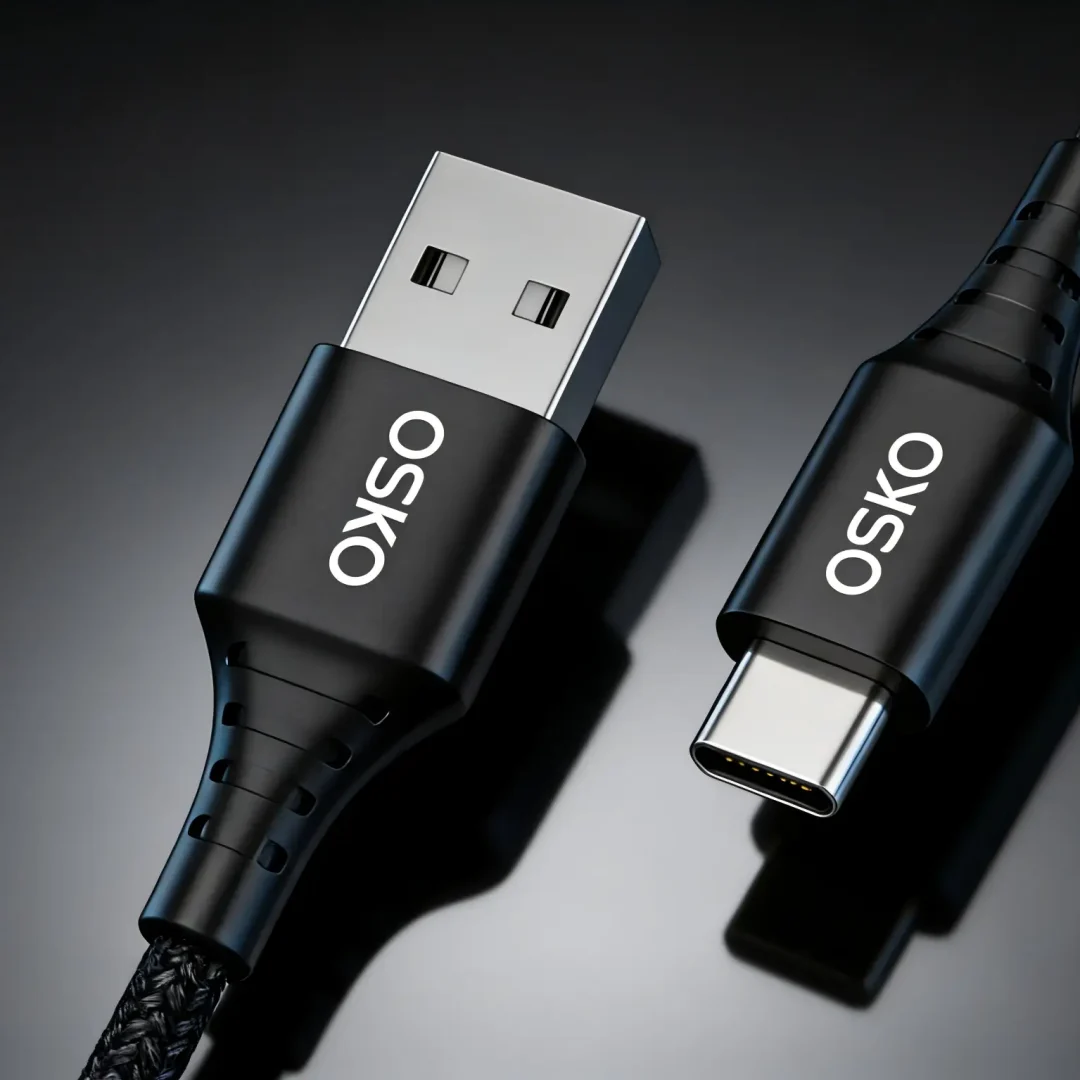
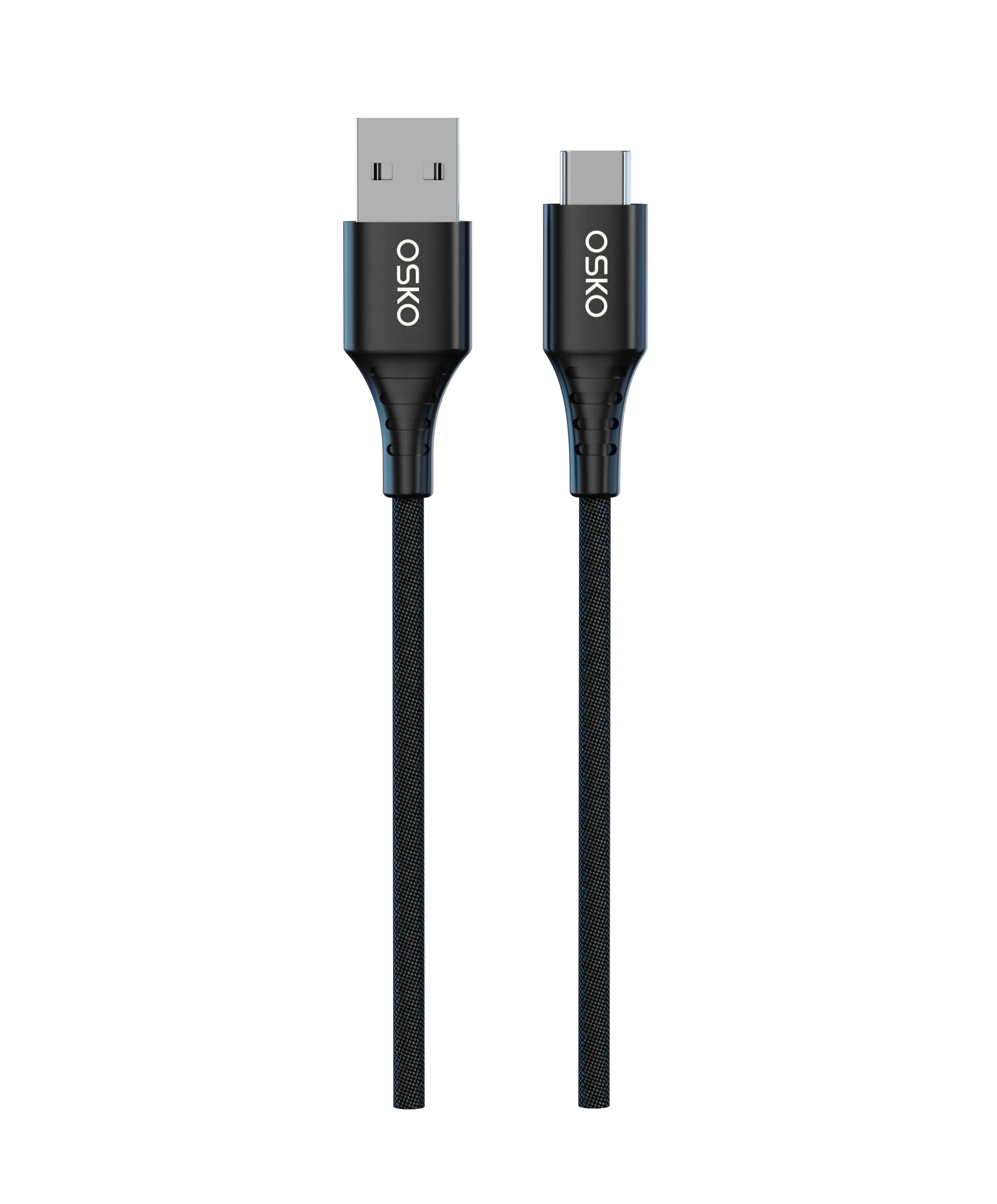
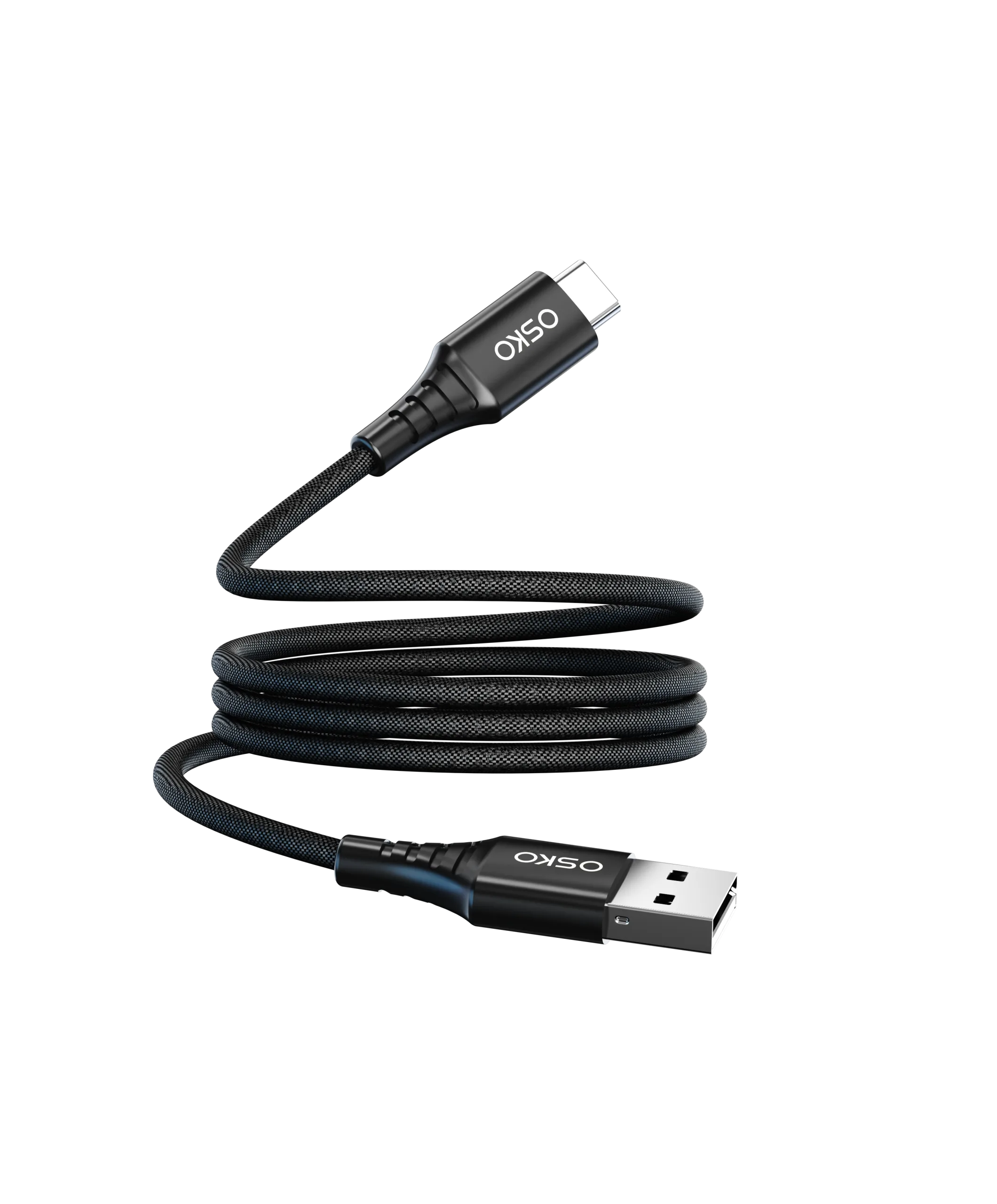
OSKO specializes in OEM and ODM USB cable manufacturing, providing customized solutions for automotive brands, including USB-C to USB-A CarPlay Cable, vehicle charging cables, and bulk automotive USB cable production.
Material Science & Dielectric Properties
Understanding USB-C CarPlay Cable Structure
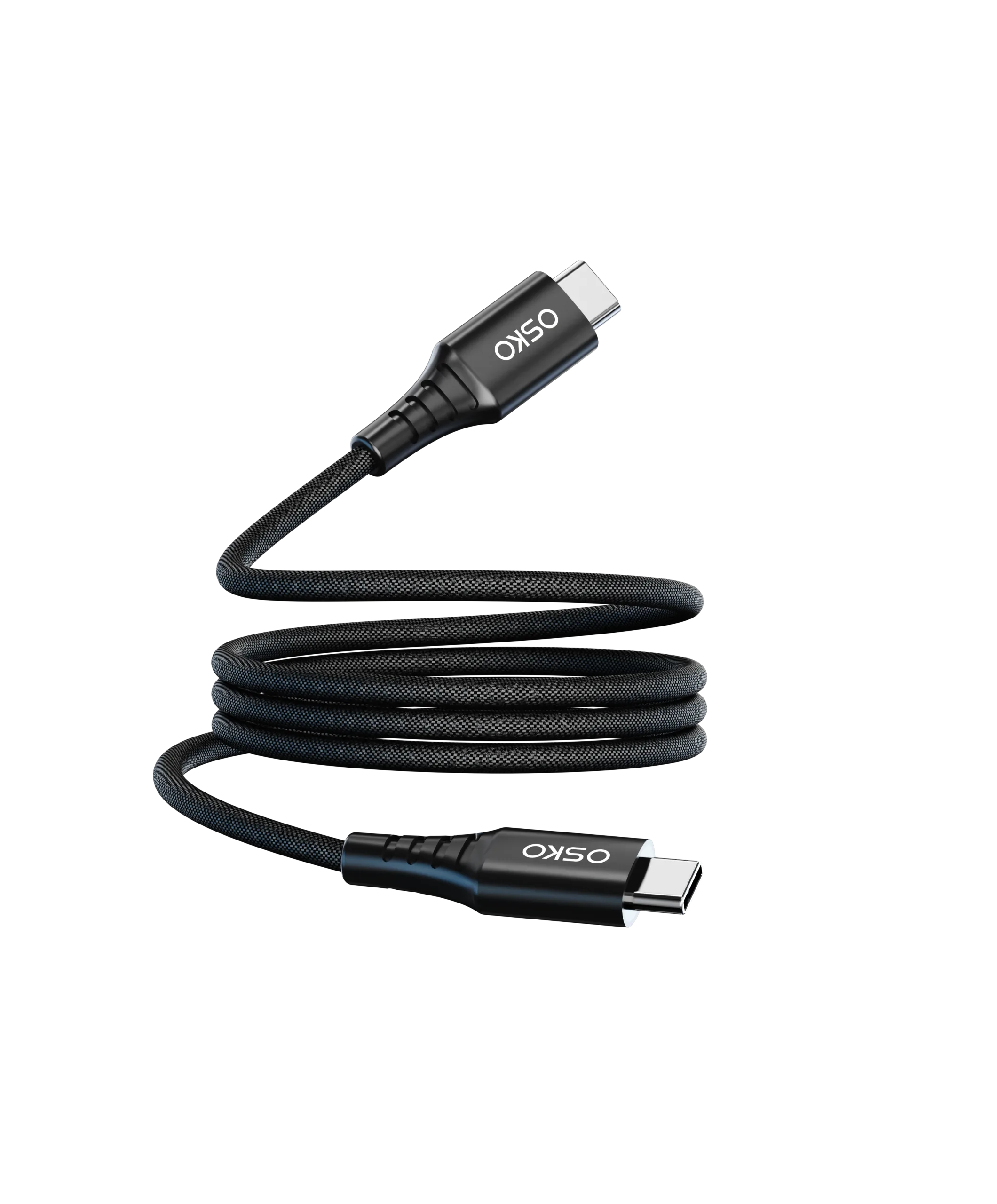
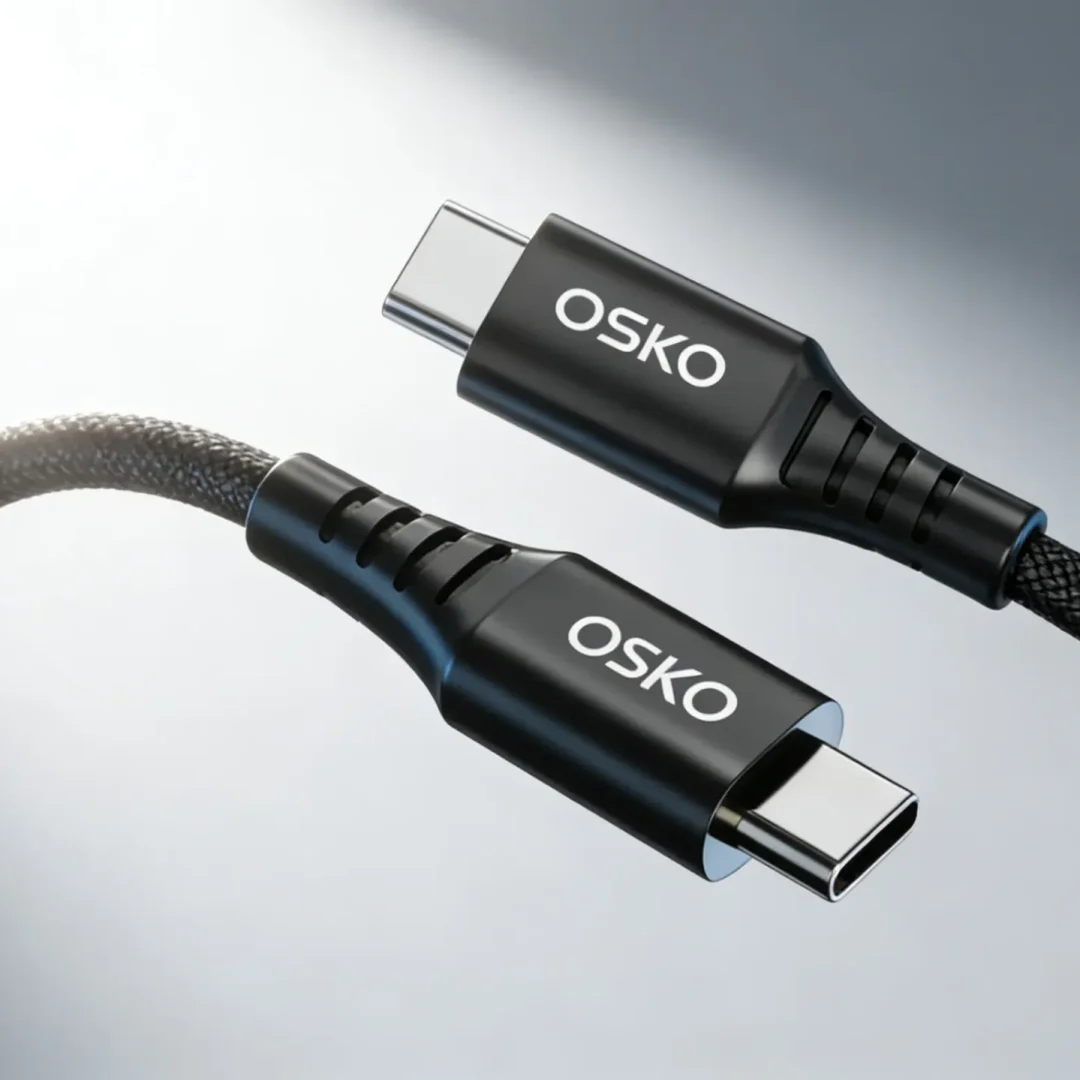
A professional USB-C CarPlay Cable requires a carefully designed internal structure to maintain reliable data transmission and charging performance.
The cable typically contains:
| Component | Function | Automotive Performance Impact |
|---|---|---|
| Copper conductor | Transfers power and data signals | Determines charging efficiency and signal quality |
| Insulation layer | Separates internal wires | Improves electrical safety |
| Shielding layer | Protects signal transmission | Reduces electromagnetic interference |
| Drain wire | Provides grounding path | Improves stability |
| USB connector | Connects devices | Determines compatibility |
| Outer jacket | Protects internal structure | Improves durability |
| Strain relief | Reduces bending stress | Extends cable lifespan |
Why CarPlay Requires Higher Cable Performance
Stable Data Transmission Is Critical
Unlike a basic charging cable, a CarPlay cable must support continuous communication between:
Smartphone
Vehicle USB port
Infotainment system
During operation, the cable continuously transfers:
Audio data
Navigation information
App communication
Control signals
A low-quality cable may cause:
CarPlay connection failure
Intermittent disconnection
Delayed response
Therefore, a reliable Automotive USB Cable requires optimized signal transmission design.
USB-C to USB-A CarPlay Cable Applications
Supporting Existing Vehicle Systems
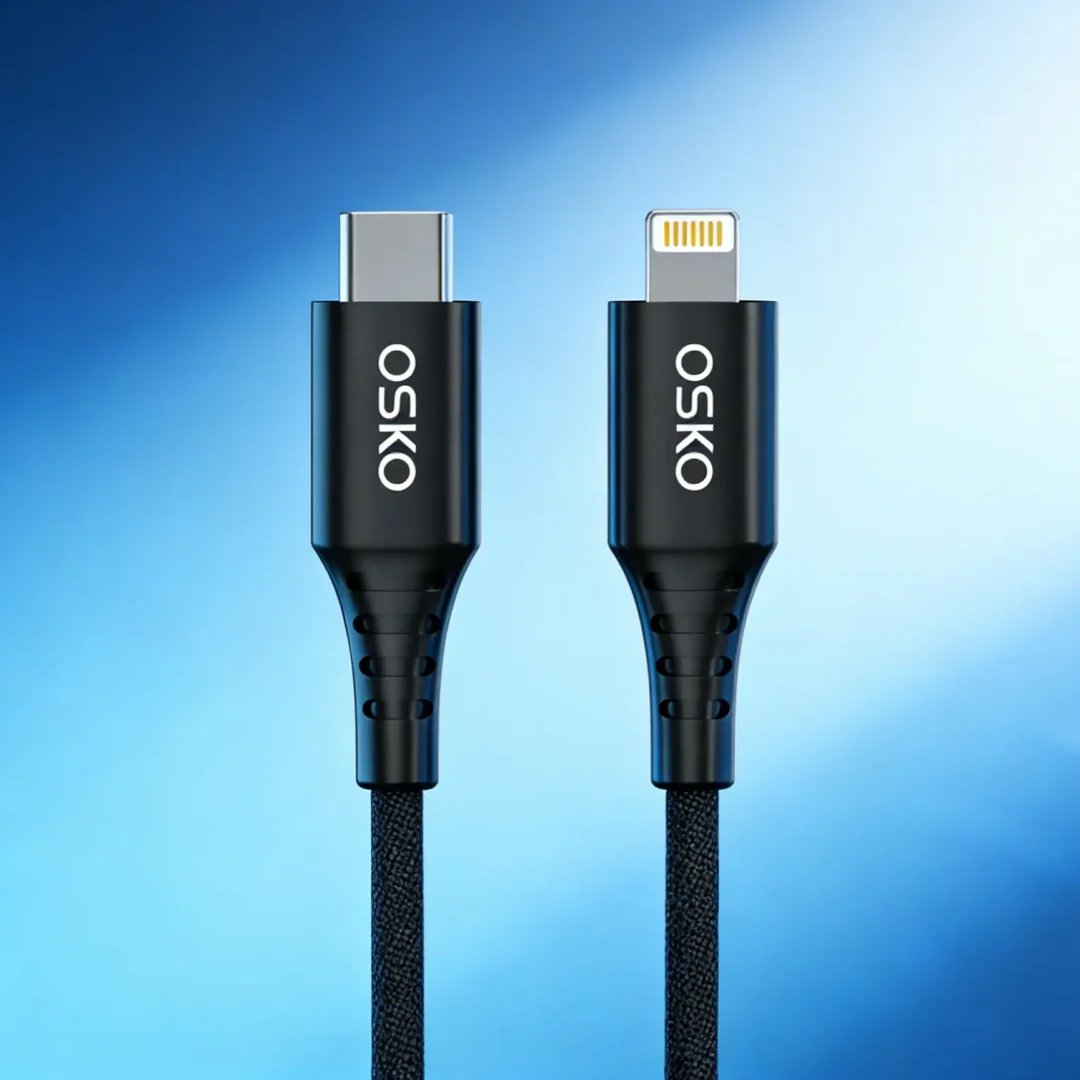
Many vehicles still use USB-A ports even though modern smartphones have transitioned to USB-C connectors.
This creates demand for:
Typical applications include:
Vehicles with factory USB-A ports
Older infotainment systems
Automotive aftermarket products
The cable must provide:
Stable USB communication
Reliable connector contact
Adequate charging capability
Signal Shielding Technology
Reducing Automotive Interference
Vehicles contain many electronic systems:
Wireless communication modules
Sensors
Navigation systems
Charging systems
Engine control electronics
These systems may generate electromagnetic interference.
A professional USB-C Cable for CarPlay uses shielding solutions such as:
| Shielding Structure | Function |
|---|---|
| Aluminum foil shielding | Reduces electromagnetic interference |
| Braided shielding | Improves protection strength |
| Grounding structure | Stabilizes signal transmission |
Effective shielding improves:
Connection stability
Data reliability
User experience
Material Selection for Automotive USB Cable
Copper Conductor Design
The conductor affects:
Signal quality
Charging efficiency
Heat generation
Professional manufacturers optimize:
Copper purity
Wire structure
Resistance control
For automotive applications, stable electrical performance is essential because the cable may remain connected for extended periods.
Outer Jacket Material Selection
Automotive cables require materials that balance:
Flexibility
Durability
Wear resistance
Appearance
Common materials include:
| Material | Characteristics |
|---|---|
| TPE | Flexible and durable |
| PVC | Cost-effective protection |
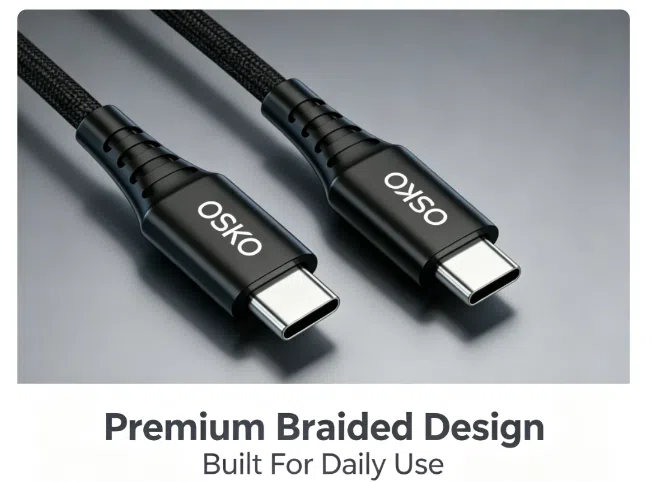
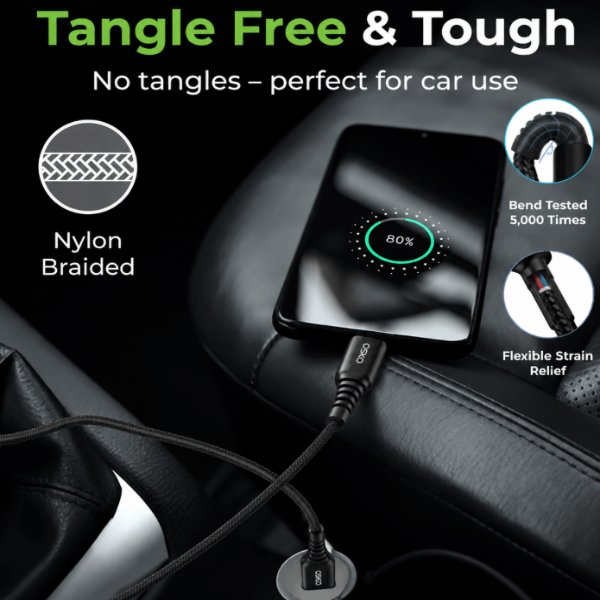
| Nylon braided | Premium appearance and abrasion resistance |
For premium automotive accessory products, braided designs provide better durability and retail differentiation.
Charging Performance in CarPlay Cable Applications
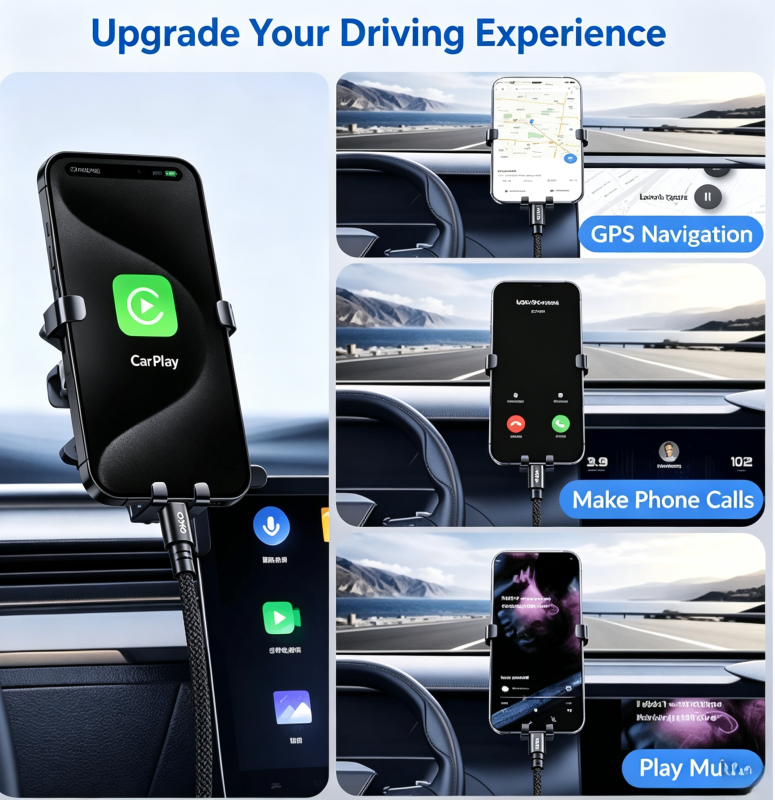
Combining Data and Charging Functions
A modern Car Charging Cable often needs to support both:
Smartphone connectivity
Battery charging
A reliable cable should provide:
Stable current transmission
Safe charging performance
Device compatibility
Applications include:
iPhone charging
Smartphone navigation
Passenger charging
Automotive accessories
Manufacturing Process of USB-C CarPlay Cable
Professional Production Workflow
A reliable CarPlay Cable Manufacturer should control every production stage.
| Manufacturing Process | Purpose |
|---|---|
| Raw material inspection | Verify component quality |
| Copper wire preparation | Ensure electrical performance |
| Cable extrusion | Protect internal structure |
| Shielding assembly | Improve signal stability |
| Connector assembly | Ensure connection reliability |
| Injection molding | Improve mechanical protection |
| Performance testing | Verify specifications |
| Final inspection | Ensure shipment quality |
Quality Control for USB-C Cable for CarPlay
Electrical Performance Testing
Automotive cables require strict electrical verification.
| Test Item | Purpose |
|---|---|
| CarPlay connection test | Verify vehicle compatibility |
| Data transmission test | Confirm communication stability |
| Charging test | Verify power performance |
| Resistance test | Evaluate efficiency |
Mechanical Reliability Testing
Vehicle cables experience daily physical stress.
Important tests include:
| Test | Purpose |
|---|---|
| Bend test | Evaluate flexibility |
| Plug cycle test | Test connector durability |
| Tensile test | Measure mechanical strength |
| Stress test | Improve long-term reliability |
OEM and ODM USB-C CarPlay Cable Solutions
OEM Manufacturing Support
OEM solutions allow brands to customize:
Cable length
Connector combination
Cable materials
Color options
Packaging design
Logo printing
Common customers include:
Automotive accessory brands
Electronics distributors
Retail companies
ODM Product Development
ODM services provide deeper engineering support:
Product design optimization
Cable structure development
Material recommendations
Production planning
This allows brands to create differentiated automotive cable products.
Case Study: USB-C CarPlay Cable Development for a US Automotive Accessory Brand
Customer Background
A US automotive accessory company specialized in smartphone connectivity products and planned to expand its vehicle cable product line.
The company sold products through:
Automotive online stores
Electronics retailers
Vehicle accessory distributors
The customer needed a customized:
USB-C Cable for CarPlay
Car Charging Cable
The goal was to improve connection reliability and reduce customer complaints caused by unstable aftermarket cables.
Engineering Challenges
1. Vehicle Compatibility Issues
The customer discovered that existing cables from previous suppliers had:
Different performance between vehicle models
Occasional CarPlay disconnection
Slow smartphone recognition
The product required better signal transmission stability.
2. Long-Term Automotive Durability
The cable needed to withstand:
Summer vehicle heat
Winter temperature changes
Daily plugging and unplugging
Passenger usage
Standard consumer cables were not sufficient.
3. Retail Product Quality Requirements
The customer required:
Premium appearance
Stable production batches
Customized packaging
Reliable supply capacity
OSKO Engineering Solution
Automotive Cable Structure Optimization
OSKO developed a customized cable solution with:
Improved internal wiring structure
Enhanced shielding design
Reinforced connector housing
Optimized strain relief
The improvements enhanced:
CarPlay connection stability
Data transmission reliability
Mechanical durability
Customized Manufacturing Support
OSKO provided:
USB-C to USB-A CarPlay Cable
Custom cable lengths
Nylon braided options
OEM branding
Retail packaging solutions
Quality Assurance Process
| Quality Control | Purpose |
|---|---|
| Material inspection | Verify incoming components |
| Data transmission test | Confirm CarPlay performance |
| Charging test | Verify power stability |
| Bend testing | Evaluate durability |
| Plug testing | Check connector lifespan |
| Final inspection | Maintain production consistency |
The customer successfully launched a reliable automotive USB cable product for the North American vehicle accessory market.
Selection Guide
How to Choose USB-C Cable for CarPlay
Confirm Vehicle Compatibility
Before purchasing or developing a cable, consider:
Vehicle USB port type
Smartphone connector type
CarPlay requirements
Evaluate Cable Construction
Important factors include:
Shielding quality
Connector strength
Material durability
Internal structure
Select an Experienced Manufacturer
A professional supplier should provide:
Engineering support
Production testing
OEM customization
Stable bulk manufacturing
Consider Long-Term Supply Capability
For automotive brands, supplier reliability directly affects:
Product reputation
Customer satisfaction
Market growth
FAQ
Can USB-C cables support Apple CarPlay?
Yes. Compatible USB-C cables can support CarPlay when connected between compatible smartphones and vehicle systems.
What is the best USB-C cable for CarPlay?
A reliable CarPlay cable should provide:
Stable data transmission
Strong shielding
Durable connectors
Consistent manufacturing quality
Is USB-C to USB-A CarPlay Cable still needed?
Yes. Many vehicles still use USB-A ports, making USB-C to USB-A cables important for automotive connectivity.
Why does CarPlay keep disconnecting?
Common causes include:
Poor cable quality
Weak connector contact
Insufficient shielding
Cable damage
Can OSKO manufacture USB-C CarPlay cables?
Yes. OSKO provides OEM and ODM solutions including:
USB-C CarPlay Cable
USB-C to USB-A CarPlay Cable
Automotive USB Cable
Custom Charging Cable
Summary
A reliable USB-C Cable for CarPlay requires more than basic charging capability. Automotive applications demand:
Stable data transmission
Strong signal protection
Durable materials
Reliable connectors
Strict quality control
For automotive accessory brands and procurement teams, selecting an experienced manufacturer helps create products with better performance, lower failure rates, and stronger market competitiveness.
OSKO provides professional OEM and ODM Automotive USB Cable solutions, including:
USB-C CarPlay Cable
USB-C to USB-A CarPlay Cable
Car Charging Cable
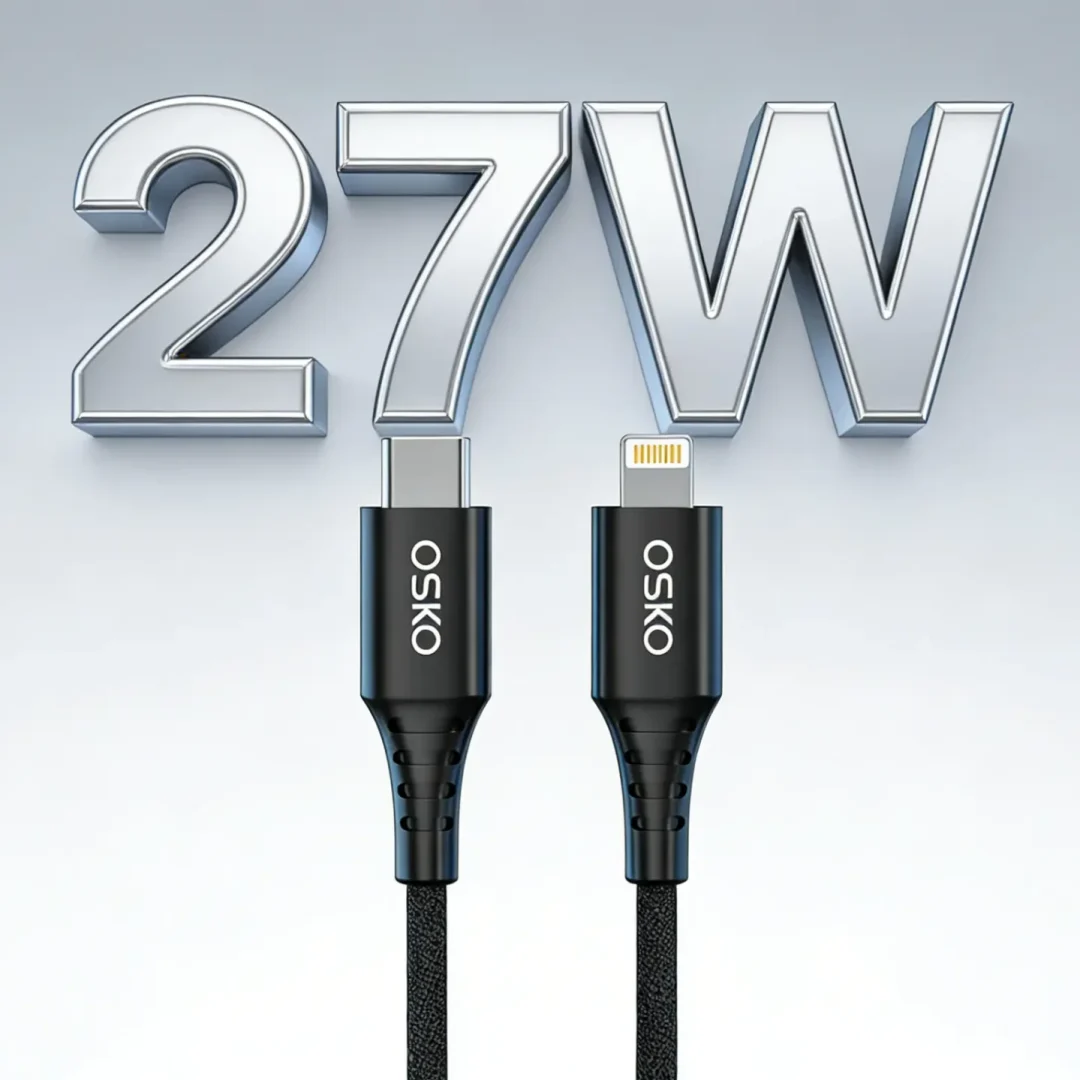
Fast Charging Cable
Custom USB Cable
Through engineering optimization and controlled manufacturing processes, OSKO supports global automotive accessory brands from product development to mass production.
Contact Information
OSKO USB Cable Manufacturing Solutions
OSKO specializes in:
Automotive USB Cable Manufacturing
USB-C CarPlay Cable Production
OEM USB Cable Development
ODM Cable Solutions
Custom Charging Cable Manufacturing
Bulk USB Cable Supply
For automotive electronics brands, distributors, and procurement teams seeking reliable vehicle connectivity solutions, OSKO provides complete engineering support from concept development to large-scale production.