
Introduction
For global electronics brands, distributors, and wholesalers, compliance is no longer an optional requirement when sourcing custom USB cables.
Markets including the United States, Germany, Australia, and the Netherlands increasingly require suppliers to provide transparent material information, chemical compliance documents, and reliable quality management systems.
A professional RoHS compliant USB cable manufacturer must control every stage of production, from raw material selection to final shipment inspection.
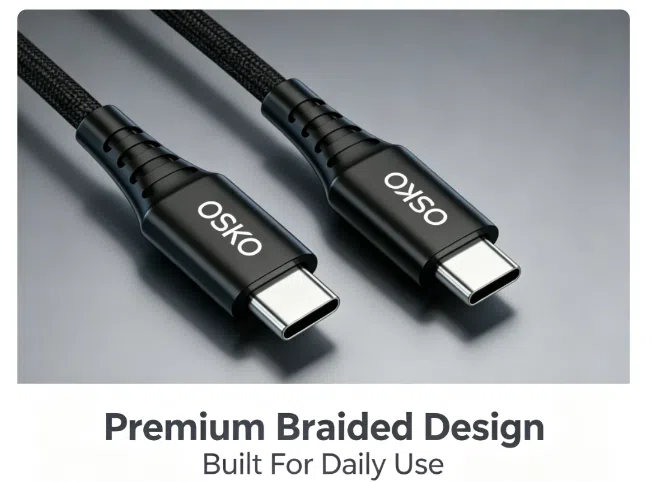
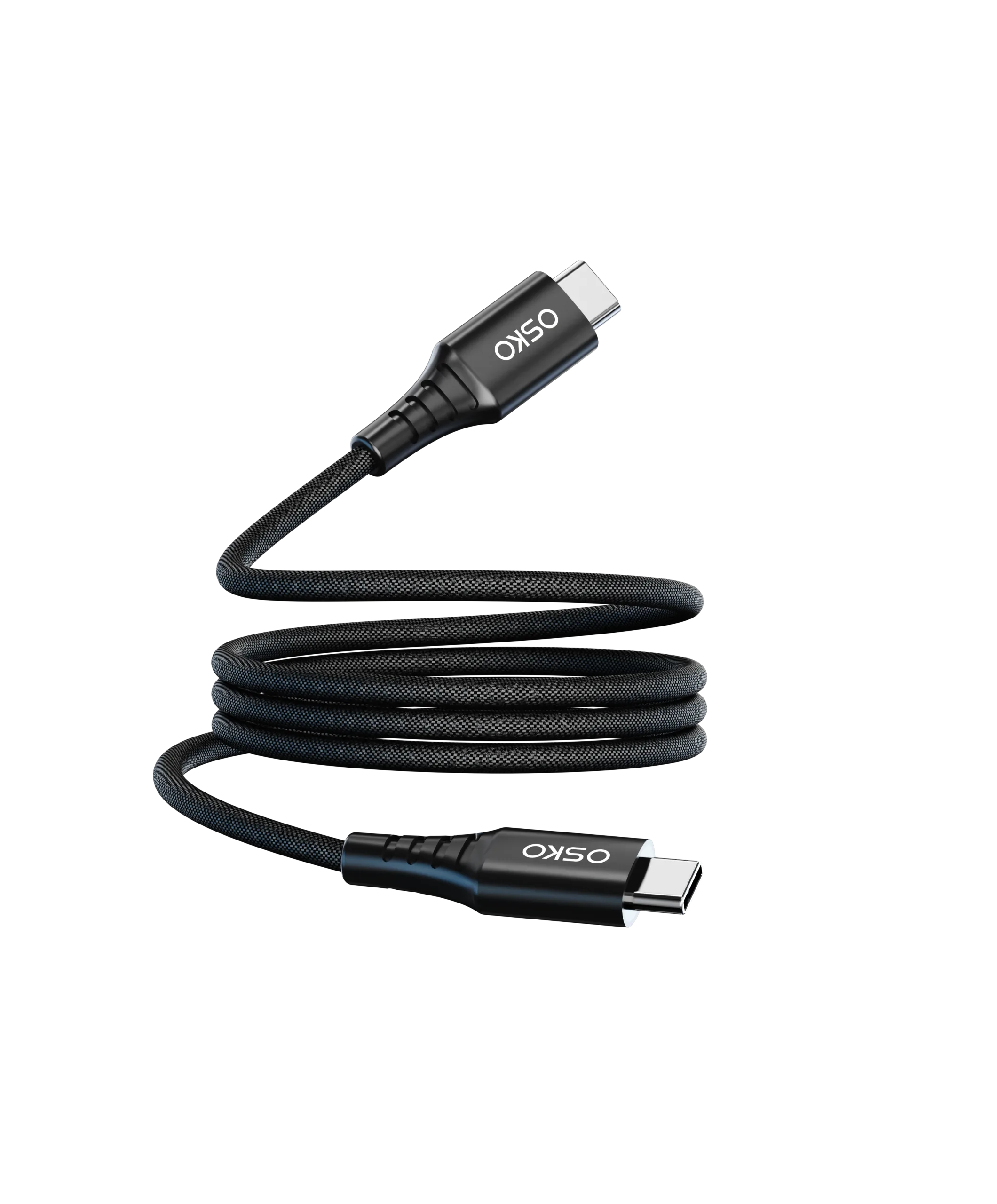
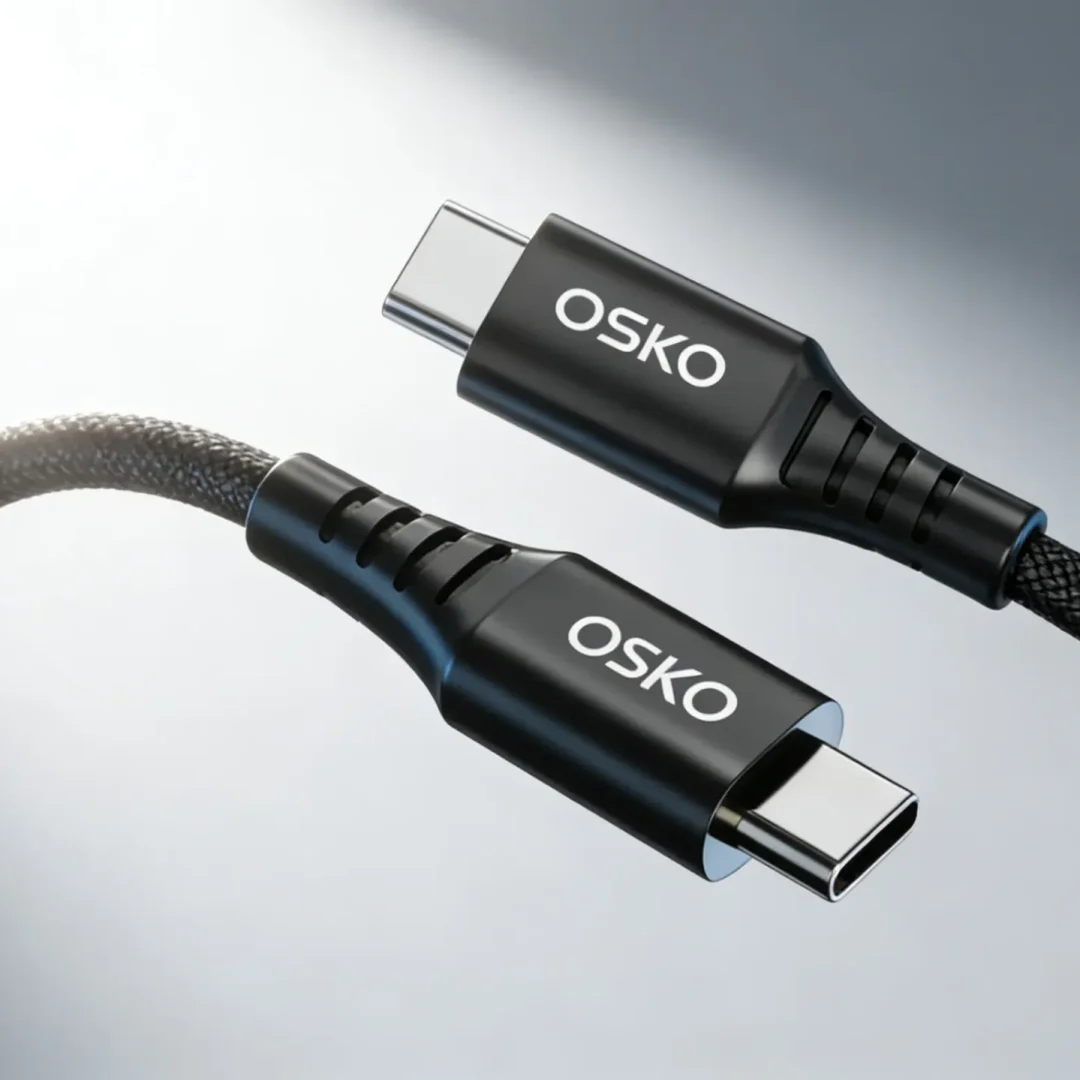
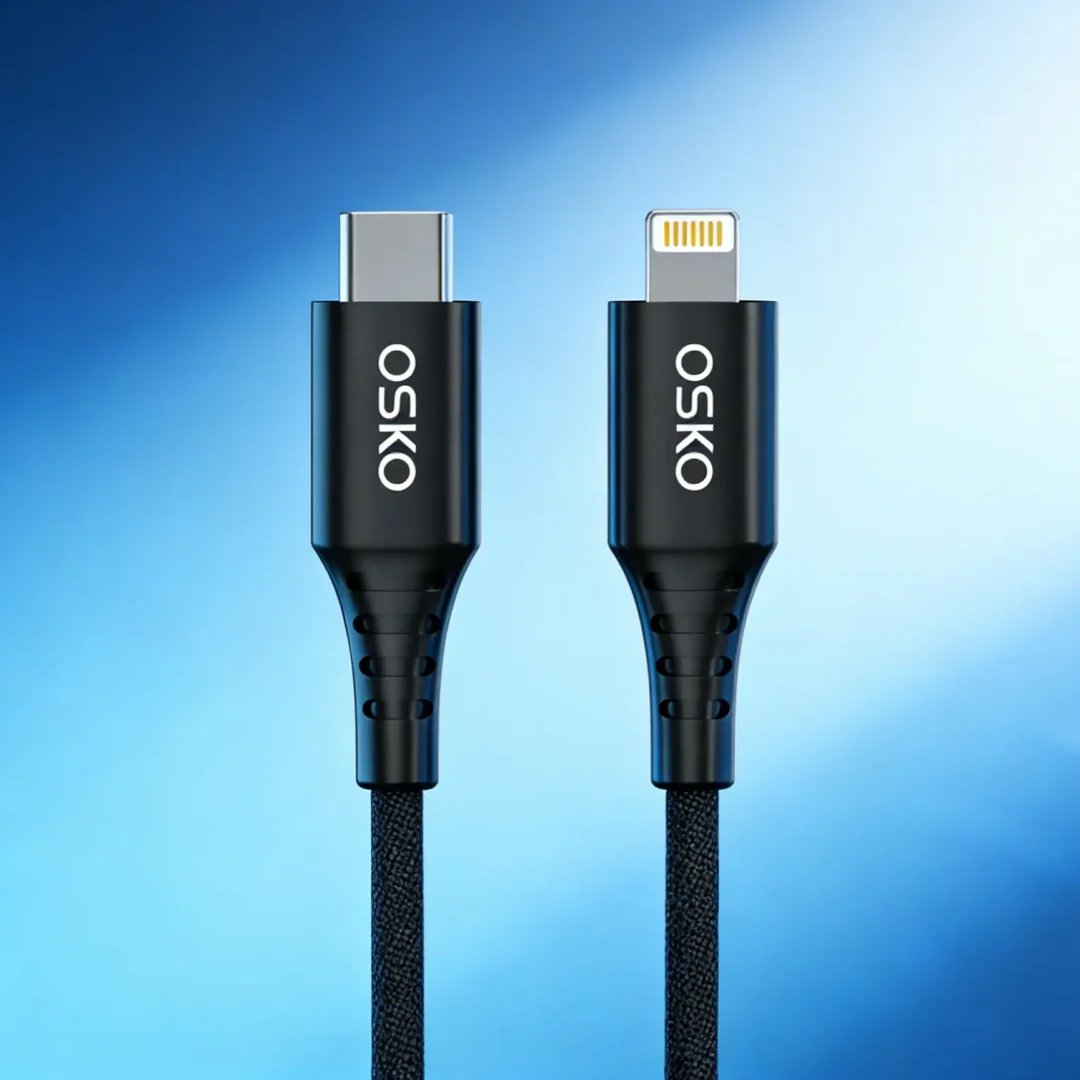
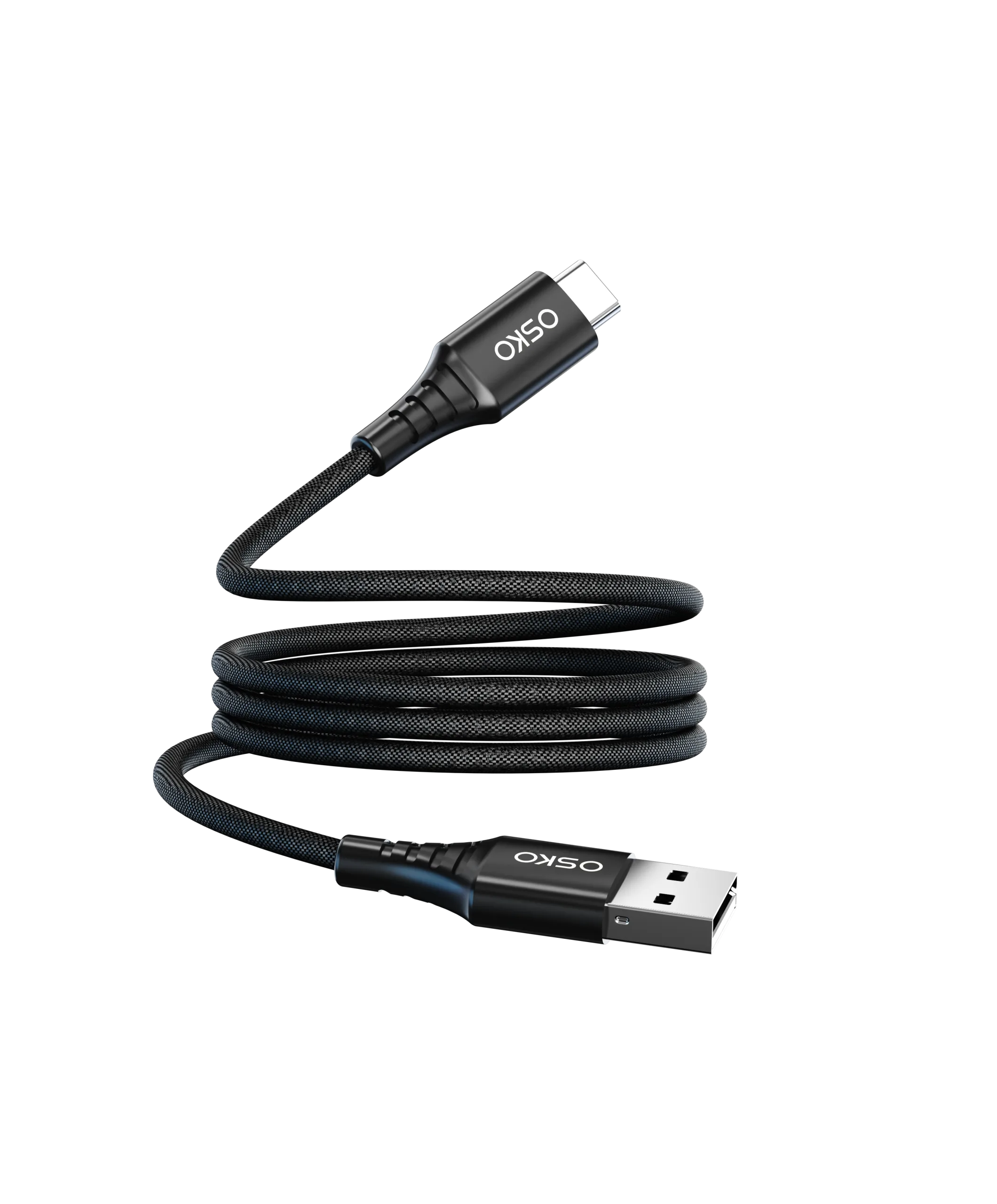
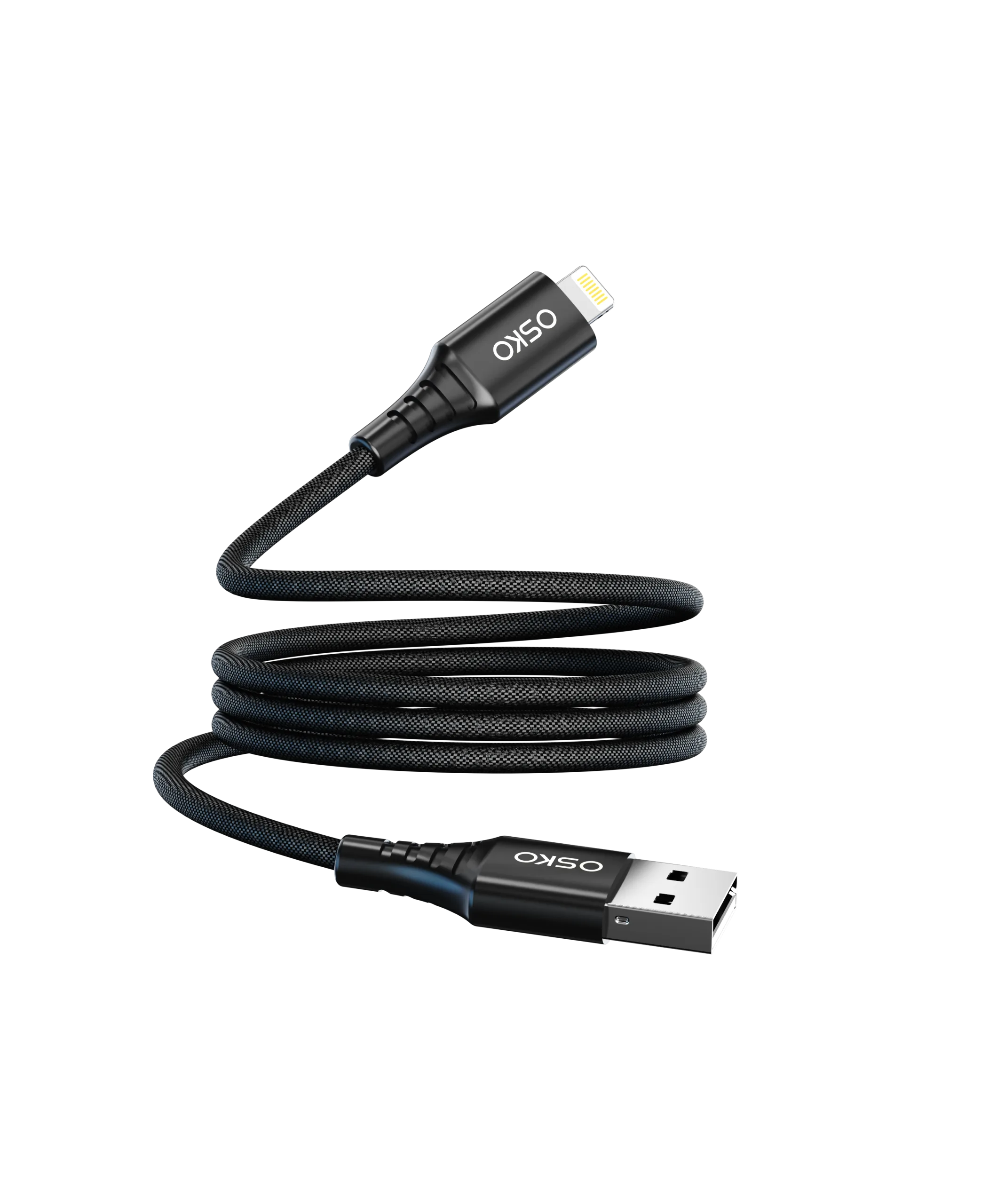
USB cables contain multiple components, including:
Copper conductors
PVC, TPE, or nylon cable jackets
Metal connector shells
Solder materials
Plastic insulation parts
E-Marker chips for high-power USB-C cables
Each component must meet strict environmental and chemical requirements.
For OEM and ODM buyers, proper compliance management helps reduce:
Import risks
Customs problems
Product recalls
Customer complaints
Brand reputation damage
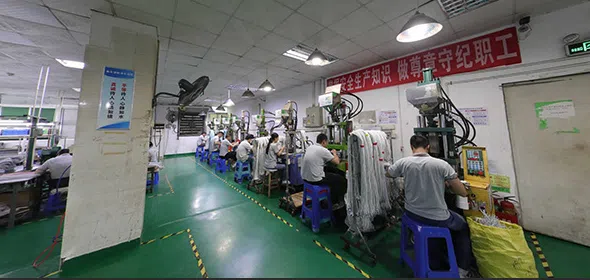
At OSKO, compliance is integrated into the complete USB cable manufacturing process, including supplier approval, incoming inspection, production monitoring, laboratory testing, and documentation management.
Why Are RoHS and REACH Compliance Important for USB Cable Manufacturing?
Why Do International Buyers Request Compliance Documents?
When purchasing custom USB cables wholesale, buyers are not only evaluating price and production capacity.
They also need confidence that products meet regional regulations.
For example:
United States Market
US buyers often require:
RoHS compliance documentation
Material declarations
Safety testing reports
Supplier quality records
Germany & European Union Market
European buyers focus heavily on:
RoHS Directive compliance
REACH SVHC requirements
Environmental responsibility
Product traceability
Australia Market
Australian distributors commonly require:
Reliable supplier documentation
Chemical compliance reports
Consistent product quality
Netherlands Market
Dutch importers and retailers often prioritize:
Sustainable materials
Transparent supply chains
EU compliance standards
Therefore, selecting a REACH compliant USB cable supplier reduces compliance risks before products enter the market.
What Is RoHS Compliance for USB Cables?
Which Materials Does RoHS Control?
RoHS stands for Restriction of Hazardous Substances.
It limits the use of restricted substances in electrical and electronic products.
The controlled substances include:
| Restricted Substance | Maximum Limit |
|---|---|
| Lead (Pb) | 0.1% |
| Mercury (Hg) | 0.1% |
| Cadmium (Cd) | 0.01% |
| Hexavalent Chromium (Cr VI) | 0.1% |
| PBB | 0.1% |
| PBDE | 0.1% |
| DEHP | 0.1% |
| BBP | 0.1% |
| DBP | 0.1% |
| DIBP | 0.1% |
These limits apply to individual homogeneous materials.
For USB cable production, compliance must be verified for:
Cable jacket materials
Connector metal components
Plastic housings
Solder joints
Internal electronic components
A cable cannot be considered compliant simply because the final product passes appearance inspection.
What Is REACH Compliance?
How Is REACH Different From RoHS?
REACH focuses on chemical management throughout the entire supply chain.
Unlike RoHS, which mainly restricts specific substances in electronic products, REACH monitors:
Chemical registration
Substance evaluation
SVHC substances
Restricted chemicals
For USB cable production, common REACH concerns include:
Cable Jacket Materials
Potential risks:
Plasticizers
Chemical additives
Phthalates
Common materials:
PVC
TPE
Nylon
Connector Components
Potential risks:
Heavy metals
Metal plating chemicals
Adhesives and Auxiliary Materials
Potential risks:
Chemical residues
Restricted substances
A professional USB cable manufacturer for European markets must maintain updated REACH documentation.

How Does Our Factory Control Raw Materials?
Preventing Non-Compliant Materials Before Production
Compliance begins before manufacturing starts.
A reliable USB cable factory must control suppliers before materials enter production.
1. Approved Supplier Management
Before cooperation, material suppliers are evaluated based on:
Quality capability
Compliance history
Documentation availability
Production consistency
Required supplier documents include:
RoHS reports
REACH declarations
Material specifications
Safety documentation
Only approved materials can enter production.
2. Incoming Quality Control (IQC)
Every incoming batch is inspected before use.
Typical inspection items:
| Material | Inspection Items |
|---|---|
| Copper wire | Conductivity, specification |
| PVC/TPE jacket | RoHS & REACH compliance |
| Connector shell | Metal composition, plating |
| Solder wire | Lead-free confirmation |
| E-Marker IC | Component compliance |
Materials without proper documentation are rejected or placed under review.
How Does Our Factory Ensure Lead-Free USB Cable Production?
Why Is SAC305 Solder Used?
Modern USB cable manufacturing commonly uses SAC305 lead-free solder.
Composition:
Tin (Sn): 96.5%
Silver (Ag): 3.0%
Copper (Cu): 0.5%
Advantages:
Stable solder joints
Good electrical conductivity
RoHS compliance compatibility
Improved long-term reliability
Typical processing:
Melting point: approximately 217°C
Reflow temperature: 240–260°C
Poor solder quality can cause:
Increased resistance
Charging instability
Cable failure
Therefore, solder selection is an important part of OEM USB cable quality control.
How Are USB Cable Materials Tested for Compliance?
What Testing Methods Are Used?
Professional manufacturers use multiple testing methods.
XRF Material Testing
X-Ray Fluorescence testing is commonly used for rapid material screening.
It can detect:
Lead
Mercury
Cadmium
Chromium
Other metallic elements
Applications:
Connector shells
Metal terminals
Plated components
Laboratory Chemical Testing
For detailed compliance verification, samples can be tested by certified laboratories.
Testing includes:
RoHS chemical analysis
REACH SVHC screening
Phthalate testing
Halogen testing
This provides stronger documentation support for international buyers.
How Is Compliance Controlled During USB Cable Production?
Production Quality Management Process
Compliance is maintained throughout manufacturing.
The process includes:
Incoming Quality Control (IQC)
Controls:
Raw materials
Supplier documents
Compliance certificates
In-Process Quality Control (IPQC)
Monitors:
Cable assembly
Connector installation
Soldering process
Material usage
Outgoing Quality Control (OQC)
Before shipment:
Finished product inspection
Sample testing
Packaging verification
Documentation review
This system ensures every production batch follows the required compliance standards.
Which USB Cable Components Have Higher Compliance Risks?
| Component | Common Risk |
|---|---|
| PVC Jacket | Phthalates |
| TPE Jacket | Chemical additives |
| Connector shell | Heavy metals |
| Solder joints | Lead content |
| Plastic housing | Flame retardants |
| Adhesives | Chemical substances |
A professional supplier must control every component, not only the finished cable.
How Does ISO9001 Support USB Cable Compliance?
Why Is Quality Management Important?
Compliance requires consistent processes.
An ISO9001 certified USB cable factory manages:
Supplier approval
Material traceability
Production records
Inspection procedures
Corrective actions
Quality systems include:
IQC
Incoming Quality Control
IPQC
Production Process Control
OQC
Final Product Inspection
This structured system improves consistency for:
Bulk USB cable orders
OEM projects
Private label products
Global distribution
What Documents Should USB Cable Buyers Request?
Before purchasing custom USB cables, buyers should request:
| Document | Purpose |
|---|---|
| RoHS Report | Hazardous substance verification |
| REACH Report | Chemical compliance |
| Material Declaration | Component transparency |
| ISO9001 Certificate | Quality management |
| UL Certification | Electrical safety |
| Test Reports | Product verification |
For advanced USB-C products, buyers may also request:
USB PD compatibility reports
E-Marker verification
Charging performance tests
Electrical safety reports
Engineering Case Study: European Retail Brand Develops Compliant USB-C Cable Series
Customer Background
A European electronics accessory company planned to launch a private-label charging cable range for Germany and the Netherlands markets.
Products included:
60W USB-C charging cables
Braided USB-C cables
Custom retail packaging
Requirements:
RoHS compliance
REACH documentation
Stable production quality
Long-term supplier cooperation
Customer Challenges
The previous supplier could provide products but lacked:
Complete material documentation
Batch traceability
Chemical compliance reports
Transparent QC procedures
The customer needed a manufacturer capable of supporting European import requirements.
OSKO Manufacturing Solution
OSKO provided:
Approved material supplier management
RoHS and REACH documentation
Incoming material inspection
ISO9001 quality control process
Finished product testing
Production included:
OEM USB cable manufacturing
Custom packaging
Private label solutions
Bulk wholesale supply
Result:
The customer successfully introduced compliant USB-C charging cables into European retail channels with improved supply chain confidence.
How Should OEM Buyers Evaluate a USB Cable Factory?
Before selecting a supplier, ask:
Material Control
Can you provide RoHS reports?
Can you provide REACH declarations?
Are materials traceable?
Manufacturing Capability
Is the factory ISO9001 certified?
Are production records maintained?
Are incoming materials inspected?
Testing Capability
Are XRF tests available?
Are third-party reports available?
Can compliance documents be provided before shipment?
A professional manufacturer should provide documented evidence rather than verbal compliance promises.
Conclusion
Full RoHS and REACH compliance in custom USB cable manufacturing requires complete supply chain control.
A reliable USB cable factory must manage:
Approved material suppliers
Incoming inspection
Lead-free production
Chemical testing
Quality management systems
Compliance documentation
For brands, distributors, and wholesalers in the United States, Germany, Australia, and the Netherlands, choosing a RoHS and REACH compliant USB cable manufacturer reduces business risks and improves product reliability.
OSKO provides:
Custom USB cable manufacturing
OEM and ODM cable solutions
USB-C PD charging cables
Braided USB cable production
Private label services
Global compliance support
FAQ
What is the difference between RoHS and REACH compliance?
RoHS controls restricted hazardous substances in electronic products, while REACH manages chemical substances throughout the supply chain, including SVHC requirements.
Are all USB cables automatically RoHS compliant?
No. USB cables must use compliant materials and controlled production processes. Without supplier verification and testing, products may contain restricted substances.
What compliance documents should buyers request from a USB cable manufacturer?
Buyers should request RoHS reports, REACH declarations, material declarations, ISO9001 certificates, and relevant third-party test reports.
How does a USB cable factory maintain compliance during production?
A factory maintains compliance through supplier control, incoming material inspection, production monitoring, final quality inspection, traceability management, and documentation control.
Why do European buyers require REACH compliance for USB cables?
European buyers require REACH compliance to control chemical risks, meet regulatory requirements, and ensure products can legally enter EU markets.
What should OEM buyers check before ordering custom USB cables?
OEM buyers should verify material compliance, factory certifications, testing capability, production experience, documentation support, and supplier quality management systems.