
Introduction
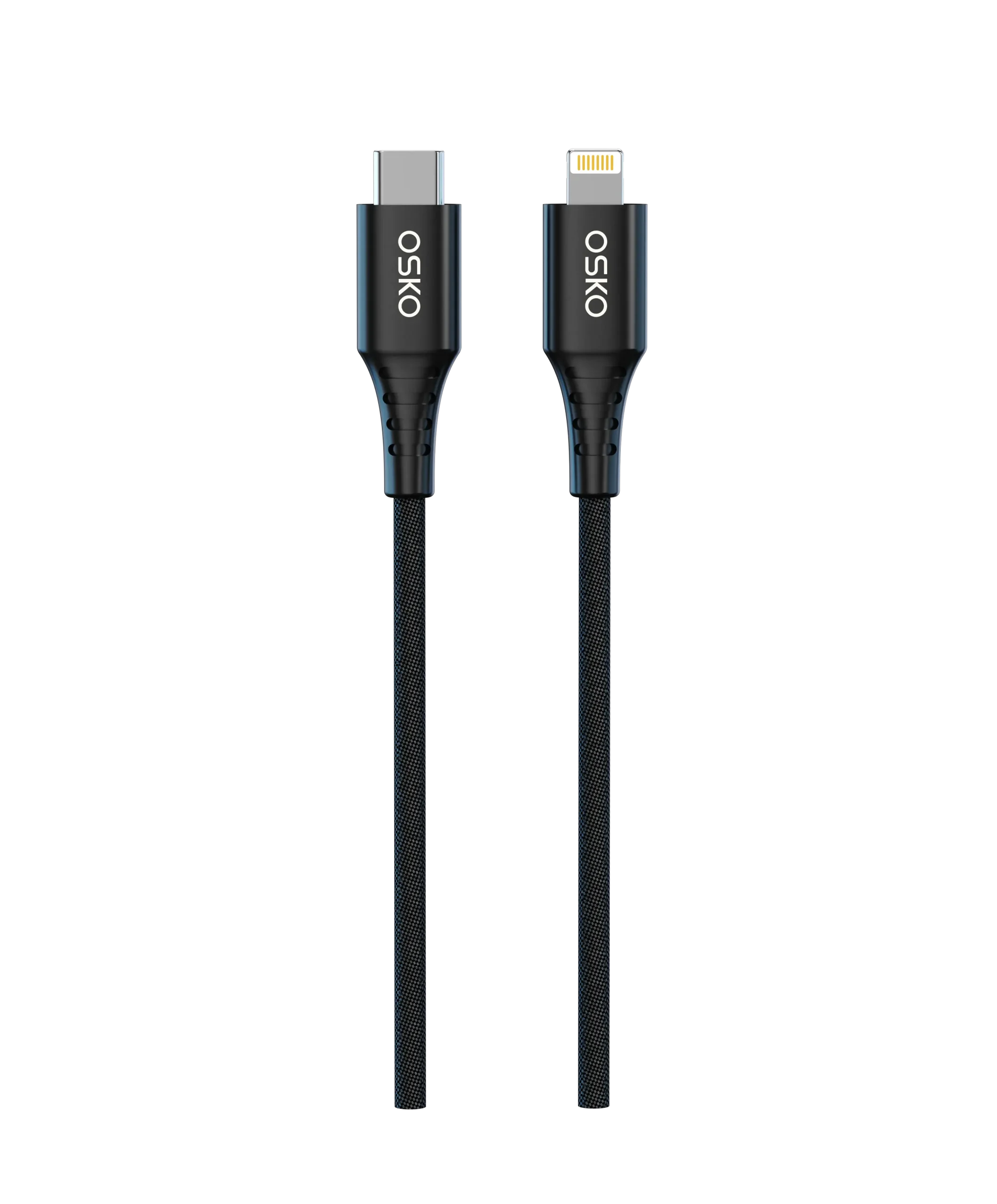
Choosing the best USB-C cable is more complicated than simply selecting a cable with a USB Type-C connector. With the rapid growth of USB Power Delivery (USB PD), laptops, smartphones, tablets, monitors, and industrial devices increasingly depend on reliable USB-C charging and data transmission solutions.
For consumers, a poor-quality USB-C cable may cause slow charging, unstable connections, overheating, or device compatibility issues. For brands, distributors, and electronics companies, selecting the right USB-C cable manufacturer directly affects product reliability, customer satisfaction, and long-term market reputation.
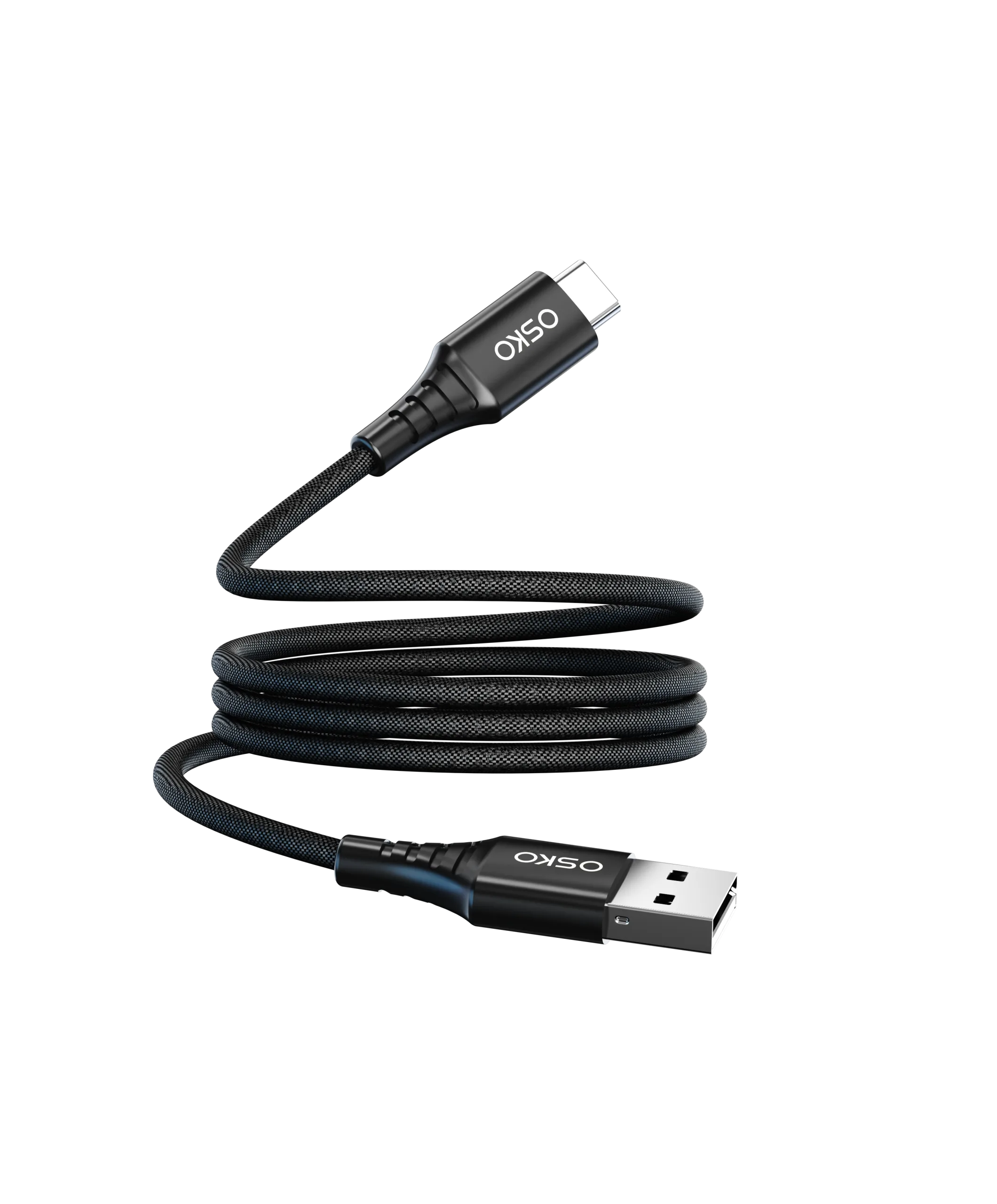
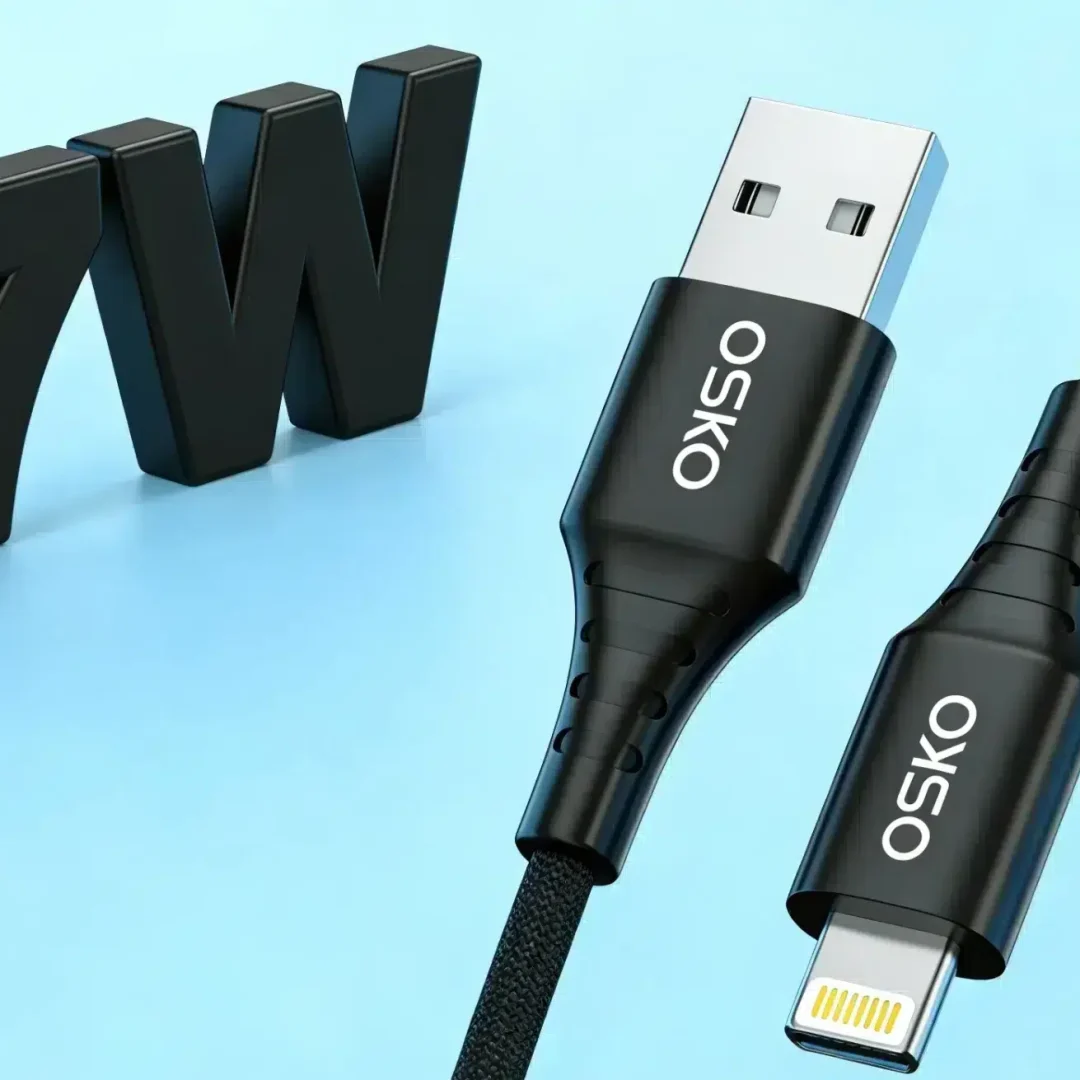
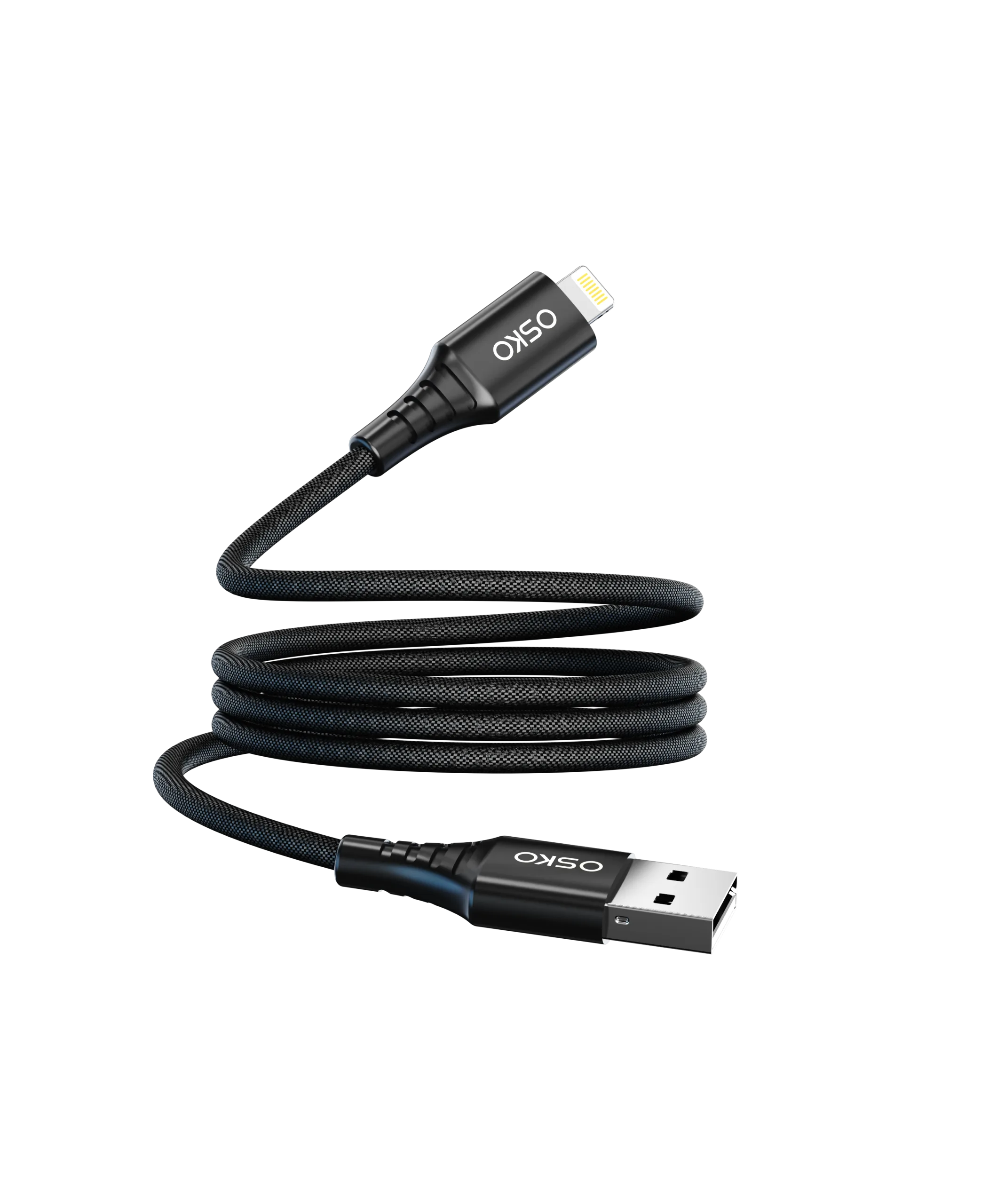
OSKO specializes in custom USB-C cable manufacturing, providing OEM and ODM solutions for global customers in the United States, Germany, Australia, the Netherlands, and other international markets.
A professional USB-C cable supplier must consider:
Power delivery capability
Cable structure design
E-Marker chip technology
Conductor quality
Shielding performance
Durability testing
Compliance requirements
Why Are USB-C Cables Becoming the Industry Standard?
USB-C has become one of the most widely adopted connection standards because it combines charging, data transfer, and video transmission in a single compact interface.
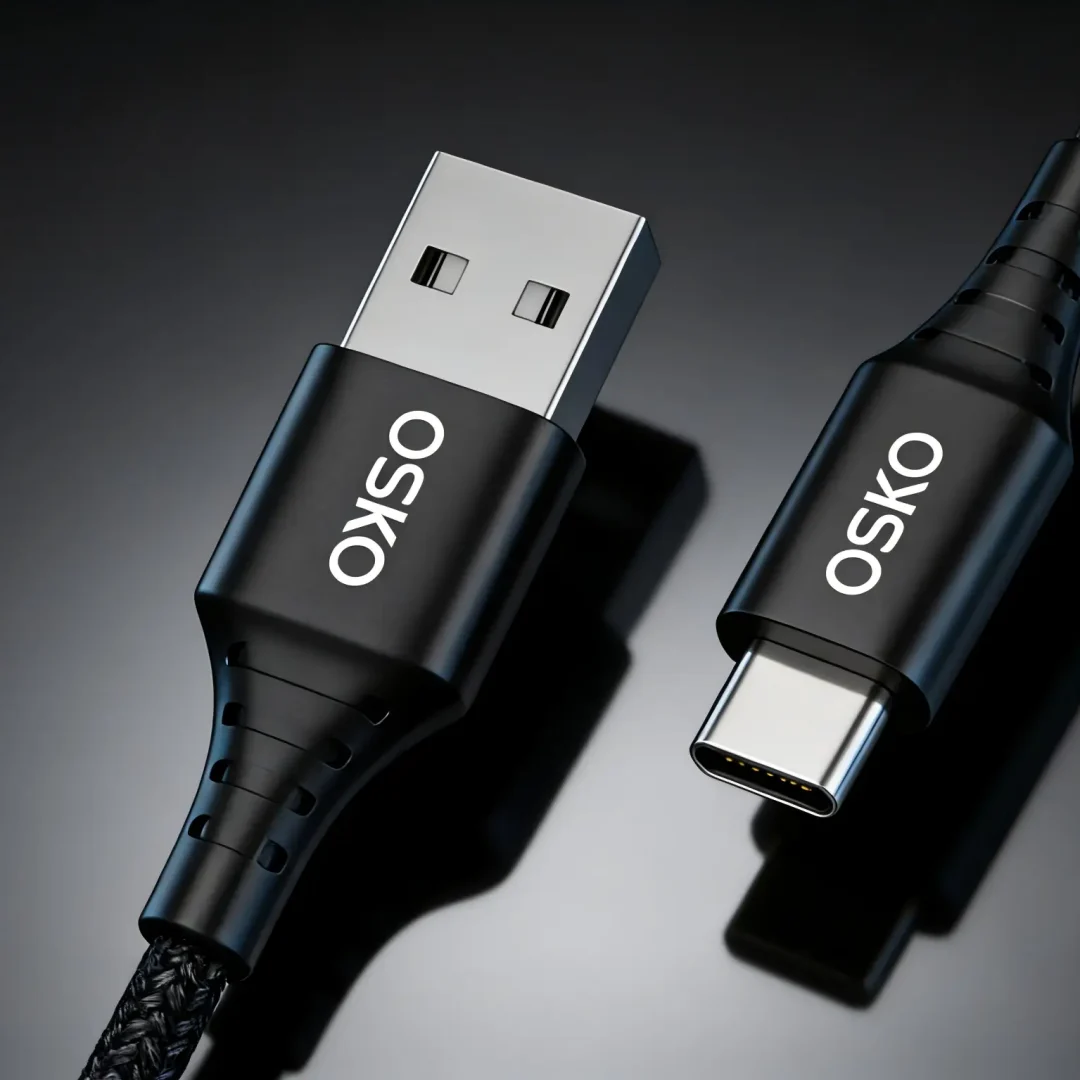
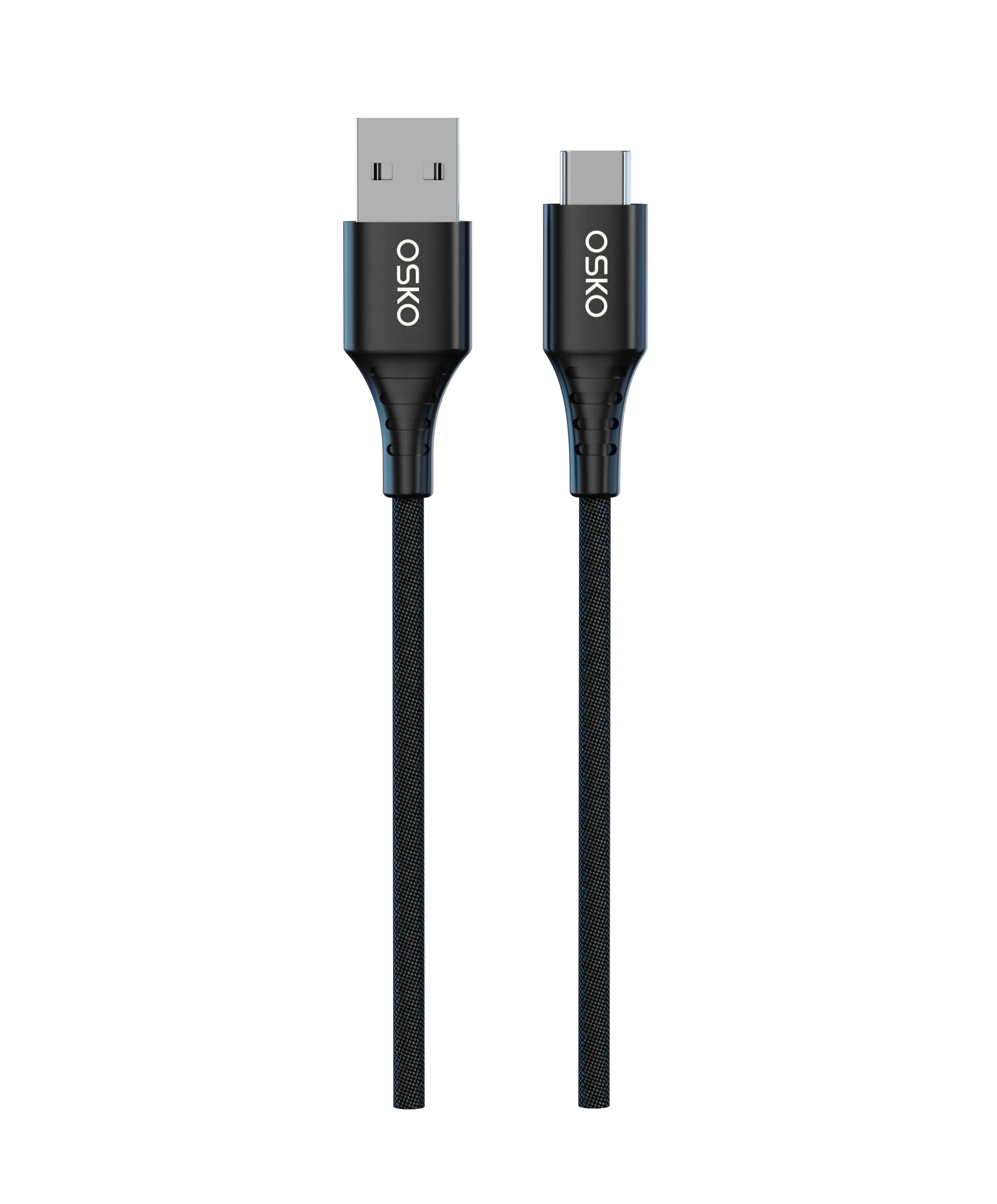
Unlike traditional USB-A connectors, USB-C features a reversible design, allowing users to insert the connector in either direction.
Major advantages include:
Reversible Connector Design
The symmetrical USB-C connector eliminates orientation problems and improves user experience.
This makes USB-C cables popular for:
Smartphones
Tablets
Laptops
Gaming devices
Car charging systems
Industrial equipment
Higher Power Delivery Capability
Modern USB-C cables support advanced USB Power Delivery technology.
Typical power levels include:
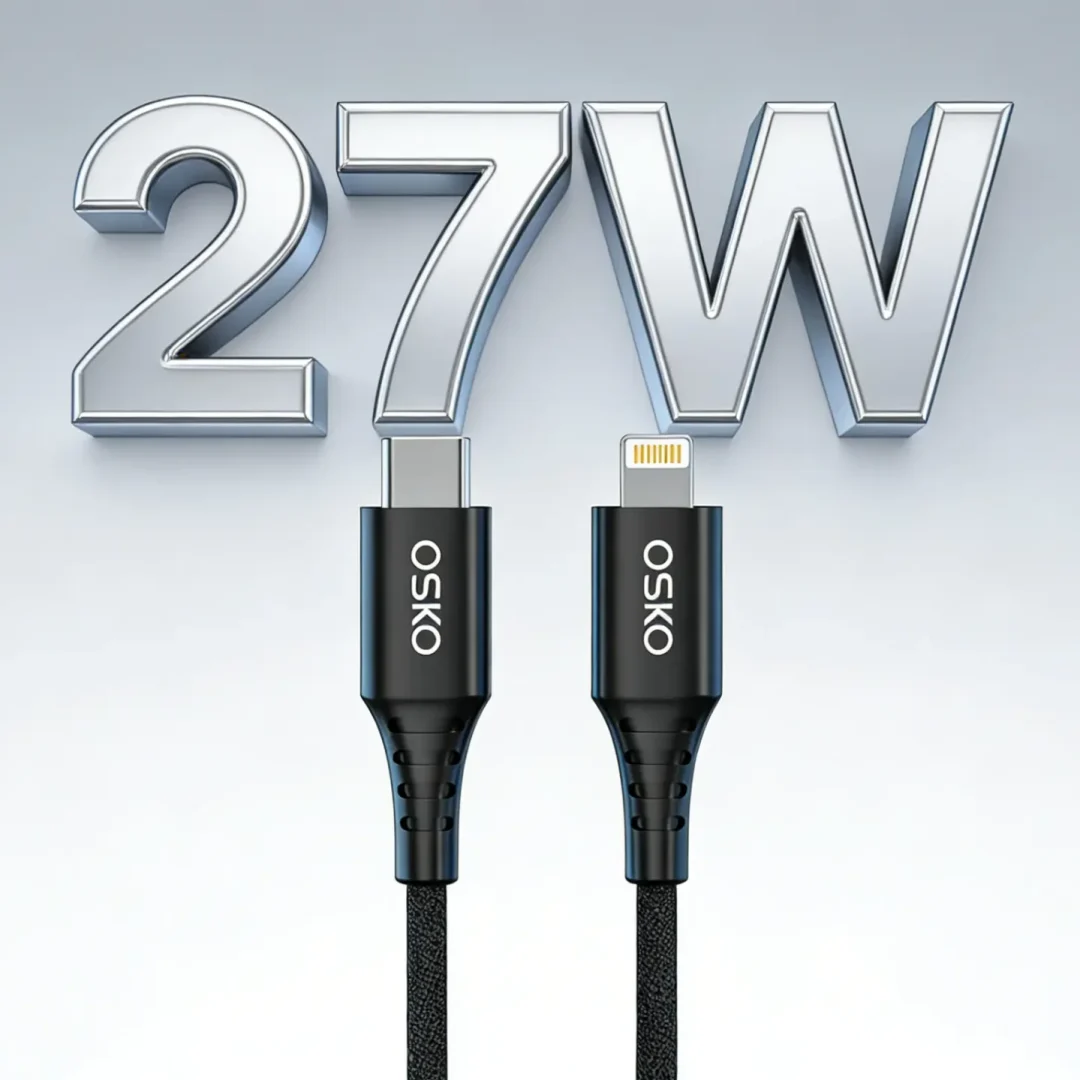
USB PD 60W charging
USB PD 100W charging
USB PD 140W charging
USB PD 240W charging
High-power applications require careful cable engineering, including proper conductor sizing and E-Marker chip implementation.
Faster Data Transfer
USB-C cables can support different transmission standards:
USB 2.0: 480Mbps
USB 3.2 Gen 1: 5Gbps
USB 3.2 Gen 2: 10Gbps
USB4: up to 40Gbps
However, not every USB-C cable supports the same performance level.
A professional buyer should always confirm the actual specification before purchasing.
What Makes the Best USB-C Cable?
1. High-Quality Conductors for Stable Charging
The internal conductor is one of the most important factors affecting charging performance.
Premium USB-C charging cables typically use:
Pure copper conductors
Optimized wire gauge
Multiple-core structures
Low resistance designs
For example:
A USB PD 60W cable usually requires stronger conductors compared with standard charging cables.
A USB PD 100W or 240W cable requires:
Larger AWG wire size
Better heat control
E-Marker communication
Reliable insulation materials
Poor-quality cables may create:
Voltage drops
Slow charging
Excessive heat
Charging interruption
For professional OEM buyers, conductor quality is a key factor when evaluating a custom USB-C cable manufacturer.
2. E-Marker Chip Technology for High-Power USB-C Cables
The E-Marker IC is an important component in advanced USB-C charging cables.
It stores information about:
Cable current capability
Power rating
USB specification support
Charging communication
For example:
A standard USB-C cable may support 3A charging.
A USB-C cable designed for 100W or 240W charging normally requires an E-Marker chip to safely communicate power requirements between the charger and device.
Without proper E-Marker technology:
Charging speed may be limited
High-power charging may fail
Device protection systems may reduce output
For brands developing premium charging products, choosing a supplier experienced in USB-C PD cable manufacturing is essential.
3. Durable Cable Construction and Material Selection
Cable durability directly affects customer experience.
The best USB-C cables use reinforced construction methods such as:
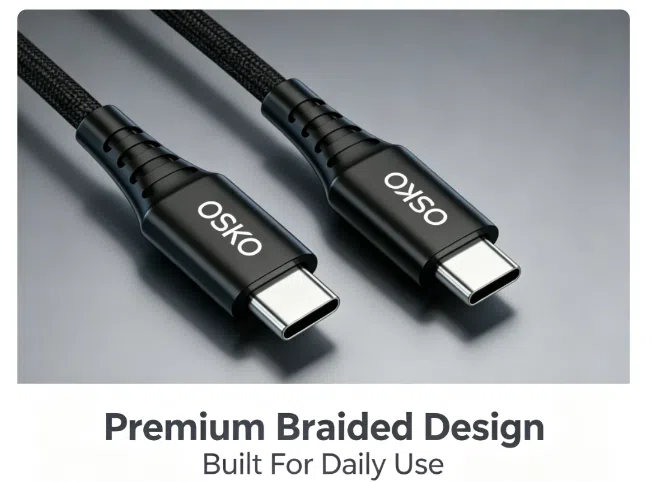
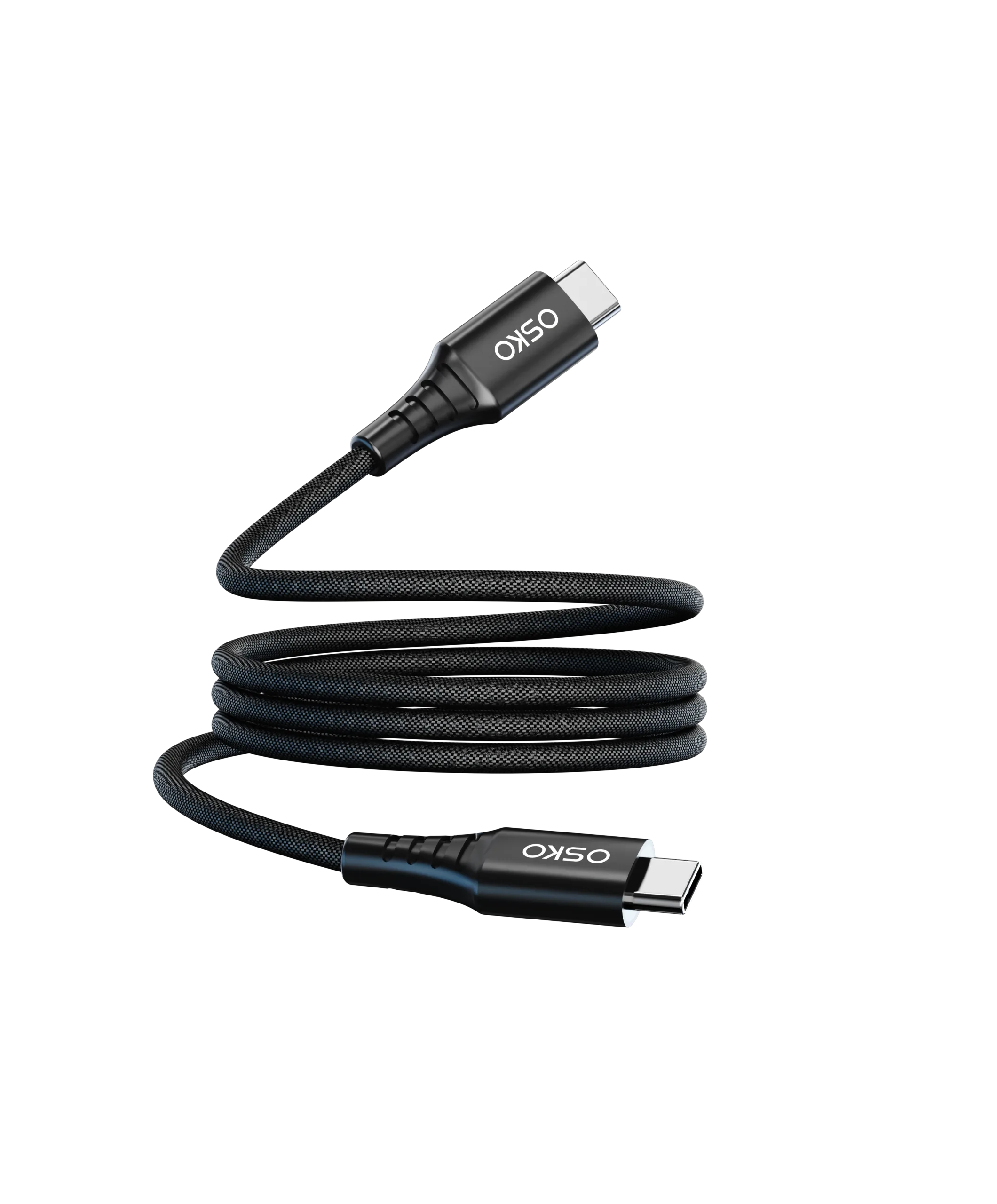
Nylon Braided Jacket
Advantages:
Higher abrasion resistance
Better flexibility
Longer service life
Premium appearance
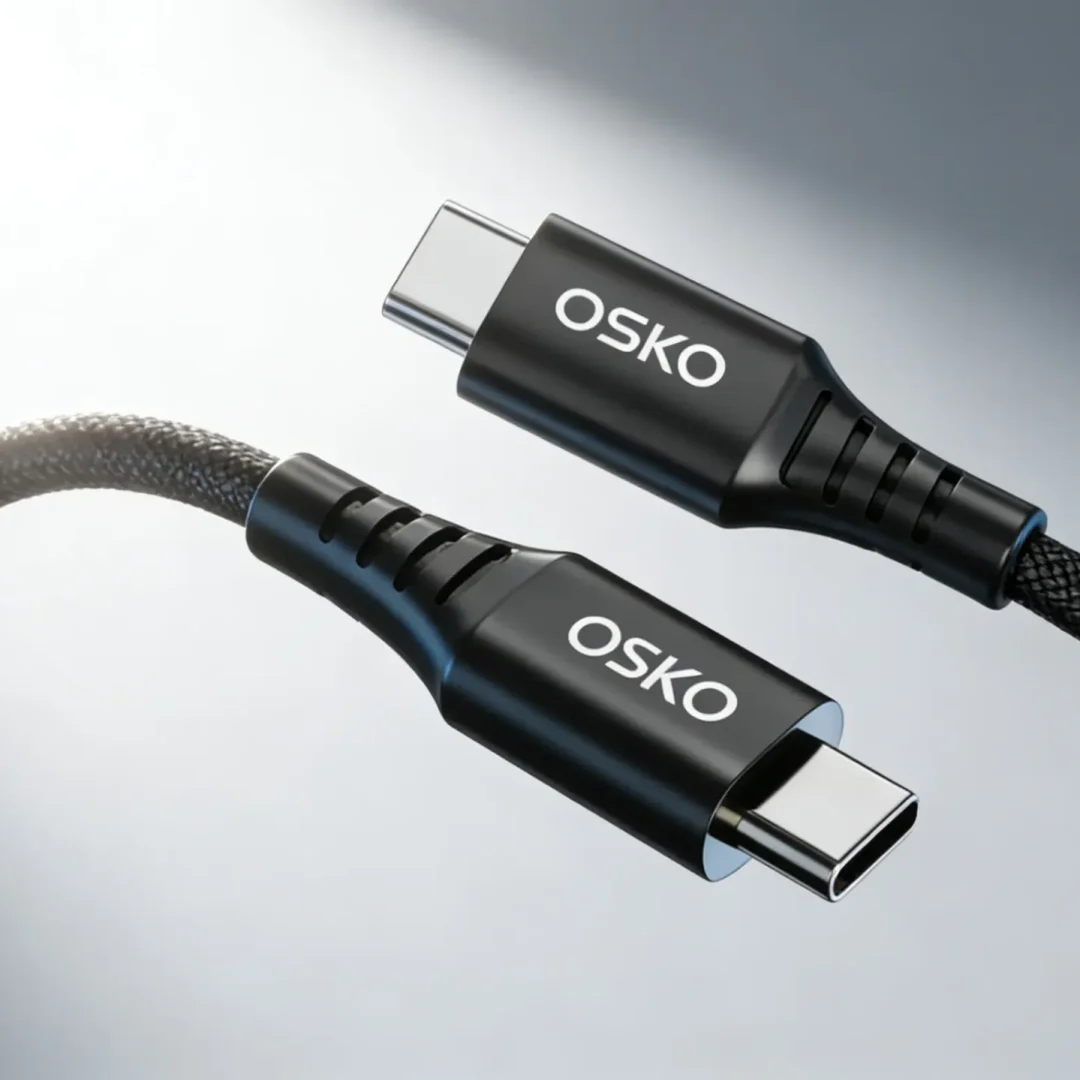
Reinforced SR Design
The stress relief area near connectors experiences the highest bending pressure.
Professional manufacturers improve durability through:
Extended SR protection
Injection molding optimization
Flexible materials
Bend Testing
High-quality USB cables are tested through repeated bending cycles.
Common durability tests include:
5,000 bends
10,000 bends
40,000+ bends depending on product requirements
For retail brands, durable construction helps reduce warranty claims and customer complaints.
Engineering Case Study: Custom USB-C Cable Solution for a European Electronics Distributor
A German electronics distributor required a customized USB-C charging cable for laptop accessories.
Their requirements included:
USB PD 100W charging
2-meter cable length
Nylon braided jacket
Retail packaging
Stable performance for MacBook and Windows laptops
OSKO engineering team optimized the cable structure by:
- Increasing conductor size to reduce voltage loss
- Adding E-Marker IC support for 5A charging
- Improving shielding structure to reduce electromagnetic interference
- Selecting durable braided nylon materials
- Performing charging and bending tests before mass production
The final product achieved stable fast charging performance and improved customer feedback after market launch.
This case demonstrates why selecting an experienced OEM USB-C cable factory is important for international buyers.
How to Choose a USB-C Cable Manufacturer?
When sourcing USB-C cables from China or overseas suppliers, buyers should evaluate several areas.
Manufacturing Capability
A reliable factory should provide:
OEM customization
ODM design support
Production capacity
Quality inspection system
Material traceability
Quality Certifications
Professional suppliers should support:
RoHS compliance
REACH compliance
ISO9001 quality management
USB specification testing when required
Product Testing
Before shipment, professional manufacturers should perform:
Charging tests
Resistance tests
Continuity tests
Data transmission tests
Appearance inspection
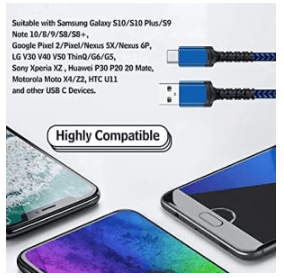
USB-C Cable Selection Guide for Different Applications
Smartphone Charging
Recommended:
USB-C to USB-C cable
60W PD charging
Nylon braided design
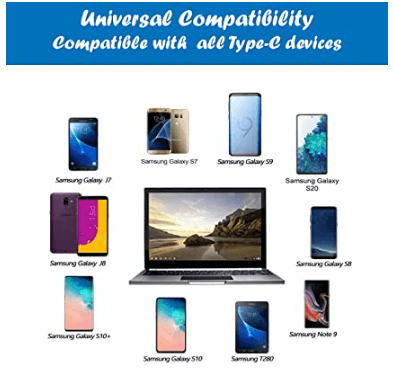
Suitable for:
iPhone USB-C devices
Samsung Galaxy
Google Pixel
Android smartphones
Laptop Charging
Recommended:
USB-C PD cable
100W or higher
E-Marker chip
Suitable for:
MacBook
Dell
Lenovo
HP laptops
High Performance Applications
Recommended:
USB4 cable
High-speed data cable
Advanced shielding design
Suitable for:
External SSD
Professional monitors
Industrial equipment
Why Choose OSKO as Your USB-C Cable Manufacturer?
OSKO provides professional USB cable OEM and ODM solutions for global customers.
Our manufacturing advantages include:
Custom cable design capability
Professional production experience
Strict quality control
Multiple material options
Flexible OEM customization
We support:
Custom length
Custom logo
Custom packaging
Custom materials
Custom specifications
Whether you need a bulk USB-C cable supplier, private label charging cable manufacturer, or customized USB PD cable solution, OSKO provides reliable manufacturing support.
Conclusion
The best USB-C cable is not determined only by appearance or connector type. A reliable cable requires professional engineering, quality materials, proper power management, and strict manufacturing control.
For businesses sourcing USB-C cables, important factors include:
Charging power capability
E-Marker technology
Copper conductor quality
Shielding design
Durability testing
Factory compliance capability
Choosing an experienced USB-C cable manufacturer helps brands reduce product risks, improve customer satisfaction, and build long-term market competitiveness.
OSKO provides customized USB-C cable solutions for global B2B customers, supporting reliable charging and data transmission products for modern electronic applications.
FAQ
1. What is the best USB-C cable for fast charging?
The best USB-C cable for fast charging depends on device requirements. For smartphones, a 60W USB-C PD cable is usually sufficient. For laptops and high-power devices, 100W or 240W USB-C cables with E-Marker chips provide safer and faster charging performance.
2. Are all USB-C cables the same?
No. USB-C cables can have different charging power ratings, data speeds, materials, and internal structures. Some support only basic charging, while others support high-speed data transfer and USB PD charging.
3. Do USB-C cables need an E-Marker chip?
USB-C cables supporting higher power levels such as 100W or 240W usually require E-Marker chips to communicate charging capability and ensure safe power delivery.
4. How long does a high-quality USB-C cable last?
A premium USB-C cable with reinforced connectors, quality materials, and proper testing can last significantly longer than standard cables. Durability depends on construction quality and usage conditions.
5. What should I check when buying USB-C cables wholesale?
Wholesale buyers should check manufacturer experience, material quality, charging specifications, compliance documents, testing procedures, customization capability, and production capacity.
6. Can USB-C cables be customized with private labels?
Yes. Professional USB-C cable manufacturers can provide OEM and ODM services including custom logos, colors, lengths, packaging, and technical specifications.
7. Why should brands choose an OEM USB-C cable manufacturer instead of trading companies?
Working directly with an OEM factory provides better control over product quality, customization, pricing, engineering support, and production consistency.