
Introduction
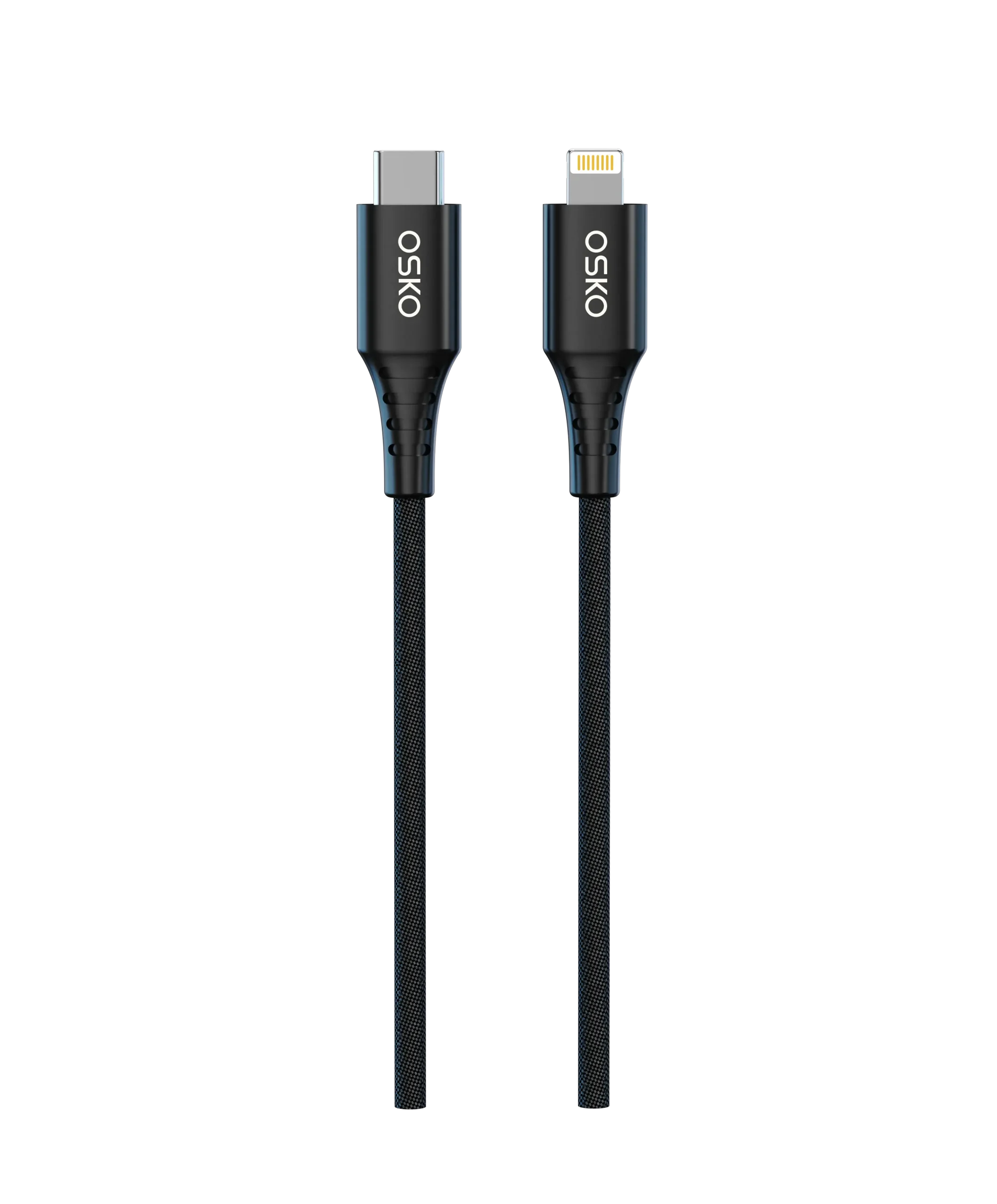
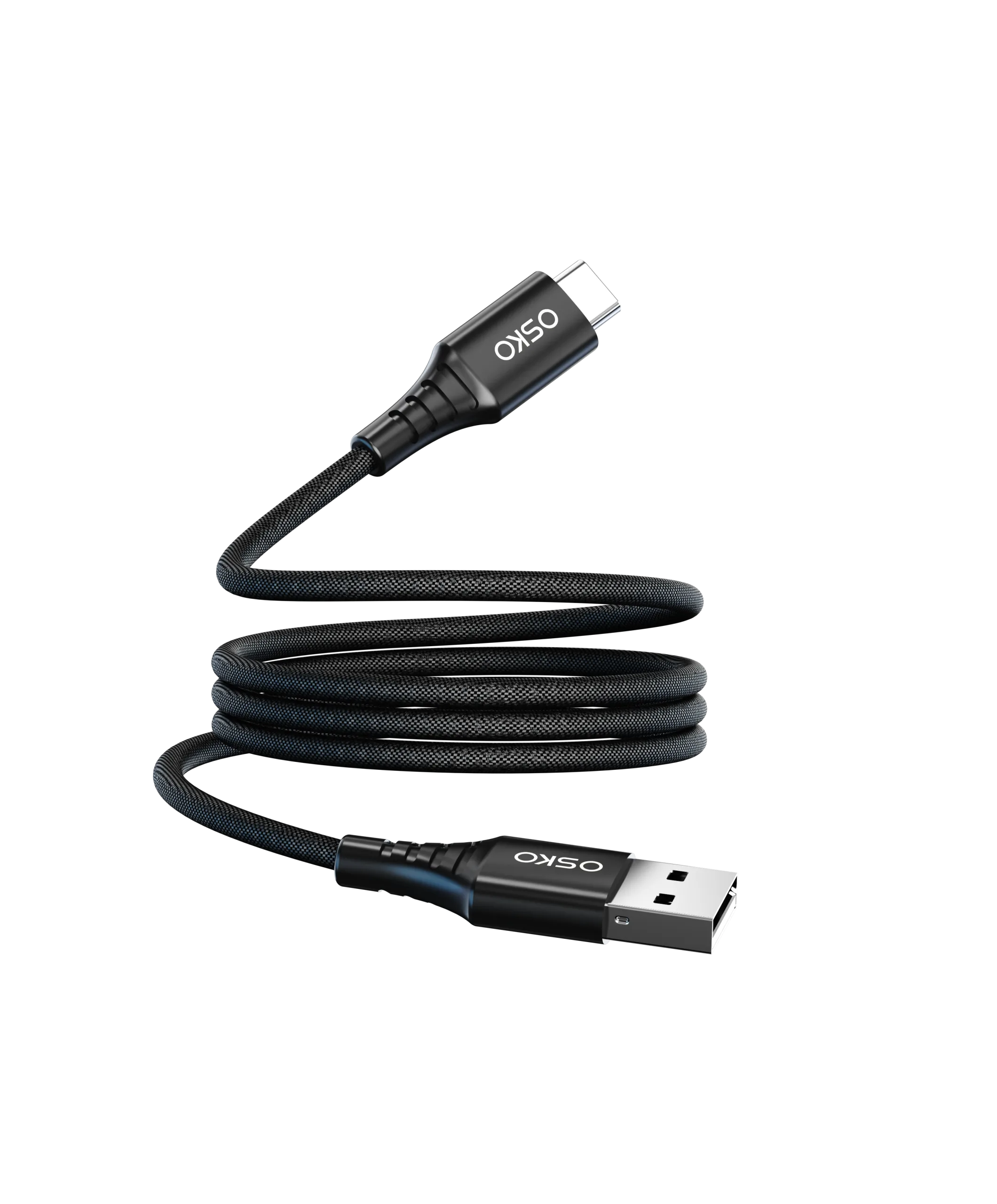
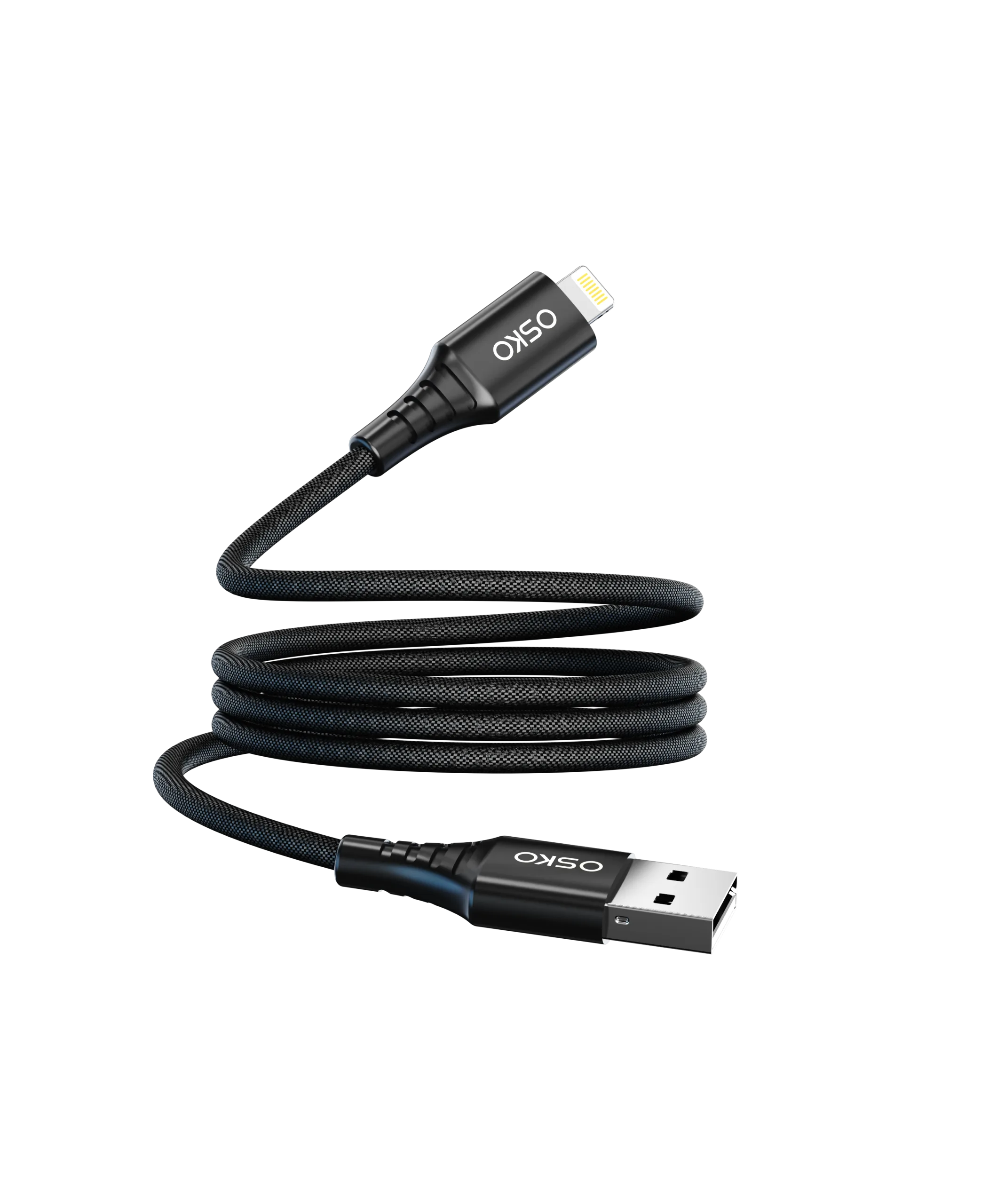
The USB Type C charging cable for mobile phones has become one of the most widely used charging solutions worldwide. With its reversible connector design, fast charging capability, and compatibility with smartphones, tablets, laptops, and gaming devices, USB-C is gradually replacing older USB connectors.
For consumers, choosing a reliable USB-C cable means faster charging, stable data transfer, and longer service life. For brands, distributors, and retailers, selecting an experienced USB-C cable manufacturer is essential to ensure product quality, compliance, and customer satisfaction.
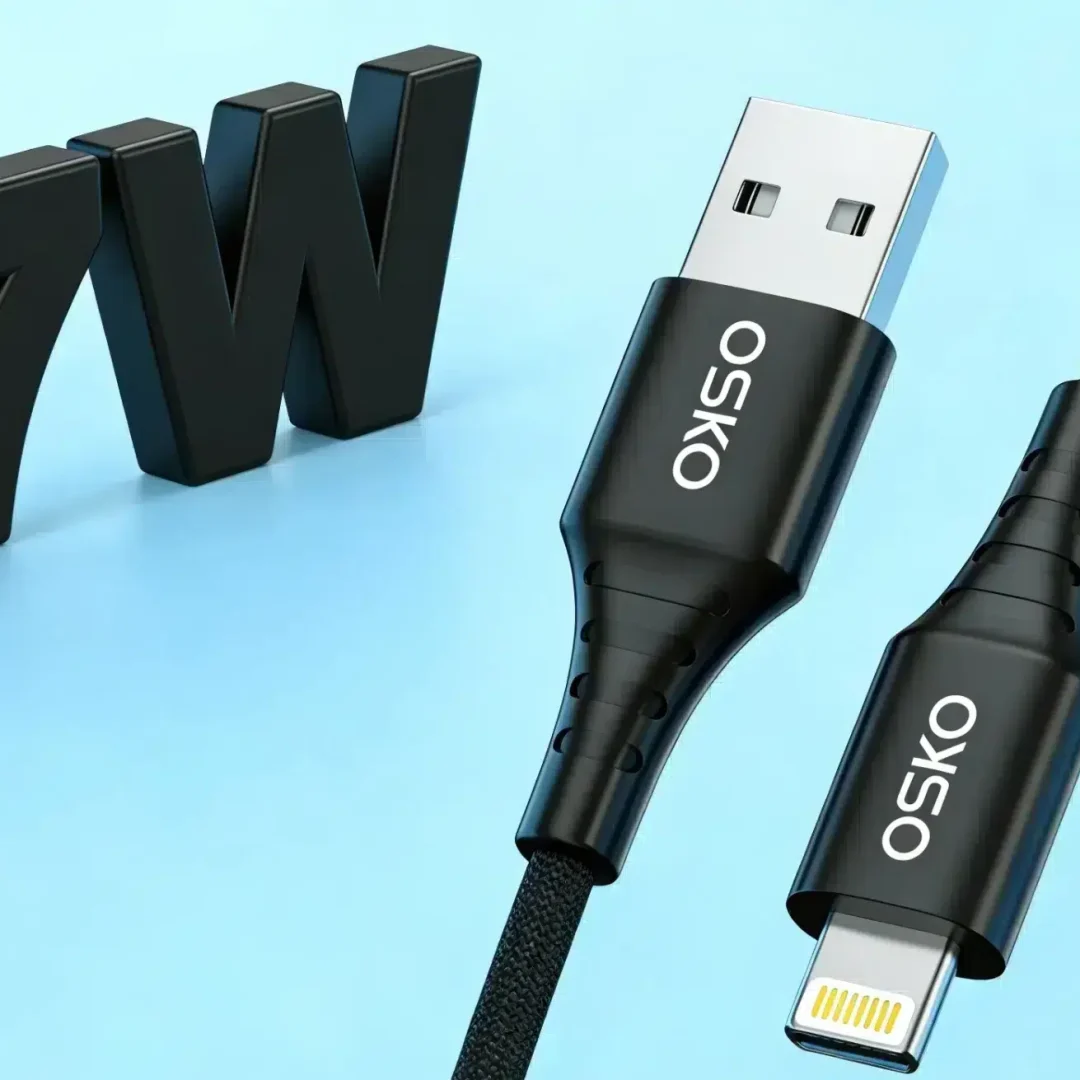
OSKO specializes in OEM and ODM USB cable manufacturing, providing customized USB Type C charging cables for mobile phones for global markets including the United States, Germany, Australia, and the Netherlands.
Our USB-C cable solutions focus on:
Fast charging performance
Durable cable structure
Stable data transmission
Premium materials
Custom branding solutions
What Is a USB Type C Charging Cable?
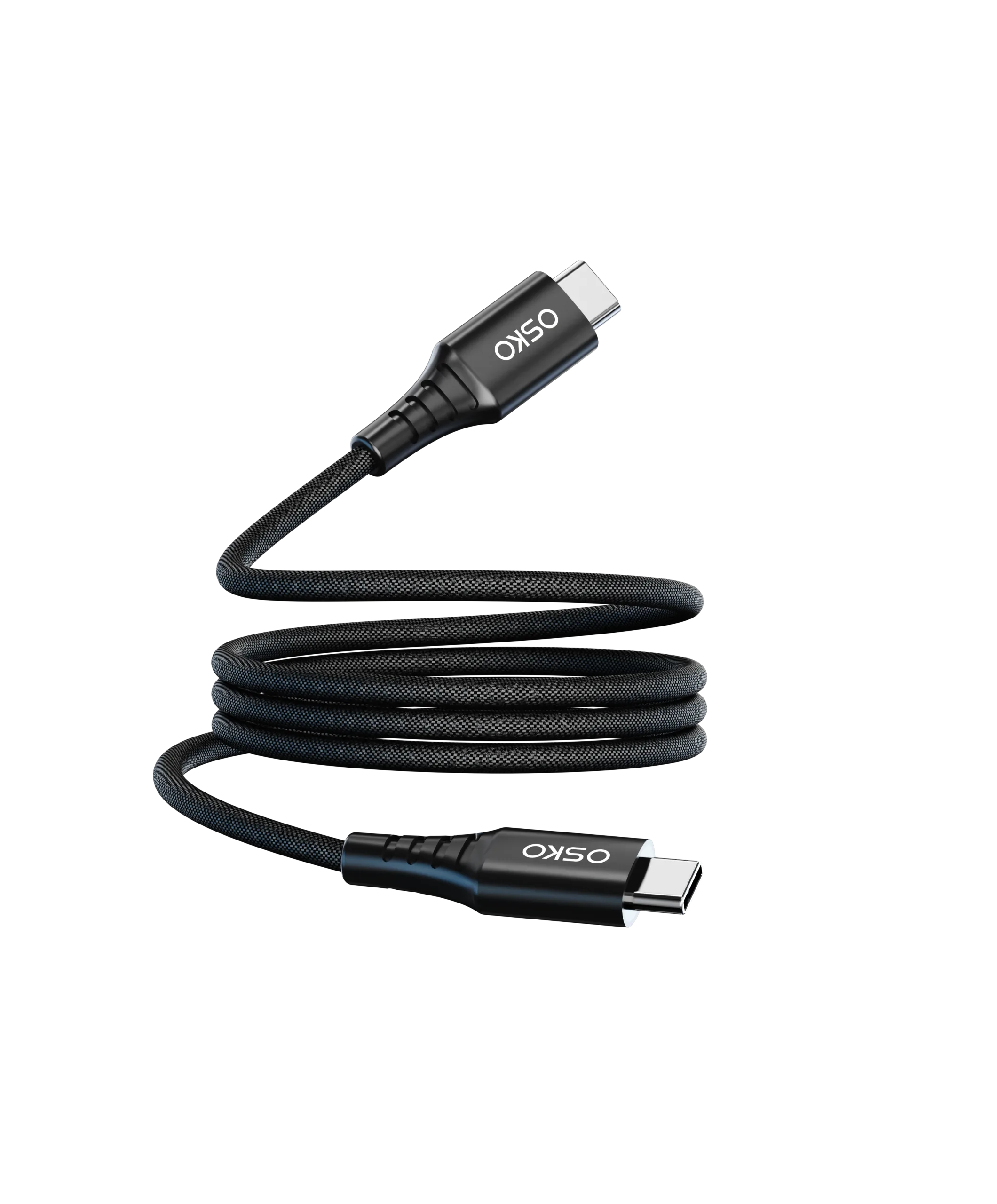
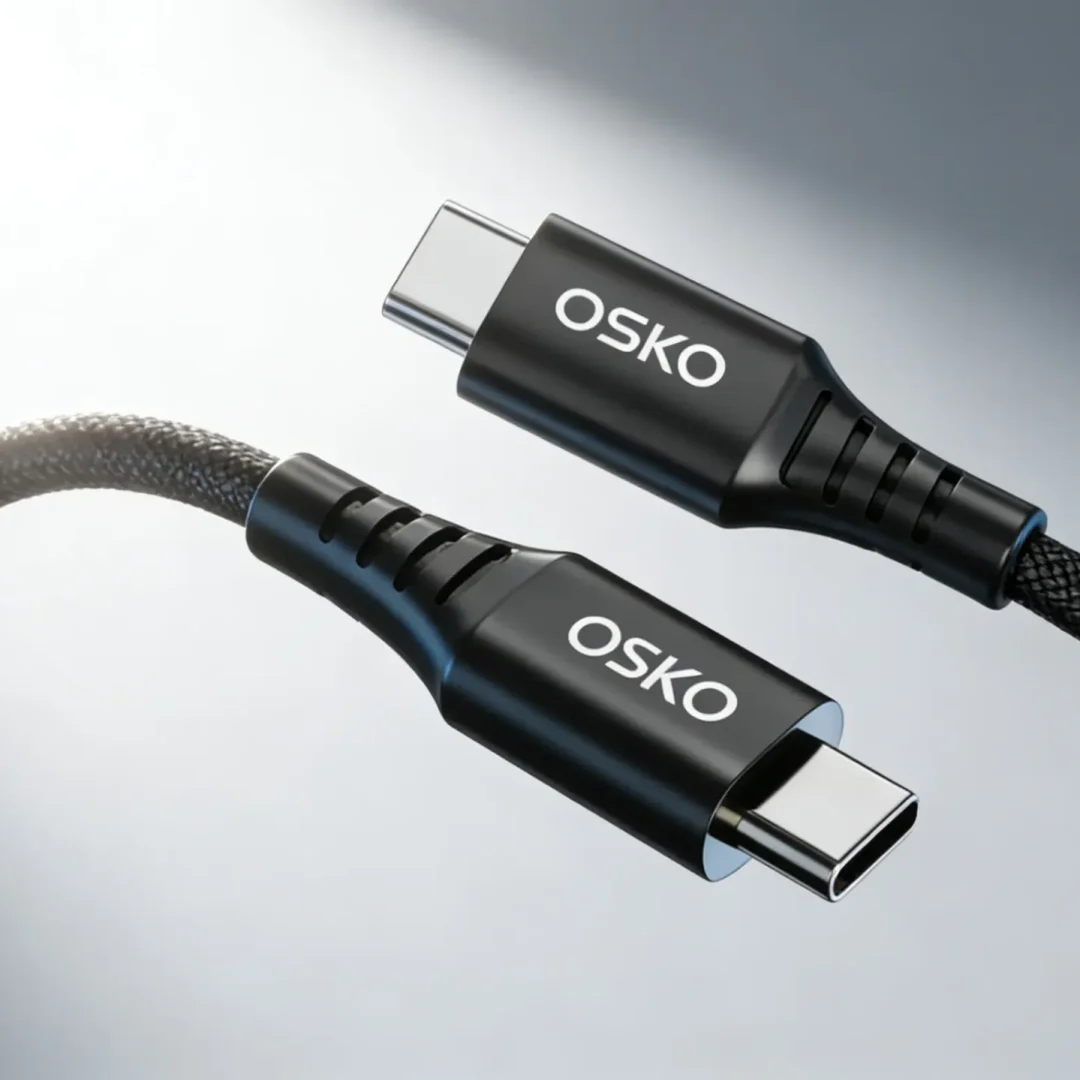
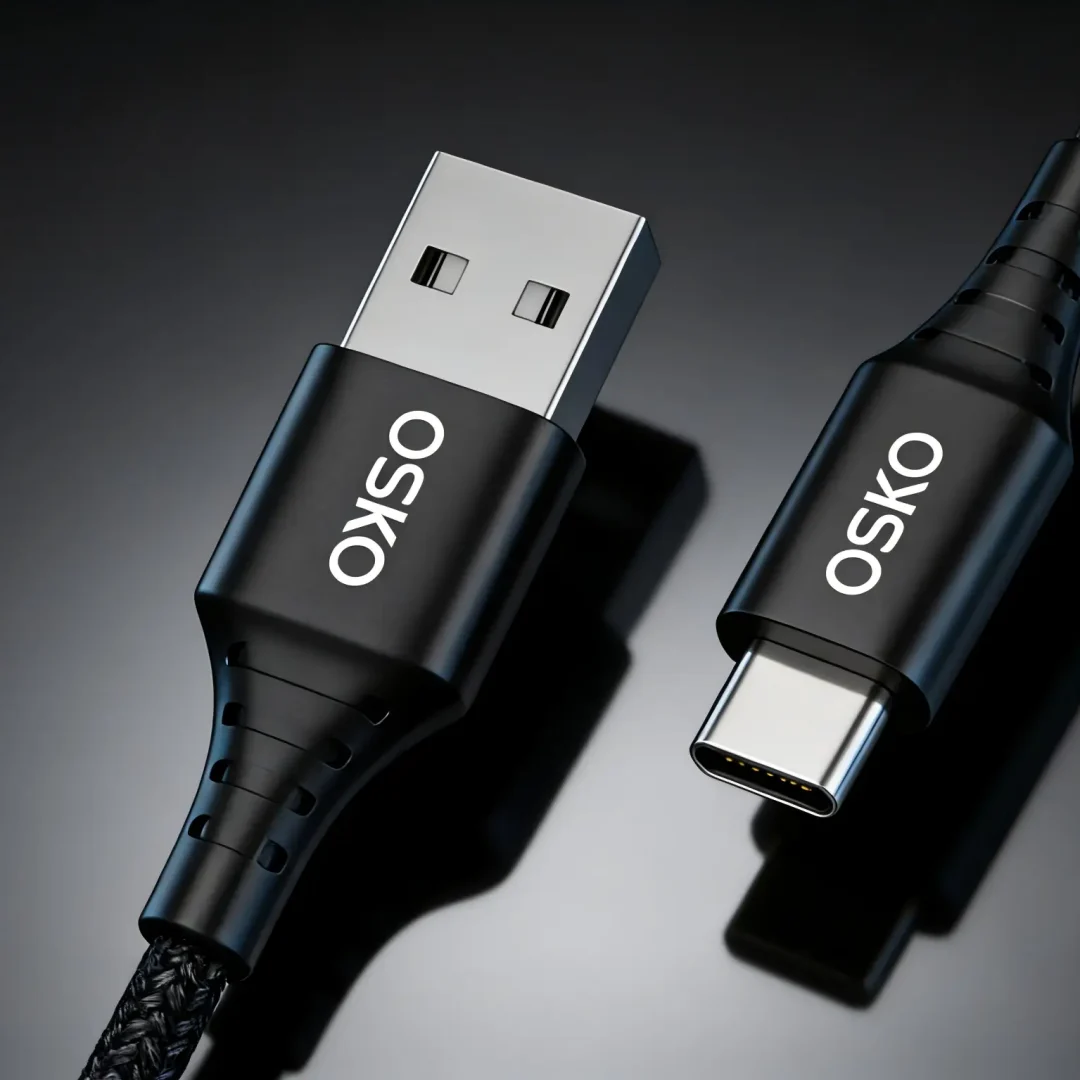
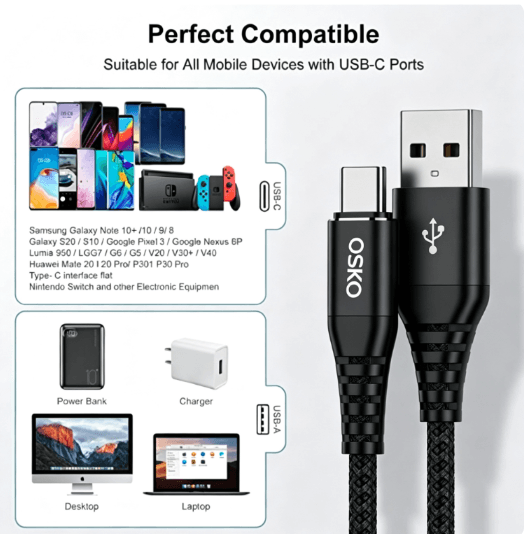
A USB Type C charging cable is a modern USB cable designed with a reversible USB-C connector. Unlike traditional USB-A connectors, USB-C can be inserted in either direction, improving convenience and reducing connector damage caused by incorrect insertion.
USB-C cables are widely used in:
Android smartphones
Samsung Galaxy devices
Google Pixel phones
Tablets
Nintendo Switch
MacBook computers
USB-C accessories
The USB Type C interface supports both charging and data transmission, making it a universal connection solution for modern electronic devices.
Why Are USB-C Charging Cables Becoming Popular for Mobile Phones?
1. Reversible Connector Design
One of the biggest advantages of USB-C is the symmetrical connector structure.
Users no longer need to check the plug direction before connecting the cable.
Benefits include:
Faster connection
Improved user experience
Reduced connector damage
Better daily convenience
For mobile phone users, this simple design improvement makes USB-C cables more practical than traditional USB connectors.
2. Fast Charging Capability
Modern smartphones require higher charging efficiency.
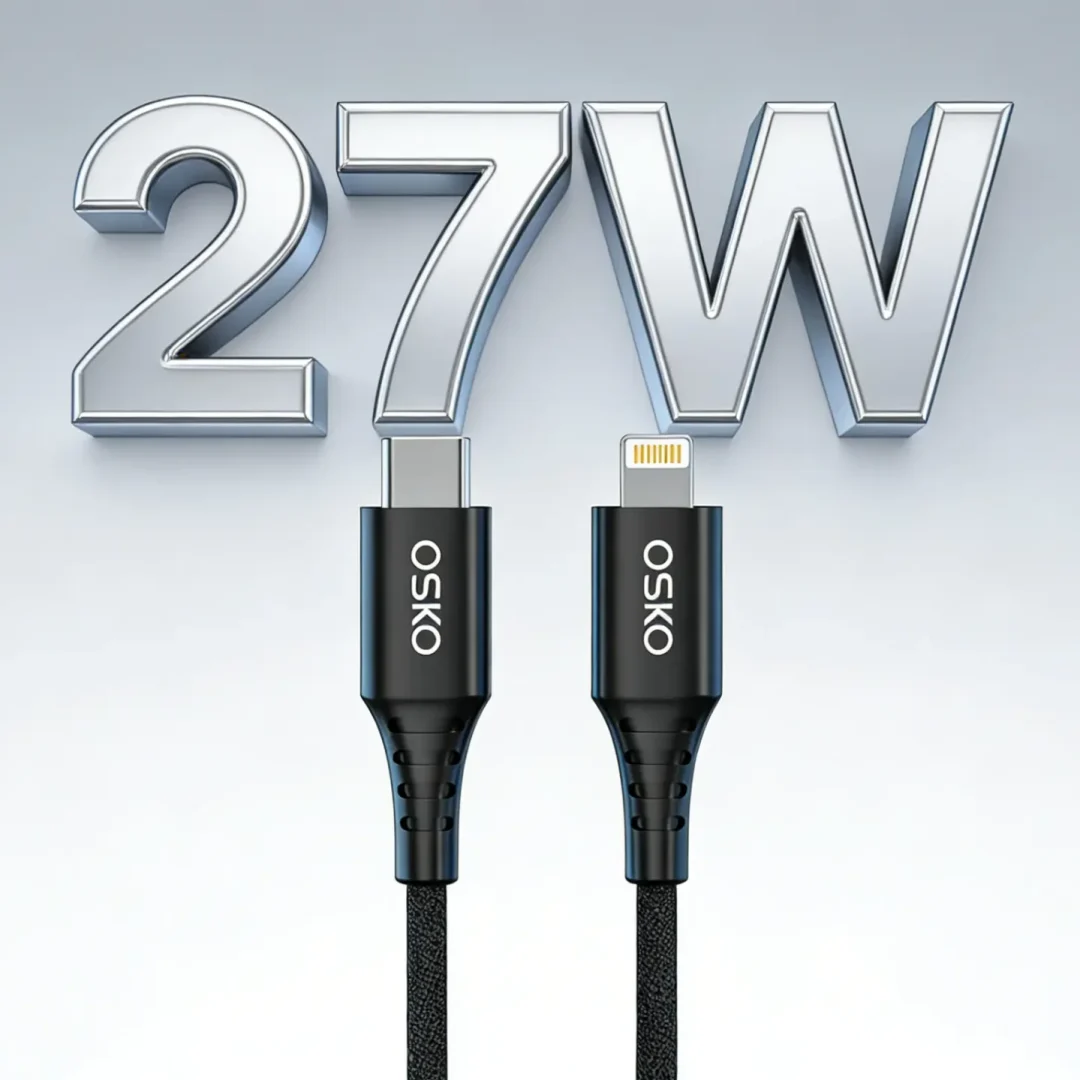
A quality USB Type C charging cable supports advanced charging technologies including:
USB Power Delivery (USB PD)
Quick Charge (QC)
High-current charging
Typical charging capabilities:
| Cable Type | Charging Capability |
|---|---|
| Standard USB-C Cable | 3A charging |
| USB-C PD Cable | 60W charging |
| High-power USB-C Cable | 100W–240W charging |
However, charging speed depends on the complete charging system:
Charger output
Cable specification
Device charging protocol
A 3A USB-C cable cannot increase charger power if the adapter does not support higher output.
3. Stable Data Transfer Performance
A professional USB-C charging cable is not only designed for power delivery but also supports data synchronization.
Common USB-C data speeds include:
USB 2.0: 480Mbps
USB 3.0: 5Gbps
USB 3.2: 10Gbps
USB4: up to 40Gbps
For smartphone users, USB 2.0 480Mbps is usually sufficient for:
Photo transfer
Video transfer
File synchronization
For professional applications requiring large file transfer, higher-speed USB-C cables are recommended.
How Does Cable Material Affect USB-C Cable Quality?
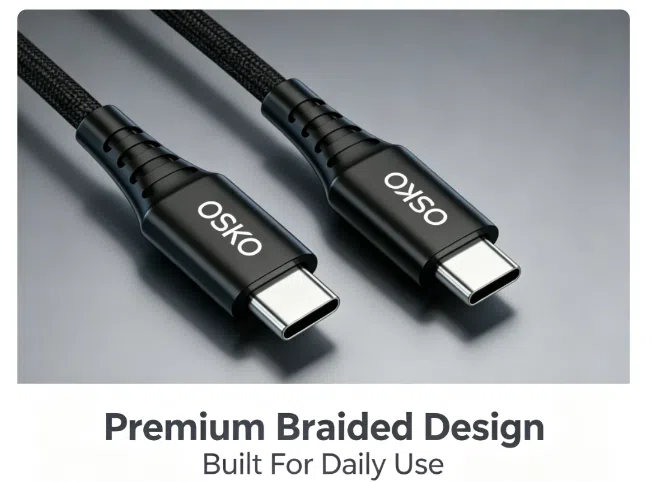
Nylon Braided Jacket for Better Durability
Premium USB-C charging cables often use nylon braided materials.
Compared with standard PVC cables, nylon braided cables provide:
Better abrasion resistance
Anti-tangle performance
Improved flexibility
Longer service life
OSKO nylon braided USB-C cables are designed with reinforced structures to withstand repeated daily use.
Typical durability testing includes:
Bend testing
Plugging and unplugging tests
Stress resistance testing
A durable cable helps reduce:
Cable breakage
Replacement frequency
Customer complaints
Engineering Design Behind a Reliable USB-C Cable
A high-quality USB Type C charging cable requires precise engineering.
Key components include:
Copper Conductors
Premium cables use optimized copper conductors to improve:
Charging efficiency
Current stability
Heat control
Poor conductor materials may cause:
Voltage drop
Slow charging
Excessive heat
Shielding Structure
Professional USB cables may include:
Aluminum foil shielding
Metal braid shielding
Multiple insulation layers
Shielding helps reduce:
Electromagnetic interference
Signal loss
Data transmission errors
Connector Quality
USB-C connector reliability depends on:
Metal shell strength
Pin quality
Manufacturing precision
Plug cycle durability
Premium connectors improve long-term connection stability.
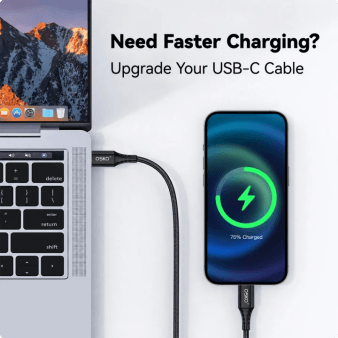
USB Type C Charging Cable Application Guide
For Android Smartphones
Recommended:
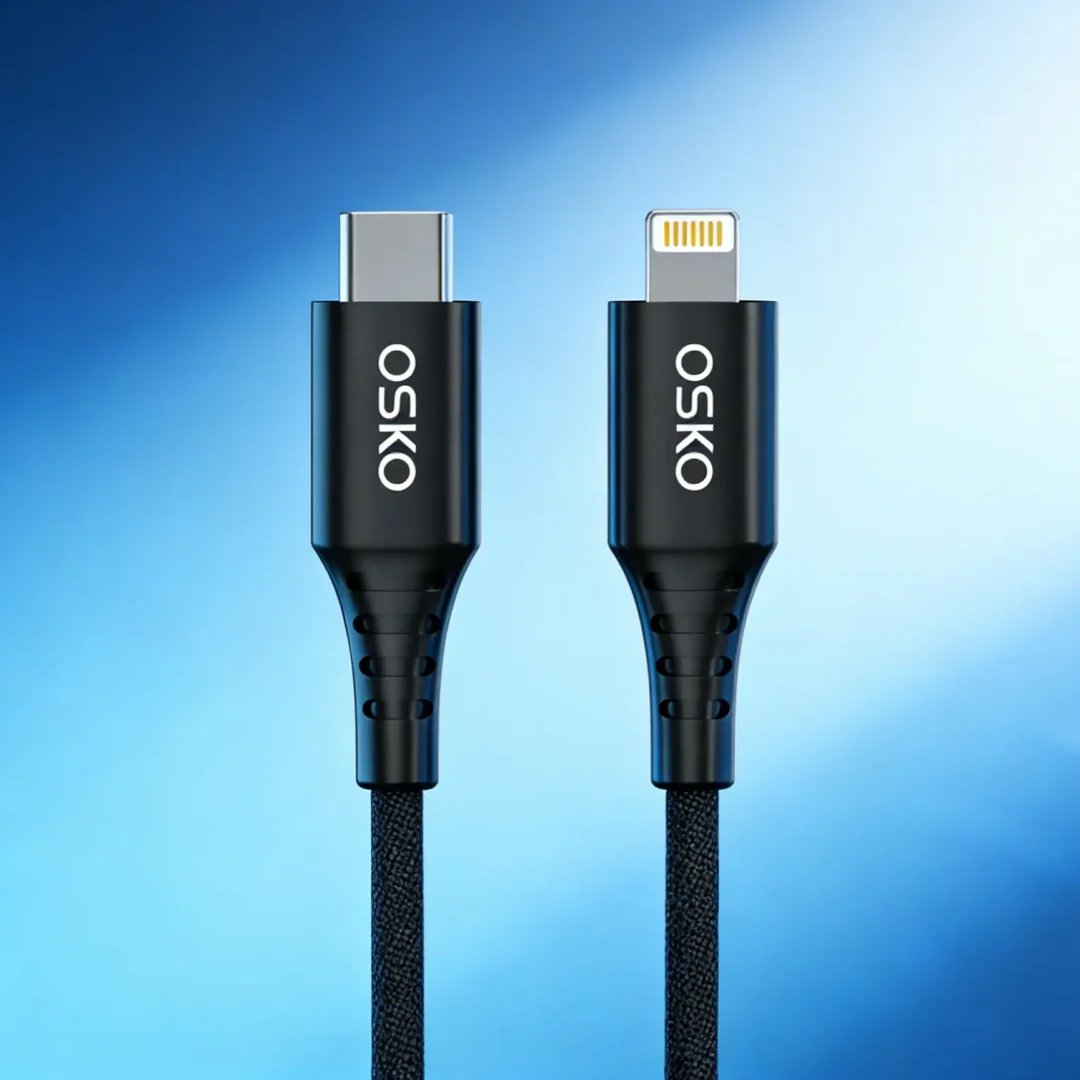
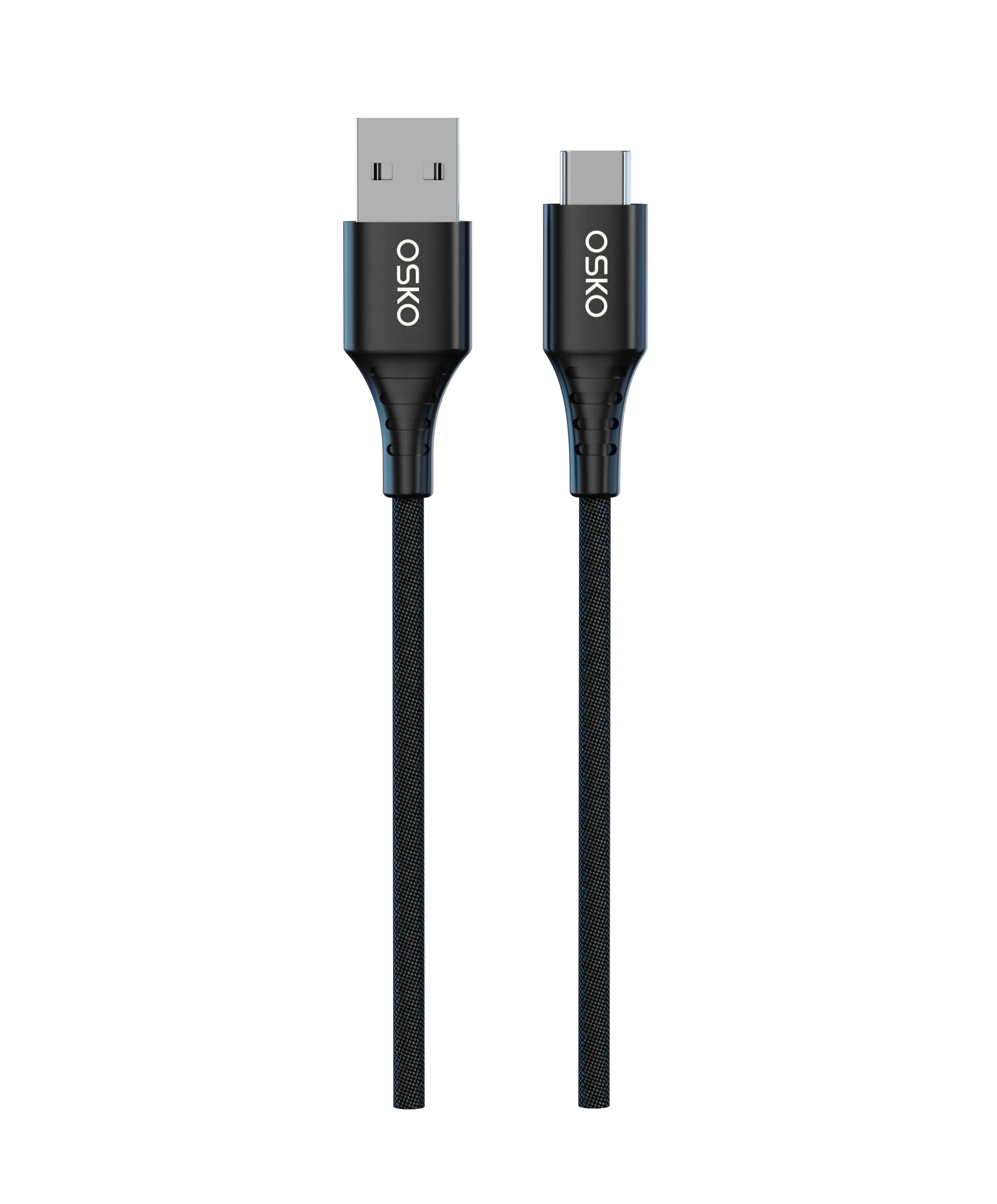
USB-A to USB-C cable
USB-C to USB-C cable
3A fast charging support
Compatible devices:
Samsung Galaxy series
Google Pixel
Xiaomi
Huawei
Other USB-C smartphones
For Tablets
Recommended:
USB-C PD charging cable
Higher current capability
Reinforced structure
For Laptops
Recommended:
USB-C to USB-C PD cable
60W / 100W / 240W support
E-Marker chip technology
OEM Case Study: Custom USB-C Cable Solution for an Australian Mobile Accessory Brand
An Australian mobile accessory distributor required a customized USB Type C charging cable for retail sales.
Customer requirements:
Compatible with Android smartphones
1.8m cable length
Nylon braided design
Fast charging support
Private label packaging
OSKO engineering team optimized the product through:
Material Selection
Selected durable nylon braided jacket material to improve product lifespan.
Electrical Design
Used high-quality copper conductors to maintain stable charging performance.
Durability Testing
Performed:
Bend testing
Charging stability testing
Connector inspection
Packaging Customization
Provided:
Customer logo printing
Retail packaging design
Batch production support
The customized USB-C cable successfully entered the Australian retail market and helped improve customer satisfaction through better durability and charging reliability.
How to Choose a USB Type C Cable Supplier?
For wholesale buyers and brands, choosing the right manufacturer is more important than simply comparing prices.
1. Manufacturing Experience
A professional supplier should provide:
OEM production capability
Custom specifications
Engineering support
Stable production capacity
2. Quality Control System
Reliable USB cable factories should have:
IQC (Incoming Quality Control)
Checking:
Raw materials
Copper wire
Connector components
Plastic materials
IPQC (In-Process Quality Control)
Monitoring:
Assembly process
Soldering quality
Cable structure
OQC (Outgoing Quality Control)
Testing:
Charging performance
Data transfer
Appearance quality
3. Compliance Documents
International buyers may request:
RoHS
REACH
CE
FCC
ISO9001
These documents help brands enter regulated markets such as Europe and North America.
Why Choose OSKO as Your USB-C Cable Manufacturer?
OSKO provides professional USB cable manufacturing solutions for global B2B customers.
Our capabilities include:
USB-C cable OEM production
Private label solutions
Custom length manufacturing
Custom color options
Custom packaging
Bulk wholesale supply
We support businesses looking for:
USB-C cable wholesale suppliers
Custom charging cable manufacturers
Mobile accessory OEM factories
Private label USB cable production
With engineering experience and strict quality control, OSKO helps brands create reliable charging products for global markets.
Conclusion
USB Type C charging cables have become the preferred charging solution for modern mobile phones because they provide convenience, fast charging capability, and universal compatibility.
However, not all USB-C cables offer the same performance.
A reliable USB-C charging cable requires:
Quality copper conductors
Durable materials
Stable charging performance
Proper testing
Professional manufacturing control
For businesses sourcing mobile phone charging cables, choosing an experienced USB-C cable manufacturer helps reduce quality risks and build stronger market competitiveness.
OSKO provides customized USB Type C charging cable solutions for global customers, delivering reliable products for smartphones, tablets, and electronic accessories.
FAQ
1. What is a USB Type C charging cable used for?
A USB Type C charging cable is mainly used for charging and data transfer between smartphones, tablets, laptops, and other USB-C devices. It supports reversible connection and modern fast charging technologies.
2. Is USB-C faster than USB-A charging cables?
USB-C cables generally support higher power delivery and newer charging technologies compared with traditional USB-A cables. Actual charging speed depends on the charger, cable specification, and device compatibility.
3. Can a USB Type C cable fast charge all mobile phones?
No. Fast charging requires compatibility between the cable, charger, and smartphone charging protocol. A high-quality USB-C cable supports fast charging only when the connected devices support it.
4. How long does a nylon braided USB-C cable last?
A nylon braided USB-C cable usually provides better durability than standard plastic cables. Lifespan depends on material quality, usage environment, and manufacturing design.
5. What should I consider when buying USB-C cables wholesale?
Wholesale buyers should evaluate factory experience, cable specifications, material quality, testing procedures, customization capability, and compliance documents before placing orders.
6. Can USB-C cables be customized with my brand logo?
Yes. Professional OEM USB-C cable manufacturers can provide customized solutions including logo printing, cable colors, lengths, packaging, and technical specifications.
7. What is the difference between a normal USB-C cable and a PD USB-C cable?
A normal USB-C cable may support standard charging, while a USB-C PD cable is designed for higher power delivery such as 60W, 100W, or 240W charging and may require E-Marker technology.