

Introduction
Traveling has become increasingly dependent on electronic devices. Smartphones, tablets, laptops, wireless earbuds, smartwatches, cameras, and power banks are now essential travel accessories.
However, every device often comes with different charging requirements. Without proper planning, a simple business trip or vacation can turn into a bag full of tangled charging cables.
A high-quality travel charging cable helps solve this problem by providing a compact, reliable, and versatile charging solution.
The right cable can help travelers:
Reduce the number of accessories they carry
Charge devices faster
Improve organization inside luggage
Avoid unreliable public charging cables
Maintain stable charging performance anywhere
For modern travelers, choosing a cable is not only about charging speed. Durability, compatibility, portability, and safety are equally important.
As an experienced USB cable manufacturer, OSKO develops customized charging cable solutions designed for global consumers, retailers, and OEM customers.

What Makes the Best Travel Charging Cable?
A cable designed for home use and a cable designed for travel have different priorities.
A desk cable usually stays in one place. A travel cable experiences:
Frequent bending
Repeated plugging and unplugging
Storage inside bags
Temperature changes
Daily transportation
Therefore, the best travel charging cable should provide a balance between performance and portability.
Important factors include:
1. Compact and Easy to Carry Design
Travel space is limited.
A good portable charging cable should:
Take up minimal space
Be easy to organize
Avoid unnecessary weight
Work well with travel adapters and power banks
Short USB-C cables are popular for:
Airports
Hotels
Power banks
Backpack charging
For travelers who work remotely, a longer cable may provide more flexibility when hotel outlets are far from beds or desks.
Common travel cable lengths include:
0.3m / 1ft — ultra portable
1m / 3.3ft — everyday travel use
1.8m / 6ft — hotel and workspace charging
USB-C Travel Charging Cable: The Modern Travel Standard
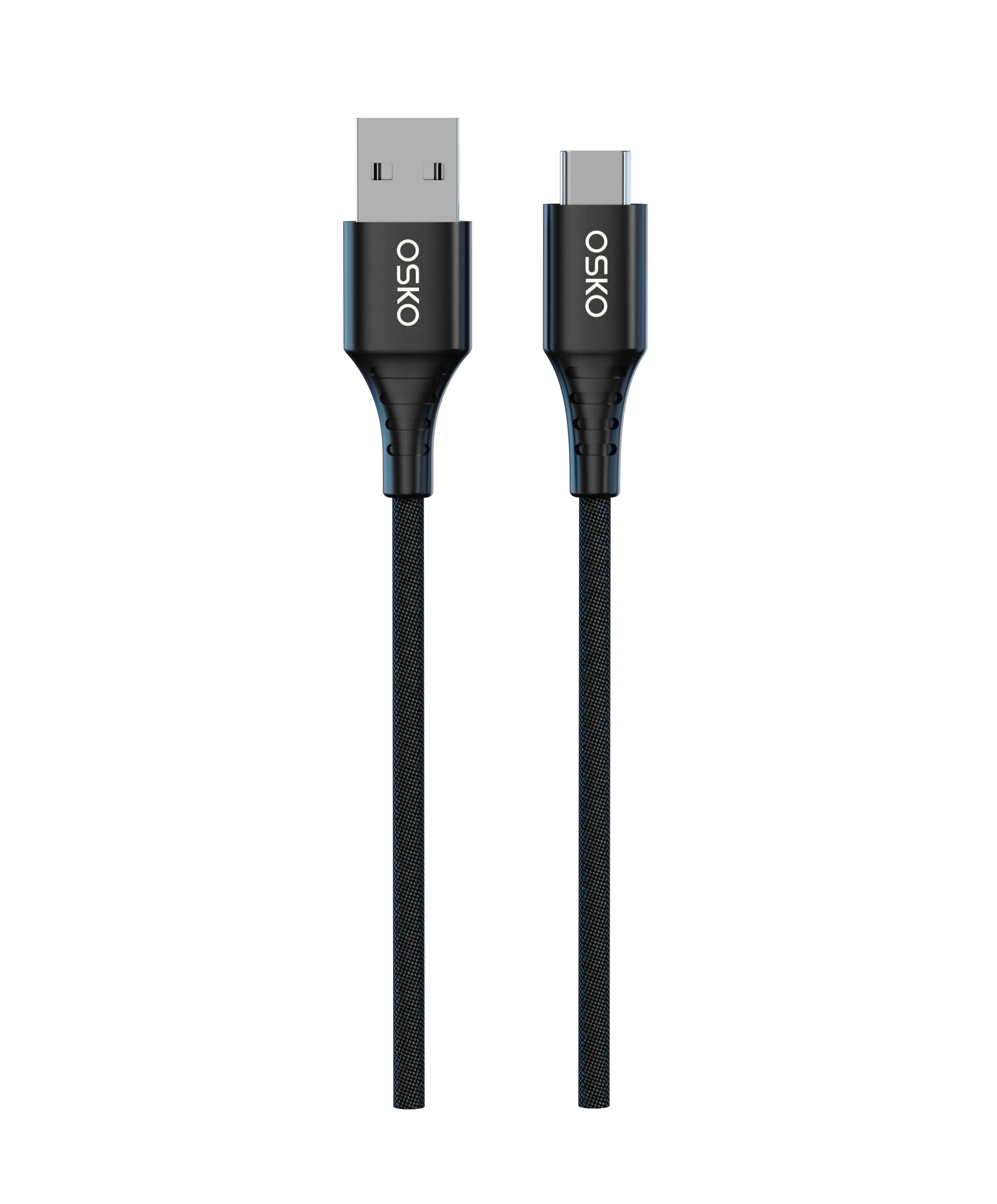
USB-C has become the preferred charging interface for many modern devices.
Today, USB-C cables are widely used for:
Android smartphones
iPhone 15/16/17 series
Tablets
MacBooks
Windows laptops
Portable gaming devices
Power banks
Compared with older USB connectors, USB-C provides:
Reversible connection
Higher charging capability
Better device compatibility
Support for USB Power Delivery (PD)
For travelers carrying multiple devices, a USB-C travel cable can significantly simplify their charging setup.
Fast Charging Capability: Why PD Support Matters
One of the most important features of a modern travel cable is fast charging capability.
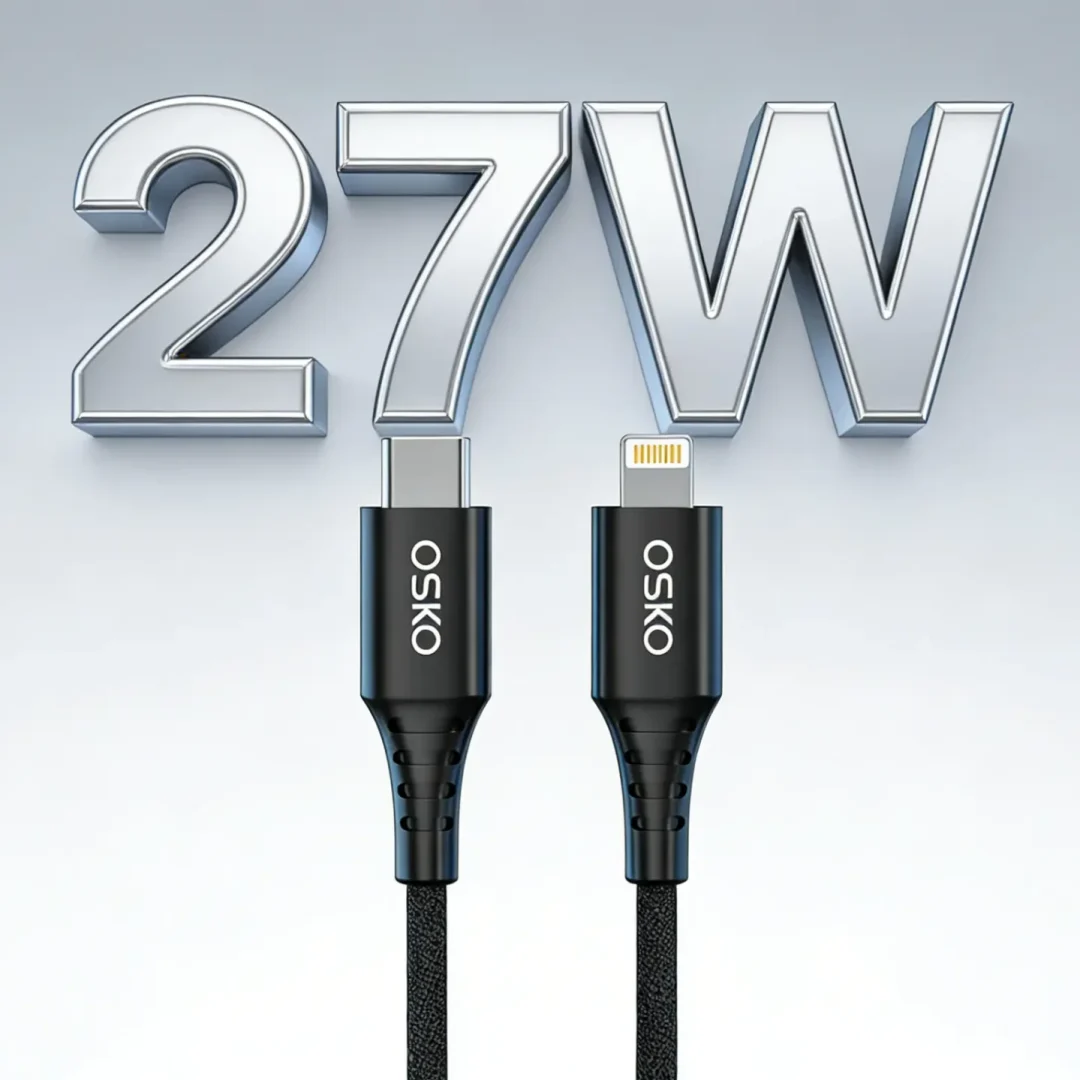
USB-C Power Delivery (PD) allows compatible devices to receive higher charging power.
Common PD cable ratings include:
60W PD — smartphones, tablets, accessories
100W PD — laptops and high-power devices
140W PD — advanced laptop charging
240W PD — maximum USB-C PD applications
However, the cable, charger, and device must all support the required power level.
For example:
A 240W USB-C cable connected to a basic phone charger will not automatically charge at 240W.
The actual charging speed depends on:
Device charging limit
Charger output
Cable specification
Cable Durability: The Most Important Travel Factor
Travel cables often fail because of mechanical damage.
Common failure points include:
Connector bending
Cable twisting
Jacket cracking
Internal wire breakage
A durable travel charging cable should include:
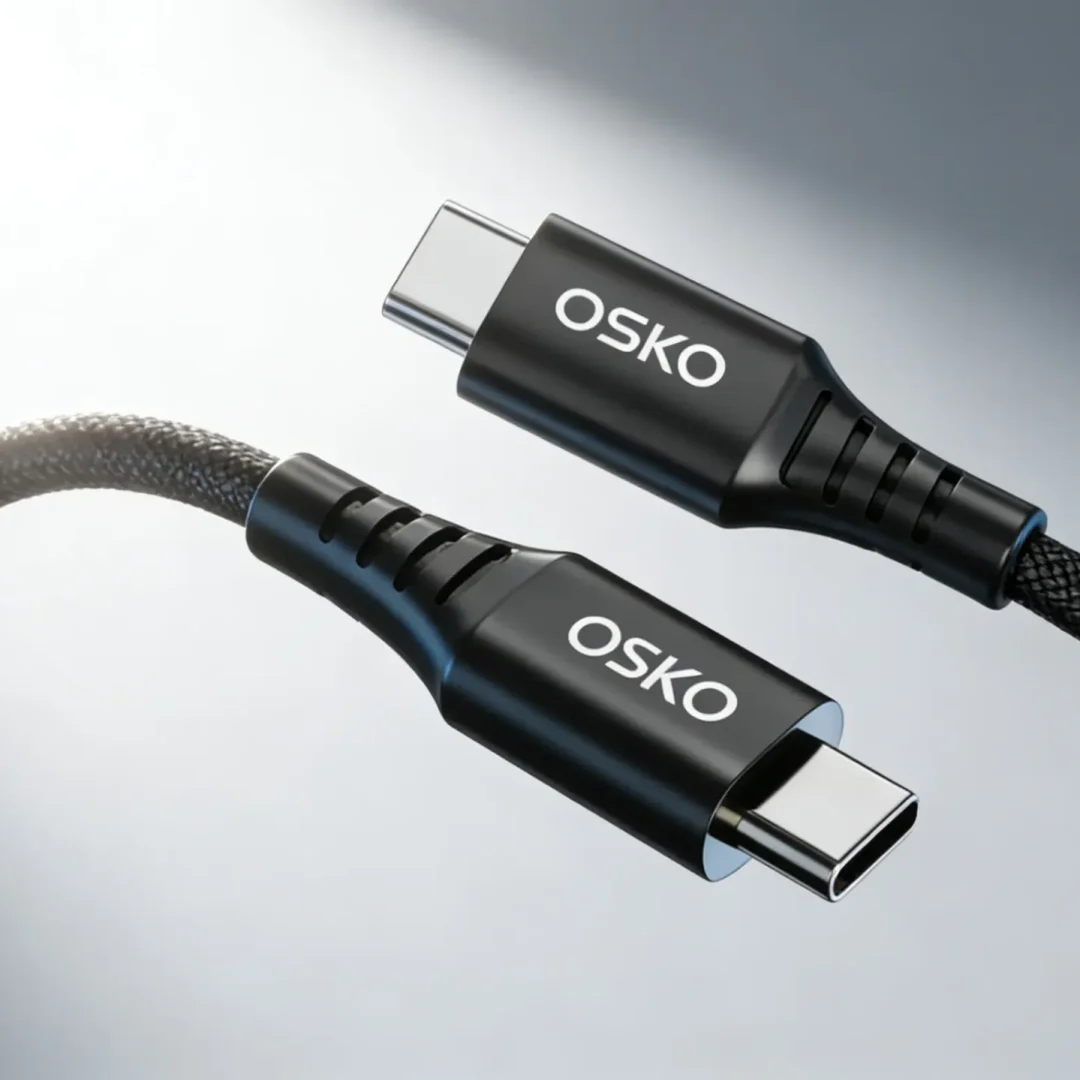
Reinforced Connector Design
The connection area receives the most stress during daily use.
A reinforced strain relief structure helps prevent:
Connector separation
Internal wire damage
Premature failure
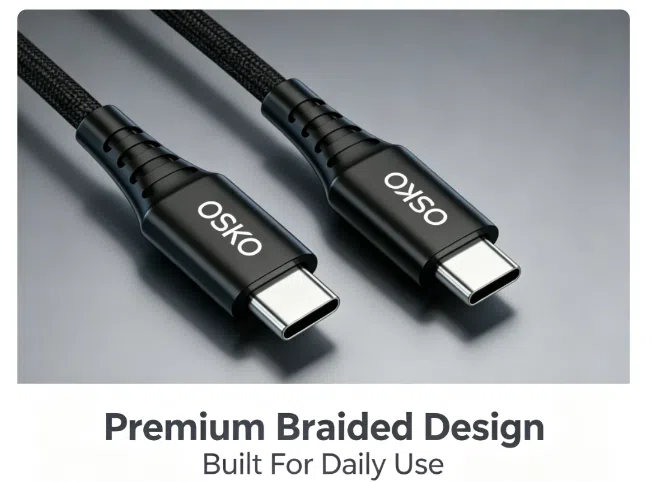
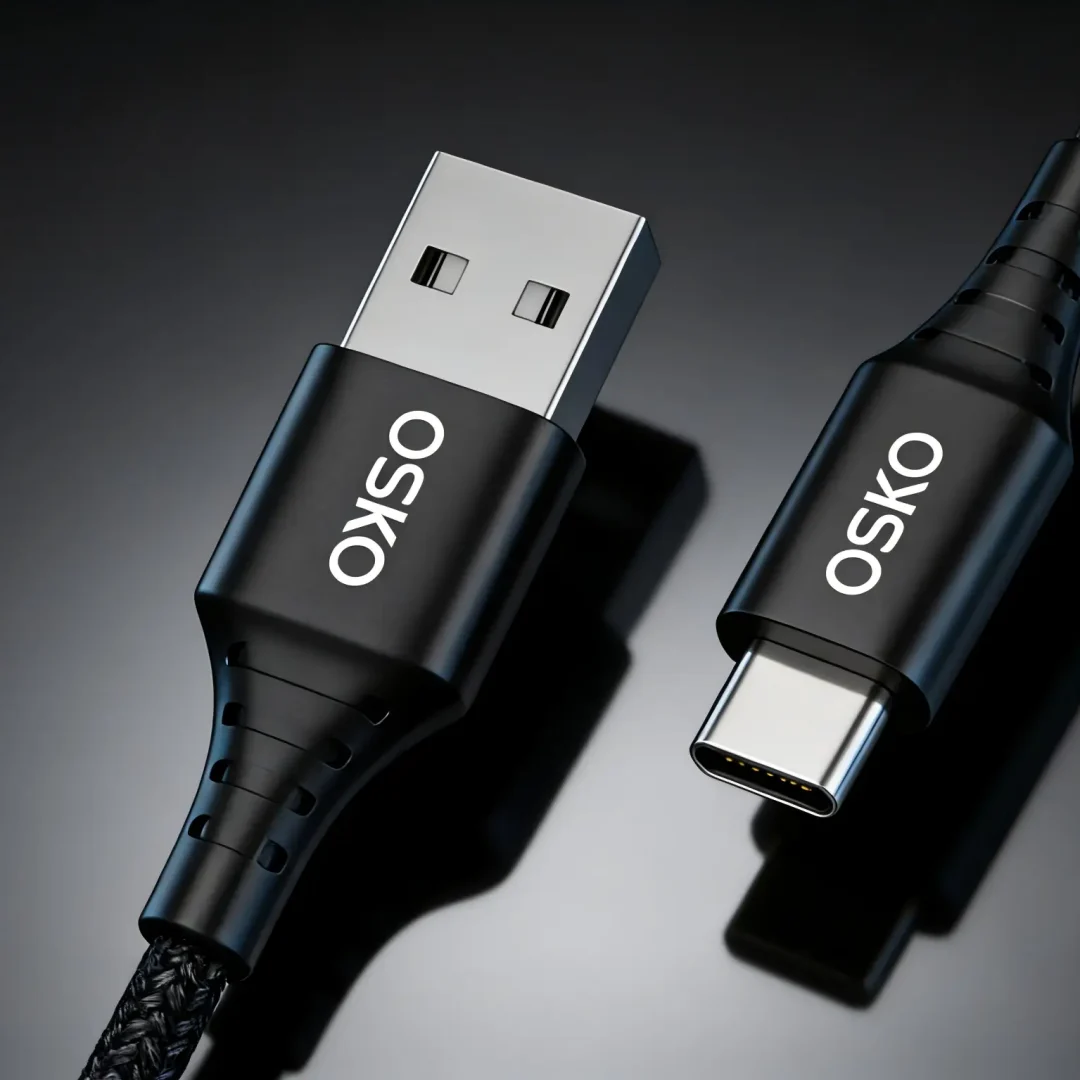
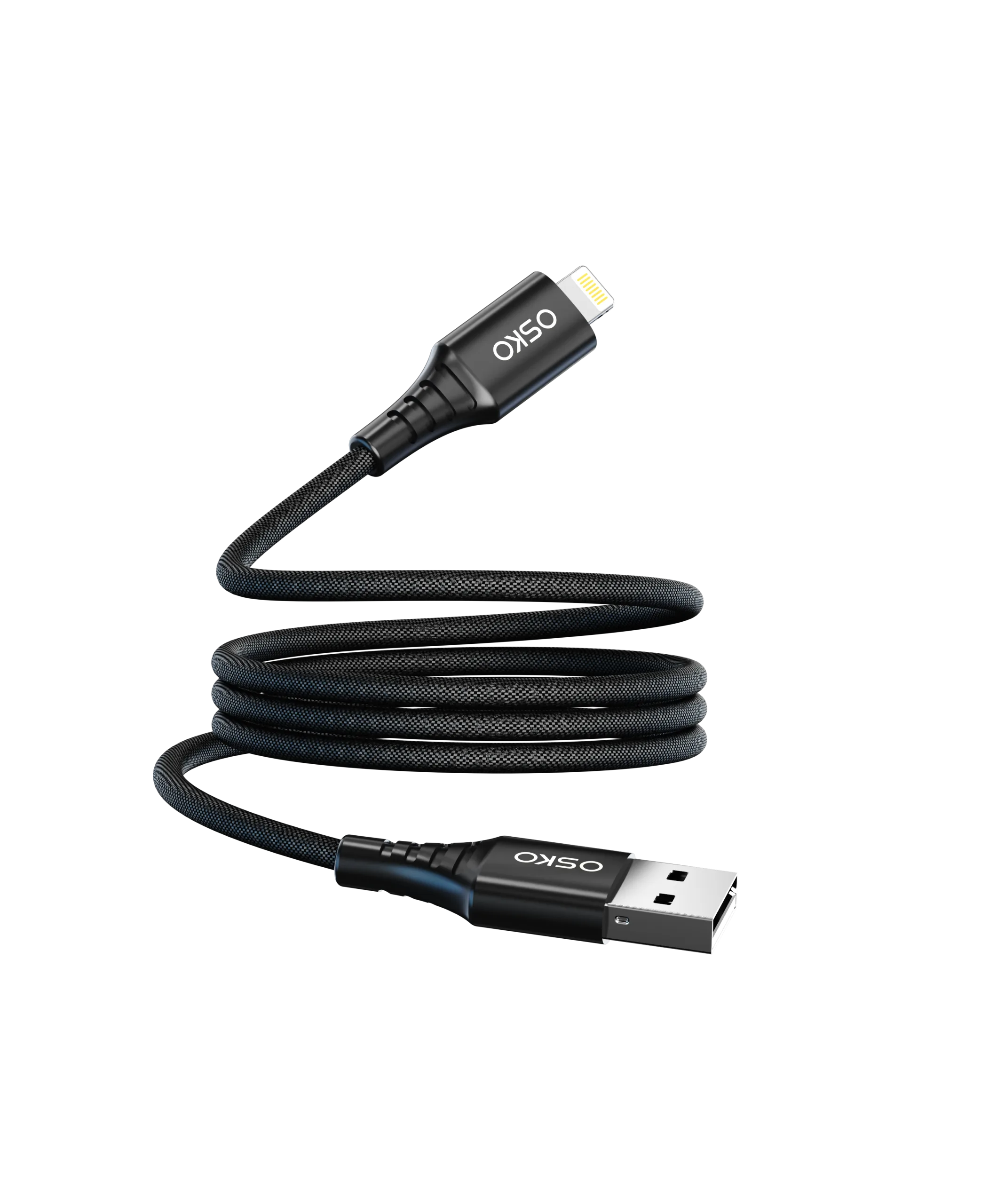
Braided Nylon Outer Jacket
Nylon braided cables are popular for travel because they provide:
Better abrasion resistance
Reduced tangling
Improved flexibility
Longer service life
Compared with basic PVC cables, braided cables are generally more suitable for users who frequently pack and unpack accessories.

High-Quality Copper Conductors
Internal conductor quality affects charging efficiency.
Professional charging cables often use:
Thick copper wires
Multiple strands
Improved insulation
Benefits include:
Stable power delivery
Lower resistance
Better charging performance
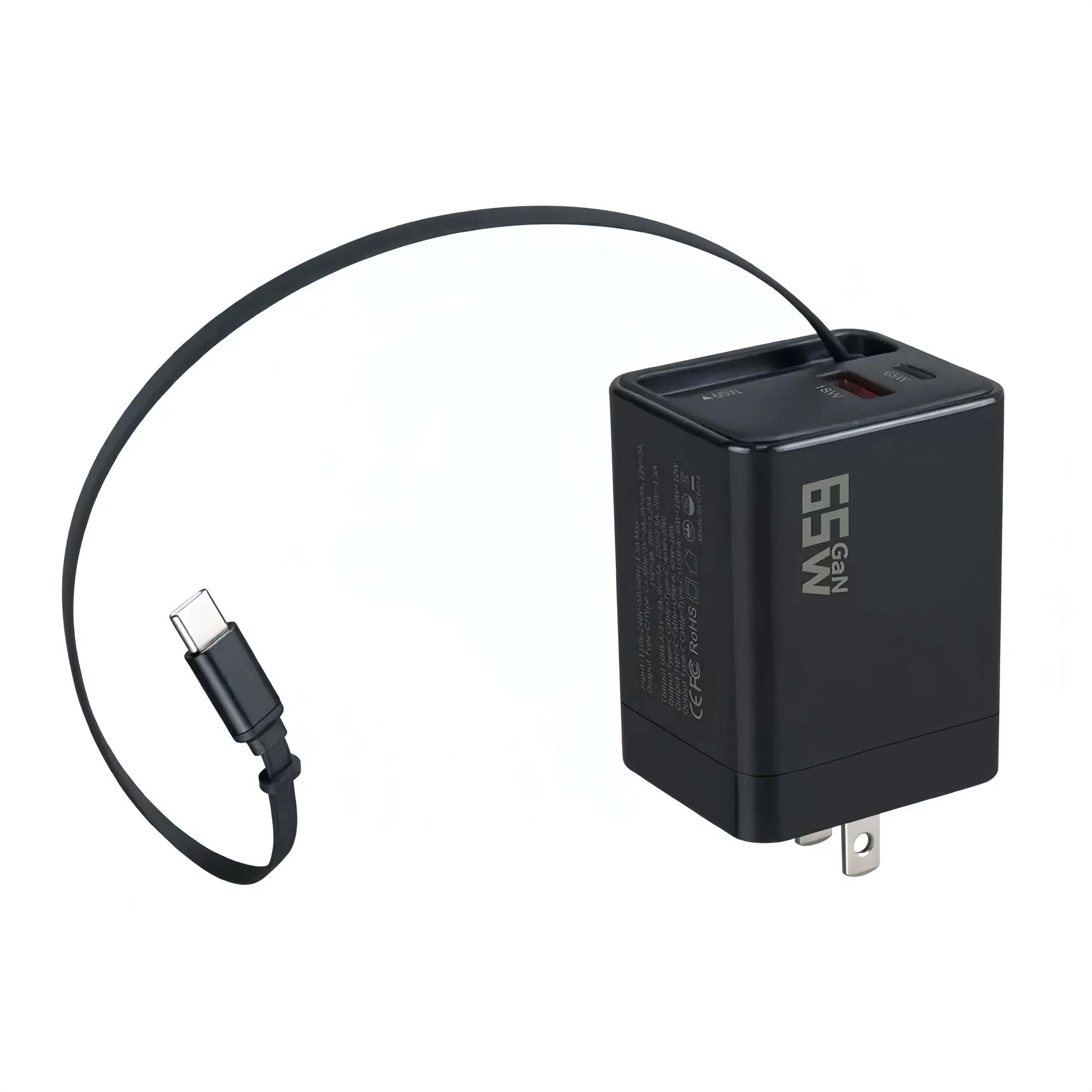
Magnetic and Easy-Organization Travel Cable Design
One common travel problem is cable management.
A cable that becomes tangled inside luggage wastes time and creates frustration.
Modern travel cable designs may include:
Magnetic cable management systems
Built-in cable organizers
Flat cable structures
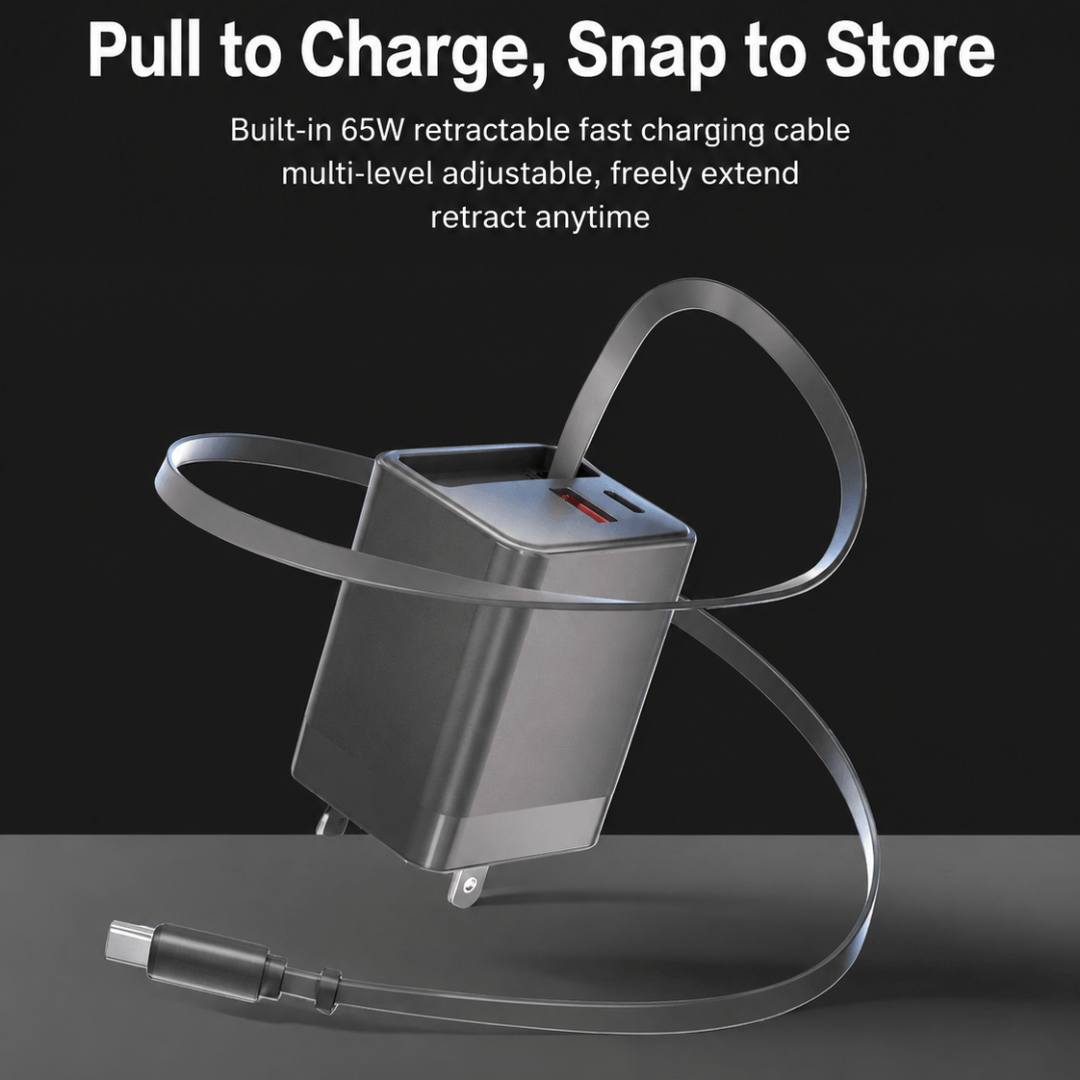
Retractable mechanisms
For frequent travelers, these features improve convenience.
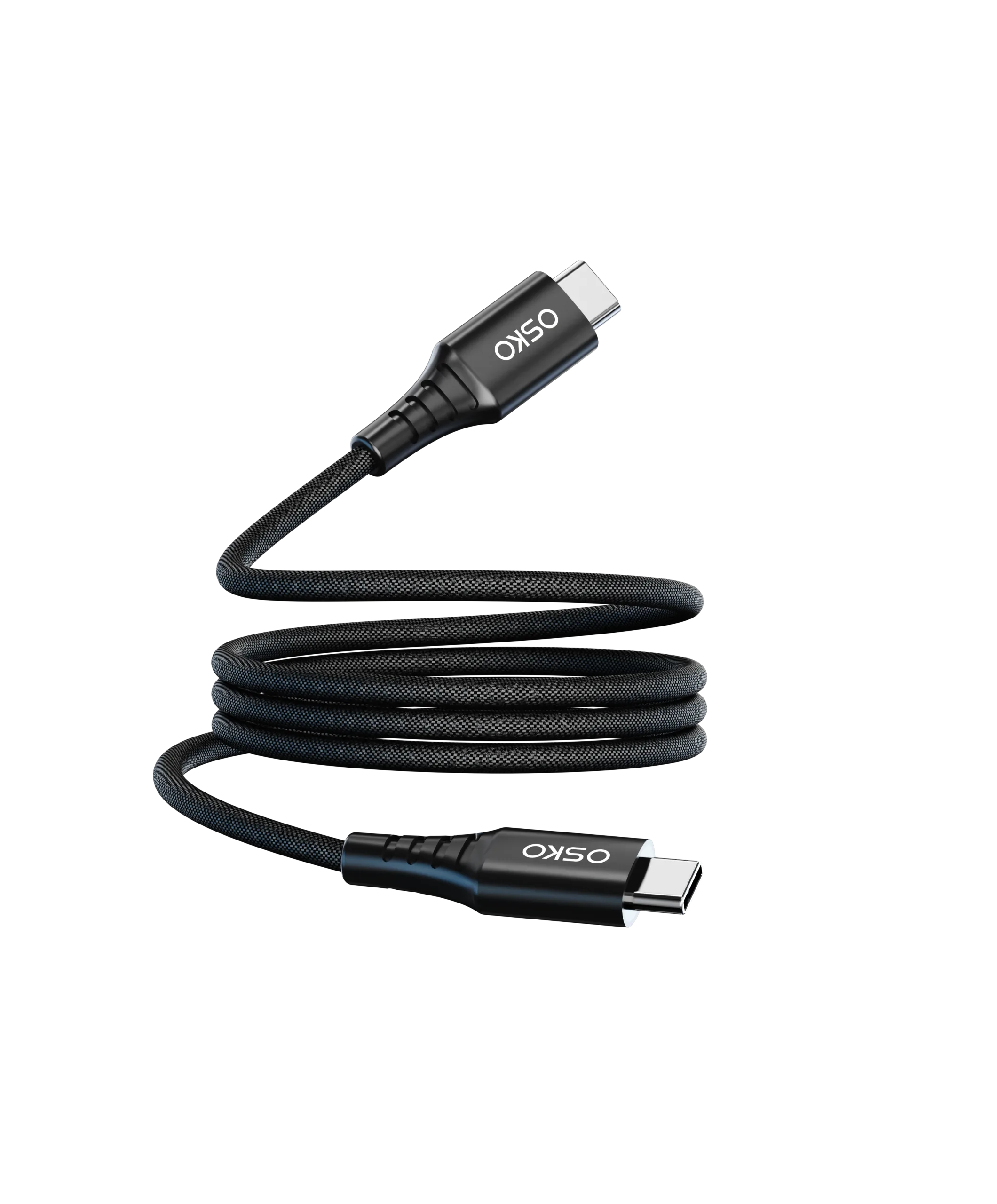
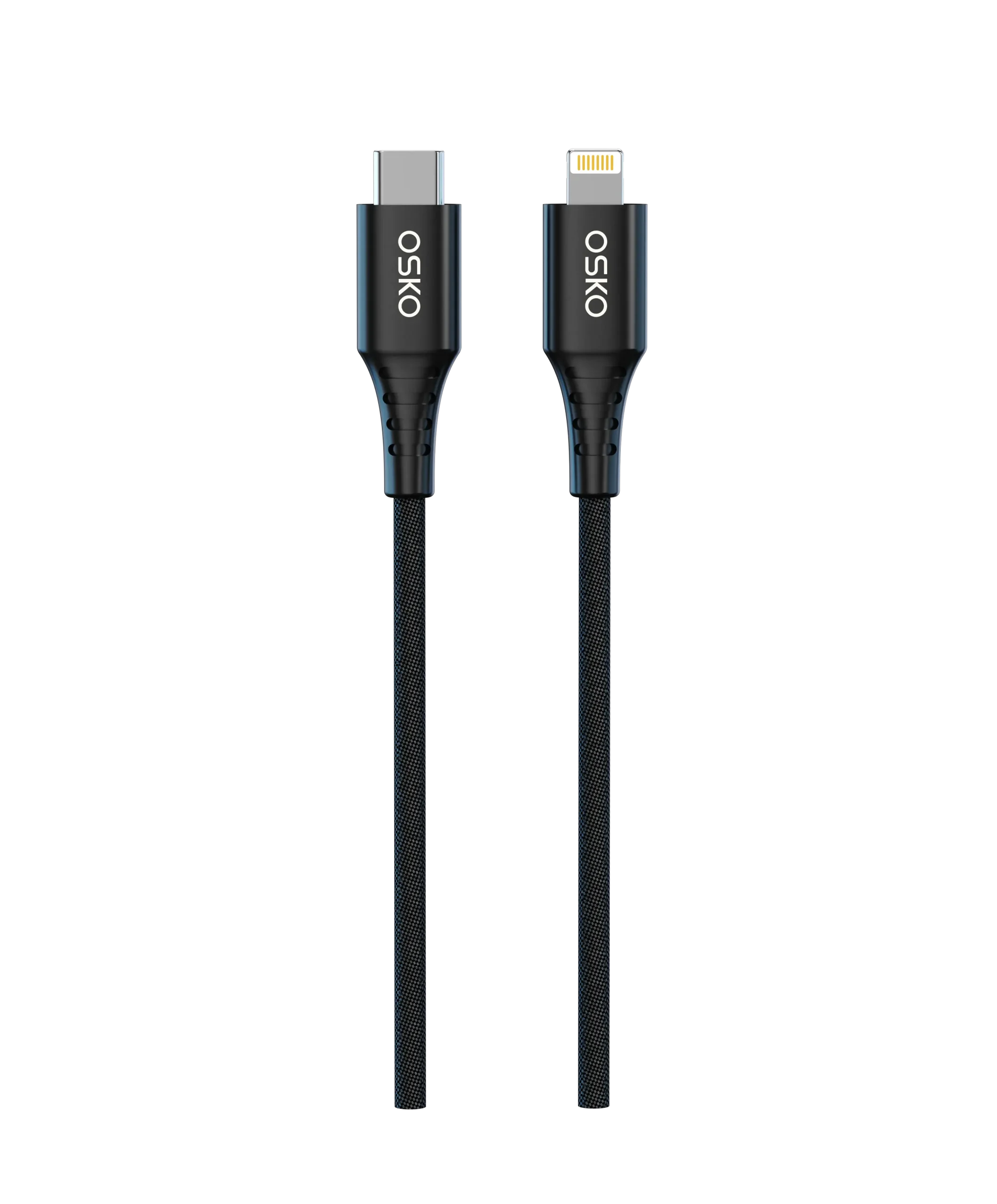
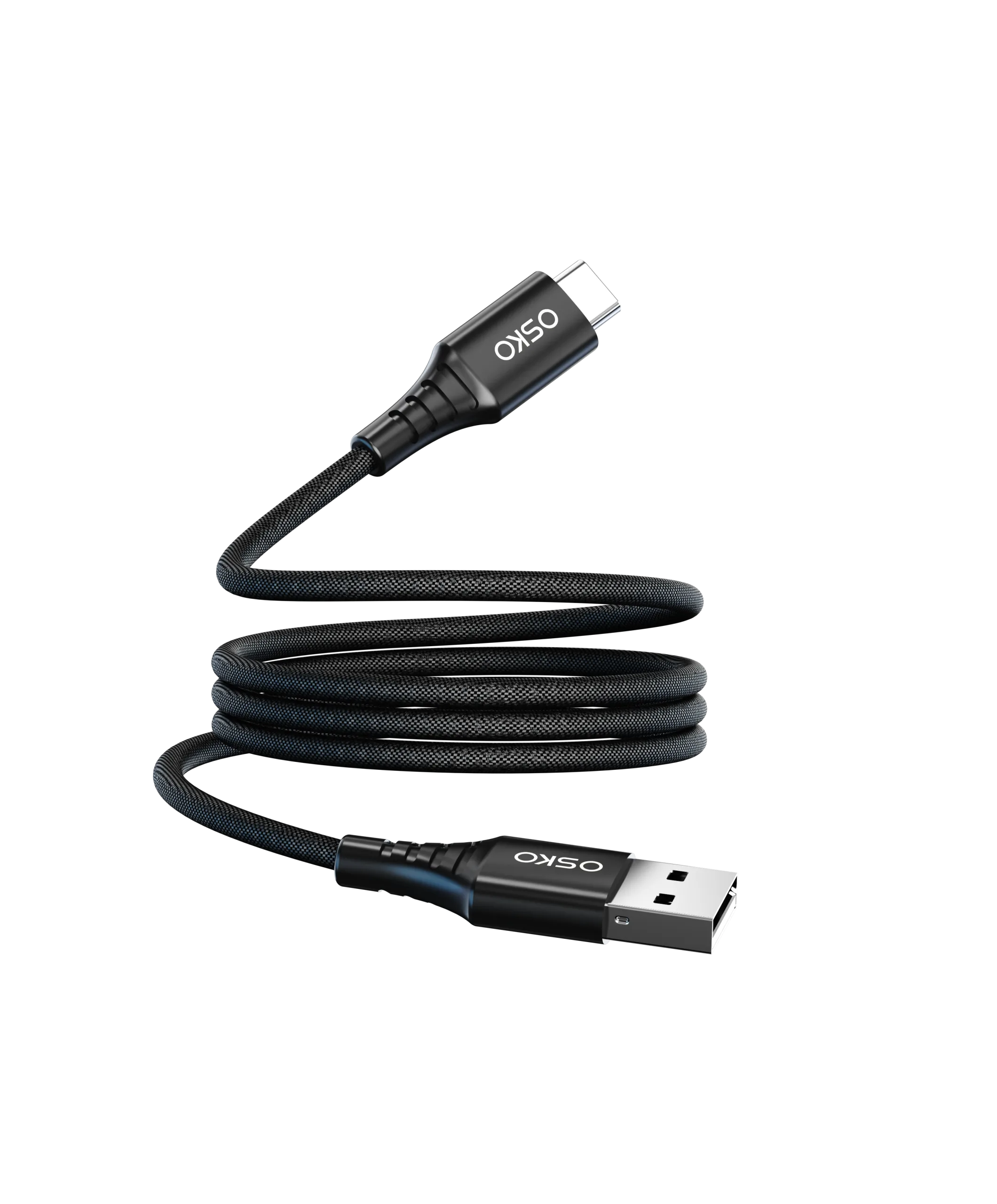
The OSKO 240W Fast Charging Cable is designed for users who need high-power charging performance while maintaining better cable organization.
Key features include:
Up to 240W USB-C PD charging support
USB 2.0 data transfer
Magnetic organization design
1m and 2m length options
It is suitable for:
Business travelers
Laptop users
Mobile professionals
Multi-device charging setups
Choosing the Right Travel Charging Cable for Different Users
Different travelers have different charging needs.
Business Travelers
Recommended:
100W or higher PD support
1.5m–2m length
Durable braided construction
Suitable for:
Laptop charging
Smartphone charging
Hotel workspace setups
Backpack Travelers
Recommended:
Lightweight USB-C cable
1m length
Compact design
Power bank compatibility
Priority:
Small size
Easy storage
Reliability
Digital Creators
Recommended:
High-speed USB-C cable
USB 3.2 or USB4 support
High-power charging capability
Suitable for:
Camera file transfer
External SSD
Laptop workflow
Family Travel
Recommended:
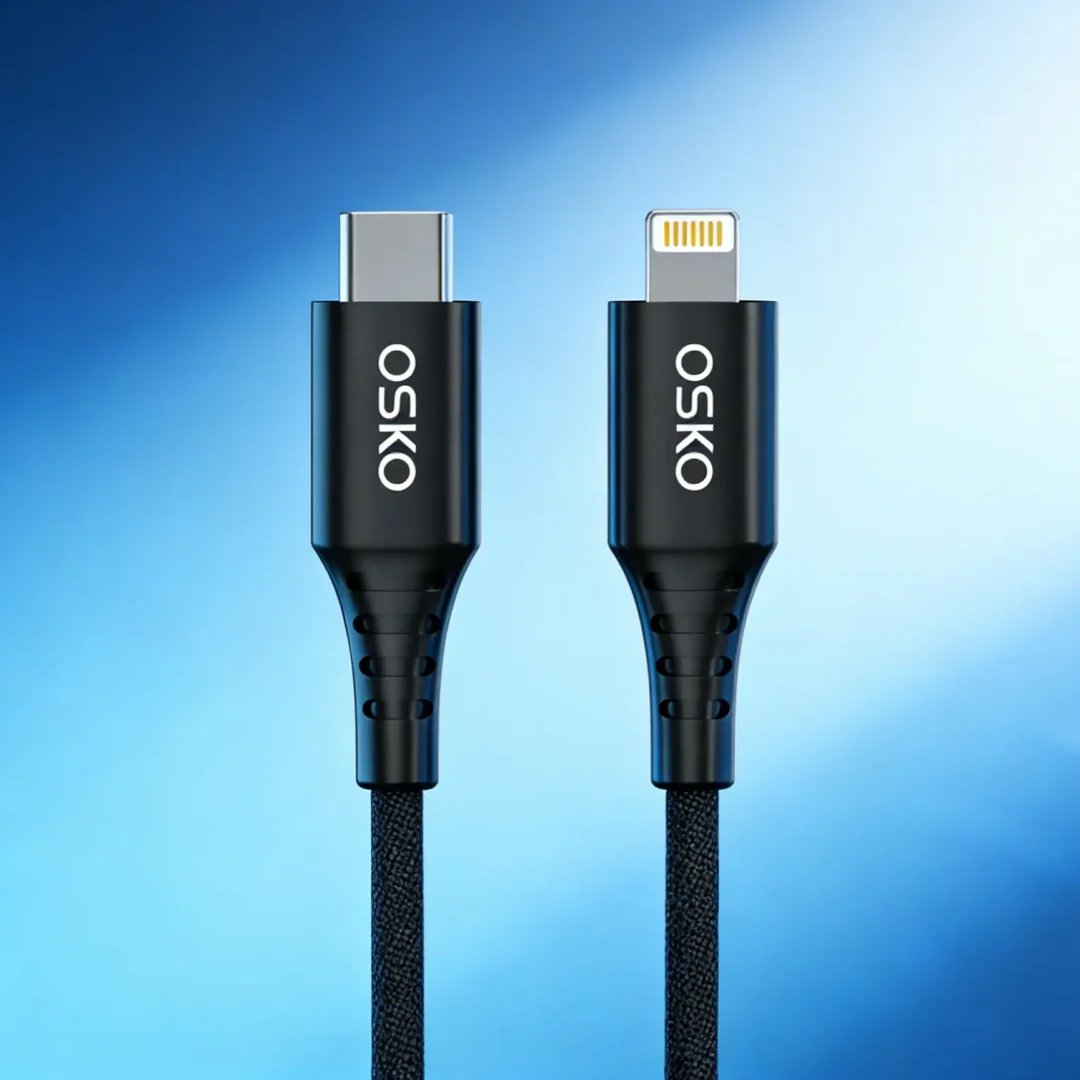
Multi-device charging cable
Multiple connector options
Longer cable length
Benefits:
Less luggage clutter
Shared charging solution
Easier organization
Engineering Case Study: OSKO Customized Travel Cable Solution for European Retail Brand
A European travel accessory brand planned to launch a private-label charging cable series targeting Germany and the Netherlands markets.
Their existing supplier had problems including:
Cable tangling during storage
Weak connector durability
High customer return rates
The buyer required:
Compact travel design
USB-C PD fast charging
Strong bending resistance
Custom packaging
Retail-ready appearance
OSKO engineering team developed a customized travel charging cable solution with:
Nylon braided outer jacket
Reinforced connector housing
High-quality copper conductor structure
Customized cable length options
OEM logo printing
After product testing, the improved cable achieved better durability during repeated travel-use simulations.
The customer successfully launched the product line through European retail channels.
This project demonstrates that successful travel cable design requires both electrical performance and real-world usability.
How to Select a Travel Charging Cable Supplier
For wholesalers, distributors, and private brands, choosing the right manufacturer is critical.
A professional USB cable supplier should provide:
Product Customization
Including:
Cable length
Connector design
Color options
Logo printing
Packaging
Quality Testing
Including:
Charging performance tests
Bend testing
Connector durability testing
Material inspection
Global Market Support
Including:
Compliance documentation
OEM production capability
Stable supply chain
OSKO provides OEM and ODM USB cable manufacturing solutions for global customers.
FAQ
What is the best travel charging cable?
The best travel charging cable depends on your devices. For most users, a USB-C to USB-C cable with PD fast charging support and durable construction is the most versatile option.
Is a braided USB-C cable better for travel?
Yes. Braided USB-C cables usually provide better protection against bending, abrasion, and daily travel wear compared with standard PVC cables.
How long should a travel charging cable be?
A 1m cable is ideal for portability, while a 1.8m or 2m cable provides more flexibility in hotels, offices, and airports.
Can one USB-C cable charge multiple devices?
A USB-C cable can charge many compatible devices, including smartphones, tablets, laptops, and power banks. However, charging speed depends on device and charger specifications.
Is a 240W USB-C cable necessary for travel?
A 240W cable is not required for most smartphones, but it provides future compatibility for laptops and high-power USB-C devices.
What charging cable should I bring on a business trip?
A USB-C to USB-C PD cable supporting 60W–100W charging is usually the best choice for business travelers carrying phones, tablets, and laptops.
Does cable length affect charging speed?
Longer cables may experience slightly higher resistance. For high-power charging, selecting a quality cable with proper conductor design is important.
Summary
The best travel charging cable is not simply the cable with the highest charging number. It should match your travel lifestyle, device requirements, and durability expectations.
A reliable USB-C travel cable helps reduce luggage clutter while providing stable charging performance for smartphones, tablets, laptops, and power banks.
For consumers, the right cable creates a simpler travel experience.
For brands, wholesalers, and engineering buyers, professional manufacturing capability ensures consistent quality and market competitiveness.
OSKO specializes in OEM and ODM USB cable manufacturing, offering:
USB-C fast charging cables
Travel charging cables
PD charging solutions
Braided durable cables
Custom private-label production
Contact OSKO for professional travel charging cable customization and manufacturing support.