


Introduction
A phone gets hot while charging is one of the most common concerns among smartphone users. With modern devices supporting higher charging speeds, many people notice their phones becoming warm when connected to a charger.
Fast charging technology has transformed the way we use smartphones. A device that once required several hours to recharge can now reach a significant battery level within minutes. However, higher charging power means more electrical energy is transferred in a shorter period, which naturally creates additional heat.
Many users assume the battery is the only reason a phone becomes warm during charging. In reality, the entire charging system affects temperature, including:
Smartphone battery chemistry
Charging adapter efficiency
USB-C cable quality
Power delivery communication
Charging environment
For consumers, understanding these factors helps improve charging safety and battery lifespan.
For engineering teams, distributors, and procurement buyers, selecting the correct charging cable design is critical because cable quality directly influences charging efficiency, reliability, and customer experience.
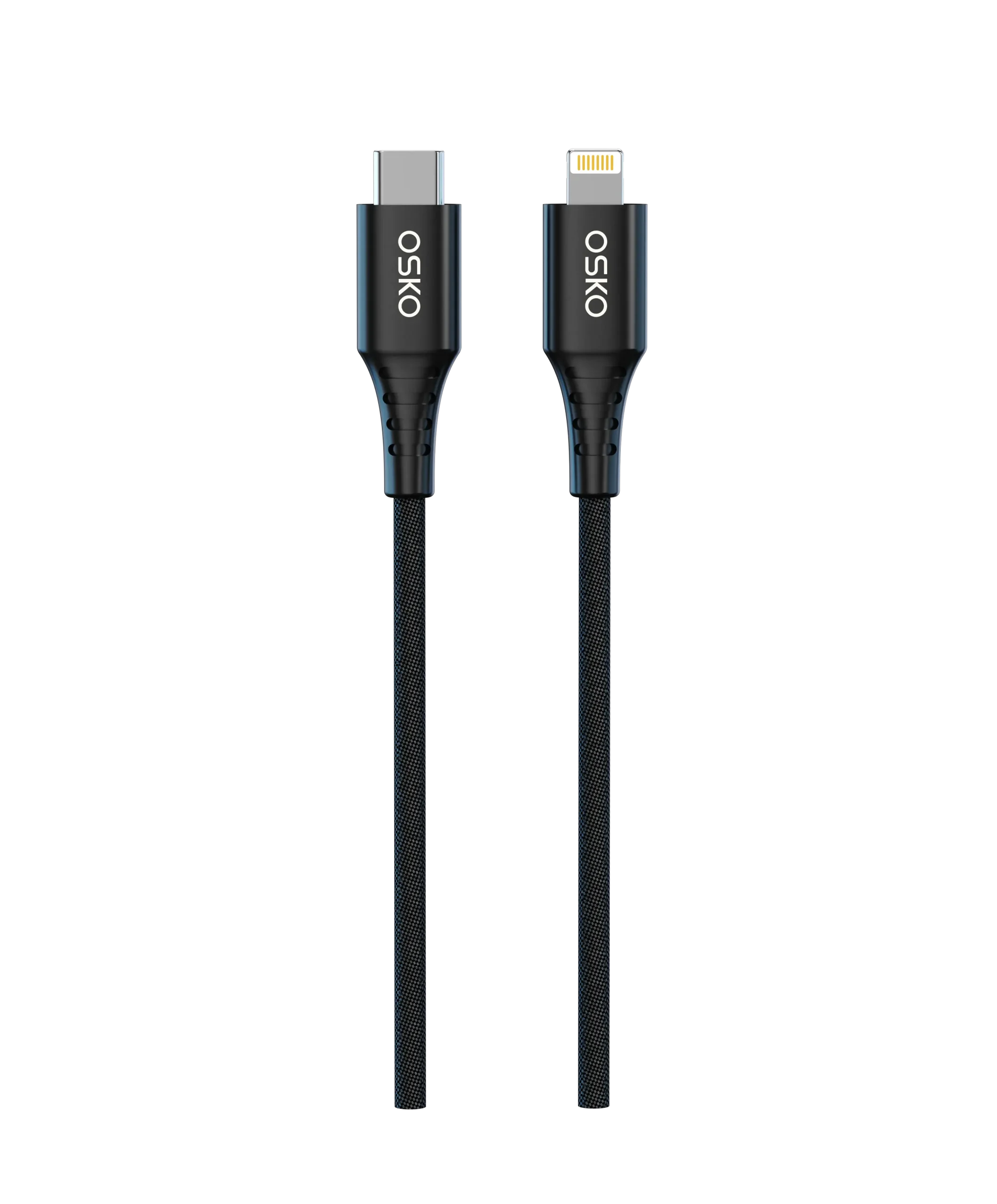
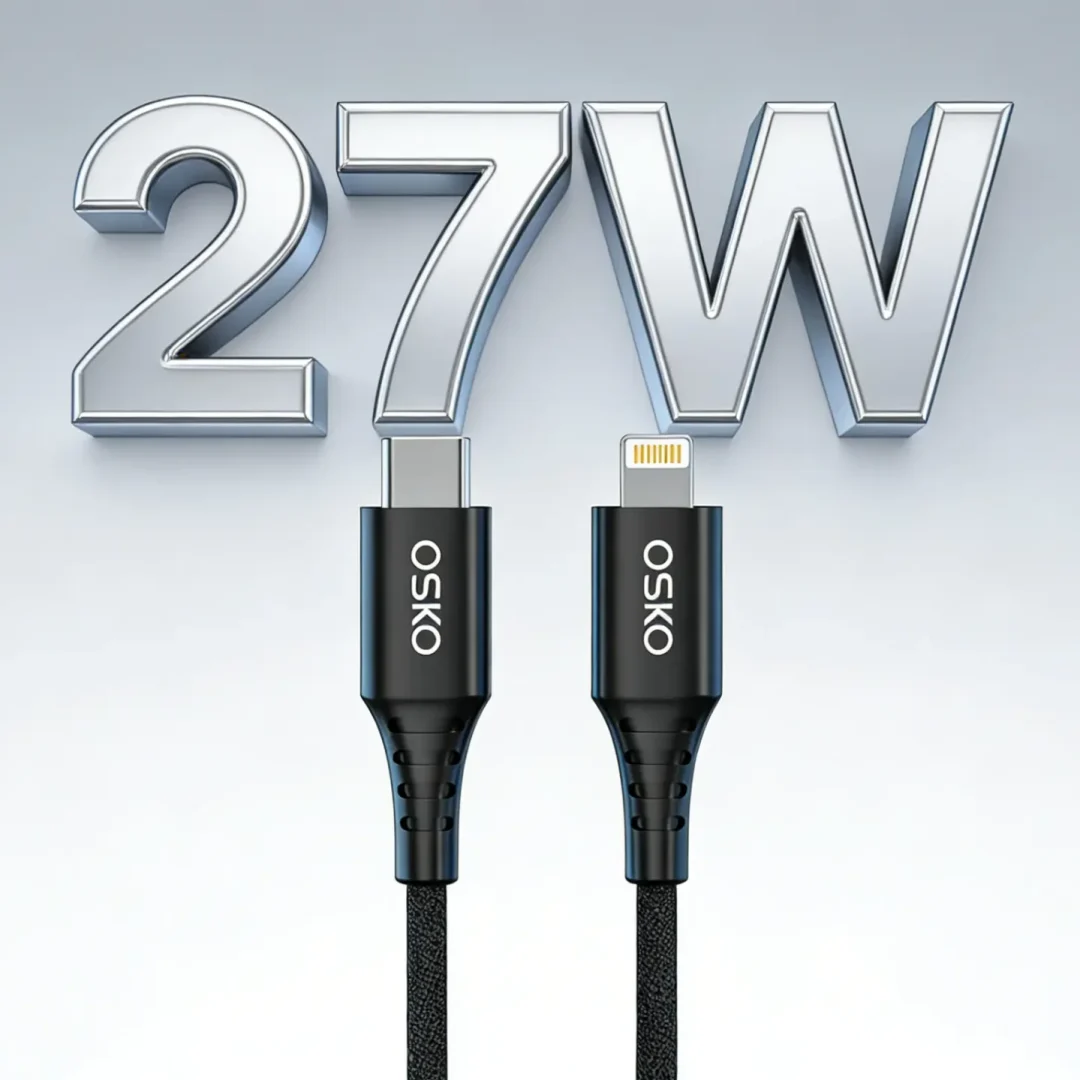
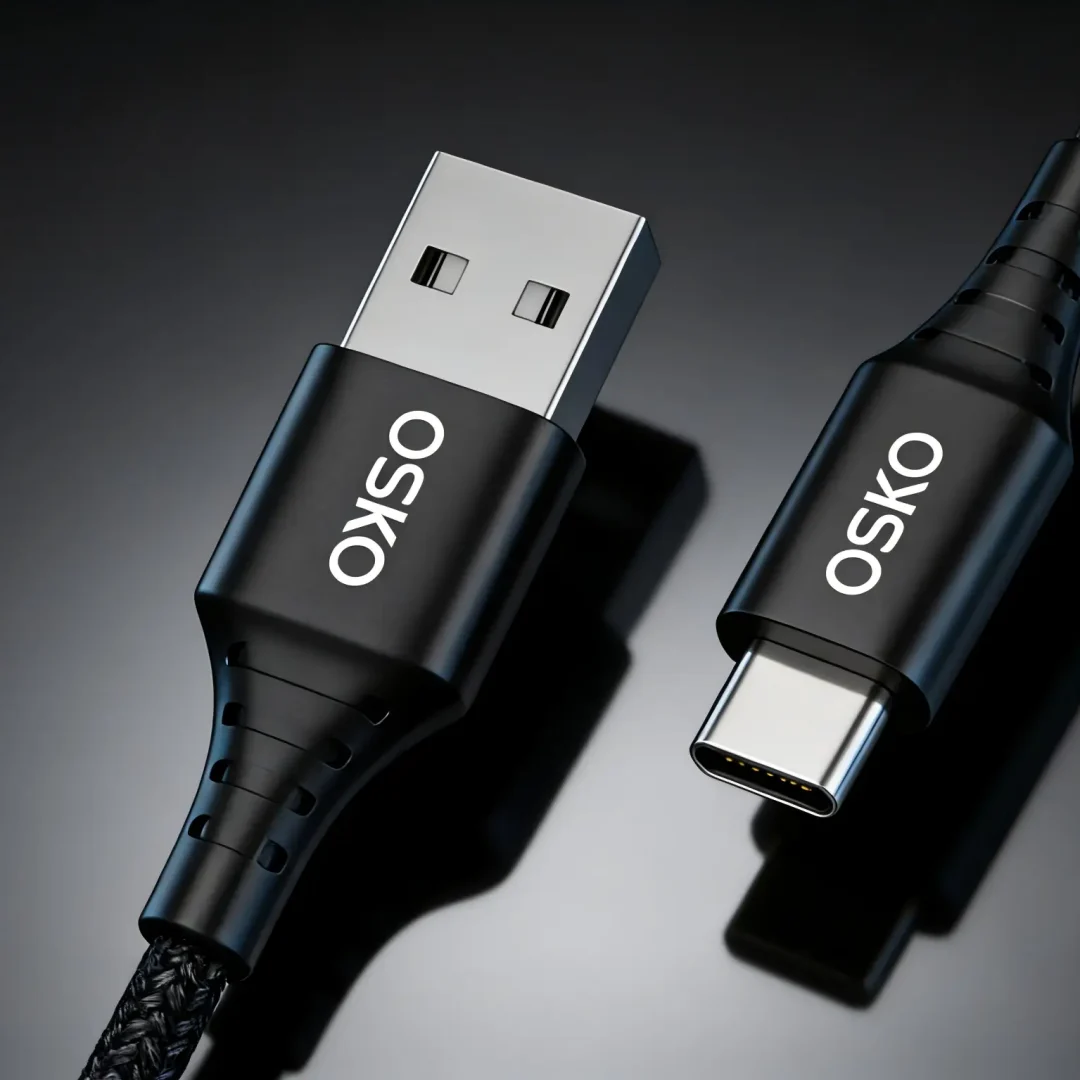
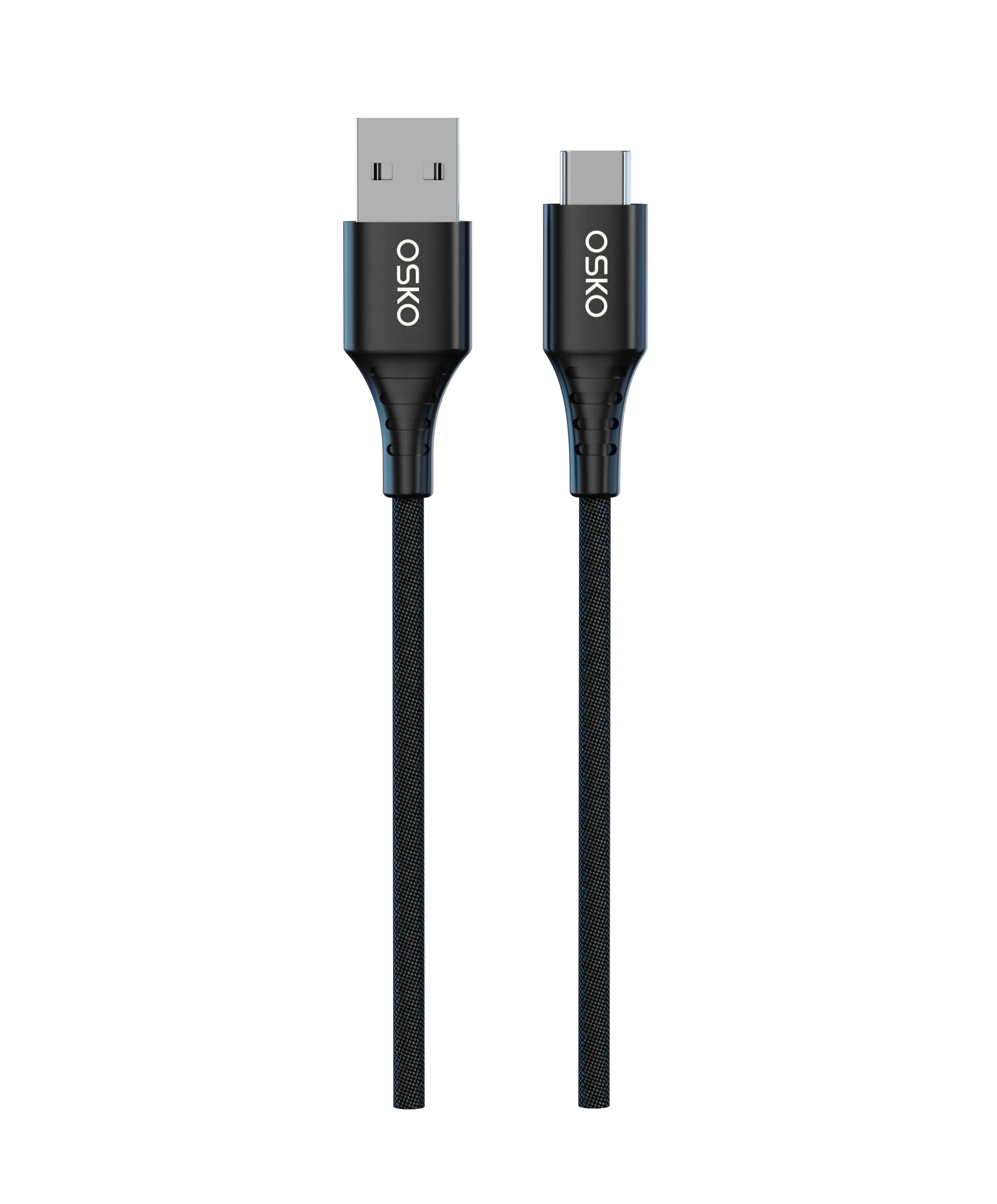
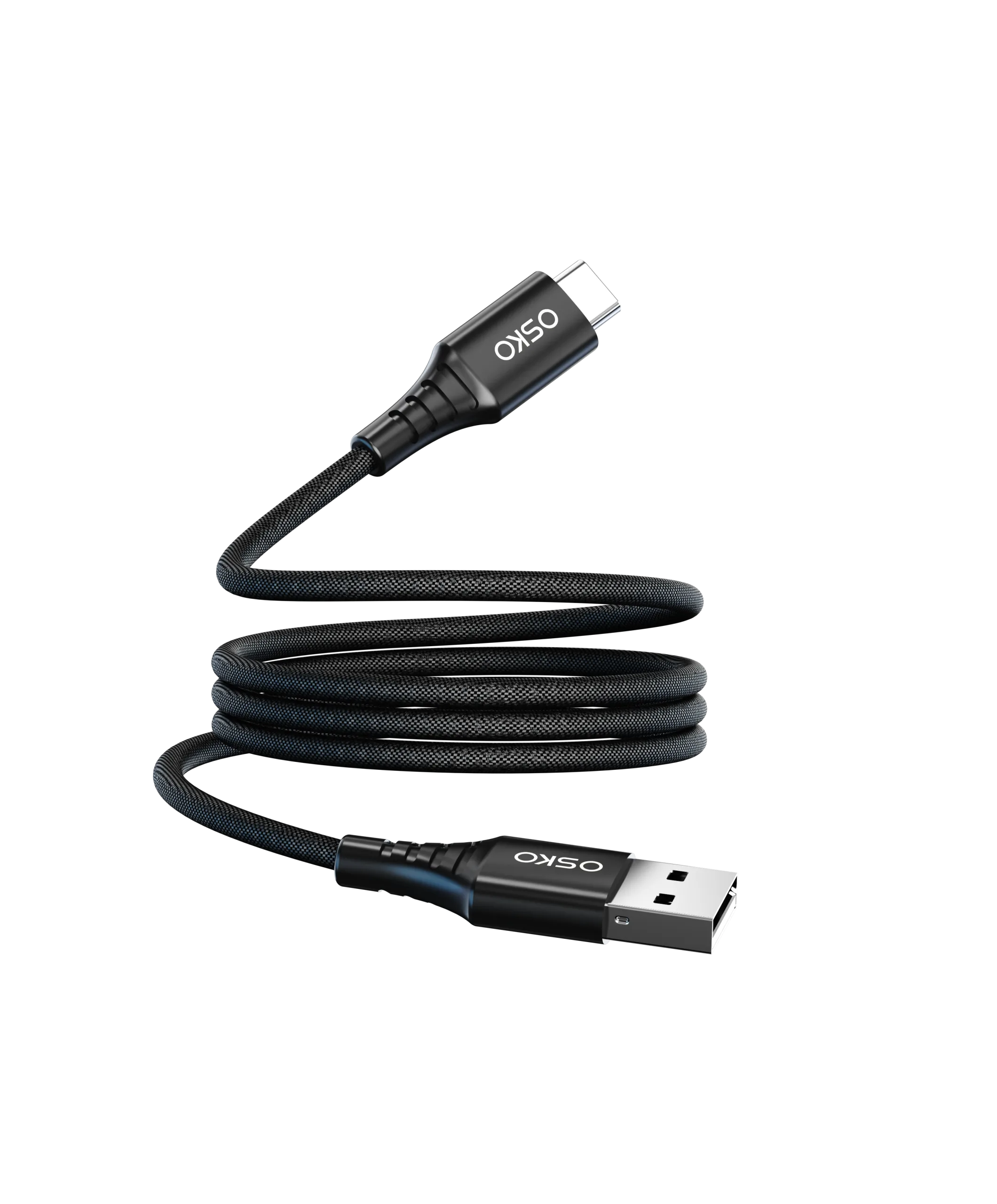
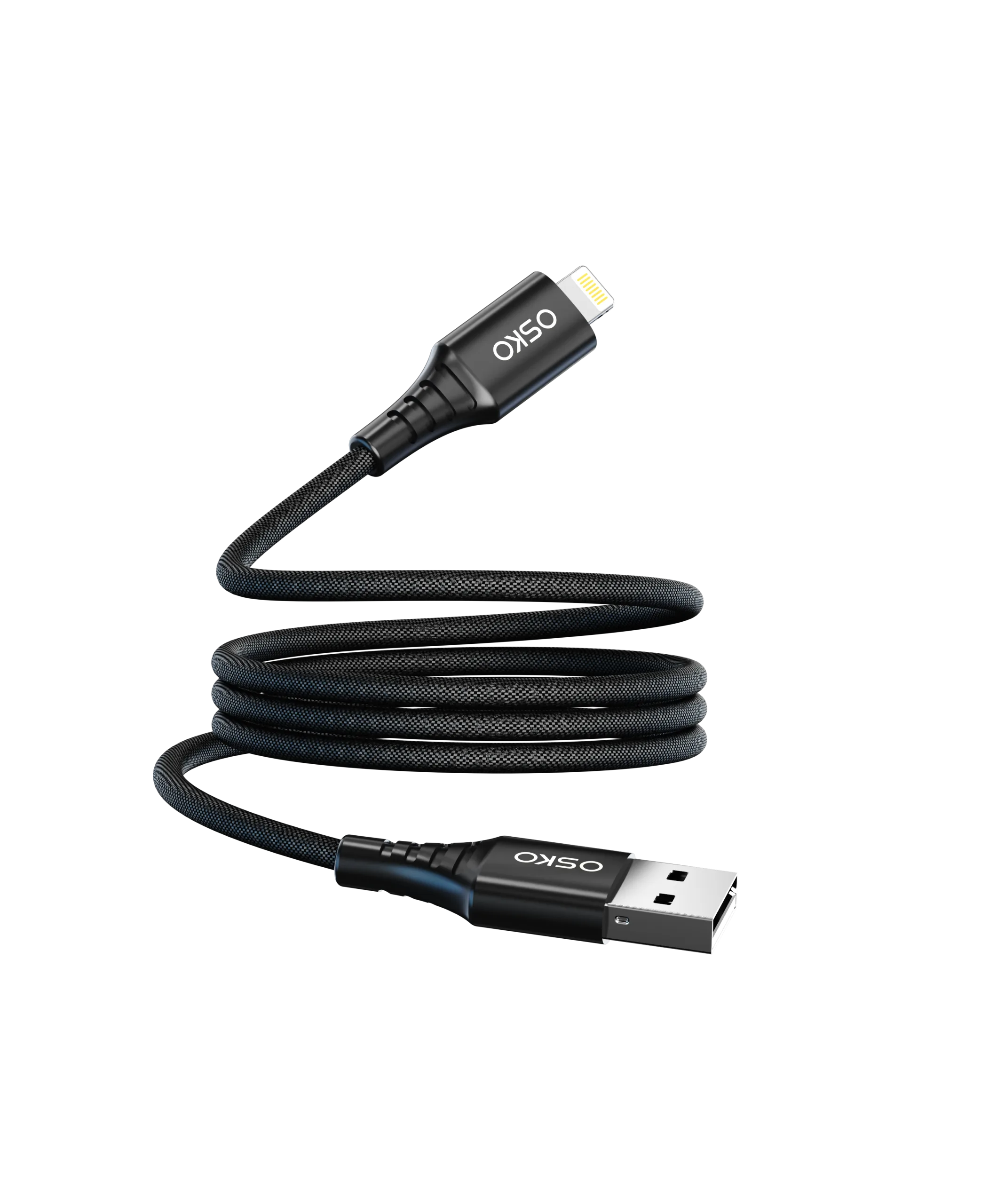
As an experienced USB cable manufacturer, OSKO develops USB-C charging solutions designed for stable power delivery, durability, and international market requirements.
Why Does My Phone Get Hot While Charging?
The main reason a smartphone becomes warm during charging is energy conversion loss.
Electrical energy from the wall charger travels through the cable and enters the phone’s charging system. During this process, not all electrical energy is converted into stored battery energy. A small percentage is released as heat.
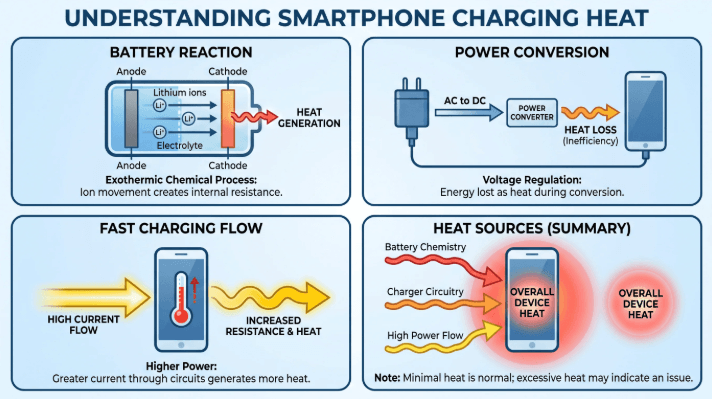
The charging process involves three major heat sources:
1. Battery Chemical Reaction
Modern smartphones use lithium-ion batteries.
During charging, lithium ions move between the battery electrodes and store electrical energy. This chemical movement naturally generates a certain amount of heat.
Normal charging temperature usually includes:
Slight warmth around the battery area
Mild temperature increase during fast charging
Temporary heat during high-power charging
This is expected behavior.
However, excessive heat may indicate:
Battery aging
Charging system problems
Poor ventilation
Incorrect charging accessories
2. Power Conversion Inside the Phone
The electricity entering a phone is not directly used by the battery.
The smartphone contains power management components that regulate:
Voltage
Current
Charging speed
For example, a USB-C PD charger may provide 20W, 30W, 60W, or higher power, but the phone adjusts the actual power level according to battery condition and temperature.
During this conversion process, some energy becomes heat.
3. Fast Charging Creates More Heat
Fast charging technologies such as:
USB Power Delivery (USB PD)
Qualcomm Quick Charge
PPS charging
increase charging speed by delivering more power.
Higher current flow creates more electrical resistance, and electrical resistance produces heat.
This is why a phone may feel warmer during:
0–50% rapid charging
High-wattage PD charging
Charging while gaming or using navigation
A quality charging system manages this heat through communication between the charger, cable, and device.
Can a USB-C Cable Affect Phone Charging Temperature?
Many users focus only on the charger, but the USB-C charging cable is also an important part of the power system.
A charging cable contains internal conductors that carry electrical current. When electricity passes through these conductors, resistance causes small energy losses.
Higher-quality cables reduce unnecessary heat by using:
High-purity copper conductors
Proper wire thickness
Strong insulation materials
Improved shielding structure
A low-quality cable may have:
Thin internal wires
Higher resistance
Poor heat management
Unstable power delivery
This does not mean a cable alone will overheat a smartphone. Instead, an unsuitable cable may reduce charging efficiency and create additional heat within the charging system.
For modern devices, selecting a reliable USB-C fast charging cable is important.
How USB-C PD Cable Design Influences Charging Safety
USB-C Power Delivery has become the standard charging technology for many smartphones, tablets, and laptops.
Unlike older charging systems, USB-C PD allows devices to negotiate power levels before charging begins.
The charger, cable, and device communicate together to determine:
Required voltage
Maximum current
Safe charging level
A professional USB-C PD cable must be designed according to these requirements.
Important cable components include:
High-Quality Copper Core
The conductor material directly affects electrical efficiency.
Premium charging cables often use:
Oxygen-free copper
Multi-strand copper wires
Reinforced power lines
Benefits include:
Lower resistance
Reduced energy loss
Better charging stability
Lower heat generation
E-Marker Chip Technology
For high-power USB-C charging cables, an E-Marker chip plays an important role.
The E-Marker chip stores cable information, including:
Maximum supported current
Power capability
USB protocol information
During USB PD charging, the system checks cable capability before delivering higher power.
For example:
A basic USB-C cable may support:
3A charging
60W PD
A high-power E-Marker cable may support:
5A charging
100W, 140W, or 240W PD
This prevents the charging system from requesting more power than the cable can safely handle.

How Your Charger Affects Phone Temperature
The charging adapter also plays a major role in charging heat.
A charger converts AC power from the electrical outlet into DC power suitable for smartphones.
During this conversion process, some energy becomes heat.
Poor-quality chargers may experience:
Lower efficiency
Excessive heat
Unstable output voltage
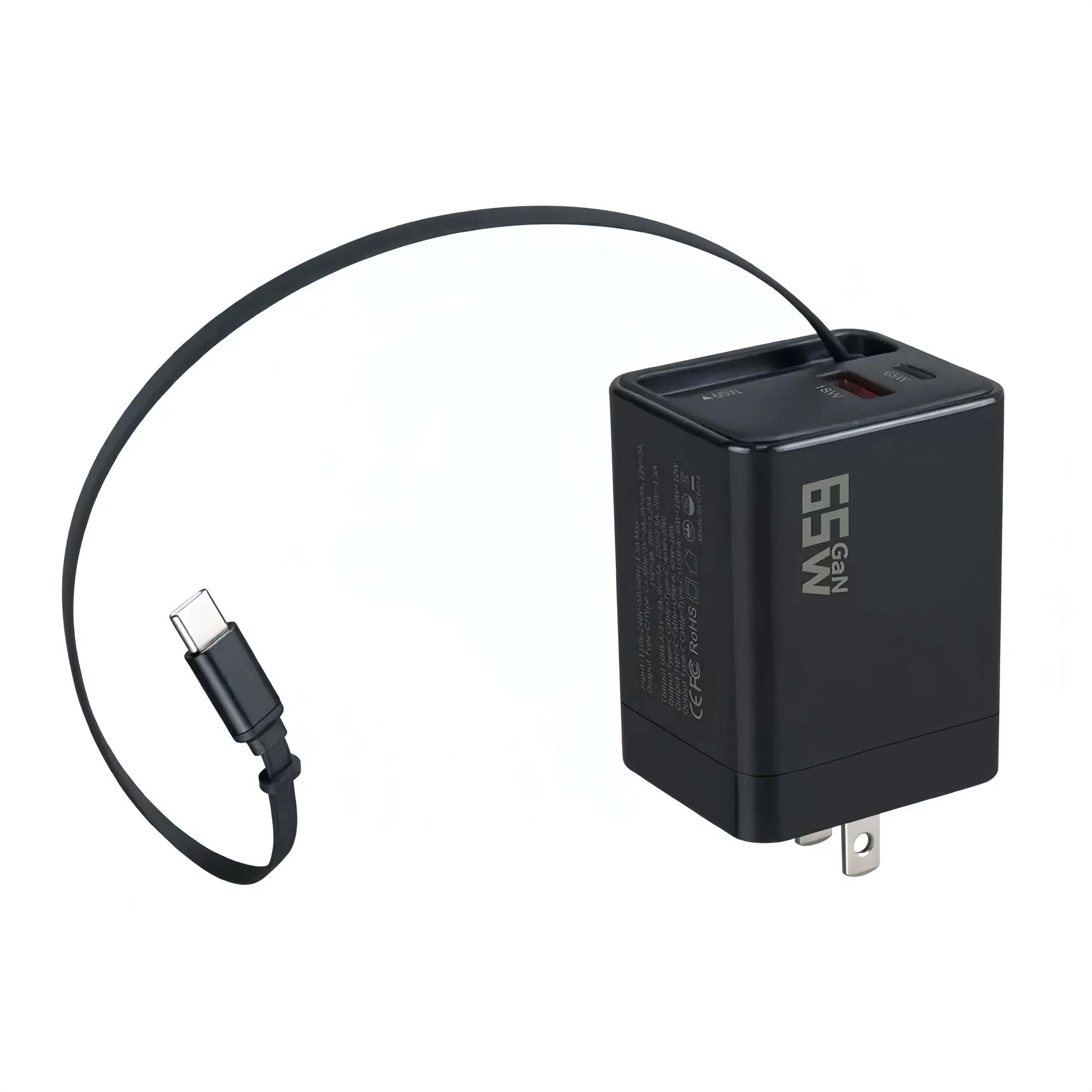
Modern charging solutions increasingly use GaN (Gallium Nitride) technology.
Compared with traditional silicon chargers, GaN chargers offer:
Higher efficiency
Smaller size
Better thermal performance
Higher power density
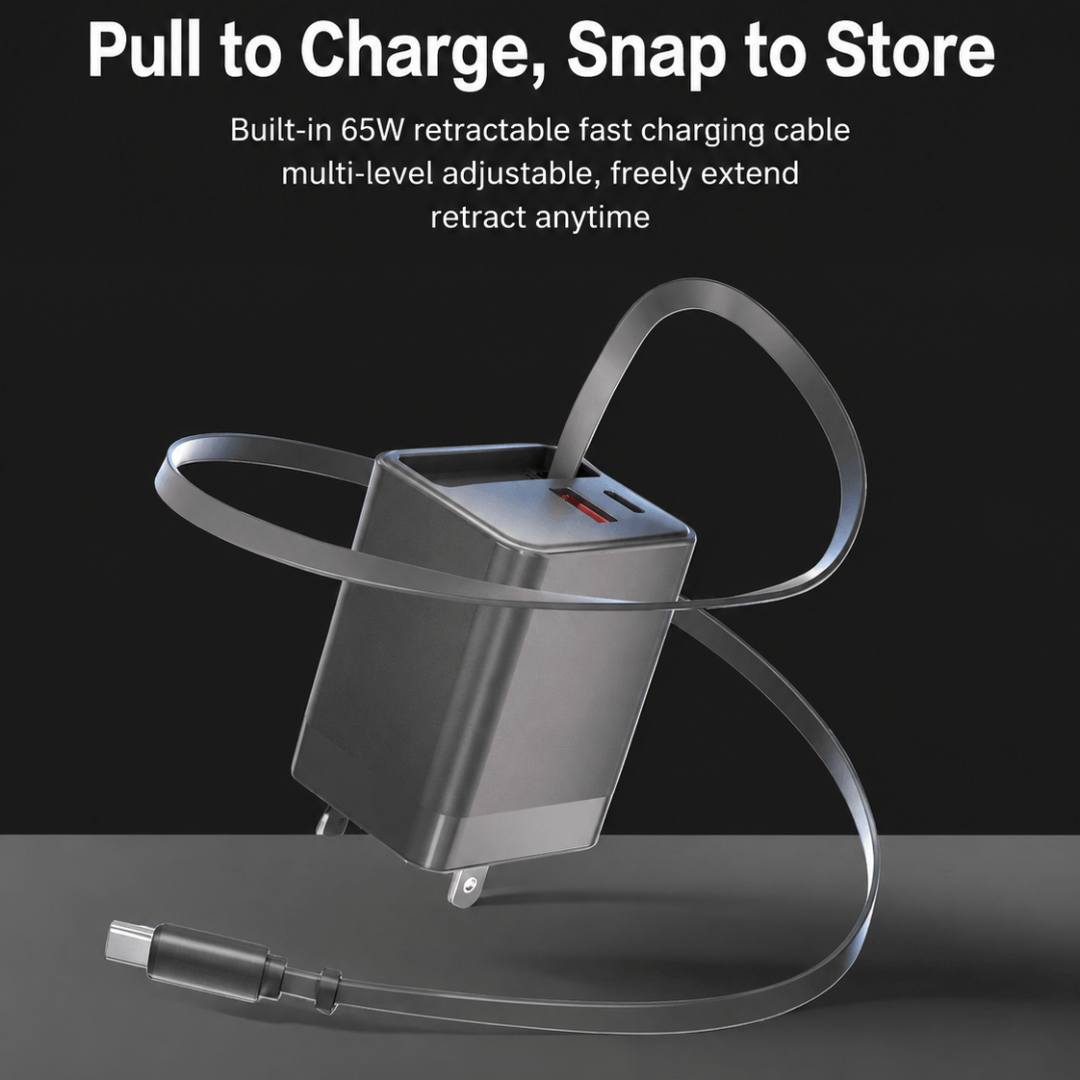
For users with multiple devices, a USB-C GaN charger combined with a quality USB-C cable provides a more efficient charging solution.
Engineering Case Study: OSKO Customized USB-C Cable Solution for Australian Mobile Accessory Brand
An Australian consumer electronics brand planned to launch a premium fast charging cable series for smartphones and tablets.
The company received customer feedback that existing low-cost cables caused:
Slow charging performance
Connector heating after long use
Short product lifespan
The procurement team required:
USB-C to USB-C charging cable
100W PD support
Stable temperature performance
Retail-ready appearance
Minimum 20,000 bending cycles
OSKO engineering team redesigned the cable structure with:
Thicker copper conductors
Improved insulation layer
Reinforced SR connector protection
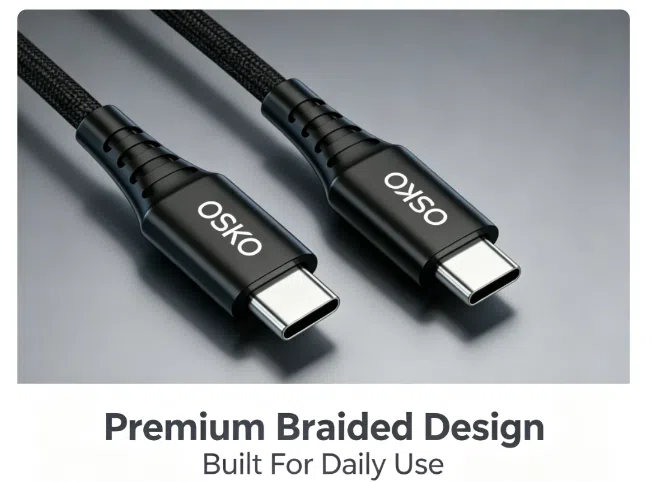
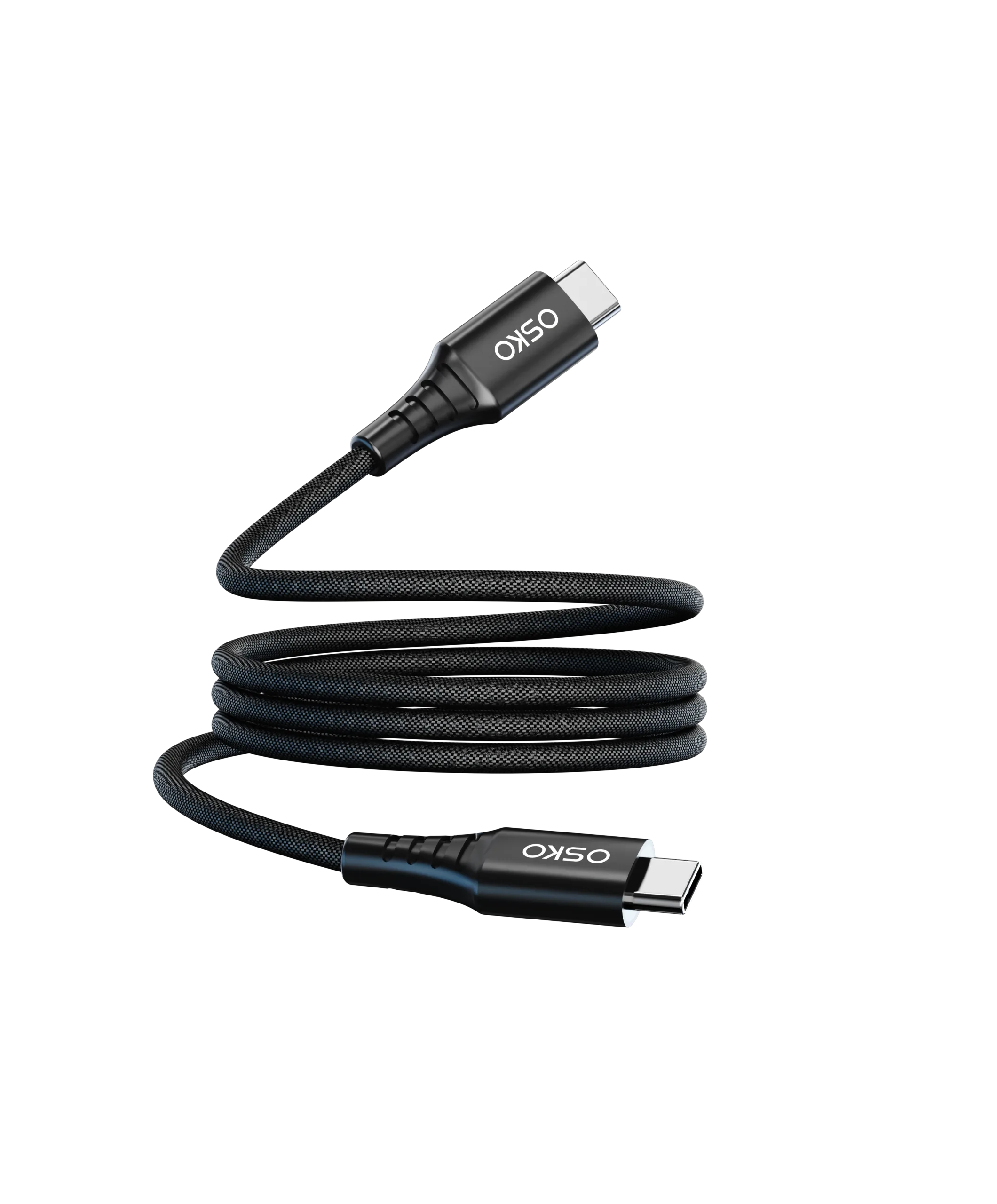
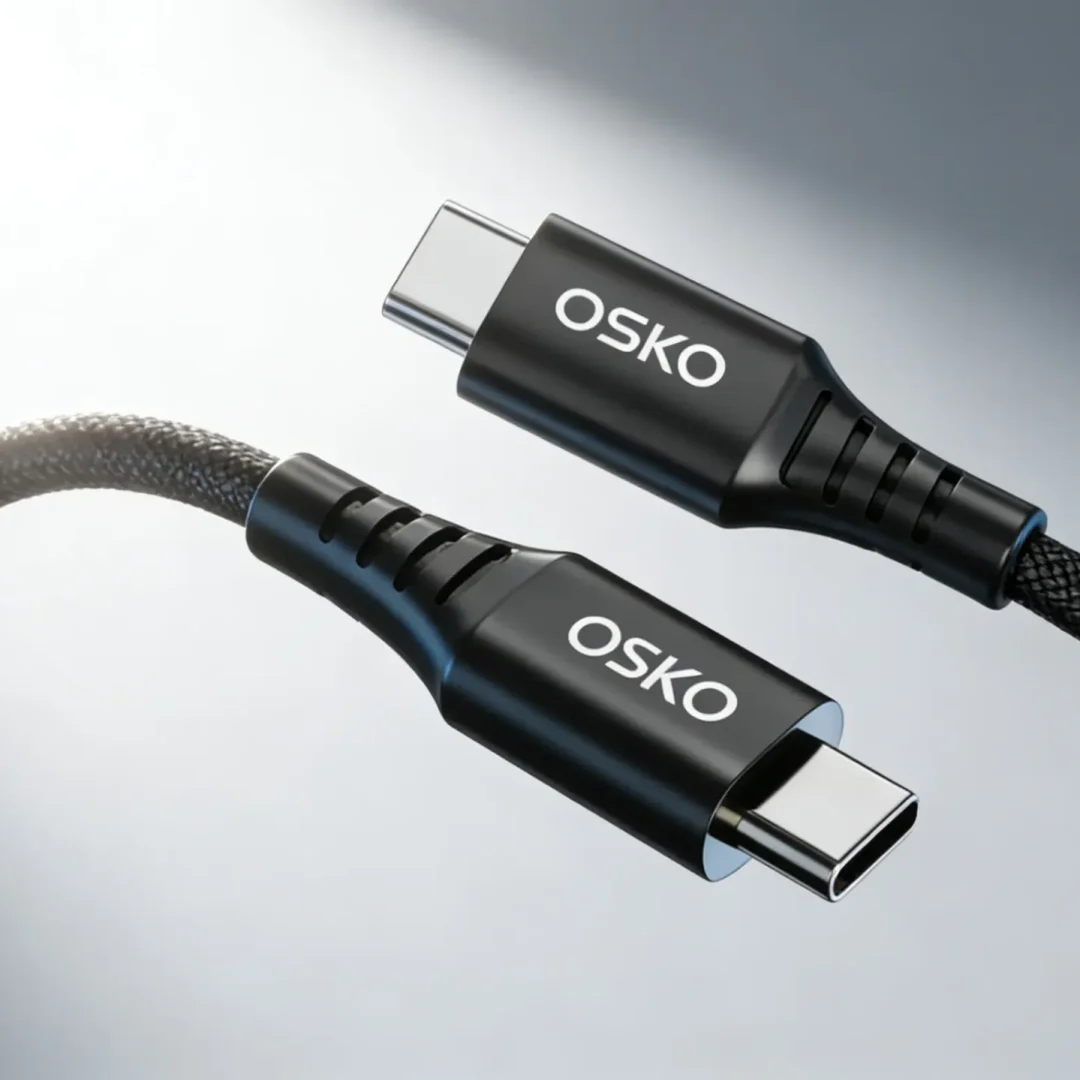
Nylon braided outer jacket
E-Marker chip for high-power charging
After laboratory testing, the customized cable achieved stable power transmission during high-load charging scenarios.
The final product was introduced into the Australian retail market and expanded into additional OEM accessory programs.
This case demonstrates that charging safety depends not only on wattage but also on cable engineering, material selection, and manufacturing quality.
How to Reduce Phone Heat While Charging
If your phone becomes warmer than expected during charging, consider these practical solutions:
Use a Certified Charging Cable
Choose cables with:
Clear power specifications
Reliable manufacturing quality
Proper USB-C PD support
Avoid extremely cheap cables without technical information.
Avoid Charging in Hot Environments
Temperature affects battery performance.
Avoid charging:
Inside a hot vehicle
Under direct sunlight
Covered by blankets or pillows
Good airflow helps heat escape.
Remove Damaged Cables
Replace cables showing:
Broken connectors
Exposed wires
Damaged insulation
Loose connections
Damaged cables may create unstable charging conditions.
Keep Charging Ports Clean
Dust and debris inside charging ports can cause:
Poor contact
Increased resistance
Charging interruption
Regular cleaning helps maintain stable connections.
How to Choose a Safe USB-C Charging Cable
For consumers and business buyers, consider these factors:
Charging Power
Choose based on device requirements:
Smartphone: 20W–60W
Tablet: 30W–60W
Laptop: 60W–240W
Cable Construction
Look for:
Braided nylon jacket
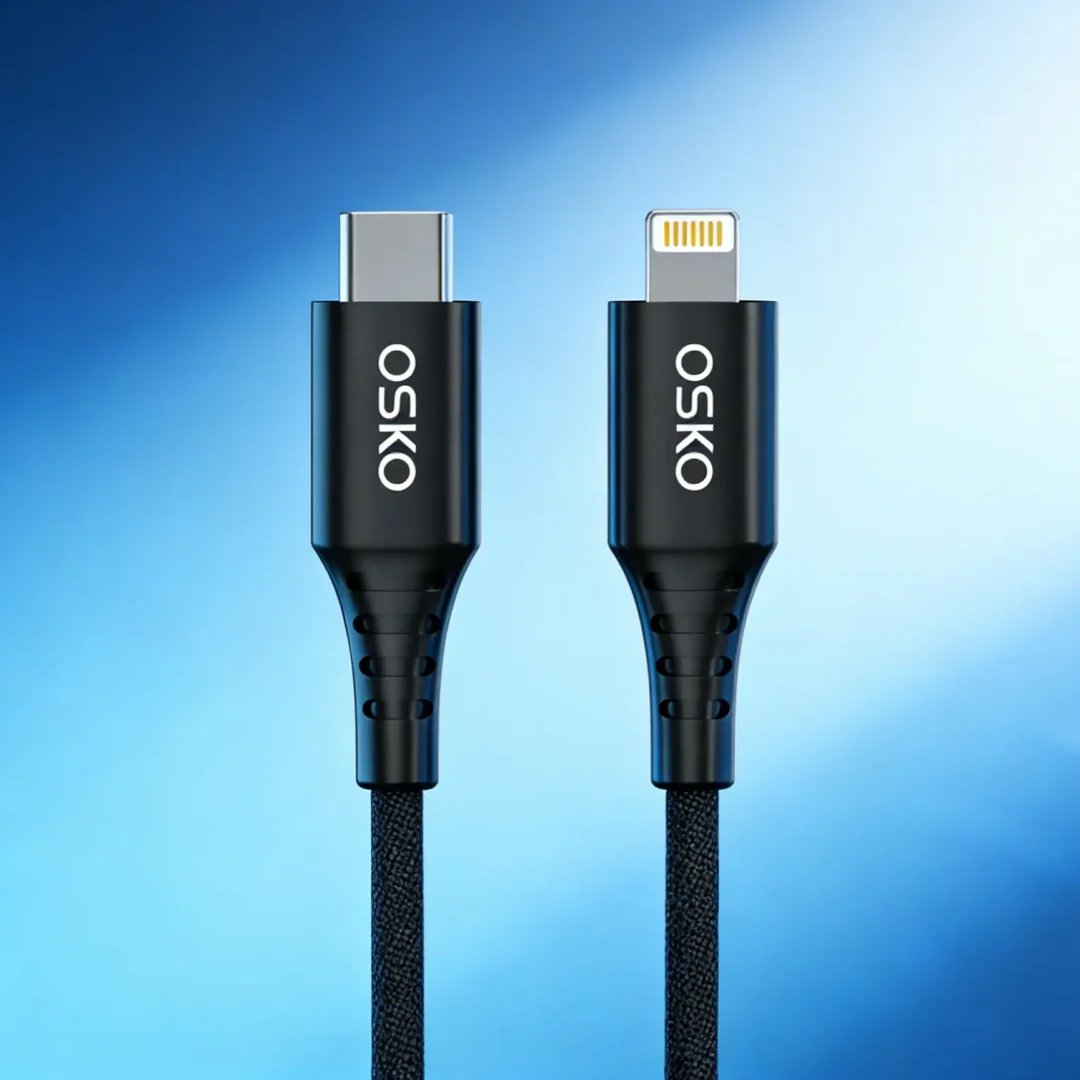
Reinforced connector design
High-quality copper core
Flexible stress-resistant structure
Manufacturer Capability
For wholesalers and brands, working with a professional USB cable manufacturer provides advantages:
OEM customization
Product testing
Private label packaging
Material selection
Quality control
OSKO provides customized USB-C cable manufacturing solutions for global customers.
FAQ
Why does my phone get hot while charging?
A phone gets warm while charging because electrical energy conversion is not 100% efficient. Battery chemistry, power conversion, and fast charging all generate some heat.
Is it normal for a phone to heat up during fast charging?
Yes. Moderate warmth during fast charging is normal. However, extreme heat, charging interruptions, or temperature warnings may indicate a problem.
Can a bad USB-C cable make my phone hotter?
A poor-quality cable with higher electrical resistance may reduce charging efficiency and create additional heat within the charging system.
Does a higher watt charger make my phone hotter?
Not always. Modern smartphones regulate charging power automatically. A higher watt charger only provides available power; the phone controls how much power it accepts.
What is the safest USB-C cable for fast charging?
A safe USB-C fast charging cable should support the required power level, use quality materials, and include proper protection features such as E-Marker technology for high-power applications.
Does USB-C cable quality affect battery life?
Cable quality can affect charging stability and efficiency. A reliable cable helps maintain consistent charging performance, which supports better long-term device operation.
How many watts should my USB-C cable support?
For most smartphones, a 60W USB-C PD cable is more than enough. For tablets and laptops, 100W or higher cables may be required.
Summary
A phone gets hot while charging because charging involves energy conversion, battery chemistry, and power management. Some heat is normal, especially during fast charging.
However, the charging cable, charger, and battery work together as one system. A high-quality USB-C charging cable with proper materials, PD compatibility, and safe power management helps improve charging efficiency and reliability.
For brands, wholesalers, and engineering procurement teams, selecting the right cable manufacturer is essential for delivering safe and durable charging products.
OSKO specializes in OEM and ODM USB cable manufacturing, providing:
USB-C fast charging cables
PD charging cables
Braided USB cables
Custom logo cables
Private label solutions
Contact OSKO for professional USB-C cable manufacturing and customization support.