

Introduction: Why USB-C PD Has Become the Future of Charging
Modern electronic devices are becoming more powerful while users expect faster, safer, and more convenient charging solutions. Smartphones, tablets, laptops, gaming devices, monitors, and portable accessories are increasingly moving toward a universal charging standard based on USB-C Power Delivery (USB-C PD).
Many consumers and engineering buyers often ask: What is USB-C PD, and why is it different from a normal USB-C cable?
The answer is that USB-C describes the connector design, while USB-C PD defines the intelligent power delivery technology behind charging performance.
A standard USB-C port does not automatically mean fast charging capability. The final charging speed depends on three key components working together:
USB-C PD compatible charger
Properly rated USB-C PD charging cable
Device supporting Power Delivery technology
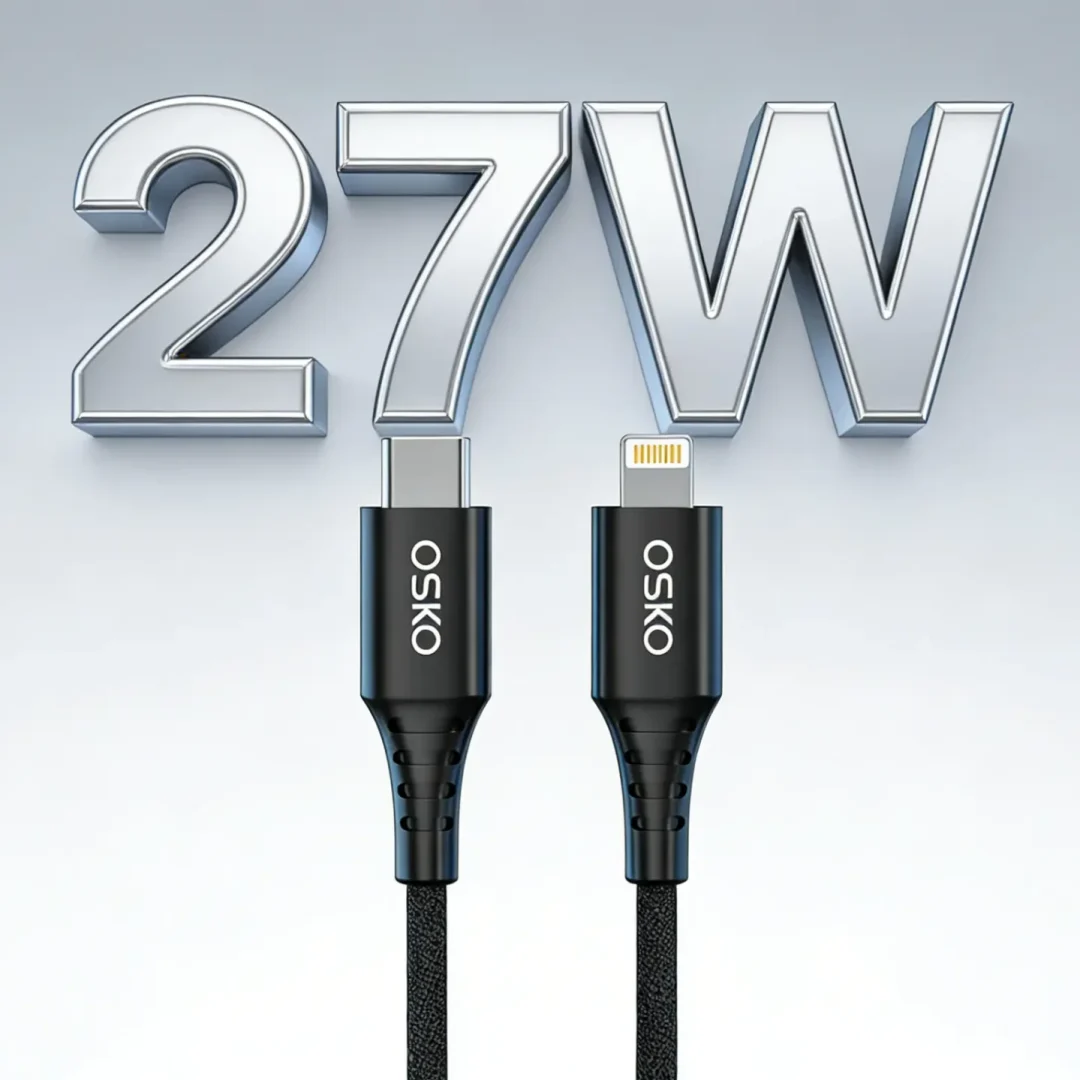
For example, a smartphone may only require 20W–30W charging, while a laptop may require 65W, 100W, or even 240W power delivery. USB-C PD allows the charger and device to communicate and select the correct power level automatically.
For businesses sourcing charging accessories, understanding USB-C PD technology is also critical. Retailers, distributors, and electronic product manufacturers need reliable USB-C PD cable suppliers that can provide stable performance, safety certification, and OEM customization.
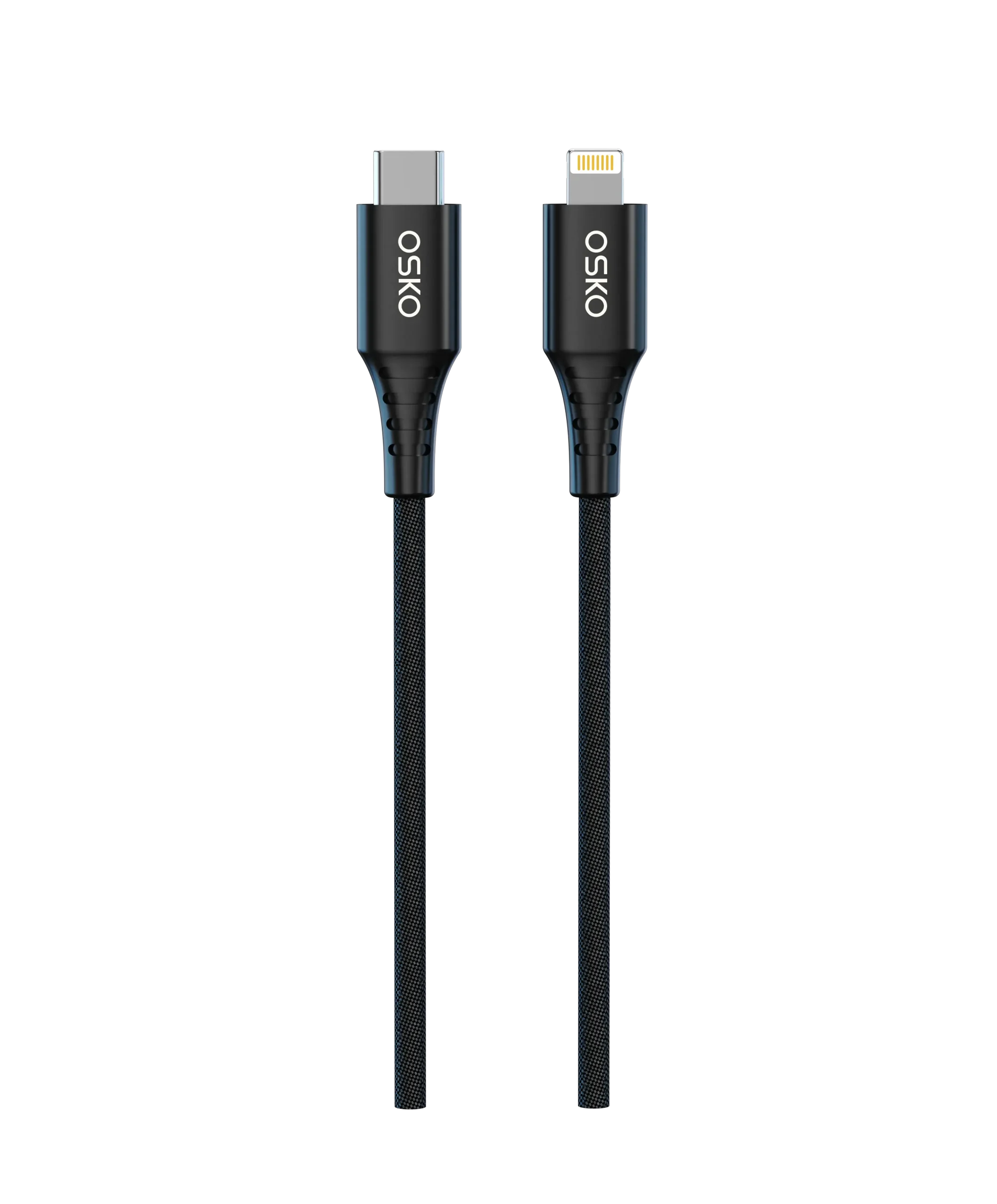
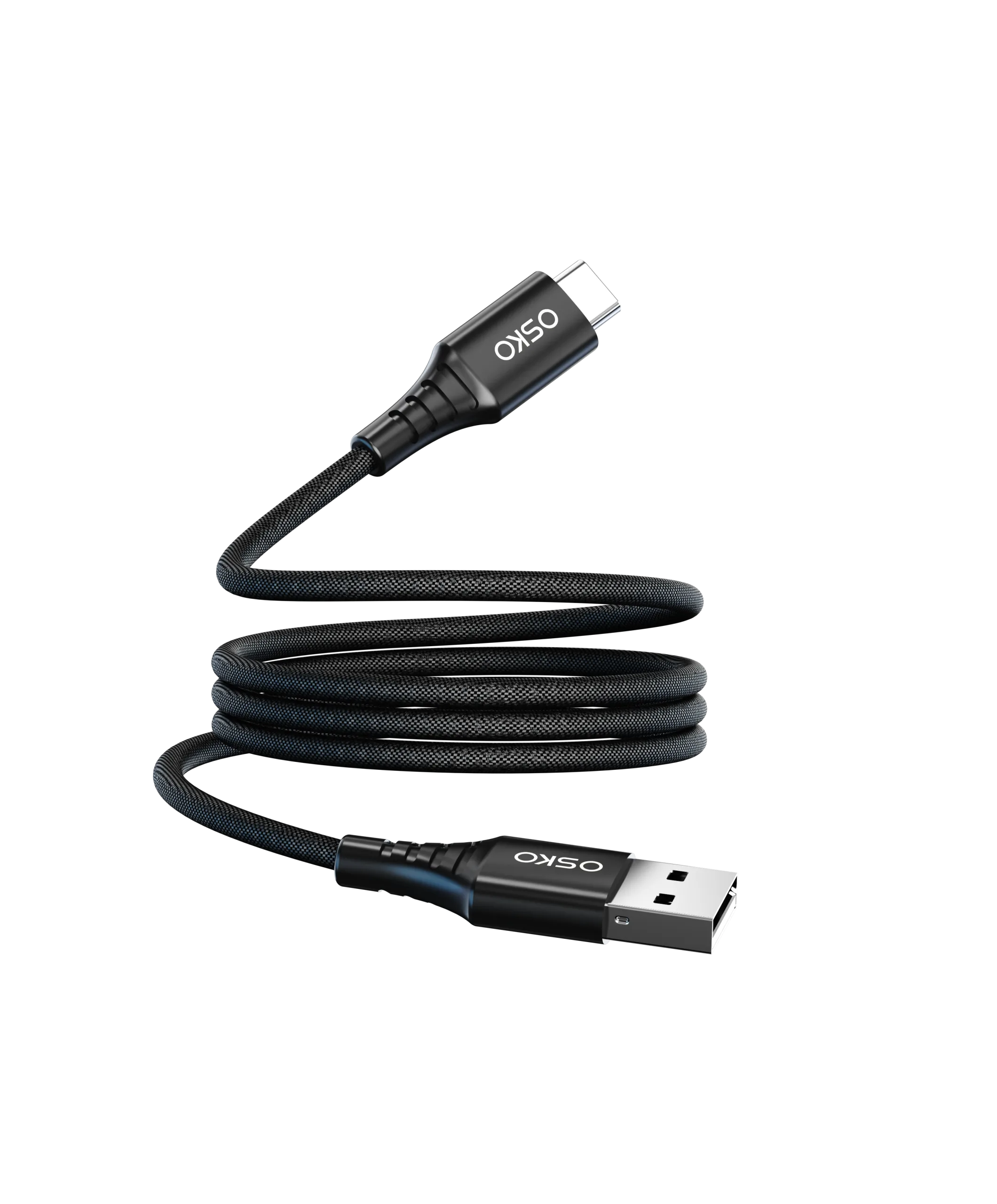
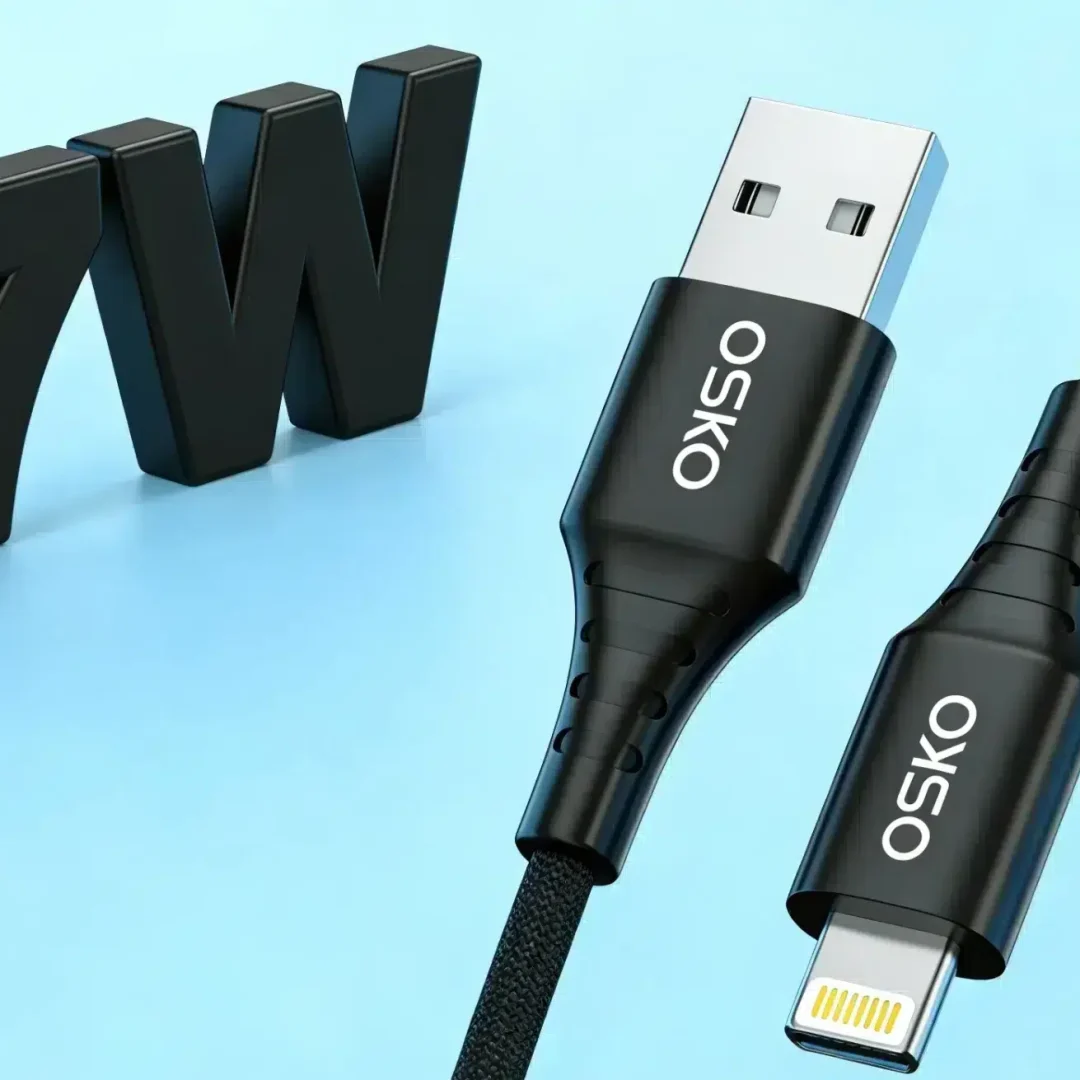
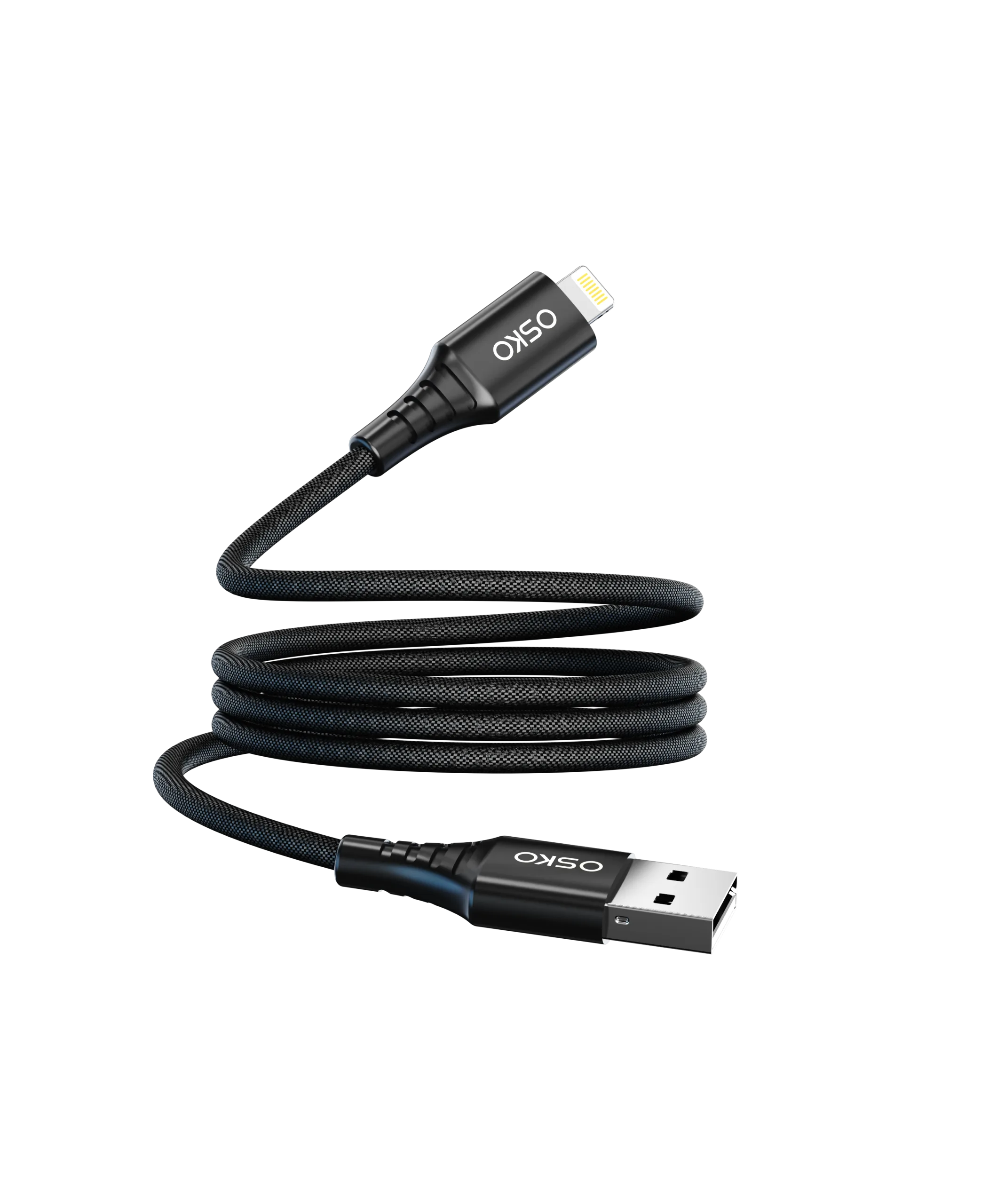
As a professional USB cable manufacturer, OSKO develops USB-C charging solutions including high-power PD cables, OEM customized cables, and durable braided charging cables designed for global markets including the USA, Germany, Australia, and the Netherlands.

What Is USB-C Power Delivery (USB-C PD)?
USB-C Power Delivery (USB-C PD) is an advanced charging protocol that enables USB-C devices and chargers to communicate with each other and deliver optimized power safely.
Unlike traditional USB charging methods that provide fixed power output, USB-C PD uses intelligent negotiation between devices.
The charging process works through communication:
- The charger identifies the connected device.
- The device communicates its required power level.
- The cable transfers the negotiated power safely.
- The charger adjusts voltage and current according to the device requirements.
This allows one charging system to support multiple products.
For example:
A smartphone may receive 25W fast charging.
A tablet may receive 45W charging.
A laptop may receive 100W charging.
A high-performance workstation may require 240W USB-C PD.
The same USB-C PD ecosystem can support different power requirements without requiring separate chargers for every device.
USB-C vs USB-C PD: What Is the Difference?
One of the biggest misunderstandings in the charging industry is confusing USB-C with USB-C PD.
USB-C
USB-C refers to the physical connector.
Characteristics include:
Reversible plug design
Smaller connector size
Compatible with modern smartphones, tablets, and laptops
Supports charging and data transfer
However, USB-C alone does not define charging speed.
A basic USB-C cable may only support:
5V charging
USB 2.0 data transfer
Low-power accessories
USB-C PD
USB-C PD refers to the charging protocol.
It provides:
Higher charging power
Intelligent power negotiation
Better compatibility
Support for laptops and high-power devices
A USB-C PD cable can support advanced charging levels such as:
60W USB-C PD charging
100W USB-C PD charging
140W USB-C PD charging
240W USB-C PD charging
For buyers searching for a fast USB-C charging cable for laptop and phone, the PD specification is one of the most important factors.
How Does USB-C PD Charging Work?
USB-C PD charging depends on three electrical factors:
Voltage (V)
Voltage represents electrical pressure.
Higher voltage allows power systems to deliver energy more efficiently over a cable.
Current (A)
Current represents the amount of electrical flow.
Higher current allows more energy transfer but requires better cable construction.
Power (W)
Power is calculated by:
Power (W) = Voltage (V) × Current (A)
For example:
5V × 3A = 15W
20V × 5A = 100W
48V × 5A = 240W
High-power USB-C charging requires cables with suitable internal conductors, insulation materials, and protection components.
Why E-Marker Chips Are Important in High-Power USB-C PD Cables
For USB-C PD charging above certain power levels, cable intelligence becomes essential.
High-performance USB-C PD cables often include an E-Marker chip.
An E-Marker is a small integrated circuit inside the cable that stores important information:
Maximum supported current
Maximum supported voltage
Cable power rating
Manufacturer information
USB specification capability
During charging, the charger and device communicate through the cable.
The E-Marker chip helps prevent unsafe power delivery by confirming whether the cable can handle the requested charging level.
For example:
A 240W USB-C PD charger requires a cable designed for high current operation. A standard low-power cable may not support the required electrical load.
This is why professional buyers looking for a 240W USB-C charging cable supplier should evaluate internal cable design instead of only checking external appearance.
Material Engineering Behind a Reliable USB-C PD Cable
A high-quality USB-C PD cable is not only about the connector. Internal materials directly affect charging efficiency, durability, and safety.
Copper Conductors
Premium USB-C PD cables typically use high-purity copper conductors because copper provides:
Lower electrical resistance
Better current transmission
Reduced heat generation
Stable charging performance
Poor-quality conductors can increase energy loss and reduce charging efficiency.
Insulation Materials
The insulation layer protects internal wires and improves electrical safety.
Common materials include:
PVC
TPE
Silicone
Advanced thermoplastic materials
High-quality insulation improves flexibility and resistance against cracking.
Shielding Structure
Fast charging cables may experience electromagnetic interference.
Professional USB-C cable designs often include:
Aluminum foil shielding
Braided shielding layers
Multiple protection structures
These help maintain stable charging and data transmission performance.
Outer Jacket Design
For consumer and commercial applications, durability is also important.
Common premium structures include:
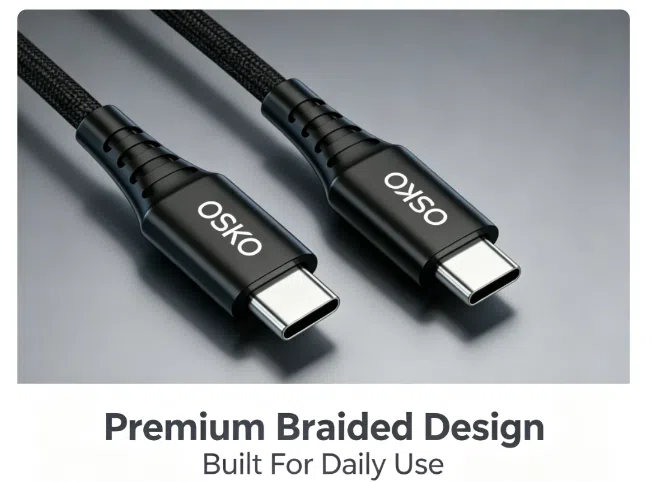
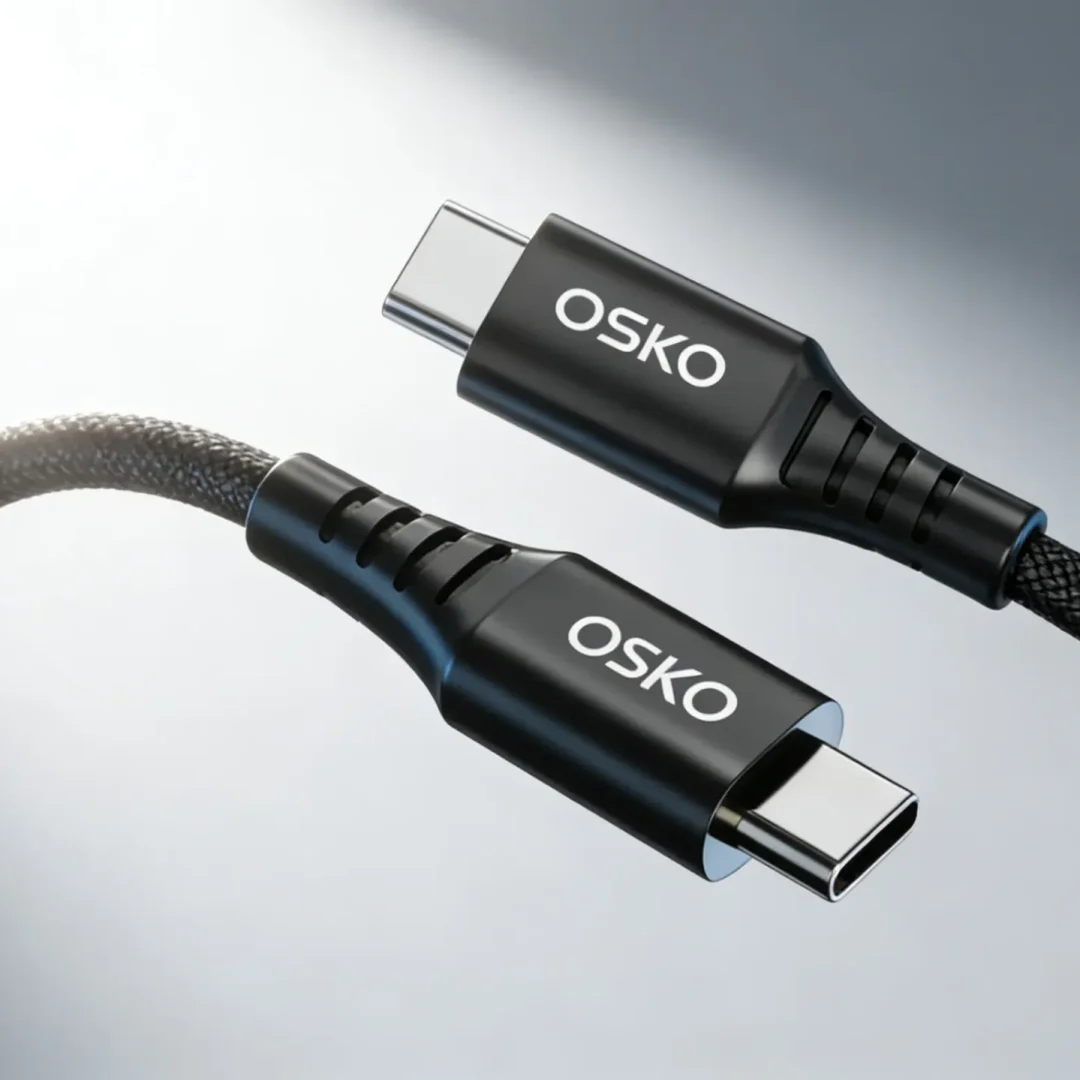
Nylon braided jacket
Reinforced connector housing
Flexible strain relief
Anti-bending protection
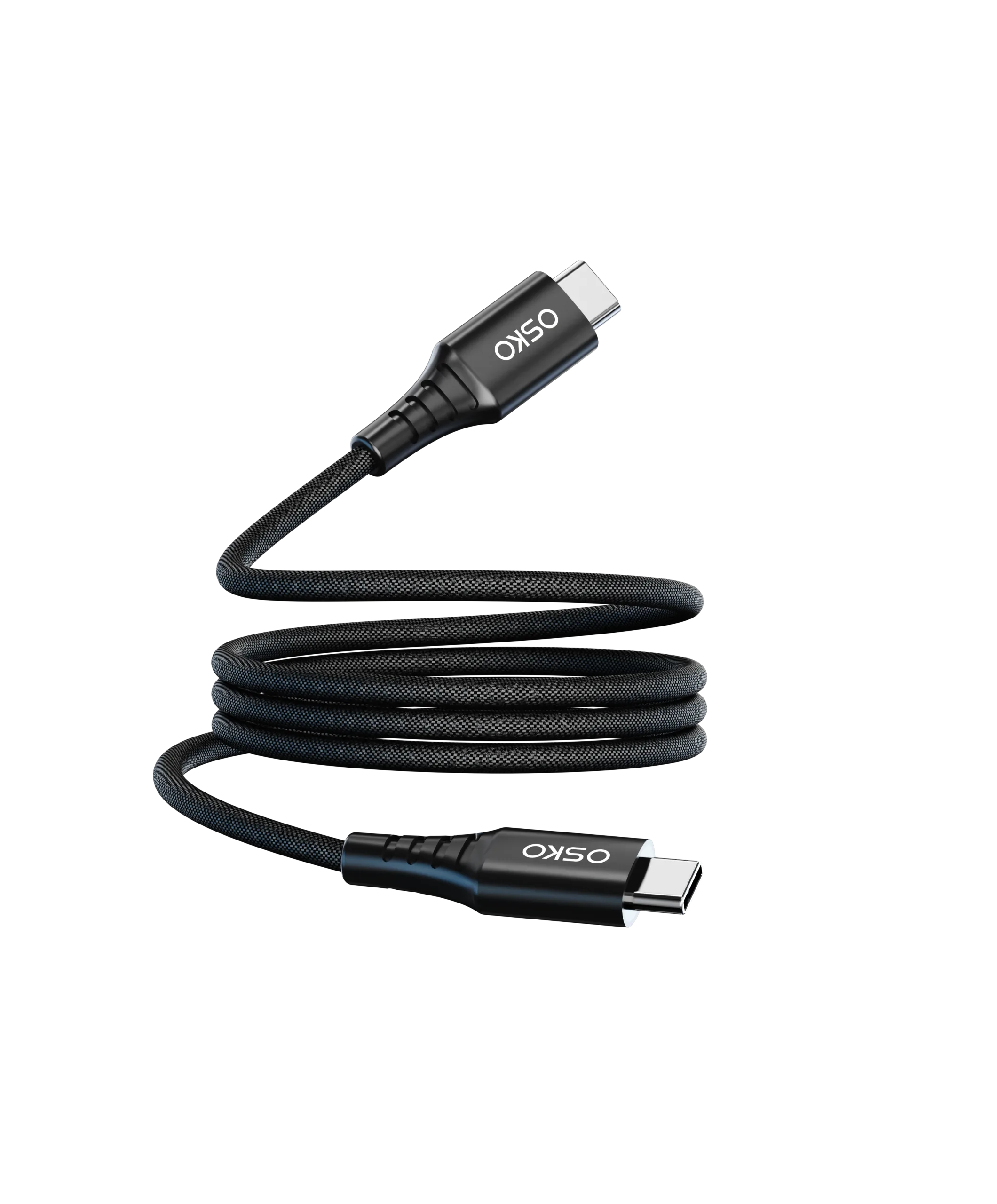
A durable braided USB-C PD cable can significantly extend product lifespan in daily environments.
USB-C PD Charging Wattage Guide: 60W vs 100W vs 240W USB-C Cable
Choosing the correct USB-C PD charging cable is not only about connector type. The cable’s power rating determines what devices it can safely support.
Many buyers search for a “fast charging USB-C cable” but overlook an important fact:
A USB-C cable designed for smartphones may not be suitable for laptops or high-performance devices.
The charging capability depends on the combination of:
Device power requirement
USB-C PD charger output
USB-C cable wattage rating
USB-C PD Cable Wattage Comparison
60W USB-C PD Cable
A 60W USB-C charging cable is one of the most commonly used options for everyday devices.
Typical applications:
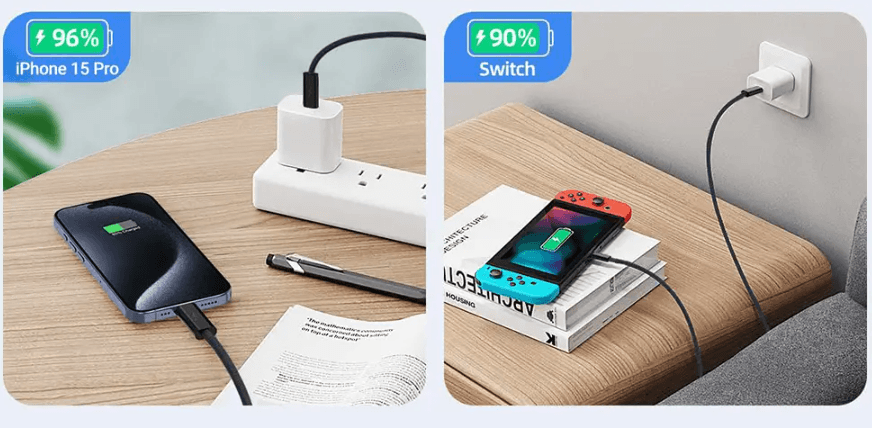
iPhone and Android smartphones
iPad and tablets
Nintendo Switch
Portable monitors
Lightweight laptops
Advantages:
Compact design
Lower cost
Excellent for travel
Suitable for daily charging
For most mobile users, a 60W USB-C PD cable provides enough power for fast charging without unnecessary size.
Example applications:
Charging iPhone devices with USB-C PD chargers
Charging Samsung Galaxy smartphones
Powering tablets during travel
100W USB-C PD Cable
A 100W USB-C PD cable is designed for higher-power devices.
Typical applications:
MacBook Pro
Windows laptops
Gaming laptops
USB-C docking stations
High-power tablets
Compared with a 60W cable, a 100W USB-C PD cable usually requires:
Higher current capability
Better copper conductors
E-Marker chip support
Improved thermal management
For professional users, engineers, and business travelers, 100W USB-C cables provide a better balance between portability and performance.
240W USB-C PD Cable
The introduction of USB PD Extended Power Range (EPR) allows USB-C cables to support up to 240W charging.
A 240W USB-C PD cable is designed for:
High-performance laptops
Gaming devices
Workstations
Professional equipment
A 240W cable requires advanced engineering because it must handle:
Higher voltage
Higher current
Increased thermal stress
Professional-grade 240W cables normally include:
E-Marker chip
High-quality copper wire
Improved insulation
Reinforced connector structure
For manufacturers and distributors sourcing 240W USB-C PD cables wholesale, quality control is critical because cable reliability directly affects user safety.
Does Higher Wattage Mean Faster Charging?
A common misunderstanding is:
“Will a 240W USB-C cable charge my phone faster than a 60W cable?”
The answer is usually no.
Charging speed is limited by the device.
For example:
A smartphone supporting 30W charging:
60W cable → 30W charging
100W cable → 30W charging
240W cable → 30W charging
The device determines the maximum charging speed.
However, using a higher-rated cable provides advantages:
Better future compatibility
Support for more devices
Improved durability
Suitable for multiple applications
For users who own phones, tablets, and laptops, a 100W or 240W USB-C PD cable can become a universal charging solution.
How to Choose the Right USB-C PD Cable?
Selecting the correct cable depends on your application.
For Smartphone Charging
Recommended:
60W USB-C PD cable
USB-C to USB-C connection
USB PD fast charging support
Ideal for:
iPhone
Samsung Galaxy
Google Pixel
Android devices
For Tablets and Portable Devices
Recommended:
60W–100W USB-C PD cable
Ideal for:
iPad Pro
Surface tablets
Portable displays
Gaming consoles
For Laptop Charging
Recommended:
100W USB-C PD cable or higher
Ideal for:
MacBook Pro
Dell XPS
Lenovo ThinkPad
HP laptops
For Professional Equipment
Recommended:
140W–240W USB-C PD cable
Ideal for:
Gaming laptops
Workstations
High-performance devices
Engineering Case Study: OSKO OEM USB-C PD Cable Development for European Laptop Accessories Brand
A European electronics distributor supplying Germany and the Netherlands contacted OSKO to develop a customized 100W USB-C PD charging cable for laptop users.
The customer’s original problem was inconsistent charging performance from low-cost cables purchased from different suppliers.
Their main requirements included:
Stable 100W PD charging
Compatibility with multiple laptop brands
Long service life for business users
Custom retail packaging
European market compliance
During product development, OSKO engineering team focused on:
Electrical Performance Optimization
The cable structure was upgraded with:
High-purity copper conductors
Optimized wire diameter
E-Marker chip integration
Improved current stability
This allowed the cable to maintain reliable charging performance under continuous high-power usage.
Mechanical Durability Improvement
Because business customers frequently carry cables in backpacks, OSKO designed:
Nylon braided outer jacket
Reinforced connector area
Flexible strain relief structure
The final cable passed repeated bending tests and improved reliability compared with the customer’s previous products.
Manufacturing Capability
OSKO provided:
OEM logo customization
Custom cable length options
Packaging solutions
Mass production quality inspection
The project helped the distributor create a reliable USB-C PD cable product line targeting professional users in European markets.
This type of engineering-focused development is important for buyers searching for a reliable USB-C cable manufacturer in China.
USB-C PD Cable Applications in Global Markets
United States Market
US consumers increasingly use USB-C charging ecosystems across:
iPhone
MacBook
Gaming devices
Travel accessories
Popular search demand includes:
Best USB-C PD cable for fast charging
USB-C cable for laptop charging
Durable braided USB-C cable
Retail buyers often prioritize:
Fast charging capability
Product durability
Multi-device compatibility
Germany Market
German buyers usually focus on:
Product reliability
Safety standards
Long lifespan
Popular applications:
Business laptop charging
Industrial accessories
Professional electronics
For Germany and EU markets, suppliers should provide:
CE compliance
RoHS compliance
Stable production quality
Australia Market
Australian consumers often require:
Longer cable lengths
Durable outdoor-friendly designs
Reliable charging performance
Popular products include:
2m USB-C charging cables
Braided USB-C cables
Travel charging cables
Netherlands Market
The Netherlands has strong demand for:
Sustainable products
Compact charging solutions
Multi-device compatibility
USB-C PD cables are widely used for:
Remote working
Laptop charging
Travel setups
Why Choose OSKO as Your USB-C PD Cable Manufacturer?
OSKO specializes in OEM and ODM USB cable manufacturing, providing customized charging solutions for global customers.
Our manufacturing capabilities include:
USB-C to USB-C PD cables
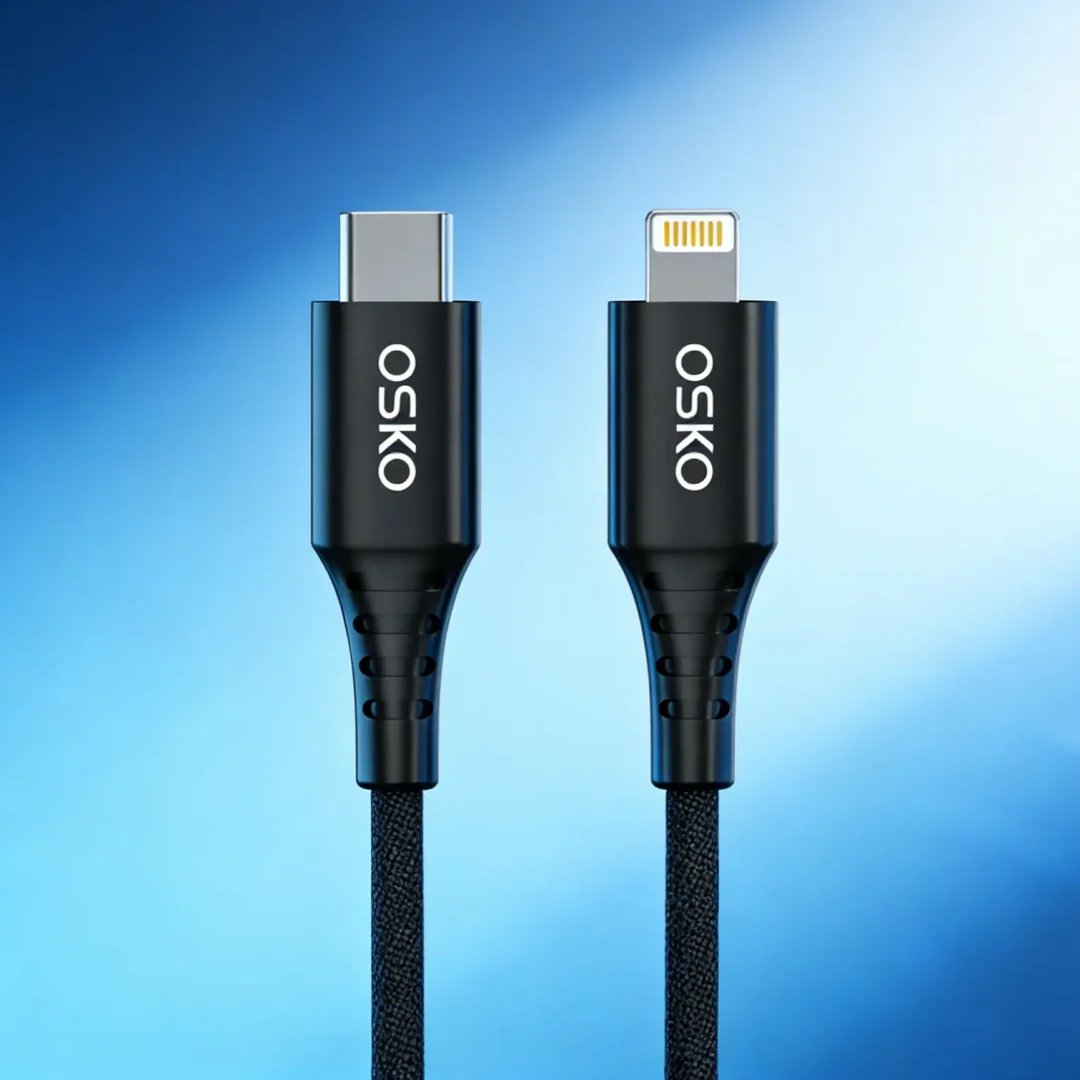
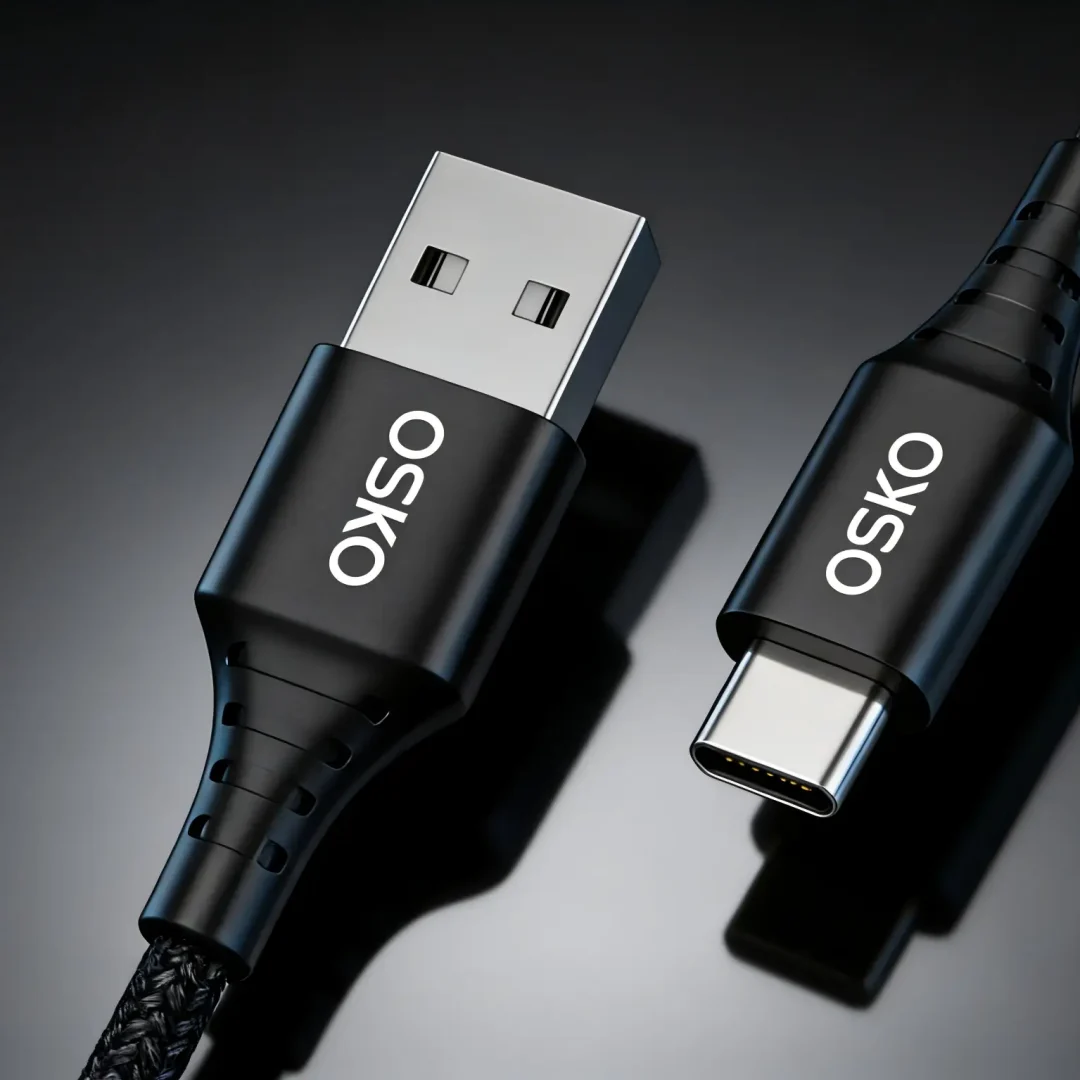
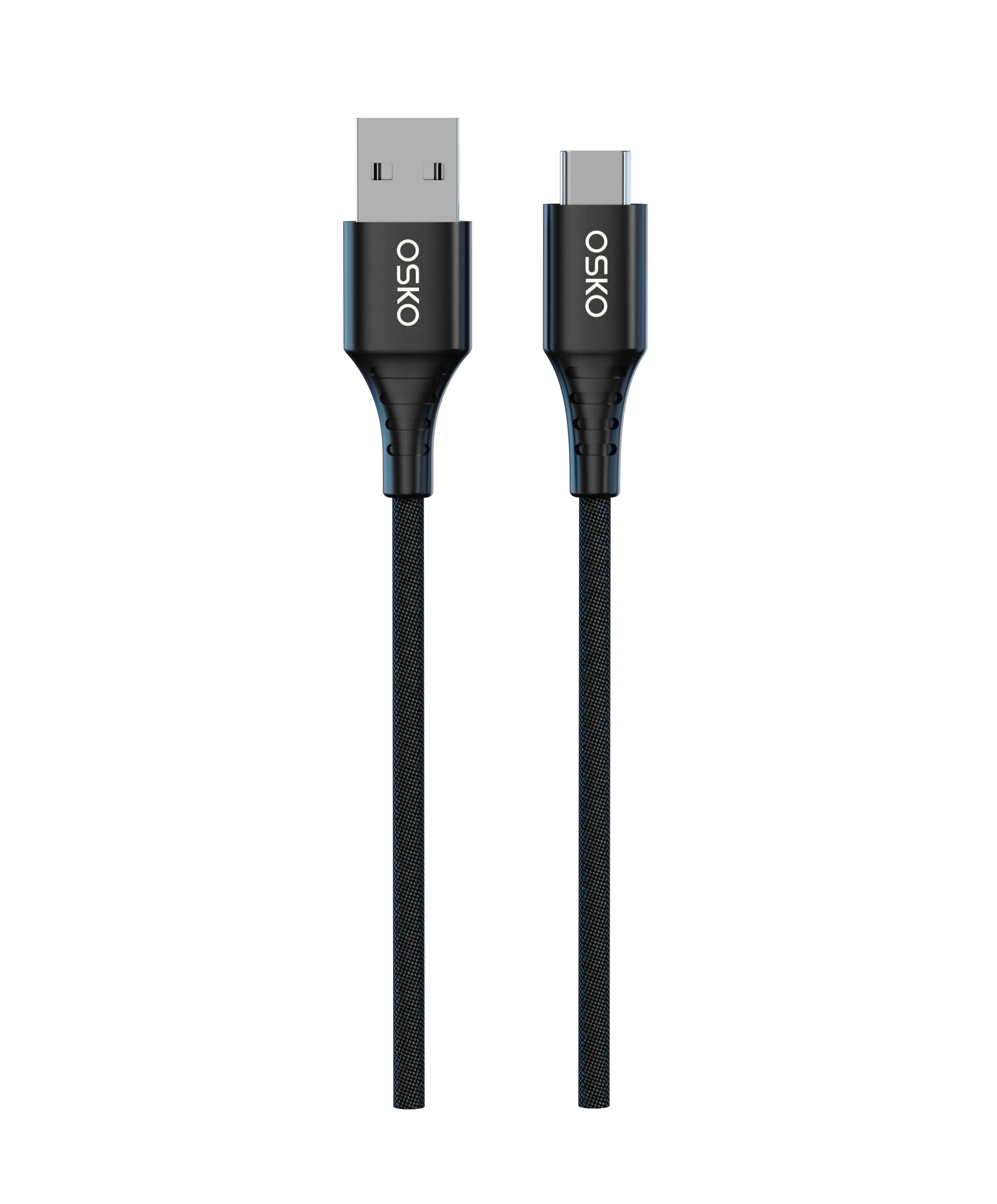
USB-A to USB-C cables
High-power 100W/240W USB-C cables
Custom cable lengths
Custom logo printing
Retail packaging solutions
Engineering advantages:
Professional cable structure design
Material selection support
Quality inspection process
OEM production experience
For wholesalers, distributors, and electronic brands looking for a reliable USB-C PD cable supplier, OSKO provides complete manufacturing support from prototype development to mass production.
FAQ
What does USB-C PD mean?
USB-C PD means USB-C Power Delivery. It is a charging technology that allows chargers and devices to communicate and automatically adjust power output for safer and faster charging.
Is USB-C the same as USB-C PD?
No. USB-C refers to the connector design, while USB-C PD refers to the power delivery protocol that enables higher-speed charging.
Can any USB-C cable support fast charging?
No. Different USB-C cables support different power levels. Some only support basic charging, while others support 60W, 100W, or 240W USB-C PD charging.
Do I need a 240W USB-C cable for my phone?
Usually no. Most smartphones require much less power. A 60W USB-C PD cable is generally enough for phones, while higher wattage cables are useful for laptops and future devices.
What is the best USB-C PD cable for laptops?
A 100W USB-C PD cable is suitable for most laptops. High-performance laptops may require 140W or 240W USB-C cables.
Why does my USB-C cable need an E-Marker chip?
An E-Marker chip allows the cable to communicate its power capability to the charger and device, helping enable safe high-power charging.
Can one USB-C PD cable charge both phones and laptops?
Yes. A properly rated USB-C PD cable can charge multiple devices, including smartphones, tablets, and laptops, as long as the charger and device support compatible power levels.
Summary
USB-C PD has transformed charging by creating a smarter and more universal power delivery system.
The right USB-C PD charging cable depends on your device requirements:
60W USB-C cable → smartphones and tablets
100W USB-C cable → laptops and professional devices
240W USB-C cable → high-performance equipment
For consumers, choosing the correct cable improves charging efficiency and convenience.
For businesses, selecting an experienced OEM USB-C cable manufacturer ensures consistent quality, reliable performance, and market-ready products.
OSKO continues to develop advanced USB-C PD charging solutions for global customers, helping brands deliver safe, durable, and high-performance charging products.
Contact OSKO
OSKO is a professional USB cable manufacturer specializing in OEM/ODM USB-C PD charging cables.
Services:
Custom USB-C cable development
Wholesale USB cable production
Private label charging cables
High-power PD cable manufacturing
Email: osko@oskotech.com